
Add GIZMOCHINA as Preferred Source on Google
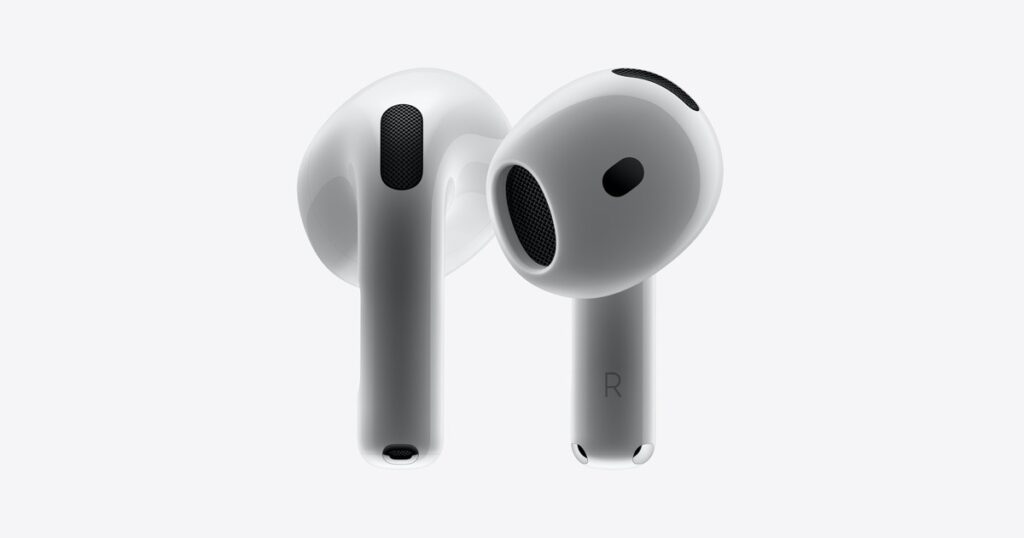
OpenAI’s long-rumored move into consumer hardware is starting to feel very real. According to new reports from China, the company is developing an AI-powered earphone project codenamed “Sweet Pea,” which could eventually challenge Apple’s AirPods.
The hardware is reportedly being designed by Jony Ive, Apple’s former chief design officer and the man behind some of the most iconic products of the iPhone era. His involvement alone gives the project a level of credibility that most AI gadgets lack.
OpenAI acquired Ive’s design firm, io hardware, in May 2024 for $6.5 billion, and Sweet Pea could become the first major outcome of that acquisition.
A new form factor for earbuds
Unlike traditional true wireless earbuds that sit inside the ear canal, Sweet Pea reportedly features a pebble-shaped metal main unit paired with two capsule-like components that rest behind the ear. This unconventional design allows more space for high-performance chips and onboard AI computing.
At the heart of the device is a custom 2nm processor capable of handling most AI tasks locally. Instead of sending every request to the cloud, Sweet Pea would process voice commands, contextual understanding, and user interactions directly on the device.
The report also suggests that Sweet Pea could replace many basic phone functions, allowing users to control apps and services entirely through voice. To enable this, the device would include microphones and cameras that continuously perceive the surrounding environment.
Because of this constant awareness, users wouldn’t need to say a wake phrase like “Hey.” Instead, the AI would proactively offer suggestions and assistance based on what it sees and hears.
OpenAI is reportedly targeting a September 2028 release for Sweet Pea, with a first-year shipment goal of 40 to 50 million units. That’s an ambitious number for a brand-new product category, but it highlights the company’s confidence in the device.
The only problem is that 2028 is still a long way off—and a lot can change before then.




Comments