
Add GIZMOCHINA on Google:
For years, Apple used its position as the memory industry’s biggest customer to secure lower prices on key parts like LPDDR. That balance has now shifted. In an unusual change, Samsung Electronics and SK hynix have successfully pushed through major price increases on low-power DRAM used in iPhones, forcing Apple to accept hikes of up to 100% for the first quarter of 2026.
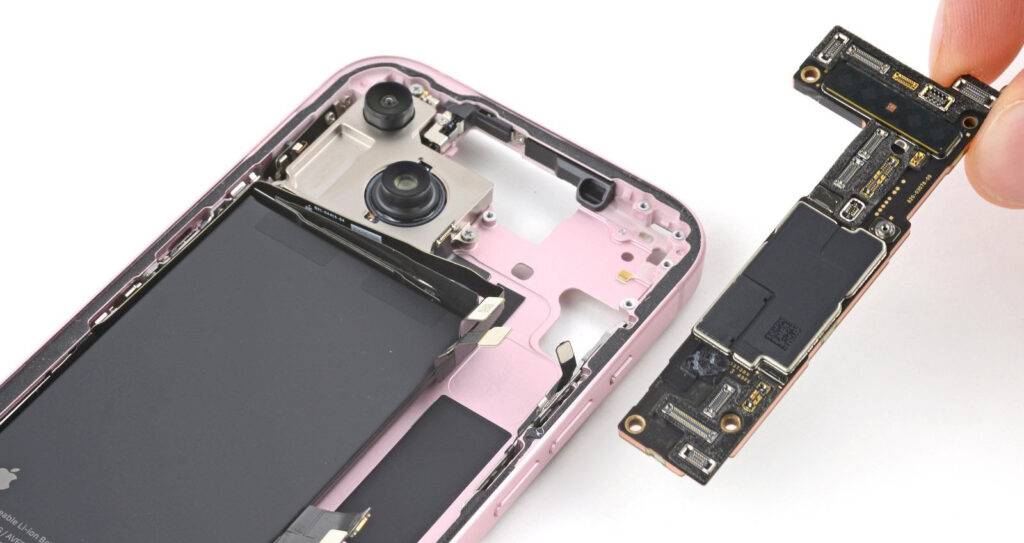
Supply crunch shifts leverage to memory makers
According to a report from ZDNet Korea, Samsung proposed an 80% price increase, while SK Hynix asked for nearly 100%. Apple reportedly agreed to both due to a tight supply situation caused by rising demand for memory used in AI applications. As suppliers move production toward more profitable HBM (high bandwidth memory) chips, supplies of standard LPDDR have dropped, putting pressure even on the industry’s largest buyer.
Apple usually signs long-term annual contracts for memory supply, but this year, agreements were reportedly finalized only for the first half. This leaves room for more price increases later, especially ahead of the iPhone 18 Pro series launch, which could further raise Apple’s memory costs in the second half of the year.
Despite these increases, sources say Apple is still paying less for LPDDR than most competitors. However, the price gap between Apple and other buyers has narrowed. Samsung and SK hynix are clearly gaining more control over pricing, and early market reaction suggests investors approve. SK Hynix shares jumped more than 8%, while Samsung’s stock rose nearly 4% after the news.
TrendForce expects DRAM prices to rise by as much as 60% this quarter, showing how quickly the market is changing. Even Apple is no longer fully protected. The long period where buyers held the upper hand may be coming to an end, as memory suppliers begin setting the terms.
For more daily updates, please visit our News Section.
Stay ahead in tech! Join our Telegram community and sign up for our daily newsletter of top stories! 💡
(Source)


Comments