
Add GIZMOCHINA as Preferred Source on Google
Even companies with supply chains as tight as Apple’s aren’t immune to market pressure, and the current memory shortage seems to be testing that reputation.
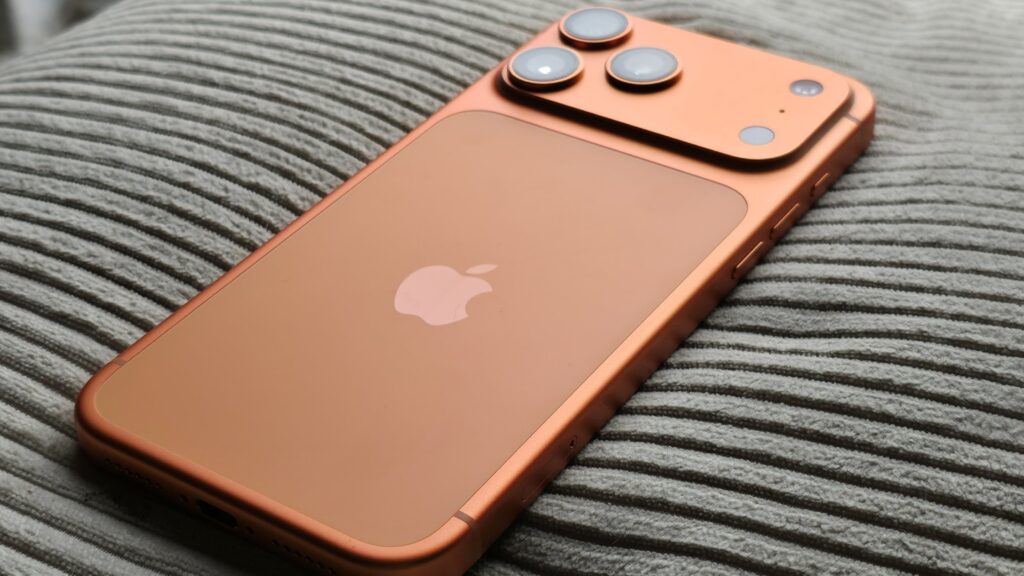
A new report out of Korea suggests Apple has agreed to a steep price increase for LPDDR5X memory supplied by Samsung. According to financial outlet Dealsite, citing industry sources, Apple is now paying roughly double for these low-power DRAM modules.
LPDDR5X isn’t some minor component. It’s the RAM used across Apple’s modern silicon lineup, from iPhones and iPads to Macs.
What makes this interesting is how the negotiation reportedly played out. Samsung’s semiconductor division (DS) was initially aiming for around a 60% price increase for LPDDR5X destined for iPhone production. But in what appears to have been a classic anchoring tactic, Samsung reportedly opened discussions demanding a 100% hike.
Sources claim Apple agreed to the full increase during urgent talks focused on securing supply for the first half of 2026. One insider quoted in the report summed it up bluntly: smartphone brands are heating up to secure memory inventory.
The broader shortage isn’t happening in isolation. Demand for high-bandwidth memory (HBM), particularly for AI data centers driven by companies like Nvidia, has pulled manufacturing capacity toward more profitable enterprise-grade memory.
Pricing reflects that shift. Reports indicate 12GB LPDDR5X modules have climbed from roughly $25–$29 earlier in 2025 to around $70. That’s not a marginal adjustment — it’s a structural change in pricing dynamics.
Interestingly, even Samsung’s own mobile division is said to be feeling the squeeze. Early sourcing for the Galaxy S26 reportedly splits DRAM supply between Samsung’s semiconductor arm and Micron, which suggests internal capacity alone isn’t enough to fully insulate its smartphone business.
Apple is set to announce updated MacBook Pro, MacBook Air, iPad, and iPad Air models next week, alongside a more affordable MacBook and the iPhone 17e. While there’s no immediate indication of major retail price hikes, sustained component cost pressure could narrow margins or subtly reshape pricing tiers.
The impact won’t be limited to Apple. Industry forecasts already suggest smartphone shipments could soften in 2026 if memory constraints persist. Larger players like Apple and Samsung are better positioned to absorb higher costs, but smaller manufacturers may struggle more visibly.\
(Source)




Comments