
Add GIZMOCHINA as Preferred Source on Google
Samsung has announced a major update to its Galaxy for the Planet initiative, outlining fresh environmental goals through 2030. After successfully meeting its earlier 2025 sustainability targets, the company is now widening its focus beyond product design and manufacturing to address broader ecological impact across its global operations.
Galaxy for the Planet achieves 2025 milestones
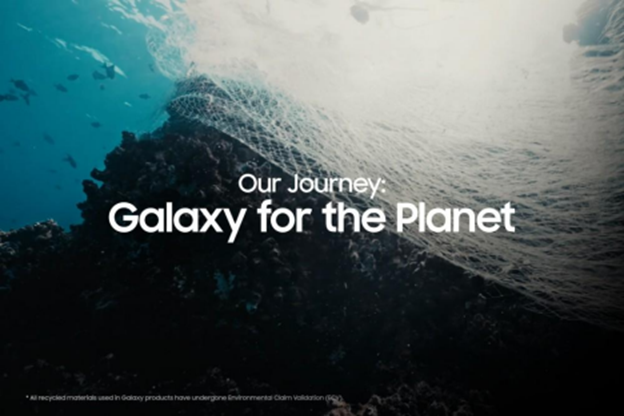
Launched in 2021, Galaxy for the Planet serves as the sustainability framework for Samsung’s Mobile eXperience business. The company confirmed that it has achieved all four goals originally set for 2025, which were aimed at lowering environmental impact across mobile products and operations.
A key area of progress has been the increased use of recycled and responsibly sourced materials in Galaxy devices. Samsung now applies 10 types of recycled materials in both internal and external components, including plastics, glass and metals. It has also advanced circular initiatives such as recovering plastics from discarded fishing nets and strengthening its Circular Battery Supply Chain to reclaim materials from used batteries.
The company has phased out single-use plastics in mobile packaging, shifting to paper-based and recycled alternatives. Improvements in low standby power technology have reduced charger standby consumption to near-zero levels. In manufacturing, all qualifying mobile production sites have received Platinum certification under UL Solutions’ Zero Waste to Landfill standard, reflecting complete landfill diversion at those facilities.
With its initial targets achieved, Samsung is expanding its sustainability strategy for the remainder of the decade. The next phase centres on three priority areas: circularity, water stewardship and ecosystem conservation.
Samsung aims to include at least one recycled material in every module of every Galaxy mobile product, covering phones, tablets, PCs and watches. On water management, the company plans to return 110 percent of the water consumed in its mobile operations while pursuing the highest Alliance for Water Stewardship certification. It has also committed to conserving ecosystems equivalent to the footprint of its global mobile operations, focusing on habitat protection and biodiversity restoration.
Through these measures, Samsung is positioning sustainability as a long-term pillar of its innovation and operational strategy rather than a standalone initiative.
For more daily updates, please visit our News Section.
Stay ahead in tech! Join our Telegram community and sign up for our daily newsletter of top stories




Comments