
Add GIZMOCHINA on Google:
Camera comparisons suggest the Galaxy S26 Ultra does improve on last year’s model in a few meaningful ways. But according to initial findings from DxOMark, it still doesn’t quite surpass Apple’s iPhone 17 Pro in some key areas.
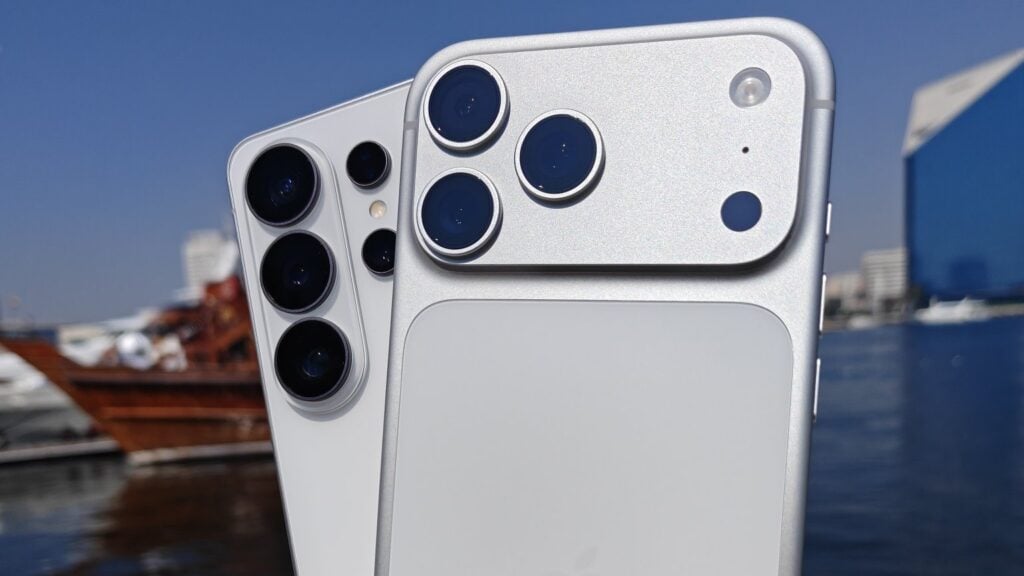
On paper, the Galaxy S26 Ultra looks fairly similar to the Galaxy S25 Ultra when it comes to camera hardware. Samsung has kept the same 50MP ultra-wide camera (f/1.9, 1/2.52-inch sensor) and the 10MP 3x telephoto lens (f/2.4, 1/3.94-inch sensor). The real changes are focused on the main and long-range zoom cameras.
The headline upgrade is the 200MP main sensor, which now uses a brighter f/1.4 aperture instead of f/1.7. That may sound like a small change, but it allows significantly more light to reach the sensor, roughly 47% more, according to Samsung’s claims. In theory, that should help improve detail and reduce noise in low-light scenes.
Samsung has also updated the 50MP 5x periscope telephoto camera. It now uses an f/2.9 lens and a more compact ALoP (Adaptive Lens on Prism) design. One visible change is the shape of background blur: highlights appear more rounded rather than the square-like bokeh seen in earlier models. The trade-off, however, is that the minimum focusing distance increases to about 52cm, which may make close-up shots slightly more difficult.
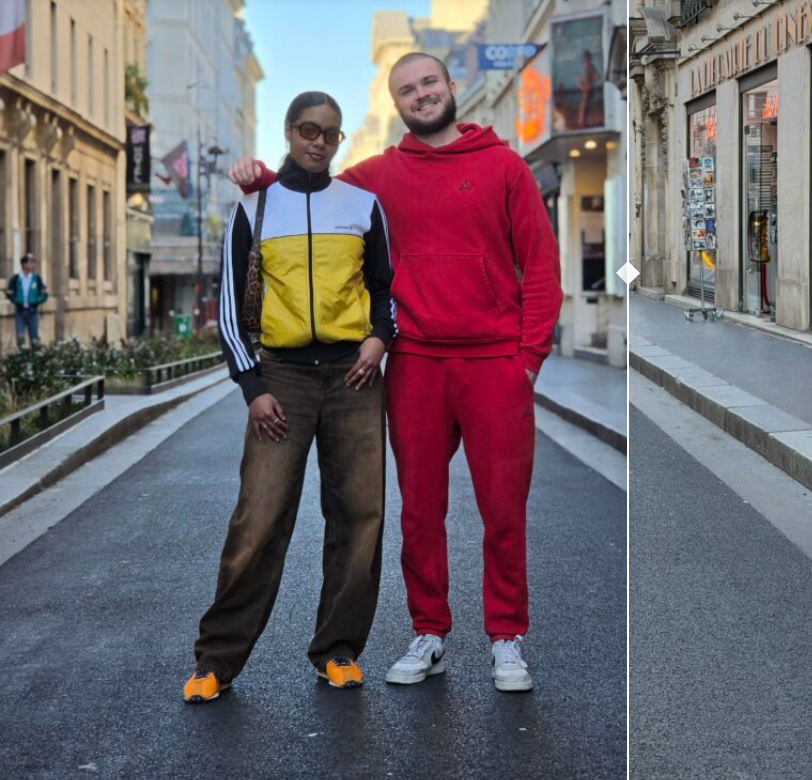
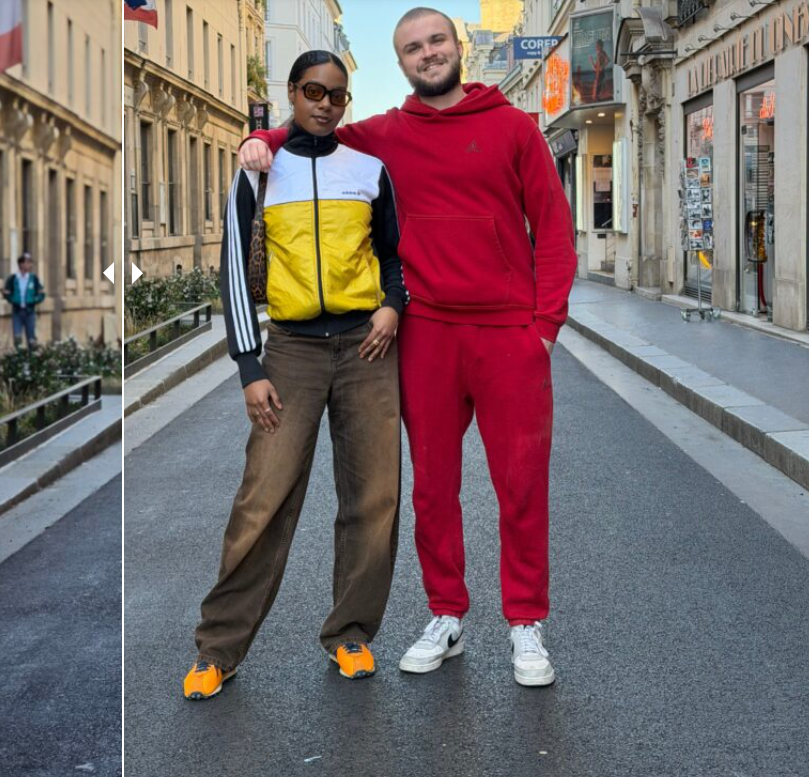
According to DxOMark’s early testing, these adjustments do make a difference. The S26 Ultra reportedly captures more detail with lower noise in dim lighting, and skin tones appear more natural than they did on the S25 Ultra. Portrait photos also seem to benefit from improved processing, especially in terms of noise control and overall balance.
Still, the improvements aren’t enough to fully close the gap with Apple’s iPhone 17 Pro, which was launched back in September 2025. DxOMark notes that autofocus accuracy can sometimes struggle when detecting faces, and portrait shots may show visible artifacts around subjects.
More importantly, the iPhone 17 Pro continues to deliver slightly cleaner images in challenging low-light conditions. It also performs better in portrait segmentation, producing more accurate subject separation in complex scenes.
In short, Apple still seems to hold a small advantage when it comes to overall consistency in difficult shooting conditions.
Don’t miss a thing! Join our Telegram community for instant updates and grab our free daily newsletter for the best tech stories!
For more daily updates, please visit our News Section.
(Source: DxOMark)


Comments