
Add GIZMOCHINA on Google:
Xiaomi could soon raise prices for its mid to high-end monitors. According to reports from ChannelGate and Vision Hall, the company is dealing with higher component costs, particularly for main control board chips and memory.

The cost of these components has risen by 14-21 yuan ($2-$3) per monitor in Q2 2026. Analysts expect an additional increase of 21 yuan ($3) in Q3. These increases, though small on paper, can significantly impact Xiaomi’s margins in the competitive value hardware market.
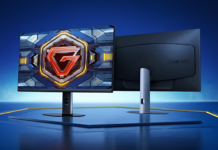
The company is expected to introduce a phased pricing strategy, which could result in gradual price increases across its product line. Currently, Xiaomi’s most expensive monitor, the Redmi G Pro 32U 2026, sells for 3,199 yuan ($468).
Rising memory costs have also impacted other Xiaomi devices. The company recently raised smartphone prices by 200 yuan (~$29). Global memory prices for DRAM and NAND flash have nearly quadrupled over the last year. Increased demand from AI and data centers, coupled with limited production capacity, has worsened the situation and strained global supply chains.
Xiaomi’s gross margins fell from 12% to 8.3% in 2025 as rising material costs drove profits lower. Competitors like Oppo, Vivo, and Honor have also struggled with similar pricing pressures, forcing them to adjust their strategies.
Experts predict that increasing costs for chips and memory will remain a challenge in 2026. Xiaomi may continue applying gradual price increases across additional product categories, signaling a potential shift from its commitment to providing affordable high-end technology.
For more daily updates, please visit our News Section.
Stay ahead in tech! Join our Telegram community and sign up for our daily newsletter of top stories! 💡

Comments