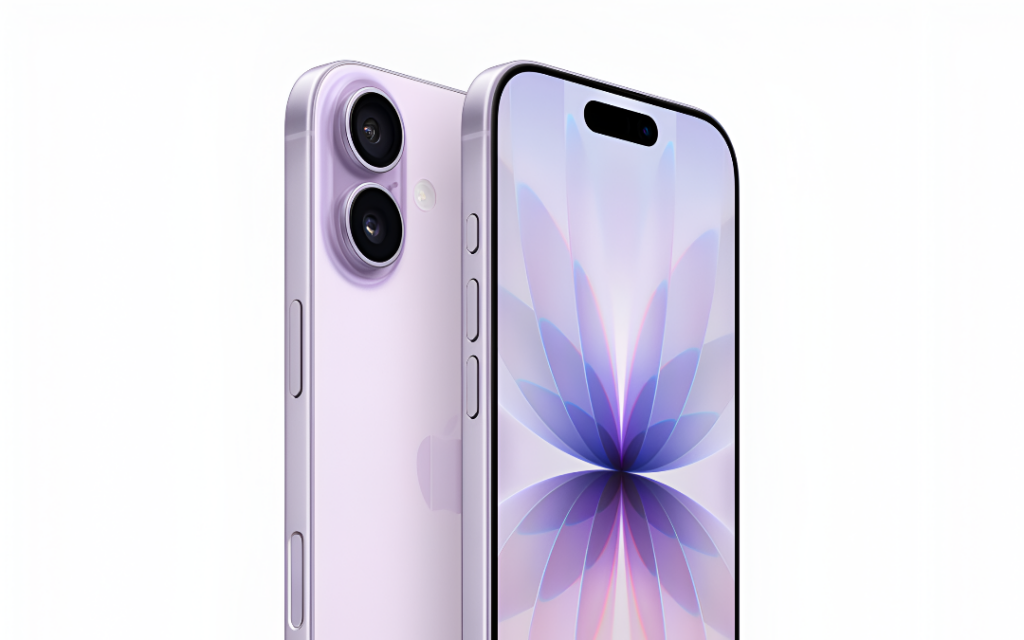
The standard iPhone is typically the default choice for most buyers, offering a balance of new features and approachability. However, if recent supply chain reports are accurate, the base iPhone 18 might represent a shift in how Apple handles its non-Pro lineup.
Between a rumored change in the release schedule and a few specific hardware compromises, the standard iPhone 18 is shaping up to be an interesting, if slightly segmented, device.
Here is a look at what the rumors currently suggest for the base iPhone 18, and what it means for anyone planning to upgrade.
For years, consumers have expected a new lineup of iPhones every September. But Apple is reportedly adjusting its strategy for the iPhone 18 cycle. Instead of releasing all four models at once in the fall of 2026, the company is expected to focus its September event entirely on the higher-end devices: the iPhone 18 Pro, the Pro Max, and a rumored foldable model.
If you are waiting for the standard iPhone 18 or the more affordable iPhone 18e, reports indicate you will need to wait until the spring of 2027. Industry analysts suggest this split is largely driven by supply chain costs, particularly the rising price of memory. By spacing out the launches, Apple can prioritize its higher-margin Pro models first.
2. Shift in Display Priorities
The iPhone 18 is expected to keep the 6.3-inch display size and the 120Hz ProMotion refresh rate introduced with the iPhone 17. However, the underlying technology might take a slight step back compared to the Pro models.
According to supply chain leaks, the base iPhone 18 will use Samsung’s M12+ OLED material, which is an iterative version of the panel used in the iPhone 14 Pro. Meanwhile, the iPhone 18 Pro models will move on to the newer M16 material.
The primary difference here isn’t necessarily how the screen looks, but rather how efficiently it operates. Older OLED panels require more power to achieve the same brightness levels. While the iPhone 18 will benefit from Apple’s highly efficient new 2nm A20 chip, some of those battery life improvements might be offset by the older display technology.
There are rumors that all three iPhone 18 models will feature a smaller Dynamic Island cutout. However, conflicting reports suggest it may be limited to the Pro models.
3. 12GB RAM Standard Across All Models
Perhaps the best upgrade coming to the base iPhone 18 is its memory. Apple is reportedly standardizing 12GB of RAM across the entire iPhone 18 lineup, a notable increase from the 8GB found in previous base models.
The reasoning behind this is straightforward: on-device artificial intelligence. Apple Intelligence features, particularly the anticipated iOS 27 Siri upgrades powered by new language models, require significant memory to run smoothly without relying on cloud processing.
By giving the base iPhone 18 enough RAM to handle these tasks, Apple is ensuring the device will remain capable and responsive for years to come.
4. Cameras and Cost-Cutting Measures
On the camera front, the standard iPhone 18 is expected to retain a dual 48-megapixel rear setup (main and ultrawide), skipping the variable aperture lens rumored for the Pro models. However, the front-facing camera is slated for a welcome upgrade to 24MP, which should improve the clarity of selfies and video calls.
To keep production costs manageable, Apple might also simplify the Camera Control button. Current rumors suggest the company could remove the capacitive touch layer, relying solely on pressure sensors to register inputs.
It is a minor change that most users may not even notice, but it highlights Apple’s effort to maintain the phone’s expected $799 starting price amid rising component costs.
5. The Overall Picture
Apple is drawing a clearer line between its standard and Pro models. The base iPhone 18 seems designed to be a practical, capable device focused on delivering Apple’s latest software and AI features, rather than pushing the boundaries of hardware.
If you don’t mind waiting until the spring of 2027, the inclusion of 12GB of RAM and the new A20 chip should make it a reliable choice, even if it misses out on the most advanced display technology.
For more daily updates, please visit our News Section.
We use cookies on our website to give you the most relevant experience by remembering your preferences and repeat visits. By clicking “Accept”, you consent to the use of ALL the cookies.
This website uses cookies to improve your experience while you navigate through the website. Out of these, the cookies that are categorized as necessary are stored on your browser as they are essential for the working of basic functionalities of the website. We also use third-party cookies that help us analyze and understand how you use this website. These cookies will be stored in your browser only with your consent. You also have the option to opt-out of these cookies. But opting out of some of these cookies may affect your browsing experience.
Necessary cookies are absolutely essential for the website to function properly. This category only includes cookies that ensures basic functionalities and security features of the website. These cookies do not store any personal information.
Any cookies that may not be particularly necessary for the website to function and is used specifically to collect user personal data via analytics, ads, other embedded contents are termed as non-necessary cookies. It is mandatory to procure user consent prior to running these cookies on your website.