
Add GIZMOCHINA as Preferred Source on Google
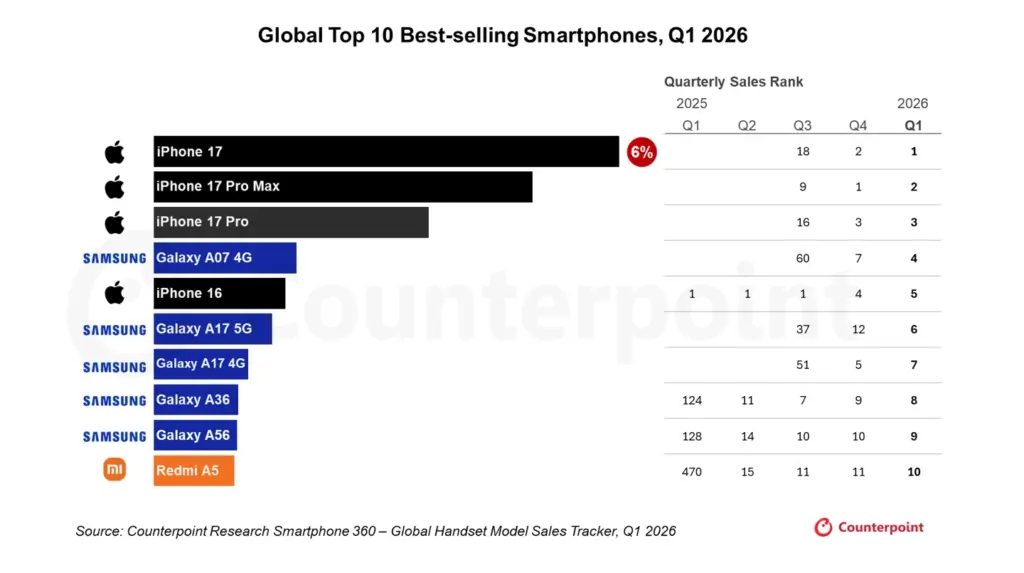
Apple’s latest iPhones are clearly driving momentum in the premium smartphone segment, even as the broader market deals with supply issues and softer demand in lower price categories. New data from Counterpoint Research shows the top 10 best-selling smartphones made up 25% of global shipments in Q1 2026, marking the highest first-quarter concentration the firm has recorded so far.
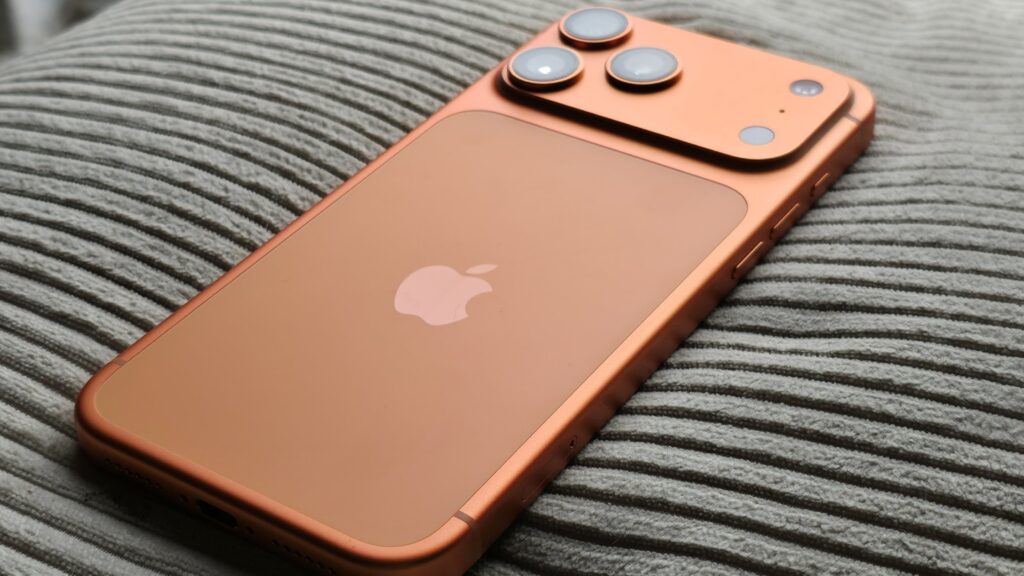
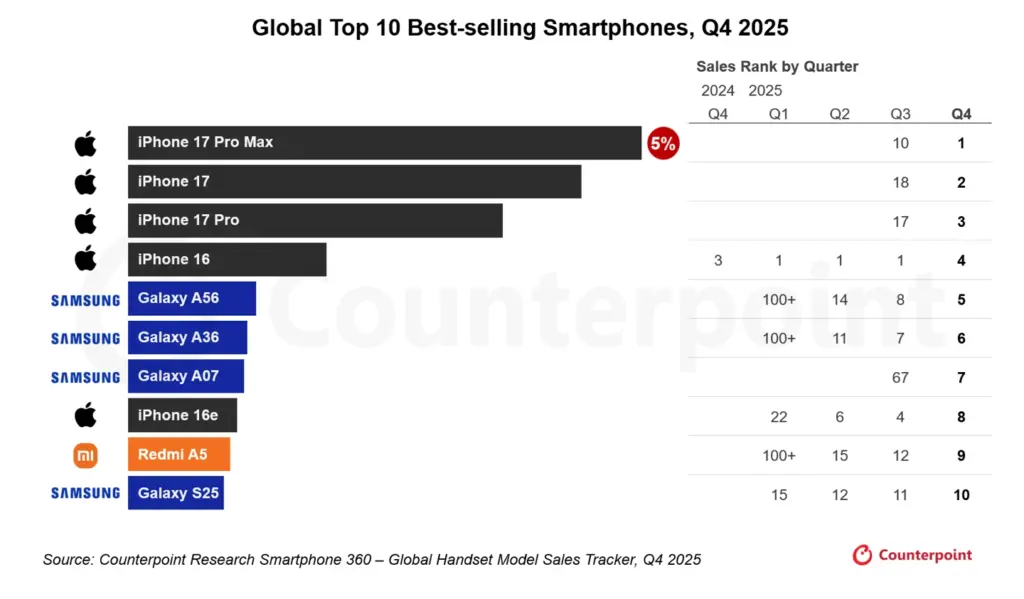
Leading the rankings was the iPhone 17, which alone accounted for 6% of global smartphone shipments during the quarter. The iPhone 17 Pro Max and iPhone 17 Pro followed closely behind, giving Apple the top three spots overall. The report reflects how strongly the company’s latest lineup has resonated across multiple regions.
Part of the iPhone 17’s success seems tied to Apple narrowing the gap between the standard and Pro models this year. The base variant now starts with 256GB storage, features a 48MP main camera setup, and finally brings a smoother 120Hz ProMotion display to non-Pro buyers. Those upgrades appear to have made the regular model far more appealing to mainstream users who previously leaned toward older Pro devices or skipped upgrades entirely.
Counterpoint says the device posted double-digit year-over-year growth in markets including China, the US, and South Korea. Analysts also pointed to Apple’s ecosystem advantages, trade-in offers, and brand loyalty as key reasons behind the lineup’s strong performance, despite ongoing memory component shortages affecting the wider industry.
Samsung, meanwhile, secured five places in the global top 10, mostly through its entry-level Galaxy A-series phones. The Galaxy A07 4G emerged as the company’s best-performing Android phone, particularly in regions such as Latin America, Africa, and the Middle East where affordable devices continue to dominate volumes. The Galaxy S26 Ultra reportedly saw solid early demand too, though it missed making the list.
Xiaomi also held onto a spot in the rankings with the Redmi A5, showing continued strength in budget-focused markets.
For now, Apple’s iPhone 17 lineup and Samsung’s Galaxy A-series appear to be setting the pace at opposite ends of the market. With competition heating up around cameras, displays, on-device AI features, and software ecosystems, the next few quarters could end up being especially important for the industry’s biggest players.
Don’t miss a thing! Join our Telegram community for instant updates and grab our free daily newsletter for the best tech stories!
For more daily updates, please visit our News Section.


Comments