Add GIZMOCHINA as Preferred Source on Google
As an Amazon Associate, Gizmochina earns from qualifying purchases. Links on this page may earn us a commission at no extra cost to you.
A 200MP sensor by itself doesn’t guarantee a good camera. What decides that is the lens attached to it, the size of individual pixels, and the processing that turns raw sensor data into a photo. Most of these phones don’t even shoot at 200MP by default because of what we call pixel binning. The latter is a camera technology that bins pixels together for a cleaner, but lower-resolution image and saves the full count for situations where you specifically want it, like heavy cropping or long-range zoom.
With that out of the way, here are the best camera phones with 200MP sensors that you can get in 2026.
1. Samsung Galaxy S26 Ultra
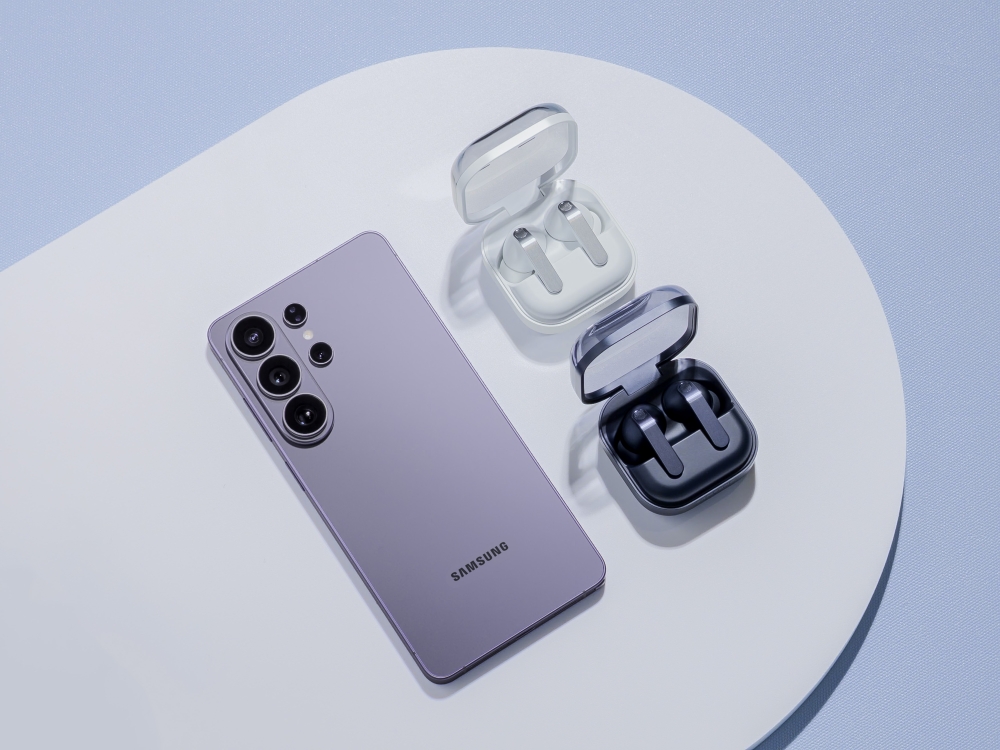
If you want a 200MP camera phone without compromises on other aspects like software reliability or after-sales support, the Galaxy S26 Ultra from Samsung is the best pick.
The phone uses an ISOCELL HP2 200MP sensor as its main unit, and interestingly, it’s the same lens that Samsung has been using since the Galaxy S23 Ultra, but with a bigger f/1.4 aperture instead of f/1.7. That’s the case for and against it. Samsung has been iterating on the same setup for a few years now, so you’re getting a known quantity rather than a leap. As we mentioned before, the phone bins 200MP down to 12.5MP or 50MP for most shots, but you can always switch to full 200MP in settings for more detailed shots.
The rest of the camera lineup includes a 50MP ultrawide, a 50MP periscope for 5x zoom, and a 3x telephoto. The S26 Ultra is best if you want reliable, predictable results and don’t want to think about which lens is doing what.
2. Vivo X300 Pro
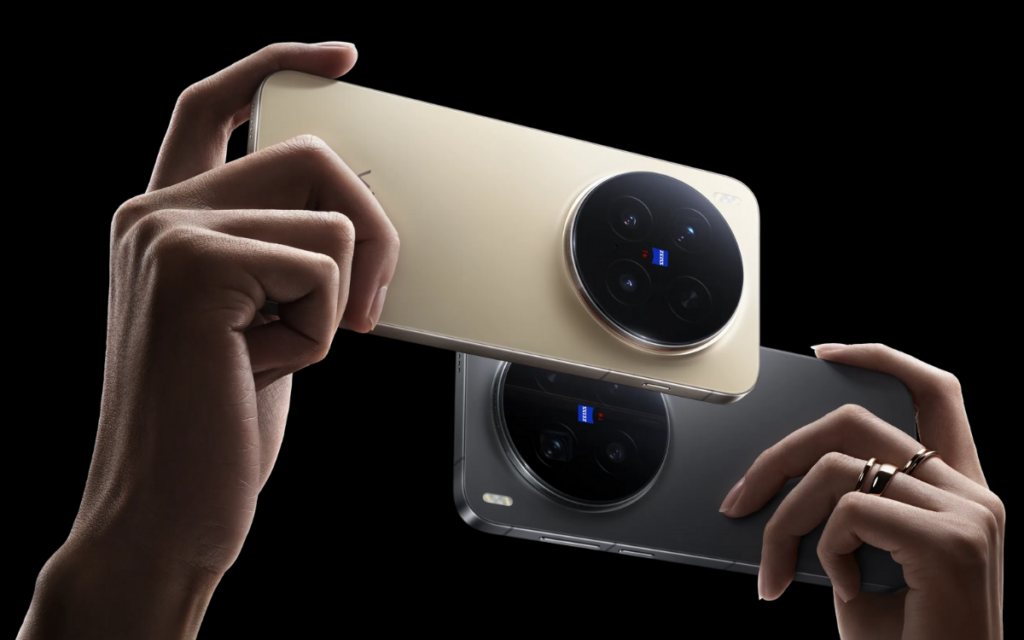
Unlike Samsung, the X300 Pro uses a 200MP sensor behind the telephoto instead of the main camera. Telephoto is the one sensor I love playing with most, and a 200MP in it means it can capture great long-range shots.
The X300 Pro uses a 200MP Samsung ISCOELL HPB sensor at 1/1.4 inches for its 85mm periscope lens, which is actually larger than what most phones use on the main camera, let alone a zoom lens. As a result, the images can even hold up at 3.5x cropping without losing the scene details. Not to forget, the telephoto system also runs through Vivo’s own imaging chip for noise reduction and color processing.
The main camera is a 50MP Sony sensor co-developed with Zeiss, and with gimbal-style stabilization.
3. Vivo X300 Ultra
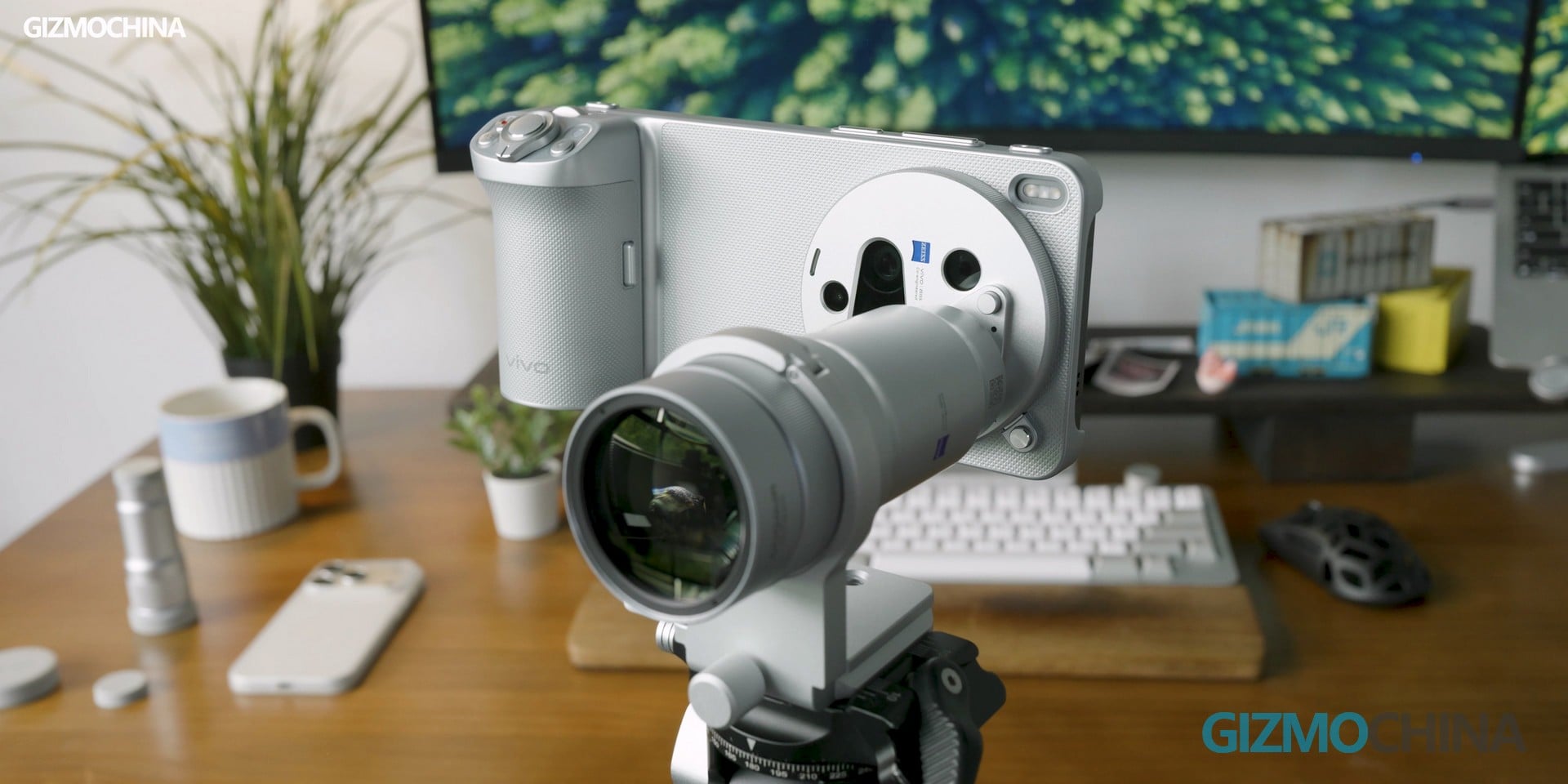
If the X300 Pro’s single 200MP sensor isn’t enough, Vivo has the X300 Ultra that uses a 200MP for both main and telephoto units. The main camera moves to a new Sony LYTIA 901 sensor, also 200MP and at 1/1.12 inches, one of the largest sensors currently used in a phone. The telephoto keeps a 200MP Samsung HP0 sensor, now with a CIPA 7.0 stabilization rating, so you’re not trading main-camera resolution for zoom performance the way you are on the Pro.
You can even pair the X300 Ultra with an external teleconverter kit that effectively stretches the zoom range to 400mm. Most people won’t use it regularly, but it’s there if you photograph wildlife, sports, or anything else far away.
Rounding out the setup is a 50MP ultrawide unit. This is the pick if you want high resolution everywhere rather than concentrated on one lens, and don’t mind paying the price difference over the Pro to get it.
4. Oppo Find X9 Pro
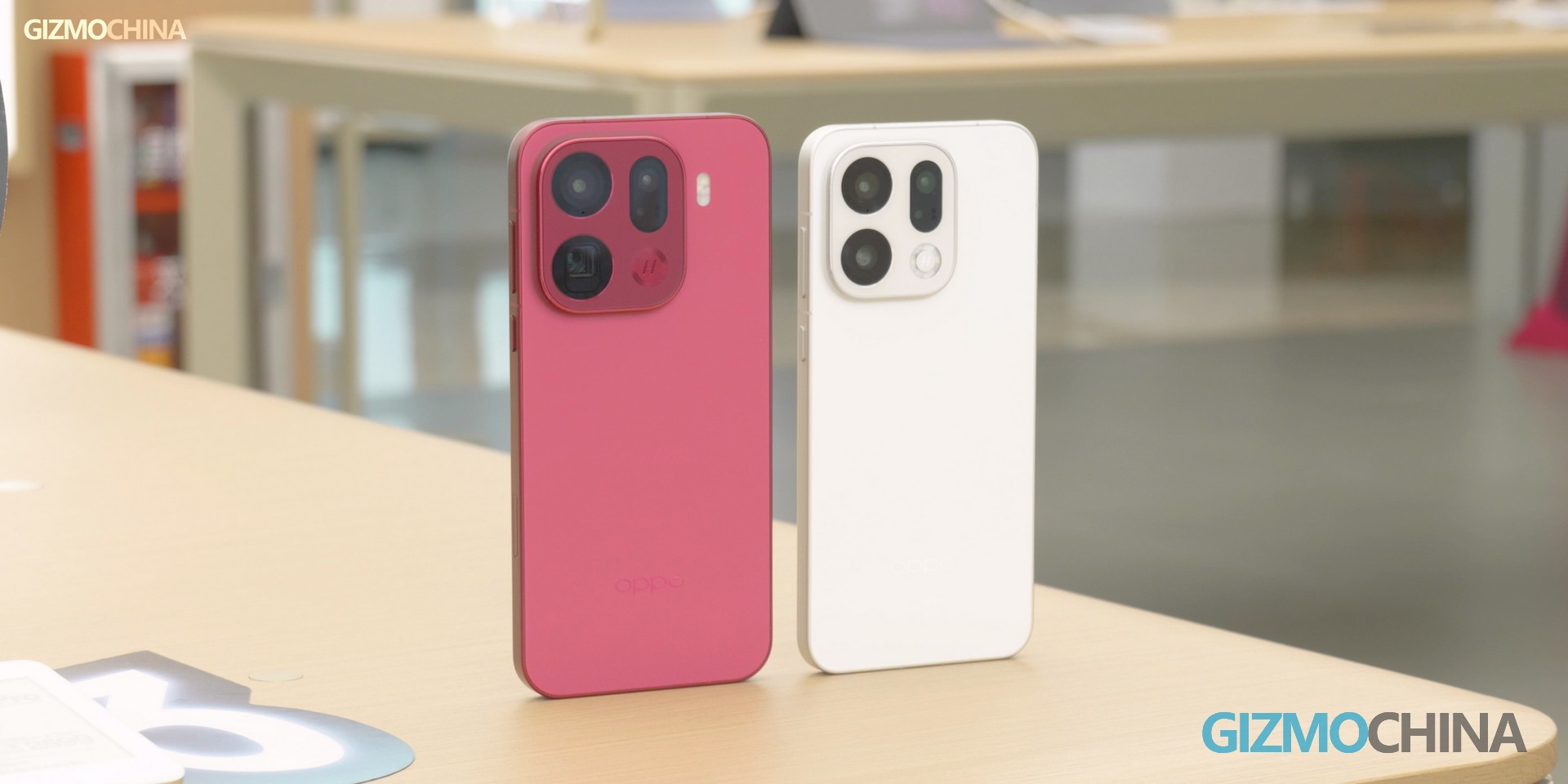
The raw hardware on the Find X9 Pro and the Find X9 Ultra rivals the X300 Pro and X300 Ultra, respectively — except in a few aspects. It’s the post-processing and camera tuning that makes them essentially different.
The Find X9 Pro features a 200MP telephoto, with 3x optical zoom, f/2.1 aperture and Hasselblad tuning. In comparison, Vivo X300 Pro has a better zoom range at 3.7x, but it’s a deliberate choice that Oppo made with X9 Pro. The company is using the telephoto unit for macro shots too, as it can focus as close as 10cm.
Moreover, Oppo says it’s using an active alignment process during assembly to keep the lens element calibrated, which the company says gives a modest resolution bump over standard manufacturing. This aside, both the main and ultrawide camera are 50MP in resolution.
5. Oppo Find X9 Ultra
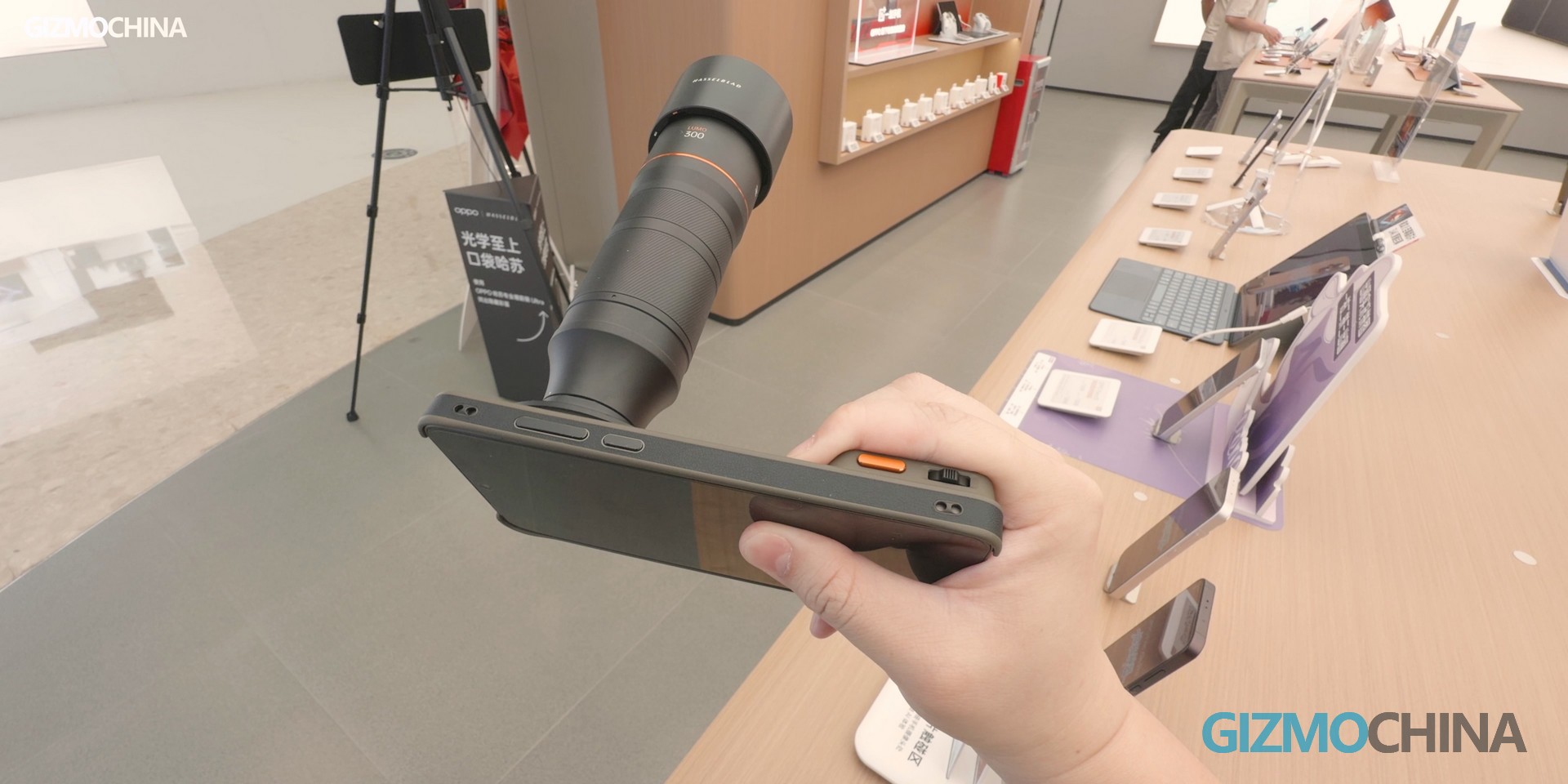
Moving to the Find X9 Ultra, it has 200MP sensors on two units — main and 3x telephoto. Plus, you get a 50MP ultrawide and a separate 50MP telephoto for 10x optical zoom. This is the most stacked camera phone in this list, and ensures that you have high-resolution photos at both close range and distance.
The main sensor measures 1/1.12 inches, among the largest currently used in a phone, paired with an f/1.5 aperture. The second 200MP camera in telephoto is tuned specifically for portraits, which plays to what a larger sensor does well — softer background separation from the hardware itself.
Oppo also has an accessory kit with a screw-on teleconverter and a grip attachment for those who want to treat their phone like a dedicated camera body. It’s a niche add-on, nonetheless, best for those who are extremely passionate about photography. Because after all, it’s going to cost you a few hundred extra dollars.
6. Which one should you actually get?
If you just want a capable camera and don’t want to think about it, the Galaxy S26 Ultra is the safe choice. If zoom is your priority, the Vivo X300 Pro or X300 Ultra will get you further with less loss of quality.
If you shoot a lot of portraits or close-up detail shots, the Find X9 Pro’s telephoto is built specifically for that. And if you want one phone that covers all of it without an obvious weak point, the Find X9 Ultra is the closest thing to a complete setup.
Whichever one you pick, don’t choose based on the 200MP label alone. Check where the sensor is — main camera or telephoto — since that tells you more about what the phone is actually good at than the megapixel count ever will.
For more daily updates, please visit our News Section.
Stay ahead in tech! Join our Telegram community and sign up for our daily newsletter of top stories!