Advertisement

Oppo Find X7, Find X7 Ultra launch date, configurations, color options officially confirmed

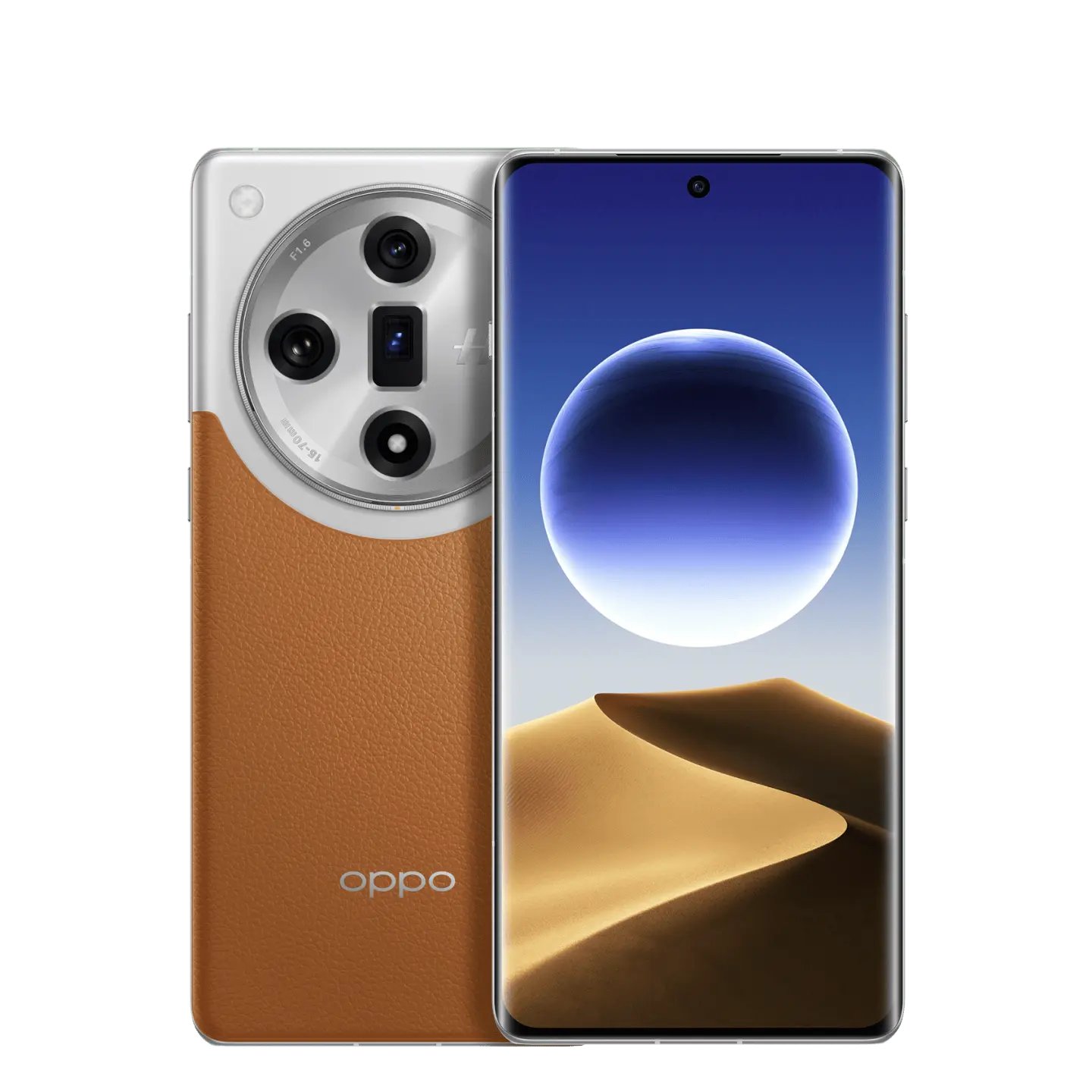
Oppo has officially confirmed that it will unveil the Find X7 series of smartphones at 2:30 pm (local time) on Jan. 8, 2024, in China. In addition, the Find X7 and Find X7 Ultra smartphones are now listed on Oppo China’s online store for reservations. The official listings have confirmed the configurations and color options of both smartphones well ahead of the official announcement.
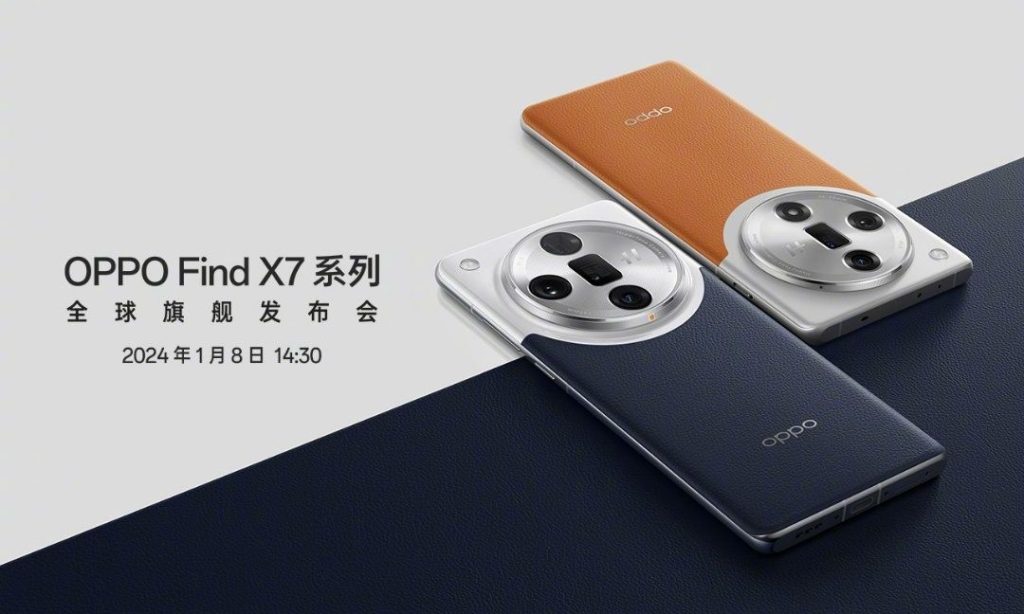
Oppo Find X7 series launch date-
Oppo Find X7 series launch date

Oppo Find X7

Reports have revealed that the Find X7 will come equipped with the Dimensity 9300 chipset. The official listing reveals that it will come in four configurations, such as 12 GB RAM + 256 GB storage, 16 GB RAM + 256 GB storage, 16 GB RAM + 512 GB storage, and 16 GB RAM + 1 TB storage.

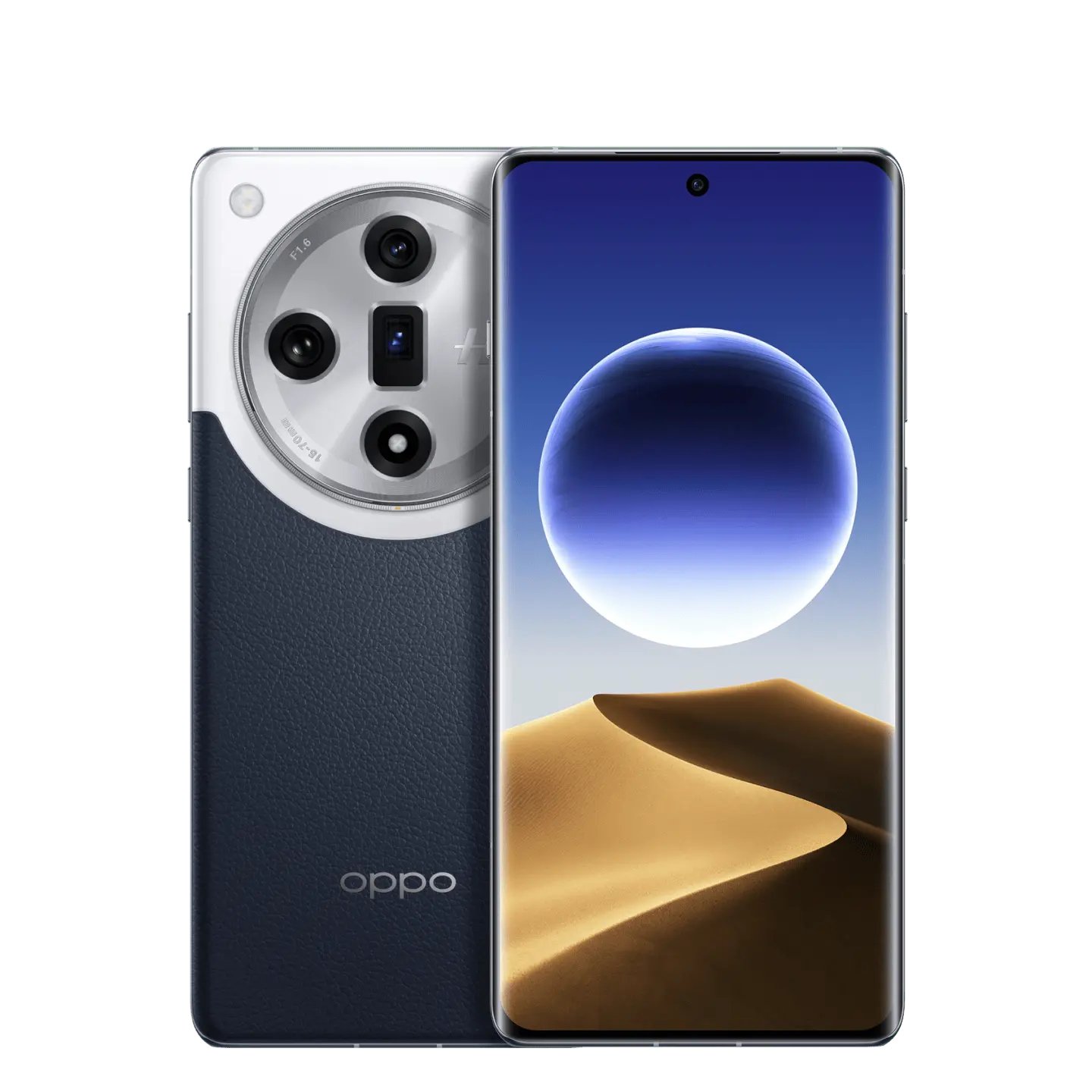
The Find X7 will be available in four shades, such as Starry Sky Black, Sea and Sky, Desert Moon Silver, and Smokey Purple.

Oppo Find X7 Ultra

The Find X7 Ultra is expected to come equipped with the Snapdragon 8 Gen 3 SoC. It will be available in three variants, such as 12 GB RAM + 256 GB storage, 16 GB RAM + 256 GB storage, and 16 GB RAM + 512 GB storage.

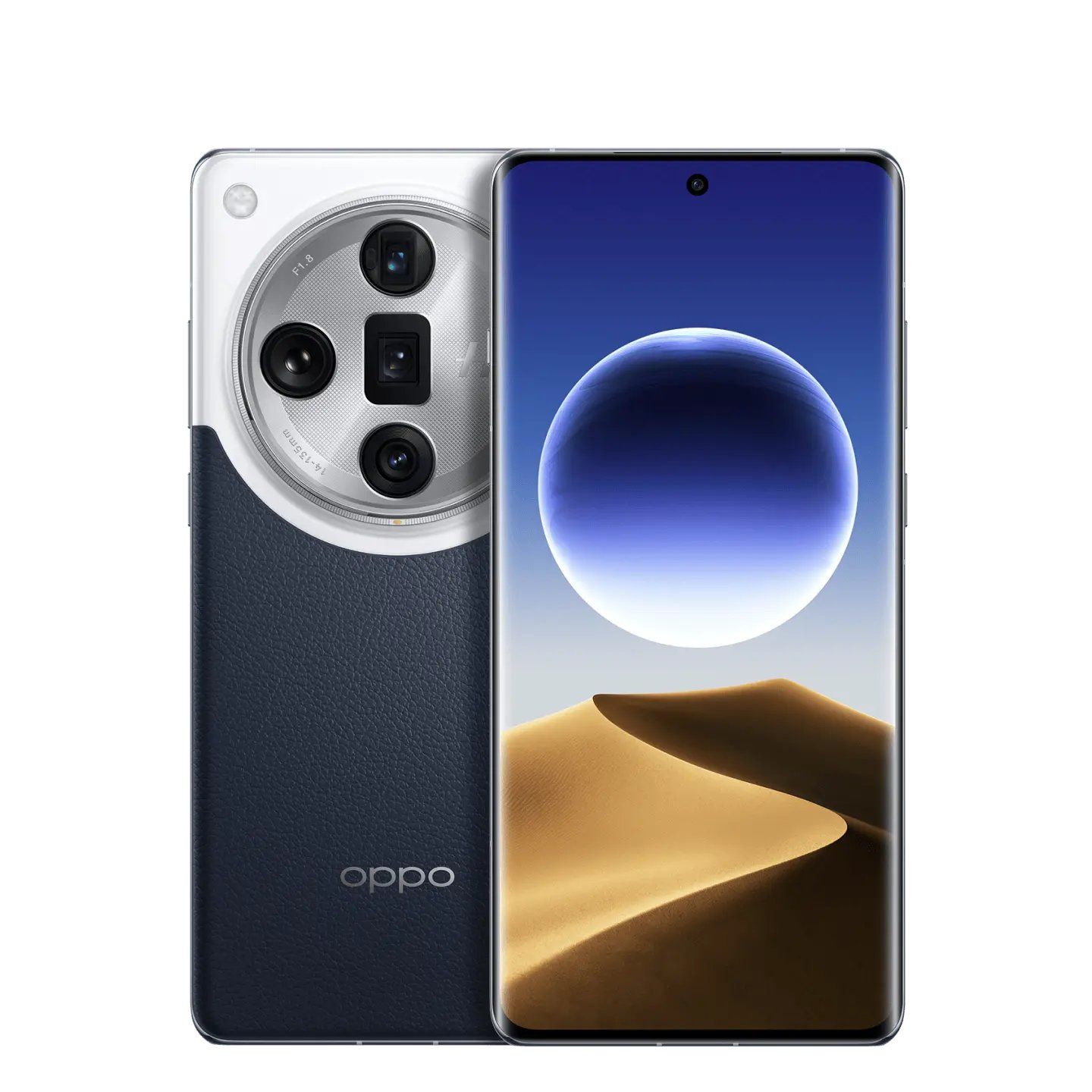
When it comes to color options, the Find X7 Ultra will come in choices such as Pine Shadow Ink, Sea and Sky, and Desert Moon Silver.

The Find X7 and Find X7 Ultra have a similar design, with the front featuring a punch-hole display with curved edges and a dual-tone back panel with a massive camera module. The Find X7 has a triple-camera unit, whereas the Find X7 Ultra has a quad-camera system. The Ultra variant will be the world’s first smartphone to feature dual periscope telephoto cameras. In addition, it will also be the first-ever phone to feature the one-inch Sony LYT-900 50-megapixel camera sensor as the primary snapper.

It is said that there will be a third device called the Oppo Find X7 Ultra Satellite Communication Version, which will come with support for two-way satellite communication. The rest of its specs will be identical to the Find X7 Ultra.

RELATED:

Microsoft’s smallest Xbox controller is here, and it fits in your pocket

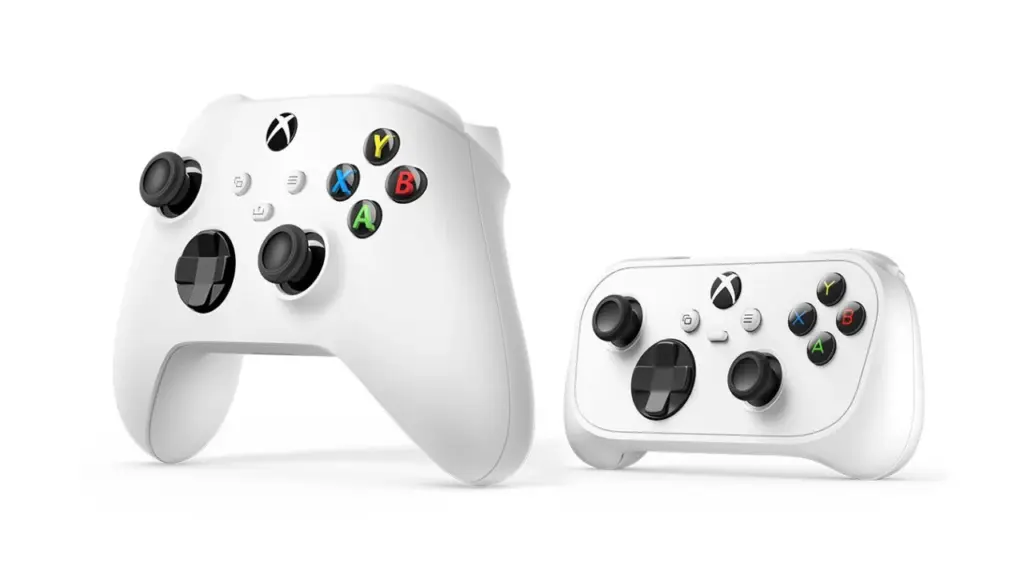
Microsoft has unveiled a compact gaming controller designed for players who want a more portable way to enjoy their favorite games. The new accessory targets younger gamers and people with smaller hands. Its lightweight design also makes it suitable for gaming away from home.

Xbox Nano Controller specifications and features

Xbox Nano Controller

Measuring a little over 5 inches long and weighing just 3.5 ounces (around 99 grams), the Xbox Nano Controller is Microsoft’s smallest controller to date. Despite its reduced size, it retains all 18 standard gameplay inputs, including the familiar button layout found on traditional Xbox controllers. The compact form factor makes it easy to carry in a pocket or bag, whether traveling, visiting friends, or gaming in different rooms around the house.

The controller includes a rechargeable battery and a programmable Action Button that can be assigned to frequently used functions such as taking screenshots and recording gameplay. Xbox Wireless and Bluetooth connectivity allow it to connect to compatible Xbox consoles, Windows PCs, iOS and Android devices, and supported smart TVs. Its design also makes it an option for local multiplayer sessions, including games such as Minecraft Dungeons II, which supports up to four players in cooperative play.

Xbox Nano Controller price and availability

Xbox Nano Controller

Priced at $49.99 in the US, the Xbox Nano Controller is available for preorder through Microsoft’s official website. The company says the controller will arrive in November 2026 across markets including the US, UK, Canada, Australia, China, Japan, and several European and Latin American countries, with additional regions expected to follow. Pricing and availability may vary by market, and Microsoft has not announced a launch date for every region.

Microsoft is also offering holiday promotions in the US through partnerships with Samsung and Meta. Buyers of eligible Samsung TVs can receive the controller and two months of Xbox Game Pass Ultimate for new subscribers, while a similar bundle is available with eligible Meta Quest headsets.

 For daily updates, please visit our News Section.

Stay ahead in tech! Join our Telegram community and sign up for our daily newsletter of top stories.

Samsung has updated these devices to Android 17

Samsung phone running Android 17

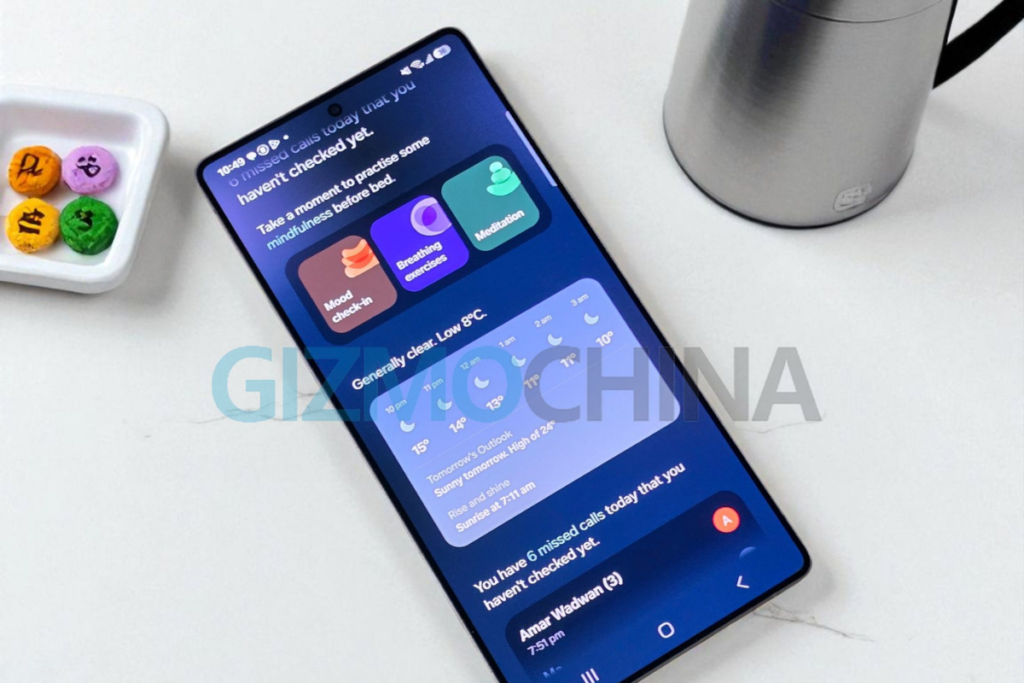
After a delayed start to the Android 17 rollout, Samsung has done a pretty good job expanding it to other Galaxy devices at a faster pace. The update is now available for the oldest eligible Galaxy flagships, along with a couple of mid-range and cheaper Galaxy phones.

Currently, these Galaxy devices are getting the Android 17 update:

Galaxy S series

  • Galaxy S26, S26+, S26 Ultra, and S26 FE
  • Galaxy S25, S25+, S25 Ultra, S25 FE, and S25 Edge
  • Galaxy S24, S24+, S24 Ultra, and S24 FE
  • Galaxy S23, S23+, and S23 Ultra

Galaxy Z series

  • Galaxy Z Fold 7 and Z Flip 7
  • Galaxy Z TriFold
  • Galaxy Z Fold 6 and Z Flip 6
  • Galaxy Z Fold 5 and Z Flip 5

Galaxy A series

  • Galaxy A57 and A56
  • Galaxy A37 and A36
  • Galaxy A27

We’ll update the list as Samsung rolls out the update to more Galaxy devices.

The rollout already covers all eligible high-end smartphones, and so the focus is now shifting towards bringing the update to mid-range and budget devices. Interestingly, Samsung hasn’t yet begun the rollout to any Galaxy tablets, which usually doesn’t take that long. Hopefully, users won’t have to wait much longer.

Remember that the rollout happens in batches, and so the update may take some time to reach all the users. If you haven’t received it but the model is on the above list, you should be enjoying the new software soon. To check for updates manually, go to Settings > Software updates and tap Download and install.

If you’re unsure whether your Samsung Galaxy device is eligible for Android 17, check the list of eligible devices on this page. And keep visiting the News section for fresh information. For real-time updates, you can join our Telegram channel.

New leak reveals display details of Oppo’s upcoming wide-screen flagship

Several reports have revealed that Oppo is working on a wide-screen flagship phone similar to the Huawei Pura X View. Recently, reliable tipster Digital Chat Station shared key details about the mysterious phone. Now, a new Weibo post from the same source has revealed more details about its display.

Oppo’s wide-screen flagship display details leaked

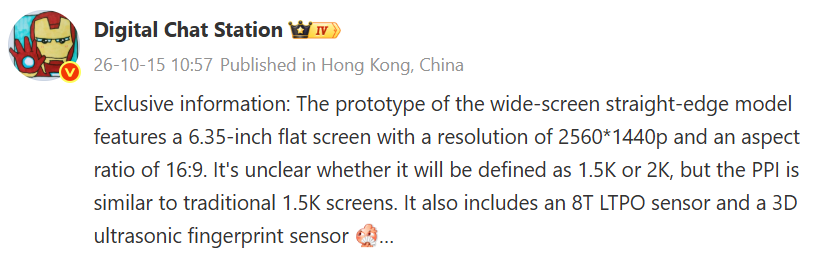
DCS claims that Oppo is testing its wide-screen flagship phone with a 6.35-inch display featuring a 2560 × 1440 resolution and a 16:9 aspect ratio. The engineering prototype reportedly features an 8T LTPO panel and an ultrasonic fingerprint recognition.

Although the resolution is listed as 2560 × 1440, it remains unclear whether Oppo will market the display as 1.5K or 2K, as its pixel density is reportedly similar to that of a conventional 1.5K display. According to the tipster, the screen’s viewing area is comparable to that of a conventional 6.8-inch to 7-inch phone.

The tipster previously revealed that the device will be powered by a Dimensity flagship chipset. For photography, the phone is expected to feature two 200-megapixel cameras on the back. One of these cameras may feature a periscope telephoto sensor.

The final marketing name of this device has yet to be revealed. Some reports have claimed that it will be called the Oppo Reno X when it arrives on the market. However, the inclusion of a flagship chipset and DCS’s recent claim that it will be positioned as a “Pro” model suggest that it could be part of the Find X10 series. Therefore, the Find X10 Pro Mini could be a possible name. Hopefully, upcoming reports will reveal its final marketing name.

 For daily updates, please visit our News Section.

Stay ahead in tech! Join our Telegram community and sign up for our daily newsletter of top stories.

Honor Magic V7 key specifications leak months before launch

Honor is reportedly working on a wide range of new devices. Apart from the Win 2 series, which is scheduled to launch on October 21 in China, the company is also said to be developing a wide foldable and a regular foldable phone, which could be called the Magic V7 when it arrives in the Chinese market. In a new Weibo post, reliable tipster Digital Chat Station has leaked the key details of what appears to be the Magic V7.

Honor Magic V7 specifications (rumored)

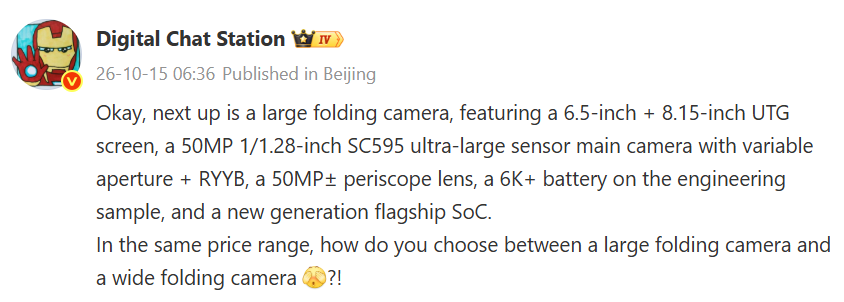
According to DCS, the alleged Honor Magic V7 will feature a 6.5-inch outer display and an approximately 8.15-inch inner UTG display. For comparison, the Magic V6 features a 6.52-inch outer display and a 7.95-inch inner screen.

The Magic V7’s engineering prototype packs a 50-megapixel 1/1.28-inch SmartSens SC595 ultra-large main camera sensor equipped with variable aperture and RYYB technology, alongside an approximately 50-megapixel periscope telephoto camera.

Honor Magic V6
Honor Magic V6

It is also said to feature a 6,000mAh+ battery and a next-generation flagship chipset. Considering that the Magic V6 features the Snapdragon 8 Elite Gen 5, the V7 could be equipped with a Snapdragon 8 Elite Gen 6 series chip.

To recall, the Honor Magic V6 was announced in March this year and showcased at Mobile World Congress (MWC) 2026. The Magic V7 is likely to debut around the same time next year.

For daily updates, please visit our News Section.

Stay ahead in tech! Join our Telegram community and sign up for our daily newsletter of top stories.

Stable HyperOS 4 rolls out with memory and load improvements

Xiaomi has started rolling out the stable version of HyperOS 4 in China. The update follows a couple of months of beta testing, and many users with eligible phones are already getting the official update notification.

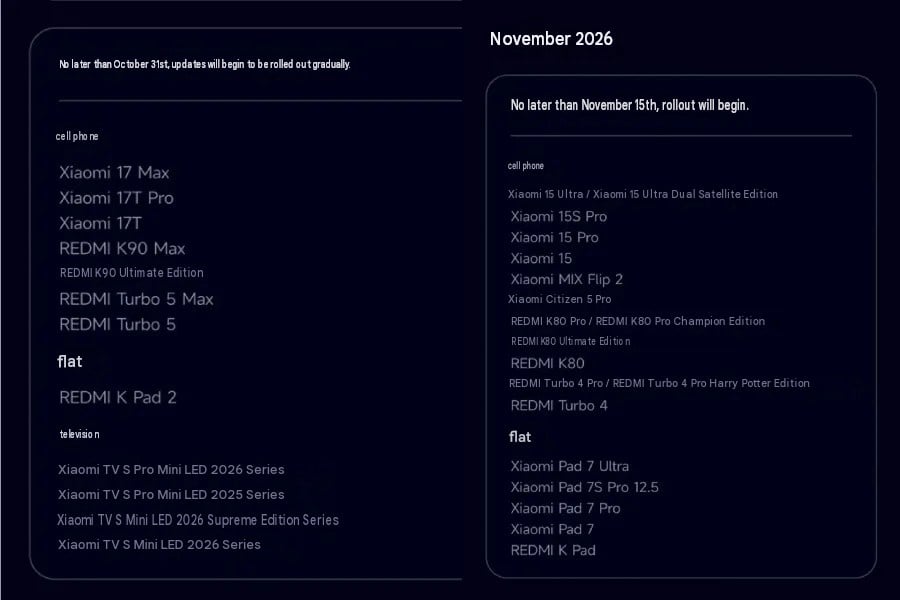
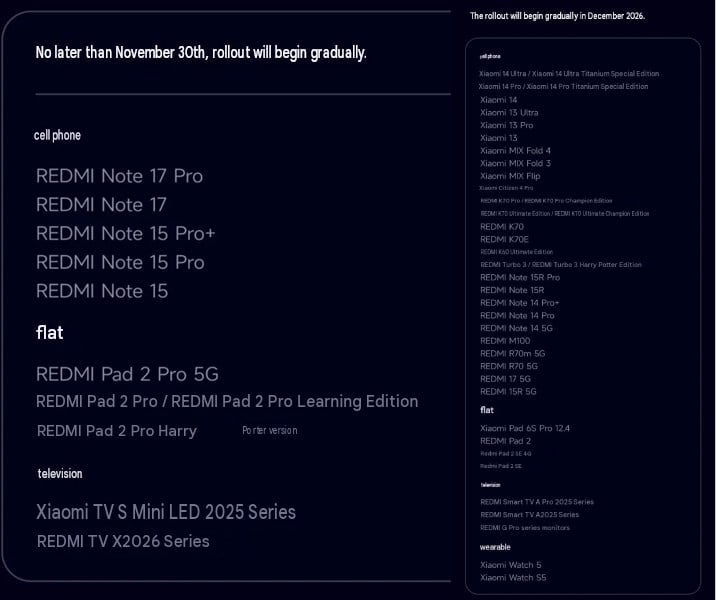
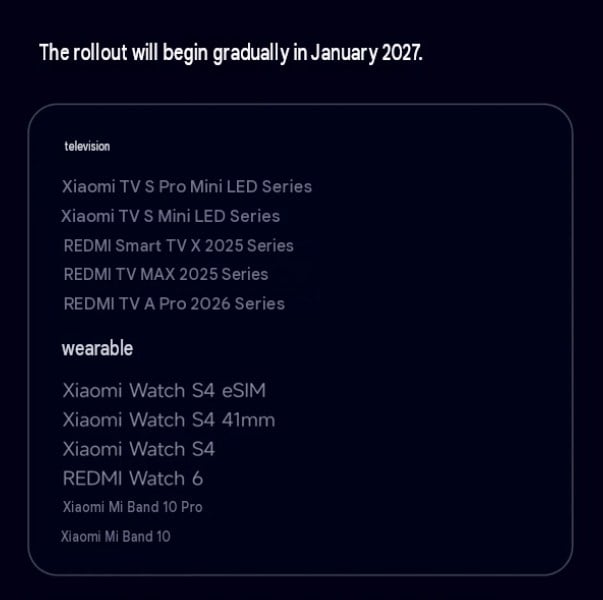
Among the devices receiving the update are the Xiaomi 17 series except the Xiaomi 17 Max, 17T and 17T Pro, Redmi K100 Pro / Max, Redmi K90 / Pro Max, and Xiaomi Pad 8 / Pro. 

Below are the images with rollout dates for other Xiaomi and Redmi devices:

What changed under the hood

As for changes, Xiaomi added two new technologies to its in-house Xiaomi HyperCore kernel: load calculation and memory preloading. It also built a new, separate runtime environment for apps on HyperCore OS, which lets the system schedule resources more efficiently from the lowest level up. Xiaomi first introduced the HyperCore kernel with HyperOS 2, and this update builds on it.

Xiaomi opened the HyperOS 4 beta in China on August 14, and the global beta followed in September. Many Xiaomi fans who joined the early recruitment have already shared their impressions online.

The most common first impression is speed. Testers say page transitions feel quick and responsive, and the occasional lag from the previous version is now hard to notice.

The interface looks different too. Xiaomi removed many extra decorative animations and busy elements, so the system looks cleaner and simpler than before. Users say that makes it easier on the eyes after long sessions with the phone.

When the global version arrives

The stable rollout is limited to China for now. Xiaomi has not announced a stable schedule for global users, though it has already widened the global beta to the Xiaomi 15, Xiaomi 15 Ultra, Xiaomi 17T, and Xiaomi 17T Pro in a second batch. We will update this story when a global schedule appears.

For daily updates, please visit our News Section.

Stay ahead in tech! Join our Telegram community and sign up for our daily newsletter of top stories.

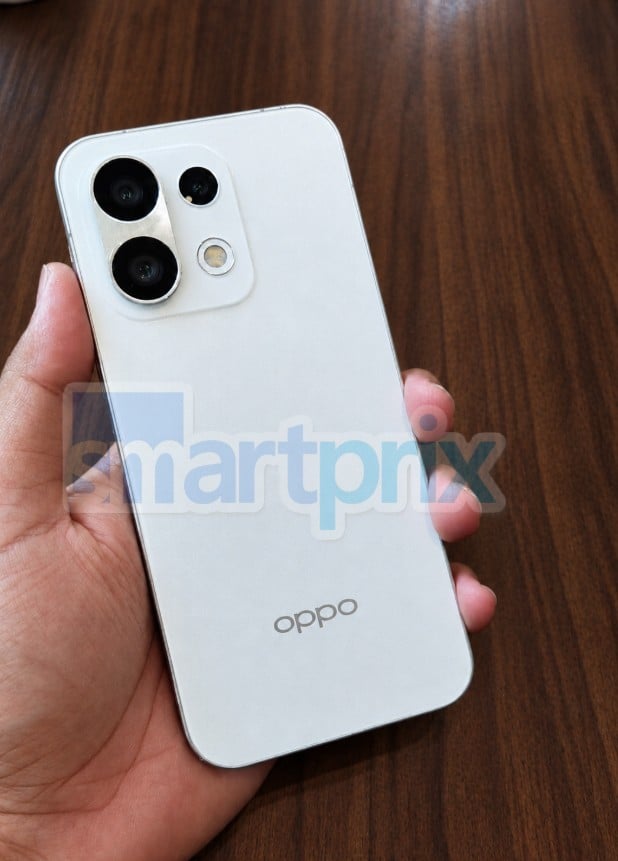
Oppo Reno 17 live shot leaked ahead of November launch

Oppo is all set to unveil the Find X10 series of photography-focused flagship phones globally on October 21. This will be followed by the Indian launch on October 22. After the X10 series, the company is expected to shift its focus to the Reno 17 family, which could be just a few weeks away from its China launch, according to a new leak. At the same time, a publication has shared a live shot of the device, revealing its design for the first time.

Oppo Reno 17 key details and live shot leaked

Tipster Smart Pikachu claims that the Oppo Reno 17 series is in development with both large and small screen models. The series is tentatively scheduled to launch next month (November) and is expected to focus on a trendy design and a 200-megapixel camera. The phones are also tipped to introduce new features for live photos and photo editing, along with a dedicated AI button.

The same tipster had previously claimed that Oppo is evaluating the possibility of bringing support for a telephoto extender to the Reno 17 lineup. At present, there is still no clarity on whether this feature will be available on the Reno 17 series. What seems certain is that the new series will come preloaded with Android 17-based ColorOS 17.

Oppo Reno 17 live shot by SmartPrix

Interestingly, a new leak courtesy of SmartPrix suggests that the Reno 17 will inherit several specifications and design cues from the previous generation. The publication has also shared an image of the Reno 17, which appears to be a refined version of the Reno 16, with no major design changes.

While the Reno 17 series is expected to debut in China in November, the report reveals that it is heading to India by early January 2027. The report also states that there will be no Pro model in the lineup, which appears to be a decision mainly limited to the Indian market. The standard model may come with specifications such as the Snapdragon 7 Gen 4, a battery of around 7,000mAh, and a 50-megapixel triple-camera system.

For daily updates, please visit our News Section.

Stay ahead in tech! Join our Telegram community and sign up for our daily newsletter of top stories.

Honor Win 2 stars in benchmark with 2nm Snapdragon chip and 16GB RAM

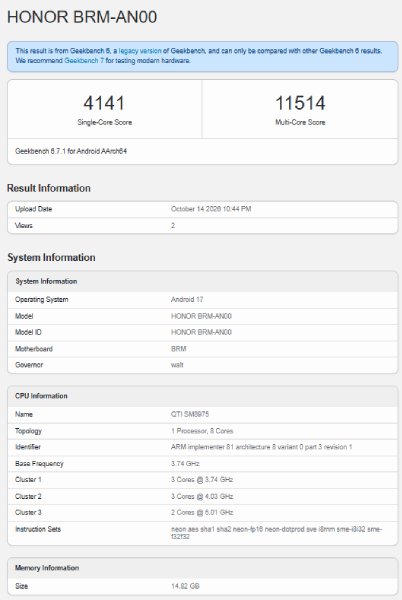
The Honor Win 2 has appeared on Geekbench 6 ahead of its October 21 launch in China. The phone is listed under the model number BRM-AN00 and runs on Qualcomm’s Snapdragon 8 Elite Extreme Gen 6 chipset.

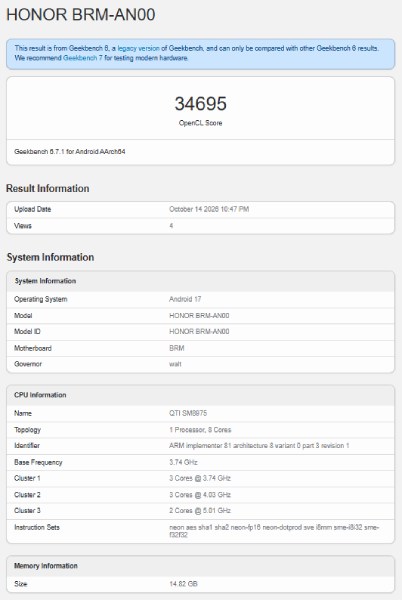
In the benchmark, the phone scores 4,141 points in single-core and 11,514 points in multi-core tests. A separate OpenCL test recorded a GPU score of 34,695.

The listing also reveals a few details about the configuration. The Honor Win 2 runs Android 17 and reports 14.82GB of available memory, suggesting it has 16GB of RAM. 

Its processor has model code QTI SM8975, with eight cores arranged across three clusters — three cores run at 3.74GHz, another three reach 4.03GHz, and the two prime cores run at up to 5.01GHz. As we can guess from the layout, the chip is the Snapdragon 8 Elite Extreme Gen 6. 

There is a caveat to these results, though. They come from Geekbench 6, an older version of the benchmarking tool, while Geekbench recommends Geekbench 7 for modern hardware. The scores are best compared with results from the same version, and the phone’s performance could change before launch as Honor continues to refine its software.

What else we know about the Honor Win 2

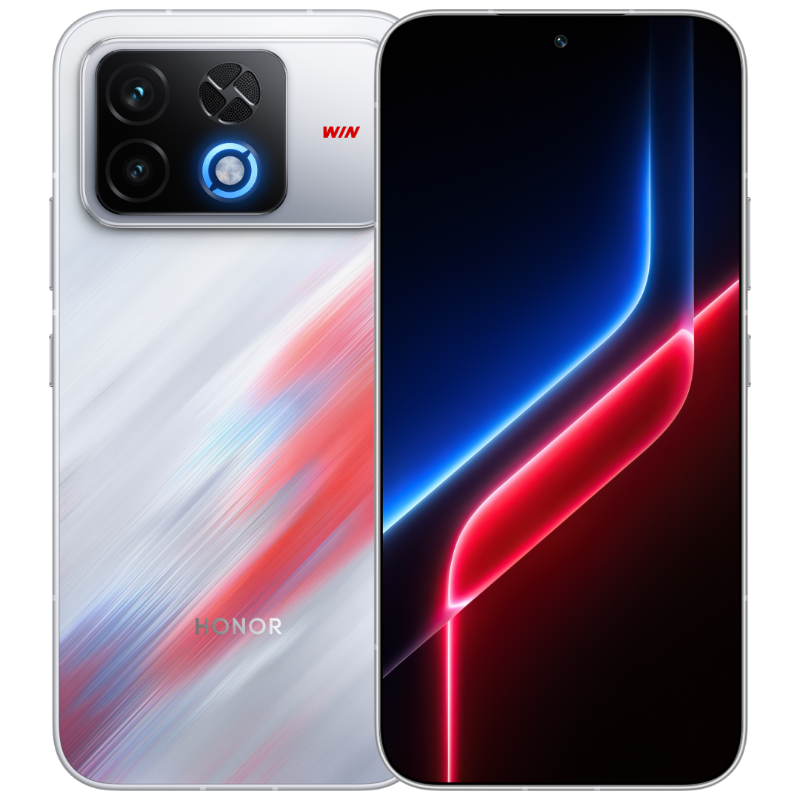
Honor has already opened pre-orders for the Win 2 through its online store in China. The phone will launch alongside two other models, the Honor Win RT 2 and Honor Win Turbo 2. Both the Win 2 and Win RT 2 have also cleared 3C certification, with the certification confirming support for 100W wired charging on the Win 2.

Honor Win 2

Moreover, a previous report suggests that the Honor Win 2 could be the only phone combining the Snapdragon 8 Elite Extreme Gen 6 with a larger-than-10,000mAh battery, a built-in cooling fan, and a 2K high-refresh-rate display. 

The phone follows the original Honor Win, which launched in December 2025 with the Snapdragon 8 Elite Gen 5. The Win 2 is expected to bring a newer processor alongside the reported large battery and active cooling system. Honor will reveal the full specifications and pricing at its launch event in China on October 21.

Don’t miss a thing! Join our Telegram community for instant updates and grab our free daily newsletter for the best tech stories!

For more daily updates, please visit our News Section.

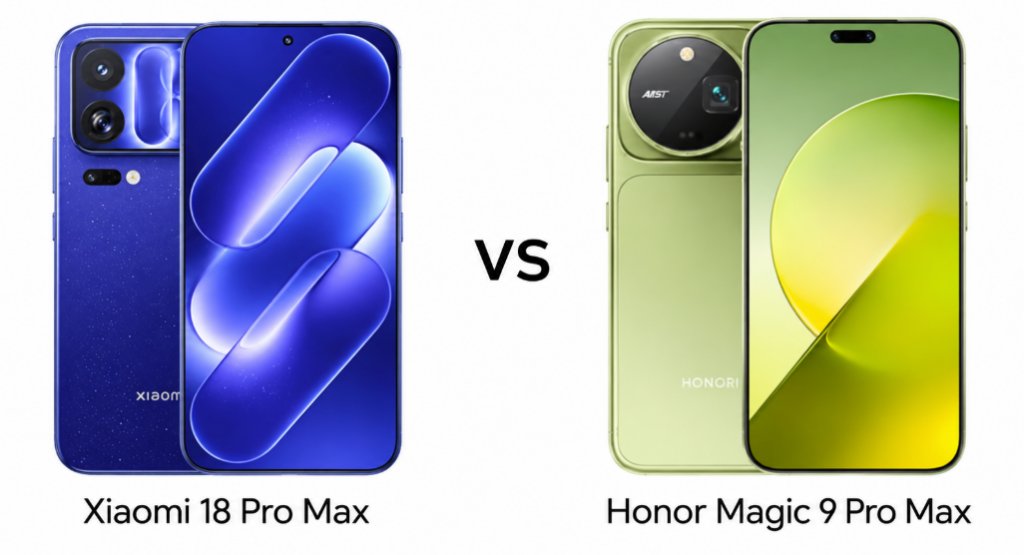
Xiaomi 18 Pro Max vs Honor Magic 9 Pro Max: One Is Clearly Better Value

Xiaomi 18 Pro Max and Honor Magic 9 Pro Max target users who want premium displays, powerful performance, advanced cameras, and long battery life. Both feature the Snapdragon 8 Elite Extreme Gen 6 chipset, 200MP main cameras, and large silicon-carbon batteries. However, Xiaomi stands out with its secondary rear display and Leica camera system, while Honor counters with faster wireless charging, a versatile periscope camera, and extended software support. Their significant price difference also makes this comparison important for buyers choosing between premium features and overall value.

Major Features:

CategoryXiaomi 18 Pro MaxHonor Magic 9 Pro MaxWinner & Reason
BuildDragon Crystal Glass 3, aluminum frame, IP68Glass or aluminum back, aluminum frame, IP68/IP69KHonor – Better water-jet protection
Main Display6.9-inch LTPO AMOLED, 120Hz, 4000 nits peak6.8-inch LTPO OLED, 120Hz, 10000 nits claimed peakHonor – Higher claimed peak brightness and anti-reflective coating
Resolution1208 × 2624 pixels1320 × 2868 pixelsHonor – Sharper display
Secondary Display2.9-inch rear displayNot availableXiaomi – Additional rear-screen functionality
ProcessorSnapdragon 8 Elite Extreme Gen 6 (2nm)Snapdragon 8 Elite Extreme Gen 6 (2nm)Tie – Same chipset
GPUAdreno 850Adreno 850Tie – Same graphics processor
RAM12GB / 16GB12GB / 16GBTie – Same maximum RAM
Storage256GB / 512GB / 1TB, UFS 4.1256GB / 512GB / 1TB, UFS 4.1Tie – Same storage options
Operating SystemAndroid 17, HyperOS 4Android 17, MagicOS 11Honor – Up to seven major Android OS updates
Main Camera200MP, f/1.7, OIS200MP, f/1.6, OISHonor – Wider aperture
Telephoto Camera200MP periscope, 3.2x optical zoom200MP periscope, 3.5x optical zoomHonor – Greater optical zoom and larger sensor
Ultrawide Camera50MP, 102° field of view50MP, 122° field of viewHonor – Wider field of view
Rear VideoUp to 8K at 30fps, 4K at 120fpsUp to 4K at 120fpsXiaomi – Supports 8K recording
Selfie Camera50MP with autofocus55MP multi-aspect with TOF 3D sensorHonor – Higher resolution and depth-sensing hardware
AudioThree stereo speakers, Dolby AtmosLarge-amplitude stereo speakers, cinematic-grade gun microphoneXiaomi – Dolby Atmos and three-speaker setup
ConnectivityWi-Fi 7, Bluetooth 6.0, USB-C 3.2, UWBWi-Fi 7/8 listed, Bluetooth 6.3, USB-C 3.2Honor – Newer listed Bluetooth version
Battery8500mAh silicon-carbon8800mAh silicon-carbonHonor – Larger battery capacity
Wired Charging100W100WTie – Same rated charging speed
Wireless Charging50W80WHonor – Faster wireless charging
Reverse Charging27W reverse wireless27W reverse wired, reverse wirelessXiaomi – Specified reverse wireless charging speed
Water ResistanceIP68, immersion up to 6m for 30 minutesIP68/IP69K, immersion up to 1.5m for 30 minutesHonor – Adds IP69K high-pressure water-jet protection
Price/ValuePriced around $1,200 / ₹1,50,000Priced around $950 / ₹95,000Honor – Lower listed price and stronger overall value
Overall WinnerRear display, Leica imaging, 8K videoDisplay, battery, charging, software support, valueHonor – More balanced flagship package at a lower price

Disclaimer: Specs are based on available data. Actual performance may vary. Verify details from official sources before buying.

1. Design and Display

Build and Feel

The Xiaomi 18 Pro Max features Dragon Crystal Glass 3 on the front, an aluminum frame, and IP68 protection against dust and water. Its defining design feature is a secondary display on the back, offering additional functionality without opening the main screen. Honor uses a glass or aluminum back, an aluminum frame, and IP68/IP69K protection, providing stronger resistance to high-pressure water jets. Both deliver premium construction, but Honor offers more comprehensive water protection. Xiaomi’s rear screen, however, gives it a distinctive identity and additional everyday convenience.

Display Quality

Xiaomi features a 6.9-inch LTPO AMOLED display with a 120Hz refresh rate, Dolby Vision, HDR10+, and a claimed peak brightness of 4,000 nits. Honor’s 6.8-inch LTPO OLED panel offers a sharper 1.5K-class resolution, 120Hz refresh rate, Dolby Vision, and a claimed peak brightness of 10,000 nits under specific conditions. Honor also includes an anti-reflective coating and higher-frequency PWM dimming. Its sharper panel and reflection control make it attractive for outdoor viewing, while Xiaomi offers a larger primary screen and a useful secondary display.

Verdict

Honor wins on display sharpness, reflection control, and claimed peak brightness. Xiaomi remains compelling for its larger screen and rear display, which adds functionality beyond conventional flagship designs.

2. Specifications Including Battery

Performance

Both smartphones use Qualcomm’s Snapdragon 8 Elite Extreme Gen 6 chipset, built on a 2nm process, alongside the Adreno 850 GPU. Their listed configurations include up to 16GB of RAM and 1TB of UFS 4.1 storage, with no microSD expansion. This hardware should deliver comparable performance in demanding games, multitasking, and AI-assisted workloads. Xiaomi runs Android 17 with HyperOS 4, while Honor uses Android 17 with MagicOS 11 and promises up to seven major Android OS updates. Honor therefore offers a clearer long-term software commitment, making it the more reassuring choice for buyers who keep their phones for years.

Battery and Charging

Xiaomi packs an 8,500mAh silicon-carbon battery with 100W wired charging, 50W wireless charging, and 27W reverse wireless charging. Honor goes slightly further with an 8,800mAh silicon-carbon battery, 100W wired charging, and 80W wireless charging. It also supports 27W reverse wired charging and reverse wireless charging. Both batteries promise substantial capacity, although actual endurance depends on screen brightness, network conditions, and workload. Honor’s larger battery and faster wireless charging make it more versatile, while Xiaomi’s reverse wireless charging provides a convenient way to power compatible accessories.

Verdict

Honor takes the battery category with greater capacity, faster wireless charging, and longer promised software support. Xiaomi remains competitive, particularly for users who value its extensive connectivity and reverse wireless charging.

3. Camera

Main and Secondary Lenses

Xiaomi combines a 200MP main camera with a 200MP periscope telephoto lens offering 3.2x optical zoom and a 50MP ultrawide camera. Leica optics, laser autofocus, and advanced video recording features strengthen its appeal to photography enthusiasts. Honor also uses a 200MP main camera, but its brighter f/1.6 aperture is paired with a large 200MP periscope telephoto sensor offering 3.5x optical zoom. Its 50MP ultrawide camera captures a wider 122-degree field of view, while ARRI video features add creative options. Honor’s larger telephoto sensor and wider ultrawide lens look particularly promising for varied shooting conditions. Xiaomi, however, offers 8K video recording and Dolby Vision HDR recording, giving content creators additional flexibility.

Selfie Camera

Xiaomi includes a 50MP front camera with phase-detection autofocus, HDR, and 4K recording at up to 60fps. Honor counters with a 55MP multi-aspect selfie camera and a TOF 3D sensor for depth sensing and biometric applications. Its front camera also supports 4K recording at up to 60fps. Both should serve video calls, selfies, and social media content well. Honor’s additional depth hardware gives it a potential advantage for facial recognition and portrait-related applications, while Xiaomi’s autofocus and HDR video support provide a strong creator-friendly package.

Verdict

Honor has the stronger overall camera hardware on paper, particularly its telephoto sensor and wider ultrawide lens. Xiaomi remains the better fit for users prioritising Leica imaging and advanced 8K and Dolby Vision video recording.

4. Pricing

The Xiaomi 18 Pro Max is priced around $1,200 / ₹1,50,000, placing it firmly in the ultra-premium segment. The Honor Magic 9 Pro Max is priced around $950 / ₹95,000, making it substantially more affordable while retaining the same flagship chipset, comparable memory options, and a 200MP triple-camera system. The listed prices suggest a significant saving with Honor, although actual retail prices can vary by market, storage configuration, taxes, and launch offers. Xiaomi’s premium asks buyers to pay extra for features such as the rear display, Leica branding, and advanced video capabilities. Honor delivers a more accessible entry into the same performance class, making its pricing easier to justify for most flagship buyers.

Is the price justified? 

Xiaomi’s higher price may make sense for enthusiasts who specifically want its secondary display, Leica camera experience, and extensive video features. However, those benefits may not justify the premium for everyday users. Honor offers a sharper display, a larger battery, faster wireless charging, a capable telephoto system, and a stated seven-generation Android update commitment. These advantages cover several areas that matter in daily use. Unless Xiaomi’s distinctive features are essential, Honor provides a more balanced package without demanding as much money. Its combination of premium hardware and lower pricing makes it the more practical purchase.

Verdict

Honor wins decisively on value for money. Its lower price, competitive performance, stronger charging specifications, and extended software support make it the smarter choice for most buyers.

Disclaimer:
Prices are approximate and may vary based on country, region, launch timing, and applicable taxes. Always check whether the listed price is for a China unit or a global/international variant when purchasing.

5. Conclusion

The Xiaomi 18 Pro Max distinguishes itself with a rear secondary display, Leica camera tuning, 8K video recording, Dolby Vision capture, and a comprehensive connectivity package that includes UWB and an infrared port. These features appeal to users who enjoy experimenting with photography, video production, and additional display functions.

The Honor Magic 9 Pro Max focuses on a different set of strengths: a high-resolution anti-reflective display, a large battery, 80W wireless charging, a versatile periscope camera, and up to seven major Android OS updates. Its IP68/IP69K protection adds another practical advantage. Both phones offer powerful hardware, so the choice comes down to specialised features versus a more balanced flagship experience.

Xiaomi is the more distinctive device, but Honor combines its premium specifications with a substantially lower listed price.

Verdict

Overall winner: Honor Magic 9 Pro Max. It delivers stronger display specifications, a larger battery, faster wireless charging, versatile camera hardware, and longer software support at a lower price. Xiaomi 18 Pro Max remains an appealing alternative for buyers who specifically want its rear display, Leica imaging, and advanced video tools. For most consumers, however, Honor offers the better combination of flagship performance, everyday practicality, and value.


FAQs: Xiaomi 18 Pro Max vs Honor Magic 9 Pro Max

1. Which phone has the better camera, Xiaomi 18 Pro Max or Honor Magic 9 Pro Max?

The Honor Magic 9 Pro Max offers a larger telephoto sensor and wider ultrawide coverage, while Xiaomi supports 8K video recording.

2. Which phone is better for gaming?

Both feature the Snapdragon 8 Elite Extreme Gen 6 chipset and Adreno 850 GPU, suggesting comparable gaming performance.

3. Which phone has better battery life?

Honor has a larger 8,800mAh battery, compared with Xiaomi’s 8,500mAh capacity. Actual battery life depends on usage.

4. Is the Xiaomi 18 Pro Max worth buying over Honor?

Xiaomi suits buyers who value its rear display, Leica imaging, and advanced video features. Honor is more affordable.

5. Which phone offers better value for money?

The Honor Magic 9 Pro Max offers better value with competitive flagship hardware, faster wireless charging, and a lower listed price.

Disclaimer: Prices, specifications, and availability may vary by region and retailer. Recommendations in this article are based on editorial opinion, feature-based value, and market positioning at the time of writing. Readers are advised to do their own research before making a purchase.

Read More:

OnePlus Ace 7 and Ace 7 Pro names confirmed for two upcoming Snapdragon 8 Elite Gen 5 phones

A few days ago, OnePlus unveiled the OnePlus 16 in China, equipped with the latest Snapdragon 8 Elite Extreme Gen 6 chip and 200-megapixel triple cameras. It is also the company’s first flagship to feature a 185Hz OLED display and a 9,000mAh battery. Rumors suggest that the brand will launch the Ace 7 later this month in China. According to a new report, it will unveil not just one but two Snapdragon 8 Elite Gen 5 phones.

OnePlus Ace 7 and Ace 7 Pro names revealed

OnePlus Ace 7
OnePlus Ace 7 series monikers confirmed

According to AndroidTreasure, two upcoming OnePlus phones with model numbers PYF110 and PMS110 have appeared in the Google Supported Devices catalog. The listings identify OnePlus Ace 7 and OnePlus Ace 7 Pro as their final marketing names, respectively.

For those unaware, both models were recently spotted on the Geekbench benchmarking platform. Both phones were found to be equipped with the Snapdragon 8 Elite Gen 5, 16GB of RAM, and Android 17. A Geekbench listing also suggests that the Ace 7 will be available in an 8GB RAM variant.

While OnePlus has yet to confirm the existence of the Ace 7 series, several leaks have already revealed what to expect from the lineup. One of its major highlights is a built-in cooling fan system for heat dissipation. This cooling system will reportedly allow the devices to deliver gaming performance comparable to that of more powerful phones powered by the Snapdragon 8 Elite Extreme Gen 6.

In terms of other specifications, reports indicate that the OnePlus Ace 7 series will feature a 6.78-inch OLED panel with a 1.5K resolution and a 185Hz refresh rate. Like the OnePlus 16, the series will also pack a massive 9,000mAh battery, which may support 100W or 120W charging.

The Ace 7 series is expected to feature a 200-megapixel + 50-megapixel dual-camera system on the back and a 16-megapixel front-facing camera. The phones are expected to come preloaded with Android 17 and ColorOS 17.

For daily updates, please visit our News Section.

Stay ahead in tech! Join our Telegram community and sign up for our daily newsletter of top stories.

(source)

Xiaomi XRING beats Samsung Exynos in AnTuTu’s latest ranking

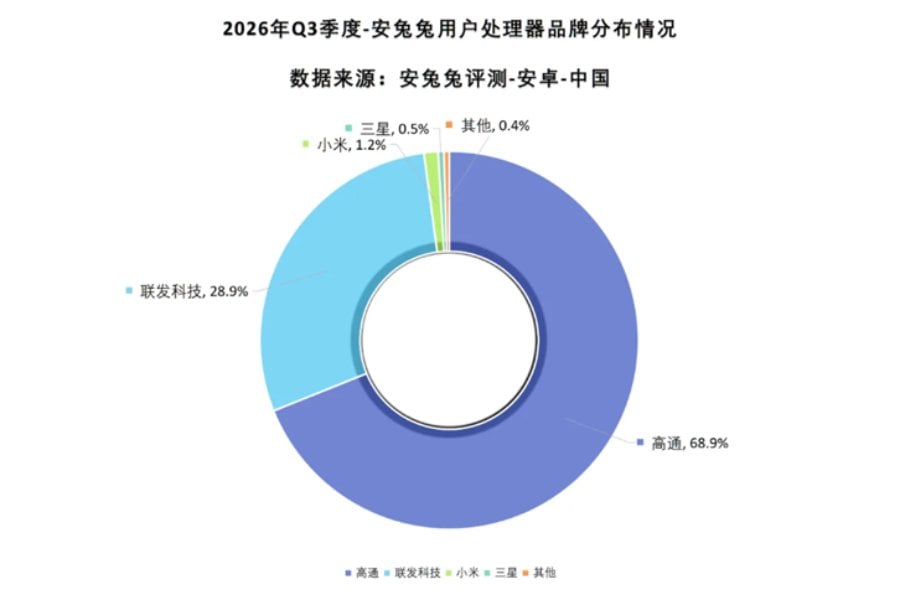
AnTuTu has released its Q3 2026 data on Android processor share in China, and Xiaomi’s XRING chips surprisingly rank third, above Samsung’s Exynos. As is not a surprise, Qualcomm dominates the market with a 68.9% share, while MediaTek accounts for 28.9%.

Here is how the processor brands compare:

  • Qualcomm: 68.9%
  • MediaTek: 28.9%
  • Xiaomi XRING (Xuanjie in China): 1.2%
  • Samsung: 0.5%
  • Other brands combined: 0.4%
AnTuTu Android chip market share 2026 Q3

Qualcomm and MediaTek together account for 97.8% of the usage, leaving little room for other chipmakers. Qualcomm holds the lead, particularly in flagship and upper-mid-range phones, while MediaTek competes across a broader range of price segments, including budget and mid-range devices.

Why Xiaomi XRING’s third-place ranking matters

Xiaomi’s 1.2% share is small compared to the top two, but its third-place ranking is praiseworthy given the limited number of phones running its chips. Unlike Qualcomm and MediaTek, Xiaomi uses XRING processors in its own devices rather than supplying them to other smartphone brands. Its position ahead of Samsung suggests XRING is gaining some traction among the Android users represented in AnTuTu’s data.

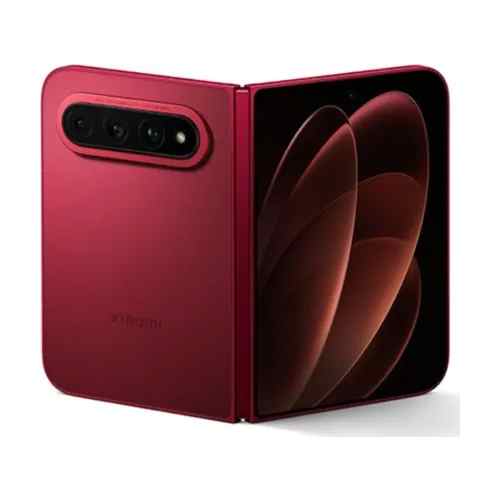
Xiaomi 18 Fold

Also, the Xiaomi 18 Fold, powered by the XRING O3, claimed the top spot in AnTuTu’s September performance ranking, outranking Snapdragon 8 Elite Extreme Gen 6 and Dimensity 9600 Pro. 

Xiaomi launched the Xiaomi 18 Fold in September as the first phone with XRING O3. The company has not announced an international release yet, so the phone and its latest in-house processor remain limited to the Chinese market for now.

Don’t miss a thing! Join our Telegram community for instant updates and grab our free daily newsletter for the best tech stories!

For more daily updates, please visit our News Section.

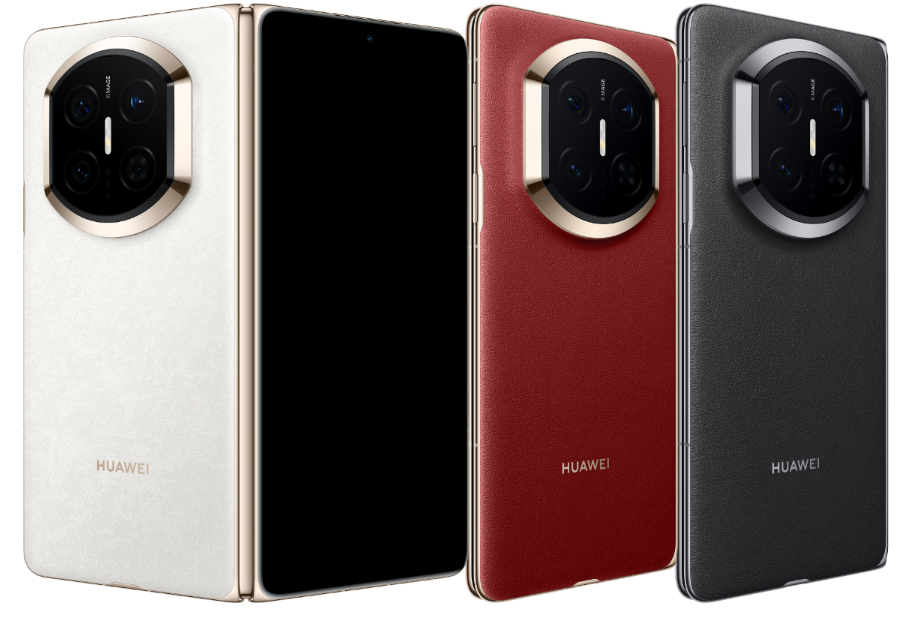
Huawei Mate X8 leak reveals display, camera, battery, and price

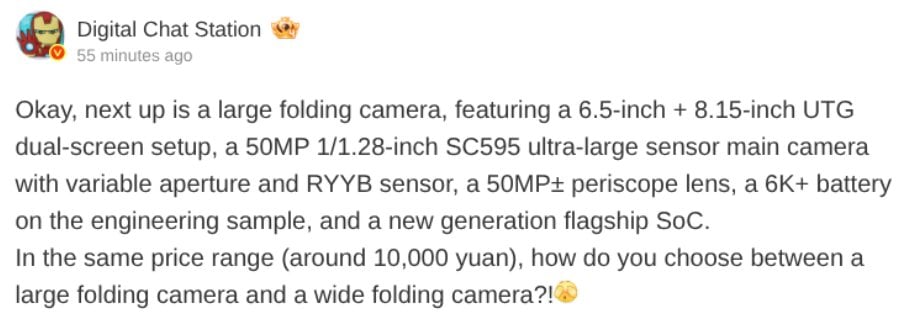
The Huawei Mate X8 could offer a larger inner display, a bigger battery, and an upgraded camera system than its predecessor. Tipster Digital Chat Station has shared more details about the upcoming foldable, following the first report in April. 

The tipster described it as a “large folding camera” phone, with an expected price of around 10,000 yuan (~ $1495), putting it in the same range as Huawei’s wide foldable.

Huawei Mate X7
Huawei Mate X7

Huawei Mate X8 Specifications (Rumored)

According to the leak, the Mate X8 will have a 6.5-inch cover display and an 8.15-inch inner screen, both using ultra-thin glass. The current Mate X7 has a 6.49-inch cover display and an 8-inch inner panel, so the changes are relatively small on the outside, with a slightly larger screen when unfolded.

As for the camera, the Mate X8 is tipped to feature a 50MP main lens with a 1/1.28-inch SC595 sensor, a variable aperture, and an RYYB color filter. It will reportedly be paired with a periscope telephoto camera of 50MP.

Huawei Mate X8 Specs Leak

The Mate X7 already has a 1/1.28-inch RYYB main sensor with a variable aperture, so the new model may build on the existing camera setup rather than introduce a major change in sensor size.

The Mate X8 engineering sample also reportedly packs a battery larger than 6,000mAh, compared to the 5,525mAh battery in the standard Mate X7. 

The tipster hasn’t revealed the processor’s name, instead crediting it as a new-generation flagship SoC. An earlier report from July also hinted at a chipset upgrade. The Mate X8 has been appearing in leaks since November last year, although Huawei has yet to confirm any of these details.

Huawei hasn’t confirmed the Mate X8’s specifications, price, or launch date, so the leaked details may still change before the phone becomes official.


Don’t miss a thing! Join our Telegram community for instant updates and grab our free daily newsletter for the best tech stories!

For more daily updates, please visit our News Section.

Edifier launches We-Bass clip-on earbuds with 12mm drivers, IP55 rating & 20h battery

Edifier has officially launched its new We-Bass clip-on open-ear wireless earbuds in China. The earbuds are now available for purchase through JD.com, priced at 399 yuan (~$60).

Edifier We-Bass clip-on earbuds

Edifier We-Bass Earbuds Specifications

The We-Bass earbuds feature a flexible nickel-titanium alloy wire that wraps around the outer ear for a secure and comfortable fit. Edifier claims the wire has undergone more than 10,000 bending tests to ensure it maintains its shape over time.

The earbuds come in a Wave White color option with a combination of matte and metallic finishes. They also carry an IP55 rating for dust and water resistance, while the companion app offers a water-ejection feature to help remove trapped moisture from the speaker grilles.

For audio output, Edifier equipped the earbuds with 12mm long-stroke dynamic drivers. Because open-ear designs do not form a seal in the ear canal, they often lose low-end frequencies.

Edifier We-Bass clip-on earbuds

To address this, the We-Bass uses a dynamic bass compensation algorithm to adjust the bass output in real time. The earbuds also feature an acoustic chamber designed to direct sound straight into the ear canal, a method used to minimize audio leakage.

On the software side, the earbuds support Doubao and DeepSeek AI models for real-time voice assistance, along with translation across 21 languages in face-to-face and side-by-side modes. They also feature AI-powered call noise reduction and a wind noise detection algorithm that minimizes interference at wind speeds of up to 28 km/h.

Edifier We-Bass clip-on earbuds

The earbuds connect via Bluetooth 6.1, which supports dual-device multipoint connections and a 50ms low-latency gaming mode. Battery life is rated at up to five hours of continuous playback on a single charge, with the charging case providing an additional 15 hours, bringing the total to 20 hours.

In related news, Baseus has recently launched the MC2 NC clip-on earbuds with 50dB ANC, LDAC, built-in AI features, and up to 60 hours of battery life.

For more daily updates, please visit our News Section.

Stay ahead in tech! Join our Telegram community and sign up for our daily newsletter of top stories!

(JD)

Timex launches Day of the Dead Snoopy watch with a stunning glow-in-the-dark dial

Timex has released a new version of its Weekender watch in collaboration with the Peanuts franchise, featuring a Day of the Dead (Día de los Muertos) theme just in time for Halloween. The watch is available now in the US and the UK directly through the Timex website, priced at $189 and £155, respectively.

Peanuts Timex Weekender Day of the Dead

Design Details

The watch (TW2Y85900) features a custom dark blue dial with an illustration of Snoopy surrounded by traditional Day of the Dead-inspired motifs.

To make the design visible at night, Timex included its standard Indiglo backlight technology. Pressing the crown illuminates the entire dial from behind, which highlights the specific patterns of the artwork.

Alongside the Indiglo feature, the watch hands and the full Arabic numeral markers have a standard luminescent fill for basic low-light reading without needing to press the button.

Check price →
Where to buy
Timex Weekender Day of the Dead Snoopy
Latest price on Amazon

As for the hardware, it uses the standard 40mm Weekender case design. The case is made of polished silver-tone low-lead brass, measuring 10mm thick with a 47.5mm lug-to-lug distance. The whole unit weighs 54.5 grams.

The dial is protected by a mineral glass crystal, which provides basic scratch and heat resistance for everyday wear. Inside, the watch runs on a standard battery-powered quartz analog movement, powered by a CR2016 coin-cell battery.

The watch ships with a 20mm black natural leather strap with a standard buckle. According to Timex, the leather is treated with oil and wax to help resist water and will soften as it gets worn. The band is designed to fit wrist circumferences between 5.9 and 8.1 inches (150 to 205mm).

For durability, the watch has a water resistance rating of 50 meters. This means it can handle splashes, rain, or a light swim, but it is not built for snorkeling or diving. Timex also says that the crown should not be pressed while submerged to maintain the water seal.

In related news, Timex has recently launched the 1978 Day Date Fumé Reissue in the US with a stunning brown gradient dial, alongside the Pan Am Waterbury GMT featuring a striking two-tone dial and quartz movement.

For more daily updates, please visit our News Section.

Stay ahead in tech! Join our Telegram community and sign up for our daily newsletter of top stories!

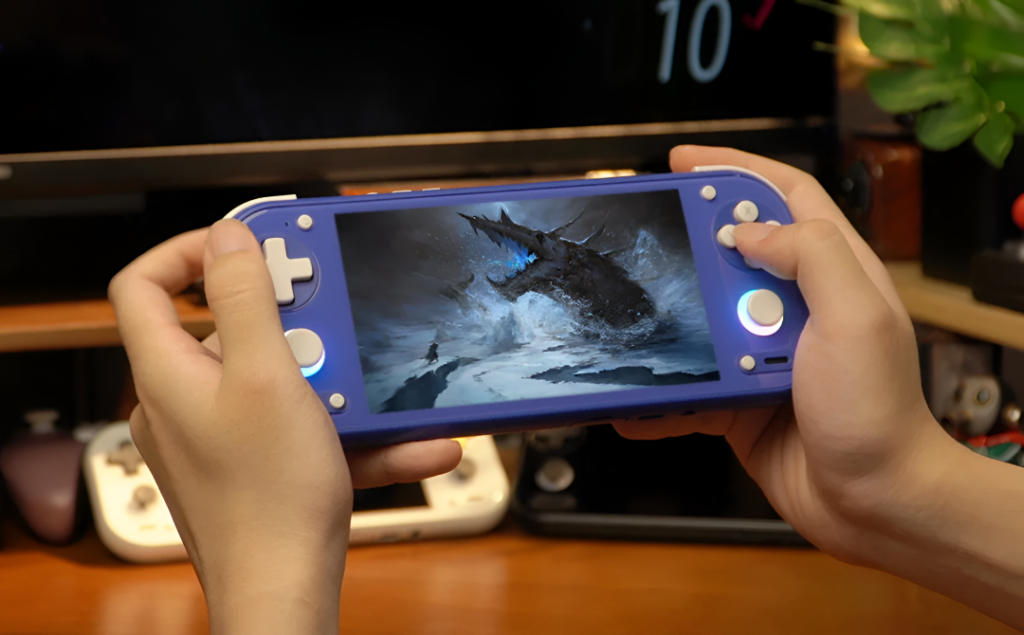
Anbernic gaming handhelds could face a potential US sales ban

Retro gaming handheld maker Anbernic is drawing attention from the Entertainment Software Association (ESA), which recently recommended adding the company to the US government’s “Notorious Markets” list.

Anbernic gaming handhelds

In a filing to the United States Trade Representative (USTR), the ESA classified Anbernic as a “superfake” seller. The trade group’s issue isn’t with the emulation hardware itself. Instead, the ESA is targeting Anbernic’s practice of selling devices bundled with microSD cards full of unauthorized game ROMs. Because these pre-loaded cards include copyrighted titles from publishers like Nintendo, Sony, and Microsoft, the ESA argues the bundles directly infringe on its members’ intellectual property.

If the USTR follows the ESA’s recommendation, Anbernic could face regulatory hurdles in the US market. This might result in a halt on US sales through platforms like Amazon and eBay, or simply a requirement to stop selling devices with pre-loaded memory cards. The timing is notable, as Anbernic is currently preparing to release new devices like the RG DDS.

At this stage, the ESA’s filing is just a recommendation. The USTR has yet to finalize its annual list, so Anbernic’s hardware remains available for now.

Still, the situation points to a standard compliance issue in the retro handheld space. While selling emulation hardware is legal, distributing copyrighted software is not. To avoid future US trade friction, Anbernic and similar manufacturers may simply need to shift to selling their devices without any included games.

In related news, Ayaneo has recently launched the Konkr Pocket Block retro gaming handheld, featuring a 4:3 display and Android 12.

For more daily updates, please visit our News Section.

Stay ahead in tech! Join our Telegram community and sign up for our daily newsletter of top stories!

(Source / Via 1,2)

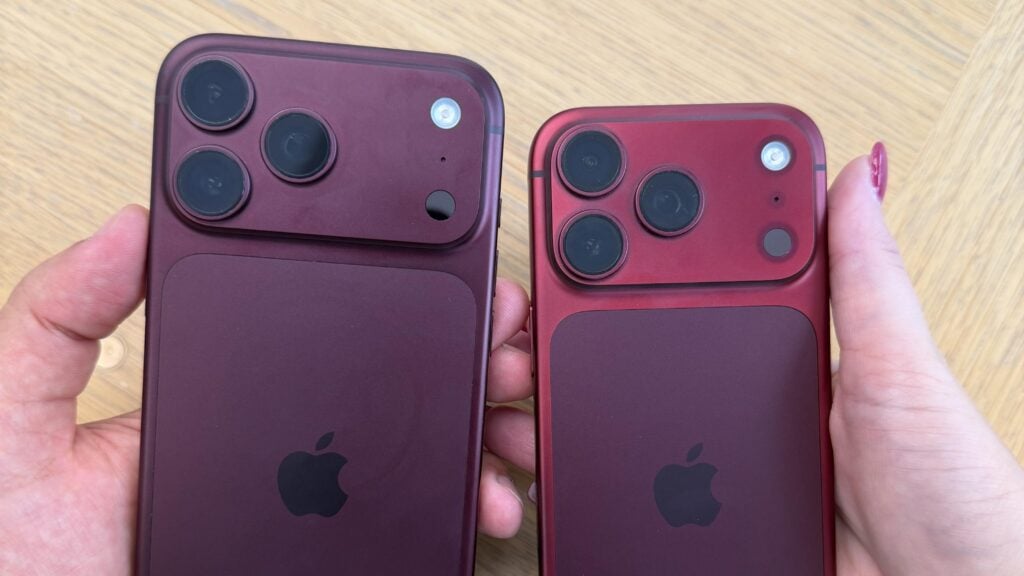
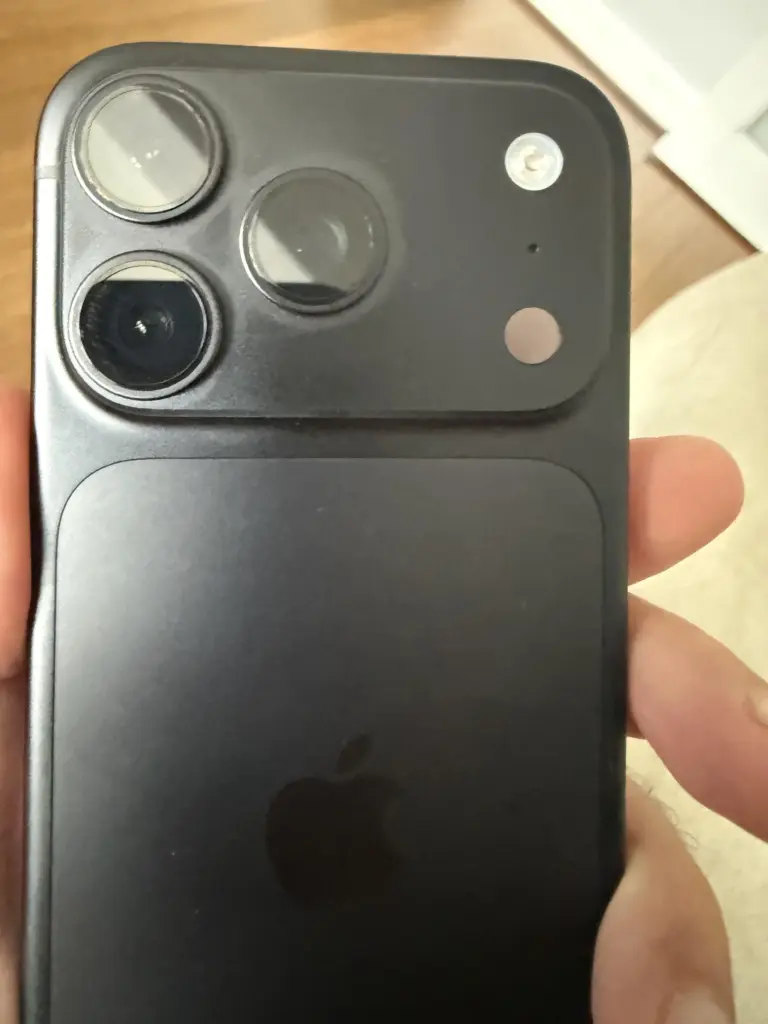
Burgundy iPhone 18 Pro turns red in 3 weeks, and nobody knows exactly why

The rich, dark Burgundy finish on some iPhone 18 Pro and Pro Max units is apparently lightening up noticeably. Hands-on images highlight the color shift, and it’s hard to ignore.

Two iPhone 18 Pro units showing a noticeable color shift from burgundy to red.

A Reddit user named Low-Ad9343 posted photos showing the difference. He bought his Burgundy iPhone 18 Pro on September 19 and by October 9, only about three weeks later, the aluminum surface had shifted from that deep burgundy to a lighter, brighter red.

In the comments, a few people floated the idea that something chemical might be reacting with the colored aluminum, but there’s no solid proof of that yet.

The affected user took the iPhone to an Apple Store, and the staff told him they’d check with an engineer and get back to him by Monday, October 12. It’s still unclear whether Apple saw this as a warranty issue and offered a replacement.

Reddit comment from a user describing their experience with an iPhone 18 Pro issue.

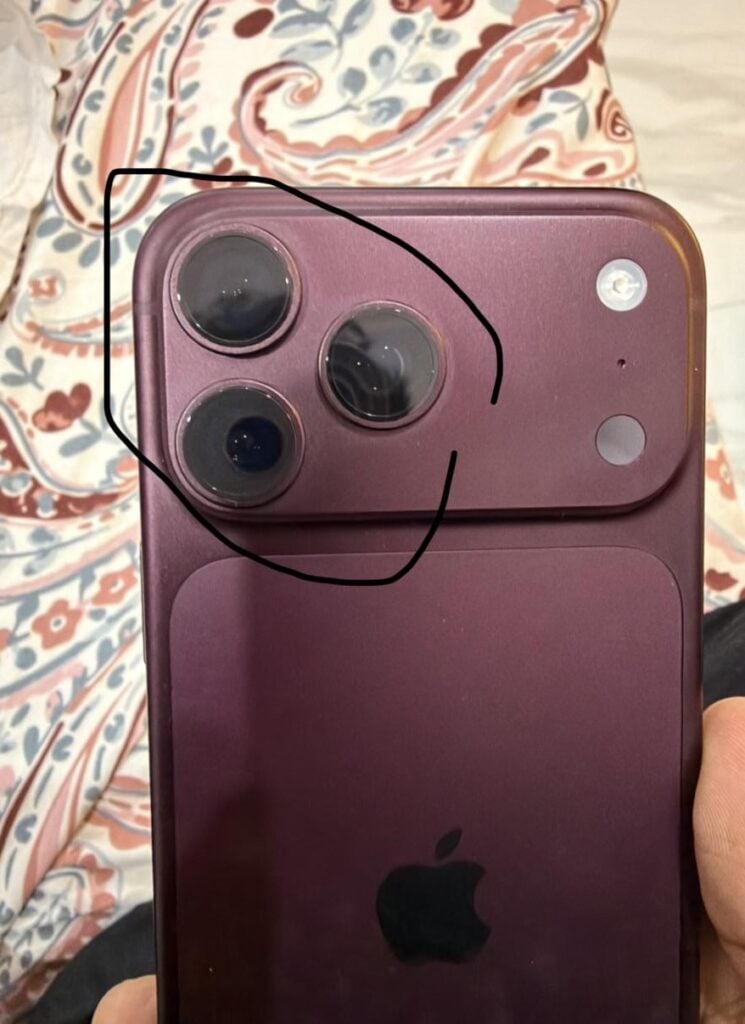
This isn’t the first time something like this has come up. The iPhone 18 Pro models collect dust around the camera modules that’s hard to clean and becomes clearly visible on the Burgundy and Black models. Cleaning is possible, but the dust keeps coming back, requiring regular cleaning. It also risks scratching the camera lens covers with dust particles.

What’s different now is that the color shift looks permanent. Similar complaints showed up last year with the Cosmic Orange iPhone 17 Pro models.

Apple hasn’t said anything officially about a manufacturing problem. We still don’t know what’s causing it or how many phones are actually affected. People have speculated about heat or UV exposure, but nothing’s been verified.

Until more details come out, it’s another reminder that the long-term stability of these anodized finishes on recent iPhones is still an open question.

Don’t miss a thing! Join our Telegram community for instant updates and grab our free daily newsletter for the best tech stories!

For more daily updates, please visit our News Section.

(Source: Reddit)

DJI’s new drone dock swaps batteries in seconds, but it costs a fortune

DJI, the company best known for its drones, has announced its first unmanned platform with automatic battery swapping called the DHI Dock 4. The system is part of a kit that includes the Matrice 5TD drone and a DJI O4 ground station.

The hardware alone costs 167,999 yuan (~ $25,100) in China, while software subscriptions, installations in non-standard environments, and additional support services cost extra. Pre-orders are now open through DJI’s official industry partners.

DJI Dock 4 Launch Specs Price

The main advantage of the Dock 4 is how quickly it gets a drone back in the air. DJI says the system completes a battery swap 25 seconds after landing, allowing the drone to take off again within 45 seconds. 

The drone stays powered on throughout the process, essentially avoiding the downtime associated with docks that need to recharge batteries between flights. DJI claims it has the fastest battery-swapping system among unmanned docks.

As for the drone itself, the Matrice 5TD can fly for up to 59 minutes on a single flight. Combined with the dock’s automatic battery swapping, the system can keep missions running with much shorter interruptions.

DJI Dock 4 Design

The Dock 4 also supports what DJI calls “open-and-fly” operation, allowing the drone to respond to alerts without an operator manually controlling it. It can travel to a location at speeds of up to 21 meters per second, even at night or on holidays. 

DJI says the drone can reach an incident before ground crews arrive and immediately begin streaming aerial footage to help them assess the situation.

What the Matrice 5TD carries

The Matrice 5TD combines six sensing modules, including telephoto, infrared, laser rangefinder, and thermal imaging capabilities. This allows the same drone to handle daytime inspections, nighttime security work, and mapping. Its mapping accuracy reaches 10 centimeters at 12 megapixels.

For closer inspections, the 11x telephoto lens can read license plates from 400 meters away and identify small defects, such as damaged bolts and pins, from 100 meters. The infrared camera works alongside the visible-light camera to show both a target’s outline and its temperature distribution, making it easier to identify potential problems.

DJI Matrice 5TD Design

Moving on, the drone’s 4K full-color camera can also capture color footage without an external searchlight, while a black-and-white mode with near-infrared fill lighting provides another option for low-light conditions.

The Matrice 5TD supports a maximum effective payload of 450 grams across up to three mounting positions that can operate without interfering with one another. It also comes with a warning light that supports custom colors and flashing patterns, which can be useful during public safety operations.

AI detection and flight safety

The Matrice 5TD runs AI models directly on the drone, allowing it to identify 17 types of targets in live video, including vehicles, ships, and fireworks. Drone operators can also install third-party AI models for more specialized investigation tasks. 

DJI Matrice 5TD AI Detection

Furthermore, its obstacle-avoidance system combines three-direction millimeter-wave radar, ring-scanning lidar, and a six-direction full-color vision system. DJI says these sensors help the drone avoid obstacles at night, including guide wires.

The drone can take off and land in winds of up to 12 m/s. If wind speeds exceed this limit, it can automatically return to its starting point. A parachute is also included as standard equipment and can deploy automatically or through a manual command.

For more daily updates, please visit our News Section.

Stay ahead in tech! Join our Telegram community and sign up for our daily newsletter of top stories!

(Via)

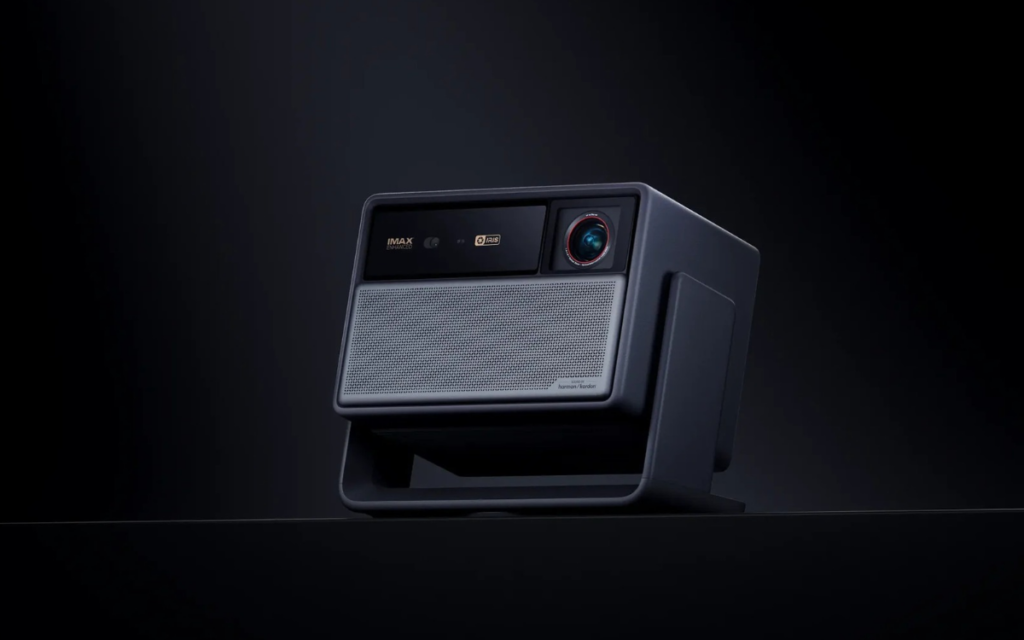
Xgimi launches Horizon 30 series projectors with 4K 120Hz & up to 6000 ISO lumens brightness

Xgimi has announced its latest lineup of home projectors, the Horizon 30 series. The new range includes three models: the Pro, Max, and Ultra Max, all of which feature an RGB Triple Laser light source, a native 4K 120Hz refresh rate, and a dual-iris system designed to improve black levels and contrast.

Xgimi Horizon 30 Series

Xgimi Horizon 30 Series Specifications

The primary differences between the three tiers come down to light output and native contrast. The base model, the Horizon 30 Pro, outputs 4,800 ISO lumens with an 8,000:1 native contrast ratio. The mid-tier Horizon 30 Max increases the brightness to 5,300 ISO lumens and 9,000:1 contrast.

The highest-end model, the Horizon 30 Ultra Max, reaches 6,000 ISO lumens and a 10,000:1 native contrast ratio. According to Xgimi, this hardware provides a noticeable bump in contrast compared to the previous Horizon 20 series, making the projectors more capable of handling ambient light in standard living rooms.

Xgimi Horizon 30 Series

All these models come with a 4K 120Hz refresh rate. This allows for smoother motion processing during sports and enables the projector to display standard 24fps film content evenly. For gaming, the Horizon 30 series includes Variable Refresh Rate (VRR), Auto Low Latency Mode (ALLM), and AMD FreeSync support. Input lag is rated at 1.9ms for 4K at 120Hz, and drops to 1ms if you switch to 1080p at 240Hz.

In terms of hardware, Xgimi has equipped the projectors with optical zoom (1.2 to 1.5:1 throw ratio) and both horizontal and vertical lens shift. These allow you to adjust the image size and position without relying on digital keystone correction. The projectors also feature a Lens Memory function that lets users save up to five custom aspect ratio and zoom settings.

For software and audio, the projectors run Google TV natively and include dual 12W Harman Kardon speakers with DTS Virtual:X and Dolby Audio support.

Xgimi Horizon 30 Series

Pricing and Availability

The Horizon 30 series is available for pre-order from October 12th through October 31st, with standard retail sales beginning November 1st.

Xgimi is offering discounted pricing during the pre-order window: the Pro is available for $1,899 (MSRP $2,499), the Max for $2,499 (MSRP $2,999), and the Ultra Max for $2,999 (MSRP $3,499).

Pre-orders also include a bundled floor stand or ceiling mount, two pairs of 3D glasses, and a discount on Xgimi’s Ascend projector screen.

In related news, Xgimi has recently launched its Aura 3 series ultra-short throw projectors in the US market.

For more daily updates, please visit our News Section.

Stay ahead in tech! Join our Telegram community and sign up for our daily newsletter of top stories!

(Xgimi)

Vivo X500E’s key specifications, front design revealed as launch nears

Vivo appears to be preparing another smartphone for its X-series lineup. The upcoming Vivo X500e has surfaced on Google’s device database, offering an early look at its hardware and front design. The listing adds to signs that the phone could launch in global markets soon.

Vivo X500E specifications and design revealed

Vivo X500e
Vivo X500E

According to 91mobiles, the Vivo X500E has appeared on the Google Play Console with the model number V2648, which is also associated with the recently unveiled Vivo V80.

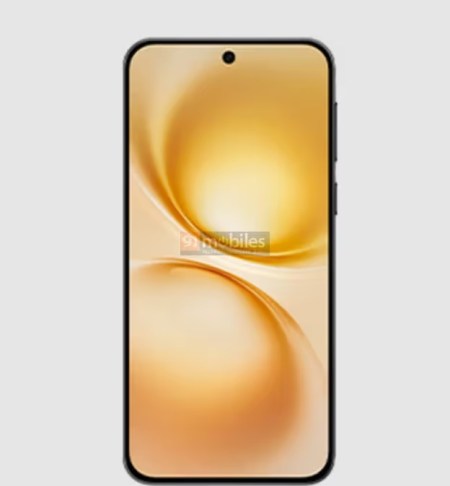
The listing reveals that the device is powered by the Qualcomm SM7750 chipset, which is the Snapdragon 7 Gen 4. It also lists 8GB of RAM and a display resolution of 2750 x 1260 pixels, although the screen size and refresh rate remain unknown.

The listing image shows a flat display with a centrally positioned punch-hole cutout for the front camera. The handset is also expected to succeed the Vivo X300E, which launched in July this year. However, the available information does not confirm its complete specifications or launch date.

These details contradict previous reports suggesting that the Vivo X500e could be powered by a more powerful Snapdragon or Dimensity chipset. The newly listed specifications suggest that the Vivo X500E could arrive as a rebranded version of the Vivo V80. However, it is advisable to wait for further reports to learn more about the phone’s remaining specifications. With its Google Play Console appearance, it appears that it will not take too long for the X500E to go official.

For daily updates, please visit our News Section.

Stay ahead in tech! Join our Telegram community and sign up for our daily newsletter of top stories.

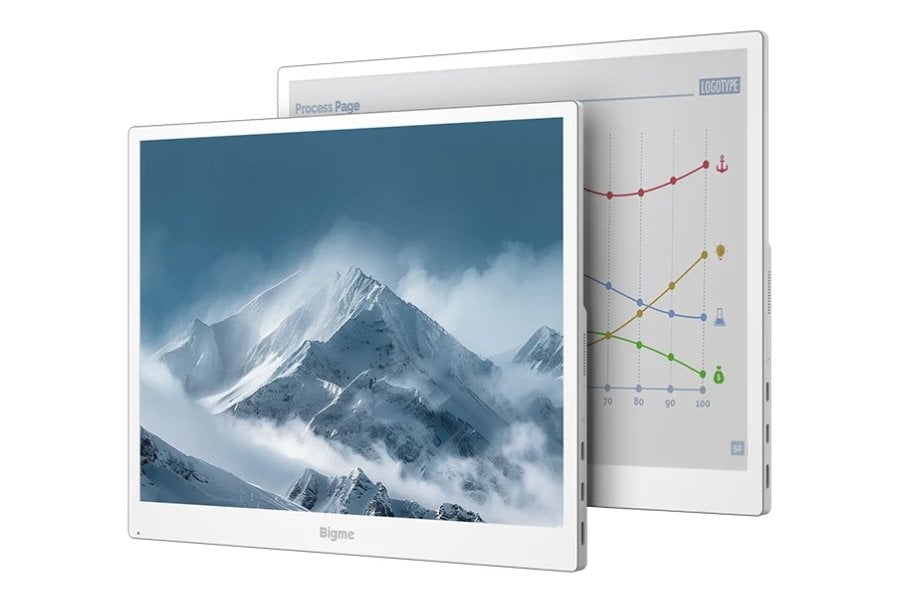
Bigme launches new 13-inch color E Ink display with 60Hz refresh rate

The E-ink device manufacturer Bigme has announced the new B13 Pro, a 13.3-inch color E Ink monitor with a 4:3 display, a 60Hz refresh rate, and wired and wireless connectivity. The monitor is now available for pre-order through the company’s official website for $569. 

The B13 Pro uses E Ink’s Kaleido 3 panel with a resolution of 3200 × 2400 pixels. It delivers 300 PPI for black-and-white content and 150 PPI for color. The panel supports 4,096 colors, although its color reproduction remains more limited than what conventional LCD and OLED monitors can provide.

BigMe B13 Pro Display

One of the main changes over the earlier Bigme B13 is the refresh rate. The B13 Pro reaches up to 60 frames per second, compared with 30Hz on its predecessor. 

BigMe B13 Pro Display Refresh Rate

Connectivity and portable design

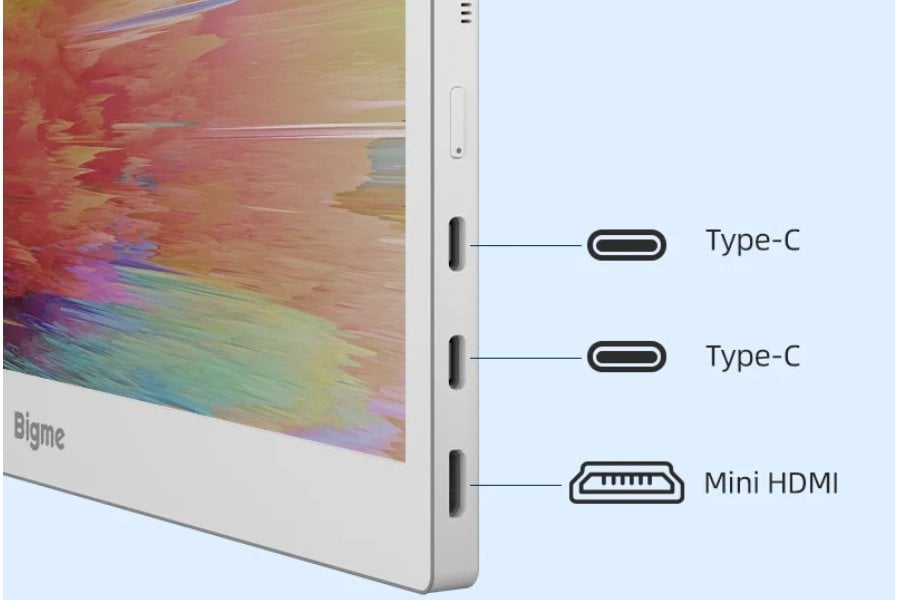
The monitor supports Mini HDMI and USB Type-C connections. With a compatible device, the USB-C connection carries both power and video through a single cable. Users can also mirror their screens wirelessly through DLNA, AirPlay, and Miracast. Bigme lists compatibility with Windows, Mac, iOS, and Android devices, along with a recommended computer size of 13 to 17 inches.

BigMe B13 Pro Ports

The B13 Pro has an aluminum alloy body measuring 286 × 231.5 × 5.6 mm at its thinnest point. It weighs around 660g, making it relatively easy to carry alongside a laptop. Other features include built-in dual speakers and a one-year warranty.

Bigme also supports using two B13 Pro monitors side by side for a dual-screen workspace, giving users two 13.3-inch color E Ink displays.

Bigme B13 Pro price and availability

Check price →
Where to buy
Bigme B13 Pro
Latest price on Amazon

The Bigme B13 Pro is available to pre-order for $569, while its listed price is $749. However, Bigme has not specified a shipping date in its announcement or on the product page, so buyers should check the latest delivery information before placing an order.

BigMe B13 Pro Display

The new monitor enters a growing color E Ink market. AOC recently introduced the AOC 13T5S in China, another 13.3-inch monitor with a Kaleido 3 panel and 3200 × 2400 resolution. Its refresh rate tops out at 30Hz, and it is priced at 4,599 yuan (around $679).

For users who need a larger display, Bigme also sells the 25.3-inch B251 Pro, which supports refresh rates of up to 60 frames per second and launched at $1,279.

For daily updates, please visit our News Section.

Stay ahead in tech! Join our Telegram community and sign up for our daily newsletter of top stories.

Nothing smart glasses leak reveals two models with camera and AI features

Nothing could be preparing to enter the smart glasses market with two distinct products. The reported lineup suggests the company wants to cater to users with different needs. Details about pricing, design and availability remain under wraps.

Nothing reportedly preparing two smart glasses models

Smart glasses (AI-generated image)

According to tipster Roland Quandt, Nothing is working on two pairs of smart glasses. The first model will reportedly focus on audio, supporting music playback, phone calls and interaction with a smartphone’s voice assistant. It will also feature photochromic lenses that automatically darken in bright conditions, potentially making the glasses suitable for both indoor and outdoor use.

The second model is expected to offer similar audio capabilities but add a built-in camera and more advanced AI functions. Quandt mentions ChatGPT integration and translation support, although the leak does not explain how these features will work or whether processing will happen on the glasses, a connected phone or the cloud. The camera could enable hands-free image capture and provide visual information for AI-powered interactions.

Nothing has yet confirmed either product, so their specifications and launch plans should be treated as unverified. The leak does not reveal the glasses’ designs, battery life, pricing or whether both models will arrive together. An earlier report indicated that Nothing was targeting a 2027 launch for its first smart glasses, but the latest information does not establish a specific release date.

The reported two-model strategy would give buyers a choice between camera-free glasses for audio and calls, and a camera-equipped option with additional AI tools. The approach also reflects a broader industry consideration: camera-free designs may appeal to people concerned about recording others in public spaces, while camera-equipped models offer more possibilities for visual assistance.

Nothing CEO Carl Pei has previously discussed how AI could influence future computing devices. However, the company has not officially announced its smart glasses lineup.

For daily updates, please visit our News Section.

Stay ahead in tech! Join our Telegram community and sign up for our daily newsletter of top stories.

(source)