Add GIZMOCHINA as Preferred Source on Google
As an Amazon Associate, Gizmochina earns from qualifying purchases. Links on this page may earn us a commission at no extra cost to you.
This is a script we write every year — listing the best mid-range smartphones you can buy. And there’s a reason we come back to it every year. Mid-range has always been the segment where brands trickle down flagship features, performance, and design choices into something that covers what most people actually need day to day, without a hefty price tag.
This year, though, the story’s a little different. Our usual pattern is to find out the phones that are aggressively priced and offer the best bang for the buck. But 2026 threw a wrench into that formula.
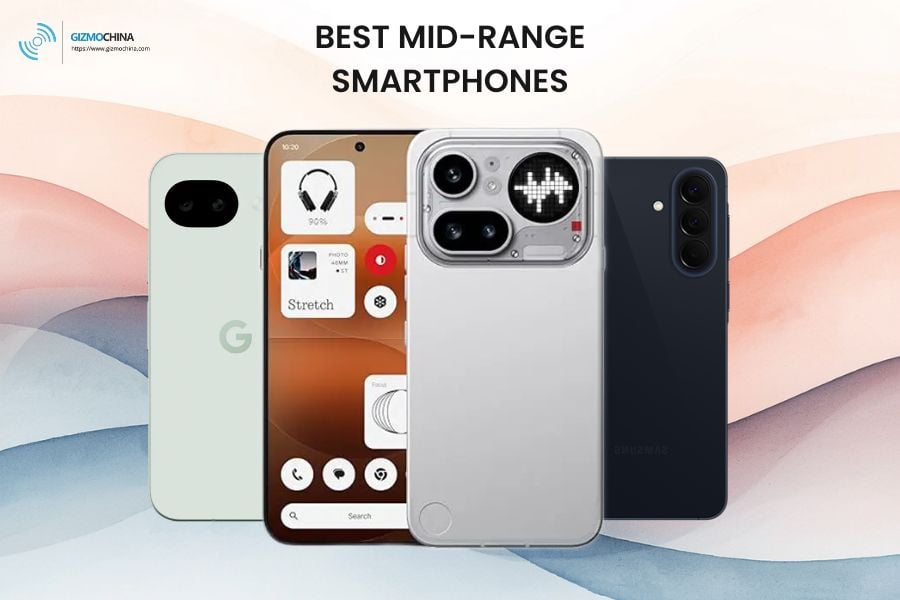
The global memory chip shortage, driven largely by AI data centers hoovering up DRAM and NAND supply, has pushed component costs up across the board, and mid-range devices have taken a real hit. Samsung reportedly pushed for as much as a 100% price hike on LPDDR5X memory, and brands everywhere from India to Europe have quietly raised prices on phones that used to sit comfortably under $500.
So this year, mid-range stretches a bit further up the price ladder than it used to, and some of the phones below cost more than you might expect for the category. What hasn’t changed, fortunately, is the value proposition. You can still expect bright OLED screens, big batteries, and reliable cameras.
Here are the five best mid-range phones you can get in 2026.
1. Google Pixel 10a

You know the Pixel formula by now, and Google didn’t mess with it much this year. The Pixel 10a starts at $499 and offers a 6.3-inch OLED display running at 120Hz with a Tensor G4 chip, 8GB of RAM, and a 5,100mAh battery.
The camera setup keeps the same 48MP main sensor and 13MP ultrawide from last year’s model, and you also get a loyal seven years of OS and security update promise. The brand also launched the Pixel 10a with recycled cobalt, copper, gold, and tungsten making up more than a third of the phone’s weight.
Nothing here will wow you in a spec sheet comparison, and the design is basically a repeat of the 9a. But if you want a phone you can buy once and stop thinking about for years, this is it.
2. Nothing Phone (4a) Pro
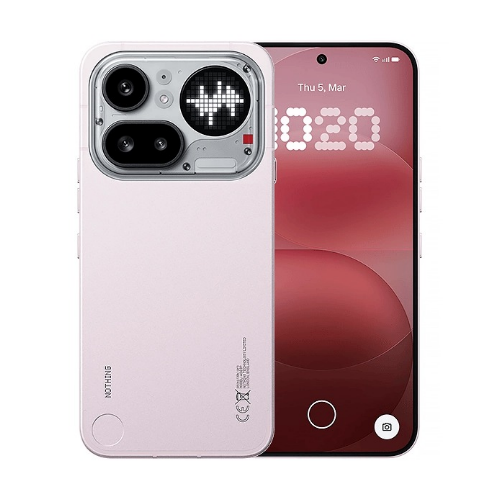
Nothing has never been shy about wanting its phones to look different, and the Nothing Phone (4a) Pro is no exception. It swaps the brand’s usual plastic build for an aluminum unibody frame, adds a 6.83-inch AMOLED display that hits 144Hz, and carries over the circular Glyph Matrix from the pricier Phone (3), scaled down to 137 individually addressable LEDs on the back.
Under the hood, it is powered by a Snapdragon 7 Gen 4 chip with 8GB of RAM and 128GB of storage. Nothing is asking $499 for all this.
The camera experience isn’t as consistently impressive as what you get from Google’s Pixel lineup, and battery life isn’t its strongest point either. Still, if you care about having a phone that feels a little less generic, the Nothing Phone (4a) Pro is an easy one to recommend.
3. Samsung Galaxy A57 5G
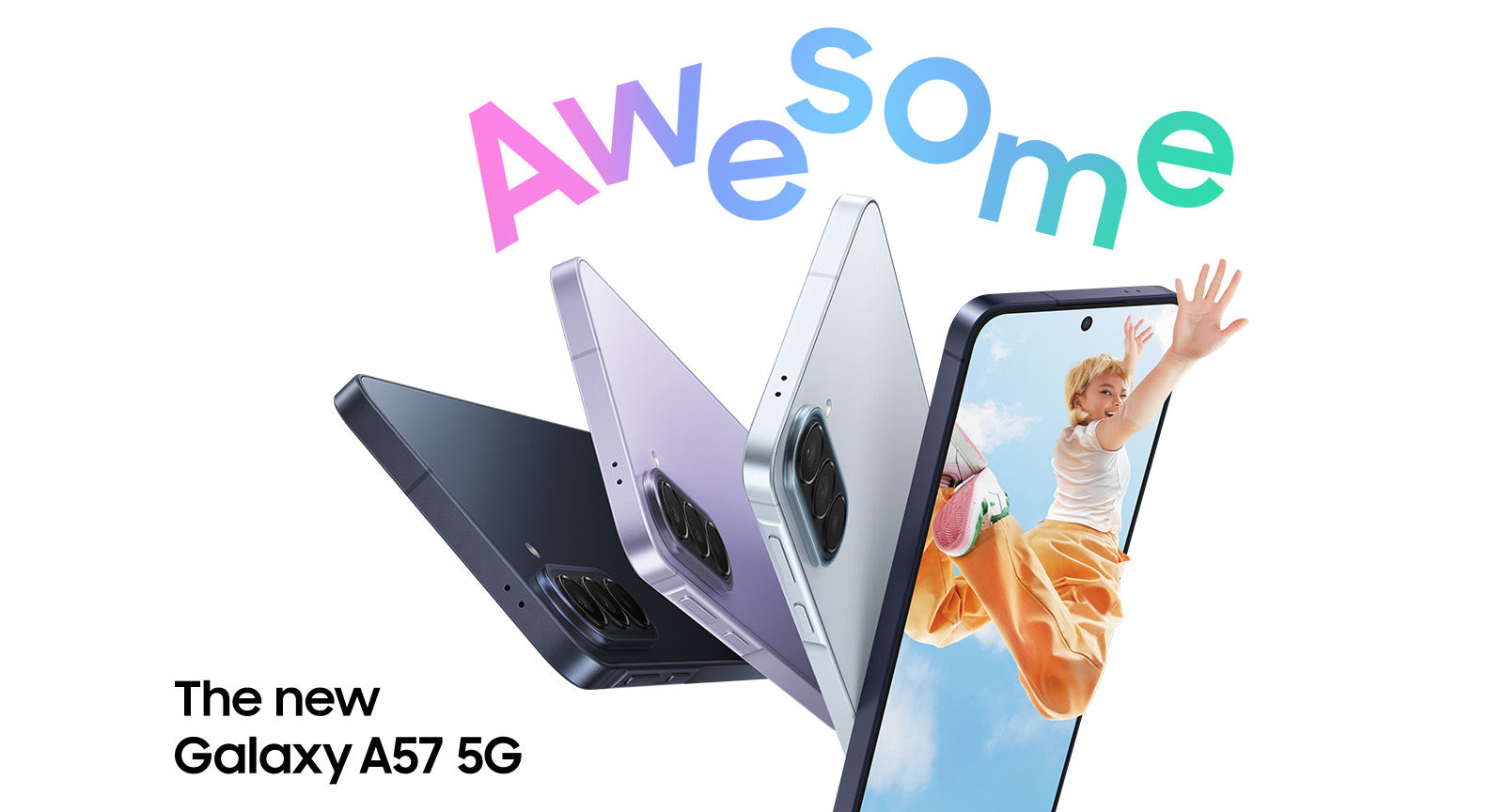
Samsung’s Galaxy A series has quietly become one of the strongest choices in the mid-range segment, and the Galaxy A57 continues that trend.
The A57 stands out because it feels more expensive than it actually is. Samsung has given it a slim design and a premium-looking glass-and-metal build, while also improving the hardware over the previous-generation A56.
It has a 6.7-inch Super AMOLED Plus display at 120Hz, a 5,000mAh battery with 45W charging, IP68 water and dust resistance, and a 50MP main camera backed by a 12MP ultrawide and 5MP macro lens.
It is a particularly good choice if you already use Samsung devices. One UI makes you right at home, Samsung’s ecosystem is easy to work with, and the company is offering six years of OS upgrades and security patches. A recent teardown even scored the Galaxy A57 highly for repairability.
The downside is that it isn’t the most exciting phone for gaming. If raw performance is your priority, there are better options in this list.
4. Motorola Edge 70 Fusion
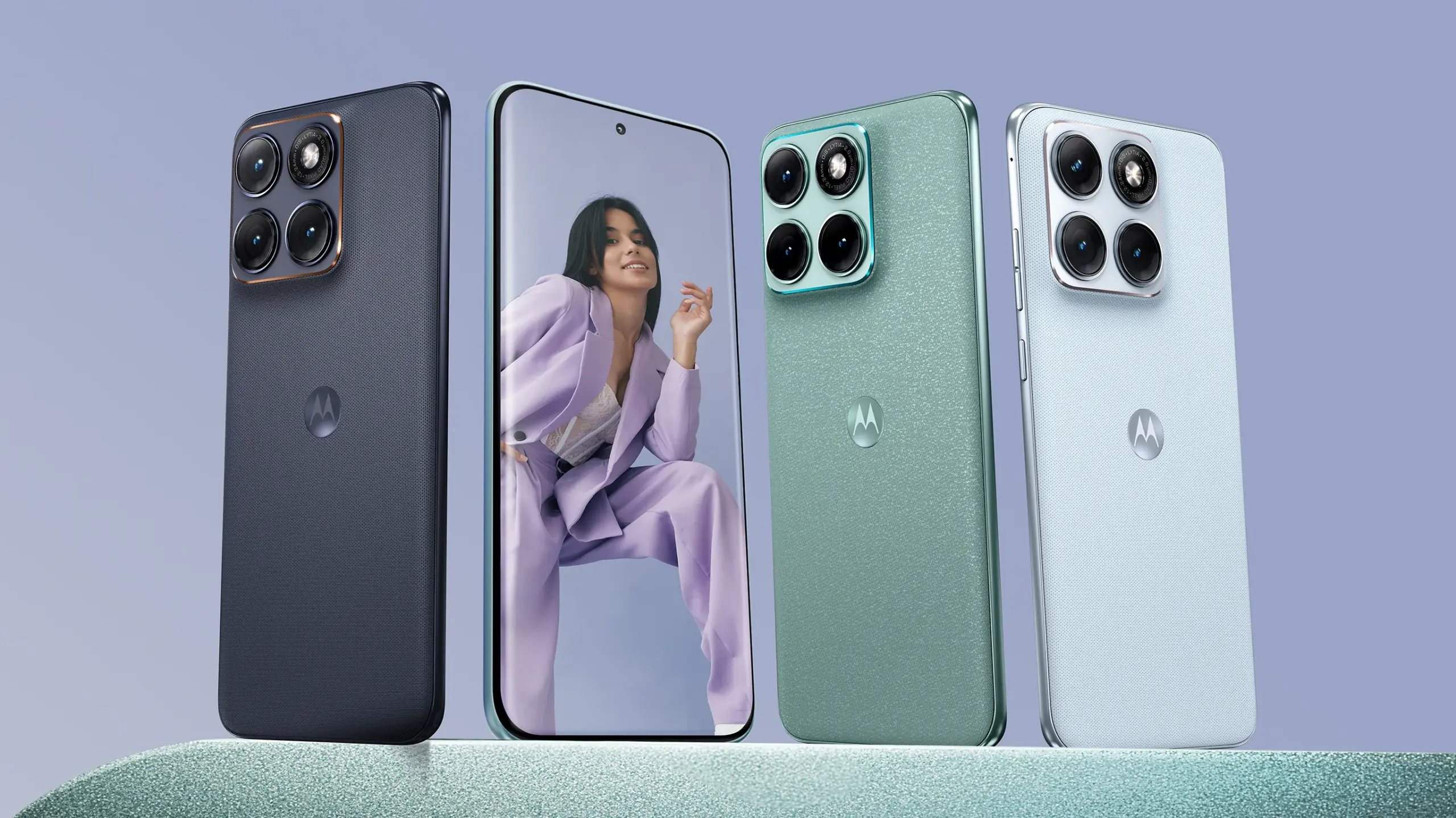
Motorola’s Edge Fusion lineup has always been about finding the sweet spot between price and features, and the Edge 70 Fusion is just that. It gives you enough hardware that you won’t feel like you’re settling.
The phone packs a 6.7-inch pOLED display with a 144Hz refresh rate, 5200 nits peak brightness, a Snapdragon 7s Gen 4 chip, and a large 5,200mAh battery with 68W fast charging. The camera setup is led by a 50MP main sensor with optical image stabilization, joined by a 13MP ultrawide camera.
Motorola also keeps the Edge 70 Fusion relatively slim and light, and it also has an IP68 rating for dust and water resistance. Its main weakness is software support.
Motorola has improved in this area, but it still doesn’t match Google’s seven-year commitment or Samsung’s six years of updates. Still, it’s an option you can consider if you want a good screen and battery life for entertainment.
5. OnePlus Nord 6

If the Pixel 10a is the sensible choice and the Nothing Phone (4a) Pro is the one you buy with your heart, the OnePlus Nord 6 is the phone for people who just want things to be fast.
It is powered by Qualcomm’s Snapdragon 8s Gen 4 chipset, paired with up to 12GB of RAM, giving it considerably more performance headroom than most phones in this price range.
The phone also has a 6.78-inch AMOLED display with a 165Hz refresh rate, while its 9000mAh battery gives it plenty of endurance. OnePlus supports that battery with 80W fast charging, so even when you do run it down, you don’t have to leave it plugged in for long.
The camera system isn’t the main reason to buy the Nord 6, and its design isn’t as distinctive as Nothing’s either. But that’s fine. OnePlus wants you to spend the money on performance and battery with the Nord 6.
The biggest catch with buying a OnePlus phone in 2026 comes down to availability. Since OnePlus has pulled out of almost every international market except India, the Nord 6 is really only a practical choice if you live there.
For more daily updates, please visit our News Section.
Stay ahead in tech! Join our Telegram community and sign up for our daily newsletter of top stories!