Add GIZMOCHINA as Preferred Source on Google
Oppo and Vivo unveiled their latest flagship phones just one day apart this week. Vivo introduced the X500 Pro Max on September 21, followed by Oppo’s Find X10 Pro Max a day later. Both phones use the same Dimensity 9600 Pro chip and pack 8,000mAh batteries, while their camera systems are a major part of the hardware.
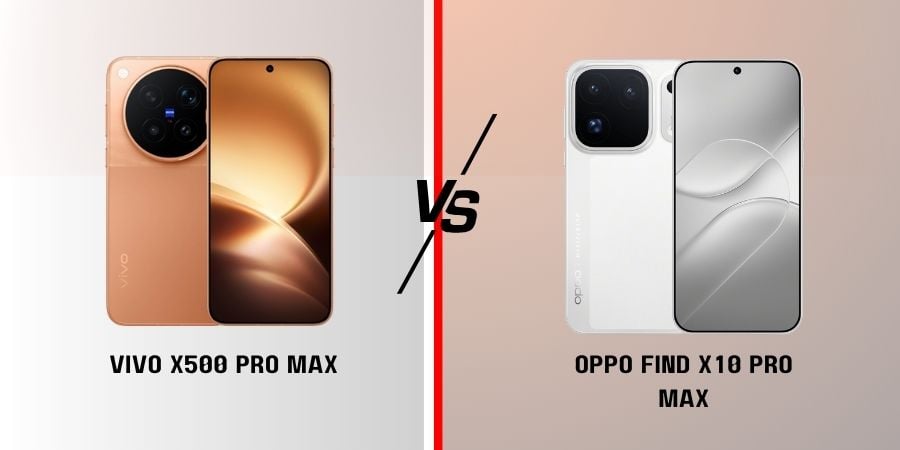
Despite those similarities, the two phones take very different approaches to photography. The Find X10 Pro Max has three 200MP cameras, with each one covering a different focal length. The X500 Pro Max, meanwhile, puts a much larger sensor behind its 200MP telephoto camera. Here’s how the two phones compare.
1. Design
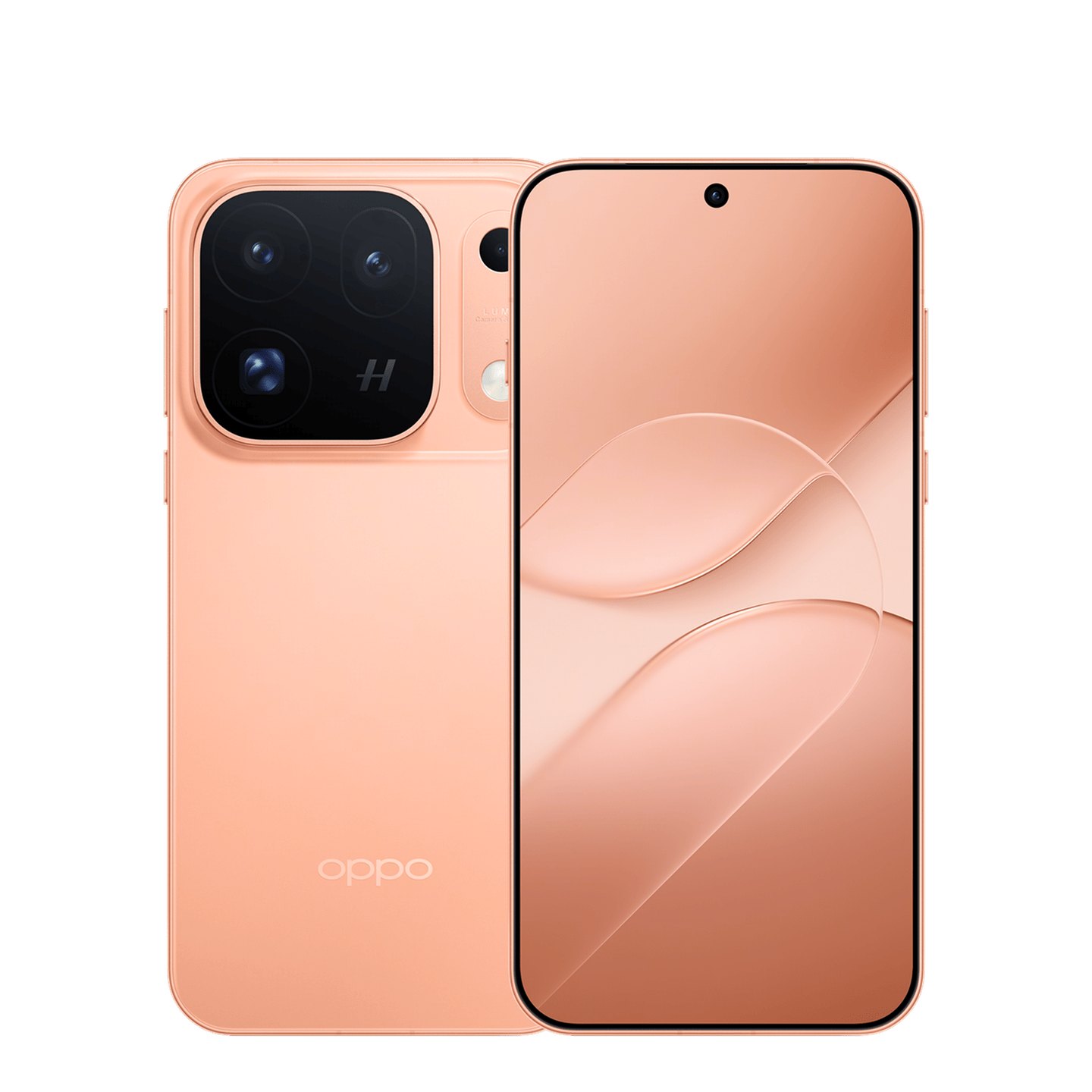
The Find X10 Pro Max keeps the squircle-shaped camera module used on the Find X9 series, but Oppo has split the design into two sections. The larger square section houses the three cameras, while a vertical pill-shaped section on the right holds the LED flash and an additional sensor.

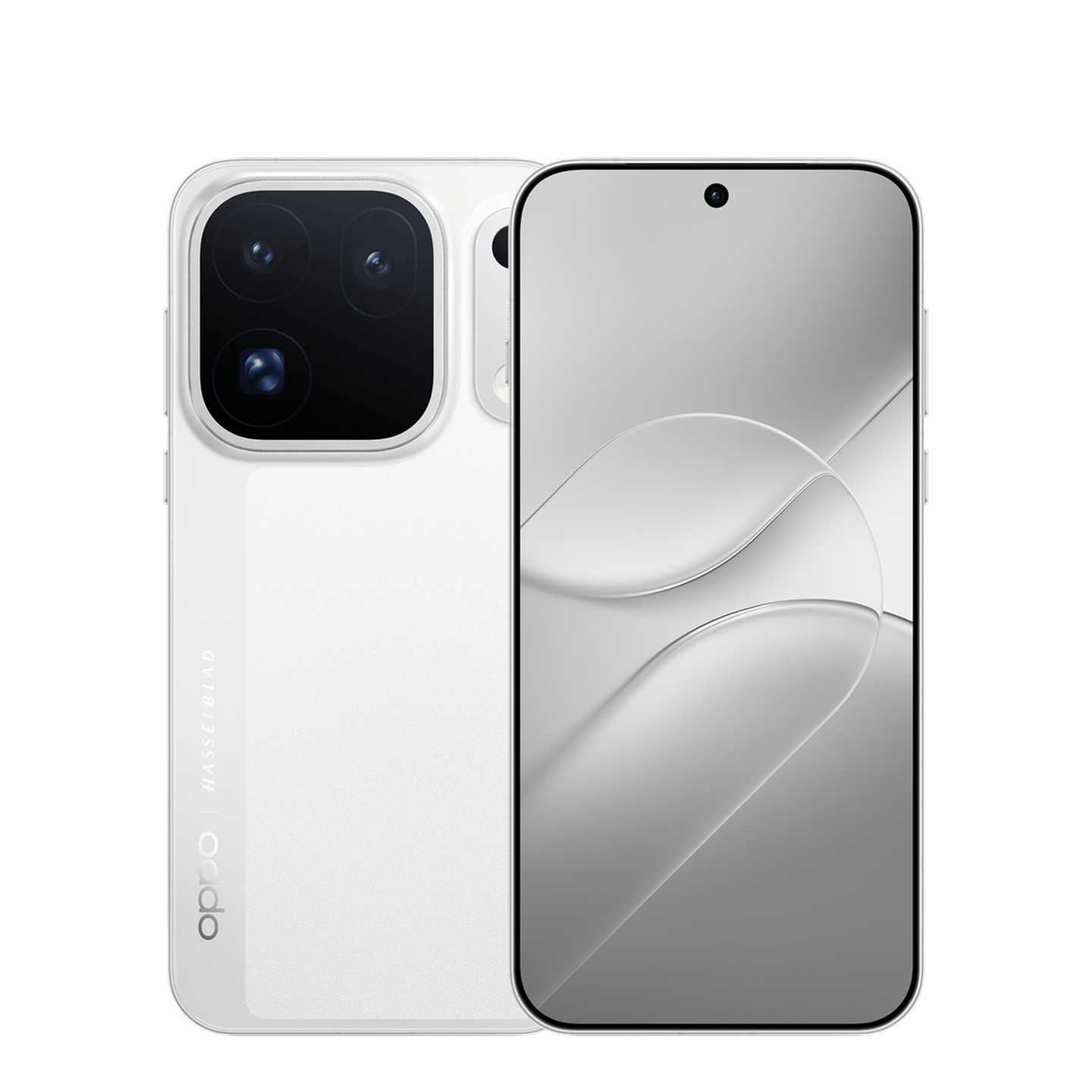
The Moon White version gets Oppo’s camera splicing design. Its back uses a single piece of glass with two different textures instead of one uniform finish. The Warm Orange and Light Titanium models use a sanded finish with what Oppo describes as a soft sheen. All three versions have a Hasselblad logo on the back, with a design inspired by the material breaks found on classic film cameras.
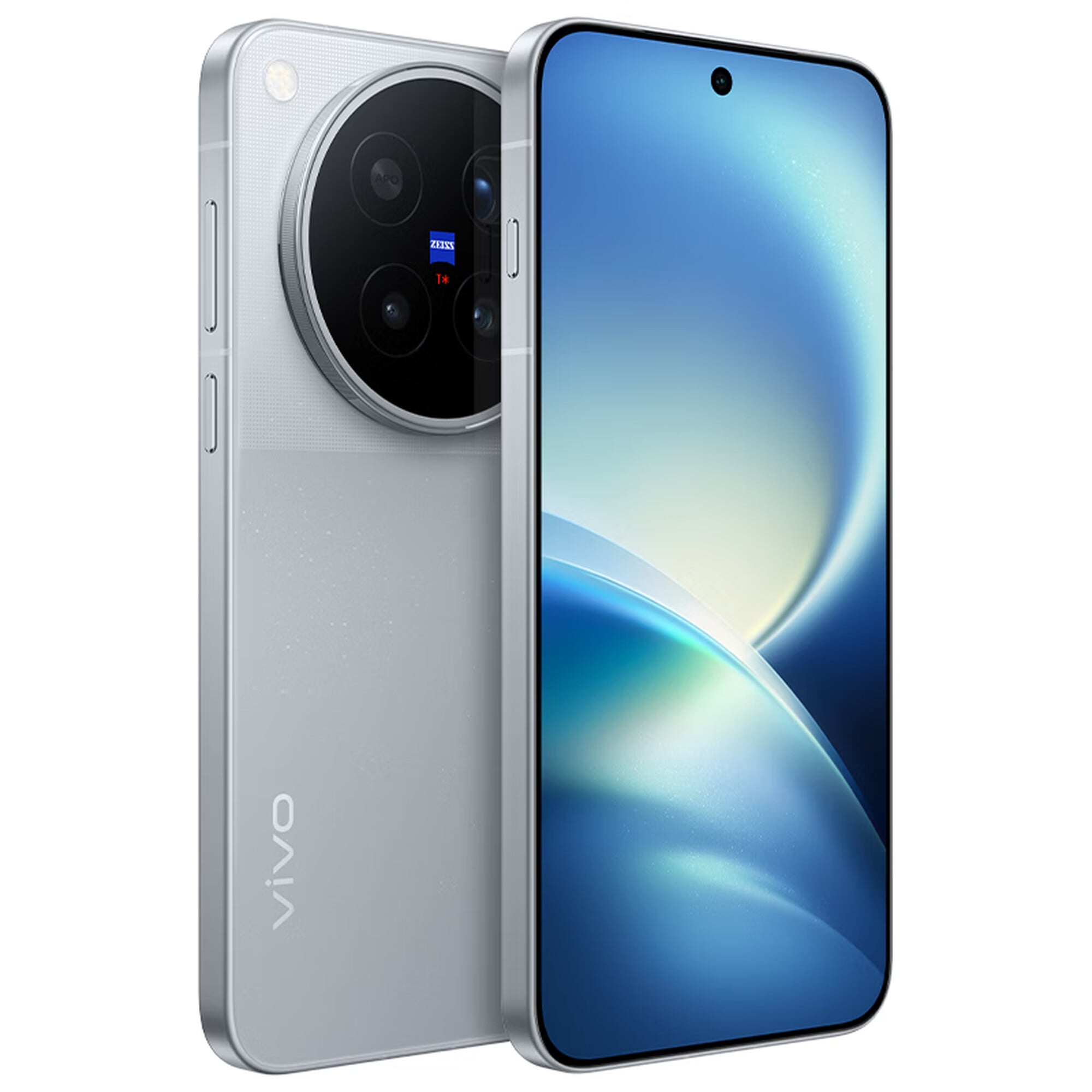
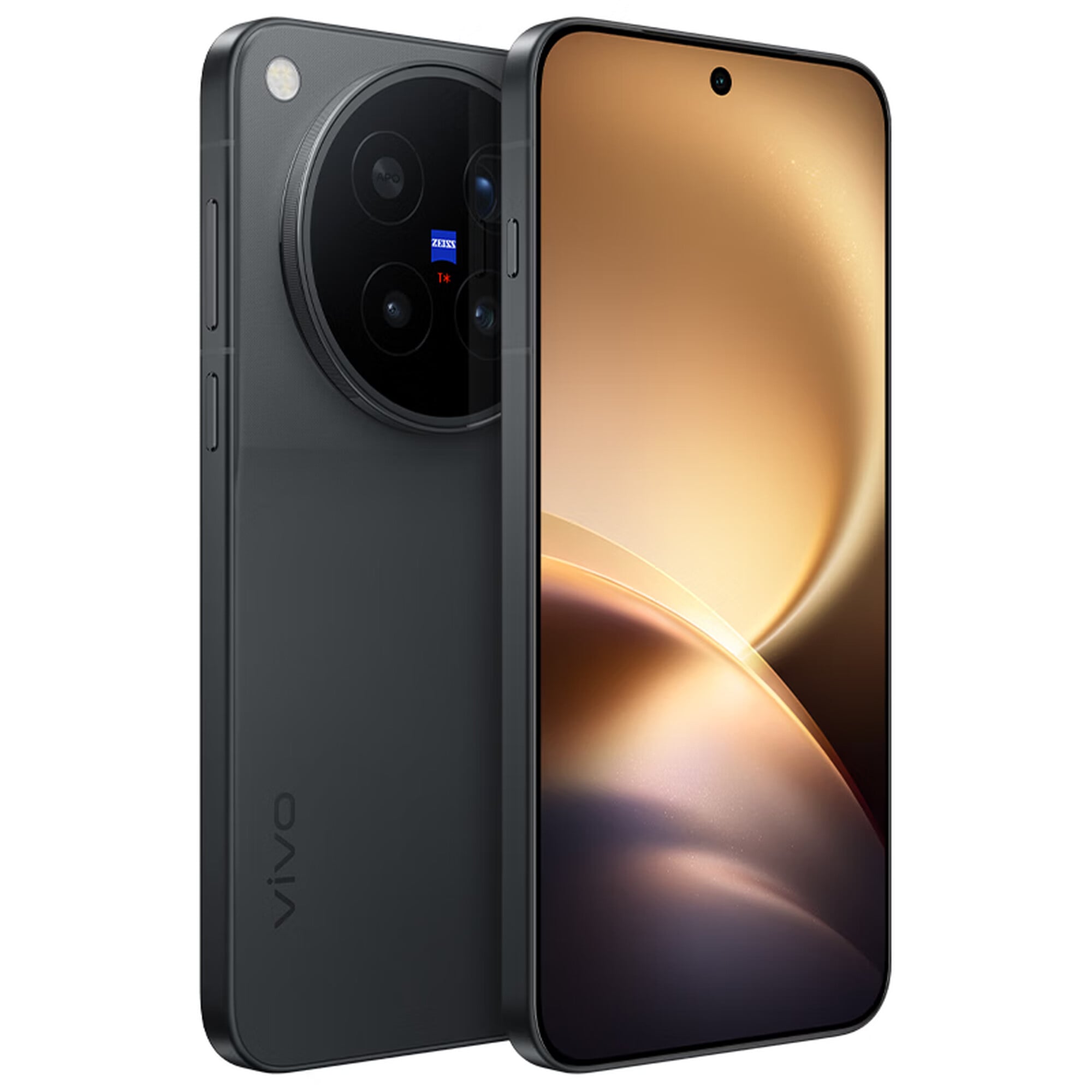
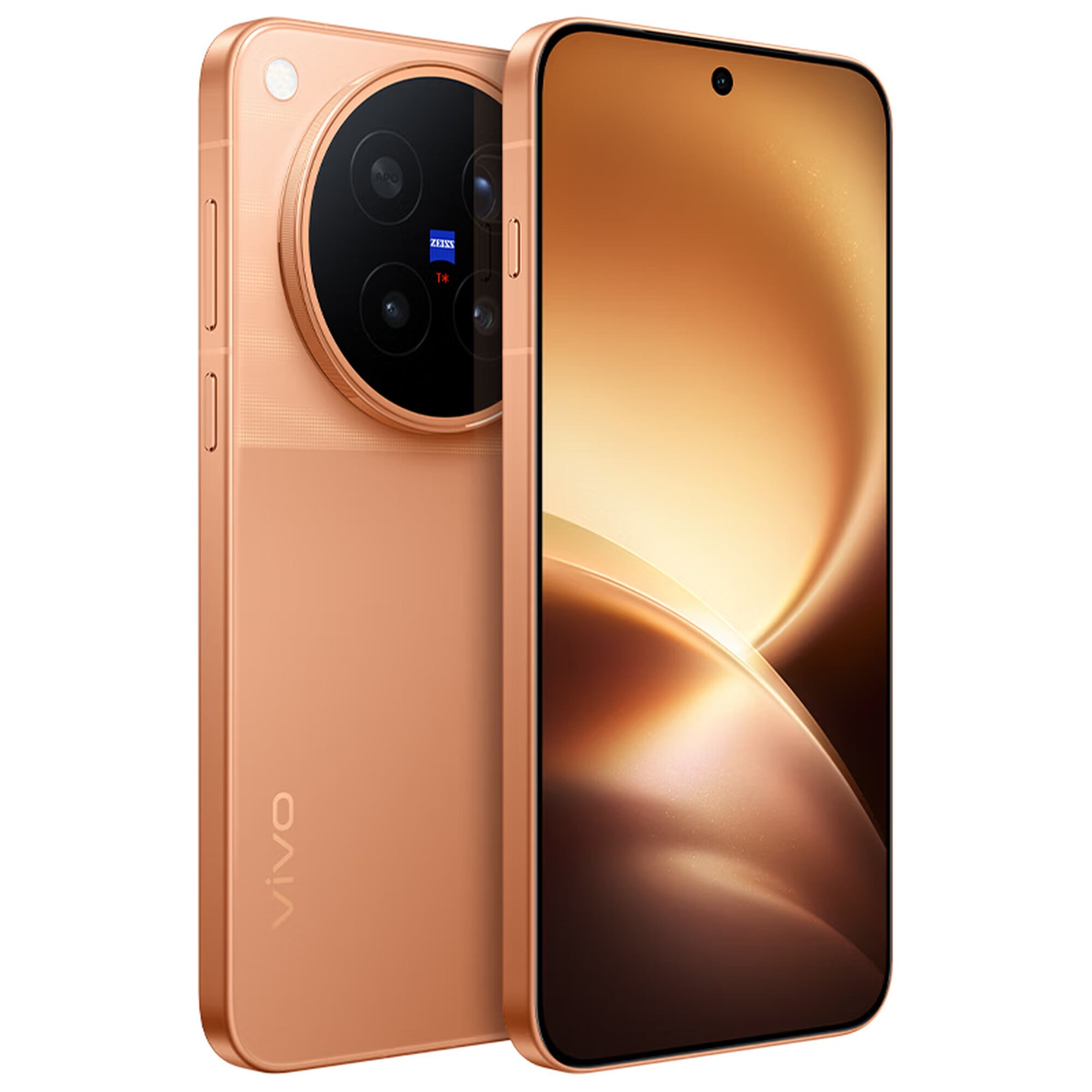
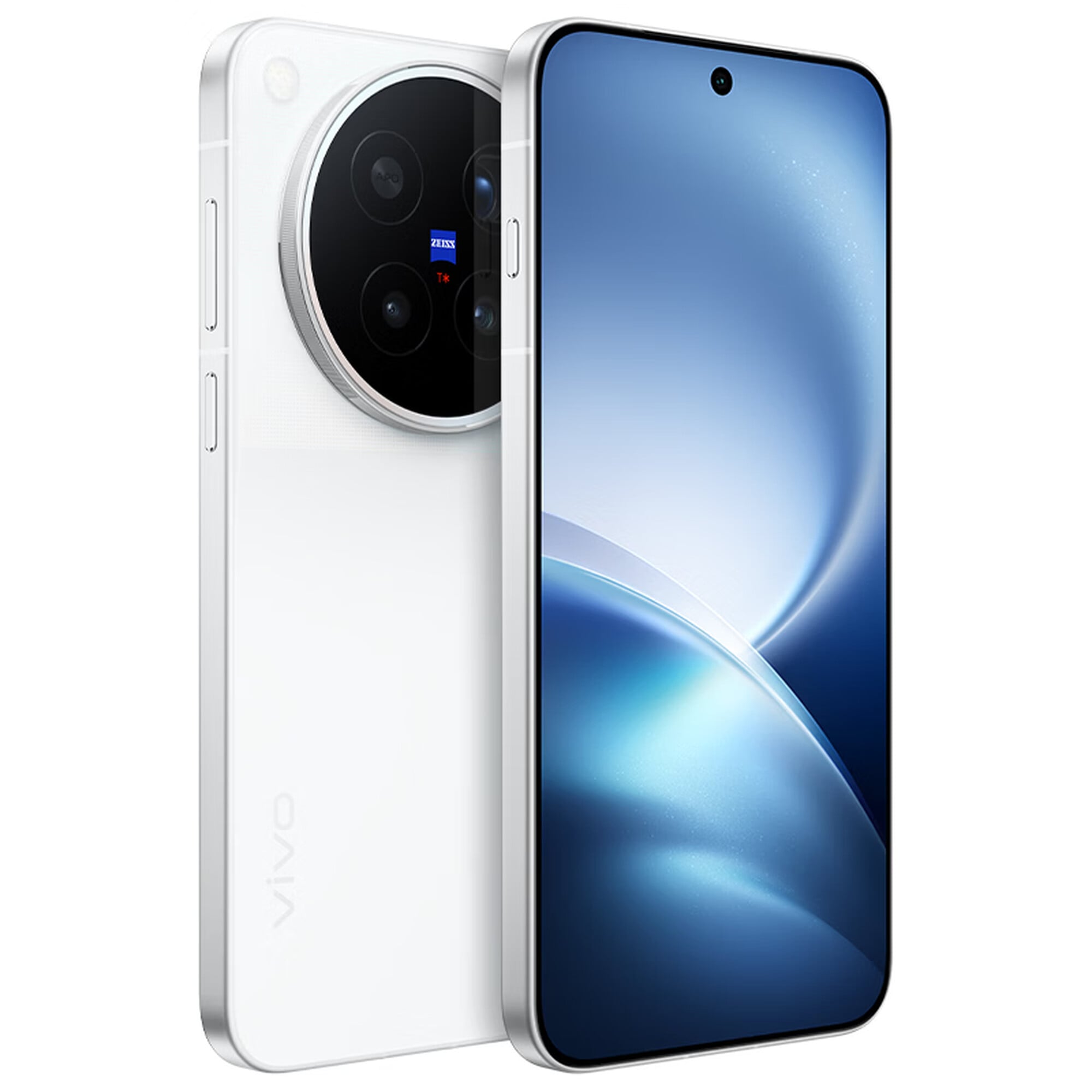
Vivo uses a different approach on the X500 Pro Max. Three of its four colors — Earth Echo, Sunny, and Sunset — use a “Tidal Cold Carved Glass” back panel. The darker Night Photography version has a different finish. The phone also has an aviation-grade aluminum frame, while the camera ring uses a textured “pancake” Deco design.
2. Three 200MP Cameras vs a Large 200MP Telephoto
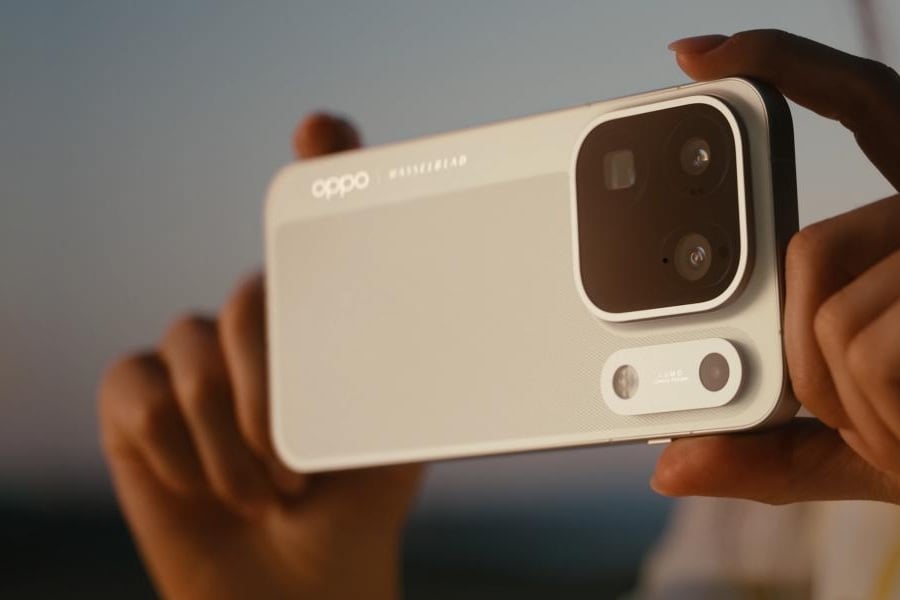
The Find X10 Pro Max has three 200MP rear cameras, with each camera handling a different focal length. The main camera uses a 1/1.3-inch sensor with an f/1.5 aperture and a 24mm equivalent focal length. Oppo claims 17 stops of single-frame dynamic range, while CIPA 6.5 stabilization helps keep shots steady.
The 200MP telephoto camera uses a smaller 1/1.56-inch sensor, an f/2.1 aperture, and a 70mm equivalent focal length. It can focus as close as 10cm for macro photography and has a CIPA 7.5 stabilization rating. The 200MP ultra-wide camera also uses a 1/1.56-inch sensor and has an f/2.2 aperture with a 124-degree field of view. Oppo says it takes in 202% more light than the previous model.
There is also a second-generation Danxia color lens next to the main camera. It is used for color processing and can capture 15 stops of dynamic range across 24 spectral sampling channels. Oppo says this improves color-perception efficiency by 43% compared with the previous generation.
The X500 Pro Max has a different camera setup. Its main camera uses a 1/1.28-inch Blueprint 900 sensor co-developed with Sony, with an f/1.57 aperture and a 24mm equivalent focal length. Vivo also claims 17EV of dynamic range. The camera uses TrueDynamic stabilization with a 3-degree gimbal-style system and Zeiss T* coating.
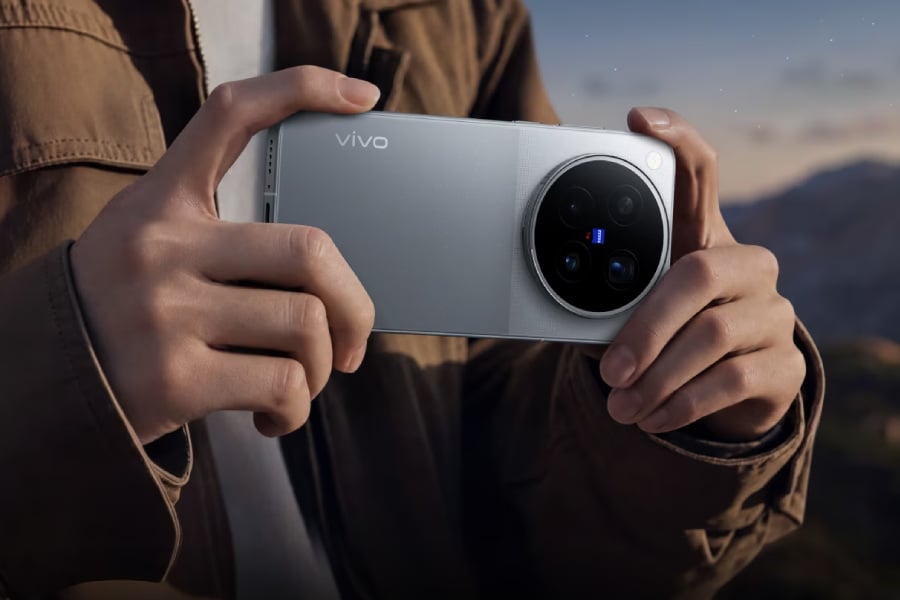
The main camera feature is the 200MP Zeiss APO telephoto camera. It uses a 1/1.4-inch Blueprint x Samsung HP0 sensor, an f/2.67 aperture, and an 85mm equivalent focal length. Vivo calls 85mm the “golden” focal length for portraits and distant subjects. The telephoto camera also supports 15cm macro photography and has CIPA 7.0 stabilization.
The ultra-wide camera is a 50MP unit with a 1/2.75-inch sensor and f/2.0 aperture. It also supports autofocus, allowing it to focus on closer subjects for macro shots.
Vivo has also added a multi-zone laser focus system with 1,536 laser points arranged in a 48×32 grid. The system provides more than 1,500 depth-information points to help with focusing.
3. Optional Camera Accessories

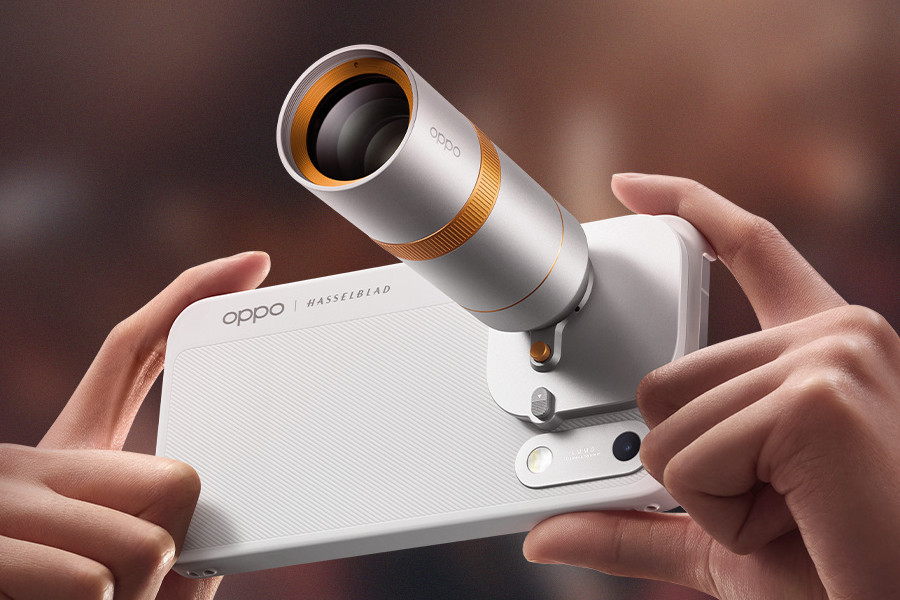
Both phones support optional teleconverter accessories. Oppo’s Hasselblad teleconverter extends the telephoto camera from 230mm to 4600mm equivalent and supports up to 20x lossless zoom in good lighting. It also supports 4K 60fps Dolby Vision recording and dual OIS and EIS stabilization. The kit includes a protective case, adapter ring, hand-rest grip, camera strap, and carrying pouch.
Vivo’s Zeiss G2 Ultra teleconverter extends the X500 Pro Max’s telephoto camera to around 400mm equivalent. It also includes a dedicated stage mode for concert photography.
Vivo has another feature designed for cold environments. Its telephoto camera includes an active anti-fog system that uses hardware and software to clear condensation in cold and humid conditions, such as on ski slopes.
4. Video and Creative Features
The Find X10 Pro Max supports Open Gate recording, which captures the full sensor area and leaves more room for cropping and reframing later. Oppo says this is the first time it has brought the feature to a flagship phone. The phone can also record 8K video at 30fps in 10-bit Log and supports ACES-compatible color grading.
Oppo has partnered with TILTA and Blackmagic Camera as part of its KHRONOS system. This allows users to connect accessories such as ND filters and follow-focus handles. For photography, the phone includes Hasselblad Master Mode with different Hasselblad-inspired tonal presets, along with XPan Mode for an extra-wide aspect ratio.
The X500 Pro Max offers several high-frame-rate video options. It can record 4K video at 240fps for slow motion and 4K at 120fps with subject tracking. It also supports 4K 120fps 10-bit Log recording, while an 8K Native Live mode is coming through a software update.
Vivo also includes several cinematic color profiles, including Sunlight Film, Cool Silver Halide, Parisian Afterglow, Cool Shadow, and Warm Light. Users can also import custom 3D LUTs. Humanistic Mode adds film-style processing, gray-film shooting, and LUT support.
For easier editing, Vivo’s AI One-Click Highlight tool can scan a travel album, select moments from the photos and videos, apply color grading and music, and create a short video that you can share on socials or every other platform.
5. Performance and On-Device AI
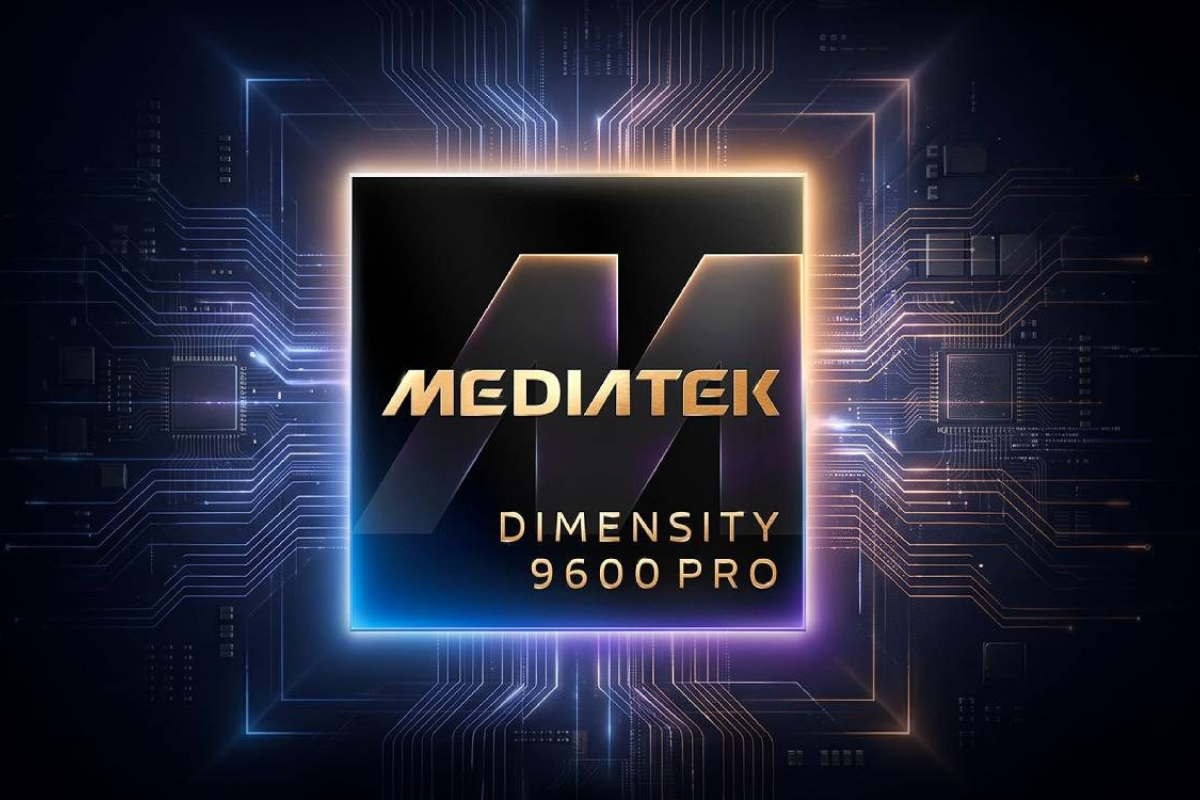
Both phones use the Dimensity 9600 Pro, so their basic performance should be similar. However, Oppo and Vivo use different software and hardware features around the chip.
Oppo’s Tide Engine scheduling system is designed to speed up 200MP photo processing. The company says the gap between 200MP photo captures has been reduced to 0.7 seconds, which is 10 times faster than before.
Vivo, which worked with MediaTek on this chip generation, reports a 17% increase in single-core performance from the new Arm v9.4 cores. It also claims a 61% reduction in peak multi-core power consumption, a 27% increase in peak GPU performance, and a 51% improvement in first-word response time for on-device language models with 3 billion parameters.
Vivo also has several gaming features. Its Monster Hypercore Engine Tianji Edition supports native 144fps gaming and 120fps ray tracing in supported games. The phone also has an ultra-sensing gyroscope designed to improve aiming.
Oppo says the Find X10 Pro Max can maintain full-frame-rate gaming for up to eight hours in popular MOBA titles.
6. Display Engineering
The Find X10 Pro Max’s 6.78-inch LTPO OLED display includes several features designed to reduce eye strain. It can drop to 1 nit of minimum brightness, covers 95% of the BT.2020 color space, and reaches 2,000 nits of global peak brightness. It also uses a 144Hz refresh rate, 3840Hz PWM dimming, and has seven eye-protection certifications, including TÜV Rheinland’s flicker-free certification.
Oppo says its display technology increases deep red light output by 160% and reduces harmful blue light by 38% compared with the previous generation. Its Display P3 chip handles the display’s color processing.
The X500 Pro Max has a 6.85-inch display using BOE’s Q11 material, also with a 144Hz refresh rate. Vivo has added chip-level AP Demura 2.0 for pixel-level color and brightness calibration, along with a Sunlight Screen Color Compensation Algorithm for outdoor visibility.
The ambient light sensor can adjust brightness in 0.3-lux steps. Vivo says it matches 98% of the human eye’s light sensitivity while reducing 99.9% of infrared interference that could affect readings. The screen reaches 4,400 nits of peak brightness at a 20% window size and 2,000 nits of global brightness.
7. Battery, Charging, and Cold-Weather Support
Both phones have 8,000mAh batteries, but the two companies highlight different battery features.
Oppo says its Glacier Battery uses a spherical silicon-carbon anode and a battery longevity algorithm. This helps the battery to retain 80% of its capacity after five years of daily charging.
Meanwhile, Vivo’s fifth-generation silicon-anode battery has more than 25% silicon content. The company says it can continue working at temperatures as low as -30°C and remain functional at -20°C.
As for charging, the X500 Pro Max supports faster 90W wired charging, compared with 80W on the Find X10 Pro Max. Oppo supports faster wireless charging at 50W, while Vivo supports 40W wireless charging. Vivo’s 50W wireless charging requires the company’s 50W Vertical Wireless Charger 2.
8. Software and Ecosystem Features
No surprises, the two phones run their own skin on top of Android 17. ColorOS 17 on the Find X10 Pro Max includes AI Fluid Cloud, which can track a journey across different types of transport, including walking, buses, and subways, and provide reminders before transfers. AI Notes can summarize meetings and videos and organize the information into a searchable knowledge base.
AI Tap lets users point the camera at objects such as Wi-Fi signs, menus, or documents and get information about them.
Oppo also offers several features for connecting the phone with Apple devices through Oppo Connect. The system can relay iPhone calls and messages to the Oppo phone, sync Apple Watch activity data, and share audio with earbuds from different brands. An Oppo Watch can also be used as a camera shutter, while an Enco earbud can work as a wireless microphone.
Vivo X500 Pro runs OriginOS 7, which has features like Vivo’s Blue Heart Little V Pro Mode that handles multiple tasks from a single instruction and creates travel itineraries. Its Atomic Workbench allows up to five apps to run in the foreground, with users able to drag content between them.
Some of Vivo’s other features are designed specifically for China. These include automatic network optimization at large concerts, smart carrier switching at certain border crossings, and BeiDou satellite messaging on the 1TB model for areas without cellular coverage.
9. Accessory Ecosystems
Both phones have optional touchscreen accessories that attach to the back of the phone and provide a view from the rear cameras.
Oppo’s Bubble selfie screen works with the ultra-wide camera and shows a live preview when taking photos with the rear camera.
Vivo’s Camera Screen is a 3.92-inch magnetic touchscreen that is 5.65mm thick. It also supports remote shutter control from up to 10 meters away, which can be useful for taking photos or videos from a distance.
Both accessories are sold separately.
10. Price and Availability
In China, the Find X10 Pro Max starts at 6,799 yuan (about $1,006) for the 12GB/256GB model. The 16GB/1TB version costs 8,999 yuan (about $1,332). The phone will go on sale on September 24.
The Vivo X500 Pro Max starts at 6,999 yuan (about $1,044) for 12GB/256GB. The 12GB/1TB version costs 8,999 yuan, while the 16GB/1TB Creator’s Package costs 12,999 yuan (about $1,940) and adds satellite communication.
The X500 Pro Max also goes on sale September 24. Neither company has confirmed international pricing yet. Vivo has confirmed that the X500 and X500 Pro Max will launch in Singapore, while Oppo’s global rollout is expected by late October.
Don’t miss a thing! Join our Telegram community for instant updates and grab our free daily newsletter for the best tech stories!
For more daily updates, please visit our News Section.