Advertisement

Every Snapdragon 8 Elite Gen 5 phone so far: Complete list

Snapdragon 8 Elite Gen 5 phones list

This post was last updated on April 18, 2026.

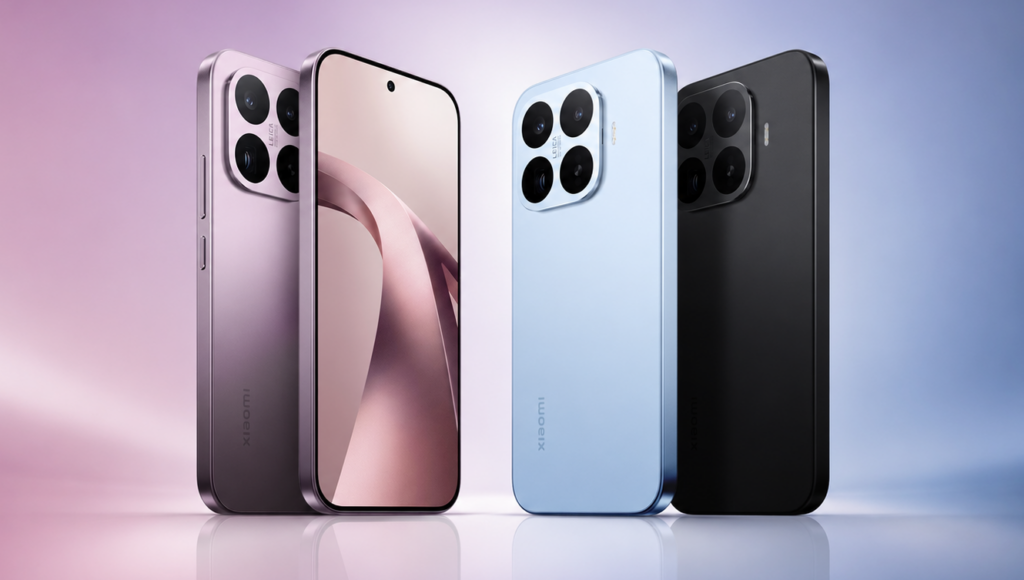
The Snapdragon 8 Elite Gen 5 is Qualcomm’s most advanced smartphone chipset for Android devices, promising superior performance, efficiency, and agentic AI capabilities. Soon after its announcement in September 2025, smartphone brands rushed to launch devices with this processor.

Now there are dozens of options powered by Snapdragon 8 Elite Gen 5, and the list continues to grow steadily. Here’s an updated list of Snapdragon 8 Elite Gen 5 smartphones launched so far.

Snapdragon 8 Elite Gen 5 phones list

  • Samsung Galaxy S26 Ultra
  • Samsung Galaxy S26+
  • Samsung Galaxy S26
  • Xiaomi 17 Ultra
  • Xiaomi 17 Pro Max
  • Xiaomi 17 Pro
  • Xiaomi 17
  • OnePlus 15
  • OnePlus 15T
  • Vivo X300 Ultra
  • iQOO 15 Ultra
  • iQOO 15
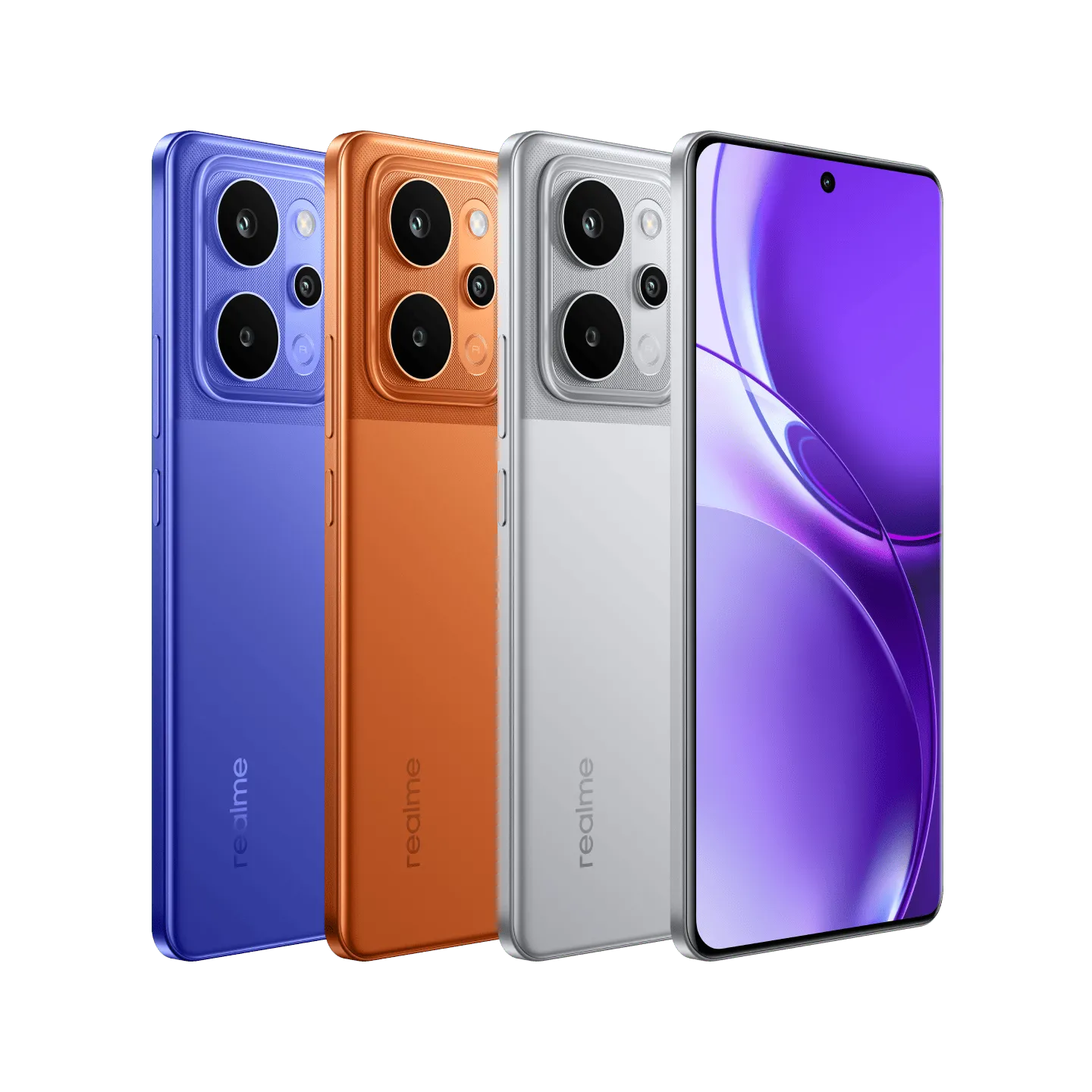
  • Realme GT 8 Pro
  • POCO F8 Ultra
  • Nubia RedMagic 11 Pro+
  • Nubia RedMagic 11 Pro
  • Nubia Z80 Ultra
  • Honor Magic 8 Pro
  • Honor Magic 8

Samsung phones with Snapdragon 8 Elite Gen 5

The Galaxy S26 series, launched in February 2026, features a Snapdragon 8 Elite Gen 5 chipset. It’s worth noting that only the S26 Ultra gets this chip worldwide, while the S26 and S26+ get the Snapdragon chip in select regions, including the US, Canada, Japan, and China. Other regions, including India, get Exynos 2600.

Besides a flagship chipset, one of the biggest highlights of the Galaxy S26 series is Privacy Display.

Galaxy S26 Ultra

  • Display: 6.9-inch LTPO AMOLED, 120Hz, 2600nits (peak)
  • Processor: Qualcomm Snapdragon 8 Elite Gen 5 (3 nm)
  • Rear camera: 200MP (wide), 10MP (telephoto, 3x optical zoom), 50MP (periscope telephoto, 5x optical zoom), 50MP (ultrawide)
  • Front camera: 12MP
  • OS: Android 16, up to 7 major Android upgrades
  • Battery: 6500mAh
  • Charging: 60W (wired), 25W (wireless), 4.5W (reverse wireless)
  • Connectivity: Wi-Fi 7, Bluetooth 6.0, NFC, USB Type-C 3.2

Galaxy S26+

  • Display: 6.7-inch LTPO AMOLED, 120Hz, 2600nits (peak)
  • Processor: Qualcomm Snapdragon 8 Elite Gen 5 (3 nm) (region-specific)
  • Rear camera: 50MP (wide), 10MP (telephoto, 3x optical zoom), 12MP (ultrawide)
  • Front camera: 12MP
  • OS: Android 16, up to 7 major Android upgrades
  • Battery: 4900mAh
  • Charging: 45W (wired), 20W (wireless), 4.5W (reverse wireless)
  • Connectivity: Wi-Fi 7, Bluetooth 6.0, NFC, USB Type-C 3.2

Galaxy S26

  • Display: 6.3-inch LTPO AMOLED, 120Hz, 2600nits (peak)
  • Processor: Qualcomm Snapdragon 8 Elite Gen 5 (3 nm) (region-specific)
  • Rear camera: 50MP (wide), 10MP (telephoto, 3x optical zoom), 12MP (ultrawide)
  • Front camera: 12MP
  • OS: Android 16, up to 7 major Android upgrades
  • Battery: 4300mAh
  • Charging: 25W (wired), 15W (wireless), 4.5W (reverse wireless)
  • Connectivity: Wi-Fi 7, Bluetooth 6.0, NFC, USB Type-C 3.2

Xiaomi phones with Snapdragon 8 Elite Gen 5

The Xiaomi 17 (review) was the first phone in the world to launch with the Snapdragon 8 Elite Gen 5 chipset. It was launched in September 2025.

Xiaomi 17 Ultra

  • Display: 6.9-inch LTPO AMOLED, 120Hz, 3500nits (peak)
  • Processor: Qualcomm Snapdragon 8 Elite Gen 5 (3 nm)
  • Rear camera: 50MP (wide), 200MP (periscope telephoto, 3.2-4.3x continuous optical zoom), 50MP (ultrawide)
  • Front camera: 50MP
  • OS: Android 16, up to 5 major Android upgrades
  • Battery: 6000mAh
  • Charging: 90W (wired), 50W (wireless), 22.5W (reverse wired), 10W (reverse wireless)
  • Connectivity: Wi-Fi 7, Bluetooth 6.0, NFC, USB Type-C 3.2

Xiaomi 17 Pro Max

  • Display: 6.9-inch LTPO AMOLED, 120Hz, 3500nits (peak)
  • Processor: Qualcomm Snapdragon 8 Elite Gen 5 (3 nm)
  • Rear camera: 50MP (wide), 50MP (periscope telephoto, 5x optical zoom), 50MP (ultrawide)
  • Front camera: 50MP
  • OS: Android 16, up to 5 major Android upgrades
  • Battery: 7500mAh
  • Charging: 100W (wired), 50W (wireless), 22.5W (reverse wireless)
  • Connectivity: Wi-Fi 7, Bluetooth 5.4, NFC, USB Type-C 3.2

Xiaomi 17 Pro

  • Display: 6.3-inch LTPO AMOLED, 120Hz, 3500nits (peak)
  • Processor: Qualcomm Snapdragon 8 Elite Gen 5 (3 nm)
  • Rear camera: 50MP (wide), 50MP (periscope telephoto, 5x optical zoom), 50MP (ultrawide)
  • Front camera: 50MP
  • OS: Android 16, up to 5 major Android upgrades
  • Battery: 6300mAh
  • Charging: 100W (wired), 50W (wireless), 22.5W (reverse wireless)
  • Connectivity: Wi-Fi 7, Bluetooth 5.4, NFC, USB Type-C 3.2

Xiaomi 17

  • Display: 6.3-inch LTPO AMOLED, 120Hz, 3500nits (peak)
  • Processor: Qualcomm Snapdragon 8 Elite Gen 5 (3 nm)
  • Rear camera: 50MP (wide), 50MP (telephoto, 2.6x optical zoom), 50MP (ultrawide)
  • Front camera: 50MP
  • OS: Android 16, up to 5 major Android upgrades
  • Battery: 6330mAh
  • Charging: 100W (wired), 50W (wireless), 22.5W (reverse wireless), 22.5W (reverse wired)
  • Connectivity: Wi-Fi 7, Bluetooth 5.4, NFC, USB Type-C 3.2

OnePlus phones with Snapdragon 8 Elite Gen 5

OnePlus 15 was launched in October 2025 as the company’s first phone with the Snapdragon 8 Elite Gen 5 processor. In March 2026, OnePlus 15T arrived in China with the same chipset. It could be released in the international market as the OnePlus 15s.

OnePlus 15

  • Display: 6.78-inch LTPO AMOLED, 165Hz, 3600nits (peak)
  • Processor: Qualcomm Snapdragon 8 Elite Gen 5 (3 nm)
  • Rear camera: 50MP (wide), 50MP (periscope telephoto, 3.5x optical zoom), 50MP (ultrawide)
  • Front camera: 32MP
  • OS: Android 16, up to 4 major Android upgrades
  • Battery: 7300mAh
  • Charging: 120W (wired), 50W (wireless), 10W (reverse wireless), 5W (reverse wired)
  • Connectivity: Wi-Fi 7, Bluetooth 6.0, NFC, USB Type-C 3.2

OnePlus 15T

  • Display: 6.32-inch AMOLED, 165Hz, 3600nits (peak)
  • Processor: Qualcomm Snapdragon 8 Elite Gen 5 (3 nm)
  • Rear camera: 50MP (wide), 50MP (telephoto, 3.5x optical zoom)
  • Front camera: 16MP
  • OS: Android 16
  • Battery: 7500mAh
  • Charging: 100W (wired), 50W (wireless), 10W (reverse wired)
  • Connectivity: Wi-Fi 7, Bluetooth 6.0, NFC, USB Type-C 2.0

Vivo, iQOO phones with Snapdragon 8 Elite Gen 5

The iQOO 15 was launched in October 2025 as the company’s first phone with Snapdragon 8 Elite Gen 5. In February 2026, the iQOO 15 Ultra arrived with the same chipset, but as a more premium phone, and a month later, the Vivo X300 Ultra landed in China, with the global rollout kicking off in April.

Vivo X300 Ultra

  • Display: 6.82-inch LTPO AMOLED, 144Hz
  • Processor: Qualcomm Snapdragon 8 Elite Gen 5 (3 nm)
  • Rear camera: 200MP (wide), 200MP (periscope telephoto, 3.7x optical zoom), 50MP (ultrawide)
  • Front camera: 50MP
  • OS: Android 16
  • Battery: 6600mAh
  • Charging: 100W (wired), 40W (wireless)
  • Connectivity: Wi-Fi 7, Bluetooth 5.4, NFC, USB Type-C 3.2

iQOO 15 Ultra

  • Display: 6.85-inch LTPO AMOLED, 144Hz, 8000nits (peak)
  • Processor: Qualcomm Snapdragon 8 Elite Gen 5 (3 nm)
  • Rear camera: 50MP (wide), 50MP (periscope telephoto, 3x optical zoom), 50MP (ultrawide)
  • Front camera: 32MP
  • OS: Android 16, up to 5 major Android upgrades
  • Battery: 7400mAh
  • Charging: 100W (wired), 40W (wireless)
  • Connectivity: Wi-Fi 7, Bluetooth 5.4, NFC, USB Type-C 3.2

iQOO 15

  • Display: 6.85-inch LTPO AMOLED, 144Hz, 6000nits (peak)
  • Processor: Qualcomm Snapdragon 8 Elite Gen 5 (3 nm)
  • Rear camera: 50MP (wide), 50MP (periscope telephoto, 3x optical zoom), 50MP (ultrawide)
  • Front camera: 32MP
  • OS: Android 16, up to 5 major Android upgrades
  • Battery: 7000mAh
  • Charging: 100W (wired), 40W (wireless)
  • Connectivity: Wi-Fi 7, Bluetooth 6.0, NFC, USB Type-C 3.2

Realme phones with Snapdragon 8 Elite Gen 5

Realme GT 8 Pro is the only phone from the brand launched with the Snapdragon 8 Elite Gen 5 chipset.

Realme GT 8 Pro

  • Display: 6.79-inch AMOLED, 144Hz, 7000nits (peak)
  • Processor: Qualcomm Snapdragon 8 Elite Gen 5 (3 nm)
  • Rear camera: 50MP (wide), 200MP (periscope telephoto, 3x optical zoom), 50MP (ultrawide)
  • Front camera: 32MP
  • OS: Android 16, up to 4 major Android upgrades
  • Battery: 7000mAh
  • Charging: 120W (wired), 50W (wireless), 10W (reverse wireless), 5W (reverse wired)
  • Connectivity: Wi-Fi 7, Bluetooth 6.0, NFC, USB Type-C 2.0

POCO phones with Snapdragon 8 Elite Gen 5

POCO was also quick to launch the F8 Ultra with Snapdragon 8 Elite Gen 5. This smartphone was launched in November 2025, and is still one of the most affordable phones with 8 Elite Gen 5.

POCO F8 Ultra

  • Display: 6.9-inch AMOLED, 120Hz, 3500nits (peak)
  • Processor: Qualcomm Snapdragon 8 Elite Gen 5 (3 nm)
  • Rear camera: 50MP (wide), 50MP (periscope telephoto, 5x optical zoom), 50MP (ultrawide)
  • Front camera: 32MP
  • OS: Android 16, up to 4 major Android upgrades
  • Battery: 6500mAh
  • Charging: 100W (wired), 50W (wireless), 22.5W (reverse wireless)
  • Connectivity: Wi-Fi 7, Bluetooth 6.0, NFC, USB Type-C 3.2

Nubia phones with Snapdragon 8 Elite Gen 5

The RedMagic 11 Pro+ arrived as the company’s first phone with Snapdragon 8 Elite Gen 5 in October, but it’s been exclusive to China, so far. A month later, the RedMagic 11 Pro was introduced in the global market. In October, the company also launched Nubia Z80 Ultra with the same chipset for non-gaming people.

Nubia RedMagic 11 Pro+

  • Display: 6.85-inch AMOLED, 144Hz, 2000nits (peak)
  • Processor: Qualcomm Snapdragon 8 Elite Gen 5 (3 nm)
  • Rear camera: 50MP (wide), 50MP (ultrawide)
  • Front camera: 16MP
  • OS: Android 16, up to 2 major Android upgrades
  • Battery: 7500mAh
  • Charging: 120W (wired), 80W (wireless)
  • Connectivity: Wi-Fi 7, Bluetooth 5.4, NFC, USB Type-C 3.2 Gen 2
  • Others: Built-in cooling fan, pressure sensitive zones

Nubia RedMagic 11 Pro

  • Display: 6.85-inch AMOLED, 144Hz, 1800nits (peak)
  • Processor: Qualcomm Snapdragon 8 Elite Gen 5 (3 nm)
  • Rear camera: 50MP (wide), 50MP (ultrawide)
  • Front camera: 16MP
  • OS: Android 16, up to 2 major Android upgrades
  • Battery: 7500mAh
  • Charging: 80W (wired), 80W (wireless)
  • Connectivity: Wi-Fi 7, Bluetooth 5.4, NFC, USB Type-C 3.2 Gen 2
  • Others: Built-in cooling fan, pressure sensitive zones

Nubia Z80 Ultra

  • Display: 6.85-inch AMOLED, 144Hz, 2000nits (peak)
  • Processor: Qualcomm Snapdragon 8 Elite Gen 5 (3 nm)
  • Rear camera: 50MP (wide), 64MP (periscope telephoto, 2.7x optical zoom), 50MP (ultrawide)
  • Front camera: 16MP
  • OS: Android 16
  • Battery: 7200mAh
  • Charging: 80W (wired), 80W (wireless)
  • Connectivity: Wi-Fi 7, Bluetooth 6.0, NFC, USB Type-C 3.2

Honor phones with Snapdragon 8 Elite Gen 5

Honor is also on the list with Magic 8 Pro (review) and Magic 8, powered by a Snapdragon 8 Elite Gen 5 chipset. Both phones were unveiled in October 2025.

Honor Magic 8 Pro

  • Display: 6.71-inch LTPO AMOLED, 120Hz, 6000nits (peak)
  • Processor: Qualcomm Snapdragon 8 Elite Gen 5 (3 nm)
  • Rear camera: 50MP (wide), 200MP (periscope telephoto, 3.7x optical zoom), 50MP (ultrawide)
  • Front camera: 50MP
  • OS: Android 16, up to 7 Android upgrades
  • Battery: 7100mAh
  • Charging: 100W (wired), 80W (wireless)
  • Connectivity: Wi-Fi 7, Bluetooth 6.0, NFC, USB Type-C 3.2

Honor Magic 8

  • Display: 6.58-inch LTPO AMOLED, 120Hz, 6000nits (peak)
  • Processor: Qualcomm Snapdragon 8 Elite Gen 5 (3 nm)
  • Rear camera: 50MP (wide), 64MP (telephoto, 3x optical zoom), 50MP (ultrawide)
  • Front camera: 50MP
  • OS: Android 16, up to 7 Android upgrades
  • Battery: 7000mAh
  • Charging: 90W (wired), 80W (wireless)
  • Connectivity: Wi-Fi 7, Bluetooth 6.0, NFC, USB Type-C 3.2

We’ll update the list periodically to ensure it remains fresh and up-to-date.

Galaxy S26 Ultra vs OnePlus 15: Which One Should You Actually Buy?

Choosing between two flagship smartphones isn’t just about specs anymore; it’s about priorities. The Samsung Galaxy S26 Ultra and OnePlus 15 represent two very different approaches to what a premium phone should be. One pushes boundaries with features, cameras, and productivity tools, while the other focuses on speed, battery, and real-world value. This comparison matters for buyers who want the best performance for their money without missing out on flagship essentials, making the decision more about lifestyle fit than raw power.

Please Note: When you buy something using the links in our articles, we may earn a small commission at no cost to you.

Major Features:

FeatureSamsung Galaxy S26 UltraOnePlus 15Winner
Display6.9″ LTPO AMOLED, 120Hz, QHD+, 2600 nits6.78″ LTPO AMOLED, 165Hz, FHD+, 1800 nitsSamsung – sharper + brighter
Build & ProtectionGorilla Armor 2, IP68, Armor aluminumGorilla Victus 2, IP68/IP69KOnePlus – stronger water resistance
ProcessorSnapdragon 8 Elite Gen 5 (higher clock)Snapdragon 8 Elite Gen 5Samsung – slightly higher performance
RAM & StorageUp to 16GB RAM, UFS 4.XUp to 16GB RAM, UFS 4.1OnePlus – newer storage
Main Camera200MP + 50MP + 50MP + 10MP (quad)50MP + 50MP + 50MP (triple)Samsung – more versatile setup
Zoom3x + 5x optical zoom3.5x optical zoomSamsung – better zoom range
Selfie Camera12MP32MPOnePlus – higher resolution
Video8K, HDR10+, 4K 120fps8K, Dolby Vision, 4K 120fpsTie – both flagship-level
Battery5000mAh7300mAhOnePlus – much bigger battery
Charging60W wired, 25W wireless120W wired, 50W wirelessOnePlus – significantly faster
OS & UpdatesAndroid 16, 7 years updatesAndroid 16Samsung – longer support
Extra FeaturesS Pen, DeX, UWBIR blaster, bypass chargingSamsung – more premium features
Price$1300 / ₹1,40,000$900 / ₹80,000OnePlus – far better value

Please Note: When you buy something using the links in our articles, we may earn a small commission at no cost to you.

1. Design and Display

Build and Feel

The Samsung Galaxy S26 Ultra leans into a premium, ultra-refined identity with its Gorilla Armor 2 protection, Armor aluminum frame, and the added functionality of the S Pen. It feels purpose-built for productivity and durability, with subtle refinements like anti-reflective coating and a privacy display enhancing usability. The OnePlus 15, meanwhile, offers a more versatile design approach with multiple back materials and a rugged IP68/IP69K rating. It feels slightly more experimental and modern, especially with its micro-arc oxidation finish on select variants.

Display Quality

Samsung delivers a sharper QHD+ panel with higher peak brightness and better outdoor visibility, making it ideal for media and productivity. The OnePlus 15 counters with a smoother 165Hz refresh rate and Dolby Vision support, which feels more fluid and visually vibrant during gaming and scrolling.

Verdict

Samsung wins for clarity and premium feel, while OnePlus appeals more to users who prefer fluid visuals and a slightly more dynamic display experience.

2. Specifications Including Battery

Performance

Both devices are powered by the Snapdragon 8 Elite Gen 5, ensuring top-tier flagship performance. The Galaxy S26 Ultra has a slight edge with higher clock speeds and deeper software optimization through One UI, making it feel more stable under heavy multitasking. The OnePlus 15, however, feels faster in short bursts thanks to its aggressive tuning and lighter OxygenOS, which often translates into quicker app launches and smoother animations.

Battery and Charging

Battery is where OnePlus clearly dominates. Its massive 7300mAh battery, paired with 120W wired and 50W wireless charging, delivers unmatched endurance and speed. The Galaxy S26 Ultra’s 5000mAh battery is reliable and efficient, but its charging speeds feel conservative in comparison.

Verdict

Samsung offers balanced, consistent performance, but OnePlus wins decisively with battery life and charging, making it more practical for heavy users.

3. Camera

Main and Secondary Lenses

The Galaxy S26 Ultra stands out with its 200MP main sensor and versatile quad-camera system, including dual telephoto lenses for 3x and 5x zoom. This setup delivers superior flexibility, especially for long-range photography and detail capture. The OnePlus 15 takes a more balanced approach with three 50MP sensors, offering consistent color science and strong overall performance, though it lacks the same zoom versatility.

Selfie Camera

OnePlus takes the lead in selfies with its 32MP front camera, delivering sharper and more detailed shots. Samsung’s 12MP sensor is reliable and optimized for video, but it feels less impressive on paper and in detail-heavy scenarios.

Verdict

Samsung wins for overall camera versatility and zoom performance, while OnePlus stands out for balanced imaging and better selfie output.

4. Pricing

The Samsung Galaxy S26 Ultra sits at around $1300 (₹1,40,000), firmly positioned as an ultra-premium flagship. The OnePlus 15, priced at approximately $900 (₹80,000), undercuts it significantly while still offering flagship-level hardware.

Is the price justified?

Samsung justifies its price with premium materials, S Pen functionality, superior display resolution, and a more versatile camera system. It targets users who want an all-in-one powerhouse with long-term software support. 

OnePlus 15, however, feels like exceptional value, delivering comparable performance, a much larger battery, and faster charging at a far lower price. It often feels like the smarter buy for most users unless specific Samsung features are essential.

Verdict

Samsung is justified for premium buyers, but OnePlus delivers far better value for money overall.

Disclaimer:
Prices are approximate and may vary based on country, region, and applicable taxes.

5. Conclusion

The Galaxy S26 Ultra differentiates itself with the S Pen, advanced display technologies, Samsung DeX, and long-term software support, making it ideal for productivity-focused users. The OnePlus 15 focuses on raw practicality, massive battery, ultra-fast charging, smoother display, and a clean, fast UI experience. These differences make each device feel tailored for different priorities rather than direct competitors in every aspect.

Verdict

The Samsung Galaxy S26 Ultra is the better choice for users seeking a premium, feature-rich flagship with top-tier cameras and productivity tools. The OnePlus 15, however, stands out as the more sensible flagship, offering incredible battery life, speed, and value.

For most users, OnePlus feels like the smarter upgrade, while Samsung remains the aspirational all-rounder.

Read More:

Samsung is already working on thinner Galaxy Z Trifold 2 and a new Slidable phone, claims tipster

Samsung’s experiment with tri-fold smartphones didn’t last very long. The Galaxy Z TriFold, a $2,899 showcase device, is already on its way out just three months after launch. Sales have begun winding down in South Korea, with other markets like the US expected to follow once existing stock runs out.

Samsung Galaxy Z TriFold images
Samsung Galaxy Z TriFold

The company hasn’t really gone into detail about why it pulled the plug so quickly, but the TriFold always felt more like a proof-of-concept than something meant for wide adoption. Still, it wasn’t ignored. Reports suggest it sold out in limited batches, which at least shows there’s curiosity (and maybe even demand) for more experimental form factors.

What’s interesting is that Samsung doesn’t seem to be done with the idea. According to Korean tipster yeux1122, work is already underway on a follow-up, likely to be called the Galaxy Z TriFold 2. It’s said to be in early prototyping, with a big focus on improving the hinge. Apparently, most of the verification work on the new hinge design is already done, which could help make the next version noticeably thinner and lighter.

That’s a big deal, because the original TriFold was… chunky. Folded thickness hovered around 12.9mm, which made it feel a bit impractical for everyday use. The next version is expected to slim down closer to devices like the Galaxy Z Fold 7, though it’ll still be slightly thicker given the more complex folding setup.

A launch timeline around mid-2027 is being floated, which gives Samsung plenty of room to refine things like durability and crease visibility—two areas that matter even more with a tri-fold design.

At the same time, Samsung is also experimenting with another kind of hybrid device with a sliding OLED display. Unlike the motorized concepts we’ve seen at events like CES, this version reportedly uses a manual sliding mechanism. When extended, it could reach around 7 inches, essentially shifting between a phone and a small tablet.

All of this suggests Samsung is still very much in exploration mode. The first TriFold may not have stuck around for long, but it doesn’t look like the idea itself is going anywhere just yet.

Don’t miss a thing! Join our Telegram community for instant updates and grab our free daily newsletter for the best tech stories!

For more daily updates, please visit our News Section.

Oppo Pad Mini key specs leak reveals 8.8-inch display, Snapdragon 8 Gen 5, and more

Oppo is reportedly working on two flagship-grade tablets. These include the Oppo Pad 5 Pro and Pad Mini. Reliable tipster Digital Chat Station recently shared the key details of the Pro edition, and now he is back with fresh details about the mini variant. The tipster claims that the Pad Mini will target users looking for a compact yet capable tablet. Its positioning is expected to be similar to Huawei’s MatePad mini.

Oppo Pad Mini key specifications tipped

Oppo Pad Mini key specs leak

The Oppo Pad Mini is said to focus on a slim and lightweight design while offering balanced performance. It will feature an 8.8-inch customized high refresh rate display, positioning it as a compact option in the premium segment.

For optics, the Pad Mini will have an 8-megapixel front camera and a 13-megapixel rear camera. Under the hood, the device will feature the Snapdragon 8 Gen 5 chipset.

The tipster did not reveal the Pad Mini’s battery size but has previously claimed that it will support 67W fast charging. It will be available in four configurations, such as 8GB+256GB, 12GB+256GB, 12GB+512GB, and 16GB+512GB. It will be available in shades like Monet Purple, Dawn Gold, and Mocha Brown.

Oppo is expected to hold a launch event in April in China to unveil the Find X9 Ultra and Find X9s Pro smartphones. Likely, the Oppo Pad Mini and Pad 5 Pro may go official at the same event.

Rebranded OnePlus Pad Mini in works

Recent reports have revealed that OnePlus is working on the OnePlus Pad 3 Pro and Pad Mini tablets. These devices are expected to be rebranded versions of Oppo’s Pad 5 Pro and Pad Mini, respectively.

For more daily updates, please visit our News Section.

Stay ahead in tech! Join our Telegram community and sign up for our daily newsletter of top stories.

Lenovo launches YOGA TWS Noise-Cancelling Earbuds with 12.2mm drivers, smart pairing, and -40dB ANC

Lenovo is refreshing its YOGA ecosystem once again, this time with a new pair of budget-friendly true wireless earbuds that aim to keep things simple, connected, and good-sounding without costing too much.

The newly announced YOGA True Wireless Noise-Cancelling Earbuds were unveiled in China on March 18 at 599 yuan (roughly $86), putting them squarely in the mid-range segment. On the surface, they look fairly minimal, but the focus here seems to be more on everyday usability than flashy design.

One of the more interesting bits is how the TWS pairs with compatible YOGA laptops. Lenovo is calling it “DNA-level recognition,” which sounds like marketing speak, but in practice it just means the earbuds connect instantly when you open the case. They also support dual-device connectivity, so switching between, say, a laptop and phone should be pretty seamless.

On the audio side, you’re getting a 12.2mm dual-magnetic driver setup with a standard 20Hz–20kHz frequency range. Nothing groundbreaking on paper, but it should be more than enough for casual listening. Each earbud packs three microphones to keep calls clear with ENC, while ANC goes up to -40dB.

Battery life looks decent too. With ANC off, you’re looking at about 7 hours per charge, stretching to 36 hours with the case. Turn ANC on, and it drops to 4.5 hours (24 hours total). There’s fast charging as well: 10 minutes gets you around 2 hours of playback, which is always handy. They’re rated IPX4, so workouts and light rain shouldn’t be an issue.

For now, they’re China-only, but the overall package feels like Lenovo is trying to make its YOGA lineup a bit more cohesive. Nothing revolutionary here, but for the price, it checks most of the right boxes.

Don’t miss a thing! Join our Telegram community for instant updates and grab our free daily newsletter for the best tech stories!

For more daily updates, please visit our News Section.

OnePlus 15T camera specs officially revealed with LUMO imaging, 3x optical, 7x lossless zoom

OnePlus has started revealing more information about the upcoming OnePlus 15T ahead of its official debut in China on March 24. The company has now confirmed key aspects of the device’s imaging system and also shared early camera samples, offering a glimpse of what users can expect from its photography experience.

OnePlus 15T: Camera hardware and zoom capabilities

The OnePlus 15T features a 50-megapixel Sony IMX906 primary camera with a large sensor designed to capture more light and improve dynamic range. This sensor has already appeared on several flagship devices and is known for maintaining detail even in challenging lighting conditions. The main camera is accompanied by a periscope telephoto lens with a 50-megapixel sensor, which may feature the Samsung JN5 sensor.

This telephoto camera supports 3.5x optical zoom and can extend to 7x lossless zoom through image processing. The lens structure allows a longer focal length inside a compact smartphone body, making it possible to capture distant subjects with greater clarity. The 3.5x zoom corresponds to an equivalent 85mm portrait focal length, which is widely used for natural-looking close-up shots. Here are some camera samples shared by the brand.

A notable part of the camera system is the Lumo imaging platform, an imaging technology brand introduced by Oppo and adapted for OnePlus devices. It focuses mainly on improving portrait photography. The platform combines advanced optical data capture, computational depth processing, and colour rendering technologies to deliver more accurate skin tones and realistic background blur.

The system includes a computational optics framework that gathers optical information across multiple focal lengths, along with a digital imaging engine that recreates optical depth effects through spatial computing. Another component called ProXDR enables an end-to-end HDR workflow, ensuring photos maintain high dynamic range from preview to final image and sharing.

The OnePlus 15T is also expected to include optical image stabilization across its rear cameras to improve photo sharpness and reduce blur. Apart from imaging upgrades, reports indicate that the device will feature a 6.32-inch flat OLED 1.5K display with a 165Hz refresh rate, the Snapdragon 8 Elite Gen 5 chip, up to 16GB of LPDDR5x RAM, up to 512GB of UFS 4.1 storage, and a large 7,500mAh battery with 100W wired and 50W wireless charging. It will be available in brown, white, and green shades.

For more daily updates, please visit our News Section.

Stay ahead in tech! Join our Telegram community and sign up for our daily newsletter of top stories.

Xiaomi launches Mijia Colorful Suitcase in a new purple variant

Xiaomi has introduced a new purple color option for its Mijia Colorful Suitcase. The suitcase is now available for crowdfunding on the Youpin platform. The 20-inch model costs 199 yuan ($28), while the larger 24-inch version is priced at 299 yuan ($43). Xiaomi plans to start shipping the new variant on March 26.

Xiaomi Mijia Colorful Suitcase

Xiaomi Mijia Colorful Suitcase Specifications

The Mijia Colorful Suitcase features a lightweight, durable polypropylene (PP) shell with an anti-scratch textured finish for enhanced protection against daily wear and travel impacts.

The suitcase features a polyester fiber interior lining with an antibacterial coating to prevent bacterial growth. Its internal design includes a U-shaped zippered compartment and X-shaped securing straps for organized and efficient storage.

The 20-inch suitcase measures 355 x 235 x 510 mm (shell) and 375 x 235 x 570 mm (overall), weighs 2.7 kg, and has a 40-liter capacity. The 24-inch version measures 430 x 275 x 615 mm (shell) and 445 x 275 x 670 mm (overall), weighs 3.4 kg, and offers 67 liters of storage.

Xiaomi Mijia Colorful Suitcase

The Xiaomi suitcase features large-diameter spinner wheels for improved stability, reduced noise, and smooth movement on various surfaces. It includes a TSA-approved lock for travel security and a rust-resistant, four-stage adjustable aluminum alloy telescopic handle for smooth operation.

The suitcase comes with reinforced side feet for abrasion resistance and a TPU handle for comfortable lifting. The purple variant joins other color options, which include black, blue, white, pink, and green.

In related news, Xiaomi has also introduced a new suitcase featuring a front-access design and a lightweight build.

For more daily updates, please visit our News Section.

Stay ahead in tech! Join our Telegram community and sign up for our daily newsletter of top stories! 💡

(Xiaomi Youpin)

Lenovo launches Yoga Bluetooth Silent Mouse with ergonomic design & 3-year battery life

Lenovo has introduced the Yoga Bluetooth Silent Mouse alongside its latest lineup of laptops. The mouse is priced at 119 yuan (approximately $17) and is now available on JD.com.

Lenovo Yoga Bluetooth Silent Mouse

Lenovo Yoga Bluetooth Silent Mouse Specs

The Yoga Bluetooth Silent Mouse uses a full-size symmetrical ergonomic design. Lenovo has designed the mouse to fit naturally in the hand, ensuring comfort during extended use. The body features a skin-friendly coating on the palm area, which feels smooth and resists sweat. The sides include anti-slip rubber grips for better handling and control, while a metal scroll wheel provides tactile feedback for smoother navigation.

Lenovo has equipped the mouse with silent click technology. The buttons use low-noise micro-switches to reduce clicking sounds, making the device suitable for quiet environments like offices, libraries, and late-night workspaces. The mouse is not completely silent, but it significantly reduces noise compared to standard mice.

Lenovo Yoga Bluetooth Silent Mouse

The mouse features three preset DPI levels of 1600, 2400, and 4000, allowing users to adjust sensitivity based on their needs. It also supports further DPI customization through Lenovo’s Accessories and Display Manager software for more precise control. In addition, it comes with three scroll speed settings, making it easier to navigate through long documents and large displays smoothly.

The Yoga Bluetooth Silent Mouse supports pairing with up to three devices and allows instant switching between them using a dedicated button, enhancing efficiency for multi-platform users.

The mouse is powered by a single AA battery, offering up to 36 months of battery life. It weighs 88g (without the battery), measures 117.6 x 63.5 x 38.5 mm, and features four programmable buttons customizable through its software.

In related news, Rapoo has recently introduced the VT3s Max Master Edition mouse, featuring dual Nordic chips, a PAW3950 Ultimate sensor, and support for an 8K polling rate.

For more daily updates, please visit our News Section.

Stay ahead in tech! Join our Telegram community and sign up for our daily newsletter of top stories! 💡

(JD)

QCY launches VT200 gaming headset with 53mm drivers, 7.1 surround sound & 130h battery

QCY has launched its latest gaming headset, the Heroad VT200, in the Chinese market. The headset is priced at 229 yuan ($33) and is now available on JD.com.

QCY Heroad VT200

QCY Heroad VT200 Specifications

The QCY VT200 is designed for gamers who need versatile connectivity options. It supports Bluetooth 6.0, 2.4GHz wireless through USB-A and Type-C receivers, and 3.5mm wired connections.

This makes the headset compatible with a wide range of devices, including smartphones, tablets, laptops, desktops, and gaming consoles like the PlayStation 4, PlayStation 5, and Nintendo Switch. The wireless mode offers a stable connection with a range of up to 10 meters.

The QCY VT200 is equipped with 53mm neodymium drivers. It enhances in-game audio details for better spatial awareness and features 7.1 virtual surround sound for the precise positioning of in-game elements.

The VT200 offers 11 preset EQ modes for various gaming genres, as well as profiles for music and movies, allowing users to customize their audio experience.

QCY Heroad VT200

The headset includes a detachable omnidirectional microphone. It supports noise reduction and has a quick mute function, ensuring clear voice input for in-game communication or calls.

QCY has added a 1000mAh battery to the VT200, which provides up to 130 hours of playback time in Bluetooth mode. The headset also includes built-in temperature control technology to ensure stable performance during long gaming sessions.

The VT200 has breathable ear cushions, an adjustable headband for comfort, and a durable black design for a premium look. It includes physical controls for volume, mode switching, and voice assistant interaction.

In related news, Nike has partnered with Beats to launch the Powerbeats Pro 2 with a built-in heart rate sensor and secure-fit design, while Baseus has introduced new budget-friendly earbuds featuring Bluetooth 6.0 and up to 40 hours of battery life.

For more daily updates, please visit our News Section.

Stay ahead in tech! Join our Telegram community and sign up for our daily newsletter of top stories! 💡

(JD)

Xiaomi launches Smart Door Lock G100 with AI fingerprint recognition & nine unlocking methods

Xiaomi has officially unveiled its latest smart home gadget, the Xiaomi Smart Door Lock G100, on its Youpin platform. It is priced at 1,099 yuan (approximately $160).

Xiaomi Smart Door Lock G100

Xiaomi Smart Door Lock G100 Specifications

The Smart Door Lock G100 features a direct-insert C-grade lock cylinder with a clutch mechanism for enhanced security and forced entry resistance. It includes anti-pry and anti-tamper protections, along with a sensor that alerts users if the door is left ajar.

The lock features an AI-powered fingerprint recognition system with a 0.5-second recognition speed and 99.29% accuracy, improving over time for faster and more reliable unlocking.

Xiaomi Smart Door Lock G100

The G100 supports nine unlocking methods, including AI fingerprint recognition, Bluetooth, NFC, an emergency key, and various password options like long-term, periodic, and one-time passwords. It also features a virtual password function for added security. NFC unlocking is compatible with Xiaomi devices such as smartphones, smartwatches, and fitness bands.

Xiaomi has included a financial-grade security chip to protect user data. This chip ensures encrypted communication and secure local storage. The lock also protects against electronic interference and malicious attacks. Additionally, a coercion fingerprint feature enables silent emergency calls in threatening situations.

Xiaomi Smart Door Lock G100

The lock integrates with Xiaomi HyperOS Connect and the Mijia app, allowing users to monitor activity, share access, and create smart home automations like turning on lights when unlocking. The device requires a Bluetooth Mesh gateway for remote management.

The G100 uses four AA batteries, providing up to 12 months of battery life, and includes a USB-C port for emergency power.

In related news, Xiaomi has also introduced the Mijia IH Rice Cooker 2, featuring a fluorine-free ceramic pot and eight cooking modes, alongside the Mijia Air Conditioner Energy Saving Pro that focuses on improved efficiency and smart features.

For more daily updates, please visit our News Section.

Stay ahead in tech! Join our Telegram community and sign up for our daily newsletter of top stories! 💡

(Xiaomi Youpin)

New-Generation Xiaomi SU7 Electric Sedan Brings 3.08s 0-100 km/h and 902 km Range

Xiaomi has launched the new-generation Xiaomi SU7, its updated electric sedan in the premium C-segment. The lineup includes three variants, Standard, Pro, and Max, priced at RMB 219,900 (~$31,867), RMB 249,900 (~$36,215), and RMB 303,900 (~$44,040). The model introduces upgrades across design, performance, safety, and in-car technology.

Xiaomi SU7

The sedan retains its dimensions at 5 meters in length, 2 meters in width, and a 3-meter wheelbase. Signature elements such as waterdrop headlights and halo taillights continue. Exterior changes focus on detailing and customization. The car is offered in nine color options, including new finishes like Coastal Blue, Blazing Red, and Viridian Green. A redesigned front grille integrates a 4D millimeter-wave radar and includes wider cooling ducts for improved airflow.

Six wheel options are available, ranging from 19-inch to 21-inch configurations. The 21-inch forged dual-layer rims use a detailed multi-step machining process. The vehicle also adds a 105-liter electric front trunk that supports multiple opening methods including app control, voice commands, and proximity access.

Inside, the cabin has been redesigned with a focus on materials and usability. Most high-contact surfaces use soft-touch finishes. The steering wheel is wrapped in Nappa leather, and metal accents are used across controls and speaker grilles. The car offers four interior themes and a wraparound ambient lighting system measuring 3,636 mm, with multi-zone control and synchronization with music and drive modes.

Seat upgrades include 18-way power adjustment for the driver, along with standard ventilation and heating. The front passenger seat offers an optional zero-gravity mode with massage function. Rear seats feature thicker cushioning, improved recline up to 121 degrees, and redesigned headrests for better support. Acoustic laminated glass is used across all doors, while the Max variant adds further sound insulation.

The SU7 runs on Xiaomi’s HyperEngine V6s Plus motor with a peak rotational speed of 22,000 rpm. It delivers 0 to 100 km per hour acceleration in 3.08 seconds and a top speed of 265 km per hour. Range figures are rated at 720 km for the Standard model, 902 km for the Pro, and 835 km for the Max under CLTC conditions. Energy consumption can go as low as 11.7 kWh per 100 km. Fast charging enables up to 670 km range in 15 minutes, with 10 to 80 percent charging in about 12 minutes.

The Smart Chassis 2.0 introduces adaptive suspension with multiple driving modes and adjustable height. Steering and braking systems have been refined. Features such as wet road detection and anti-slip control improve stability and safety.

The vehicle uses a four-in-one computing platform powered by Snapdragon 8 Gen 3 and NVIDIA DRIVE AGX Thor chips. It supports assisted driving with LiDAR, cameras, and radar. Xiaomi’s XLA architecture enables voice-controlled driving functions and improved environmental awareness.

Safety upgrades include a reinforced body structure using 2,200 MPa steel, nine airbags, and a battery system designed to prevent fire or explosion under extreme conditions. The SU7 is currently limited to the Chinese market, with pre-orders open through Xiaomi’s EV platforms.

Don’t miss a thing! Join our Telegram community for instant updates and grab our free daily newsletter for the best tech stories!

For more daily updates, please visit our News Section.

(Source)

Xiaomi launches Watch S5 smartwatch with eSIM connectivity in fun color options

Alongside the Xiaomi Book Pro 14, Xiaomi today announced the Xiaomi Watch S5 as its “all-around sports watch with long battery life.”

The Watch S5 starts at 1,199 yuan (~ $175) for the base model and 1,399 yuan (~ $205) for the eSIM variant. You can choose from black and silver for the standard model, while the eSIM variant comes in Forged Carbon and Midnight Blue.

Xiaomi Watch S5 Specifications

The Watch S5 has an integrated bezel design with a 316L stainless steel body. The Midnight Blue version comes in a ceramic bezel with 24 facets, while the Forged Carbon option uses a layered forging process. The crown has a concentric-circle design.

Xiaomi Watch S5

There are three stainless steel bezel versions, with different strap combinations depending on the model. The black and silver options come with fluoroelastomer straps, while the eSIM variant pairs a silver case with a gray leather strap.

On the hardware side, the Watch S5 uses a new four-light, four-PD sensor setup, which the company claims delivers 98.4 percent heart rate accuracy. Its sleep tracking uses a new algorithm that improves sleep onset and wake detection by around 11 percent.

The display is a 1.48-inch AMOLED panel with a 480 × 480 resolution and peak brightness of up to 2,500 nits. The watch has a dual-frequency GNSS chip for improved location accuracy, along with a new cycling mode that supports cycling computer features and third-party Bluetooth power meters.

The Watch S5 offers a runtime of up to 21 days. And like most of Xiaomi’s recent devices, the Watch S5 is tightly integrated into its broader ecosystem. It also works with the Xiaomi Auto app, including support for newer vehicles like the Xiaomi SU7 and YU7.

Last but not least, the watch can also link with Xiaomi smart door locks, letting users view camera footage directly from their wrists.

For more daily updates, please visit our News Section.

Tech enthusiast? Get the latest news first! Follow our Telegram channel and subscribe to our free newsletter for your daily tech fix!

Samsung Galaxy A57 5G Full Specs and Price Range Leak in Hands-On Video

Samsung’s upcoming Galaxy A57 5G has appeared ahead of launch through a retail display unit in Thailand, giving an early look at its specifications and expected pricing. The company has not made an official announcement yet, but the device is likely to debut later this month.

Samsung Galaxy A57
Samsung Galaxy A57 image via Android Headlines

A hands-on video by YouTuber Maruf Mirzayev reveals additional details about the phone’s performance and design. The device is expected to run on the Exynos 1680 chipset, with an AnTuTu score of around 1,138,000. It will ship with One UI 8.5 based on Android 16. In gaming tests, it supports PUBG Mobile at Extreme settings, delivering up to 60 FPS.

Samsung Galaxy A57
Screenshot from Maruf Mirzayev’s video on YouTube

The phone is said to feature a 6.7-inch Super AMOLED display with a 120Hz refresh rate and peak brightness of 1200 nits. It also has slimmer bezels compared to the previous model. The build includes a metal frame and a glass back protected by Gorilla Glass Victus Plus. At 6.9mm thickness, it is slimmer than the Galaxy A56 5G, which measures 7.4mm.

For photography, the Galaxy A57 5G is expected to include a 50MP main camera, a 13MP ultra-wide lens, and a 5MP macro camera. It supports 4K video recording at 30 FPS. Stabilisation is slightly improved, while macro and portrait modes show minor processing changes.

The device is backed by a 5000mAh battery and supports 45W fast charging. It also comes with Bluetooth 5.4 and retains IP67 water and dust resistance.

In terms of pricing, the 128GB variant is expected to fall between $440 and $450. The 256GB version could be priced between $475 and $485. Earlier leaks had also suggested similar pricing for European markets.

With multiple leaks now surfacing, the Galaxy A57 5G is expected to be officially introduced soon.

For more daily updates, please visit our News Section.

Tech enthusiast? Get the latest news first! Follow our Telegram channel and subscribe to our free newsletter for your daily tech fix!

(Source)

Xiaomi returns to laptops after four years with the Xiaomi Book Pro 14

After almost a four-year gap, Xiaomi is back with a new laptop, called the Xiaomi Book Pro 14. The company announced the device at its Spring New Product Launch Event alongside its new smartwatch. 

First things first, the Xiaomi Book Pro 14 is a slim and lightweight machine. It comes in at just 1.08kg and measures 14.95mm thick. Xiaomi says this is partly thanks to a unibody die-cast magnesium alloy chassis that’s around 30 percent lighter than traditional designs. 

There’s also a carbon fiber bottom cover, a titanium alloy keyboard support plate, and graphene aluminum alloy components for cooling.

Xiaomi says it’s also using a velvet-textured finishing for a softer feel while also keeping fingerprints in check. The laptop will be available in Soft Fog Blue, Elegant Gray, Creamy White, and a Soft Light Pink shade.

Xiaomi Book Pro 14 packs an Intel Core Ultra X7 chip

Performance-wise, the Book Pro 14 comes in three configurations — Intel Core Ultra 5 325, Core Ultra 5 338H, and Core Ultra X7 358H. Xiaomi is pairing this with a large vapor chamber cooling system, dual fans, and a three-channel thermal setup that can sustain up to 50W of performance.

As for the display, you are getting a 14.6-inch OLED touchscreen that offers a 3.1K resolution, a 120Hz refresh rate, and up to 1600 nits of peak brightness. Below it sits a keyboard deck and a relatively large pressure-sensitive touchpad, which Xiaomi says measures 129cm².

There’s also a decent amount of flexibility inside. The laptop includes a spare M.2 2280 slot that supports up to 4TB of storage. You also get essential ports like  Thunderbolt 4, USB-C, USB-A, HDMI 2.1, and a 3.5mm headphone jack.

The Xiaomi Book Pro 14 packs a 72Wh battery with a claimed runtime of up to 19.8 hours. Xiaomi breaks that down further into 12.4 hours of video streaming and 15.8 hours of online meetings, though real-world usage will vary by usage. A 100W GaN charger is included in the box.

On the software side, Xiaomi is continuing to build out its ecosystem. The laptop supports remote shutdown and wake features and can connect with Xiaomi tablets for cross-device file transfers and document editing. 

Xiaomi Book Pro 14 Pricing and Availability

The Xiaomi Book Pro 14 starts at 8499 yuan (~ $1275), with a limited-time discount bringing it down further during its initial sale period. It officially goes on sale on March 21st at 10 AM China time.

VariantPrice (CNY)Approx. Price (USD)
24GB + 1TB / Ultra 5 325¥8,499~$1,275
32GB + 1TB / Ultra 5 338H¥9,699~$1,455
32GB + 1TB / Ultra X7 358H¥10,499~$1,575

For more daily updates, please visit our News Section.

Tech enthusiast? Get the latest news first! Follow our Telegram channel and subscribe to our free newsletter for your daily tech fix!

OnePlus 15T Roundup: Everything We Know So Far

OnePlus is preparing to launch the OnePlus 15T, its latest compact flagship smartphone, in China on March 24, 2026.

The company describes the device as a small-screen powerhouse designed to deliver flagship performance without the usual compromises associated with compact phones.

Here is a detailed look at the key features and specifications of the OnePlus 15T.

OnePlus 15T

1. Design and Build

The OnePlus 15T has a sleek design with a focus on ergonomics. The phone measures 71.82mm in width, 8.5mm in thickness, and weighs 194 grams. The company claims the weight is evenly balanced, which should make the phone feel comfortable during longer use.

The device will come in three colors: Pure Cocoa, Relaxing Matcha, and Healing White Chocolate. The Pure Cocoa and Relaxing Matcha variants feature AG frosted glass backs, which reduce fingerprints and provide a matte texture. The Healing White Chocolate version uses a micro-arc oxidation process, which creates a uniform white finish across the metal frame and glass back.

The OnePlus 15T offers durability with IP66, IP68, and IP69K ratings, which ensure resistance to dust and water, including high-pressure water jets. This makes the device a reliable option for outdoor or rugged environments.

2. Display

The OnePlus 15T features a 6.32-inch OLED LTPO flat display with 1.1mm ultra-thin bezels on all four sides. The screen supports a 1.5K resolution and a 165Hz refresh rate. The device also includes a 3D ultrasonic in-display fingerprint sensor for fast and secure unlocking.

3. Performance and Gaming

The OnePlus 15T runs on the Snapdragon 8 Elite Gen 5 chipset, which delivers flagship-level performance. The phone uses LPDDR5x RAM and UFS 4.1 storage, offering fast multitasking and data access. Configurations include up to 16GB of RAM and 1TB of storage to meet the needs of power users.

OnePlus has focused heavily on gaming performance. The phone includes a Wind Chaser Gaming Core and Esports Triple Core, which optimize the device for intense gaming sessions.

The Tri-Chip system from the flagship OnePlus 15 also appears on the 15T. This setup improves gaming stability and performance. The OnePlus 15T supports gameplay at up to 165fps and includes a bypass charging feature that supplies power directly from the charger during gaming, reducing heat and battery wear.

4. Cameras

The OnePlus 15T comes with a dual-camera setup, which includes a 50MP main camera and a 3.5x periscope telephoto lens. This marks a significant upgrade over its predecessor, the OnePlus 13T, which lacked a telephoto lens.

The front of the phone features a 32MP selfie camera. OnePlus has also teased a LUMO imaging system, which promises detailed zoom shots and improved imaging performance, but further specifics remain undisclosed.

5. Battery and Charging

The OnePlus 15T offers a 7,500mAh battery, which is a significant capacity for a compact phone. The phone supports 100W wired charging, 50W wireless flash charging, and bypass charging.

6. Software

The OnePlus 15T runs on Android 16 with ColorOS 16. This software combination provides a clean and customizable user experience.

7. Pricing and Availability

OnePlus will launch the 15T in China on March 24 at 7 PM Beijing Time. Customers can pre-order the phone through the Oppo Shop in China. Pricing details will be revealed at the launch event.

OnePlus has not yet announced an international launch date, but reports suggest the device could arrive in other markets under the name OnePlus 15s.

For more daily updates, please visit our News Section.

Stay ahead in tech! Join our Telegram community and sign up for our daily newsletter of top stories! 💡

OnePlus Nord Buds 4 Pro with 55dB ANC and AI Features Launched at Rs. 3,999

OnePlus has launched the Nord Buds 4 Pro in India, expanding its Nord audio lineup. The new true wireless earbuds bring upgrades in noise cancellation, connectivity, and AI-backed features. They support up to 55dB Active Noise Cancellation with a bandwidth of up to 5000Hz, along with the LHDC 5.0 Hi-Res codec and Bluetooth 6.0. Features such as dual device connection and Google Fast Pair are also included.

OnePlus Nord Buds 4 Pro

The earbuds feature 12mm titanium-coated dynamic drivers and come equipped with six microphones, three in each bud, for AI-based call noise cancellation. They also include a transparency mode. The design has been updated with an oval-shaped vertical charging case, replacing the pebble-style case from earlier models. OnePlus claims the case size is reduced by over 10 percent. Each earbud weighs 4.4g and comes with IP55-rated protection against dust, sweat, and water.

OnePlus Nord Buds 4 Pro

Touch controls allow users to manage playback, calls, and voice assistants. Slide gestures for volume control are now supported. The earbuds also integrate AI features, including voice assistant access, alarms, reminders, weather updates, and general queries. When paired with select OnePlus devices running OxygenOS 15.0.1 or later, the earbuds support real-time translation across languages such as English, Hindi, Spanish, and French via the HeyMelody app. A future update will enable recording and translating audio on compatible devices.

Battery performance is a key highlight. The Nord Buds 4 Pro offer up to 13 hours of playback on the earbuds without ANC and up to 54 hours total with the charging case. With ANC enabled using LHDC, users can get up to 7 hours on the earbuds and 26 hours combined. Fast charging support provides up to 13 hours of playback with just 10 minutes of charging.

The earbuds pack a 62mAh battery in each bud and a 530mAh battery in the case. They are priced at Rs. 3,999 (~$42.88) and come in Radiant Gray and Raven Black. Sales begin on March 23 across online and offline platforms, with a limited-time launch price of Rs. 3,799.

For more daily updates, please visit our News Section.

Tech enthusiast? Get the latest news first! Follow our Telegram channel and subscribe to our free newsletter for your daily tech fix!

Oppo Find N6 vs Samsung Galaxy Z Fold 7: Which foldable wins?

Oppo just unveiled its latest foldable flagship, the Find N6. And honestly, it might be the most exciting foldable to launch since the first-generation Galaxy Z Fold. At least to me. 

The Z Fold was the starting point. It proved that a smartphone could fold, juggle multiple screens, and adapt to how you want to use it.

Oppo Find N6 vs Samsung Galaxy Z Fold 7

The Find N6, on the other hand, is trying to solve the biggest problem every foldable has had so far: the crease. Yes, finally — a foldable that doesn’t constantly remind you of its hinge with a distracting crease after just a few days of use.

But how do Oppo’s and Samsung’s 2026 foldables stack up against each other? Let’s take a look. 

1. Design and build

Starting with the design, surprisingly, both the Oppo Find N6 and Galaxy Z Fold 7 measure 4.2mm thin when unfolded and 8.9mm when folded. Neither company can really claim a major advantage in thickness. However, where things diverge is in materials and durability. 

The Find N6 is one notch above in engineering, thanks to a titanium alloy hinge, aircraft-grade aluminum frame, and something it calls Nanocrystal Glass. 

There’s also IP58/IP59 certification, which goes beyond the typical water resistance by adding protection against dust and even high-pressure water jets. That’s still rare in foldables.

Samsung, meanwhile, sticks with its familiar Armor Aluminum frame and Gorilla Glass Victus Ceramic 2. The Z Fold 7 is 10 grams lighter than the Find N6 at 215 grams, but it’s unlikely to make a major difference. Its IP48 rating feels more conservative in comparison to Oppo, though.

The hinge is another subtle difference. Oppo says its “Zero-Feel Crease” has a complex four-axis structure and memory glass that can restore flatness over time. Samsung’s Armor FlexHinge is an evolution of what it has already been doing for years. 

2. Displays

Both phones are built around large inner displays. The Find N6 has an 8.12-inch inner screen, while the Z Fold 7 sticks with an 8.0-inch panel. On paper, that’s not a huge difference, but Oppo offers higher brightness numbers, hitting up to 2,500 nits on the inner display and 3,600 nits on the cover screen.

Samsung’s panel is still strong, with a peak brightness of 2,600 nits and its usual AMOLED tuning.

Resolution and sharpness are part of the story. But Oppo is trying to solve one of foldables’ biggest annoyances, the crease. Its “Zero-Feel” approach, backed by memory glass and a redesigned hinge, makes the crease less visible and less tactile over time.

Samsung, interestingly, took a different route by removing S Pen support. That decision allows it to use a slightly thicker ultra-thin glass layer to improve durability, but it also removes one of the Fold series’ more unique features.

3. Performance

Performance is where things get a bit more nuanced. The Oppo Find N6 runs on the newer Snapdragon 8 Elite Gen 5 chip, while the Z Fold 7 uses the Snapdragon 8 Elite. Both are built on a 3nm process, but Oppo’s chip is technically a generation ahead, with higher clock speeds and a newer GPU.

Practically, both phones should feel fast. But Oppo’s combination of newer silicon, LPDDR5X RAM, and UFS 4.1 storage could deliver slightly better efficiency and faster data handling. Samsung uses LPDDR5X RAM and UFS 4.0 storage.

The Z Fold 7 also comes with One UI 8 with the promise of seven major Android updates. Meanwhile, the Find N6 offers ColorOS 16 with five years of OS updates and six years of security patches.

4. Cameras

Both phones now use 200MP main sensors, but the supporting cameras are a different story.

Oppo goes all-in with a more balanced setup: a 50MP ultrawide, a 50MP periscope telephoto with 3x optical zoom, and Hasselblad color tuning. 

Samsung, on the other hand, pairs its 200MP main sensor with a 12MP ultrawide and a 10MP telephoto. While the main camera is excellent and borrowed from its Ultra lineup, the secondary cameras feel less ambitious.

Video capabilities are strong on both sides, but Oppo also has Dolby Vision recording at up to 4K 120fps, while Samsung offers 8K recording at 30fps. 

5. Battery and charging

The Find N6 packs a 6,000mAh silicon-carbon battery, which is significantly larger than Samsung’s 4,400mAh cell. This alone could translate to noticeably better endurance. But charging speeds widen the gap even further. 

The Find N6 supports 80W wired charging and 50W wireless charging, along with multiple fast-charging standards. Samsung offers 25W wired and 15W wireless charging.

6. Extras and features

There are a few other smaller differences that might matter depending on how you use your phone.

Oppo has stylus support on both screens, satellite connectivity on select models, and an infrared port, which is still useful in some regions. Samsung offers Ultra Wideband support and DeX, which can be more relevant if you’re already invested in its ecosystem.

Connectivity is largely similar with support for Wi-Fi 7 and modern positioning systems on both models. 

7. Verdict

With the Find N6, Oppo is pushing aggressively on hardware with a bigger battery, faster charging, brighter displays, and a more ambitious camera system. 

Samsung’s approach is more iterative. The Z Fold 7 refines the design, improves the hinge, and leans heavily on software longevity and ecosystem features.

If you’re looking at pure hardware, the Find N6 is hard to ignore. It pushes ahead in areas that matter daily, like battery life and charging. But if long-term software support, ecosystem integration, and a slightly lighter build matter more, the Z Fold 7 is still a good device. 

For more daily updates, please visit our News Section.

Stay ahead in tech! Join our Telegram community and sign up for our daily newsletter of top stories! 💡

Realme P4 Lite 5G Debuts in India: 7000mAh Battery, 144Hz Display, Price Starts at ₹12,999

Realme has launched the P4 Lite 5G in India as a budget 5G smartphone focused on battery life, durability, and everyday performance. It is powered by the MediaTek Dimensity 6300 processor, offers up to 6GB RAM with additional dynamic RAM expansion, and packs a large 7000mAh battery. The device also features IP64 protection and MIL-STD 810H certification.

Realme P4 Lite 5G

The phone sports a 6.8-inch HD+ IPS LCD display with a 144Hz refresh rate and up to 180Hz touch sampling rate. It supports up to 900 nits of peak brightness, aimed at smoother scrolling and better outdoor visibility.

The Dimensity 6300 6nm chipset includes Cortex-A76 cores clocked up to 2.4GHz and Cortex-A55 cores up to 2GHz, paired with a Mali-G57 MC2 GPU. It comes with 4GB or 6GB LPDDR4X RAM and up to 8GB virtual RAM. Storage options include 64GB and 128GB UFS 2.2, expandable up to 2TB via microSD.

Realme P4 Lite 5G

The device runs Android 16 with realme UI 7.0. For cameras, it includes a 13MP rear sensor with f/2.2 aperture and LED flash, supporting 1080p video recording at 30fps. The front houses a 5MP camera with f/2.0 aperture, also capable of 1080p video.

The P4 Lite 5G houses a 7000mAh battery with 15W fast charging and bypass charging support. realme claims up to two days of usage. It includes a bottom-ported speaker with 300% ultra-volume and a 3.5mm headphone jack.

Additional features include a side-mounted fingerprint sensor, 5G SA/NSA support, dual 4G VoLTE, Wi-Fi 802.11 ac, Bluetooth 5.3, and navigation systems such as GPS, GLONASS, Galileo, and QZSS.

Pricing & availability

The phone starts at INR 12,999 ($140), with an effective price of INR 11,499 ($123) after offers. The first sale is scheduled for March 25 via Flipkart, realme.com, and offline stores.

Don’t miss a thing! Join our Telegram community for instant updates and grab our free daily newsletter for the best tech stories!

For more daily updates, please visit our News Section.

Caviar unveils exclusive UAE-inspired luxury smartphone collection, starting at $9,910

Caviar has announced its latest luxury smartphone collection, led by the Spirit of UAE, a custom iPhone 17 Pro/Pro Max inspired by the culture and essence of the United Arab Emirates. If you’re from the UAE, you will appreciate these exclusive designs.

Caviar-Dubai

Design Details

The Spirit of UAE features a detailed image of the UAE President holding the map of the Emirates, symbolizing national unity and care. Caviar says this design is inspired by a viral image that gained popularity on UAE social media. The phone uses 18-karat gold for the bas-relief map and jeweler’s enamel to replicate the President’s white attire. The company priced the model at $10,770 for the iPhone 17 Pro with 256GB of storage.

Caviar also revealed two additional models in the collection. The Falcon, based on the Samsung Galaxy S26 Ultra, features a bas-relief of a soaring falcon. The falcon stands out against a carbon fiber panel enriched with gold accents. Pricing for the Falcon model is available on request.

The third model, Dubai Edition, which is based on iPhone 17 Pro models, highlights the iconic skyline of Dubai. The phone includes a 3D bas-relief of landmarks like the Burj Khalifa, made from a jeweler’s alloy and coated in 24-karat pink gold. Caviar used aviation-grade titanium with a black PVD coating for the body. The company set the price for this limited-edition design at $9,910, with only 19 units available.

Caviar Dubai

In related news, Caviar has recently unveiled a custom Galaxy S26 Ultra featuring 24K gold animal-themed designs starting at $10,490, alongside its ultra-luxury iPhone 17 Pro Valentine’s collection finished with gold and diamond accents.

For more daily updates, please visit our News Section.

Stay ahead in tech! Join our Telegram community and sign up for our daily newsletter of top stories! 💡

(Caviar)

Samsung One UI 8.5 update: Here’s everything you need to know

Samsung One UI 8.5 update

One UI 8.5 recently debuted on the Galaxy S26 series, and soon it will start rolling out to older Galaxy devices. This is actually a major upgrade, based on Android 16 QPR2, bringing a range of improvements and several important features, including audio broadcast, storage share, and now nudge.

Now that One UI 8.5 has already debuted, you may be wondering when the update will reach your Galaxy device. We’ll take a look at the rollout status, the eligible devices list, and the major upgrades so you don’t miss out on anything.

When will Samsung roll out the One UI 8.5 update?

Samsung still hasn’t announced a rollout timeline for One UI 8.5. However, the wait shouldn’t be much longer from here, given that the stable version has already debuted on the S26 series and the beta program has already stretched enough.

The beta program for the Galaxy S25 series launched in December 2025 and is still active after seven beta releases. The Galaxy Z Fold 7 and Galaxy Z Flip 7 were recently added to the list, and according to recent reports, the beta program could also expand to the Galaxy S24 series, Galaxy Z Fold 6, and Galaxy Z Flip 6.

Luckily for Galaxy devices other than the S25 series, the beta program won’t go on for months. Samsung would be looking to wrap it up quickly to begin the stable rollout. That seems more likely as Galaxy S25 was recently spotted on the server with a stable firmware. That indicates the stable rollout could be right around the corner.

Is your Galaxy eligible for the One UI 8.5 update?

Samsung hasn’t published a list of eligible One UI 8.5 devices, but it will more or less include the same devices that have received the One UI 8.0 update and the Galaxy devices launched with it.

Here’s a list of Galaxy devices likely to receive the One UI 8.5 update:

Galaxy S series

  • Galaxy S25, S25+, S25 Ultra, S25 FE, S25 Edge
  • Galaxy S24, S24+, S24 Ultra, S24 FE
  • Galaxy S23, S23+, S23 Ultra, S23 FE
  • Galaxy S22, S22+, S22 Ultra
  • Galaxy S21 FE

Galaxy Z series

  • Galaxy Z TriFold
  • Galaxy Z Fold SE
  • Galaxy Z Fold 7, Z Flip 7
  • Galaxy Z Fold 6, Z Flip 6
  • Galaxy Z Fold 5, Z Flip 5
  • Galaxy Z Fold 4, Z Flip 4

Galaxy Tab series

  • Galaxy Tab S11, S11 Ultra
  • Galaxy Tab S10+, S10 Ultra, S10 Lite, S10 FE, S10 FE+
  • Galaxy Tab S9, S9+, S9 Ultra, S9 FE, S9 FE+
  • Galaxy Tab S8, S8+, S8 Ultra
  • Galaxy Tab S6 Lite (2024)
  • Galaxy Tab A11, A11+
  • Galaxy Tab A9, A9+
  • Galaxy Tab Active 5, Active 5 Pro

Galaxy A series

  • Galaxy A73
  • Galaxy A56, A55, A54, A53
  • Galaxy A36, A35, A34, A33
  • Galaxy A26, A25, A24
  • Galaxy A17 (4G/5G), A16 (4G/5G), A15 (4G/5G)
  • Galaxy A07 (4G/5G), A06 (4G/5G)

Galaxy M series

  • Galaxy M56, M55, M55s, M54, M53
  • Galaxy M36, M35, M34, M33
  • Galaxy M17, M17e, M16, M15
  • Galaxy M07, M06

Galaxy F series

  • Galaxy F70e
  • Galaxy F56, F55, F54
  • Galaxy F36, F34
  • Galaxy F17, F16, F15
  • Galaxy F07, F06

Galaxy XCover series

  • Galaxy XCover 7, XCover 7 Pro
  • Galaxy XCover 6 Pro

Major upgrades in One UI 8.5

One UI 8.5 is still based on Android 16, but it uses a newer QPR2 build that adds extra features from Google, in addition to those developed by the One UI team. The Quick Settings are now fully customizable, allowing users to resize, rearrange, and organize toggles and sliders more freely than before. Samsung has updated app icons, at least for the first-party apps, to feature a bit of a 3D effect.

The lock screen has been updated to automatically adjust the clock and date, so they don’t cover the main subject of your lock screen wallpaper. Additionally, it can now show weather visuals based on the current conditions. An important visual upgrade is the new, modern floating tab bar UI, a pill-shaped UI element with a frosted color scheme. It replaces the traditional plain tab bar at the bottom.

Samsung has improved the Photo Assist feature to let users keep generating and editing AI images without saving every version first. It also introduces a new AI feature, “Now Nudge,” that proactively suggests actions and information based on what is currently on your screen. It works similarly to Google’s “Magic Cue” on Pixel devices.

One UI 8.5 also introduces some important features, such as Partial Screen Recording to record specific areas of your phone, Audio Broadcast to use your phone as a microphone, and Storage Share to access files from other Galaxy devices. The new Failed Authentication Lock feature automatically locks the device after multiple failed unlock attempts. To further strengthen security, it includes features such as Theft Protection and Expanded Identity Check.

Be sure to visit the Samsung section on this website regularly for fresh details. If you prefer instant news, join our Telegram channel.