Qualcomm is taking aim at the budget laptop market with a new chip designed to bring Arm-powered Windows PCs down to much lower price points.
Unveiled ahead of Computex 2026, the new Snapdragon C platform is built for entry-level laptops expected to start at around $300. Qualcomm says the chip is aimed at students, families, and small businesses that mainly need a machine for web browsing, streaming, video calls, and everyday productivity.
The company didn’t dive deep into technical details during the announcement, but recent leaks paint a clearer picture. Snapdragon C is reportedly manufactured on a 6nm process and uses an eight-core CPU in a 1+3+4 configuration, paired with an Adreno GPU running at 900MHz. It also supports LPDDR5 memory and includes a small on-device AI engine.
That AI hardware won’t qualify machines for Microsoft’s Copilot+ PC branding, but it should still enable lighter AI features without relying entirely on the cloud — something that’s largely been reserved for more expensive laptops until now.
Where Qualcomm seems to be focusing most is efficiency. The company is promising responsive day-to-day performance, long battery life, and cool, quiet operation, a combination that has traditionally been harder to achieve on most x86-based laptops.
Several manufacturers, including Acer, HP, and Lenovo, are already preparing Snapdragon C devices. One early example is Acer’s Aspire Go 15, which is expected to offer a fairly typical student-friendly setup with a larger display, decent storage, and modern connectivity.
The launch marks Qualcomm’s latest push to move Arm-based Windows laptops beyond the premium segment. If real-world performance lives up to expectations, Snapdragon C could give buyers a genuinely modern alternative to aging budget Intel and AMD systems, while putting additional pressure on Chromebooks in the process.
Benchmarks and hands-on testing will ultimately determine how competitive the platform is, but on paper Qualcomm appears to have found an interesting gap in the market: affordable laptops that prioritize battery life and efficiency without feeling underpowered.
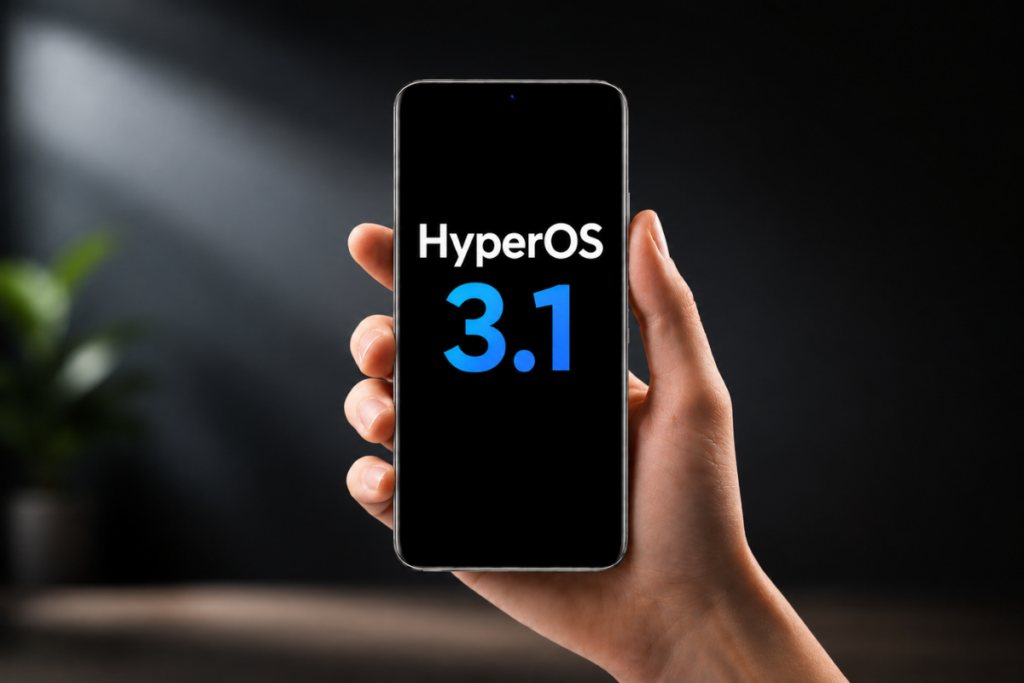
Xiaomi’s HyperOS 3.1 update is now reaching a much wider range of devices, with a new report claiming that the software has already been released for 40 Xiaomi, Redmi, and Poco smartphones across global markets.
The rollout comes just a few months after Xiaomi announced its initial HyperOS 3.1 deployment plan.
Back in March, Xiaomi confirmed that HyperOS 3.1 would first arrive on a long list of devices in China, including the Xiaomi 17 series, Xiaomi 15 lineup, Redmi K-series phones, and several tablets. At the same time, global builds had also been spotted on its servers, suggesting an international rollout would follow soon after.
Now, according to the latest information, HyperOS 3.1 firmware is available for dozens of devices sold outside China. The update spans flagship Xiaomi phones, Redmi mid-range models, and Poco-branded devices, with firmware packages carrying global, European, and Russian region identifiers.
Xiaomi
Model
Available Regions
Xiaomi 17 Ultra
Global, Europe, Russia
Xiaomi 17
Global, Europe, Russia
Xiaomi 15T Pro
Global, Europe, Russia
Xiaomi 15T
Global, Europe, Russia
Xiaomi 15 Ultra
Global, Europe, Russia
Xiaomi 15
Global, Europe, Russia
Xiaomi 14 Ultra
Global, Europe, Russia
Xiaomi 14T
Global, Europe
Xiaomi 14
Global, Europe, Russia
Xiaomi 13 Ultra
Global, Europe, Russia
Xiaomi 13 Pro
Europe
Xiaomi 13
Europe
Xiaomi Mix Flip
Global, Europe, Russia
Redmi
Model
Available Regions
Redmi Note 15 Pro+ 5G
Europe
Redmi Note 15 Pro 5G
Global
Redmi Note 15 Pro 4G
Global
Redmi Note 15 5G
Global, Europe
Redmi Note 15 4G
Global
Redmi Note 14 Pro 5G
Global
Redmi Note 14 Pro 4G
Global, Europe
Redmi Note 14 4G
Global
Redmi Note 14S
Global, Europe, Russia
Redmi Note 13 Pro+ 5G
Global
Redmi Note 13 Pro 5G
Global, Europe
Redmi Note 13 Pro
Global, Europe, Russia
Redmi 15
Global, Russia
Redmi 15C 5G
Global
Redmi 13
Global, Europe
Poco
Model
Available Regions
Poco F7 Ultra
Global, Europe, Russia
Poco F7 Pro
Global, Russia
Poco F6 Pro
Global, Europe, Russia
Poco F6
Global, Europe
Poco X8 Pro Max
Russia
Poco X8 Pro
Global, Europe, Russia
Poco X7 Pro
Global, Europe, Russia
Poco X7
Global
Poco M8 5G
Global, Europe
Poco M7
Global, Russia
Poco M6 Pro
Global, Europe, Russia
Poco M6
Global, Europe
Not every firmware release is available to all users immediately. Some builds are marked as public releases, while others remain limited to Xiaomi’s Mi Pilot testing program.
Xiaomi has expanded its smart home appliance lineup in Europe with the launch of the new Mijia Side-by-Side 621L refrigerator. The company is positioning it as a connected, family-sized appliance that combines a large storage capacity with app controls and modern cooling technology.
One of the main highlights is its integration with the Xiaomi Home ecosystem. Through the Xiaomi Home app, users can remotely check temperatures, switch cooling modes, and receive notifications if a refrigerator door has been left open. The appliance also supports voice commands through both Google Assistant and Amazon Alexa.
The refrigerator uses No Frost cooling technology, which means owners will not have to deal with manual defrosting. Xiaomi has also included an Ag+ antibacterial and deodorizing module designed to help reduce odors and limit bacterial growth inside the compartments.
Storage should not be an issue either. The refrigerator offers a total capacity of 621 liters, split between 385 liters of refrigeration space and 236 liters of freezer space. Adjustable shelves and multiple storage zones provide flexibility for larger households that need room for everything from fresh produce to frozen foods.
Powering the system is an inverter compressor, which helps improve efficiency while keeping noise levels low. Xiaomi rates the refrigerator at just 35dB, making it quiet enough to blend into open-plan kitchens and living spaces without drawing much attention.
The design follows Xiaomi’s usual minimalist approach, with clean lines and a straightforward layout. Measuring 910 x 715 x 1770 mm, it is clearly aimed at buyers looking for a large-capacity side-by-side refrigerator rather than something compact.
Xiaomi has also included a multi-airflow cooling system that distributes cold air more evenly throughout the interior, helping maintain more consistent temperatures regardless of where food is stored.
Priced at €849, the Mijia Side-by-Side 621L enters the European market at a fairly competitive price point considering its capacity and smart features. Similar-sized connected refrigerators from more established appliance brands often cost noticeably more.
Xiaomi has been steadily expanding beyond smartphones and wearables in recent years, and products like this show how serious the company is about building a broader smart home ecosystem. For users already invested in Xiaomi’s connected devices, the new refrigerator could fit quite naturally into the setup.
Vivo has launched a new pair of budget wireless earbuds in China. Called the Vivo TWS 5e, the earbuds were introduced alongside the Vivo S60 series, and they bring a noticeable upgrade to noise cancellation and battery life compared to the previous-generation Vivo TWS 3e.
The Vivo TWS 5e are priced at 229 yuan (roughly $32) and are available in white, black, and sky blue finishes.
The earbuds follow the familiar stem-style design with silicone ear tips and rounded outer shells, while each earbud weighs 4.3g. Vivo is also giving them an IP54 rating for dust and splash resistance.
Vivo TWS 5e brings an upgrade in ANC and Bluetooth connectivity
A major focus this year is noise cancellation. Vivo says the TWS 5e supports up to 55dB hybrid adaptive active noise cancellation, a jump from the 30dB ANC offered on the older Vivo TWS 3e.
The earbuds also include dual-microphone AI call noise reduction. And like many 2026 earbuds, Vivo is offering AI features like AI smart broadcast, instant pairing when opening the case, and real-time translation support.
Inside, the Vivo TWS 5e uses 11mm dynamic drivers and supports AAC, SBC, and LC3 audio codecs. They also include Vivo’s DeepX 3.0 stereo sound effects and spatial audio support, which the company says are meant to create a more immersive listening experience while watching movies, gaming, or listening to music.
The connectivity also gets upgraded from Bluetooth 5.3 to 5.4. It supports dual-device pairing and has a wireless range of up to 10 meters. Vivo is also promising low latency as low as 42ms.
Vivo claims the earbuds can last up to 13 hours on a single charge, while the charging case extends total playback time to as much as 55 hours. Charging happens through USB Type-C.
The Vivo TWS 5e are already available for purchase in China through Vivo’s online store.
While May brought some top-tier flagships like the Oppo Find X9 Ultra and Vivo X300 Ultra, it wasn’t an exciting month for people seeking mid-range and budget smartphones. However, June will be entirely different, as there are many exciting, affordable launches lined up.
We’ve curated a list of the top five upcoming smartphones that deserve your attention. Review the list to find out if there’s one worth upgrading to.
Xiaomi 17T has already been launched in some European markets and Southeast Asian countries towards the end of May 2026, and is confirmed to launch in India in the first week of June. That also means we already know what the device will have to offer.
The Xiaomi 17T is a mid-range smartphone with a 6.59-inch AMOLED screen featuring a 120Hz refresh rate, HDR10+, and 3500 nits of peak brightness. It’s powered by the Dimensity 8500 Ultra, which is paired with up to 12GB of RAM and 512GB of internal storage.
The device features a high-end triple-camera setup, including a 50MP primary sensor, a 50MP periscope telephoto lens with 5x optical zoom, and a 12MP ultrawide camera. It has a 32MP snapper for selfies and video calls. The battery comes in at 6500mAh with support for 67W wired and 22.5W reverse wired charging. On the software side, it boots the latest Android 16 OS and promises up to five major Android OS upgrades.
The Xiaomi 17T could be priced around INR 75,000 (~$800) for the base 12GB/256GB model.
The Edge 70 Pro+ will launch in the first week as the most premium phone of the series. Ahead of the launch, Motorola has listed the device on its official website with all the details. Therefore, we already know this device will have a 6.8-inch AMOLED display with up to 144Hz refresh rate, HDR10+ support, and a peak brightness of 5200 nits.
The smartphone is confirmed to feature the MediaTek Dimensity 8500 Extreme chipset at its core, paired with up to 12GB of LPDDR5X RAM and 256GB of UFS 4.1 storage. It will run Android 16 out of the box and receive three generations of Android upgrades.
On the rear side, it will have three 50MP sensors. The primary camera uses Sony’s LYTIA 710 sensor, which is paired with an ultrawide unit and a periscope telephoto lens with 3.5x optical zoom. The selfie camera also has a 50MP resolution.
The Edge 70 Pro+ is confirmed to arrive with a 7000mAh battery with support for 90W wired and 15W wireless charging. It also supports 10W reverse wireless and 5W reverse wired charging.
As for pricing, the Motorola Edge 70 Pro+ could cost around INR 50,000.
OnePlus 15s is expected to launch globally in June 2026. It won’t be an entirely new device but a rebranded version of the OnePlus 15T, which was launched in China earlier this year. OnePlus followed the same pattern with the OnePlus 13s.
The OnePlus 15s may feature a 6.32-inch AMOLED screen with a high refresh rate of 165Hz and peak brightness of 3,600 nits. It could be powered by the top-tier Snapdragon 8 Elite Gen 5 processor. The device may come preinstalled with Android 16 and promise up to four major Android OS upgrades.
The smartphone may feature a dual rear camera setup, comprising a 50MP primary shooter and a 50MP telephoto lens with 3.5x optical zoom. It could feature a 16MP selfie camera. Furthermore, the device is expected to offer a 7500mAh battery with support for 100W wired and 50W wireless charging.
Coming to the pricing, the OnePlus 15s is expected to cost around INR 60,000 for the base model with 12GB RAM and 256GB storage.
The iQOO Z11 is tipped to launch in the Indian market around June 15. It has already been released in several markets, including China and Malaysia, so we already know what the device has to offer.
The iQOO phone will be powered by the mid-range Snapdragon 7s Gen 4 processor, paired with up to 12GB RAM and 256GB storage. It will feature a 6.83-inch AMOLED screen with a 144Hz refresh rate and peak brightness of 5000 nits.
Around the back, it will have a 50MP primary camera and a supporting lens, while the front side has a 32MP camera. A huge 9,020mAh battery will be packed inside the device to keep it lasting longer, and the 90W wired charging ensures a quick refill. The device also supports 7.5W reverse wired charging.
The iQOO Z11 is expected to be priced under INR 30,000 in India.
The Redmi Turbo 5 is tipped to launch in the second week of June with the same specs as the Chinese variant, which was launched in January. So, we expect the India variant to have a 6.59-inch AMOLED screen with a 120Hz refresh rate and a peak brightness of 3500 nits. The device will boot Android 16 and should be eligible for at least three major OS upgrades.
The Redmi Turbo 5 will feature a dual camera setup on the back, including a 50MP primary shooter and an 8MP ultrawide unit. It has a 20MP camera for selfies and video calls. Furthermore, the device houses a 7560mAh battery and supports 100W wired and 27W reverse wired charging.
The smartphone is expected to launch in India at a starting price of around INR 30,000.
Xiaomi has quietly expanded the availability of the Redmi Headphones Neo, bringing the new over-ear headphones to several markets outside Japan. The model is now listed across parts of Europe, Australia, East Asia, and Southeast Asia, with pricing aimed squarely at the budget segment.
At first glance, the feature sheet looks more ambitious than the price tag would suggest. The headphones use 40mm titanium-plated drivers and support Hi-Res Audio when connected via cable. Bluetooth playback is handled by Bluetooth 5.4, and users can switch between two paired devices without having to reconnect each time. For situations where latency matters, Xiaomi also includes USB Type-C audio support, which can be useful for gaming, video editing, and other real-time applications.
The company says the Headphones Neo can reduce ambient noise by up to 42dB, while a three-microphone system helps filter out background sounds during calls. Wind noise reduction is also supported, which should come in handy for outdoor use.
Battery life looks promising as well. Xiaomi rates the 600mAh battery for up to 72 hours of playback with ANC disabled, though real-world figures will naturally vary depending on volume levels and usage patterns. A quick 10-minute charge is claimed to provide around five hours of listening time.
The headphones weigh 263 grams and feature protein leather ear cushions paired with an adjustable headband. Xiaomi is offering them in Obsidian Black and Sand White at launch. Some reports have also pointed to a Mist Blue version arriving later, though the company hasn’t confirmed that yet.
For those who like to tweak audio settings, the Xiaomi Earbuds app includes five EQ presets. Android users also get Fast Pair support, making the initial setup process a bit easier.
Pricing varies by market. The Redmi Headphones Neo retails for RM 239 in Malaysia, S$65.90 in Singapore, THB 1,990 in Thailand, AUD 109 in Australia, KRW 72,800 in South Korea, and SEK 799 in Sweden. That puts it squarely in the affordable over-ear category, where battery life and ANC performance are often among the biggest factors for buyers.
Whether the headphones can deliver on Xiaomi’s claims remains to be seen, but on paper they appear to offer a fairly well-rounded package for the money.
Vivo has announced its first over-ear noise-canceling headphones, simply called the Vivo Over-Ear Noise-Canceling Headphones. The new headphones were announced in China for 499 yuan (around $70), with sales starting June 10th.
Vivo Over-Ear Headphones Specs
The headphones come in two color options called Cloud White and Breeze Purple, and Vivo has put in a lot of work to make them comfortable.
The pair weighs 238 grams and uses soft leather memory foam earcups along with what Vivo calls “hair-friendly” hinges that are designed to avoid pulling hair during adjustment. The headband also uses slow-rebound foam and a leather-like outer finish intended to reduce pressure during long listening sessions.
On the noise cancellation side, vivo claims a maximum reduction depth of 58dB, with adaptive ANC modes tuned for specific environments like planes, subways, and buses. However, note that adaptive ANC is Bluetooth-only; wired connections don’t get it.
Sound-wise, the headphones use a 40mm dynamic driver and carry Hi-Res Audio certification for both wired and wireless listening. Spatial audio is on board too, processed through what Vivo calls its “Golden Ear Acoustics Lab” engine, which converts stereo audio into 360-degree surround sound. A ten-band EQ lets you tune things further.
For runtime, Vivo claims 75 hours with ANC off and 35 hours with it on. A short ten minutes of charging is said to add around nine hours of playback.
The Vivo headphones can also connect with three devices simultaneously, and users will be able to switch between them with just one tap. There’s a low-latency mode for gaming, and AI features including smart translation and an AI assistant for call handling.
The headphones have physical controls along the ear cup, including a noise cancellation and Bluetooth button, a volume wheel, and a power button.
Vivo has launched the S60 series in China, consisting of two new midrange phones. The lineup includes the standard S60 and a cheaper S60 Vitality Edition, both featuring large 7,200mAh batteries, high refresh rate displays, and a collection of AI-assisted Live photo tools.
Vivo S60 and S60 Vitality Edition Specifications
The Vivo S60 features a 6.59-inch 1260p flat display with a 144Hz refresh rate, while both models include a 50-megapixel front-facing camera for selfies and video calls.
On the back, the standard S60 includes a triple-camera setup consisting of a 50-megapixel main sensor, an 8-megapixel ultrawide camera, and a 50-megapixel IMX882 periscope telephoto lens with 3x optical zoom. The Vitality Edition drops the telephoto lens but keeps the 50-megapixel main and 8-megapixel ultrawide cameras.
Vivo S60Vivo S60 Vitality Edition
The S60 is loaded with camera tricks. The phones support 4K Live capture and include several new camera effects, including a “Cool White Portrait” mode, customizable Live color grading tools, and a new “Starlight Live” effect that adds animated sparkle-like highlights to bright areas in photos and videos.
The company is also introducing a new “3D Spatial Visual Effects” feature that can turn Live Photos into glasses-free 3D images by using motion effects when the phone is tilted or shaken.
Both phones pack large 7,200mAh batteries with support for 90W wired charging, alongside IP68 and IP69 water and dust resistance, stereo speakers, infrared remote functionality, and X-axis linear motors.
Vivo S60Vivo S60 Vitality Edition
The standard S60 is powered by Qualcomm’s Snapdragon 8s Gen 3 processor, while the Vitality Edition uses MediaTek’s Dimensity 7500 chipset.
On the design side, Vivo says the phones use a seamless cold-carved glass back panel paired with a metal frame. Both have a new “Starry Sea” finish that uses layered lithography and 3D etching techniques to create a textured, reflective surface. Other color options include Early Summer Green and Midsummer Night.
Pricing and Availability
The Vivo S60 starts at 3,599 yuan (~ 530) for the 12GB RAM and 256GB storage model, rising to 4,399 yuan (~$648) for the 16GB / 512GB version. The S60 Vitality Edition starts at 2,899 yuan (~ $428) for the 8GB / 256GB configuration and tops out at 3,499 yuan (~ $516) for the 12GB / 512GB model.
Vivo hasn’t announced any international release plans for the S60 series yet.
Indian gamers and creators might want to keep an eye on ASUS over the next few weeks. The company is reportedly getting ready to launch the ROG Zephyrus Duo (2026) GX651 in India, and it’s easily one of the wildest gaming laptops we’ve seen this year.
Tipster Yogesh Brar claims the laptop should be officially announced soon, with sales expected to begin by the end of June 2026.
What makes the Zephyrus Duo stand out is the dual-screen setup. ASUS has equipped it with two 16-inch 3K OLED touch displays running at 120Hz. The main screen handles gaming and creative work, while the secondary panel can be used for Discord, streaming controls, editing timelines, system monitoring, or pretty much anything else you want open while working or gaming.
ASUS has experimented with secondary displays before, but this version looks far more refined and practical than earlier attempts.
The top-end model is seriously loaded with specs. It packs Intel’s Core Ultra 9 386H processor alongside NVIDIA’s GeForce RTX 5090 Laptop GPU with up to 24GB of GDDR7 memory and a 150W TGP. That should be more than enough for maxed-out AAA gaming, ray tracing, DLSS 4, and demanding creative workloads like 4K editing or 3D rendering. The laptop also includes 32GB LPDDR5X RAM, a 1TB PCIe 5.0 SSD, and a 90Wh battery.
In the US, the RTX 5090 version is priced around $5,500. Once import duties and taxes are factored in, the Indian pricing could land somewhere near ₹5.2 lakh, putting it firmly in ultra-premium territory.
This clearly isn’t meant for casual buyers. ASUS is targeting enthusiasts, streamers, and professionals who actually benefit from the dual-display setup and top-tier hardware. But for that audience, the Zephyrus Duo could end up being one of the most interesting gaming laptops to hit India this year.
Choosing between the Moto G37 Power and Samsung Galaxy M56 comes down to priorities. Motorola focuses heavily on battery life, durability, and affordability, while Samsung aims to deliver a more premium experience with a better display, stronger performance, and improved cameras. Both devices target different types of users, making this comparison important for buyers looking for the best value in the mid-range segment.
The Moto G37 Power is built with practicality in mind. The combination of Gorilla Glass 7i protection, an eco-leather rear panel, IP64 water resistance, and MIL-STD-810H certification gives it a rugged and dependable character. It feels like a device designed to handle daily wear and tear without much concern.
Samsung takes a more premium approach with the Galaxy M56. Gorilla Glass Victus+ protection on both the front and back gives the phone a more refined appearance. The cleaner design and premium materials help it feel closer to a higher-tier smartphone. Users who care about aesthetics will likely find Samsung’s design more appealing.
Display Quality
The Galaxy M56 gains a significant advantage with its 120Hz Super AMOLED+ display. Colors appear richer, blacks are deeper, and the Full HD+ resolution provides noticeably sharper visuals. Watching videos, gaming, and browsing all feel more immersive.
The Moto G37 Power offers a smooth 120Hz IPS LCD panel, but its lower HD+ resolution and LCD technology cannot match Samsung’s contrast and image quality. The display remains functional and responsive, but it lacks the premium viewing experience found on the M56.
Verdict
The Moto G37 Power wins points for durability and practicality, but the Galaxy M56 delivers a more premium design and a substantially better display. Samsung takes the overall victory in this category.
2. Specifications Including Battery
Performance
Samsung’s Galaxy M56 is powered by the Exynos 1480 chipset paired with fast UFS 3.1 storage. The result is quicker app launches, smoother multitasking, and stronger gaming performance. The promise of six major Android updates also adds tremendous long-term value, making the phone feel like a future-proof investment.
The Moto G37 Power uses the MediaTek Dimensity 6300 or Dimensity 6400, depending on the market. Every day performance remains smooth for social media, messaging, streaming, and casual gaming. However, demanding users will notice the performance gap when compared to Samsung’s more capable hardware. Motorola does retain one advantage with its dedicated microSD card slot for expandable storage.
Battery and Charging
Battery life is where Motorola shines. The massive 7000mAh battery can easily power through heavy usage and often stretches into a second day. For users who dislike frequent charging, this is a major benefit.
Samsung’s 5000mAh battery is smaller but still capable of lasting a full day for most users. Its 45W charging support is faster than Motorola’s 30W charging, allowing quicker top-ups when needed.
Verdict
Samsung delivers superior performance and software support, while Motorola dominates battery endurance. The better choice depends on whether speed or longevity matters more.
3. Camera
Main and Secondary Lenses
The Galaxy M56 offers a more complete camera experience. Its 50MP primary sensor includes optical image stabilization, helping capture sharper photos and steadier videos. The addition of an 8MP ultrawide camera provides flexibility for landscapes and group shots, while the macro camera handles close-up photography.
The Moto G37 Power relies on a single 50MP rear camera. While it performs well in good lighting and handles everyday photography adequately, it lacks the versatility offered by Samsung’s multi-camera setup. Samsung also supports 4K recording and advanced video features, giving content creators more room to work with.
Selfie Camera
Samsung maintains its advantage on the front with a 12MP selfie camera. Images generally appear sharper and more detailed, particularly in challenging lighting conditions. Video calls and social media content benefit from the improved sensor.
Motorola’s 8MP selfie camera is sufficient for casual use but struggles to match Samsung’s detail and dynamic range. The difference becomes noticeable when comparing photos side by side.
Verdict
The Galaxy M56 is the clear winner for photography. Better hardware, more camera versatility, stronger video capabilities, and a superior selfie camera create a more well-rounded imaging package.
4. Pricing
The Moto G37 Power is priced around ₹15,000 ($180), making it one of the more affordable options in its category. The Samsung Galaxy M56 is priced around ₹24,000 ($230), placing it in a higher segment of the mid-range market.
This price difference is significant enough to influence buying decisions. Motorola targets users looking for essential features and exceptional battery life at the lowest possible cost, while Samsung focuses on delivering a more premium overall experience.
Is the Price Justified? Is It Value for the Money?
The Moto G37 Power offers excellent value. The huge battery, stereo speakers, expandable storage, headphone jack, and durable design make it a compelling option for budget-conscious buyers.
Samsung’s higher price is justified by its AMOLED display, stronger processor, better cameras, faster storage, and longer software support. These are upgrades that users will appreciate every day and over several years of ownership.
Verdict
Motorola provides stronger affordability, while Samsung offers a more complete smartphone experience. Both deliver good value within their respective price brackets.
Disclaimer: Prices are approximate and may vary based on country, region, launch timing, and applicable taxes. Always check whether the listed price is for a China unit or a global/international variant when purchasing.
5. Conclusion
The Moto G37 Power stands out with its massive 7000mAh battery, MIL-STD durability, expandable storage, headphone jack, FM radio, stereo speakers, and reverse wired charging. These features make it particularly attractive for users who prioritize practicality and endurance over premium extras.
The Samsung Galaxy M56 counters with a premium AMOLED display, powerful Exynos 1480 processor, versatile triple-camera setup with OIS, faster UFS 3.1 storage, and six major Android updates. These advantages create a noticeably more refined and future-ready experience.
Verdict
Moto G37 Power is an excellent choice for users seeking maximum battery life and strong value at a lower price. However, the Samsung Galaxy M56 emerges as the overall winner. Its superior display, stronger performance, better cameras, and long-term software support make it a more complete smartphone.
Buyers who can stretch their budget will likely find the Galaxy M56 to be the more rewarding long-term investment, while the Moto G37 Power remains one of the best battery-focused options available in its price range.
Disclaimer: This comparison is based on the specifications provided and is intended for general informational purposes. Actual performance, camera results, battery life, and overall experience may vary depending on real-world usage, software updates, and individual preferences.
Redmi is expected to unveil the Redmi K100 series of smartphones in September this year in China. At present, there is no clarity on the number of devices in the lineup, but it appears that the standard model will feature a 6.59-inch display, while a Pro-series device could offer a larger 6.9-inch screen. Earlier this week, reliable tipster Digital Chat Station shared a few key details about what appears to be a Redmi K100 Pro-series phone.
Redmi K100 Pro series phone’s key details tipped
According to DCS, a next-generation Redmi sub-series smartphone, believed to be a Redmi K100 Pro-series device, is currently being evaluated with a large 6.9-inch display and an unusually high 185Hz refresh rate. The engineering prototype reportedly features a flat 2D display with large, rounded corners, along with a horizontally arranged camera module that has a metal-like finish.
DCS also claims that the device will retain some of the series’ signature design elements while offering a large X-axis linear motor and symmetrical dual stereo speakers, which are expected to remain key strengths for multimedia and gaming experiences.
In the comments section, the tipster suggested that the phone’s battery capacity is targeted at around 9,000mAh, indicating a substantial upgrade over the K90 Pro Max, which packs a 7,560mAh battery.
While the previous generation included the K90 Pro Max, a recent report suggested that the company may not launch the Snapdragon 8 Elite Gen 6-powered Redmi K100 Pro Max in September. Therefore, the device mentioned in this leak is being referred to as the Redmi K100 Pro or another Pro-series model.
The device is also said to feature the Snapdragon 8 Elite Gen 5 chip and support 100W fast charging. Other expected features include an ultrasonic in-display fingerprint scanner, wireless charging support, and an IP68/IP69-rated dust and water-resistant body.
For more daily updates, please visit our News Section.
A new leak suggests that the OnePlus Turbo 6X series could launch soon with two different display options for buyers. The information comes from Chinese tipster Digital Chat Station, who shared a short update about the upcoming lineup.
According to the leak, the standard OnePlus Turbo 6X model will feature a 144Hz LCD display. Meanwhile, the Pro version is said to come with a 1.5K OLED screen.
While the tipster did not reveal any other specifications, the display differences suggest that the vanilla model could be the more affordable option, while the Pro variant will likely target the premium segment.
OnePlus has never launched an X-suffixed device in the Turbo series before, so it’s still unclear which segment the new lineup is aiming for. However, it is unlikely to be a flagship series, especially considering the LCD display hint on the standard model.
At the moment, there is no official launch date or pricing information for the new phones. However, the report follows the launch of the OnePlus Turbo 6 series earlier this year in January.
What does the OnePlus Turbo 6 series bring?
For reference, the OnePlus Turbo 6 arrived with several high-end features for its price segment. The phone uses Qualcomm’s Snapdragon 8s Gen 4 processor and features a 1.5K 165Hz gaming-focused display. OnePlus also included a massive 9,000mAh Glacier Battery, along with support for 80W SuperVOOC fast charging and bypass charging technology.
OnePlus Turbo 6V
The company also launched the OnePlus Turbo 6V, which comes with a Snapdragon 7s Gen 4 chipset. The device features a 144Hz eye-protection gaming display and another large 9,000mAh battery.
Based on the existing lineup, OnePlus could continue focusing on large batteries and high refresh rate displays with the upcoming Turbo 6X series. More details about the phones are expected to surface in the coming weeks as the launch gets closer.
For more daily updates, please visit our News Section.
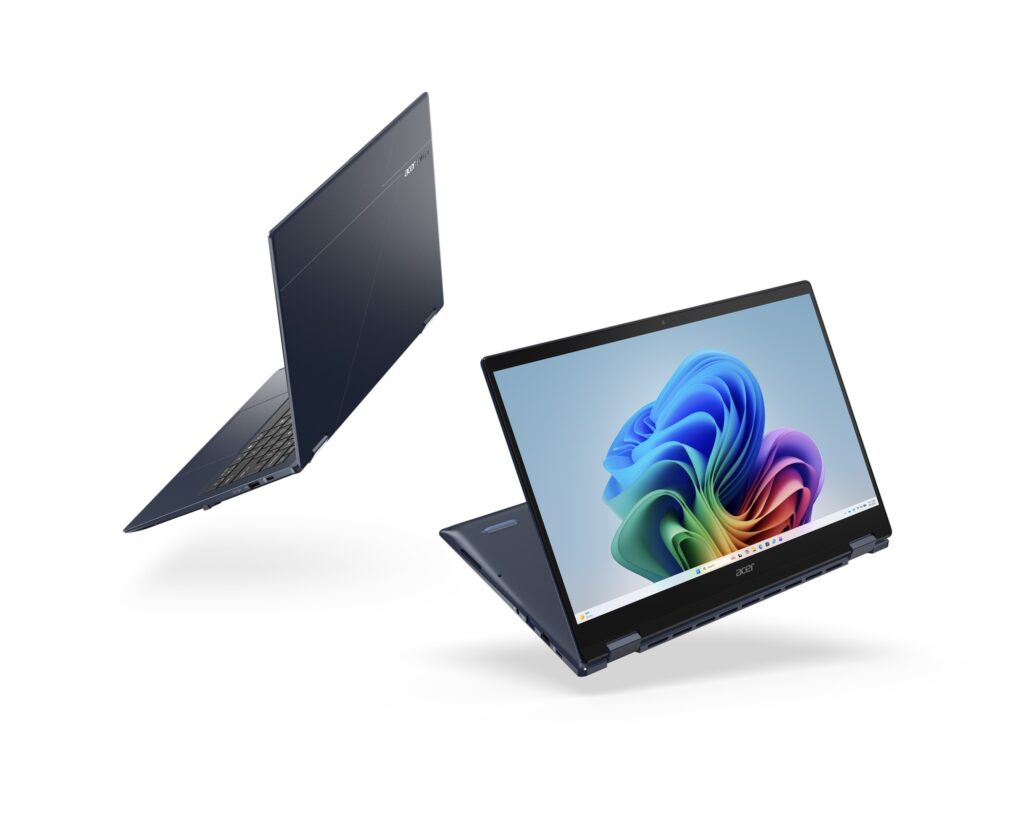
Acer has unveiled two new Snapdragon-powered Windows laptops in India. The company has introduced the Swift Spin 14 AI for users seeking advanced AI capabilities and premium mobility, while the Aspire Go 15 targets everyday computing needs with a more affordable approach. The announcement also marks the debut of Acer’s first laptop powered by Qualcomm’s newly announced Snapdragon C platform.
Swift Spin 14 AI focuses on performance and flexibility
Acer Swift Spin 14 AI
The Acer Swift Spin 14 AI arrives as a Copilot+ PC and is available with either the Snapdragon X2 Elite or Snapdragon X2 Plus processor. Both configurations include a dedicated neural processing unit capable of delivering up to 80 TOPS of AI performance. The laptop supports up to 32GB LPDDR5X RAM and up to 1TB PCIe Gen 4 SSD storage, while integrated Adreno graphics add support for DirectX 12.2 and hardware-accelerated ray tracing.
Acer has adopted a convertible design with a 360-degree hinge, allowing the device to function as a traditional laptop, presentation device or tablet. The 14-inch WUXGA IPS touchscreen offers a 120Hz refresh rate, 100 percent sRGB colour coverage and support for the bundled Acer Active Stylus 420 based on Wacom AES 2.0 technology. The stylus supports 4,096 pressure levels and tilt detection, making it suitable for note-taking and creative work.
The laptop features a 65Wh battery that Acer claims can deliver up to 23 hours of video playback or up to 16.5 hours of web browsing. Fast charging is supported through a 100W USB Type-C adapter. Connectivity options include Wi-Fi 7, Bluetooth 6.0, dual USB Type-C ports with USB4 support, two USB Type-A ports and HDMI 2.1. A 5-megapixel infrared camera with Windows Hello support, DTS:X Ultra audio and Snapdragon Sound compatibility are also included.
Aspire Go 15 brings Snapdragon C to the entry segment
Acer Aspire Go 15
Alongside the premium Swift model, Acer has introduced the Aspire Go 15, becoming the first PC manufacturer to announce a laptop powered by Qualcomm’s new Snapdragon C processor. The device is aimed at users looking for a budget-friendly Windows laptop for web browsing, work and media consumption.
The Aspire Go 15 comes with a 15.6-inch Full HD display, up to 8GB memory and up to 512GB storage. It includes a 53Wh battery, Wi-Fi 6E connectivity, a Full HD webcam, dual speakers and multiple ports including USB Type-C, USB Type-A and HDMI. Acer has also incorporated its AcerSense software for system management and optimisation. The company says the laptop uses recyclable packaging and includes recycled materials in its construction.
Availability
Acer has confirmed that the Swift Spin 14 AI will be available in North America from August 2026, while customers in Europe, the Middle East and Africa will get access from July 2026. The laptop is also scheduled to arrive in Australia during the third quarter of 2026.
Meanwhile, Acer has not yet announced the launch timeline for the Aspire Go 15. The company is also yet to reveal pricing details for either device, with availability and configurations expected to vary across different markets.
For more daily updates, please visit our News Section.
Boat has launched two new smartwatches in India, the Storm Call 4 and Ultima Vogue 2. While both devices offer the usual mix of fitness tracking, Bluetooth calling, and long battery life, their biggest highlight is something rarely seen in this category. Instead of relying on proprietary magnetic charging docks, these watches feature built-in USB-C charging support, allowing users to power them using the same cable used for smartphones, tablets, laptops, and power banks.
Boat Storm Call 4: Key features
boAt Storm Call 4 and Ultima Vogue 2
The boAt Storm Call 4 is positioned as an everyday smartwatch focused on convenience and practicality. It features a 1.96-inch HD display with brightness reaching up to 500 nits, making it easier to view notifications and fitness data outdoors. The smartwatch also includes a functional crown for navigation and carries an IP68 rating for protection against dust, sweat and water exposure.
The wearable supports Bluetooth calling and offers over 100 sports modes for activity tracking. Health-focused features include heart rate monitoring, SpO₂ tracking, sleep analysis, stress monitoring, female wellness tracking and Emergency SOS functionality. The Storm Call 4 is rated to deliver up to 12 days of battery life on a single charge and can be topped up directly through its USB-C charging port.
Boat Ultima Vogue 2: Key features
The Ultima Vogue 2 targets users looking for a more premium smartwatch experience. It comes with a 1.96-inch AMOLED display capable of reaching up to 1,000 nits brightness, paired with a metallic frame design for a more premium look and feel. Like the Storm Call 4, it supports direct USB-C charging and carries an IP68 rating.
The smartwatch includes Bluetooth calling, more than 100 sports modes, and the same set of health tracking tools, including heart rate, blood oxygen, sleep and stress monitoring. Boat says the Ultima Vogue 2 can deliver up to 10 days of battery life under typical usage conditions.
Boat Storm Call 4 and Ultima Vogue 2: Price and availability
The Boat Storm Call 4 is priced at Rs 1,599, while the Ultima Vogue 2 costs Rs 2,799. Pre-bookings for the Storm Call 4 begin today (May 29) through Boat’s official website, with sales starting on June 12 via the brand’s online store and leading retail platforms.
For more daily updates, please visit our News Section.
Honor’s Win series now has a third member. After launching the Honor Win and Win RT last year, the company has now introduced the new Honor Win Turbo in China, and like the rest of the lineup, battery is the main highlight here.
The Honor Win Turbo arrives with a massive 10,000mAh battery, like its other sibling. Honor says the phone can deliver more than 14 hours of gaming or over 22 hours of short video playback on a single charge. The company has paired the battery with 80W wired fast charging and 27W reverse charging support.
Despite the large battery, the phone is still relatively slim at 7.98mm thick and weighs 216 grams.
Honor Win Turbo Specifications
The device comes with a 6.79-inch flat LTPS OLED display with a 2640 x 1200 resolution and a 120Hz refresh rate. Honor is also advertising up to 8,000 nits peak brightness alongside 3840Hz PWM dimming and its Oasis eye protection technology.
Inside, the Win Turbo runs on MediaTek’s Dimensity 8500 Elite processor, paired with LPDDR5X RAM and UFS 4.1 storage. Configurations go up to 16GB of RAM and 512GB of storage.
On the camera side, the phone includes a 50-megapixel main camera with OIS, a secondary 5-megapixel rear camera, and a 16-megapixel front-facing camera.
The design follows the same horizontal camera layout seen on earlier Win devices, although the camera arrangement itself has been slightly redesigned. One noticeable change this year is the absence of the cooling fan that shipped with the previous two Win series models.
Honor is also adding several extra features, including IP68, IP69, and IP69K dust and water resistance ratings, dual stereo speakers, a Z-axis vibration motor, a C1+ RF enhancement chip, and second-generation Hongyan communication technology.
The Honor Win Turbo comes in three colors: Fast Gameplay, Win by Choice, and Blue Fearless.
Pricing starts at 3,299 yuan (around $486) for the 12GB RAM and 256GB storage model. The 12GB and 512GB version costs 3,599 yuan (around $530), while the top-end 16GB and 512GB variant is priced at 4,199 yuan (around $619).
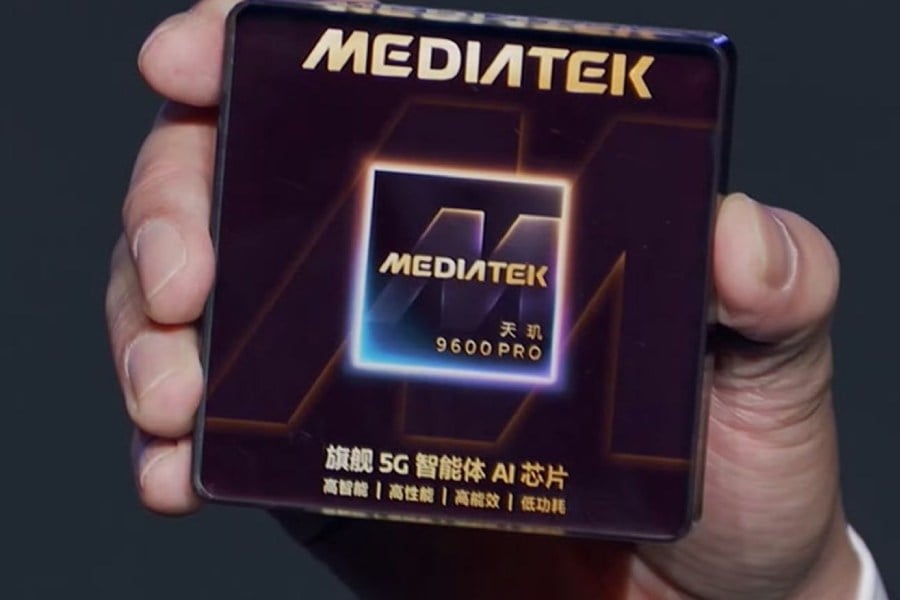
After months of leaks and rumors, the Dimensity 9600 series is finally here, and it brings a new chip that nobody was expecting: the Dimensity 9600M. MediaTek has also announced the Dimensity 9600 Pro as its most powerful mobile chipset, but skipped the regular Dimensity 9600.
If you have been wondering about the capabilities of new MediaTek’s high-end chips and where does the new Dimensity 9600M fit into the lineup, just keep reading. We’ll discuss them in detail here.
MediaTek Dimensity 9600 Pro: Raising the bar for high-end smartphone chips
The Dimensity 9600 Pro brings one of the biggest hardware upgrades in recent years, with a major focus on in-device AI capabilities. It’s built using the advanced 2nm node from TSMC. That alone is expected to give a 14% performance bump and a 23% cut in power consumption compared to the 3nm node used in last year’s Dimensity 9500.
Two Ultra cores for the first time in a MediaTek chip
The Pro chip comes with a completely new ‘2+3+3’ CPU design, featuring two Ultra cores for the first time in a MediaTek chip. That’s two 4.55GHz C2-Ultra cores, which are paired with three 4.35GHz C2-Pro cores and three 3.10GHz C2-Pro cores.
MediaTek says the new CPU delivers:
17% faster CPU single-core performance
15% faster CPU multi-core performance
37% more efficient CPU single-core power usage
61% more efficient CPU multi-core power usage
The chip giant presented the benchmark numbers at the launch event, as follows:
Geekbench v6.4 (single core)
Dimensity 9600 Pro: 4,276 (+17%)
Dimensity 9500: 3,666
Geekbench v6.4 (multi core)
Dimensity 9600 Pro: 12,650 (+15%)
Dimensity 9500: 11,014
The benchmark numbers for the Dimensity 9600 Pro are impressive, but a regular smartphone may not be able to match that. That’s because chip brands usually perform testing on a high-end device in an optimal environment to achieve the highest numbers, but a regular device has many limitations.
Upgraded GPU with neural graphics rendering
The Dimensity 9600 Pro uses an upgraded G2-Ultra NX GPU, the same in Xiaomi’s Oryon O3, to deliver 27% higher peak performance while cutting down power draw by 24% at peak performance. The ray tracking performance has also gone up by 18%.
MediaTek says the chip features an unique direct GPU–NPU sync to “deliver best-in-class flagship gaming performance and superior super-resolution quality and speed.” The Dimensity 9600 Pro offers PC-level neural graphics rendering and native 185+FPS gameplay support.
LPDDR6 + UFS 5.0 for the first time on a mobile chipset
The Dimensity 9600 Pro is the first mobile chip to support next-gen LPDDR6 memory and UFS 5.0 storage. The LPDDR6 delivers about 33% higher performance than LPDDR5X, and the UFS 5.0 brings twice the sequential read and write speeds you’d get from dual-channel UFS 4.0.
A big focus on AI performance
The Dimensity 9600 Pro promises industry-leading peak performance with exceptional power efficiency. It features a dual NPU architecture, combining the MediaTek NPU 1090 and Super Efficient NPU 2.0.
The 10th generation NPU 1090 powers most intense on-device generative and agentic workloads, while the Super Efficient NPU 2.0 is purpose built for always-on scheduling.
MediaTek claims the upgraded NPU 1090 delivers:
2x INT 4 computing power
55% greater Token generation per watt
51% faster LLM Prefill performance
The chip also supports Mixture of Experts (MoE) LLM with up to 30 billion parameters entirely on-device.
Camera receives notable upgrades
The new Imagiq 1290 ISP enables 4K slow-motion video recording at 240fps. Regular videos can be taken in up to 8K resolution at 60fps, and the 4K/60fps video recording supports content-aware semantic processing for true colour videography.
Dimensity 9600 Pro
Dimensity 9500
Announced
September 2026
September 2025
Process node
2nm (TSMC)
3nm (TSMC)
CPU cores
8-core
8-core
CPU cores
2 x 4.55 GHz — C2-Ultra (2MB L2 cache each) 3 x 4.35 GHz — C2-Pro (1MB L2 cache each) 3 x 3.10 GHz — C2-Pro (512KB L2 cache each)
1 x 4.21 GHz — C1-Ultra (2MB L2 cache) 3 x 3.5 GHz — C1-Premium (1MB L2 cache each) 4 x 2.7 GHz — C1-Pro (512KB L2 cache each)
MediaTek Imagiq 1290 ISP up to 200MP sensor support 4K/60fps HDR video capture 4K/60fps HDR with content-aware semantic processing 4K/120fps with EIS 4K/240fps slow-mo recording
MediaTek Imagiq 1190 ISP up to 320MP sensor support up to 8K video recording 4K/120fps video recording (EIS) 4K/60fps cinematic video capture real-time semantic segmentation support
Connectivity
3GPP Release-17 5G modem download speed: more than 7.4 Gbps Wi-Fi 7 Bluetooth 6.2 MediaTek 5G UltraSave 2.0
MediaTek Dimensity 9600M: A refreshed Dimensity 9500 with a few changes
The Dimensity 9600M isn’t very exciting, though. It’s essentially a refreshed version of last year’s Dimensity 9500 with a few changes. That means you’re getting the same 8-core CPU, featuring one C1-Ultra, three C1-Premium, and four C1-Pro cores. Even the clock speeds of all CPU cores remain unchanged.
No hardware upgrades from last year’s D9500, only minor software-level changes
The Mali-G1 Ultra MP12 GPU is also inherited from Dimensity 9500, plus the same hardware-level Frame Rate Converter (MRFC 3.0). However, the Dimensity 9600M relies on the newer neural network rendering to push frame rates up to 185fps in optimized titles.
Another change to the Dimensity 9600M is the upgraded scheduling engine. The new chip uses MediaTek’s third-generation scheduling engine, which should better manage CPU, GPU, and memory resources.
The NPU is also the same, APU 990, on both chips. However, the new chip brings software changes to enable support for Gemini Nano 4 and Qwen 3.5 Omni 4B. There’s also a new camera agent that provides real-time photography suggestions based on what you’re shooting.
No changes to the memory and storage — LPDDR5X at 10667MHz and 4-lane UFS 4.1. The camera hardware also remains the same, supporting up to 320MP sensor, 8K/60fps, 4K/120fps, and 4K/60fps cinematic video capture.
Dimensity 9600M
Dimensity 9500
Announced
September 2026
September 2025
Process node
3nm (TSMC)
3nm (TSMC)
CPU cores
8-core
8-core
CPU cores
1 x 4.21 GHz — C1-Ultra (2MB L2 cache) 3 x 3.5 GHz — C1-Premium (1MB L2 cache each) 4 x 2.7 GHz — C1-Pro (512KB L2 cache each)
1 x 4.21 GHz — C1-Ultra (2MB L2 cache) 3 x 3.5 GHz — C1-Premium (1MB L2 cache each) 4 x 2.7 GHz — C1-Pro (512KB L2 cache each)
GPU
Mali-G1 Ultra MP12 185 FPS mobile gaming MRFC 3.0 technology Hardware ray tracing
Mali-G1 Ultra MP12 120 FPS mobile gaming MRFC 3.0 technology Hardware ray tracing
NPU
MediaTek NPU 990 supports newer on-device AI models
MediaTek NPU 990
Memory
LPDDR5X up to 10667 Mbps
LPDDR5X up to 10667 Mbps
Storage
4-lane UFS 4.1
4-lane UFS 4.1
Camera
MediaTek Imagiq 1190 ISP up to 320MP sensor support up to 8K video recording 4K/120fps video recording (EIS) 4K/60fps cinematic video capture real-time semantic segmentation support real-time photography suggestions
MediaTek Imagiq 1190 ISP up to 320MP sensor support up to 8K video recording 4K/120fps video recording (EIS) 4K/60fps cinematic video capture real-time semantic segmentation support
In conclusion, the Dimensity 9600 Pro brings significant hardware upgrades, including a newer CPU design, an upgraded GPU, LPDDR6 memory, UFS 5.0 storage, and more capable NPU with strong power efficiency. On the other hand, the Dimensity 9600M is just about minor software changes. On the hardware side, it borrows everything from last year’s Dimensity 9500.
Motorola has responded to recent complaints from users who noticed something unusual when opening the Amazon Shopping app on their phones. Instead of launching the app directly, some devices briefly opened a browser window and routed users through a tracking link before finally landing in Amazon.
The issue gained attention earlier this week after users, including owners of premium devices like the Motorola Razr 60 Ultra, reported the unexpected behavior. Researchers who looked into it found that Motorola’s pre-installed Smart Feed app appeared to be intercepting app launches and redirecting them through affiliate links.
According to reports, the redirects included affiliate tracking codes that could potentially generate commissions from purchases. Network analysis also linked the behavior to domains associated with Motorola’s advertising and content recommendation partners.
The discovery raised eyebrows for a couple of reasons. For one, users were not expecting a shopping app launch to pass through a browser first. It was also happening on expensive flagship devices, which made the situation even more surprising.
Motorola has now acknowledged the issue and says it has already been fixed.
In a statement shared with Android Authority, the company described the behavior as “unintended” and said it was caused by a routing configuration issue within the Smart Feed app. Motorola says the configuration has since been corrected and apps should now open normally without being routed through tracking links.
The company added that it “takes user experience, privacy, and platform integrity seriously,” and that it will “continue to closely monitor the system to ensure expected behavior across devices.”
What Motorola has not fully explained, however, is how the affiliate-link behavior ended up in the software in the first place. While the company insists the redirects were unintentional, some users have questioned why app launches were being routed through affiliate infrastructure at all.
The issue appears to be linked to a recent Smart Feed update and was primarily reported by users in the United States, though it is not entirely clear how widespread the behavior was.
For users who remain concerned, Smart Feed can be disabled through the phone’s app settings.
Open your phone’s Settings
Tap on Apps (or Apps & Notifications)
Tap on See all apps and locate Smart Feed
Tap Disable
The incident also serves as another reminder that pre-installed software can sometimes do more behind the scenes than most users realize. At least for now, Motorola says the problem has been resolved. Whether that explanation satisfies users is likely a different question.
Back in February, a leak revealed the key details of the Honor X80 smartphone. Now, a new leak from tipster Digital Chat Station suggests that a new Honor X-series phone is tentatively scheduled to launch in China in June. While the tipster has not explicitly mentioned the device’s name, it appears that it could be the Honor X80. Here’s a look at what the latest leak reveals.
Honor X80 key specifications tipped
According to the leak, the Honor X80 will feature a 6.8-inch LTPS OLED display with a flat design. The screen is expected to offer a 1.5K resolution and a 120Hz refresh rate.
Under the hood, the device is said to pack a massive 10,000mAh+ battery with support for 90W fast charging. While Honor has already launched a couple of smartphones with 10,000mAh+ batteries, this would be the first X-series model to feature such a large battery.
The Honor X80 is expected to be powered by a Snapdragon 6-series chipset, which could be the recently announced Snapdragon 6 Gen 5. Similar to its predecessor, the device is also tipped to feature a shock-resistant body.
The leak further claims that the Honor X80 will be available in colour options such as Mystic Black, Moonlight White, Lightning Red, and Vibrant Orange. According to the tipster, the device could perform strongly in the Chinese market, as last year’s Honor X70 reportedly sold nearly 7 million units.
For reference, the Honor X70 featured a 6.79-inch OLED display with a 1.5K resolution and a 120Hz refresh rate. It was powered by the Snapdragon 6 Gen 4 chipset and packed an 8,300mAh battery with 80W fast charging support. Honor also offered wireless charging on the X70’s 512GB storage variant.
For more daily updates, please visit our News Section.
Samsung’s wider foldable design is no longer really a secret at this point. Earlier leaks already gave us a fairly good idea of the new aspect ratio through screen protector images, CAD renders, and even a metal dummy shown side-by-side with a more traditional tall Fold design similar to the Galaxy Z Fold 7.
What makes the latest leak more interesting is the level of detail. Newly surfaced dummy units shared by Sonny Dickson look much closer to actual production hardware rather than simple aluminum placeholders, giving a better sense of the device’s proportions, thickness, and overall in-hand feel.
The images show three upcoming Samsung foldables together, including the Galaxy Z Fold Ultra, Galaxy Z Flip 8, and the wider Fold variant that has been appearing in previous rumors. Compared to older Galaxy Fold models, the wider version looks noticeably shorter and broader, moving closer to the proportions of a small tablet when unfolded.
One of the more surprising details is the thickness. Despite the larger footprint, the device appears extremely thin, staying close to Galaxy Z Fold 7 territory. Earlier leaks suggested around 9.8mm folded and roughly 4.3mm unfolded.
The dummy also reveals more refined exterior details that previous leaks did not show clearly. On the back, the wider model appears to use a pill-shaped camera island housing two camera sensors, likely a main and ultrawide setup. It may hint that the company is intentionally differentiating this model from the Ultra-branded variant.
Another thing the newer dummy units help visualize better is the overall usability of the wider aspect ratio. Previous Galaxy Fold devices have often been criticized for feeling too narrow when closed and slightly awkward when unfolded. The wider design appears much more practical for typing, multitasking, gaming, and watching videos without excessive black bars.
Samsung is expected to unveil its next foldables during a Galaxy Unpacked event in July, reportedly taking place in London.
At this point, the wider aspect ratio itself is not really the new part anymore. What these latest dummy leaks mainly do is give a much clearer look at how refined the hardware may already be, and how Samsung could finally be moving toward a foldable design that feels less experimental and more naturally usable day to day.
A report yesterday suggested that Oppo could be preparing Android’s first flagship with a square selfie camera. That may no longer be the case. A new leak from Digital Chat Station claims Honor is also testing a similar setup for the Honor Magic 9.
The tipster suggests that the upcoming Honor Magic 9 is currently testing several new camera sensors, including multiple 200MP main camera options and a new high-resolution front camera system.
Honor Magic 9 in testing with 200MP main sensor
The prototype is said to include two different 200MP main sensor options: the OV52A/OV52B at 1/1.28-inch size and the larger OVB0D at 1/1.12-inch. These sensors are being evaluated as possible primary cameras for the final device.
Rounding out the rear setup, for now, is a 64MP periscope telephoto lens using the OmniVision OV64D sensor with a 1/2-inch format.
This isn’t the first time the OV64D periscope sensor has surfaced in relation to the Magic 9. An earlier leak from the same tipster had already pointed to the OmniVision chip for the device’s telephoto slot.
The previous report also revealed a rear camera arrangement featuring a 200MP shooter with a 1/2.8-inch sensor and a 50MP ultra-wide lens. Today’s new information aligns with and expands on those earlier claims.
Perhaps the most interesting claim is regarding the front camera. The Magic 9 is reportedly being evaluated with a 100MP OVA0B sensor measuring 1/1.8 inches, but it won’t ship in that form.
According to the leak, the image will be cropped into a 1:1 square aspect ratio, which should effectively reduce the resolution and pixel size but produce a distinctly square selfie output.
Beyond cameras, earlier reports suggest the Magic 9 series may include a compact 6.36-inch OLED display, a large battery of around 8,000mAh, and testing with Qualcomm’s Snapdragon 8 Elite Gen 6 platform. It is also expected to offer IP68/IP69 protection and ultrasonic fingerprint scanning.
There is also a mention that ARRI may be working with Honor to improve video processing and cinematic output on the Magic 9 lineup.
The Honor Magic 9 series is currently expected to launch in China around October, though specifications could still change as testing continues.
For more daily updates, please visit our News Section.
We use cookies on our website to give you the most relevant experience by remembering your preferences and repeat visits. By clicking “Accept”, you consent to the use of ALL the cookies.
This website uses cookies to improve your experience while you navigate through the website. Out of these, the cookies that are categorized as necessary are stored on your browser as they are essential for the working of basic functionalities of the website. We also use third-party cookies that help us analyze and understand how you use this website. These cookies will be stored in your browser only with your consent. You also have the option to opt-out of these cookies. But opting out of some of these cookies may affect your browsing experience.
Necessary cookies are absolutely essential for the website to function properly. This category only includes cookies that ensures basic functionalities and security features of the website. These cookies do not store any personal information.
Any cookies that may not be particularly necessary for the website to function and is used specifically to collect user personal data via analytics, ads, other embedded contents are termed as non-necessary cookies. It is mandatory to procure user consent prior to running these cookies on your website.