Add GIZMOCHINA as Preferred Source on Google
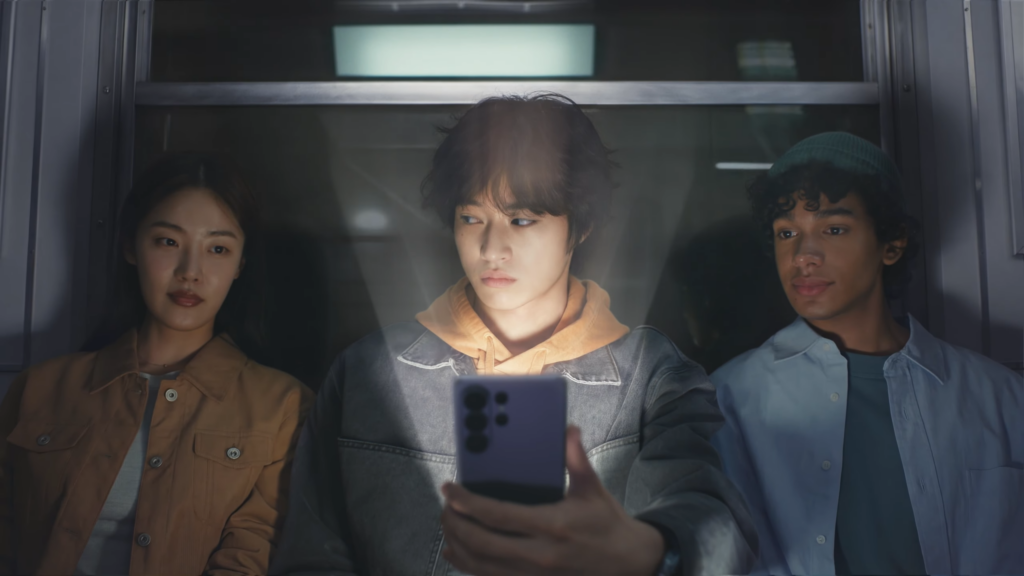
The Samsung Galaxy S26 Ultra introduces a new feature aimed at solving a common problem: maintaining privacy in public spaces. The Privacy Display, powered by Samsung’s Flex Magic Pixel (FMP) technology, allows users to keep their screen content visible to themselves while obscuring it from others.
This hardware-based solution integrates directly into the OLED panel and eliminates the need for adhesive privacy films or software dimming. Samsung’s Privacy Display offers an on-demand privacy solution without compromising screen quality when the feature is turned off.
1. How the Privacy Display Works
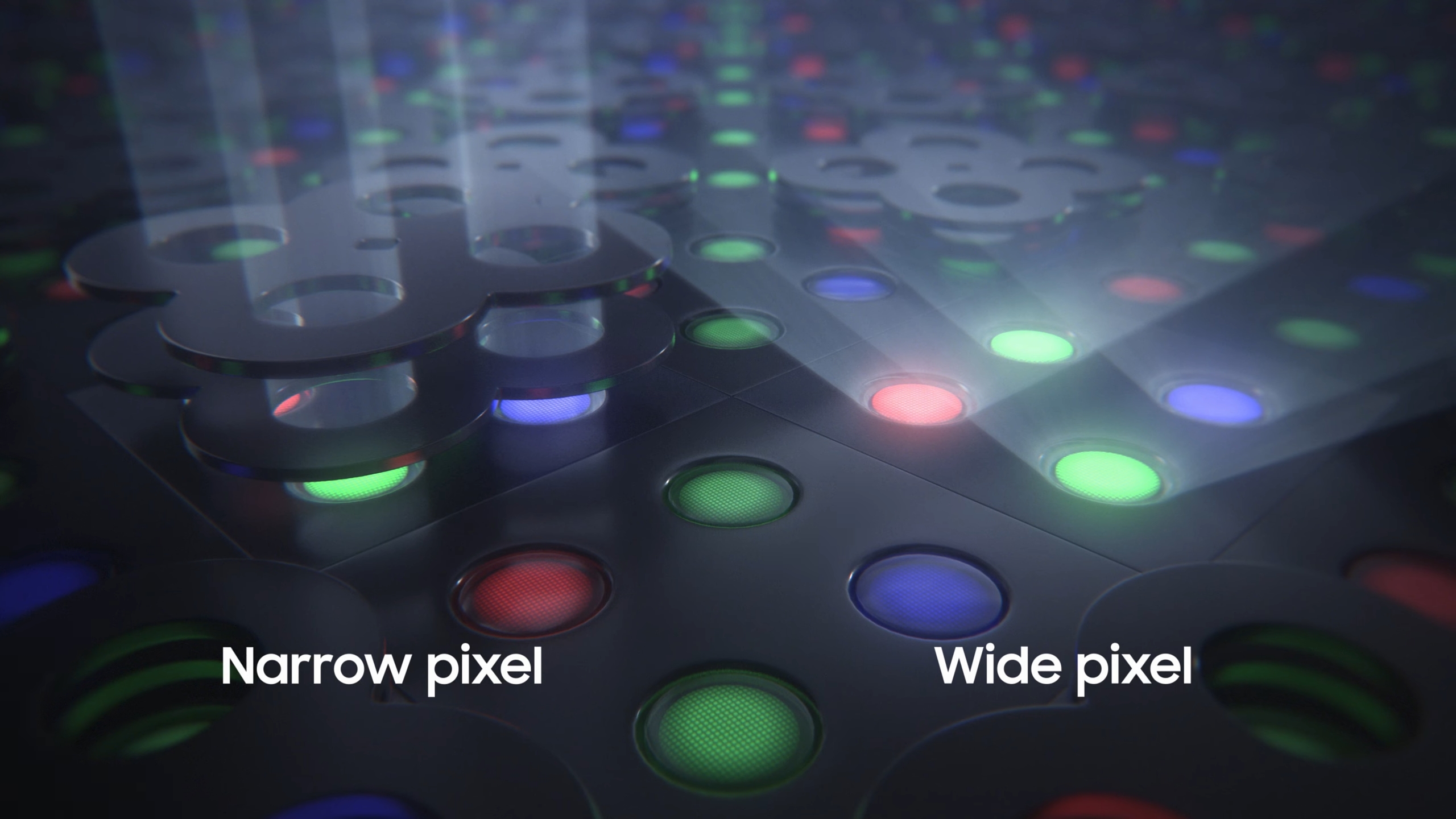
The Privacy Display uses Flex Magic Pixel technology to control the direction of light emitted from the screen. The system includes two types of pixels: Wide Pixels and Narrow Pixels. In standard mode, both pixel types work together to provide a wide viewing angle. In privacy mode, the Wide Pixels deactivate or dim, while the Narrow Pixels funnel light directly forward. This creates a clear viewing experience for the user while blocking visibility from side angles.
Samsung enhanced this system with a multi-layer Black Matrix (BM) structure and LEAD 2.0 technology. The Black Matrix layers control light diffusion by separating red, green, and blue subpixels. LEAD 2.0 eliminates the need for polarizers, which are commonly used in OLED panels, improving brightness and reducing power consumption. The result is a display that appears clear from the front and blurred or invisible at side angles as shallow as 30 degrees.
2. Privacy on Your Terms
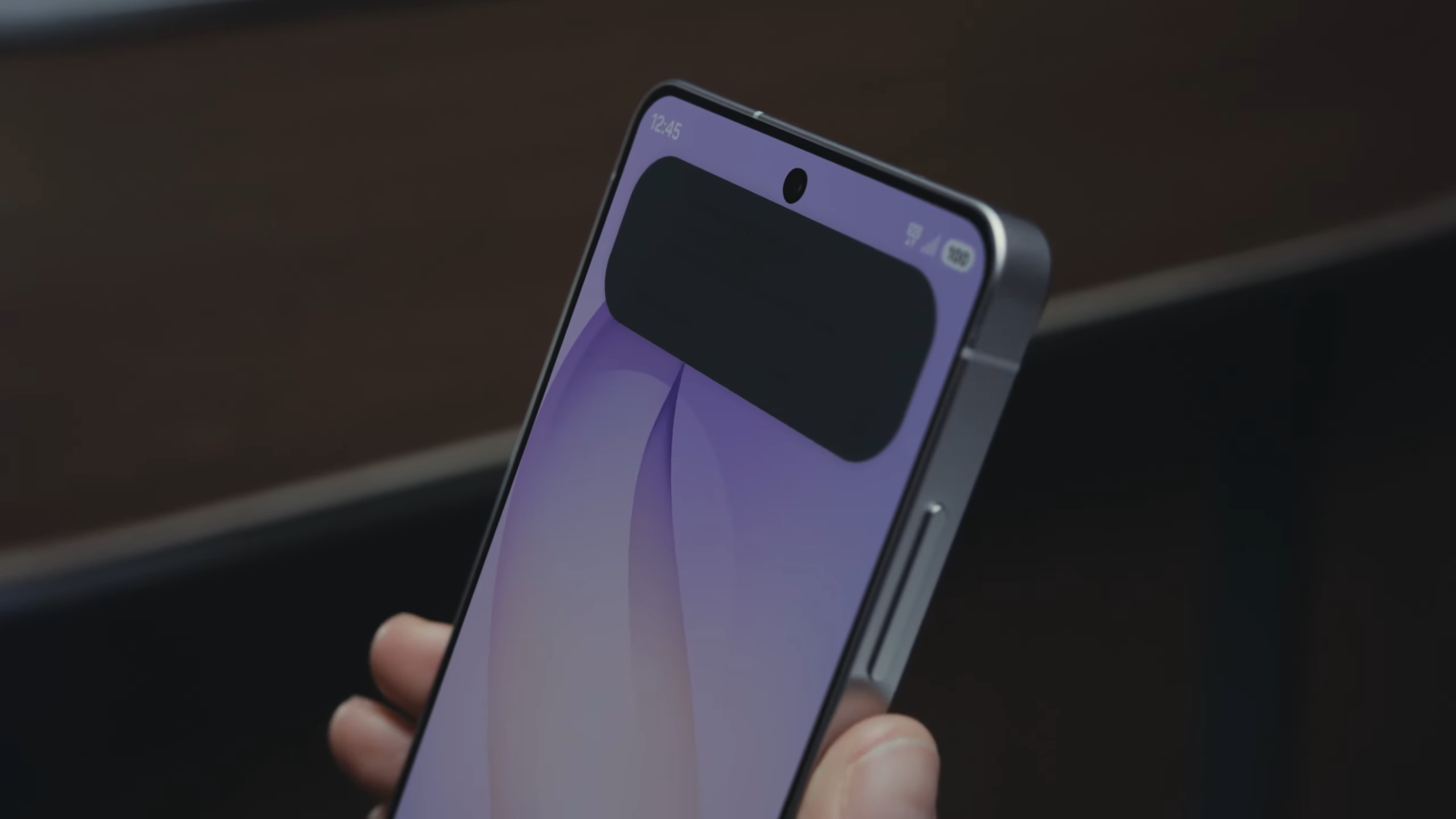
The Privacy Display allows users to select from multiple privacy modes. The Maximum Privacy Protection mode hides the entire screen from side views, making it useful for sensitive tasks like viewing confidential documents or entering passwords. The Partial Privacy mode applies the effect to specific areas of the screen, such as notifications or keyboards, while leaving the rest of the content visible.
Samsung added AI integration to enhance the experience. The front-facing camera detects when someone else is looking at the screen and automatically activates privacy mode. Users can also set specific apps, like banking or email, to trigger the feature automatically.
3. How It Compares to Traditional Privacy Solutions

Before Samsung’s Privacy Display, users relied on adhesive privacy films to obscure their screens. These films permanently reduce screen brightness and clarity, even when privacy is not needed. Samsung’s solution eliminates these problems. The Privacy Display remains invisible when turned off, providing the same brightness and clarity as a standard OLED panel.
There are trade-offs associated with the feature. Privacy mode reduces brightness and color vibrancy slightly, and some users may notice minor graininess due to the Narrow Pixel system. According to YouTuber Arun Maini (Mrwhosetheboss), the Black Matrix also slightly reduces overall viewing angles compared to older models, even when the feature is turned off. However, the ability to toggle privacy mode on and off makes this solution far more flexible than traditional privacy films.
4. Why It Matters in the AI Era
The S26 Ultra’s Privacy Display addresses growing concerns over personal data security. With more people using smartphones for tasks like banking, private messaging, and work, the need for privacy in public spaces has become increasingly important. This hardware-based solution provides the best and most reliable way to protect sensitive information without requiring third-party accessories.
For more daily updates, please visit our News Section.
Stay ahead in tech! Join our Telegram community and sign up for our daily newsletter of top stories! 💡