Advertisement

OPPO Enco Air 5 Pro Debuts with LHDC 5.0 Audio, AI Call Noise Reduction, and 54-Hour Battery Life

OPPO has announced the Enco Air 5 Pro in China as its newest true wireless earbuds in the Enco lineup. The model arrives as the successor to the Enco Air 4 Pro launched in 2024, with improvements in active noise cancellation, connectivity, and battery life.

OPPO Enco Air 5 Pro

The Enco Air5 Pro supports up to 55dB active noise cancellation with a noise reduction frequency range of up to 5,000Hz. The previous generation offered 49dB ANC with up to 4,000Hz coverage. The earbuds use a 12mm bass driver and support a 20Hz to 40kHz frequency range. They also retain LHDC 5.0 Hi-Res Audio support with a wireless transmission rate of up to 1Mbps, along with AAC and SBC codecs.

The earbuds run on Bluetooth 6.0 and support dual-device connectivity, allowing them to stay connected to two devices at the same time. There is also a 47ms low-latency mode designed for gaming and video playback. Controls are handled through touch gestures, including slide controls for volume adjustment.

OPPO Enco Air 5 Pro

For calls, OPPO has included a three-microphone system with AI call noise reduction to capture voices clearly and reduce background sound. The earbuds also use an intelligent wind noise reduction algorithm that maintains call clarity in outdoor wind speeds of up to 25 km/h. AI translation support is also included as an additional feature.

The Enco Air5 Pro comes with an IP55 rating for dust and water resistance. Each earbud weighs 4.4g, while the charging case weighs 43g. The case measures 63.37 × 50.03 × 24.74mm, and each earbud measures 30.91 × 17.06 × 19.93mm.

Battery capacity is 62mAh for each earbud and 530mAh for the charging case. With ANC enabled, the earbuds provide up to 7 hours of playback and up to 29 hours with the case. With ANC disabled, battery life increases to 13 hours on the earbuds and up to 54 hours total with the case.

The OPPO Enco Air 5 Pro is available in Moonstone White and Midnight Black. It is priced at 329 yuan, which is about 47.6 US dollars. Sales in China start on March 2.

For more daily updates, please visit our News Section.

Stay ahead in tech! Join our Telegram community and sign up for our daily newsletter of top stories.

OnePlus 15T confirmed to launch soon as “dream phone” for small-screen enthusiasts

Now that the Chinese New Year holidays are over, Chinese smartphone brands have started teasing upcoming phones, such as the Oppo Find N6 and the Honor Magic V6. A recent announcement from a OnePlus community head has hinted at the arrival of the OnePlus 15T, positioning it as a device aimed at users who prefer smaller screens without compromising on performance.

OnePlus 15T teased as a compact flagship

OnePlus community lead Shuai Lan, the OnePlus 15T is set to debut soon
OnePlus community lead Shuai Lan has confrimed that the OnePlus 15T is set to debut soon

According to a newly released video shared by OnePlus community lead Shuai Lan, the OnePlus 15T is set to debut soon and is described as a “dream phone” for small-screen enthusiasts.

Reports suggest that the handset could launch in China as early as March, continuing the company’s T-series strategy that focuses on delivering flagship-grade hardware in a refined form factor. The device is said to adopt a compact design language similar to earlier models in the series, including a small matrix-style camera layout and a white finish with a near unibody appearance.

OnePlus 15T specifications (rumored)

Leaks indicate that the OnePlus 15T may feature a 6.32-inch OLED display with 1.5K resolution and a 165Hz refresh rate, suggesting a focus on smooth visuals and responsive interaction. It is expected to run on the Snapdragon 8 Elite Gen 5 processor, paired with up to 16GB of LPDDR5x RAM and as much as 1TB of UFS 4.1 storage. The device could include a large battery around 7,500mAh with 100W wired charging and wireless charging support, which would be notable for a compact flagship.

Camera details remain uncertain, with rumours mentioning either a 200-megapixel or 50-megapixel primary sensor with OIS, alongside a 50-megapixel telephoto lens and a 32-megapixel front camera. The phone is also expected to run Android 16 with ColorOS 16 and feature an ultrasonic in-display fingerprint sensor.

Rumors are rife that OnePlus has started working on the OnePlus 15s for the global market. This phone is supposed to be based on the OnePlus 15T. Likely, the 15s will have different set of cameras as compared to the 15T.

For more daily updates, please visit our News Section.

Stay ahead in tech! Join our Telegram community and sign up for our daily newsletter of top stories.

Honor Magic V6 red edition revealed in first commercial, showcases premium design

With the Chinese New Year holidays over, Honor has started teasing its upcoming foldable phone, the Honor Magic V6. It will be rivalled by the Oppo Find N6, which is also debuting around the same time in China as well as globally. Today, Honor rolled out the Magic V6’s first commercial to showcase its design.

Honor Magic V6 red variant revealed

Honor has introduced the Magic V6 in a new “Chitu Red” color variant, featuring a deep red rear panel paired with a gold middle frame that gives the foldable a festive and premium appearance. The back panel carries a velvet-like textured finish with star-track-inspired patterns, while the circular camera module adds to the device’s recognizable identity.

The Magic V6 is scheduled to make its global debut on March 1 at MWC 2026 in Barcelona, Spain. Apart from the new color, the brand is emphasizing improvements in build quality and reliability.

Apart from red, the Magic V6 is rumored to come in shades like gold, black, and white. Some of its color variants may feature a special eco-friendly leather material with nano-level coating designed to enhance durability against scratches, water exposure, and long-term wear. It is also said to be thinner and lighter than the previous generation.

Honor Magic V6 specifications (rumored)

Honor Magic V6
Honor Magic V6

According to leaks, the Honor Magic V6 could feature the Snapdragon 8 Elite Gen 5 chipset, positioning it as a high-performance foldable flagship. The top variant is expected to include a large 7,150mAh battery, which may become one of the biggest capacities seen in a foldable device, along with support for 120W wired charging and wireless charging.

its outer screen will offer a resolution of 2420 x 1080 pixels, whereas its inner display will produce resolution of 2352 x 2172 pixels. However, the exact display sizes are not known yet.

Camera rumours suggest a triple rear setup led by a 200-megapixel primary sensor, supported by an ultra-wide lens and a periscope telephoto camera offering optical zoom capabilities. Additional expected features include proprietary RF and efficiency enhancement chips, full waterproofing, Beidou satellite communication support, and a thinner and lighter design compared to the previous generation.

For more daily updates, please visit our News Section.

Stay ahead in tech! Join our Telegram community and sign up for our daily newsletter of top stories.

Oppo announces Find N6 foldable, here are the specs we know

Oppo says its next foldable is almost here. The company today announced that the Oppo Find N6 is “coming soon,” using the tagline “Smooth Sailing.” The teaser poster doesn’t say much, but the image hints that the foldable will have a shallow crease. 

Foldable phones have long struggled with the visible and tactile crease that forms where the screen bends. Earlier this month, Oppo held an internal product appreciation event for the Find N6, where it compared the crease to the gap between two makeshift beds. 

To understand the context, it helps to look at the previous model. The Oppo Find N5 already had a limited crease depth of around 0.15mm, which was considered industry-leading at the time. With the Find N6, Oppo says it’s going further, which will create a smoother transition when you run your finger across the fold. 

Oppo Find N6 Specifications

According to regulatory filings, the Find N6 might launch under model numbers PLP110 and PLP120. The former is expected to be the standard edition while the latter is a satellite communication version, reportedly supporting Beidou connectivity. All versions are said to include 80W wired fast charging as standard.

Oppo Find N5

On the hardware side, the foldable reportedly features an 8.12-inch inner display and a 6.62-inch outer screen. Powering the device could be Qualcomm’s Snapdragon 8 Elite Gen 5 (7-core) platform, paired with a 6,000mAh battery. 

The camera system also stands out on paper. The rear main camera is said to use a 200-megapixel sensor. Alongside it are a periscope telephoto lens, an ultra-wide, and a multispectral sensor. 

According to earlier reports, the Find N6 may launch on March 17, shortly after the Spring Festival. Both the standard and Beidou satellite versions are rumored to support an AI stylus accessory.

For more daily updates, please visit our News Section.

Stay ahead in tech! Join our Telegram community and sign up for our daily newsletter of top stories.

Decathlon Launches Stilus E-Touring E-Bike with Bosch Motor and Shimano Components

Decathlon has unveiled the new Stilus E-Touring electric hybrid bike across several European countries. The bike features upgraded components, a powerful motor, and a long-lasting battery, making it suitable for commutes and off-road adventures. This model builds on the previous Stilus E-Touring design with improved performance and enhanced rider comfort.

Decathlon Stilus E-Touring E-Bike

Decathlon Stilus E-Touring E-Bike Specs

The Stilus E-Touring uses a Bosch Performance Line CX mid-drive motor. The motor delivers 85 Nm of torque for smooth and powerful pedaling assistance, especially on hills and challenging terrain.

The bike has five assistance modes, including Eco for energy-efficient rides and Turbo for maximum power. The motor is paired with a Bosch PowerTube 750Wh battery, which allows the bike to travel up to 130 km on a single charge.

Decathlon designed the bike with a 6061 aluminum frame and offers it in three sizes: small, medium, and large. The medium size weighs 26 kg, making it light for an electric hybrid bike in this category. The low step-through frame makes mounting and riding easier, especially for urban riders.

The bike features a Suntour XCM32 ATB suspension fork with 100 mm of travel, ensuring enhanced comfort on rough terrain. Its 29-inch Schwalbe Johnny Watts tires deliver improved grip and stability, whether you’re on roads or trails.

The bike relies on Shimano components for precise and reliable performance. The Shimano CUES 11-speed drivetrain ensures smooth gear changes, while Shimano MT200 hydraulic disc brakes deliver strong braking power in all weather conditions. Riders can monitor their trips using the Bosch Kiox display, which includes advanced navigation features and an eBike Lock function for added security.

Pricing and Availability

Decathlon is selling the Stilus E-Touring for €3,299.99 in countries like France and Spain. The price increases slightly to €3,349.99 in the Netherlands.

In related news, Decathlon launched the PS100 Bluetooth speaker last year, featuring a 10-hour battery life, IPX7 water resistance, and a user-replaceable battery.

For more daily updates, please visit our News Section.

Stay ahead in tech! Join our Telegram community and sign up for our daily newsletter of top stories! 💡

(Source, Via)
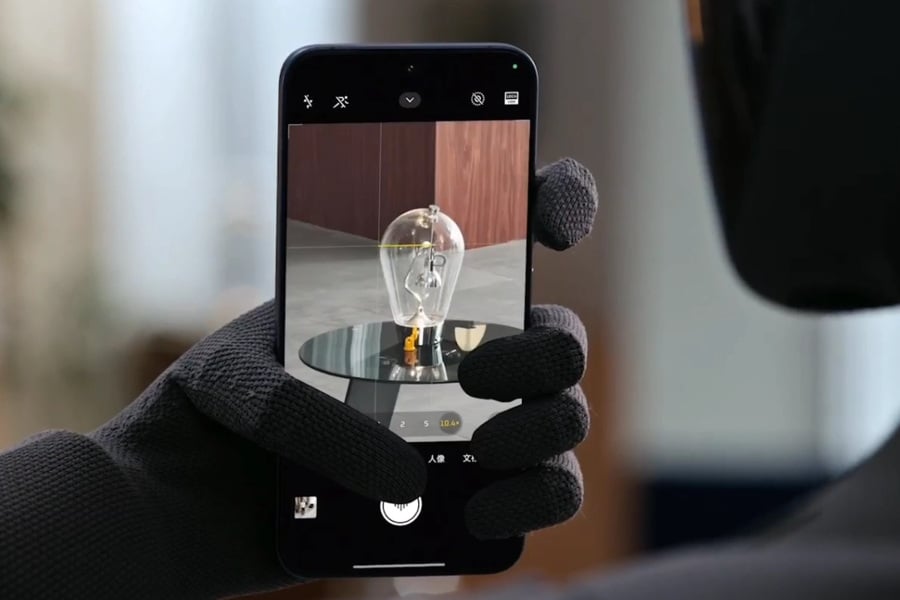
Here’s Why Xiaomi Phones Abroad Often Have Smaller Batteries Than China Versions

It’s increasingly common to see Xiaomi flagship phones launch in China with larger battery capacities than the same models sold in global markets. For example, the Xiaomi 17’s Chinese version reportedly uses a 7,000mAh battery, but the global variant is tipped to carry around 6,300mAh instead. But this isn’t simply a random downgrade or cost-cutting move. So let’s break down why this happens and what it means for consumers.

Battery Shipping Regulations Are the Core Reason

The most widely cited reason for global Xiaomi phones having smaller batteries boils down to international transportation rules for lithium-ion batteries, especially in Europe and certain other major markets. Under agreements such as the European “International Carriage of Dangerous Goods by Road” (ADR) and similar global aviation regulations, lithium-ion battery cells over 20Wh are classified as “dangerous goods”.

Xiaomi 17 Pro Max
Xiaomi 17 Pro Max

In a typical smartphone, a single battery cell above 20Wh translates to around 5,200mAh at a nominal voltage when simplified for consumer terms. If a phone’s battery exceeds this threshold, shipping it becomes more complicated and costly. Many carriers refuse regular shipments of such devices, requiring special handling and documentation. This makes large single-cell smartphone batteries harder to transport and sell in Europe, the US, and some other global markets.

Why Not Just Use Multiple Battery Cells?

At first glance, splitting a large battery into two smaller cells that individually stay under the 20Wh limit seems like an easy workaround. In fact, some devices can do this with dual-cell layouts, and certain international models use that to bump up capacity without breaching the rules. However, widely adopting a multi-cell design across all global smartphones is not straightforward.

Redmi Note 14 Pro+
Redmi Note 14 Pro+ 5G with Dual Batteries

It adds engineering complexity, requiring different internal layouts, charging circuitry, and safety mechanisms. Multi-cell configurations take up more internal volume, increasing weight and thickness. For many brands (including Xiaomi), the slim form factor and competitive design aesthetics are a priority, making this trade-off difficult. As a result, rather than redesigning each phone’s internal structure for different regions, manufacturers often opt to reduce total battery capacity to stay within safer and easier-to-ship limits.

It’s Not Just Xiaomi

Vivo X300 Pro ships with a smaller 5,440mAh battery in Europe

This battery difference isn’t unique to Xiaomi. Other Chinese brands like Vivo and Xiaomi, and sub-brands like Redmi and POCO, also have smaller batteries compared to their Chinese or Asian counterparts because of similar battery size and logistics constraints in global markets.

Does This Impact Real-World Performance?

On paper, smaller batteries could suggest less endurance. To offset this limitation, brands tend to compensate with aggressive power efficient chipsets, software optimizations in HyperOS, and faster charging tech to reduce time spent plugged in. That’s why, even with a slightly smaller battery, global versions generally still offer all-day battery life under typical use. Though they might not quite match their Chinese counterparts in raw battery capacity numbers.

Other Practical Factors

While shipping rules are the main reason, some secondary factors can also play a role:

  • Market priorities: Different regions have different expectations for phone size, weight, and design. International markets often favor slim phones over max battery capacity.
  • Certification and testing: Devices with larger cells may require more extensive certification in each region, increasing cost and time to market.
  • Logistics and warranty services: Selling and servicing phones with larger batteries can be more challenging for global companies that would otherwise need specialized transport or warranty repair channels.

For more daily updates, please visit our News Section.

Tech enthusiast? Get the latest news first! Follow our Telegram channel and subscribe to our free newsletter for your daily tech fix! ⚡

Xiaomi’s HyperOS 3.1 iOS Bridge Rumored for Global Debut at MWC 2026

Xiaomi could be preparing a major announcement for Mobile World Congress (MWC) 2026 this March in Barcelona, not just around new hardware like the Xiaomi 17 series, but also a significant software upgrade. The company is expected to unveil the new HyperOS 3.1 update along with a new feature for improved cross-platform connectivity with Apple devices, thanks to a new “iOS Bridge” feature.

What is “iOS Bridge” in HyperOS 3.1?

Reports suggest that HyperOS 3.1 won’t be a minor patch. Instead, it’s shaping up as a cross-platform bridge that lets Xiaomi users interact more seamlessly with iOS devices. Key components tipped for iOS Bridge include:

  • iPhone Call Notifications: Incoming calls on an iPhone could show up on connected Xiaomi tablets or PCs, letting users answer or manage calls even when their phone is not nearby.
  • AirPods Support: Full compatibility with Apple’s AirPods, including battery levels, controls and spatial audio indicators directly on Xiaomi devices, much like native support seen on Apple hardware.
  • Easy File Transfer: A feature similar to AirDrop, enabling fast, lossless file sharing between iPhones and Xiaomi phones or tablets without needing third-party apps.
Xiaomi HyperOS 3.1 beta update
Xiaomi HyperOS 3.1

This set of features could closely mimic Apple-style cross-device integration, which is something that Android manufacturers traditionally haven’t matched natively and help position Xiaomi’s ecosystem as more friend-friendly for users who juggle multiple platforms.

Why MWC 2026 is the Right Stage

The MWC 2026 event is set to kick off at the start of next month as one of the biggest events on the tech calendar. Xiaomi is already expected to use the stage for global announcements, bringing in its latest flagship Xiaomi 17 series to the international stage. The latest HyperOS 3.1 could share this spotlight with various software upgrades, which makes sense considering how premium models typically bring the latest software iterations.

For more daily updates, please visit our News Section.

Don’t miss a thing! Join our Telegram community for instant updates and grab our free daily newsletter for the best tech stories!

Xiaomi HyperOS 3 Update Rollout Kicks Off Once Again After Holiday Break

After a brief slowdown tied to the Chinese New Year holiday, Xiaomi’s HyperOS 3 software rollout has resumed earlier than expected, bringing fresh builds and public releases to a range of devices worldwide. While the initial break was expected to stretch till the next month, the brand has kicked off the latest build for the Xiaomi and other sub-brands’ devices.

Why the Rollout Slowed Down

Like many other tech companies in China, Xiaomi paused new HyperOS 3 releases and internal build compilations to celebrate the Chinese New Year festivities, which traditionally stretch from mid-February to early March. During this time, development teams typically enter a maintenance mode, and new public updates slow down or stop entirely while engineers take the holiday.

HyperOS 3 features
Xiaomi HyperOS 3

However, it now appears that Xiaomi has ended that break early, with new HyperOS 3 builds already rolling out again to eligible devices as of February 21. This marks a quicker return to routine update work than many had expected.

First Wave of Post-Holiday Releases

A variety of Redmi, POCO and Xiaomi devices are already seeing new builds as Xiaomi resumes the rollout:

  • Redmi Turbo 5 (China) received OS3.0.11.0.WPJCNXM based on Android 16.
  • POCO M6 Plus 5G / Redmi 13 5G / Redmi Note 13R (India) are getting OS3.0.10.0.WNUINXM.

  • POCO M6 Pro 4G / Redmi Note 13 Pro 4G builds (Android 16) have also arrived in the global and Russia regions.
  • POCO M7 Plus / Redmi 15 (Global) and others saw Android 15/16-based builds.
  • POCO C75 5G / Redmi A4 (India) got OS3.0.3.0.WGVINXM with updated UI elements like HyperIsland and redesigned home visuals.
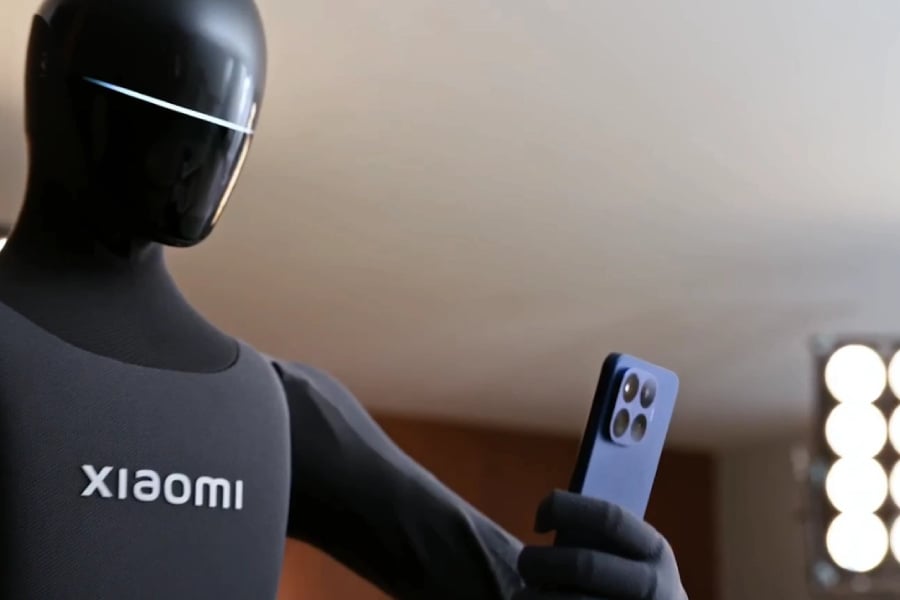
These public releases follow an early holiday-week flurry of activity, including new Recovery ROMs being pushed to users and internal test builds spotted on Xiaomi update trackers.

For more daily updates, please visit our News Section.

Tech enthusiast? Get the latest news first! Follow our Telegram channel and subscribe to our free newsletter for your daily tech fix! ⚡

(Via)
Redmi Buds 8 Pro Listed Globally Ahead of February 28 Launch Event

Xiaomi is preparing to launch the Redmi Buds 8 Pro globally, and the earbuds have already appeared on the company’s international website ahead of the announcement. The new model replaces the Redmi Buds 6 Pro and will be officially presented during Xiaomi’s February 28 event. The company has not shared pricing or release dates yet, but availability is expected shortly after the launch event or in early March.

REDMI Buds 8 Pro

The Redmi Buds 8 Pro focus heavily on audio performance. They use a new coaxial triple-driver system that Xiaomi says improves sound response and boosts bass below 100Hz compared to the previous generation. The earbuds are Hi-Res Audio Wireless certified and support the LDAC codec for high-resolution streaming. Dolby Audio is also included to improve clarity and surround effects, along with dimensional audio that supports dynamic head tracking for a more immersive experience across music, video, and gaming.

Redmi Buds 8 Pro

Noise control is another major feature. The earbuds support active noise cancellation up to 55dB with coverage up to 5kHz. Xiaomi says the system can sample environmental sound up to 32,000 times per second and automatically adjust cancellation based on surroundings and how the earbuds are worn. There is also a dedicated commuting mode designed for airplanes, trains, and public transport that combines noise cancellation with masking audio to reduce background distractions. For voice calls, the earbuds include three microphones per side with AI noise reduction and wind resistance up to 12m/s.

Battery life is rated at up to 8 hours on a single charge and up to 33 hours with the charging case. Each earbud contains a 54mAh battery, while the case has a 480mAh battery. Fast charging is supported, with a 5-minute charge providing up to 2 hours of playback. The earbuds support Bluetooth 5.4, dual-device multipoint connectivity, audio sharing between two pairs, Google Fast Pair, and customization through the Xiaomi Earbuds app. They also carry an IP54 rating for dust and water resistance.

The Redmi Buds 8 Pro will be sold in Cloud White, Glacier Blue, and Obsidian Black. Xiaomi is also offering a two-month Spotify Premium trial for eligible new users, redeemable through the Xiaomi Earbuds app before August 8, 2026, with regional plan differences.

For more daily updates, please visit our News Section.

Tech enthusiast? Get the latest news first! Follow our Telegram channel and subscribe to our free newsletter for your daily tech fix!

WhatsApp is finally working on scheduled messages

Sending a message at exactly the right time on WhatsApp has never been straightforward. If you wanted to wish someone at midnight or schedule a reminder for later, you either had to remember manually or rely on awkward workarounds. That might finally change.

According to WABetaInfo, references to a new “Scheduled Messages” feature have been spotted in the latest WhatsApp beta for iOS (version 26.7.10.72), distributed via Apple’s TestFlight program.

The feature isn’t live yet, not even for beta users, but strings and internal references in the code suggest WhatsApp is working on a native way to compose a message, choose a specific date and time, and have it sent automatically.

A leaked screenshot shared by WABetaInfo shows what appears to be a dedicated section within a chat where scheduled messages would be listed. Users would presumably be able to review or manage pending messages before they’re sent.

The example shown in the leak appears to be from a group chat, but there’s no indication the feature would be limited to groups. It’s reasonable to expect support for one-on-one chats as well.

If implemented fully, this would bring WhatsApp closer to competitors like Google Messages and Telegram, both of which have offered message scheduling for some time.

Right now, Android users often turn to third-party automation apps to replicate the feature, which can require broad permissions and aren’t always ideal from a privacy standpoint. On iOS, it’s technically possible using Apple’s Shortcuts app, but the process isn’t exactly seamless.

It’s important to stress that this is still in development. The feature is hidden in the code and not accessible yet, which means timelines could change. Sometimes features spotted at this stage take months to arrive, and occasionally they never make it out of testing.

That said, scheduled messaging feels like a logical addition. It’s a small feature on paper, but one that many users have asked for over the years.

For global users dealing with time-zone differences, late-night greetings, or work-related reminders, having built-in scheduling would remove a surprising amount of friction.

For now, it’s a promising sign that one of the most requested features may finally be on the way.

Stay ahead in tech! Join our Telegram community and sign up for our daily newsletter of top stories!

For more daily updates, please visit our News Section.

(Source)

Honor Magic V6 and Robot Phone are coming to MWC 2026

Honor is heading back to Barcelona with big plans. The company confirmed today that its global launch event at Mobile World Congress 2026 will take place on March 1, where it will introduce two very different devices — the Honor Magic V6 and the Honor Robot Phone.

Honor Magic V6

The Honor Magic V6 is the company’s upcoming book-style foldable, which appeared in live images just days ago. It’s expected to feature a thin and lightweight design while being powered by Qualcomm’s latest flagship silicon, the Snapdragon 8 Elite Gen 5.

The Magic V6 will reportedly pack a 7,150mAh battery with support for 120W wired fast charging. It could also include Honor’s self-developed C1+ radio frequency enhancement chip and the E2 energy efficiency enhancement chip.

Honor Magic V6 image

On the camera side, it’s said to feature a 200-megapixel large-sensor main camera alongside a periscope telephoto lens. The company also claims full-level waterproofing and support for Beidou satellite communication.

Honor Robot Phone

Alongside the foldable, Honor is planning to unveil the Honor Robot Phone. The company calls it the industry’s first “robot phone,” featuring a hidden robotic arm gimbal that can deploy with a single tap.

According to Honor, this mechanism allows the phone to physically move for automatic composition, subject tracking, and enhanced stabilization.

Honor says the device is powered by a powerful AI system capable of seeing and responding in real time. It’s designed to follow users, capture moments automatically, and even act as a personal camera operator.

The built-in large-scale model, called YOYO, is said to include emotional perception capabilities. According to Honor, it can proactively suggest content, coordinate with other devices across its ecosystem, and function as a digital assistant that feels more personal and context-aware.

We’ll have to wait until March 1 to see how much of this vision translates into real-world use.

Don’t miss a thing! Join our Telegram community for instant updates and grab our free daily newsletter for the best tech stories!

For more daily updates, please visit our News Section.

(Source)

Oppo Find X9s India launch confirmed with Dimensity 9500s

MediaTek has confirmed that Oppo will be among the first smartphone brands to ship a device powered by its new Dimensity 9500s chip. In a post on X via MediaTek India, the company said the Oppo Find X9s will be the first handset in the country to launch with the new silicon.

The Dimensity 9500s is built around an all-big-core CPU design that includes one Cortex-X925 core clocked at 3.73GHz, three Cortex-X4 cores running at 3.3GHz, and four Cortex-A720 cores at 2.4GHz. As for the graphics, the chip integrates a 12-core Immortalis-G925 GPU, clocked as high as 1.61GHz.

Oppo Find X9s Specifications 

Meanwhile, the Find X9s is a camera-first flagship reportedly carrying three 50MP lenses on the back: a primary lens, a periscope-style telephoto lens, and an ultra-wide camera.

On the front, it features a 6.59-inch display with a 1.5K resolution and a 32-megapixel front-facing camera. The device is rumored to pack a 7,025mAh battery, paired with 100W fast charging.

Oppo Find X9s
Oppo Find X9s Render

It is also speculated that the X9s may not be on par with the X9. The device may ship with 12GB of RAM and 256GB or 512GB of internal storage.

Design-wise, the Find X9s is expected to feature a large, horizontally aligned camera module. The layout reportedly spreads the three cameras across one side, with branding and flash elements on the other. It might look more or less like the iPhone 17 Pro.

Interestingly, a previous report suggests that the Oppo Find X9s will not be released in China. Instead, the brand is said to be working on the Oppo Find X9s Pro for the Chinese market.

According to reports, it may arrive with a compact form factor featuring a 6.3-inch OLED 1.5K 120Hz display equipped with an ultrasonic in-screen fingerprint sensor. It could be powered by the Dimensity 9500 chip.

The Find X9s Pro is expected to debut alongside the Find X9 Ultra in March in China.

For more daily updates, please visit our News Section.

Stay ahead in tech! Join our Telegram community and sign up for our daily newsletter of top stories.

Anker Prime Power Bank Black Myth: Wukong Edition Launches with 220W Output and 20K Capacity

Anker released a Black Myth: Wukong Edition of its Prime Power Bank. The hardware is identical to the standard model, but the exterior now has a black and gold design with battle-worn textures and a 3D relief mural. It includes Jingubang artwork and co-branded logos.

The power bank‘s 20,100mAh battery (72.36Wh) meets TSA flight requirements and charges an iPhone 17 Pro Max 3.6 times. It has two USB-C ports and one USB-A port with 220W total output. A single USB-C port delivers 140W, which charges a 16-inch MacBook Pro to 50 percent in 28 minutes with the right cable.

When charging two devices, output splits to 110W + 110W or 140W + 22.5W. Three devices get 100W + 100W + 20W. The power bank recharges at 100W through USB-C, reaching 50 percent in 25 minutes. It charges faster with the optional Prime Charging Base via pogo pins.

The built-in screen displays real-time power data, battery temperature, and port usage. Bluetooth connects to the Anker app for monitoring input and output power, cable information, and charging protocols. You can customize charging modes, allocate power per port, and adjust display settings.

ActiveShield 4.0 performs over 10 million temperature checks daily and adjusts power automatically in extreme conditions. The device measures 5.79 × 1.99 × 1.73 inches and weighs 1.12 pounds.

Pricing & availability

The Anker Prime Power Bank Black Myth: Wukong Edition costs $199.99 in the US and £139.99 in the UK. The standard Anker Prime Power Bank retails for $179.99.

Anker also sells a Black Myth: Wukong–themed version of its Prime Docking Station, featuring a black-and-gold design inspired by the game while keeping the same core hardware as the standard model. It supports triple displays via DisplayLink, delivers up to 140W laptop charging, and offers a wide range of connectivity ports for multi-device setups.

Xiaomi to launch its UltraThin Magnetic Power Bank 5000 15W at MWC, wider rollout likely

Xiaomi will launch its UltraThin Magnetic Power Bank 5000 15W globally at Mobile World Congress (MWC) 2026 on February 28.

The power bank has already been released in Japan, Australia, the UK, and other parts of Europe earlier this year. Xiaomi has priced it at $69.50 in Australia and £49.99 in the UK. A broader global rollout is anticipated following the launch event.

Xiaomi UltraThin Magnetic Power Bank 5000 15W

The power bank features a slim 6mm design and weighs only 98 grams. It is one of the lightest and slimmest power banks in its category. It comes in Black, Silver, and Orange. The Silver variant has been the most widely available so far, but Xiaomi has teased the Orange version for MWC. Both Black and Orange options will likely become more available after the official rollout.

Xiaomi UltraThin Magnetic Power Bank 5000 15W

In terms of specs, the power bank supports up to 15W wireless fast charging and features magnetic charging for iPhones (up to 7.5W), as well as compatibility with Xiaomi, Samsung, and Google Pixel devices. It also includes a USB-C port for up to 22.5W wired fast charging. Xiaomi has also included dual-device charging, allowing users to charge two devices simultaneously.

The power bank uses a smartphone-grade lithium-ion battery with a 5,000mAh capacity. Xiaomi designed it with safety in mind, adding ten layers of protection, including safeguards against overheating, overcharging, and short circuits. The aluminum alloy body and fire-resistant fiberglass coating ensure durability and a premium look.

The February 28 event will also include other product launches. The company will introduce the Xiaomi 17 Ultra smartphone, the Redmi Buds 8 Pro earbuds, and the Xiaomi Tag tracker. Xiaomi will also showcase new AIoT products. The event will begin at 2 PM CET in Barcelona.

For more daily updates, please visit our News Section.

Tech enthusiast? Get the latest news first! Follow our Telegram channel and subscribe to our free newsletter for your daily tech fix! ⚡

Unix UX-1519 NEOM Power Bank Brings 22.5W Fast Charging and Digital Display in Pocket-Size Body

Unix has launched the UX-1519 NEOM in India, a 10,000 mAh power bank designed for users who need fast charging in a compact form. The device supports up to 22.5W Power Delivery and comes in a small square body that measures 7.5 cm by 6.5 cm, making it easy to carry in a pocket or bag.

The power bank uses a high-density lithium-polymer battery and features a retro-industrial design inspired by old mechanical generators. On the front, there is a digital display that shows real-time battery percentage and charging information, so users can easily monitor power levels.

A key feature of the UX-1519 NEOM is its built-in Type-C output cable, which also functions as a carry loop. This removes the need to carry a separate charging cable. The integrated Type-C cable supports input up to 12V/1.5A and output up to 12V/1.67A for fast charging. In addition to the built-in cable, the power bank includes a USB output port with smart power distribution, allowing two devices to be charged at the same time.

The device runs on Unix’s S-Power smart chipset, which is designed to improve charging and discharging efficiency while maintaining stable performance. It also includes multiple safety protections such as overcharge, over-discharge, over-voltage, over-current, over-temperature, short circuit, and EMI protection to ensure safe usage.

Pricing & availability

The Unix UX-1519 NEOM is priced at Rs. 1,999 and is available through Unix official channels and select retail stores across India.

For more daily updates, please visit our News Section.

Tech enthusiast? Get the latest news first! Follow our Telegram channel and subscribe to our free newsletter for your daily tech fix!

Lenovo warns of price increases on commercial PCs and servers

Lenovo has reportedly informed its channel partners that price increases are on the way for several commercial product lines, as rising memory costs continue to pressure hardware makers.

In a letter shared with partners, the company pointed to ongoing volatility in the DRAM and 3D NAND markets. Demand from AI infrastructure and large-scale data center deployments has tightened supply, and vendors are now adjusting pricing to keep up with higher component costs.

The changes affect both major parts of Lenovo’s business. The Intelligent Devices Group, which covers commercial PCs and client hardware, and the Infrastructure Solutions Group, responsible for servers and data center equipment, are both included.

Lenovo’s North America leadership, including channel chief Wade McFarland and president Ryan McCurdy, urged partners to move quickly if they want to secure current pricing. Orders are recommended by February 25, with distributors submitting by February 28.

There’s also a practical detail worth noting: even orders received before February 28 could face repricing if they aren’t shipped by March 31, 2026. For ISG products, quote validity windows have reportedly been shortened — 14 days for internal bids and 30 days for external quotes — and those terms may shift again depending on market conditions.

None of this is happening in isolation. Other OEMs, including Dell, HPE and Cisco, have issued similar signals in recent weeks. The AI-driven surge in demand hasn’t just affected high-end GPUs; it’s putting strain on memory supply more broadly, which inevitably flows down to enterprise hardware pricing.

For businesses planning refresh cycles or infrastructure upgrades, timing may matter more than usual this quarter. While Lenovo’s communication to partners appears straightforward, it reflects a wider pattern: component costs remain unstable, and vendors are adjusting accordingly.

Whether this turns into a longer-term pricing trend will likely depend on how memory supply stabilizes in the months ahead.

Stay ahead in tech! Join our Telegram community and sign up for our daily newsletter of top stories!

For more daily updates, please visit our News Section.

(Sources: 1, 2)

Baseus 100W 20,000mAh power bank heads to Europe with dual built-in USB-C cables

Baseus is expanding the availability of its EnerFill FC41 power bank, bringing the 20,000mAh model with 100W output to European markets. The accessory has already been on sale in China and the US, and it’s now starting to appear on Amazon listings in countries including Germany and Spain.

One of the more practical aspects of the EnerFill FC41 is its design. The unit includes two built-in braided USB-C cables that tuck neatly into the body when not in use. Each cable features a small buckle-style fastening to keep things tidy, which means you don’t necessarily need to carry separate charging cables in your bag.

In addition to the integrated cables, the power bank includes one extra USB-C port and one USB-A port. That allows up to four devices to charge at the same time. Each USB-C output supports up to 100W under the right conditions, which is enough for most smartphones. When multiple devices are connected, the power is distributed differently, with the main USB-C delivering up to 65W and the remaining outputs sharing the rest.

With a 20,000mAh capacity, Baseus claims the unit can recharge a modern flagship phone several times over. A small digital display on the front shows the remaining battery percentage, replacing the simpler LED indicators found on many power banks.

Recharging the unit itself is handled through a 65W USB-C input, with a full refill taking around two hours. The EnerFill FC41 measures roughly 152mm tall and weighs about 430 grams, so while it isn’t ultra-light, it remains portable enough for travel and carry-on use.

Pricing and availability

Pricing in Europe appears to be set at €89.99, although listings currently show the product as temporarily out of stock. In the US, the official retail price is $79.99, though discounts are common.

Higher-wattage power banks like this are becoming increasingly common. The EnerFill FC41 doesn’t reinvent the category, but the built-in cables and strong output ratings could make it a practical option.

Don’t miss a thing! Join our Telegram community for instant updates and grab our free daily newsletter for the best tech stories!

For more daily updates, please visit our News Section.

Ugreen Nexode 200W Charger (2026) Launches in Europe With 140W PD 3.1 and GaNInfinity Upgrade

Ugreen has released an updated version of its Nexode 200W charger in Europe. The original model launched in 2025. The company confirmed that this new version includes internal optimizations.

Ugreen Nexode 200W Charger

The charger keeps the same four-port layout with three USB-C ports and one USB-A port. The first USB-C port supports up to 140W output with PD 3.1. The second USB-C port delivers up to 100W, and the third USB-C port provides up to 30W. The USB-A port offers up to 22.5W. Total combined output is 200W, which allows two laptops to charge at up to 100W each at the same time.

Ugreen states that the 140W USB-C port can charge a 16-inch MacBook Pro to about 50 percent in under 30 minutes. The charger also supports PPS and Super Fast Charging 2.0 for compatible smartphones and tablets. It is designed to work with devices from Apple, Dell, HP, Lenovo, Samsung, and Nintendo, along with many other USB-powered products.

The device uses GaNInfinity technology to improve efficiency and reduce heat while maintaining high power output. It includes an eight-layer protection system with safeguards against overvoltage, overcurrent, short circuits, overheating, interference, undervoltage, and flame risks. The housing is built with flame-resistant materials.

Despite the high output, the charger remains compact at 76 × 76 × 36 mm. The 4-in-1 design allows users to charge a phone, tablet, and two laptops from a single adapter, which can replace multiple chargers when traveling or working at a desk.

The upgraded Nexode 200W charger is now available in several European markets. Pricing starts at €79.99 in Germany and the Netherlands. In Spain and France, it is listed closer to €99.99.

(via: Reddit & Notebookcheck)

Xiaomi Tag tracker is launching globally on February 28 at MWC 2026

Xiaomi has officially announced the global launch of its new Bluetooth tracker, the Xiaomi Tag. The company will debut the device on February 28, 2026, during its MWC event in Barcelona.

The Xiaomi Tag weighs 10 grams and measures 7.2mm thick. The device uses a CR2032 coin battery, which provides an estimated battery life of one year. Xiaomi has designed the tracker to help users quickly locate lost items, including keys, wallets, and bags.

Xiaomi Tag

The tracker supports both Apple’s Find My network and Google’s Find Hub ecosystem, making it compatible with both iOS and Android devices. It uses Bluetooth 5.4 and NFC for location tracking but does not include ultra-wideband (UWB) technology. However, a UWB-enabled version is reportedly in development and might launch in the future.

The February 28 event will also feature other product launches. Xiaomi plans to unveil the Xiaomi 17 Ultra smartphone, the Redmi Buds 8 Pro earbuds, and the Xiaomi Ultra Slim Magnetic Power Bank. The company will also showcase new AIoT products during the event, which begins at 2 PM CET in Barcelona.

Xiaomi Tag

The Xiaomi Tag has already appeared on several European retailer websites ahead of its official launch. As per the leaked listings, the device is priced at €17.99 ($21), and if you buy a pack of four, it would cost €59.99 ($70).

Xiaomi aims to position the product for budget-conscious users who want reliable tracking without paying the higher prices of competitors like Apple’s AirTag, Moto Tag, or Samsung’s Galaxy SmartTag.

For more daily updates, please visit our News Section.

Stay ahead in tech! Join our Telegram community and sign up for our daily newsletter of top stories! 💡

OpenAI may launch new $100/month ChatGPT Pro Lite subscription

OpenAI is reportedly preparing to launch a new subscription tier called ChatGPT Pro Lite, priced at $100 per month. Developer Tibor Blaho discovered references to the plan in the frontend code of the ChatGPT web app. OpenAI has not confirmed the plan or shared details about its release date, but the discovery suggests the company is working to address a pricing gap in its lineup.

chatgpt

OpenAI currently offers several subscription plans, including Free, Go ($8/month), Plus ($20/month), Pro ($200/month), Team, Business, and Enterprise options. Many users have criticized the large jump from Plus to Pro, leaving power users without a middle-ground option. The Pro Lite plan could fill this gap by targeting freelancers, researchers, and developers who require higher usage quotas but cannot justify Pro’s $200 price tag.

Chatgpt Pro Lite

The new plan is expected to provide more advanced features than Plus but fewer capabilities than Pro. Code references suggest Pro Lite could offer three to five times the deep reasoning model usage quota of the Plus plan. Additionally, it may be designed to accommodate Codex usage.

This potential move comes as OpenAI navigates a challenging 2026. Despite $20 billion in revenue, the company faces a projected $14 billion annual loss due to ballooning compute costs, prompting a desperate search for a $100 billion funding lifeline.

Meanwhile, competition is heating up. The Gemini 3 now commands over 20% of the market thanks to Android integration, and Claude 4 has overtaken OpenAI in enterprise spending. User backlash over the abrupt retirement of the GPT-4o model has only added to the turbulence.

Pro Lite could be a game-changer, offering a more affordable option for power users while positioning OpenAI competitively against rivals like Google, which lacks a comparable mid-tier offering. Whether this will be enough to stabilize OpenAI remains to be seen.

In related news, OpenAI may also launch a ChatGPT-powered smart speaker equipped with a camera.

For more daily updates, please visit our News Section.

Stay ahead in tech! Join our Telegram community and sign up for our daily newsletter of top stories! 💡

(Source, Via)