Xiaomi has officially launched the Mijia Smart Fragrance Diffuser Plant Extract Series in China. The new smart home product is now available for purchase with a suggested retail price of 299 yuan (~ $45), while early buyers can get it at a special launch price of 229 yuan (~ $33).
Xiaomi Mijia Smart Fragrance Diffuser Plant Extract Series Specifications
The latest fragrance diffuser is designed to bring both scent and ambient lighting to living spaces. Xiaomi says the product uses carefully selected premium essential oils from Givaudan’s Orpur brand, a name known for producing high-quality fragrance ingredients. The diffuser contains natural plant extracts and is available in several fragrance options, including bellflower, black tea, and lavender.
In terms of design, Xiaomi has given the diffuser a compact and modern look. It features a light gold-colored body paired with a gradient-style bottle, allowing it to blend into different home environments. The company positions it as both a functional fragrance device and a decorative home accessory.
The Mijia Smart Fragrance Diffuser also features smart connectivity. It supports Xiaomi’s Surge Smart Connect platform, enabling it to integrate with the company’s smart home ecosystem. This enables users to integrate the diffuser with other compatible Xiaomi devices for a more connected home experience.
Another notable feature is its built-in ambient lighting system. The diffuser is equipped with a 16-million-color ambient light that automatically activates when it detects people nearby. The lighting effect is designed to complement the fragrance experience while adding a warm atmosphere to a room.
Xiaomi is also highlighting safety and environmental considerations. According to the company, the diffuser is free from benzene and formaldehyde, two substances that are often concerns in indoor air-quality discussions. The product is also described as pet-friendly, making it suitable for households with animals.
For more daily updates, please visit our News Section.
Amazon is already rolling out some aggressive Samsung deals ahead of Prime Day, with notable discounts on the Galaxy Z Fold 7 and Galaxy Watch 7.
The biggest savings are on the Galaxy Z Fold 7. The 512GB model, which normally sells for around $2,120, has dropped to as low as $1,705 on Amazon depending on the color option, while some listings are hovering closer to $1,770. The 256GB version is also seeing steep cuts, falling to roughly $1,536–$1,600.
Samsung is offering similar discounts through its own store. The company currently lists the 256GB model for $1,599 and the 512GB version for $1,799. The 1TB variant is available for $2,099, down from its usual $2,499 price tag.
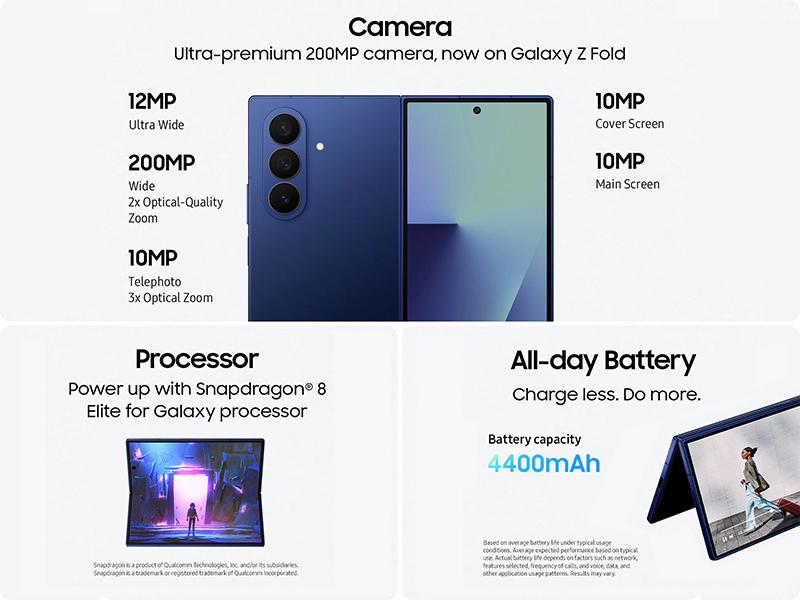
The Fold 7 is Samsung’s latest book-style foldable, pairing a standard phone-sized outer screen with a large 8-inch display that unfolds into a tablet-like experience. It runs on the Snapdragon 8 Elite “for Galaxy” chip and features a 200MP main camera, making it one of Samsung’s most feature-packed smartphones.
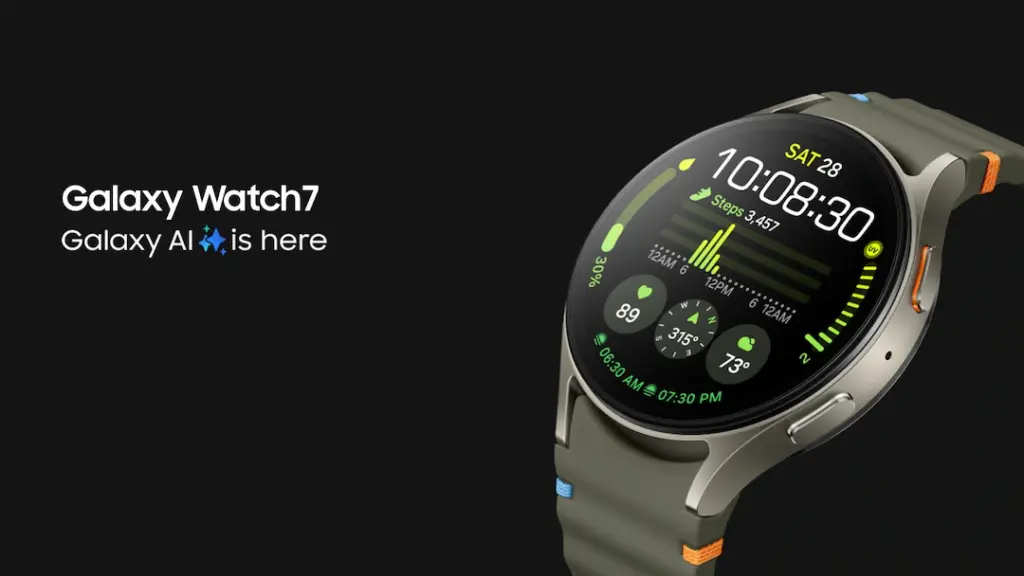
There’s also a deal on the Galaxy Watch 7. The 44mm model is currently available for around $200, down from its typical $280–$330 range depending on the retailer. That’s one of the lowest prices we’ve seen on Samsung’s latest smartwatch since launch.
The Watch 7 offers a 1.5-inch AMOLED display, health tracking features including sleep monitoring and heart-rate tracking, and Samsung’s latest Exynos W1000 processor. It’s also rated IP68 for dust and water resistance.
Shoppers weighing whether the Watch 7 is worth it can compare it against newer options in our list of top-rated smartwatches for 2026.
With Prime Day approaching, more Samsung discounts are expected to appear over the coming days. For now, though, the Fold 7 and Watch 7 are among the more notable deals already live.
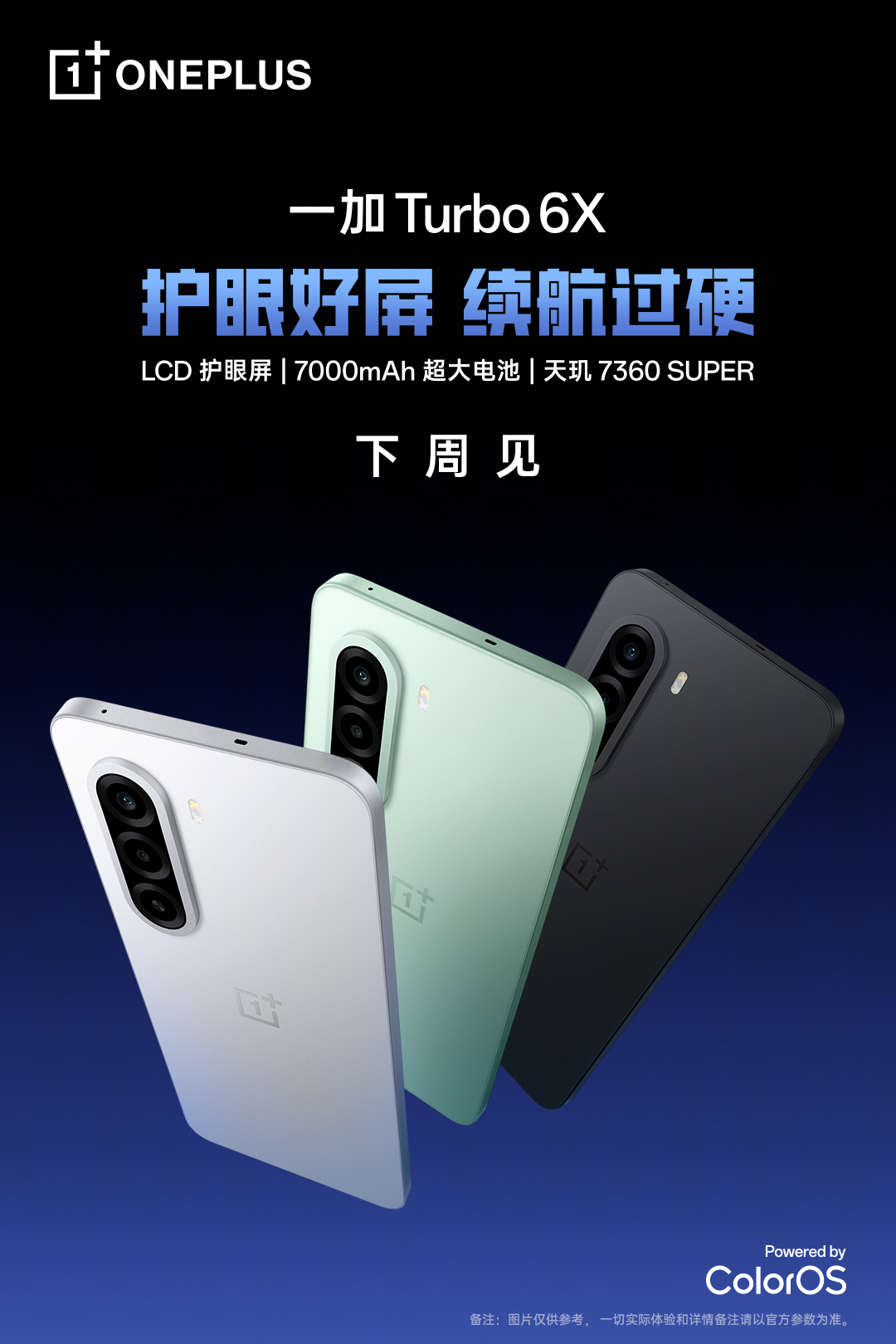
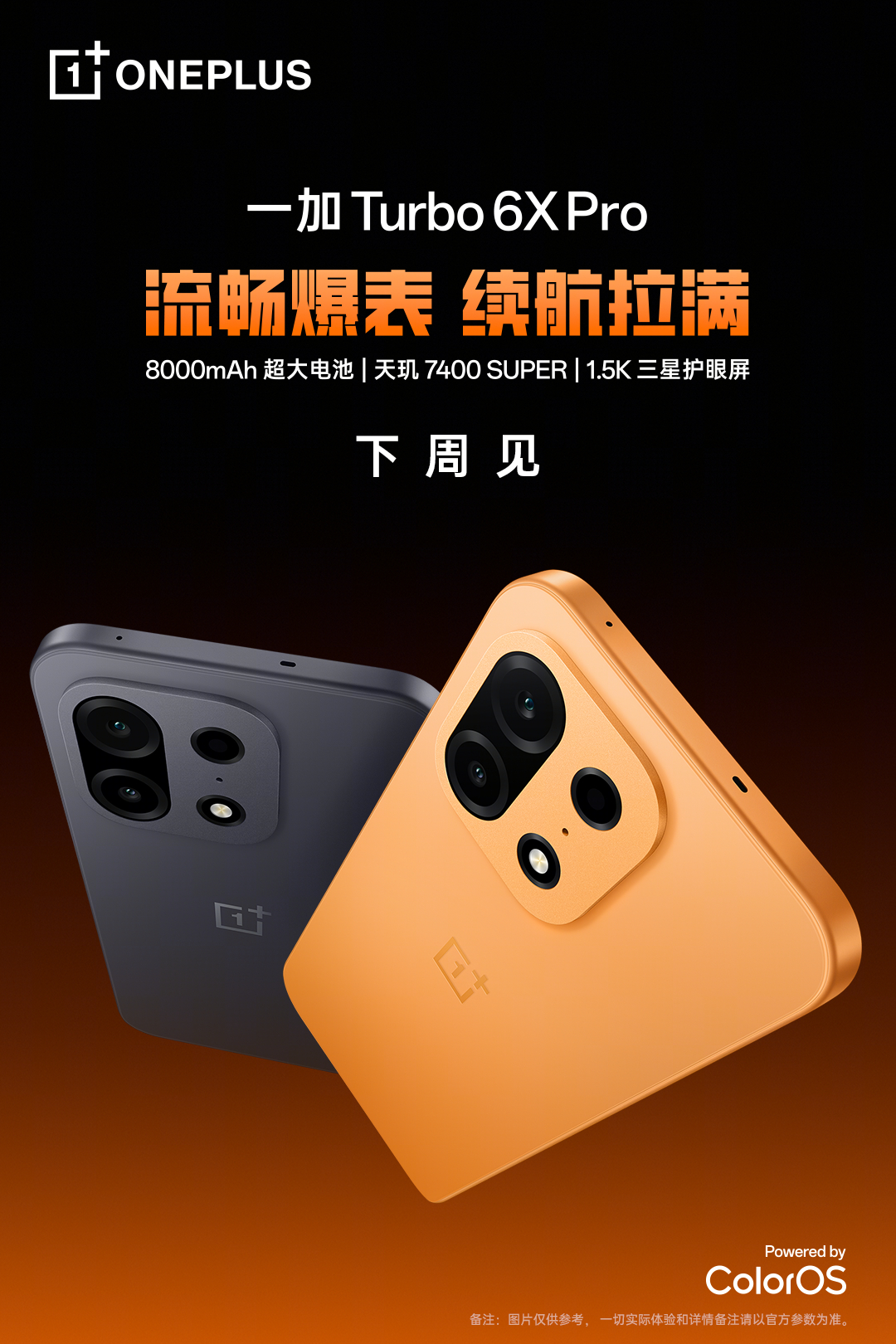
OnePlus is all set to announce the Turbo 6X and Turbo 6X Pro, which are expected to debut on June 18 in China. Ahead of the launch, Louis Li Jie, President of OnePlus China, has shared several details about both smartphones. Additionally, these devices are now available for pre-order through the Oppo Shop, which reveals their color options and memory configurations. For those unaware, these devices were recently spotted on the TENAA certification platform with their key specifications. Here’s a look at the latest details about both smartphones.
OnePlus Turbo 6X series key details confirmed
OnePlus Turbo 6X series
Louis Li Jie has officially confirmed that the OnePlus Turbo 6X series will be unveiled next week in China. The executive described the lineup as a strong contender in the RMB 1,500 price segment, focusing on long battery life, smooth performance, eye-care displays, and durability.
According to Li, the OnePlus Turbo 6X Pro will feature an 8,000mAh battery, a 1.5K Samsung eye-care display, and IP66, IP68, IP69, and IP69K water and dust resistance ratings. He added that the device will also offer a smoother software experience than competing products in its class.
The standard OnePlus Turbo 6X is positioned as a battery-focused smartphone with a 7,000mAh battery, a new 6.72-inch LCD eye-care display, and military-grade durability. Li said the Turbo 6X series is aimed at users looking for a long-lasting smartphone that combines endurance, display comfort, and reliability, making it suitable for both personal use and as a gift for family members.
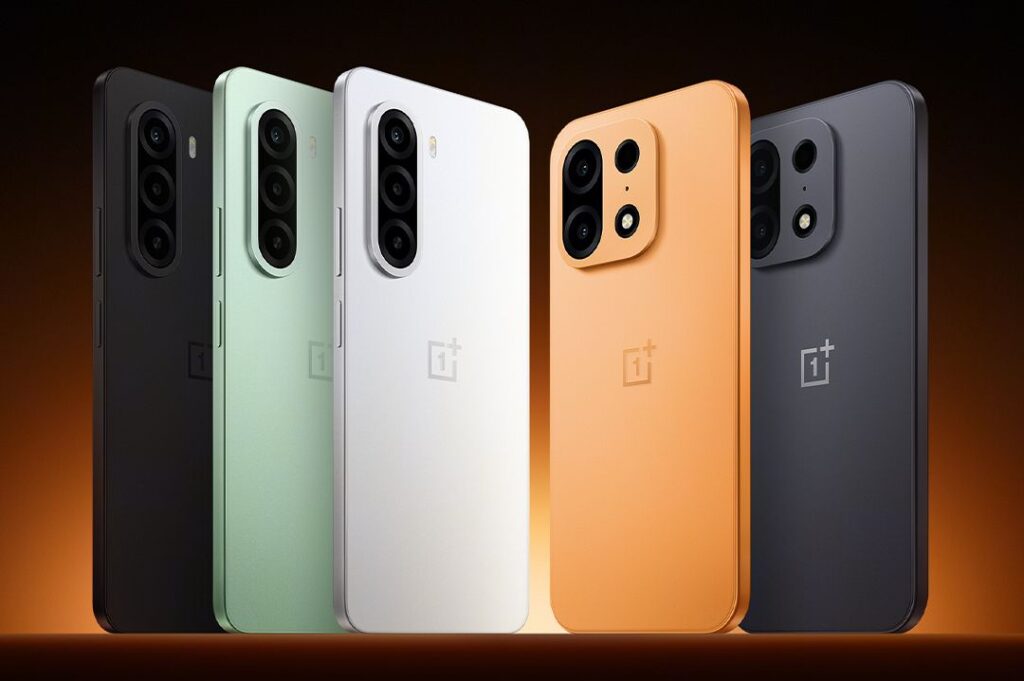
The official posters confirm that the OnePlus Turbo 6X and Turbo 6X Pro will be powered by the Dimensity 7360 Super and Dimensity 7400 Super chipsets, respectively. The standard model comes in three shades: black, white, and green. Its memory variants include 8GB+128GB, 8GB+256GB, and 12GB+256GB.
On the other hand, the OnePlus Turbo 6X Pro features a 6.78-inch Samsung AMOLED display with a 1.5K resolution. It comes in black and orange color options and will be sold in the same memory configurations as the standard model.
These devices will come preloaded with Android 16-based ColorOS 16. According to the TENAA listing, the Turbo 6X will feature an 8-megapixel front-facing camera and a 50-megapixel + 2-megapixel dual-camera setup on the back. Meanwhile, the Pro edition will offer a 16-megapixel front camera and a 50-megapixel + 8-megapixel dual-camera system.
For more daily updates, please visit our News Section.
TSMC CEO C.C. Wei took a subtle jab at Samsung this week, suggesting the company’s long-running goal of catching up to the foundry leader remains just that: a goal.
Speaking during a shareholder-related Q&A session, Wei expressed confidence that Taiwan’s dominance in contract chip manufacturing isn’t going anywhere. Without mentioning Samsung directly, he mocked a familiar pattern from a rival that has spent years promising to close the gap.
“Twenty years ago, our competitor said they would catch up with TSMC in 10 years,” Wei said. “Ten years ago, they said they would catch up in another 10 years; and recently, they said yet again that they would catch up in 10 years.”
The comment landed as demand for AI hardware continues to push the semiconductor industry into overdrive. While both TSMC and Samsung are investing heavily in advanced nodes, including 2nm production, the reality is that the two companies remain far apart in the foundry business.
TSMC controls roughly 70% of the global pure-play foundry market, according to recent industry estimates. Samsung sits closer to 7%, and despite years of investment, it has struggled to consistently challenge TSMC’s lead in advanced manufacturing and production scale.
A major reason is AI. Companies building accelerators for AI workloads increasingly rely on TSMC not only for leading-edge process technology but also for advanced packaging solutions such as CoWoS. Those capabilities have become just as important as transistor density, especially for customers like NVIDIA racing to deploy increasingly powerful AI hardware.
That’s not to say Samsung lacks strengths. The company remains a major force in memory and is widely viewed as a leader in High Bandwidth Memory (HBM), one of the most critical components inside modern AI systems. Wei himself acknowledged Samsung’s position in that segment.
Still, when it comes to foundry services, TSMC continues to benefit from something that’s difficult to replicate: execution. Consistent yields, deep customer relationships, and a manufacturing ecosystem built over decades have helped the company maintain a lead that rivals have yet to seriously threaten.
For now, Wei appears unconcerned. His message was simple: competitors can keep setting deadlines, but catching up is much harder than predicting it.
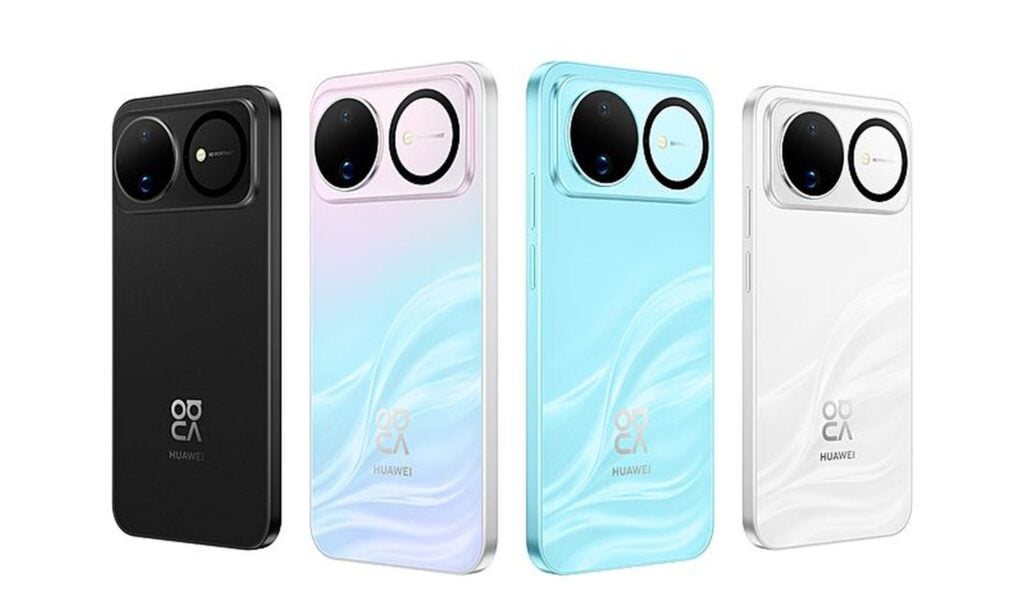
Huawei’s latest Nova 16 smartphone lineup is officially going on sale today in China. The company has opened first sales for the Huawei Nova 16, Nova 16 Pro, and Nova 16 Ultra at 10:08 AM local time, with prices starting at 2,999 yuan (~ $442).
All three phones are powered by Huawei’s Kirin 9010S processor and runs HarmonyOS 6.1 out of the box.
Huawei Nova 16 / Pro / Ultra Price
The standard Huawei Nova 16 starts at 2,999 yuan ($442) for the 12GB RAM + 256GB storage variant, while the 512GB version costs 3,499 yuan (about $516).
Huawei Nova 16
The Huawei Nova 16 Pro starts at 3,899 yuan (about $575) and is available in 256GB, 512GB, and 1TB storage options. The top-end 1TB version is priced at 4,999 yuan (about $737).
For buyers looking for the most capable model in the lineup, the Huawei Nova 16 Ultra starts at 4,699 yuan (about $693) and reaches 5,799 yuan (about $855) for the 12GB + 1TB configuration.
Specifications
One of the headline features across the lineup is battery capacity. Huawei has equipped the Nova 16, Nova 16 Pro, and Nova 16 Ultra with large 7,000mAh batteries. All three devices support up to 100W wired SuperCharge fast charging. The Ultra further adds support for 50W wireless charging and 7.5W wireless reverse charging.
Huawei Nova 16 Pro
As for cameras, the standard Nova 16 features a 50MP main camera paired with a 50MP RYYB periscope telephoto lens. Meanwhile, both the Pro and Ultra models step up to a 200MP RYYB image-stabilized primary camera. They also include 50MP telephoto and ultra-wide cameras, along with Huawei’s Red Maple color imaging sensor.
On the front, the base Nova 16 uses a 120Hz display protected by aluminosilicate glass, while the Pro and Ultra models feature LTPO panels with adaptive refresh rates ranging from 1Hz to 120Hz.
Huawei Nova 16 Ultra
Huawei is also continuing to expand satellite communication features across its smartphones. The Nova 16, Nova 16 Pro, and Nova 16 Ultra support Beidou satellite messaging services, while the Ultra model adds Tiantong satellite communication support for broader connectivity in areas without traditional network coverage.
For more daily updates, please visit our News Section.
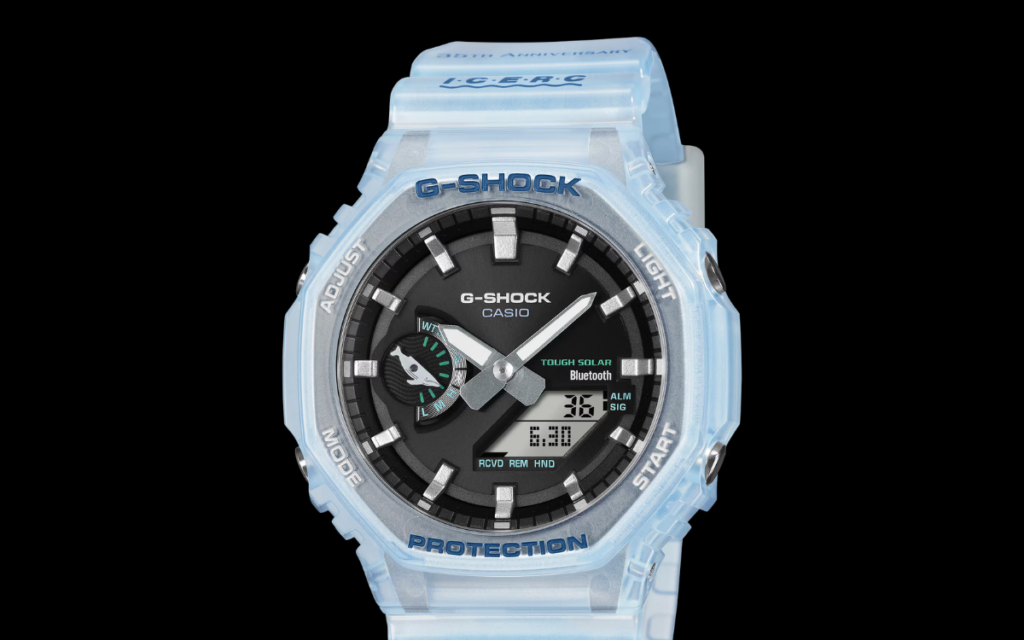
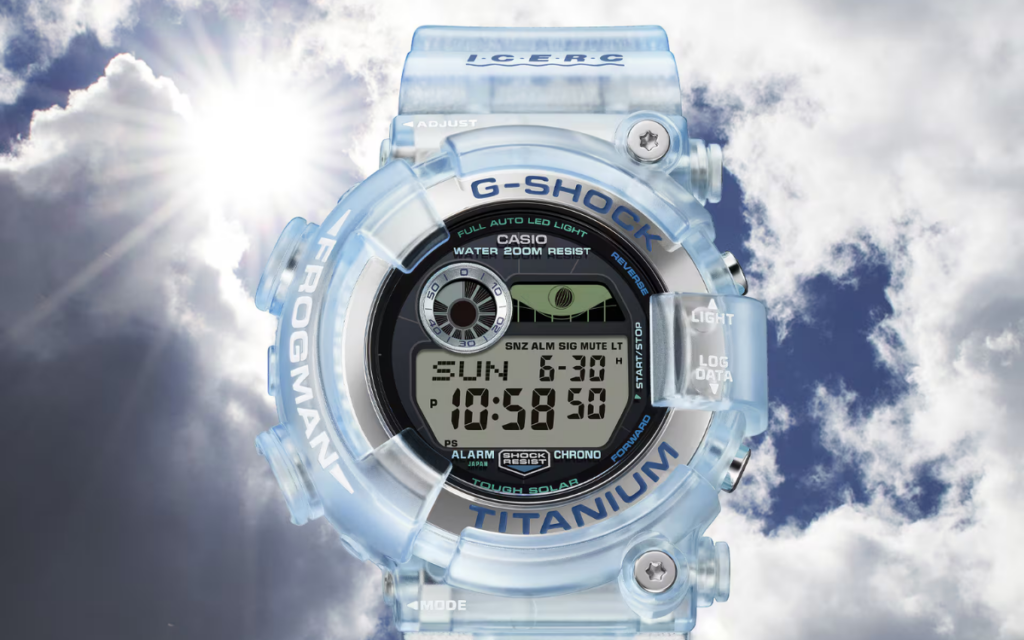
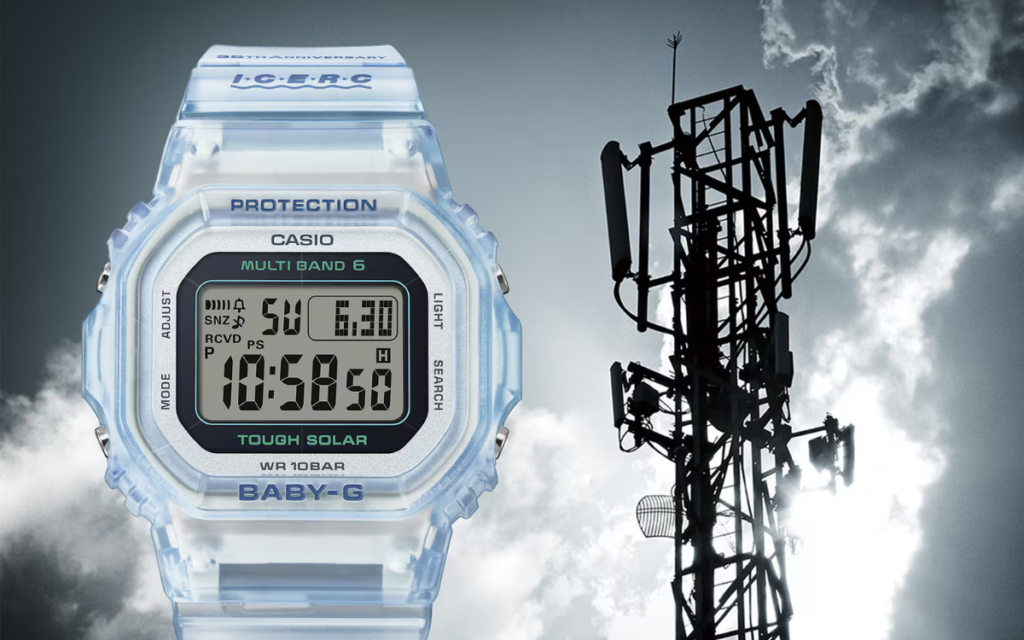
Casio has released a new trio of skeleton blue watches in the Japanese market. The lineup, which includes a G-Shock Frogman, a CasiOak, and a Baby-G, is part of the company’s ongoing partnership with the environmental group ICERC Japan. This specific release coincides with the organization’s 35th anniversary in 2026.
The main hardware update across all three models is the shift in materials. Casio has been steadily integrating biomass plastics into its manufacturing process, and these new watches use renewable organic resources for the major resin components in their bezels and bands. Aesthetically, the watches share a translucent, blue gradient finish meant to resemble seawater, and they all ship in packaging made from recycled materials.
Here is a look at the specific models and their hardware features.
G-Shock GA-B2100KB-2A
Based on the familiar octagonal 2100 series, this is the most connected watch of the group. It features Bluetooth for syncing with the Casio Watches smartphone app, which handles automatic time adjustments, world time settings, and a phone finder tool. It runs on Casio’s Tough Solar charging system, which provides about seven months of battery life on a single charge under standard use. A small whale-shaped indicator hand sits on the 9 o’clock subdial. It is priced at ¥29,150 ($182).
G-Shock Frogman GW-8202K-2
The Frogman is Casio’s purpose-built diving watch, and it is priced accordingly at ¥85,800 ($536). It features a titanium screw-back case and ISO-certified 200-meter water resistance. On the software side, it includes a dedicated dive mode that tracks dive times up to 24 hours and surface intervals, while storing up to 10 dive logs. It also displays moon phase and tide graph data. It lacks Bluetooth, relying instead on standard quartz accuracy and Tough Solar power. Activating the LED backlight reveals a whale silhouette on the LCD.
Baby-G BGD-5650K-2
The smallest and most affordable model is the Baby-G at ¥24,200 ($151). Based on the standard square 5600-series design, it includes Multi Band 6 radio-controlled timekeeping. This feature automatically adjusts the time by receiving standard radio waves from six global transmitters. Like the other models, it is solar-powered. When the backlight is turned on, a swimming dolphin silhouette appears on the screen.
All three ICERC Japan collaboration models are available in Japan starting this June.
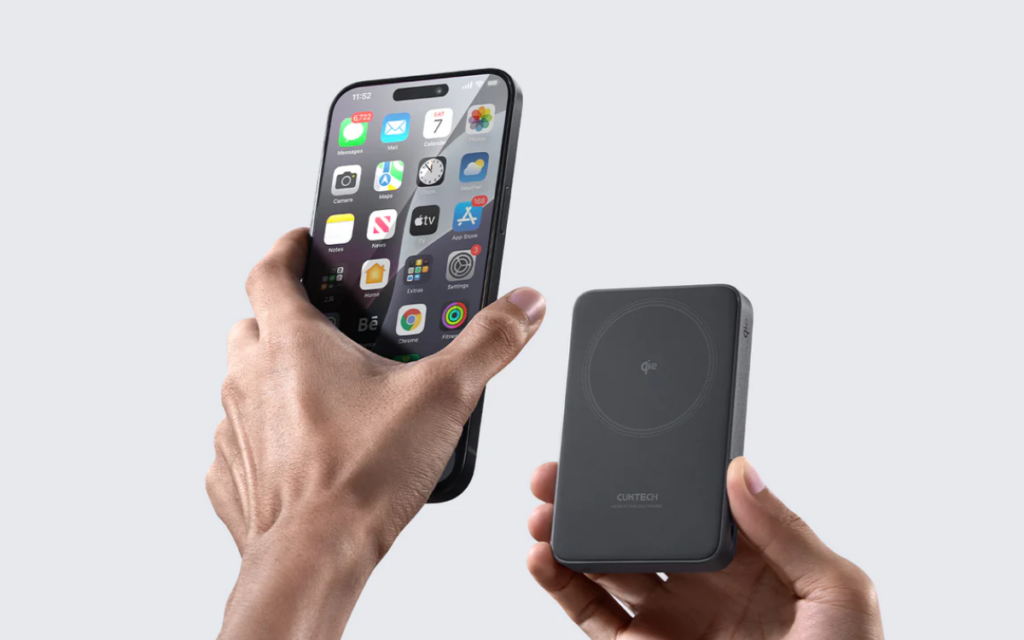
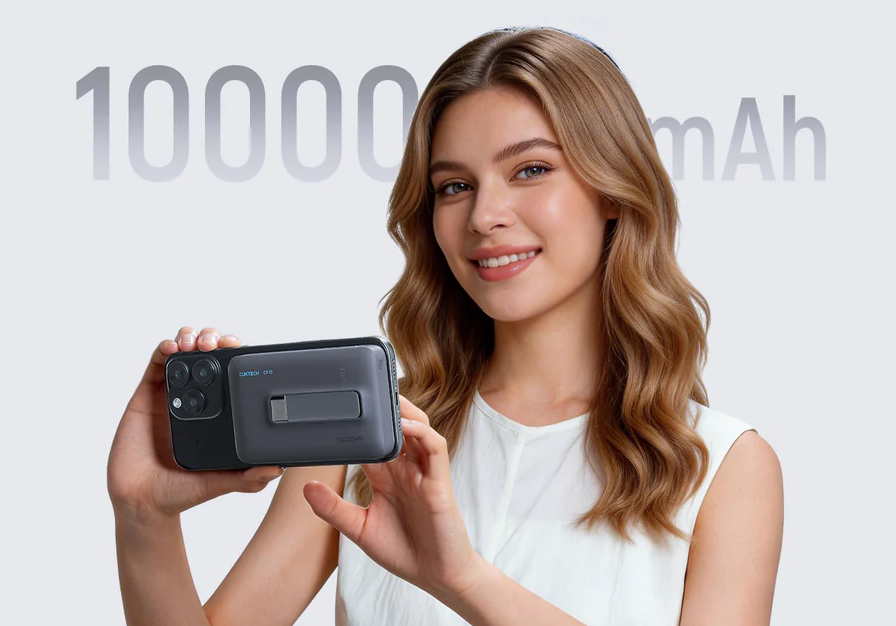
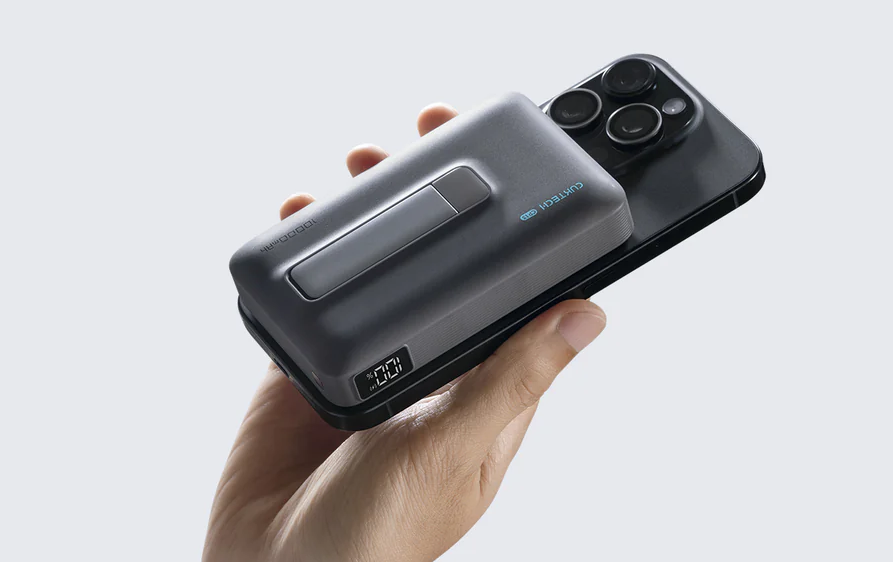
Cuktech just released a new power bank called the CP13. It is a 10,000mAh battery pack that supports the Qi2 wireless charging standard. It costs $49.99 and is available now on Amazon and the company’s website in the US.
Cuktech CP13 Power Bank Specifications
Since it features Qi2 certification, it can wirelessly charge compatible phones at 15W. Before Qi2 became more common, third-party magnetic chargers were mostly limited to 7.5W for iPhones. This standard allows third-party chargers to operate at the same 15W rate as Apple’s own MagSafe chargers. The power bank snaps onto the back of the phone using magnets and works with the iPhone 15, 16, and 17 series, as well as Android phones that support Qi2.
The battery itself has a 10,000mAh capacity. In practical terms, Cuktech says this will charge a standard iPhone 17 about 1.7 times, an iPhone 17 Pro 1.4 times, or a Samsung Galaxy S25 around 1.45 times. If you need to charge your phone faster than the wireless pad allows, there is a USB-C port on the bottom. This port supports 30W wired charging, which can get an iPhone to 50% in roughly half an hour. You also use this same port to recharge the power bank itself at 30W.
On the outside, the power bank is covered in a liquid silicone material. This gives it a softer texture that is meant to prevent it from scratching the back of your phone when they are attached. It also has a built-in metal stand that folds out, so you can prop your phone up on a desk to watch a video or take a call while it charges.
To check how much battery is left, there is a small digital display on the side that shows the exact percentage, which is generally more useful than the standard four LED dots found on many older batteries.
The CP13 weighs about 220 grams, which is slightly lighter than an iPhone 17 Pro Max. Because magnetic wireless charging naturally produces heat, the power bank includes temperature sensors that monitor the device to keep it from getting too warm during use.
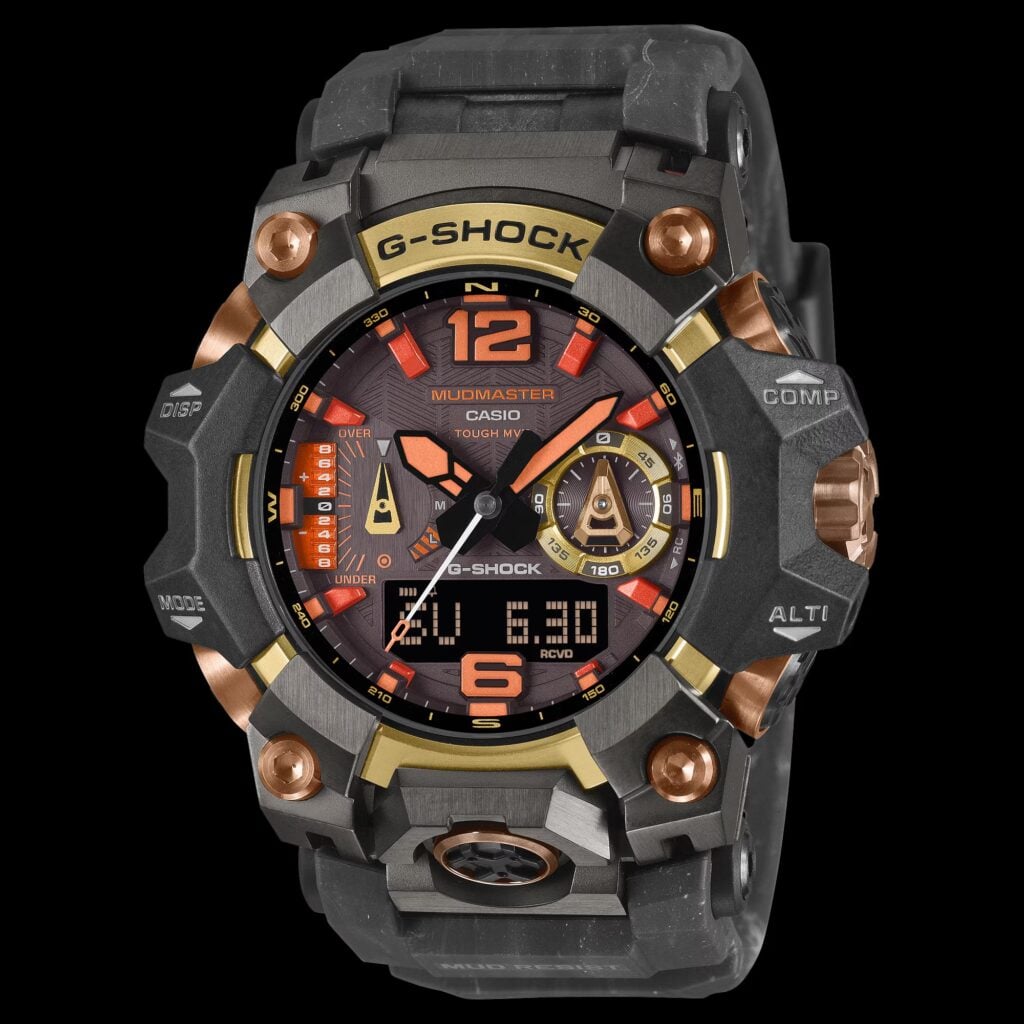
Casio is bringing its latest high-end G-Shock, the Mudmaster GWGB1000MG19, to the US market. Following its initial release in Japan last month, the rugged, sensor-heavy watch is now available stateside for $900. It is a premium addition to the Master of G line, combining Casio’s standard durability metrics with a specific Magma Gold colorway and a reliance on bio-based materials.
Design Details
The design of the GWGB1000MG19 leans into its volcanic inspiration while retaining the Mudmaster’s famously chunky, utilitarian silhouette. The watch features a high-precision forged metal bezel treated with multi-shade gold ion-plating, which contrasts with the red and orange accents on the hands and indexes. For the band, Casio is using garal color molding, a process that mixes different colored resins to create a marbled, layered pattern.
Structurally, the watch utilizes Casio’s Carbon Core Guard and bio-based resin for the case. This keeps the overall weight down to 114 grams while maintaining the lineup’s required shock, vibration, and mud resistance, alongside a 200-meter water resistance rating. The analog-digital display is protected by a sapphire crystal treated with an anti-reflective coating.
On the hardware side, this Mudmaster is equipped with Casio’s Triple Sensor technology, which includes a digital compass, a barometer/altimeter, and a thermometer. The device is powered by Casio’s Tough Solar system and keeps time accurately via Multi-Band 6 radio control, automatically calibrating the time using radio signals from six global transmitters.
It also functions as a connected device. The watch links to iOS and Android smartphones via Bluetooth using the Casio Watches app. This enables automatic time adjustment, mission logging, and a dedicated Location Indicator feature. By inputting a specific location into the app, the watch’s indicator hand at the 3 o’clock position will physically point toward that destination, serving as a physical navigation tool in environments where visibility might be compromised.
Battery life is standard for Casio’s solar-powered models. The rechargeable battery is rated for about six months of normal use without any light exposure, or up to 24 months if left in total darkness with the power-saving mode engaged.
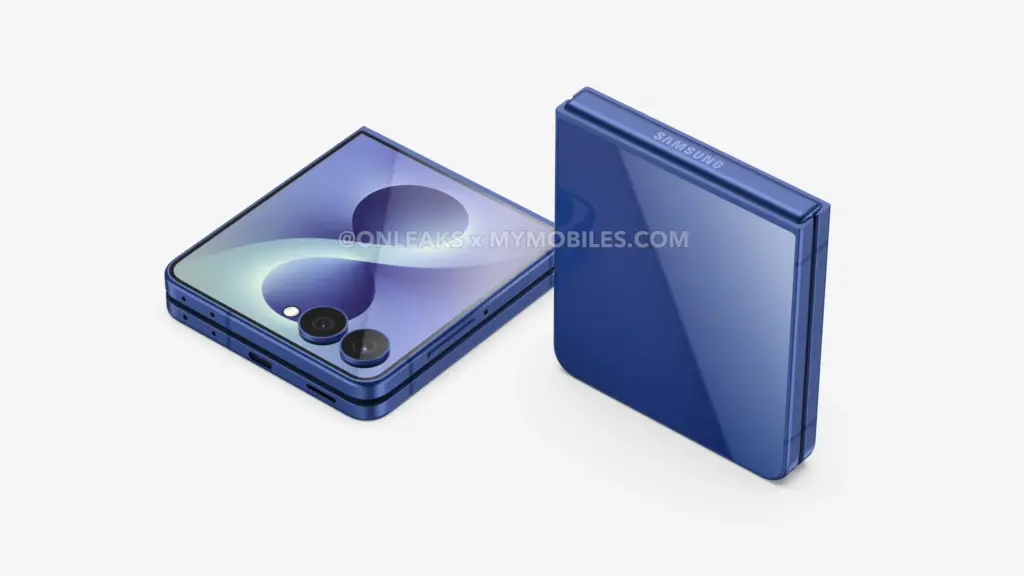
Samsung may be gearing up for an interesting shift with the Galaxy Z Flip 8, if recent leaks are anything to go by. Instead of powering the phone exclusively with Exynos, the company could go with a dual-processor setup.
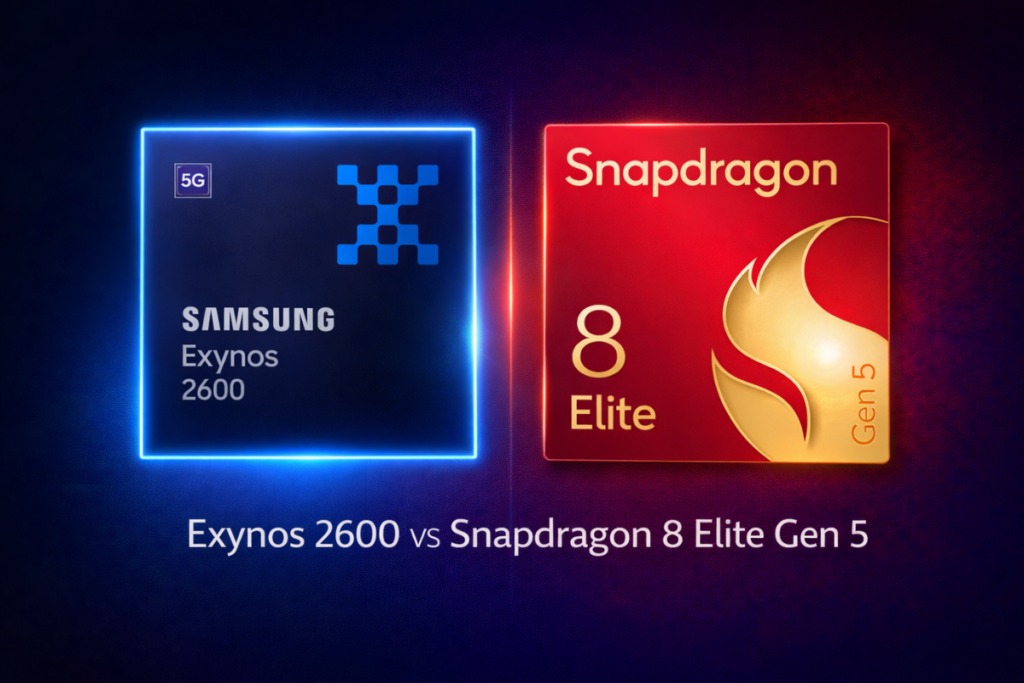
Reports suggest some versions of the Galaxy Z Flip 8 may run on Samsung’s Exynos 2600, while others could ship with Qualcomm’s Snapdragon 8 Elite Gen 5 (likely a “for Galaxy” variant). If that happens, it would mark a return to Snapdragon in select markets after Samsung leaned more heavily on Exynos with the Z Flip 7.
The split reportedly won’t be random. Markets like the US, Canada, China, and Japan could get Snapdragon-powered units, while India, Europe, and South Korea may see the Exynos version.
Samsung traditionally powered its foldables (including flip models) exclusively by Qualcomm Snapdragon chips until it flipped the script last year. However, some skepticism remains around the efficiency and thermal performance of Samsung’s in-house silicon. Opting for Snapdragon in key markets like the US and Canada could help position the Flip 8 as a more consistent performer, while Exynos variants keep overall costs in check. It may also reflect limited production capacity for Samsung’s first 2nm chip.
Benchmark results are mixed: some tests show the Exynos 2600 closing the gap with the Snapdragon 8 Elite Gen 5 in multi-core performance and power efficiency, while others favor Snapdragon. Nevertheless, Snapdragon-powered flagships are still widely regarded as offering a more consistent user experience across apps and regional variants.
If true, this wouldn’t be Samsung’s first time mixing chipsets across regions, but it would be one of its more noticeable splits in the foldable lineup. The Z Flip 8 is expected to launch alongside the Z Fold 8 around July 22, 2026, though Samsung hasn’t confirmed anything yet.
For now, it’s still firmly in rumor territory. But it does point to Samsung continuing its dual-track strategy: pushing Exynos forward while still relying on Qualcomm where it matters most.
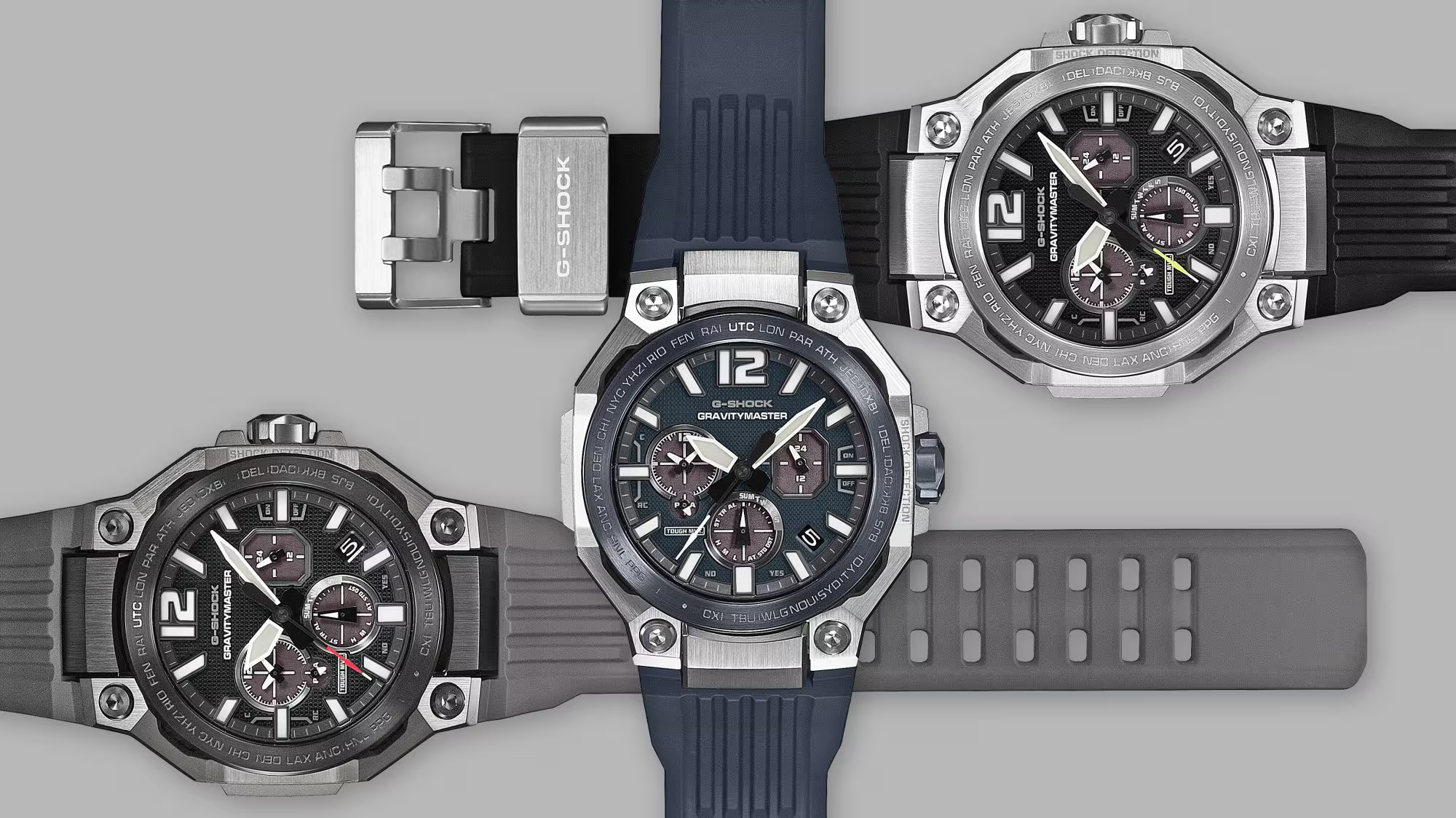
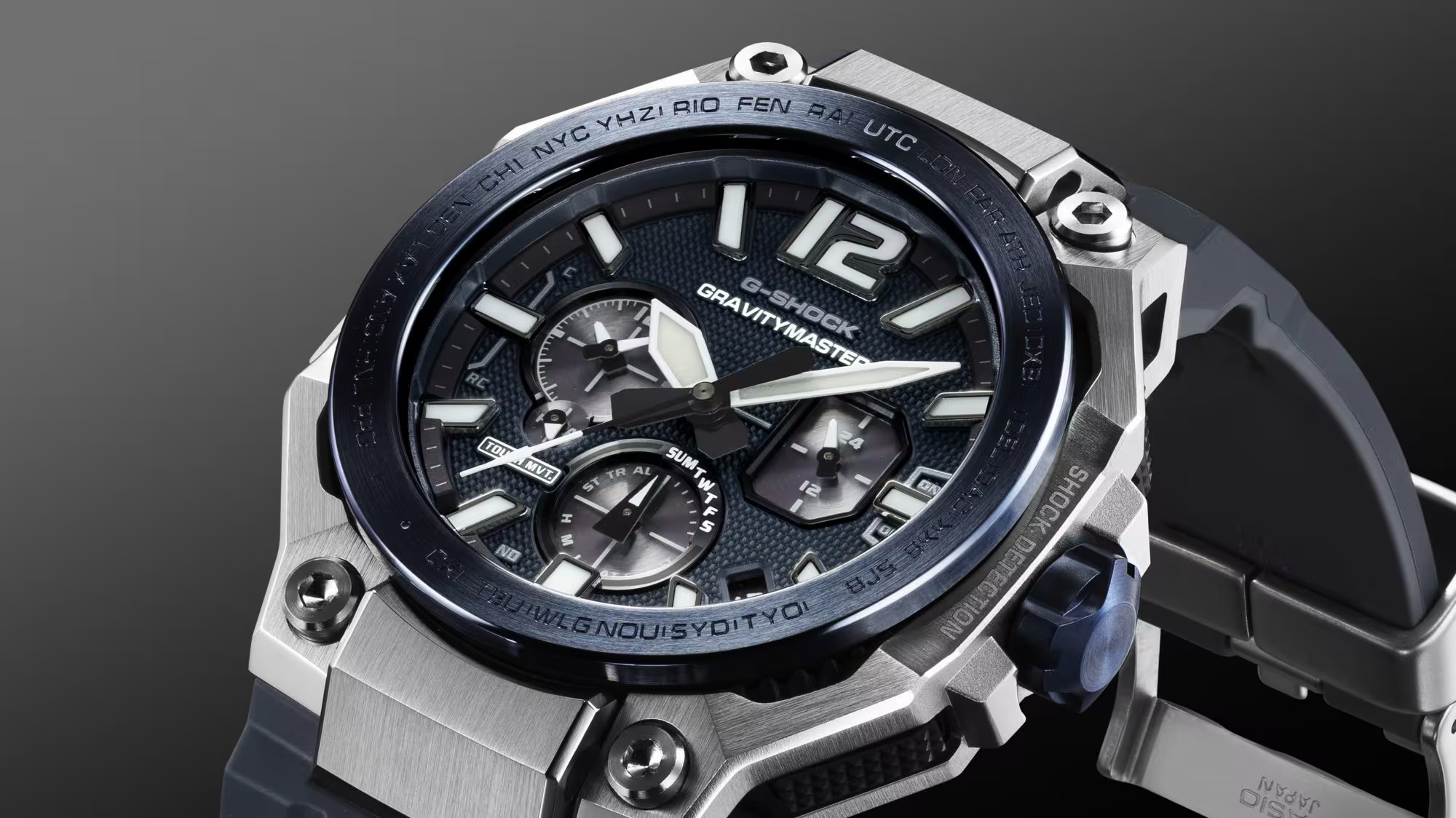
Casio is expanding its Master of G line with three new G-Shock GravityMaster watches. Slated for a July 2026 release in Japan, the GWR-B3000 series introduces a metal bezel design and an updated movement system aimed at maintaining timekeeping reliability under physical stress.
GravityMaster GWR-B3000 Specifications
The lineup consists of three models: the standard GWR-B3000-1A, the blue ion-plated GWR-B3000A-2A, and the gray ion-plated GWR-B3000B-8A. All three share a large but relatively lightweight profile, measuring 56.7 by 47.3 by 14.1 mm and weighing 102 grams.
For the exterior, Casio is utilizing what it calls a dual hollow case structure. The outer case, constructed from stainless steel components formed via metal injection molding (MIM), surrounds a bio-based carbon inner case. This setup supports the center case at four distinct points and integrates resin buffers to absorb impacts. It is part of the company’s Triple G Resist specification, which is engineered to withstand standard drops, centrifugal force, and heavy vibration.
Internally, the watches are powered by Casio’s new Tough MVT.2 movement. The primary hardware update here is the addition of two sensor-based features: shock detection and magnetic field detection. If the watch sustains a heavy physical impact, the system automatically corrects the alignment of the analog hands. Similarly, if the internal sensor detects a strong magnetic field that could disrupt the mechanism, the hands temporarily pause their movement to prevent misalignment, then automatically snap back to the correct time once the interference clears.
Like most modern high-end G-Shocks, the GWR-B3000 series includes Bluetooth connectivity. By pairing the watch with the Casio Watches smartphone app, users can access automatic time adjustments and a flight log feature that records time and location data on a map. The watches also support Multiband 6 radio control as a fallback for time calibration.
The watches include a dark dial with microfabricated textures to reduce glare, an in-dial solar charging system (Tough Solar), and a sapphire crystal with an anti-reflective coating. The bands are made from a soft urethane that incorporates bio-based resins, continuing Casio’s recent shift toward using alternative materials in its watch construction.
Pricing and Availability
The standard GWR-B3000-1A will retail for ¥110,000 ($687), the GWR-B3000A-2A for ¥126,500 ($790), and the GWR-B3000B-8A for ¥137,500 ($859). Casio has not yet confirmed a release window or pricing for markets outside of Japan.
In related news, Casio has recently introduced two new all-black G-Steel watches that combine a slimmer profile with the brand’s signature rugged construction.
For more daily updates, please visit our News Section.
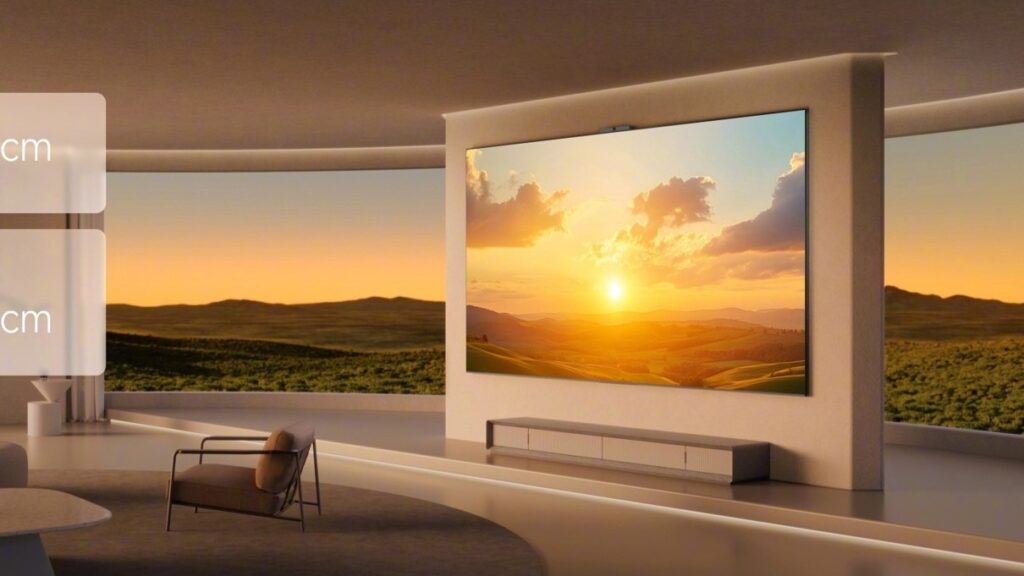
Huawei has unveiled the Smart Screen S7 X Pro, the latest addition to its Vision Smart Screen lineup, bringing MiniLED panel, high-refresh-rate gaming support, and a range of AI-powered features aimed at modern living rooms.
The new model comes in 65-inch, 75-inch, and 85-inch sizes, priced at 6,299 yuan, 7,999 yuan, and 10,999 yuan respectively.
At the heart of the S7 X Pro is a 4K Super MiniLED display with up to 1,000 local dimming zones, allowing for improved contrast and more precise lighting control. Huawei is also targeting gamers, with a 288Hz refresh rate. An AI-based light control system automatically adjusts brightness to suit viewing conditions and reduce glare.
Audio is another area Huawei is emphasizing. The TV features a three-way 2.1-channel sound system capable of reaching bass frequencies as low as 60Hz, aiming to deliver a more immersive experience without the immediate need for a separate soundbar.
The Smart Screen S7 X Pro runs HarmonyOS 4.3 and is powered by a Huawei-developed processor. Huawei says its memory expansion technology helps improve multitasking performance across apps and services.
Beyond entertainment, the company continues to push smart-home functionality. Features include 4K Super Projection, AI Fitness, motion-controlled games, karaoke support, remote home monitoring, video calling, remote assistance, and a dedicated children’s mode. A new smart pointing remote can control both the TV and compatible set-top boxes.
Huawei has also given the display an ultra-slim design intended for flush wall mounting, helping it blend more naturally into modern interiors.
While the Smart Screen S7 X Pro is currently listed as out of stock in China and there is no word yet on international availability, the launch highlights Huawei’s ongoing focus on expanding its connected device ecosystem.
With gaming-focused specifications and a growing collection of AI features, the new model is positioned as a premium all-in-one entertainment hub for households already invested in Huawei’s ecosystem.
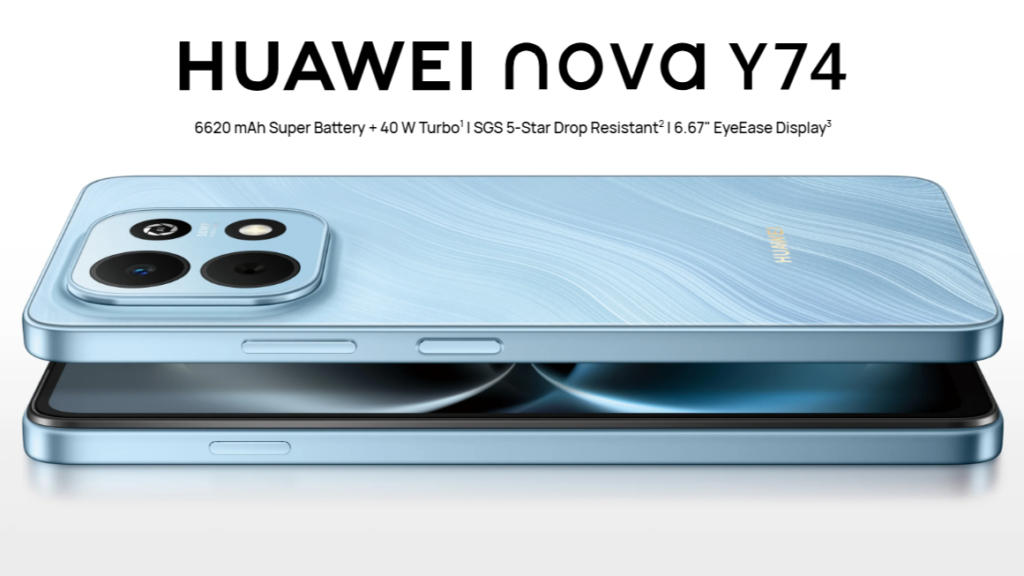
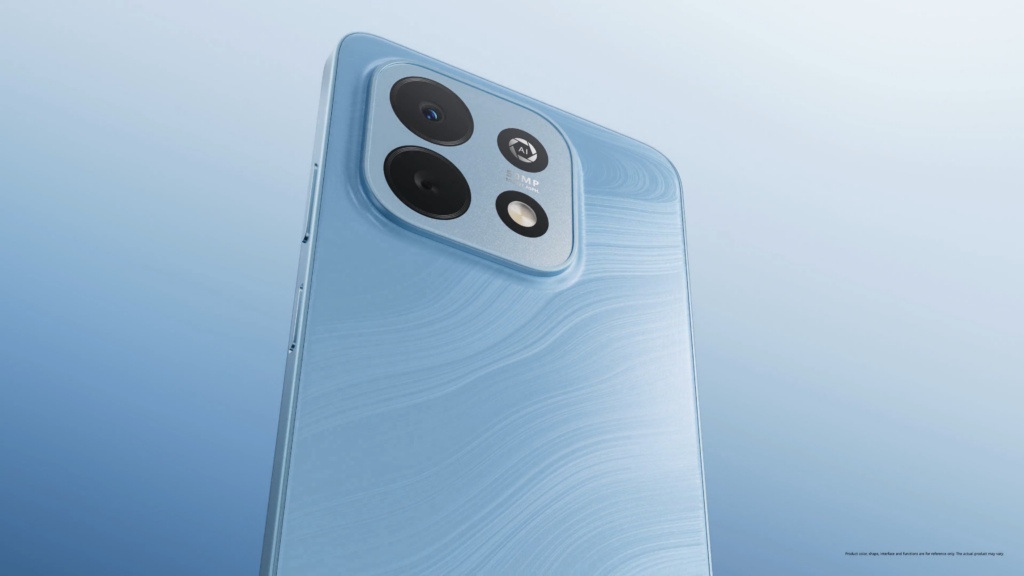
Huawei has quietly rolled out the nova Y74 in international markets, bringing a familiar formula to the budget segment: a large battery, a large display, and a focus on durability.
Huawei has fitted the phone with a 6,620mAh silicon-carbon battery. The company claims it can deliver up to 24.9 hours of online video playback, or around 48 hours of calling on a full charge.
Charging speeds are also fairly decent for the segment. With 40W wired charging, the battery is said to reach about 53% in 30 minutes. A short 15-minute top-up, Huawei says, should be enough for roughly five hours of video playback.
The phone sports a 6.67-inch LCD display with a 90Hz refresh rate, HD+ resolution, and up to 850 nits of brightness. It’s not the sharpest panel you’ll find in 2026, but it is quite common in this price range. On the positive side, Huawei has also added wet-touch support, a feature that’s surprisingly useful if you’ve ever tried using your phone in the rain.
Around the back is a 50MP main camera housed in a square camera island, while selfies are handled by an 8MP front-facing camera.
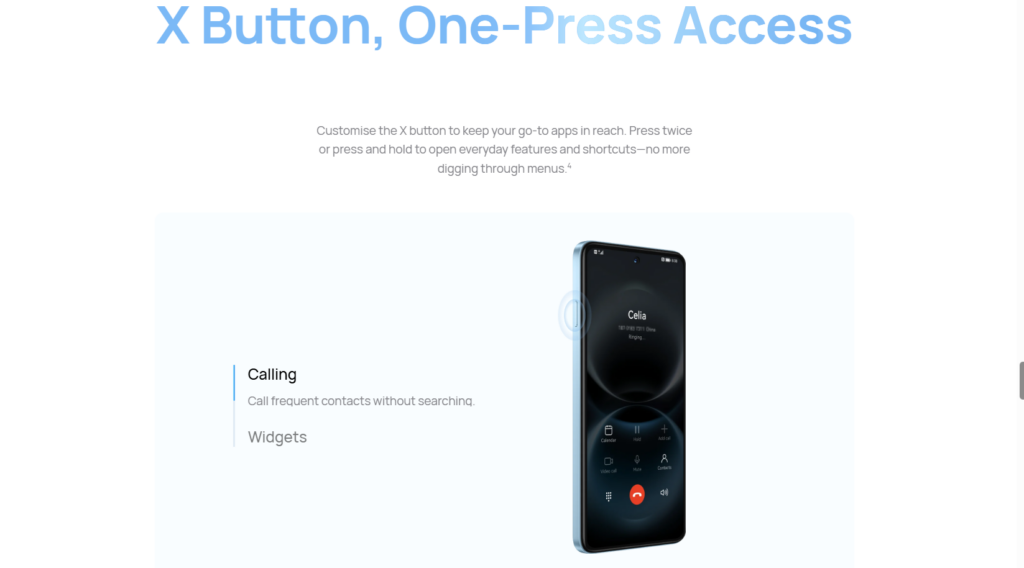
The rest of the package is fairly straightforward. You get 8GB of RAM, up to 256GB of storage, NFC, Bluetooth 5.1, dual-SIM 4G support, and EMUI 12 out of the box. There’s also Huawei’s customizable X Button, which can be assigned to launch apps or shortcuts.
The chipset isn’t listed on Huawei’s official page. GSMArena, however, suggests it may be a Kirin 8000-series processor, based on its close resemblance to the Huawei Enjoy 90 Plus.
Huawei is also putting some emphasis on durability. The company says the nova Y74 has earned SGS 5-Star Drop Resistance certification and can survive drops from up to 1.8 meters.
Pricing hasn’t been announced yet, although the phone is expected to land in the budget category once it reaches more markets. Looking at the hardware, the nova Y74 seems aimed at buyers on a budget who care more about battery life and reliability than having the latest processor or 5G connectivity.
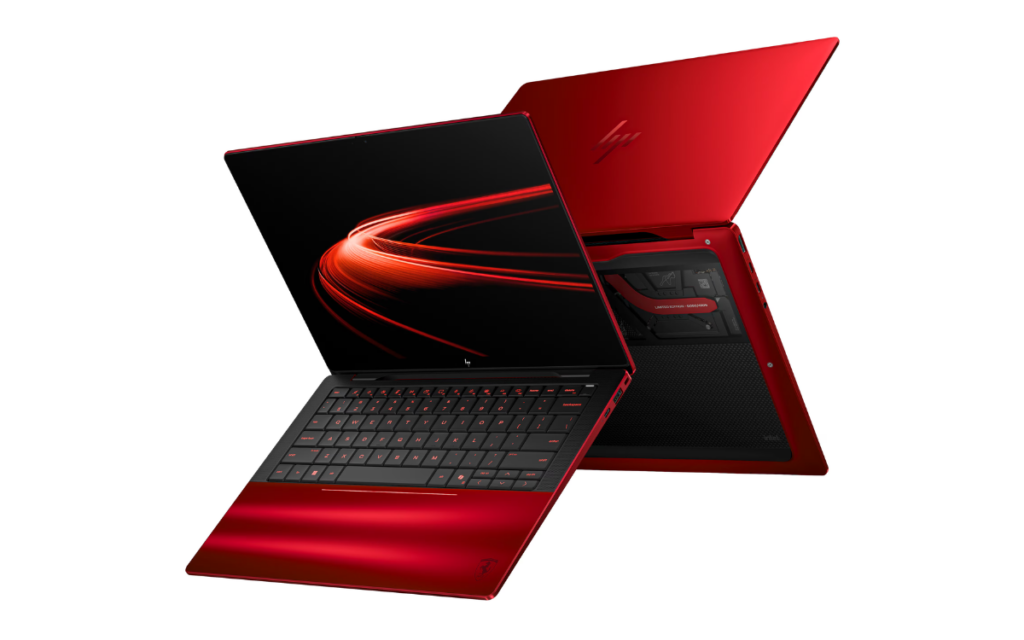
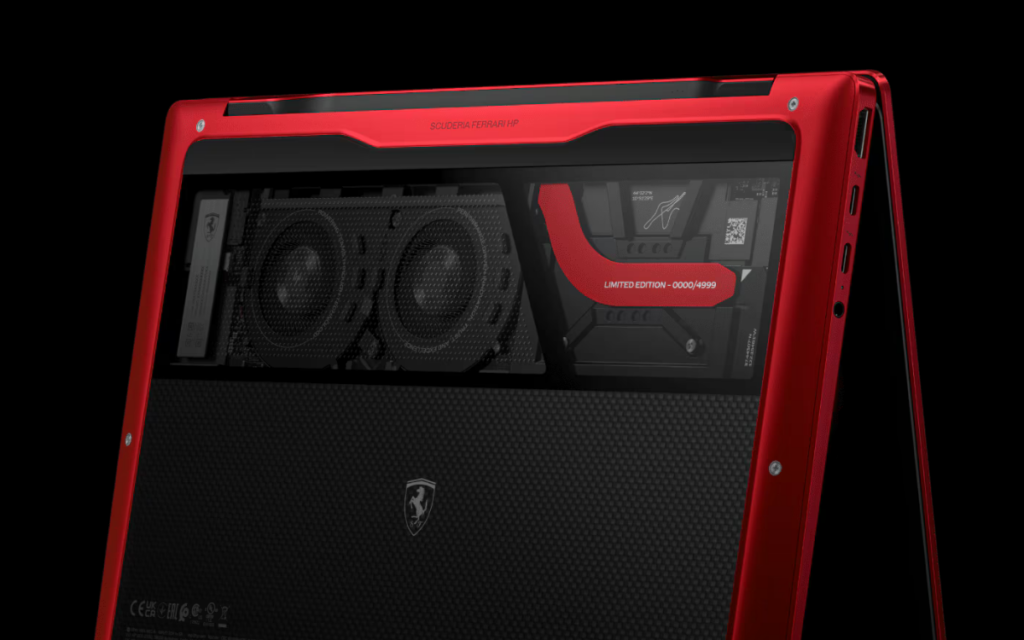
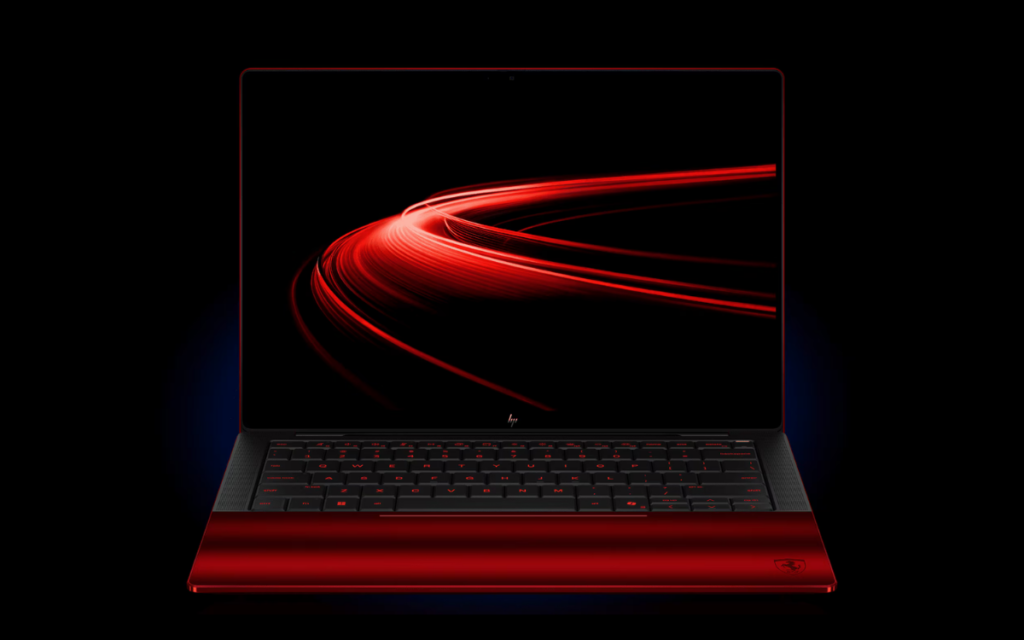
HP has teamed up with Ferrari to release a heavily stylized, limited-edition laptop, and it comes with a price tag that matches the automotive branding. The HP Limited Edition Scuderia Ferrari AI PC is set to launch on June 12th for a hefty $5,599.
HP Limited Edition Scuderia Ferrari Specifications
As you might expect from a collaboration with Maranello, this isn’t just a standard HP laptop with a horse logo slapped on the lid. The two companies spent two years designing the chassis, and the result is a genuinely striking piece of hardware. The laptop is built from CNC precision-milled aluminum finished in Ferrari’s signature Rosso Magma red.
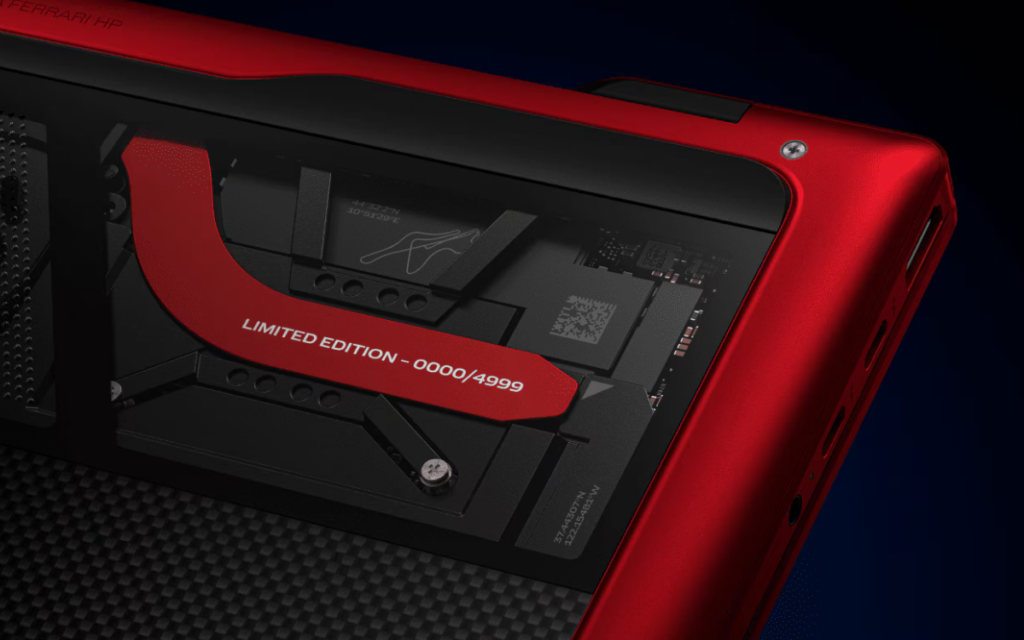
In a nod to the glass engine covers found on modern supercars, HP has outfitted the bottom of the laptop with a mix of carbon fiber and Corning Gorilla Glass, intentionally leaving the cooling system visible. The thermal design itself features over 2,000 micro-perforations in the glass and a 3D louvered vent system to manage airflow. Up top, the palm rest is entirely glass, integrating a haptic touchpad with a boundary that illuminates when you touch it.
Under the hood, the specs align with the current AI PC trend. It’s powered by an Intel Core Ultra X7 358H processor paired with Intel Arc B390 graphics. HP says this combination delivers up to 180 TOPS for local AI workloads and demanding applications. You’ll be looking at a 3K Tandem OLED+ touch display, which should offer excellent brightness and contrast, alongside a per-key RGB backlit keyboard.
HP is leaning into the exclusivity factor. Only 4,999 units are being produced, each individually numbered and serialized. The laptop ships in custom packaging designed to physically lift the device as you open the box, and it includes a leather sleeve made by Poltrona Frau, the same company that supplies the leather for Ferrari interiors. On the software side, it comes equipped with HP Wolf Security for Business for hardware-level protection.
If you’re in the US, Australia, the UK, or a handful of European and Asian markets, it will be available on HP’s website starting next week.
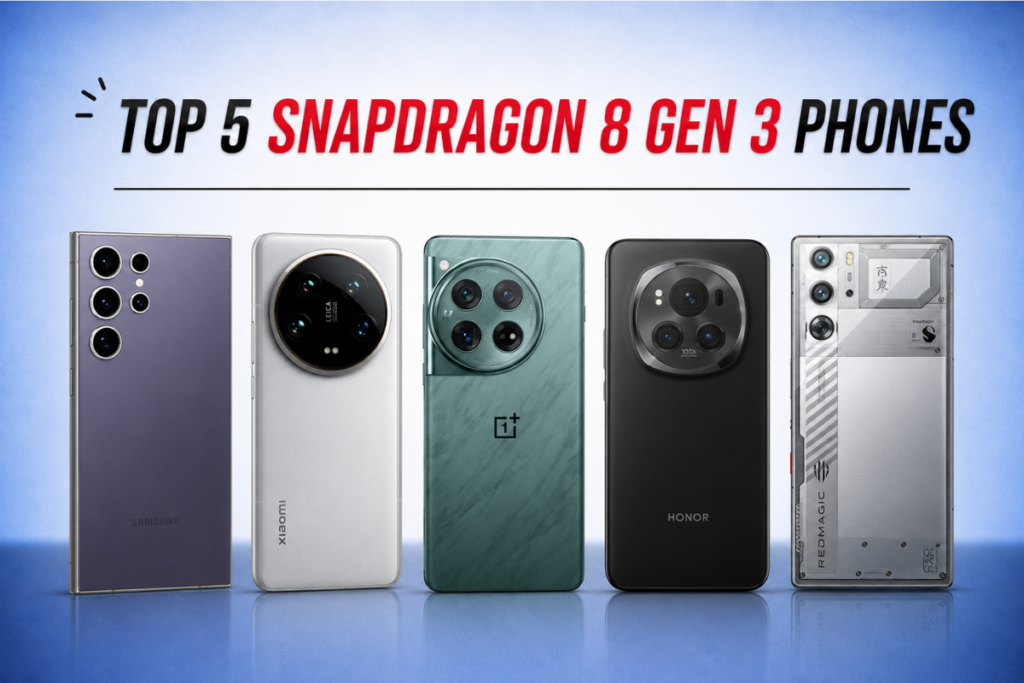
The three-year-old Snapdragon 8 Gen 3 has suddenly become a popular choice for high-end smartphones, and we all know the reason — the rapidly rising cost of essential components such as DRAM and NAND storage. The situation is expected to only worsen in the near future, and so now might be the right time to purchase a smartphone.
With so many options out there, it can be tough to pick the best Snapdragon 8 Gen 3 phone for you. So, we’ve scaled down the list to five of the best smartphones you may want to consider.
Top 5 smartphones with the Snapdragon 8 Gen 3 processor
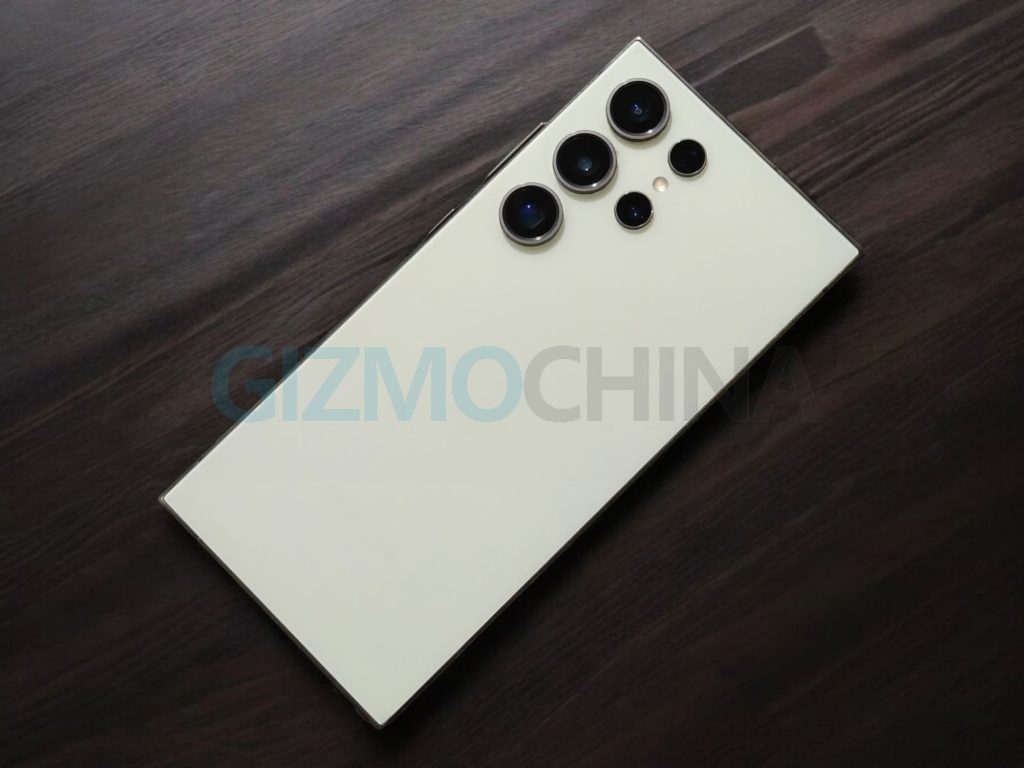
The Galaxy S24 Ultra (review) is one of the best smartphones with the Snapdragon 8 Gen 3 processor for most people. It features a 6.8-inch high-quality AMOLED panel with a 120Hz refresh rate, 2600 nits of peak brightness, and tough Gorilla Armor protection.
Software support is a big plus for the S24 Ultra, as it promises seven Android OS upgrades, up to Android 21. The smartphone also offers a high-end rear camera setup, led by a 200MP primary camera. It also includes a 10MP 3x telephoto shooter, a 50MP 5x periscope telephoto lens, and a 12MP ultrawide unit. There’s a 12MP camera for selfies and video calls.
The Galaxy S24 Ultra packs a 5000mAh battery with support for 45W wired charging, 15W wireless charging, and 4.5W reverse wireless charging. It features an ultrasonic under-display fingerprint reader and robust connectivity features, including Wi-Fi 7, Bluetooth 5.3, and NFC.
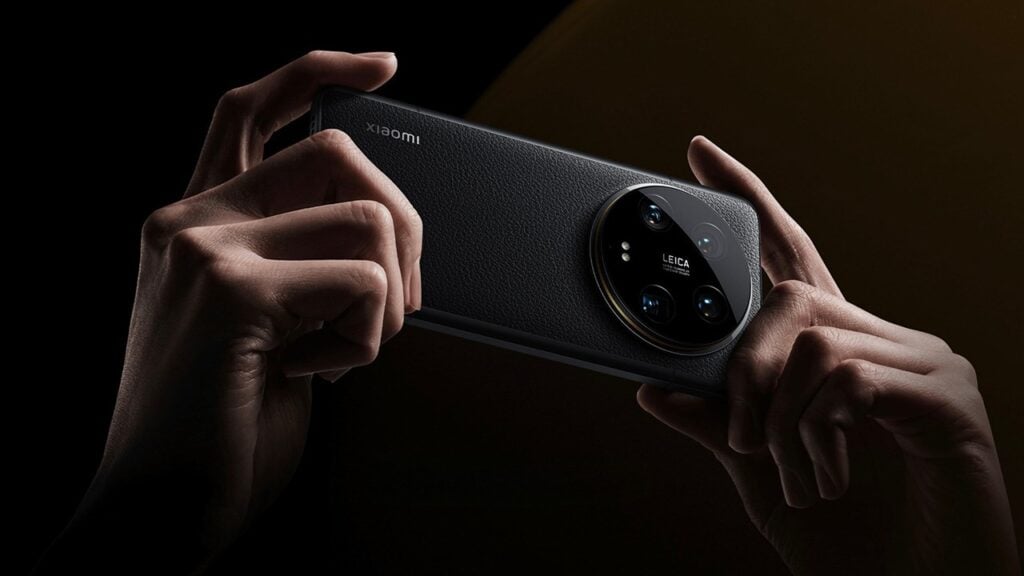
Xiaomi 14 Ultra (review) is a spec-heavy flagship smartphone that offers a lot of value for its price. It comes with a 6.73-inch LTPO AMOLED panel with a 120Hz refresh rate, HDR10+, Dolby Vision, and 3000 nits of peak brightness. The smartphone boots Android 14 out of the box and promises four major OS upgrades.
The Xiaomi phone offers a high-end quad-camera setup, all featuring 50MP sensors. It includes a primary lens, a 3.2x telephoto lens, a 5x periscope telephoto lens, and an ultrawide camera. The other side features a 32MP selfie camera.
A 5000mAh battery ensures the device lasts a day on normal usage, with fast charging options for quick refills, including 90W wired and 80W wireless charging. It also supports 10W reverse wireless charging to power our accessories.
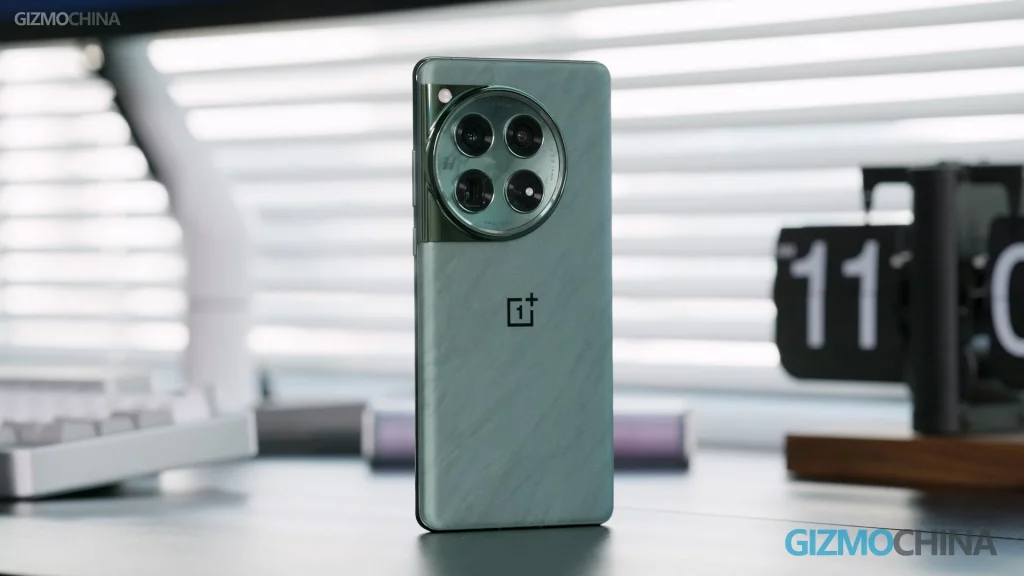
The OnePlus 12 (review) offers a high-end rear camera setup made in partnership with Hasselblad. It includes a 50MP primary camera, a 64MP 3x periscope telephoto lens, and a 48MP ultrawide camera. There’s a 32MP selfie camera.
The smartphone comes preinstalled with Android 14 and promises four Android OS updates. That means the OS updates will reach the end sometime next year when it receives the Android 18 update. If that’s a big concern to you, take a look at the newer OnePlus 13R.
The OnePlus 12 is built around a 6.82-inch LTPO AMOLED screen that supports a 120Hz refresh rate and 4500 nits of peak brightness. It’s equipped with a 5400mAh battery and supports up to 100W wired and 50W wireless charging. The phone also supports 10W reverse wireless charging.
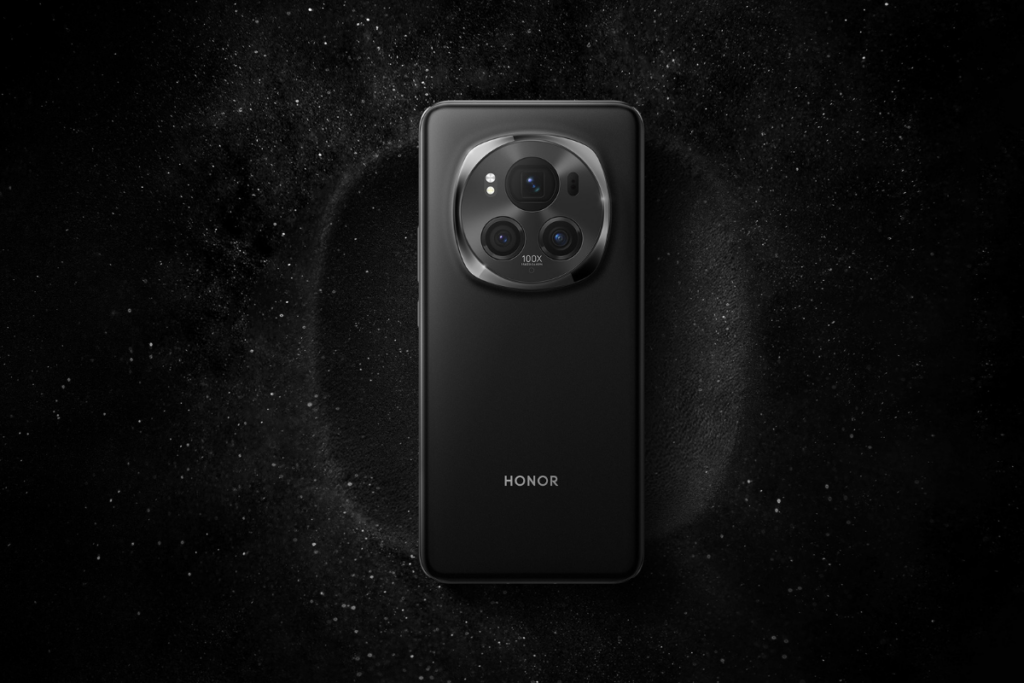
The Honor Magic 6 Pro also excels in camera performance, particularly for zoom shots. The triple rear camera setup includes a 50MP primary camera, a 2.5x 180MP periscope telephoto lens, and a 50MP ultrawide unit. Plus, a 50MP selfie camera. The device boots Android 14 and promises OS updates up to Android 18.
The Honor Magic 6 Pro features a 6.8-inch LTPO OLED screen with a 120Hz refresh rate and 5000 nits of peak brightness. The battery comes in at 5600mAh with support for 80W wired and 66W wireless charging. It also supports reverse wired and reverse wireless charging.
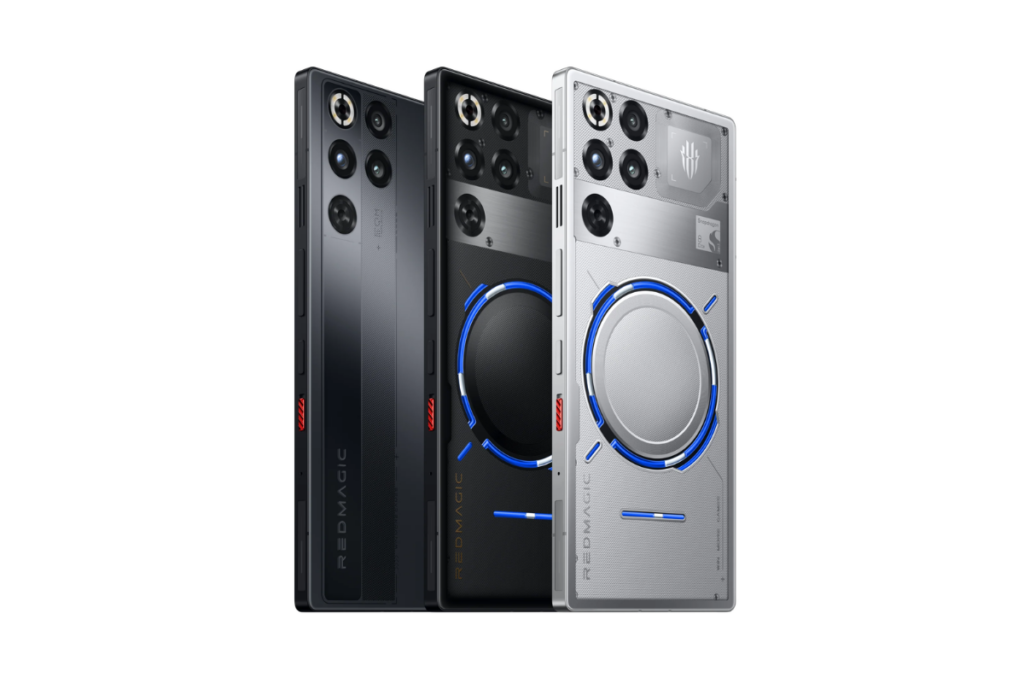
If gaming performance matters to you more than anything else, the RedMagic 9S Pro+ delivers big. It features an overclocked Snapdragon 8 Gen 3 processor, designed to deliver higher peak performance than the regular 8 Gen 3, paired with ultra-fast LPDDR5X RAM and UFS 4.0 storage. The device has a dedicated secondary gaming chip to further optimize gaming performance.
To ensure the device remains cool during extreme gaming, there’s an active, centrifugal physical fan and a massive 10,182 sq. mm vapor chamber. The thermal paste further improves the thermal conductivity and power efficiency. The RedMagic phone features shoulder triggers, high touch sampling rate, and bypass charging mode.
The device offers a 6.8-inch AMOLED panel, a triple camera setup (50MP wide, 50MP ultrawide, and a macro lens), a 16MP selfie camera, and a 5500mAh battery with 165W fast charging support.
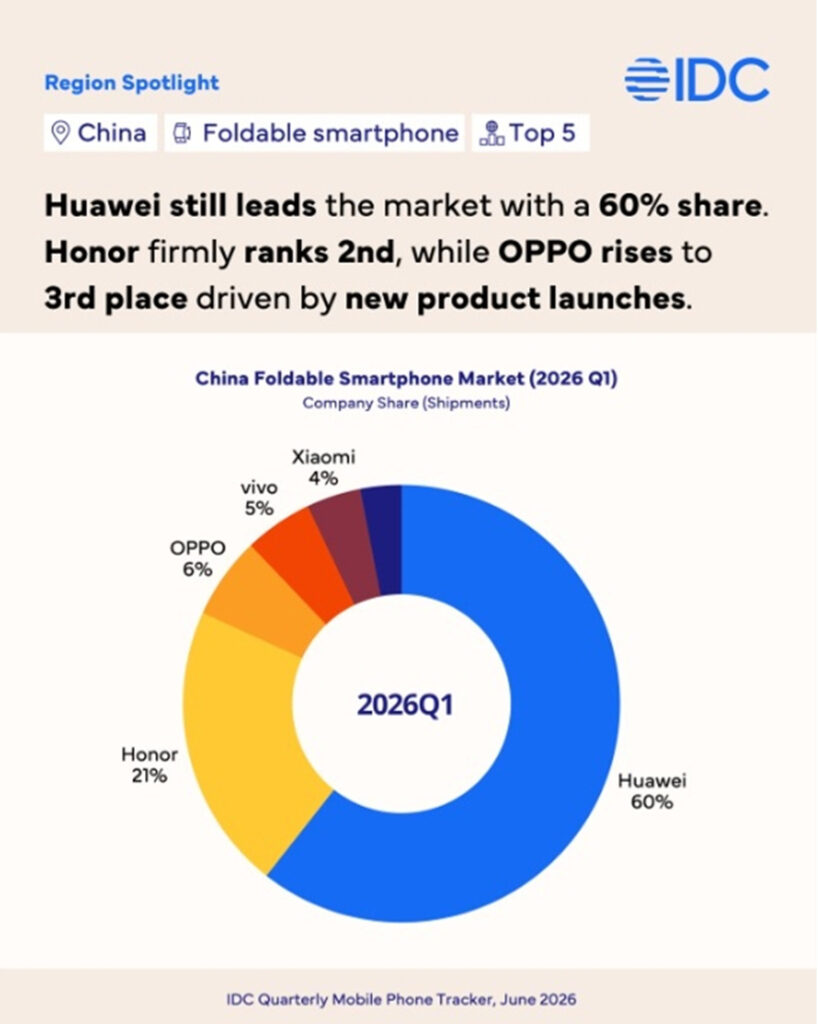
Huawei remains firmly in control of China’s foldable smartphone market, but Honor is starting to chip away at its lead.
Fresh IDC figures for Q1 2026, shared by Honor Global CMO Guan Haitao on Weibo, show Huawei holding a dominant 60% share of China’s foldable segment. Honor came in second with 21%, continuing the momentum generated by its Magic V lineup.
The rest of the market trails well behind. Oppo captured 6%, while Vivo and Xiaomi accounted for 5% and 4% respectively. Combined, Huawei and Honor now control more than four-fifths of China’s foldable market.
The company has consistently led the category over the past year thanks to strong demand for its Mate and Pura foldables, along with the growing reach of its HarmonyOS ecosystem. Back in Q3 2025, Huawei’s share was close to 70%.
What stands out in the latest numbers is Honor’s progress. Its share has nearly doubled from the 11.2% recorded in Q3 2025, helped by newer devices such as the Magic V6, which has attracted attention for its slim design and flagship-level hardware.
The broader smartphone market in China wasn’t as healthy. IDC estimates total shipments fell 3.3% year-over-year in the first quarter to around 69 million units, with higher component costs and supply-chain pressures weighing on demand.
Foldables, though, continue to outperform the wider market. Consumer interest in premium devices remains strong, and manufacturers are still finding ways to improve the experience with thinner designs, less visible creases, and better battery life.
Industry data from late 2025 already hinted at this trend. Foldable shipments reached 2.63 million units in Q3, up 17.8% from a year earlier, and that momentum appears to have carried into 2026.
Honor acknowledged the latest rankings with a simple “Learn from the best” post on social media, a nod to the company it is chasing.
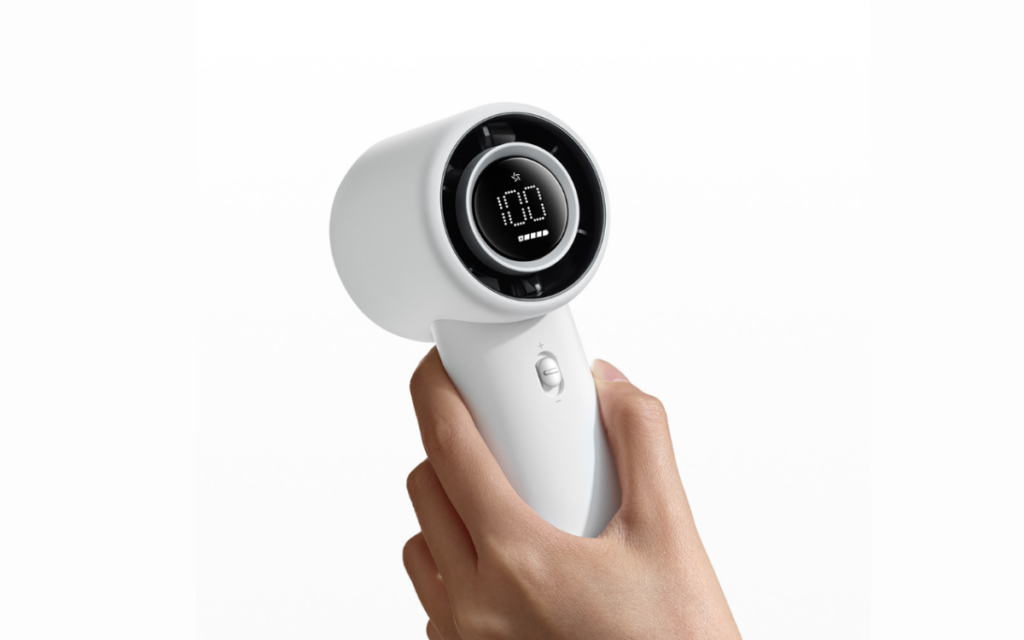
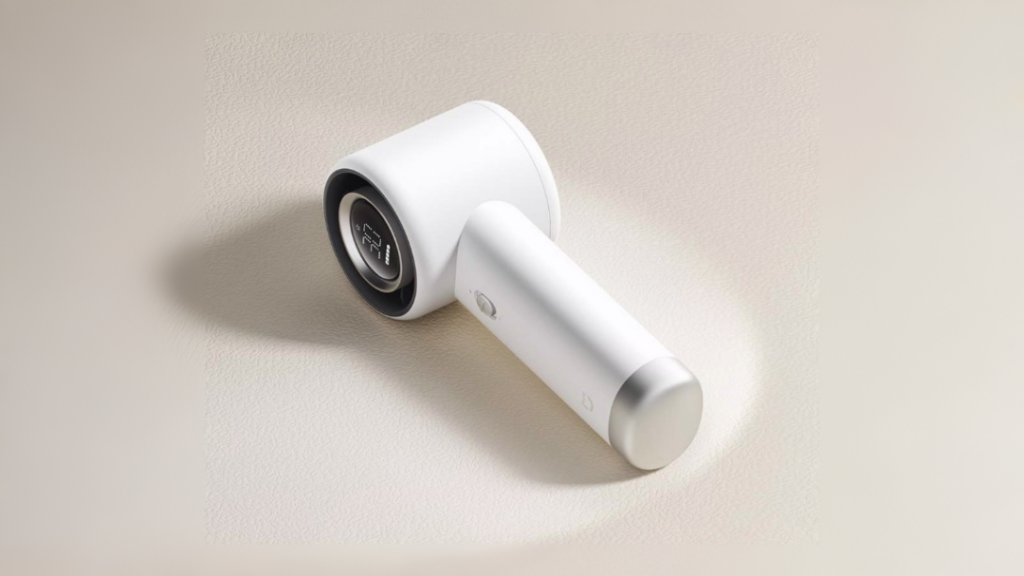
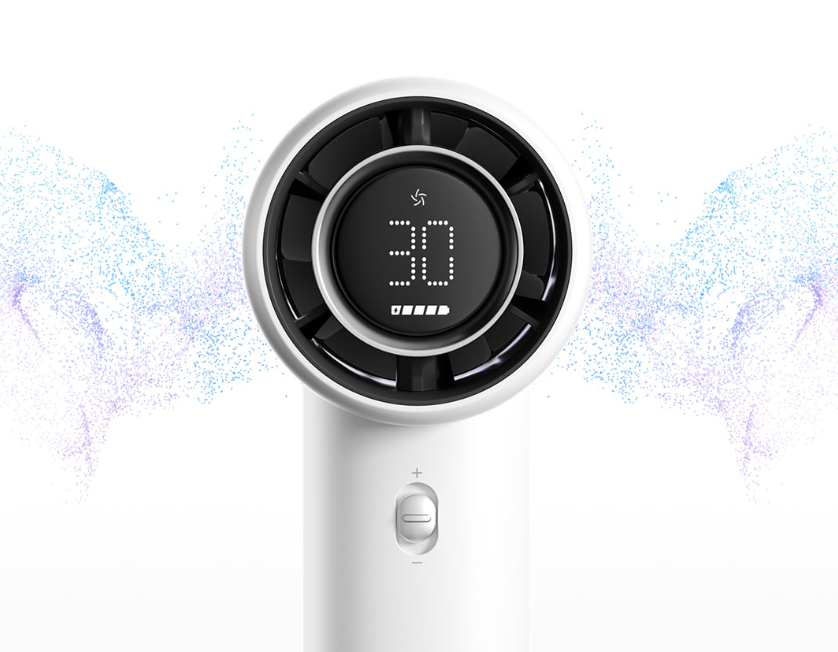
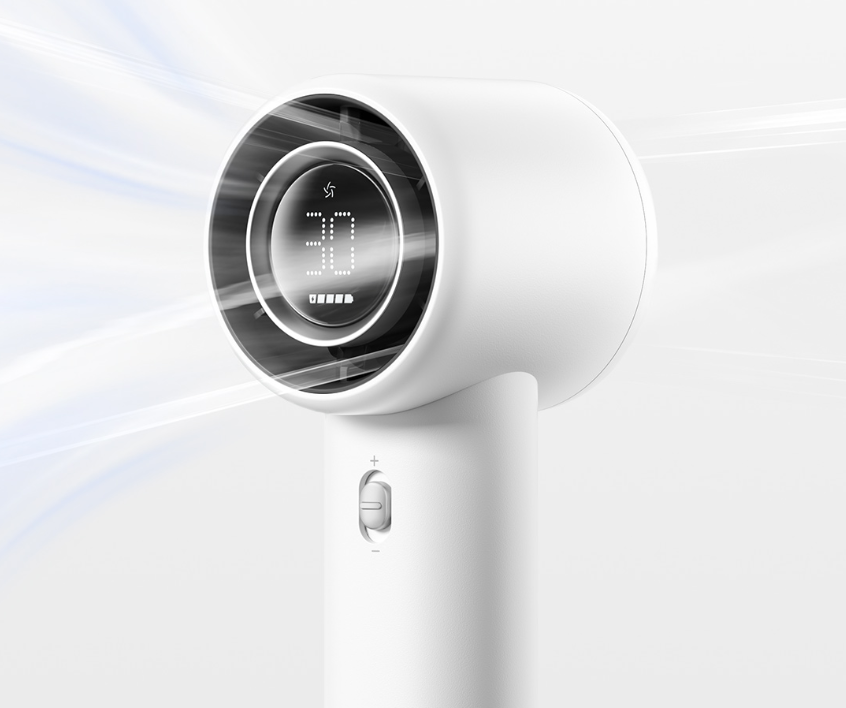
Xiaomi has announced the Mijia Handheld Fan, a new portable cooling device priced at 199 yuan ($29). The fan is currently available for pre-order on JD.com and will officially go on sale starting June 10. The device focuses on two main specifications: a 100-level speed adjustment system and a battery rated to last up to 40 hours on a single charge.
Mijia Handheld Fan Specifications
The fan measures 63 x 64 x 167 mm and weighs 260 grams, making it similar in size and weight to a standard smartphone. For portability, Xiaomi includes a detachable shoulder strap, giving users the option to wear it across the body, attach it to a bag, or carry it by hand.
The hardware also includes a sliding power switch instead of a standard push-button. This design choice is intended to prevent the fan from turning on accidentally and draining the battery while stored in a backpack or handbag.
Inside, the fan uses a DC motor paired with a mixed-flow impeller. According to Xiaomi, this setup produces an airflow output of 250m³/h and a maximum wind speed of 8.5m/s. The device can push air up to 5 meters away, which is meant to accommodate outdoor activities like camping, hiking, or standing in lines. At its maximum speed, the fan’s noise level is rated at ≤69dB(A).
Rather than the usual three-speed toggle found on most budget portable fans, the Mijia Handheld Fan features a 100-level stepless speed adjustment. This allows users to make minor adjustments to the airflow to suit their environment. To help manage these settings, there is a built-in LED digital display on the handle that shows the current speed level alongside the remaining battery percentage.
The device runs on a 5,000mAh lithium-ion battery. On the lowest speed setting, it can operate for up to 40 hours. The battery has a rated energy capacity of 18.5Wh, which falls within standard airline carry-on limits, meaning it can be taken on flights.
Charging is handled via a USB Type-C port. It supports fast charging, with Xiaomi saying that a 10-minute charge provides up to four hours of use, and it can be charged using standard power banks while traveling.
In related news, Xiaomi has recently introduced a new Mijia backpack designed to accommodate laptops up to 16 inches, alongside a compact 10,000mAh power bank that supports 22.5W fast charging.
For more daily updates, please visit ourNews Section.
Apple‘s first foldable iPhone is shaping up to be one of the company’s most ambitious hardware projects in years. While Apple has yet to confirm its plans, a new leak suggests the device could feature a vapor chamber, designed to keep temperatures under control during demanding tasks.
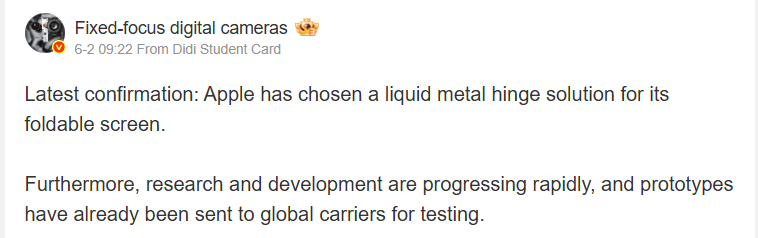
According to Weibo tipster Fixed Focus Digital, development of the alleged iPhone Ultra is progressing rapidly, and prototypes have already been sent to global carriers for testing.
The foldable is expected to deliver surprisingly strong thermal performance despite its ultra-thin design. Earlier reports have suggested the device could measure roughly 4.5mm to 5mm when unfolded.
The use of a vapor chamber would help address that challenge. Apple already brought the technology to the iPhone 17 Pro series. Bringing it to a foldable makes sense, as the larger display will likely encourage multitasking.
The tipster also repeats earlier claims that Apple will use a liquid metal hinge. The material is said to offer better durability and flexibility than conventional hinge components, while potentially helping reduce the appearance of the display crease. Previous reports have pointed to a folded thickness of around 9mm to 9.5mm.
Although foldable devices remain a relatively new category, Apple appears determined to avoid some of the compromises previously seen in rival products. Tight integration with the Apple ecosystem could make multitasking a standout feature, while the liquid metal hinge and vapor chamber cooling aim to address durability and thermal concerns.
Current rumors point to a September 2026 launch alongside the iPhone 18 Pro lineup. The device is expected to feature a roughly 7.8-inch to 8-inch inner display, a smaller outer screen, Apple’s A20-series chip, Touch ID, and a dual rear camera setup. Pricing is rumored to start at around $2,000.
As always, these details come from supply chain sources and should be treated with some caution. Still, the latest leaks suggest Apple is paying close attention to the areas that matter most in a foldable: durability, heat management, and long-term usability.
A fresh leak today revealed the rear camera specs of the Xiaomi 18 Pro Max. The device is rumored to feature a 200MP main and a 200MP telephoto lens. Alongside these camera modules will be a display that Xiaomi first introduced with the Xiaomi 17 Pro and Pro Max. This has already been confirmed.
A Weibo tipster known as Smart Pikachu has now revealed details about the rear display on the Xiaomi 18 Pro models, and the specifications sound promising.
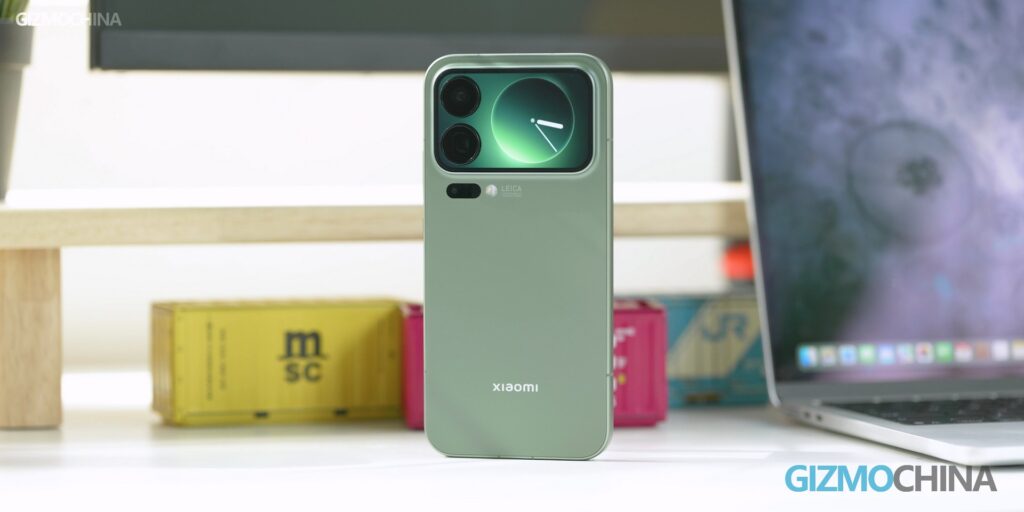
According to the leak, the Xiaomi 18 Pro will feature a 4-inch rear display, a massive jump from the 2.7-inch secondary screen found on the Xiaomi 17 Pro.
Xiaomi 18 Pro’s rear screen will be a serious upgrade
That alone would be a significant upgrade, but the tipster goes further, claiming the display will offer high brightness, a high pixel density (PPI), large rounded corners, and built-in privacy protection.
If true, it will be a clear evolution from last year’s model. The Xiaomi 17 Pro‘s rear display measured 2.7 inches and featured a resolution of 572 × 904 pixels, a 120Hz refresh rate, and a peak brightness of 3,500 nits.
A 4-inch panel would provide significantly more space for features Xiaomi has already introduced on the current model, including live translation, teleprompter mode, and interactive widgets.
Xiaomi is reportedly evolving the rear display into an AI-powered smart window, enabling more dynamic and context-aware interactions rather than serving as a simple auxiliary screen. A larger, brighter display with improved color accuracy would make that vision far more practical.
The Xiaomi 18 series is expected to launch in September, so there is still some time before we receive official confirmation of its hardware specifications.
For more daily updates, please visit our News Section.
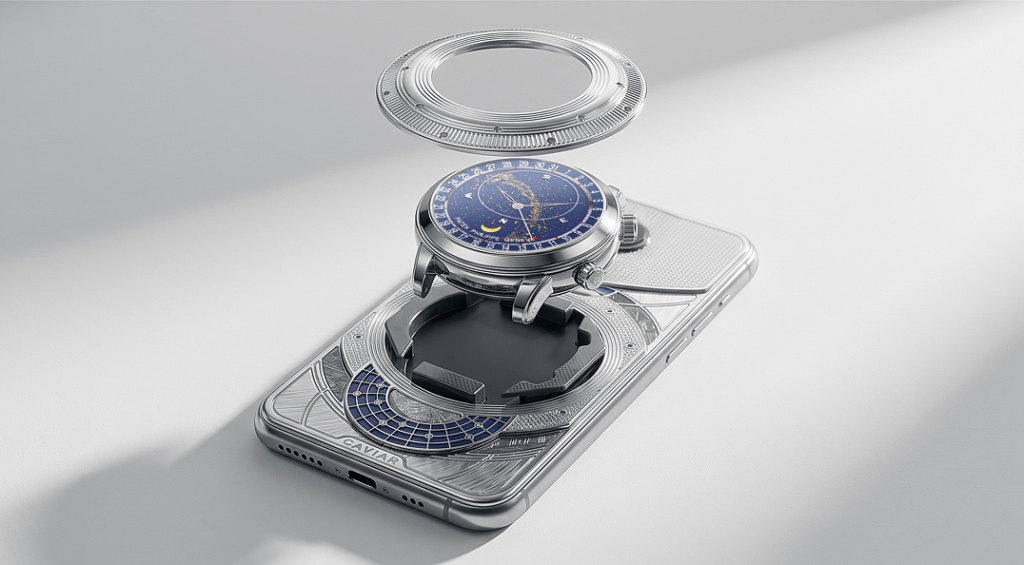
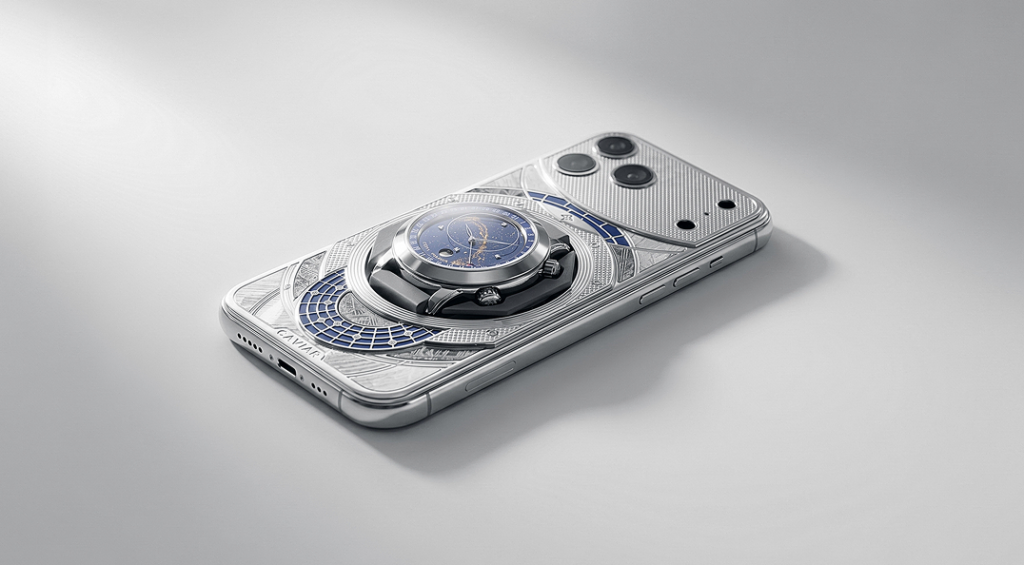
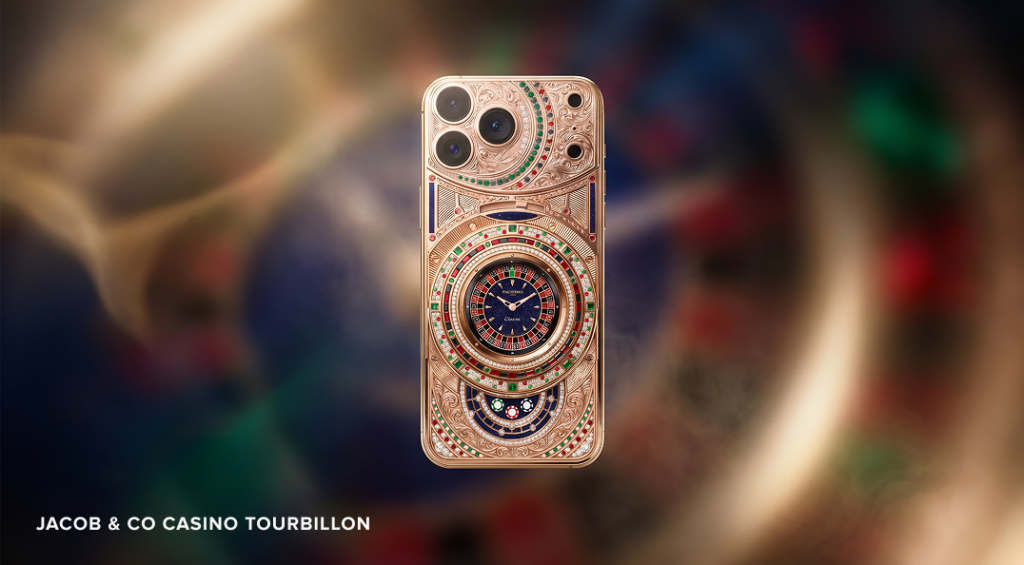
Caviar, the customization company known for modifying Apple devices with materials like dinosaur bone and meteorite, has a new project. The brand has announced the Masters of Time collection, a series of heavily modified iPhone 17 Pro Max devices designed to physically house high-end Swiss watches in their back panels.
Design Details
Instead of just gluing a watch face to the phone, Caviar has actually built a quick-release mounting system into the chassis. The company calls it the Watch Vault. It’s a mechanical latching system that uses a short-thread ring to lock a compatible watch into the back of the phone. According to Caviar, you don’t need any tools to use it; you just twist a lever, and the watch pops out so you can attach it to a standard strap and wear it on your wrist.
To keep the metal watch cases from getting scratched, the inside of the phone’s mounting cavity is lined with a soft protective material. If you decide to wear the watch rather than keep it in the phone, Caviar includes a decorative metal plate, like a silver cover etched with an astrolabe design, that snaps into the empty slot so the phone doesn’t just have a gaping hole in the back.
Celestial
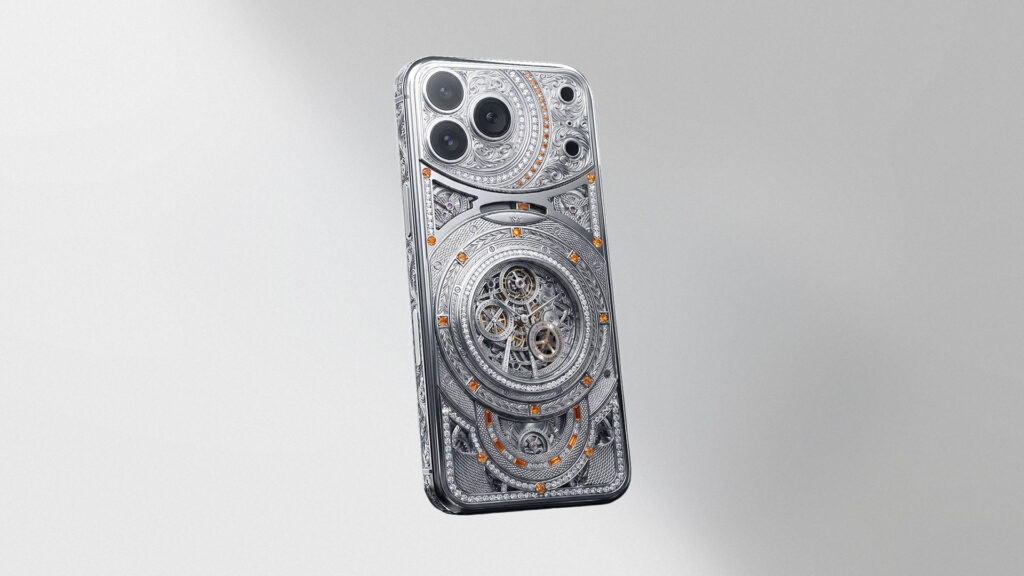
The collection is launching with two primary, single-edition models. The first is the Celestial, which is built around a Patek Philippe Celestial. The phone’s modified body is made of 18-karat white gold, blue enamel, diamonds, and a piece of Muonionalusta meteorite. The second model, the Portugieser, holds an IWC Portugieser Tourbillon Mystère Squelette. Its chassis features white gold, hand-engraving, and a mix of white diamonds and orange sapphires meant to match the watch’s exposed tourbillon.
Portugieser
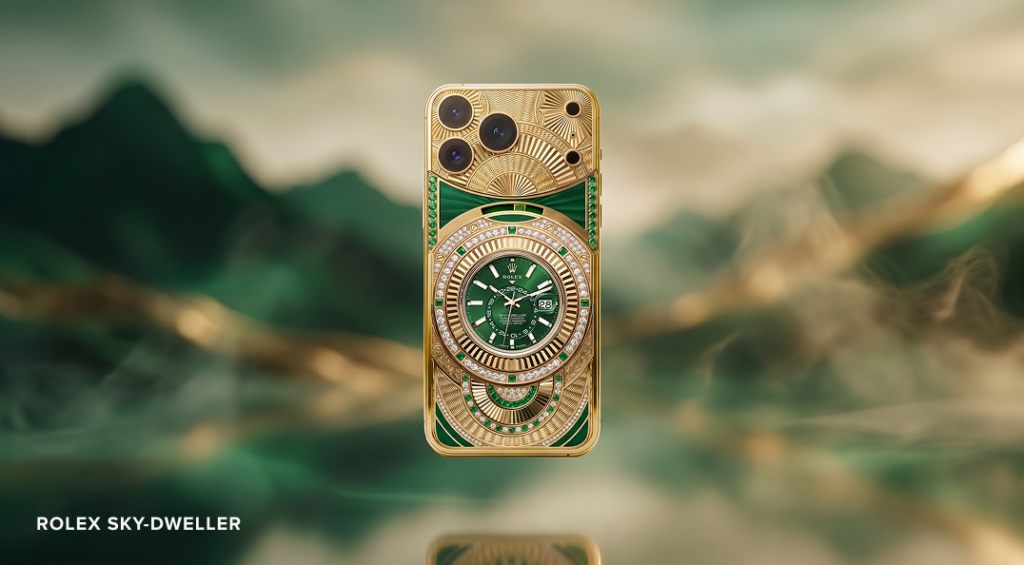
Caviar is also showing off concept renders for versions that hold a Jacob & Co. Casino Tourbillon and a Rolex Sky-Dweller. If you already own a Swiss watch with a case diameter between 42 and 44 mm, the company says it can build a custom chassis specifically for your device.
It is a very strange, highly specific solution for people who want to combine traditional mechanical horology with a modern smartphone. Naturally, the pricing reflects the materials and the target demographic. The white gold Celestial model is priced at $215,360. There is a relatively cheaper titanium option designed for an Omega watch that starts at $49,640. It’s a niche product for a very specific type of collector, assuming they are okay with the added weight of carrying a mechanical watch vault in their pocket.
Huawei has started rolling out a new software update for the Huawei Pura X Max foldable smartphone. The latest HarmonyOS 6.1.0.125 SP13 update arrives with a package size of around 1.67GB and introduces several new features, including a limited-time camera watermark, theme enhancements, 3D visual effects, and a new single-app volume adjustment tool.
The rollout is being released in phases, which means some users may receive the update later than others.
New Limited-Time Camera Watermark
One of the biggest additions in the update is a new aesthetic-inspired limited-time watermark feature for the camera app. Huawei says the watermark can be applied to photos captured until September 15, 2026 (00:00).
Users can enable or disable the watermark, change its background color, and even customize the text according to their preferences. The feature can be accessed through the Camera settings menu.
Path: Camera → Swipe Up/Toolbox → Settings → Auto Add Watermark → Limited Time Watermark
Bumper Park Theme Gets New 3D Clock Styles
Huawei has also refreshed the Bumper Park theme with two new 3D clock layouts. The clock color automatically adapts to match the lock screen wallpaper, creating a more personalized appearance.
The new interactive clock can also be tapped directly on the lock screen for a more dynamic user experience.
To use the feature, users need to enable the “Clock and Battery Display as Stickers” option within the Bumper Park theme editor.
New 3D Charging Animations and Headphone Effects
The update adds several visual enhancements, including new 3D charging animations and redesigned headphone pop-up skins. These effects become available after users reapply the updated Bumper Park theme.
Path: Settings → Desktop & Personalization → More Themes → Bumper Park
These additions are designed to make the device feel more interactive while improving the overall visual experience.
Single-App Volume Adjustment Now Available
Another practical feature included in HarmonyOS 6.1.0.125 is separate volume control for individual applications. Users can now adjust the volume of a specific app without affecting the overall media volume.
To use the feature, simply press a volume button while media is playing, expand the volume panel by swiping left, and adjust the volume slider for the active app.
In addition to new features, Huawei says the update optimizes system stability in certain scenarios and improves system extension capabilities. The company also notes that overall functionality and user experience have been enhanced.
Huawei Pura X Max Specifications
The Huawei Pura X Max is powered by the Kirin 9030 Pro processor and is the first Huawei foldable smartphone to feature the Xiaoyi Companion AI assistant. It also supports 5A network speeds and was officially launched on April 25, 2026.
Huawei markets the device as the industry’s first horizontally foldable smartphone, combining flagship hardware with advanced AI capabilities.
Huawei Pura X Max Pricing
Variant
Price
12GB + 256GB
¥10,999 (~$1,618)
12GB + 512GB
¥11,999 (~$1,765)
16GB + 512GB (Collector’s Edition)
¥12,999 (~$1,912)
16GB + 1TB (Collector’s Edition)
¥13,999 (~$2,059)
The Huawei Pura X Max is available with up to 16GB RAM and 1TB of storage, positioning it as one of Huawei’s most premium foldable smartphones to date.
We use cookies on our website to give you the most relevant experience by remembering your preferences and repeat visits. By clicking “Accept”, you consent to the use of ALL the cookies.
This website uses cookies to improve your experience while you navigate through the website. Out of these, the cookies that are categorized as necessary are stored on your browser as they are essential for the working of basic functionalities of the website. We also use third-party cookies that help us analyze and understand how you use this website. These cookies will be stored in your browser only with your consent. You also have the option to opt-out of these cookies. But opting out of some of these cookies may affect your browsing experience.
Necessary cookies are absolutely essential for the website to function properly. This category only includes cookies that ensures basic functionalities and security features of the website. These cookies do not store any personal information.
Any cookies that may not be particularly necessary for the website to function and is used specifically to collect user personal data via analytics, ads, other embedded contents are termed as non-necessary cookies. It is mandatory to procure user consent prior to running these cookies on your website.