Advertisement

Anker launches 5-in-1 Nano Travel Adapter in China with 20W USB-C fast charging

Anker has launched its latest international travel adapter, the Anker Nano Travel Adapter (model A9215), in the Chinese market. The compact 5-in-1 adapter is priced at 189 yuan (approximately $27). It is already available in other global markets at a retail price of around $25.99.

Anker Nano Travel Adapter

Anker Nano Travel Adapter Specifications

The Anker Nano Travel Adapter includes one AC outlet, two USB-C ports, and two USB-A ports, allowing users to power up to five devices simultaneously. The adapter supports a maximum power output of 20W on the primary USB-C1 port, which enables fast charging for smartphones and other smaller electronics.

The secondary USB-C2 port delivers up to 15W, while each USB-A port supports up to 12W. When multiple USB ports are in use, total output is capped at 15W, with smart power distribution across the ports.

The device features a compact design, measuring 86 x 50 x 25 mm and weighing approximately 110 grams. Anker claims the adapter is 43% smaller than traditional models, making it suitable for travel and easy to carry in small bags or even pockets.

Anker Nano Travel Adapter

The adapter supports plug types used in over 200 countries and regions, including Type A (USA), Type G (UK), Type C (EU), and Type I (Australia). It has a worldwide voltage support range of 100-240V, but it does not convert voltage.

Anker has equipped the adapter with a Push-Lock sliding mechanism for secure plug deployment and retraction. The European plug uses a flip-out latch, while the U.S., U.K., and Australian plugs slide out using dedicated switches. Anker states the mechanism has passed over 10,000 durability tests.

Anker Nano Travel Adapter

For safety, the adapter includes a self-resetting fuse, short-circuit protection, overcurrent and overvoltage protection, and temperature control. The outer shell uses UL94V-0 flame-retardant materials, and the adapter includes safety shutters to prevent accidental contact with internal components.

Anker offers the Nano Travel Adapter in Anker Black and Aurora White color options. The product also comes with an 18-month warranty.

In related news, you can also explore our roundup of the best USB-C hubs to buy in 2026.

For more daily updates, please visit our News Section.

Stay ahead in tech! Join our Telegram community and sign up for our daily newsletter of top stories! 💡

(JD)

Pixel Watch 4 vs Galaxy Watch8 Classic: Is Samsung Worth The Extra Money?

Choosing between the Google Pixel Watch 4 and the Samsung Galaxy Watch8 Classic isn’t just about picking a smartwatch; it’s about deciding what kind of experience you want on your wrist. One focuses on lightweight comfort, fast charging, and clean Wear OS integration at a much lower price, while the other leans into premium materials, a rotating bezel, and deeper health insights with a clear flagship feel. With both running Wear OS 6 and targeting Android users, this comparison highlights where the real differences matter in daily use, long-term value, and health tracking depth, making it easier to see which watch truly fits your lifestyle.

Please Note: When you buy something using the links in our articles, we may earn a small commission at no cost to you.

Please Note: When you buy something using the links in our articles, we may earn a small commission at no cost to you.

Major Features:

FeatureGoogle Pixel Watch 4Samsung Galaxy Watch8 ClassicWinner
Build & DesignAluminum frame, Gorilla Glass 5, lighter (31–37g)Stainless steel, Sapphire crystal, rotating bezel, heavier (63.5g)Samsung – Premium materials and tactile bezel
Health Tracking SensorsHeart rate, SpO2, skin temp, skin conductance, ECGHeart rate, SpO2, skin temp, Barometer, BioActive, blood pressureSamsung – Broader and more advanced sensor suite
Display Brightness & Protection1.4″ LTPO AMOLED, 3000 nits, Gorilla Glass1.34″ Super AMOLED, 3000 nits, Sapphire crystalSamsung – Stronger protection and premium finish
Performance & StorageSnapdragon W5 Gen 2, 32GBExynos W1000, 64GBSamsung – More storage and newer chipset
Charging & Battery Convenience455mAh, very fast wired charging445mAh, 10W wirelessGoogle – Faster charging performance

Please Note: When you buy something using the links in our articles, we may earn a small commission at no cost to you.

Please Note: When you buy something using the links in our articles, we may earn a small commission at no cost to you.

1. Design and Display

Build & Comfort

The Pixel Watch 4 keeps things light and minimal with an aluminum frame and Gorilla Glass 5 protection. At 31–37g, it feels noticeably lighter on the wrist and suits all-day wear comfortably. In contrast, the Galaxy Watch8 Classic uses a stainless steel frame with a sapphire crystal and adds a rotating bezel for tactile navigation. At 63.5g, it feels premium but substantially heavier. Samsung also brings MIL-STD-810H compliance and blood pressure hardware, adding to its rugged appeal.

Display Brightness & Visibility

Both watches push up to 3000 nits peak brightness, making outdoor visibility excellent. The Pixel Watch 4 has a slightly larger 1.4-inch LTPO AMOLED panel, while Samsung offers a 1.34-inch Super AMOLED with sapphire protection and slightly higher pixel density. Sharpness is comparable, but Samsung’s sapphire layer feels more durable long-term.

Verdict

Samsung wins on durability and premium feel, while the Pixel Watch 4 excels in lightweight comfort and everyday wearability.

2. Health and Fitness Tracking

Sensors & Tracking Accuracy

Both models include heart rate, SpO2, skin temperature, ECG, and advanced motion sensors. Samsung goes further with BioActive technology, blood pressure monitoring, and an antioxidant index, giving it a broader health portfolio. Pixel Watch 4 adds skin conductance and satellite SOS (LTE models), which enhances safety features.

Samsung’s broader medical-style tracking may appeal more to serious health users, while Google keeps things clean and essential.

Workout Modes

Both watches support multi-satellite GPS (L1+L5), ensuring accurate route tracking. Samsung includes additional positioning systems like BDS and offers deeper health ecosystem integration. Pixel’s UWB support adds future-ready connectivity perks.

Verdict

Galaxy Watch8 Classic takes the lead for advanced health metrics, though Pixel Watch 4 covers most essentials comfortably.

3. Performance and Software

UI Smoothness

Both run Wear OS 6, but Samsung layers One UI 8 Watch on top and powers the device with a newer 3nm Exynos W1000 chip. Pixel Watch 4 uses the Snapdragon W5 Gen 2 (4nm). Day-to-day performance should feel smooth on both, though Samsung’s newer silicon and penta-core setup suggest stronger long-term efficiency.

App Support & Features

Pixel offers 32GB storage, while Samsung doubles it to 64GB, useful for offline music and apps. Both support NFC payments, Wi-Fi, Bluetooth, and eSIM LTE models. Pixel adds Ultra Wideband support, a forward-thinking feature not present on Samsung.

Verdict

Samsung edges ahead in raw hardware and storage, but the Pixel Watch 4 stands out for UWB and clean software integration.

4. Battery and Connectivity

Battery Life

Pixel Watch 4 packs a 455mAh battery, slightly larger than Samsung’s 445mAh unit. Charging is notably faster on Pixel, reaching 100% in as little as 45–60 minutes, depending on size. Samsung relies on 10W wireless charging, which is convenient but slower.

Fast top-ups can make a real difference for busy users who forget overnight charging.

GPS, Bluetooth, LTE

Both support dual-band GPS (L1+L5), NFC, Wi-Fi, and eSIM LTE. Pixel supports Bluetooth 6.0, while Samsung sticks to Bluetooth 5.3. Samsung includes more satellite systems, giving it broader positioning support.

Verdict

Pixel Watch 4 wins for faster charging and newer Bluetooth, while Samsung offers broader satellite compatibility.

5. Pricing

Pixel Watch 4 starts around $300 / ₹28,000, making it significantly more affordable. The Galaxy Watch8 Classic comes in at $450 / ₹41,000, reflecting its stainless steel build, sapphire glass, and expanded health features.

Samsung feels more premium, but Pixel delivers stronger value for money.

Disclaimer:
Prices are approximate and may vary based on country, region, and applicable taxes.

6. Conclusion

Pixel Watch 4 is ideal for users who want a lightweight, fast-charging smartwatch with solid core health tracking and modern connectivity like UWB. It balances features and affordability very well.

Galaxy Watch8 Classic suits buyers who prioritize premium materials, rotating bezel navigation, deeper health metrics like blood pressure monitoring, and larger storage capacity.

Final Verdict

For value and comfort, Pixel Watch 4 stands out. For premium hardware and advanced health features, Galaxy Watch8 Classic takes the crown.

Read More:

Samsung Galaxy Buds 4 and Buds 4 Pro surfaces early on the web, revealing key details

Samsung’s next set of premium earbuds has surfaced early on the web. An image shared by Mohammed Khatri on X shows both the Samsung Galaxy Buds 4 and Samsung Galaxy Buds 4 Pro from all angles in the black color option.

The biggest visual change is the stems. Both models feature redesigned stems with a flat outer edge. Samsung also seems to be changing how the earbuds sit inside the case. Instead of being placed vertically like the Samsung Galaxy Buds 3 generation, the new Buds 4 series rests horizontally in the charging case.

While it’s not a big deal for users, Samsung must have needed to rework the internal layout to accommodate the design change. The case itself has a transparent finish, offering a partial view of the earbuds inside.

Samsung Galaxy Buds 4 versus Buds 4 Pro

As before, Samsung is keeping a clear distinction between the standard and Pro models. The regular Galaxy Buds 4 do not include silicone ear tips, similar to their predecessor. The Galaxy Buds 4 Pro, on the other hand, retains silicone tips for a tighter seal and potentially better noise isolation.

Samsung Galaxy Buds 3 Pro

The leaked images also show what buyers can expect in the box. Both models appear to include a USB charging cable. The Pro version will additionally ship with extra silicone ear tips, which are standard for earbuds designed to offer a more customizable fit.

Beyond design, the Galaxy Buds 4 series is expected to bring new software features. According to a previous report, both earbuds will support head gestures, find-your-phone functionality, and improvements to Samsung’s Interpreter mode.

There’s no official word yet from Samsung on pricing or the exact launch timing. But with images already circulating online, it may not be long before the company makes everything official.

For more daily updates, please visit our News Section.

Stay ahead in tech! Join our Telegram community and sign up for our daily newsletter of top stories.

(Source)

Global Poco X8 Pro’s chipset revealed via Geekbench listing

Last month, Redmi unveiled the Redmi Turbo 5 in China. Speculation is rife that while it remains exclusive to the Chinese market, its tweaked version, packing a smaller battery, is expected to hit the global market as the Poco X8 Pro. Ahead of the expected launch, the X8 Pro’s global version has appeared on Geekbench, revealing some of its key specs.

Poco X8 Pro Geekbench listing

The Poco X8 Pro’s global version (model number: 2511FPC34G) has revealed that it is powered by the Dimensity 8500, 12GB of RAM, and Android 16. Although the chip’s name is not explicitly mentioned, the CPU and GPU details available through the listing confirm the inclusion of the D8500. The handset scored 1708 in the single-core test and 6297 points in the multi-core test.

Poco X8 Pro specifications (rumored)

Poco X8 Pro Max
Poco X8 Pro

According to reports, the Poco X8 Pro will feature a 6.59-inch 1.5K AMOLED display with a 120Hz refresh rate. Its D8500 chip will be paired with LPDDR5X RAM and fast UFS 4.1 storage, delivering strong gaming and multitasking capabilities. The device will ship with HyperOS 3-based Android 16.

In terms of photography, the phone offers a dual rear camera setup led by a 50-megapixel primary sensor with OIS alongside an 8-megapixel ultra-wide lens, plus a 20-megapixel front camera for selfies. It may pack a 6,500mAh battery with 100W fast charging.

According to reports, the Poco X8 Pro will hit the market in multiple configurations, such as 8GB+256GB, 8GB+512GB, and 12GB+512GB. It may arrive in three shades, such as black, white, and mint.

For more daily updates, please visit our News Section.

Stay ahead in tech! Join our Telegram community and sign up for our daily newsletter of top stories.

Via

Apple iPhone 17e Benchmark Leak Shows 10GB RAM, But Is It Real?

Apple’s next budget-tier iPhone, the iPhone 17e, has once again appeared in an early leak. This time around, the next generation budget iPhone from the brand has surfaced in a GeekBench listing, with a suspicious amount of RAM and lacklustre performance. So let’s check it out.

What the GeekBench Leak Claims (and Why It Raises Eyebrows)

According to the GeekBench 6 listing shared by leaker Abhishek Yadav on X (formerly Twitter), a device labelled iPhone99,11 was put through the benchmark test. This model could be the upcoming iPhone 17e model, which is the next budget phone from Apple. Earlier rumors had hinted at the iPhone 17e being equipped with a binned version of the A19 processor, and this synthetic performance reflects the same.

IPhone 17e render
Apple iPhone 17e Alleged Render

The GeekBench 6 listing shows a single core score of 2,560 points, while the multi core test had it achieve 8,553 points. The alleged Apple iPhone 17e was running on the iOS 26.1 operating system and 10GB of RAM. At first glance, those scores don’t seem terrible for a mid-range iPhone running Apple’s next-gen silicon. The bump in RAM from 8GB in the iPhone 16e to 10GB sounds like a welcome improvement, but only if it were true.

There are several red flags here:

  • The base clock frequency of 3.76 GHz is lower than expected for a next-gen Apple chip.
  • The device identifier (“iPhone99,11”) doesn’t match Apple’s usual naming logic.
  • The motherboard name in the listing doesn’t match any recently known Apple parts, making it more likely this score was either spoofed or belongs to a different prototype entirely.

For more daily updates, please visit our News Section.

Tech enthusiast? Get the latest news first! Follow our Telegram channel and subscribe to our free newsletter for your daily tech fix! ⚡

(Via)

OPPO Find X10 may not require magnetic cases for MagSafe-like charging

Oppo’s next flagship series, the Oppo Find X10, is still months away, but early leaks are already pointing to a potentially practical change: built-in magnets.

According to Weibo tipster Smart Pikachu, Oppo may introduce what’s described as a “domestically produced magnetic closure” in the second half of 2026. While the wording is vague, most observers believe this refers to integrated magnets inside the phone itself , similar to Apple’s MagSafe system.

If that’s the case, it would mean magnetic accessories could attach directly to the phone without requiring a special case.

Oppo could be moving beyond “Qi2 ready” standard

Oppo‘s recent flagships have supported Qi2, but only in a limited way. The devices are often marketed as “Qi2 ready,” meaning they can work with magnetic wireless charging, but only when paired with a compatible magnetic case.

Built-in magnets would simplify that. Accessories like wireless chargers, power banks, and wallets could snap into place directly on the phone. For users already invested in magnetic ecosystems, that removes an extra step.

The Find X10 series is expected to launch in China in the second half of 2026, likely around Q3 or Q4. Smart Pikachu’s wording also mentions “the second half of the year,” which suggests the magnets could arrive with the Find X10 series.

If Oppo does integrate magnets directly into the chassis, it would make it one of the first major Chinese brands to move in that direction natively rather than relying on cases.

Magnetic accessory ecosystems are slowly gaining traction across Android as Qi2 adoption spreads. But full integration still isn’t standard.

Camera and performance upgrades are also expected for the Find X10 lineup, based on other leaks. But practical changes like built-in magnets sometimes matter more long-term than headline specs.

For now, it remains a rumor. Still, it’s an interesting one, especially if Oppo is looking to differentiate in a premium segment where most hardware already feels similar. We’ll likely know more closer to launch.

Don’t miss a thing! Join our Telegram community for instant updates and grab our free daily newsletter for the best tech stories!

For more daily updates, please visit our News Section.

(Source)

Realme P4 Lite debuts on February 20 with segment’s largest battery

Realme has officially confirmed the arrival of the Realme P4 Lite 4G in India, sharing early details about its design, hardware and overall positioning. This entry-level P-series phone appears to focus on long battery life, practical features and durability, hinting at an affordable smartphone aimed at everyday users.

Realme P4 Lite launch date

Realme P4 Lite
Realme P4 Lite

The Realme P4 Lite 4G is scheduled to launch in India on February 20 at 12pm (local time). Official teasers show the phone in Beach Gold, Obsidian Black and Sea Blue color options, with a flat-frame design and a rear panel featuring two circular camera modules along with a ring-style Pulse Light supporting multiple lighting effects. The front design includes slim bezels, and a water drop notch housing the selfie camera.

Realme P4 Lite key specifications

The P4 Lite is expected to feature a 6.74-inch Eye Comfort LCD display with a 90Hz refresh rate, up to 180Hz touch sampling rate and peak brightness of 563 nits. Realme has also highlighted Smart Touch technology designed to improve touch responsiveness even when hands are wet or oily.

Under the hood, the phone is powered by an octa-core 12nm chipset clocked at 1.8GHz, reportedly achieving an AnTuTu score of around 280,000. Storage support is expected to reach up to 128GB alongside dynamic RAM expansion.

Battery performance is a key highlight, with a 6,300mAh unit claimed to deliver extended usage, potentially lasting up to two days depending on usage patterns. The handset supports 15W wired charging and 6W reverse charging through a USB Type-C port, and a charger will be included in the box. The phone is also rated IP54 for dust and splash resistance and has passed MIL-STD-810H testing for improved drop protection.

On the software side, the Realme P4 Lite 4G runs Realme UI based on Android 15 and integrates AI-driven features such as Circle to Search, AI image editing tools and enhanced call noise reduction. The device carries a 13-megapixel rear camera, enhanced audio functions including high-volume output, and additional features aimed at everyday convenience. Pricing is yet to be announced, although reports suggest it could arrive under Rs 10,000.

For more daily updates, please visit our News Section.

Stay ahead in tech! Join our Telegram community and sign up for our daily newsletter of top stories.

The Best Smartwatches for Android in 2026

Smartwatches have evolved beyond simple fitness trackers, becoming versatile devices for health monitoring, productivity, and style. Android users now have a range of options that cater to different needs, from fitness enthusiasts to tech-savvy professionals.

Although a new wave of 2026 smartwatches is still on the way, many of the models that launched through 2025 are already defining the Android smartwatch experience in 2026. Competition has only gotten tighter with the latest releases, so here is our roundup of the best smartwatches for Android users right now.

1. Samsung Galaxy Watch 8 and 8 Classic

Samsung Galaxy Watch 8

Samsung leads the Android smartwatch market with the Galaxy Watch 8 and 8 Classic. The Galaxy Watch 8 comes in 40mm and 44mm sizes, while the Classic model features a 46mm case with a rotating bezel for a more traditional look. Both watches run Wear OS 6 with One UI 8 Watch on top and integrate seamlessly with Android devices.

Samsung designed the Galaxy Watch 8 series with a peak brightness of 3,000 nits, ensuring excellent visibility in outdoor conditions. The lineup uses the new Dynamic Lug system, a redesigned one-click mechanism that makes swapping bands faster while improving comfort and stability.

The watches offer features like vascular load monitoring, AI-powered energy scores, and advanced sleep tracking. Samsung also redesigned the internal structure, making the Galaxy Watch 8 thinner and lighter than previous models.

Best for: Android users who want the best of Google and Samsung in one package.

2. Google Pixel Watch 4

Google Pixel Watch 4

The Pixel Watch 4 runs on Wear OS 6 and uses the Snapdragon W5 Gen 2 chip, delivering faster performance and better battery life. The watch is available in 41mm and 45mm sizes, with vibrant Actua 360 domed displays that reach a peak brightness of 3,000 nits.

Google included a Readiness Score feature, which combines heart rate variability and daily activity to provide personalized insights. The Cardio Load metric tracks the strain on the cardiovascular system throughout the day. The watch supports over 40 workout modes and integrates with the Gemini assistant for hands-free tasks like messaging and navigation.

Best for: Google users who rely on Assistant, Gmail, Maps, and YouTube Music.

3. OnePlus Watch 3

OnePlus Watch 3

The OnePlus Watch 3 suits people who prioritize a sharp, bright display and durability that can handle daily wear. It features a 1.5 inch LTPO AMOLED screen that peaks at 2,200 nits, plus a rotating crown that makes navigation feel more natural. The watch also supports 5ATM water resistance rated for 50 meters and carries an IP68 rating, while MIL-STD-810H certification adds an extra layer of rugged, military-grade durability.

OnePlus equipped the Watch 3 with advanced health sensors, including an eight-channel heart rate sensor, a 16-channel blood oxygen sensor, and a wrist temperature monitor. The 60-second health check-in feature gives a quick overview of vital metrics. The watch offers up to 120 hours of battery life in Smart Mode and supports fast VOOC charging for all-day use with just 10 minutes of charging.

Best for: Fashion-forward users who want serious stamina without sacrificing smarts.

4. Xiaomi Watch 5

Xiaomi Watch 5

Xiaomi continues to expand its wearable lineup with the Watch 5, currently limited to the Chinese market. It features a 1.54-inch AMOLED display with 1500 nits brightness, stainless steel casing, and sapphire glass. Straps range from titanium to fluororubber and leather. Xiaomi included over 150 sports modes, along with 80+ gym-based courses that provide animated 3D guidance.

The Watch 5 offers a one-touch health scan that monitors eight key indicators, including heart rate, stress, and sleep quality. The watch also supports full-color offline maps for outdoor activities like hiking and trail running. Its 930mAh battery powers the watch for up to 18 days in power-saving mode.

Best for: Tech-savvy users who don’t mind importing greatness.

5. Amazfit Balance 2

Amazfit Balance 2

Amazfit expanded its smartwatch lineup with the Balance 2, a device that combines durability and advanced health features. The watch has a 1.5-inch AMOLED display with scratch-resistant Sapphire glass and is water-resistant up to 10 ATM. Amazfit includes 170 sports modes, making it suitable for a wide range of fitness activities.

The BioCharge Score provides real-time energy insights by analyzing sleep, stress, and activity levels. The watch also supports HYROX training modes, which include interval planning and recovery tools. With a battery life of up to 21 days, the Balance 2 offers reliability for long-term use.

When paired with the Helio Strap, Amazfit creates a dual-device system that enhances heart rate tracking and fatigue analysis. The Zepp App syncs data from both devices without requiring a subscription.

Best for: Athletes, triathletes, and tracker nerds who want deep insights and no daily charging.

6. Samsung Galaxy Watch Ultra

Galaxy Watch Ultra

Samsung designed the Galaxy Watch Ultra for outdoor enthusiasts and extreme sports users. The watch features a Grade 4 Titanium frame and 10 ATM water resistance, allowing it to withstand harsh conditions. Samsung included dual-frequency GPS for accurate tracking and AI-powered metrics like Functional Threshold Power (FTP) for cyclists.

The Galaxy Watch Ultra has a peak brightness of 3,000 nits, ensuring excellent readability in all environments. The watch offers the longest battery life in Samsung’s lineup, with up to 100 hours in Power Saving mode.

Best for: Extreme athletes and outdoor explorers who need rugged reliability.

7. Garmin Venu 4

Garmin Venu 4

Garmin released the Venu 4 as a versatile smartwatch that balances stylish design with advanced health and fitness tracking. The watch comes in 41mm and 45mm sizes and features bright AMOLED displays. Garmin included over 25 activity modes and adaptive coaching through the Garmin Fitness Coach.

The Venu 4 tracks HRV, Pulse Ox, and sleep metrics, providing detailed insights into recovery and stress levels. Garmin added accessibility features like a spoken watch face and color filters for users with color blindness. The watch also includes a built-in LED flashlight and offers up to 12 days of battery life in smartwatch mode.

Best for: Health-focused folks and accessibility-conscious users looking for style and substance.

In related news, you can also read our latest roundup of the best magnetic power banks in 2026.

For more daily updates, please visit our News Section.

Stay ahead in tech! Join our Telegram community and sign up for our daily newsletter of top stories! 💡

This 8-in-1 Portronics USB-C Hub Combines Connectivity and SSD Expansion in One Device

Portronics has unveiled the Mport Space, a brand new 8-in-1 USB Type-C Hub that not only expands your laptop’s connectivity but also lets you plug in an M.2 SSD directly for fast, onboard storage without needing a separate enclosure. Designed for modern laptops with limited ports, this hub aims to be a one-stop solution for charging, data, and much more.

A Hub That Does More Than Just Expand Ports

The Portronics Mport Space 8-in-1 USB-C Hub turns a single USB-C port into eight different connectors and functions while also giving you an SSD slot that accepts M.2 2242, 2260 and 2280 SSDs. This means that both NVMe and SATA SSDs are supported. You can add extra storage directly into the hub without carrying around a separate enclosure.

Portronics Mport Space 8-in-1 USB-C Hub

The USB hub features an aluminum construction with a premium braided cable that housese a built-in SSD slot for M.2 storage (SSD not included), a USB-C power delivery port (up to 100W) that lets your charge laptops and other devices, 4K HDMI output, USB 3.0 and USB 2.0 ports, SD and microSD card readers, and a Type-C data port.

So the new accessory is perfect for those who work with large media libraries or want faster local storage for projects like video editing, backups, or large file workflows. Portronics has priced the Mport Space at around Rs 2,799 in India. It is already available for purchase from the brand’s official website, Amazon India, and Flipkart. The company is also offering a 12 month warranty with the hub. In related news, the brand recently launched a Portronics Beem 560 budget smart projector in the region with built-in speakers.

For more daily updates, please visit our News Section.

Don’t miss a thing! Join our Telegram community for instant updates and grab our free daily newsletter for the best tech stories!

Vivo X300 FE Geekbench listing reveals powerful Snapdragon 8 Gen 5 chip

Vivo unveiled the Vivo X200 FE, which came equipped with a Dimensity 9300 Plus chip. Now, the Vivo X300 FE has appeared on Geekbench, revealing that it will feature not only a more powerful but also a newer Snapdragon chip. Here’s a look at the details surfaced through the Geekbench listing.

Vivo X300 FE Geekbench listing

The Vivo X300 FE, which bears the model number V2537, has appeared on Geekbench today. The listing reveals that it is powered by a Qualcomm chip, which comprises six cores operating at 3.32GHz, two performance cores running at 3.80GHz, and an Adreno 829 GPU. These chip details suggest that the X300 FE is powered by the Snapdragon 8 Gen 5 chipset.

The listing further reveals that the Vivo X300 FE has 12GB of RAM and Android 16, which should have OriginOS 6 on top. In the single-core and multi-core Geekbench 6.5 tests, the device scored 2701 and 8180 points, respectively. Now that the device has passed a couple of certifications and appeared on Geekbench, it seems that it may launch as early as next month (March).

So far, it has been approved by India’s BIS, Singapore’s IMDA, Bluetooth SIG, and TUV. While IMDA has confirmed NFC support among other connectivity features, the TUV listing revealed that it may support 90W charging.

Vivo X300 FE specifications

Vivo S50 Pro Mini
Vivo S50 Pro Mini

The Vivo X300 FE appears to be a rebranded version of the China-exclusive Vivo S50 Pro Mini, which came equipped with the Snapdragon 8 Gen 5 chip. Therefore, the X300 FE is expected to feature a 6.31-inch flat LTPO OLED 1.5K 120Hz screen, a 50-megapixel front camera, and a 50-megapixel (OIS) + 8-megapixel + 50-megapixel (3x periscope) triple camera setup, a 6,500mAh battery with 90W wired and 40W wireless charging, LPDDR5x RAM, and UFS 4.1 storage, along with an ultrasonic in-screen fingerprint sensor.

For more daily updates, please visit our News Section.

Stay ahead in tech! Join our Telegram community and sign up for our daily newsletter of top stories.

(via)

Samsung Teases Galaxy S26 Ultra’s Low-Light Camera With AI Video

Samsung has dropped a new teaser video to hype up the Galaxy S26 Ultra’s camera upgrades, especially its low-light video performance. But there’s a twist: the clip that showcases the camera improvements was created with the help of AI tools. So, is it actually real, or was this simply AI assisted visuals?

Did Samsung Just Use AI to Showcase the Galaxy S26 Ultra’s Improved Camera?

Samsung Galaxy S26 Ultra

The teaser comes as Samsung continues to build buzz ahead of its Galaxy Unpacked event on 25th February 2026, where the S26 lineup will officially launch. Looking at the short video trailer, the brand showcases improved low-light video capture and enhanced zoom capabilities, positioning the Galaxy S26 Ultra as a major leap over the previous generation’s Nightography features. The visuals emphasize bright, clear footage shot in dim environments, suggesting the next flagship’s camera system will deliver much better results in challenging lighting.

All of this is great, until you read the disclaimer Samsung adds at the bottom of the video. The South Korean tech giant states that some or all of the content was generated using AI tools. This decision to use AI to market the upcoming flagship’s camera prowess is quite bizarre. It has sparked discussion about how much of what viewers see actually reflects real world performance.

Samsung Galaxy S26 Ultra Camera Teased in AI Video

With AI visuals, there’s no guarantee that the actual in-hand footage will match the polish or clarity seen in the teaser. This could be Samsung’s way of saving real camera samples for its official launch event, opting to use eye-catching AI clips as early promotional material. But it also raises questions about how much confidence consumers should place in what’s being shown.

For more daily updates, please visit our News Section.

Tech enthusiast? Get the latest news first! Follow our Telegram channel and subscribe to our free newsletter for your daily tech fix! ⚡

Vivo X300 FE spotted with 90W charger at TUV certification

In December 2025, Vivo launched the Vivo X300 and X300 Pro for the global market. Since that time, there have been reports that the X300 FE is also in the works. This device was spotted with model number V2537 at the Bluetooth SIG certification with its final marketing name and has already been certified by India’s BIS and Europe’s EEC. Now, the device has bagged more certifications, suggesting that its launch could be approaching.

The Vivo X300 FE is believed to be closely related to the Vivo S50 Pro Mini, which recently debuted in China. Vivo has previously rebranded the China’s Vivo S30 Pro Mini for global markets under the X200 FE name, making this strategy likely once again.

Vivo X300 FE spotted at IMDA, TUV

Vivo X300 FE IMDA listing

The Vivo X300 FE has now appeared in IMDA certification, confirming several connectivity features, including NFC support. While the listing does not reveal detailed specifications, it strengthens expectations that the device is nearing an official announcement.

Vivo X300 FE TUV listing

The handset has also been spotted on the TUV certification platform, which confirms support for up to 90W charging. Interestingly, the Vivo S50 Pro Mini also supports 90W fast charging, further suggesting that the X300 FE could be a rebranded version designed for markets outside China.

Vivo X300 FE specifications (rumored)

Vivo S50 Pro Mini
Vivo S50 Pro Mini

The Vivo X300 FE may feature a 6.31-inch LTPO AMOLED display with a 1.5K resolution, a 120Hz refresh rate, and a peak brightness of up to 5000nits. The camera setup is expected to include a 50-megapixel front camera, alongside a rear system featuring an OIS-enabled 50-megapixel main sensor, an 8-megapixel ultra-wide lens, and a 50-megapixel periscope telephoto camera for enhanced zoom capabilities.

Under the hood, this compact flagship could be powered by the Snapdragon 8 Gen 5 chipset, paired with LPDDR5x RAM and UFS 4.1 storage for improved performance and faster data handling. It is also expected to ship with OriginOS 6 based on Android 17, along with a 6,500mAh battery supporting 90W wired and 40W wireless charging.

Vivo X300 FE launch timeframe (expected)

With multiple certifications already secured, a March launch appears possible across several markets. Meanwhile, Vivo is currently focused on its February 19 launch event in India, where the Vivo V70 and V70 Elite are expected to make their debut.

For more daily updates, please visit our News Section.

Stay ahead in tech! Join our Telegram community and sign up for our daily newsletter of top stories.

(via)

Android 17 for Poco: Full list of eligible devices revealed

Android 17 (internally codenamed “Cinnamon Bun”) has officially entered its early testing phase. Google has shifted its strategy this year, replacing the traditional Developer Previews with a “Canary” channel to streamline development. We expect the stable build of Android 17 to start rolling out to Pixel devices around June 2026. Following this, Poco users can look forward to the update arriving alongside the company’s skin, likely HyperOS 3 or the upcoming HyperOS 4, which promises a “Zero-Legacy” architecture for faster performance.

Poco devices eligible for Android 17

Here is the list of Poco devices currently eligible to receive the Android 17 update:

Poco Phones

  • Poco F-Series: Poco F8 Pro, Poco F8 Ultra, Poco F7, Poco F7 Pro, Poco F7 Ultra, Poco F6, Poco F6 Pro
  • Poco X-Series: Poco X8 Pro, Poco X8 Pro Max, Poco X7, Poco X7 Pro, Poco X6 Pro
  • Poco M-Series: Poco M8 5G, Poco M8 Pro 5G, Poco M7 4G, Poco M7 5G, Poco M7 Plus
  • Poco C-Series: Poco C85 4G, Poco C85 5G, Poco C71

Poco Tablets

  • Poco Pad M1
  • Poco Pad X1

Android 17 key features

Android 17 focuses heavily on Large Screen Adaptivity. For the first time, Google is making it mandatory for apps to be resizable, effectively killing off those annoying black “letterbox” bars on tablets and foldables. This will ensure that Poco Pad users enjoy a truly immersive, full-screen experience across all their favorite apps without developers needing to manually “opt-in.”

On the visual front, Android 17 expands the Material 3 Expressive design. Users can expect more translucent “blur” effects throughout the UI, particularly in the volume sliders and power menus. Under the hood, a new “lock-free MessageQueue” is set to reduce dropped frames, making the system feel smoother than ever, while enhanced privacy controls will give users clearer visibility into how apps access sensitive data.

For more daily updates, please visit our News Section.

Stay ahead in tech! Join our Telegram community and sign up for our daily newsletter of top stories.

(via)

iPhone Flip may be in development as Apple explores clamshell foldable design

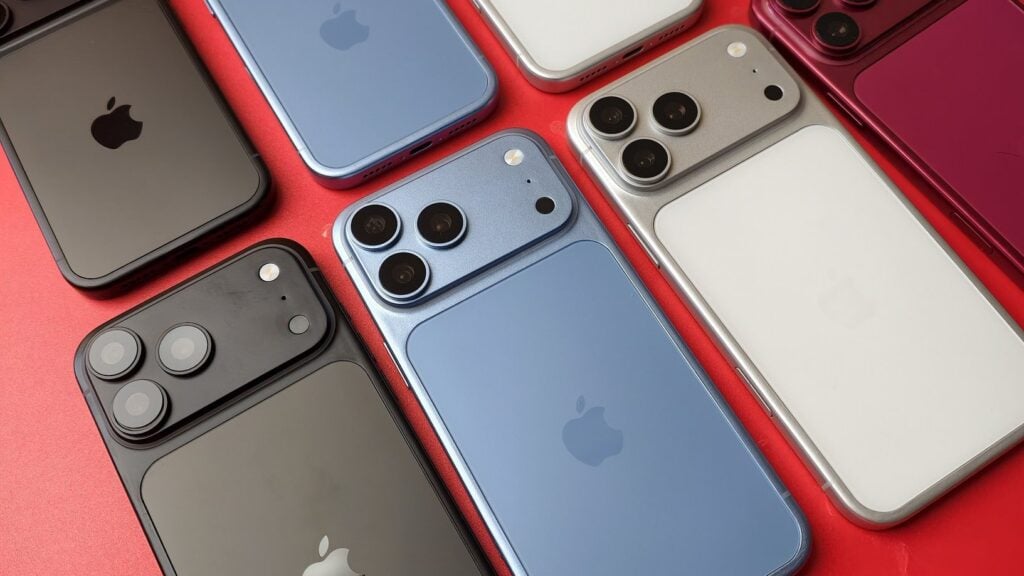
Apple is expected to enter foldable smartphone market this year with the launch of the iPhone Fold (tentative name) in September this year. There have been reports that the brand is also planning to launch a flip-style foldable similar to the Samsung Galaxy Z Flip 7 and Motorola Razr 60 in the future, but it may depend on the market response to the company’s first foldable launching this year. Now, a new Bloomberg report reveals that the company has started testing a flip phone.

Apple reportedly testing flip-style foldable iPhone

iPhone Flip concept image
iPhone Flip concept image | Source

According to the report, Apple has already tested a clamshell-style foldable iPhone, often referred to as the iPhone Flip. A known supply chain source has revealed that the company has moved beyond initial concept discussions and conducted internal testing, though it has not yet committed to mass production.

Earlier reports from reliable industry analysts also indicated that Apple was exploring a square, flip-style form factor, signaling broader experimentation with foldable designs beyond a single model. While details about the testing phase remain limited, the existence of such prototypes suggests Apple is carefully evaluating multiple directions before finalizing its long-term foldable strategy. The flip-style device would likely target users who prioritize portability and compactness, offering a smaller folded footprint compared to the book-style model expected to debut first.

Industry speculation indicates that the earliest potential launch window for an iPhone Flip could be around 2027, although a later timeline appears more realistic depending on technological readiness and consumer demand. Apple is believed to be watching market reception to its first foldable device closely before committing to another form factor.

The upcoming book-style foldable is expected to focus on productivity with a larger inner display, potentially delivering tablet-like functionality when unfolded. A clamshell alternative, on the other hand, would appeal to users seeking a more pocket-friendly flagship experience similar to existing flip foldables in the market. As competition in foldables grows, Apple’s multi-design approach suggests the company is aiming to cover different user preferences rather than limiting itself to a single foldable category.

For more daily updates, please visit our News Section.

Stay ahead in tech! Join our Telegram community and sign up for our daily newsletter of top stories.

Huawei FreeBuds Pro 5 to Debut Globally on Feb 26 Ahead of MWC 2026

Huawei will unveil its FreeBuds Pro 5 wireless earbuds internationally on February 26 in Madrid, Spain, according to a teaser posted on the company’s Instagram. The launch precedes Mobile World Congress 2026 in Barcelona by several days. The earbuds debuted in China last November and now enter global markets with several technical upgrades over previous models.

Huawei FreeBuds Pro 5: Key features

The FreeBuds Pro 5 features dual-driver audio systems in each earbud, engineered for enhanced sound clarity and depth. Huawei’s proprietary NearLink technology enables lossless audio transmission at speeds reaching 4.6 Mbps. The earbuds support AAC, SBC, LDAC, and L2HC codecs, ensuring broad device compatibility.

Active Noise Cancellation has been substantially improved, with Huawei claiming triple the performance of the previous generation. This advancement relies on upgraded microphones and the company’s Kirin A3 chipset, which handles audio processing and environmental noise reduction.

The earbuds use an in-ear, stem-style design housed in a compact, pebble-shaped charging case. An IP67 rating provides dust and water resistance. With Active Noise Cancellation active, the earbuds deliver five hours of playback per charge. The charging case extends the total battery life to 33 hours.

Huawei has not disclosed global pricing or regional availability. These details should emerge during the Madrid launch event.

For more daily updates, please visit our News Section.

Stay ahead in tech! Join our Telegram community and sign up for our daily newsletter of top stories.

(Source)

Unreleased Galaxy S26 Plus was allegedly being sold for a whopping $1,650

With Samsung’s Galaxy Unpacked event scheduled for February 25, leaks around the Samsung Galaxy S26 series are already everywhere. But this one’s unusual.

A device claimed to be a Galaxy S26 Ultra recently appeared in a Craigslist listing, priced at $1,650, well before the phone has even been officially announced.

Photos from the listing, shared on X by tipster @Kakooli98, show what looks like a fully working device running official Galaxy S26 series wallpaper. At first glance, it seems legitimate. But there’s a catch. Despite being mentioned as a Galaxy S26 Ultra, the camera layout in the photos features a single pill-shaped camera island. That design, paired with the size, aligns more closely with what’s rumored for the Samsung Galaxy S26 Plus.

The $1,650 asking price is well above what the S26 Plus is expected to cost at retail. Current estimates put it somewhere around the $1,000–$1,100 range, depending on storage.

That premium alone makes the listing questionable. Even if authentic, pre-release devices can carry risks. They may run unfinished software or lack warranty support.

The unit shown in the listing appears in a Black finish, which recent leaks have pointed to as one of the launch colors for the S26 Plus.

Beyond that, the overall design doesn’t appear radically different from recent Galaxy models, though subtle refinements are expected across the lineup.

It’s still unclear how this device ended up on Craigslist. It could be a legitimate internal sample that slipped out, or something less straightforward.

Either way, it’s one of the first instances of a seemingly functional Galaxy S26 unit appearing outside controlled leaks or dummy models.

With Unpacked just days away, official details will soon replace speculation. Until then, listings like this are best viewed with caution.

Don’t miss a thing! Join our Telegram community for instant updates and grab our free daily newsletter for the best tech stories!

For more daily updates, please visit our News Section.

(Source)

Insta360 Luna Leak Points to Dual-Lens Pocket Camera With Optical Zoom

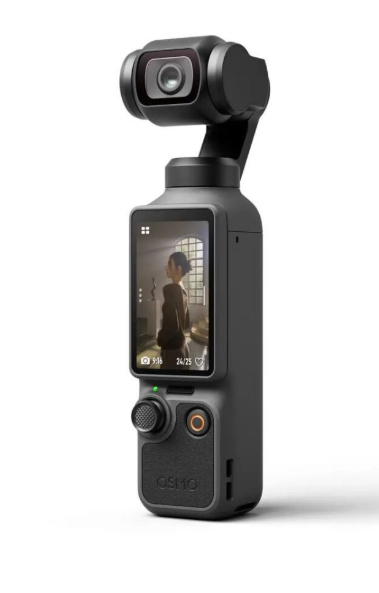
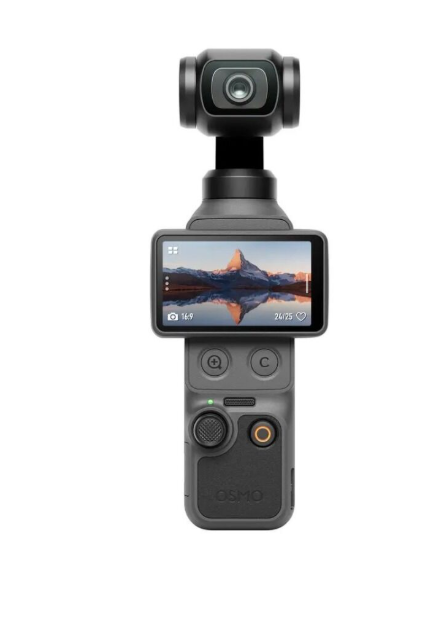
Insta360 appears to be working on a new compact vlogging camera, and early details suggest it could take a slightly different approach from DJI’s Osmo Pocket lineup.

The device, reportedly called the Insta360 Luna, has been referenced in recent leaks and patent filings. At the company’s annual conference, CEO Liu Jingkang reportedly confirmed that a vlogging-focused camera is in development and said it would launch before July 2026. That likely puts the release window somewhere between March and June, though no exact date has been shared yet.

What makes the Luna interesting is its rumored dual-lens setup. Instead of relying on a single wide sensor and digital crop, the Luna is said to feature two distinct lenses: a standard wide (1x) camera and a dedicated 3x optical telephoto module. If accurate, that would allow users to switch focal lengths without losing image quality, something pocket gimbal cameras haven’t traditionally prioritized.

Based on patent sketches and early reports, the zoom transition could be controlled through a small joystick or touchscreen gestures on a fold-out display. The concept feels closer to smartphone-style zoom switching than the fixed wide-angle approach most pocket cameras use.

Leaks also point to an emphasis on image processing. Reports suggest the Luna may use a dual-stage system, where initial image enhancement happens before final processing. In practical terms, that could mean better noise handling and improved dynamic range, particularly in mixed or low lighting. Of course, how much difference that makes will depend on sensor size and real-world tuning.

For context, the current DJI Osmo Pocket 3 remains one of the most popular compact gimbal cameras in this space. There are also rumors that DJI is preparing an upgraded model with dual cameras, which could arrive before Insta360’s launch window closes.

Don’t miss a thing! Join our Telegram community for instant updates and grab our free daily newsletter for the best tech stories!

For more daily updates, please visit our News Section.

(Source: Igor Bogdanov)

World’s First 10,000mAh Sodium-Ion Flashlight Delivers 2,500 Lumens, Works at -40°C

A new crowdfunded flashlight called the Sodiumfrostglow is getting attention for one specific reason: it uses a sodium-ion battery instead of the usual lithium-ion pack. That might not sound dramatic at first, but in very cold weather, battery chemistry matters a lot.

According to the campaign page, the Sodiumfrostglow is designed to keep working in temperatures as low as -40°C. The makers claim that while lithium-ion batteries can lose a significant portion of their capacity in extreme cold, this sodium-ion battery retains much more of its usable charge. They’re quoting around 88% capacity retention at those temperatures, compared to roughly 15% for lithium under similar conditions.

If accurate, that’s a big deal for winter campers, mountaineers, or anyone dealing with long outages in freezing climates. The device includes a 10,000mAh battery, which also allows it to function as a power bank. It supports USB-C charging at up to 10W and can output 5W to charge smaller electronics like smartphones or GPS units.

Brightness is rated at 2,500 lumens, which puts it firmly in the “serious outdoor tool” category rather than basic household flashlight territory.

The campaign also highlights longevity claims: more than 3,000 full charge cycles and improved tolerance to deep discharge compared to lithium-ion packs. Sodium-ion chemistry is generally considered safer and less prone to thermal runaway, though it’s still a relatively new technology in consumer electronics.

The project first appeared on Kickstarter in late 2025, where it surpassed its $10,000 funding goal and reportedly raised over $20,000 from around 200 backers. It has since moved to Indiegogo for continued funding. Early backer pricing currently sits around $73 plus shipping, with a projected retail price closer to $90.

What makes the Sodiumfrostglow interesting isn’t just the lumen output or battery size. It’s the chemistry choice. Cold weather has always been a weak spot for lithium-ion batteries in everyday hardware.

Don’t miss a thing! Join our Telegram community for instant updates and grab our free daily newsletter for the best tech stories!

For more daily updates, please visit our News Section.

(Source)

Every Xiaomi, Redmi, & POCO Devices Set to Get the Android 17 Based HyperOS Update

While Xiaomi has just hit the brakes on HyperOS updates for all smartphones until March, this is only temporary as China celebrates its annual New Year holiday. But what about the next generation HyperOS? Xiaomi accidentally leaked HyperOS 4 in a recent global bug report, and fresh reports hint at the platform being based on a self-developed architecture that retains native Android services. While the official release is still at large, here’s a full list of all the eligible Xiaomi, Redmi, and POCO devices that will receive the Android 17 update.

Note: The list is based on official update policy and support documentation.

Xiaomi 17 Ultra
Xiaomi 17 Ultra

Full List of Xiaomi Devices Eligible for the Android 17 Update

  • Xiaomi 17 Ultra & Xiaomi 17 Ultra Leica Edition
  • Xiaomi 17
  • Xiaomi Pad 8
  • Xiaomi 17 Pro
  • Xiaomi Pad 8 Pro
  • Xiaomi 17 Pro Max
  • Xiaomi 15T
  • Xiaomi 15T Pro
  • Redmi K Pad, Xiaomi Pad Mini
  • Xiaomi MIX FLIP 2
  • Xiaomi Pad 7S Pro 12.5
  • Xiaomi 15S Pro
  • Xiaomi CIVI 5 Pro
  • Xiaomi Pad 7 Ultra
  • Xiaomi 15 Ultra
  • Xiaomi 15
  • POCO Pad X1, Xiaomi Pad 7
  • Xiaomi 15 Pro
  • Xiaomi Pad 7 Pro
  • Xiaomi 14T
  • Redmi K70 Ultra, Xiaomi 14T Pro
  • Xiaomi MIX FLIP
  • Xiaomi MIX FOLD 4
  • Xiaomi 14 CIVI, Xiaomi Civi 4 Pro
  • Xiaomi 14 Ultra
  • Xiaomi Pad 6S Pro 12.4
  • Xiaomi 14
  • Xiaomi 14 Pro
  • Xiaomi 13T
  • Redmi K60 Ultra, Xiaomi 13T Pro
  • Xiaomi Mix Fold 3
  • Xiaomi 13 Ultra
  • Xiaomi 13
  • Xiaomi 13 Pro
  • POCO M8 5G, Redmi Note 15 5G
  • POCO M8 Pro 5G, Redmi Note 15 Pro+
  • POCO F8 Pro, Redmi K90
  • POCO F8 Ultra, Redmi K90 Pro Max
  • POCO Pad M1, Redmi Pad 2 Pro
  • POCO C85 5G, Redmi 15C 5G
  • POCO C85 4G, Redmi 15C 4G
  • POCO M7 Plus, Redmi 15
  • POCO M7 4G, Redmi 15 4G
  • POCO F7, Redmi Turbo 4 Pro
  • POCO F7 Pro, Redmi K80
  • POCO F7 Ultra, Redmi K80 Pro
  • POCO C71, Redmi A5 4G
  • POCO X7 Pro, Redmi Turbo 4
  • POCO M7 5G, Redmi 14R 5G
  • POCO X7, Redmi Note 14 Pro
  • POCO X6 Pro, Redmi K70e
  • POCO F6 Pro, Redmi K70
  • POCO F6, Redmi Turbo 3
  • Redmi Turbo 5
  • Redmi Turbo 5 Max
  • Redmi Note 15 Pro 4G
  • Redmi Pad 2 Pro 5G
  • Redmi Note 15
  • Redmi Note 15 Pro
  • Redmi K80 Ultra
  • Redmi Pad 2
  • Redmi Pad 2 4G
  • Redmi Note 14S
  • Redmi Note 14 Pro 4G
  • Redmi Note 14 4G
  • Redmi Note 14 Pro+

When Will the Android 17 Update Drop?

Google’s Android 17 stable release is expected around June–July 2026, and Xiaomi should adapt its custom skin with the major OS upgrade. Early beta builds are likely to roll out soon after the official Android launch, with flagship Xiaomi phones and high-end tablets getting first access. Broader rollout to mid-range and budget models could stretch into late 2026 and early 2027, depending on regional testing and certification.

There’s More

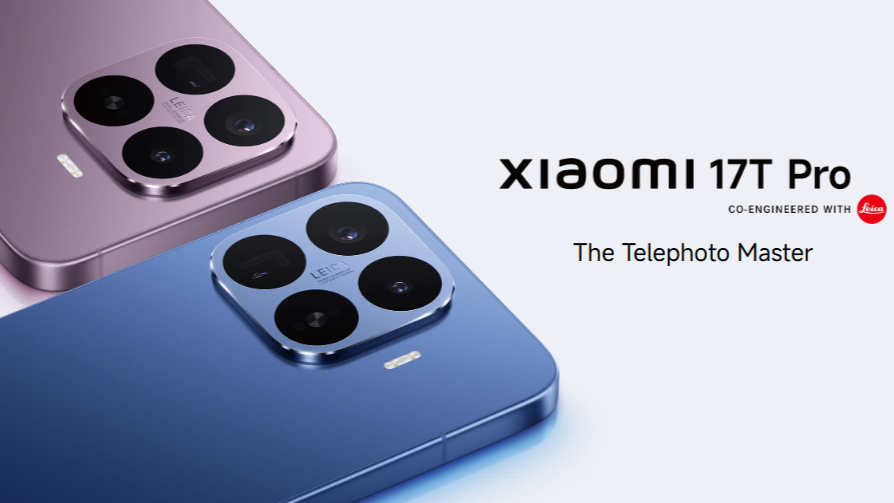
According to the XiaomiTime report, some devices that are relatively new still won’t get Android 17 (For example, the Redmi Note 14 5G and POCO M7 Pro 5G). Xiaomi typically launches the first beta update during the Google I/O event, and based on the previous rollout, the Xiaomi 17 series should get the update first, including the upcoming Xiaomi 17T Pro.

Keep in mind that this is still just an unconfirmed report based on Xiaomi’s official policy and software support. So take this list with a pinch of salt and stick around for more.

For more daily updates, please visit our News Section.

Tech enthusiast? Get the latest news first! Follow our Telegram channel and subscribe to our free newsletter for your daily tech fix! ⚡

Samsung Galaxy S26 Ultra vs Galaxy S25 Ultra: Everything You Should Know

The Galaxy Ultra lineup is Samsung’s top-of-the-line flagship smartphones that offer the best hardware and software features. Over the last couple of weeks, leaks have hinted that the upcoming Galaxy S26 Ultra will be a meaningful upgrade over the Galaxy S25 Ultra. But how significant are these changes, and is it worth upgrading if you already own an S25 Ultra? It is expected to bring stronger performance, enhanced cameras, and smarter features. So, we’ve broken down the leaks, rumors, and expected differences between these two flagship phones.
1. Design & Display: Refining What Worked

Samsung Galaxy S26 Ultra Privacy Display

Both Ultra models follow Samsung’s premium design language: large displays, minimal bezels, and top-tier build quality. The S25 Ultra already set a high bar with a vibrant AMOLED panel, peak brightness, and sharp detail. Rumors point to the S26 Ultra retaining a similar standard with the top-end Dynamic AMOLED display but possibly polishing it further, with marginal brightness gains.

But apart from the high resolution and smooth refresh rate, the South Korean tech giant is bringing a new Privacy Display feature. This would allow certain parts of the screen to remain visible, hiding the contents of the display from sneaky onlookers.

Leaked hands-on images have also showcased subtle design refinements rather than a revolutionary look. The rear camera module, frames, and ergonomics are getting minor tweaks, along with new color options (such as black, white, blue, and purple.) and a slightly sleeker design. Samsung’s next flagship might be getting slimmer. Last year’s S25 Ultra measured 8.2mmthick, while the S26 Ultra may measure just 7.9mm.

2. Next-Gen Power Inside

Samsung Galaxy S26 Ultra promo
Samsung Galaxy S26 Ultra promo image shared by Evan Blass

One of the clearest areas of improvement is raw performance. While the S25 Ultra already delivered flagship-class speed with its Snapdragon 8 Gen Elite for Galaxy, leaks indicate the S26 Ultra will upgrade to the Snapdragon 8 Elite Gen 5 for every region. It is unclear if this will also be a slightly faster version of the 8 Elite Gen 5, but the early GeekBench listing suggests notable gains in both single and multi core performance.

This should translate to smoother multitasking, faster app launches, and improved endurance under heavy workloads and gaming. We can also expect better AI performance and improved power efficiency. Samsung could upgrade the thermal dissipation system on the S26 Ultra for better heat management, which should help in prolonged heavy use.

3. Cameras

Samsung Galaxy S26 Ultra render

Samsung’s Ultra series typically offers the best mobile camera experience, and the Galaxy S26 Ultra appears to carry forward this philosophy. Recent leaks have hinted at the next-gen flagship getting slight updates in terms of hardware. But the biggest upgrade is to the main sensor, which is still a 200MP shooter but with a wider f/1.4 aperture, which should help improve night photography and low light video capture.

This is coupled with a 50MP ultra wide angle lens, a 50MP periscope telephoto shooter with 5x optical zoom, and a 10MP telephoto camera with a 3x optical zoom. There were rumors of Samsung even working on external camera accessories for the Galaxy S26 Ultra, which might enhance the photography experience. A fresh leak revealed a larger punch hole cutout on the front that might be hinting at a larger camera for selfies and video calls.

4. Battery & Charging

Despite Chinese brands offering massive battery capacities thanks to the Silicon-Carbon cell technology, Samsung is sticking to the older Li-Ion battery for the upcoming Galaxy S26 Ultra. So, we may once again see a humble (yet still sizeable) 5,000mAh battery pack. However, wired charging speeds might be getting a jump from 45W to 60W or 65W. Wireless charging is getting enhanced with the Qi2 standard, but there has been mixed news regarding built-in magnets for a MagSafe-like charging convenience.

5. Software

Samsung is expected to ship the Galaxy S26 Ultra with its latest One UI 8.5 custom skin. This is still based on the Android 16 OS, but with various improvements over One UI 8. Furthermore, it will also get up to 7 years of major Android OS updates and security patches. Samsung’s recent focus on AI means the S26 Ultra could get enhanced voice assistants, camera AI, and adaptive battery/ performance tweaks as well.

6. Verdict

For owners of older Galaxy flagships, the S26 Ultra is likely a compelling upgrade thanks to performance, camera, and software gains. For S25 Ultra owners, the decision depends on how much value you place on these incremental refinements. When combined with refined AI and software experiences, it’s a worthwhile step forward for buyers who want the very best Samsung has to offer in 2026.

For more daily updates, please visit our News Section.

Don’t miss a thing! Join our Telegram community for instant updates and grab our free daily newsletter for the best tech stories!