Advertisement

New light-based 3D printing builds millimeter-scale objects in fraction of a second

A research team from Tsinghua University says it has developed a 3D printing method capable of fabricating millimeter-scale objects in under a second, which is a dramatic improvement over most current volumetric techniques.

The work, published in Nature, introduces a system the team calls digital incoherent synthesis of holographic light fields, or DISH. The approach focuses on generating a complete three-dimensional light pattern inside a stationary resin volume, rather than building an object layer by layer.

Many existing volumetric printing methods, such as computed axial lithography (CAL), rely on rotating either the light source or the sample while projecting patterns into photosensitive resin. That rotation adds mechanical complexity and can limit speed and stability. It also often requires thicker resins to prevent printed structures from drifting before they solidify.

The DISH method removes rotation of the resin container altogether. Instead, the system uses a rapidly rotating optical periscope, reportedly spinning up to 10 times per second, to project multiple light patterns from different angles. These patterns are generated by a digital micromirror device and directed into the resin through a single flat optical interface.

By combining these projections in quick succession, the system forms a full 3D light intensity distribution that cures the entire structure nearly at once.

According to the paper, millimeter-scale objects can be printed in as little as 0.6 seconds. The reported volumetric printing rate reaches 333 cubic millimeters per second, with minimum feature sizes around 12 micrometers. The team also reports maintaining approximately 19-micrometer resolution across a one-centimeter depth, which exceeds the typical depth-of-field limits of standard optics.

To achieve this, the researchers used iterative optimization of holographic patterns for each projection angle, refining how light energy accumulates within the resin volume.

The technology is still at the experimental stage, but the potential applications are broad. High-speed fabrication at this scale could be relevant for micro-optical components, small robotic systems, flexible electronics, and biomedical scaffolds.

Whether DISH becomes commercially viable remains to be seen. But as a proof of concept, it pushes the boundaries of what rapid additive manufacturing can look like.

Don’t miss a thing! Join our Telegram community for instant updates and grab our free daily newsletter for the best tech stories!

For more daily updates, please visit our News Section.

(Source)

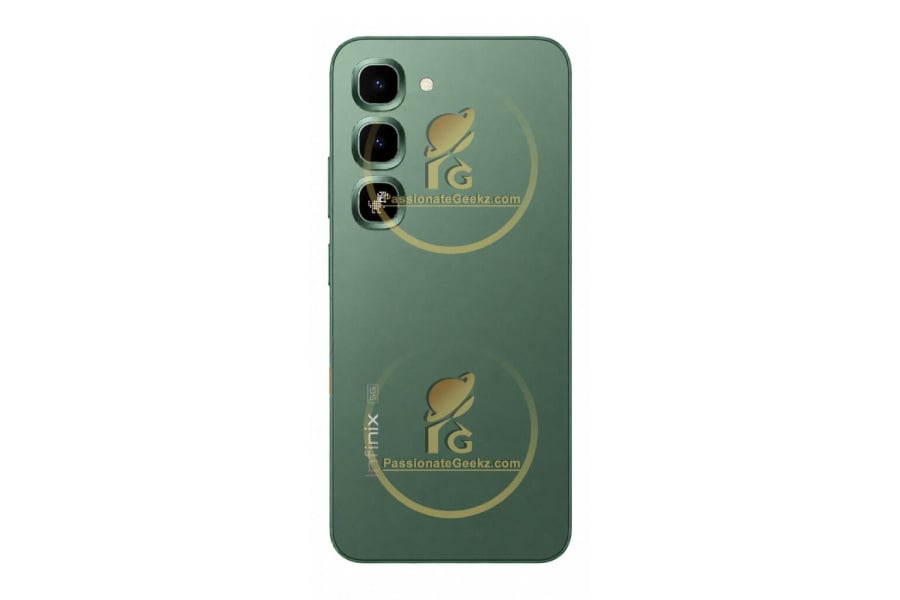
Infinix GT 50 Pro design, display, processor, camera, and battery details leak

The upcoming Infinix GT 50 Pro, which surfaced on Geekbench last month, is now back in the spotlight thanks to a new report from PassionateGeekz. This time, the leak reveals what the phone might look like and what it could offer under the hood.

Infinix GT 50 Pro Specifications 

Since Infinix’s GT line focuses on a gaming-inspired design, the GT 50 Pro follows the same trend. The back panel uses a diagonal weave pattern reminiscent of carbon fiber and features green LED “claws” at the bottom.

The front is built around a 6.78-inch AMOLED display with a 1.5K resolution. The screen is tipped to offer a 144Hz refresh rate and slim bezels all around.

Powering the device is said to be the MediaTek Dimensity 8400 Ultimate chipset. It may be paired with 12GB of RAM and come in 256GB and 512GB storage options. 

The GT 50 Pro made its Geekbench run with the same setup, scoring 1,612 points in the single-core test and 6,686 points in the multi-core test.

On the camera side, the phone is rumored to include a quad-camera system. The primary is a 50-megapixel sensor with optical image stabilization and a 0.8µm pixel size. It’s expected to be accompanied by an 8MP ultra-wide lens and another 8MP sensor, along with dual flash modules. For selfies and video calls, the Infinix GT Pro could come with a 13MP front-facing camera.

As for the battery, the GT 50 Pro is tipped to either pack a 6,500mAh single-cell battery or a 6,150mAh dual-cell setup. Charging specs will include 45W wired fast charging, 30W wireless charging, 10W wired reverse charging, and 5W wireless reverse charging. 

Infinix is yet to reveal anything about the GT 50 Pro. However, now that major details are out on the web, we can expect an announcement soon.

For more daily updates, please visit our News Section.

Stay ahead in tech! Join our Telegram community and sign up for our daily newsletter of top stories.

(Source)

Apple to use Samsung’s Privacy Display tech in future MacBooks
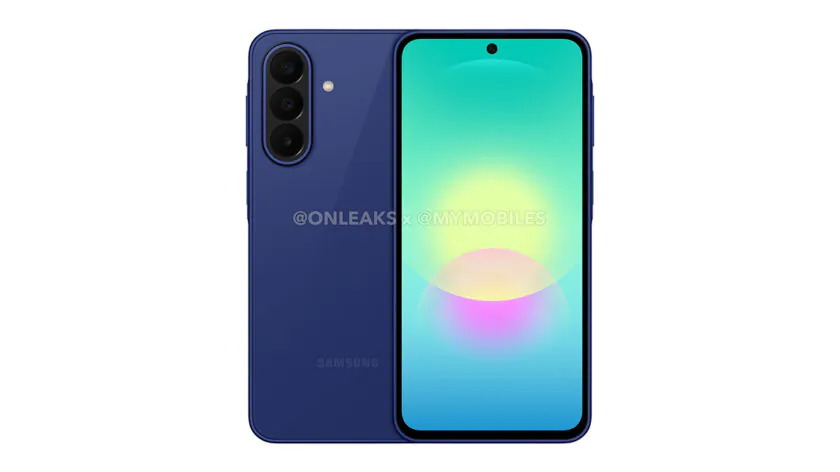
According to tipster Ice Universe, Apple could adopt Samsung’s Privacy Display technology for MacBooks. The timing would line up with Apple’s expected shift to OLED panels across its MacBook lineup, starting with higher-end models later this decade. That detail matters because Samsung’s privacy solution relies on OLED hardware.

Samsung is preparing to introduce its Privacy Display feature on the Galaxy S26 Ultra. The system is based on the company’s Flex Magic Pixel OLED technology, which can control the direction of light at the pixel level.

When activated, the display remains clear when viewed straight on, but becomes difficult to see from the sides. Unlike traditional privacy filters, which physically darken the screen at all times, this approach can be toggled on and off.

An advantage of this implementation is that it can work selectively, potentially protecting specific apps or parts of the screen.

Why it makes sense for MacBooks

If Apple adopts similar technology, the benefit could be even more noticeable on laptops. A 14- or 16-inch display is far more exposed in public spaces than a phone screen. Anyone who’s worked on a train or in a café knows how visible the large display can be.

Right now, privacy solutions for MacBooks typically involve magnetic or adhesive filters. They work, but they reduce brightness and color accuracy. A built-in, software-controlled solution would be more elegant.

According to the leak, Apple’s 2029 MacBook lineup could adopt this Privacy Display Tech. The 2029 target sounds distant, but it reflects the likely OLED transition cycle for MacBooks. Apple is widely expected to move its Pro models to OLED first, with broader adoption later. Scaling Samsung’s privacy technology to larger laptop panels may also require some time.

For now, this remains a supply chain rumor rather than a confirmed feature. Apple hasn’t publicly indicated any plans to add built-in privacy controls at the display level.

Still, if Samsung’s rollout on the Galaxy S26 Ultra proves successful, it wouldn’t be surprising to see similar technology make its way into other product categories — even across rival ecosystems.

Don’t miss a thing! Join our Telegram community for instant updates and grab our free daily newsletter for the best tech stories!

For more daily updates, please visit our News Section.

(Source: Ice Universe)

How phone makers are fitting 8,000mAh batteries in a 7mm body

Not long ago, a smartphone with a 5000mAh battery meant a thick body that wasn’t very ergonomic in the hand. Fast forward to 2026, and we now have phones like the Tecno Pova Curve 2, which packs an 8000mAh battery into a slim 7mm body.

On paper, these numbers don’t seem like they belong together. But this is increasingly the direction parts of the smartphone industry are heading, especially among Chinese manufacturers willing to experiment with new battery chemistries.

Here’s how phones like the Pova Curve 2 fit a big battery into a compact body, and where Apple and Samsung stand among them.

1. From Graphite to Silicon-Carbon

Most smartphones today still use lithium-ion batteries with graphite anodes. (FYI, the anode is where lithium ions sit when the battery is charged.) Its long-standing use already shows how well graphite has worked for us. It’s stable, relatively inexpensive, and doesn’t expand much during charging. Meaning it’s safe for rigorous daily use.

However, graphite has its own limits. You can only store so much energy in it before you run out of room.

Enter silicon.

In theory, silicon can store nearly 10 times as much lithium per gram as graphite. That doesn’t mean your battery suddenly becomes ten times bigger, but it does allow manufacturers to increase energy density, i.e., more power in the same physical space.

The problem is that silicon expands dramatically when it absorbs lithium. In lab conditions, it can swell up to 300% (via Neware). So, no prize for guessing, silicon alone is not a good anode for a battery. 

That’s when companies began blending silicon with carbon, creating what we now know as a silicon-carbon (Si-C) anode.

Carbon acts as a stabilizing framework. It holds the silicon particles in place and absorbs some of the stress caused by expansion. The result is a battery that offers higher capacity than traditional graphite-based cells while remaining structurally stable enough for daily use.

It’s not perfect. Silicon-carbon batteries can degrade faster than pure graphite if not carefully managed. But the trade-offs are increasingly worth it for brands chasing bigger numbers without thicker designs.

2. Managing battery expansion

The expansion issue is the core engineering challenge here.

When lithium ions move into the anode during charging, the material swells. With graphite, this swelling is modest. With silicon, it’s much more dramatic. Over repeated charge cycles, the expansion and contraction can crack materials and reduce battery lifespan.

To deal with that, manufacturers use a few strategies:

  • They break silicon into nano-sized particles, which handle expansion better than larger chunks.
  • They embed those particles in a carbon matrix to distribute stress.
  • They blend silicon with graphite rather than eliminating graphite.

The result is incremental improvement rather than a radical redesign. But incremental is enough when the goal is to squeeze extra capacity into the same space. That’s how phones are now crossing 7,000mAh and 8,000mAh thresholds without pushing past 8mm thickness.

3. The Timeline of Si/C batteries

Silicon-carbon batteries didn’t suddenly appear in 2026. The transition has been gradual.

Around 2023, some manufacturers began experimenting with small percentages of silicon in their battery anodes, often in the 5 to 10 percent range. The gains were modest but noticeable. Phones could squeeze in slightly larger batteries without adding thickness.

By 2024 and 2025, the technology became more common, particularly among Chinese brands. Silicon content increased incrementally. Energy density improved. And instead of seeing 5,000mAh as the upper boundary for slim phones, we started seeing 6,000mAh and beyond.

Now, 8,000mAh devices are entering the conversation without looking like rugged bricks.

4. And, it’s not just one company

Tecno isn’t alone in this race. The Honor Power, launched last year, features an 8000mAh cell in a body under 8mm thick. Likewise, the iQOO Z11 Turbo has a 7600mAh battery while measuring 8.1mm. 

The foldables like Honor Magic V5 also use a silicon-carbon battery, fitting over 6,000mAh into a thin foldable chassis. That’s significant because foldables have even less internal space to work with.
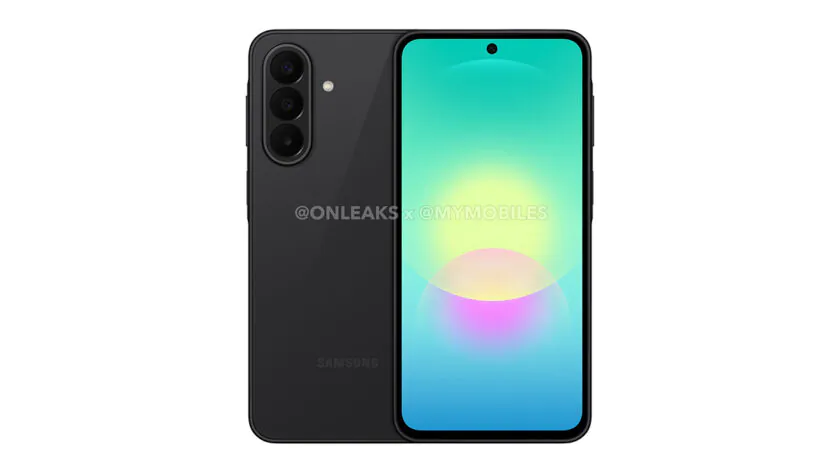
The common thread isn’t just capacity. It’s energy density. Companies are packing more watt-hours per cubic millimeter than before. That’s what makes these numbers possible without turning phones into thick slabs.

5. Why Apple and Samsung are late in this

If you’re wondering why the iPhone or Galaxy line hasn’t jumped to 8,000mAh yet, there are a few likely reasons.

A part of that is philosophical. Both Apple and Samsung prioritize battery longevity and long-term stability above everything else. Meanwhile, silicon-carbon batteries, while promising, are still relatively new at scale. 

Managing swelling, maintaining cycle life, and ensuring safety across millions of units isn’t trivial for these brands. This could be the reason why the two giants are moving conservatively with battery chemistry changes.

Regulation and logistics may play a role here. Shipping high-capacity lithium batteries across global markets involves strict certification standards. Some manufacturers are more aggressive in pushing the envelope within certain regions first.

That doesn’t mean Apple or Samsung can’t adopt silicon-carbon batteries. It just means they’re unlikely to lead the first wave.

6. What comes next

If silicon-carbon tech keeps improving, it’s not long before phones with 10,000mAh or larger batteries become common in the industry. In fact, Honor and Realme have already launched their 10,000mAh phones. 

Higher silicon percentages, improved anode structures, and better thermal management could push energy density even further without the bulk that older battery tech required. However, as inspiring as it looks, there are a few looming questions around silicon-carbon batteries, like:

  • Battery life over years of use
  • Heat management during fast charging
  • Costs of advanced battery materials

These will shape how quickly the industry moves and which brands adopt the new tech first.

Don’t miss a thing! Join our Telegram community for instant updates and grab our free daily newsletter for the best tech stories!

For more daily updates, please visit our News Section.

Apple Confirms March 4 “Special Apple Experience” Event; New budget MacBook is expected alongside iPhone 17e

Apple has officially confirmed its first major event of 2026, scheduled for March 4. The company is calling it a “Special Apple Experience.” Invitations have gone out for simultaneous gatherings in New York, London, and Shanghai. The event begins at 9:00 a.m. ET (14:00 UTC / 7:30 p.m. IST). So far, Apple hasn’t mentioned a livestream, which suggests this could be a press-focused showcase rather than a global keynote.

One likely announcement is the successor to the iPhone 16e. The rumored iPhone 17e is expected to build on Apple’s entry-tier formula with features previously reserved for higher-end models.

Leaks point to MagSafe support, the A19 chip, and possibly a Dynamic Island-style OLED display. There’s also talk of an upgraded front camera. If accurate, it would narrow the gap between Apple’s “e” model and the standard iPhone lineup.

Mac updates look probable

Mac refreshes are also widely expected. The 14-inch and 16-inch MacBook Pro models could move to M5 Pro and M5 Max chips, while the MacBook Air may adopt the base M5 processor. These would be typical generational upgrades rather than major redesigns.

IPhone 17e render

More interesting is the rumored low-cost MacBook powered by an A-series chipset instead of an M-series chip. If Apple does introduce a sub-$800 MacBook using a recent iPhone processor, that would mark a notable shift in its laptop strategy.

The idea seems to be maintaining an aluminum build while lowering production costs. Some leaks even suggest more playful color options, which would be unusual for a MacBook in recent years.

Updates to the iPad and iPad Air are also rumored, possibly with newer chips. There’s even talk of a refreshed Apple Studio Display featuring Mini-LED and a higher refresh rate, though that remains less certain.

The “Special Apple Experience” label suggests Apple may want attendees to interact directly with new hardware rather than watch a tightly scripted keynote.

Don’t miss a thing! Join our Telegram community for instant updates and grab our free daily newsletter for the best tech stories!

For more daily updates, please visit our News Section.

(Source)

12.9″ budget MacBook could launch in March with A-series Chip and playful colors

Apple may finally be preparing a lower-cost MacBook, and new details suggest it won’t just be a stripped-down MacBook Air. According to Bloomberg’s Mark Gurman, the company is working on a more affordable model expected to debut around March 2026. The goal appears straightforward: bring the Mac experience to a lower price point without abandoning Apple’s typical build quality.

Pricing is rumored to land somewhere between $599 and $799, which would place it below the current MacBook Air lineup and closer to Chromebook territory.

An iPhone chip inside?

One of the more surprising details involves the processor. Instead of using an M-series chip, the new MacBook is expected to run on an A-series chip, reportedly the same Apple A18 Pro used in the iPhone 16 Pro. That would mark a major shift in Apple’s laptop strategy.

In theory, the A18 Pro should handle everyday tasks like web browsing, streaming, writing, and light productivity without issue. Rumors point to a roughly 12.9-inch IPS display, with brightness levels suitable for indoor use but probably not pushing flagship territory.

Importantly, the chassis is still expected to be aluminum. Gurman notes that Apple is reportedly using a revised manufacturing process to lower production costs while maintaining the company’s typical unibody design. That suggests Apple doesn’t want this to feel like a budget compromise in hand.
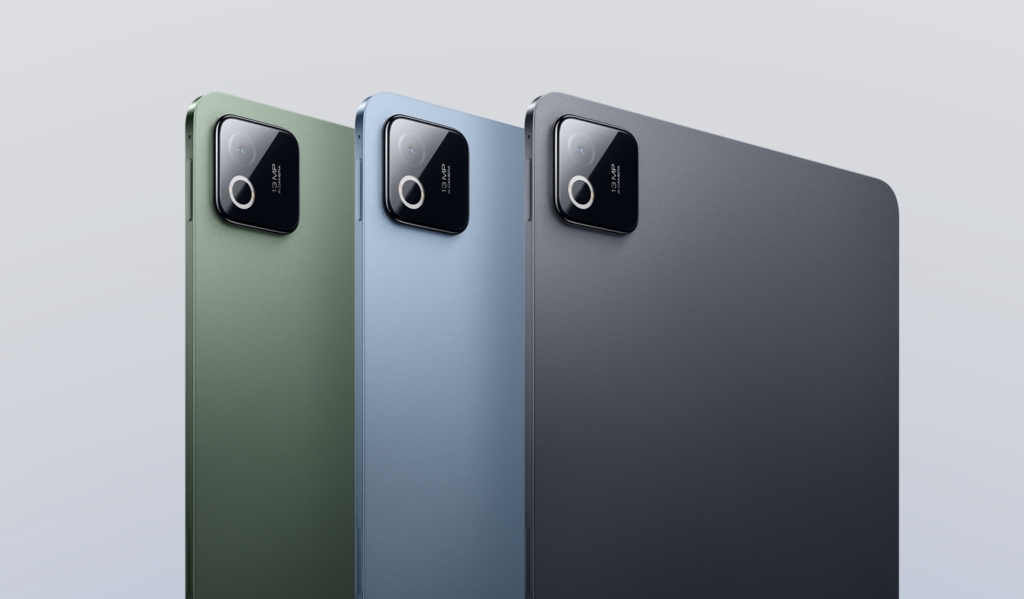
Perhaps the most interesting rumor involves color. Apple is said to be testing lighter, more playful finishes, including yellow, green, blue, and pink, alongside silver and darker gray. If that holds true, it would be the most colorful MacBook lineup in years. That positioning makes sense if students are the primary audience.
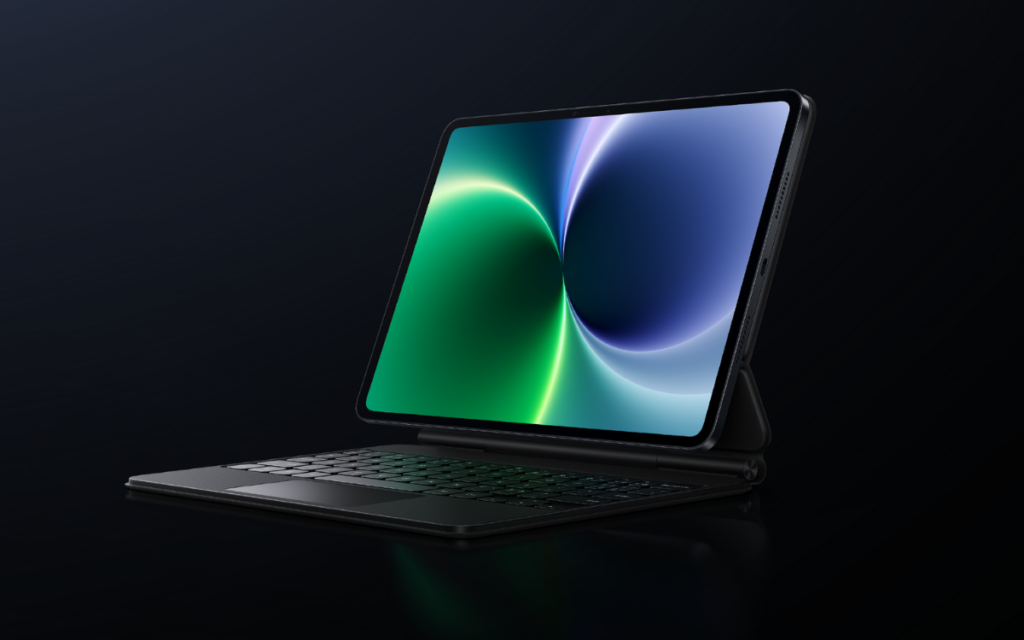
If the leaks are accurate, this model seems aimed at students, first-time Mac buyers, and users who mainly need a reliable machine for everyday computing. It would also help Apple compete more directly with entry-level Windows laptops in education and emerging markets.

There are still plenty of unknowns: battery life, port selection, storage tiers, and how macOS will be tuned for an A-series chip in a laptop form factor.

But if Apple manages to deliver solid performance, a familiar design, and a lower entry price, this could become the company’s most accessible Mac in years.

Don’t miss a thing! Join our Telegram community for instant updates and grab our free daily newsletter for the best tech stories!

For more daily updates, please visit our News Section.

(Source)

OnePlus OxygenOS B40P02 February 2026 Update Rolling Out: New Photos Features, Private Safe Updates, Stability Fixes

OnePlus has started rolling out the February 2026 OxygenOS B40P02 update to its smartphones and tablets. The rollout began on February 5, 2026, and will continue in stages, with all eligible devices expected to receive it by around March 5. As usual, the update is incremental, so not all users will get the notification at the same time.

The update carries version number B40P02 (BRB1EX01) for phones and B40P02 (BRB3EX01) for tablets. It brings improvements to the Photos app, AI Writer, Private Safe, and overall system stability.

The Photos app gets multiple upgrades. Gesture animations when swiping up or down while browsing images are now smoother and more responsive. Video editing now supports cutting, splitting, multi-clip stitching, music, text, speed adjustment, cropping, and more. The AI Eraser has been improved to produce clearer images with fewer visible traces after removing objects. The Remove Reflections feature has also been enhanced to reduce glare in document photos and portraits of people wearing glasses.

A new “Popout” option has been added to the Collage feature, allowing the subject to appear outside the frame for a layered effect. Filters now support Motion Photo, Screenshots, and screen recordings, and Edited categories, making it easier to organize content. An Auto Straighten tool can correct tilted portraits, buildings, or other images while cropping and rotating. Thumbnail parsing has also been optimized to display previews faster, but this is limited to OxygenOS 16 and supported models.

The AI Writer feature, available only on OxygenOS 16 and some devices, now supports more writing scenarios. Users can generate compositions, letters, proposals, job descriptions, and video scripts using the “Write anything” option.

Private Safe improvements are available on OxygenOS 14 and above. Adding images and files is now faster, and users can edit photos and videos directly inside Private Safe without unlocking them first. The update also includes general system stability improvements.

Eligible OxygenOS 16 devices include the following:

OxygenOS 16

  • OnePlus Open
  • OnePlus 15 series
  • OnePlus 13 / OnePlus 13R
  • OnePlus 12 series
  • OnePlus 11
  • OnePlus Nord 5
  • OnePlus Nord CE5
  • OnePlus Nord 4
  • OnePlus Pad 3 / OnePlus Pad 2

OxygenOS 15 & 16

  • OnePlus Nord 3

OxygenOS 15

  • OnePlus 10 series
  • OnePlus Nord CE4 series
  • OnePlus Nord CE3 series
  • OnePlus Pad

OxygenOS 14

  • OnePlus 9 Series
  • OnePlus 8T
  • OnePlus Nord 2T 5G
  • OnePlus Nord CE 2 Lite 5G
  • OnePlus Pad Go

OxygenOS 13.1.0

  • OnePlus 8 / OnePlus 8 Pro

OxygenOS 13.0.0

  • OnePlus Nord 2 5G
  • OnePlus Nord CE 2 5G
  • OnePlus Nord CE 5G

Tech enthusiast? Get the latest news first! Follow our Telegram channel and subscribe to our free newsletter for your daily tech fix!

For more daily updates, please visit our News Section.

(Source)

Modder Compresses GTA V to Just 2.5GB — and It Still Runs

A Brazilian modder claims to have reduced the install size of Grand Theft Auto V to under 2.5GB, down from well over 120GB in its current form.

The project, shared on X by @OptiJogos, is being called “GTA V Lite.” According to the modder, the goal wasn’t just to shrink the game files, but to see how much could be removed while still keeping the core sandbox functional.

The result is extreme. Almost everything outside the basic open-world framework has been stripped away. Story missions, cutscenes, most audio, interiors, GTA Online, and large sections of the map are gone. Even the North Yankton prologue, which alone takes up a few gigabytes, has been removed. Textures have been heavily downscaled, and only a small portion of Los Santos remains accessible.

Players are limited to Michael, with no character switching. Yet surprisingly, the game still runs. You can walk around, steal cars, interact with the police system, and trigger wanted levels. In other words, the sandbox remains, just in a very minimal form.

Opti demonstrated the build running at roughly 30FPS on a low-spec device, the kind of machine that would normally struggle with modern titles. It’s not pretty, and the visual fidelity is dramatically reduced, but it works.

Why do this?

For many players in regions where hardware prices are high and upgrades are difficult, the original version of GTA V is simply out of reach. Storage alone can be a barrier, not to mention GPU requirements.

This mod appears to be more of a technical experiment than a practical alternative. It shows how much of GTA V’s size is tied to assets rather than core systems. Strip away the cinematics, high-resolution textures, and online components, and what remains is surprisingly compact.

That said, downloading modified game builds always carries risks. Compatibility issues, missing features, and potential security concerns are worth keeping in mind.

Still, as a proof of concept, shrinking a massive open-world title down to 2.5GB is impressive, even if what remains is closer to a skeleton than the full experience.

Don’t miss a thing! Join our Telegram community for instant updates and grab our free daily newsletter for the best tech stories!

For more daily updates, please visit our News Section.

(Source)

Gigabyte launches new 27-inch 2K 240Hz WOLED gaming monitor with 1300 nits HDR & AI burn-in care

Gigabyte has officially launched its new 27-inch OLED gaming monitor, the GO27Q24G, in China. The monitor comes with a retail price of 2,599 yuan ($376) on JD.com, but it is currently available at a discounted launch price of 2,099 yuan ($304). The model closely resembles the previously released GO27Q24, though the key difference lies in the panel technology used in this version.

Gigabyte GO27Q24G gaming monitor

Gigabyte GO27Q24G Specifications

The monitor comes with a 2560 x 1440 W-OLED panel that supports a 240Hz refresh rate. It includes MLA+ (Micro Lens Array Plus) technology, which increases brightness and improves power efficiency. The display uses a RealBlack Glossy panel featuring a zero-haze optical layer and an anti-reflective coating. This setup helps reduce glare, enhances image clarity, and preserves deep black levels, even in well-lit environments.

The screen delivers a typical SDR brightness of 275 nits and reaches up to 1,300 nits peak brightness under HDR settings. Gigabyte has equipped the monitor with DisplayHDR True Black 400 certification, confirming its strong HDR performance and deep black levels. It also also includes HyperNits mode, which boosts HDR brightness by up to 30% for enhanced clarity in highlights.

The panel delivers a 0.03ms GTG response time, which is ideal for fast-paced gaming. It also supports FreeSync Premium and G-Sync, reducing screen tearing and stuttering during variable frame rate gameplay. The color coverage hits 99% of the DCI-P3 gamut, offering rich and accurate visuals across a range of scenarios from gaming to content editing.

Gigabyte GO27Q24G gaming monitor

Gigabyte added a number of features for eye comfort and long-term use. This includes flicker-free technology, low blue light modes, and AI OLED Care, which helps reduce the risk of screen burn-in using an automated system of presets and pixel management. The company offers a three-year warranty that covers panel burn-in, which adds extra peace of mind.

The GO27Q24G offers a wide array of I/O ports, including two HDMI 2.1 ports, one DisplayPort 1.4, and a USB-C input that supports DisplayPort Alt Mode with 15W power delivery. It also includes an earphone jack and uses an external power adapter.

In terms of design, the GO27Q24G uses a four-sided borderless frame, giving it a sleek look and making it ideal for multi-monitor setups. The ergonomic stand supports 130mm height adjustment, -5° to 21° tilt, ±15° swivel, and 90° pivot rotation. The base has a slim 2mm metal profile, providing stability without occupying extra desk space.

In related news, ViewSonic has recently introduced a new 27-inch QHD 360Hz Fast IPS gaming monitor, while BenQ has launched the GW90TC series featuring 144Hz IPS panels, 20W USB-C connectivity, and a fully ergonomic stand.

For more daily updates, please visit our News Section.

Stay ahead in tech! Join our Telegram community and sign up for our daily newsletter of top stories! 💡

(Gigabyte)

Oppo Watch S debuts in Europe with bright AMOLED screen, dual-band GPS, and 100+ sports modes

Oppo has launched the Watch S in Europe, following its fall debut. The smartwatch combines a sharp display with a large battery and comprehensive fitness tracking for cross-platform users.

Oppo Watch S
Oppo Watch S

Oppo Watch S features

The device centers on a 1.46-inch AMOLED display delivering 464 × 464 pixels at 317ppi. Its standout feature is 3000 nits peak brightness, ensuring outdoor visibility. The stainless steel case measures 8.9mm thick and weighs 35 grams without the band.

Running ColorOS Watch 7.1, the Watch S uses BES2800BP processing with 4GB EMMC storage. Users can customize watch faces across multiple preloaded options.

OPPO Watch S

Fitness capabilities span over 100 workout modes with tailored parameters. Running features include guided training, posture analysis, and lactate threshold tracking. Professional court analytics enhance specific sports modes with detailed performance data.

Health monitoring employs an 8-channel heart rate sensor, a 16-channel blood oxygen sensor, and wrist temperature sensor. The watch generates 60-second health reports consolidating multiple metrics alongside sleep tracking, stress monitoring, and mind-body assessments.

IP68 certification and 5ATM water resistance enable swimming and daily water exposure. Splash touch maintains screen responsiveness when wet.

Connectivity includes Bluetooth 5.2, dual phone pairing across platforms, on-wrist messaging, and access card support. Dual-band L1 and L5 positioning improves location accuracy. Additional features allow short video playback control and remote smartphone camera operation.

The 339mAh battery delivers up to 10 days of maximum usage or 7 days of typical use. Compatibility extends to Android 9.0+ and iOS 14.0+ devices.

Pricing & availability

The Watch S is priced at €259 in markets like Germany, while it is priced at €230 in France and €209 is Spain. It is available in Phantom Black and Nebula Silver on Oppo’s regional online stores and select third-party retailers.

For more daily updates, please visit our News Section.

Stay ahead in tech! Join our Telegram community and sign up for our daily newsletter of top stories.

Galaxy S26 Ultra Leak Suggests Sony Sensor for Selfie Camera

With Samsung’s February 25 Unpacked event getting closer, attention is starting to shift to smaller details. According to tipster Ice Universe, the Galaxy S26 Ultra will keep a 12-megapixel selfie camera. That part isn’t surprising. What’s new, however, is the reported switch to a Sony sensor, possibly the IMX874, instead of Samsung’s usual ISOCELL hardware.

The reported Sony sensor is said to retain the same 1/3.2-inch size and 1.12μm pixel pitch as the ISOCELL unit used in the Galaxy S25 Ultra and older flagships. The aperture also remains at f/2.2, suggesting there’s no major change in light intake on paper.

In other words, Samsung appears to be swapping suppliers rather than altering the physical hardware layout, likely a deliberate move to avoid internal redesigns.

So why switch at all?

Sony sensors have a long-standing reputation for strong dynamic range and more natural color rendering. That doesn’t automatically mean better selfies, but it could influence how skin tones, highlights, and HDR scenes are handled.

Image quality isn’t just about size: processing plays a big role, and Samsung’s AI-enhanced software tuning is expected to be optimized differently around Sony’s sensor characteristics.

The slightly wider 85-degree field of view (vs 80-degree field of view on the S25 Ultra) is also worth noting. If accurate, it would allow a bit more flexibility for group selfies and vlogging without going overly wide.

Galaxy S26 Ultra’s new camera island design

At this stage, nothing points to a dramatic overhaul of the S26 Ultra’s selfie hardware. The resolution stays the same, and the physical specs are largely unchanged.

But small sensor changes can still affect real-world results, especially when paired with smarter image processing and AI integration.

Whether this translates into noticeably better selfies will depend on tuning more than megapixels. And as always, leaks this far out should be taken with caution.

With Unpacked just days away, we won’t have to wait long to see if the Sony swap is real — and if it makes a difference.

Don’t miss a thing! Join our Telegram community for instant updates and grab our free daily newsletter for the best tech stories!

For more daily updates, please visit our News Section.

(Source: Ice Universe)

DJI Drone Ban Guide: Ownership, Imports, FCC Rules and 2027 Updates Explained

The so-called DJI drone ban in the United States started in late December 2025, but it is not what many headlines made it sound like. DJI drones were not banned outright. The new rules mainly affect future imports and approvals. If you already own a DJI drone, you can still use it.

Here is what buyers, hobby users, and commercial operators should know.

1. Why This Happened

The issue comes from the National Defense Authorization Act for FY2025. The law required a US national security agency to complete a formal security review of DJI by December 23, 2025.

That review did not happen by the deadline. Because of this, the Federal Communications Commission placed DJI equipment on its Covered List. Being on the Covered List does not ban ownership or use. It blocks new FCC equipment approvals, which are required to legally import and sell products in the US. That is what triggered the current restrictions.

2. Existing DJI Drones Are Not Banned

Many people think all DJI drones have become illegal. That is wrong. Any DJI model that already had FCC approval before December 23, 2025, can still be owned, used, and bought from existing US stock. The rule only affects new approvals, not products that were already certified. If a drone was approved before the deadline, it can still be sold in the US.

3. New DJI Drones Cannot Get FCC Approval

This is the biggest impact. Because DJI is now on the FCC Covered List, new drone models and radio equipment cannot receive FCC authorization. Without that approval, companies cannot legally import or sell those devices in the United States.

This effectively blocks new DJI drone launches in the US unless the policy changes.

4. Firmware Updates Are Allowed Until January 1, 2027

There were early fears that existing drones would lose software support. Regulators later added a temporary waiver. The FCC confirmed that DJI drones approved before the cutoff date can continue getting firmware and security updates until January 1, 2027.

This applies to both consumer and enterprise drones. What happens after that depends on future policy decisions.

5. The Rules Target Imports, Not Flying

These restrictions do not ground drones that are already in use. They focus on certification and supply chains. Current owners can still fly under normal Federal Aviation Administration rules, including recreational use and Part 107 commercial operations.

The policy affects new hardware entering the US, not the legality of flying drones you already own. This matters for businesses like aerial photography, inspections, and public safety teams that rely on DJI gear.

6. Blue UAS Cleared List Drones Get Temporary Relief

Not every drone maker is treated the same. In January 2026, regulators said drones on the Blue UAS Cleared List are exempt from some restrictions until January 1, 2027.

This program, run by the United States Department of Defense, checks drones for cybersecurity, supply chain security, and hardware compliance with federal standards. DJI is not included, but this gives approved manufacturers a path forward in the US market.

7. The Bottom Line

This is not a full DJI ban.

It is a regulatory block on future imports and approvals, not on current ownership or use.

For now, DJI users can keep flying as usual. The bigger question is what happens after 2027 and whether DJI will be allowed to launch new products in the US again.

Casio’s G-Shock Smoke Dial watches expand across Europe with club-inspired looks

Casio is taking its smoky, club-inspired take on the classic G‑Shock to more wrists across Europe. After a quiet debut in the UK and the US, the new GA-2100 Smoke Dial models are now landing in several EU markets, including the Netherlands, Spain, and Germany.

The new lineup includes three watches — GA-2100K-1A, GA-2100K-2A, and GA-2100K-5A. And as you might expect, all watches bear the familiar GA-2100 design, i.e., a slim, octagonal case with both analog hands and a small digital display. 

The distinguishing theme, however, is their nightlife aesthetic. Casio says the design takes cues from electronic music scenes, with translucent cases and glossy dials that look like they belong under club lights rather than office fluorescents.

Casio brings its nightlife-inspired G-Shock GA-2100 watches to EU countries

Each model uses a transparent resin and carbon case paired with a matching strap. At just over 48mm tall and weighing about 51 grams, the watches keep the lightweight feel the GA-2100 series is known for. They also retain the tough reputation of the line, thanks to Casio’s Carbon Core Guard structure and 200-meter water resistance.

The differences mostly come down to color. The GA-2100K-1A arrives in smoky gray with subtle green highlights on the dial. The GA-2100K-2A uses a frosty blue case with bright orange accents, while the GA-2100K-5A goes for a warmer amber-brown tone paired with red details.

Despite the flashy styling, the feature set remains classic G-Shock. You get world time across 31 time zones, a stopwatch, a countdown timer, five alarms, and an automatic calendar that runs through 2099. There’s also a dual-LED backlight system for both the analog face and the digital display.

In most EU markets, the three models are priced at €129 each, with standard shipping and no obvious supply limits at launch.

For more daily updates, please visit our News Section.

Stay ahead in tech! Join our Telegram community and sign up for our daily newsletter of top stories! 💡

Huawei Band 11 Pro full specs revealed: Titanium body, 3000 nits display, and up to 14 days battery life

It’s only been a few days since the Huawei Band 11 Pro first surfaced online. Now, a new report from WinFuture has filled in most of the blanks with a full spec sheet and additional images of Huawei’s upcoming fitness tracker.

The earlier leak showed the Band 11 Pro in only green and blue. The latest report, however, adds a third option—black. 

Alongside the colors, users might also get a choice of casing, as it is said to come in both aluminum and a mix of titanium-aluminum alloy. Huawei will also promise water resistance up to 50 meters, along with IP67 certification.

Huawei Band 11 Pro Specifications 

As for the specs, the Band 11 Pro will feature a vertical 1.62-inch AMOLED panel with a resolution of 482 × 286 pixels. The screen can reportedly reach up to 2,000 nits of brightness.

The Band 11 Pro is lightweight at just 14 grams (without the strap), even with a 300mAh battery. It should offer up to 14 days of battery life in power-saving mode. Under typical conditions, however, users can expect around 10 days per charge.

There’s also a standard Huawei Band 11 model, which could share much of the same technology but uses a smaller 180mAh battery.

The Pro model also includes built-in GPS, an accelerometer, gyroscope, magnetometer, optical heart rate sensor, and ambient light sensor. As a result, you can expect wellness features like step tracking, heart rate monitoring, blood oxygen tracking, and stress monitoring. 

The band is also said to have guided breathing exercises built in, and users can read notifications, check SMS messages, and even answer calls directly from the band. 

All health data syncs with the Huawei Health app, which remains central to Huawei’s ecosystem.

Huawei is expected to launch the Band 11 Pro in Germany in early March. It could launch between €50 and €70, depending on the version.

For more daily updates, please visit our News Section.

Stay ahead in tech! Join our Telegram community and sign up for our daily newsletter of top stories! 💡

(Source)

Should You Grab a MiniLED TV or Wait for Budget OLED TVs?

If you’re planning on buying a good TV in 2026, you are probably faced with one of the biggest dilemmas in years: Do you buy a budget MiniLED TV right now, or wait a few months for OLED to get even cheaper? MiniLED models have never been more affordable. At the same time, OLED panel prices are collapsing, and entry level OLEDTVs have also become more accessible. So here’s a breakdown of everything you should consider.

1. The 2026 Price Reality

Hisense M7 MiniLED TV

For the first time in years, OLED is no longer the “luxury only” option. In 2026, solid 55-inch MiniLED TVs sit comfortably in the $500–700 range, while premium MiniLED models stretch toward $1,000. That used to undercut OLED by a massive margin.

But this is not the case anymore. OLED TVs are now starting around $599, which is near all-time lows, thanks to major manufacturing cost reductions. The cost to produce a 65-inch OLED panel has dropped from roughly $1,000 in 2020 to under $500 by 2025-26. That shift alone is reshaping the mid-range TV market. In simple terms, the price gap between MiniLED and OLED has nearly disappeared.

2. The Game Changed in OLED Panels

LG Electronics OLED B5-series TV
LG OLED B5-series TV

The biggest disruption in 2026 isn’t just pricing, it’s the new OLED SE panels. Launching in Spring 2026, this cost-optimized OLED panel removes the polarizer layer to reduce production costs while still delivering around 1,000 nits of peak brightness and 95% DCI-P3 colour coverage. That’s more than enough for cinematic viewing and HDR content. So you can expect to see this panel in models like the LG B6 and the Samsung S85H.

This isn’t a stripped-down OLED. It’s essentially a smarter, cheaper OLED, which changes the buying equation dramatically. If you can wait a few months, these models may undercut many mid-range MiniLEDs while delivering true OLED performance.

3. Real-World Reliability: Burn in and Long Term Use

MiniLED TV or Budget OLED TV
OLED TV Burn-in

Budget MiniLED TVs offer a compelling package right now. These are often brighter panels than most OLEDs at the same price point, more affordable than top OLED counterparts, and offer better longevity. This is especially true for users who are concerned about burn-in, which is basically when static logos or UI elements become permanently visible over long periods. However, recent testing shows major improvements.

Many OLED TVs now last well over 10,000 hours without significant issues when used normally, marking a longer lifespan than typical ownership cycles. Still, if your usage includes long periods with static images (news tickers, desktop mirroring, gaming HUDs), MiniLED might remain the safer choice for worry-free daily use. OLED’s pixel-level control and pixel refresher tech have helped greatly, but the theoretical risk still lingers for some buyers.

4. Buy Now or Wait?

When deciding, consider your priorities:

Buy a Budget MiniLED TV if:

  • You want a bright, vibrant screen today without waiting
  • You watch a lot of sports, daytime TV, or HDR content in bright rooms
  • You’re worried about OLED burn-in risks
  • You don’t want to wait for price drops later

Wait for Cheaper OLED TVs if:

  • Contrast, black levels, and cinematic picture quality matter most
  • You want wide viewing angles for a larger family or living room
  • You’re willing to time purchases with sales or panel price drops in 2026
  • Your budget can stretch a bit for an OLED TV with better picture fidelity

5. The Takeaway

Budget MiniLED TVs are a solid choice in 2026, delivering bright, colorful images and strong performance right now. But OLED’s advantage in contrast, black depth, and cinematic picture is becoming more accessible as prices fall and newer, cheaper models arrive. If you need a TV right now, a MiniLED will satisfy most users beautifully. If you want the best possible picture and can time your purchase, waiting a few months for an affordable OLED could deliver more long-term value.

For more daily updates, please visit our News Section.

Don’t miss a thing! Join our Telegram community for instant updates and grab our free daily newsletter for the best tech stories!

Apple’s New Siri Hits Another Roadblock, Major AI Upgrade Delayed Again

Apple’s long-awaited Siri AI overhaul is facing another delay, and the rollout now appears set to arrive in phases rather than as a single headline feature in iOS 26.4.

According to Bloomberg’s Mark Gurman, Apple encountered fresh issues during internal testing in recent weeks. Sources familiar with the project say the upgraded assistant does not always process requests correctly, and some queries take longer than expected to complete.

Apple Google

Fresh Bugs and Performance Delays Complicate Launch Plans

Apple initially targeted iOS 26.4, which is expected in March, but the company is now spreading parts of the upgrade across later releases. Some features could slip to iOS 26.5 in May, while more advanced capabilities may not arrive until iOS 27 in September.

The delay stands out because Apple first previewed the redesigned Siri in June 2024. At the time, the company positioned it as a major leap forward, promising a more personal assistant capable of understanding on-screen context, accessing relevant user data when appropriate, and executing complex tasks across apps.

Those advanced features now appear to be the most difficult to deliver reliably. Gurman says internal builds include a toggle that enables a “preview” of certain personal data features, which suggests Apple may warn users that early versions are incomplete or inconsistent.

Testing has also uncovered reliability concerns. Some deeper app control features reportedly fail in certain scenarios. Testers have flagged accuracy problems and a bug that interrupts users if they speak too quickly. In some cases, Siri falls back to its existing ChatGPT integration instead of relying on Apple’s new system.

The revamped Siri runs on a new architecture, reportedly codenamed Linwood, and is powered by Apple Foundation Models. Apple has also confirmed that Google’s Gemini models will support parts of the assistant. Despite these partnerships, Apple continues to stress its privacy-first approach, which limits how user data is processed or stored externally.

Apple maintains that the upgraded Siri will launch this year, but a full rollout now looks increasingly staggered.

For more daily updates, please visit our News Section.

Stay ahead in tech! Join our Telegram community and sign up for our daily newsletter of top stories! 💡

(Source)

Samsung Demos Galaxy S26 Ultra’s “Zero-Peeking Privacy” Feature in Action

Samsung has started teasing the Samsung Galaxy S26 Ultra ahead of its February 25 Unpacked event, and this time the focus isn’t cameras or AI features, it’s screen privacy.

In a short YouTube video titled “We don’t scroll and tell,” Samsung shows a woman using her phone on a metro train while two passengers next to her try to glance at the screen. She toggles a setting called “Zero-peeking privacy,” and instantly the display becomes unreadable from the sides, while remaining perfectly clear from her direct viewing angle. The ad ends with a simple question: “Can your phone do that?” along with the launch date.

It confirms earlier rumors about a built-in Privacy Display feature for the S26 Ultra. Unlike physical privacy screen protectors, which permanently narrow viewing angles and often dull brightness, this seems to be a dynamic, hardware-level solution.

The underlying tech is believed to be based on Samsung Display’s Flex Magic Pixel concept, which has been shown in prototype form in recent years. Instead of blocking visibility with a dark overlay, it controls how light is emitted from the OLED panel. When activated, the viewing angle narrows electronically, making the screen difficult to see from the sides without affecting clarity straight on.

In practical terms, that should mean minimal dimming or color shift for the main user, without the need for a separate filter.

AI integration makes it smarter

Samsung also hints at Galaxy AI involvement. If implemented as rumored, users might be able to enable privacy mode for specific apps rather than the entire display. There could also be automation triggers based on environment or usage. That flexibility would make it more useful than traditional privacy solutions, which are typically all-or-nothing.

Based on the teaser and past product positioning, the feature appears exclusive to the Ultra model. The standard Galaxy S26 and S26 Plus are unlikely to include the same hardware.

What’s notable about this teaser is the emphasis on everyday use. It’s not about benchmark scores or zoom ranges. It’s about a small but common annoyance: people trying to peek at your screen in public.

Don’t miss a thing! Join our Telegram community for instant updates and grab our free daily newsletter for the best tech stories!

For more daily updates, please visit our News Section.

(Source: Samsung)

Xiaomi 17 and 17 Ultra global prices leak: no hike, launch set for February

Just a few days after a report suggested that Xiaomi could bring the Xiaomi 17 series to India with a price hike of more than 20 percent, a new leak tells a very different story for the rest of the world. According to Dealabs, the upcoming Xiaomi 17 and Xiaomi 17 Ultra will launch globally without any price hike.

Dealabs reports that Xiaomi is keeping prices in Europe identical to those of the Xiaomi 15 series. That’s notable given that the new phones bring meaningful upgrades, particularly in battery capacity and efficiency. 

Xiaomi 17 and Xiaomi 17 Ultra Price in Europe and Launch

Here’s how much it will cost in Europe:

Xiaomi 17

  • 12GB / 256GB: €999
  • 12GB / 512GB: €1099
  • Colors: Black, Green, Blue, Pink

Xiaomi 17 Ultra

  • 16GB / 512GB: €1499
  • 16GB / 1TB: €1699
  • Colors: Black, White, Green

Fortunately, the report also reveals the launch date. According to it, the Xiaomi 17 lineup will debut globally on February 28, 2026, just ahead of Mobile World Congress 2026 in Barcelona. 

Xiaomi has often used the days leading into MWC to secure attention before the show floor gets crowded with competing announcements, and this year appears no different.

Xiaomi 17 and Ultra Specifications 

As for the specs, the Xiaomi 17 features a 6.3-inch LTPO AMOLED, Snapdragon 8 Elite Gen 5 chipset, up to 1TB storage, and a triple 50MP camera setup with Leica lenses. Battery life is solid at 7000 mAh with 100W wired and 50W wireless charging.

Xiaomi 17 Ultra

The 17 Ultra ups the ante with a 6.9-inch LTPO AMOLED, a 200MP periscope telephoto, 1TB storage, and a 6800 mAh battery supporting 90W wired and 50W wireless charging. Both run Android 16 with HyperOS 3 and offer IP68 protection, stereo speakers, and high-res audio support.

For more daily updates, please visit our News Section.

Tech enthusiast? Get the latest news first! Follow our Telegram channel and subscribe to our free newsletter for your daily tech fix! ⚡

(Source)

PS6 Reportedly Won’t Use Full RDNA 5 GPU Architecture

Early details about the Sony PS6 are starting to surface, and one of the more interesting claims involves its graphics architecture. According to AMD-focused leaker Kepler_L2 on the NeoGAF forums, Sony’s next console may not adopt the full RDNA 5 GPU design. Instead, it could use a hybrid approach, combining parts of RDNA 5 with elements from earlier RDNA generations. If accurate, that wouldn’t be unusual for Sony.

The original PS5 didn’t use a clean, full RDNA 2 implementation. It was closer to RDNA 1 with custom ray-tracing hardware layered in. Later, the PS5 Pro reportedly integrated newer RDNA 4 features while still maintaining a custom structure. Sony has historically worked closely with AMD to tailor architectures rather than simply adopting them wholesale.

Cost appears to be the main factor

Rumors suggest the PS6 could feature a Zen 6 CPU and around 30GB of memory, possibly GDDR7. That alone would push component costs higher than previous generations, especially if memory pricing remains volatile over the next few years.

A full RDNA 5 GPU, particularly one sized for high-end console performance, would add even more expense. By selectively implementing features instead of using the complete architecture, Sony may be trying to strike a balance between performance gains and retail pricing.

That strategy would align with how Sony has positioned past consoles: strong performance, but still within reach for mainstream buyers.

There are also reports that Microsoft’s next Xbox could move closer to a “PC-like” approach, potentially pushing into higher price territory. If that happens, Sony may choose to differentiate by keeping costs under control rather than chasing absolute top-end specs.

Of course, we’re still years away from launch. The PS6 is widely expected around 2028, and a lot can change between now and then — including GPU roadmaps, fabrication costs, and overall market conditions.

A hybrid RDNA 5 design doesn’t automatically mean weak performance. Custom console GPUs often include targeted optimizations that matter more for real-world gaming workloads than raw architectural purity.

Don’t miss a thing! Join our Telegram community for instant updates and grab our free daily newsletter for the best tech stories!

For more daily updates, please visit our News Section.

(Source | Image)

Xiaomi Pad 8 Pro vs OnePlus Pad 3: Same Chip, Totally Different Experience

Choosing between the Xiaomi Pad 8 Pro and the OnePlus Pad 3 isn’t just about specs; it’s about deciding what kind of tablet experience fits your lifestyle. One focuses on flagship power in a sleek, portable form at a competitive price, while the other pushes toward a larger, laptop-style productivity machine with immersive multimedia. For buyers balancing performance, display size, battery life, and value, this comparison highlights which tablet truly delivers more for the money, and which one fits specific usage needs better.

Please Note: When you buy something using the links in our articles, we may earn a small commission at no cost to you.

Please Note: When you buy something using the links in our articles, we may earn a small commission at no cost to you.

Major Features:

FeatureXiaomi Pad 8 ProOnePlus Pad 3Winner
Display Size & Multimedia11.2″ 144Hz, HDR10, Dolby Vision, 800 nits, 4-speaker Dolby Atmos13.2″ 144Hz, Dolby Vision, 900 nits, 8-speakersOnePlus – Larger screen + richer speaker setup for immersive media
Portability & Build5.8mm thin, ~485g, easier to hold for long sessionsLarger 289.6×209.7×6mm, 675g, more desk-orientedXiaomi – Much lighter and more portable
Processor & PerformanceSnapdragon 8 Elite, UFS 4.1Snapdragon 8 Elite, UFS 4.0Xiaomi – Same power but slightly faster storage
Battery & Charging9200 mAh, 67W fast, 22.5W reverse charging12140 mAh, 80W fastOnePlus – Bigger battery and quicker charging overall
Camera Quality50MP rear + 32MP selfie, 4K@60fps13MP rear + 8MP selfieXiaomi – Far better cameras for photos & video calls

1. Design and Display

Build Quality

The Xiaomi Pad 8 Pro focuses on portability with its slim 5.8mm aluminum body and sub-500g weight, making it easier to hold for long reading or gaming sessions. It feels compact yet premium. The OnePlus Pad 3, on the other hand, is significantly larger and heavier at 675g, built more like a laptop replacement. Its expansive chassis suits desk use but is less travel-friendly. The difference in size alone changes how each tablet fits into daily life.

Display & Multimedia

Xiaomi offers an 11.2-inch 3:2 IPS LCD with 144Hz refresh rate, HDR10, Dolby Vision, and 800 nits peak brightness. The sharper 344 ppi density makes text look crisp. OnePlus counters with a massive 13.2-inch 144Hz IPS LCD panel, brighter at 900 nits HBM and ideal for split-screen productivity. For audio, OnePlus dominates with 8 speakers, while Xiaomi includes a capable 4-speaker Dolby Atmos setup.

Verdict

Xiaomi wins for portability and sharper visuals; OnePlus wins for immersive size and louder multimedia output.

2. Performance and Software

Processor & UI Smoothness

Both tablets run the Snapdragon 8 Elite (3nm) with Adreno 830 GPU, meaning flagship-level performance across gaming, rendering, and multitasking. Raw power is identical. Xiaomi ships with Android 16 and HyperOS 3, giving it a slight software freshness advantage. OnePlus runs Android 15 with ColorOS 15, which remains fluid but is technically a generation behind. With UFS 4.1 storage on Xiaomi (except base) and UFS 4.0 on OnePlus, both feel extremely fast.

Productivity & Multitasking

OnePlus Pad 3 benefits from its larger 13.2-inch canvas, making split-screen apps and document editing more comfortable. Xiaomi’s 3:2 aspect ratio, however, is better optimized for reading and browsing. RAM configurations go up to 16GB on both, ensuring heavy apps run smoothly. Xiaomi’s lighter weight makes handheld productivity easier, while OnePlus feels more desk-oriented.

Verdict

Performance is equal; Xiaomi edges ahead in software freshness, while OnePlus excels in large-screen multitasking.

3. Battery and Accessories

Battery Life

The Xiaomi Pad 8 Pro packs a 9200mAh battery with 67W fast charging and even 22.5W reverse wired charging, a rare bonus. OnePlus Pad 3 steps ahead with a massive 12140mAh battery and faster 80W charging. For extended binge sessions or long workdays, the OnePlus simply lasts longer due to its capacity advantage.

Stylus, Keyboard & Ecosystem

Both support stylus input, but Xiaomi includes magnetic stylus support integrated neatly into its slim frame. OnePlus supports stylus and keyboard accessories and benefits from a productivity-focused large display. However, Xiaomi’s infrared port adds smart-home control flexibility, a small but practical addition rarely seen today.

Verdict

OnePlus wins on battery endurance; Xiaomi stands out for reverse charging and compact accessory integration.

4. Camera & Media

Rear and Front Camera

Xiaomi equips a 50MP rear camera and a 32MP ultrawide selfie camera, far exceeding typical tablet standards. OnePlus keeps it basic with a 13MP rear and 8MP front camera. For document scanning, video calls, or occasional content capture, Xiaomi clearly offers more versatility and sharper detail.

Video & Audio Quality

Both support 4K video recording on the rear camera, but Xiaomi allows 4K at 60fps, giving it more flexibility. OnePlus includes gyro-EIS for steadier footage. In audio, the 8-speaker system on the OnePlus Pad 3 delivers a more cinematic soundstage compared to Xiaomi’s 4-speaker setup.

Verdict

Xiaomi dominates camera hardware; OnePlus wins in speaker immersion.

5. Pricing

At around $400 / ₹35,000, the Xiaomi Pad 8 Pro delivers flagship chipset performance at a much more aggressive price. The OnePlus Pad 3, priced at $600 / ₹48,000, justifies its premium with a bigger display, larger battery, and stronger multimedia system. 

Value-focused buyers will naturally gravitate toward Xiaomi, while users seeking a laptop-like tablet experience may consider the OnePlus worth the extra investment.

Disclaimer:
Prices are approximate and may vary based on country, region, and applicable taxes.

6. Conclusion

Xiaomi stands out with its 3:2 high-resolution panel, stronger cameras, lighter build, reverse charging, and newer Android version. OnePlus impresses with its massive 13.2-inch display, 8-speaker setup, and huge battery capacity.

Verdict

For pure value and portability, the Xiaomi Pad 8 Pro feels like the smarter buy. For big-screen productivity and cinematic entertainment, the OnePlus Pad 3 offers a more expansive experience, but at a noticeable premium.

Read More: