Advertisement

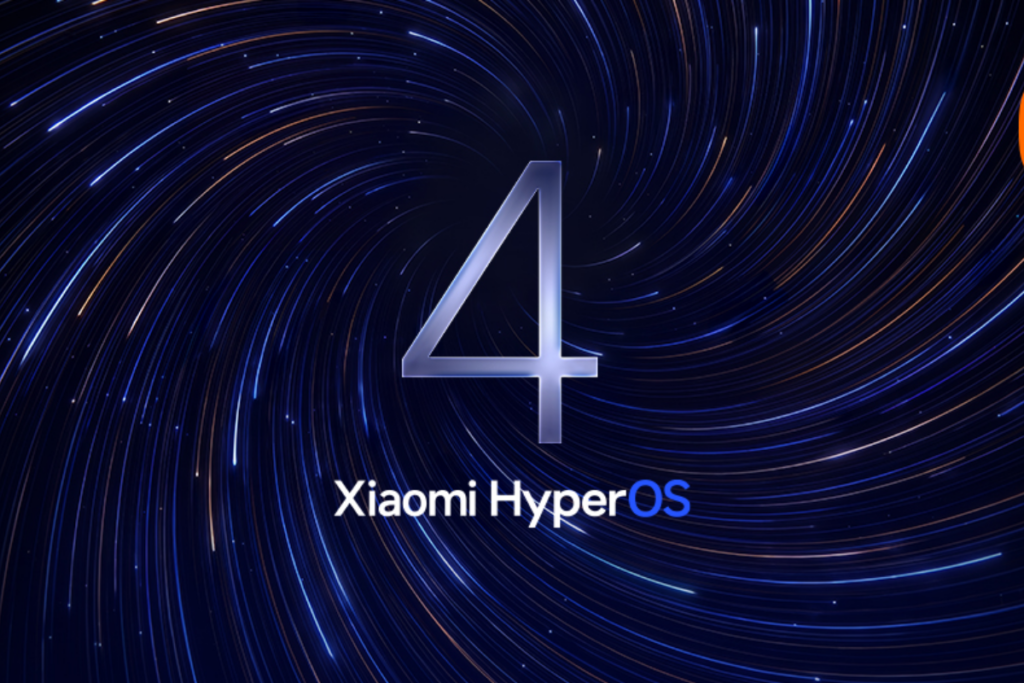
HyperOS 4 confirmed to bring miclaw autonomous AI assistant support, launch in July or August

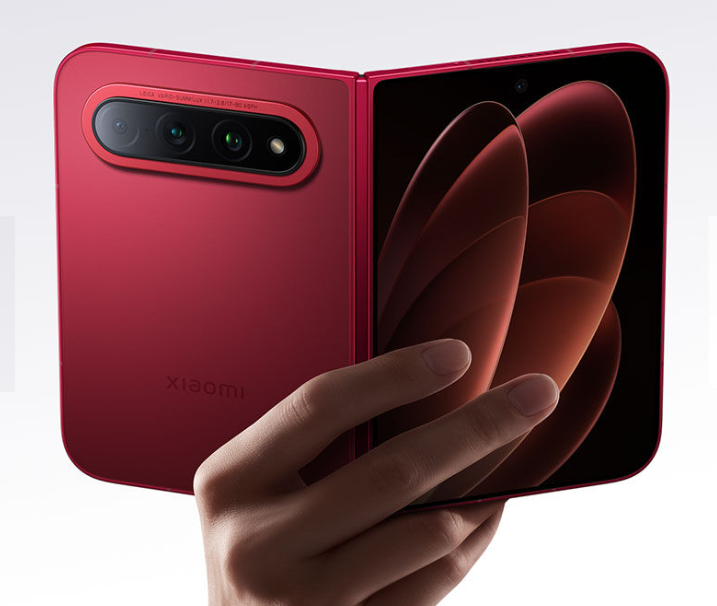
Xiaomi today officially confirmed that a new version of its HyperOS is on the way with a big change under the hood. The announcement came during Xiaomi’s Q1 2026 earnings call, where the company shared strong financial results. 

Xiaomi reported total revenue of 99.1 billion yuan and an adjusted net profit of 6.1 billion yuan. The company also said that it is among the top three smartphone brands globally for 23 straight quarters in terms of shipments.

Xiaomi-HyperOS-4-self-developed-architecture

According to Xiaomi, its smartphone business is also moving further into the premium segment. The global average selling price of its smartphones increased by 8.2% year-on-year to reach a new record high. And in mainland China, high-end smartphones now account for 23.5% of Xiaomi’s total smartphone sales.

AI is a big part of HyperOS 4

During the earnings call, Lu Weibing, President of Xiaomi, said that Xiaomi will continue its high-end and global expansion strategies. He also touts artificial intelligence as a major focus for the company’s future smartphone plans.

Lu says AI is the biggest growth opportunity for the smartphone industry, and Xiaomi is determined to reshape its phone business around it. He also mentions that the merger of “AI” and “miclaw” this year will be an important milestone for the company.

miclaw is Xiaomi’s autonomous AI assistant for smartphones. It can carry out tasks across apps and system features.

More importantly for users, Lu confirms that Xiaomi will release a “new generation” of operating system in either July or August this year. While he did not directly mention the name, it’s safe to assume it’s the HyperOS 4.

According to earlier information, Xiaomi’s next-generation system may replace parts of its current framework with a self-developed native architecture. At the same time, Xiaomi is expected to keep native Android services for now to avoid app compatibility problems.

For more daily updates, please visit our News Section.

Stay ahead in tech! Join our Telegram community and sign up for our daily newsletter of top stories! 💡

(Source)

POCO X8 Pro vs Motorola Edge 70 Pro: Which Phone Should You Actually Buy?

POCO X8 Pro and Motorola Edge 70 Pro take two very different approaches to the premium mid-range market. One focuses heavily on raw performance and ultra-fast charging, while the other pushes a more refined flagship-style experience with stronger cameras and cleaner software. With both phones offering powerful Dimensity chipsets, large batteries, and premium AMOLED displays, this comparison becomes less about specifications alone and more about which experience feels better in daily use. 

Major Features:

FeaturePOCO X8 ProMotorola Edge 70 ProWinner
DesignAluminum frame, Gorilla Glass 7i, IP68/IP69KEco leather back, Gorilla Glass 7i, IP68/IP69, MIL-STD-810HMotorola – More premium and refined finish
Display6.59-inch AMOLED, 120Hz, 3500 nits6.78-inch AMOLED, 144Hz, 5200 nitsMotorola – Brighter and smoother panel
ChipsetDimensity 8500 UltraDimensity 8500 ExtremeTie – Similar flagship-level power
GamingAggressive tuning with HyperOS 3Balanced performance tuningPOCO – Better gaming optimization
Storage TypeUFS 4.1UFS 4.1Tie – Same fast storage
RAM & Storage OptionsUp to 12GB + 512GBUp to 12GB + 512GBTie – Similar variants
Main Camera50MP OIS50MP OISMotorola – Better sensor quality
Ultrawide Camera8MP50MP ultrawideMotorola – Sharper ultrawide shots
Telephoto CameraNo50MP periscope with 3.5x zoomMotorola – Dedicated optical zoom
Selfie Camera20MP50MP AFMotorola – Higher detail selfies
Video Recording4K 60fps rear4K 120fps rearMotorola – Better video features
Battery6500mAh6500mAhTie – Same large capacity
Charging Speed100W wired90W wiredPOCO – Faster charging speeds
Wireless ChargingNo15W wirelessMotorola – Wireless charging support
Reverse Charging27W reverse wiredReverse wireless + wiredMotorola – More versatile charging
SoftwareHyperOS 3 on Android 16Android 16 with cleaner UIMotorola – Cleaner software experience
ConnectivityWi-Fi 6, Bluetooth 6.0, IR blasterWi-Fi 7, Smart ConnectMotorola – More advanced connectivity
AudioStereo speakers with Dolby AtmosStereo speakers with Dolby AtmosTie – Similar speaker quality
DurabilityIP68/IP69KIP68/IP69 + MIL certificationMotorola – Extra rugged certification
PricePriced around ₹35,000Priced around ₹39,000POCO – Better value pricing
Overall ValuePerformance-focused flagship killerPremium balanced flagship experienceDepends – Gaming vs premium priorities
Disclaimer: Specs are based on available data. Actual performance may vary. Verify details from official sources before buying.

1. Design and Display

Build and Feel

The POCO X8 Pro focuses on a more performance-oriented flagship style with an aluminum frame, Gorilla Glass 7i protection, and IP68/IP69K durability. It feels sturdy and practical, especially for users who prefer a solid in-hand experience. The flat-frame approach also gives it a sharper and more gaming-focused personality.

The Motorola Edge 70 Pro takes a more premium lifestyle approach with its eco-leather finish and curved styling. It looks cleaner and more elegant in daily use, while the MIL-STD-810H certification adds extra confidence for durability. Motorola’s cleaner software experience also complements the refined hardware design well.

Display Quality

POCO offers a 6.59-inch AMOLED display with Dolby Vision, HDR10+, and extremely high PWM dimming support, making it comfortable for long viewing sessions. Colors feel vibrant, especially while gaming or streaming.

Motorola counters with a larger 6.78-inch AMOLED panel featuring a 144Hz refresh rate and an impressive 5200 nits peak brightness. The smoother animations and brighter outdoor visibility give it a more flagship-like display experience overall.

Verdict

The POCO X8 Pro feels more performance-centric and durable, while the Motorola Edge 70 Pro delivers a more polished, premium design with a superior display experience. Users focused on media consumption and visual smoothness may naturally lean toward Motorola.

2. Specifications Including Battery

Performance

Both smartphones are powered by MediaTek’s Dimensity 8500-series chipsets paired with UFS 4.1 storage, so everyday speed remains flagship-grade on both devices. The POCO X8 Pro appears slightly more aggressive in optimization, especially for gaming and sustained workloads. HyperOS 3 also adds several performance-focused tweaks that make the phone feel very fast under pressure.

The Motorola Edge 70 Pro focuses more on balanced performance and smooth software refinement. Android 16 with guaranteed major upgrades makes it attractive for long-term users who prioritize consistency over aggressive tuning. Motorola’s cleaner interface often feels lighter and less cluttered during regular use.

Battery and Charging

Both devices pack large 6500mAh silicon-carbon batteries, which is excellent for heavy users. The POCO X8 Pro clearly wins in charging speed with 100W wired charging that can fully charge the device in under an hour. Reverse wired charging is another useful addition for accessories.

Motorola offers 90W wired charging, but adds wireless and reverse wireless charging support, which brings more flagship convenience.

Verdict

The POCO X8 Pro is the stronger choice for raw gaming performance and ultra-fast charging, while the Motorola Edge 70 Pro feels more balanced and future-ready thanks to cleaner software and wireless charging support.

3. Camera

Main and Secondary Lenses

The POCO X8 Pro keeps things simple with a 50MP main camera and an 8MP ultrawide lens. The primary sensor performs well in daylight with strong contrast and vibrant colors, especially for social-media-ready shots. OIS support also helps improve low-light stability. However, the secondary ultrawide camera feels more functional than flagship-grade.

Motorola takes a significantly more ambitious approach with a triple 50MP camera setup that includes a periscope telephoto lens with 3.5x optical zoom. This instantly gives it more versatility for portraits, zoom shots, and travel photography. Pantone-validated colors also help produce more natural skin tones and balanced images. The ultrawide camera doubles as a stronger macro shooter as well.

Selfie Camera

POCO’s 20MP front camera is reliable for casual selfies and video calls, though it remains fairly standard in this segment.

Motorola’s 50MP autofocus selfie camera delivers sharper detail and better flexibility for creators and vlog-style recording. Support for 4K selfie video also adds extra appeal.

Verdict

The Motorola Edge 70 Pro comfortably wins the camera battle thanks to its versatile triple-camera system, stronger zoom capabilities, and significantly better selfie hardware. The POCO X8 Pro remains good for casual photography but clearly prioritizes performance over camera versatility.

4. Pricing

The POCO X8 Pro is priced around ₹35,000, while the Motorola Edge 70 Pro is priced around ₹39,000. The difference is not massive, but the value proposition changes depending on user priorities.

POCO delivers excellent hardware value with flagship-level charging speeds, strong gaming performance, premium durability, and a vibrant AMOLED panel at a slightly lower price. For users focused mainly on gaming, battery life, and raw speed, the pricing feels extremely competitive.

The Motorola Edge 70 Pro justifies its higher price through a more complete flagship experience. Features like the periscope camera, wireless charging, cleaner Android software, brighter display, and better selfie hardware make the extra cost easier to understand. The overall experience feels more polished and balanced rather than aggressively performance-focused.

Verdict

The POCO X8 Pro offers stronger value for performance-focused buyers, while the Motorola Edge 70 Pro feels worth the premium for users who want a more refined all-around flagship experience with better cameras and premium features.

Disclaimer:
Prices are approximate and may vary based on country, region, launch timing, and applicable taxes. Always check whether the listed price is for a China unit or a global/international variant when purchasing.

5. Conclusion

The POCO X8 Pro stands out with its 100W charging, gaming-focused optimization, durable aluminum-frame construction, and highly competitive pricing. It feels like a smartphone designed specifically for users who prioritize speed, battery endurance, and long gaming sessions without spending flagship-level money.

The Motorola Edge 70 Pro differentiates itself through its cleaner, premium identity. The 144Hz display, wireless charging support, periscope zoom camera, Pantone color tuning, and refined Android experience make it feel more complete as a lifestyle flagship. The camera hardware especially creates a noticeable gap between the two devices in real-world versatility.

Verdict

POCO X8 Pro is the smarter choice for gamers and power users looking for maximum performance value. The Motorola Edge 70 Pro, however, emerges as the better overall smartphone for users who want stronger cameras, cleaner software, and a more premium flagship-style experience.

Disclaimer: This comparison is based on the specifications provided and is intended for general informational purposes. Actual performance, camera results, battery life, and overall experience may vary depending on real-world usage, software updates, and individual preferences.

Read More:

Dimensity 9500 vs Exynos 2600: Spec sheet, benchmark score, and more

Dimensity 9500 vs Exynos 2600

MediaTek has completely transformed its Dimensity lineup, and the new Dimensity 9500 proves it. The latest Dimensity flagship goes toe-to-toe with the absolute best from Qualcomm and Apple. On the flip side, while Samsung’s Exynos line has historically struggled, the Exynos 2600 feels like a massive leap forward rather than just another boring annual refresh.

The Exynos 2600 is the company’s first smartphone processor to feature an “all-big” CPU design, allowing the chip to unlock higher performance. It’s also the world’s first smartphone chipset fabricated using a 2nm process, further adding to performance and efficiency. Historically, MediaTek chips have outperformed Exynos chips, but this time, the battle looks more intense.

Let’s compare them to see whether the advanced node and all-big CPU design can help the Exynos 2600 beat MediaTek’s rival, the Dimensity 9500.

Here’s the spec sheet to begin with:

Dimensity 9500Exynos 2600
AnnouncedSeptember 2025December 2025
Process node3nm (TSMC)2nm (Samsung)
CPU cores8-core10-core
CPU configuration1 x 4.21 GHz (C1-Ultra)
3 x 3.5 GHz (C1-Premium)
4 x 2.7 GHz (C1-Pro)
1 x 3.8 GHz (C1-Ultra)
3 x 3.25 GHz (C1-Pro)
6 x 2.75 GHz (C1-Pro)
GPUImmortalis Mali-G1 Ultra MP12
ray tracing support
MediaTek HyperEngine Gaming Technology
Exynos Xclipse 960 GPU
ray tracing support
Exynos Neural Super Sampling
Heat Path Block (HPB)
NPUMediaTek NPU 990AI engine with 32K MAC NPU
MemoryLPDDR5X, up to 5.3 GHzLPDDR5X
StorageUFS 4.1UFS 4.1
CameraMediaTek Imagiq 1190 ISP
up to 320MP single camera
up to 8K video recording
real-time semantic segmentation support
up to 320MP single camera
up to 108MP single camera (30fps)
up to 64MP+32MP dual cameras (30fps)
up to 8K video recording
real-time semantic segmentation support
Connectivityintegrated 5G modem (3GPP R17)
download speed: up to 7.4 Gbps
Wi-Fi 7 (peak speed: 7.3 Gbps)
Bluetooth 6.0
Exynos 5410 modem
download speed: up to 14.79 Gbps
upload speed: up to 4.9 Gbps
Wi-Fi 7
Bluetooth 6.0

Dimensity 9500 vs Exynos 2600: Benchmark numbers

Note: To obtain the benchmark results, the tests were performed using these devices:
– Vivo X300 Pro (Dimensity 9500)
– Galaxy S26 Plus (Exynos 2600)

Geekbench score

Dimensity 9500 vs Exynos 2600 - Geekbench score

In the Geekbench 6 CPU test, the Dimensity 9500 achieves a 13% higher single-core score. In the multi-core test, however, the Exynos 2600 is ahead, but the gap is just too small to create a major difference.

Dimensity 9500Exynos 2600
Single core3,4523,040
Multi core10,12810,290

AnTuTu score

Dimensity 9500 vs Exynos 2600 - AnTuTu score

The Dimensity 9500 puts up a strong total on AnTuTu, scoring over 3.5 million points, whereas the Exynos 2600 scores 3.2 million points. While it shows the Dimensity chip is stronger, it’s the breakdown of the AnTuTu score that offers more clarity.

The all-big 10-core CPU on the Exynos chip gets about 3.6% higher AnTuTu score than the Dimensity 9500’s 8-core CPU. However, the latter bounces back strongly in the GPU test with a 16% higher score.

Dimensity 9500Exynos 2600
AnTuTu score3,548,4263,210,573
CPU1,028,6941,065,772
GPU1,413,6591,212,568
Memory385,723413,700
UX720,349518,533

3DMark score

Wild Life Extreme Test

Dimensity 9500 vs Exynos 2600 - 3DMark score

The 3DMark benchmark also confirms that the Dimensity 9500 has a more powerful GPU. There isn’t a big difference in the best loop score, but the Dimensity chip has a much better lowest loop score. This means higher gaming stability on the Dimensity 9500-powered smartphone.

Dimensity 9500Exynos 2600
Best loop score7,1637,061
Lowest loop score4,0923,280
Stability57%46.4%

In all benchmark tests we’ve run so far, the Dimensity 9500 is more powerful than the Exynos 2600. But there’s more than just the performance. It’s also important to understand the differences in camera capabilities, connectivity, and other key aspects.

Dimensity 9500 vs Exynos 2600: Key differences that matter

Performance

CPU

The Dimensity 9500 utilizes TSMC’s cutting-edge 3nm node, whereas the Exynos 2600 is manufactured using Samsung’s 2nm process. Besides, their CPU configurations also differ. The Dimensity chip has an 8-core layout, featuring one C1-Ultra, three C1-Premium, and four C1-Pro cores.

In contrast, the Exynos 2600 has two additional CPU cores but skips the C1-Premium cores. The 10-core setup includes one C1-Ultra, three C1-Pro, and six C1-Pro cores.

Even with fewer CPU cores, the Dimensity 9500 outperforms the Exynos 2600 in some benchmark tests. That’s because of higher clock speeds and the performance-friendly C1-Premium cores.

GPU

The Dimensity 9500 features a 12-core Mali-G1 Ultra graphics unit, offering superior performance and stability compared to the Xclipse 960 GPU on the Exynos 2600. But when it comes to ray tracing performance, the Exynos chip shines.

The Dimensity chip is widely praised for cooler thermals. On the other hand, Exynos chips have faced major overheating issues, but the latest Exynos 2600 dramatically improves this by introducing the Heat Path Block (HPB). It’s a hardware component located directly over the hottest areas of the main processing unit.

Furthermore, the Dimensity 9500 offers a full suite of MediaTek HyperEngine Gaming Technology, improving latency, frame rates, and power consumption. The Exynos chip benefits from Samsung’s partnership with AMD, which focuses on optimizing game engines like Unity and Unreal for this architecture.

NPU

The Dimensity 9500 comes with an upgraded MediaTek NPU 990 with agentic AI capabilities. MediaTek says it’s twice as powerful as the previous generation, with 56% better power efficiency, and is designed to handle complex, multi-step tasks in the background. The new NPU can generate 4K images from text.

The Exynos 2600 also brings major NPU upgrades compared to the Exynos 2500, including 113% faster generative AI performance and significantly reduced power consumption and latency. The NPU also helps with resolution upscaling and frame generation.

Camera

Both chipsets boast high-end camera features, but there are several key things to note. The Dimensity 9500 integrates an NPU-assisted 30fps focus-tracking engine, ensuring a clear shot in every frame. It also has a powerful denoise technology for 200MP photo captures.

The Exynos 2600 focuses on real-time element recognition and severe low-light optimization, backed by its on-device AI enhancements. It integrates an AI-based Visual Perception System (VPS) that allows the ISP to recognize detailed elements within images and videos in real time.

The Exynos chip also features Deep Learning Video Noise Reduction (DVNR) to enhance clarity in low-light conditions and supports the Advanced Professional Video (APV) codec.

Connectivity

The Dimensity 9500 has an integrated 5G modem, whereas the Exynos 2600 relies on a separate, external component for connectivity. Both chips offer robust, modern connectivity features, but there’s a big difference in the download speed.

On a 5G connection, the Dimensity chip can reach up to 7.4Gbps of download speed, while the Exynos chip can reach 2X of that, up to 14.79Gbps. The Dimensity chip excels in peak Wi-Fi 7 speeds, offering up to 7.3Gbps (versus 4.9Gbps on the Exynos 2600).

OnePlus Nord CE 6 Lite vs Poco M8: Which Budget Phone Wins in 2026?

OnePlus Nord CE 6 Lite and Poco M8 target buyers looking for strong everyday performance without entering flagship pricing territory, but they take very different approaches to get there. One focuses heavily on battery life and raw endurance, while the other pushes premium display quality and overall value. From gaming and cameras to charging and software experience, this comparison highlights which phone actually delivers the smarter package for different kinds of users. 

Major Features:

FeatureOnePlus Nord CE 6 LitePoco M8Winner
Display6.72-inch IPS LCD, 144Hz6.77-inch AMOLED, 120Hz, HDR, 3200 nitsPoco – AMOLED panel delivers richer colors and deeper contrast
Brightness1000 nits HBM3200 nits peakPoco – Much brighter outdoors and for HDR content
ChipsetMediaTek Dimensity 7400 ApexSnapdragon 6 Gen 3OnePlus – Slightly stronger overall performance
Storage TypeUFS 3.1UFS 2.2OnePlus – Faster app loading and multitasking
RAM & Storage OptionsUp to 256GB + 8GB RAMUp to 512GB + 8GB RAMPoco – Higher storage option available
SoftwareAndroid 16Android 15, 4 Android upgradesPoco – Better long-term software support
Rear Camera50MP dual camera50MP dual cameraTie – Similar primary camera hardware
Video Recording4K, 1080p@120fps, gyro-EIS4K, 1080p@60fpsOnePlus – Better stabilization and high-frame-rate recording
Selfie Camera8MP20MPPoco – Sharper selfies and better video calls
SpeakersStereo speakersStereo speakers with Dolby AtmosPoco – Better multimedia tuning
Battery7000mAh5520mAhOnePlus – Exceptional battery endurance
Charging45W wired, bypass charging45W wiredOnePlus – Bypass charging adds gaming convenience
Reverse Charging10W reverse wired18W reverse wiredPoco – Faster reverse charging
DurabilityIP64, MIL-STD ratedIP66, drop resistancePoco – Stronger water and drop protection
ConnectivityBluetooth 5.4NFC, Infrared portPoco – More extra features overall
PricePriced around ₹23,000Priced around ₹17,000Poco – Much stronger value for money
OverallBattery-focused performance phoneBalanced all-rounder with premium displayPoco – Better overall package for most buyers
Disclaimer: Specs are based on available data. Actual performance may vary. Verify details from official sources before buying.

1. Design and Display

Build and Feel

The OnePlus Nord CE 6 Lite focuses on practicality with its clean design, IP64 protection, and MIL-STD durability certification. It feels like a phone designed for long-term everyday use rather than pure visual flair. The large battery also gives it a slightly sturdier in-hand feel, which may appeal to users who prioritize endurance over slimness. Meanwhile, the Poco M8 takes a more modern approach with IP66 protection, drop resistance, and a sleeker body. The AMOLED panel immediately makes the device feel more premium, especially in darker themes and media-heavy usage. Poco’s slimmer and lighter profile also makes it easier to handle during long gaming or streaming sessions.

Display Quality

The Nord CE 6 Lite offers a 6.72-inch IPS LCD with a smooth 144Hz refresh rate. Scrolling and gaming feel fluid, and the panel is bright enough for outdoor visibility. However, the Poco M8 gains a noticeable advantage with its 6.77-inch AMOLED display, HDR support, and extremely high peak brightness. Colors appear richer, blacks look deeper, and content simply feels more vibrant. The 3840Hz PWM dimming also makes prolonged nighttime use more comfortable.

Verdict

The Poco M8 delivers a more premium multimedia experience thanks to its AMOLED panel and stronger durability ratings. The Nord CE 6 Lite still stands out for users who prefer ultra-smooth refresh rates and a rugged everyday design.

2. Specifications Including Battery

Performance

The OnePlus Nord CE 6 Lite runs on the MediaTek Dimensity 7400 Apex chipset paired with UFS 3.1 storage, which gives it a clear speed advantage in app loading, multitasking, and gaming responsiveness. The combination of Cortex-A78 cores and faster storage helps the phone feel snappier during heavy usage. It also ships with Android 16, giving it a slightly newer software foundation. The Poco M8 uses the Snapdragon 6 Gen 3 with UFS 2.2 storage. While overall performance remains solid for daily tasks and casual gaming, it leans more toward efficiency than outright speed. HyperOS 2 feels polished, and the promise of four major Android updates adds strong long-term value.

Battery and Charging

Battery life is where the Nord CE 6 Lite creates real separation. The massive 7000mAh battery is built for heavy users and can comfortably stretch well beyond a full day. Bypass charging is also a useful addition for gamers. The Poco M8’s 5520mAh silicon-carbon battery still performs impressively while keeping the phone slimmer and lighter. Both phones support 45W charging, but the larger OnePlus battery naturally takes longer to fully recharge.

Verdict

The Nord CE 6 Lite feels stronger for power users thanks to faster storage and exceptional battery capacity. The Poco M8 balances performance, efficiency, and software support better for mainstream users.

3. Camera

Main and Secondary Lenses

Both smartphones feature a 50MP primary rear camera with PDAF, and in daylight conditions, image quality remains fairly competitive between them. The Nord CE 6 Lite produces balanced colors with reliable sharpness, and its video setup is notably stronger with support for 4K recording plus 1080p at up to 120fps alongside gyro-EIS stabilization. This makes it more appealing for content creators and casual videographers. The Poco M8 focuses more on delivering vibrant images with punchier contrast, which many users may find visually pleasing for social media uploads. Dolby Atmos stereo speakers also improve the overall media capture experience.

Selfie Camera

The biggest difference appears on the front. The Poco M8 carries a 20MP selfie camera that captures noticeably sharper details and brighter skin tones compared to the Nord CE 6 Lite’s 8MP sensor. Video quality on the Poco also feels more polished for video calls and short-form content. The Nord’s selfie camera is functional, but it does not stand out in this segment.

Verdict

The Nord CE 6 Lite performs better for video recording and stabilization, while the Poco M8 delivers a more complete overall camera package because of its stronger selfie performance and punchier image processing.

4. Pricing

OnePlus Nord CE 6 Lite is priced around $275 / ₹23,000, while the Poco M8 is priced around $200 / ₹17,000. This creates a noticeable pricing gap between the two devices despite several overlapping features.

Is the Price Justified?

The Nord CE 6 Lite makes sense for buyers who specifically want battery life and faster overall responsiveness. However, the Poco M8 feels surprisingly complete for its segment and covers most daily needs without major compromises. The lower pricing makes its premium display and feature set even more attractive.

Verdict

The Poco M8 offers stronger value for money overall, while the Nord CE 6 Lite justifies its higher price mainly through battery endurance and faster storage performance.

Disclaimer:
Prices are approximate and may vary based on country, region, launch timing, and applicable taxes. Always check whether the listed price is for a China unit or a global/international variant when purchasing.

5. Conclusion

The OnePlus Nord CE 6 Lite stands out because of its massive 7000mAh battery, UFS 3.1 storage, 144Hz display, and bypass charging support. These features make it particularly attractive for gamers, heavy multitaskers, and users who hate charging frequently. The software also feels slightly more future-ready with Android 16 out of the box. Meanwhile, the Poco M8 focuses on delivering a more balanced all-around experience. Its AMOLED panel, slimmer design, better selfie camera, Dolby Atmos speakers, IP66 protection, and longer software support make it feel more premium than its pricing suggests. The device manages to combine entertainment, durability, and efficiency in a very practical way.

Verdict

OnePlus Nord CE 6 Lite is the better choice for users who prioritize battery life, gaming endurance, and faster system responsiveness. However, the Poco M8 emerges as the smarter overall buy for most users because it delivers a richer display experience, a stronger selfie camera, and better value at a significantly lower price.

Disclaimer: This comparison is based on the specifications provided and is intended for general informational purposes. Actual performance, camera results, battery life, and overall experience may vary depending on real-world usage, software updates, and individual preferences.

Read More:

Motorola breaks into top 5 smartphone brands

Motorola has continued its growth in the Indian smartphone market and has now entered the country’s top five smartphone brands in Q1 2026. The company’s latest market performance reflects its steady expansion across both premium and mid-range segments, supported by a broader device portfolio, AI-focused features and lifestyle-oriented branding strategies.

Motorola’s market share and premium strategy

Motorola breaks into top 5 smartphone brands in India

According to IDC’s Quarterly Mobile Phone Tracker for Q1 2026, Motorola climbed from the ninth position in Q1 2024 to fifth place in just two years. During the same period, the brand’s market share reportedly increased from 4.6 percent to 8.9 percent. Motorola’s portfolio expansion across the Moto G series, Motorola Edge lineup, Razr foldables and the recently introduced Signature series has played a major role in this growth.

As per the brand, it has also been strengthening its premium positioning through collaborations and design-focused partnerships. Motorola smartphones have featured Pantone-curated colours and finishes, while the company has also highlighted DXOMARK-recognised camera systems on some of its devices. Partnerships involving Swarovski, Bose, and FIFA World Cup 2026 have further helped the brand build a more lifestyle-focused image in the market.

Motorola has additionally focused on AI-powered smartphone experiences through integrations with Google Gemini, Microsoft Copilot and Perplexity. These partnerships are aimed at offering more personalised productivity and AI assistant features across compatible devices. The company’s premium foldable segment has also expanded with newer Razr series models focused on AI features and advanced camera capabilities.

Apart from launching new products, Motorola’s retail and after-sales network expansion has also contributed to its market growth in India. The brand has continued strengthening partnerships across online platforms, offline retail stores and service centres to improve accessibility and ownership experience for customers across regions.

With its recent growth in the premium smartphone space and increasing AI focus, Motorola appears to be positioning itself more aggressively against established brands in India.

For more daily updates, please visit our News Section.

Stay ahead in tech! Join our Telegram community and sign up for our daily newsletter of top stories! 💡

Affordable Xiaomi Cordless Vacuum Cleaner 4 Pro launches with self-collecting dust system

Just days after unveiling the high-end Mijia Cordless Vacuum Cleaner 4 Max, Xiaomi is back with another cleaning gadget. This time, the company has introduced the new Mijia Cordless Vacuum Cleaner 4 Pro in China. It offers many of the same smart cleaning features at a more accessible price point.

Xiaomi Mijia Vaccum Cleaner 4 Pro Specs Launch Price

The new vacuum cleaner retails for 1,499 yuan (around $220), though buyers in China will be able to get it for as low as 1,219 yuan after national subsidies and trade-in discounts. Sales officially begin on June 10.

Xiaomi Mijia Cordless Vacuum Cleaner 4 Pro Specifications

Like the recently announced Vacuum Cleaner 4 Max, the new 4 Pro is about reducing manual maintenance. It uses Xiaomi’s dual-duct self-collecting dust system, which automatically transfers dust and debris from the vacuum into a 3-liter antibacterial dust bag inside the charging base. According to Xiaomi, the system can achieve a 99% dust collection rate and empty the dust cup in just 11 seconds.

The dust bag itself includes a silver-ion antibacterial coating, and Xiaomi claims users can go up to 100 days without needing to empty or replace it under typical use.

Xiaomi Mijia Vacuum Cleaner 4 Pro Design

The Mijia Cordless Vacuum Cleaner 4 Pro is equipped with a 120,000 RPM high-speed brushless motor capable of delivering up to 230AW suction power and a maximum vacuum level of 25,000Pa. Xiaomi says that should be enough to handle common household debris like dust, pet hair, cat litter, and larger particles.

Like many of Xiaomi’s recent smart home products, the vacuum also comes with Xiaomi Smart Connect support, allowing remote device control and smart home integration through the company’s ecosystem.

One of the more interesting additions is the 180-degree wide-angle blue light dust detection system. Similar to the feature on the more expensive 4 Max, it helps illuminate fine dust particles hiding under beds, sofas, and other darker areas that are normally difficult to spot.

Xiaomi Mijia Vaccum Cleaner 4 Pro Suction

Xiaomi has also included a dual anti-tangling brush design to reduce hair wrapping around the rollers. The company claims the vacuum can handle up to 300 long hairs without major tangling issues. There is also a right-edge cleaning design meant to improve cleaning along walls and baseboards.

The vacuum packs a removable 2,600mAh battery setup with up to 90 minutes of runtime. And once cleaning is done, users can simply push the vacuum back into the base station, where it automatically starts charging.

The vacuum cleaner also features a five-layer precision filtration system with a claimed 99.99% filtration efficiency for particles as small as 0.3 microns.

For more daily updates, please visit our News Section.

Stay ahead in tech! Join our Telegram community and sign up for our daily newsletter of top stories! 💡

(Source)
Redmi 17 5G specifications, launch date tipped

Xiaomi and its sub-brand Redmi are planning to launch new phones in India in June. While the Xiaomi 17T is confirmed to debut on June 1, the launch date of the Redmi Turbo 5 is yet to be officially confirmed. According to a report by SmartPrix, the Redmi Turbo 5 could launch in the country on June 18. The report also claims that Redmi may announce another device called the Redmi 17 alongside the Turbo 5. Here’s a look at the leaked specifications of the device.

Redmi 17 specs leaked

Redmi 15 5G
Redmi 15 5G

As per the report, the Redmi 17 will feature an LCD panel with support for a high refresh rate. It remains to be seen whether the device will use the same 6.9-inch FHD+ LCD screen with a 144Hz refresh rate that was seen on the Redmi 15.

Under the hood, the Redmi 17 is said to feature a Snapdragon 4-series chipset. While the report does not reveal the exact processor name, there is a possibility that it could use the latest Snapdragon 4 Gen 5 chipset, which debuted last month.

Like recent Redmi smartphones, the Redmi 17 is expected to ship with HyperOS based on Android 16. For photography, the device may feature a 50-megapixel primary camera and an 8-megapixel front-facing camera.

The Redmi 17 is also tipped to house a massive 7,000mAh+ battery, although details regarding its fast charging support are still unknown.

The specifications of the Redmi Turbo 5 are already known, as the device launched earlier this year in China. It is also expected to arrive as a rebranded version of the Poco X8 Pro. The device is likely to feature a 6.58-inch 1.5K 120Hz display, a Dimensity 8500-Ultra chipset, a 7,560mAh battery with 100W charging support, a 50-megapixel + 8-megapixel dual rear camera setup, and a 20-megapixel front camera.

For more daily updates, please visit our News Section.

Stay ahead in tech! Join our Telegram community and sign up for our daily newsletter of top stories! 💡

(source)

Infinix Hot 70 launches with temperature-sensitive back design

Infinix has launched its latest budget phone, the Hot 70, and the headline feature is not its processor or camera—it’s the back panel that changes color with temperature. 

The company is using what it calls a Thermo Orange finish, which shifts its look depending on heat levels. At lower temperatures, the rear surface appears as a darker “Quiet Orange.” As the device warms up, it transitions into a brighter “Playful Orange.” 

Infinix Hot 70 Launch Specs Price

Alongside this main variant, the Hot 70 also comes in more traditional finishes: Green Texture, Quiet Violet, Dive Blue, Silver Dancer, and Night Pulse black. The design itself is fairly slim at 7.49mm, though the phone is not especially light at 195g, likely due to its large battery.

Infinix Hot 70 Specifications

The Hot 70 packs a 6000mAh cell with 45W wired charging support. It also includes 10W reverse charging, meaning it can act like a power bank for accessories such as earbuds or other small devices. 

Under the hood, the device runs on the MediaTek Helio G100 Ultimate chipset, the same platform used in some of last year’s midrange Infinix devices. It’s paired with storage options ranging from 6GB+128GB up to 8GB+256GB, giving users some flexibility depending on price.

Infinix Hot 70 Specs

The display is a 6.78-inch IPS LCD with a resolution of 720 × 1576 and a 120Hz refresh rate. On paper, that means smooth scrolling, but not especially sharp visuals compared to higher-resolution panels. Camera hardware is also modest: a 50MP main rear sensor with an f/1.9 aperture, joined by a secondary depth sensor. On the front, there is an 8MP selfie camera.

Software is handled by Android 16, layered with Infinix XOS 16. The phone also has a dedicated hardware button on the side of the phone, which you can customize as a shortcut to apps or specific functions.

For more daily updates, please visit our News Section.

Stay ahead in tech! Join our Telegram community and sign up for our daily newsletter of top stories! 💡

Oppo Find X10 tipped to be a major upgrade over the Find X9 thanks to these leaked specs

Reports have revealed among the upcoming Oppo Find X10 series phones, the standard model will be equipped with a 6.59-inch display. Today, reliable tipster Digital Chat Station released the following Weibo post to spill some more details of this phone. Here’s a look at what to expect from the X10.

Oppo Find X10 key specs tipped

According to the leak, the Oppo Find X10 is currently being tested with a 3nm Dimensity chipset and could feature several major hardware upgrades compared to its predecessor. As far as the chip is concerned, previous reports have claimed that it will be an overclocked version of the Dimensity 9500 and is likely to be dubbed as Dimensity 9500 Plus.

The tipster claims the Find X10 may feature a 6.59-inch 1.5K LTPO display, which may possibly support a 165Hz refresh rate. The new leak also corroborates previous reports that it will house an 8,000mAh battery.

For photography, Oppo is reportedly evaluating a new 200-megapixel Samsung HPC primary camera with a large 1/1.3-inch sensor, while another prototype is said to use a slightly smaller 1/1.4-inch sensor.

The telephoto setup is also under testing, with Oppo reportedly considering either a 64-megapixel periscope camera with a 1/2-inch sensor or a 200-megapixel periscope solution with a 1/1.56-inch sensor. Other expected features include an ultrasonic fingerprint scanner, high-level water resistance and a customisable AI button.

The Find X10 series is expected to include a compact 6.32-inch display model and the Find X9 Pro. As far as the Find X9 Pro Max is concerned, a recent report revealed that it could be delayed or cancelled. The Find X10 Ultra, equipped with the Snapdragon 8 Elite Gen 6 series chip is expected to launch in the first half of 2027.

For more daily updates, please visit our News Section.

Stay ahead in tech! Join our Telegram community and sign up for our daily newsletter of top stories! 💡

Honor 600e launches with Dimensity 7100, 6500nits display

The Honor 600 series is starting to fill out beyond the already announced Honor 600 and 600 Pro. Now, the company has quietly launched the Honor 600e in Peru as a more affordable option. 

The 600e keeps a similar design language and many of the same display features, but swaps in more modest hardware to lower the price.

Honor 600e launch specs price

Honor 600e Specifications 

The Honor 600e comes with a 6.6-inch AMOLED display with a 120Hz refresh rate and a 1200 x 2600 resolution. Honor says the panel can hit up to 6,500 nits peak brightness, with 2,000 nits available in high-brightness mode outdoors. Like the rest of the series, the display also supports 3840Hz PWM dimming. 

Honor 600 Display

Inside, the phone runs on MediaTek’s Dimensity 7100 chipset, paired with 8GB of RAM and 512GB of storage. At least for now, that appears to be the only memory configuration available.

On the back, the phone uses a dual-camera setup led by a 108MP main sensor with an f/1.75 aperture. The secondary camera is a 5MP ultrawide shooter. The front camera uses a 16MP sensor for selfies and video calls. 

Backing it up is a 6,520mAh battery with support for 45W wired charging. Honor is also including reverse wired charging support, allowing the phone to power smaller accessories when needed.

Honor 600e Design

The device ships with MagicOS 10 based on Android 16 out of the box, matching the software experience offered by the more expensive Honor 600 models. Other features include IP66 dust and water resistance, NFC support, stereo speakers with what Honor calls “300% stereo sound volume,” and an additional hardware button similar to the one found on the standard and Pro variants.

Honor 600e Price and Availability

Honor is offering the phone in Velvet Gray, Desert Gold, and Vital Green color options. The only listed version with 8GB RAM and 512GB storage is priced at PEN 1,999, which converts to roughly €505.

For more daily updates, please visit our News Section.

Stay ahead in tech! Join our Telegram community and sign up for our daily newsletter of top stories! 💡

(Source)
iQOO 16 to pack Snapdragon 8 Elite Gen 6 Pro and 8,500mAh battery

iQOO is reportedly working on two new flagship phones for the Chinese market. The first one is expected to launch next month, while the other will be a next-generation offering likely to debut in October. Here’s a look at the known details of both devices.

iQOO 16’s battery size revealed

The latest leak talks about a new iQOO flagship phone that will feature Qualcomm’s SM8975 processor. It appears the tipster is referring to the iQOO 16, which is rumored to feature the Snapdragon 8 Elite Gen 6 Pro chip.

The tipster claims the engineering prototype does not include a built-in cooling fan, unlike some gaming-focused smartphones. However, the phone could feature a massive battery rated at around 8,500mAh.

It may also feature a 2K flat display with a new customized panel material and an ultra-high refresh rate aimed at improving gaming and multimedia performance. Previous reports have revealed a 6.85-inch Samsung display with a 165Hz refresh rate. Also, the new leak reveals include flagship-grade symmetrical speakers.

For photography, the iQOO 16 may feature a 1/1.3-inch primary camera on the back. It could be accompanied by a 50-megapixel ultra-wide lens and a 50-megapixel periscope telephoto camera. It could also become iQOO’s first device to ship with OriginOS 7 based on Android 17.

iQOO Neo 11S’s June launch tipped

A report from last month revealed that a new Neo series phone is in development. As mentioned above, tipster Digital Chat Station claims that this device will debut in June. While the official moniker is still unknown, it is likely to launch as the iQOO Neo 11S or Neo 11 Pro.

In all likelihood, it could be an incremental upgrade over the Snapdragon 8 Elite-powered iQOO Neo 11, which debuted in China in October 2025. Readers are advised to wait for further reports to learn more about the device.

For more daily updates, please visit our News Section.

Stay ahead in tech! Join our Telegram community and sign up for our daily newsletter of top stories! 💡

Vivo X500 Pro series phone’s cameras leaked in detail, skips 200MP camera

Reports have revealed that the upcoming Vivo X500 series will comprise of three devices equipped with different display sizes. The exact monikers of these devices are not known, but they are likely to be dubbed Vivo X500, X500 Pro (or Pro Mini), and Vivo X500 Pro Max. Today, tipster Digital Chat Station published a Weibo post revealing the chipset and camera details of the Vivo X500 Pro.

Vivo X500 Pro: Chipset and camera details tipped

According to the leak, the device is currently being tested with MediaTek’s next-generation 2nm Dimensity 9600 series chipset and could become one of only two “Pro” compact flagship phones expected later this year.

The tipster also revealed early camera specifications of the engineering prototype. The Vivo X500 Pro is said to feature a 50-megapixel primary camera with a large 1/1.28-inch sensor and LOFIC technology, alongside a 50-megapixel ultra-wide camera. The setup may also include a 64-megapixel periscope telephoto camera with around 3x optical zoom.

While some may assume that the 64-megapixel unit could be the OmniVision OV64B sensor, which has appeared on several smartphones over the past few years, tipster Digital Chat Station has reportedly clarified that the Vivo X500 Pro’s periscope telephoto camera will instead use Sony’s new IMX06H sensor. This also suggests that a 200-megapixel camera may remain exclusive to the Vivo X500 Pro Max in the lineup, where it is expected to serve as the periscope telephoto camera.

Vivo X300

As per other reports, the Vivo X500 Pro will have a 6.37-inch flat OLED LTPO panel with support for a 1.5K resolution. It is also expected to pack a 7,000mAh+ battery. Being a next-generation flagship, the device is expected to come preloaded with OriginOS 7-based Android 17.

As far as launch is concerned, the X500 series is expected to break cover in September in China. Globally, it is expected to debut in November or December this year.

For more daily updates, please visit our News Section.

Stay ahead in tech! Join our Telegram community and sign up for our daily newsletter of top stories! 💡

Oppo relaunches Pad Air 5 at a higher price

Oppo has relaunched the Oppo Pad Air 5 in China in a new Starry White shade. It comes months after the debut of the standard Pad Air 5 and, aside from the new color, retains most of the same hardware as the original model.

However, the refreshed finish now comes with noticeably higher pricing across configurations.

Oppo Pad Air 5 Specs Price Launch

The tablet starts at 2,099 yuan (~$309) for the 8GB + 128GB version, while the top-end 12GB + 256GB Soft Light model costs 2,999 yuan (~$442). That makes the new edition more expensive than the regular Pad Air 5, which launched at 1,899 yuan (~$280) for the same entry-level storage option.

Oppo Pad Air 5 Specifications 

Like the standard version, the Starry White Edition features a 12.1-inch LCD display with a 2.8K resolution and a 120Hz refresh rate. Oppo says the panel has German TÜV Rheinland anti-reflection certification to make the screen easier to read outdoors under bright light.

Under the hood, the tablet uses MediaTek’s Dimensity 7300-Ultra chipset, paired with LPDDR5X RAM and UFS 3.1 storage. It is powered by a large 10,050mAh battery, and it supports 33W fast charging. 

Oppo Pad Air 5 Display

The Pad Air 5 also has AI features like one-click PPT generation, note summarization, and cross-app content collection. The tablet can also optimize handwriting in real time during note-taking, reducing the need to adjust pen settings manually.

The SIM-enabled variant continues to support standalone 5G connectivity. Oppo is also highlighting ecosystem features that allow the tablet to automatically share a nearby Oppo phone’s 5G connection without needing to manually enable hotspot mode.

Design-wise, the Pad Air 5 remains relatively slim at 6.83mm thick and weighs just under 600 grams depending on the version. Other features include Wi-Fi 6, Bluetooth support, an 8-megapixel front and rear camera setup, keyboard and stylus compatibility, and ColorOS 16 out of the box.

The new Starry White Edition will go on sale in China on May 29th through Oppo’s official channels. 

For more daily updates, please visit our News Section.

Stay ahead in tech! Join our Telegram community and sign up for our daily newsletter of top stories! 💡

Redmi K90 Ultra is launching soon as it bags 3C certification

A new Xiaomi smartphone has reportedly appeared on China’s 3C certification platform. Rumor surrounding this device suggests that it could be a new addition to the K90 family, which already includes the Redmi K90, K90 Pro Max, and Redmi K90 Max. As usual, the 3C listing has only revealed the fast-charging capabilities of the device

Redmi K90 Ultra 3C certified

According to the certification listing, the alleged Redmi K90 Ultra carries the model number M332BF and supports 100W wired fast charging. Tipster Digital Chat Station claims it could arrive as a mid-range performance-focused smartphone.

Another leak from tipster Xiaomu Technology has revealed a wider set of expected specifications. The smartphone is tipped to feature a 1.5K flat OLED panel with high refresh rate support and a Snapdragon 8 Elite chipset.

The leak also mentions dual stereo speakers, an ultrasonic fingerprint scanner and IP68/IP69 ratings for dust and water resistance. One of the more interesting additions could be a built-in physical cooling fan, something usually seen on gaming-oriented smartphones.

The device is tipped to pack an 8,500mAh battery alongside 100W charging support, which could appeal to heavy gamers and power users looking for extended screen time. The device will lack support for wireless charging.

In terms of product positioning, Redmi may position the K90 Ultra below the Redmi K90 and K90 Max models in the lineup hierarchy. The phone is expected to launch in China around June or July, with a possible starting price of 2,799 Yuan (~$410).

For more daily updates, please visit our News Section.

Stay ahead in tech! Join our Telegram community and sign up for our daily newsletter of top stories! 💡

Vivo’s first over-ear ANC headphones with triple device connectivity is launching this week

Vivo has officially confirmed the launch of its first wireless over-ear noise-cancelling headphones in China. Set to launch alongside the Vivo S60 series of smartphones, the new audio product is set to debut on May 29 and marks the company’s entry into the premium over-ear headphones category after focusing mainly on TWS earbuds over the years.

Vivo reveals lightweight design and ANC features

Vivo over-ear headphones_
Vivo over-ear headphones

According to official teasers, the upcoming Vivo wireless headphones will be available in Cloud White and Breeze Purple color options. The company says the headphones weigh around 238 grams, suggesting a focus on long-duration comfort during travel, office use and entertainment sessions. The teaser images also show a minimal design with large cushioned earcups and a clean finish.

Vivo has confirmed support for active noise cancellation, which is expected to reduce surrounding noise in crowded places such as public transport, cafés and workplaces. While the company has not disclosed the exact ANC level or audio tuning details yet, the feature appears to be one of the main highlights of the product. Details related to drivers, audio codecs and battery backup are still under wraps.

One of the more notable features announced so far is support for seamless cross-ecosystem triple-device connectivity. This means users will be able to switch between smartphones, tablets and computers without repeatedly pairing the headphones each time. The feature could especially benefit users who work across multiple devices during the day.

The headphones have already appeared on Chinese e-commerce platforms ahead of launch, with reservations now live. With this product, Vivo seems to be expanding its audio lineup beyond true wireless earbuds and entering a segment currently dominated by brands offering premium over-ear listening experiences.

For more daily updates, please visit our News Section.

Stay ahead in tech! Join our Telegram community and sign up for our daily newsletter of top stories! 💡

Garmin Enduro 3 vs Garmin Fenix 8: Which Has Better Battery Life?

If you are used to charging your smartwatch every night, looking at Garmin’s spec sheets can be a bit of an adjustment. Instead of measuring battery life in hours, Garmin’s premium outdoor watches measure it in weeks and months.

While they have been on the market for a bit, the Garmin Enduro 3 and Fenix 8 remain two of the most capable options in Garmin’s high-end lineup. Both watches offer excellent battery life, but they take very different approaches to how they manage power and what features they prioritize. If you are trying to decide which one makes sense for your routine, here is a straightforward breakdown of how their batteries actually compare.

Garmin Enduro 3

Garmin Fenix 8

The Fenix 8 is Garmin’s flagship, designed to do a little bit of everything. It includes new hardware like a built-in speaker and microphone for taking calls, a dive-rated casing for scuba diving, and a built-in LED flashlight. Because it has so many features, the battery life depends heavily on which version you choose.

To make a fair comparison with the Enduro 3, we have to look at the largest Fenix 8 model, the 51mm. If you choose the vibrant AMOLED display version, you can expect up to 29 days in smartwatch mode, which drops to about 13 days if you leave the screen on all the time. For GPS tracking during workouts, it lasts up to 84 hours.

If you want to maximize the Fenix 8’s battery, you can opt for the 51mm Solar edition. This version swaps the AMOLED screen for a more power-efficient Memory-in-Pixel (MIP) display and adds a solar charging lens. With this setup, smartwatch battery life reaches up to 30 days, or 48 days if you spend a few hours outside in the sun each day. In GPS mode, it provides 95 hours of tracking, stretching to 149 hours with solar assistance. For most users, this is more than enough capacity for regular training, long hikes, and daily wear.

Garmin Enduro 3

The Enduro 3, on the other hand, is built with a very specific goal: to last as long as possible between charges. To achieve this, Garmin made some practical trade-offs. The Enduro 3 skips the built-in microphone, speaker, and dive-proof hardware found on the Fenix 8. It also uses a lightweight titanium bezel and a nylon band, bringing its weight down to just 63 grams (compared to the 51mm Fenix 8 Solar’s 95 grams).

By streamlining the hardware and focusing entirely on efficiency, the Enduro 3 delivers notable numbers. In standard smartwatch mode, it lasts up to 36 days. If you are outdoors enough to take advantage of the solar charging, that number extends to a very impressive 90 days.

When it comes to continuous GPS tracking, which is the most important metric for ultrarunners and thru-hikers, the Enduro 3 provides 120 hours of battery life. With solar assistance, that figure climbs to 320 hours.

Which one fits your needs?

If we are looking strictly at which watch has the longer battery life, the Enduro 3 is the clear winner. It offers more than double the maximum solar GPS battery life of the Fenix 8 (320 hours compared to 149 hours) and nearly doubles the solar smartwatch life (90 days compared to 48 days).

However, the right choice depends on how you plan to use the watch. If you want the convenience of voice commands, the ability to answer phone calls from your wrist, and a watch that can handle recreational scuba diving, the Fenix 8 is the more versatile daily device, and its battery life is still excellent.

But if your main priority is minimizing how often you need to plug your watch in, or if you regularly participate in multi-day outdoor events where charging simply isn’t an option, the Enduro 3 is the more practical tool for the job.

For more daily updates, please visit our News Section.

Stay ahead in tech! Join our Telegram community and sign up for our daily newsletter of top stories! 💡

Xiaomi launches new 13kg washer dryer with electrolytic cleaning and HyperOS controls

Xiaomi has released a new washer-dryer combo in China, and it comes with a very long name: the Mijia Washing Machine Pro Extreme Edition Super Electrolytic Smart Dosing Washer Dryer 13kg. It is currently available for pre-order on Xiaomi Youpin for 4199 yuan (about $618).

Xiaomi Mijia Washing Machine Pro

Mijia Washing Machine Pro 13kg Specifications

The machine is built for larger households, offering a 13kg washing capacity and a 9kg drying capacity. According to Xiaomi, this is enough room to wash bulky items like heavy curtains, multiple bedding sets, or up to 65 T-shirts in a single load.

Xiaomi Mijia Washing Machine Pro

The primary feature of this model is its electrolysis technology. Instead of relying solely on water temperature and detergent, the machine generates activated oxygen molecules to help break down dirt. Xiaomi says this process is designed to handle difficult stains, such as soy sauce or blood, without leaving chemical residue on the fabric. The company also says that the system can help brighten white clothing and prevent colors from bleeding during mixed loads.

Regarding cleaning performance, the washer has a wash ratio of 1.3, which is higher than the standard baseline rating of 1.03. For hygiene, it uses a combination of high-temperature steam and electrolyzed cold water to reduce bacteria, viruses, and dust mites.

Xiaomi Mijia Washing Machine Pro

For daily use, the washer features an automatic dispensing system. Once the detergent and softener reservoirs are filled, the machine automatically releases the appropriate amount for each cycle based on the load’s weight and soil level. The tanks hold enough liquid for about a month of typical use.

There are 31 wash programs available, including specific settings for wool, down jackets, and pet hair. There is also an air wash mode that uses steam to remove odors and wrinkles without a full water cycle. For faster results, a quick wash setting can complete a standard cycle in 36 minutes.

Xiaomi Mijia Washing Machine Pro

Like most Xiaomi appliances, the washer connects to the Mi Home app via the company’s HyperOS ecosystem. This allows users to start cycles remotely, check how much time is left, or schedule a wash for later in the day. It also supports voice commands through compatible smart speakers and receives software updates over the air.

In related news, Xiaomi has recently introduced a new instant hot water dispenser with a built-in ice maker capable of producing over 40 ice cubes at a time, alongside delivering hot water in just three seconds. The company has also launched a new AI-powered split air conditioner that supports rapid 15-second cooling.

For more daily updates, please visit our News Section.

Stay ahead in tech! Join our Telegram community and sign up for our daily newsletter of top stories! 💡

(Xiaomi Youpin)

Xiaomi launches instant hot water dispenser with a built-in ice maker: 40+ ice cubes at once, hot water in 3 seconds

Xiaomi has listed the Mijia Instant Hot Water Dispenser Max Ice Maker Edition on Xiaomi Youpin with a price tag of 1999 yuan (roughly €250 at the current exchange rate) ahead of its crowdfunding rollout.

At first glance, it looks like a fairly clean desktop appliance, but Xiaomi is packing quite a few features into it. The biggest selling point is obviously the ability to handle both hot water and ice production from a single unit, which makes it a bit more versatile than standard countertop dispensers.

For the ice-making side, Xiaomi says the machine uses continuous water circulation technology to reduce bubbles and produce clearer ice cubes. The company is also using inverter compressor technology similar to what is found in modern refrigerators, allowing the unit to operate across temperatures ranging from 5°C to 38°C.

The built-in ice compartment supports automatic dispensing with a single button press, so users do not need to scoop or manually break apart ice. Xiaomi says the storage area can hold more than 40 ice cubes at once, which should be enough for small gatherings or regular daily use. There is also insulation inside the compartment to slow down melting.

On the hot water side, the dispenser uses a 2050W thick-film heating system that can reportedly provide hot water in around three seconds. Users can choose between several preset temperature levels or fine-tune the temperature between 40°C and 90°C through the Mi Home app.

Xiaomi is also putting a noticeable focus on hygiene here. The ice storage section and cold water tank both include UV antibacterial lighting, and the system supports automatic high-temperature cleaning for the internal pipes and storage areas.

Like many recent Xiaomi home appliances, this feels aimed at people who want something a little more premium and convenient without moving into ultra-expensive smart kitchen territory. It is probably overkill for basic daily use, but for households that regularly use ice, make drinks, or entertain guests, the all-in-one approach could actually be pretty practical.

Don’t miss a thing! Join our Telegram community for instant updates and grab our free daily newsletter for the best tech stories!

For more daily updates, please visit our News Section.

(Xiaomi Youpin)

Honor WIN Turbo: 10000mAh battery enables 14+ hours of continuous gaming

Honor is set to launch the WIN Turbo in China on May 29, and the company has already been teasing several aspects of the phone over the past few days. In its latest teaser, Honor confirmed that the device packs a huge 10,000mAh battery, with some reports suggesting the actual rated capacity could be slightly higher at around 10,080mAh. Either way, it is an unusually large battery for a phone that still appears relatively normal in size and design.

Honor claims the WIN Turbo can handle over 14 hours of continuous gaming or more than 22 hours of short video playback. Marketing numbers are usually best taken with some caution, but realistically, this thing should still outlast most phones pretty comfortably.

Charging does not seem compromised either. The phone supports 80W wired fast charging and even 27W reverse charging, so it can double as a power bank for smaller devices if needed.

Honor WIN Turbo

Unlike the more expensive WIN and WIN RT models, the Turbo version is apparently skipping the built-in cooling fan. Instead, Honor seems to be focusing more on battery life and everyday gaming rather than pushing fully flagship-level performance.

Honor WIN

The phone is expected to use MediaTek’s Dimensity 8500 Elite chip, which should still be more than capable for gaming, multitasking, and general use. It is not aiming for premium territory, but that is probably the point here.

Other leaked specs include a flat 1.5K LTPS display, a metal frame, and a 50MP main camera with OIS. Storage options are rumored to go up to 16GB RAM and 512GB storage. Honor is also preparing several color options, including black, white, and blue finishes.

Interestingly, the WIN Turbo reportedly shares its base platform with the Honor Power 2. The difference is that this model drops the active cooling hardware, which may help keep the overall cost lower and the body relatively slim and light despite the giant battery inside.

Most phones today are already good enough for a full day, so Honor seems to be targeting people who simply do not want to think about charging very often at all. If the pricing lands in the right place, the WIN Turbo could end up becoming one of the more interesting battery-focused phones this year.

Don’t miss a thing! Join our Telegram community for instant updates and grab our free daily newsletter for the best tech stories!

For more daily updates, please visit our News Section.

Honor launches Earbuds Clip-On Pro with LHDC 5.0, AI voice assistant & 47h battery life

Honor has officially introduced its latest audio product in China, the Honor Earbuds Clip-On Pro. Priced at 599 yuan ($88), the new earbuds lean into the growing trend of open-ear audio, opting for a cuff-like design that attaches to the outside of the ear rather than sitting inside the ear canal.

Honor Earbuds Clip-On Pro

Honor Earbuds Clip-On Pro Specifications

In terms of aesthetics, the Earbuds Clip-On Pro features a C-shaped chassis built around an aerospace-grade nickel-titanium memory wire. This three-point support structure is designed to adapt to various ear shapes and distribute weight evenly, keeping the buds secure during workouts without applying excessive pressure. Available in Prism Black and Rose Gold, the earbuds feature polished metallic accents and come with an IP55 rating for dust and water resistance.

On the audio front, the Earbuds Clip-On Pro are equipped with 10.8mm dual-magnetic titanium-coated drivers. They support the LHDC 5.0 codec and carry a Hi-Res Audio Wireless certification for high-quality playback. Because open-ear designs are naturally prone to sound leakage, Honor has included a reverse acoustic system to help keep your audio private in public spaces.

Honor Earbuds Clip-On Pro

For voice calls, the earbuds use a triple-microphone setup, two air-conduction mics and one bone-conduction VPU, paired with AI noise reduction. Honor claims this system can filter out wind noise at speeds up to 9 meters per second.

The earbuds also feature Honor’s software features. They integrate directly with the YOYO voice assistant, which can be triggered via touch or voice commands. The companion software supports real-time dual-ear translation, automatic transcription, and smart summarization. The assistant can also read out real-time notifications so users don’t have to constantly check their phone screens.

For connectivity, the earbuds use Bluetooth 5.4 and support dual-device pairing across Android, iOS, and HarmonyOS devices, allowing you to seamlessly switch between a phone and a laptop. They also feature automatic wear detection and intelligent left/right channel recognition, meaning you don’t have to check which bud goes on which ear before putting them on.

Honor Earbuds Clip-On Pro

Coming to the battery life, Honor says the 56mAh batteries in the earbuds can provide up to 11 hours of standalone playback with the voice wake-up feature disabled. The 500mAh pebble-shaped charging case extends that total to 47 hours. Recharging the buds takes about 50 minutes, while the USB-C case itself tops up in just over an hour.

Alongside the new earbuds, Honor also unveiled the Honor 600 series smartphones, the Watch 6 Plus smartwatch, and the Honor Pad 20 tablet.

For more daily updates, please visit our News Section.

Stay ahead in tech! Join our Telegram community and sign up for our daily newsletter of top stories! 💡