Advertisement

Asus expands AI PC lineup with new Zenbook and Vivobook series

Asus has expanded its laptop portfolio in India with the introduction of the Zenbook S16, Zenbook 14, and multiple new Vivobook models. The latest lineup highlights the company’s growing focus on AI-driven computing, featuring AMD Ryzen AI processors and Copilot+ PC capabilities. These devices aim to cater to different user segments, ranging from premium ultra-portable laptops to more affordable productivity-focused machines.

Asus Zenbook S16, Zenbook 14 and Vivobook lineup details
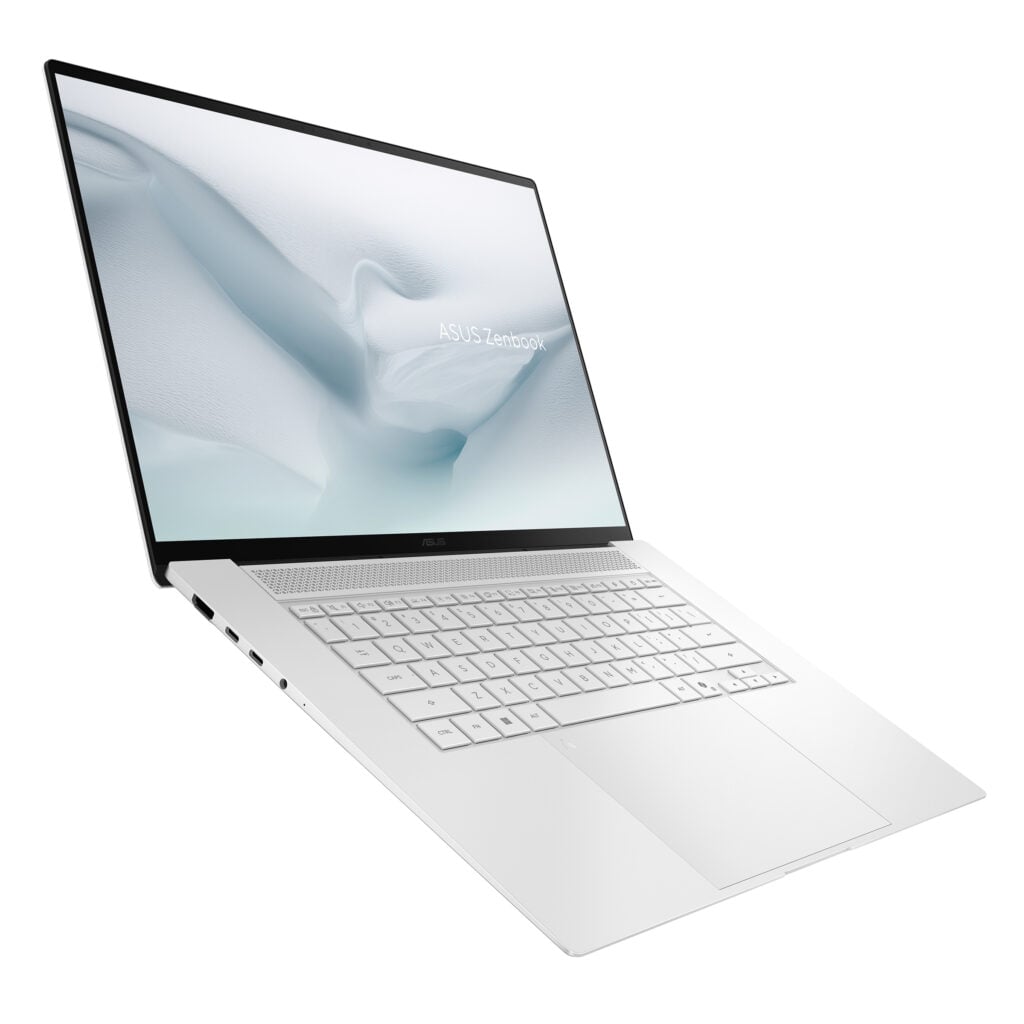
Asus Zenbook S16

Leading the new range is the Asus Zenbook S16, powered by the AMD Ryzen AI 9 465 processor paired with a dedicated NPU capable of delivering up to 50 TOPS of AI performance. The laptop features a slim metal design made using Ceraluminum material and weighs around 1.5kg. It comes with a 16-inch 3K Asus Lumina OLED display with a 120Hz refresh rate, Dolby Vision support and full DCI-P3 colour coverage. Asus has also included a six-speaker Dolby Atmos audio setup, along with claimed battery endurance of up to 23 hours.

The Zenbook 14 targets users looking for portability without compromising on AI features. It runs on the AMD Ryzen AI 5 430 processor with a similar 50 TOPS NPU, measures about 14.9mm in thickness and weighs approximately 1.28kg. The laptop includes a 14-inch FHD+ OLED touchscreen with HDR support and accurate colour reproduction. Additional features include a dedicated Copilot key, NumberPad 2.0 and a battery life claim exceeding 25 hours.
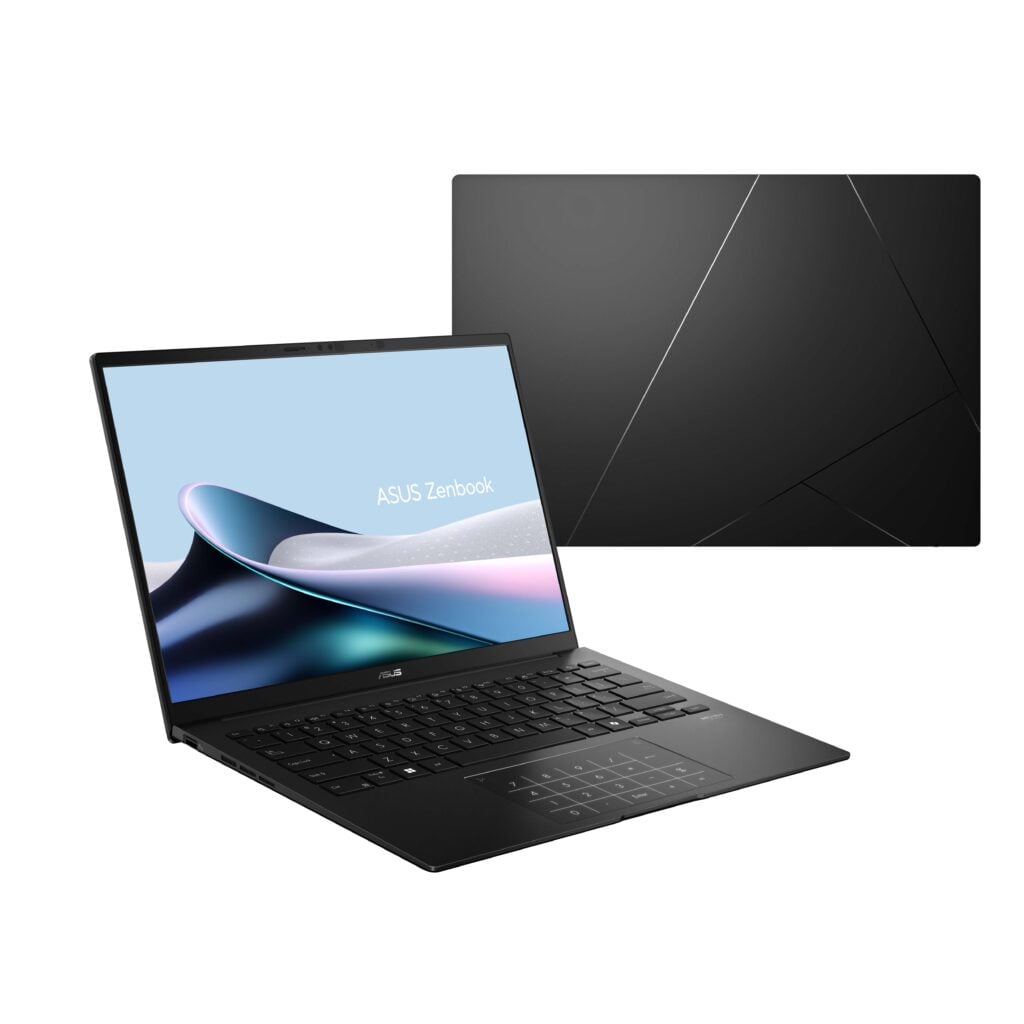
Asus Zenbook S16

Asus has also refreshed its Vivobook lineup with several new models designed for everyday productivity and creative workloads. The Vivobook S16 is equipped with AMD Ryzen AI 400 series processors and an OLED display, bringing AI capabilities to a slightly more accessible category.

The Vivobook 16 (M1607GA) runs on an AMD Ryzen AI 7 445 chip and features MIL-STD 810H certification, indicating improved durability. Meanwhile, the Vivobook 15 and another Vivobook 16 variant rely on AMD Ryzen 7 processors, offering up to 16GB DDR5 memory and PCIe 4.0 SSD storage aimed at smooth multitasking and general computing.

Price and availability

The Asus Zenbook S16 starts at Rs 1,69,990 (~$1,875), while the Zenbook 14 carries an initial price of Rs 1,15,990 (~$1,280). In the Vivobook series, pricing begins at Rs 62,990 (~$695), with higher variants such as the Vivobook S16 starting at Rs 1,04,990 (~$1,160) and the Vivobook 16 starting at Rs 87,990 (~$970), positioning them in the mid-range segment.

Pre-orders for the Zenbook models are currently open ahead of the official availability starting February 12 across Asus stores, online platforms and authorized retailers, with the Vivobook 16 (M1605NAQ) scheduled to arrive in early March.

Customers pre-booking the Zenbook S16 or Zenbook 14 can access bundled protection benefits valued at Rs 5,599 (~$62) for a nominal Re 1 during the promotional period.

For more daily updates, please visit our News Section.

Stay ahead in tech! Join our Telegram community and sign up for our daily newsletter of top stories.

Sony confirms WF-1000XM6 launch date, teases new design

Sony has begun teasing its next flagship true wireless earbuds, the WF-1000XM6, finally offering a first official hint after months of leaks and speculation.

WF-1000XM teaser

Sony refers to the earbuds as the “next generation,” and flashes part of the design for just a moment. Still, it’s the clearest signal so far that the successor to the WF-1000XM5 is close.

Sony has confirmed that the full announcement will take place on February 12, 2026, at 16:00 UTC (9:30 PM IST). The company hasn’t said whether this will be a livestream or a simple press release, but full specifications are expected either way.

It has been almost three years since the WF-1000XM5 launched in July 2023, which is a longer gap than usual for Sony’s 1000X lineup. In that time, competition from Apple, Bose, and Sennheiser has only intensified, raising expectations around what the XM6 needs to deliver.

WF-1000XM5 design

The design shown in the teaser appears to match recent leaks. The earbuds look more compact than before, moving away from the rounded shape of the XM5. The new form factor appears flatter and more pill-shaped, which could help with comfort and fit. The charging case also seems to have changed. It looks slimmer and more angular.

Leaks have also pointed to a few smaller but practical changes. A matte finish is expected to return, after some users complained about the glossy surface on the XM5. There also appears to be an extra microphone opening, which could be linked to improvements in active noise cancellation or call quality, though Sony hasn’t confirmed anything yet.

Colour options may expand slightly as well. Black and platinum silver have appeared in leaked images, and there are reports of a third colour, possibly Sand Pink.

With the announcement now just days away, Sony hasn’t left much room for surprises. Whether the WF-1000XM6 represents a major step forward or a more cautious update will become clear soon enough.


Don’t miss a thing! Join our Telegram community for instant updates and grab our free daily newsletter for the best tech stories!

For more daily updates, please visit our News Section.

(Source: Sony)

Brave Ark 2-in-1 Android PC launched with 144Hz display, Snapdragon 8s Gen 3, 14,550mAh battery

Brave Ark, a versatile 2-in-1 Android tablet PC aimed at digitally native users who balance learning, creativity, and productivity in their daily workflows, has gone official in India. Built for seamless transitions between tasks, it focuses on flexibility, performance stability, and an adaptable computing experience tailored to modern hybrid usage patterns. Here’s a look at the specifications, features, and price of the device.

Brave Ark 2-in-1 specifications and features

Brave Ark

 The Brave Ark features a 12.95-inch LCD screen with a 2.8K resolution and a 144Hz refresh rate, along with HDR10 support and up to 700 nits of brightness. It is backed by a large 14,550mAh battery that is claimed to deliver up to two days of usage and supports 33W fast charging. For audiophiles, it also features an eight-speaker setup with DTS audio support.

Powering the device is the Snapdragon 8s Gen 3 mobile platform, paired with 12GB of RAM and 256GB of internal storage. The tablet also supports expandable storage of up to 1TB via microSD card. On the software front, it runs Android 15 with PC mode functionality.

Brave Ark

For imaging, the Brave Ark includes an autofocus-enabled 13-megapixel rear camera with LED flash, along with a 5-megapixel front-facing camera for video calls and selfies. Connectivity options include stylus support, dual-band Wi-Fi 6, Bluetooth 5.4, and a USB Type-C (USB 3.1 Gen 2) port.

Brave Ark 2-in-1 price in India, availability  

The Brave Ark is offered in a single 12GB + 256GB configuration and comes in a Galactic Blue colour option. It is currently available for purchase via Amazon. The device is priced at Rs 34,999 (~$385).

For more daily updates, please visit our News Section.

Stay ahead in tech! Join our Telegram community and sign up for our daily newsletter of top stories.

Honor 600 could shatter battery records in its class with massive capacity upgrade

Honor appears to be preparing the next generation of its number-series smartphones. Last year, the brand introduced the Honor 400 series in June, followed by the Honor 500 range in November. Based on this launch pattern, the Honor 600 series could debut as early as June this year in China, or possibly even earlier. Well ahead of any official announcement, the first details about the device have surfaced through a Weibo post shared by well-known tipster Digital Chat Station.

Honor 600 display, battery size tipped

Honor 600 key specs tipped by DCS

According to the tipster, Honor is reportedly working on a new smartphone featuring a 6.57-inch display. Alongside the screen size, the leak suggests that the device may pack a significantly larger battery, potentially reaching around 9,000mAh capacity. This phone appears to be the upcoming Honor 600.

The recently unveiled iQOO Z11 Turbo features a 6.59-inch display, carries the largest battery in its class at 7,600mAh. However, the upcoming Honor 600, which is tipped to feature a similarly sized screen, could surpass that benchmark with a significantly larger battery capacity, potentially setting a new standard for endurance in this segment if the leak turns out to be accurate.

The tipster has not revealed additional hardware details such as the chipset, camera specifications, or charging capabilities, and the official name of the device has not been confirmed either. Despite this, the specifications align closely with expectations for the standard Honor 600, which is likely to succeed last year’s Honor 500.

The Honor 500 featured an iPhone Air-like design and included a 6.55-inch OLED display with 1.5K resolution and a 120Hz refresh rate. It was powered by the Snapdragon 8s Gen 4 chipset and housed an 8,000mAh battery with 80W charging support. The device also offered a 50-megapixel front camera and a dual rear camera system comprising a 200-megapixel main sensor with OIS and a 12-megapixel ultra-wide lens.

Honor 500
Honor 500

It remains unclear whether the Honor 600 will retain the same design language or chipset as its predecessor. There is no official confirmation regarding a global launch yet, but the Honor 600 Lite has quietly appeared in multiple certification listings, suggesting that international variants may be in development. If the Lite model is indeed heading to global markets, the standard Honor 600 and possibly a Pro version could follow, although their specifications may differ from the Chinese editions.

For more daily updates, please visit our News Section.

Stay ahead in tech! Join our Telegram community and sign up for our daily newsletter of top stories.

Oppo Find N6’s arrival officially teased, March launch expected followed by Find X9 Ultra, X9s series

Several reports have claimed that Oppo is working on a couple of new phones, such as the Find N6 foldable, the Find X9 Ultra, and the Find X9s series for the Chinese market. In the latest development, Zhou Yibao, who leads Oppo’s Find-series products, has revealed when these devices will hit the Chinese market.

Oppo Find N6 to focus on crease optimization

According to Yibao’s latest Weibo post, a new foldable phone is slated for launch after the Chinese New Year period. Although the executive did not explicitly name the device, ongoing rumors strongly indicate that the teaser refers to the Oppo Find N6.

In his post, Zhou compared foldable phones to two beds placed together, suggesting that while they may look comfortable, the central gap or crease remains a key concern for users. He acknowledged that crease visibility continues to be one of the biggest barriers for buyers and emphasized that Oppo is investing heavily in improving crease management and overall durability.

Recent reports further support the Find N6 speculation. Two Oppo devices carrying model numbers PLP110 and PLP120 have received China’s 3C certification, with industry sources suggesting these could represent the standard model and a satellite communication variant. The devices are tipped to support 80W fast charging and may debut as one of the first large-format foldables powered by the Snapdragon 8 Elite Gen 5 chipset. Early launch expectations point toward a possible unveiling around March in China.

Beyond China, the foldable has also appeared in regulatory databases in multiple regions, indicating a broader rollout plan. Listings in Singapore’s IMDA database reveal support for LTE, 5G, Wi-Fi, Bluetooth, NFC, and eSIM connectivity, suggesting that a global version is under development.

Meanwhile, other flagship models such as the Oppo Find X9 Ultra and Find X9s series have only recently surfaced in SRRC certification, with their 3C and TENAA approvals still pending, which implies that the Find N6 will launch first and the X9 models will follow soon after. Likely, all of these devices may debut in March in China.

For more daily updates, please visit our News Section.

Stay ahead in tech! Join our Telegram community and sign up for our daily newsletter of top stories.

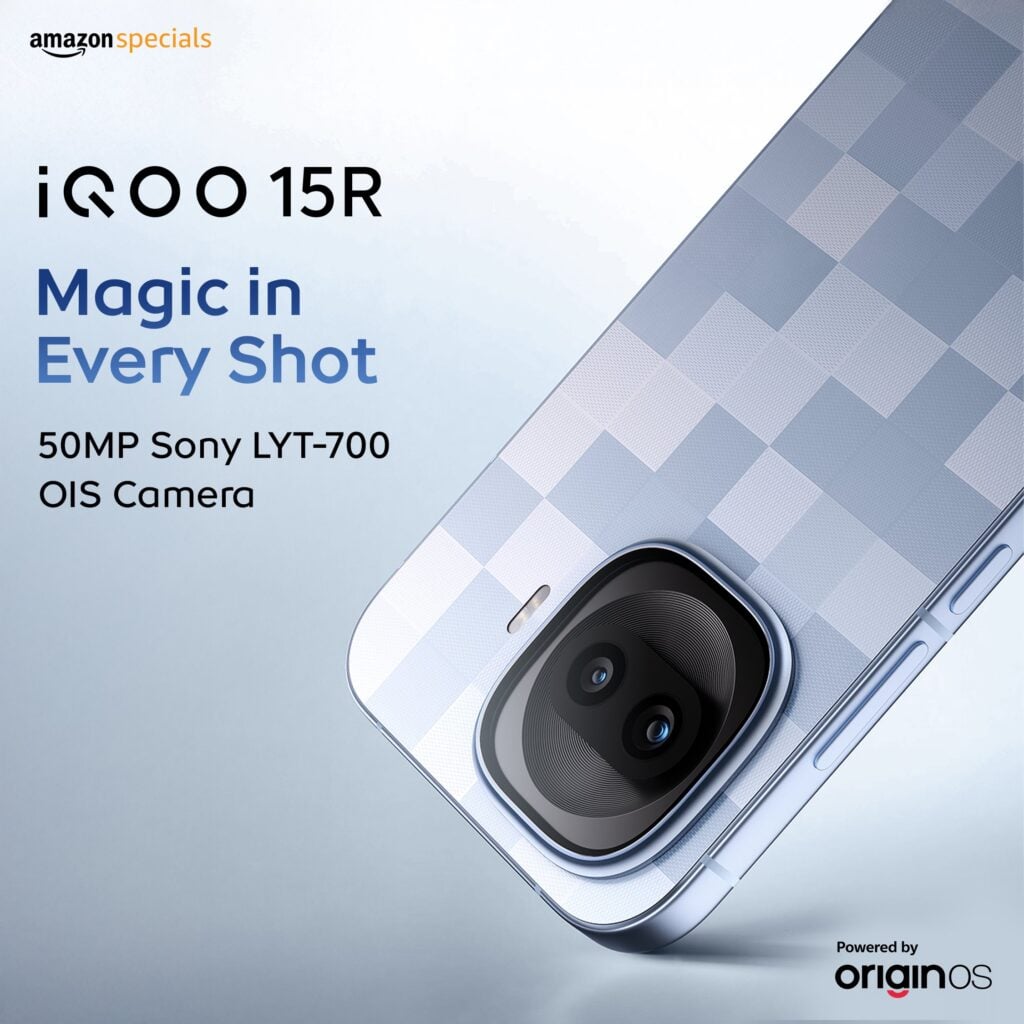
iQOO 15R’s primary camera with surprise you

iQOO has been gradually confirming key details about the iQOO 15R before its official launch on Feb. 24 in India. In the latest development, the brand has confirmed the primary camera of the device. The update reveals that the phone will not just be good at performance but also at capturing photos.

iQOO 15R main camera revealed

iQOO 15R’s main camera confirmed

The iQOO 15R is confirmed to feature a Sony LYT-700 50-megapixel main camera. This camera will surprise those who were expecting a 200-megapixel Samsung HP5 sensor, as the device is believed to be a rebranded version of the iQOO Z11 Turbo, which features the said 200-megapixel Samsung primary camera.

Apart from this major difference, the rest of the specs appear to be identical on both phones. As far as the camera is concerned, the Sony LYT-700 is quite a capable sensor, utilizing Sony’s latest stacked pixel technology to capture more light and deliver better dynamic range in low-light conditions.

iQOO 15R specifications, price

Recent reports have revealed that the iQOO 15R will be a performance powerhouse, driven by the Snapdragon 8 Gen 5 chipset. It is expected to feature a 6.59-inch 1.5K AMOLED display with a 144Hz refresh rate for ultra-smooth gaming.

One of its standout features is a massive 7,600mAh battery with 100W fast charging support, yet it maintains a slim profile of just 7.9mm. It will be treated with four Android OS upgrades and six years of security updates.

The device is also tipped to carry IP68 and IP69 ratings for top-tier water and dust resistance. As for the pricing, rumors suggest the iQOO 15R will be priced under Rs 50,000 in India, potentially starting around Rs 47,999 to compete directly with the upcoming OnePlus 15R. With these specs, iQOO is clearly aiming to offer a flagship-grade experience at a more accessible price point.

For more daily updates, please visit our News Section.

Stay ahead in tech! Join our Telegram community and sign up for our daily newsletter of top stories.

HyperOS 3.1 testing begins for 10 more Xiaomi devices

HyperOS 3.1 beta testing

Xiaomi is wrapping up the HyperOS 3.0 rollout and has already started focusing more on HyperOS 3.1. The upcoming HyperOS 3.1 software, based on Android 16, has already been released for a dozen devices, and now it appears the next phase of beta rollout has already begun.

Folks at HyperOS Insider have spotted HyperOS 3.1 beta builds for 10 new smartphones. The beta update has been spotted in multiple regions. So, if you’re planning to get an early taste of HyperOS 3.1, you may have a chance if your device is on the list and you’re in a supported region.

So, here’s a fresh list of devices that have been spotted with the HyperOS 3.1 beta build:

  • Redmi K70
    • China: OS3.0.300.1.WNKCNXM
  • POCO F6 Pro
    • EEA (Europe): OS3.0.300.1.WNKEUXM
    • Russia: OS3.0.300.1.WNKRUXM
    • Taiwan: OS3.0.300.1.WNKTWXM
    • Global: OS3.0.300.1.WNKMIXM
  • Redmi K70 Pro
    • China: OS3.0.300.1.WNMCNXM
  • Redmi Turbo 4 Pro
    • China: OS3.0.300.1.WOLCNXM
  • Redmi Turbo 4
    • China: OS3.0.300.1.WOJCNXM
  • POCO F7
    • India: OS3.0.300.1.WOLINXM
    • Global: OS3.0.300.1.WOLMIXM
    • Taiwan: OS3.0.300.1.WOLTWXM
    • Indonesia: OS3.0.300.1.WOLIDXM
    • Russia: OS3.0.300.1.WOLRUXM
    • EEA (Europe): OS3.0.300.1.WOLEUXM
  • POCO X7 Pro
    • Global: OS3.0.300.1.WOJMIXM
    • India: OS3.0.300.1.WOJINXM
    • Indonesia: OS3.0.300.1.WOJIDXM
    • Russia: OS3.0.300.1.WOJRUXM
    • Taiwan: OS3.0.300.1.WOJTWXM
    • Turkey: OS3.0.300.1.WOJTRXM
    • EEA/Europe: OS3.0.300.1.WOJEUXM
  • Xiaomi 15T
    • EEA (Europe): OS3.0.300.1.WOEEUXM
    • Global: OS3.0.300.2.WOEMIXM
    • Indonesia: OS3.0.300.2.WOEIDXM
    • Turkey: OS3.0.300.2.WOETRXM
    • Taiwan: OS3.0.300.2.WOETWXM
    • Russia: OS3.0.300.2.WOERUXM
  • Xiaomi 14T Pro
    • Global: OS3.0.300.1.WNNMIXM
  • Redmi Note 15 5G
    • China: OS3.0.300.2.WPQCNXM
    • EEA (Europe): OS3.0.300.1.WPQEUXM
  • Redmi Pad 2 Pro 5G
    • EEA (Europe): OS3.0.300.1.WPXEUXM
    • India: OS3.0.300.1.WPXINXM
  • Redmi Pad 2 Pro / POCO Pad M1
    • Global: OS3.0.300.1.WPWMIXM
    • India: OS3.0.300.1.WPWINXM
    • Turkey: OS3.0.300.1.WPWTRXM
    • Taiwan: OS3.0.300.1.WPWTWXM
    • Indonesia: OS3.0.300.1.WPWIDXM
    • Russia: OS3.0.300.1.WPWRUXM

You must sign up for the HyperOS beta program to get early access to beta builds before the public release. We’ve a detailed step-by-step guide on how to become a HyperOS tester on this page.

Keep in mind that the rollout happens in stages and hence may take a while to reach all the users, even if you’ve been accepted for the beta testing program. To manually check for the latest update on your device, go to Settings > About phone and then tap the HyperOS logo at the top.

As for the changes, HyperOS 3.1 brings an upgraded Super Island that is more interactive and informative, and integrates with more third-party apps. The Gallery and Weather apps feature new animations, and the lock screen is now more customizable than before.

Xiaomi has also improved cross-platform integration with Apple’s ecosystem, now showing a pop-up to pair Apple’s TWS earbuds and providing access to spatial audio. Furthermore, there are improvements to accessibility features, quick gestures, and system performance. Check this page for all the upgrades to HyperOS 3.1 in detail.

To ensure you don’t miss out on the important stuff, remember to visit the Xiaomi section on this website regularly. Alternatively, you can join us on Telegram to get instant notifications about the latest HyperOS updates, along with the biggest tech headlines.

Xiaomi releases February 2026 security update for several HyperOS devices

Xiaomi February 2026 security update

Xiaomi has begun updating its devices to the February 2026 security patch via the latest software update. The update is rolling out to multiple devices, and it’s not only the flagship devices getting the initial treat. Several mid-range smartphones are also on the list, running the older HyperOS 2 build based on Android 14.

We’ve prepared a list of Xiaomi, Redmi, and POCO smartphones receiving the February 2026 security patch update, along with their firmware versions, as shared by Xiaomi Time. Review the list to see if the update has started rolling out for your Xiaomi device.

First, let’s look at the HyperOS 3 devices that are receiving the February 2026 security patch.

  • Xiaomi 15
    • Global: OS3.0.6.0.WOCMIXM
  • POCO X7 / Redmi Note 14 Pro
    • Global: OS3.0.9.0.WOOMIXM
    • EEA (Europe): OS3.0.3.0.WOOEUXM
  • POCO X7 Pro
    • Turkey: OS3.0.5.0.WOJTRXM
    • Global: OS3.0.9.0.WOJMIXM
    • EEA (Europe): OS3.0.5.0.WOJEUXM
    • Also released in India, Indonesia, Russia, and Taiwan
  • POCO M6 / Redmi 13 / Redmi 13X
    • Global: OS3.0.6.0.WNTMIXM
    • EEA (Europe): OS3.0.3.0.WNTEUXM

Now, let’s move to the list of Xiaomi HyperOS 2 devices receiving the February 2026 security patch.

  • Redmi Note 12 Pro / Note 12 Pro+ / Note 12 Explorer
    • India: OS2.0.10.0.UMOINXM
    • Indonesia: OS2.0.12.0.UMOIDXM
  • POCO X5 Pro 5G / Redmi Note 12 Pro Speed
    • Indonesia: OS2.0.13.0.UMSIDXM

The list will grow as Xiaomi pushes the February 2026 security update to more devices in the coming days and weeks. To manually check for the latest update on your Xiaomi device, navigate to Settings > My Device > Xiaomi HyperOS. Note that the update usually rolls out in batches, so it may take some time to reach all the users.

Also read:
1. No HyperOS 3.1 update for these Xiaomi devices: Here’s the complete list
2. Xiaomi HyperOS 3.1 update: New features, smarter UI, & more details

As for the February 2026 security patch, it’s a standard security maintenance release focused on improving system stability and bug fixes. According to the latest Android Security Bulletin, there are no critical or high-severity vulnerabilities patched with this month’s release.

To stay updated with the latest news about HyperOS, visit the Xiaomi section regularly. Or, you can join us on Telegram to get instant notifications about the latest HyperOS updates, along with the biggest tech headlines.

Oppo Find X9 Ultra, two Find X9s models bag major certifications, launch imminent

A couple of new Oppo phones have received SRRC (State Radio Regulation of China) certification. These include the Find X9 Ultra and Find X9s series phones. At the same time, these devices have also been approved by the country’s UFCS (Universal Fast Charging Specification) certification. These certifications suggest that the Find series may debut soon after the upcoming Chinese New Year holidays.

Oppo Find X9 Ultra, Find X9s, Find X9s Pro bag fresh certifications

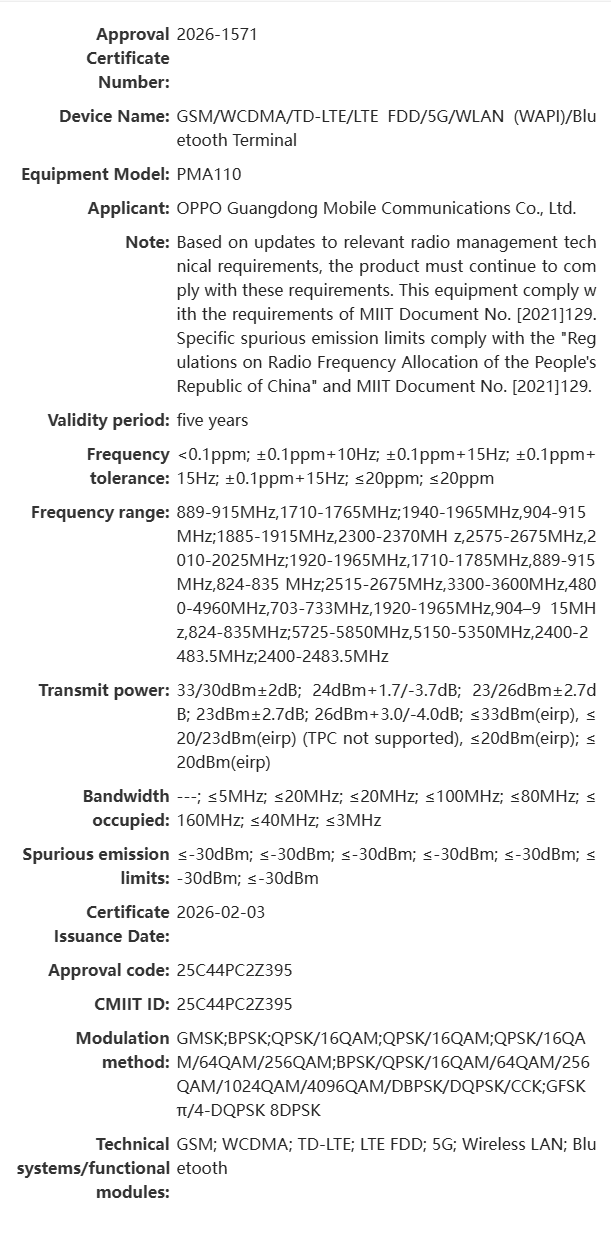
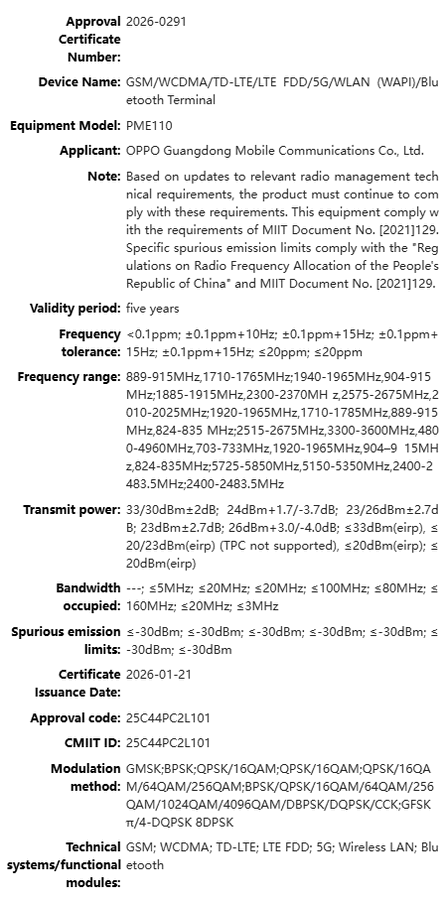
The Oppo PMA110 phone, which is believed to be the Find X9 Ultra, has received SRRC certification. For those who are unaware, it is a mandatory certification issued by China’s radio regulatory authority to approve wireless devices that use radio frequencies. It confirms that a device complies with China’s spectrum regulations, covering features like cellular connectivity, Wi-Fi, Bluetooth, and other radio transmission functions before commercial sale. After this, the Find X9 Ultra is expected to bag 3C and TENAA certifications before going official.

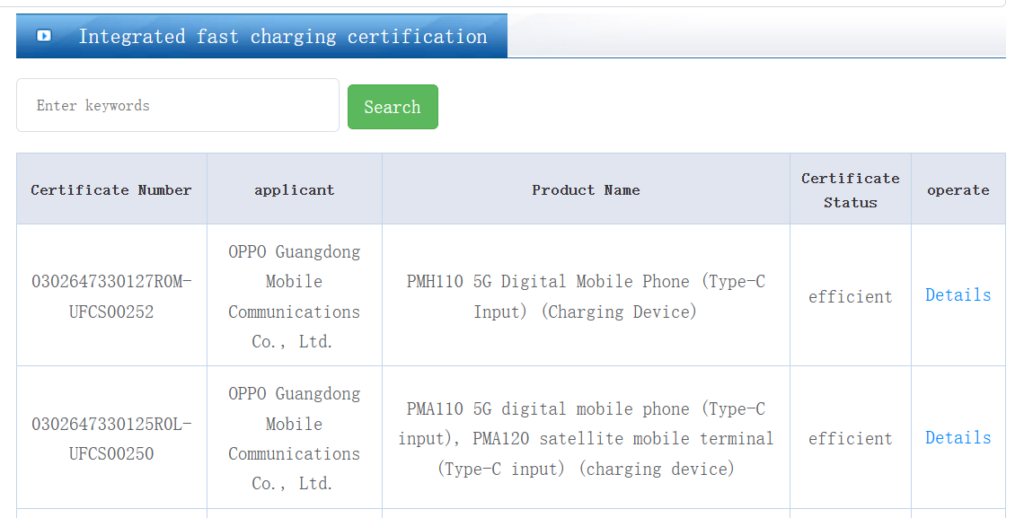
Oppo PMA110, PMA120, and PMH110 UFCS certified

The PMA110 model is also listed with the PMA120 variant in the UFCS database. The PMA120 will support satellite connectivity. For those unfamiliar, UFCS is a unified fast-charging standard developed mainly by Chinese manufacturers (including OPPO, Vivo, Xiaomi, Huawei, and others). Its goal is to create a cross-brand fast charging protocol so chargers and devices from different brands can safely deliver fast charging without proprietary restrictions.

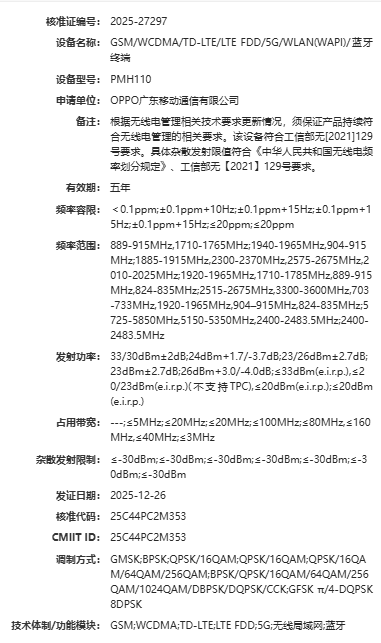
Earlier this week, the PME110 Oppo phone was approved by SRRC. Now, the authority has also certified PHM110. These devices are said to be part of the Find X9s series, which may include two devices: the Find X9s and Find X9s Pro. At present, it is not clear which model numbers correspond to which device.

The PHM110 variant has also bagged UFCS certification, which suggests that it could be the Find X9s Pro, whereas the PME110 without UFCS certification could be the Find X9s. It is advisable to wait for further reports to confirm their final monikers.

The Find X9 Ultra and Find X9s series phones are expected to debut together through a launch event in March in China. It is unclear whether the Oppo Find N6 will be announced at the same platform or separately.

For more daily updates, please visit our News Section.

Stay ahead in tech! Join our Telegram community and sign up for our daily newsletter of top stories.

From E-Paper to Giant MLEDs: TCL CSOT Redefines Commercial Displays at ISE 2026

TCL CSOT presented its latest professional and commercial display innovations at Integrated Systems Europe (ISE) 2026, held in Barcelona, Spain. The company, a subsidiary of TCL Technology, used the global exhibition to demonstrate how advanced display technologies can improve efficiency, sustainability, and user experience across multiple industries.

APEX Display Philosophy

At the core of TCL CSOT’s showcase was its APEX display philosophy. APEX stands for Amazing Display Experience, Protective of Eye Health, Eco-Friendly to Build and Use, and X-Unlimited Imaginative Potential. This approach focuses on creating human-centric display solutions that go beyond traditional specifications and prioritize real-world usability and long-term sustainability.

Professional and Educational Displays

One of the key highlights was a 27-inch In-Cell Touch Ultra-Thin Smart Display designed for education and collaborative workspaces. By integrating touch directly into the panel, the display achieves a slim and lightweight design while delivering Full HD resolution, 99% sRGB color accuracy, and a virtual 120Hz touch sampling rate. These features enable smooth, precise interaction for classrooms, meetings, and mobile work environments.

E-Paper Signage

TCL CSOT also showcased a 13.3-inch E-Paper signage display powered by E Ink Spectra 6. The display uses ambient light instead of a backlight, resulting in extremely low power consumption. With a standby power of just 0.01W and a battery life of up to 18 months, it is positioned as a sustainable solution for professional and commercial signage.

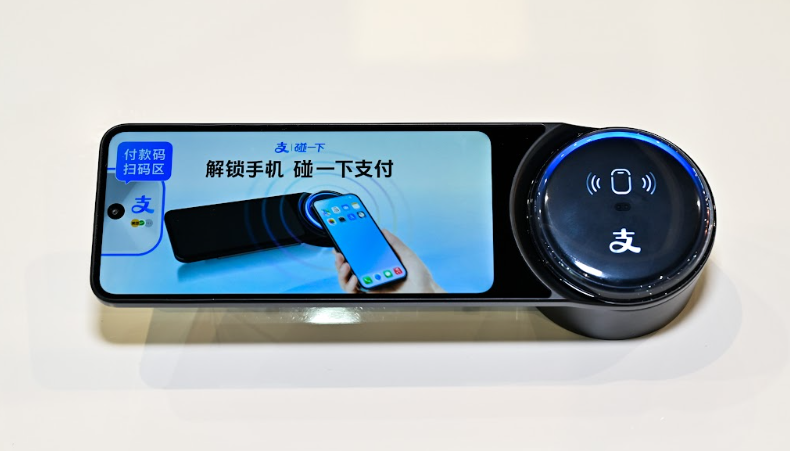
Alipay Smart Handheld POS

Commercial, Outdoor, and Event Solutions

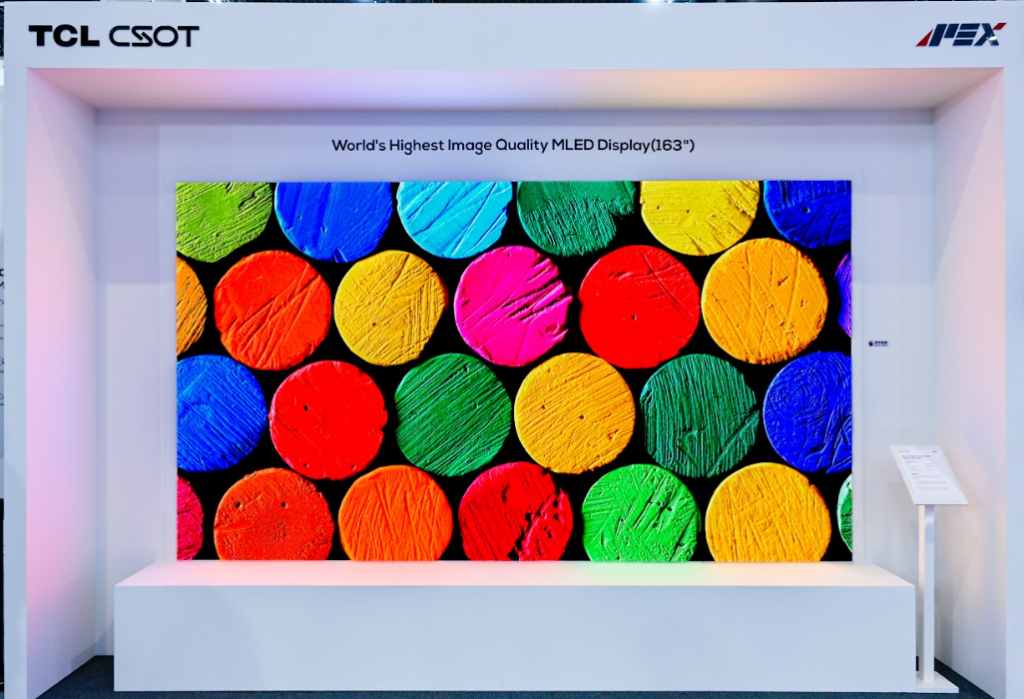
For retail and payment applications, TCL CSOT introduced its first all-in-one Alipay Smart Handheld POS display, supporting NFC, QR code payments, and multi-mode connectivity. The company also revealed ultra-high brightness outdoor displays reaching 4000 nits, designed for reliable performance in direct sunlight. The showcase concluded with a 163-inch MLED display for exhibitions and live events, highlighting TCL CSOT’s leadership in premium commercial display solutions.

iPhone 18 Pro Max tipped to offer larger battery upgrade as Android rivals race past 10,000mAh 

The iPhone battery may finally cross the 5,000mAh mark, signalling a notable shift in Apple’s long-standing approach to battery sizing. Fresh supply chain chatter, amplified by well-known tipster Digital Chat Station, hints at meaningful changes coming to the iPhone 18 Pro Max. Here’s a look at what the new leak has revealed.

Major battery upgrade tipped for iPhone 18 Pro Max

Apple iPhoen 18 Pro Max’s battery size tipped by DCS

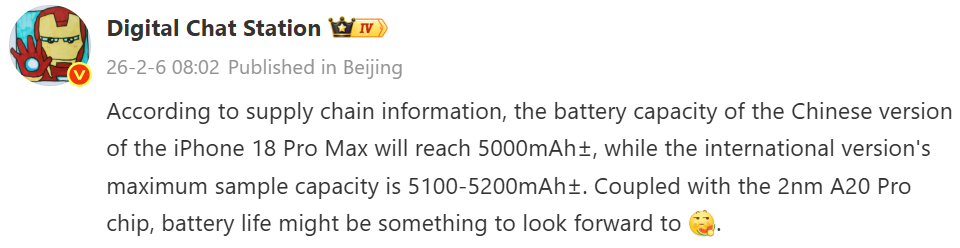
According to DCS, supply chain sources indicate that the Chinese version of the iPhone 18 Pro Max could feature a battery rated at around 5000mAh±, while the international variant may see maximum sample capacities in the range of 5100–5200mAh±. If accurate, this would represent a further increase over the iPhone 17 Pro Max, whose eSIM variant already crossed the 5,000mAh mark with a 5,088mAh battery, suggesting Apple may continue gradually scaling capacity year-on-year.

Interestingly, the shift comes at a time when some Android manufacturers are reportedly exploring batteries approaching or even surpassing 10,000mAh capacities, especially in devices focused on endurance and gaming. Honor recently unveiled the Honor Win and Win RT performance-focused flagship phones packed with a 10,000mAh battery, whereas the Realme P4 Power mid-range performance phones offer 10,001mAh battery.

Apple’s strategy, however, has historically relied on tight hardware-software integration and power-efficient silicon rather than simply increasing battery size. This is where the rumored 2nm A20 Pro chip could play a critical role. A more advanced manufacturing process typically improves power efficiency, meaning the real-world gains may come from a combination of higher capacity and smarter energy management.

A report from November 2025 suggested that the rumoured iPhone 18 Pro Max could weigh over 240 grams, potentially making it Apple’s heaviest and thickest flagship yet. With the latest battery leak, the reason behind this design shift may now be clearer.

If the leaks hold true, users could see longer screen-on times, improved sustained performance for photography and video recording, and potentially better standby longevity. For heavy users, this might address long-standing complaints about battery drain during demanding tasks. Still, as with any early supply chain information, final specifications may change before launch.

For more daily updates, please visit our News Section.

Stay ahead in tech! Join our Telegram community and sign up for our daily newsletter of top stories.

Smartwatches fake blood sugar readings as 58% of inspected device models fail German checks

Smartwatches that claim to measure blood sugar without needles are once again under scrutiny, this time from Germany’s Federal Network Agency. In its latest market surveillance report, the regulator confirmed that several devices sold in 2025 advertised blood glucose tracking despite having no technical ability to measure it, which is a practice officials say poses real risks to consumers.

According to the agency, inspections carried out over the year uncovered problems across roughly 7.7 million electronic products. Many of the violations were procedural, such as missing CE markings or incomplete German-language documentation. Others, however, went far beyond paperwork. Among the most concerning findings were smartwatches that simulate blood sugar readings using unrelated sensors or estimated values, while presenting the results as genuine health data.

Why blood sugar tracking on smartwatches is misleading

Industry experts have been clear for years: accurate blood glucose monitoring requires either invasive testing or an external continuous glucose monitor (CGM). No standalone smartwatch can currently deliver reliable readings on its own. Despite this, low-cost models sold mainly through online marketplaces continue to market the feature aggressively, often targeting people with diabetes.

In at least some cases, the consequences could be serious. A previously published review of the Kospet iHeal 6 showed that its so-called glucose readings varied sharply from real measurements, sometimes enough to influence medication decisions. Regulators warn that relying on such data could lead users to delay insulin, overcorrect their dosage, or ignore warning signs altogether.

The scope of the issue remains significant. The agency flagged 1,266 online listings suspected of non-compliance. While this figure represents an 11.2% decline compared to the previous year, the products involved still accounted for an estimated five million units sold. Smartwatches were the most common offenders, not only for false health claims but also for violations of Germany’s Radio Equipment Act.

Offline inspections revealed similar problems. Of 2,400 device models checked at retail, 58% failed to meet regulatory standards, affecting around 1.9 million units. Most issues were administrative, though some products were found to emit excessive electromagnetic interference.

Customs authorities also stepped up enforcement, blocking 359,000 non-compliant devices at the border after examining more than 8,200 shipments.

For regulators, the message is straightforward: health claims must be backed by real technology. For consumers, Germany’s warning is a reminder that if a smartwatch promises needle-free blood sugar tracking, skepticism is not just reasonable, it’s necessary.

Don’t miss a thing! Join our Telegram community for instant updates and grab our free daily newsletter for the best tech stories!

For more daily updates, please visit our News Section.

(Source | Image)

Exynos 2600 performs 10% better than Snapdragon 8 Elite Gen 5 in ray tracing performance

Samsung’s next flagship mobile chip is already making noise in graphics benchmarks. After recently appearing on a Vulkan GPU test, the Exynos 2600 has now topped the Basemark ray tracing leaderboard, beating Qualcomm’s best Snapdragon offering by a noticeable margin.

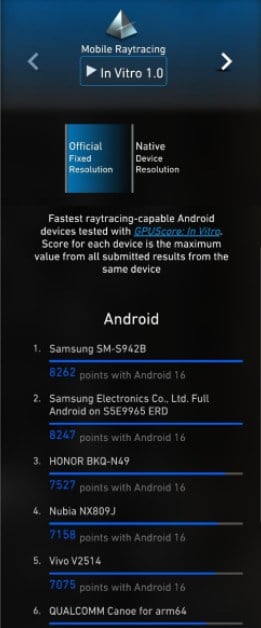
According to the latest Basemark Ray Tracing results, the Exynos 2600 outperformed the Snapdragon 8 Elite Gen 5 chip by roughly 10 to 15 percent. The chip claimed first place, thanks largely to Samsung’s new Xclipse 960 GPU.

Exynos 2600 vs Snapdragon 8 Elite Gen 5 in ray tracing benchmark

The benchmark data shows a device labeled SM-S942B — believed to be the standard Samsung Galaxy S26 powered by the Exynos 2600 — scoring 8,262 points. In comparison, the BKQ-N49, likely the international version of the Honor Magic8 running the 8 Elite Gen 5, scored 7,527 points. That gives Samsung’s chip a 9.76 percent lead in this specific ray tracing test.

Much of this performance gain appears to come from the Exynos 2600’s underlying design. It is the first smartphone processor to use Samsung’s 2nm Gate-All-Around (GAA) manufacturing process. The approach uses a four-sided gate transistor structure, which improves electrostatic control and allows the chip to operate at lower voltages, potentially boosting both performance and efficiency.

The GPU is another major factor. The Xclipse 960 is the first mobile GPU to use a customized version of AMD’s RDNA 4 architecture, enabling a generational leap in ray-tracing capabilities on smartphones.

Samsung has also focused on thermal management. The Exynos 2600 uses fan-out wafer-level packaging (FOWLP) to shrink the overall package size and includes a new thermal path block (HPB). This copper heatsink makes direct contact with the application processor, reducing thermal resistance by around 16 percent.

While benchmarks don’t tell the whole story, these early results prove Exynos 2600 as a serious competitor in high-end mobile graphics. This could be a comeback moment for Exynos in flagship phones.

Don’t miss a thing! Join our Telegram community for instant updates and grab our free daily newsletter for the best tech stories!

For more daily updates, please visit our News Section.

Honor X80 to pack a new Snapdragon 6-series chip, 10,000mAh battery

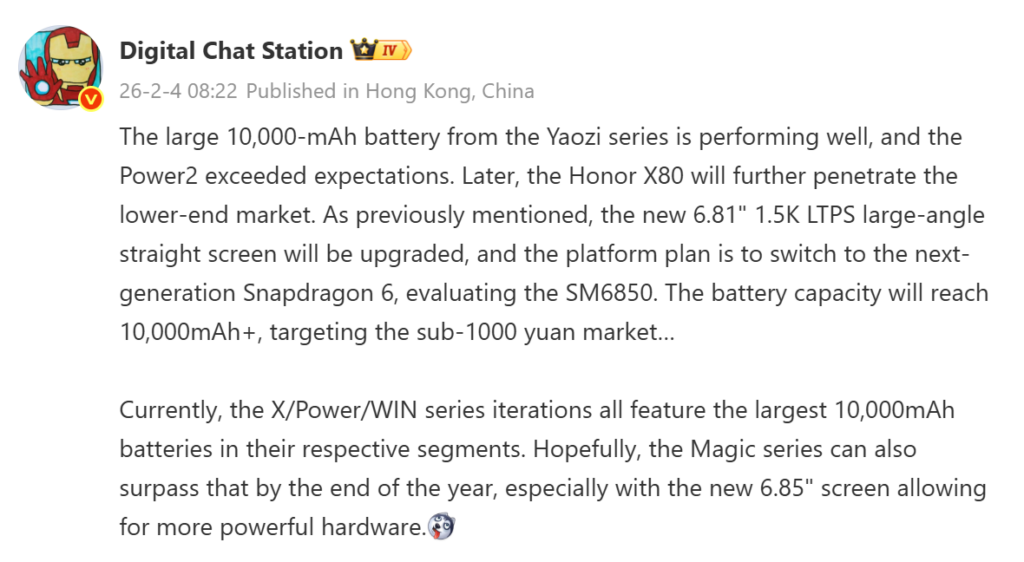
Honor’s Win and Win RT, featuring Snapdragon 8-series chipsets and a 10,000mAh battery, have received good reception in the Chinese market. Now, the brand is working on the Honor X80 with a similar battery size at a more affordable price. A reliable tipster has shared key details about what to expect from the next X-series phone.

Honor X80 key specifications tipped

According to the tipster, the Honor X80 will have a massive 6.81-inch OLED LTPS panel with a flat design and rounded corners. It will offer a 1.5K resolution and possibly a 120Hz refresh rate.

The device is reportedly being tested with a new-generation Snapdragon 6-series chipset, possibly the SM6850 platform. It remains to be seen whether the chip will be called the Snapdragon 6 Gen 5 or something else. This leak contradicts a previous claim by the same source, wherein he mentioned that the phone will be powered by a Snapdragon 7-series chipset.

As mentioned above, the X80 will pack a massive 10,000mAh battery, but there is no information about its charging capabilities. This battery has already been approved by China’s 3C authority.

In comparison, the Honor X70, which debuted last year in July, came with a 6.79-inch OLED 1.5K 120Hz screen, a Snapdragon 6 Gen 4 chip, and an 8,300mAh battery with 80W wired charging. Its 512GB version also offered wireless charging support. At present, there is no information about the X80’s launch timeframe.

The new leak further claims that Honor plans to standardize 10,000 mAh-class batteries across the X, Power, and WIN line-ups, targeting longer endurance as a key selling point. Additionally, the next-generation Magic series may receive a significant upgrade later this year, potentially featuring a larger 6.85-inch display and more substantial hardware enhancements.

For more daily updates, please visit our News Section.

Stay ahead in tech! Join our Telegram community and sign up for our daily newsletter of top stories.
Casio brings Japanese paper art to your wrist with two new origami-inspired G-Shock watches

Casio has released two new G-Shock models in the US market that draw inspiration from the traditional Japanese art of origami. The DW-6900RGM-5 and DW-5600RGM-1 first launched in Japan last year and are now available in the US at a price of $165 each.

Casio DW6900RGM-5

Design Details

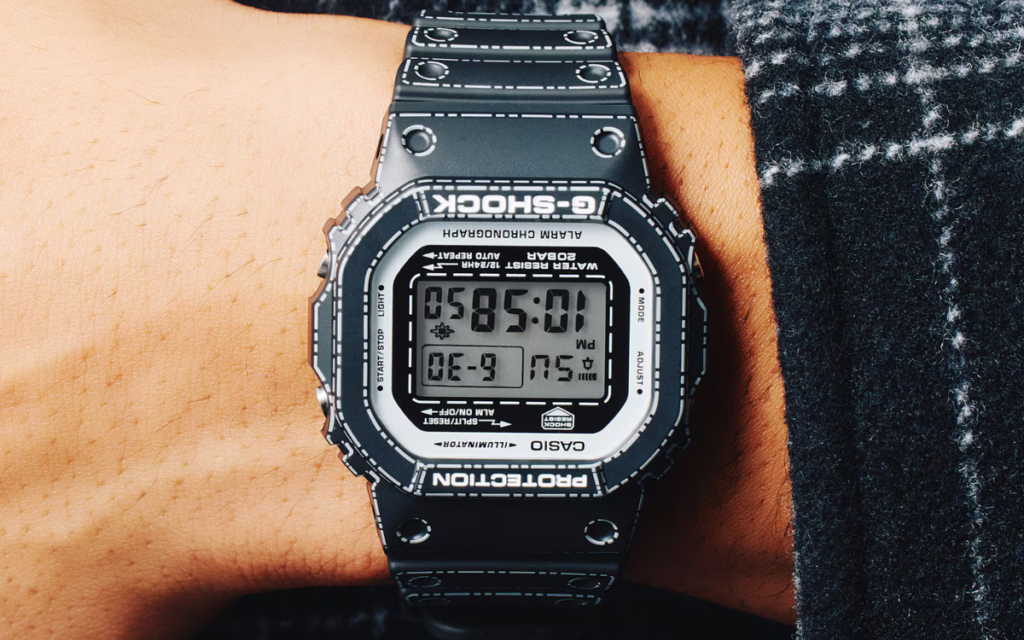
The design of both watches reflects the folding patterns of origami, using dotted lines that represent mountain and valley folds. Casio has applied a textured finish on the bezel and band that mimics the look of handmade washi paper.

The backlight and case back feature an image of a crane, one of the most well-known symbols of origami. Both watches are made in Japan and ship in special packaging that aligns with the theme.

The DW-6900RGM-5 has a case size of 53.2 x 50 x 18.7 mm and weighs 67 grams. The DW-5600RGM-1 is smaller at 48.9 x 42.8 x 13.4 mm and weighs 53 grams. Both models use bio-based resin for the case, bezel, and band. They are rated for 200-meter water resistance and come with a 5-year battery life using a CR2016 cell.

Casio DW5600RGM-1

Casio equips both watches with standard G-Shock features. These include a 1/100-second stopwatch, a countdown timer with auto-repeat, a multi-function alarm, an hourly time signal, a flash alert with a buzzer, and an LED backlight with an afterglow. Timekeeping supports both 12-hour and 24-hour formats, and the full auto-calendar runs until the year 2099. Casio lists the accuracy at ±15 seconds per month.
In related news, Casio has recently refreshed its popular budget-friendly A158 watches with new metal strap designs, while also introducing three GA-2100K G-Shock models in the US inspired by nightclub aesthetics.

For more daily updates, please visit our News Section.

Stay ahead in tech! Join our Telegram community and sign up for our daily newsletter of top stories! 💡

(Source 1,2)

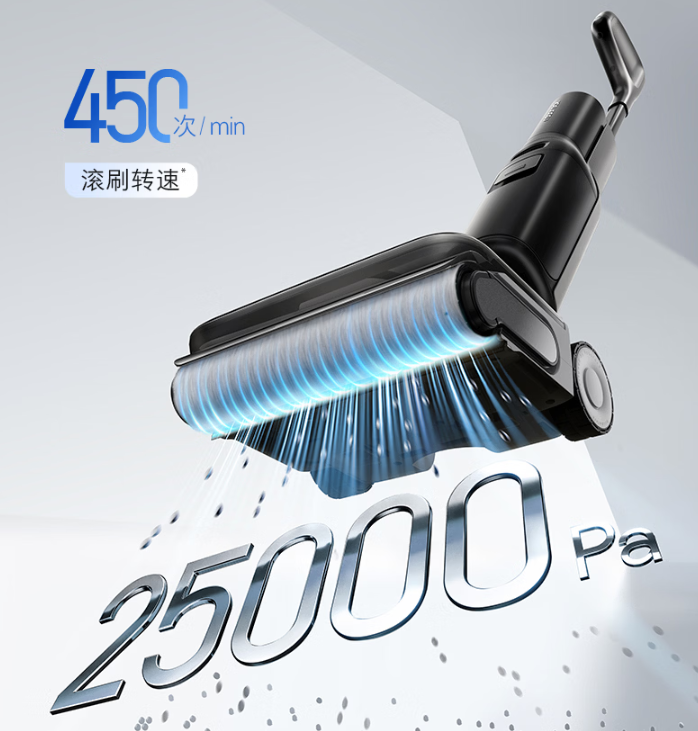
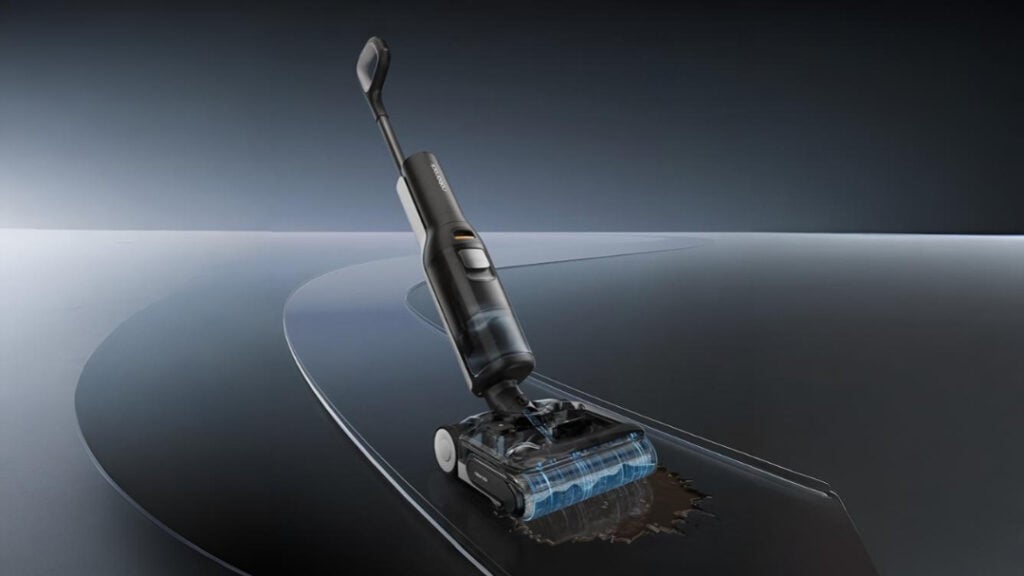
Roborock launches A30 2.0 floor scrubber with 25000Pa suction and new odor-control system

Roborock has launched the A30 2.0 floor scrubber, introducing key upgrades to its home cleaning lineup. The new model delivers 25,000Pa of suction power and features a redesigned wastewater deodorization system aimed at improving hygiene during and after cleaning. The product is priced at 1,999 yuan ($288) and is now available on JD.com.

Roborock A30 2.0 Specifications

The A30 2.0 supports a flat-lie design with a thickness of 12.5cm, allowing it to reach under low furniture like beds and sofas. The unit comes equipped with an 870ml clean water tank and a built-in battery that delivers up to 60 minutes of runtime. Roborock says this design enables it to clean larger areas in a single session.

Roborock A30 2.0

The floor scrubber uses a dual shark-tooth system to manage hair tangles. It includes 141 dense shark teeth positioned to capture longer hair strands early, while a secondary scraper handles short pet hair and fine debris. The system directs collected debris into the wastewater tank to prevent brush clogs.

To tackle odor, Roborock has added a new deodorization module that separates solids from liquids and uses silver-ion technology to inhibit microbial growth. The company says this approach helps eliminate odor at the source and reduces the risk of secondary contamination over time.

The A30 2.0 also introduces a 95°C high-temperature self-cleaning cycle. This mode uses heat to dissolve grease and grime, followed by a quick drying sequence that restores the roller brush to a dry and fluffy state. Roborock has implemented a sealed heating system to prevent accidental contact and to protect children and pets from burns.

Roborock A30 2.0

The vacuum offers five suction levels and multiple water spray modes for different surfaces. Its internal system includes a dry-wet separation layout and large-capacity water tanks to ensure uninterrupted cleaning without frequent refills.

In terms of physical design, the vacuum cleaner comes with an approximate height of 1170 mm and a width of around 260 mm. The body weight is about 4.8 kg.

In related news, DJI has recently launched the ROMO robot vacuum with 25,000Pa suction and up to 200 days of maintenance-free operation, while Roborock has unveiled the G30S Pro featuring 35,000Pa suction, Chassis Lift 3.0, sonic mopping, and AI-powered navigation.

For more daily updates, please visit our News Section.

Stay ahead in tech! Join our Telegram community and sign up for our daily newsletter of top stories! 💡

(JD)

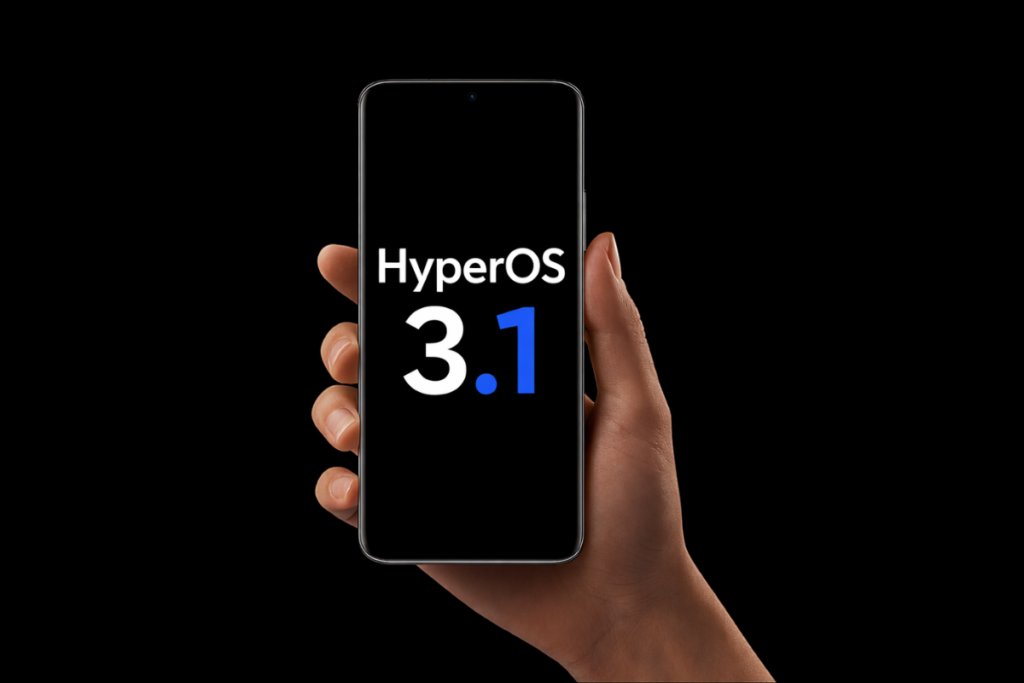
Xiaomi’s HyperOS 3.1 Makes Software Updates Seamless and Easier to Install with Super OTA

Xiaomi’s latest HyperOS 3.1 update isn’t just about new UI tweaks and ecosystem features. One of the biggest changes is the way system updates are downloaded and installed on devices. With this release, Xiaomi is introducing a new update architecture called SOTA (Super-OTA), designed to make the update process much smoother, faster and less disruptive for users.

What is SOTA and Why it Matters?

Traditionally, installing a system update on a smartphone or tablet involves downloading a patch, which then needs to be installed by rebooting your device so that the software can be applied. This can interrupt whatever you’re doing, whether you’re gaming, working, or using an application. Depending on how large an update is, this can lead to long waiting times while the device restarts and configures the new software build.

Xiaomi HyperOS 3.1 beta update
HyperOS 3.1

With HyperOS 3.1’s SOTA update structure, Xiaomi changes this behavior significantly. Instead of delivering large, fragmented patches that need separate restarts, the OS bundles system software and core app updates into a single unified package that can download and install in the background without forcing an immediate reboot. The only time your Xiaomi device needs to reboot is when there is a core component change. Even the, the process is much less disruptive.

Every Way SOTA Improves the User Experience

  • Install quietly in the background, so you can keep using your device uninterrupted.
  • Reduce the frequency of reboots, especially for minor fixes and app-module patches.
  • Deliver faster bug fixes, since smaller packages can be rolled out and applied more efficiently without waiting for a big OS update cycle.

Update builds that use SOTA will typically include labels like C05 or C06 in their build number, indicating that both system and app modules have been included in a combined patch that avoids rebooting unless absolutely necessary.

For more daily updates, please visit our News Section.

Tech enthusiast? Get the latest news first! Follow our Telegram channel and subscribe to our free newsletter for your daily tech fix! ⚡

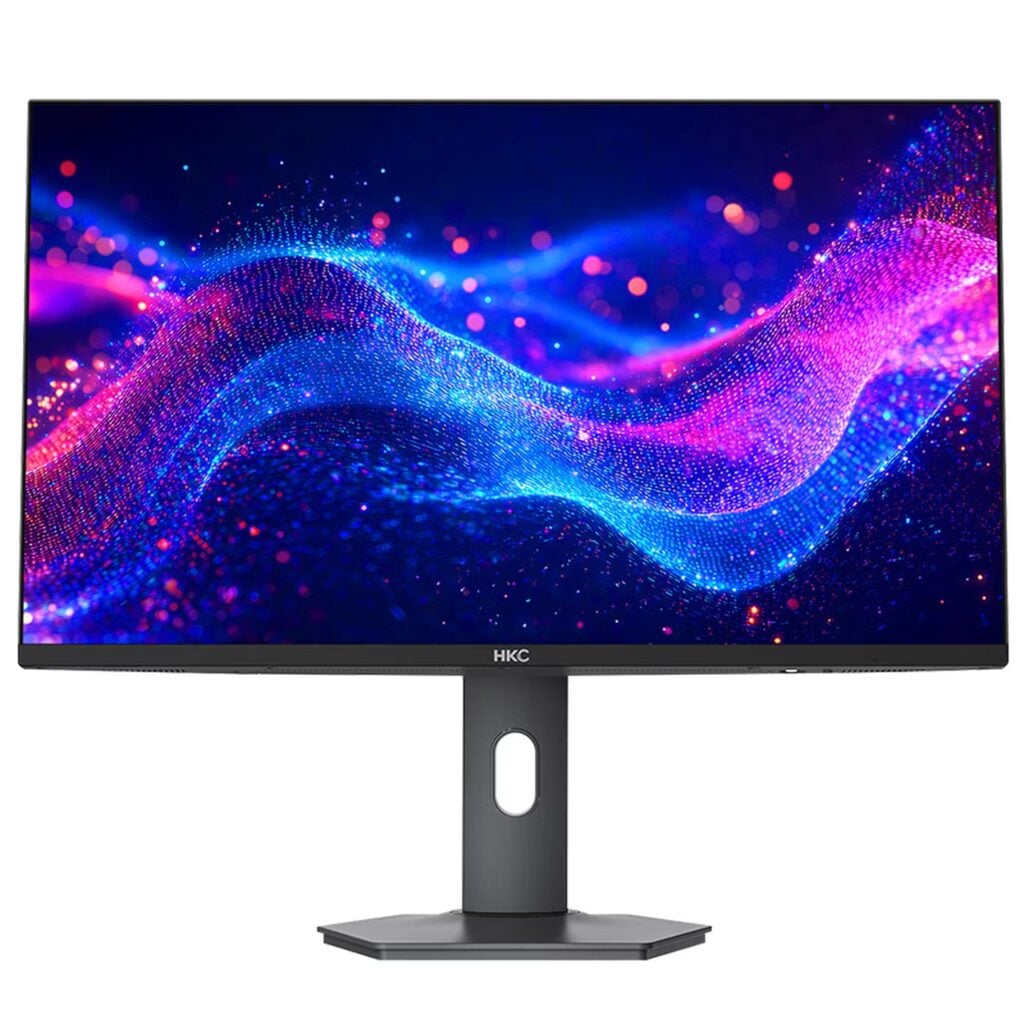
This 2K 340Hz QD-Mini LED gaming monitor from HKC costs less than $250

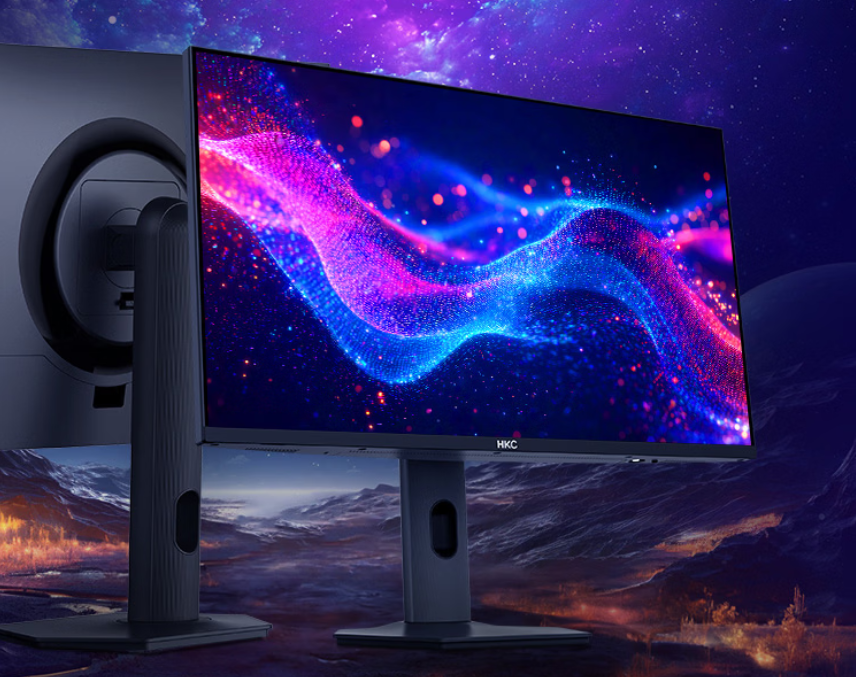
HKC has launched a new 27-inch QD-Mini LED gaming monitor, the G27M5Pro, under its Nebula series lineup. The monitor is now available on JD.com with an introductory price of 1,699 yuan ($244) during the first sales phase.

HKC G27M5Pro

HKC G27M5Pro Specifications

The G27M5Pro uses a Fast IPS panel with a resolution of 2560 x 1440 and a 16:9 aspect ratio. It supports an overclocked refresh rate of 340Hz and a 1ms GtG response time.

HKC G27M5Pro

HKC uses a QD-Mini LED backlight system that includes 1,152 local dimming zones for precise control of brightness and contrast. The monitor reaches 550 nits of SDR brightness and up to 1,400 nits in HDR mode. It also holds VESA DisplayHDR 1400 certification.

For colors, the panel supports 98% of the DCI-P3 color gamut and 100% of the sRGB color space. HKC factory-calibrates the display and maintains an average Delta E value of 2 or less. The panel supports 10-bit color depth through 8-bit plus FRC, allowing it to display 1.07 billion colors.

The G27M5Pro integrates DIC 2.0 motion blur reduction technology. It allows users to choose from three levels of motion clarity enhancement. HKC synchronizes this with HDR and local dimming so that motion sharpness does not compromise image contrast. The monitor also supports LCD light tracking to reduce halo effects and improve responsiveness during fast transitions.

HKC G27M5Pro

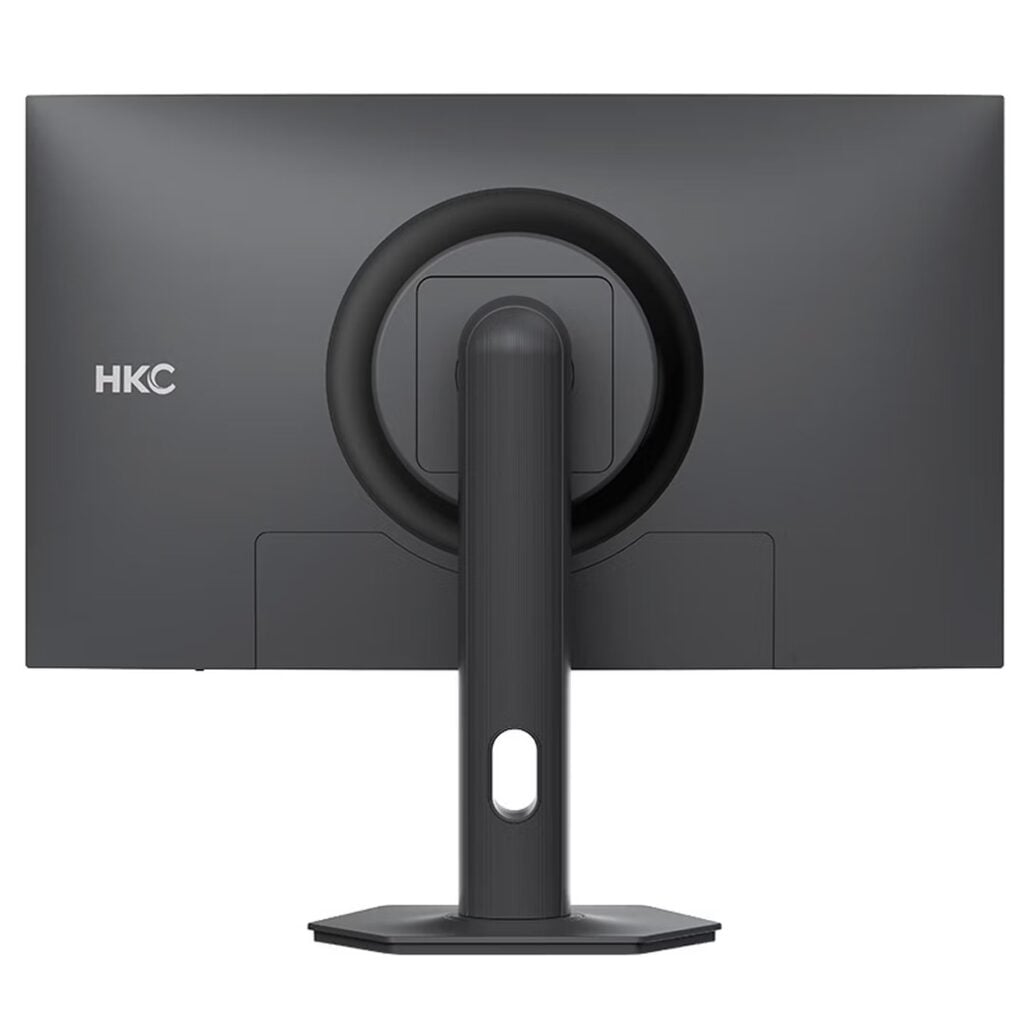
The monitor has a three-sided narrow-bezel design and a compact stand. The stand supports height adjustment, tilt, swivel, and pivot rotation. For connectivity, the monitor includes two HDMI 2.1 ports, one DisplayPort 1.4, and a 3.5mm audio output. The display also supports variable refresh rate (VRR) and comes with a 100 x 100 mm VESA mount.

In related news, TCL has recently introduced the Thunderbird Q7A Pro QD-Mini LED gaming monitor featuring a 27-inch 2K 320Hz display, while BenQ has launched the MA270UP and MA320UP monitors in India, offering 4K IPS panels and USB-C connectivity tailored for Mac users.

For more daily updates, please visit our News Section.

Stay ahead in tech! Join our Telegram community and sign up for our daily newsletter of top stories! 💡

(JD)

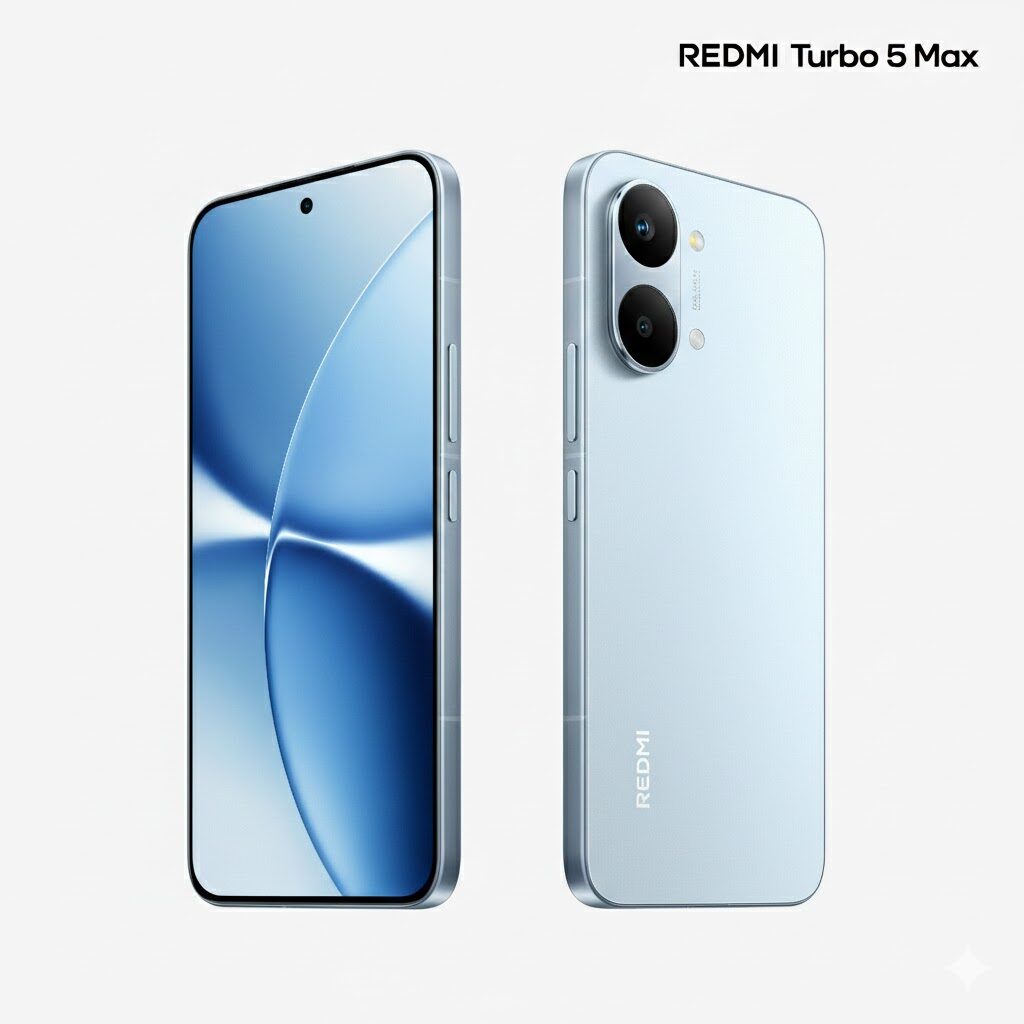
Xiaomi Upgrades Redmi Turbo 5 Max with New 16GB + 1TB Model

Only days after its initial launch, Xiaomi has updated the Redmi Turbo 5 Max with a new model. The variant brings a higher RAM and storage configuration, giving buyers even more room for apps, photos, and games. This will be the new top end version that joins the existing Turbo 5 Max models.

Redmi Turbo 5 Max launches in 16GB + 1TB option

The Chinese tech giant just announced the release of the Redmi Turbo 5 Max in a 16GB + 1TB storage configuration. But aside from this bump in storage, it is practically the same as the other available variants. So it still sports a tall 6.83-inch AMOLED display with a 1.5K resolution, a 120Hz refresh rate, Dolby Vision, and up to 3,500 nits of peak brightness. Under the hood, the device is equipped with the MediaTek Dimensity 9500s chipset.

Redmi Turbo 5 Max
Redmi Turbo 5 Max

A massive 9,000mAh battery pack powers this model, which supports 100W wired fast charging and 27W reverse wired fast charging. For optics, the rear has a 50MP Light Fusion 500 main camera along with an 8MP ultra wide angle lens. Other notable features include NFC, Bluetooth 5.4, WiFi 6, and IP69K water and dust resistance. Previously, the Redmi Turbo 5 Max topped out at 16GB + 512GB, but you’re now getting 1TB of UFS 4.1 storage as the best variant.

Keep in mind that this new model is only available in China, and it is being sold in limited quantities due to the high production cost. Meaning, it is only being made in a small initial batch at the moment. The brand has priced the 16GB + 1TB Turbo 5 Max at around 3,399 Yuan, which is roughly about 490 US Dollars.

For more daily updates, please visit our News Section.

Don’t miss a thing! Join our Telegram community for instant updates and grab our free daily newsletter for the best tech stories!

Realme P4 Power 5G Goes on Sale in India, Records 291% Higher First-Hour Sales

Realme has begun sales of the Realme P4 Power 5G in India, and early numbers show a strong start. The phone went on sale at 12 PM today via realme.com, Flipkart, and offline retail stores. Realme says sales volume in the first hour was 291 percent higher than the previous generation, pointing to strong early demand in the mid-range segment.

Realme P4 Power 5G

The Realme P4 Power 5G was launched last week and is built around a 10,001mAh battery, which stands out in its price range. The company says the early response is driven by the large battery, high refresh rate display, and performance-focused hardware.

The phone features a 6.8-inch AMOLED display with a 1.5K resolution of 1280 × 2800 pixels and a 20:9 aspect ratio. It supports HDR10+, a 144Hz refresh rate, and up to 6500 nits peak brightness. The screen is protected by Corning Gorilla Glass 7i. Powering the device is the MediaTek Dimensity 7400 Ultra chipset built on a 4nm process. It has an octa-core CPU clocked up to 2.6GHz and a Mali-G615 MC2 GPU.

The Realme P4 Power 5G comes in three variants: 8GB RAM with 128GB storage, 8GB RAM with 256GB storage, and 12GB RAM with 256GB storage. RAM is LPDDR4X, and storage uses UFS 3.1. The phone runs Android 16 with realme UI 7.0. It supports dual nano SIM cards.

For cameras, the phone has a 50MP main rear camera with a 1 by 1.95-inch IMX882 sensor, f/1.8 aperture, and 2-axis OIS. It is paired with an 8MP ultra-wide camera with an f/2.2 aperture. Rear video recording goes up to 4K at 30fps. On the front, there is a 16MP Sony IMX480 camera with an f/2.4 aperture and 1080p video support.

Other features include an in-display fingerprint sensor, infrared sensor, USB Type-C audio, and a single bottom-ported speaker. The phone has IP66, IP68, and IP69 dust and water resistance ratings. It measures 162.26 × 76.15 × 9.08mm and weighs 219g. Connectivity options include 5G SA and NSA support across multiple bands, dual 4G VoLTE, Wi-Fi 6, Bluetooth 5.2, and GPS with GLONASS and Beidou. The 10,001mAh battery supports 80W fast charging.

Pricing starts at an effective ₹23,999 with launch offers, going up to ₹28,999 for the top variant. First-sale offers include bank or exchange discounts, no-cost EMI options, and a limited four-year battery warranty.

(Source)