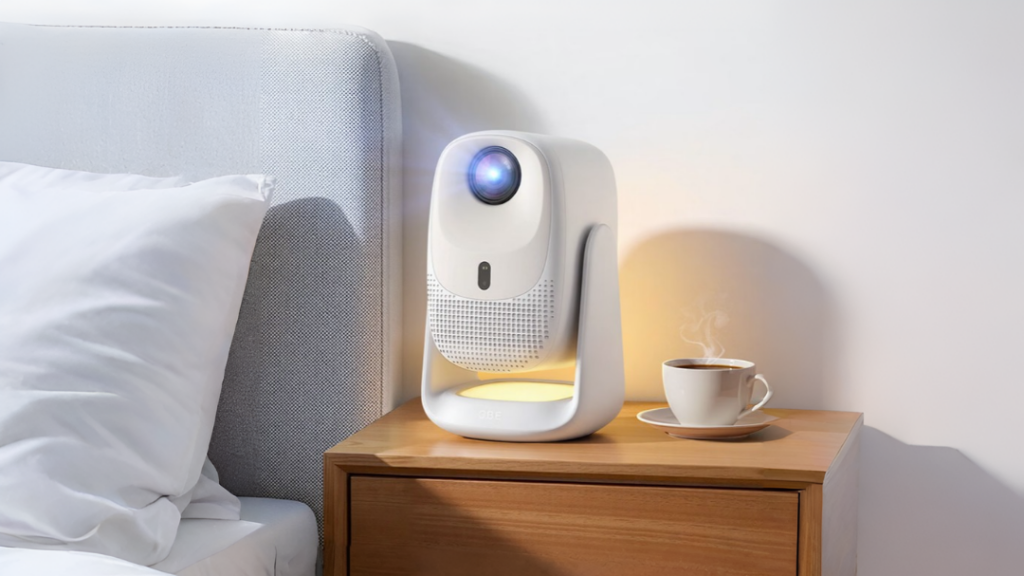
OBE has launched a new budget-focused projector in China called the C3 Pro, following the recent debut of the Max variant. The projector carries a price tag of 1,175 yuan (around $172) and is currently available through JD.com.
OBE C3 Pro Specifications
The C3 Pro comes with a built-in gimbal stand, which allows for up to 120 degrees of vertical tilt. This makes it possible to project images directly onto the ceiling from a bedside table without needing to prop the device up on other objects.
The base of the stand also functions as a touch-controlled ambient night light, indicating it is designed to sit on a nightstand or side table. Weighing approximately 2.04 kg (about 4.5 pounds) and measuring 150 x 135 x 263 mm, the device is compact enough to be moved between rooms if needed.
For its display capabilities, the C3 Pro outputs a native 1080p resolution with a brightness rating of 570 CVIA lumens. It uses a fully sealed optical engine called the Wukong X, paired with an LCD panel developed in collaboration with TCL CSOT. The projector provides a 2800:1 contrast ratio and supports HDR10 as well as 4K video decoding.
To help with the initial setup, the projector includes a Time-of-Flight (ToF) sensor and a full-color camera. These components enable automatic focus, keystone correction, obstacle avoidance, and wall color adaptation.
Internally, the device is powered by an MT9-series processor, 1GB of RAM, and 32GB of storage. It runs on the DaYanCheng OS, which supports local media playback from USB drives, voice commands, and standard screen mirroring protocols like AirPlay, Miracast, and DLNA. For connectivity, it supports Wi-Fi 6 and Bluetooth 5.3, and includes standard HDMI 2.0, USB 2.0, and 3.5mm audio ports.
The projector also features a built-in 6W speaker that can operate as a standalone Bluetooth speaker when the display is off. It includes a low-latency mode for connecting gaming consoles like a PlayStation or Nintendo Switch. According to the manufacturer, the cooling fan operates at a noise level below 26dB.
Casio is releasing a new version of its ring watch, this time in collaboration with reggaeton artist J Balvin. The CRW001JB-9 takes the standard digital watch module Casio is known for and shrinks it down to fit on a finger. It costs $200 and will be available for pre-order starting May 28th, 2026, with a general release following on June 4th.
Design Details
To be clear, this isn’t a smart ring like the Oura or the Samsung Galaxy Ring. There are no health sensors, step trackers, Bluetooth connectivity, or companion apps. It is simply a very small, fully functional digital watch.
The design is specific to the J Balvin collaboration. The stainless steel case has a gold ion-plated finish and features a textured brick pattern around the small digital display. There are small rhinestones set into the top and bottom bezels, and the back of the case is engraved with Balvin’s signature flower logo. It also ships in custom packaging that matches the gold brick texture of the hardware.
From a technical perspective, the ring measures 25.2 by 19.5 by 6.2 millimeters and weighs 16 grams. Despite the small footprint, Casio managed to retain standard digital watch functionality. The module includes a 1/100-second stopwatch, dual time, an auto-calendar, and a white LED backlight. It runs on a standard SR621SW watch battery, which Casio estimates will last for about two years before needing a replacement.
The ring is manufactured at a single fixed size: a US 10.5 (which has an inner diameter of 20mm). To fit smaller fingers, Casio includes two physical spacers in the box that reduce the inner diameter to 19mm or 18mm. If your preferred finger doesn’t fit one of those three exact measurements, you won’t be able to wear it comfortably.
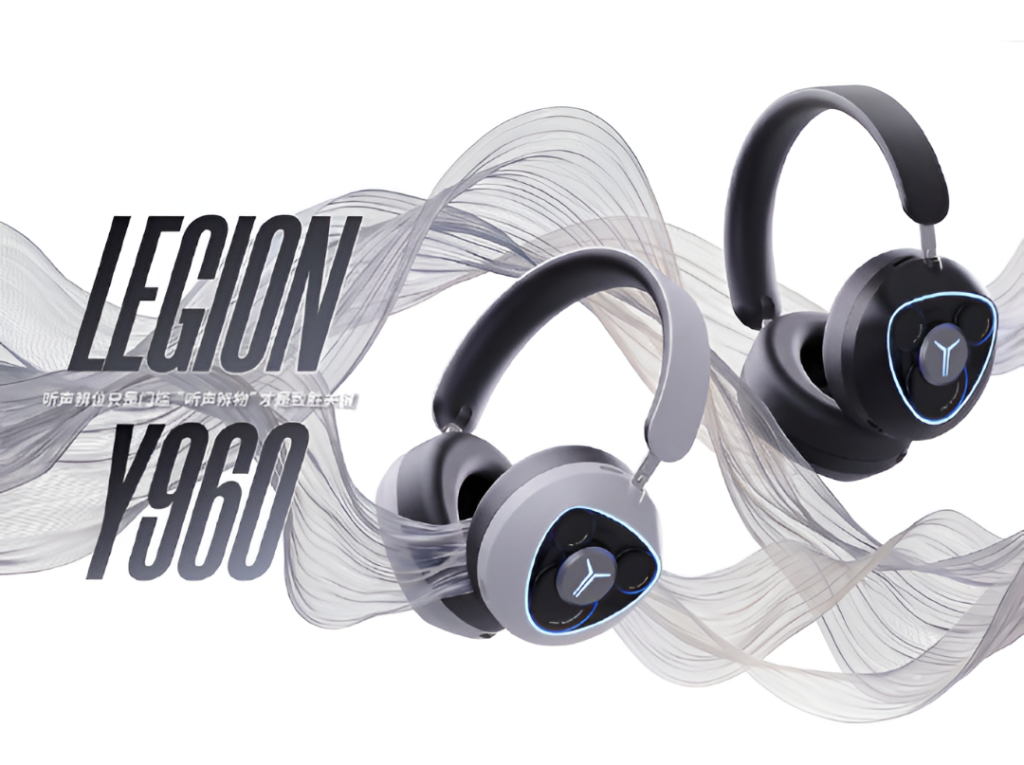
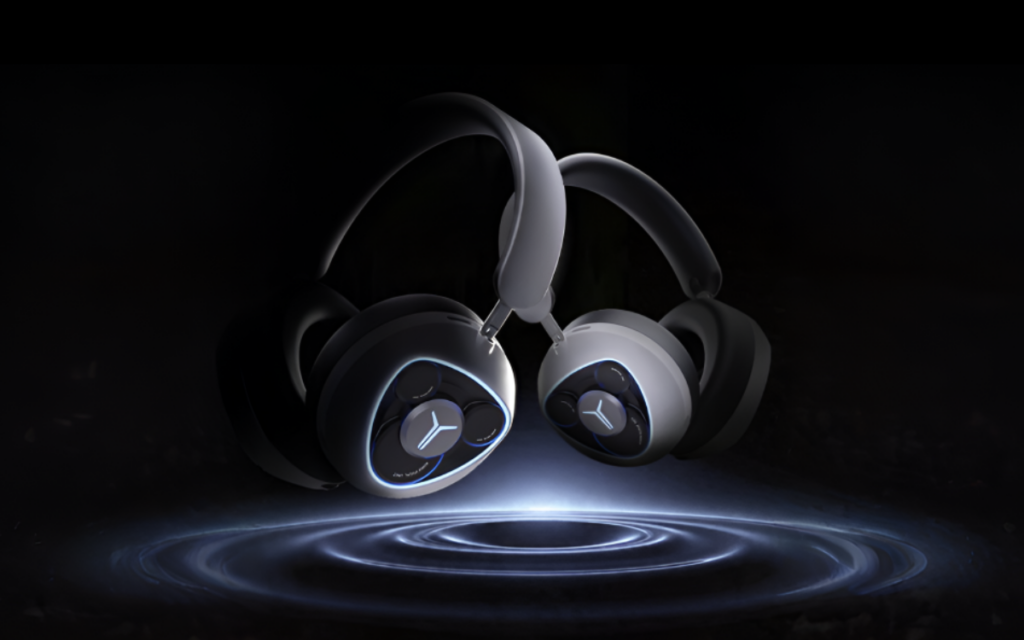
Lenovo has introduced the Legion Y960 gaming headset during its latest hardware launch event in China. It is priced at 599 yuan (around $88) and stands out by offering a physical 7.1-channel surround sound system. The headset comes in black and silver colors.
Lenovo Legion Y960 Headset Specifications
To achieve this physical 7.1 setup, Lenovo has engineered a patented six-driver acoustic architecture inside the earcups. The system pairs two primary 40mm drivers with four secondary 20mm drivers.
According to Lenovo, this hardware-level separation of audio channels is designed to help players better distinguish overlapping in-game sounds, like footsteps, gunfire, and environmental cues, with improved directional accuracy and lower latency than standard virtual processing allows.
The headset has Hi-Res audio certification and a frequency response range of 20Hz to 40kHz. It uses titanium-coated diaphragms, which are designed to help with audio clarity and dynamic range.
Lenovo also included a feature called Soundprint Perspective, which is tuned to identify and highlight specific in-game sounds to help players understand where sounds are coming from.
For communication, the Y960 comes with a detachable, unidirectional microphone. It features a cardioid pickup pattern and AI environmental noise cancellation. It also supports sidetone, so you can hear your own voice through the speakers and avoid talking too loudly.
The headset includes an inline controller with a dual sound card setup. This allows users to switch between 7.1 and 2.0 channel audio, and change between Game, Music, and Cinema sound profiles directly from the cable, without needing to install extra software.
In terms of design, the headset features customizable RGB lighting with 16 million colors and works with Microsoft Dynamic Lighting. For comfort, it weighs 346 grams and uses a suspended dual-side headband design to distribute the weight across the head, which is intended to make it more comfortable for longer periods of use. The ear cushions are fully enclosed to block out background noise passively.
The Y960 connects via a cable and comes with USB-C and USB-A options, plus a dedicated 3.5mm microphone port. It is a plug-and-play device, meaning it does not require you to download drivers to use it. It is compatible with PCs, consoles, handheld gaming devices, and phones.
Sony is marking the 10th anniversary of its 1000X headphone lineup with a noticeably more premium take on the series. The new WH-1000X The ColleXion sits above the WH-1000XM6 in Sony’s lineup and leans heavily into luxury materials, nostalgia, and refined audio tuning rather than chasing dramatic new features.
The headphones borrow several design ideas from the original MDR-1000X from 2016, which was the model that started Sony’s now-dominant noise-canceling headphone lineup. This new version uses synthetic leather around the ear cup housing, larger ear pads, a wider headband, and stainless steel accents to create a more upscale feel overall.
Sony also appears to be prioritizing comfort more aggressively this time. The ear cushions are deeper and slightly wider than those on the XM6, and the overall structure looks more substantial. The foldable hinge design from older XM models is still gone, though, with the headphones instead folding inward similarly to the XM5 and XM6.
Under the hood, Sony is still using 30mm drivers, but the company says the new soft-edge driver design improves bass response and overall sound depth. There are also internal hardware tweaks, including a thicker copper substrate on the circuit board, which Sony claims helps improve detail and soundstage performance.
The company is adding more software processing as well. New 360 Upmix modes are designed specifically for movies, gaming, and music, while DSEE Ultimate AI upscaling returns for compressed audio enhancement. Sony also says the headphones were tuned alongside engineers from Battery Studios, Sterling Sound, and Coast Mastering.
Noise cancellation remains one of the main selling points. The ColleXion uses Sony’s QN3 processor alongside a newer V3 chip and a 12-microphone setup for adaptive ANC.
Battery life lands at up to 24 hours with ANC enabled and 32 hours without it. That is slightly below the XM6, though still comfortably within flagship territory.
The biggest difference, however, is probably the price. Sony is charging $649 for the ColleXion, putting it roughly $200 above the XM6. That makes it less of a mainstream upgrade and more of a niche luxury version for buyers who want the most premium version of Sony’s headphone design philosophy.
Realistically, most people probably will still gravitate toward the XM6. But for longtime Sony headphone fans, the ColleXion feels more like a commemorative flagship built around materials, comfort, and presentation rather than pure specs alone.
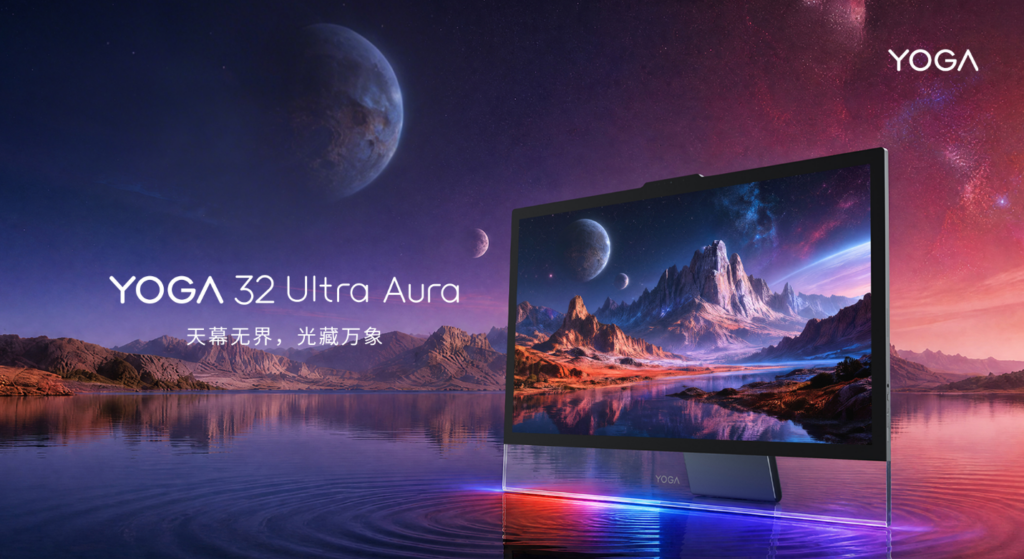
Lenovo recently introduced a new all-in-one desktop PC in China called the Yoga 32 Ultra Aura. It combines a 31.5-inch display with Intel’s newer Core Ultra processors. The desktop is priced at 22,999 yuan (around $3,374), positioning it as a high-end option for users who want an integrated desktop setup without a separate computer tower.
Lenovo Yoga 32 Ultra Aura Specifications
The AIO uses a 31.5-inch 4K (3840 x 2160) OLED panel with symmetrical 12.5mm bezels. The display specifications include a 165Hz refresh rate, a 0.1ms response time, and 99% coverage of the DCI-P3 color gamut. It reaches a peak brightness of 1,000 nits. Lenovo also added anti-reflective and anti-fingerprint coatings, as well as DC dimming, which is designed to reduce eye strain during extended use.
Inside, the Yoga 32 Ultra Aura is powered by Intel’s third-generation Core Ultra X7 358H processor, built on the Intel 18A process. This is a 16-core, 16-thread chip consisting of four performance cores, eight efficiency cores, and four low-power efficiency cores, with boost speeds up to 4.8GHz. Lenovo says the system can reach up to 180 TOPS for local AI tasks, which is a standard metric companies are currently using to market new PCs.
For graphics, the system relies on Intel’s integrated GPU, which has 12 Xe cores, 12 ray tracing units, and supports XeSS 3 frame generation. The processor is paired with 32GB of 9600MT/s LPDDR5X memory and a 1TB PCIe 4.0 SSD. To manage heat, the desktop uses a dual-fan cooling system with large-diameter heat pipes to keep operating noise down.
The PC also includes a 16-megapixel IR camera for facial recognition, a four-microphone array, and a quad-speaker audio system tuned by Harman Kardon with Dolby Atmos support.
The base of the monitor stand also has built-in RGB lighting. For connectivity, it supports Wi-Fi 7 and includes a standard mix of ports: Thunderbolt 4, HDMI 2.1, USB-A, USB-C, and a 3.5mm headphone jack. Lenovo includes a wireless keyboard and mouse in the box.
In related news, Lenovo recently unveiled the YOGA Air 14 Ultra Aura, a lightweight 975g laptop powered by an Intel Core Ultra processor. The company also introduced a new 10,000mAh 100W power bank featuring a built-in USB-C cable and a smart display.
For more daily updates, please visit our News Section.
Sony Interactive Entertainment is facing a new class-action lawsuit in the US over PlayStation 5 price increases introduced last year during the height of tariff uncertainty. The case argues that Sony raised prices citing import-related costs, but may have continued benefiting from those increases even after the tariffs themselves were later struck down.
The lawsuit, filed in California earlier this month, centers around PS5 pricing changes made in August 2025. At the time, Sony pointed to challenging economic environment, which included tariffs introduced under the Trump administration alongside broader supply chain pressures and rising component costs.
Things became more complicated after the US Supreme Court ruled those tariffs unlawful earlier this year. That decision potentially opened the door for companies to recover some of the tariff money through refunds from US Customs and Border Protection.
According to the plaintiffs, that creates a problem. The lawsuit claims consumers may have effectively paid higher PS5 prices because of tariffs while companies could still end up reclaiming some of those same costs afterward. In simple terms, critics argue companies might have passed the costs onto buyers while also seeking reimbursement later.
The lawsuit specifically accuses Sony of unfairly profiting from the situation, though it is important to note there is currently no proof the company intentionally engaged in wrongdoing. Sony also never said tariffs were the only reason behind the price increases. Like most electronics manufacturers at the time, the company was also dealing with higher logistics costs, component shortages, currency fluctuations, and general inflation across the supply chain.
The case is seeking refunds for consumers who bought PlayStation consoles during the affected pricing period.
Sony is not alone here either. Similar legal complaints have reportedly targeted other major companies, including Nintendo, Amazon, Nike, and Adidas, as frustration grows around how corporations handled tariff-related pricing during that period.
At the center of all this is a broader question that goes beyond gaming: when companies raise prices because of temporary external pressures, should those prices come back down once those pressures disappear?
Sony has not publicly responded to the lawsuit in detail so far. But the case will probably be watched closely, especially by gaming communities already frustrated with rising console and game prices over the past few years.
Sony’s new Xperia 1 VIII is drawing some criticism online, though this time it is not about the cameras or pricing. Instead, the discussion is centered around the phone’s actual thickness versus what Sony officially lists on the spec sheet.
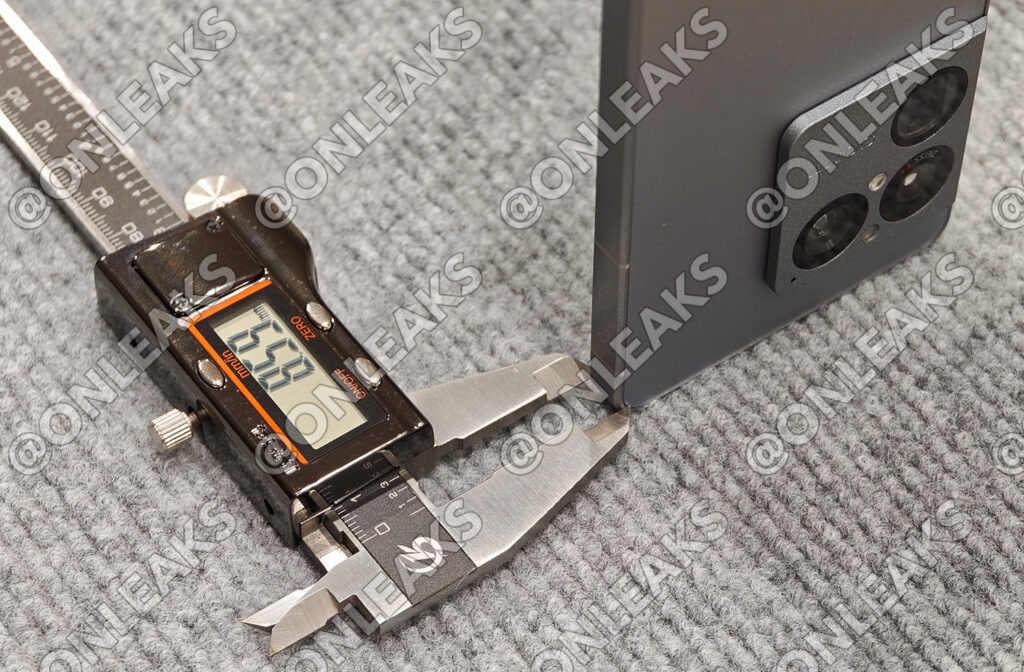
Sony advertises the Xperia 1 VIII at 8.3mm thick, but well-known leaker @OnLeaks recently measured the device and arrived at roughly 8.59mm instead. That may sound like a tiny difference, but it was enough to spark debate about how smartphone brands report dimensions in the first place.
The front and rear glass panels of the Xperia 1 VIII sit slightly above the metal frame, which Sony could be excluding from its thickness measurements. In other words, Sony appears to be measuring just the middle frame thickness.
The internet already mocked Apple for advertising the iPhone Air at 5.64mm despite its huge camera bar reaching roughly 11.32mm in thickness. Now Sony seems to be taking things a step further by excluding part of the phone body users actually hold.
Sony might have some justification for this new way of measuring thickness, just as it did during the recent AI Camera Assistant controversy. Unfortunately, there has been no official response so far, so we cannot say for sure how the company measured the Xperia 1 VIII and arrived at the 8.3mm figure.
Most people probably would never notice a 0.29mm difference in daily use. Still, the situation touches on a larger issue that has existed in the smartphone industry for years. Brands often advertise the thinnest possible point of a device while ignoring protruding camera bumps or slightly raised glass edges.
Some companies even end up with small dimension differences between color variants because of coating layers or material changes, yet the marketing almost always highlights the smallest number possible.
At the end of the day, this is not exactly a scandal-level controversy. But it does highlight how smartphone measurements can sometimes be more complicated than the clean numbers listed on product pages. For buyers who care about ergonomics and in-hand feel, independent measurements and hands-on reviews still matter quite a bit.
Lenovo has officially announced the new Lenovo YOGA Air 14 Ultra Aura in China. The company says the laptop weighs just 975 grams while boasting a premium 14-inch OLED screen and Intel Core Ultra series processors. The device starts at 9,999 yuan, or some USD 1,470.
The laptop is 13.9mm thick and comes with a skin-friendly silk coating that gives the body a soft matte finish. Lenovo is offering the laptop in three color options inspired by silk fabrics.
Lenovo Yoga Air 14 Ultra Aura Specifications
Despite the slim and lightweight design, Lenovo claims the laptop can still deliver up to 40W of performance output. To manage heat, the company has included a cooling system that uses a diamond copper thermal solution made with around 3.4 carats of diamond material.
Lenovo says the laptop’s surface temperature can stay as low as 28 degrees Celsius during office workloads. The cooling system also includes a superconducting aluminum heat dissipation module and a high-strength aluminum fan.
As for the raw performance, users can configure it with up to Intel’s third-generation Core Ultra X9 388H processor. The chip includes 16 cores made up of four performance cores, eight efficiency cores, and four low-power efficiency cores. It can reach boost clock speeds of up to 5.1GHz and includes 18MB of L3 cache.
For display, the YOGA Air 14 Ultra Aura uses a 14-inch 2.8K OLED panel with a 120Hz refresh rate and peak brightness of 1,100 nits. The screen also supports touch input for intuitive navigation.
Lenovo says the laptop can deliver up to 27 hours of offline video playback and around 16.8 hours of simulated office battery life.
The laptop also includes up to 64GB RAM and 2TB storage configurations, along with Windows 11 and Lenovo’s Tianxi AI assistant features.
Price and Availability
As mentioned earlier, the Lenovo Yoga Air 14 Ultra Aura starts at 9,999 yuan (around $1,470) for the Ultra5 325 model with 16GB RAM and 1TB storage.
The Ultra5 338H model with 32GB RAM and 1TB storage starts at 12,499 yuan (around $1,840), while the Ultra X7 358H version costs 13,999 yuan (around $2,060).
The top-end Ultra X9 388H model with 64GB RAM and 2TB storage is priced at 22,999 yuan (around $3,390). Lenovo has also announced educational discounts and bundled accessories for early buyers.
Xiaomi is leaning heavily into battery life with the upcoming Xiaomi 17 Max, and the company’s latest teaser makes it pretty clear what the phone’s main selling point is going to be.
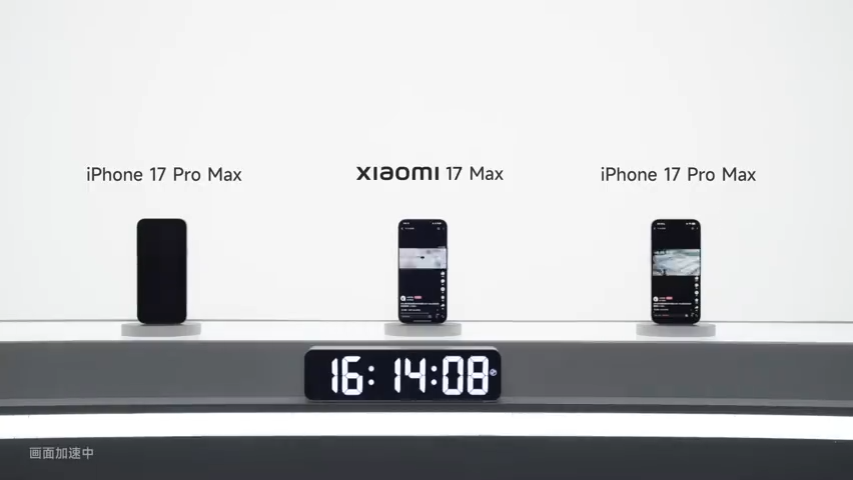
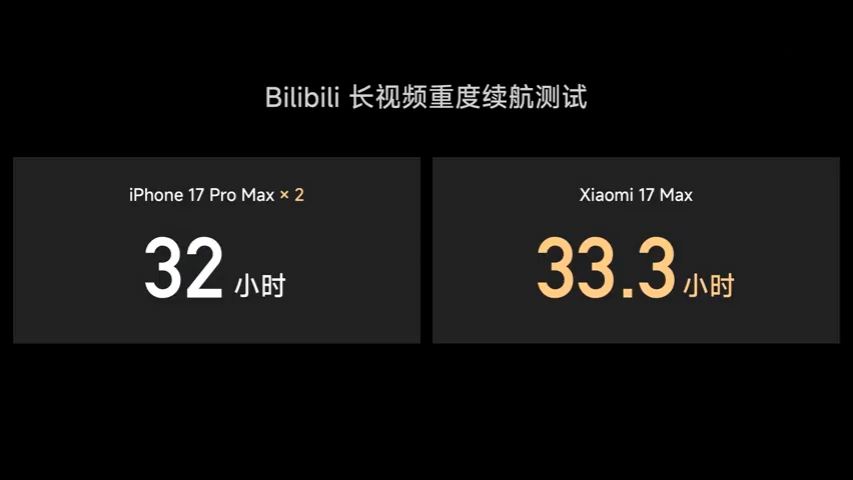
Ahead of the official launch later this month, Xiaomi shared a new video showing the 17 Max running through an extended video playback test. The phone managed 33.3 hours of continuous screen-on time during streaming, which Xiaomi demonstrated was enough to outlast two iPhone 17 Pro Max units combined under the same conditions.
Naturally, official endurance tests should always be taken with some caution since brands tend to optimize these demos heavily. Still, even allowing for marketing exaggeration, the result points to genuinely massive battery endurance.
The reason is not hard to figure out. The Xiaomi 17 Max is the first phone in Xiaomi’s history to pack an 8,000mAh battery.
The rest of the hardware is flagship-level as expected. The phone features a large 6.9-inch LTPO AMOLED display, Qualcomm’s Snapdragon 8 Elite Gen 5 chip, and Leica-branded cameras led by a new 200MP main sensor. Xiaomi is also including 100W wired charging, 50W wireless charging, and IP68 water resistance.
The official unveiling is scheduled for May 21 in China, where Xiaomi is also expected to announce several other products, including the Xiaomi Band 10 Pro, new clip-on earphones, and the YU7 GT electric SUV.
Battery life has become a bigger focus across the smartphone industry lately, especially as brands compete to push silicon-carbon battery technology further. But even in that context, 8,000mAh is still unusually large for a mainstream flagship phone.
If Xiaomi manages to balance that battery size without making the phone too heavy or bulky, the 17 Max could end up standing out pretty quickly among 2026 Android flagships in markets across China and Europe.
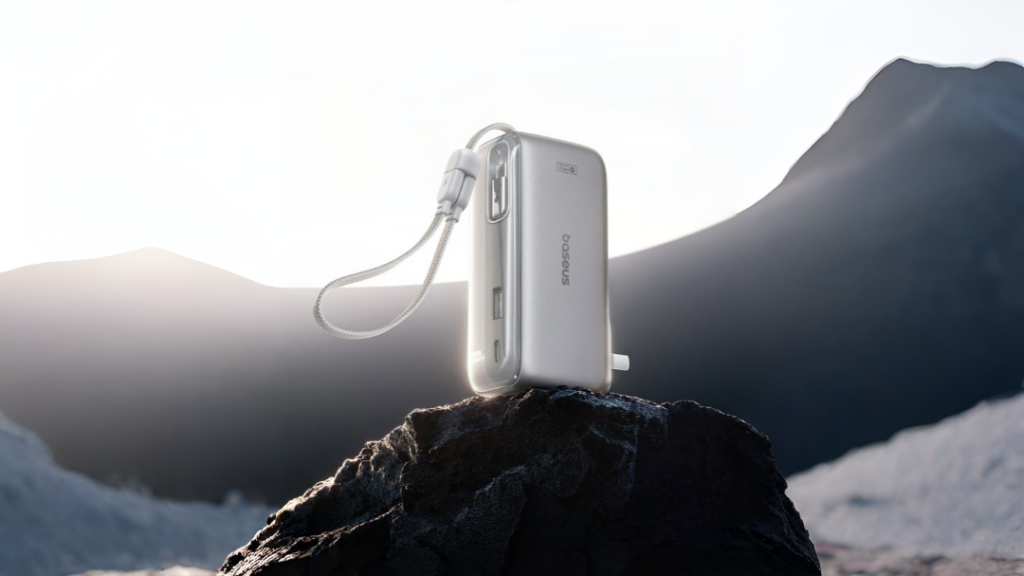
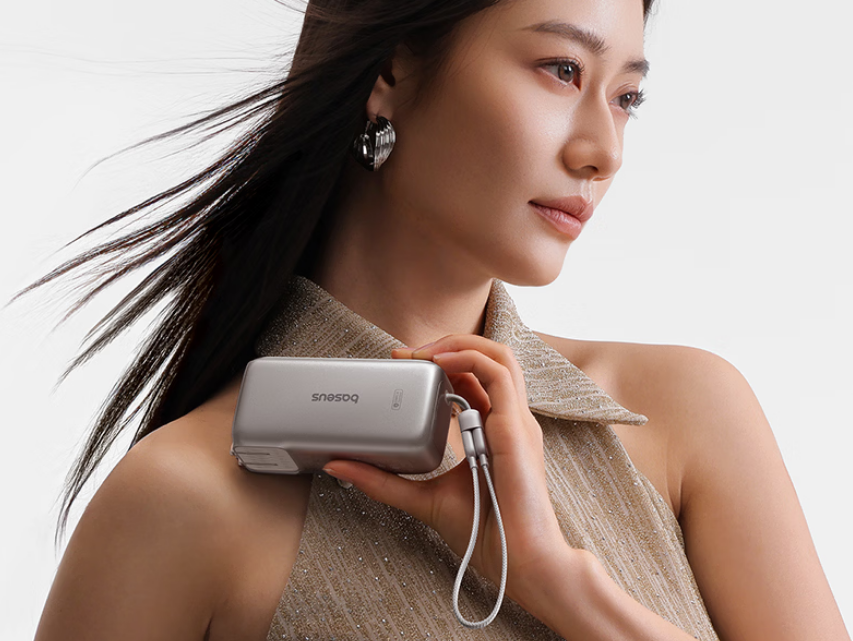
If you travel frequently, you probably have a dedicated pouch just for keeping your charging gear organized. You need a wall adapter for the hotel room, a portable battery for the flight, and enough cables to connect everything. Baseus is trying to simplify that setup with its new PicoGo Super Energy Pro, a 3-in-1 device that just launched in China.
Baseus PicoGo Super Energy Pro Specs
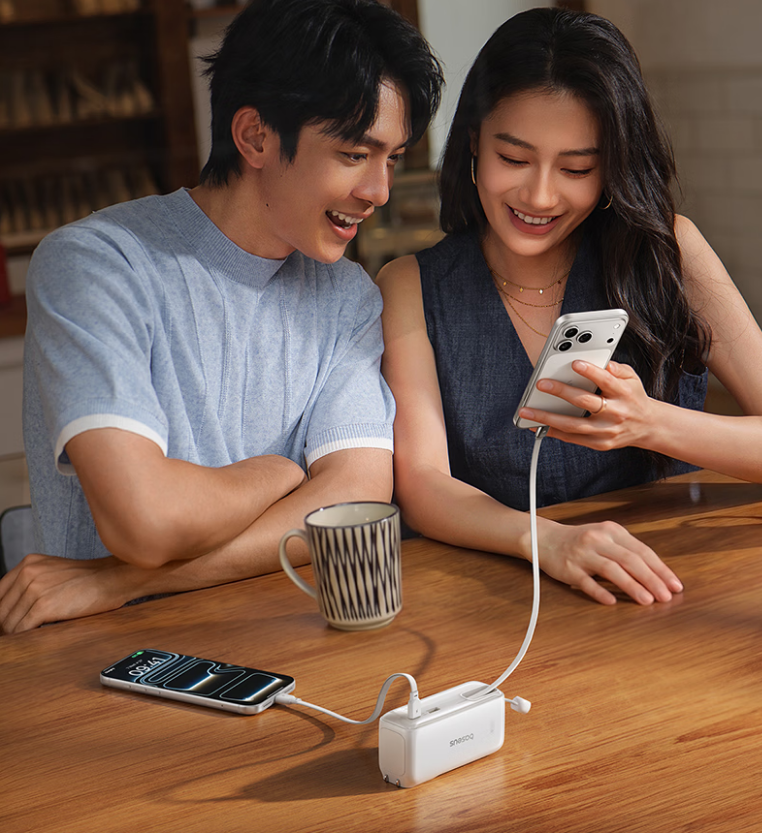
The concept isn’t entirely new, but the execution here is highly practical. It’s a 10,000mAh power bank that features built-in foldable wall prongs, meaning it doubles as your standard wall charger. What makes it stand out is the integrated cabling. Baseus managed to fit a retractable 72cm USB-C cable into the chassis, along with a shorter 20cm USB-C cable that doubles as a carrying lanyard. The goal is to let you leave your extra cables at home.
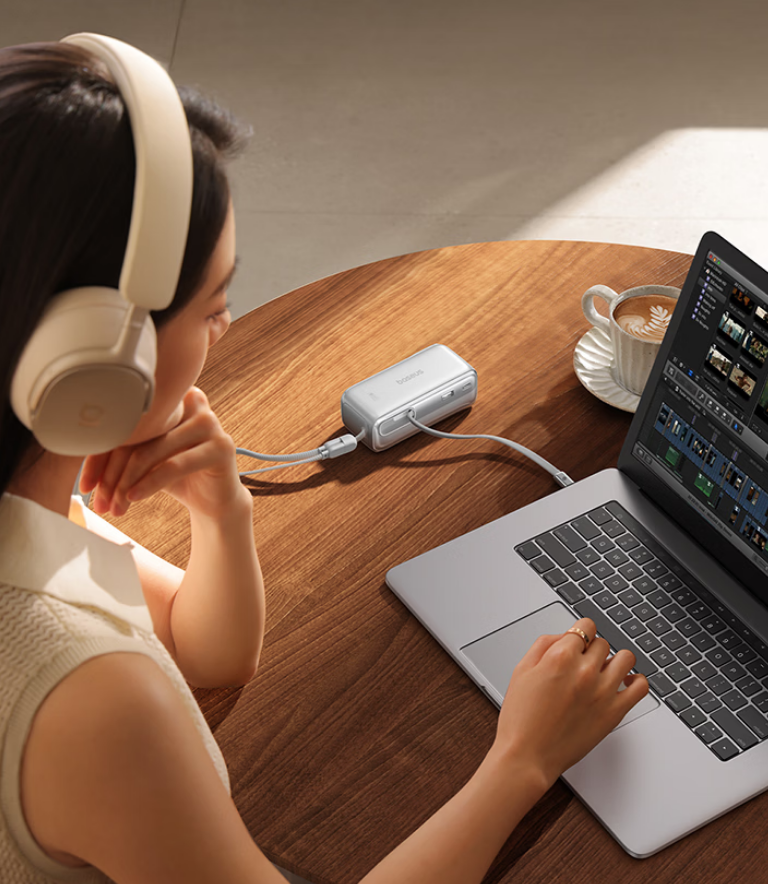
In terms of power, the brick is surprisingly capable for its size. Both the built-in retractable cable and the standalone USB-C port can output up to 67W. That is plenty of juice to fast-charge a phone, a tablet, or even keep a thin-and-light laptop like a MacBook Air running at full speed. There is also a standard USB-A port that outputs 20W for older accessories.
When you plug the unit into a wall outlet, it acts as a pass-through charger. It smartly prioritizes routing power to your connected devices first; once your phone or laptop is topped up, it redirects the current to refill its own 10,000mAh internal battery. If you aren’t near a wall outlet, you can also recharge the power bank via a USB-C cable at up to 35W.
Naturally, cramming a power supply, a battery, and a mechanical retracting cable into one box means it isn’t the smallest device on the market. It measures 112 by 39 by 56mm and weighs 326 grams. That is quite heavy for a 10,000mAh battery, but the trade-off is that you aren’t carrying a separate wall adapter and wires.
Baseus also threw in a few extra features, including a basic LED display to check your battery percentage and an NFC tag. If you tap a compatible phone to the brick, it pulls up the battery’s health and diagnostic stats. It also supports all the standard charging protocols, PD, PPS, QC, and others, so it will work fine with Apple, Samsung, and Google hardware.
Pricing and Availability
The PicoGo Super Energy Pro is currently available in China in silver, white, and pink for an introductory price of 345 yuan (about $50). Baseus hasn’t announced international availability yet, but the company regularly brings its charging accessories to global markets, so it will likely show up on Amazon eventually.
In related news, Baseus has recently introduced the MC2 clip-on earbuds with up to 60 hours of battery life, IP67 dust and water resistance, and LDAC audio support.
For more daily updates, please visit our News Section.
Samsung has recently started to roll out the stable One UI 8.5 update globally. It is now available for over a dozen Galaxy devices, with more to receive it in the coming days and weeks. Whether you have received the update or are still waiting for it, don’t miss these five upgrades that turn One UI 8.5 from a mere incremental upgrade into a truly useful upgrade.
1. Quick Panel receives its biggest upgrade in years
Image credit: Tarun Vats/X
Quick Panel has received numerous upgrades in recent years, but this one is big, especially for those who like customization. One UI 8.5 removes almost all restrictions on Quick Panel customizations, allowing users to drag, resize, and remove any slider, toggle, or widget.
You can even change the sliders from standard bars to vertical bars. Further, major interface widgets like media player, brightness sliders, and volume sliders can be shrunk or expanded.
For comparison, One UI 8.0 only allows reordering specific sections. It doesn’t even let us remove or reposition Smart View and Device Control tiles. One UI 8.5 offers absolute freedom to customize the Quick Panel as you need. You can even remove all sections and tiles for a completely blank layout.
One UI 8.5 replaces the traditional bottom navigation bar with a modern pill-shaped UI element, officially called the “Floating tab bar.” It’s a compact element with translucent matte appearance and a smooth gradient blur.
Unlike the previous navigation bar, the floating tab bar is detached from the edges of the screen. It appears to dynamically float directly above the on-screen content, offering a premium aesthetic and improved one-handed reachability.
Samsung offers a floating tab bar UI across many of its first-party applications, including Phone, Gallery, and Samsung TV Plus. Third-party developers have also started integrating the modern floating bar into their apps, pushing towards a unified user experience.
3. Galaxy AI becomes a lot more useful
Samsung phones offer the best AI experience, and it only keeps getting better with each upgrade. The latest software, One UI 8.5, adds the “Call screening” feature within Call Assist. It can automatically pick up calls and ask the caller why they’re calling.
Even if the AI picks up the call, you can still talk to the caller any time, or switch to the Text call. This is a great way to filter spam calls, and also helps avoid unnecessary calls when you’re busy.
One UI 8.5 also features an upgraded Photo Assist, which lets users edit photos with AI without needing to save each iteration. And there’s a history button at the top-right corner to see past generations. The Sketch to image feature has also been replaced with a more versatile Create tab, which lets you change backgrounds or add objects using descriptive text prompts rather than drawing them.
Unfortunately, Galaxy AI is limited to a small subset of Galaxy devices, particularly the high-end phones released in recent years. That’s because of hardware limitations.
4. Seamless file sharing with Apple devices via AirDrop support
One UI 8.5 finally removes the file sharing complexities that have existed between Android and Apple devices for years by making Quick Share compatible with Apple’s AirDrop. So, you can now seamlessly share files with Apple devices in a few easy clicks.
To enable this new feature, navigate to Settings > Connected devices > Quick Share and enable Share with Apple devices. When you want to share a file, go to Settings > AirDrop on your Apple device, tap Everyone for 10 minutes, then start sending files.
One UI 8.0 already offers rich lock-screen customization, but it has just gone a level up with One UI 8.5. The new software automatically adjusts the placement of people and pets around the clock and widgets for a perfect fit. You can now also preview and apply live weather effects directly from the wallpaper preview screen.
If you’re still waiting for the One UI 8.5 update, go to Settings > Software updates > Download and install to manually check the status. Anyway, you can visit the Samsung section regularly for the latest details, or join our Telegram channel to get instant alerts.
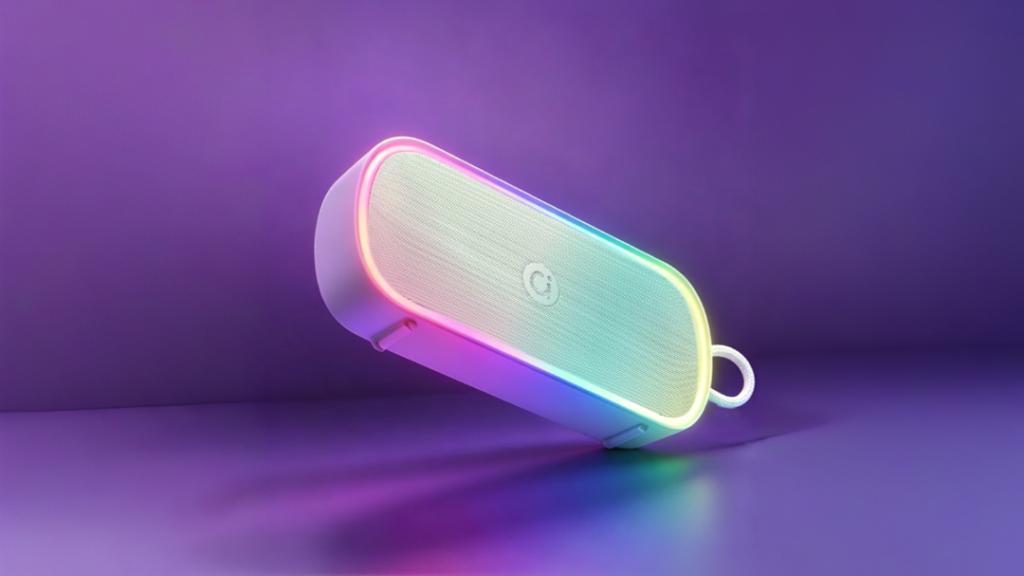
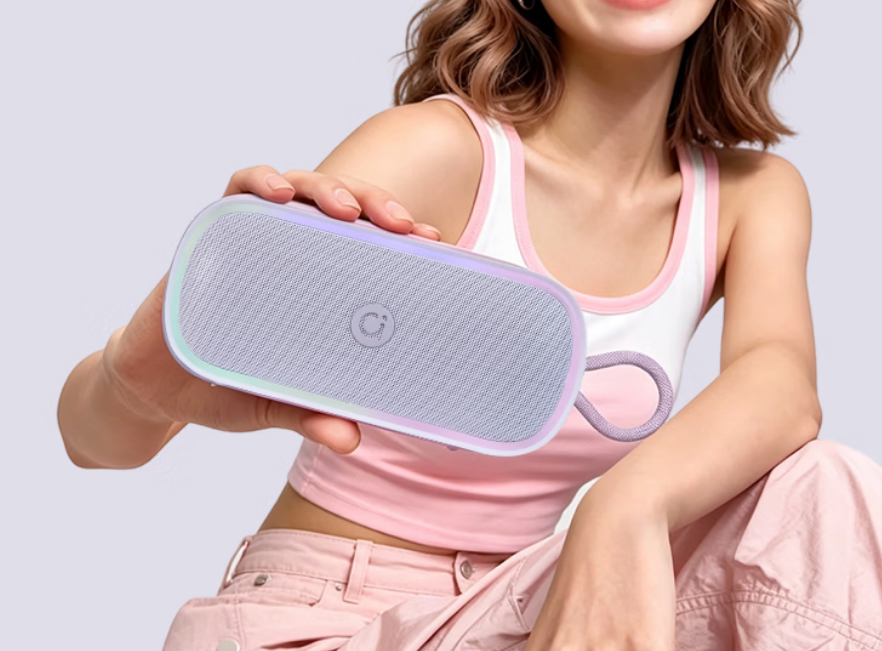
Asus has quietly added a new portable Bluetooth speaker to its Adol sub-brand lineup in China. The new device is currently listed on JD.com for 239 yuan ($35). For that price, it offers a fairly standard but useful set of features for a portable audio device, including a 20W speaker setup, customizable RGB lighting, and a few different ways to play your music.
Asus Adol Bluetooth Speaker Specifications
On the outside, the speaker is clearly designed to be easy to carry around. It weighs 480 grams and measures 142 by 86 by 57mm, making it small enough to toss into a backpack.
Asus included a built-in strap for carrying or hanging the device, and it comes with an IPX7 water-resistance rating. You can pick it up in four colors: Meteorite Gray, Rose Gold Pink, Sage Green, and Iris Purple.
For audio, the speaker uses a 20W triple-driver system. This includes two bass drivers and a single dedicated tweeter. If you want a wider sound, the speaker supports True Wireless Stereo (TWS) pairing, so you can link it up with other compatible units to create a stereo setup.
The front of the device features the Adol logo, surrounded by an RGB light ring. There are five lighting modes to choose from, including a setting that syncs the lights to the beat of whatever you are listening to.
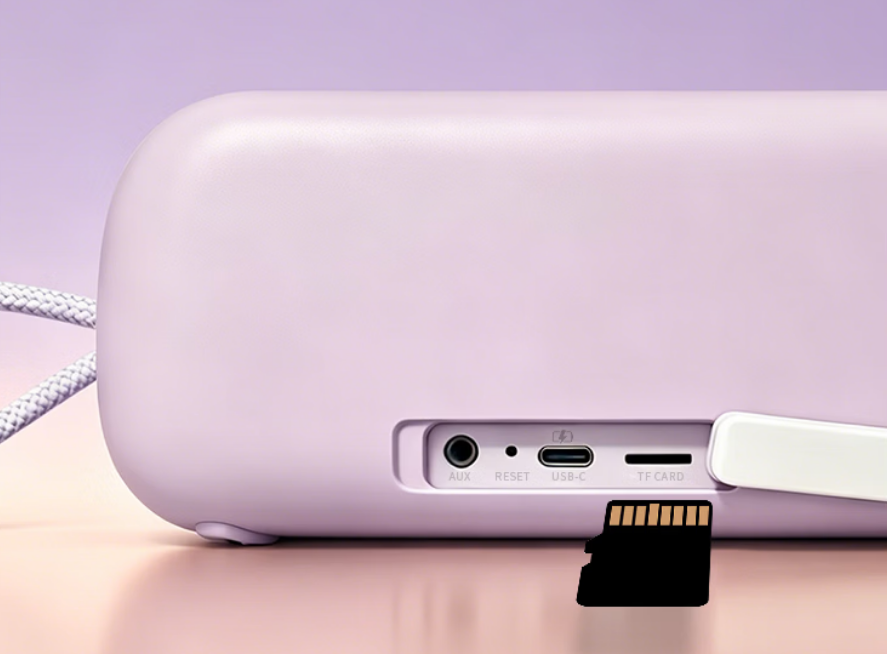
Connectivity is straightforward. It runs on Bluetooth 6.0, which Asus says provides a stable connection up to 10 meters away. If you prefer not to use Bluetooth or want to save your phone’s battery, the speaker also has a TF card slot and an AUX input for wired connections. There is also a built-in microphone for taking hands-free calls.
Inside, the speaker is powered by a 2000mAh battery. Asus estimates it will last up to 10 hours on a single charge. However, like most battery claims, there is a catch: you have to keep the volume at 50% and leave the RGB lighting turned off to actually get that much time out of it. Right now, there is no word on whether Asus will release the speaker outside of China.
In related news, GOBOULT recently unveiled Mustang-inspired speakers with Marshall-style aesthetics at affordable prices, while Portronics introduced the Strings smart speaker with a built-in alarm clock and wireless charging support.
For more daily updates, please visit our News Section.
Samsung’s next foldables are starting to leak in more detail, and this year the company seems to be focusing less on redesigns and more on fixing the things people have been complaining about for years. According to a new report from TechManiacs, the Galaxy Z Fold 8 lineup could bring larger batteries, slimmer bodies, and even a new wider version of the Fold.
The regular Galaxy Z Fold 8 is reportedly getting thinner again, measuring around 4.1mm when unfolded, down slightly from the Z Fold 7’s 4.2mm thickness. Weight is also said to drop to roughly 210 grams, compared to 215 grams on the current model. Together, these changes should make the phone feel a bit less bulky in everyday use. Samsung foldables have improved steadily in this area, but Chinese brands like Honor and Huawei have been moving much faster lately, so the pressure is clearly there.
Battery life may finally see a meaningful upgrade too. The Fold 8 was previously tipped to jump from the Fold 7’s 4,400mAh battery to a larger 5,000mAh unit, along with faster 45W charging. That may not sound huge on paper, but Fold users have been asking for better battery endurance for a long time.
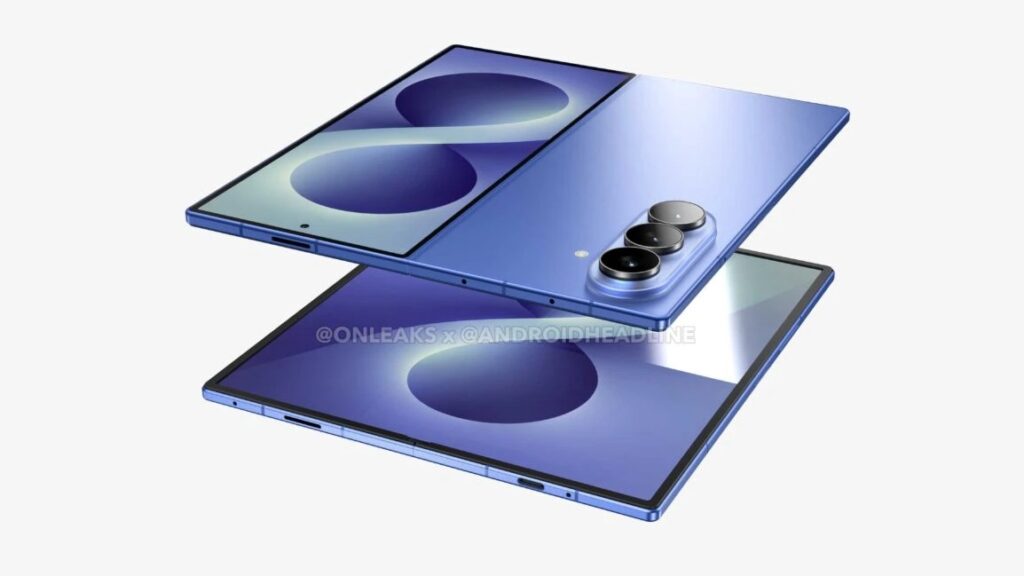
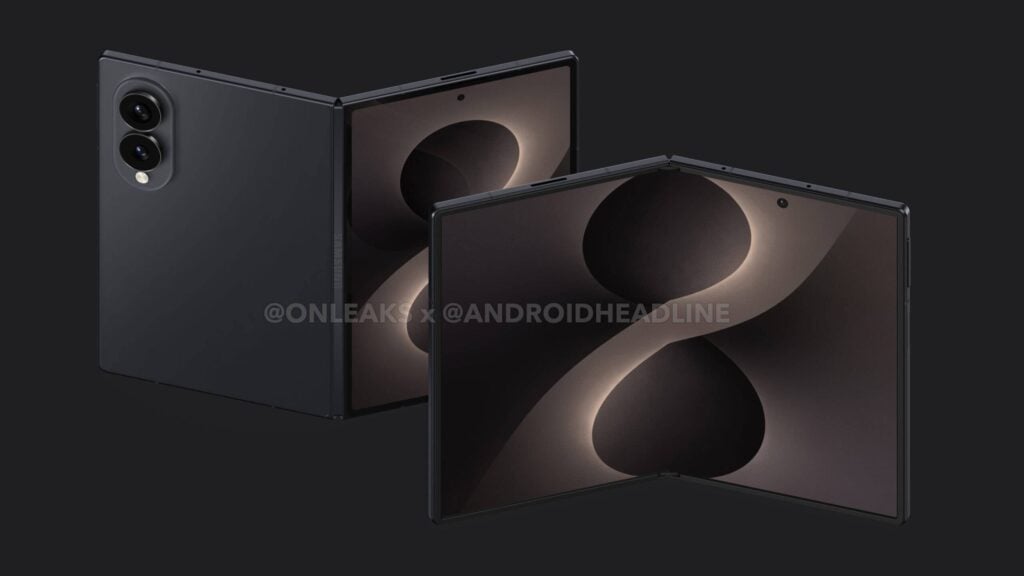
The more interesting leak, though, is the Galaxy Z Fold 8 Wide. Samsung reportedly is testing a wider foldable with a 7.6-inch inner display using a near-square 4:3-style aspect ratio. In other words, something that feels more like a small tablet when opened instead of the tall, narrow Fold design Samsung has used for years.
Samsung may drop the telephoto camera entirely and stick to a simpler dual 50MP setup. The saved space seemingly goes toward the battery, which is tipped to reach 4,800mAh — around 400mAh larger than the 8.0-inch Galaxy Z Fold 7.
If these reports turn out to be accurate, the Fold 8 series may end up being less about flashy new features and more about finally catching up in areas users actually care about.
The HUAWEI Watch FIT 5 Pro came out in April 2026. It sits in the middle of HUAWEI’s wearable lineup, not as basic as a fitness band, not as expensive as a flagship smartwatch. Gizmochina reviewed its predecessor, the Fit 4 Pro – A major upgrade to this series with a sleek design. But the new smartwatch is still beyond expectations – a clearly more polished upgrade over the Fit 4 Pro, especially in terms of look and design details.
At around £249, it’s meant for people who want solid health and fitness tracking without paying top-tier prices. After wearing it for two weeks, here are the things you need to know.
Design
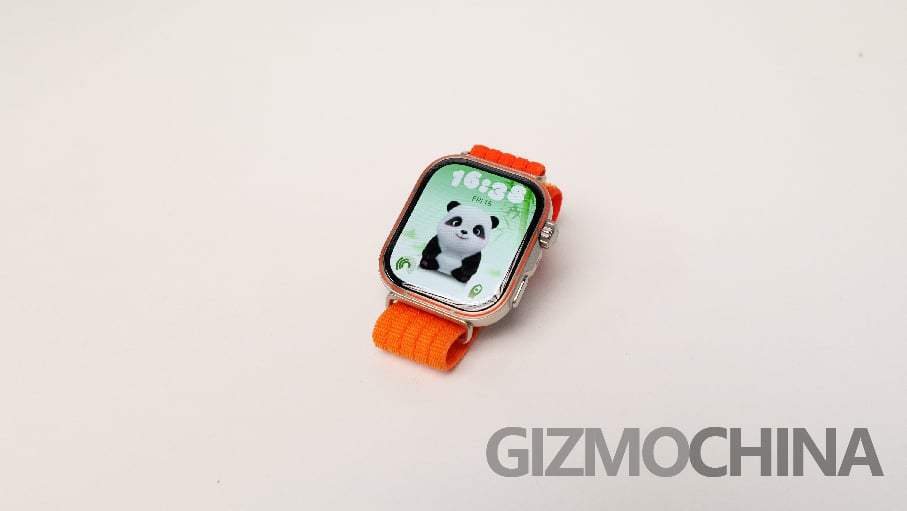
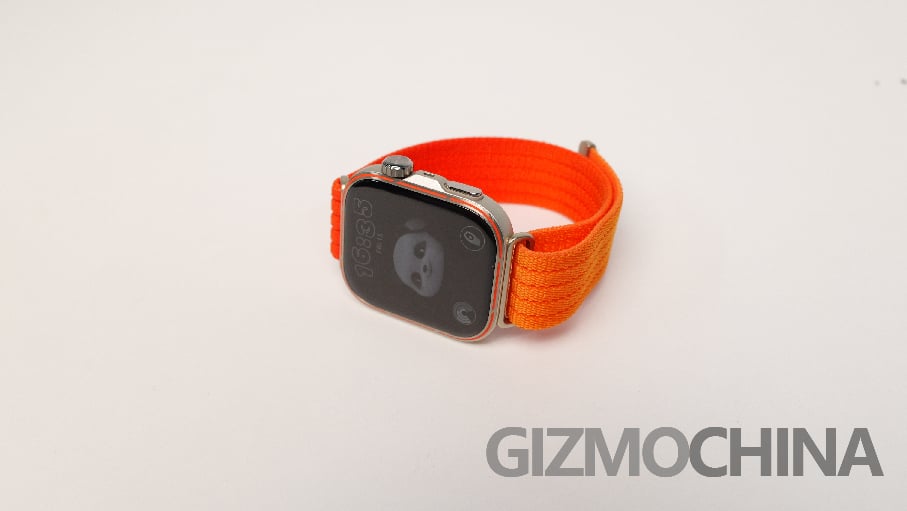
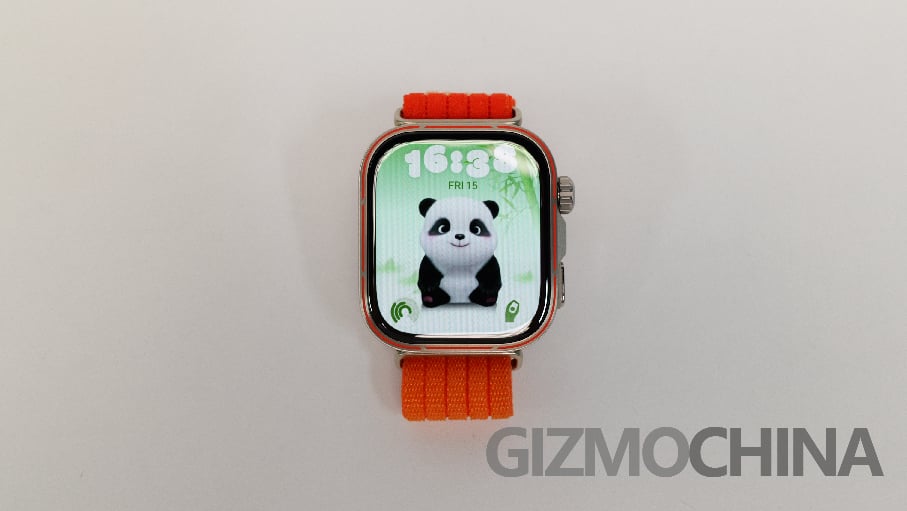
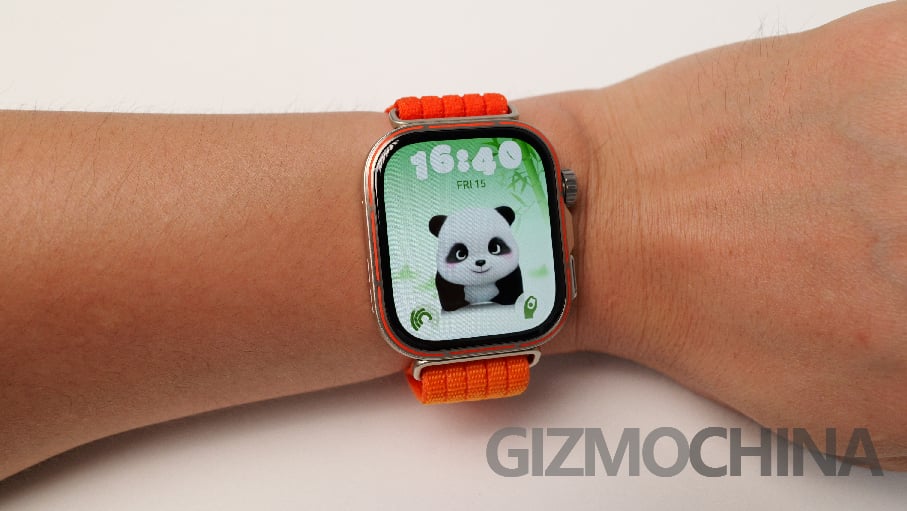
The FIT 5 Pro keeps the rectangular shape that HUAWEI has used since the first Fit model. It measures 44.5 × 40.8 × 9.5 mm and weighs about 30 grams without the strap, so it’s light enough to wear all day and sleep with at night. One delightful detail is the default sports strap— The bright orange one features the same breathable nylon strap found on the HUAWEI Watch GT Runner 2. It feels comfortable on the wrist, offers some flexibility, allows sweat to evaporate quickly, and most importantly, it is very gentle on the skin – the best sports strap we’ve tried so far.
It keeps the titanium alloy bezel and aluminum body. The screen is covered with 2.5D sapphire crystal glass, which is harder to scratch than regular glass. The display is a 1.92-inch AMOLED panel with 480 × 408 resolution. It gets bright enough, 3,000 nits at peak, to read in direct sunlight. The bezels around the screen are thin at 1.8mm, and completely equal at four sides, so the watch face looks fairly modern. The main eye-catching difference is the brilliant ring set into the bezel, applied using the Oil-filling technique, which makes the watch stand out from the rest of the HUAWEI Watch series.
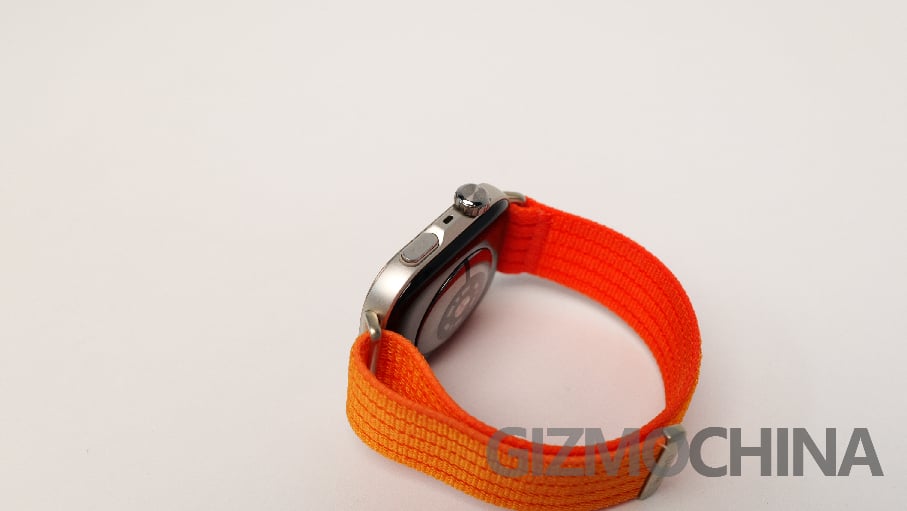
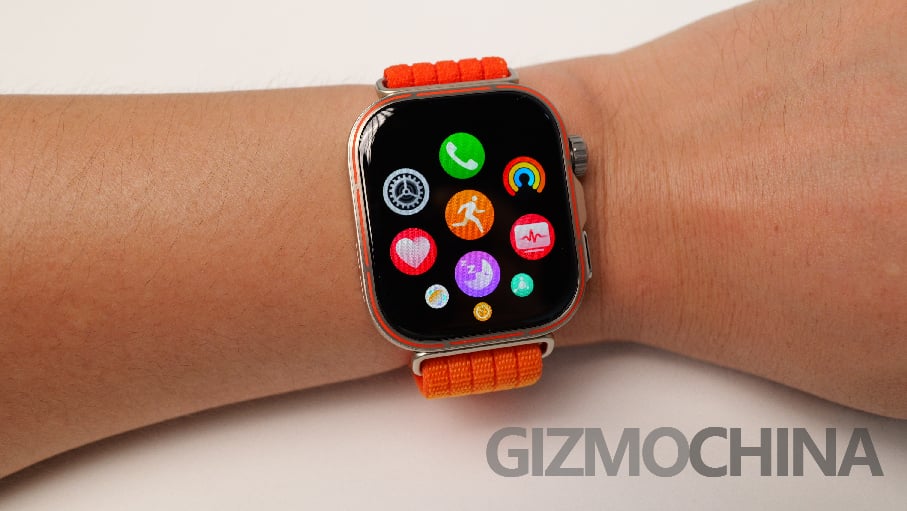
There’s a rotating crown on the side for scrolling through menus, plus a button below it that opens the workout menu. The straps attach with a lug-style connector, which makes them easier to swap than the pin system on cheaper HUAWEI watches. You can get it in orange, white, or black.
Features
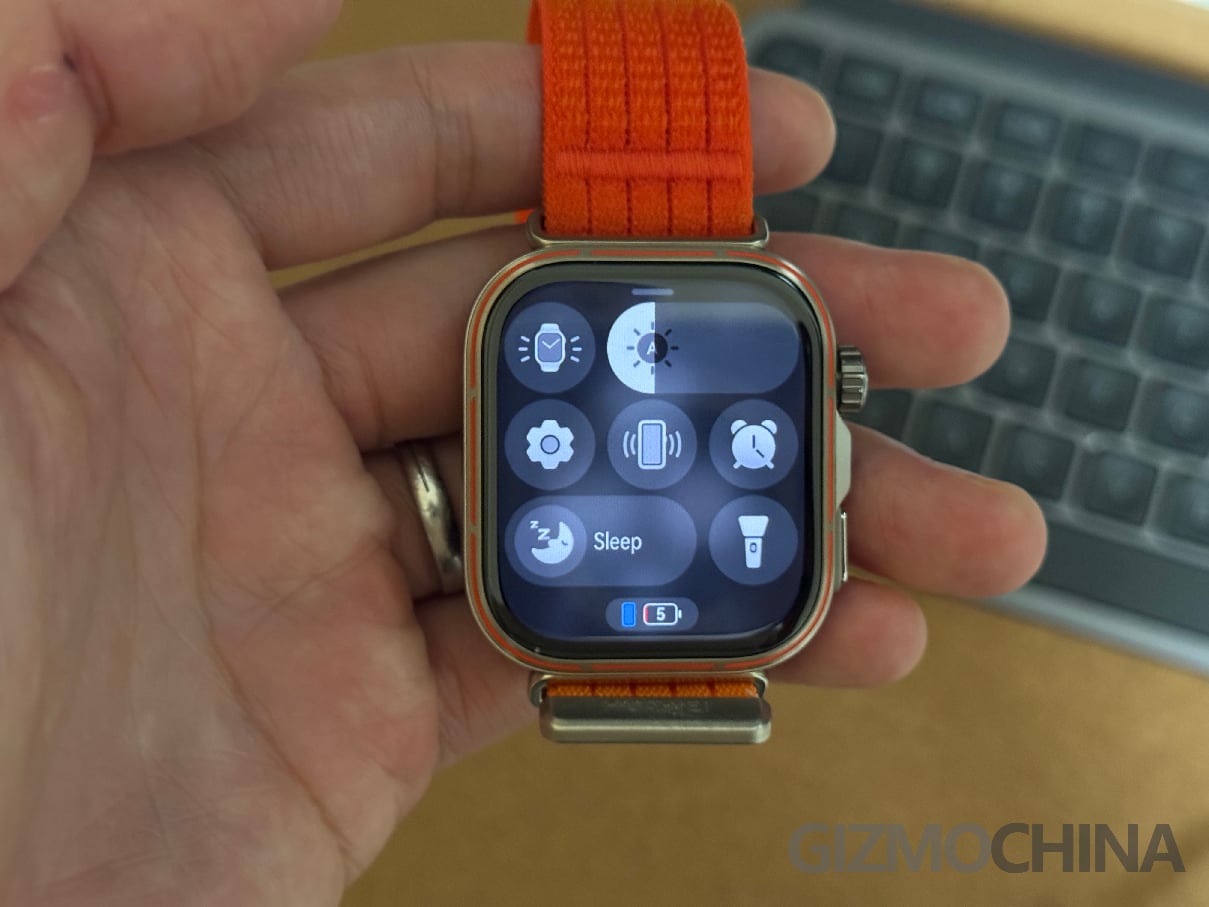
The watch runs HarmonyOS 6. Basic features are here, you can answer calls through Bluetooth, get notifications, store music for offline listening, and use it as a remote camera shutter. There’s also an NFC chip for payments, though this depends on whether your bank supports it in your region.
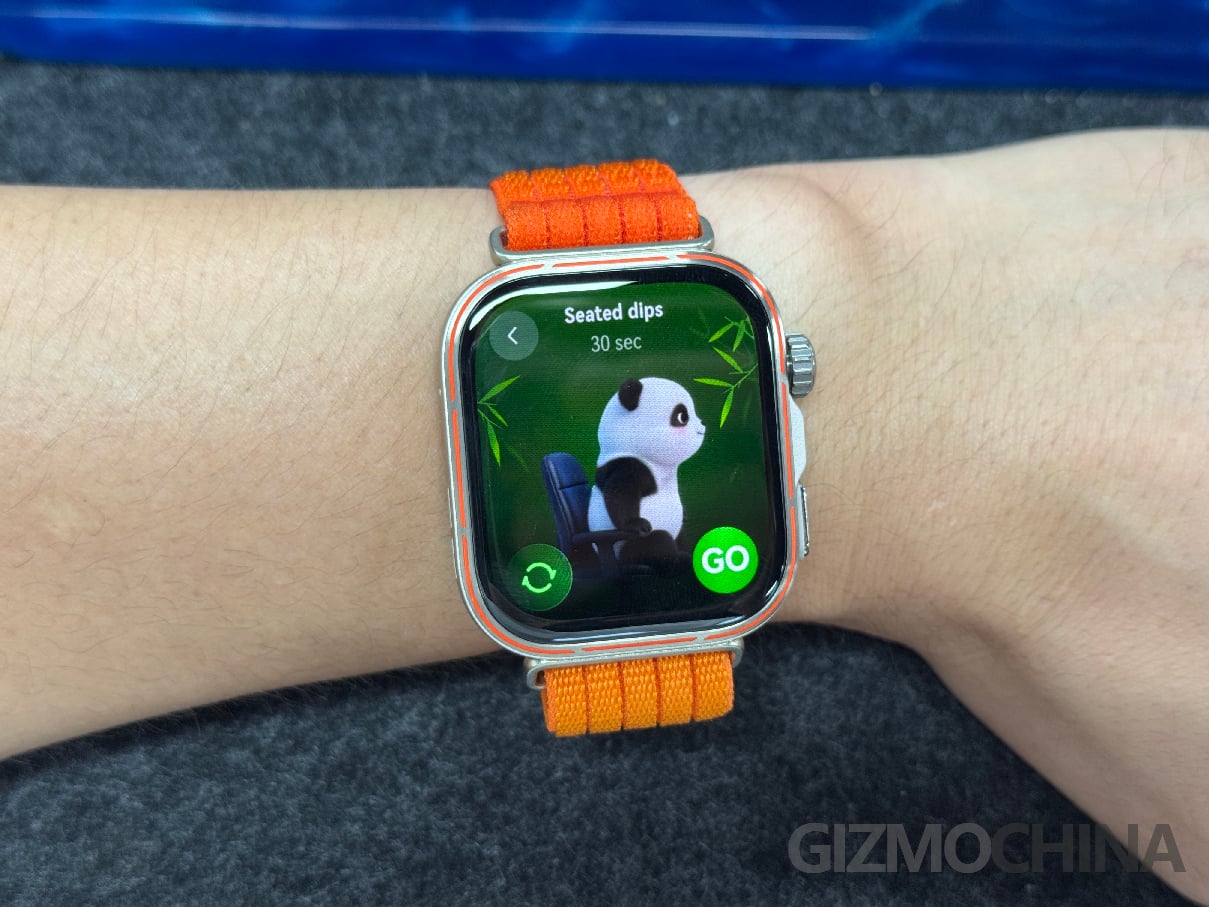
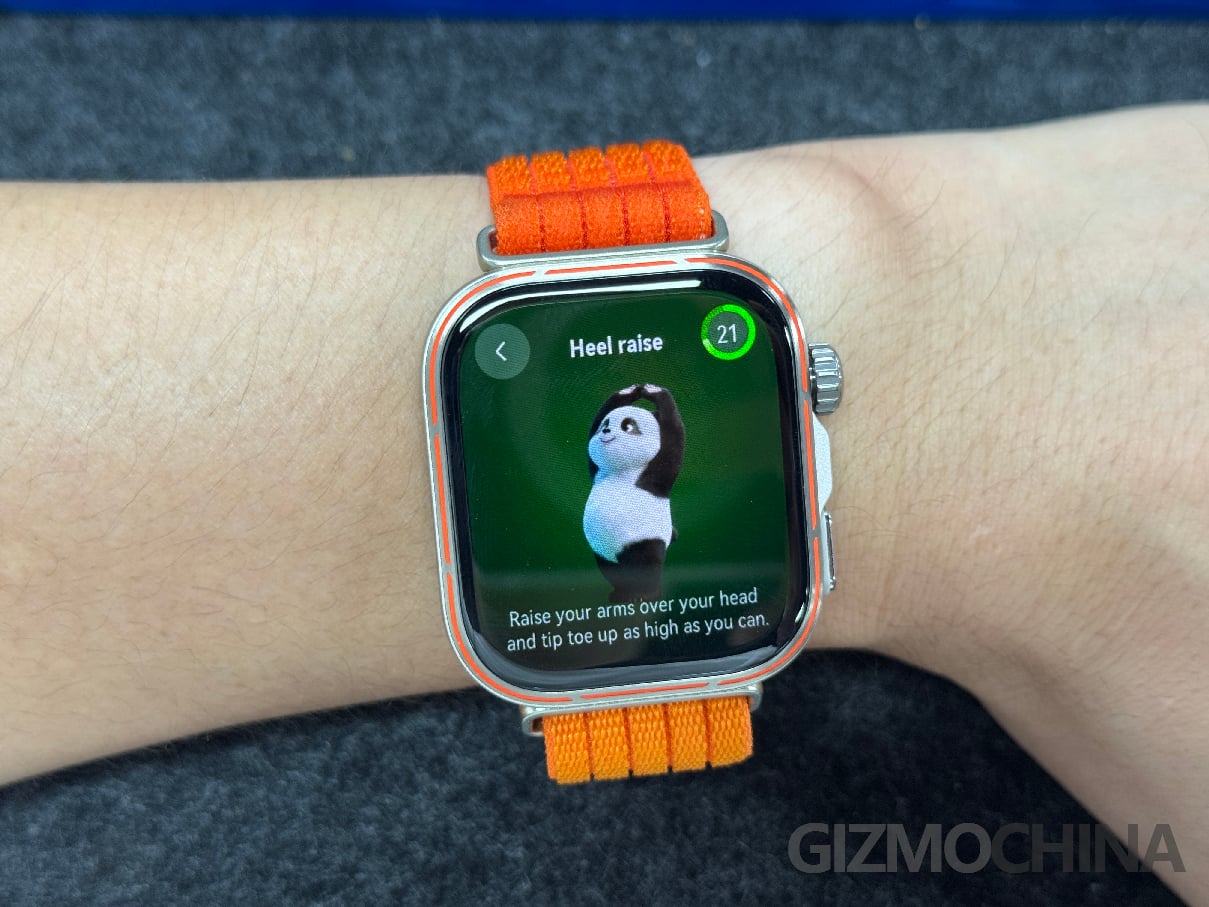
Almost every HUAWEI Watch model will be upgraded with the latest tech for sports tracking. The FIT 5 Pro is no exception. For the new FIT series, it inherited advanced tracking for freediving (up to 40 metres), golf mode with most course maps on the planet; brought specific ‘Pro-level’ trail running options (setting checkpoints & destination markers), and new cycling metrics for pro riders (e.g., virtual power, real-time grade & slope); created a brand-new mini-workout mode driven by a fun Panda-themed watch face for instant light-training exercises. All these new features are perfectly in line with the positioning of the FIT series.
You can get some third-party fitness apps like Strava, but don’t expect a wide range of apps. If you use an iPhone, you might feel more restrictions—you can’t reply to messages from the watch, and some features won’t work at all. This watch is clearly designed for Android users, especially those with HUAWEI phones. But thankfully, whether the companion is an iPhone or Android, the health and fitness features are mostly inherited with HUAWEI Health App.
Health Monitoring
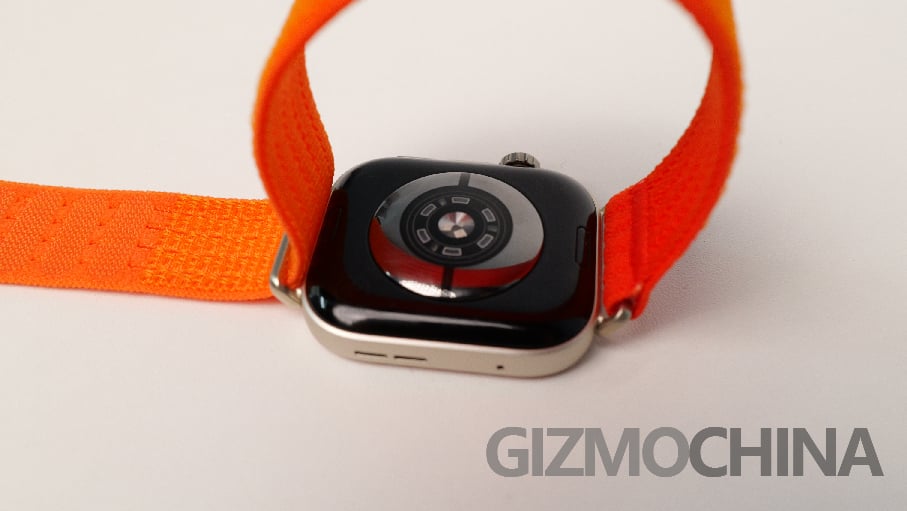
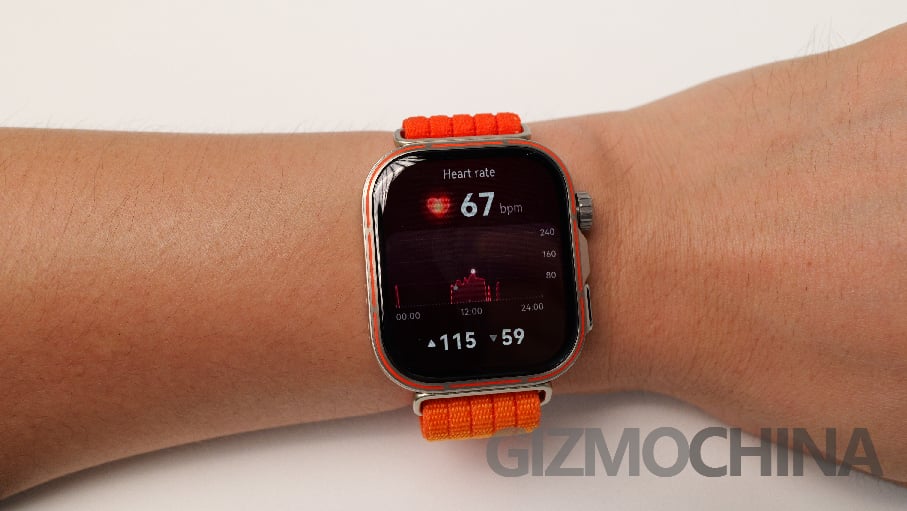
This is where the Fit 5 Pro does more than you’d expect for the price. It has the newest Trusense on it, It tracks heart rate, blood oxygen (SpO2), stress levels, and sleep. The sleep tracking automatically detects naps and breaks down your sleep stages. The sleep tracking is my favorite feature actually, not only because it is accurate, but also because it tracks naps after lunch very well, even it is just a 20mins nap, it has the time recorded accurately. A power nap is very important for your energy in the afternoon, so it should be taken into the health monitoring data.
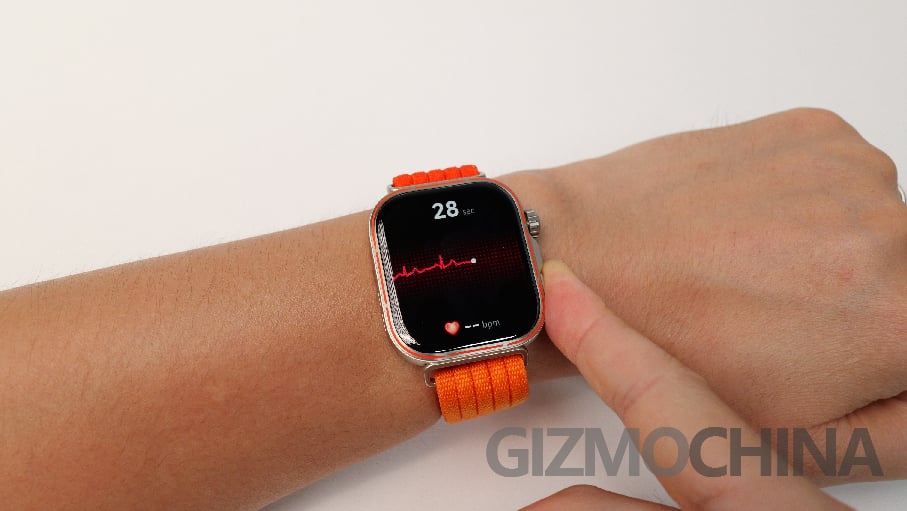
More notably, it has an ECG sensor that can detect signs of atrial fibrillation. It also measures arterial stiffness and can analyze your pulse wave for arrhythmia. These are features usually found on watches that cost much more. There’s also a diabetes risk assessment tool and sleep breathing monitoring.
In practice, the sleep tracking seems accurate when compared against dedicated sleep trackers. The health data gets presented in the HUAWEI Health app, which is straightforward to read. An advanced detail here is the Sleep Breathing Awareness, which helps identify the risk of potential sleep apnea hypopnea syndrome. And there’s a hidden feature for the Watch associated with the Diabetes Risk Study from Huawei Research, which can be found in HUAWEI Health APP. The assessment of Diabetes risk can be prompted on the watch after continuous wear for a few days. Since we do not have professional medical testing equipment here to verify the result, we can only use it as a reference for risks and cannot confirm its accuracy. In any case, it was a pretty good attempt for those in need.
Sports Modes
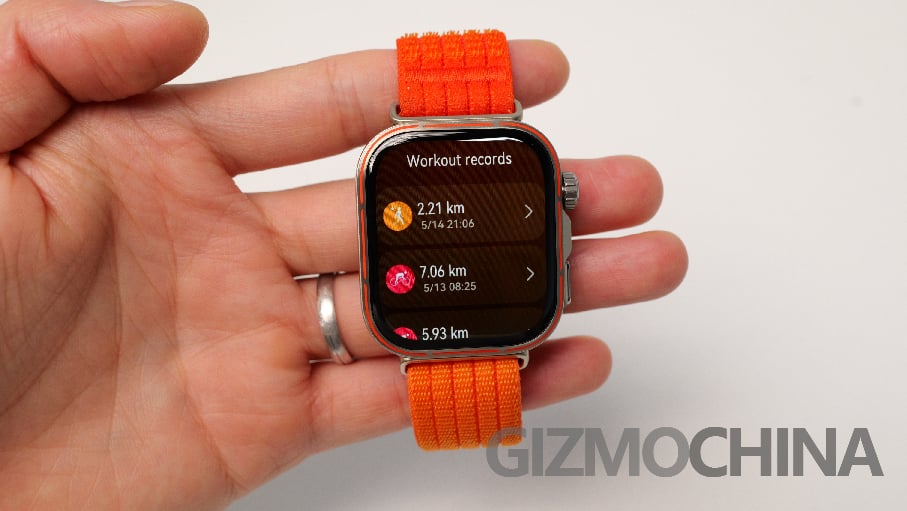
The watch supports over 100 sports modes. For the most part, people will use the core ones: running, cycling, swimming, and walking.
For running and cycling, the GPS uses dual-band positioning (L1+L5) along with multiple satellite systems. This helps accuracy in cities with tall buildings or areas with tree cover. Cyclists get power estimates, cadence readings, and FTP data if you connect external sensors. The watch can also auto-pause when you stop at traffic lights and resume when you start moving again.
Trail runners get route navigation with offline maps and more metrics for capacity assessment. The watch will alert you if you go off course, which is a more advanced mode than the hiking mode; it places greater emphasis on your athletic performance and physical capabilities. Golfers have access to maps for over 17,000 courses with distance measurements to the green.
For swimming, it’s water-resistant to 5ATM and certified for recreational free-diving down to 40 meters. That’s deeper than most people will ever go, but it’s there if you need it.
Mini Workout Mode
HUAWEI added a feature called Mini Workouts—30 short exercises you can do anywhere without equipment. These include simple stretches, desk exercises, and basic movements that take one or two minutes each – extremely friendly for those sitting in the office for the whole day.
The watch face includes a panda character that reminds you to move if you’ve been sitting too long. It’s a small thing, but it makes the reminders feel less clinical than just a buzz and a text alert. The exercises themselves are basic but useful if you work at a desk and need quick movement breaks.
Battery Life
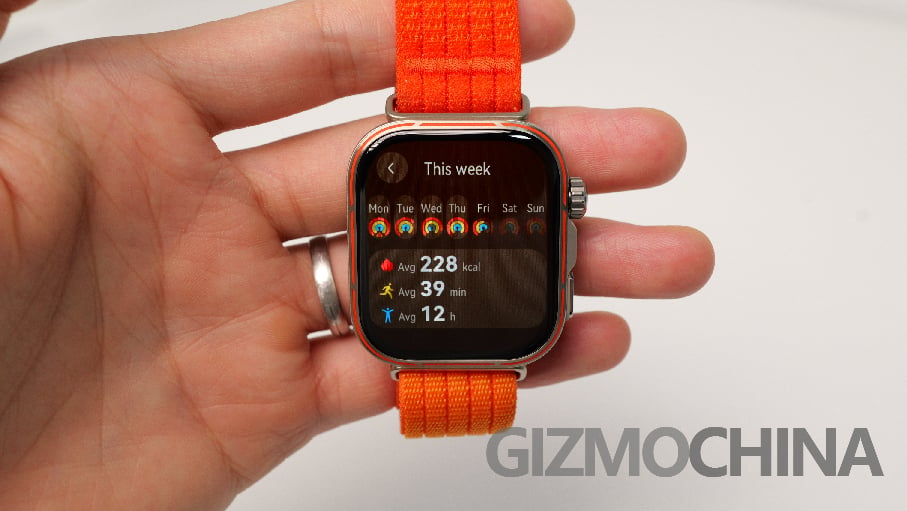
I can’t find any information about the battery capacity, but they claim up to 10 days with light use, 7 days with normal use, and 4 days if you keep the always-on display turned on. In the last two weeks of use, if I have the AOD on all the time, I would be able to get 5-6 days of use. And the last 5% would be able to get you through a night of sleep, that’s very thoughtful. But this is something I really hope it can do better, because if it can survive a full week of use with AOD on, then I don’t need to bring the charger for it.
GPS use drains it faster, but you still get about 20-25 hours of continuous tracking, enough for long hikes or multiple runs between charges. In real use, expect to charge it about once a week unless you’re tracking long outdoor activities daily.
It charges with a proprietary magnetic dock. A full charge takes around an hour, but 10 minutes of charging gives you roughly a day of use. That’s handy if you forget to charge it and need to top up quickly.
Who Is It For?
This watch makes sense for a few types of people:
– People getting serious about fitness. Who wants more data than a basic band provides, but doesn’t want to spend £400+ on a Garmin or Apple Watch.
-Cyclists and runners, who wants accurate GPS and detailed workout metrics without wearing a bulky sports watch.
-People who want health tracking like ECG and sleep analysis without paying flagship prices.
-All Android users. Especially HUAWEI phone owners, who will get the full feature set.
Summary
The HUAWEI Watch Fit 5 Pro is a capable fitness watch that punches above its weight in some areas (such as cycling and running), and thankfully, it refines an already solid formula without overcomplicating things. The health sensors are genuinely good for the price, and the GPS is accurate with quick response. It also has solid fitness tracking, reliable health monitoring, and a watch that doesn’t need daily charging. The Fit 5 Pro covers those bases well. It’s not perfect. I still would prefer to have a solid 7 days of use (or even longer) out of it.
At £249, you’re getting features that cost significantly more from other brands. Overall, with its comprehensive feature set and reasonable pricing, the FIT 5 Pro already packs an exceptional overall performance among products in its price range, making it widely appealing to fitness users worldwide. For people who care about fitness and health more than apps and flashy tech, this one fits just right.
Xiaomi’s upcoming 17T series has leaked almost completely ahead of its official debut on May 28. A Russian retailer briefly published listings for both the Xiaomi 17T and 17T Pro, revealing official-looking renders, detailed specifications, and even pricing before Xiaomi could announce the phones itself.
The company has already been teasing the launch globally, calling it the “biggest T Series upgrade yet.” The standard Xiaomi 17T is expected to feature a 6.59-inch AMOLED display with a 120Hz refresh rate and Dimensity 8500 Ultra chipset. The leaked configuration includes 12GB RAM paired with either 256GB or 512GB storage.
Camera hardware looks fairly strong for the segment as well. The phone reportedly uses a Leica-branded triple-camera setup consisting of a 50MP main sensor, a 50MP telephoto camera with 5x optical zoom, and a 12MP ultrawide. A 32MP front camera handles selfies and video calls.
Battery capacity appears to be one of the bigger highlights. The 17T is tipped to pack a 6,500mAh battery with 67W fast charging support.
The Xiaomi 17T Pro pushes things further with a larger 6.83-inch AMOLED display and what is reportedly a 144Hz refresh rate. It is expected to run on MediaTek’s top-of-the-line Dimensity 9500 chipset.
The camera setup remains similar on paper, though leaks mention a better Light Fusion 950 primary sensor on the Pro model. Battery capacity reportedly jumps to 7,000mAh, alongside faster 100W wired charging and 50W wireless charging support. Both phones are expected to ship with Android 16 and Xiaomi’s HyperOS out of the box.
The retailer listing puts the Xiaomi 17T at RUB 51,625 for the 256GB version and RUB 54,537 for the 512GB model, while the 17T Pro starts at RUB 68,535 and goes up to RUB 81,861 for the 1TB variant. Direct RUB conversions do not always reflect actual global pricing very accurately, but they roughly translate to the $700–$1,100 range depending on the model and storage option. Separate European pricing leaks suggest the 17T Pro could approach the €1,000 mark in some markets.
If accurate, Xiaomi seems to be positioning the 17T lineup much closer to premium flagships this year rather than the traditional “flagship killer” category the T-series was once known for.
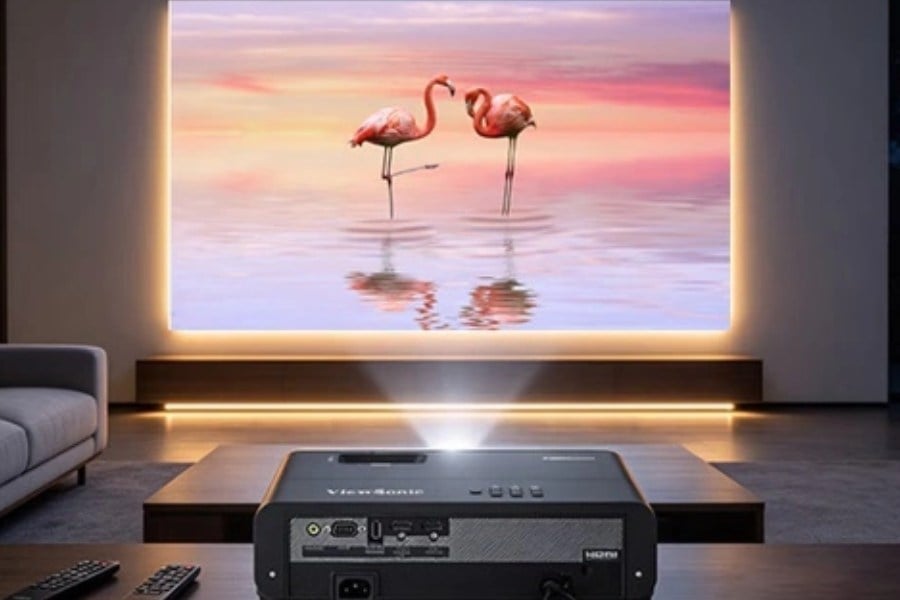
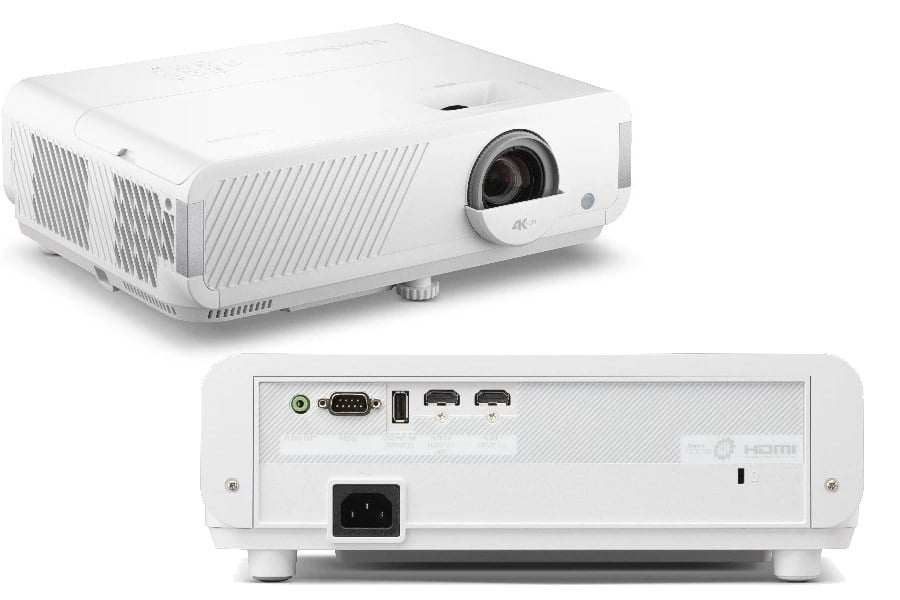
ViewSonic has officially announced its new and premium LX720-4KC Ultra projector in China, with pre-orders starting tomorrow. The projector is priced at 6,999 yuan (~ $1030) and can serve both your home theatre and gaming needs.
The LX720-4KC Ultra supports multiple display modes, including 1080p at 240Hz, 1440p at 120Hz, and 4K at 60Hz. It also offers ultra-low input latency of under 1ms, making it perfectly compatible for competitive gaming.
The projector is powered by Texas Instruments’ DLP 472TP DMD chip, along with a new generation 8445 driver. For light source technology, ViewSonic uses a pure three-color laser system combined with a glass optical lens.
It supports HDR10 and HLG video formats, and features SuperColor technology for richer and more accurate colors. The device is capable of 4K resolution with 8.3 million pixels, and offers brightness of up to 3,500 ANSI lumens. The laser light source is rated for up to 30,000 hours in energy-saving mode, reducing long-term maintenance needs.
High-end Performance for Gaming and Home Theater
In terms of design flexibility, the projector offers a 1.3x optical zoom and a throw ratio between 1.13 and 1.47. It also includes keystone correction and four-corner adjustment, making setup easier in different room layouts. A built-in 10W speaker provides basic audio support, while HDMI ARC allows connection to external sound systems for better audio performance.
ViewSonic has also added features like IP5X dust resistance, 24/7 operation support, USB system updates, and smart power functions for convenience. With its mix of gaming performance, 4K visuals, and home theater features, the LX720-4KC Ultra positions itself as a high-end projector for both entertainment and gaming use.
For more daily updates, please visit our News Section.
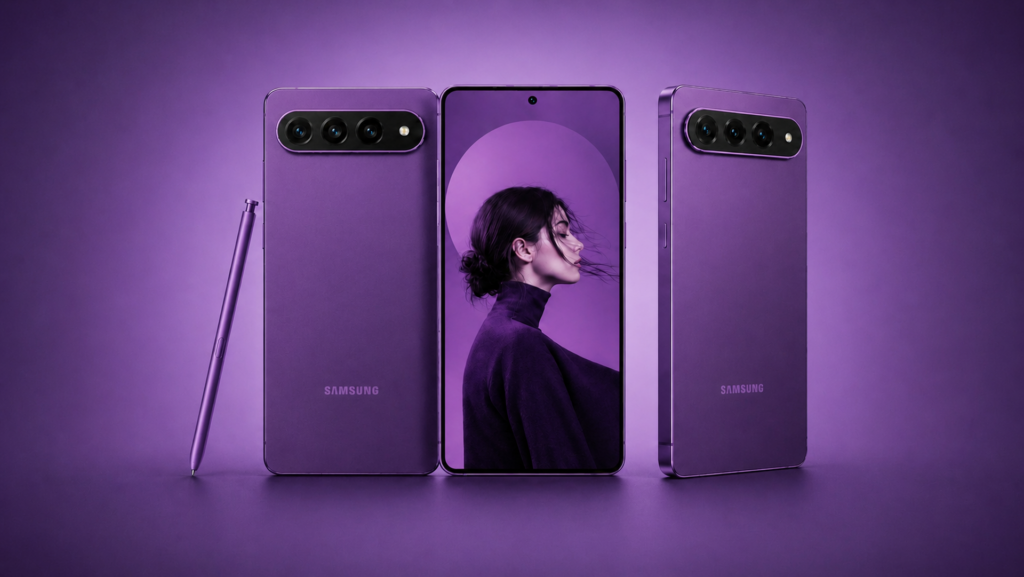
Samsung’s next-generation Galaxy S lineup may bring some notable changes if recent leaks are to be believed. A South Korean tipster has now shared fresh details about the S27 lineup, suggesting that Samsung could introduce a new Pro variant as well as major changes to the S27 Ultra. Continue reading ahead to learn all the new details mentioned in the latest leak.
Galaxy S27 Pro said to be in the works
Samsung Galaxy S27 Ultra (AI-generated render)
According to the tipster, Samsung may introduce a Galaxy S27 Pro model next year, aimed at users looking for a smaller flagship smartphone without compromising on performance. The device is expected to feature a display measuring around 6.4 inches, making it more compact than Samsung’s larger Ultra models. The leak also mentions possible upgrades such as new camera sensors, a bigger battery, and a thinner body.
However, the tipster also raised concerns regarding Samsung’s final approach. There are worries that the company could change the original concept during development or position the phone somewhere between the Plus and Ultra models. Cost-related decisions may also reportedly affect hardware choices and the overall identity of the Pro model.
Samsung Galaxy S27 Ultra to bring much-needed changes
The Galaxy S27 Ultra is also expected to receive major changes. According to the leak, Samsung may finally upgrade the physical rear camera sensors and redesign the camera layout on the back panel.
A recent report claimed that Samsung may scrap the 3x telephoto lens from the S27 Ultra, which indicates that it could feature a triple-camera setup on the back. This may possibly allow the Ultra flagship to sport a horizontal camera bar design, as shown in the AI-based render above.
The new leak further states that the S27 Ultra will house a larger battery while reducing overall weight. However, the thickness of the device may remain largely similar to current Ultra models.
The leak also claims that Samsung could continue using existing display materials on the Galaxy S27 Ultra because of production costs. Some display-related upgrades may reportedly focus more on software optimization rather than entirely new panel technology. The tipster also suggested that exterior design changes and weight reduction efforts could be limited by manufacturing expenses.
While these details are still based on early leaks, the possibility of a compact Galaxy S27 Pro and a redesigned Ultra model could make Samsung’s next flagship lineup more interesting than previous generations.
For more daily updates, please visit our News Section.
Xiaomi is reportedly working on a new concept smartphone built around artificial intelligence and futuristic design, according to well-known leaker Digital Chat Station.
The information suggests that engineers at Xiaomi are exploring a device that is very different from today’s smartphones. This is not a finished product, but a concept phone meant to test future ideas that could later appear in real devices.
The phone is said to have a seamless unibody build with no visible joints. The front of the device would use a 6.5-inch LIPO display with extremely thin and perfectly equal bezels on all sides, measuring only around 0.5 mm.
On the back, the phone is expected to feature a single 200-megapixel camera sensor. It uses a large 1/1.12-inch sensor size. The front camera details have not been fully revealed yet.
As for the battery, the concept phone reportedly includes an 8000mAh cell.
The AI takes control of the hardware
The biggest focus of the device, however, is artificial intelligence. The phone reportedly includes a system-level AI agent that continuously runs in the background. This AI can use the front camera to constantly observe the surroundings and react automatically without user input. It is also said to work with the main camera, helping detect scenes and produce optimized final images using AI processing.
According to the leak, the AI system can understand the environment and improve photos in real time. This means the camera would not just capture images, but also actively interpret what it sees.
Although this concept phone is not expected to launch as a real product soon, it gives us an idea of how Xiaomi is thinking about the future of smartphones. Many of these ideas, especially the AI features and camera improvements, may eventually appear in upcoming Xiaomi smartphones.
For more daily updates, please visit our News Section.
Honor is reportedly working on a couple of new phones for the Chinese market. The brand is expected to unveil the Magic 9 series in October this year, followed by the Win 2 series of performance-focused phones by the end of the year. The company is also said to be developing the Honor Power 3 as the successor to the Honor Power 2, which debuted with a 10,080mAh battery earlier this year.
Considering the Power 2 was announced in January 2026, the Power 3 could likely debut at the beginning of next year. Well ahead of the expected launch, tipster Digital Chat Station has leaked what appears to be the Power 3’s key specifications.
The tipster claims that an early engineering prototype currently features a 6.8-inch 1.5K LTPS flat display with 2.5D glass. One of the biggest highlights is said to be the battery capacity, which could exceed 10,000mAh, with Honor reportedly aiming for a battery size between 11,000mAh and 12,000mAh.
Honor Power 2
A previous leak from the same source revealed that the Dimensity 8600 will also power phones from Vivo, Oppo, and their sub-brands. Apart from the Honor Power 3, the chipset is also expected to power devices such as the Redmi Turbo 6 and Poco X9 Pro.
For more daily updates, please visit our News Section.
Amazon has launched the new Fire TV Stick HD in India, bringing a slimmer design and faster streaming experience for users looking to upgrade older televisions with smart features. The latest streaming stick arrives with performance improvements, updated connectivity options, and a redesigned Fire TV interface focused on quicker navigation and smoother content discovery.
Amazon Fire TV Stick HD specifications and features
Amazon Fire TV Stick HD
The new Amazon Fire TV Stick HD is claimed to deliver over 30 percent faster performance compared to the previous generation. Amazon has also redesigned the device to be slimmer and more compact, making it easier to fit behind televisions or carry while travelling. The streaming stick supports Full HD playback along with HDR10+ support for improved colour and contrast during supported content playback.
Connectivity upgrades include Wi-Fi 6 and Bluetooth 5.3 support. According to Amazon, the Wi-Fi 6 integration is aimed at improving streaming quality even on slower internet connections. The Fire TV Stick HD can also draw power directly from compatible television USB ports, reducing the need for a separate wall adapter setup.
Amazon has introduced an updated Fire TV experience with reorganised categories for movies, television shows, live content, and free streaming options. The device also includes the Alexa Voice Remote, allowing users to search content, control playback, and manage Alexa-compatible smart home devices using voice commands.
One notable addition is Xbox cloud gaming support on a Fire TV HD device for the first time. Users can pair a compatible Bluetooth controller and access cloud-enabled Xbox games through an Xbox Game Pass subscription. The updated Fire TV mobile app also allows users to browse content, manage watchlists, and remotely control playback from smartphones.
Amazon Fire TV Stick HD price and availability
The Amazon Fire TV Stick HD is priced at Rs 4,999 (~$52) in India. It is available through Amazon.in, Blinkit, Flipkart, Swiggy Instamart, and Zepto, with offline retail availability expected later.
For more daily updates, please visit our News Section.
We use cookies on our website to give you the most relevant experience by remembering your preferences and repeat visits. By clicking “Accept”, you consent to the use of ALL the cookies.
This website uses cookies to improve your experience while you navigate through the website. Out of these, the cookies that are categorized as necessary are stored on your browser as they are essential for the working of basic functionalities of the website. We also use third-party cookies that help us analyze and understand how you use this website. These cookies will be stored in your browser only with your consent. You also have the option to opt-out of these cookies. But opting out of some of these cookies may affect your browsing experience.
Necessary cookies are absolutely essential for the website to function properly. This category only includes cookies that ensures basic functionalities and security features of the website. These cookies do not store any personal information.
Any cookies that may not be particularly necessary for the website to function and is used specifically to collect user personal data via analytics, ads, other embedded contents are termed as non-necessary cookies. It is mandatory to procure user consent prior to running these cookies on your website.