iQOO is starting to reveal more details about the upcoming iQOO Pad6 Pro, and the company is putting a heavy focus on gaming performance ahead of the tablet’s May 20 launch in China.
One of the biggest claims so far is support for 13 native 4K games, which is still relatively uncommon on Android tablets. According to iQOO, some shooting games can run at up to 4K resolution and 144fps in the company’s Monster+ mode, while certain open-world titles support up to 2.7K at 120fps. As always, actual gameplay performance will likely vary depending on the title, but the specs are clearly aimed at mobile gamers who want something beyond standard tablet gaming.
The display itself also looks fairly impressive on paper. The Pad6 Pro features a large 13.2-inch 4K LCD panel with a 144Hz refresh rate, up to 1200 nits brightness, and Dolby Vision support. Between the high resolution and refresh rate alone, the tablet seems positioned somewhere between a gaming device and a portable media machine.
Powering the device is the Snapdragon 8 Elite Gen 5 chipset paired with up to 16GB RAM and 512GB storage. iQOO is also highlighting a large internal cooling system to help sustain performance during longer gaming sessions. The company even claims AnTuTu scores exceeding 4.44 million points, although benchmark numbers do not always translate directly into real-world experience.
Battery life could end up being another major selling point here. The Pad6 Pro packs a massive 13,000mAh battery with support for 90W fast charging, which should at least help offset the power demands of a large high-refresh-rate 4K display. Audio also seems to be part of the package, with an 8-speaker setup designed for a more immersive gaming and media experience.
While the hardware shares a lot in common with the Vivo Pad6 Pro, iQOO appears to be marketing this version more aggressively toward gamers and performance-focused users. The tablet will reportedly launch in color options including Crystal Gray and Silver Wing.
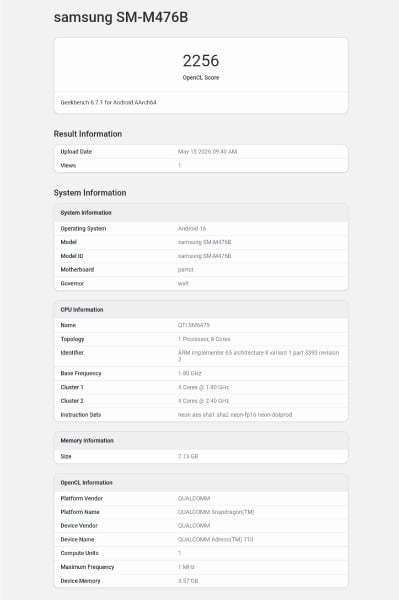
Samsung is likely working on a new Galaxy M series phone. The upcoming Samsung Galaxy M47 has now surfaced on Geekbench, revealing key hardware details ahead of launch.
The Geekbench listing shows the phone carrying the model number SM-M476B. The benchmark confirms that the device will be powered by Qualcomm’s Snapdragon 6 Gen 3 chipset.
The processor configuration includes four performance cores clocked at 2.40GHz and four efficiency cores running at 1.80GHz. Graphics duties are handled by the Adreno 710 GPU.
The listing also reveals that the Galaxy M47 in testing has 8GB of RAM and Android 16 out of the box. In the GPU benchmark, the handset managed an OpenCL score of 2,256, giving an early look at its graphics performance.
Samsung Galaxy M47: What we know so far
This is not the first time the Galaxy M47 has appeared online. An earlier report suggests Samsung had already started internal testing of the device in markets such as India and Nepal. The smartphone had also previously surfaced in the IMEI database, which hinted that development was already underway.
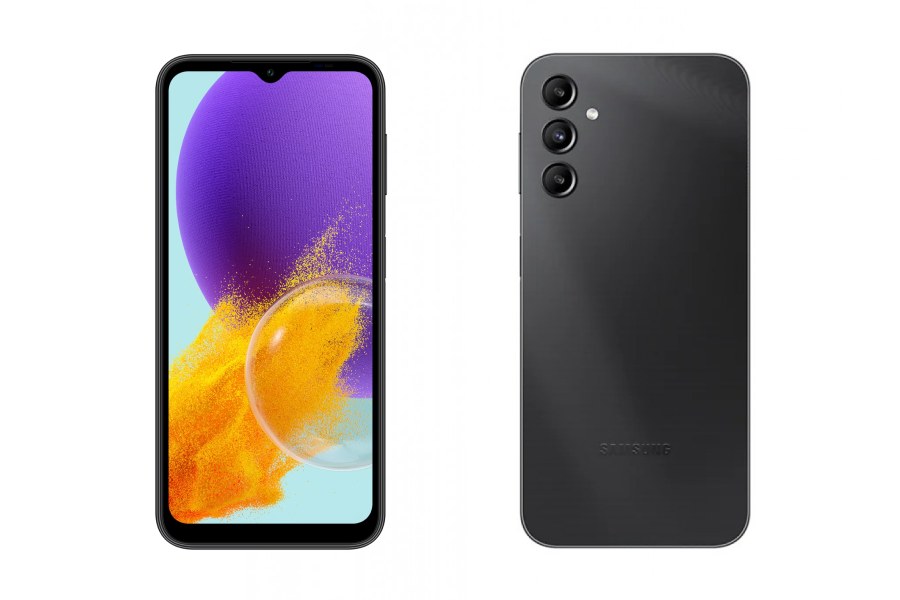
The Galaxy M47 is expected to arrive as the successor to the Samsung Galaxy M44, which debuted in late 2023. Compared to the older model, the new device is likely to bring upgrades in processing power and software support.
Galaxy M44
While Samsung has not officially confirmed the specifications yet, reports suggest the Galaxy M47 could feature a Super AMOLED display, 5G connectivity, and a large battery capacity.
There are also indications that Samsung may slightly change the positioning of its Galaxy M and Galaxy F series this year. Another upcoming handset, believed to be called the Samsung Galaxy F70 Pro, could share similarities with the Galaxy M47.
The Galaxy M47 will succeed the Galaxy M44, which features a 6.58-inch full-HD+ LCD, a 50-megapixel triple rear camera setup, an 8-megapixel selfie camera, and a 5,000mAh battery. With the Galaxy M47 now appearing on Geekbench, more details about Samsung’s next mid-range phone could surface in the coming weeks.
For more daily updates, please visit our News Section.
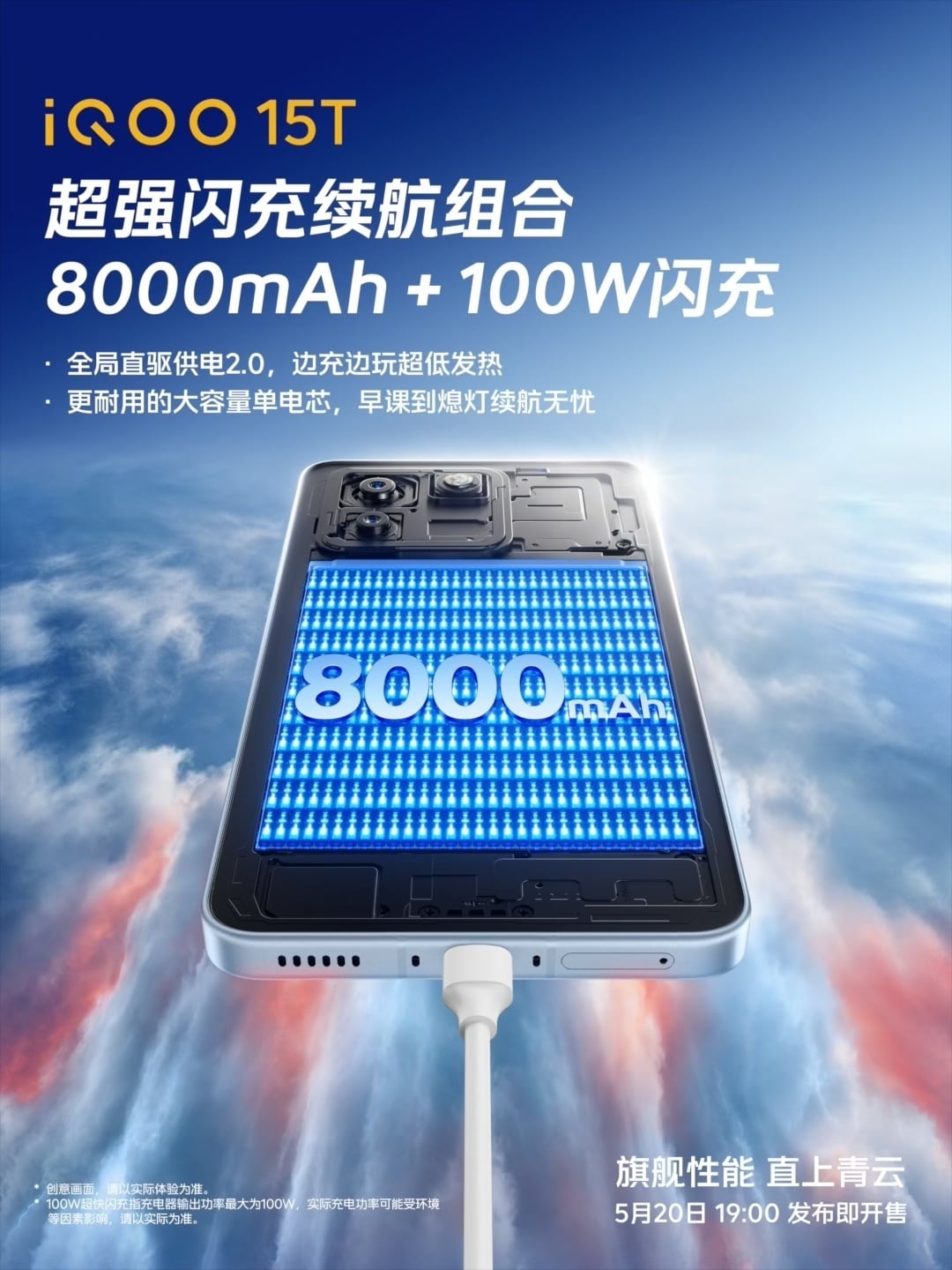
On May 20, iQOO will take the wraps off the iQOO 15T, a performance-focused flagship phone in China. With only a few days remaining until launch, the brand has been steadily confirming key details about the device. Earlier this week, it revealed the display specifications, and now it has confirmed the battery size, charging capabilities, and primary camera details.
iQOO 15T’s battery, charging, and camera details confirmed
The iQOO 15T is equipped with the largest battery in the flagship lineup — an ultra-slim 8,000mAh battery paired with 100W fast charging. It supports Global Direct Drive Power Supply 2.0, which helps reduce heat while gaming and charging simultaneously. The durable high-capacity single-cell battery is designed to deliver all-day battery life, from morning classes to bedtime.
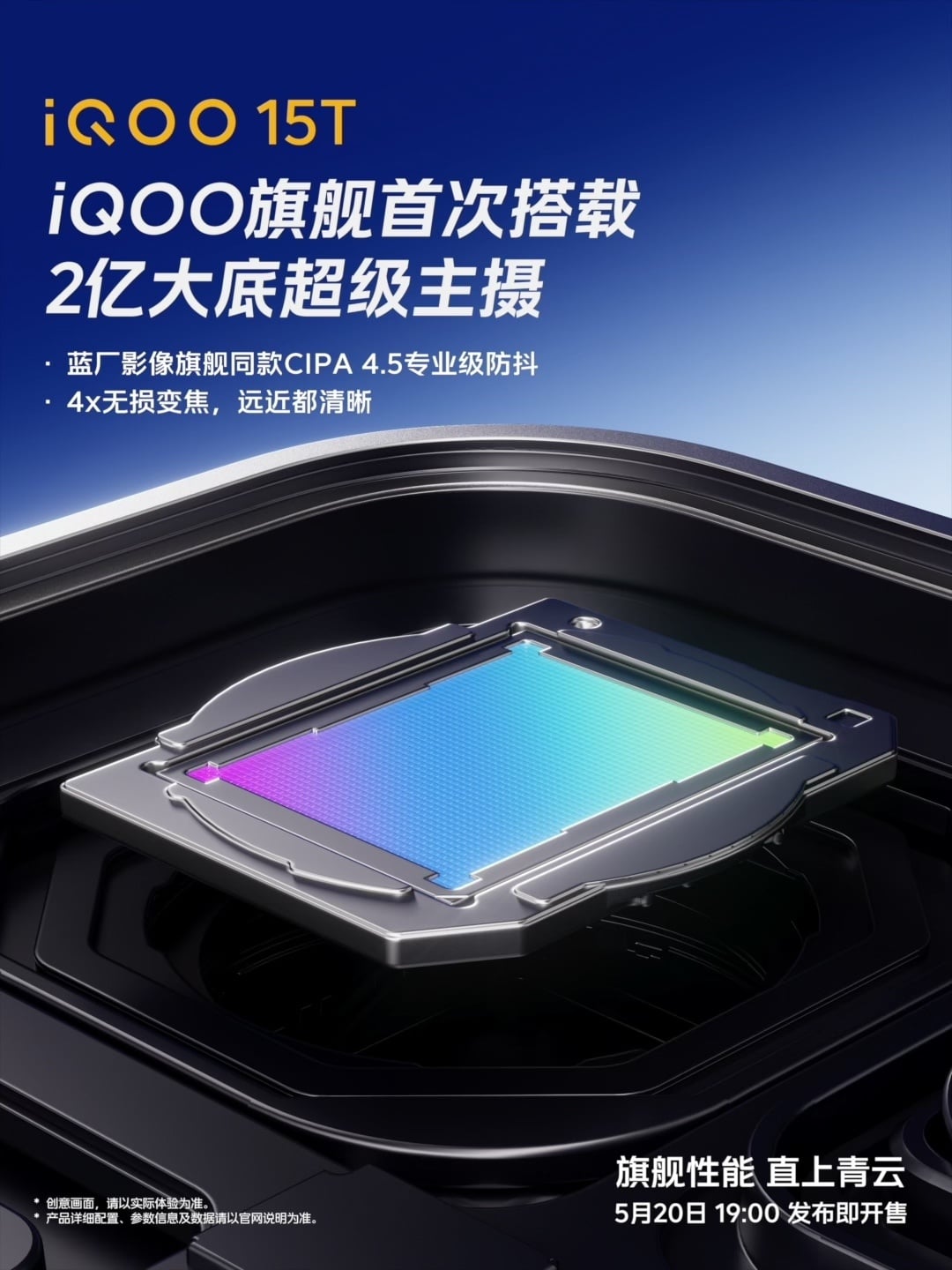
Moving on to the optics, the iQOO 15T will, for the first time on an iQOO flagship phone, feature a 200-megapixel large-sensor super main camera capable of delivering highly detailed shots even when zooming in. It also supports the same CIPA 4.5 professional-grade stabilisation found on Vivo’s imaging flagship phones, along with 4x lossless zoom for clearer shots at both short and long distances. Other features include full focal-length portrait photography and AI-powered imaging tools.
Recent reports have revealed that the iQOO 15T will feature a 50-megapixel ultra-wide lens alongside the primary camera, as well as a 16-megapixel front-facing camera. The device will ship with OriginOS 6-based Android 16.
On the front, the iQOO 15T will feature a 6.82-inch 2K flat display with support for a 144Hz refresh rate. Under the hood, it will be powered by the Dimensity 9500 Monster Edition chipset for improved gaming performance. The inclusion of the self-developed Q3 e-sports chip will enable full-scene ray tracing, super 2K resolution, and 2K + 144fps gaming in select titles. At present, there is no clarity on whether the iQOO 15T will launch in markets outside China.
For more daily updates, please visit our News Section.
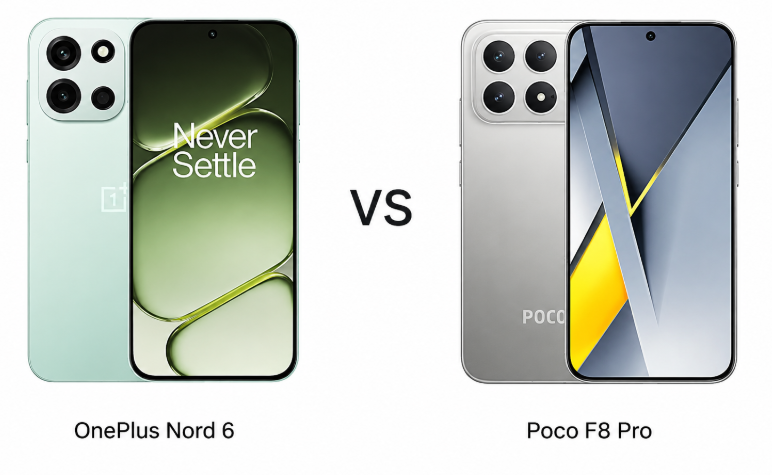
OnePlus Nord 6 and Poco F8 Pro take two very different approaches to the flagship killer formula. One focuses on massive battery life and ultra-smooth gaming, while the other pushes premium performance, cameras, and flagship-level refinement. With both phones offering powerful Snapdragon chips, advanced AMOLED displays, and aggressive pricing, this comparison breaks down which device actually delivers the better overall experience for the money.
Major Features:
Feature
OnePlus Nord 6
Poco F8 Pro
Winner
Build
Plastic frame, plastic back, Crystal Guard
Aluminum frame, glass back, Gorilla Glass 7i
Poco – More premium materials and flagship feel
Water Resistance
IP68/IP69K + MIL-STD-810H
IP68
OnePlus – Better durability and protection
Display
6.78-inch AMOLED, 165Hz, HDR10+, 3600 nits
6.59-inch AMOLED, 120Hz, Dolby Vision, 3500 nits
OnePlus – Higher refresh rate and brighter panel
Chipset
Snapdragon 8s Gen 4
Snapdragon 8 Elite
Poco – Significantly more powerful flagship chipset
GPU
Adreno 825
Adreno 830
Poco – Better graphics performance
RAM & Storage
Up to 512GB + 12GB RAM
Up to 512GB + 12GB RAM
Tie – Similar storage and memory options
Main Camera
50MP + 8MP ultrawide
50MP + 50MP telephoto + 8MP ultrawide
Poco – More versatile triple-camera setup
Video Recording
4K 60fps
8K 30fps
Poco – Higher-end video capabilities
Selfie Camera
32MP with 4K video
20MP with 1080p video
OnePlus – Sharper selfies and better front video
Speakers
Stereo speakers
Stereo speakers with Dolby Atmos, Bose tuning
Poco – Better multimedia audio setup
Bluetooth
Bluetooth 6.0
Bluetooth 5.4
OnePlus – Newer Bluetooth standard
Fingerprint Sensor
Optical in-display
Ultrasonic in-display
Poco – Faster and more premium sensor
Battery
7500mAh Global / 9000mAh India
6210mAh
OnePlus – Massive battery advantage
Charging
80W wired
100W wired
Poco – Faster charging speeds
Reverse Charging
6.5W / 27W India
22.5W
Poco – Better reverse charging output
Software
Android 16, OxygenOS 16
Android 16, HyperOS 3
Tie – Both ship with latest Android
Price
Approx ₹39,000 / $460
Approx ₹52,000 / $600
OnePlus – Much stronger value for money
Disclaimer: Specs are based on available data. Actual performance may vary. Verify details from official sources before buying.
The OnePlus Nord 6 focuses on durability and practicality with IP68/IP69K protection and MIL-STD-810H certification. Its plastic frame and back help keep the device comfortable during extended gaming or media sessions, though it does not feel as premium in hand. The Poco F8 Pro clearly targets a more flagship-style experience with its aluminum frame, glass back, and Gorilla Glass 7i protection. It feels more polished and refined, especially for users who care about premium materials.
Display Quality
OnePlus pushes harder on refresh rate and brightness with a 165Hz AMOLED panel and impressive peak brightness levels. Animations feel extremely smooth, and gaming responsiveness stands out immediately. Poco counters with Dolby Vision support, richer color depth, and a more balanced flagship-grade viewing experience. While the lower 120Hz refresh rate is noticeable on paper, the overall display tuning feels more cinematic and polished for streaming content.
Verdict
Poco F8 Pro feels more premium overall, while the OnePlus Nord 6 delivers a more aggressive gaming-focused display experience. Users prioritizing smoothness and durability may lean toward OnePlus, but Poco offers the more flagship-like finish.
2. Specifications Including Battery
Performance
The Poco F8 Pro takes a clear lead in raw performance thanks to the Snapdragon 8 Elite chipset and Adreno 830 GPU. Heavy gaming, multitasking, and AI-based processing feel effortless, placing it closer to ultra-premium Android flagships. The OnePlus Nord 6 still performs extremely well with the Snapdragon 8s Gen 4, offering smooth real-world usage and efficient thermal handling. It feels optimized for long gaming sessions rather than chasing benchmark numbers.
Battery and Charging
Battery life becomes the Nord 6’s biggest strength, especially with the massive 9000mAh India variant. It can comfortably stretch into two days for moderate users, something very few performance-focused phones can manage. The 80W charging is slower than Poco’s 100W system, but endurance matters more for many buyers. Poco charges significantly faster and still provides reliable all-day usage, though its smaller battery may feel less future-proof for power users.
Verdict
Poco F8 Pro wins outright for flagship-level performance, but the OnePlus Nord 6 stands out with unmatched battery endurance. The choice depends on whether raw power or long-lasting usage matters more.
3. Camera
Main and Secondary Lenses
The Poco F8 Pro delivers a more versatile camera setup with a dedicated 50MP telephoto lens, allowing cleaner portrait shots and better zoom quality. Its larger primary sensor also helps in low-light photography, producing more detailed and balanced images. Video recording is another major advantage, especially with 8K support and stronger slow-motion capabilities. The OnePlus Nord 6 keeps things simpler with a dual-camera setup focused on reliability rather than flexibility. Daylight shots remain sharp and vibrant, and the color tuning feels consistent across most conditions.
Selfie Camera
OnePlus gains an edge for selfie users with its 32MP front camera and 4K recording support. The sharper output and autofocus support help during video calls and social media recording. Poco’s 20MP front camera performs adequately but feels less impressive considering the price difference.
Verdict
Poco F8 Pro offers a stronger rear camera system and more professional versatility, while the OnePlus Nord 6 quietly becomes the better option for selfie-focused users and casual content creators.
4. Pricing
The OnePlus Nord 6 is priced at around ₹39,000, while the Poco F8 Pro reaches roughly ₹52,000. That gap changes the entire comparison because both devices target performance-focused buyers but approach value differently. OnePlus delivers flagship-grade gaming performance, a massive battery, advanced durability ratings, and a high-refresh-rate AMOLED display at a much lower price point. It feels aggressively positioned for buyers wanting maximum hardware without crossing premium flagship territory.
The Poco F8 Pro justifies its higher price through a better chipset, premium materials, stronger cameras, faster charging, and flagship-style finishing touches. It feels closer to ultra-premium Android devices rather than a typical value flagship. Buyers paying extra are clearly getting meaningful upgrades rather than small cosmetic improvements.
Verdict
OnePlus Nord 6 offers stronger value for money overall, especially for gamers and battery-focused users. Poco F8 Pro justifies its premium pricing better for users wanting flagship cameras, build quality, and top-tier performance.
Disclaimer: Prices are approximate and may vary based on country, region, launch timing, and applicable taxes. Always check whether the listed price is for a China unit or a global/international variant when purchasing.
5. Conclusion
The OnePlus Nord 6 stands out with its unusually massive battery, 165Hz AMOLED display, IP69K durability, and practical gaming-focused approach. It feels designed for buyers who want long endurance and consistently smooth performance without overspending. The Poco F8 Pro, meanwhile, pushes closer to flagship territory with the Snapdragon 8 Elite processor, premium glass-and-metal construction, telephoto camera, Dolby Vision support, and superior multimedia experience.
Both phones target power users, but their priorities are very different. OnePlus focuses on efficiency, endurance, and aggressive value, while Poco emphasizes flagship polish and maximum performance. That difference becomes noticeable in everyday usage rather than just specification sheets.
Verdict
OnePlus Nord 6 is the smarter value-driven choice for most buyers, especially gamers and heavy users who prioritize battery life. The Poco F8 Pro feels more complete and premium overall, making it the better option for users willing to spend extra for flagship-level refinement.
Disclaimer: This comparison is based on the specifications provided and is intended for general informational purposes. Actual performance, camera results, battery life, and overall experience may vary depending on real-world usage, software updates, and individual preferences.
RedMagic is preparing a fairly packed launch event on May 18, where the company is expected to introduce both the new RedMagic 11S Pro series and a lightweight carbon fiber gaming mouse aimed at esports users.
The event is scheduled for 15:00 in China, and the new mouse is already being teased with the slogan “Light as a Wing, Swift as the Wind.” From the teaser images released so far, the accessory appears to feature a semi-transparent shell combined with carbon fiber materials, giving it a lightweight but premium-looking design.
RedMagic has not officially confirmed the polling rate yet. However, the older RedMagic 1S Wireless Gaming Mouse from 2024 supported up to 8000Hz polling in wired mode and 4000Hz wirelessly over 2.4G mode. Given that this is a successor launching nearly two years later, similar or improved polling performance would not be surprising.
Details like the exact weight, sensor model, battery size, and pricing are also unknown for now. Still, the company clearly seems to be targeting the higher-end wireless gaming mouse segment rather than casual users.
Unlike the mouse, the company has already shared quite a bit about the RedMagic 11S Pro lineup. The devices are powered by the overclocked Snapdragon 8 Elite Gen 5 “Leading Version” chip, capable of pushing the prime core up to 4.74GHz. The RedMagic 11S Pro+ was even spotted on Geekbench as the first Android phone to cross the 4000-point mark in single-core performance.
Other expected features include a massive 8000mAh battery for extended gaming sessions, a large 6.85-inch 2K AMOLED display with a 144Hz refresh rate, shoulder triggers for gaming, and a “transparent-style” rear design with visible active cooling hardware underneath.
The paired launch of a gaming phone and gaming mouse also reflects RedMagic’s broader push beyond smartphones. Over the past few years, the company has gradually expanded into a wider gaming ecosystem that now includes monitors, cooling accessories, keyboards, and other PC peripherals. The May 18 event looks like another step in that direction.
Motorola Edge 70 Pro and Poco F8 Pro take two very different approaches to the premium smartphone segment. One focuses on balanced flagship features with strong cameras and battery life, while the other pushes raw performance and gaming power to the next level. With both devices offering high-end displays, fast charging, and premium designs, choosing the right one becomes far more interesting than expected.
Major Features:
Feature
Motorola Edge 70 Pro
Poco F8 Pro
Winner
Build
Gorilla Glass 7i front, plastic frame, eco leather back
Gorilla Glass 7i front, aluminum frame, glass back
Poco – More premium frame and glass build
Durability
IP68/IP69 + MIL-STD-810H
IP68
Motorola – Better durability protection
Display
6.78-inch AMOLED, 144Hz, 5200 nits peak
6.59-inch AMOLED, 120Hz, 3500 nits peak
Motorola – Smoother refresh rate and brighter panel
HDR Support
HDR
Dolby Vision, HDR10+
Poco – Better multimedia support
Chipset
Dimensity 8500 Extreme
Snapdragon 8 Elite
Poco – Far stronger flagship performance
GPU
Mali-G720 MC8
Adreno 830
Poco – Better gaming power
Storage Type
UFS 4.1
UFS 4.1
Tie – Same storage standard
Main Camera
50MP wide
50MP wide
Tie – Similar primary resolution
Telephoto Camera
50MP periscope, 3.5x zoom
50MP telephoto, 2.5x zoom
Motorola – Better zoom flexibility
Ultrawide Camera
50MP ultrawide
8MP ultrawide
Motorola – Higher quality ultrawide sensor
Video Recording
4K up to 120fps
8K up to 30fps
Poco – Higher video recording capability
Selfie Camera
50MP AF, 4K video
20MP, 1080p video
Motorola – Better selfie hardware and video
Speakers
Stereo speakers with Dolby Atmos
Stereo speakers with Dolby Atmos, tuned by Bose
Poco – Added Bose tuning
Wi-Fi
Wi-Fi 7
Wi-Fi 7
Tie – Same connectivity level
Fingerprint Sensor
Optical in-display
Ultrasonic in-display
Poco – Faster and more premium sensor
Battery
6500mAh
6210mAh
Motorola – Larger battery capacity
Charging
90W wired, wireless, reverse wireless
100W wired, reverse wired
Motorola – More versatile charging features
Software
Android 16, 3 upgrades
Android 16, HyperOS 3
Tie – Both run latest Android
Price
₹39,000 / $400
₹52,000 / $600
Motorola – Better overall value
Overall
Balanced flagship experience
Performance-focused flagship
Motorola – Better value for most users
Disclaimer: Specs are based on available data. Actual performance may vary. Verify details from official sources before buying.
The Motorola Edge 70 Pro focuses on a slimmer and more comfortable in-hand experience with its eco-leather finish and curved design language. It feels cleaner and more premium during daily usage, especially for users who prefer lighter phones with a softer grip. The IP68/IP69 rating and MIL-STD durability also add an extra layer of confidence for long-term use. Meanwhile, the Poco F8 Pro takes a more flagship-style approach with an aluminum frame and glass back that feels denser and more solid. It looks sharper and more performance-oriented, though the glossy finish may not feel as practical during extended use.
Display Quality
Motorola pushes ahead with a 144Hz AMOLED panel and an impressive 5200 nits peak brightness, making animations feel extremely fluid. The Poco F8 Pro counters with Dolby Vision support, deeper HDR tuning, and richer color reproduction. The panel feels more cinematic, especially while streaming content. Motorola’s display appears more balanced for gaming and smooth scrolling, while Poco’s screen leans toward media enthusiasts.
Verdict
The Motorola Edge 70 Pro feels more refined and ergonomic for daily use, while the Poco F8 Pro delivers a more premium flagship-style presentation. Users focused on comfort and smoother visuals may prefer Motorola, whereas Poco feels better suited for entertainment-heavy usage.
2. Specifications Including Battery
Performance
The Poco F8 Pro clearly dominates raw performance thanks to the Snapdragon 8 Elite chipset paired with the Adreno 830 GPU. Heavy gaming, sustained multitasking, and demanding AI-driven tasks feel noticeably faster and more future-ready. It carries flagship-level power that comfortably sits above most upper mid-range devices. The Motorola Edge 70 Pro, powered by the Dimensity 8500 Extreme, still performs very well for everyday usage, gaming, and app handling. The optimization appears smoother than expected, and the thermal management feels more controlled during longer sessions.
Battery and Charging
Motorola offers a larger 6500mAh silicon-carbon battery that prioritizes endurance. It comfortably suits users who value all-day reliability without constantly monitoring battery percentage. Wireless charging and reverse wireless charging also add convenience, missing from many rivals. Poco answers with faster 100W charging that fills the battery incredibly quickly. The charging experience feels more flagship-like, especially for power users constantly on the move.
Verdict
The Poco F8 Pro is a stronger performance-focused smartphone and easily appeals to gamers and heavy users. However, the Motorola Edge 70 Pro creates a more balanced experience with longer battery endurance and extra charging flexibility, making it feel more practical for everyday buyers.
3. Camera
Main and Secondary Lenses
Motorola takes a surprisingly aggressive camera approach with three 50MP sensors, including a periscope telephoto lens and a high-resolution ultrawide camera. The consistency between lenses helps produce more uniform colors and detail across different focal lengths. Photos tend to look cleaner and slightly more natural, especially in daylight. The Poco F8 Pro still performs impressively with its Snapdragon-powered image processing and 8K video recording support. Its primary camera captures strong dynamic range and punchier colors, though the 8MP ultrawide sensor feels weaker compared to Motorola’s setup.
Motorola’s 3.5x periscope zoom also creates more flexibility for portraits and distant subjects. Poco’s camera system feels tuned more toward social-media-friendly output with vibrant contrast and sharper processing.
Selfie Camera
The 50MP autofocus selfie camera on the Motorola Edge 70 Pro comfortably outclasses Poco’s 20MP front sensor. Selfies look more detailed and better suited for video calls and content creation. The ability to record 4K selfie video also gives Motorola a noticeable advantage.
Verdict
The Motorola Edge 70 Pro delivers a more versatile and balanced camera experience overall. Poco performs strongly for video and vibrant processing, but Motorola feels more complete for photography enthusiasts and creators.
4. Pricing
The Motorola Edge 70 Pro is priced at around ₹39,000 ($400), while the Poco F8 Pro sits significantly higher at approximately ₹52,000 ($600). That price difference immediately changes the conversation because both phones target slightly different buyers despite overlapping in several premium features.
Motorola delivers a flagship-style display, strong cameras, massive battery, wireless charging, and premium durability at a noticeably lower price. It feels aggressively positioned for users wanting high-end features without entering ultra-premium territory. Poco justifies its higher price mainly through its Snapdragon 8 Elite chipset and stronger flagship-grade performance. For hardcore gamers and performance enthusiasts, the additional power may genuinely feel worth paying extra for.
However, the overall value proposition appears more balanced on Motorola’s side. The feature-to-price ratio feels extremely competitive, especially when considering the camera hardware and battery package included at this segment.
Verdict
The Poco F8 Pro justifies its premium mainly through performance. The Motorola Edge 70 Pro, however, delivers stronger overall value for money and feels like the smarter choice for most mainstream buyers.
Disclaimer: Prices are approximate and may vary based on country, region, launch timing, and applicable taxes. Always check whether the listed price is for a China unit or a global/international variant when purchasing.
5. Conclusion
The Motorola Edge 70 Pro stands out through its balanced flagship experience. The combination of a slimmer eco-leather design, triple 50MP camera setup, periscope zoom lens, larger battery, wireless charging support, and smoother 144Hz display creates a phone that feels polished in multiple areas instead of focusing on only one strength. It feels designed for users wanting versatility without crossing flagship pricing limits.
The Poco F8 Pro focuses heavily on raw performance and premium multimedia capabilities. The Snapdragon 8 Elite chipset, Dolby Vision display, 8K recording support, ultrasonic fingerprint scanner, and extremely fast charging make it feel more like a gaming and power-user device. The performance headroom is clearly ahead and gives the phone a stronger long-term processing capability.
Verdict
Poco F8 Pro is the stronger choice for buyers who want maximum flagship performance and top-tier gaming power, but for most users, the Motorola Edge 70 Pro offers far better value for money. It delivers a more balanced overall experience with better cameras, longer battery life, wireless charging, a smoother display, and premium features at a significantly lower price, making it the smarter buy overall.
Disclaimer: This comparison is based on the specifications provided and is intended for general informational purposes. Actual performance, camera results, battery life, and overall experience may vary depending on real-world usage, software updates, and individual preferences.
Although I already shared my hands-on experience with the photography kit in the vivo X300 Ultra review, the weather during those days was quite poor, so I didn’t manage to capture many sample shots. Recently, I decided to head out again—into the woods and down to the seaside—to see if I could truly uncover the potential of this kit. When something costs €600, you definitely wouldn’t dare buy it casually without doing your homework first. Hopefully, after reading this article, you’ll have a clearer idea of whether it’s worth the investment.
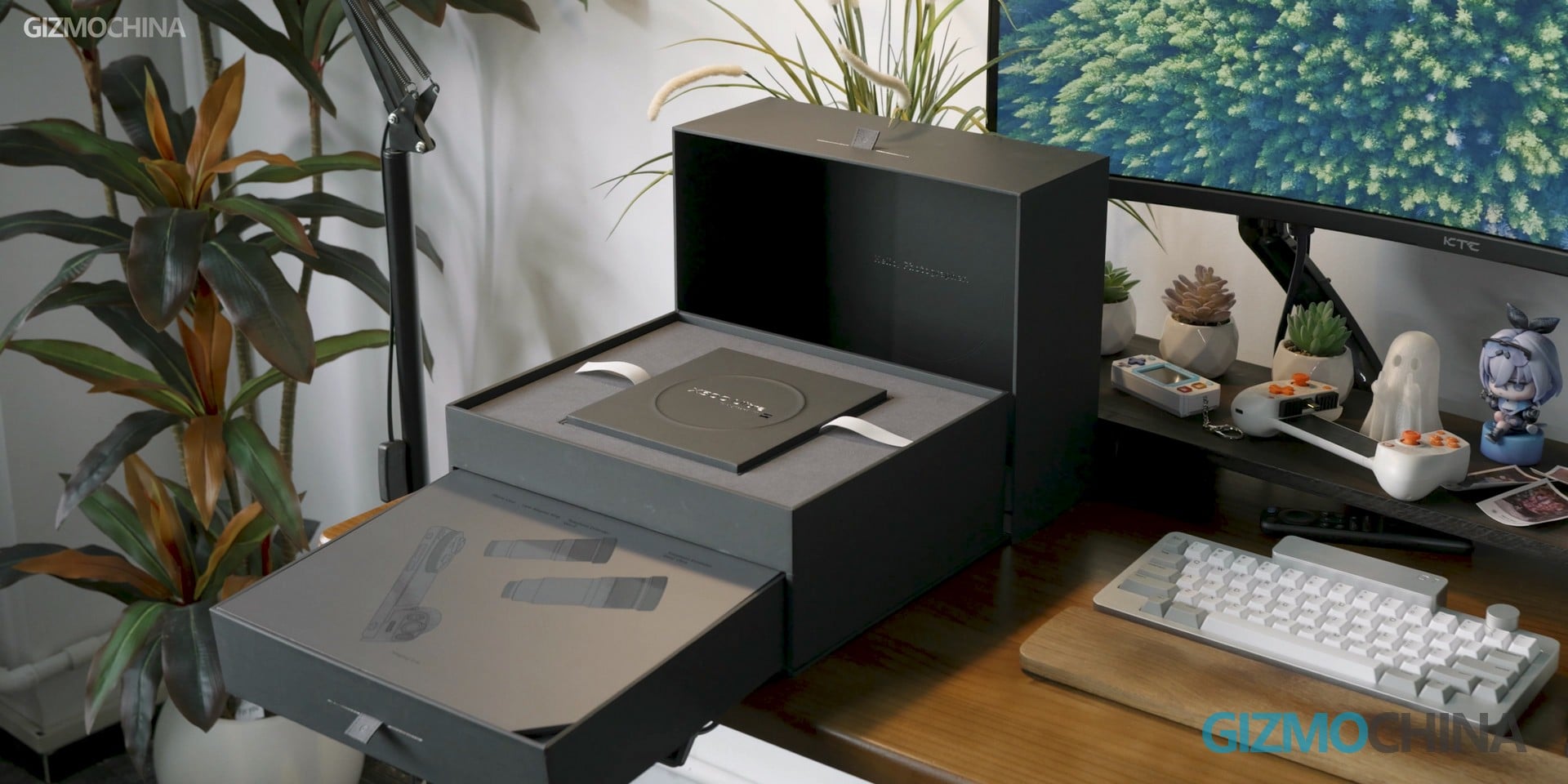
Unboxing
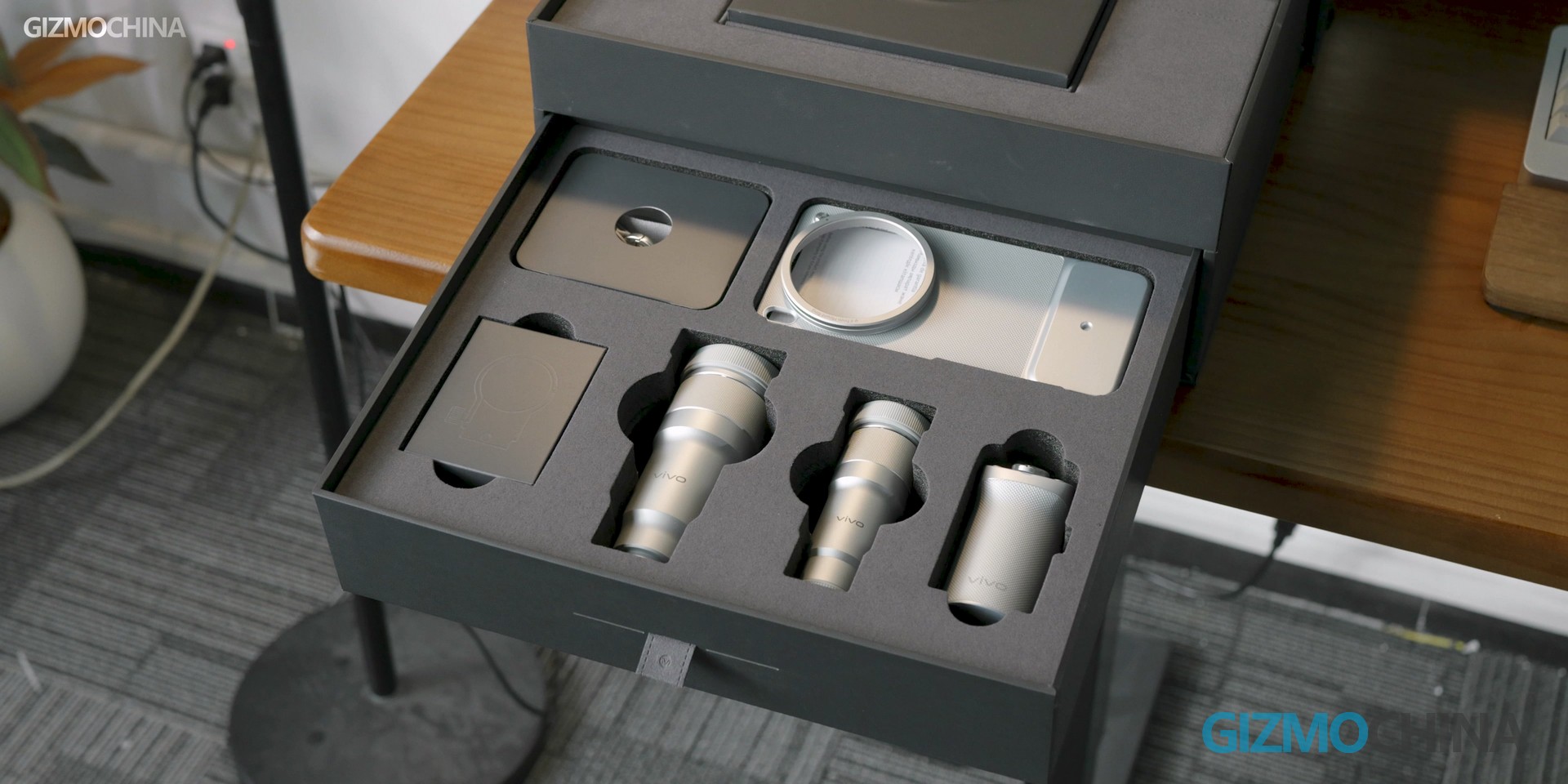
The first layer of the packaging is the X300 Ultra itself, while the second layer contains all the accessories from the vivo X300 Ultra photography kit.
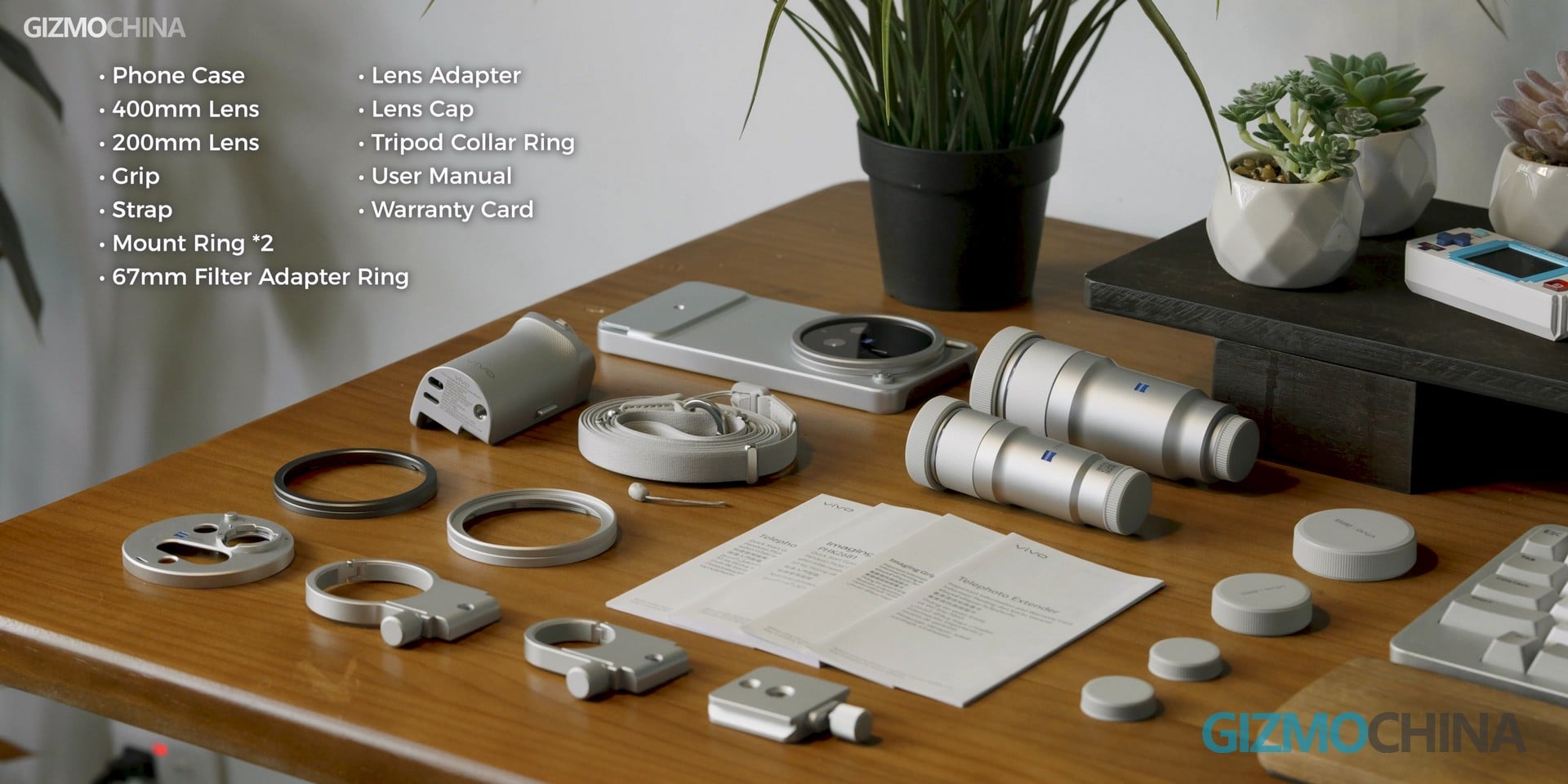
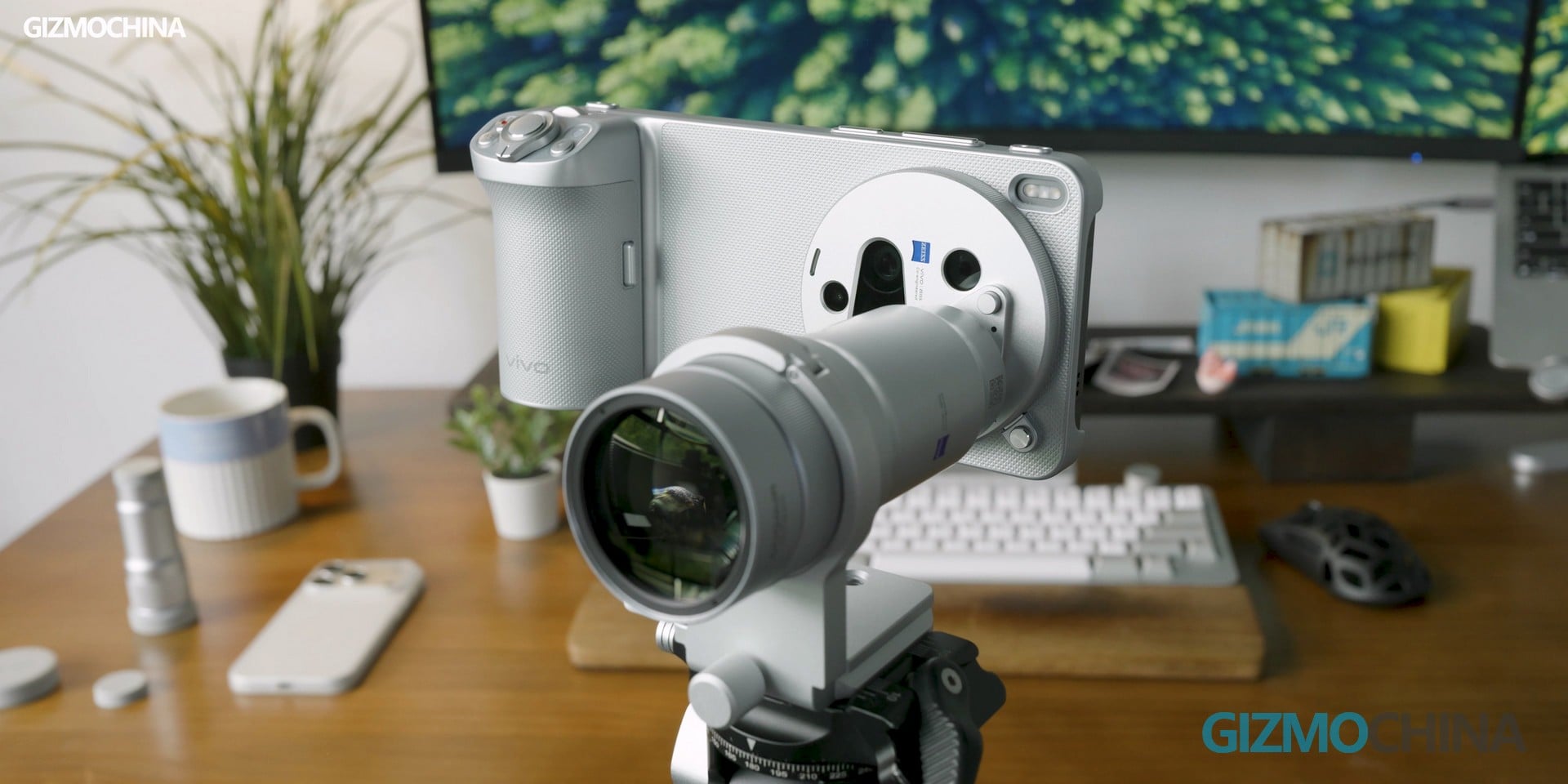
Actually, the accessories are basically the same as those of the first generation. There’s a tripod collar ring and also a 67mm filter adapter ring. Aside from this new 200mm teleconverter lens, everything else can easily be purchased from the official website. If you really only want the 200mm lens, make sure you check the link here.
Grip Usage Experience
The overall design of the new photography kit is pretty similar to the one from the X200 Ultra, except that the color has changed from black to silver. Once all the accessories are attached to the phone, it really does look quite a bit like a professional camera, right?
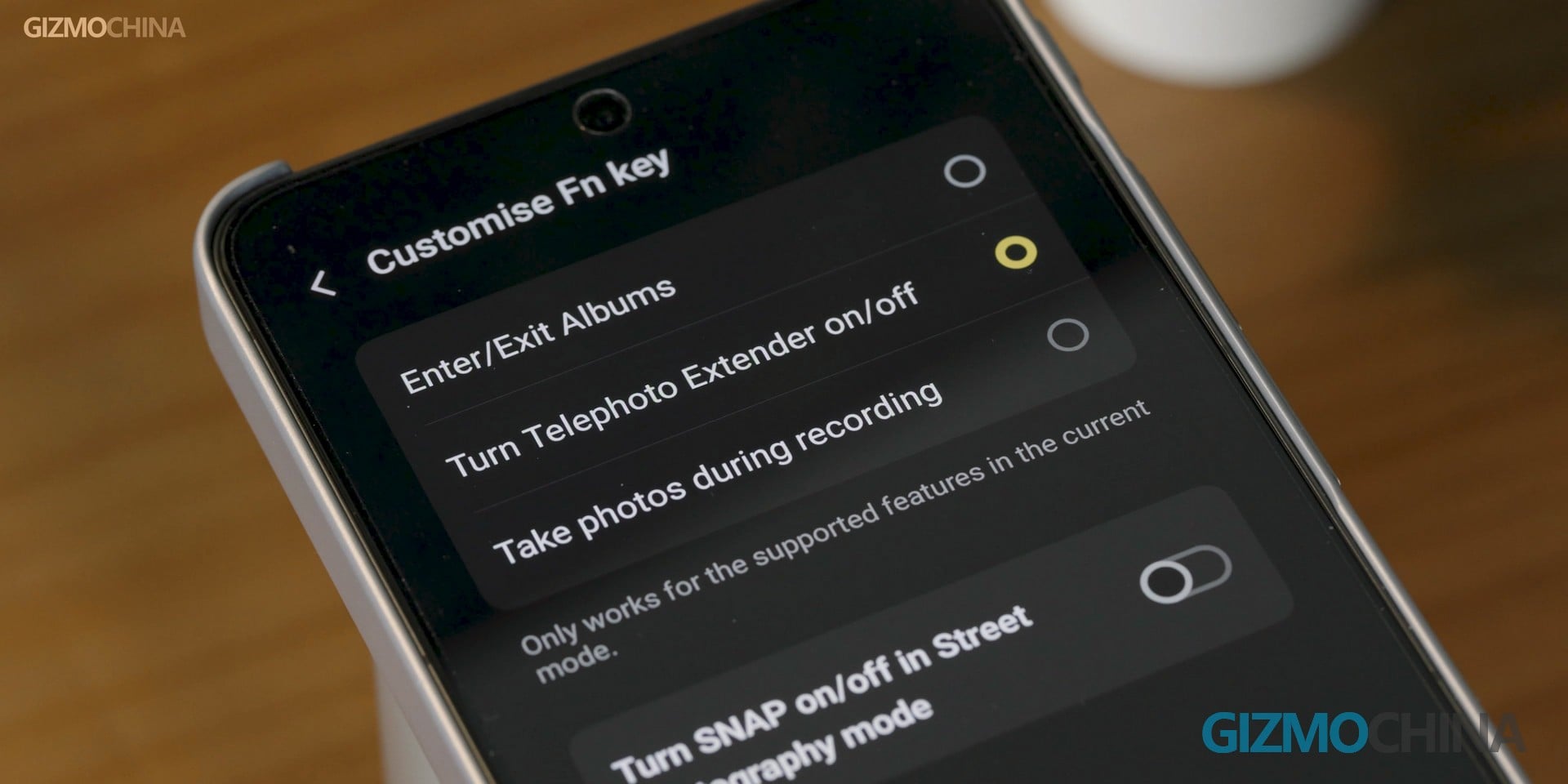
The imaging grip allows you to customize the function of every button and dial. Among them, I recommend customizing this function for the Fn key, because if you want to use the teleconverter lens for street photography or birding, this is the only way to quickly activate teleconverter mode.
Speaking of street photography, the 200mm teleconverter is probably the more suitable choice. The 400mm one not only sees farther than you’d imagine, but also feels pretty awkward in the hand. Compared to the grip, I actually prefer holding onto the lens itself. But with the 200mm one, you can just hold the grip normally.
400mm Len200mm Len
As for things like build quality or compatibility, I already talked about them in the X300 Ultra review, so I won’t repeat them here. Instead, let’s combine it with some photos and talk about the actual user experience.
Astrophotography
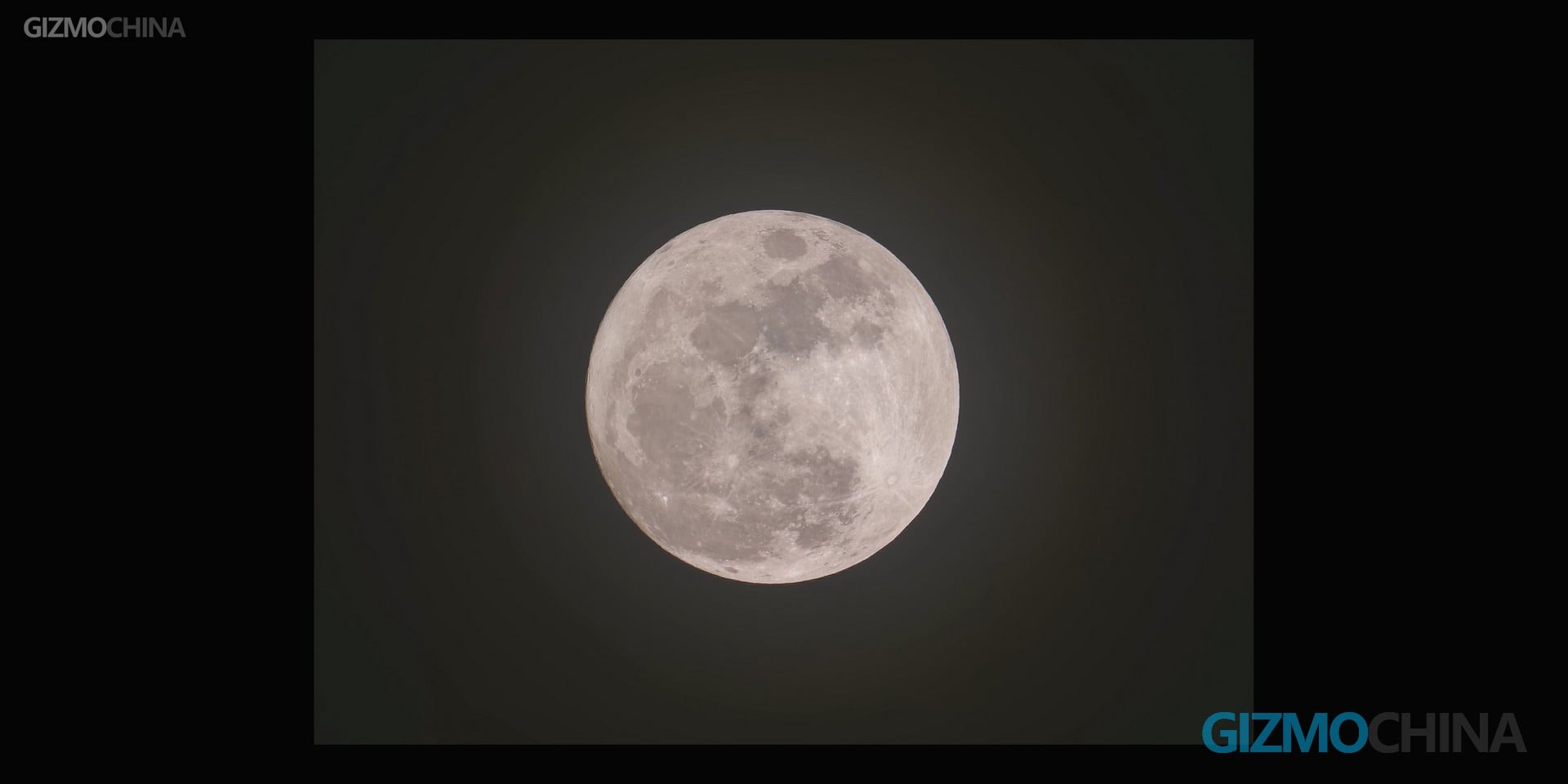
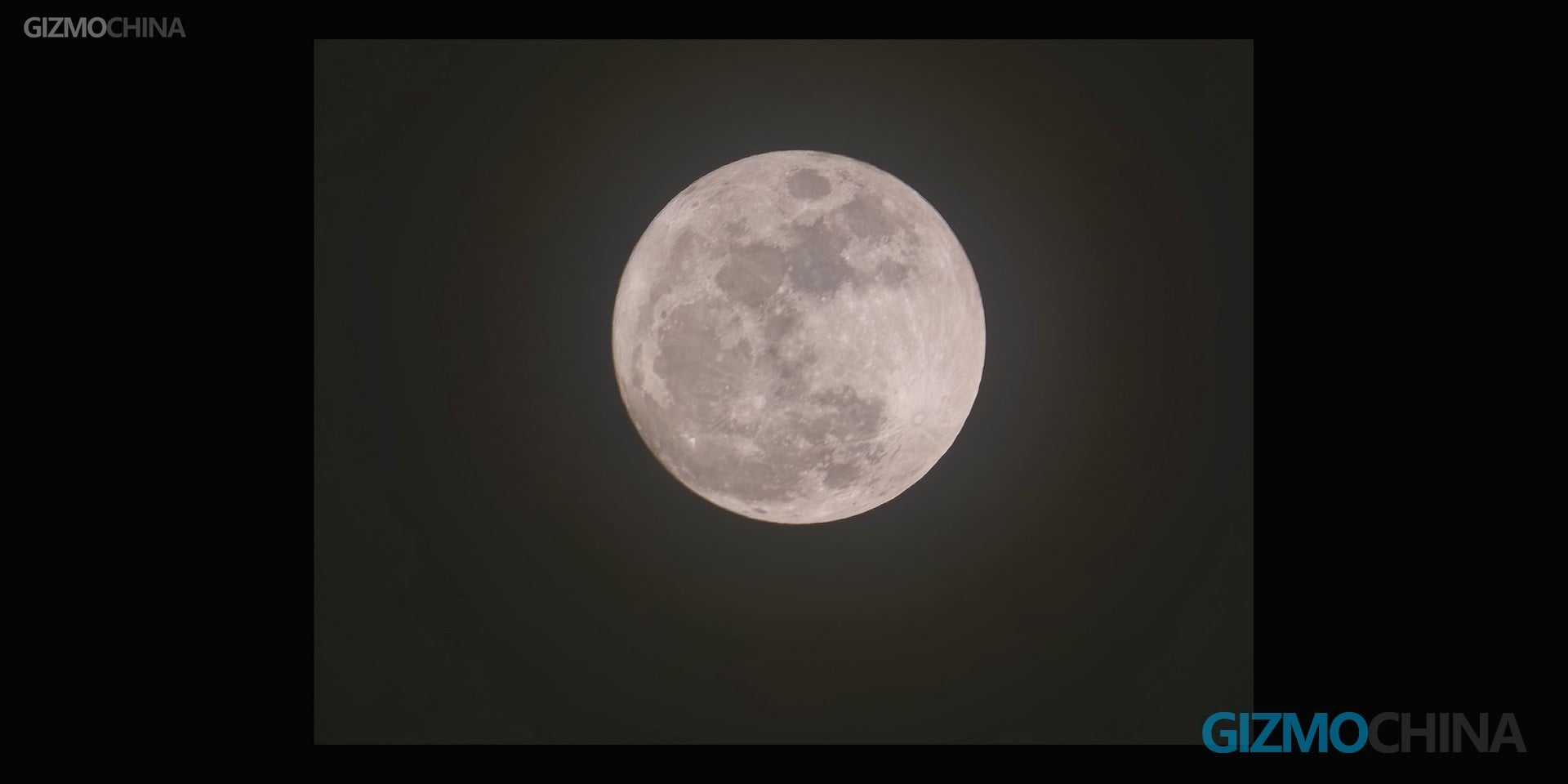
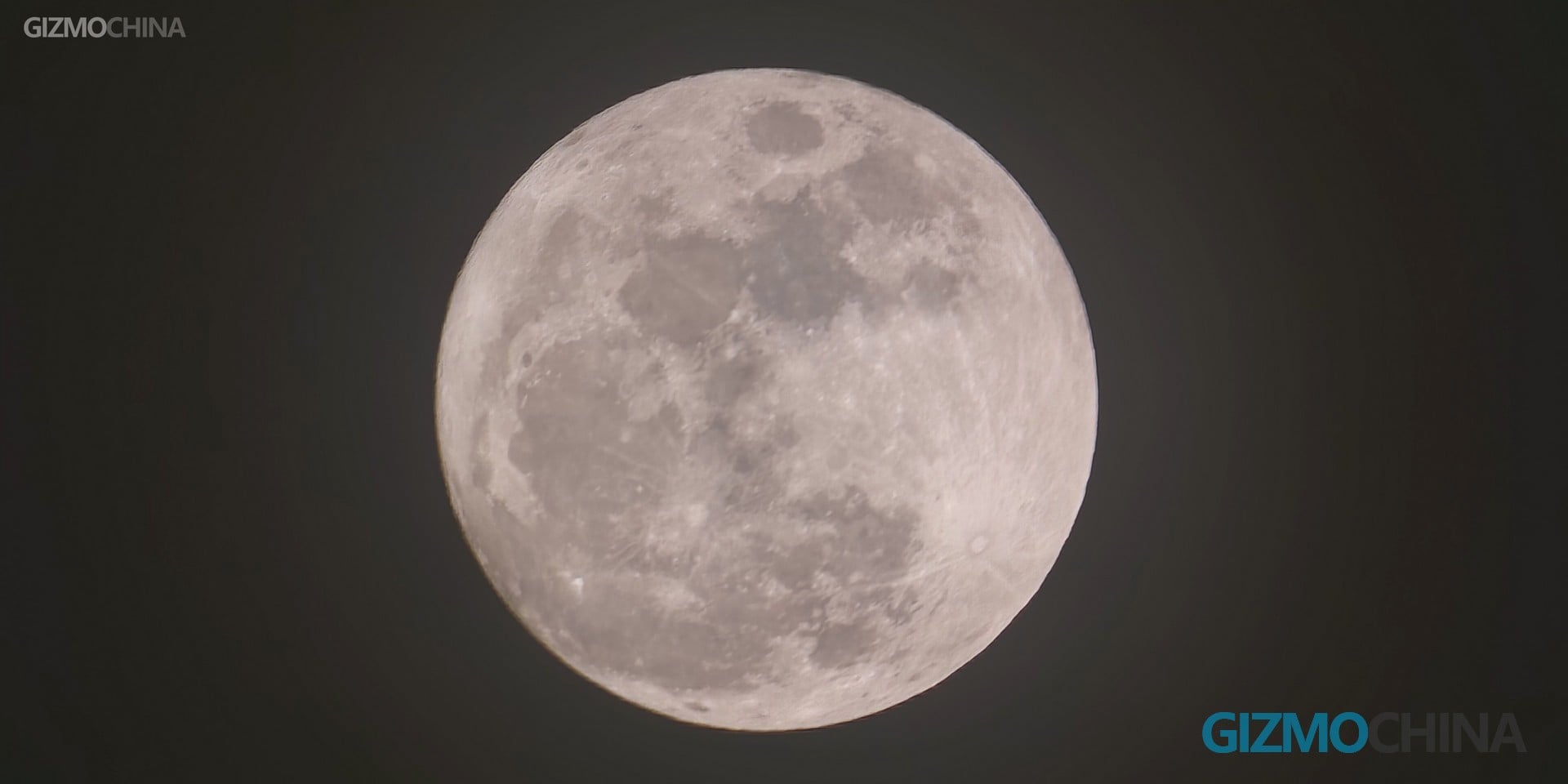
If you have a 400mm lens, I’m pretty sure you’ll be interested in the moon.
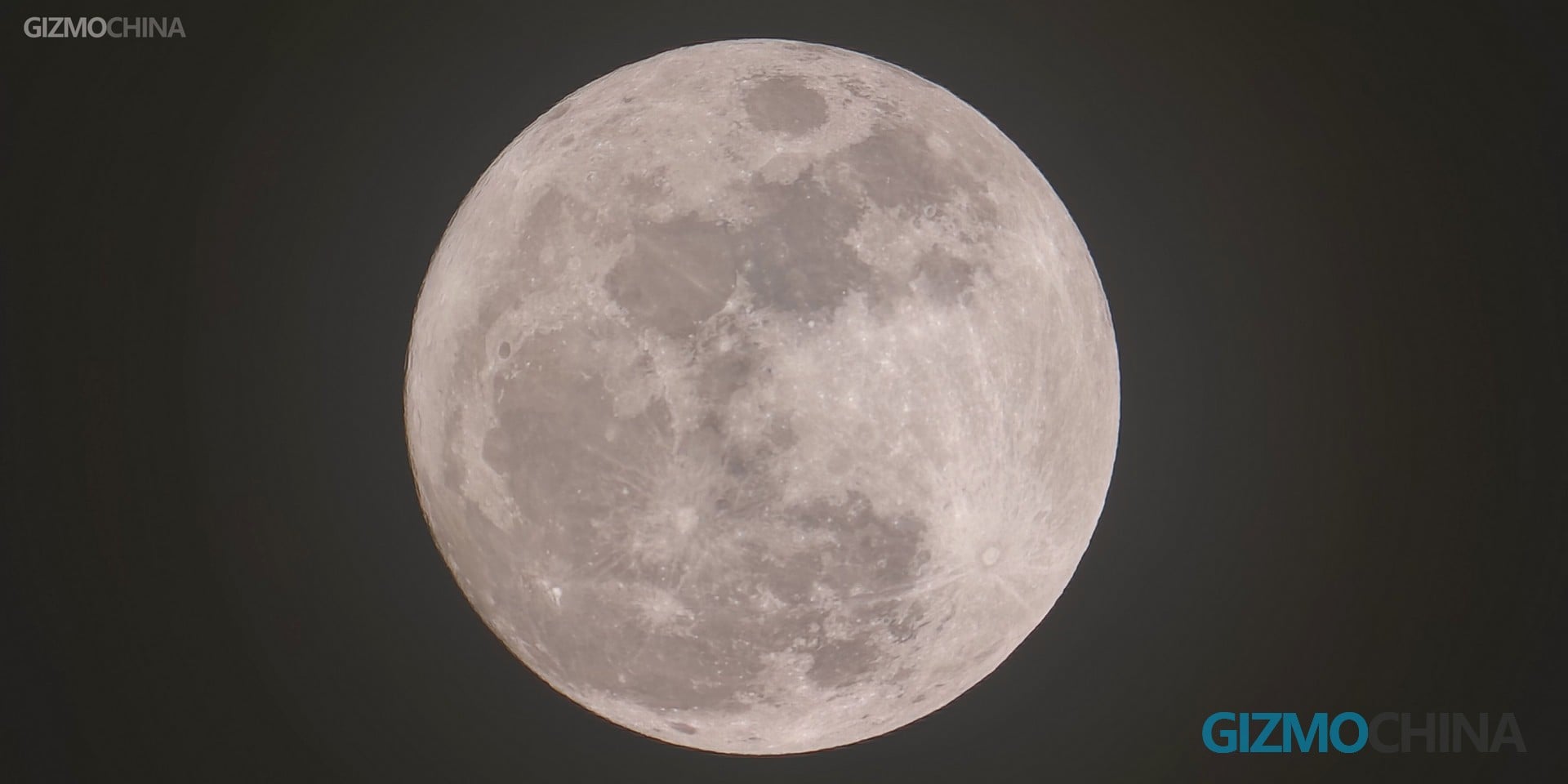
What do you think about this photo? Isn’t it hard to believe this was taken with a smartphone? Even though it was shot at 1600mm and definitely uses algorithms to enhance image quality, this is still the most natural-looking moon photo I’ve ever seen, with the least amount of obvious AI processing. You can see the craters on the surface, but without excessive sharpening. That’s the charm of an optical telephoto lens.
Maybe you haven’t realized what it means to shoot celestial objects without a tripod: the stabilization on this kit has reached to the next level. Out of the 9 photos I took, only one came out slightly blurry.
Even if you were holding a professional camera, you still wouldn’t be able to capture shots like this without a tripod. But aside from the moon, other celestial bodies are still too far away from Earth. If you really want to get into astrophotography, you’ll still need to buy more professional lenses.
Concert Photography
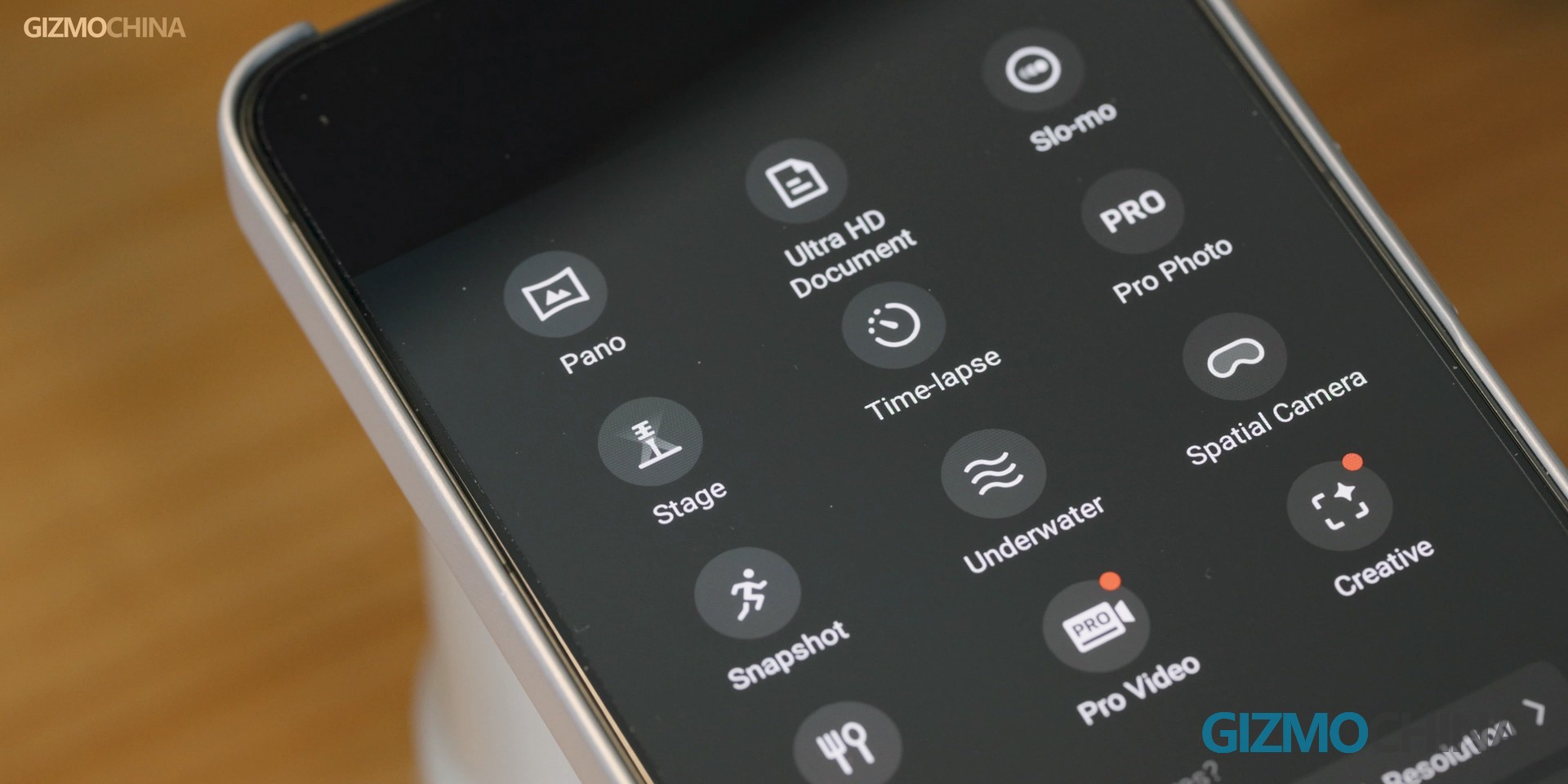
Ever since vivo started making teleconverter lenses, its phones have included a mode called “Stage”.
In this mode, exposure is lowered, shutter speed is shortened, contrast is increased, and AI enhances every detail of the subject. It’s hard to believe that from 20 meters away, you can clearly capture someone’s hair strands and even the texture of their face, but the X300 Ultra, combined with the teleconverter lens, really does achieve this.
Some people don’t really like AI-enhanced photos, and honestly, neither do I, but if you’re actually at a concert and don’t want to regret your photos after getting home, then I’d still recommend using Stage mode. The AI is basically just bringing back your wrinkles and hair details. I think that’s acceptable.
If you’re outdoors during the daytime, then Auto mode can also produce a very sharp photo. No AI, everything just looks natural.
Wildlife Photography
Wildlife photography has always been a category that demands a lot from photography equipment. But now, you only need to spend 3000 dollars to step into the world of wildlife photography. You just need to walk into the woods, attach the grip and teleconverter lens, and then you’re already a qualified birder.
Well, this combination really can take some very beautiful bird photos. Sharp, clear, and sometimes it can even capture what they’re eating. You should also remember that these were handheld shots. Being able to take photos like these without a tripod proves to some extent just how high the upper limit of the stabilization performance is.
Maybe you’re wondering how much the teleconverter lens improves image quality. Here’s a photo taken without the teleconverter lens. At first glance, it still looks quite clear, but compared to the one shot with the teleconverter attached, there’s still a pretty noticeable gap. Taking excellent wildlife photos also requires some skill, because animals are always moving, making them much harder to photograph than the moon or singers.
First of all, you need to be willing to press the shutter button. Smartphones are not like DSLRs; electronic shutters don’t have a lifespan. So you really need to take a lot of shots before getting a satisfying photo. Secondly, if you want to photograph birds in flight, you still need to mount it on a tripod. And remember to turn off stabilization, because that’s the only way to keep the bird inside your frame.
If I had to point out a weakness, I’d say autofocus. Right now, the X300 Ultra’s bird recognition isn’t very accurate. In about 1/4 of the bird photos, the focus wasn’t actually on the bird itself, which is why I emphasized earlier that you absolutely need to shoot more photos.
There are also two more issues that are neither big nor small. The first is that the higher the magnification, the more obvious the shaking around the edges of the video becomes. This is caused by electronic stabilization, so if you avoid zooming in too much, the issue becomes less noticeable.
The second is that a 400mm focal length is still a bit too short for bird photography. In-Sensor Zoom alone simply can’t save photos taken in low light. So this photography kit can only really serve as an entry-level setup for wildlife photographers. Once the X300 Ultra helps you discover the charm of wildlife photography, then you can move on to buying a dedicated camera and longer telephoto lenses.
Conclusion
I’ve already tested the teleconverter lenses in the three main scenarios they’re designed for: astrophotography, concert photography, and wildlife photography. Looking at the results, concert photography turns out to be the most suitable use case for this kit. vivo clearly understands that its strength lies in portrait shooting, so even in a dim concert venue, it handles capturing the moment remarkably well.
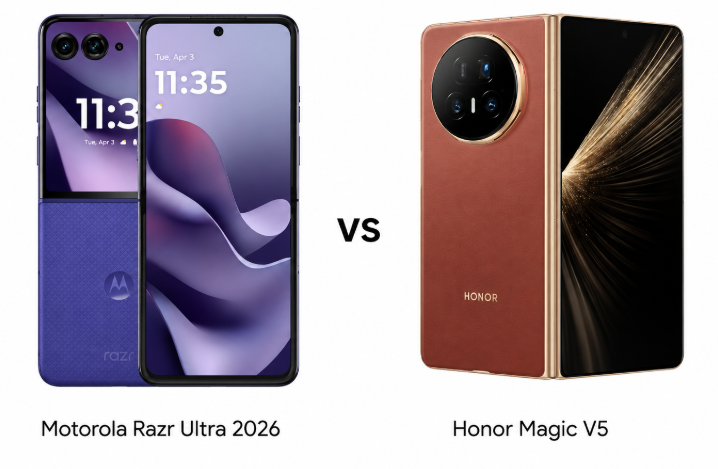
Foldable phones are no longer competing in the same category, and the Motorola Razr Ultra 2026 vs Honor Magic V5 comparison proves that perfectly. The Razr Ultra targets users who want a compact flip-style flagship with a stylish design, while the Magic V5 focuses on delivering a full-sized foldable experience built for multitasking and productivity. Despite their different form factors, both sit in the same ultra-premium price segment, making this an interesting battle between portability and power.
Major Features:
Feature
Motorola Razr Ultra 2026
Honor Magic V5
Winner
Form Factor
Flip-style foldable
Book-style foldable
Honor – More versatile for productivity and multitasking
Build Quality
Aluminum frame, Gorilla Glass Ceramic
IP58/IP59 protection, stylus support
Honor – Better durability and extra functionality
Main Display
7.0-inch LTPO AMOLED, 165Hz
7.95-inch LTPO AMOLED, 120Hz
Honor – Bigger immersive screen experience
Cover Display
4-inch LTPO AMOLED, 165Hz
6.43-inch OLED, 120Hz
Honor – Feels like a normal flagship phone when folded
Brightness
5000 nits peak
5000 nits peak
Tie – Both are excellent outdoors
Performance
Snapdragon 8 Elite
Snapdragon 8 Elite
Tie – Flagship-level speed on both
RAM & Storage
16GB + 512GB
Up to 16GB + 1TB
Honor – More storage options
Software
Android 16
Android 15 with 7 upgrades
Honor – Better long-term software support
Rear Cameras
50MP + 50MP
50MP + 64MP telephoto + 50MP ultrawide
Honor – More versatile photography setup
Selfie Camera
50MP
Dual 20MP
Motorola – Sharper selfies and video calls
Video Recording
Up to 8K, 4K 120fps
4K 60fps
Motorola – Better for creators and video enthusiasts
Battery
5000mAh
5820mAh / 6100mAh
Honor – Significantly better endurance
Wired Charging
68W
66W
Motorola – Slightly faster
Wireless Charging
30W
50W
Honor – Faster wireless charging
Connectivity
Wi-Fi 7, Bluetooth 5.4
Wi-Fi 7, Bluetooth 6.0, IR blaster
Honor – More advanced connectivity features
Audio
Stereo speakers with Dolby Atmos
Stereo speakers with Hi-Res audio
Tie – Both deliver premium audio
Approx Price
$1500 / ₹143,000
$1400 / ₹130,000
Honor – Better value for the hardware offered
Overall Winner
Premium compact flip flagship
Full-featured foldable powerhouse
Honor Magic V5 – More complete overall package
Disclaimer: Specs are based on available data. Actual performance may vary. Verify details from official sources before buying.
The Motorola Razr Ultra 2026 focuses on style, portability, and a premium flip-phone experience. Its aluminum frame, Gorilla Glass Ceramic protection, and compact foldable form make it feel modern and pocket-friendly. The external display is also highly functional, allowing quick app access without opening the phone. The design feels more lifestyle-oriented, especially for users who prioritize compactness and one-handed usability.
The Honor Magic V5 takes a different approach with a book-style foldable design that behaves more like a tablet when unfolded. It adds stronger water resistance, stylus support, and a more productivity-focused layout. The larger inner screen creates a more immersive experience for multitasking and media consumption. The thinner foldable profile also gives it a futuristic edge despite being a larger device overall.
Display Quality
Motorola offers a smoother 165Hz refresh rate on both screens along with Dolby Vision support, making animations and gaming feel extremely fluid. Honor counters with a significantly larger inner display and a more practical cover screen that feels closer to a standard flagship smartphone.
Verdict
The Razr Ultra feels more stylish and compact, while the Magic V5 feels more versatile and productivity-focused. Users wanting a futuristic flip experience may prefer Motorola, but Honor delivers the more complete foldable display setup overall.
2. Specifications Including Battery
Performance
Both phones use the Snapdragon 8 Elite chipset, so flagship-level speed is guaranteed on either device. The Razr Ultra feels slightly more aggressive with its higher clock speeds and 165Hz refresh rate, creating a very fast and fluid user experience. App launches, gaming, and multitasking feel extremely responsive. Motorola also ships the device with Android 16 out of the box, giving it a slight software freshness advantage.
The Honor Magic V5, however, feels more optimized for productivity. MagicOS is designed around large-screen multitasking, and the bigger foldable canvas helps when using multiple apps simultaneously. Honor also promises up to seven major Android updates, which gives it stronger long-term value.
Battery and Charging
Honor clearly leads in battery capacity with up to 6100mAh on the China model and faster 50W wireless charging. The Razr Ultra still performs impressively for a flip phone with its 5000mAh battery and 68W wired charging, which is unusually strong for this category.
Verdict
Motorola feels faster and more entertainment-focused, while Honor delivers better endurance and long-term practicality. Users prioritizing battery life and multitasking will likely lean toward the Magic V5.
3. Camera
Main and Secondary Lenses
The Motorola Razr Ultra keeps things simple with a dual-camera setup featuring high-resolution wide and ultrawide sensors. Colors are expected to look vibrant thanks to Pantone validation, and the phone supports advanced video recording, including 8K and 4K at high frame rates. The camera system feels optimized for social media creators and quick content capture.
The Honor Magic V5 offers a more versatile flagship camera system with a triple-lens setup that includes a dedicated 64MP periscope telephoto lens with 3x optical zoom. This gives Honor a major advantage for portrait photography and long-range shots. The larger foldable design also helps with hands-free shooting and preview flexibility. While Motorola focuses on video features and vibrant output, Honor aims for a more balanced flagship photography experience overall.
Selfie Camera
Motorola’s 50MP selfie camera is significantly sharper on paper and should appeal more to users who prioritize selfies and video calls. Honor’s dual 20MP selfie cameras are more practical across both displays but less impressive in raw resolution.
Verdict
The Razr Ultra is stronger for selfies and high-end video recording, while the Magic V5 offers a more complete and flexible rear camera system. Photography enthusiasts may find Honor more capable overall.
4. Pricing
The Motorola Razr Ultra 2026 is expected to cost around $1500 or ₹143,000, while the Honor Magic V5 is slightly cheaper at approximately $1400 or ₹130,000. Despite the lower price, Honor includes a larger foldable display, a bigger battery, stylus support, a telephoto camera, faster wireless charging, and longer software support.
Motorola’s pricing is mainly justified by its premium flip-phone engineering, compact foldable design, and extremely polished external display experience. It feels more fashionable and unique compared to traditional foldables. The phone also targets buyers who want flagship performance without carrying a large book-style foldable in their pocket.
Honor appears to offer stronger hardware value overall. The feature-to-price ratio feels more aggressive, especially considering the multitasking advantages and larger display. For buyers focused on specifications and long-term ownership, the Magic V5 may feel like the smarter investment.
Verdict
The Razr Ultra charges extra for style and compact innovation, while the Magic V5 delivers more hardware value for the money. Honor clearly wins on overall value.
Disclaimer: Prices are approximate and may vary based on country, region, launch timing, and applicable taxes. Always check whether the listed price is for a China unit or a global/international variant when purchasing.
5. Conclusion
The Motorola Razr Ultra 2026 stands out because of its refined flip-phone form factor, powerful external display, 165Hz refresh rate, and flagship selfie capabilities. It feels like a luxury foldable designed for users who value portability, social media content creation, and stylish everyday usability. The compact design also makes it easier to carry compared to larger foldables.
The Honor Magic V5 focuses more on delivering a complete foldable flagship experience. Its larger inner display, periscope zoom camera, stylus support, larger battery, stronger durability certifications, and longer software support make it feel closer to a productivity powerhouse. The multitasking experience especially feels more practical for power users and professionals.
Verdict
The Motorola Razr Ultra 2026 is the better choice for users wanting a premium flip-style foldable with standout design and entertainment features. The Honor Magic V5 is the stronger all-rounder with better battery life, camera versatility, productivity tools, and overall value. Buyers wanting the most complete foldable experience will likely find the Magic V5 more convincing overall.
Disclaimer: This comparison is based on the specifications provided and is intended for general informational purposes. Actual performance, camera results, battery life, and overall experience may vary depending on real-world usage, software updates, and individual preferences.
The HONOR Number series has occupied an interesting market position over the past few years. It’s not the kind of device where you feel compelled to buy the absolute top-end model, yet it’s equally difficult to point out any major shortcomings. As some users put it, it’s a “premium mid-range all-rounder with a distinct flagship flavor.”
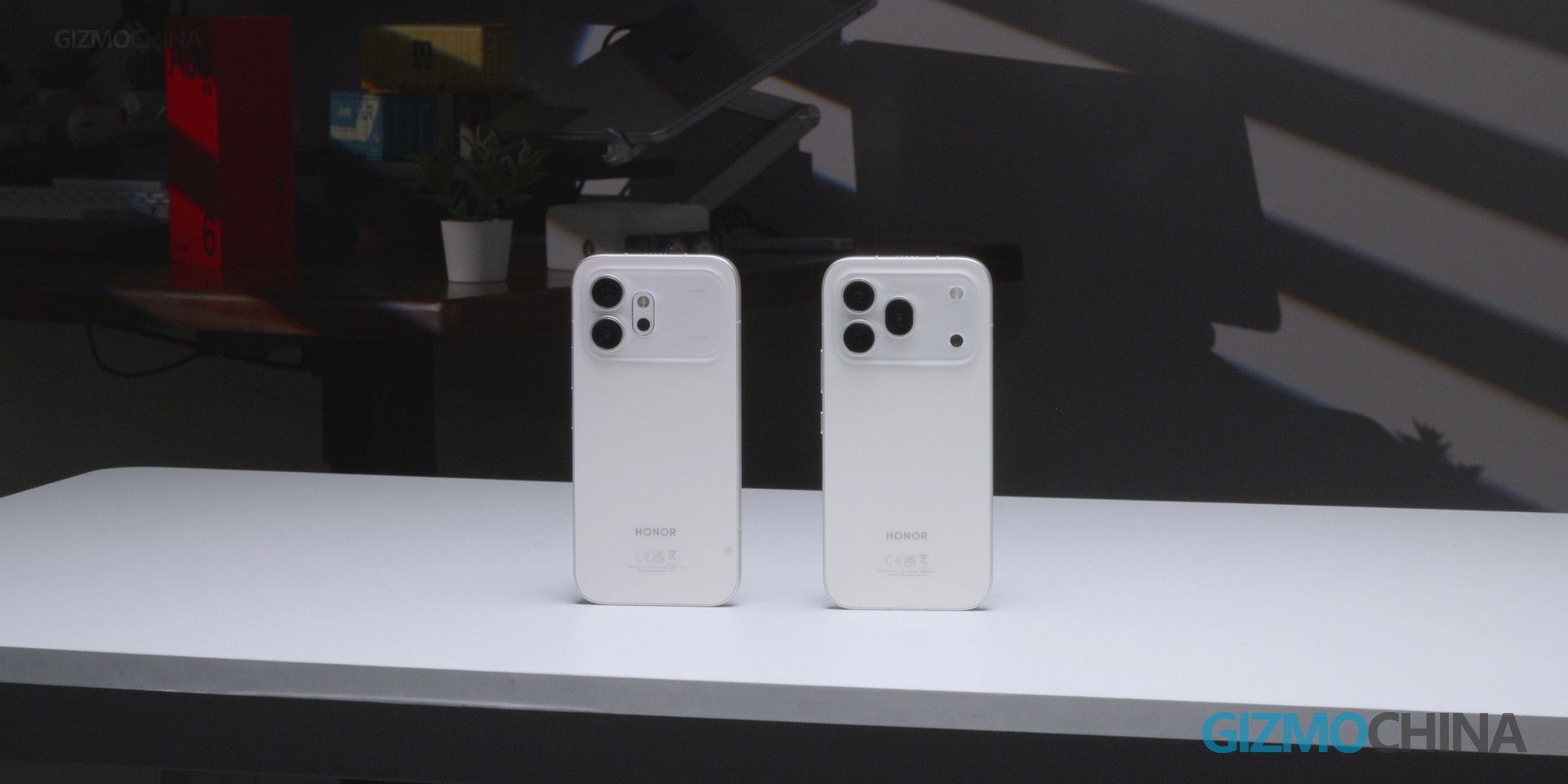
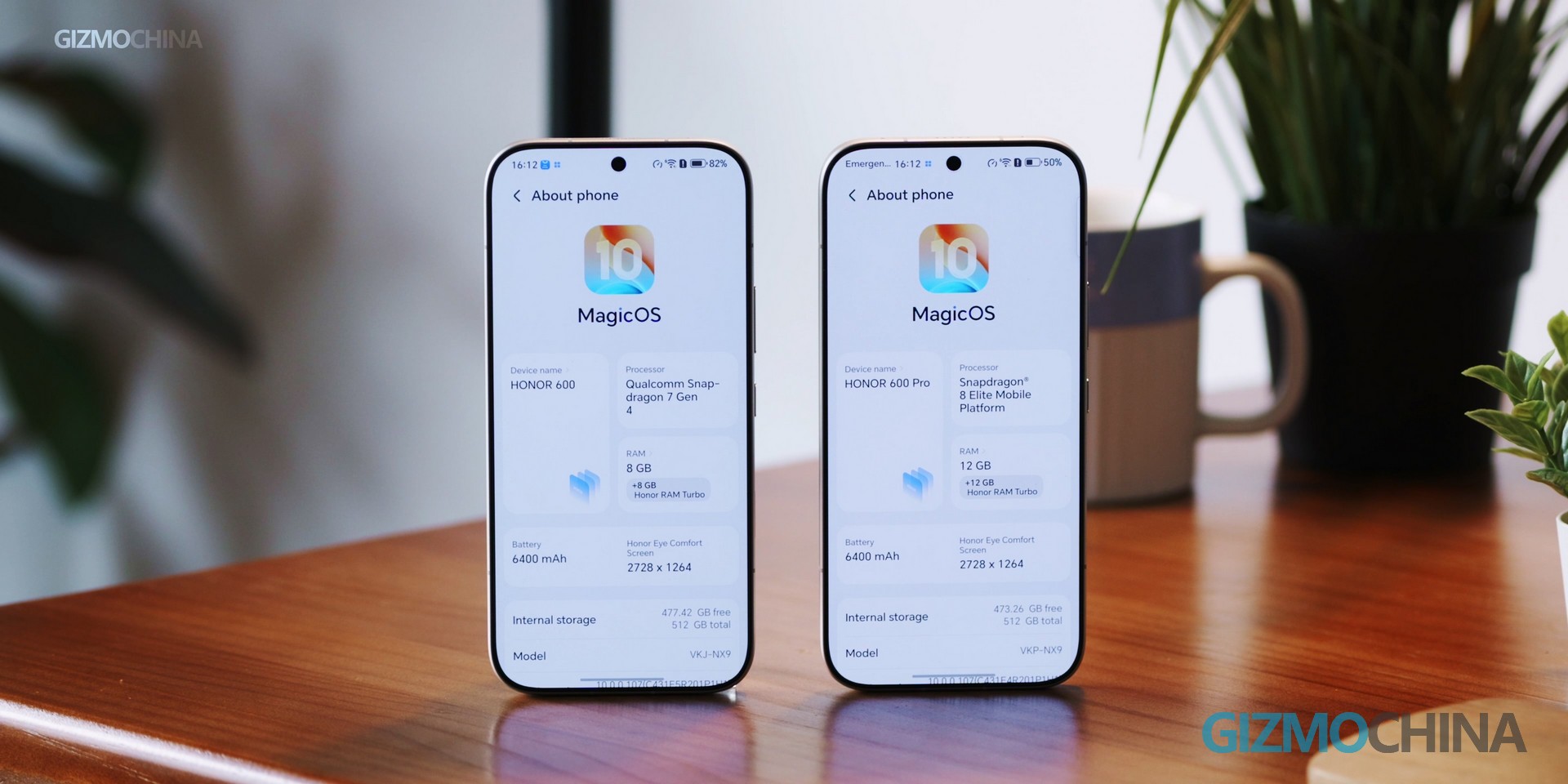
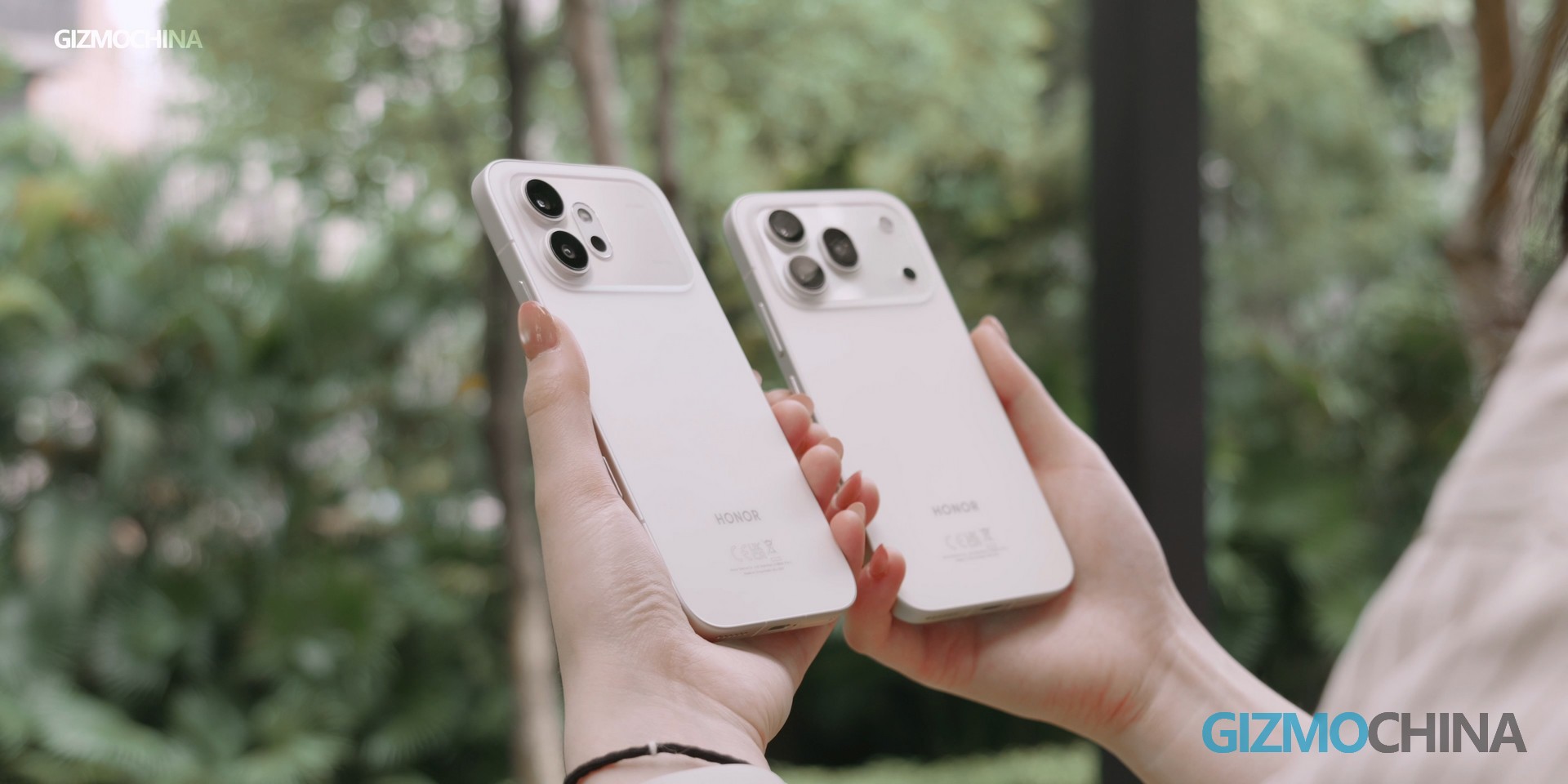
I’ve been using the HONOR 600 and 600 Pro side by side for quite some time now. Honestly, they don’t feel like two completely different phones. Instead, they feel like two different concentrations of the same excellent foundation. One is “more than enough and highly capable,” while the other is “that, plus a few serious upgrades.” Let’s break them down together, so you can clearly see the difference between this regular cup and the large cup.
Design & Build
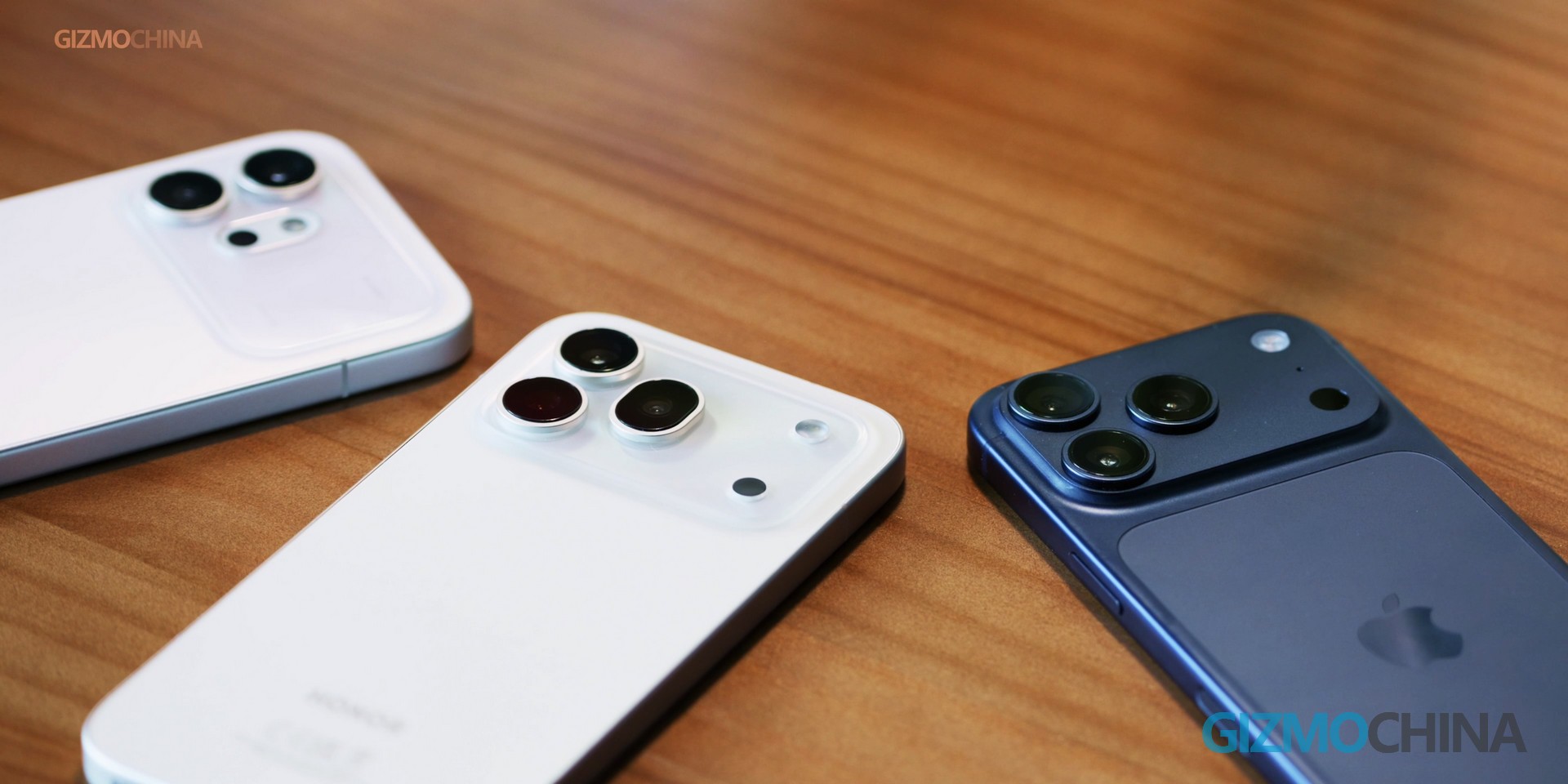
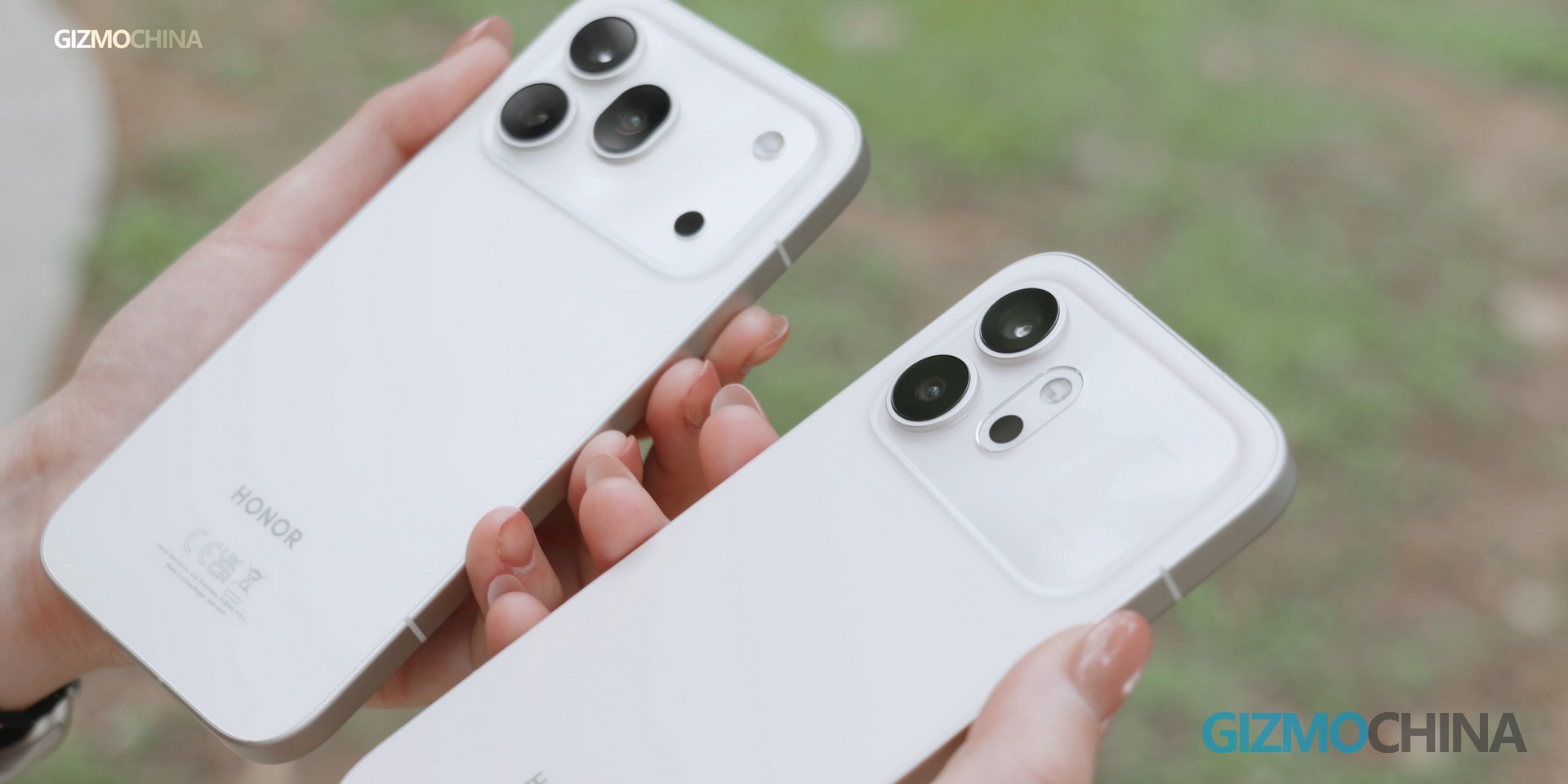
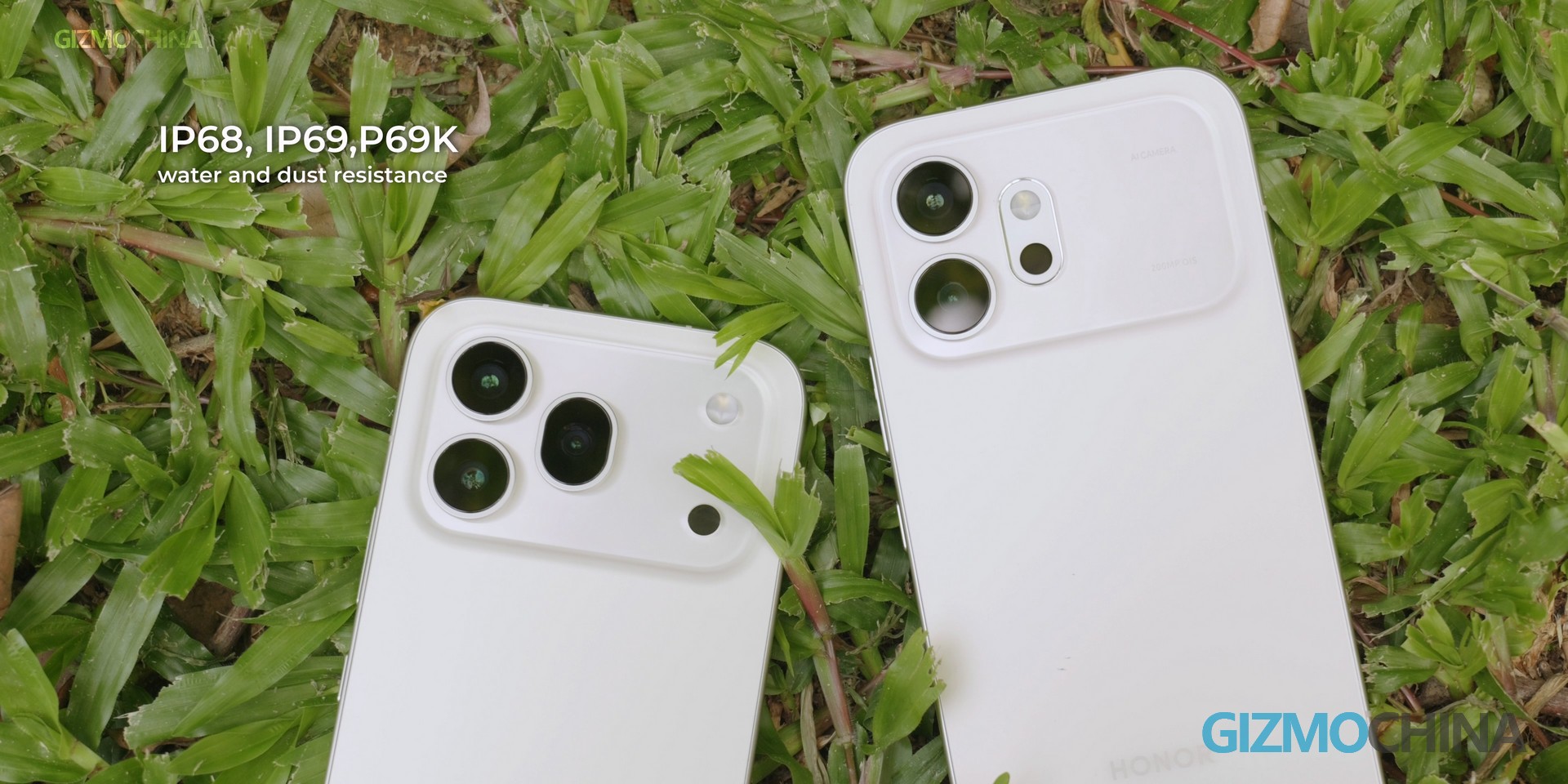
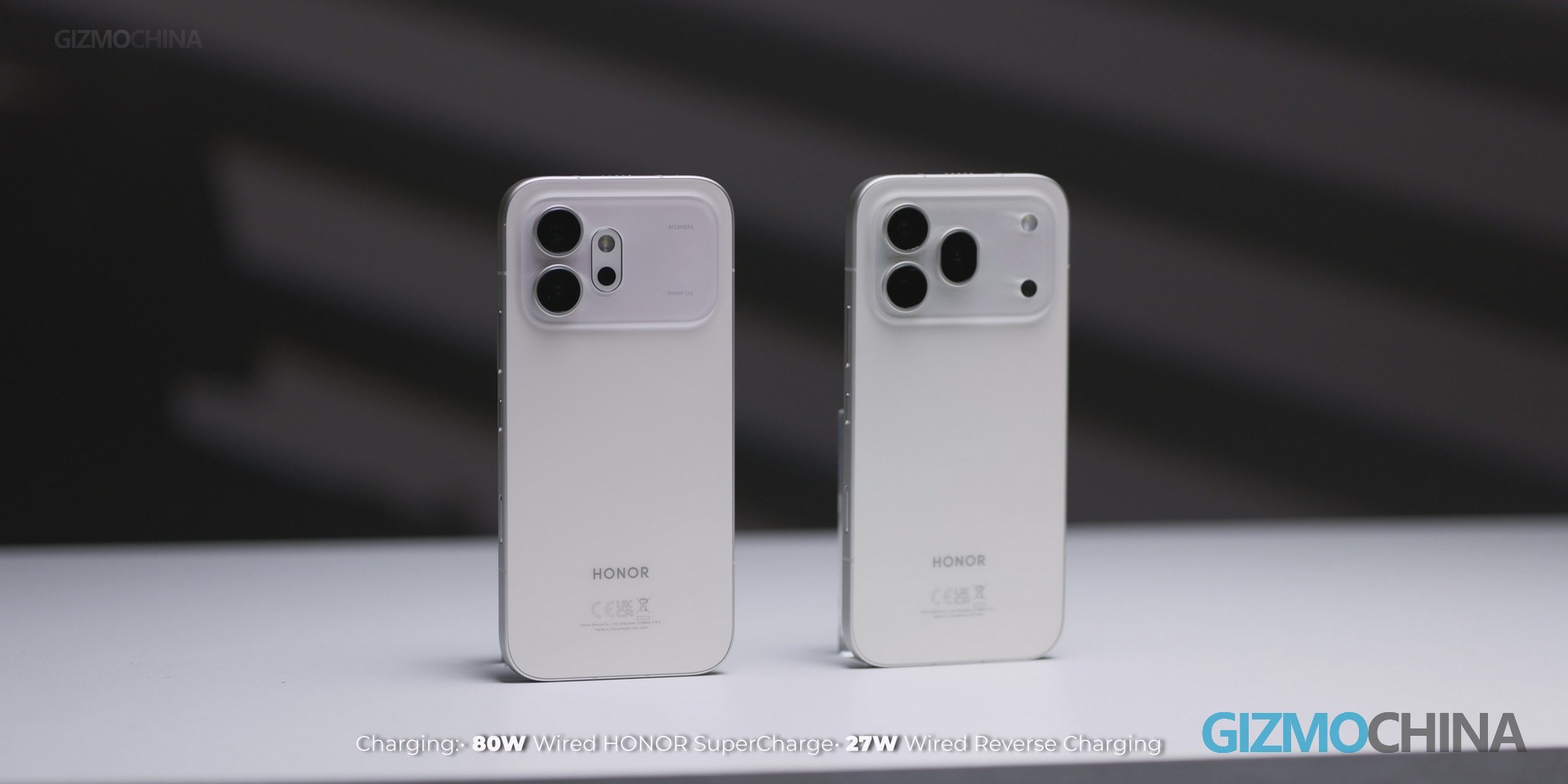
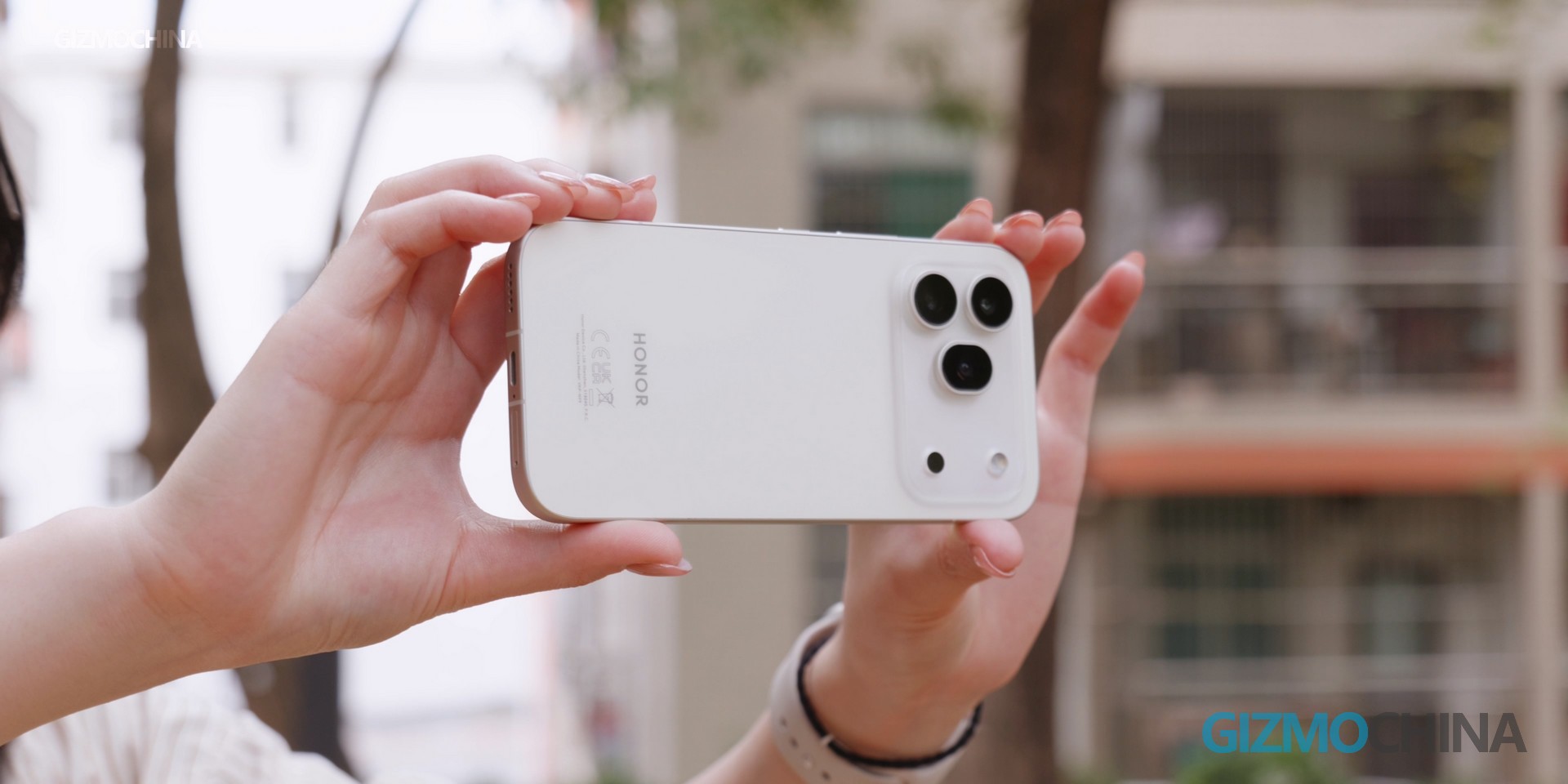
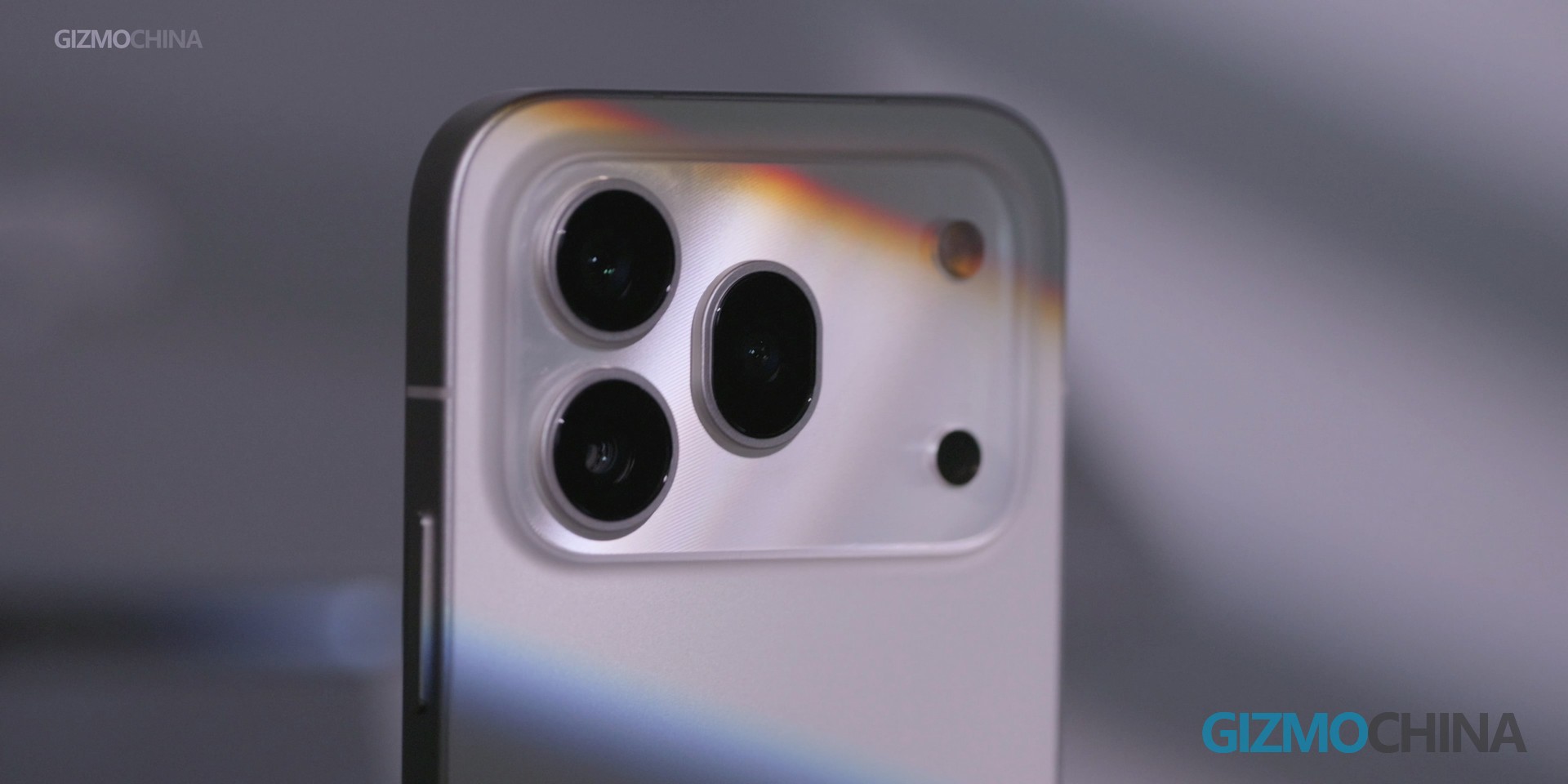
At first glance, the two phones look nearly identical. But if you look closely, the main physical difference is that the standard model lacks a telephoto lens. If you put the 600, the 600 Pro, and the iPhone 17 Pro side by side, and only look at the camera module… even Apple’s own designers would have to do a double-take. But jokes aside, the biggest design change on this generation of HONOR Number series isn’t the color — it’s the craftsmanship.
The build and finish are identical across both models. They feature a semi-transparent ultra-durable composite fiber back and a matte metal frame. The unit I have on hand is the White colorway. On this model, the texture of the semi-transparent back panel is at its most expressive. In low light, it resembles warm, polished jade. It resists smudges remarkably well, which is especially noticeable on this white finish. After a week of use, the back remains remarkably clean.
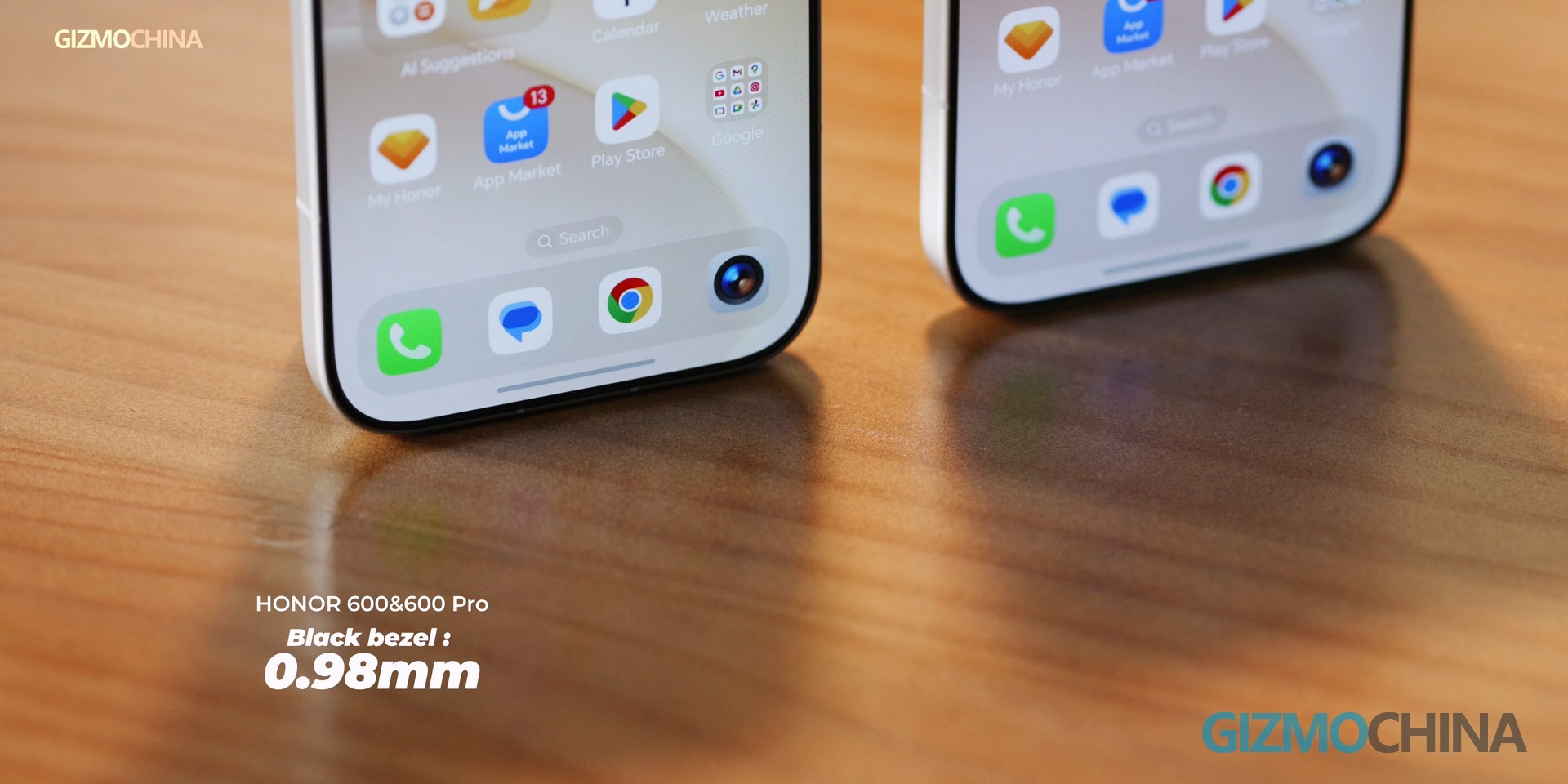
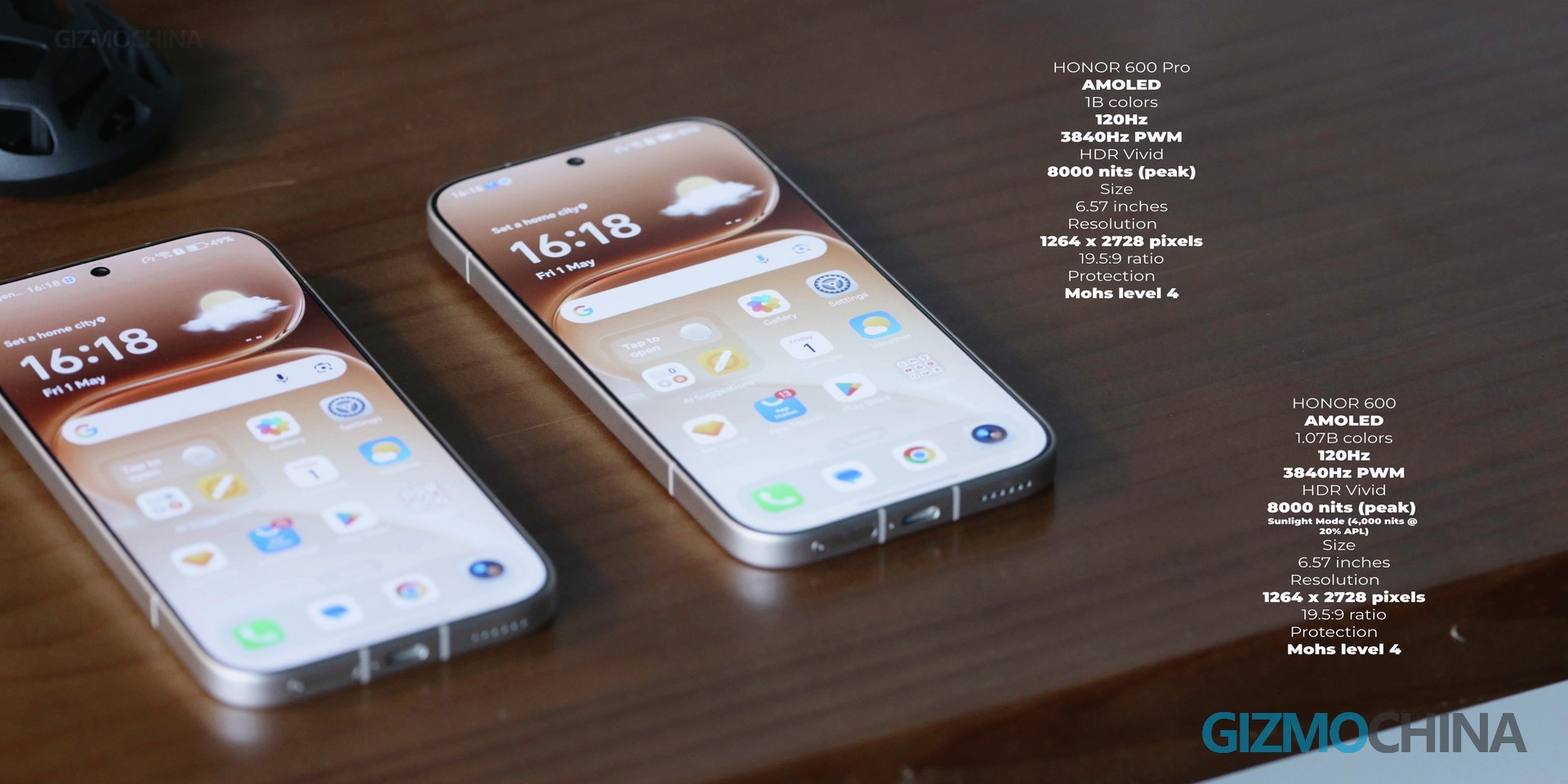
Both phones share the same display: a 6.57-inch AMOLED flat screen. And yes, it’s flat — a significant advantage for flat-screen enthusiasts — with extremely slim bezels. Combined with the largest corner radius of any Android device, the front-facing design projects a presence that easily punches above its mid-range class.
The physical dimensions are identical. The only difference is weight. That extra 10 grams in the Pro model is barely noticeable in the hand, but it’s the price you pay for that telephoto lens. In a sense, those 10 grams are the most valuable 10 grams on this entire phone. It’s also worth noting that IP68, IP69, and IP69K water and dust resistance are present on both devices. Whether you’re at the beach or caught in the rain, you won’t have to worry as long as you’re not intentionally submerging it. This level of protection remains rare at this price point.
Display
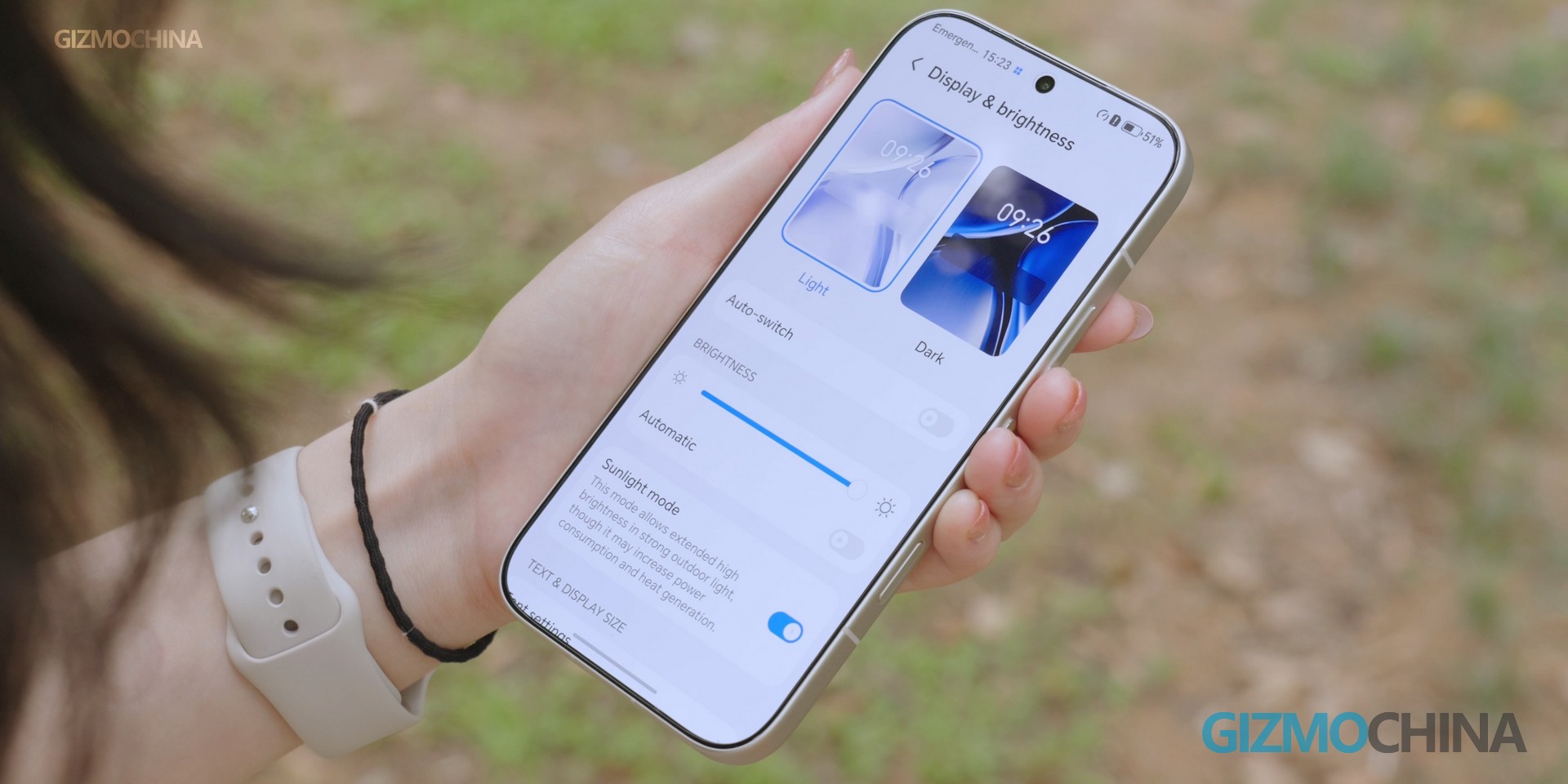
I’ll admit, I initially dismissed the “8000 nits HDR peak brightness” as marketing speak, reminiscent of the early “hundred-megapixel” craze. But after using it, I stand corrected. The greatest value of this display isn’t that theoretical peak of 8000 nits — it’s the Sunlight Mode. You won’t notice it indoors, but under direct sunlight at noon, the screen automatically ramps up to another level. According to official data, at 20% APL, it can hit 4000 nits. The simple translation is: while other phones force you to shield the screen with your hand just to see what’s on it, you can continue to browse messages and use navigation without issue.
Both displays share identical specifications: a 120Hz refresh rate, 3840Hz ultra-high frequency PWM dimming, and 1.07 billion colors. After using both the standard and Pro models for a week in low-light nighttime conditions, I can confirm that eye strain is significantly reduced compared to certain flagships with low-frequency PWM dimming. For those who tend to scroll through their phones for a while after turning off the lights, this display offers a distinct, yet often overlooked, advantage.
System & AI
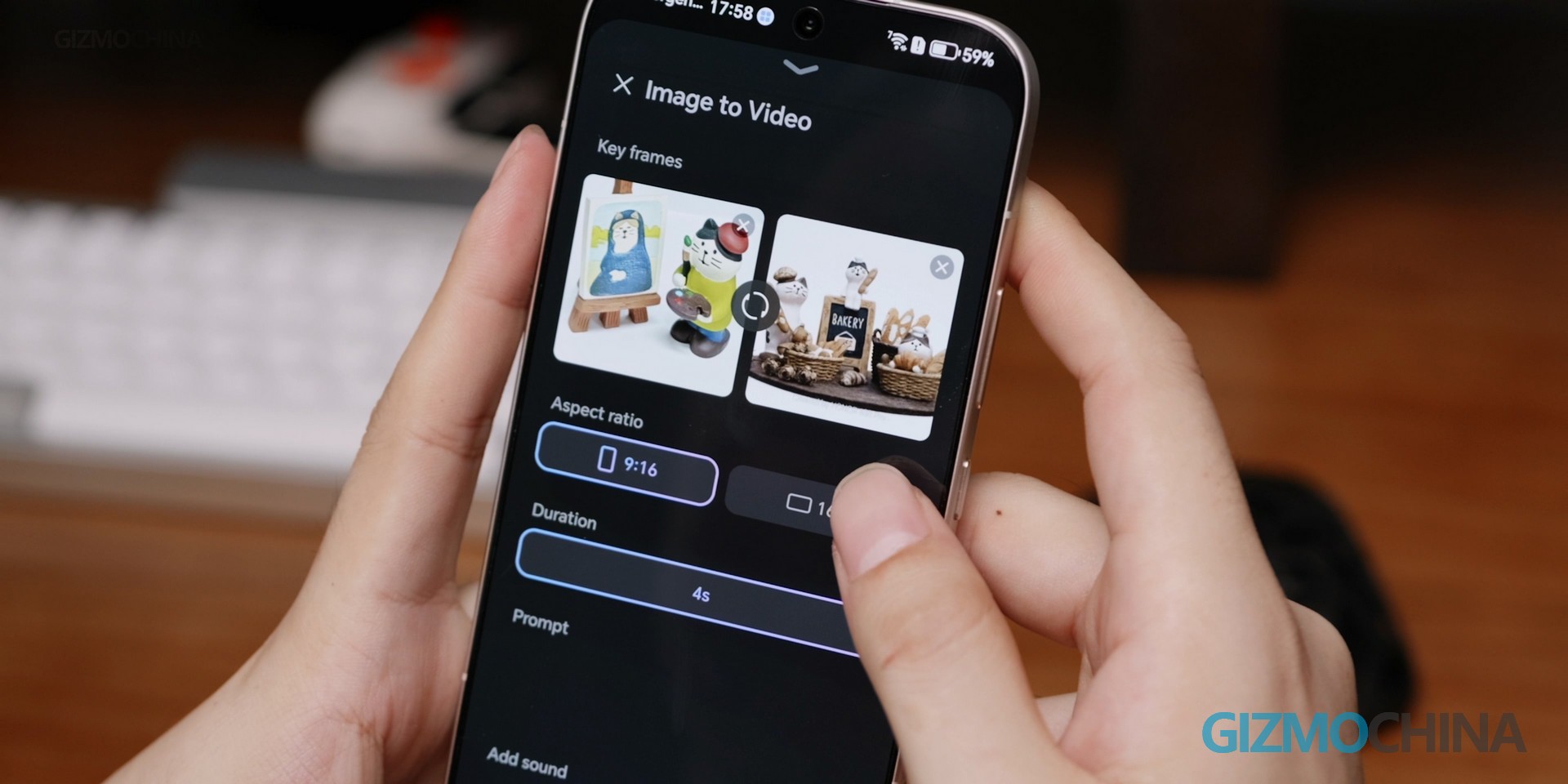
Both phones run MagicOS 10, based on Android 16, and both feature the dedicated AI Button. I find the logic behind this AI button quite clever. It’s not a “press and talk” voice assistant, but rather a contextual trigger. For example, when you’re viewing photos in the gallery, a long press of the AI button directly launches AI Image to Video 2.0 — select a few images, type a description, and generate a 3 to 8-second video. This feature is available on both the standard and Pro models, and the experience is identical.
These AI experiences are the same across both models. Where the gap truly opens is the underlying performance headroom. The Pro model’s Snapdragon 8 Elite is significantly more powerful than the standard model’s Snapdragon 7 Gen 4. In practical AI terms, this means the Pro generates videos faster, handles multitasking more smoothly, and keeps more apps active in the background. You might not notice it in everyday casual use, but if you’re simultaneously running AI generation, navigation, and background music streaming, the Pro model’s composure becomes apparent.
Performance & Battery Life: Same 7000mAh, Different Ceilings
Both phones pack a 7000mAh battery. That’s an extraordinary number, made even more impressive by the fact that both maintain a 7.8mm thickness. In real-world testing, the standard 600 easily lasts two days on a single charge with light to moderate use. The Pro model, with its more powerful chipset and marginally higher power draw, still comfortably delivers a day and a half to two days of use. On the charging front:
Both support 80W wired fast charging
The standard model supports 27W wired reverse charging
The Pro model adds 50W wireless charging This wireless charging capability has a real impact on usage habits. If you’re accustomed to simply placing your phone on a wireless charging pad, the Pro model will feel significantly more convenient. If that’s not part of your routine, the standard model is perfectly adequate.
Cameras
Earlier, I mentioned that the Pro model’s extra 10 grams over the standard version is the most valuable 10 grams on the entire device. This is why — the periscopic telephoto lens.
The main cameras on both phones are identical. Daytime, nighttime, and low-light shots are highly consistent between the two. The main camera, paired with the AI Night Engine, delivers a very high success rate, especially in low light — as long as you keep the phone reasonably steady, blur is rarely an issue.
But the moment you zoom to mid or long range, the difference becomes immediately apparent. The standard 600 relies on cropping from the main camera beyond roughly 3x, where quality begins to visibly degrade. The 600 Pro adds a 50MP periscopic telephoto lens with excellent stabilization, offering 3.5x optical zoom and up to 120x hybrid zoom.
Here’s a real-world example: from an overpass, I used the Pro model’s 10x zoom to capture the illuminated signage of a distant building. The detail was remarkably sharp — not at all what you’d expect from a mid-range device. So the camera summary is straightforward: the standard HONOR 600 has a very strong main camera, covering 90% of daily shooting scenarios. The HONOR 600 Pro offers the main camera plus a periscopic telephoto, covering 99% of scenarios, and adds a genuinely creative zoom range.
Conclusion
We’ve summarized the strengths of both phones for your reference. The HONOR 600 series represents a very smart product strategy. It doesn’t cripple the standard version just to make the Pro model look “stronger.”What it trims is primarily the periscopic telephoto lens and wireless charging, with a slightly lower-tier chipset that remains perfectly adequate for most users. The HONOR 600 Pro builds on the standard version by adding: the periscopic telephoto lens, 50W wireless charging, the Snapdragon 8 Elite flagship core, and more responsive AI processing under heavy loads.
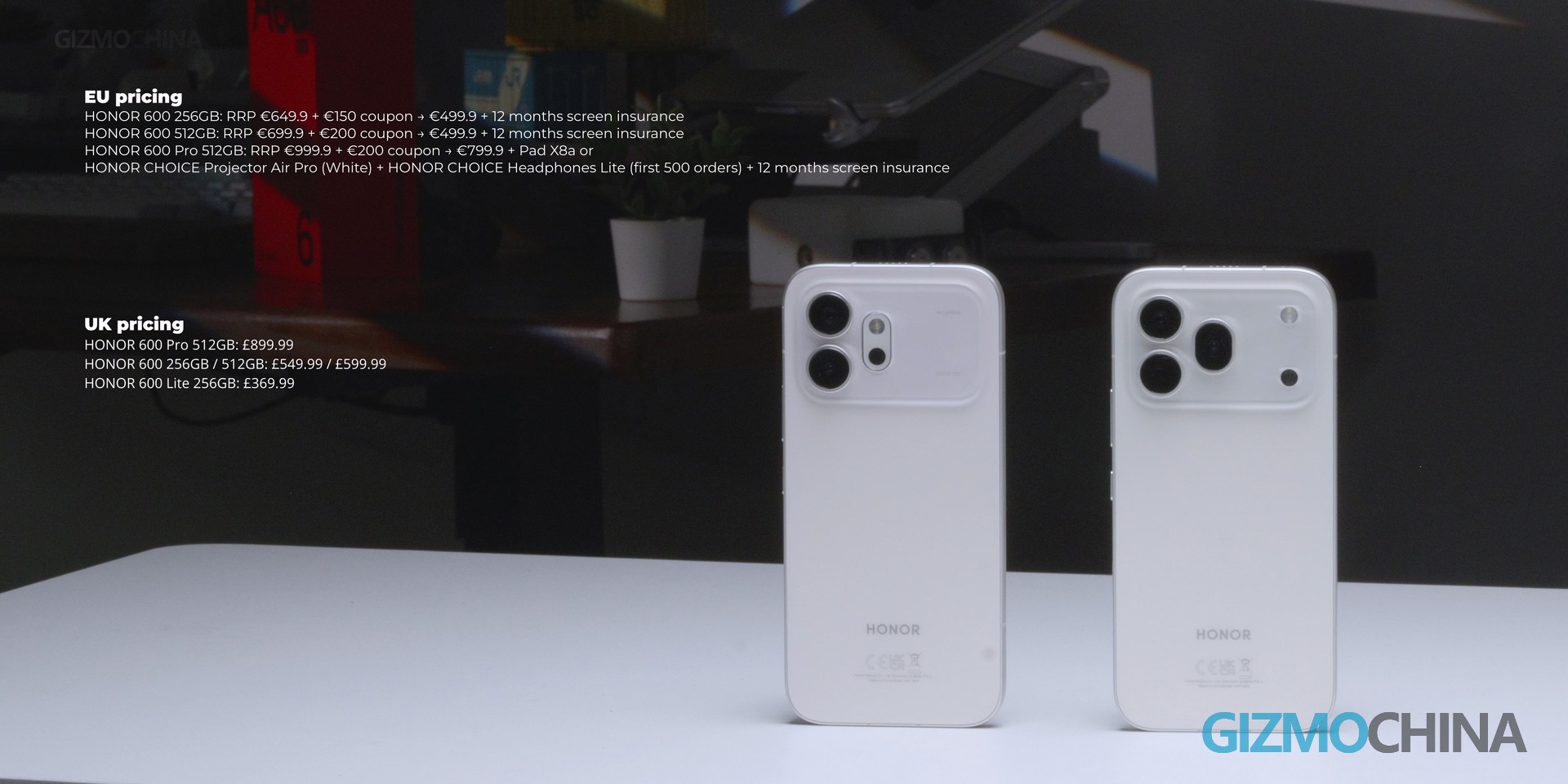
Pricing has already been announced for the EU market: the standard 600 is effectively €499.9 after voucher with screen insurance, while the Pro is priced at €799.9 bundled with a tablet or projector. The UK Pro model is priced at £899.99.
So which one should you pick? Go with the HONOR 600 if you prefer a flat display, put battery life above all else, want a dependable primary phone that’ll easily last two to three years without breaking the bank, and don’t rely heavily on telephoto photography.
Insta360 has clarified the pricing situation surrounding its upcoming Luna Ultra camera gimbal after early leaks sparked some concern online over the expected cost.
Earlier, tipster @DigitalChatStation claimed the device would launch at ¥5,299 for the body-only version and ¥6,499 for the full kit. Those numbers quickly drew attention because they would place the Luna Ultra far above typical consumer gimbal pricing in China.
In response, Insta360 CEO Liu Jingkang stepped in to explain that the leaked figures actually referred to overseas pricing converted into RMB. According to him, international pricing is higher due to cost issues, and the Chinese pricing will be noticeably lower. He even joked that the company “wouldn’t dare” sell it at those prices in China.
That clarification comes as interest in the Luna Ultra continues to grow ahead of its official launch. From everything revealed so far, the device seems aimed more at serious creators rather than casual users.
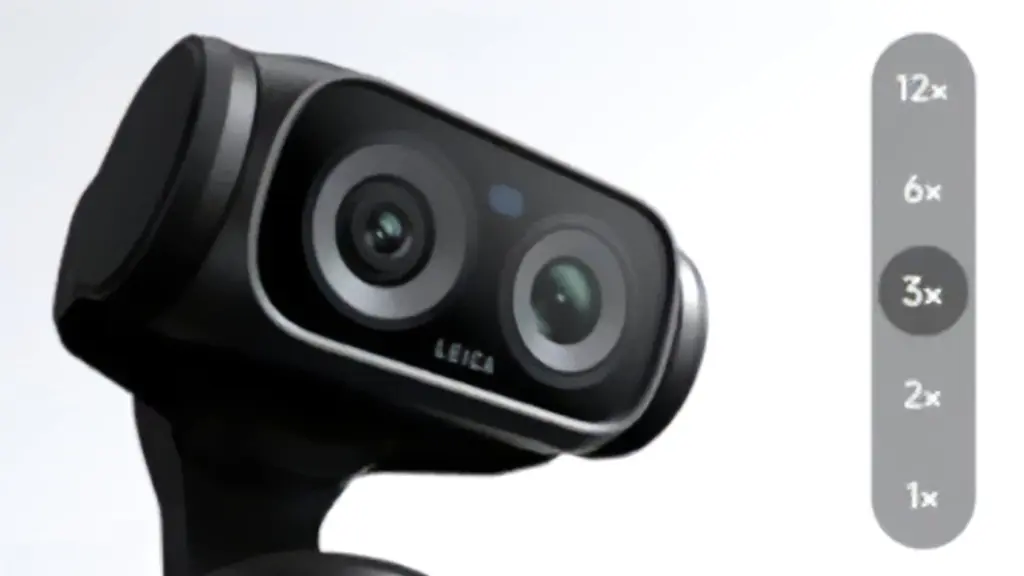
The Luna Ultra combines a three-axis mechanical gimbal with a Leica-branded dual-camera setup. The main camera uses a 1-inch sensor with an f/1.8 aperture, alongside a separate 3x optical telephoto lens. Insta360 is also promising support for 6x lossless zoom, 12x hybrid zoom, 6K 50fps recording, 4K 120fps video, Dolby Vision, and 10-bit i-Log recording.
One of the more interesting design choices is the detachable front handle. It attaches magnetically and can also function as a wireless remote. The module includes a 2-inch OLED display, joystick controls for the gimbal, zoom buttons, and recording controls, allowing creators to control the camera remotely while mounted in different positions.
The timing is also notable because the Luna Ultra is expected to compete directly with products like the DJI Osmo Pocket 4P. Official China pricing still has not been announced, but the CEO’s comments strongly suggest the domestic version will land at a much more aggressive price than the original rumors implied.
For the past few years, Xiaomi has been launching its camera-focused premium flagship phones in September, followed by Redmi’s flagship phones, which are performance-driven but comparatively inferior in cameras, in October. A new update from reliable tipster Digital Chat Station suggests that Redmi’s flagship phones may launch before Xiaomi’s this year.
Redmi K100 series launch timeframe tipped
Redmi K100 series may launch in Q3
As seen in DCS’s Weibo post, the Redmi K100 series may be released ahead of schedule in Q3. Reports have revealed that the Redmi K100 Pro Max will be powered by the Snapdragon 8 Elite Gen 6 Pro, which is expected to launch officially in September. Therefore, it is likely that the Redmi K100 series may debut in the same month.
The same source has previously claimed that the Xiaomi 18, 18 Pro, and 18 Pro Max will also debut in September. By launching the Redmi K100 series and Xiaomi 18 series in the same month, Xiaomi may end up cannibalizing sales of both lineups. Therefore, it remains to be seen whether the company pushes the Xiaomi 18 lineup launch to October this year.
As far as the Redmi lineup is concerned, it may include the Redmi K100 and K100 Pro Max powered by the Snapdragon 8 Elite Gen 5 and Snapdragon 8 Elite Gen 6 chipsets, respectively. Some vague rumors suggest that the lineup may include a mysterious third mode model, but its details are scarce.
In the comments section of the same Weibo post, DCS further revealed that Redmi may unveil new products in Q4. While the tipster did not specifically mention what is launching during that period, it is likely that the Redmi Turbo 6 series may debut in Q4.
For more daily updates, please visit our News Section.
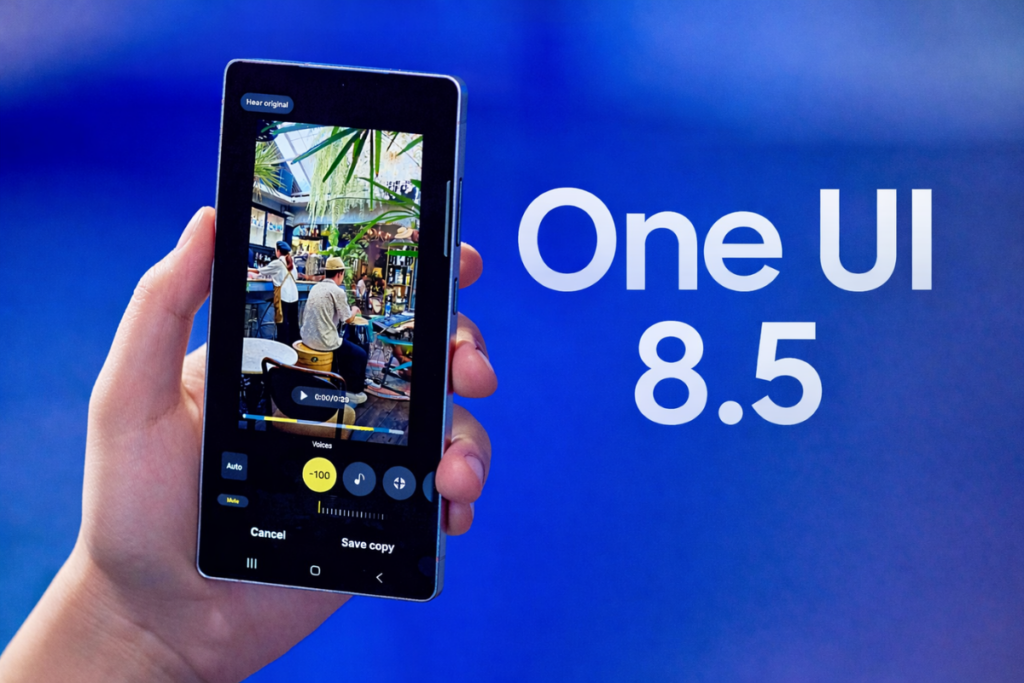
Following a lengthy five months of beta testing, Samsung finally began rolling out the stable One UI 8.5 update in the first week of May. However, as always, the initial rollout was limited to Samsung’s home country, South Korea, but the global rollout kicked off just the next week on May 11.
The Galaxy S25 was the first phone to receive the stable update, and Samsung wasted no time bringing it to foldable phones and older Galaxy S-series phones. In fact, devices like the Galaxy S25 Edge and Galaxy Z Flip 7 FE, which weren’t part of the beta program, also started receiving the One UI 8.5 beta alongside the beta devices.
Here’s a list of Galaxy devices that are getting the One UI 8.5 update:
Galaxy S25
Galaxy S25+
Galaxy S25 Ultra
Galaxy S25 Edge
Galaxy S25 FE
Galaxy S24
Galaxy S24+
Galaxy S24 Ultra
Galaxy S24 FE
Galaxy Z TriFold
Galaxy Z Fold 7
Galaxy Z Flip 7
Galaxy Z Flip 7 FE
Galaxy Z Fold 6
Galaxy Z Flip 6
Galaxy Z Fold Special Edition
The list should grow in the coming days and weeks as the One UI 8.5 update is officially confirmed to reach dozens of devices, including many mid-range and budget phones. We’ll update the list periodically to keep it fresh.
If your Galaxy device is on the list, the update may be ready for download. Head to Settings > Software updates and tap Download and install. If the update doesn’t show up, try again in a few days, as it rolls out in phases and may take some time to reach all users.
The stable One UI 8.5 rollout began only recently, but Samsung has already started preparing for the next major release, One UI 9.0, which will be based on Android 17. The One UI 9 beta program for the Galaxy S26 series went live this week, with the stable version expected to debut in July 2026 on the upcoming Galaxy Z Fold 8 and Galaxy Z Flip 8.
We’ll continue to update you with the latest One UI information in our Samsung section. Remember to visit the page every few days for fresh details. Or, join our Telegram channel to get notified when we post new stories.
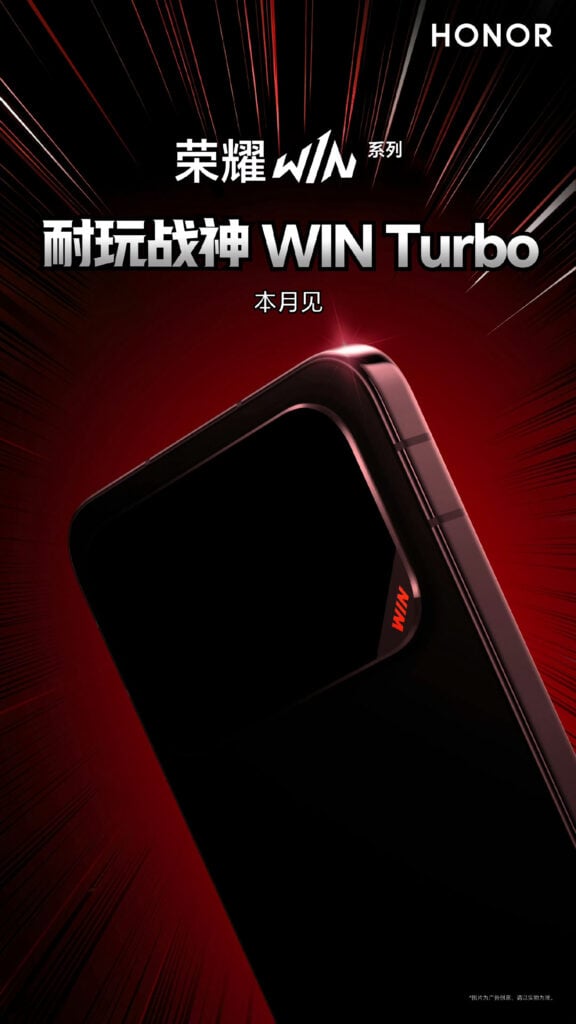
Honor has officially started teasing a new smartphone lineup called the Honor WIN Turbo in China. The teaser suggests that the upcoming device will focus heavily on gaming performance and battery life, while also introducing a refreshed design language. The announcement has additionally sparked speculation around a more premium Win 2 series that could arrive later this year.
Honor Win Turbo teased with gaming-focused positioning
Honor Win Turbo teaser
The teaser image shared by Honor reveals a smartphone with a large rectangular camera module featuring angular edges and a sporty aesthetic. A glowing “Win” branding element can also be seen integrated into the camera island, hinting at a performance-oriented identity. Honor describes the phone as a “durable gaming warrior,” suggesting a focus on sustained performance and long battery endurance.
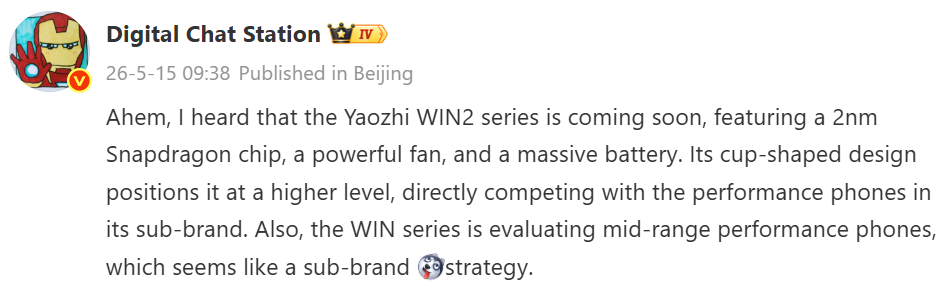
The Honor Win Turbo could offer strong price-to-performance value and may arrive in time for China’s 618 (June 18) shopping festival. Reliable tipster Digital Chat Station claims Win Turbo has the SER-AN00, which is also associated with the Honor Power 2, which debuted in January this year in China. Therefore, it is likely that the Win Turbo could just a rebranded or tweaked version of the Power 2.
For reference, the Honor Power 2 features a 6.79-inch AMOLED display with a 120Hz refresh rate, Dimensity 8500 Elite chipset, 12GB RAM, and up to 512GB storage. It also packs a massive 10,080mAh battery with 80W charging support. On the camera front, the phone includes a 50-megapixel primary camera, a 5-megapixel ultra-wide sensor, and a 16-megapixel front camera.
Honor Win 2 series may launch sooner than expected
DCS has additionally hinted that the Honor Win 2 series could launch earlier than expected in China. The lineup may feature a 2nm Snapdragon 8 Elite Gen 6 series chip, an internal cooling fan, and a battery capacity crossing the 10,000mAh mark.
The upcoming series is also said to target a higher positioning compared to the current Win Turbo models and may directly compete with performance-focused phones from rival sub-brands. These include the Redmi K100 series, iQOO 16, and OnePlus 16.
For more daily updates, please visit our News Section.
Vivo has launched a couple of devices in the Vivo V70 series, including the Vivo V70, V70 Elite, and V70 FE. Some reports suggest that the brand is also gearing up to unveil the V70 Lite, which could be the last phone in the series. This is because the Vivo V80 has now been spotted in the IMEI database for the first time. Interestingly, a new S-series phone has also appeared in the IMEI database.
Vivo V80, Vivo S2 model numbers revealed
Vivo V70 Elite
A report that surfaced in April revealed that the upcoming iQOO 16 and Vivo V80 had appeared in the GSMA IMEI database. It appears that the V80’s listing has now been updated with the model number V2630, as per a report by PassionateGeekz.
The Vivo S2 has also been spotted with the model number V2576 in the IMEI database. None of these listings have revealed any technical details about the devices.
The Vivo S2 will be the company’s attempt to bring back the S-series to the Indian market after a break of seven years since the launch of the Vivo S1 in 2019. Likely, the S2 could end up as a mid-range phone in Vivo’s crowded lineup, which includes X-series flagship phones, V-series camera-focused sub-flagship phones, T-series mid-range performance-driven phones sold through Flipkart, and Y-series entry-level and budget smartphones.
As far as the Vivo V80 is concerned, it could be based on the Vivo S60, which is expected to debut this month in China. The Snapdragon 8s Gen 3-powered Vivo S60 is said to feature a 6.59-inch OLED panel offering a 1.5K resolution and a 7,000mAh battery with 90W charging support. It is also expected to feature a Sony IMX8-series periscope telephoto camera, an ultrasonic in-screen fingerprint scanner, a metal middle frame, and an IP68/69-rated dust and water-resistant chassis.
For more daily updates, please visit our News Section.
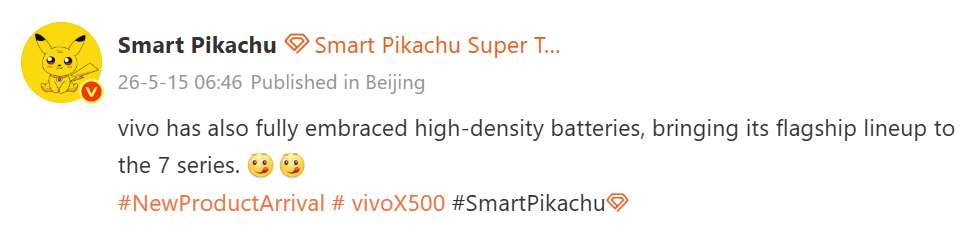
The Oppo Find X9 series includes multiple devices, and all of them are equipped with 7,000mAh+ batteries. However, on the other side, only one Vivo X300 series smartphone has crossed the 7,000mAh battery mark. A new leak by tipster Smart Pikachu reveals that Vivo may finally bring bigger batteries to the X500 lineup.
Vivo X500 series to pack 7,000mAh+ batteries
According to the tipster, Vivo is expected to adopt high-density battery technology more extensively, with even its flagship X-series devices reportedly entering the “7-series” battery capacity range, hinting at batteries starting at around 7,000mAh.
In China, the X300 lineup includes four devices: the X300 and X300 Pro, which are powered by 6,040mAh and 6,510mAh batteries, respectively. These devices were unveiled in October last year. The X300s and X300 Ultra, which went official last month in China, are equipped with 6,000mAh and 7,100mAh batteries, respectively.
So far, reports have revealed that Vivo may launch three X500 series models in September this year in China. The lineup may include the Vivo X500, X500 Pro, and X500 Pro Max with 6.59-inch, 6.37-inch, and 6.85-inch displays, respectively.
The Vivo X500 Ultra, which may debut next year in the first half, could sport the same display as the X500 Pro Max. While the Ultra edition may feature the Snapdragon 8 Elite Gen 6 Pro, the other X500 series devices could be equipped with Dimensity 9600 series chipsets.
The Vivo X500 series will also reportedly include a model called the Vivo X500e, but there is no clarity on whether it is heading to China or if it is meant only for the global market.
For more daily updates, please visit our News Section.
Later this month, iQOO will unveil the iQOO 15T flagship phone equipped with a 2K OLED panel, a Dimensity 9500 chip, and an 8,000mAh battery. In October, iQOO is expected to take the wraps off the iQOO 16. A new leak, courtesy of tipster Digital Chat Station, has revealed the camera capabilities of the next-generation flagship.
iQOO 16 camera details tipped
It was reported last month that iQOO has yet to finalize the iQOO 16’s primary camera and is currently AB testing 200-megapixel and 50-megapixel options. In today’s leak, the tipster stated that the engineering prototype of the device is equipped with a 50-megapixel primary camera featuring a large 1/1.3-inch sensor, paired with a periscope telephoto camera that uses a medium-sized sensor.
The tipster did not mention anything about the iQOO 16’s ultra-wide camera. However, it appears that the device may continue to feature triple 50-megapixel cameras on the back.
Under the hood, the iQOO 16 will feature the Snapdragon 8 Elite Gen 6 Pro (tentative name), which is said to carry the part number SM8975. On the display front, the device is expected to feature a 6.85-inch Samsung display with a 2K resolution and a 165Hz refresh rate.
At present, there is no concrete information about the iQOO 16’s battery capacity. However, it is likely to feature a battery larger than 8,000mAh. The device is expected to run Android 17 with OriginOS 7 layered on top. Its base variant with 12GB RAM and 256GB storage may cost around 5,000 Yuan (~$730).
For more daily updates, please visit our News Section.
Casio has just released a new set of G-Shock watches in the US, focusing on smaller sizes and a unique glass treatment. The new lineup includes four hybrid analog-digital watches based on the company’s popular octagonal design, often referred to by fans as the CasiOak. The main draw for these new models is the polarized glass, which shifts in color depending on the angle of your wrist.
Design Details and Pricing
To get this effect, Casio uses a polarized vapor deposition process on the mineral glass. It basically gives the watch face a colorful gradient that changes as it catches the light. It’s an interesting design choice, though Casio is upfront about a practical drawback: the reflections and color shifts can make the dial hard to read in certain lighting conditions. It is a detail worth keeping in mind if you prefer straightforward utility over aesthetics.
The release is split into two different styles, both designed to fit smaller wrists. The first pair, the GMA-P2100SR-7A and GMA-P2100SR-1A, are priced at $135. These models use translucent resin for both the case and the band, giving them a clear, casual look. Because they are made entirely of resin, they are quite light, weighing in at just 40 grams.
The second pair, the GM-S2110SR-1A and GM-S2110SR-7A, are a bit more expensive at $210. These swap the resin bezel for stainless steel, which adds a bit of weight (56 grams) and gives the watch a more traditional metallic appearance. Casio also used bio-based resin for the bands on these metal models, a material the company has been incorporating lately to try and lower its environmental footprint.
GMA-P2100SR-7A & GMA-P2100SR-1A
Aside from the new glass and the smaller footprint, these function like standard G-Shock watches. They come with the usual features you would expect: shock resistance, 200 meters of water resistance, world time for 31 time zones, a stopwatch, a countdown timer, and daily alarms. They also have a built-in LED backlight to help you see the time in the dark. All four watches run on a standard CR1025 battery, which Casio says should last for about three years before needing a replacement.
All four models are available to purchase now. If you have a smaller wrist or just prefer a more compact watch, these are a practical option, provided you are okay with the color-shifting glass occasionally getting in the way of reading the time.
Dyson rarely settles for simple when it comes to basic household appliances, and its latest air purifier is no exception. The company has just released the Dyson Find+Follow Purifier Cool, an $850 bladeless fan that uses a built-in camera to track where you are in the room and point the airflow directly at you.
Dyson Find+Follow Purifier Cool Specifications
The device uses a periscope-style camera and a 17-point detection system to identify human body shapes. If you are walking around your kitchen or shifting on the couch, the fan automatically adjusts its angle to keep the breeze pointed in your direction. If a second person enters the room, the fan recognizes the addition and starts sweeping back and forth, up to 350 degrees, to share the air between both of you.
Naturally, putting a camera on an indoor appliance brings up privacy concerns. Dyson says the system is designed only to detect presence, not to recognize faces. According to the company, the video feed is processed locally on the device, analyzed in real time, and immediately deleted. The fan doesn’t send images to the cloud or identify specific people.
The camera also acts as an energy-saving tool. If the fan sees that you have left the room, it stops oscillating. If the room stays empty for an hour, it drops into a lower-power auto mode, though it continues to monitor air quality. While basic motion sensors could handle simple presence detection, Dyson went with a camera to allow for the targeted tracking.
As an air purifier, it has the standard setup you would expect from Dyson’s recent models. It uses a fully sealed HEPA H13 filter to catch small particles like pollen and pet dander, along with a carbon filter that the company says absorbs 50% more nitrogen dioxide than its older models. It also includes a permanent filter for breaking down formaldehyde. For noise, Dyson says this model is 50% quieter in its sleep mode compared to its maximum setting.
On the software side, the new purifier supports the Matter smart home standard. This means you can connect it directly to Apple Home, Google Home, or Amazon Alexa without having to rely solely on Dyson’s own app.
The purifier stands 41.3 inches tall with a base diameter of 8.6 inches. It weighs 12 pounds, keeping its physical footprint relatively standard for tower fans.
Xiaomi is preparing a new pair of wireless earbuds, but this time the company seems to be trying something a little different. Instead of regular in-ear buds, the upcoming model uses a clip-on open-ear design that focuses more on comfort and awareness of surroundings.
Xiaomi has officially revealed the earbuds, showing off a glossy body with a pretty unusual look. The company mentions a transparent sound-emitting section combined with metallic textures that resemble a vinyl record finish. It definitely looks more style-focused than most budget earbuds Xiaomi usually releases.
Some leaked manual images that surfaced online reveal a few extra details too. The charging case appears to include a USB-C port, indicator lights, a physical button, and even a built-in speaker. That speaker could possibly be used for location tracking features, although Xiaomi has not confirmed that part yet.
The earbuds themselves appear to support touch gestures across different parts of the frame, including the bridge section. Playback controls, calls, and volume adjustments will likely be handled through those touch inputs.
This is also Xiaomi’s first proper clip-on style audio product, separate from the existing OpenWear lineup. Open-ear earbuds have been slowly getting more popular recently, especially among users who want to listen to music while still hearing traffic, conversations, or gym surroundings without fully blocking the ear canal.
Xiaomi still has not revealed the complete spec sheet, so details like battery capacity, driver size, Bluetooth version, and pricing are still missing for now. The launch is expected later this month, possibly alongside other Xiaomi products and wearables.
From the early teasers alone, it looks like Xiaomi is targeting users who care just as much about the look and comfort of earbuds as the audio itself. Whether the sound quality lives up to the design is something we will probably find out closer to launch.
Google says it has identified what may be the first real-world zero-day exploit developed with the help of artificial intelligence, marking a potentially important shift in how cyberattacks are being created.
In a report published by Google’s Threat Intelligence Group (GTIG) on May 11, the company said attackers used AI assistance to discover and exploit a previously unknown vulnerability in a widely used open-source web administration tool. The flaw reportedly allowed attackers to bypass two-factor authentication after obtaining login credentials.
According to Google, the vulnerability was disclosed to the affected vendor and patched before it could be used in larger attacks.
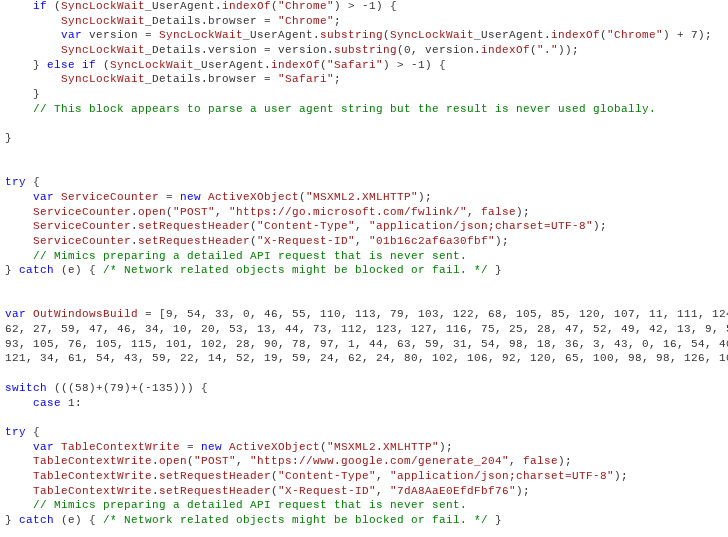
What caught researchers’ attention was the exploit code itself. Google says the Python script showed several signs typically associated with AI-generated code, including overly instructional comments, structured textbook-style formatting, and even a hallucinated CVSS severity score that did not actually exist.
Interestingly, the vulnerability was not a traditional memory corruption bug or a simple coding mistake. Instead, it involved higher-level business logic and semantic analysis, an area where modern AI models have started showing stronger capabilities. In simple terms, the AI appears to have helped connect pieces of application behavior that could eventually be abused together.
Security researchers have been warning for a while that AI could lower the barrier for more advanced cyberattacks, especially by helping less experienced attackers automate parts of the process that previously required deeper technical expertise.
At the same time, companies like Google are also using AI defensively for things like automated bug discovery, threat analysis, and patch development. Still, this latest case is likely to add more urgency to conversations around AI-powered cybersecurity threats.
While the incident itself appears to have been contained before wider abuse, researchers see it as an early sign of how AI may increasingly become part of both sides of the cybersecurity landscape.
We use cookies on our website to give you the most relevant experience by remembering your preferences and repeat visits. By clicking “Accept”, you consent to the use of ALL the cookies.
This website uses cookies to improve your experience while you navigate through the website. Out of these, the cookies that are categorized as necessary are stored on your browser as they are essential for the working of basic functionalities of the website. We also use third-party cookies that help us analyze and understand how you use this website. These cookies will be stored in your browser only with your consent. You also have the option to opt-out of these cookies. But opting out of some of these cookies may affect your browsing experience.
Necessary cookies are absolutely essential for the website to function properly. This category only includes cookies that ensures basic functionalities and security features of the website. These cookies do not store any personal information.
Any cookies that may not be particularly necessary for the website to function and is used specifically to collect user personal data via analytics, ads, other embedded contents are termed as non-necessary cookies. It is mandatory to procure user consent prior to running these cookies on your website.