Advertisement

Infinix Note Edge launches as a budget slim phone with a huge 6,500mAh battery

Infinix has just introduced a new budget smartphone with a sleek new design. The Infinix Note Edge arrives with a slim body, despite packing a massive battery pack. You also get a curved AMOLED display and a balanced suite of entry level hardware that promises everyday performance and endurance. So let’s check it out.

Infinix Note Edge Specifications

The newly launched Infinix Note Edge sets itself apart with its slim and modern design, measuring just 7.2mm thick and weighing around 185 grams. On the front, it sports a tall 6.78-inch curved AMOLED display with a 1.5K resolution, a 120Hz refresh rate, 2160Hz PWM dimming, up to 4500 nits of peak brightness, and Corning’s Gorilla Glass 7i for protection.

Infinix Note Edge
Infinix Note Edge in Stellar Blue

Under the hood, the Infinix Note Edge runs on the MediaTek Dimensity 7100 SoC, which is coupled with 8GB of LPDDR5X RAM and up to 256GB of UFS 2.2 storage. A massive 6,500mAh battery pack powers this device, which supports 45W wired fast charging and 10W reverse charging. For optics, the rear has a 50MP main camera with an f/1.8 aperture, while the front houses a 13MP shooter for selfies and video calls.

Other notable features include an IR blaster, an in-display fingerprint scanner, stereo speakers with JBL tuning, Bluetooth 5.3, NFC, Android 16 OS based XOS 16 custom skin out of the box, and an IP65 rating for water and dust resistance. Infinix announced the Note Edge for a starting price tag of 200 US Dollars. You can purchase this device in multiple color options, namely Lunar Titanium, Stellar Blue, Shadow Black, and Silk Green.

For more daily updates, please visit our News Section.

Tech enthusiast? Get the latest news first! Follow our Telegram channel and subscribe to our free newsletter for your daily tech fix! ⚡
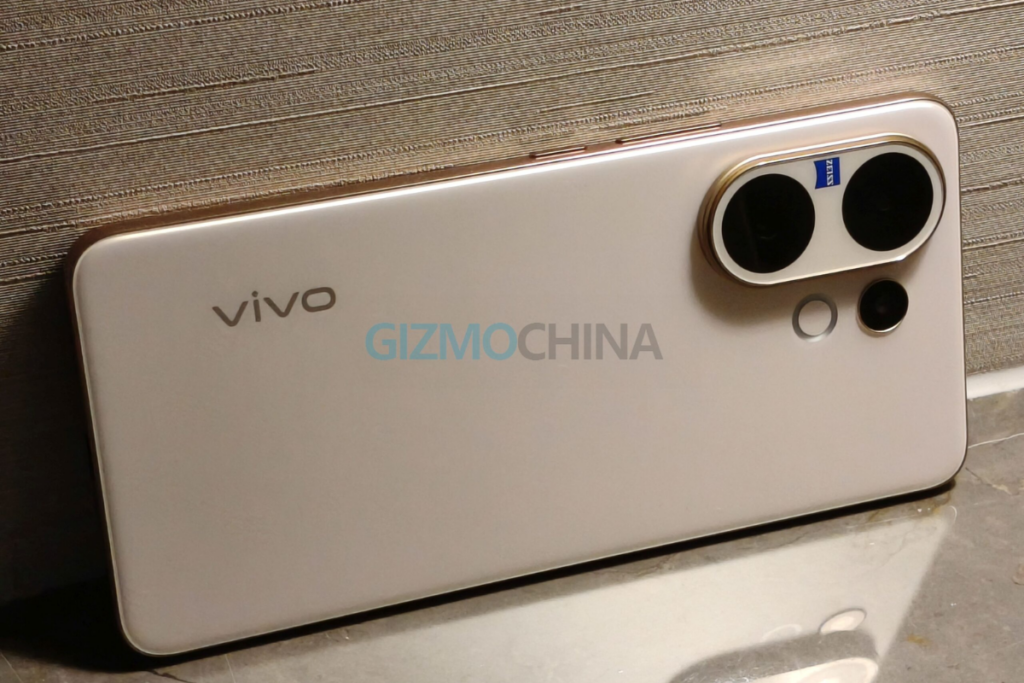
Vivo V70 FE Geekbench run confirms its chipset choice

Vivo’s V70 series is edging closer to its global debut. This time around, the company is reportedly taking a two-track approach, with separate models planned for the Indian market and the global market.

India is expected to get the Vivo V70 and the Vivo V70 Elite, while the Vivo V70 Lite and Vivo V70 FE might be reserved for regions outside the country.

Vivo V60 alternatives
Vivo V60

Ahead of its official launch, the Vivo V70 FE has recently received certification in Indonesia. Now, the device has also surfaced on Geekbench, confirming the chipset choice. 

Vivo V70 FE: what to expect

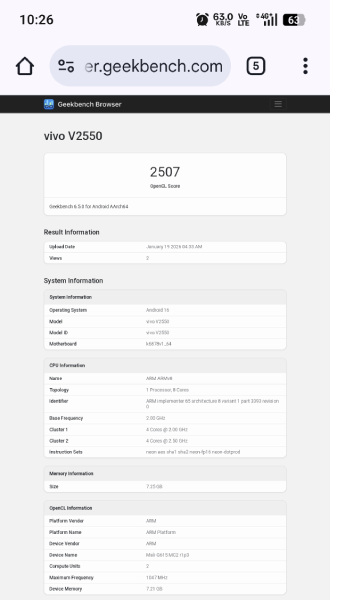
The Vivo V70 FE has been spotted on the benchmark database with the model number V2550. The listing suggests the phone is powered by MediaTek’s Dimensity 7300 SoC, paired with 8GB of RAM.

According to Geekbench, the device achieved an OpenCL score of 2,507 and is likely to run Android 16 out of the box. Separately, a TUV certification listing reveals that the Vivo V70 FE will support 90W fast charging.

Vivo V70 FE Geekbench Listing

Beyond that, details remain scarce for now, though more information should emerge as we get closer to launch.

As for the rest of the lineup, the Vivo V70 Elite is rumored to feature Qualcomm’s Snapdragon 8s Gen 3, while the standard Vivo V70 could run on the Snapdragon 7 Gen 4. The Vivo V70 Lite, meanwhile, remains something of a mystery at this point.

Vivo is expected to launch the two V70 phones in India by mid-February. The devices could land somewhere in between Rs 45,000 (~$500) and Rs 55,000 (~$610) price range. 

We might see the global debut of Vivo V70 FE and Vivo V70 Lite soon after that. We will be sure to keep you posted on the situation.

For more daily updates, please visit our News Section.

Stay ahead in tech! Join our Telegram community and sign up for our daily newsletter of top stories.

(Via)

Oppo K15 Turbo Pro revealed to feature MediaTek chip, built-in cooling fan

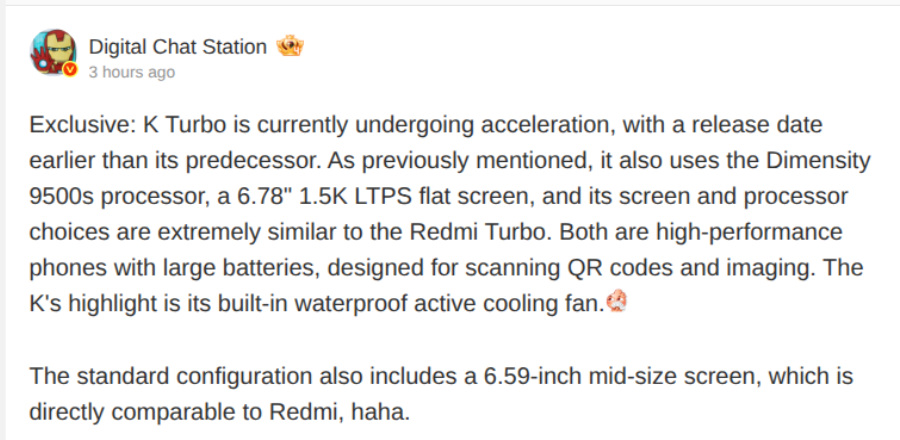
Oppo’s next performance phone might launch earlier than its usual timeline. According to well-known tipster Digital Chat Station, the company is accelerating the launch of the new Oppo K Turbo series, with a release date planned earlier than its predecessor.

The line is currently rumored to be home to two models, the K15 Turbo and K15 Turbo Pro. Names are speculative, but Oppo is likely to skip K14 as 4 is considered bad luck in China.

Anyway, the K15 Turbo Pro is rumored to use MediaTek’s new Dimensity 9500s processor, paired with a 6.78-inch 1.5K LTPS flat display. 

The tipster notes that the screen size and chipset are very close to what Redmi is expected to offer in its Turbo 5 Max smartphone. This suggests both the Turbo phones will compete in a similar price bracket. 

One feature that could help Oppo stand out is cooling. The leak claims that the highlight of the K15 Turbo series will be a built-in waterproof active cooling fan. Even the standard model is said to include this system, along with a slightly smaller 6.59-inch display. 

Redmi K100 will continue targeting the 4000 yuan market

The discussion around the leak also touched on Redmi’s strategy. A netizen asked whether the upcoming Redmi K100 would continue targeting the 4000 yuan price range after the mixed reception of the K90. 

The tipster responded that the K90 wasn’t really a failure, noting that it sold better than OnePlus in the same bracket and performed strongly overseas under the Poco brand. The next generation is expected to continue that same upgrade path.

For context, Oppo’s current K13 Turbo series launched in July last year with aggressive specifications, including a Snapdragon 8s Gen 4 chip, a 7000mAh battery, 80W fast charging, and IPX9 waterproof certification. It was also Oppo’s first midrange phone to feature an active cooling fan.

For more daily updates, please visit our News Section.

Stay ahead in tech! Join our Telegram community and sign up for our daily newsletter of top stories.

Realme Neo 8 officially confirmed to pack 8,000mAh battery, other flagship-grade features revealed

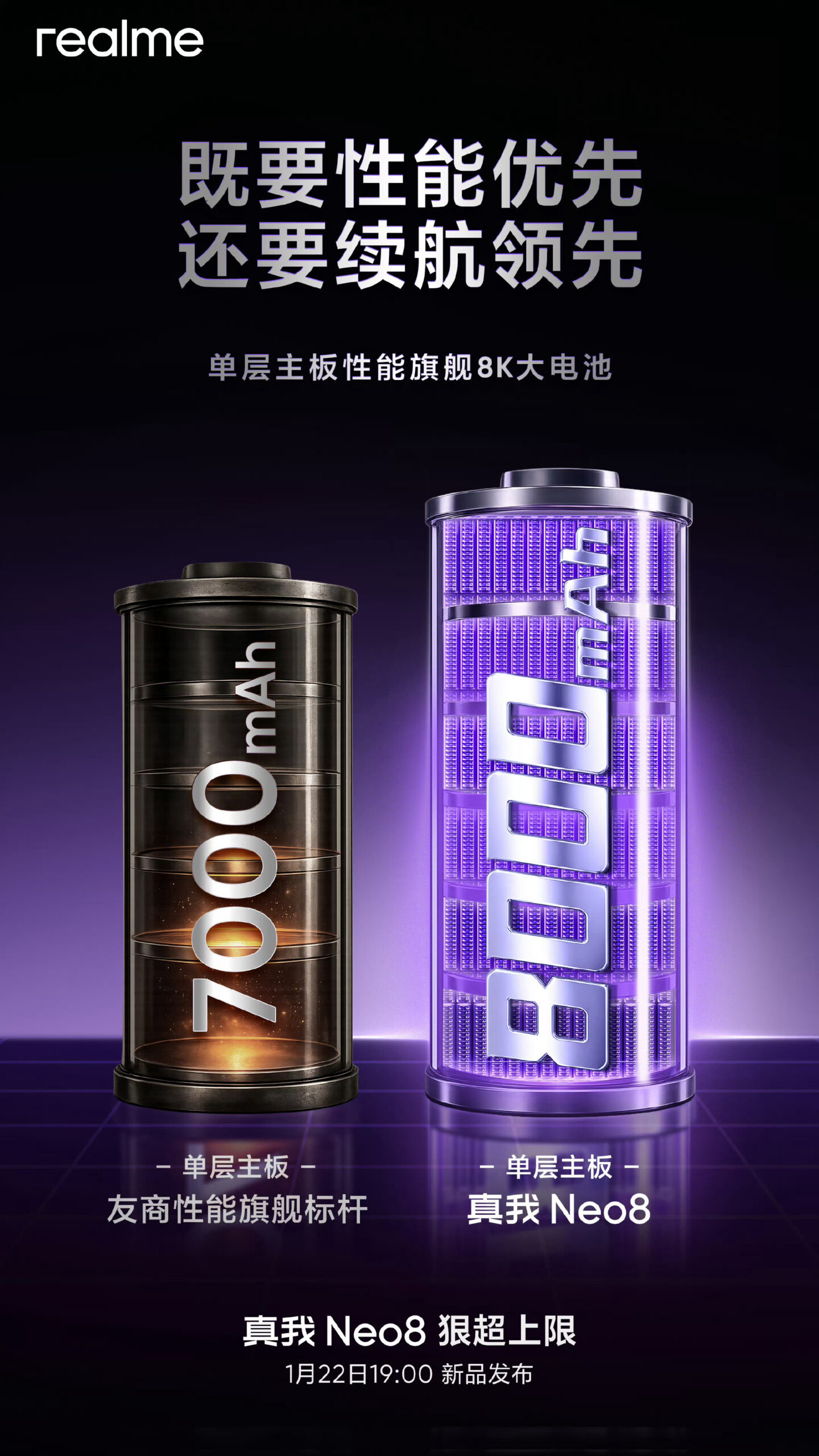
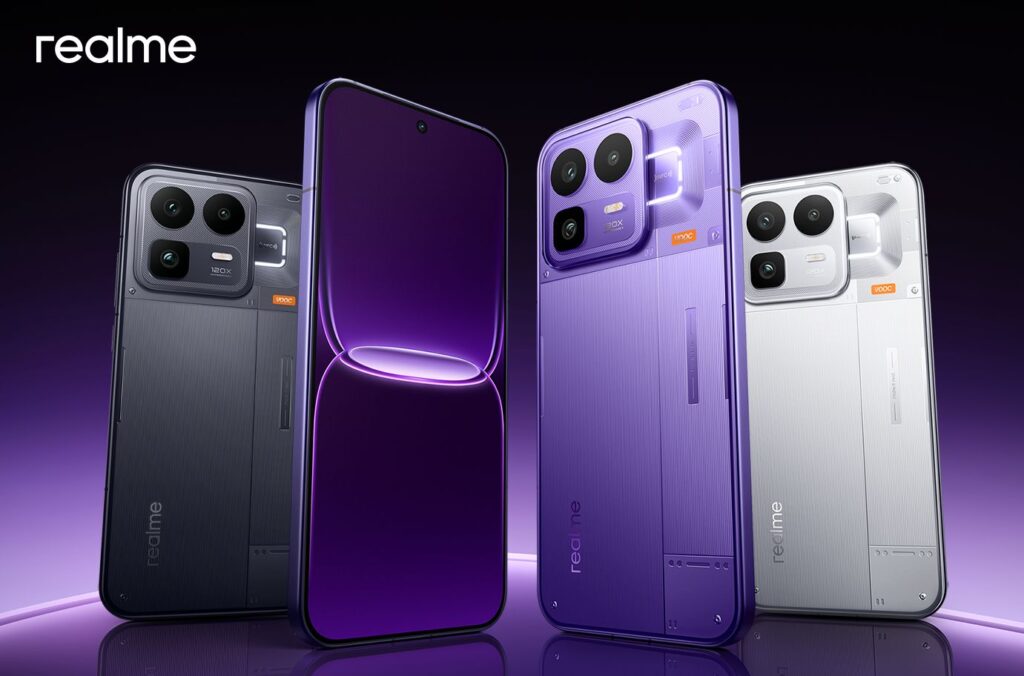
Realme will unveil the Realme Neo 8 tomorrow (Jan. 20) in China. Ahead of the launch, the company is busy revealing key details of the device. Recent posters released by the brand have confirmed the battery size along with some of its other specs. While Realme is keeping a few elements under wraps, enough information has surfaced to give a clearer idea of where the Neo 8 is positioned.

Realme Neo 8 battery size, key specs confirmed

One of the biggest highlights of the Realme Neo 8 is its large 8,000mAh battery, which has now been officially confirmed. This places it among the smartphones with the largest batteries in its segment. While Realme has not explicitly mentioned charging speeds, reports suggest that the device is likely to support 80W fast charging.

The other poster released by the brand has confirmed several durability and usability-focused features. The Neo 8 will come with IP66, IP68 and IP69 certifications, offering full-level protection against dust and water.

It will feature an ultrasonic in-screen fingerprint sensor that works even with wet hands, along with crystal armor glass aimed at improving scratch and wear resistance. For multimedia and gaming, the phone will include an X-axis linear motor and a super-linear stereo speaker setup.

Realme Neo 8
Realme Neo 8

According to reports, the Realme Neo 8 will sport a 6.78-inch Samsung AMOLED display with 1.5K resolution and a 165Hz refresh rate. Powering the device will be the Snapdragon 8 Gen 5 chipset, paired with up to 24GB LPDDR5x RAM and up to 1TB UFS 4.1 storage.

Camera-wise, the Neo 8 is tipped to feature a 16-megapixel front camera. On the back, it may include a 50-megapixel primary sensor with OIS, an 8-megapixel ultra-wide camera, and a 50-megapixel periscope telephoto lens. It is expected to run Realme UI 7 based on Android 16.

The phone is expected to measure around 8.3mm in thickness and weigh close to 215 grams. It will be available in Origin White, Mecha Grey, and Cyber Purple editions.

For more daily updates, please visit our News Section.

Stay ahead in tech! Join our Telegram community and sign up for our daily newsletter of top stories.

iQOO 15 Ultra’s active cooling fan teased, company says its built for hardcore gaming

iQOO has started receiving pre-orders for the iQOO 15 Ultra in China. While there is uncertainty around whether the device will see a global release, it is expected to debut in its home market by early February 2026. The newly surfaced pre-order poster confirms several key details about the iQOO 15 Ultra, offering a closer look at its design direction and gaming-focused identity.

iQOO 15 pre-orders, design elements revealed

iQOO 15 Ultra pre-orders
iQOO 15 Ultra pre-orders begin

The pre-order teaser highlights several distinctive design cues that set the iQOO 15 Ultra apart from standard flagship smartphones. The camera module appears to feature a circular layout with a scale-style ring surrounding the lenses, giving it a more technical and performance-driven look.

Subtle orange accents are visible across the design, adding a sporty touch that aligns with the phone’s gaming positioning. One of the most notable additions is the presence of an active cooling fan placed near the lower section of the device, suggesting a strong focus on sustained performance. iQOO is also bundling a dedicated fan protection plan, which reportedly offers coverage for up to five years. The poster further hints at an early February launch window.

iQOO 15 Ultra: Designed for hardcore gamers

According to iQOO, the iQOO 15 Ultra is built specifically for hardcore gamers who demand instant response times, stable frame rates, and long gaming sessions without performance drops. The company positions the device as a “Performance Ultra,” claiming it is not just an iterative upgrade but a complete rethinking of gaming smartphones.

iQOO emphasises its years of experience in esports-focused tuning, thermal engineering, and input responsiveness, aiming to deliver a phone that feels like an extension of the user’s reflexes. The brand also highlights its focus on immersion, precision control, and sustained peak performance during competitive gameplay.

This suggests that the iQOO 15 Ultra may rival the Red Magic 11 Pro series, which is built for hardcore gaming.

iQOO 15 Ultra specifications (rumored)

Leaks and rumors suggest that the iQOO 15 Ultra will feature an active cooling fan and dedicated gaming shoulder buttons. It is also expected to pack a battery exceeding 7,000mAh, likely larger than the standard iQOO 15, with possible support for ultra-fast 200W charging. While the exterior may look heavily gaming-oriented, the internal specifications are expected to be largely borrowed from the iQOO 15, focusing on flagship-level performance with added gaming enhancements.

For more daily updates, please visit our News Section.

Stay ahead in tech! Join our Telegram community and sign up for our daily newsletter of top stories.

Redmi Turbo 5 Max design revealed, 9,000mAh battery, 100W charging confirmed

Redmi is gradually revealing key details about the upcoming Redmi Turbo 5 Max but is still keeping its launch date a mystery. Today, it released fresh teasers to confirm its design and battery size. Here’s a look at all the new details shared by the brand.

Redmi Turbo 5 Max design

Redmi Turbo 5 Max
Redmi Turbo 5 Max

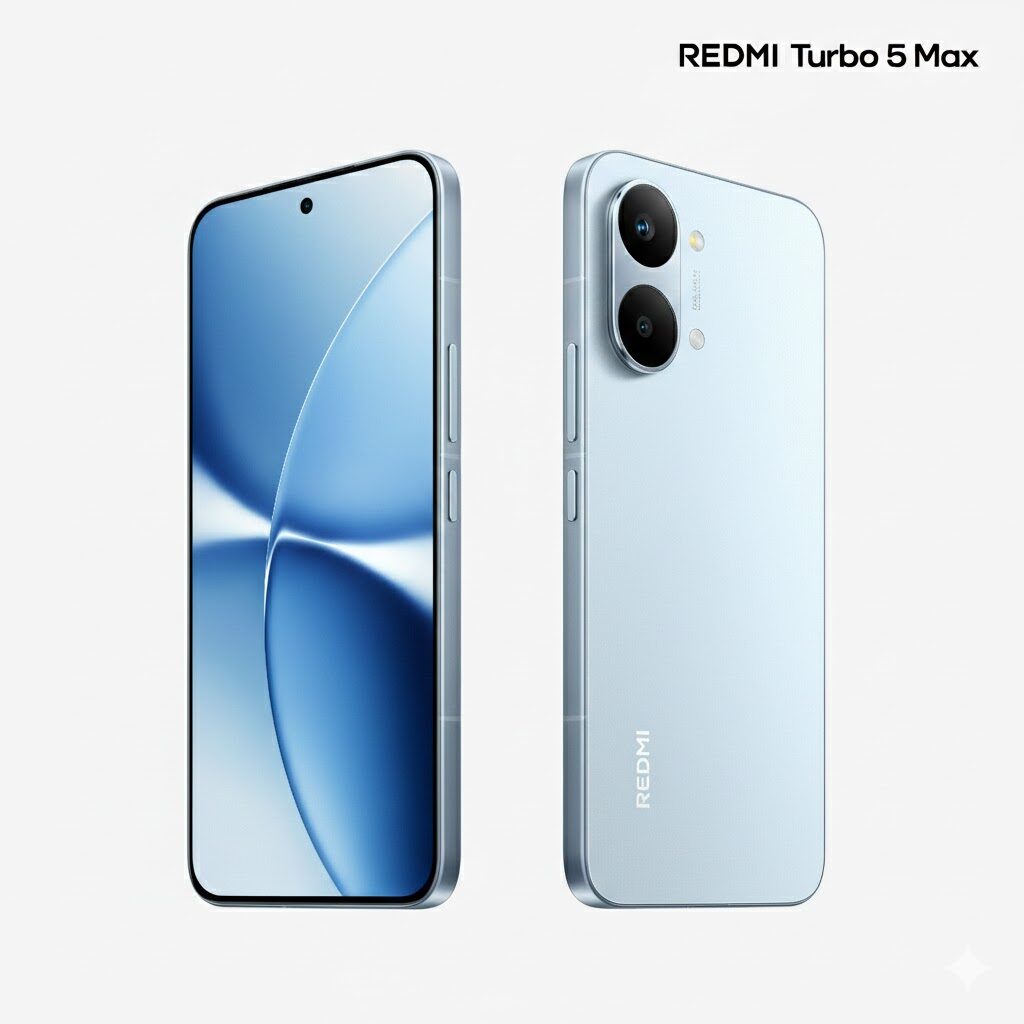
The Redmi Turbo 5 Max can be seen sporting a large OLED panel with rounded edges and slim bezels on all four sides. The back panel continues to feature a vertical dual-camera setup, similar to the previous generation. The overall design is quite similar to its predecessor but appears more refined.

Redmi Turbo 5 Max battery size revealed

Redmi Turbo 5 Max battery
Redmi Turbo 5 Max battery size revealed

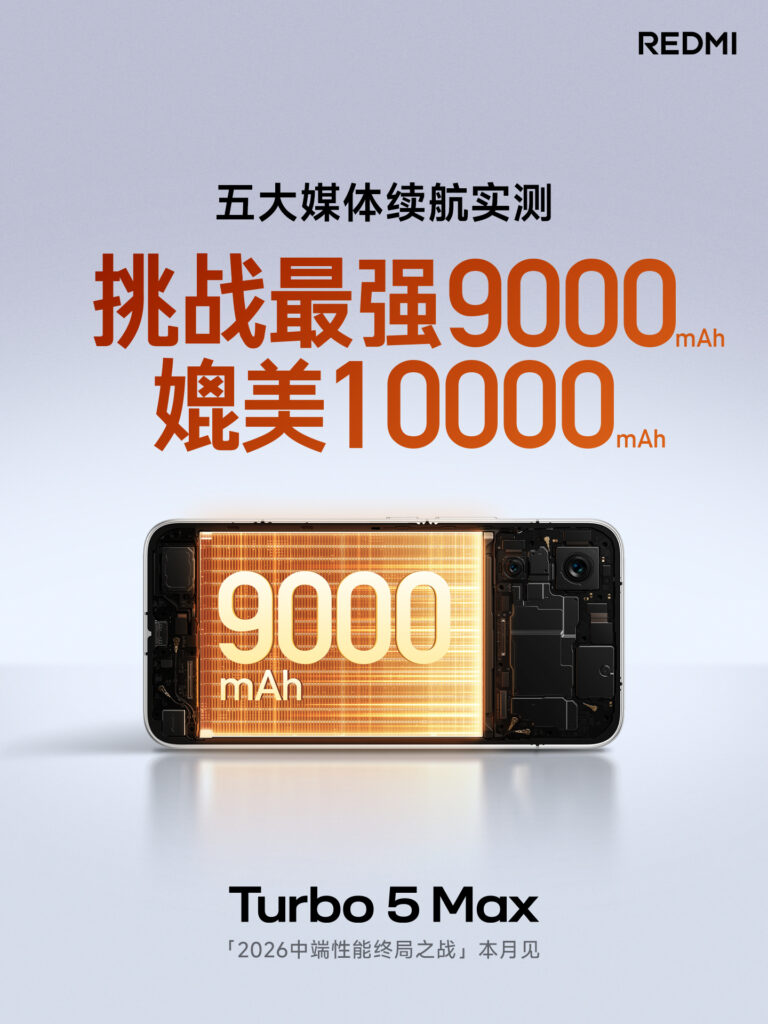
The Redmi Turbo 5 Max will arrive with a massive 9,000mAh battery. While the brand is yet to confirm its fast-charging capabilities officially, its 3C certification has already revealed that it may support 100W wired charging. Rumors do not suggest wireless charging support for the device.

Under the hood, the Redmi Turbo 5 Max will feature the all-new Dimensity 9500s chipset. The device has already been spotted on AnTuTu benchmarks, achieving an impressive score of 3.29 million. It has also appeared on Geekbench with 16GB of RAM and Android 16.

The camera details of the Redmi Turbo 5 Max are currently under wraps, but it would not be surprising if it continues to feature a 50-megapixel + 8-megapixel dual-camera setup like its predecessor.

Sibling brand Poco is also working on the Poco X8 Pro Max for the global market. While the technical details of this phone remain under wraps, it is widely believed to be a rebranded version of the Redmi Turbo 5 Max. This Poco phone is expected to debut globally within the ongoing quarter.

For more daily updates, please visit our News Section.

Stay ahead in tech! Join our Telegram community and sign up for our daily newsletter of top stories.

Have Smartphones Reached Peak Innovation or Is It Just Moving Under the Hood?

Most flagship smartphones today do look strikingly similar. Big OLED screens, slim bezels and stacked cameras dominate the landscape. This convergence is not a failure of creativity but a sign that the fundamentals are largely solved. Large, bright displays, multi-lens cameras and all-day battery life are no longer differentiators. They are basic expectations. We may have reached a point where this sameness is not a sign of stagnation, but of maturity. Phones look alike on the outside because the obvious design problems have been solved. That does not mean innovation has stopped. It has simply moved deeper.

1. Increasing Focus on Internal Hardware and Software

Under the hood, progress is accelerating. Smartphone makers are reorganizing their devices around next-generation operating systems and increasingly powerful chips, with generative AI becoming a core feature rather than an add-on. Apple’s latest A-series silicon brings advanced on-device machine learning to photos and videos, automatically analyzing scenes and optimizing results in real time. Google’s Pixel lineup leans heavily on AI as well, from smarter voice recognition and predictive text to sophisticated computational photography. The broader shift is toward phones that can run large models locally, handle complex tasks offline for privacy, draft content, translate languages instantly and adapt to user behavior. In effect, the modern smartphone is becoming a pocket-sized computer that learns as you use it.

Please Note: When you buy something using the links in our articles, we may earn a small commission at no cost to you.

Please Note: When you buy something using the links in our articles, we may earn a small commission at no cost to you.

2. Advances in Mobile Connectivity

Connectivity is another area where users will feel the change even if they never see it in a product render. The era of having no signal is slowly fading. Satellite connectivity is beginning to fill the gaps left by traditional cellular networks, enabling basic messaging and emergency features far beyond tower coverage, with voice and data support on the horizon. Upcoming phones are expected to push this further by integrating everyday apps such as maps and messaging with satellite links. Whether you are in a remote village or hiking in the mountains, your phone’s reach is expanding dramatically. This kind of innovation is invisible in the spec sheet glamour shots, but valuable in everyday use.

3. Battery Capacity and Charging Improvements

Power systems have also taken a major leap forward. Battery capacities that once seemed excessive are now common, with many phones packing cells in the 5,000 to 8,000 mAh range. Fast charging has become genuinely fast, with some devices capable of refilling from empty to full in well under half an hour. New battery chemistries and more efficient power management deliver longer endurance without making phones thicker. Wireless charging has improved as well, reaching speeds that rival older wired solutions. As a result, battery anxiety is becoming less of a daily concern for many users.

4. Thermal Management and Sustained Performance

All that extra performance and power creates heat, and manufacturers are addressing that head-on. High-end phones now use advanced vapor-chamber cooling systems that spread heat more effectively across the chassis. This allows chips to sustain higher performance for longer periods without throttling, even during gaming, video recording or AI workloads. While the exterior design may appear familiar, the internal engineering is increasingly focused on consistency and reliability.

5. Ongoing Exploration of New Form Factors

Foldables show that hardware experimentation continues alongside mainstream designs. Devices like the Galaxy Z Flip and Z Fold demonstrate alternative form factors, while newer tri-fold designs unfold into larger displays and push the limits of hinges, screens and battery engineering. These products are not aimed at all users, and early generations typically appeal to enthusiasts. Even so, they play a role in advancing components that later appear in conventional smartphones.

Please Note: When you buy something using the links in our articles, we may earn a small commission at no cost to you.

Please Note: When you buy something using the links in our articles, we may earn a small commission at no cost to you.

6. Incremental Design, Continued Evolution

The broader picture suggests that while external design changes have slowed, smartphone development remains active in other areas. Flagship designs have converged because the basic formula works well, and manufacturers are now emphasizing refinement. Inside the device and in software, progress continues through AI capabilities, connectivity improvements, sensor upgrades and better power and thermal management. Smartphones may look familiar, but they are still evolving in meaningful ways.

WhatsApp to replace Tenor with Klipy for GIF searches

WhatsApp is preparing to replace Tenor with Klipy as one of its default GIF providers. The change was discovered in the latest iOS beta update by WABetaInfo (version 26.2.10.70), which is available through the TestFlight beta program. The update confirms that the feature is under development and will roll out in a future version of the app.

WhatsApp-logo

Tenor recently announced that it will shut down its API services on June 30, 2026. The platform has already stopped accepting new developer registrations. In response, WhatsApp is integrating Klipy to ensure users can continue sharing GIFs without disruption once Tenor becomes unavailable.

Klipy is a content platform that offers a wide collection of GIFs, memes, and stickers. It provides an official API that allows apps to search and share animated content. WhatsApp plans to switch current Tenor users over to Klipy automatically. The transition will not require any user action. The app will show a Klipy label on shared GIFs to indicate the change.

WhatsApp to replace Tenor with Klipy

Currently, WhatsApp supports GIF searches through both Giphy and Tenor. Depending on the user’s region or configuration, some accounts only have access to one of the two. When Tenor goes offline, WhatsApp will route those users to Klipy. Giphy users will not be affected.

The switch to Klipy is not limited to WhatsApp. Other platforms that currently rely on Tenor, such as Discord, have also begun transitioning to Klipy in anticipation of the June deadline. WhatsApp has not provided a specific release date for the change, but the migration is expected to be completed before July 1, 2026, to avoid any service disruption.

For more daily updates, please visit our News Section.

Stay ahead in tech! Join our Telegram community and sign up for our daily newsletter of top stories! 💡

(Source)

Rapoo launches VT3s Max Master Edition mouse with dual Nordic chips, PAW3950 Ultimate sensor & 8K polling

Rapoo has officially launched the VT3s Max Master Edition wireless gaming mouse in China. The mouse is now open for pre-orders at a price of 499 yuan ($72).

Rapoo VT3s Max Master Edition

Rapoo VT3s Max Master Edition Specs

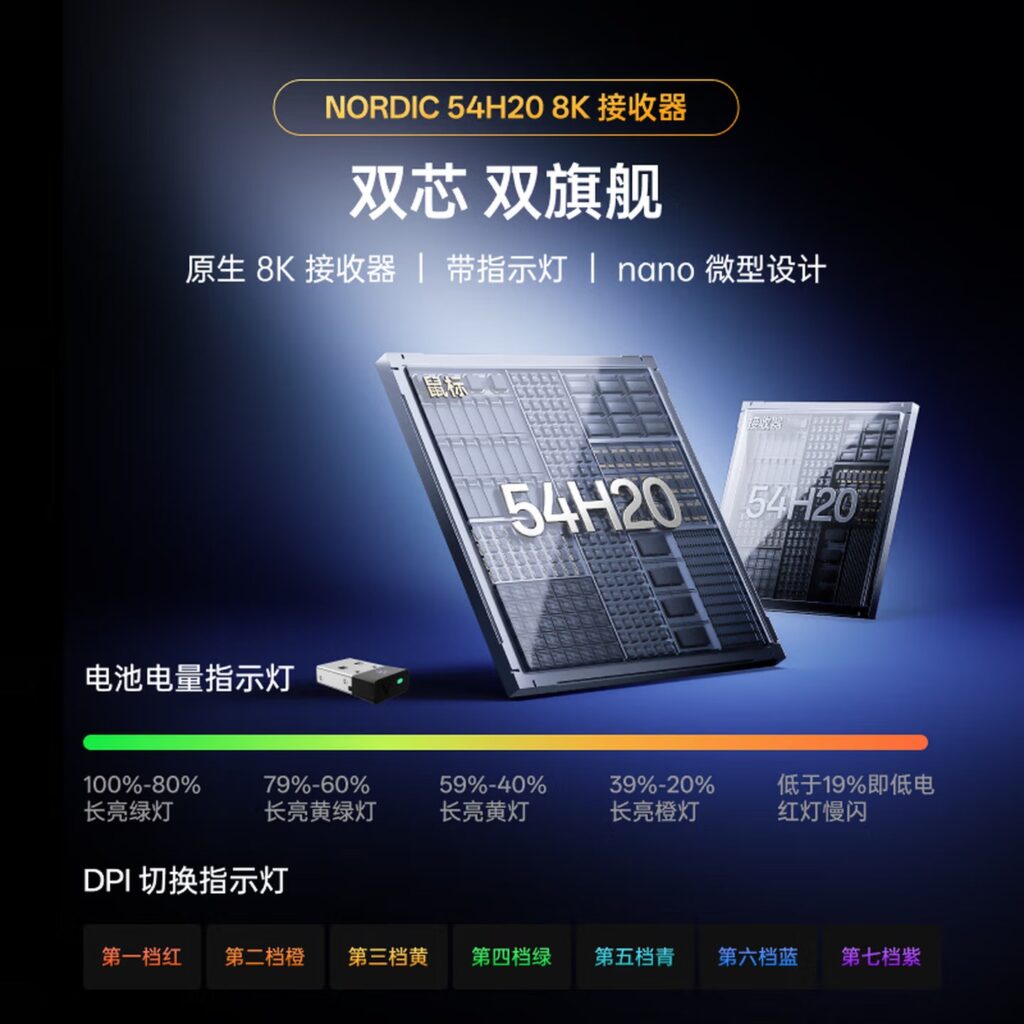
The VT3s Max Master Edition uses a dual Nordic 54H20 chipset, with one chip in the mouse and another in the nano receiver. Both run at 320MHz on a 22nm process, enabling native 8K 2.4GHz wireless polling with low latency, stable performance, and strong interference resistance. The mouse also supports Rapoo’s V+Wireless 2.0 technology for improved signal quality and power efficiency.

The mouse uses the PixArt PAW3950 Ultimate sensor with a DPI range of 10 to 45,000 in 0.1-step increments, up to 750 IPS tracking, and 50G acceleration. It supports independent X and Y tuning, 0.7 mm to 1.7 mm lift-off distance adjustment across 11 levels, glass surface tracking, and scan rates above 20,000 FPS in high-speed competitive mode.

Rapoo equips the VT3s Max with a fully optical input system. It uses custom-tuned optical micro switches rated for 120 million clicks and a Rayenc optical scroll encoder rated for 2 million cycles.

The mouse supports USB-C wired and 2.4GHz wireless modes and ships with an 8K-capable nano receiver featuring LED indicators. It packs an 800mAh battery with fast charging, delivering up to four hours of use from a one-minute charge. Battery life reaches up to 450 hours at 1,000Hz and about 75 hours at 8,000Hz.

Rapoo VT3s Max Master Edition

The VT3s Max Master Edition targets small to medium hands and supports palm and claw grips. It uses an asymmetric ergonomic shape with finger grooves and a slim waist for better control, offers eight programmable buttons with onboard memory, and supports customization via Rapoo’s A Hub software on Windows and macOS. The base features high-purity PTFE feet rated at 99.95% Teflon for smoother glide and better stop control.

In related news, Logitech has recently launched the G304 X gaming mouse, featuring a 57g lightweight design, a Hero 25K sensor, and up to 106 hours of battery life.

For more daily updates, please visit our News Section.

Stay ahead in tech! Join our Telegram community and sign up for our daily newsletter of top stories! 💡

(JD)

Can the Motorola Signature with Moto Pen Ultra Rival the Galaxy S26 Ultra?

Motorola is doubling down on productivity with its latest Motorola Signature and the newly unveiled Moto Pen Ultra, which is a stylus designed to bring pen-driven interaction to Motorola’s latest flagship and premium foldable. But it raises the question: Can this Motorola combo really go head-to-head with Samsung’s Galaxy S26 Ultra? — another Android flagship that has long set the standard for stylus integration. Let’s break down how the Moto Pen Ultra changes the game.

1. Moto Pen Ultra

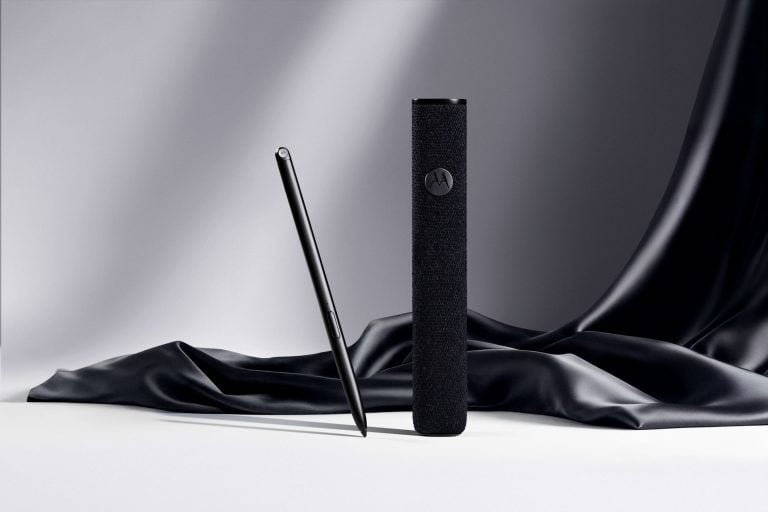
motorola pen ultra
Moto Pen Ultra

For years, the Galaxy Ultra line has stood apart in the Android world, partly because of the S Pen. A built in stylus that adds genuine productivity flair to Samsung’s hardware. This legacy is expected to continue in the South Korean tech giant’s upcoming Galaxy S26 Ultra. And in 2026, Motorola seeks to compete with its Moto Pen Ultra, its latest flagship stylus that pairs with both the Motorola Signature and Motorola’s current foldable lineup.

It brings fine-tipped precision, pressure sensitivity, and quick-access shortcut controls that make it perfect for taking notes, sketching, and annotation closer to what users expect from a flagship productivity device. Unlike Samsung’s S Pen, the Moto Pen Ultra isn’t built into the body of the phone; rather, it is sold separately. So Samsung does have an advantage of Samsung’s embedded stylus that adds to its day-to-day convenience. Still, Motorola’s approach lowers the barrier for bringing stylus support to a broader range of devices without the engineering overhead of an internal silo.’

2. Motorola Signature

After skipping a premium model last year, the Motorola Signature arrives as a true flagship phone. It brings a large AMOLED display, powerful specs, impressive camera hardware, and Motorola’s clean software experience. So the addition of stylus support via the Moto Pen Ultra broadens its versatility, with productivity, creative workflows, and document handling in mind.

However, it is worth noting that Motorola’s positioning is different from Samsung’s Ultra strategy. Rather than building a stylus ecosystem around a flagship phone with deep software integration (like Samsung Notes, remote control gestures, or Air Actions), Motorola’s focus seems more modular. You add the penwhen you need it and reap benefits in supported apps.

3. Versus an Established Stylus Ecosystem

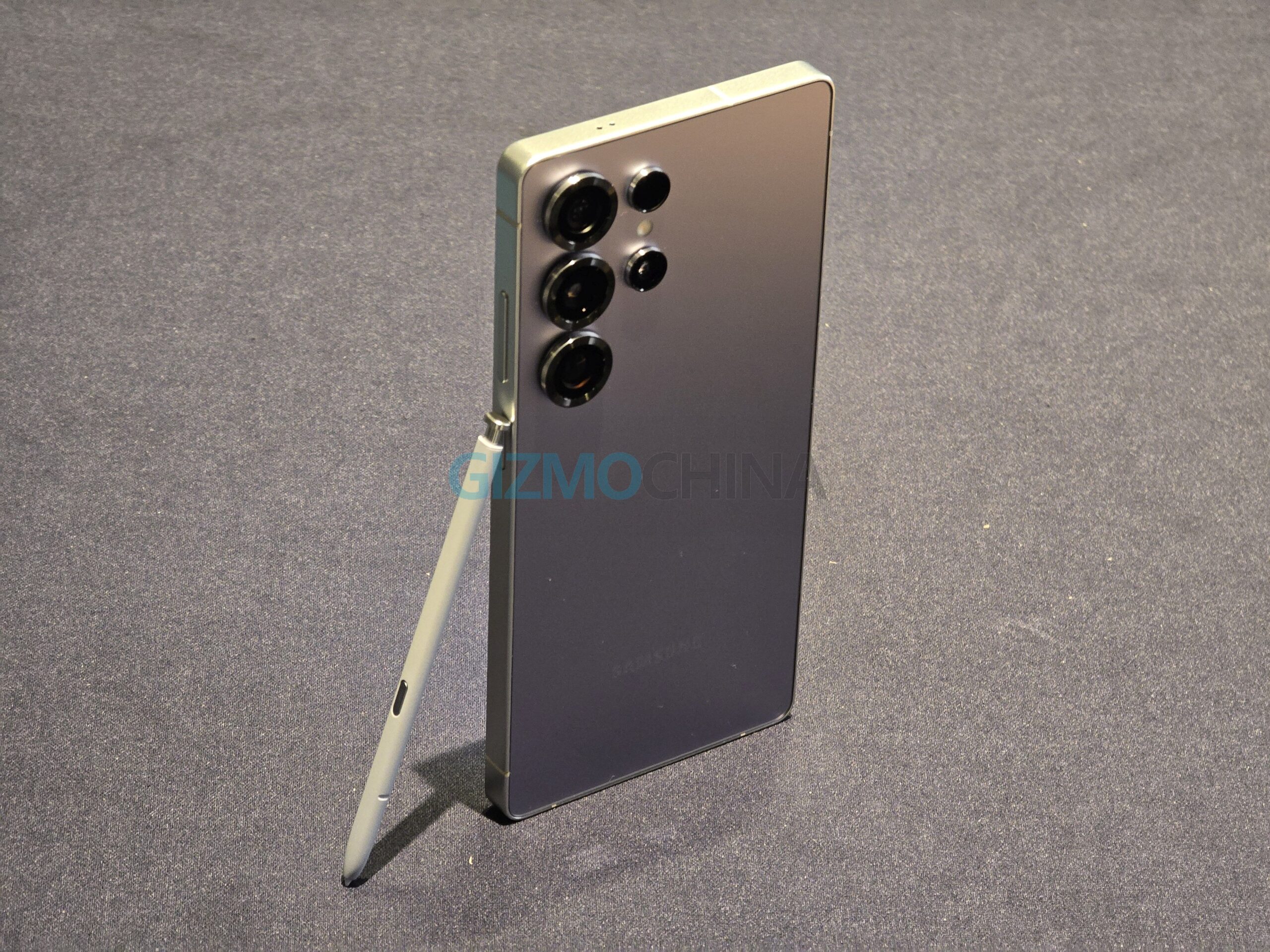
Galaxy S25 Ultra with S Pen
Samsung Galaxy S25 Ultra with S Pen

Samsung’s Galaxy Ultra series has become the gold standard for Android flagships not just because of its top-tier specs, but because it combines those specs with a deeply integrated stylus experience. This is already a rarity in the market, and the S Pen is just a cherry on top of its premium experience. The S Pen is embedded inside the phone’s chassis, and software features like Samsung Notes, Live Messages, handwriting recognition, and Air Actions are widely supported across first- and third-party apps.

So you don’t have productivity workflows built around it. On top of that, Samsung pairs its hardware with years of refinement with low-latency stylus tracking, consistent creative workflows, and cross-device continuity with tablets and PCs. So it remains to be seen if Motorola can match or even iterate on this polished stylus integration.

4. Is the Motorola Signature a Worthy Rival?

While in a head-on collision, Samsung clearly has the polish and ecosystem integration that gives it an edge over the Moto Pen Ultra. However, Motorola Signature is one of the only premium Android devices with support for a stylus. That’s not all, this flagship phone is likely more affordable than the Galaxy S26 Ultra. In other words, it is more approachable for those looking to try out this pairing. The Motorola Signature paired with the Moto Pen Ultra won’t instantly dethrone the Samsung Galaxy S26 Ultra as the stylus-featured flagship for everyone, but it does offer more options to buyers.

For more daily updates, please visit our News Section.

Don’t miss a thing! Join our Telegram community for instant updates and grab our free daily newsletter for the best tech stories!

Best of CES 2026: Weirdest & Wildest Tech at CES 2026

CES 2026 was filled with innovative new gadgets and bold new ideas. But tucked between the next-gen TVs and powerful new laptops, some truly quirky tech products surfaced that ranged from playful novelties to genuinely intriguing tech concepts. These devices may not define the future of consumer electronics, but they absolutely made the show memorable. So here’s a look at some of the most unusual and standout products that you should check out.

1. Lollipop Star: Taste the Music?

Best of CES 2026 Weirdest and Wildest Tech
Lollipop Star

Imagine biting into a piece of candy and hearing music inside your head. That is the idea behind the Lollopop Star, which took this concept literally. This novelty treat combines a classic lollipop with bone-conduction audio technology. So when you bite down on it, it creates tiny vibrations that travel through your jaw and skull directly to your inner ear. This creates a private listening experience while you enjoy the flavor.

Each lollipop is tied to a specific song from artists like Ice Spice, Akon, or Armani White, blending confectionery with playful audio tech. While some saw it more as a stunt than a gadget with practical value, the whimsy of a musical candy made it one of CES’s most talked-about oddities.

2. Solar Mars Bot: Sun Following Power Rover

Solar Mars Bot
Solar Mars Bot

Jackery’s Solar Mars Bot stood out as a futuristic twist on solar charging tech. Rather than relying on static panels, this autonomous robot uses AI navigation and computer vision to track and follow the sun. It can move around throughout the day to maximize solar energy capture.

With a sizable onboard battery reserve and multiple output ports, it essentially functions as a mobile solar power station that is capable of charging devices whenever the sunlight is strongest. Whether you’re camping off-grid or powering devices around a home, the Solar Mars Bot represents a new approach to renewable energy capture that marries robotics with practical utility.

3. Sweekar: An AI Pet/Companion

Takway Sweekar AI pet

Taking inspiration from virtual pets of the 1990s, Sweekar brought the concept into the physical world. This pocket-sized AI pet starts life in an egg-like form, hatching after a couple of days and physically growing through life stages. It starts off as a baby and then grows to an adult as you interact with it.

Paired with a companion app, users can talk to, feed, and nurture Sweekar. Over time, owners can build a bond with a robot that learns and adapts over time. The device blends robotics with personality modelling, making it feel more like a playful companion than a static gadget.

4. iPolish: Say Goodbye to Nailpolishes?

Best of CES 2026 Weirdest and Wildest Tech
iPolish

Not all CES oddities were robots. iPolish showcased an entirely different kind of personal tech, with digital color changing nails. With built in tiny electrophoretic films that are applied to acrylic nails and a compact activation device, users can cycle through hundreds of colors from just a smartphone app.

Meaning, you won’t ever need to buy different shades, since this one gadget does it all. This is a playful fusion of fishing and tech. It is undoubtedly a niche product, but it illustrates how CES embraces creativity beyond just the typical TVs and PCs.

5. LG CLOiD: Finally, an AI Butler

LG CLOiD AI Home Robot
LG CLOiD

LG is no stranger to innovation and robotics, and with the LG CLOiD, the company is taking home appliances to the next level. The ambitious new robot is a part of LG’s “Zero Labor Home” vision. This AI powered home robot aims to automate household chores by coordinating with connected appliances and using AI to decide what task to do next.

Demonstrations included actions like retrieving items from the fridge, placing food in an oven, and folding laundry, all through a combination of articulated arms, autonomous navigation, and generative AI understanding. The head unit doubles as a mobile AI home hub, integrating voice interaction and appliance control. While still futuristic and not yet consumer-ready, CLOiD points to a future where robots could meaningfully augment daily life. It could very well be a part of the future that’s not too far off.

For more daily updates, please visit our News Section.

Tech enthusiast? Get the latest news first! Follow our Telegram channel and subscribe to our free newsletter for your daily tech fix! ⚡
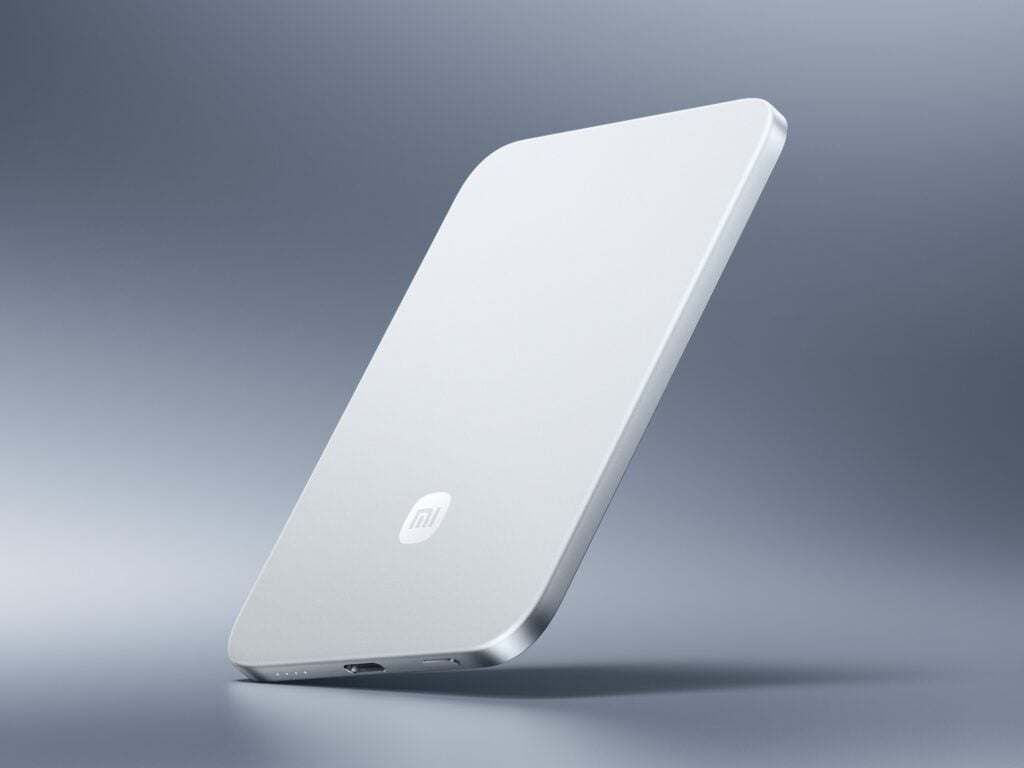
Xiaomi UltraThin Magnetic Power Bank Offers 6 mm Thickness, 98 g Weight, and 5,000 mAh Battery

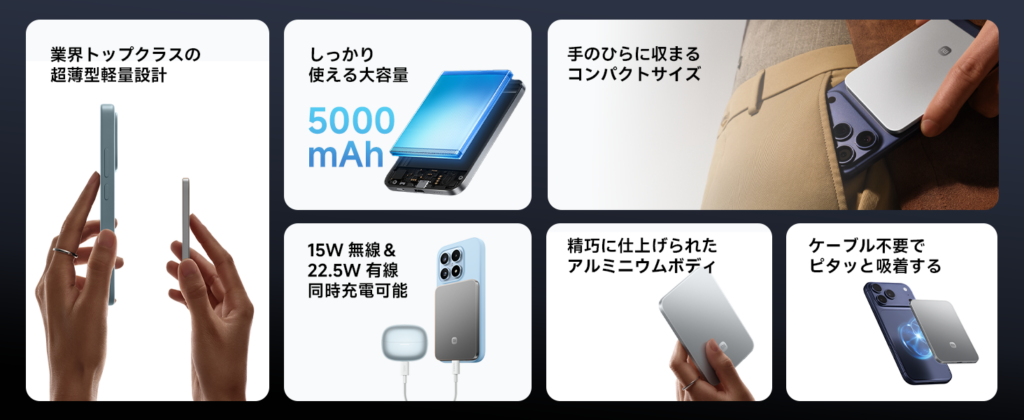
Xiaomi has launched the UltraThin Magnetic Power Bank, a compact accessory designed for daily portability. It measures 6 mm thick and weighs 98 g, placing it among the thinnest magnetic power banks currently on the market.

The power bank attaches magnetically to compatible smartphones and supports wireless charging. Xiaomi states that it can deliver up to 15 W of wireless charging when paired with Xiaomi 17 devices. On iPhones, wireless charging is limited to 7.5 W. For faster charging, Xiaomi includes a USB Type-C port that supports up to 22.5 W wired output. The device also supports simultaneous wired and wireless charging, allowing two devices to be charged at the same time.

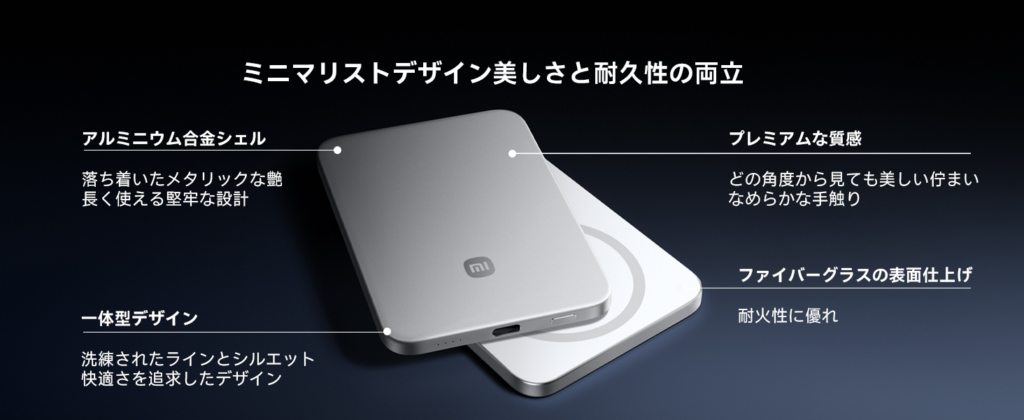
Inside, the UltraThin Magnetic Power Bank uses a 5,000 mAh high-density silicon-carbon battery. Xiaomi claims this capacity is enough to charge an iPhone roughly once, depending on usage conditions and phone model. The silicon-carbon composition allows higher energy density while keeping the body thin. A 4,369 mm² graphite sheet is used for heat dissipation. Battery status is shown through four LED indicators, and a physical power button lets users manually start or stop charging.

Xiaomi UltraThin magnetic power bank

The body is built with an aluminum alloy shell that has a smooth metallic finish. The phone-facing surface uses fire-resistant fiberglass. Xiaomi says the power bank includes ten layers of safety protection, covering issues such as overvoltage, overcurrent, short circuiting, overheating, overcharging, over-discharging, and foreign object detection. Dual NTC temperature sensors monitor heat in real time and adjust charging behavior to reduce heat buildup during use.

The UltraThin Magnetic Power Bank has launched in Japan at a price of ¥7,980, or around US$50.44. It is available through Amazon Japan and Xiaomi’s official store. Xiaomi has not confirmed plans for a wider global release.

For more daily updates, please visit our News Section.

Stay ahead in tech! Join our Telegram community and sign up for our daily newsletter of top stories!

ChatGPT Go goes global: OpenAI bets on ads to make AI affordable

OpenAI has launched ChatGPT Go globally, expanding its affordable subscription plan to all markets where ChatGPT is available. The plan costs $8 per month in the US and sits between the free tier and the $20 per month ChatGPT Plus subscription. ChatGPT Go was first introduced in India in August 2025 and later expanded to over 170 countries.

Chatgpt

ChatGPT Go gives users access to GPT-5.2 Instant, OpenAI’s faster and lighter model. The plan includes significantly higher usage limits than the free tier, including more messages, file uploads, and image generation. OpenAI has not shared exact figures for these limits but says Go provides roughly ten times the allowance of the free plan. ChatGPT Go also includes a longer context window and improved memory support compared to the free version.

ChatGPT Ads

OpenAI confirmed that it will begin testing ads in the Free and Go tiers in the US. Ads will appear below ChatGPT’s responses and will be labeled clearly as “Sponsored.” The company said advertisers cannot influence chatbot responses and that it will not share user conversations with advertisers. Ads will not appear next to content about sensitive or regulated topics, and users under 18 will not see ads.

ChatGPT Ads

CEO Sam Altman said the ad rollout aims to help OpenAI keep ChatGPT affordable. He acknowledged past criticism of ads but said this approach is necessary to support a growing number of users who want frequent access to AI without paying high fees. Altman cited Instagram’s ad experience as an inspiration for the format OpenAI will use.

ChatGPT Plus and Pro users will continue to see an ad-free experience. OpenAI said it will monitor feedback and make adjustments as the ad trial progresses. The company reported strong adoption of ChatGPT Go in earlier markets and expects the global launch to accelerate usage further.

In related news, OpenAI is reportedly planning AI-powered SweetPea earbuds, positioning them as a potential alternative to Apple’s AirPods.

For more daily updates, please visit our News Section.

Stay ahead in tech! Join our Telegram community and sign up for our daily newsletter of top stories! 💡

(Source)

Redmi K100 and K100 Pro Max first detail leaks, Qualcomm processor in cards

Barely four months after the launch of the Redmi K90 series, we are here to give you the very first details on the Redmi K100. 

According to details uncovered by XiaomiTime, the company is already preparing its next generation of flagship-style phones under the Redmi K100 series. There are currently two models in the works, called the Redmi K100 and K100 Pro Max. 

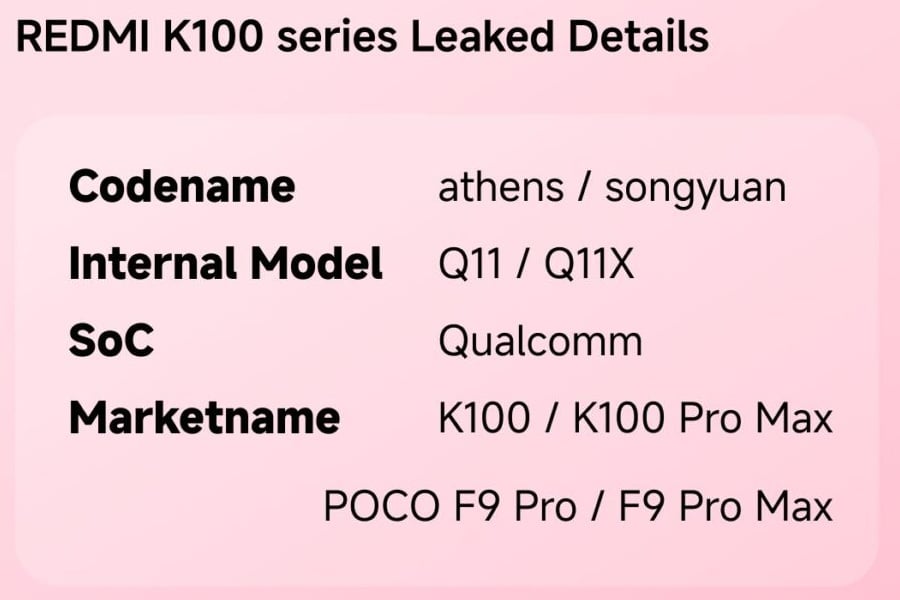
Both devices are currently in early development, but XiaomiTime has managed to extract the internal codenames and model numbers of the devices. The K100 is said to carry the codename “athens” with the internal designation Q11, while the Pro Max version reportedly goes by “songyuan” and Q11X. 

A rebrand as Poco F9 Pro / Ultra 

If Xiaomi follows its usual strategy, these devices will not stay exclusive to China. Previous Redmi K-series phones have often been rebranded for global markets under Xiaomi’s Poco label, and the same pattern is expected this time. 

The current speculation is that the Redmi K100 could eventually launch internationally as the Poco F9 Pro, while the K100 Pro Max might arrive as the Poco F9 Ultra. Nothing has been officially confirmed, but it would be consistent with how Xiaomi has handled similar releases in the past.

Redmi K90 Pro Max

One concrete detail that has emerged concerns the processors. Both phones are expected to use Qualcomm’s next-generation flagship chips. The Redmi K100 is rumored to be powered by the Snapdragon 8 Elite Gen 5, while the more premium K100 Pro Max could debut with an even newer platform, currently referred to as the Snapdragon 8 Elite Gen 6

Of course, all of this information is preliminary. The Redmi K90 series is still fresh on the market, and a full announcement for the K100 lineup is likely many months away.

For more daily updates, please visit our News Section.

Stay ahead in tech! Join our Telegram community and sign up for our daily newsletter of top stories! 💡

(Source)

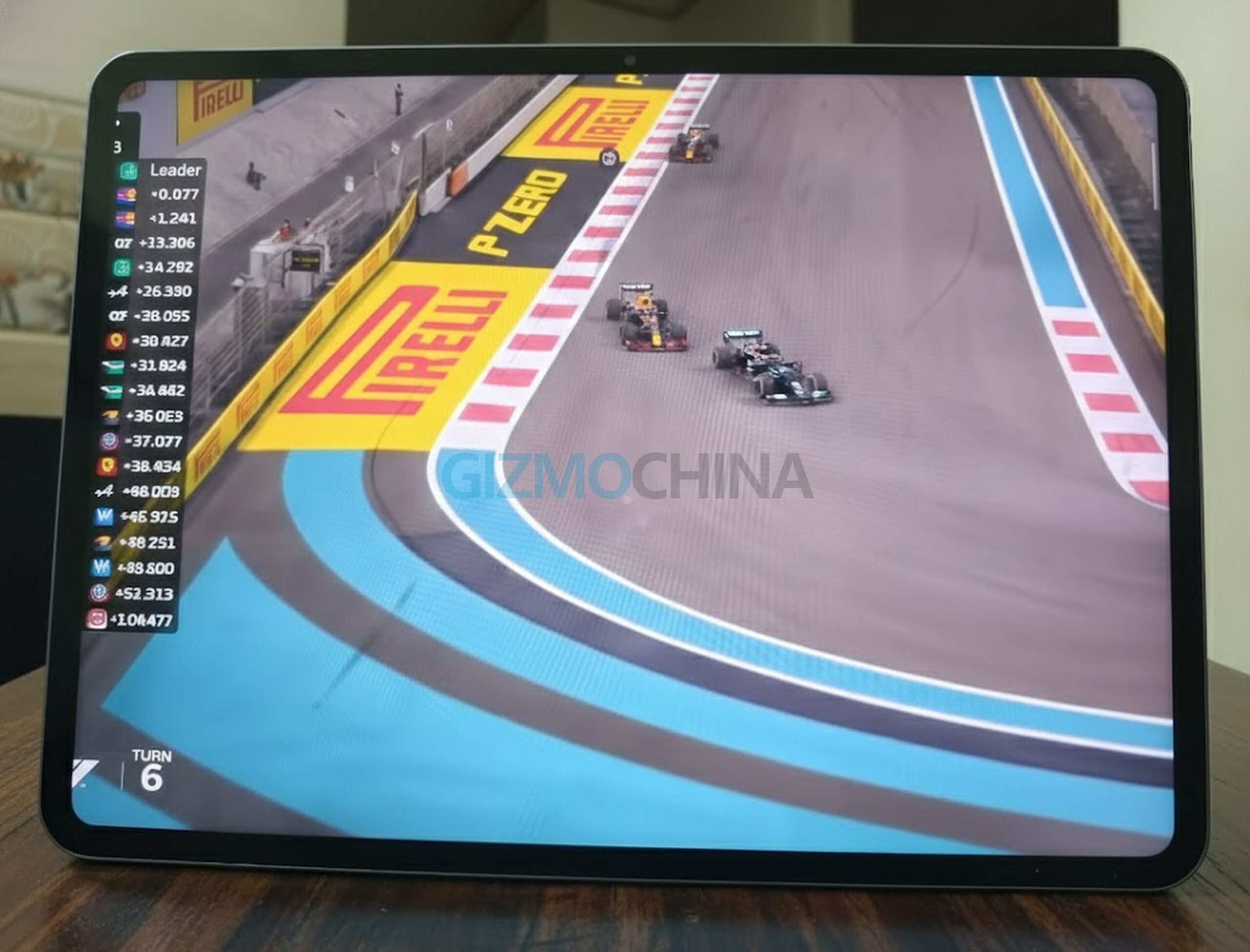
OnePlus Pad Go 2 review: Why first-time tablet buyers may love it

I’ve spent the past couple of weeks using the OnePlus Pad Go 2 in its 8GB+256GB Wi-Fi-only variant, finished in Lavender Drift. Instead of approaching it like a specification-led gadget review, I used it the way many people would if this were their very first tablet. That distinction matters because the Pad Go 2 is not trying to compete with laptops or premium tablets. It is trying to make tablet ownership feel simple, comfortable, and worthwhile.

Please Note: When you buy something using the links in our articles, we may earn a small commission at no cost to you.

Please Note: When you buy something using the links in our articles, we may earn a small commission at no cost to you.

8Final thoughts

OnePlus Pad Go 2
OnePlus Pad Go 2

The OnePlus Pad Go 2 does not try to convince you that tablets are essential. Instead, it quietly shows why owning one can be enjoyable. If you have never bought a tablet before and are unsure whether it would fit into your routine, this device answers that question through everyday use rather than marketing promises.

For first-time tablet buyers, that understated confidence may be exactly what makes the Pad Go 2 easy to like.

Pricing and variants

The pricing aligns well with its first-time buyer focus:

• 8GB+128GB Wi-Fi: Rs. 26,999 | 299 euros | $399 (both color options)

• 8GB+256GB Wi-Fi: Rs. 29,999 | £269 | £349 | (both color options)

• 8GB+256GB 5G: Rs. 32,999 | 399 euros | Comes in Shadow Black only

For more daily updates, please visit our News Section.

Stay ahead in tech! Join our Telegram community and sign up for our daily newsletter of top stories.

Next

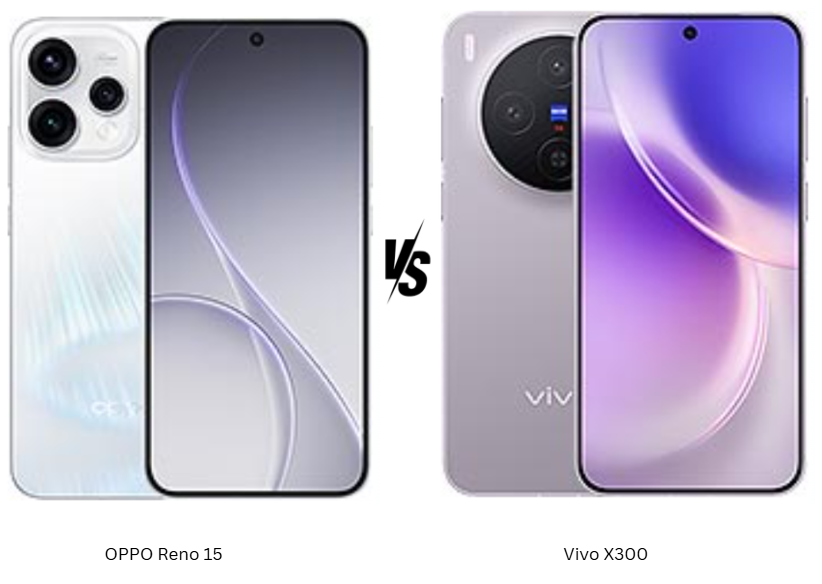
OPPO Reno 15 vs Vivo X300: Vivo looks Premium, But OPPO Might Be the Value Buy

Choosing between the OPPO Reno 15 and the Vivo X300 isn’t just about specs; it’s about deciding what kind of premium experience actually fits daily life. One phone focuses on long battery life, fast charging, and practical performance at a sensible price. The other shrinks flagship power into a compact form, pushing display tech, cameras, and raw speed closer to top-tier territory. This comparison matters for buyers stuck between value-driven polish and compact flagship ambition, where the real differences show up not on spec sheets, but in how the phone feels after weeks of use.

OPPO Reno 15 vs Vivo X300: Buyer’s Guide

UsageChoiceWhy
Best overall experienceVivo X300Stronger performance, better display, flagship-style cameras, wireless charging.
Best value for moneyOPPO Reno 15Lower price with balanced performance, long battery life, and solid cameras.
Photography focusedVivo X300Higher-resolution main sensor, Zeiss optics, superior ultrawide & video features.
Battery endurance & daily uptimeOPPO Reno 15Larger battery capacity and dependable all-day life.
Future-proofingVivo X300UFS 4.1 storage, flagship chipset, and longer Android update promise.
Wireless charging neededVivo X300Adds wireless support not in Reno 15.
Compact feel & refined screenVivo X300LTPO adaptive display and more premium in-hand experience.
Simple, reliable everyday useOPPO Reno 15Great balance of features without paying extra.

Please Note: When you buy something using the links in our articles, we may earn a small commission at no cost to you.

Please Note: When you buy something using the links in our articles, we may earn a small commission at no cost to you.

1. Design and Display

Build and Feel
OPPO Reno 15 leans into a sleek, modern aesthetic with a balanced, premium feel that suits long daily use. Its glass-and-metal construction feels polished rather than flashy, and the design prioritizes comfort over compactness. Vivo X300, on the other hand, targets users who prefer a tighter, denser form factor with a more “flagship-grade” in-hand confidence. The build feels slightly more refined, helped by details like an ultrasonic fingerprint sensor that subtly elevates daily interactions. Reno 15 feels practical and familiar, while X300 feels engineered and deliberate, appealing to users who value precision.

Display Quality
Reno 15’s AMOLED panel delivers rich colors, smooth scrolling, and reliable brightness for everyday use. It’s tuned for consistency rather than extremes. Vivo X300 clearly pushes display technology further with LTPO tech, advanced HDR formats, and extremely high peak brightness. Content looks more dynamic and adaptive, especially for streaming and gaming. The difference is noticeable in side-by-side use, where Vivo’s panel simply feels more “alive.”

Verdict
Reno 15 offers a comfortable, high-quality experience, but Vivo X300’s display and finish feel unmistakably more flagship-level.

2. Specifications 

Performance
OPPO Reno 15 is powered by a Snapdragon 7-series chip that focuses on efficiency and stability. Day-to-day performance is smooth, with reliable multitasking and controlled thermals, making it well-suited for extended use without surprises. Vivo X300 takes a more aggressive approach with a cutting-edge 3nm chipset and faster storage. App launches, gaming, and heavy workloads feel noticeably quicker, and the headroom for future software updates is reassuring. The X300 simply feels more effortless when pushed hard.

Battery and Charging
Reno 15 prioritizes endurance, offering excellent battery longevity paired with fast wired charging that minimizes downtime. It’s designed for users who value consistency over extras. Vivo X300 counters with slightly smaller capacity but faster wired charging and the added convenience of wireless charging. This flexibility makes it feel more adaptable to different lifestyles, especially for desk or car charging setups.

Verdict
Reno 15 wins on predictable all-day reliability, while Vivo X300 delivers superior raw power and charging versatility.

3. Camera

Main and Secondary Lenses
OPPO Reno 15 offers a well-rounded camera system with reliable color reproduction, effective stabilization, and a useful telephoto lens that adds genuine versatility. Images are consistent and social-media ready with minimal effort. Vivo X300 clearly targets photography enthusiasts, led by a high-resolution main sensor and Zeiss-tuned optics. Photos show more detail, better dynamic range, and a slightly more cinematic character. Advanced video modes and higher frame-rate options reinforce its flagship intent. Reno 15 feels dependable; X300 feels expressive.

Selfie Camera
Both phones deliver strong selfie performance with autofocus support, but Vivo’s processing tends to preserve more natural skin tones and finer detail in varied lighting. OPPO’s selfies are sharp and vibrant, favoring a cleaner, polished look that many users will enjoy.

Verdict
Reno 15 is consistently good across scenarios, but Vivo X300 offers a more advanced and creatively flexible camera experience.

4. Pricing

OPPO Reno 15 enters the market at approximately $500, positioning itself as a strong upper-midrange option with flagship-inspired features. At this price, it delivers excellent battery life, solid performance, and a versatile camera setup that meets most users’ needs without excess. Vivo X300 is priced around $650, clearly stepping into compact flagship territory. The higher cost brings tangible upgrades in chipset performance, display technology, camera hardware, and long-term software support.

Reno 15 makes more sense for value-focused buyers who want premium features without stretching budgets. Vivo X300 justifies its higher price by offering a more future-proof, top-tier experience, especially for users who prioritize performance, display quality, and camera innovation.

Disclaimer:
Prices are approximate and may vary based on country, region, and applicable taxes.

5. Conclusion

OPPO Reno 15 stands out for its balance—strong battery endurance, fast charging, and a camera system that covers all essentials without complexity. It’s a phone designed to fit seamlessly into everyday routines. Vivo X300 differentiates itself with a cutting-edge chipset, LTPO display, Zeiss-backed cameras, wireless charging, and extended software support. These features collectively push it closer to true flagship status despite its relatively compact positioning.

Final Verdict:

For most users, OPPO Reno 15 offers exceptional value and a stress-free ownership experience at a lower price. Vivo X300 is the better choice for those seeking compact flagship performance, superior imaging, and longer relevance over time. The decision ultimately comes down to whether refinement and power are worth the extra investment.

Read More:


Why the ASUS ROG GR70 Mini PC Might Be the Ultimate Desktop for Serious PC Gamers

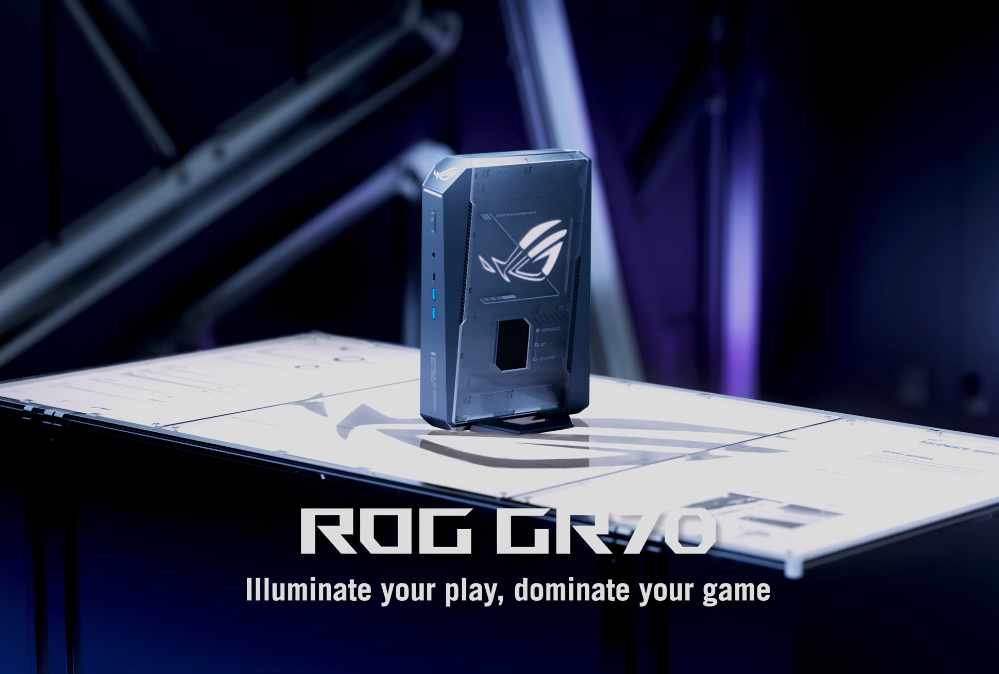
Compact PCs have become quite popular recently, with people vying for desktop solutions that aren’t bulky. And with this new popularity, gaming mini PCs are also on the rise, adding the convenience of a laptop with the power of a full fledged desktop PC. One such powerful yet tiny gaming rig is the new ASUS ROG GR70, which was announced at the CES 2026 event, bringing next-gen hardware to a small form factor. Pairing one of the fastest AMD Ryzen processors with an Nvidia GeForce RTX 5000 series GPU, here’s why this model is worth your attention.

Asus ROG GR70
ASUS ROG GR70 Mini Gaming PC

1. Desktop-class Hardware in a Mini Chassis

Despite its space saving build, ASUS has made no compromises on the performance output of the ROG GR70. Under the hood, it is equipped with AMD’s Ryzen 9 9955HX3D, which is a 16 core, 32 thread processor with 3D V-Cache technology. From high fidelity gaming to multitasking, the CPU can easily handle it all. This comes especially handy in more CPU demanding titles.

Paired with Nvidia’s RTX 5070 GPU, this combination brings serious firepower, which is usually found in larger rigs or ultra premium gaming laptops. Even then, the laptop processors aren’t as powerful as this desktop class CPU. This GPU gets 100W of power that can be bumped by another 15W with Dynamic Boost, 8GB of GDDR6 VRAM, ray tracing, and DLSS 4 support. So you can expect high resolution gaming at smooth framerates.

2. Advanced Cooling and Quiet Operation

A big concern with gaming on a compact system like laptops or mini PCs is the heat management. Squeezing in powerful components in a tiny form factor causes temps to rise, but ASUS has addressed this with a triple fan ROG QuetFlow cooling system that helps keep thermals in check even during extended sessions. The brand is also promising enhanced noise management with this setup. Whether you’re grinding through ranked gaming sessions or rendering 3D scenes, the GR70’s cooling solution lets the Ryzen 9 and RTX 5070 sustain peak performance much more consistently than many other mini PCs.

3. Expandability & Gamer-Friendly Design

Despite its small size, the GR70 doesn’t skimp on flexibility: it supports up to 96GB of DDR5 memory via dual SODIMM slots and up to 2TB of NVMe storage, with easy tool-less access for upgrades. That means gamers can expand memory and storage as needs evolve without wrestling with tiny screws or awkward internals. For connectivity, you get multiple USB-A and USB-C ports, HDMI 2.1, DisplayPort 2.1, and 2.5 G Ethernet. There is even built in WiFi 7 and Bluetooth 5.4 for lag free wireless connections.

4. Software & Performance Tuning

ASUS equips the GR70 with ROG Armoury Crate and enhanced BIOS options, giving users control over performance, fan curves, and system tuning. There are even tailored profiles for popular games to help optimize performance with a few clicks. This control brings new layers of fine tuning options to get the most from this tiny gaming machine.

5. Why It Matters for Gaming Enthusiasts

The ASUS ROG GR70 represents a major shift in what gaming desktops can be. Instead of a bulky tower, you get desktop-class CPU and GPU performance in a compact form factor that fits on a shelf beside your console or behind your monitor. It’s the ideal PC for gamers who lack the space for a full rig but don’t want to compromise on performance. So with this single system, you are getting a serious contender for desktop rigs, creative workstations, and living consoles alike.

For more daily updates, please visit our News Section.

Don’t miss a thing! Join our Telegram community for instant updates and grab our free daily newsletter for the best tech stories!

Realme 16 Pro vs Pro+:Is It Worth Paying ₹8,000 More?

When two phones look similar on paper but target very different buyers, the details start to matter. The Realme 16 Pro and Realme 16 Pro+ share the same design language, massive batteries, and high-refresh AMOLED displays, yet the experience they deliver isn’t identical. One is tuned for maximum value and endurance, while the other pushes closer to flagship territory with meaningful hardware upgrades. For buyers stuck between saving money and getting more long-term polish, this comparison breaks down where the extra cost actually shows up and where it doesn’t.

Major Features:

Feature CategoryRealme 16 ProRealme 16 Pro+ (Upgrades)Upgrade Advantage
ProcessorMediaTek Dimensity 7300 MaxSnapdragon 7 Gen 4Better sustained performance, smoother gaming & multitasking
Camera SystemDual (200MP main + 8MP ultrawide)Triple (200MP main + 50MP periscope telephoto + 8MP ultrawide AF)True optical zoom & more versatile shooting
Display ProtectionAGC DT star D+Corning Gorilla Glass 7iStronger screen durability
Ultrawide CameraStandard ultrawideAutofocus ultrawideSharper wide shots, better close-ups
Zoom CapabilityDigital zoom only3.5x optical periscope zoomBetter detail at long distances
Video CaptureUp to 4K30fpsUp to 4K60fpsSmoother high-quality video
Build MaterialsPlastic frameAluminum alloy frameMore premium feel & rigidity
Display PWM & Eye ComfortStandardHigher PWM dimmingEasier on eyes at lower brightness

Please Note: When you buy something using the links in our articles, we may earn a small commission at no cost to you.

1. Design and Display

Build and Feel

The Realme 16 Pro sticks to a practical design with a plastic frame and optional eco-leather back, prioritising durability and comfort. It feels functional rather than premium. The Realme 16 Pro+ upgrades to an aluminum alloy frame, instantly improving rigidity and in-hand confidence. Both phones offer the same IP68/IP69K protection, but the Pro+ feels more polished and better suited for long-term use. The material upgrade is noticeable in daily handling and gives the Pro+ a more flagship-like presence.

Display Quality

Both phones feature AMOLED panels with 144Hz refresh rates, HDR10+, and extremely high peak brightness. The Pro+ pulls ahead with much higher PWM dimming and Gorilla Glass 7i protection, making it easier on the eyes and more resistant to wear. Colors and sharpness are similar, but the Pro+ display feels more refined during extended viewing.

Verdict

The Realme 16 Pro is solid, but the Pro+ clearly upgrades build quality and display comfort.

2. Specifications 

Performance

The Realme 16 Pro’s Dimensity 7300 Max handles daily tasks smoothly and is more than enough for casual gaming. The Realme 16 Pro+ upgrades to the Snapdragon 7 Gen 4, offering stronger GPU performance, better thermal control, and smoother sustained output. Heavy multitasking, gaming, and camera processing feel more stable on the Pro+. This chipset choice makes the Pro+ feel more future-ready and consistent under load.

Battery and Charging

Both phones share the same 7000 mAh silicon-carbon battery and 80W fast charging with bypass support. Real-world endurance is excellent on both. The Pro+ benefits slightly from better power efficiency under stress, especially during gaming or navigation.

Verdict

Battery life is equal, but the Pro+ delivers better long-term performance stability.

3. Camera

Main and Secondary Lenses

Both phones use the same 200 MP main camera with OIS, delivering sharp photos and reliable HDR. The key upgrade is exclusive to the Pro+: a 50 MP periscope telephoto with true 3.5x optical zoom and an improved ultrawide camera with autofocus. This dramatically improves portrait, travel, and zoom photography. Video also improves on the Pro+ with smoother stabilization and 4K recording up to 60fps.

Selfie Camera

Both models use the same 50 MP front camera, offering similar photo quality. The Pro+ gains higher frame-rate selfie video support, making it better for creators.

Verdict

The Pro+ is a clear camera upgrade, especially for zoom and video users.

4. Pricing

Realme 16 Pro is priced at around ₹32,000, making it a strong value option with excellent battery life and a high-resolution main camera. The Realme 16 Pro+ costs approximately ₹40,000, reflecting its Snapdragon chipset, periscope zoom camera, stronger display protection, and premium build. The price jump is noticeable, but the upgrades directly affect performance and camera flexibility rather than cosmetic changes.

Verdict 

Realme 16 Pro focuses on value, while the Pro+ charges extra for meaningful hardware upgrades.

Disclaimer:
Prices are approximate and may vary based on country, region, and applicable taxes.

5. Conclusion

Realme 16 Pro stands out for buyers who want maximum battery life, a smooth AMOLED display, and dependable performance at a lower price. The Realme 16 Pro+ differentiates itself with a Snapdragon processor, periscope zoom camera, premium frame, and more refined display tuning. These upgrades make daily use feel smoother and more capable over time.

Verdict

Paying the extra ₹8,000 for the Realme 16 Pro+ is worth it for most buyers. The Snapdragon 7 Gen 4, periscope zoom camera, better display protection, and more premium build deliver real, everyday benefits and make the phone feel more future-proof. The Realme 16 Pro still makes sense if budget and battery life are the top priorities, but if choosing just one, the Realme 16 Pro+ is the smarter all-around choice that justifies its higher price.

Read More:

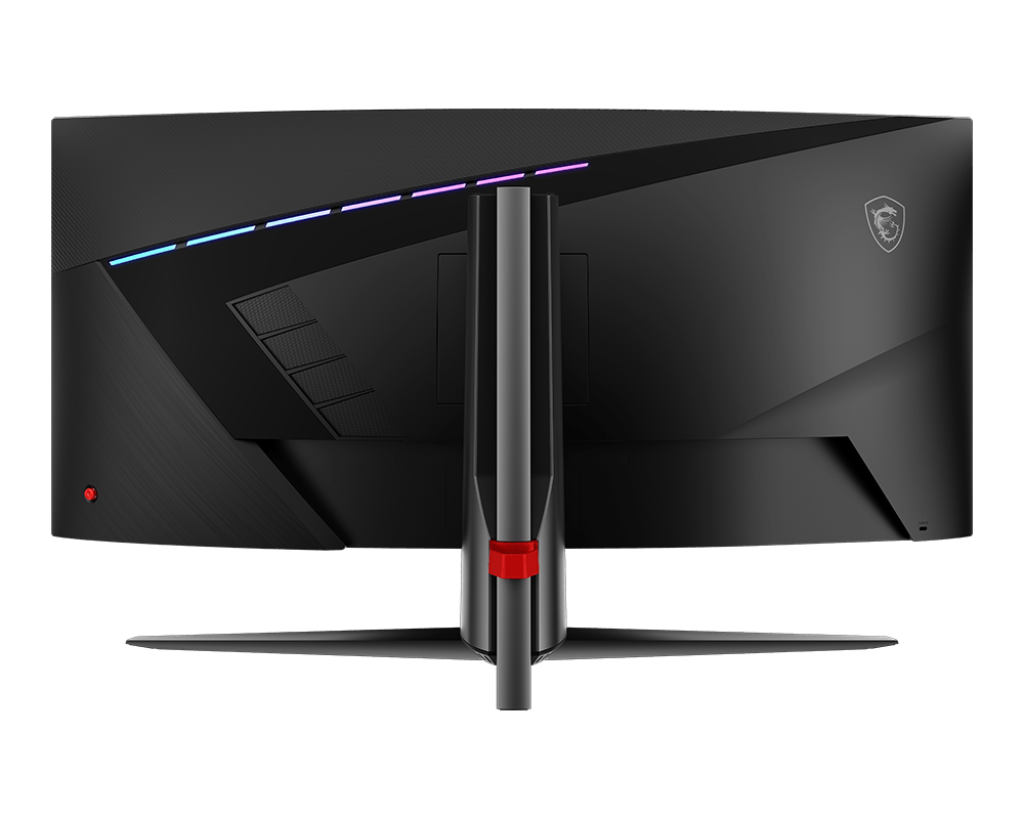
MSI launches MAG 345CQRF E20 gaming monitor with 34-inch near-4K 240Hz Rapid VA panel

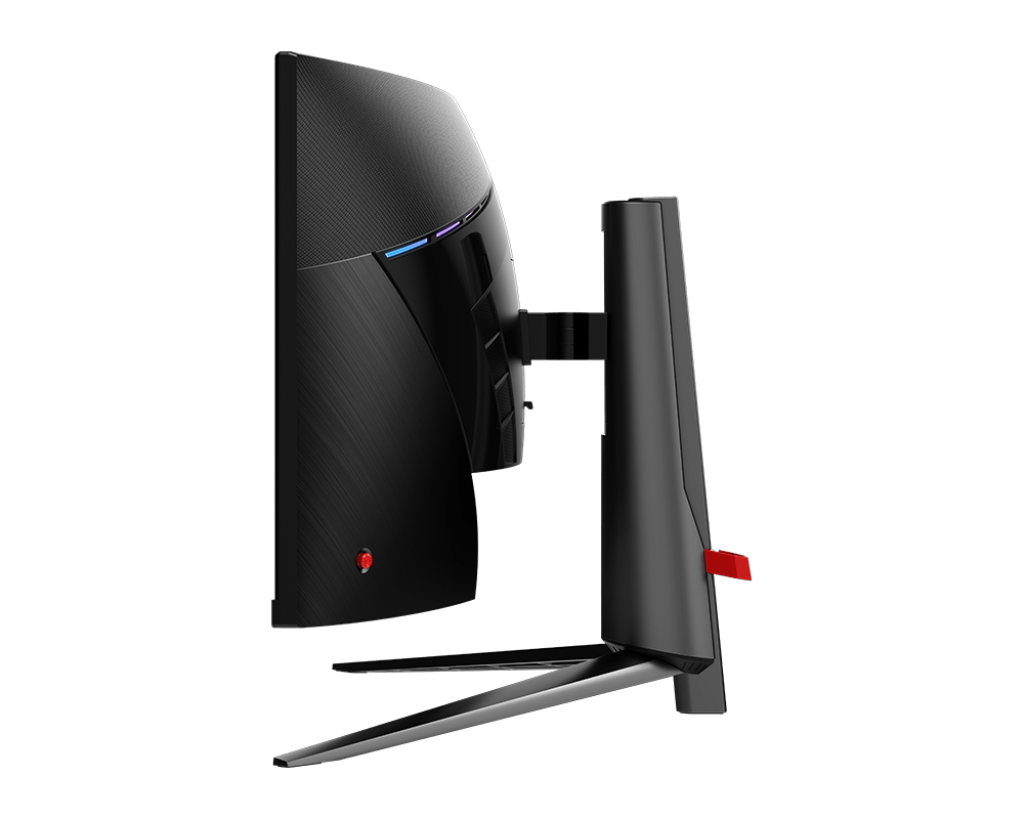
MSI has officially introduced the MAG 345CQRF E20 curved gaming monitor in the Chinese market. The new display is priced at 1,599 yuan ($230) and is targeted at gamers and multitaskers looking for an immersive ultrawide experience with high refresh rate performance.

MSI MAG 345CQRF E20

MSI MAG 345CQRF E20 Specifications

The monitor features a 34-inch Rapid VA panel with a UWQHD resolution of 3440 x 1440 pixels. MSI markets the resolution as “near-4K” due to its expansive horizontal pixel count. It adopts a 21:9 aspect ratio and includes a 1000R curvature.

The display supports a native 200Hz refresh rate over DisplayPort 1.4a, which can be overclocked to 240Hz in supported configurations. It features a 0.5ms GtG response time, which helps reduce motion blur and ghosting in fast-paced and competitive gameplay.

MSI MAG 345CQRF E20

In terms of color performance, the monitor supports 10-bit color via 8-bit plus FRC and covers up to 110% of the sRGB gamut, 90% of DCI-P3, and 88% of AdobeRGB, making it suitable for gaming, media consumption, and casual content creation.

It delivers a 3500:1 static contrast ratio with up to 300 nits peak SDR brightness, supports HDR10 with HDR Ready certification, and includes TÜV Rheinland low blue light and flicker-free certifications, along with DC dimming and an anti-glare matte coating for improved viewing comfort during long sessions.

The MAG 345CQRF E20 also includes support for Adaptive-Sync technology. In terms of connectivity, the monitor offers one DisplayPort 1.4a input, two HDMI 2.0b ports, and a 3.5mm headphone jack.

The stand supports tilt, height, and swivel adjustments. VESA compatibility (100 x 100 mm) is also available for arm or wall mounting. The monitor weighs 7.75kg and features a slim-bezel design suitable for multi-display setups.

In related news, Lenovo has recently unveiled the Legion 27Q-10 OLED monitor with a 26.5-inch 2K 240Hz QD-OLED panel and a 0.03ms response time, alongside the Yoga Pro 27UD-10 OLED monitor featuring a 4K 120Hz display with Dolby Vision and Dolby Atmos support.

For more daily updates, please visit our News Section.

Stay ahead in tech! Join our Telegram community and sign up for our daily newsletter of top stories! 💡

RedMagic 11 Air pairs a massive 7,000mAh battery with 120W charging

RedMagic continues to tease its next smartphone, the RedMagic 11 Air, as the January 20 launch date approaches. Despite the “Air” branding, the company is positioning the phone as a performance-first device rather than a lightweight compromise.

RedMagic claims the 11 Air packs the largest battery ever used in an “Air” model, with a 7,000mAh capacity. Beyond branding, the focus appears to be on maintaining long gaming sessions without frequent charging. For context, the Huawei Mate 70 Air launched with a 6,500mAh battery.

Cooling is another area RedMagic is highlighting. The 11 Air features a transparent back design, exposing some internal elements, along with a 24,000RPM active cooling fan and a more effective vapor chamber system. Active cooling remains relatively rare on smartphones, and is also an industry-first for an “Air” model.

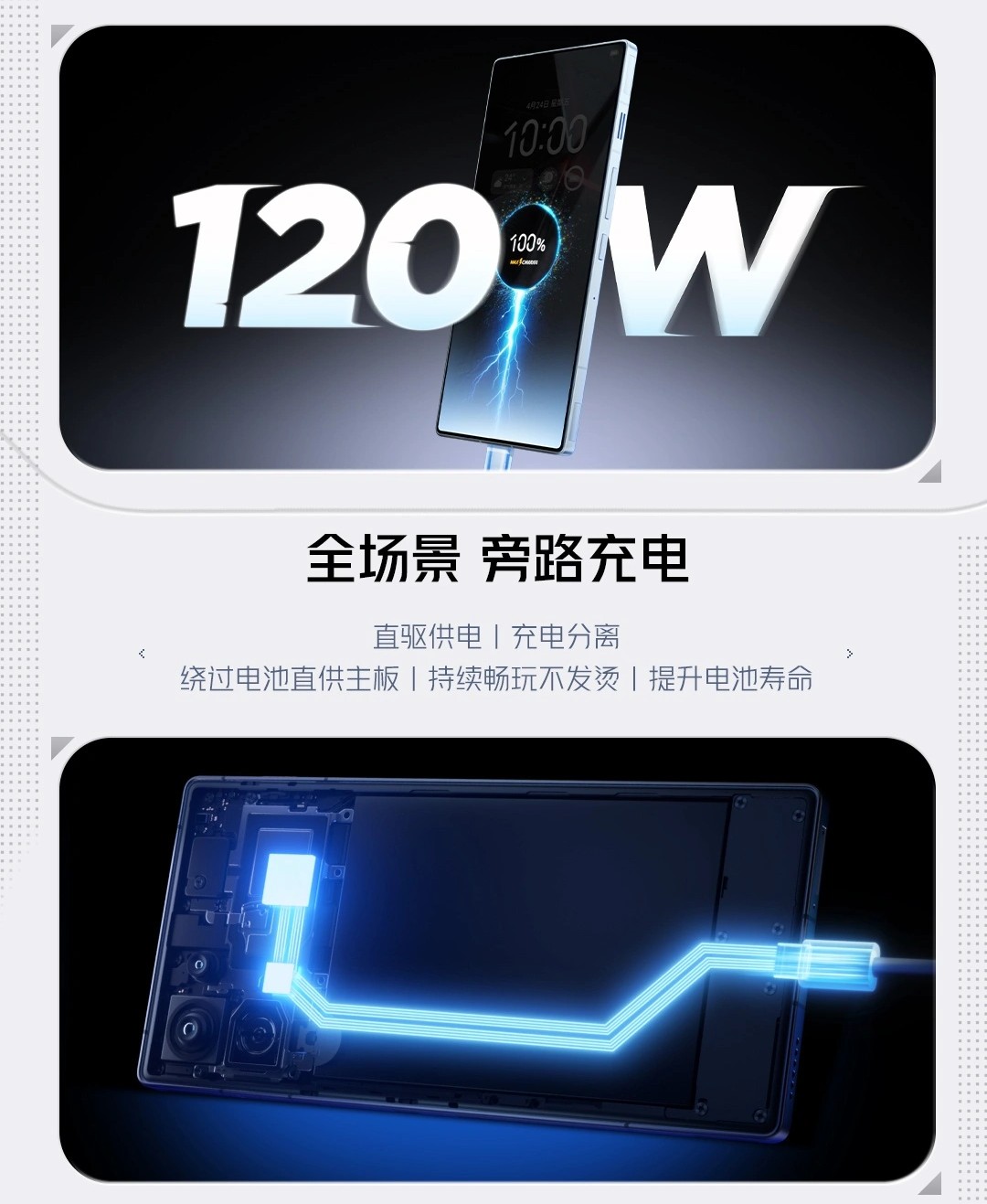
Charging support is rated at 120W, and the phone includes bypass charging for gaming while plugged in. Other features include physical shoulder triggers, an ultra-narrow bezel display, and a built-in PC emulator that supports several older PC titles. RedMagic also mentions its CUBE Sky Engine for graphics optimization.

Powering the RedMagic 11 Air is Qualcomm’s Snapdragon 8 Elite, paired with the brand’s in-house Red Core R4 gaming chip. The phone also uses LPDDR5X Ultra RAM and UFS 4.1 storage, which should keep load times and multitasking in check. On the software side, it runs REDMAGIC OS 11.0, introducing a set of AI features that go beyond gaming, including image-based search, screen translation, and real-time dialogue tools. There are also AI-assisted gaming features aimed at tactics and in-game decision-making.

More details, including pricing and availability, are expected at launch on January 20.

Don’t miss a thing! Join our Telegram community for instant updates and grab our free daily newsletter for the best tech stories!

For more daily updates, please visit our News Section.