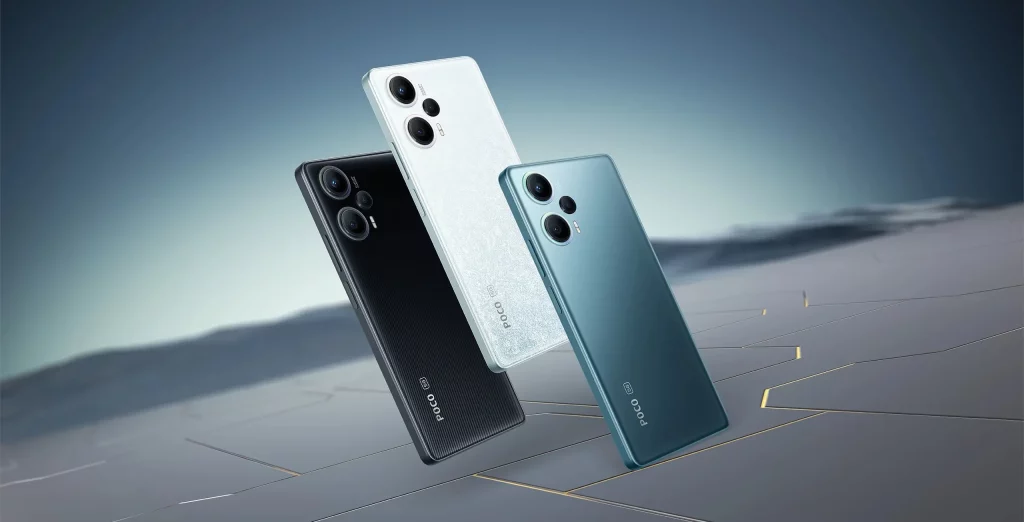
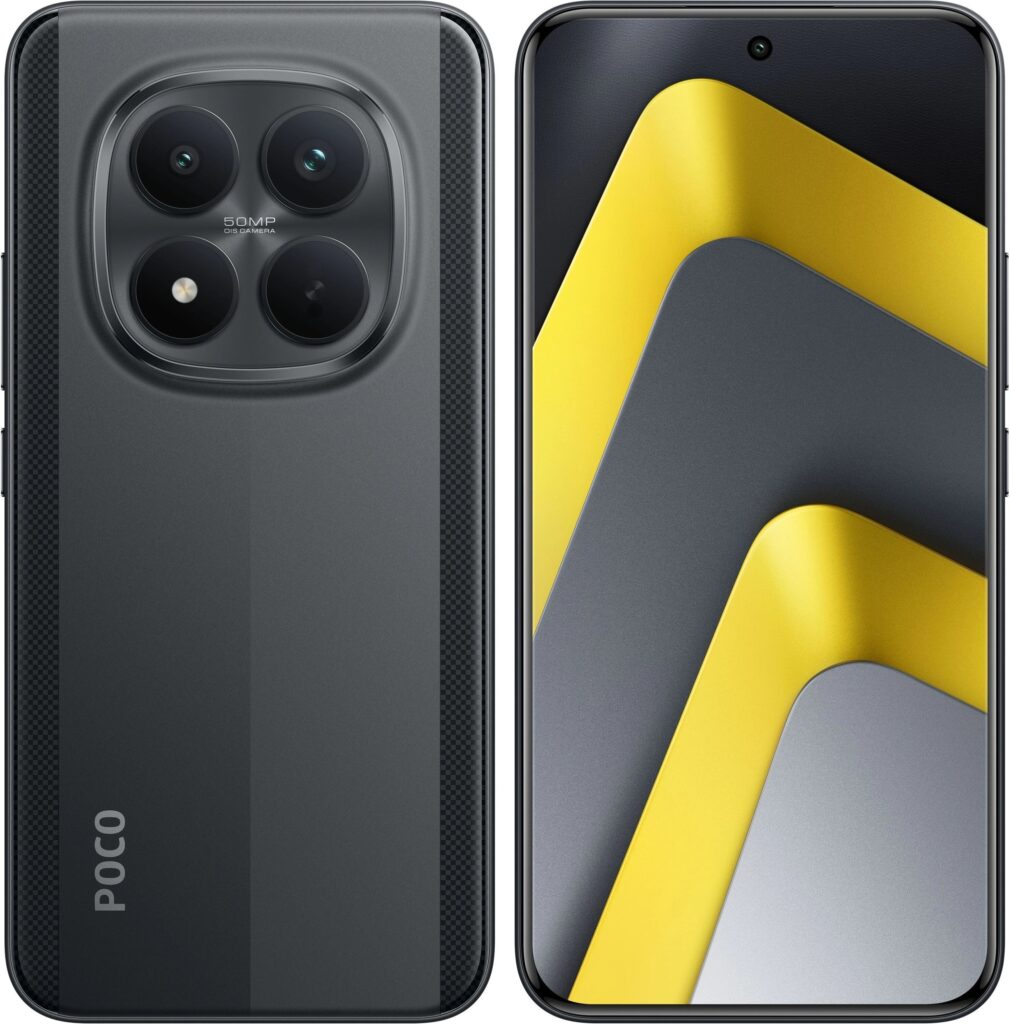
Advertisement

Xiaomi launches Smart Camera 3 3K with 3K recording, AI tracking & dual-band Wi-Fi

Xiaomi has launched the Smart Camera 3 3K, an affordable indoor security camera equipped with a 5MP sensor and advanced low-light imaging. The product carries an official price of 199 yuan ($28) but is currently available at a discounted launch price of 169 yuan ($24) in China.

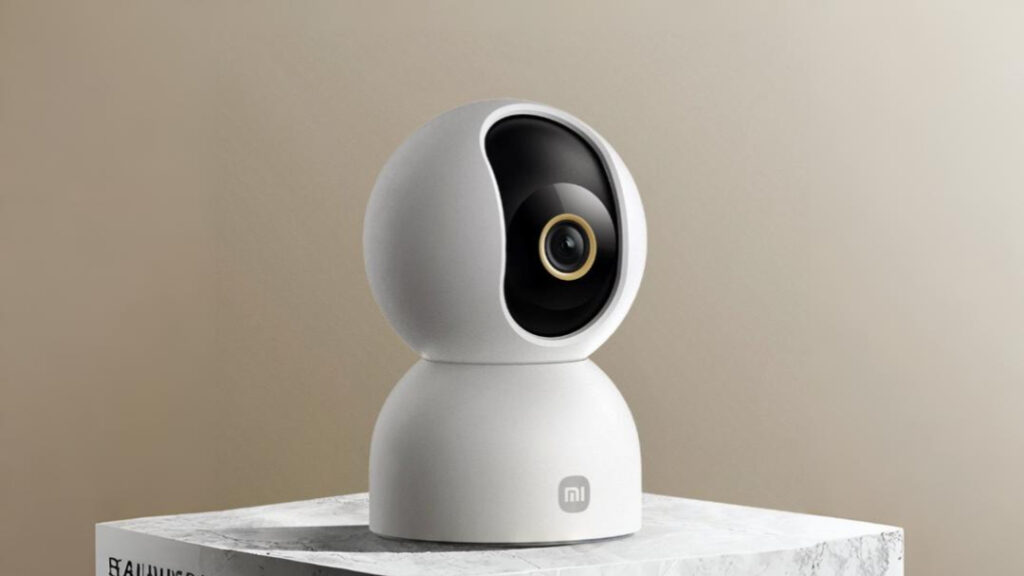
Xiaomi Smart Camera 3 3K

Xiaomi Smart Camera 3 3K Specifications

The Smart Camera 3 3K captures video at up to 2960 × 1666 resolution, offering nearly three times the detail of standard 1080p models. Xiaomi claims the higher resolution improves facial recognition and object visibility in security footage, especially during playback and zooming.

The device uses Xiaomi’s ultra-low-light full-color technology, allowing it to retain color footage in dim conditions longer than conventional models. In completely dark environments, it activates eight infrared fill lights that enable clear black-and-white night vision without emitting visible red light.
Xiaomi Smart Camera 3 3K

The camera includes a dual-motor pan-tilt system that supports 360-degree horizontal and 109-degree vertical rotation. It supports human motion tracking, allowing it to automatically follow a moving person while keeping them centered in the frame.

Xiaomi has placed strong emphasis on data protection. Each unit integrates a Mijia security chip with a unique private key and digital certificate. Video transmission is encrypted, and cloud storage is protected with AES-128 encryption. It also offers to set custom sleep schedules to temporarily disable the camera during specific hours.

The Smart Camera 3 3K performs on-device human detection using local AI, which improves response time by avoiding cloud processing. When paired with a Xiaomi cloud subscription, the camera enables AI-powered face recognition to differentiate between familiar and unfamiliar faces and send notifications accordingly.
Xiaomi Smart Camera 3 3K

Xiaomi has included two-way voice communication supported by a large-diameter speaker and an eight-meter pickup range microphone array with noise reduction. This allows remote communication with people in the room through the Xiaomi Home app.

The device supports both 2.4GHz and 5GHz Wi-Fi networks for flexible connectivity and uses H.265 encoding to reduce video file size and bandwidth usage by up to 50%.

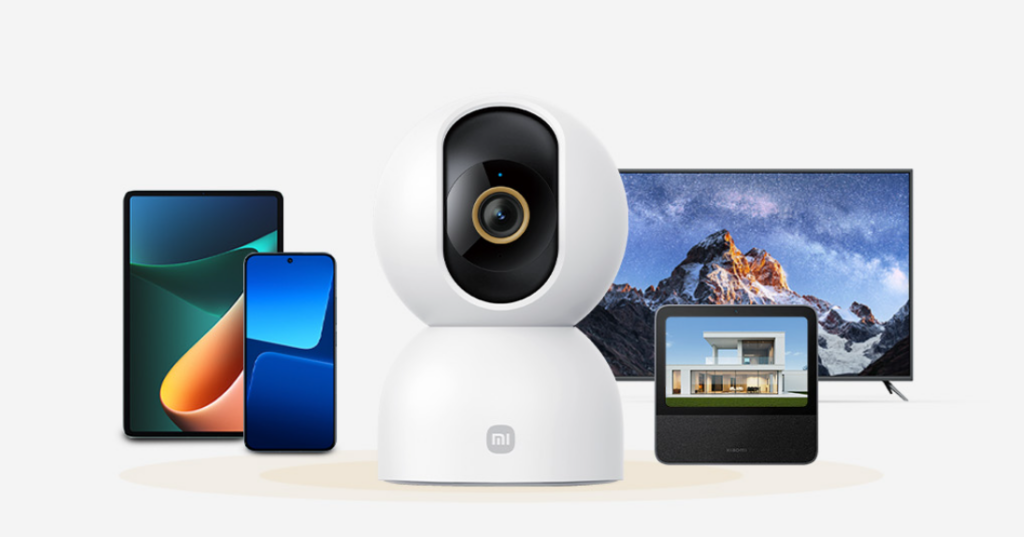
The camera supports microSD cards (8GB to 256GB), cloud storage, and NAS backup. It integrates with the Mi Home ecosystem and works with devices like Xiaomi smart displays, TVs, and XiaoAi speakers to create a connected home security system.

For more daily updates, please visit our News Section.

Stay ahead in tech! Join our Telegram community and sign up for our daily newsletter of top stories!
(Xiaomi Youpin)

TCL unveils 5G Mobile WiFi P50 and BE36 Wi-Fi 7 Router at CES 2026

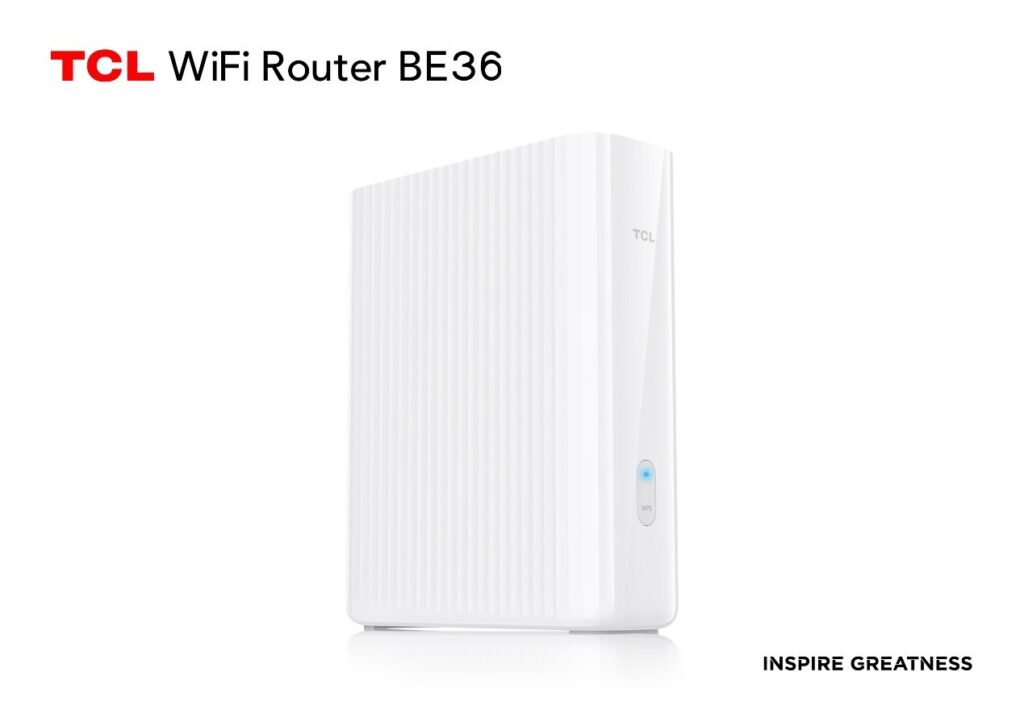
TCL has introduced two new connectivity products, the TCL 5G Mobile WiFi P50 and the TCL WiFi Router BE36, at CES 2026. The new devices expand the company’s mobile and home internet lineup, targeting users who need fast, reliable connectivity both on the move and across large, connected households.

TCL 5G Mobile WiFi P50 Specs

TCL 5G Mobile WiFi P50

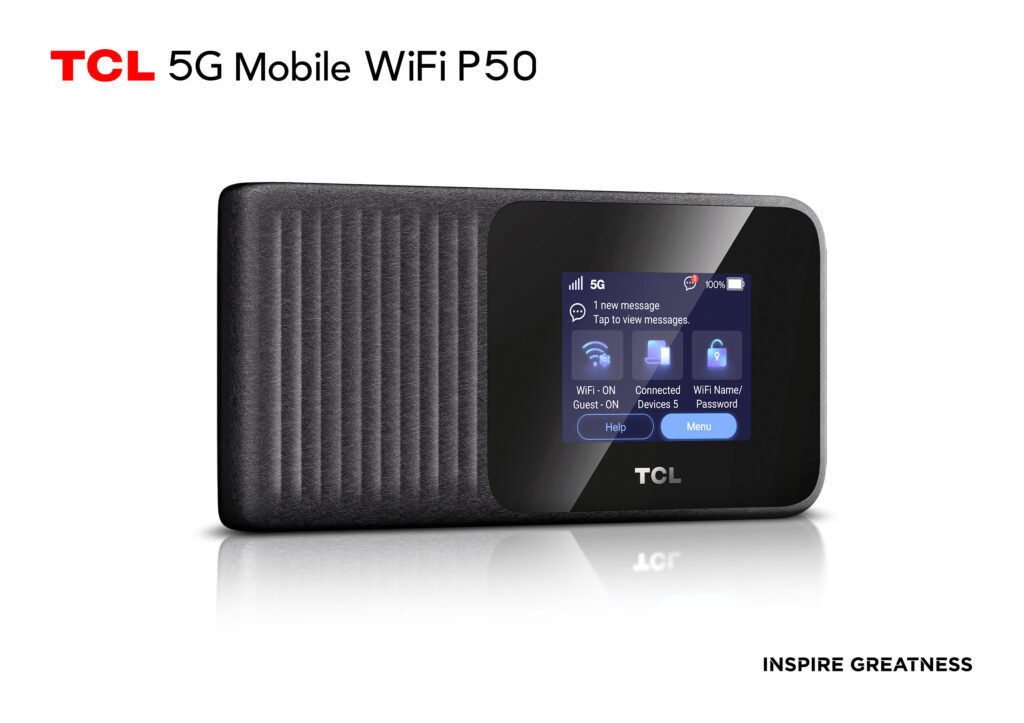
The TCL 5G Mobile WiFi P50 is the first 5G mmWave mobile hotspot to support both fast wired charging and wireless charging. It supports full-spectrum 5G across mmWave and Sub-6GHz bands, delivering peak download speeds of up to 3.97Gbps.

The device supports Wi-Fi 7 with tri-band speeds up to 5.8Gbps and can connect up to 64 devices simultaneously. Its built-in 5,000mAh battery delivers up to 12 hours of usage.

TCL has also included a 2.4-inch touchscreen for monitoring data usage, connected devices, and network status, along with a built-in Gigabit Ethernet port for wired connectivity.

The P50 doubles as a portable power bank with support for wireless charging, making it useful during travel or outdoor activities. TCL is targeting professionals, commuters, and frequent travelers with this device.

TCL WiFi Router BE36 Specs

TCL WiFi Router BE36

The TCL WiFi Router BE36 focuses on home use. It supports dual-band Wi-Fi 7 with speeds up to 3.6Gbps. The router uses a 3T3R antenna setup to improve 5GHz signal coverage and supports up to 512 simultaneous device connections.

TCL has integrated EasyMesh R6 support, which allows users to build mesh networks using multiple BE36 routers for whole-home coverage.

The router includes a wide set of security features such as malware protection, anomaly detection, brute-force defense, and smart home security. It supports VPN protocols like PPTP, L2TP, and IPSec. TCL has also added a gaming acceleration feature to optimize bandwidth and reduce latency, along with a 2.5GE port for high-speed wired connectivity.

At CES 2026, TCL has also unveiled the RayNeo Air 4 Pro, billed as the world’s first HDR10-enabled AR glasses, alongside the NxtPaper 70 Pro with a NxtPaper 4.0 display, as well as the X11L SQD-Mini LED TVs with up to 20,000 dimming zones and 10,000-nit peak brightness.

You can follow our full CES 2026 coverage here.

For more daily updates, please visit our News Section.

Stay ahead in tech! Join our Telegram community and sign up for our daily newsletter of top stories!
(Via)

OnePlus Turbo 6 and Turbo 6V debuts in China with class leading 9000mAh battery

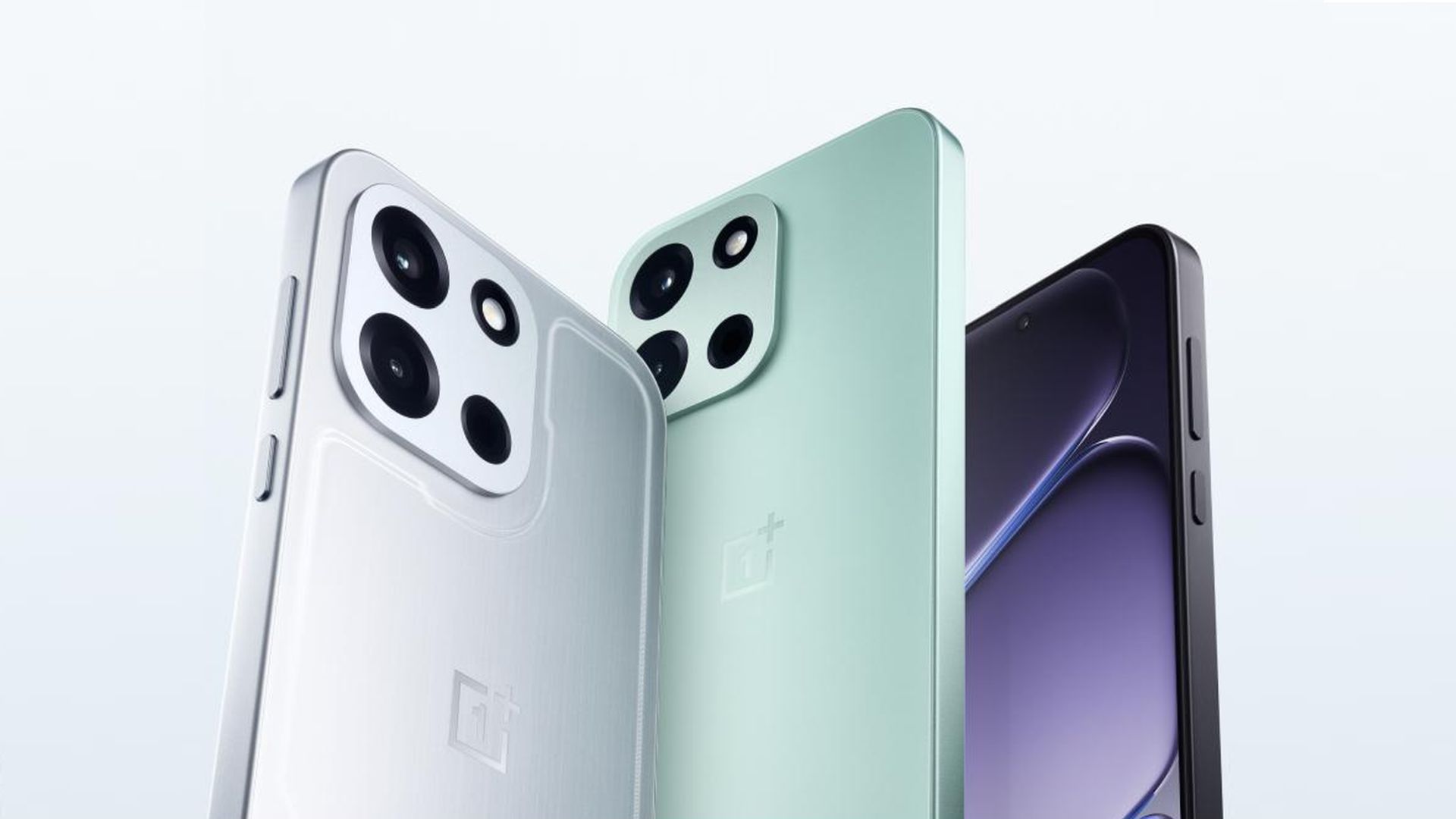
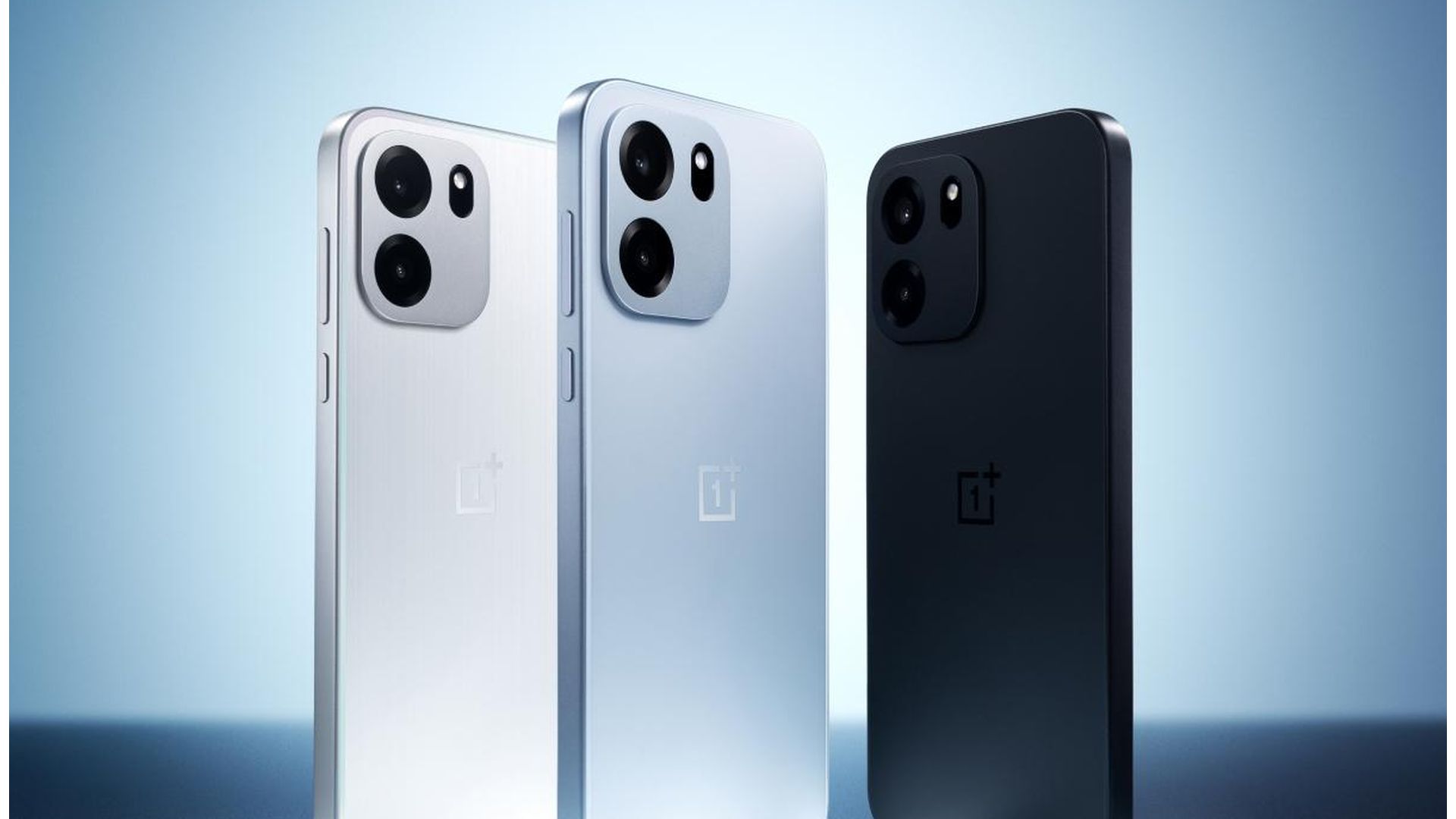
OnePlus has officially launched its Turbo 6 series in China, introducing two new smartphones. The OnePlus Turbo 6 and Turbo 6V just made their official debut with industry leading battery capacity that promises impressive endurance across a full day and beyond. So here’s what you need to know.

1. OnePlus Turbo 6

OnePlus Turbo 6

The OnePlus Turbo 6 leads the new series, combining robust hardware with a massive battery pack. It sports a tall 6.78-inch AMOLED display with a 1.5K resolution, a 165Hz variable refresh rate, a 330Hz touch sampling rate, PWM dimming, DC dimming, and Oppo’s Crystal Shield glass for protection. Under the hood, this model is equipped with the Qualcomm Snapdragon 8s Gen 4 SoC, which is coupled with up to 16GB of LPDDR5X RAM and 512GB of UFS 4.1 storage.

Powering this device is a gigantic 9,000mAh battery pack that supports 80W wired fast charging and 27W reverse wired charging. You also get bypass charging technology that helps users avoid heating when gaming. Photography is the one area where the brand cuts corners with a 50MP main camera and a 2MP monochrome sensor on the rear, while the front features a 16MP shooter for selfies and video calls.

Out of the box, the OnePlus Turbo 6 runs on the Android 16 OS based ColorOS 16 custom skin. Other notable features include an IP66 + IP68 + IP69 + IP69K rating for water and dust resistance, an in-display optical fingerprint sensor, an IR blaster, stereo speakers, dual nano SIM, NFC, WiFi 7, and Bluetooth 6.

2. OnePlus Turbo 6V

OnePlus Turbo 6V
OnePlus Turbo 6V

The OnePlus Turbo 6V sits alongside its sibling with a slightly cutdown performance and display specs. While it shares the same huge 9,000mAh battery and fast charging support as the Turbo 6, it is powered by the Qualcomm Snapdragon 7s Gen 4 chipset. This chip still offers efficient everyday performance and capable gaming performance, although it is still a step behind the Turbo 6. It is paired with up to 12GB of LPDDR4X RAM and 512GB of UFS 3.1 storage.

But like the more expensive model in the series, the Turbo 6V sports a tall 6.78-inch AMOLED display on the front with a 1.5K resolution, 144Hz variable refresh rate, PWM dimming, DC dimming, Oppo Crystal Shield glass for protection, and a 16MP selfie camera. Meanwhile, the rear has the same 50MP primary sensor along with a 2MP monochrome shooter.

OnePlus’ new Turbo 6V also runs on the ColorOS 16 and features an in-display optical fingerprint sensor, an IR blaster, stereo speakers, WiFi 7, Bluetooth 5.4, NFC, and an IP66 + IP68 + IP69 + IP69K rating for water and dust resistance.

3. Pricing and Availability

The OnePlus Turbo 6 just launched in China in three color options, namely Black, Green, and Silver, while the Turbo 6V arrives in Black, White, and Blue. Both devices come in multiple storage configurations, so here are the pricing details:

OnePlus Turbo 6

  • 12GB + 256GB – 2,299 Yuan
  • 16GB + 256GB – 2,599 Yuan
  • 12GB + 512GB – 2,799 Yuan
  • 16GB + 512GB – 3,099 Yuan

OnePlus Turbo 6V

  • 8GB + 256GB – 1,899 Yuan
  • 12GB + 256GB – 2,099 Yuan
  • 12GB + 512GB – 2,399 Yuan

First sale of the OnePlus Turbo 6 series is set to kick off on 9th January 2026, with special launch offers. Notably, the Turbo 6 is rumored to be released globally as the Nord 6 model, with the Turbo 6V reportedly arriving as a part of the budget Nord CE lineup.

For more daily updates, please visit our News Section.

With the CES 2026 underway, you can click here to see our entire coverage of this major event.

Don’t miss a thing! Join our Telegram community for instant updates and grab our free daily newsletter for the best tech stories!

Vivo X200T full specs leak reveals long software support, four 50MP cameras, and more

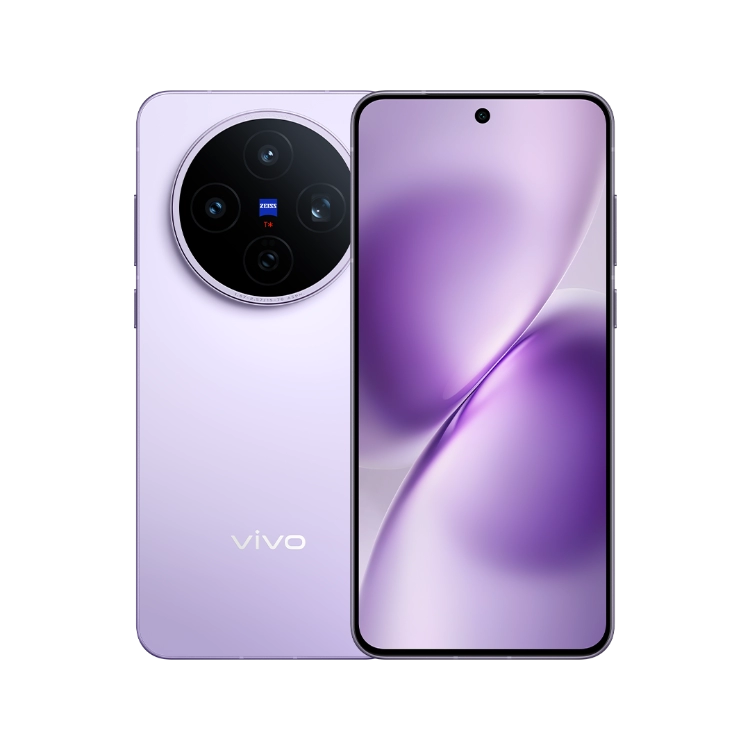
It appears that the Vivo X200T will be debuting soon in India, as it has been recently spotted on the Bluetooth SIG and India’s BIS certification platforms. Some reports suggest it may debut by the end of this month. A recent report revealed the color variants and expected pricing of the device. Now, a new leak, courtesy of tipster Abhishek Yadav, has reiterated the specs of the phone.

Vivo X200T specifications (rumored)

Vivo X200s
Vivo X200s

According to the tipster, the Vivo X200T will feature a 6.67-inch AMOLED display offering a 1.5K resolution and a 120Hz refresh rate. On the software front, it will ship with Android 16 out of the box, backed by an impressive promise of 5 major Android OS updates and 7 years of security patches, ensuring long-term support.

Powering the device is the flagship-grade MediaTek Dimensity 9400+ SoC, paired with ample RAM and storage options (up to 16GB RAM and 1TB storage in some variants). It houses a massive 6200mAh battery with support for 90W wired charging and 40W wireless charging, making it a powerhouse for heavy users.

The X200T’s triple camera setup will include a 50-megapixel Sony LYT-702 main sensor with OIS (Zeiss super photo sensitive), a 50-megapixel Samsung JN1 (ultra-wide), and a 50-megapixel LYT-600 periscope telephoto. Up front, there will be a 32-megapixel selfie camera for sharp portraits.

Vivo X200s
Vivo X200s

Other rumored features include Wi-Fi 7, Bluetooth 5.4, a USB-C port, an ultrasonic in-display fingerprint scanner, IP68/IP69 dust and water resistance, 4.5K Nanofluid VC cooling for sustained performance, and eSIM support.

Vivo X200T price (rumored)

Recent reports have claimed that it could be an online-only phone priced at around Rs 55,000 in India. It is expected to arrive in Black and Purple shades. To sum up, this phone appears to be a rebranded version of China’s Vivo X200s, which was announced in April 2025.

For more daily updates, please visit our News Section.

Stay ahead in tech! Join our Telegram community and sign up for our daily newsletter of top stories.

Acer launches Vero HL1820 4K gaming projector with 240Hz refresh rate and 4.2ms latency

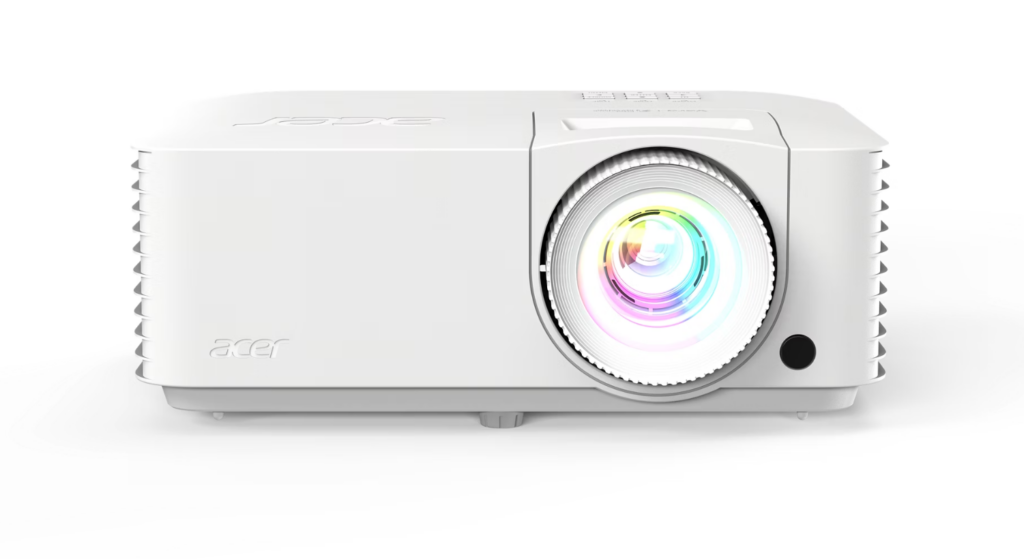
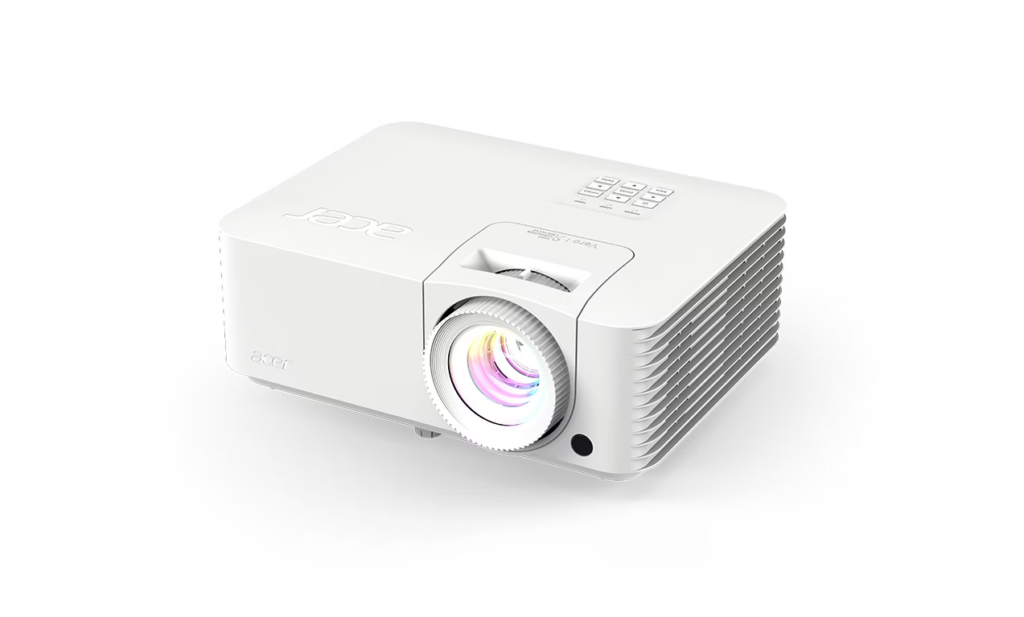
Acer has launched its latest 4K UHD home projector, the Vero HL1820, expanding its eco-focused Vero lineup with a high-performance model aimed at both movie enthusiasts and gamers. The projector features advanced RGB laser technology and promises vivid colors, high brightness, and smooth gameplay.

Acer Vero HL1820

Acer Vero HL1820 Specifications

The Vero HL1820 delivers a native 4K UHD resolution (3840 x 2160) using a 0.65-inch DMD panel. It uses a pure RGB laser light source with independent red, green, and blue diodes, producing 5,500 RGB laser lumens and 2,000 ANSI lumens. Acer claims it can cover 106% of the BT.2020 color space, while offering a high 3,500,000:1 dynamic contrast ratio. The unit is also rated for 20,000 hours of operation in standard mode and up to 30,000 hours in ECO mode.

The projector supports 1080p at a 240Hz refresh rate with input latency as low as 4.2 ms. This makes it suitable for fast-paced games and responsive gameplay. The HL1820 includes a built-in 15-watt speaker and comes with dual HDMI 2.0 ports (with HDCP 2.2), USB-A power output ports, audio out, DC 12V trigger, and RS232 control support.

Acer Vero HL1820

The projector comes with a 1.6x optical zoom lens and supports ±30° vertical and horizontal keystone correction along with four-corner image adjustment. It also supports 360-degree projection for flexible placement and orientation. The throw ratio ranges from 1.4 to 2.24, making it capable of projecting a 60-inch image from a distance of 1.86 meters.

The Vero HL1820 is IP6X rated for dust protection and uses a chassis made from 50% post-consumer recycled materials.

Pricing and Availability

The Acer Vero HL1820 will go on sale in EMEA starting March 2026 with a price tag of €1,499.

In related news, Acer has introduced the Predator XB273U F6 with an eye-catching 1,000Hz refresh rate aimed at competitive gaming, while also unveiling the ProDesigner PE320QX, a 32-inch 6K monitor that focuses on professional use with extensive connectivity options.

You can follow our full CES 2026 coverage here.

For more daily updates, please visit our News Section.

Stay ahead in tech! Join our Telegram community and sign up for our daily newsletter of top stories!
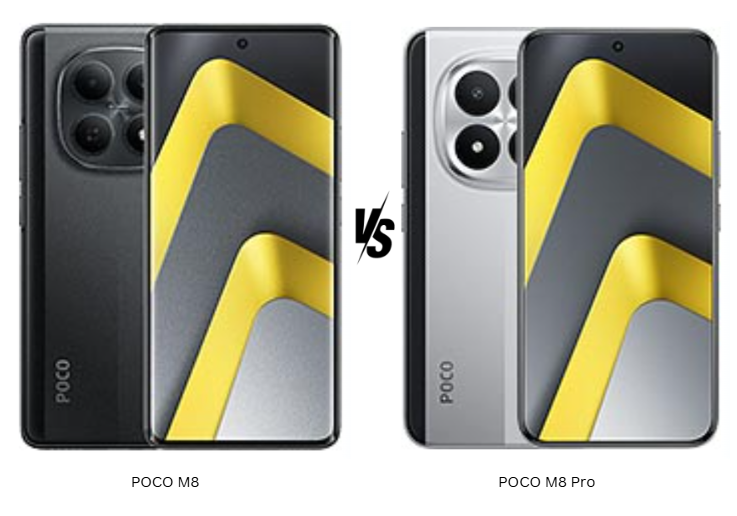
POCO M8 vs M8 Pro: The $100 Upgrade That Changes Everything

POCO M8 and POCO M8 Pro may look similar on paper, but they target very different users. The M8 focuses on durability and value at around $200, while the M8 Pro raises the bar with better performance, cameras, battery, and charging at roughly $300. This comparison highlights where the real upgrades are and whether the Pro model is worth the extra cost.

Major Upgrades:

Feature CategoryPOCO M8POCO M8 Pro (Upgrade)Upgrade
ChipsetSnapdragon 6 Gen 3Snapdragon 7s Gen 4Faster CPU/GPU performance
Display Resolution1080 x 23921280 x 2772Higher detail and sharper visuals
Display TechHDR, 120HzHDR10+, Dolby Vision, 120HzBetter HDR support & cinematic view
Display ProtectionCorning Gorilla Glass Victus 2Stronger screen protection
Camera – Main50MP, wide50MP, wide with OISOptical image stabilization
Camera – Ultra-wide8MP ultrawideAdded wide-angle lens
Selfie Camera20MP32MPHigher resolution front camera
RAM/Storage OptionsUp to 8GB/512GBUp to 12GB/512GBMore memory option
Battery Capacity5520 mAh6500 mAhLarger battery for longer use
Charging Speed45W wired100W wiredMuch faster charging
Reverse Charging18W22.5WFaster reverse wired
Build ProtectionIP66IP68/IP69KBetter water/dust resistance
AudioHi-Res audioHi-Res + Hi-Res wirelessEnhanced wireless audio support
Bluetooth5.15.4Slightly newer Bluetooth
ConnectivityWi-Fi up to acWi-Fi up to 6/6EFaster/latest Wi-Fi
VerdictSolid valueClear Upgrade ValuePro offers stronger overall hardware

1. Design and Display

Build and Feel

POCO M8 is built with a clear focus on durability and daily practicality. Its strong dust and water resistance and drop protection make it suitable for users who prioritize reliability over premium materials. The overall feel is clean and straightforward, matching its value-driven positioning.

POCO M8 Pro moves toward a more premium experience with Gorilla Glass Victus 2 protection and higher IP ratings. It feels tougher and more refined, giving extra confidence for long-term use. The Pro variant feels better suited for users who want stronger protection without sacrificing style.

Display Quality

Both phones feature AMOLED panels with 120Hz refresh rates and high-frequency PWM dimming for comfortable viewing. The POCO M8 delivers strong brightness and vivid colors that feel impressive in its price range.

POCO M8 Pro improves the experience with higher resolution, Dolby Vision, HDR10+, and higher sustained brightness. Visuals look sharper and more cinematic, especially during video playback.

Verdict

POCO M8 Pro clearly offers a more advanced display and premium finish, while the POCO M8 remains solid and durable for everyday use.

2. Specifications 

Performance

POCO M8 runs on the Snapdragon 6 Gen 3, offering smooth performance for daily tasks and moderate multitasking. It feels efficient and well-balanced for regular use.

POCO M8 Pro steps up with the Snapdragon 7s Gen 4, delivering stronger CPU and GPU performance. Heavy apps and extended gaming sessions feel more stable, making the Pro better suited for power users.

Battery and Charging

POCO M8 packs a 5520mAh battery with 45W fast charging and reverse wired charging, easily covering a full day of use.

POCO M8 Pro raises expectations with a 6500mAh battery and 100W fast charging, reaching full charge in about 40 minutes. This significantly reduces downtime and feels more convenient in daily routines.

Verdict

POCO M8 Pro leads in raw performance and charging speed, while the POCO M8 remains efficient and dependable.

3. Camera

Main and Secondary Lenses

POCO M8 uses a 50MP main camera that delivers reliable results in good lighting, supported by basic camera features. It covers everyday photography needs without added versatility.

POCO M8 Pro upgrades to a 50MP main sensor with OIS and adds an 8MP ultra-wide camera. This brings better stability, improved low-light performance, and more shooting flexibility.

Selfie Camera

POCO M8’s 20MP front camera performs well for casual selfies and video calls.

POCO M8 Pro improves this with a 32MP selfie camera, producing sharper images and better detail, especially noticeable indoors.

Verdict

For users who value camera flexibility and stability, the POCO M8 Pro is a clear upgrade over the standard M8.

4. Pricing

POCO M8 is priced at approximately $200, offering an AMOLED display, solid performance, and strong durability at a competitive cost. It suits users who want maximum value without premium extras.

POCO M8 Pro costs around $300 and justifies the higher price with a stronger chipset, better cameras with OIS, a larger battery, and extremely fast charging. The price gap reflects meaningful hardware upgrades rather than minor improvements.

Disclaimer:
Prices are approximate and may vary based on country, region, and applicable taxes.

5. Conclusion

POCO M8 stands out for combining durability, AMOLED display quality, and balanced performance at a lower price. It feels designed for users who want reliability and modern features without overspending.

POCO M8 Pro focuses on power and refinement, offering faster charging, better cameras, and higher overall performance. These upgrades make it feel more future-ready and versatile for demanding users.

Verdict

Choose the POCO M8 for value and durability at a lower cost. The POCO M8 Pro is the better option for users who want stronger performance, faster charging, and a more advanced camera experience.

Read More:

HyperOS support is ending in 2026 for these Xiaomi and Poco phones

Xiaomi is getting ready to quietly retire software support for a large group of its phones in 2026. According to updated timelines from the company, software updates will end for 14 smartphones from all three Xiaomi, Redmi, and Poco brands.

Xiaomi HyperOS 3 (Android 15) update

The list includes a mix of flagship phones, midrange bestsellers, and budget devices that are still widely used in many markets. Once support ends, these phones will officially be classified as EoL, or end of life. That means no more Android updates, no new HyperOS versions, and no monthly security patches.

Here’s the complete list

Some of the biggest names on the list are the Poco F5 and Poco F5 Pro. Both phones are expected to receive HyperOS 3, which is based on Android 15, but that update will also be their last. After May 9, 2026, the Poco F5 will stop receiving any software updates. 

Xiaomi’s older flagships are also nearing the end. The Xiaomi 12 and Xiaomi 12 Pro will lose support in March 2026, while the Xiaomi 12T and 12T Pro will last a bit longer, until October 13, 2026. The Xiaomi 12 Lite will reach the end of support on July 1, 2026.

On the Redmi side, several budget and midrange phones will be affected. This includes the Redmi Note 12 Pro, Redmi Note 12 5G, Redmi 12C, Redmi 13C, and entry-level models like the Redmi A2 and A2+. Poco’s X-series isn’t spared either. The Poco X5 and X5 Pro 5G will reach EoL in February 2026.

Once updates stop, these phones will continue to work as usual. Apps won’t suddenly break, and the hardware won’t stop functioning. The bigger issue is security. Without patches, newly discovered vulnerabilities won’t be fixed, which can put personal data at risk over time.

If your Xiaomi, Redmi, or Poco phone appears on this list and you rely on it for sensitive information, upgrading to a newer model before support ends may be the safer choice.

For more daily updates, please visit our News Section.

Tech enthusiast? Get the latest news first! Follow our Telegram channel and subscribe to our free newsletter for your daily tech fix! ⚡

(Source)

POCO M8 Pro launches with HyperOS 2, 6500mAh battery, & budget pricing

While Xiaomi just announced the POCO M8 in India, the brand unveiled the higher end POCO M8 Pro in the global market. This model also brings an impressive battery capacity, decent specs, and a super smooth OLED display at an affordable price point. So here’s what you need to know.

POCO M8 Pro Specifications

The Chinese brand’s new POCO M8 Pro just debuted with a tall 6.83-inch OLED display with a 1.5K resolution, a 120Hz refresh rate, 3840Hz PWM dimming, DC Dimming, Dolby Vision, up to 3200 nits of peak brightness, and Corning’s Gorilla Glass Victus 2 protection. Under the hood, the device is equipped with the Snapdragon 7s Gen 4 SoC, which is coupled with up to 12GB of LPDDR4X RAM and 512GB of UFS 2.2 storage. Out of the box, this model runs on the Android 15 OS based HyperOS 2 custom skin.

POCO M8 Pro 5G
POCO M8 Pro

A huge 6,500mAh battery pack powers this model, which supports 100W wired fast charging. For photography, the rear has a 50MP Light Fusion 800 (1/1.55inch) main sensor along with an 8MP ultra wide angle lens. Meanwhile, the front houses a 32MP camera for selfies and video calls. Other notable features include an IP66 + IP68 + IP69 + IP69K rating for water and dust resistance, stereo speakers with Dolby Atmos support, an in-display fingerprint scanner, Bluetoth 5.4, WiFi 6, and dual nano SIM.

Xiaomi’s POCO M8 Pro just released in three color variants, namely Silver, Black, Green. The 8GB + 256GB base model is priced at 299 US Dollars, while the 12GB + 256GB version costs 359 US Dollars. The company is also offering a 20 US Dollars discount during the first sale, with the device rolling out in the UK and several European countries.

For more daily updates, please visit our News Section.

Tech enthusiast? Get the latest news first! Follow our Telegram channel and subscribe to our free newsletter for your daily tech fix! ⚡

Lenovo launches ThinkPlus GaN 150W desktop charging station with 3 AC, 3 USB-C & 1 USB-A ports

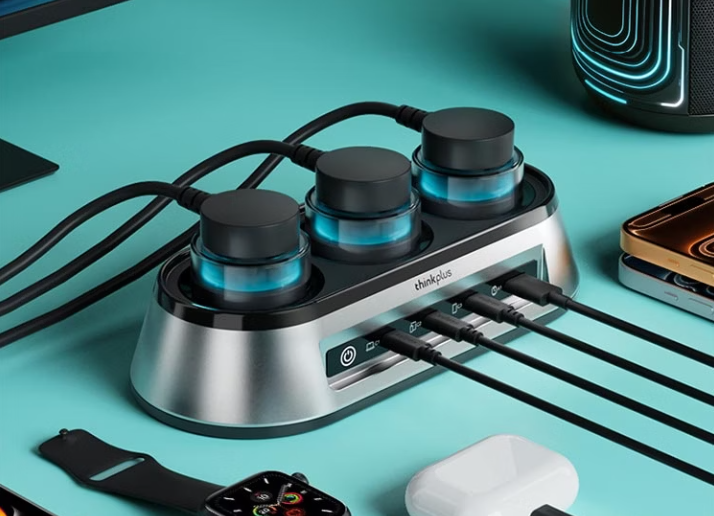
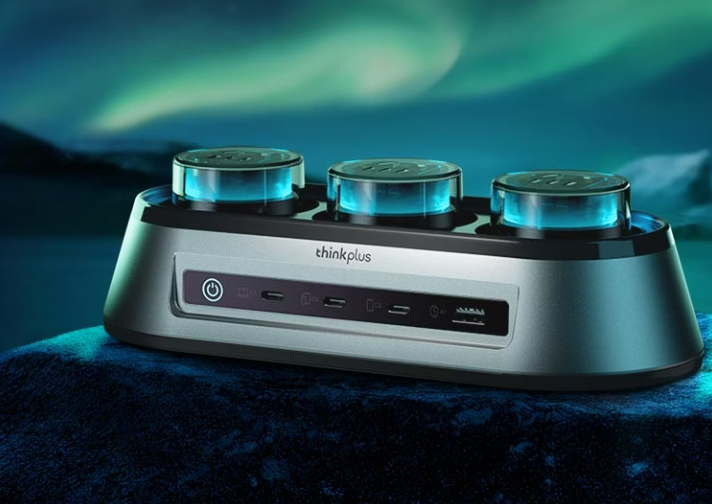
Lenovo ThinkPlus has launched a new desktop charging solution in China called the Fengxingzhe GaN 150W desktop charging station (machine translated). It is priced at 599 yuan ($86) and aims to replace multiple chargers and power strips with a compact, all-in-one device that supports simultaneous charging for up to seven devices.

Lenovo ThinkPlus GaN 150W Charging Station

Lenovo ThinkPlus GaN 150W Charging Station Specs

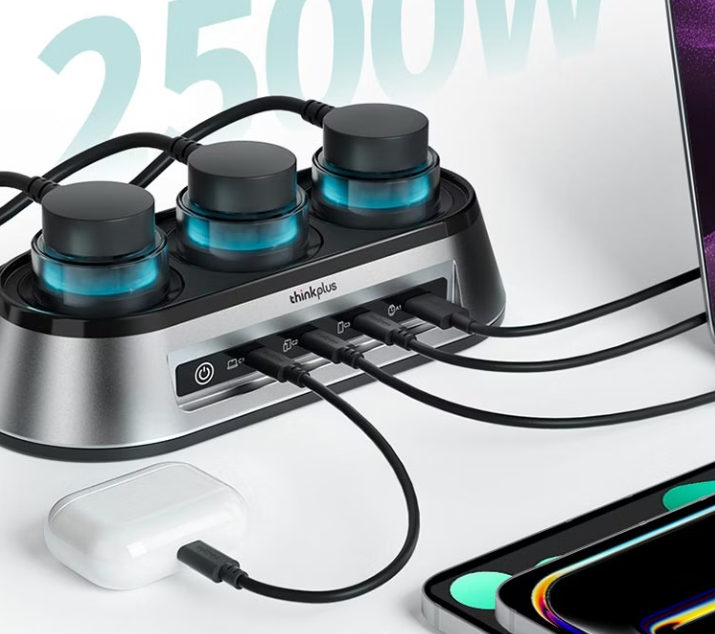
The charging station features a total of seven output interfaces, including three AC power sockets on the top, three USB-C ports, and one USB-A port. The AC outlets support up to 2500W output, making them compatible with desktop PCs and printers.

Lenovo ThinkPlus GaN 150W Charging Station

The station features a combined USB output of up to 150W. One USB-C port can deliver up to 140W, supporting 20V 7A and 28V 5A output for high-performance Windows laptops, along with PD 3.2 fast charging for MacBooks.

The remaining USB-C ports support up to 45W each, while the USB-A port delivers up to 30W. The charging station supports a wide range of fast-charging standards, including PD 3.2, PPS, QC 3.0, AFC, FCP, and other mainstream protocols.

Lenovo has integrated dynamic power distribution that automatically adjusts output based on the number of devices connected. This allows the charging station to efficiently charge multiple laptops, phones, and accessories without user intervention.

The product uses a new-generation GaN chipset to improve energy efficiency and reduce heat output. The system includes safety features such as over-temperature, over-current, over-voltage, short-circuit, surge, and lightning protection.

Lenovo ThinkPlus GaN 150W Charging Station

The design of the charging station follows a volcano-inspired form factor. The top section houses three circular AC outlets surrounded by RGB ambient lighting. The touch-controlled lighting system supports static colors and dynamic modes that also act as a visual indicator for power status. The vertical layout improves airflow and helps reduce desk clutter. The unit measures approximately 225.48 mm in height and 99 mm in width.

For more daily updates, please visit our News Section.

Stay ahead in tech! Join our Telegram community and sign up for our daily newsletter of top stories! 💡
(JD)

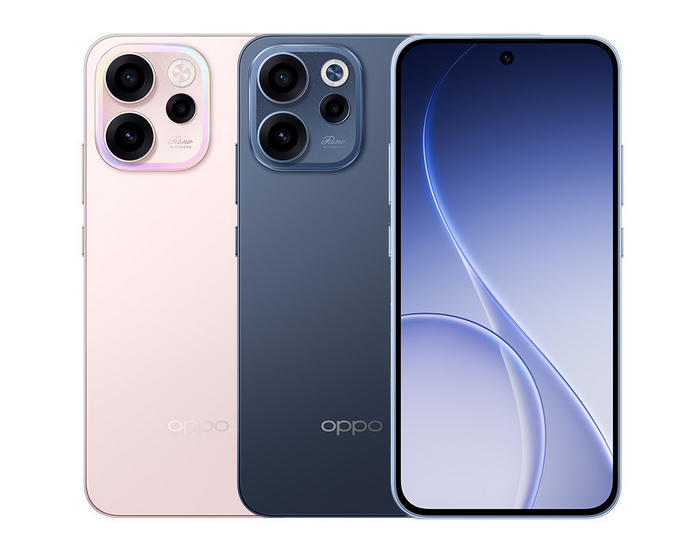
New Oppo Reno 15c launches as the Reno 15 series’ battery champion

Oppo has introduced the Reno 15c in India as part of the anticipated Reno 15 series. The Reno 15, Reno 15 Pro, and Reno 15 Pro Mini just debuted with high end specs and features, while the Reno 15c drops as the most affordable model in the lineup. But it takes the crown for the biggest battery in the Reno 15 family. So here are all the details.

Oppo Reno 15c Specifications

The Chinese tech giant has announced the Reno 15c with a 6.57-inch FHD+ AMOLED panel with a 120Hz refresh rate, an FHD+ resolution, and 1400 nits of peak brightness. Under the hood, this model is equipped with the Snapdragon 6 Gen 1 SoC that is coupled with 8GB of LPDDR4X RAM and up to 256GB of UFS 3.1 storage. A huge 7,000mAh battery pack powers this model, which is larger than even the top end Reno 15 Pro. You also get 80W wired fast charging.

Oppo Reno 15c
Oppo Reno 15c

For photography, the back has a 50MP main camera, an 8MP ultra wide angle lens, and a 2MP macro shooter, while the front houses a 50MP selfie shooter. Oppo’s latest mid range Reno 15c runs on the Android 16 OS based ColorOS 16 custom skin. Other notable features include an IP66 + IP68 + IP69 rating for water and dust resistance, an in-display fingerprint scanner, and Bluetooth 5.4 support.

Pricing and Availability

The Oppo Reno 15c debuted in India in two color options, namely Afterglow Pink and Twilight Blue. It has a starting price tag of Rs 34,999 for the 8GB + 256GB model, while the 12GB + 256GB variant costs Rs 37,999. This model will go on sale via Amazon India, Flipkart, the brand’s official website, and offline stores sometime next month.

For more daily updates, please visit our News Section.

Don’t miss a thing! Join our Telegram community for instant updates and grab our free daily newsletter for the best tech stories!

Oppo launches new Reno 15 Pro Mini compact phone with 200MP camera & big 6,200mAh battery

Oppo‘s Reno 15 series was just announced in the Indian market. The Reno 15 and Reno 15 Pro arrive as the latest models that bring various improvements over the Reno 14 lineup. But this year, we are getting a new compact phone in the series as well. The Reno 15 Pro Mini features the same high end specs as the regular Pro, along with a massive battery and advanced camera systems. So let’s check it out.

Oppo Reno 15 Pro Mini Specifications

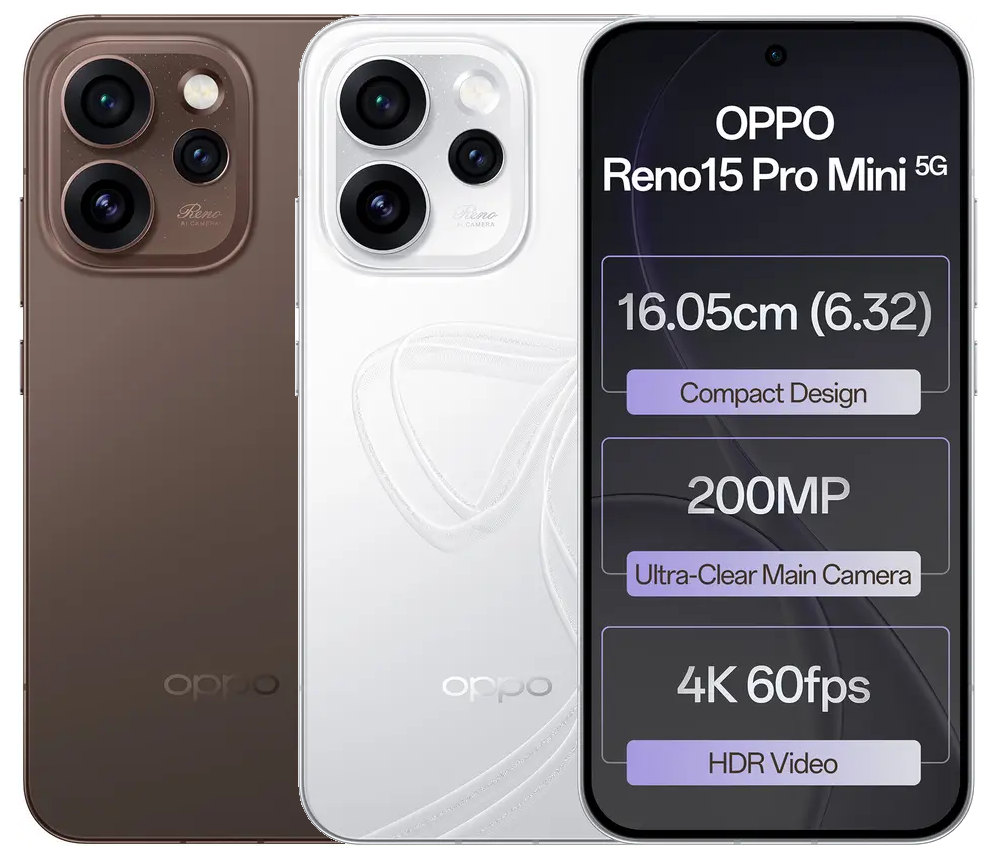
The Chinese tech giant’s new Reno 15 Pro Mini brings powerful specs into a palm-friendly form factor. It features a 6.32-inch LTPO AMOLED display with a variable refresh rate of 1-120Hz, 1.5K resolution, up to 3,600 nits of peak brightness, and Oppo’s Crystal Shield Glass protection. Under the hood, the device is equipped with MediaTek Dimensity 8450 SoC, which is paired with 12GB of LPDDR5X RAM and up to 512GB of UFS 3.1 storage. Out of the box, the Reno 15 Pro Mini runs on the Android 16 OS based ColorOS 16 custom skin.

Oppo Reno 15 Pro Mini

For optics, this model is equipped with a 200MP main camera along with a 50MP ultra wide angle lens and a 50MP periscope telephoto shooter with 3.5x optical zoom. Meanwhile, the front houses a 50MP camera for selfies and video calls. Despite the small form factor and a slim 7.65mm body, Oppo packs a huge 6,200mAh battery pack in this phone, which supports 80W wired and 50W wireless fast charging. Other notable features include Bluetooth 5.4, WiFi 6, an IR blaster, and an in-display fingerprint scanner.

Pricing and Availability

Oppo just announced the Reno 15 Pro Mini in two color options, namely Cocoa Brown and Glacier White. It has a starting price tag of Rs 59,999 for the 12GB + 256GB variant, while the 12GB + 512GB version costs Rs 64,999. There is also a Crystal Pink colorway in the works, which will likely debut next month (around Valentine’s Day). First sale kicks off on 13th Janauary 2026.

For more daily updates, please visit our News Section.

Tech enthusiast? Get the latest news first! Follow our Telegram channel and subscribe to our free newsletter for your daily tech fix! ⚡

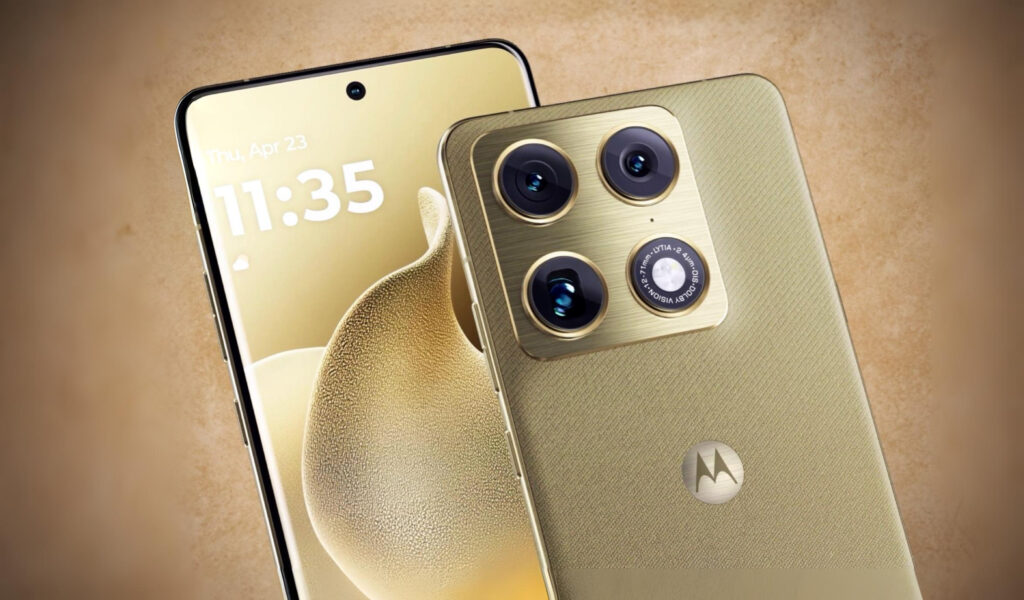
Motorola Signature surprises in camera comparison with Vivo X300 Pro and iPhone 17 Pro

The Motorola Signature is finally official, featuring larger main and telephoto sensors than the Edge 50 Ultra, along with improved image processing algorithms. But how does it compare to the latest iPhone and Vivo flagships? That’s what DxOMark’s latest comprehensive camera comparison aims to answer.

The source shared side-by-side comparison images from the Motorola Signature, Apple’s iPhone 17 Pro, and the Vivo X300 Pro, shot across a variety of lighting conditions.

In a relatively low-light scenario with tricky colors, the Motorola flagship surprisingly handled both the subject and the background better than the rest. As seen in the images below, the Motorola Signature preserved wall details more effectively than both the Vivo and the iPhone, while maintaining natural-looking skin tones.

In the portrait shot, the X300 Pro (our review) appears to hit a sweet spot between a natural and processed look, both in terms of lighting and color on the face. The Motorola Signature’s sample matches the Vivo in brightness and edge detection, but looks slightly warmer than the iPhone’s natural output.

The Signature packs a 1/1.95-inch 50MP sensor in its periscope telephoto camera, which sits between the Vivo X300 Pro’s 1/1.4-inch 200MP sensor and the iPhone 17 Pro’s 1/2.55-inch 48MP sensor. However, smartphone photography in 2026 relies heavily on software processing and AI. That raises the question: where does the Motorola Signature stand against the X300 Pro?

While the source didn’t specify the exact focal length used for the zoomed shots, the Motorola Signature’s sample appears noticeably more detailed than the iPhone’s and slightly behind the Vivo’s.

DxOMark also noted better noise control in shadow areas compared to the iPhone, highlighting how much Motorola has improved its image processing in recent years.

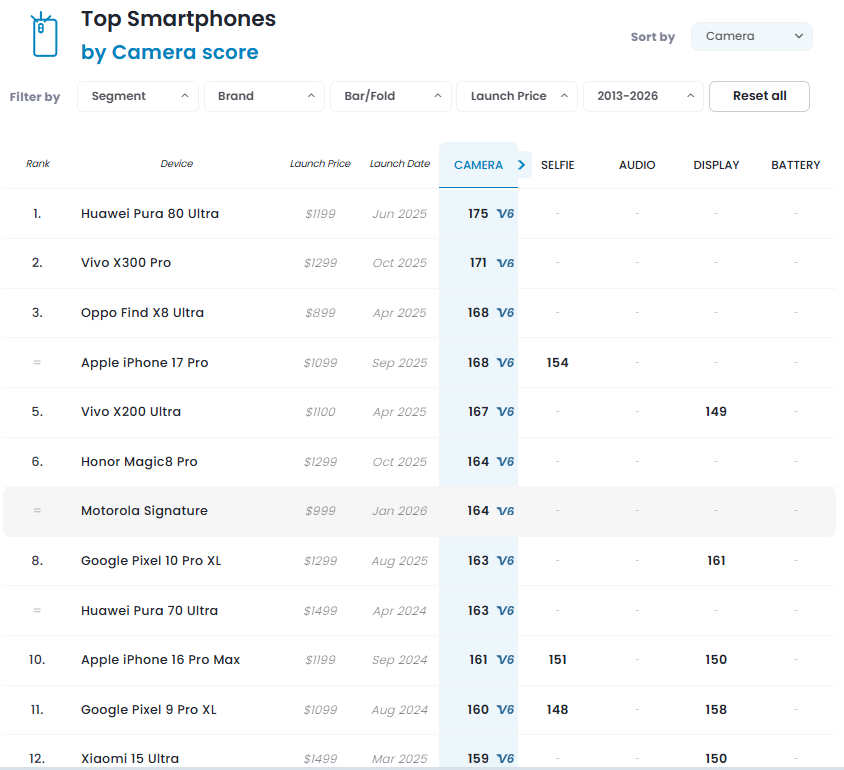
DxOMark’s camera ranking

The Motorola Signature currently ranks seventh in DxOMark’s smartphone camera rankings, placing it ahead of the Pixel 10 Pro XL, Huawei Pura 70 Ultra, and the iPhone 16 Pro Max.

The phone is expected to launch in parts of Europe next month, with a reported starting price of £899.99 / €999, and wider availability planned in the following months.

(Source: DxOMark)

JBL’s New Endurance Headphones Are Built for Training, Running, and Gym Workouts

JBL has released four new models in its Endurance sports audio series at the ongoing CES 2026 event. The lineup includes the company’s first open-ear sports headphone, the Endurance Zone, alongside updates to the Peak line and new neckband and wired options.

JBL Endurance Zone

The Endurance Zone, which was initially introduced back in June of 2025 uses JBL OpenSound Technology to deliver bass while reducing sound leakage. The open-ear design keeps users aware of their surroundings during workouts. The earbuds have liquid silicone ear hooks with adaptable memory wire to stay secure during movement. They’re IP68 certified for water and dust resistance.

Battery life totals 32 hours: 8 hours from the earbuds and 24 hours from the charging case. Speed Charge gives you 3 hours of playback after 10 minutes of charging. The earbuds have four total mics with dual beamforming on each bud for calls. They connect via Bluetooth 5.3 and support multipoint connection and Google Fast Pair. The case has a lanyard hole for carrying.

JBL Endurance Peak 4

The Endurance Peak 4 adds Adaptive Noise Cancelling to the Peak series for the first time. It also includes Smart Ambient Technology to switch between blocking out noise and hearing your environment. The earbuds use 10mm dynamic drivers with JBL Pure Bass Sound and Spatial Audio support. TwistLock technology on the ear hooks keeps them in place during intense workouts. They’re IP68 certified like the Zone.

The Peak 4 has six mics with wind noise suppression for clear calls. Total battery life is 48 hours. Speed Charge provides 4 hours from 10 minutes of charging. It connects via Bluetooth 5.4 with multipoint connection and Google Fast Pair support. The case also has a lanyard hole.

JBL Endurance Pace

The Endurance Pace uses a neckband design. The flexible titanium memory wire neckband connects to open-ear buds. It’s built for comfort during long workouts. The Pace is IP68 certified and uses JBL OpenSound technology for bass and directional audio with minimal sound leakage.

Battery life is 10 hours for music and 8 hours for calls. Speed Charge gives 4 hours from 10 minutes of charging. It has two mics with beamforming for clear calls. Bluetooth 5.4 connectivity includes multipoint connection and Google Fast Pair.

JBL Endurance Run 3

The Endurance Run 3 is a wired option available in two versions: USB-C and 3.5mm. Both use 8mm dynamic drivers with JBL Pure Bass Sound. The USB-C version supports Hi-Res Audio. Both have FlipHook flexible design, magnetic buds, and IP65 certification.

The USB-C model has a 3-button remote with one mic for hands-free calls. The 3.5mm version has a 1-button remote controller with one mic. Both include TwistLock enhancers for a secure fit.

Pricing & availability

The Endurance Zone costs $179.95 and comes in Black with Grey and White. The Endurance Peak 4 costs $129.95 and comes in Black with Grey, Purple, and White. The Endurance Pace costs $89.95 in Black with Grey. The Endurance Run 3 USB-C version costs $34.95 and the 3.5mm version costs $24.95, both in Black with Grey. The Endurance Zone, Peak 4, and Pace launch on JBL.com in January 2026. The Endurance Run 3 launches in February 2026.

You can follow our full CES 2026 coverage here.

For more daily updates, please visit our News Section.

Stay ahead in tech! Join our Telegram community and sign up for our daily newsletter of top stories!
(Source)

Do you still care about brand collaboration like Xiaomi x Leica?

The smartphone industry has long been obsessed with prestige. For years, a flagship phone wasn’t truly a flagship unless it had a camera partnership with a legendary optics brand or a badge from a luxury automaker. Logos like Hasselblad, Leica, Zeiss, Porsche Design, and Lamborghini were more than design flourishes. They were status symbols, reassuring buyers that the phone in their hands had photographic or luxury legitimacy. But as we step into 2026, it feels like that era is quietly fading.

Xiaomi 17 Ultra

1. Walking Away From the Logo

Take the recent breakup between OnePlus and Hasselblad. That collaboration began as a bold statement: OnePlus was ready to play in the big leagues. For five years, the Hasselblad logo was welded to the “Pro” identity of OnePlus flagships, promising more than just marketing fluff, Hasselblad Natural Color Calibration, improved image tuning, and a shot at true photography-grade performance. But with the OnePlus 15, the logo is gone. In its place? A self-branded “DetailMax Engine.”

And… it barely registered.

To the average user, the absence of the logo doesn’t impact purchase decisions. In fact, some see it as a natural evolution. After half a decade of collaboration, maybe OnePlus doesn’t need the training wheels. Maybe it’s time to stand on its own. In this light, dropping the name isn’t a downgrade, it’s a signal of confidence.

2. Where Partnerships Still Work

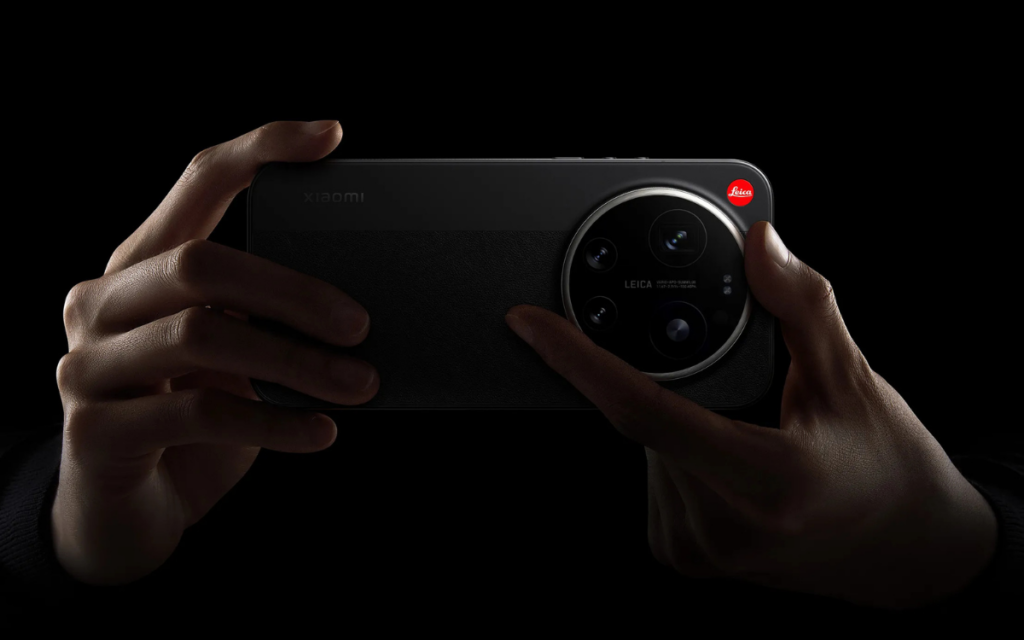
That doesn’t mean all collaborations are dead. Xiaomi and Leica are going strong and going deeper. The Xiaomi 17 Ultra might be the most Leica-integrated smartphone yet, even featuring the iconic Red Dot, a design privilege Leica rarely extends beyond its own cameras. This isn’t just tuning, it’s full co-engineering, down to lens profiles and authentic Leica color modes.

Same goes for Vivo and Zeiss. Devices like the Vivo X300 Pro don’t treat Zeiss as a vanity sticker. These phones integrate Zeiss T* lens coatings, APO-certified optics, and deliver pro-level output that photographers actually care about.

For this niche of users, enthusiasts, content creators, mobile photographers, the branding is the value. It’s a comfort zone. If you’re looking for a specific color science or lens behavior you’re already familiar with, these collaborations bring reassurance that specs alone can’t offer.

3. Luxury Labels Are Mostly Gone

Compare that to the forgotten supercar collabs. Remember Huawei’s Porsche Design models? Or Oppo’s Lamborghini Editions? These luxury tie-ins once justified huge price tags. Today, they’re nearly extinct. The market has spoken: a Lamborghini logo doesn’t add megapixels or increase battery life. In an age where every dollar is scrutinized, flashy brand badges feel hollow.

This decline is partly due to shifting consumer priorities. People care more about software support, camera performance, AI smarts, and display quality than a co-sign from an unrelated luxury house.

4. What Really Matters Now?

The market is beginning to stratify.

For enthusiast devices like the Xiaomi 17 Ultra or Vivo X300 Pro, partnerships still make sense. These phones are crafted for people who want a Leica or Zeiss look baked into their mobile photography. The brand is part of the feature set.

But for the average consumer shopping in the $500-$800 range? These logos don’t carry the same weight. In that space, people want performance, value, and long-term reliability. The camera should be good, regardless of what name is printed next to it.

So we ask: do you still care about collaborations like Xiaomi x Leica? Or has the smartphone world matured to a point where branding doesn’t matter, only the results do?

When you pick your next phone, what’s going to sway your decision? A red dot? Or just how good your next photo looks?

For more daily updates, please visit our News Section.

Stay ahead in tech! Join our Telegram community and sign up for our daily newsletter of top stories! 💡
Oppo Reno 15, Reno 15 Pro launches in India with huge batteries & shiny new designs

Oppo’s latest Reno 15 series has officially landed in India, bringing four feature packed smartphones with premium designs, huge batteries, and much more. So first, let’s have a look at the Reno 15 and Reno 15 Pro models that bring advanced imaging hardware, smoother AMOLED screens, and powerful chipsets.

1. Oppo Reno 15

Oppo Reno 15 (Global)
Oppo Reno 15

The Oppo Reno 15 serves as the base model in the series, delivering a compelling blend of performance and premium design. It features a 6.59-inch AMOLED display with a 1.5K resolution, a 120Hz refresh rate, up to 1,200 nits of peak brightness, and Oppo Crystal Shield Glass protection for durability. Despite being the standard option, it still brings aerospace grade aluminum frame and a shock proof design, which is coupled with an IP66 + IP68 + IP69 rating for water and dust resistance.

The design isn’t just durable, but also stands out with the HoloFusion Technology. You get a body with 3D visuals on the rear, which brings a shiny new look. Under the hood, the Reno 15 is equipped with the Snapdragon 7 Gen 4, which is coupled with up to 12GB of LPDDR5X RAM and up to 512GB of UFS 3.1 storage. A massive 6,500mAh battery pack powers this model, which supports 80W wired fast charging.

On the back, it uses a triple camera setup with a 50MP main shooter, a 50MP telephoto lens with 3.5x optical zoom, and an 8MP ultra wide angle lens. Meanwhile, the front houses a 50MP camera for selfies and video calls. Out of the box, this model runs on the Android 16 OS based ColorOS 16 custom skin. Other notable features include a slim 7.75mm body, stereo speakers, an IR blaster, an in-display fingerprint scanner, Bluetooth 5.4, and WiFi 6.

2. Oppo Reno 15 Pro

Oppo Reno 15 Pro Max_
Oppo Reno 15 Pro

At the top of the new Reno 15 series is the Oppo Reno 15 Pro. Just like the base model, Oppo brings a cohesive design language with layered glass and dynamic ring accents around the camera module. It features a taller 6.78-inch LTPO OLED display with a 1.5K resolution, 1-120Hz variable refresh rate, 3600 nits of peak brightness, and Oppo Crystal Shield Glass for protection.

This model features MediaTek’s Dimensity 8450 SoC, which is coupled with 12GB of LPDDR5X RAM and up to 512GB of UFS 3.1 storage. Oppo’s Reno 15 Pro model also runs on the Android 16 OS based ColorOS 16 custom skin out of the box. But what really stands out on this model is the advanced camera system. The rear packs a triple camera setup with a new 200MP primary shooter, a 50MP ultra wide angle lens, and a 50MP periscope telephoto shooter with a 3.5x optical zoom. For selfies, you get another 50MP camera on the front.

The massive 6,500mAh battery pack returns on the Pro with 80W wired and 50W wireless fast charging support. Other notable features include an IP66 + IP68 + IP69 rating, stereo speakers, an IR blaster, an in-display fingerprint scanner, WiFi 6, and Bluetooth 5.4.

3. Pricing and Availability

Oppo just announced the Reno 15 and Reno 15 Pro in the Indian market in multiple color options. The former is available in Glacier White, Twilight Blue, and Aurora Blue options, while the latter is listed in Sunset Gold and Cocoa Brown colorways. These are also selling in multiple storage variants, so here are the pricing details:

Oppo Reno 15

  • 8GB + 256GB – Rs 45,999
  • 12GB + 256GB – Rs 48,999
  • 12GB + 512GB – Rs 53,999

Oppo Reno 15 Pro

  • 12GB + 256GB – Rs 67,999
  • 12GB + 512GB – Rs 72,999

The Chinese tech giant has launched the Reno 15 and Reno 15 Pro in India, with first sales kicking off on 13th January 2025 via Amazon, Flipkart, the brand’s official website, and offline retailers. Pre-orders are already live, with launch discounts also available for the Reno 15 lineup.

For more daily updates, please visit our News Section.

Don’t miss a thing! Join our Telegram community for instant updates and grab our free daily newsletter for the best tech stories!
Xiaomi 15 Ultra Gets Massive $300 Price Cut: Now Just $799 on Giztop

Xiaomi 15 Ultra is now more accessible than ever, combining flagship performance with a limited-time price drop that makes it hard to ignore. Known for its premium design and high-end hardware, the device is currently available at a massive $300 discount exclusively on Giztop. You can get it for as low as $799, down from the original $1099, with global and express shipping available. This is a limited-time offer, and stocks are expected to sell out quickly.

Display and Visual Experience

Xiaomi 15 Ultra features a 6.73-inch LTPO AMOLED display with a sharp 2K resolution and a smooth 120Hz refresh rate. With up to 3000 nits peak brightness, the screen remains clear even outdoors. Support for HDR10+, HDR Vivid, 12-bit colors, and Dolby Vision ensures rich colors and strong contrast for videos, gaming, and everyday viewing.

Performance and Software

Powered by the 3nm Snapdragon 8 Elite processor, the Xiaomi 15 Ultra delivers fast and efficient performance. With 12GB or 16GB LPDDR5X RAM and up to 1TB storage, it handles multitasking and heavy apps with ease. Xiaomi HyperOS 2 offers a clean, responsive interface with smooth full-screen gesture navigation.

Leica Camera System

Leica Ultra Optics quad-camera setup is designed for high-quality photography. A 1-inch 50MP main sensor captures detailed images, while the 200MP super telephoto camera enables powerful zoom. The 50MP floating telephoto supports portraits and macro shots, and the 50MP ultra-wide camera covers wide scenes. It also supports 8K and Dolby Vision video recording.

Battery, Charging, and Connectivity

Xiaomi 15 Ultra packs a 6000mAh battery for long usage. It supports 90W fast wired charging, 80W wireless charging, and reverse wireless charging. With 5G, Wi-Fi 7, and an in-display fingerprint scanner, it delivers a complete flagship experience.


Read More:

JBL launches new Soundgear CLIPS, Sense Pro, and Sense Lite open-ear earbuds at CES 2026

During the ongoing CES 2026 event, JBL expanded its open-ear audio lineup with three new earbuds. This includes three new wireless TWS, namely the Soundgear CLIPS, Sense Pro, and Sense Lite. All three take advantage of JBL’s OpenSound air-conduction technology, which delivers immersive sound without sealing off the ear canal, so here’s whar you need to know.

1. JBL Soundgear CLIPS

JBL Soundgear CLIPS
JBL Soundgear CLIPS

The Soundgear CLIPS moves away from traditional earhook designs with their clip-on form factor that wraps around the ear like a cuff. This makes it ideal or everyday wear and casual listening. These earbuds feature JBL OpenSound technology, which uses air conduction to maintain environmental awareness while promising rich sound with help from an 11mm dynamic driver and an Adaptive Bass Boost algorithm for improved low end performance.

For an improved calling experience, it has four-microphone setup with AI-assisted algorithms helps isolate and clarify voices in noisy surroundings. There is also support for Bluetooth 5.4 with multipoint connection support that lets users connect to two devices at once. On a single full charge, the JBL Soundgear CLIPS offers up to 8 hours of playback, with another 24 hours with the charging case. For those ewith an active lifestyle, this model is perfect since it also gets an IP54 rating for water and dust resistance.

2. JBL Sense Pro

JBL Sense Pro
JBL Sense Pro

From the new Sense lineup, the JBL Sense Pro is the higher end model that debuted in CES 2026. It promises powerful audio with large 16.2mm audio drivers and Hi-Res Audio Wireless support. The Adaptive Bass Boost algorithm makes a return here as well, to bring deeper bass even with the open-ear design. For call quality, you get four built-in microphones and a Voice Pickup Sensor, which helps clear out your voice even in crowded or windy environment.

Connectivity options include Bluetooth 6.0, Fast Pair, and dual device connection support. The Sense Pro comes with customizable touch controls and deeper sound personalization via the EQ that is accessible from the JBL Headphones app. JBL’s latest open-ear earbuds offer up to 38 hours of battery life (8 hours from the earbuds alone and 30 hours from the chargign charging case.

3. JBL Sense Lite

JBL Sense Lite
JBL Sense Lite

The JBL Sense Lite arrives as a more affordable option that steps down slightly in features, but still retains the open-ear design. It delivers balanced sound with Adaptive Bass Boost and the same environmental awareness. These feature soft silicone ear hooks with memory wires to ensure a comfortable fit for all-day use. It supports Bluetooth 5.4, Dual Connect, Fast Pair, and touch controls for convenient playback controls.

The Sense Lite delivers solid battery life as well, with up to 32 hours of playback when coupled with teh charging case. You even get Speed Charge support for quick topups. Other notable features include a quad mic setup for an improved calling experience and an IP54 rating for water and dust resistance.

4. Pricing and Availability

JBL is set to release the Soundgear CLIPS, Sense Pro, and Sense Lite in March 2026. The Sense Pro will hit the shelves for 199.95 US Dollars, while the Sense Lite will go on sale for 149.95 US Dollars. On other hand hand, the Soundgear CLIPS model will be available for purchase for 149.95 US Dollars as well. The CLIPS will go on sale in multiple color options, namely copper, blue, purple, and white. Meanwhile, the Sense Lite will debut in black, white, and purple, and the Sense Pro will arrive in just black and gray.

For more daily updates, please visit our News Section.

Tech enthusiast? Get the latest news first! Follow our Telegram channel and subscribe to our free newsletter for your daily tech fix! ⚡

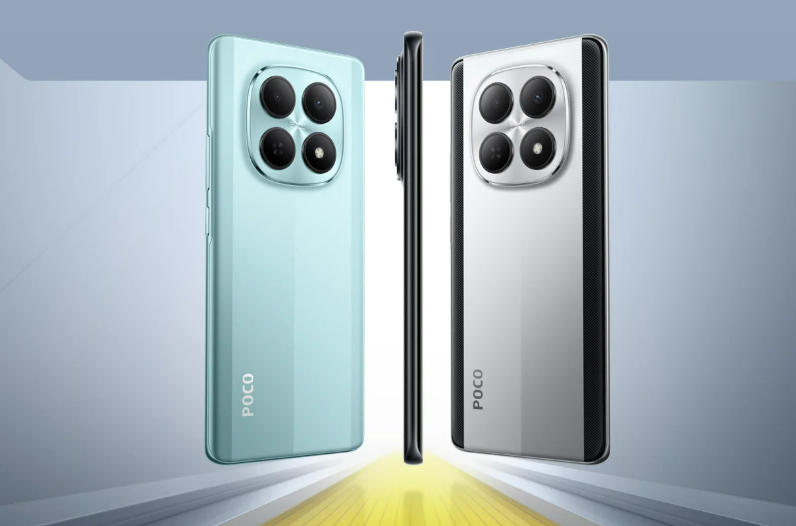
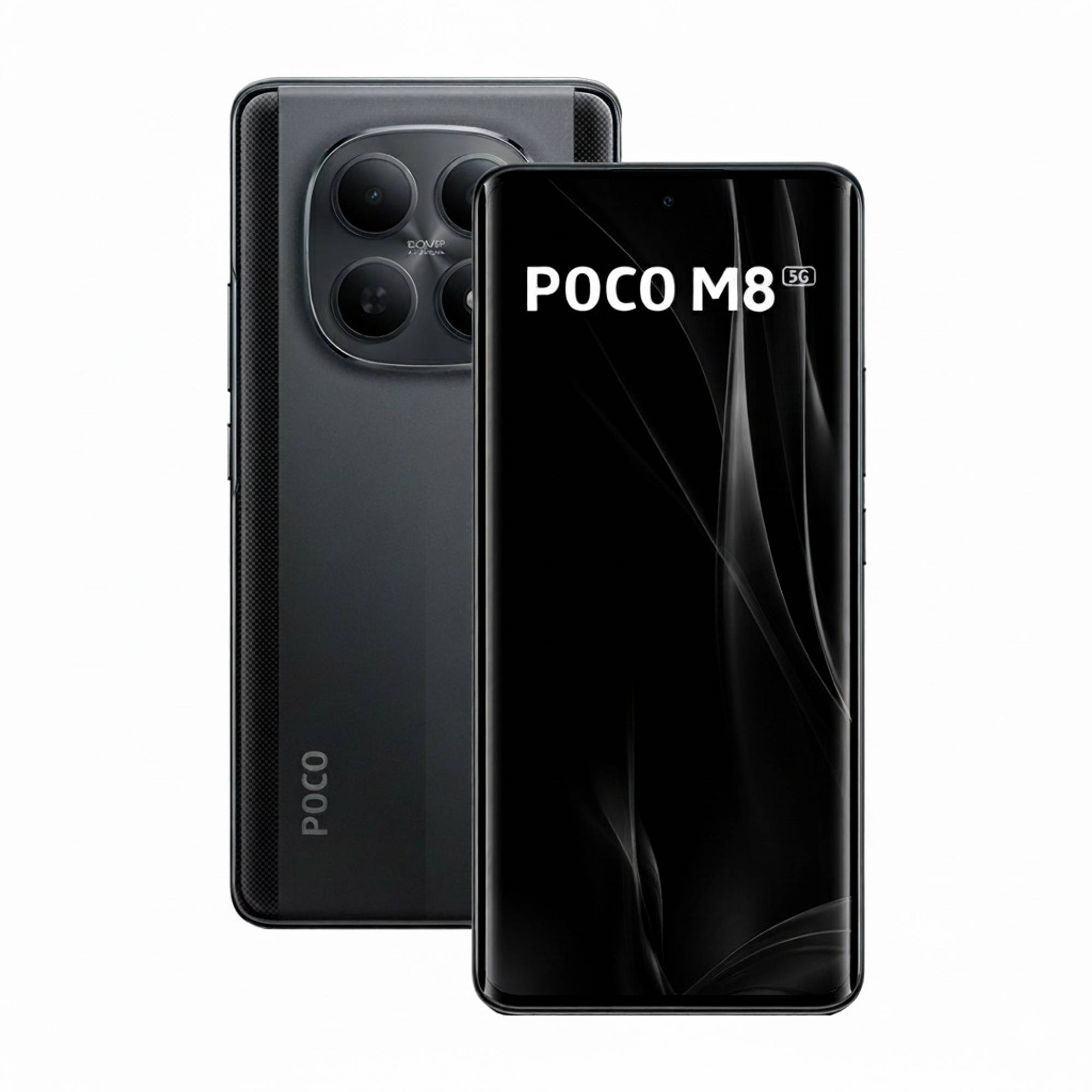
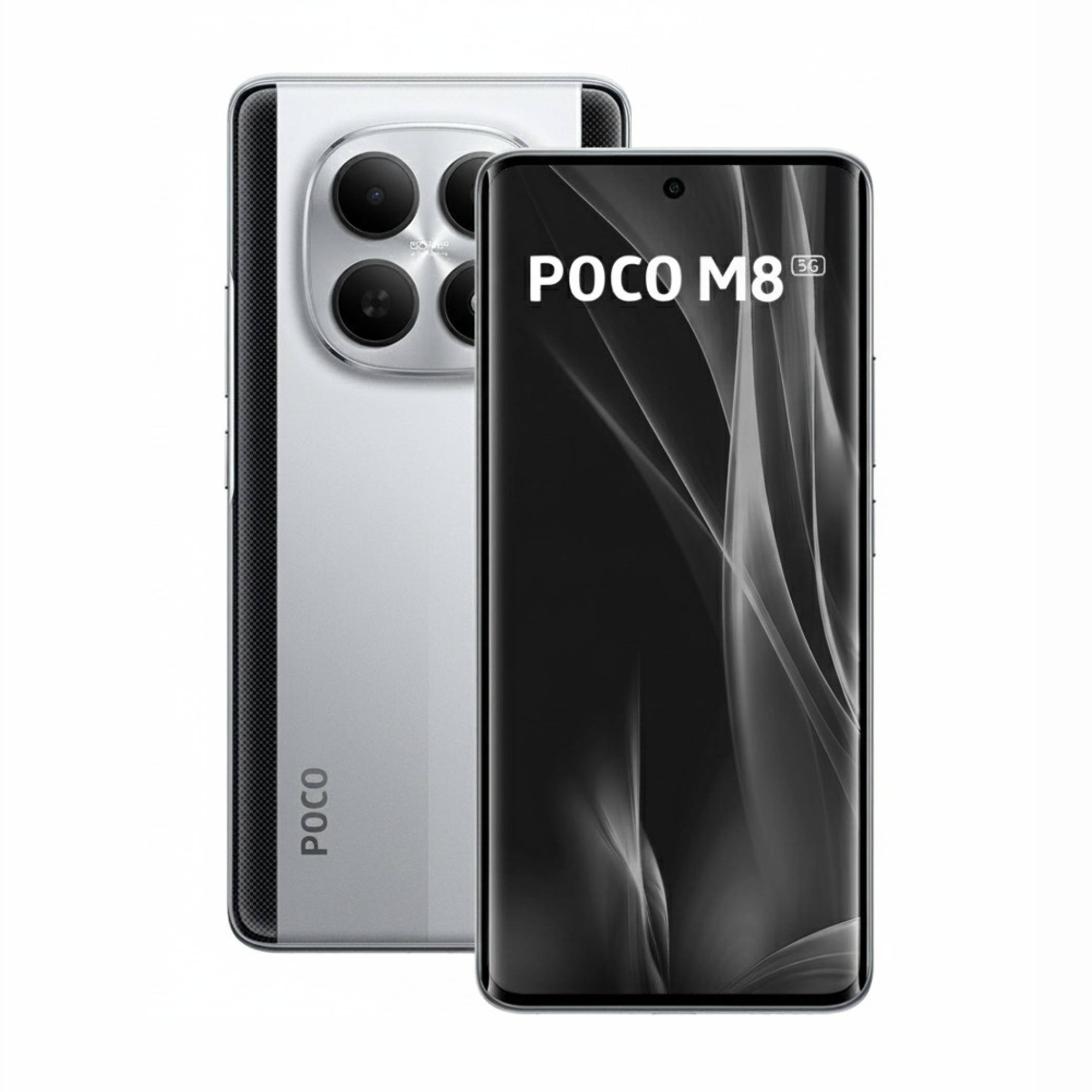
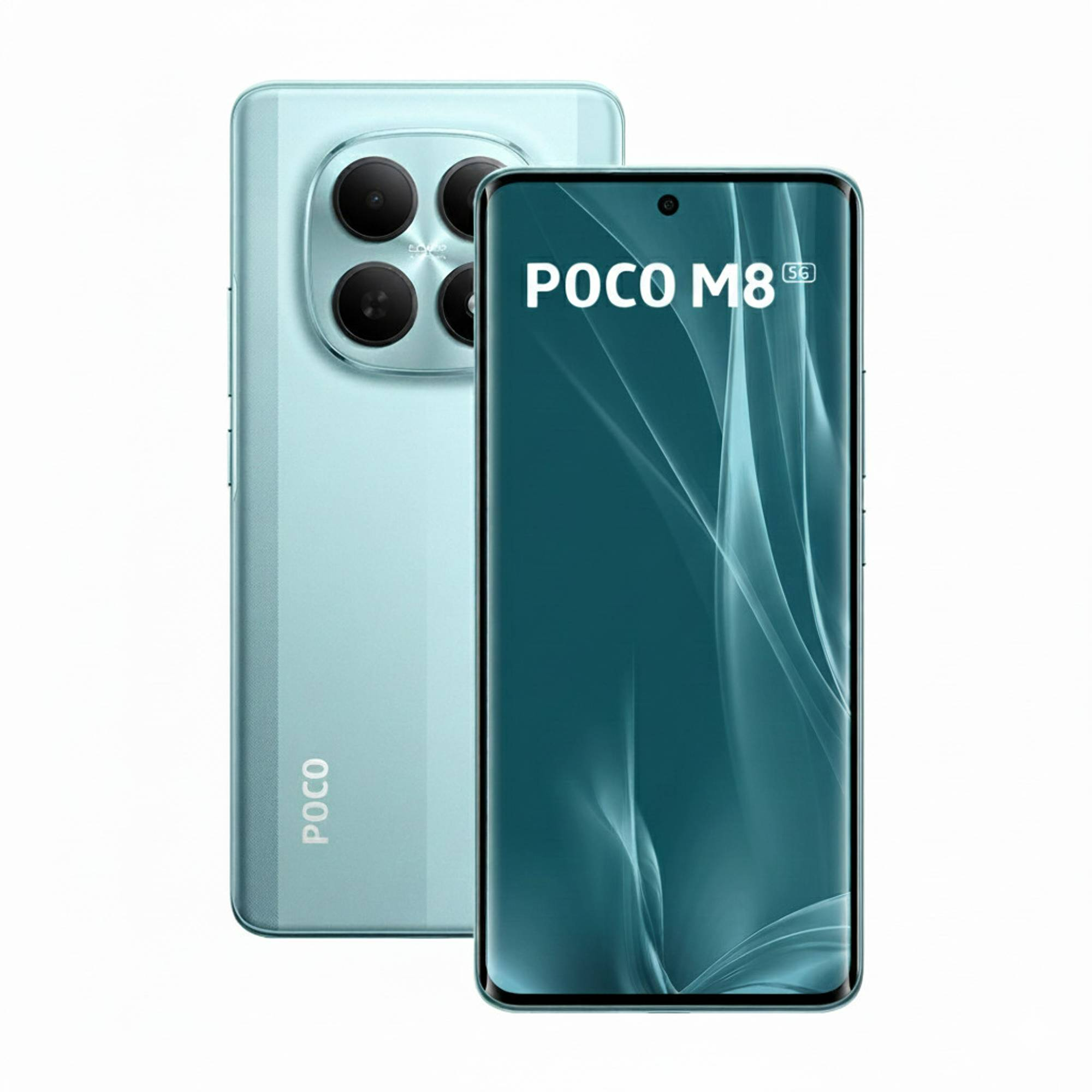
Poco M8 5G packs a 108MP camera, 3,200-nit AMOLED display, offers long software support

The Poco M8 5G has been announced in India as the brand’s latest mid-range smartphone, focusing on a slim design, a bright AMOLED display, and a high-resolution camera. Powered by a Snapdragon 6-series chipset and backed by long-term software support, the device is positioned to appeal to users looking for balanced performance and durability. Read on to know more about its specifications, pricing, and availability details.

Poco M8 5G specifications and features

Poco M8 5G

The Poco M8 5G features a 6.77-inch AMOLED display with a full-HD+ resolution of 2392 x 1080 pixels. The screen supports up to a 120Hz refresh rate and offers peak brightness of up to 3,200 nits, ensuring good visibility even under bright outdoor conditions.

The handset is powered by the Snapdragon 6 Gen 3 chipset, paired with LPDDR4X RAM and UFS 2.2 storage. Storage can be expanded further via a microSD card slot supporting cards up to 1TB.

The Poco M8 5G runs on Android 15 with HyperOS 2 on top. Poco has confirmed that the phone will receive four years of Android OS upgrades along with six years of security updates, making it a strong option for long-term use.

In the camera department, the Poco M8 5G comes with a dual rear camera setup that includes a 108-megapixel main sensor and an 8-megapixel ultra-wide camera. On the front, it houses a 20-megapixel camera for selfies and video calls. The device packs a 5,520mAh battery that supports 45W fast charging along with 18W wired reverse charging.

The phone includes an in-display fingerprint sensor, dual stereo speakers, and connectivity options such as 5G, Wi-Fi 5, Bluetooth 5.1, IR blaster, and a USB Type-C port. It is also MIL-STD-810H certified and carries IP65 and IP66 ratings for dust and water resistance. In terms of dimensions, it measures 164 x 75.42 x 7.35mm and weighs 178 grams

Poco M8 5G price in India, availability

The Poco M8 5G price in India starts at Rs 21,999 for the 6GB+128GB variant. The 8GB+128GB model is priced at Rs 22,999, while the top-end 8GB+256GB version costs Rs 24,999. It will be available in Glacier Blue, Black, and Frost Silver colour options.

Sales will begin from January 13 via Flipkart and offline retail stores. Launch offers include an instant Rs 2,000 discount on ICICI Bank credit and debit card transactions. Alternatively, buyers can opt for an exchange offer worth up to Rs 20,000, along with no-cost EMI options for up to six months.

For more daily updates, please visit our News Section.

Stay ahead in tech! Join our Telegram community and sign up for our daily newsletter of top stories.

TCL CSOT at CES 2026: Next-Gen Displays, AI Innovation, and Eye-Safe Technology

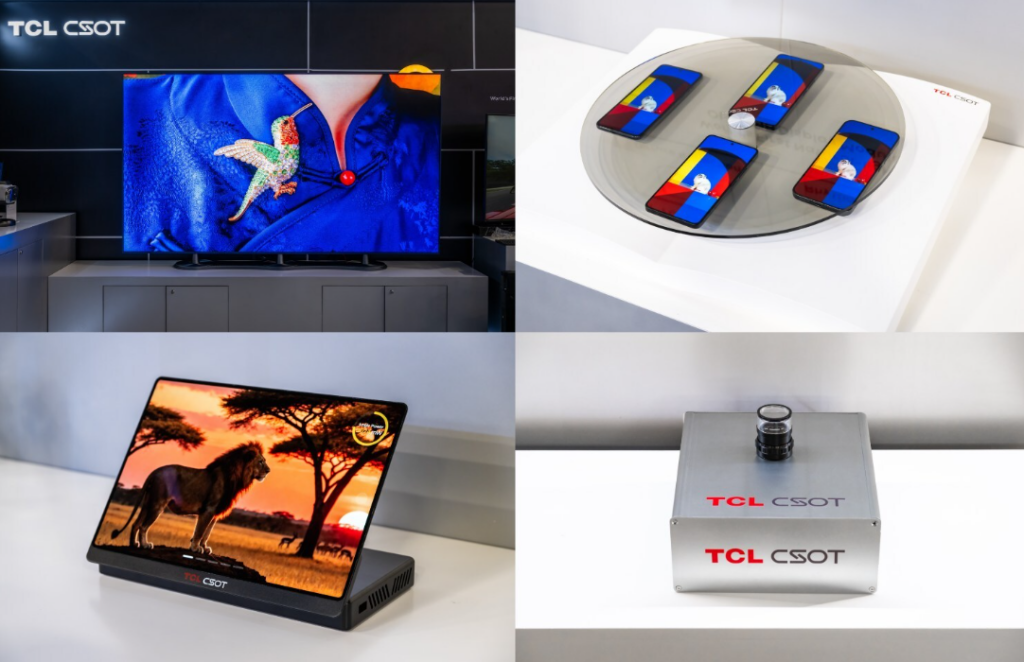
TCL CSOT showcased a wide range of next-generation display technologies at CES 2026 under the theme “A Limitless Future of Displays.” The company highlighted innovations built around its APEX philosophy, Amazing Display Experience, Protective Eye Health, Eco-friendly Design, and Unlimited Imaginative Potential. The showcase focused on better image quality, immersive viewing, eye-safe technology, sustainable materials, power efficiency, and AI-driven innovation for the next era of smart devices.

Leadership Vision and AI Strategy

Jun Zhao, Senior Vice President of TCL Technology and CEO of TCL CSOT, emphasized the company’s goal of building smarter, healthier, and greener display solutions. He also highlighted TCL’s strategy of “AI for Display and Display for AI,” where displays play a central role in AI-powered devices. TCL CSOT also introduced X Intelligence 3.0, an industry-specific, large AI model for displays that improves product analysis and materials development efficiency.

Jun Zhao, Senior Vice President of TCL Technology and CEO of TCL CSOT

Amazing Display Experience

TCL CSOT introduced the 98-inch HVA Ultra Infinity View TV Display, featuring independent RGB backlight control, over 18,000 dimming zones, and more than 96% BT.2020 color coverage. The panel offers deeper contrast, low reflection, anti-glare performance, and an ultra-slim bezel for a cinematic viewing experience.

Another major highlight was the world’s first Sliding and Multi-Curved IJP OLED Automotive Display. The 28-inch screen expands from 16 inches, uses a real RGB pixel layout, supports 100,000+ sliding cycles, and features a futuristic curved design for premium smart cockpits.

World’s First Sliding and Multi-Curved IJP OLED Automotive Display (28″)

Protective Eye Health

TCL CSOT also focused heavily on eye comfort. The company introduced the world’s first Natural-Light-Certified OLED Mobile Display (6.89″), which uses second-generation circular polarizer technology for better sunlight visibility and reduced glare.

The Natural-Light Switchable Monitor (27″) features a full-spectrum backlight and circular polarization to create a light experience closer to natural daylight, helping reduce visual fatigue during long work sessions.

Eco-Friendly Innovation 

In sustainability, TCL CSOT unveiled the world’s first PFAS-Free Notebook Display (14″), eliminating harmful “forever chemicals” and replacing them with safer alternatives across panel materials and components.

The Partitioned Frequency Division OLED Tablet Display (13.2″) features LTPO technology and per-zone adaptive refresh ranging from 1Hz to 120Hz, delivering 15% to 25% power savings while maintaining smooth performance.

World’s First Real Stripe RGB IJP OLED Mobile Display (5.65″)

XR and Micro-Display Breakthroughs

For next-generation XR devices, TCL CSOT introduced the world’s highest-PPI Real RGB G-OLED Display (2.56″) with 1512 PPI, ultra-fast response time, high contrast, and wide color support.

The company also showcased a single-chip full-color Si-Micro LED display (0.28″) with 1280×720 resolution and 5131 PPI, offering bright and power-efficient visuals for lightweight AR glasses and slim VR devices.

Additionally, TCL CSOT revealed the Real Stripe RGB IJP OLED Mobile Display (5.65″), demonstrating high-precision inkjet-printed OLED manufacturing with improved text clarity and pixel density.

Building the Future Display Ecosystem

With its CES 2026 showcase, TCL CSOT positioned itself as a leader in human-centric design, sustainability, AI-integrated development, and advanced display engineering. Through partnerships and ecosystem development, the company aims to support a smarter, healthier, and more immersive display future across TVs, automotive systems, mobile devices, XR platforms, and productivity screens.

185Hz display: Do you need ultra-high refresh rate for mobile gaming?

60Hz was the standard refresh rate for smartphones a few years ago. As chipsets got more capable and phones could finally push more frames for smoother animation and scrolling, smartphone makers switched to higher refresh rate displays to improve the user experience. Lately, this has also allowed phones to offer smoother gameplay.

1. The current landscape

120Hz is the current standard for both Androids and iPhones, and many Android OEMs are continuously pushing the boundaries to reach even higher numbers. The OnePlus 15, for instance, refreshes its 1.5K display up to 165 times per second. In fact, one of the reasons behind the shift from the OnePlus 13’s 2K panel to 1.5K in the latest flagship was reportedly the higher refresh rate. Refreshing a 2K panel at 165fps simply wasn’t possible due to technical limitations, as a company official noted.

The performance-centric Honor Win series goes a step further, with a whopping 185Hz refresh rate. This matches Asus’s gaming flagship from 2024, the ROG Phone 9 series.

So here’s the question: do higher refresh rates help gamers? Well, only if a game has been updated to take advantage of it (mostly through frame rate interpolation). The phone also needs to be able to render that many frames consistently. While smartphone chips are getting more capable every year, the list of games that cross 120fps remains quite short.

2. Games that actually support it

OnePlus revealed a list of games that take advantage of the OnePlus 15’s high refresh rate display at launch:

  • Call of Duty: Mobile
  • Arena Breakout
  • Delta Force
  • League of Legends: Wild Rift
  • Naruto Mobile
  • CrossFire

As for the Honor Win series, the list reportedly covers around 20 games, including CrossFire, PUBG Mobile, Honor of Kings, and Honkai: Star Rail.

Brands like Honor and OnePlus could be working with more game developers to expand support for their frame rate interpolation systems. Still, it’s safe to say these titles make up a very small percentage of the games available on an app store for now.

3. A feature or a gimmick?

While I enjoy having the toggle to turn on frame rate interpolation and experience smoother gameplay on Genshin Impact on my iQOO Neo 9 Pro, it only works for a handful of supported games. It also doesn’t apply elsewhere in the UI, despite what marketing materials sometimes imply. As a result, it feels like a niche feature rather than one that should influence the buying decision of a wider audience.

So, to answer the question directly, a 185Hz refresh rate is only useful to you if a game in your app drawer actually supports it.

Most gamers looking to upgrade would be better off prioritizing sustained performance in games or the effectiveness of a phone’s cooling system instead. But if you are an avid player of a game that supports such high refresh rates, then upgrading to a phone with 165Hz+ refresh rate might make sense.

What’s your opinion? Do you think you would prioritize screen refresh rate when buying a smartphone?

Don’t miss a thing! Join our Telegram community for instant updates and grab our free daily newsletter for the best tech stories!
For more daily updates, please visit our News Section.