Advertisement

Smart Rings in 2026: A Niche Fad or the Next Big Wearable Revolution?

Smart rings have quietly gone from curiosity to credible wearables over the past couple of years. While smartwatches keep getting bigger, brighter, and more distracting, rings have taken the opposite route, with minimal screens, health-first tracking, and designs. As we head into 2026, the big question isn’t whether smart rings will improve, but whether they’re ready to step out of niche territory and into the mainstream. Even though confirmed 2026 launches are still under wraps, here are some of the possible new launches and why they are worth keeping an eye on.

1. Why Smart Rings Are Gaining Momentum

Oura Ring 4 Ceramic
Oura Ring 4 Ceramic

The appeal of smart rings is simple: passive health tracking without constant notifications. Unlike smartwatches that demand attention, rings focus on background metrics like sleep quality, heart rate variability, blood oxygen, stress, and recovery.

By 2025, smart rings have already solved many early-generation problems, like battery life that lasts beyond a week, improved tracking accuracy, and designs that can match more traditional jewelry. For users already overwhelmed by screens, rings started to feel like a more sustainable long-term health companion. That shift sets the stage for 2026 to be a refinement year rather than an experimental one. So let’s check out some of the worthy next-gen smart rings.

2. Samsung Galaxy Ring 2

Samsung-Galaxy-Ring-Design
Samsung Galaxy Ring

Samsung’s first Galaxy Ring laid the groundwork for something bigger, and a Galaxy Ring 2 feels inevitable by 2026. However, the biggest strength here isn’t just hardware, but it’s the ecosystem integration. A next-gen Galaxy Ring could work more seamlessly with Galaxy Watches, phones, and Samsung Health, acting as a silent health tracker while the watch handles notifications and workouts.

We can expect improvements in battery life, more accurate sensors, and tighter AI health summaries powered by Samsung’s growing focus on on-device intelligence. For Android users, especially those already in Samsung’s ecosystem, this could be the most compelling smart ring option.

Please Note: When you buy something using the links in our articles, we may earn a small commission at no cost to you.

Please Note: When you buy something using the links in our articles, we may earn a small commission at no cost to you.

3. Ultrahuman Ring Air 2

Ultrahuman Ring Air

Ultrahuman carved out a loyal following in 2025 by offering subscription-free insights and a fitness-forward approach. A likely Ring Air 2 in 2026 could push deeper into metabolic health, recovery scoring, and workout readiness. These are areas where athletes and fitness enthusiasts can benefit without the hassle and inconvenience of monthly fees.

The newer model should offer improved build quality, incremental sensor upgrades, and possibly more regional health insights tailored to different user bases. If Ultrahuman continues refining its software while keeping costs predictable, it could remain the smart ring for users who want control without long-term commitments.

Please Note: When you buy something using the links in our articles, we may earn a small commission at no cost to you.

4. Amazfit, RingConn, and Other Budget Rings

Amazfit Helio Ring
Amazfit Helio Ring

Not every smart ring buyer wants premium pricing, and that’s where brands like Amazfit and RingConn could play a bigger role in 2026. Successor models here are likely to focus on longer battery life, lighter builds, and competitive pricing, even if that means fewer advanced insights. As competition heats up, 2026 could be the year smart rings finally become accessible to a wider audience, similar to how fitness bands rose in popularity a decade ago.

Please Note: When you buy something using the links in our articles, we may earn a small commission at no cost to you.

Please Note: When you buy something using the links in our articles, we may earn a small commission at no cost to you.

5. Niche Fad or the Next Big Thing?

Smart rings in 2026 won’t replace smartwatches overnight, but they don’t need to. Their strength lies in being quiet, reliable health companions, not attention-grabbing gadgets. With stronger ecosystems, better AI insights, and clearer value propositions, the next generation of smart rings could finally break out of niche status. As with our recent piece about whether smart rings could replace smartwatches, smart rings could complement smartwatches.

Please Note: When you buy something using the links in our articles, we may earn a small commission at no cost to you.

Please Note: When you buy something using the links in our articles, we may earn a small commission at no cost to you.

For more daily updates, please visit our News Section.

Don’t miss a thing! Join our Telegram community for instant updates and grab our free daily newsletter for the best tech stories!

DJI Mini 5 Pro vs DJI Mini 4 Pro: Is the Upgrade Worth It?

The DJI Mini series has long been a go-to choice for travel shooters, content creators, and hobbyists who want great aerial footage without the bulk of larger drones. In 2025, DJI introduced the Mini 5 Pro, seemingly building on the success of the Mini 4 Pro, which itself was a major contender in the compact drone segment when it launched in 2023.

With DJI’s Mini 4 Pro still widely available and highly capable, it raises the question, “Should I upgrade, or is the older model still good enough?” Both drones offer impressive performance in a compact, travel friendly package, but there are clear differences worth checking out. So here’s a quick comparison between the two.

1. Design & Portability

DJI Mini 5 Pro
DJI Mini 5 Pro

At first glance, the Mini 5 Pro and Mini 4 Pro share the same compact, foldable form factor and weigh in under 250 grams. This keeps them within the lighter-drone regulatory classes in many regions. This means both are easy to travel with and can often be flown with fewer restrictions than heavier drones.

However, the Mini 5 Pro introduces a few subtle practical improvements: it powers on as soon as the arms unfold, and its quick-release propellers are easier to manage compared with the Mini 4 Pro’s screw-based system. Both remain highly portable, but these small design enhancements make daily use smoother for frequent flyers.

2. Camera & Imaging

DJI-Mini-4-Pro

The camera upgrade is one of the clearest reasons to consider the Mini 5 Pro. DJI’s latest model uses a 1-inch sensor capable of capturing 50MP stills and 4K video up to 120fps, whereas the Mini 4 Pro relies on a 1/1.3-inch sensor with 48MP photo and up to 4K/100fps video. In practical terms, the larger sensor on the Mini 5 Pro delivers better dynamic range, cleaner shadows, and less noise in low light, making it more versatile for shooting in challenging lighting conditions.

It also supports a 48mm “med-tele mode” for tighter framing without flying closer to your subject, which makes it ideal for cinematic shots without risky maneuvers. While the Mini 4 Pro still captures excellent footage that satisfies most content creators, the Mini 5 Pro’s imaging advantage is noticeable when you compare side-by-side results, especially in dimmer conditions or high-contrast scenes.

3. Flight Performance & Features

Both drones provide stable flight, omnidirectional obstacle avoidance, and advanced tracking, but the Mini 5 Pro takes things further in a few key areas:

  • Obstacle Avoidance: The Mini 5 Pro combines traditional sensors with a forward-facing LiDAR unit plus enhanced infrared detection. This allows safer navigation in low-light or complex environments compared to the Mini 4 Pro’s standard omnidirectional system.
  • Transmission & Stability: Upgraded O4+ video transmission in the Mini 5 Pro offers a more robust live feed and extended range over the standard O4 system on the Mini 4 Pro, helping maintain connection quality in crowded or high-interference areas.
  • Flight Time: The 5 Pro can reach up to 52 minutes of flight with the Smart Flight Battery Plus. This offers a couple of minutes higher than the 45 minutes on the Mini 4 Pro.

Altogether, these enhancements make the DJI Mini 5 Pro feel like a more polished and versatile drone that is particularly great for content creators and drone pilots.

4. Price & Value

While the DJI Mini 5 Pro and Mini 4 Pro are quite similar in terms of initial launch prices, the Mini 4 Pro has been available in the market for longer. So you’ll often find it for discounts and bundled deals. This makes it great for beginners and casual flyers. If pricing is a key concern and you’re mainly shooting for social media or travel clips, the Mini 4 Pro still delivers excellent footage and flight performance for its price.

On the other hand, if you need the best of what DJI has to offer from a compact drone, the Mini 5 Pro is definitely the better pick. In many ways, the Mini 5 Pro is the better drone. It is a proper successor to the Mini 4 Pro, and can be considered a worthy upgrade. However, DJI Mini 4 Pro users might not see a massive update and could consider sticking with the older model if they don’t require some of these professional features.

Please Note: When you buy something using the links in our articles, we may earn a small commission at no cost to you.

Please Note: When you buy something using the links in our articles, we may earn a small commission at no cost to you.

For more daily updates, please visit our News Section.

Tech enthusiast? Get the latest news first! Follow our Telegram channel and subscribe to our free newsletter for your daily tech fix! ⚡

Anker’s New 3-in-1 65W Power Bank Might Be the Best Travel Charger Yet

Anker has announced its new Prime 65W 3-in-1 10000mAh power bank, featuring a compact design with a built-in charging cable and support for dual USB-C output. The device combines the functionality of a power bank, a wall charger, and a fast-charging cable into a single unit. It is priced at 369 yuan ($52) and will go on sale beginning January 15 in China.

Anker Prime 65W Power Bank

Anker Prime 65W Power Bank Specs

The Anker Prime 3-in-1 power bank features a 9,600mAh battery and has a rated output capacity of 5,760mAh. It supports a maximum output of 65W across both charging modes. The device measures 43.5 x 42 x 115 mm and weighs 305 grams. It includes a foldable AC plug and can function as a wall charger when plugged into an outlet.

Anker Prime 65W Power Bank

The built-in USB-C cable measures 22cm and supports up to 65W power delivery. Anker has added an E-Marker chip to ensure stable and safe charging. The cable also doubles as a lanyard for easier portability. In wall charger mode, the device can charge two devices simultaneously.

Anker has equipped the power bank with a 1.3-inch color display that shows real-time information such as battery percentage, input/output wattage, charging temperature, battery health, cycle count, and estimated remaining time. Physical buttons on the side allow users to switch between display modes and adjust brightness settings.

Anker Prime 65W Power Bank

The device supports a wide range of fast-charging protocols, including PD, PPS, QC, SCP, and UFCS. It also includes pass-through charging, allowing users to power connected devices while the power bank is charging.

The power bank comes with the latest GaN technology and PowerIQ 3.0 engine, ensuring broad compatibility with over 1,000 devices. The safety system, ActiveShield 3.0, performs millions of temperature checks per day and includes protections against overheating, overvoltage, short circuits, and electrostatic discharge.

In related news, Baseus has recently introduced an AirPods-sized power bank with a 10,000mAh battery and 45W fast charging, while Sharge has launched a 165W power bank with a 20,000mAh capacity, a retractable cable, and a built-in display.

For more daily updates, please visit our News Section.

Stay ahead in tech! Join our Telegram community and sign up for our daily newsletter of top stories! 💡

DJI’s new Avata 360 tiny drone surfaces in a new leak

A fresh leak has surfaced online showing DJI’s upcoming Avata 360 drone in more detail. The brand’s upcoming compact drone just had its entire design revealed, showcasing its quadcopter design and remote controller. So let’s check it out.

DJI Avata 360 leaked in all its glory

DJI Avata 360 Leak
DJI Avata 360 Leak

Leaked images of the latest Avata series drone just surfaced on X (via Igor Bogdanov). You can see the DJI’s Avata 360 prototype with a camera housing that can rotate, which is a feature not found even on its main competitor, the Antigravity A1. To recall, this is another 360 drone that recently debuted. But shortly after its release, the Avata 360 had its retail box leaked.

While in action, this rotating mechanism for the camera would allow the DJI Avata 360 to offer both 360 degree capture device and even forward facing shooting for typical FPV flight. This technology seemed to draw inspiration from another one of DJI’s popular gadgets, the Osmo 360 action camera. In leaked imagery, one camera lens appears oriented inwards while the other faces outward, suggesting flexibility in how footage is captured. The accompanying controller feed also reportedly shows a traditional FPV view instead of an immediate 360 degree stitch, which further lends weight to the dual shooting mode functionality.

DJI Avata 360 Leak

Based on what we know so far, the Avata 360 could record video up to 8K resolution using dual 1/1.1-inch CMOS sensors. These twin large sensors should offer improved low light performance and better dynamic range overall. Older rumors have also hinted at the DJI Avata 360 being an affordable compact drone, which could start from around 2,988 yuan (roughly 426 US Dollars).

For more daily updates, please visit our News Section.

Don’t miss a thing! Join our Telegram community for instant updates and grab our free daily newsletter for the best tech stories!

ASUS Announces ExpertCenter PN55 Mini PC with AMD Ryzen AI 9 HX 470 and Wi-Fi 7

ASUS announced the ExpertCenter PN55 at CES 2026, a mini PC built for business users who need AI features in a small package. It’s a Copilot+ PC running Windows 11 Pro.

ASUS ExpertCenter PN55

The system uses AMD Ryzen AI 400 Series processors. You can get it with a Ryzen AI 5 430, Ryzen AI 7 445, or Ryzen AI 9 HX 470. These chips run at 40W to 45W cTDP. Graphics come from either a Radeon 840M or Radeon 860M. The built-in NPU hits up to 55 TOPS, which powers Copilot and voice processing.

Memory is DDR5-5600 SO-DIMM. ASUS offers 8GB to 32GB configurations, and the system maxes out at 32GB across two slots. Storage uses PCIe 4.0 NVMe M.2 2280 SSDs. Included options range from 512GB to 1TB, but the system supports up to 2TB.

The PN55 has solid connectivity. It includes Wi-Fi 7, Bluetooth 5.4, and either one or two 2.5G Ethernet ports depending on which model you pick.

Front panel has a dedicated Copilot button, power button, USB-C 3.2 Gen 2, two USB-A 3.2 Gen 2 ports, a combo audio jack, and a fingerprint reader. There’s also a built-in microphone and speaker.

The back panel includes USB 4.0 Type-C with DisplayPort 2.1 and power delivery, one USB-A 3.2 Gen 2 port, one USB 2.0 port, HDMI 2.1, two DisplayPort 1.4 outputs, dual 2.5G LAN ports, and a DC-in jack. The system comes with a 120W power adapter.

The PN55 measures 130 x 130 x 34 mm and weighs 0.55 kg as a barebone unit. ASUS says it passed military-grade durability testing, making it suitable for long-term business use where space is tight. Pricing and availability details are expected to be unveiled in the coming days.

For more daily updates, please visit our News Section.

Stay ahead in tech! Join our Telegram community and sign up for our daily newsletter of top stories!

Honor Magic 8 Pro Air launching with 64MP telephoto & superlight 155g body

Honor is the next brand working on a super slim smartphone model. The Magic 8 Pro Air has just surfaced in a fresh teaser, confirming its thin design, super light body, and the specs of its telephoto camera. This model was also teased with the new Honor Magic 8 RSR Porsche Design, so here’s what we know.

Honor Magic 8 Pro Air teased with ultra thin and light design

The Chinese brand’s upcoming Magic 8 Pro Air just surfaced in a teaser poster that showcases its design once again. To recall, this model has a 6.1mm body with a triple camera system on the rear. We also get details of one of its camera system, which is the periscope telephoto lens. This sensor will have a 64MP resolution, which is in line with one of our recent reports.

Honor Magic 8 Pro Air

Apart from being thin, this model is also lighter than its competition. While the iPhone Air and Galaxy S25 Edge weigh 165 grams and 163 grams, respectively, the Magic 8 Pro Air comes in at just 155 grams. This makes it one of the lightest current generation smartphones yet. Based on what we know so far, Honor’s upcoming phone will launch in four color options, namely Fairy Purple, Light Orange, Feather White, and Shadow Black. The main camera on the rear is also a large 1/1.3-inch sensor.

The telephoto shooter will reportedly offer 3.2x optical zoom. Under the hood, it is expected to pack the MediaTek Dimensity 9500 SoC, with a massive 5,500mAh battery pack powering this model. You also get 80W wired fast charging, up to 16GB of RAM and 1TB of internal storage.

For more daily updates, please visit our News Section.

Tech enthusiast? Get the latest news first! Follow our Telegram channel and subscribe to our free newsletter for your daily tech fix! ⚡

ASUS Launches NUC 16 Pro Mini PC with Intel Core Ultra and Quad Display Support

At CES 2026, ASUS introduced the NUC 16 Pro, a compact desktop built for businesses that need local AI processing, solid connectivity, and reliable performance in a small package.

ASUS NUC 16 Pro Mini PC

The NUC 16 Pro runs on up to an Intel Core Ultra X9 388H Series 3 processor with 65W TDP. Other options include Core Ultra X7, Core Ultra 7, and Core Ultra 5 processors. Some models support Intel vPro. Graphics come from either Intel Arc B390 integrated graphics or standard Intel Graphics. The system has a built-in NPU 5 that delivers up to 180 platform TOPS for AI tasks like local inference, analytics, and automation.

Memory depends on which version you get. The LPDDR5x model supports up to 96GB of dual-channel LPDDR5x memory at 9600 MT/s, but you can’t upgrade it later. The DDR5 version has two DDR5 SO-DIMM slots and supports up to 128GB, giving you more room to expand. Storage includes two M.2 2280 slots. One supports PCIe Gen 5 x4 and the other supports PCIe Gen 4 x4. SSD options range from 128GB to 8TB.

ASUS NUC 16 Pro Mini PC

The NUC 16 Pro runs Windows 11 Home or Pro. It also comes as a barebone kit that works with Linux. You can connect up to four 4K displays at once using Thunderbolt 4, HDMI 2.1, or DisplayPort 2.1, depending on the model. For networking, you get dual 2.5G Ethernet ports, Wi-Fi 7, and Bluetooth 6.0.

Front ports include one USB-C 3.2 Gen 2×1 port and two USB-A 3.2 Gen 2 ports. The back has two USB-A 3.2 ports, two Thunderbolt 4 ports, video outputs, and a DC-in jack. Inside, there are headers for RS-232 and PCIe x1 expansion, which makes this useful for industrial setups.

The system uses dual-fan cooling and a tool-less chassis for easier upgrades. It measures 144 x 117 x 42 mm, has a volume of 0.7 liters, and weighs between 750g and 910g. The NUC 16 Pro passed MIL-STD-810H testing for heat, cold, vibration, shock, and humidity.

For more daily updates, please visit our News Section.

Stay ahead in tech! Join our Telegram community and sign up for our daily newsletter of top stories!

(Source)

Hisense unveils X7 Pro 27-inch movable smart display with 14-hour battery life

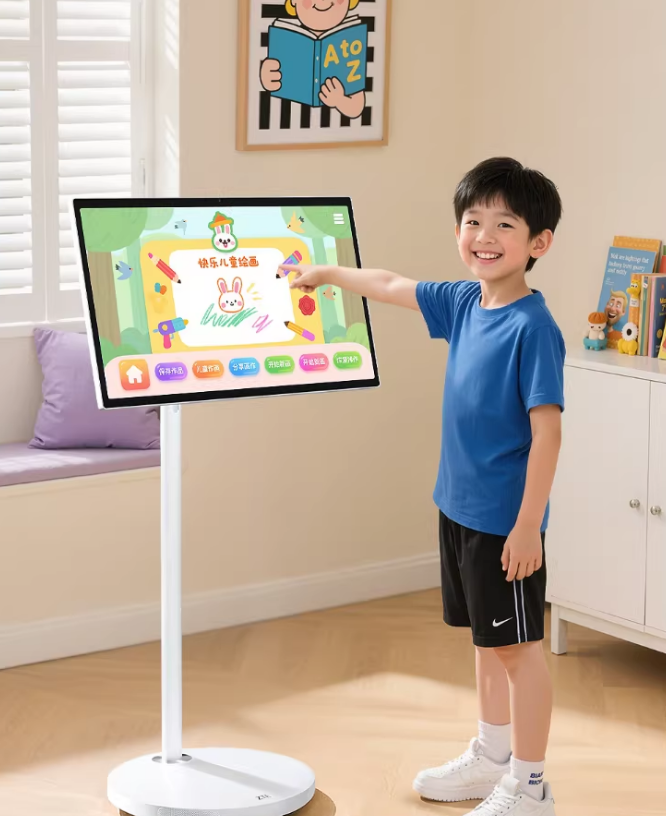
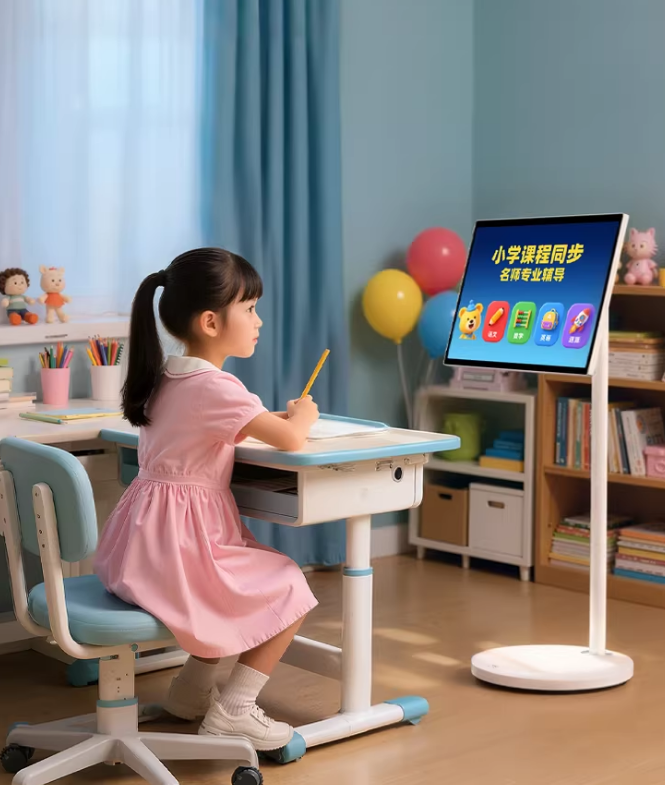
Hisense has officially unveiled the X7 Pro, a 27-inch movable smart display, with a launch price of 5,798 yuan (around $831). Pre-orders are now live on JD.com in China. Hisense has not yet shared the complete specifications, but the display will be offered in color options such as Cloud Mist White, Sky Blue, Sprout Green, Aurora Purple, and Peach Pink.

Hisense X7 Pro movable smart display

Hisense X7 Pro Specifications

The X7 Pro features a 27-inch screen that follows a paper-like eye-care design to reduce glare and eye strain. Hisense positions the display as suitable for multiple roles, including a portable TV, a learning device, a fitness mirror, a personal karaoke setup, a display monitor, and an ambient speaker. The display supports long-distance viewing, which makes it suitable for shared living spaces.

Hisense has equipped the device with a built-in 15,000mAh battery. The company claims the battery can provide up to 14 hours of continuous usage. The screen attaches to a rolling stand, allowing users to move it easily between rooms without needing to plug it in.

The X7 Pro runs on a flagship-grade octa-core processor paired with 8GB of RAM and 256GB of internal storage. This configuration supports multitasking across apps, offline content, and AI features. The device also supports direct connection with gaming consoles and offers multi-screen interaction, allowing wireless casting from smartphones or other devices.

The display includes AI-driven features such as skeletal point recognition for fitness guidance and motion tracking. These features aim to improve the accuracy of home workouts. The system can also function as a fitness mirror with support for interactive training content.

Hisense has added specialized sound modes and karaoke-tuned audio to enable at-home singing experiences. The integrated speakers aim to deliver clear vocal performance for both music and spoken content. The X7 Pro measures 630 × 430 × 1326 mm and weighs 16.7 kg.

In related news, Hisense has recently unveiled new RGB Mini LED TVs at CES 2026, including the flagship 116UXS model and the more affordable UR9 and UR8 series.

For more daily updates, please visit our News Section.

Stay ahead in tech! Join our Telegram community and sign up for our daily newsletter of top stories! 💡

(JD)

New 7-Seat Tesla 2026 Model Y Launches in US, but Families May Still Look Elsewhere

Key Highlights:

  • 7-seat option returns, but only on the Premium AWD Long Range Model Y
  • Third-row seats cost an extra $2,500 and are best suited for children
  • Premium model now includes a 16-inch display and a black headliner as standard

Tesla has officially launched the 2026 Model Y with a 7-seat configuration in the US. The option is available only on the Premium All-Wheel-Drive Long Range variant, while all other Model Y versions remain limited to five seats. The third row adds two small seats in the rear, designed mainly for children due to limited legroom.

The Premium AWD Long Range Model Y starts at $51,490. Adding the third-row seats increases the price by $2,500. Tesla also now includes a 16-inch high-resolution infotainment screen and a black interior headliner as standard features, previously reserved for the Performance model. Buyers can also choose new 20-inch dark-grey “Helix” wheels for an extra $2,000.

This configuration shows that Tesla is responding to demand for more family-friendly options in a highly competitive SUV market. However, it is not a major leap forward. Other automakers are moving faster in the family-focused electric SUV space. Models like the Kia EV9 offer a true three-row layout with usable space for adults, easier third-row access, and a more traditional large-SUV feel. This makes them more practical for families compared to the Model Y’s small, trunk-based third row, which is mainly suitable for children.

Chinese EV brands are even further ahead. SUVs such as the BYD Tang, Nio/Onvo L-series, and Zeekr 009 already offer proper 6- or 7-seat layouts with longer wheelbases, better rear-row comfort, and more flexible interiors. Even Tesla sells a longer, more practical Model YL in China, but not in the US. 

In US, Tesla does face real competition from models like the Kia EV9, Rivian R1S, and upcoming large electric SUVs that offer true three-row seating with better space and comfort. This suggests that while Tesla’s 7-seat Model Y helps fill a gap, it is only a partial solution. 

Demand for large family EVs in the US does exist but remains limited, which likely explains Tesla’s cautious approach. However, compared with rivals offering more practical layouts, the new Model Y still feels more like a compromise than a fully developed family SUV.

Read More:

(via)

Honda Changes Its Iconic Logo After Decades: New ‘H’ Debuts for EV Era

Key Highlights:

  • Honda has unveiled a redesigned “H” logo focused on the EV and hybrid era
  • The new badge will debut on next-generation vehicles starting in 2027
  • It reflects Honda’s shift toward electrification and intelligent mobility

Honda has officially revealed a redesigned “H” badge that will represent its automobile business in the electric and hybrid era. The new logo will start appearing on next-generation electric vehicles (EVs) and major hybrid models from 2027, marking an important step in Honda’s long-term electrification strategy.

According to Honda, the updated H mark is inspired by “two outstretched hands,” symbolising the brand’s commitment to expanded mobility options and a more customer-focused approach. The design also carries a retro influence, drawing inspiration from Honda’s original 1963 badge while adopting a cleaner, modern look suitable for the EV age.

The new logo was first showcased in 2024 with the Honda 0 Series concepts, including the 0 Series Saloon and SUV. The production version of the 0 Series SUV, expected in late 2026, is likely to be the first Honda car to feature the new badge. The 0 Series Saloon will follow soon after. Select China-specific GT models from GAC Honda and Dongfeng Honda already carry the revised logo.

Beyond vehicles, Honda plans to gradually roll out the new branding across dealerships, marketing communications, and motorsport activities.

Read More:

(via)

ASUS launches 2026 Zenbook Duo: Twin OLED displays & next-gen Intel processors

ASUS has refreshed its premium Zenbook Duo laptop during CES 2026. The 2026 Zenbook Duo arrives with various upgrades over its predecessor, combining two OLED displays that are now brighter and Intel’s latest Core Ultra Series 3 processors. So here’s everything new and improved on the dual display notebook.

ASUS Zenbook Duo 2026 Specifications

The 2026 ASUS Zenbook Duo (UX8407) stands out with its dual 14-inch ASUS Lumina Pro OLED touchscreens. Both panels feature a 3K resolution (2880 x 1800 pixels) and an impressive peak brightness of up to 1,000 nits. Thanks to the refined design, the gap between the panels has been reduced a lot, making the visual workspace more seamless. It also has a variable refresh rate support between 48Hz to 144Hz and Dolby Vision.

ASUS Zenbook Duo 2026 launch
ASUS Zenbook Duo 2026

This dual-screen setup works in concert with ScreenXpert software enhancements that automatically activate cross-screen sharing and annotation tools when the laptop is laid flat, making it intuitive to drag apps across the two screens. Under the hood, the Zenbook Duo packs up to an Intel Core Ultra X9 Series 3 processor, paired with Intel Arc graphics and up to 50 TOPS of AI acceleration from its new NPU. A large 99Wh dual battery cells power the Zenbook Duo.

Memory options go up to 32GB of LPDDR5X RAM, with storage options top out at 2TB PCIe Gen 4 SSD. Other notable features include the Ceraluminum materials for a premium build, a six speaker audio setup with Dolby Atmos, WiFi 7, HDMI 2.1, Bluetooth 5.4, and Thunderbolt 4. The top end 2TB model will go on sale for £2,499 in the UK, while the EU pricing is around €2,600.

For more daily updates, please visit our News Section.

Don’t miss a thing! Join our Telegram community for instant updates and grab our free daily newsletter for the best tech stories!

Xiaomi Mi 17 Ultra Update Brings New Zoom Ring Leica Camera Features and Charging Fixes

Xiaomi has begun rolling out the Surge OS 3.0.10.0 (HyperOS 3.0.10.0.WPACNXM) update for the Xiaomi Mi 17 Ultra, bringing a focused set of camera enhancements, system optimizations, and charging fixes. The update was officially confirmed by @Bao_小李, Product Manager of Xiaomi’s Camera Department.

Xiaomi 17 Ultra – Leica Edition

What makes this update particularly interesting is its strong emphasis on real-world usability and photography refinement. At just around 81MB, the update is relatively small, yet addresses several practical issues, including slow charging with third-party chargers, charging delays when the screen is off, abnormal restarts, and background power drain during audio and video playback.

The biggest changes arrive in the camera department, especially for the Xiaomi 17 Ultra Leica Edition. A new Zoom Ring Clean Preview Mode offers a more immersive, professional shooting interface, while improvements to camera launch speed, telephoto noise control, autofocus accuracy at 60fps video, and intelligent composition guidance enhance everyday shooting reliability. New red-carpet tips in movement mode further refine video capture.

Overall, this update subtly but meaningfully improves stability and camera performance, reinforcing Xiaomi’s focus on polishing the Mi 17 Ultra’s flagship photography experience, especially for Leica Edition users.

Xiaomi Mi 17 Ultra – Surge OS 3.0.10.0

SectionChanges
SystemFixed slow charging issues with certain third-party chargers
SystemFixed slow charging when the screen is turned off
System StabilityResolved abnormal restart issues in specific scenarios
Smart FeaturesFixed automatic unlock failure for supported electric vehicles
Power ManagementOptimized abnormal background power consumption in audio and video apps
Camera (Leica Edition)Added Zoom Ring Clean Preview Mode for a more immersive shooting experience
CameraImproved camera app launch speed
CameraEnhanced smoothness when returning to the camera after viewing photos
TelephotoReduced subtle noise interference during zoom shooting
Video RecordingImproved telephoto autofocus accuracy at 60fps in low-temperature environments
Camera AssistanceAdded intelligent composition guidance
Movement ModeOptimized live camera movement mode with new red-carpet shooting tips
Leica FeaturesExclusive Leica Moment Mode with classic CCD texture and color science
Hardware ControlMaster Zoom Ring with customizable camera parameters (Leica Edition only)

Read More:

(via)

This New ASUS ROG Monitor Makes 360Hz Look Like 1000Hz, Thanks to G-Sync Pulsar

ASUS has moved quickly with the release of its first gaming monitor built around G-Sync Pulsar technology, which was unveiled at CES 2026 last week. The ROG Strix XG27AQNGV debuted at CES 2026 and was expected later in January. Instead, pre-orders are already live in major regions including the US, UK, and Europe.

ASUS ROG Strix XG27AQNGV

The ROG Strix XG27AQNGV is a 27-inch gaming monitor. It has a 2560 x 1440 resolution and a 360Hz refresh rate. The panel is Ultrafast IPS with a 1ms GtG response time. It targets esports players and fast-paced games.

The key feature is NVIDIA G-Sync Pulsar. G-Sync Pulsar pairs variable refresh rate with variable-frequency backlight strobing to improve motion clarity. In simpler words, it combines smooth, tear-free gaming (Variable Refresh Rate) with crystal-clear motion (Backlight Strobing). Previously, you had to choose between the two, but Pulsar allows your monitor’s backlight to pulse in perfect synchronization with your game’s changing frame rate. By flashing the light only when the pixels have finished changing, it virtually eliminates motion blur and “ghosting,” effectively making a standard 360Hz monitor look as sharp and clear as a theoretical 1,000Hz display during fast movement.
Brightness is 400 nits in SDR and 500 nits peak in HDR. The monitor supports HDR10 and G-Sync HDR. Color coverage reaches 90 percent DCI-P3 with 10-bit color and factory calibration targeting Delta E below 2. Contrast ratio is 1000:1 and viewing angles are 178 degrees.

The monitor includes Esports Dual Mode. This allows the display to run at 25 inches in 1920 x 1080 or a pixel-perfect 2368 x 1332 resolution with minimal latency impact. ASUS also supports ELMB Sync, enabling low motion blur with variable refresh rate without tearing.

Connectivity includes one DisplayPort 1.4 with DSC, two HDMI 2.1 ports using FRL, a headphone jack, and two USB 3.2 Gen 1 Type-A ports. Power consumption is under 38W in use. The stand is 30 percent smaller than previous XG models and supports tilt, swivel, pivot, and 0 to 110mm height adjustment. VESA mounting is supported. The monitor also features Aura Sync lighting and TÜV-certified Flicker-Free and Low Blue Light technologies.

Pricing & availability

Pricing varies by region. In the US, the ROG Strix XG27AQNGV is listed at $649.99. In the UK, the monitor retails for £628.99. In the Eurozone, the price is €749.90.

For more daily updates, please visit our News Section.

Stay ahead in tech! Join our Telegram community and sign up for our daily newsletter of top stories!

ZTE launches F40 5G RedCap portable Wi-Fi with USB ports and up to 16 device connections

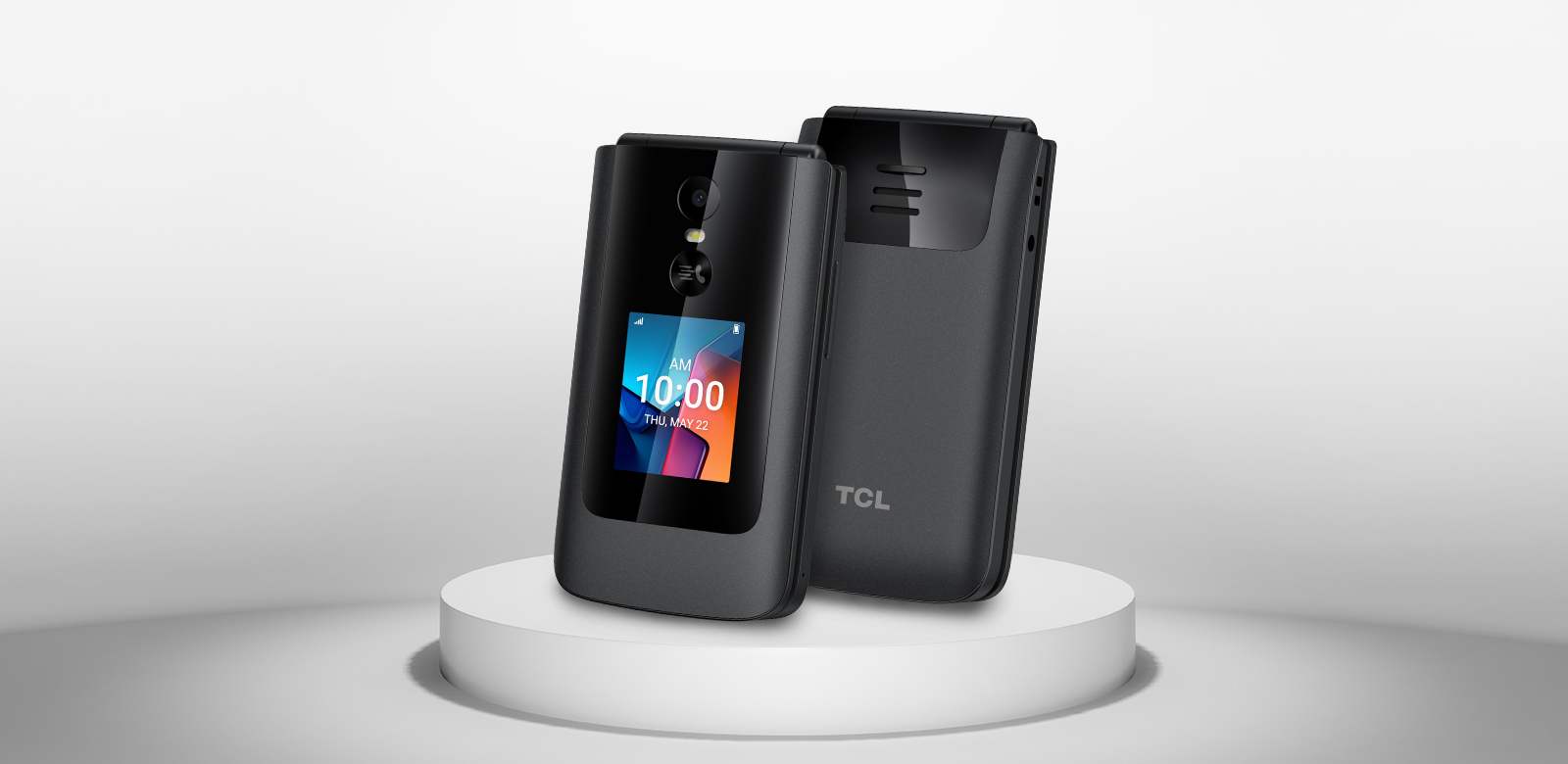
ZTE has officially launched a new compact 5G RedCap portable Wi-Fi device in China. The F40 is priced at 179 yuan ($26) for the standard model and 219 yuan ($31) for the variant with a nano SIM card slot. The company is offering 10GB of trial data with each purchase.
ZTE F40 5G RedCap portable Wi-Fi

ZTE F40 Specifications

The ZTE F40 is designed for users who need portable internet access during travel, work, or study. It weighs around 34 grams and measures 104mm x 34mm x 11mm. The compact form factor makes it easy to carry in a pocket or laptop bag.

The device uses 5G RedCap technology, which reduces power consumption by 10 to 20% compared to standard 5G while offering a 50% speed improvement over 4G and 70% lower latency. These improvements aim to support smoother video calls, online gaming, and cloud-based productivity.

ZTE F40 5G RedCap portable Wi-Fi

ZTE has equipped the F40 with broad mobile network support, covering 5G and 4G connectivity across major Chinese carriers. The SIM variant supports both eSIM and a physical nano SIM, with dual-network switching between China Mobile and China Telecom.

For local connectivity, it features dual-band Wi-Fi 6 support and operates on both 2.4GHz and 5GHz frequencies using a 1×1 configuration. The device supports up to 16 connected devices simultaneously, including smartphones, laptops, tablets, and other Wi-Fi-enabled gadgets.

ZTE F40 5G RedCap portable Wi-Fi

It comes with dual USB interfaces, including USB-A and USB-C. The F40 supports USB direct connection mode, allowing it to function as a wired network adapter when connected to a computer. It also supports standard Wi-Fi hotspot mode, enabling instant wireless sharing when plugged into a power source.

In related news, ZTE has recently launched the WenTian BE7200 Max Octopus router with Wi-Fi 7 support and RGB lighting, alongside the F50 Pro portable Wi-Fi device that offers 5G connectivity, dual-network switching, and Wi-Fi 6.

For more daily updates, please visit our News Section.

Stay ahead in tech! Join our Telegram community and sign up for our daily newsletter of top stories! 💡

(JD)

Leaks Hint at a New OnePlus Flat-Screen Beast With Massive Battery

OnePlus may be evaluating a new mid-size performance-focused smartphone, according to a January 13 leak from trusted Weibo tipster @DigitalChatStation. The post mentions a “Jiajia” factory testing a 6.59-inch 1.5K LTPS flat display, widely believed to be for an upcoming OnePlus device, despite the brand not being named directly.

The display is described as having large, rounded corners and visually equal bezels on all four sides, continuing OnePlus’ recent move toward flat-screen designs. The panel is reportedly sourced from a domestic Chinese supplier, rather than Samsung. The phone is positioned as a “mid-screen performance phone,” suggesting a balance between usability and power rather than oversized dimensions.

Image is for illustrative purposes only

Battery discussions tied to the leak indicate that a 6.59-inch form factor can support 8,000mAh-class batteries, while larger 6.78-inch phones struggle to scale as efficiently. This aligns with earlier reports of a OnePlus engineering prototype featuring a 6.78-inch 1.5K 165Hz LTPS flat screen and batteries starting in the 8,000mAh range, with internal targets reportedly reaching 9,000mAh.

If launched, this device could sit between the Nord and Ace series, targeting users who want strong performance and long battery life in a manageable size. The move also mirrors a wider trend, with brands like Redmi, iQOO, and Realme already pushing flat-screen performance phones with ultra-large batteries.

Read More:

(via)

Nothing’s CMF Headphone Pro launches in India with up to 100hr playback, ANC, & modular design

CMF by Nothing has introduced the CMF Headphone Pro in India, which is its first over-the-ear headphone. The new model stands out with a modular build, swappable ear cushions, and an impressive battery life. There are also a bunch of great features that are being offered for an affordable price tag, so here are all the details.

CMF Headphone Pro Specifications

The CMF Headphone Pro takes a modular approach to over-ear headphones, letting users swap ear cushions to change both the look and feel of the headset. Three color options are available at launch, including Light Gray, Dark Gray, and Light Green. These retain the tactile physical controls that were first seen in the Nothing Headphone (1), offering a multifunctional roller for volume adjustment, ANC, and controlling playback. An energy slider helps tweak the bass/treble on the go, and another programmable button that can trigger other features like Spatial Audio.

Nothing's CMF Headphone Pro
Nothing’s CMF Headphone Pro

It houses large 40mm dynamic drivers, with support for Hi-Res Audio and LDAC codec. CMF Headphone Pro features adaptive ANC that reduces noise by up to 40 decibels. On a single full charge, these hearables promise up to 100 hours of audio playback with ANC disabled. This falls to just 38 hours with ANC enabled and LDAC playback. You also get fast charging support, with just 5 minutes of charging offering up to 5 hours of battery life.

The CMF Headphone Pro was announced in India for Rs 7,999. But as a part of its introductory launch offer, the headphones are listed with a discounted price tag of just Rs 6,999. First sales kick off on 20th January 2026 via Flipkart and offline retailers.

For more daily updates, please visit our News Section.

Tech enthusiast? Get the latest news first! Follow our Telegram channel and subscribe to our free newsletter for your daily tech fix! ⚡

Huawei Pura 90 Ultra camera specs leaked, schematic emerge to reveal design

A fresh leak has shed light on Huawei’s upcoming Pura 90 Ultra, hinting that the brand is preparing a strong upgrade in its premium smartphone lineup. At the same time, a schematic showcasing the Pura 90 Ultra has emerge to give an hint about its design. Here’s a look at the new details about Huwaei’s upcoming premium flagship phone.

Huawei Pura 90 Ultra camera specs, design emerge

According to information shared by the above Chinese tech blogger, the Huawei Pura 90 Ultra is expected to feature a powerful rear camera setup led by a 200-megapixel telephoto camera. This long-range sensor is said to be the SmartSens SCC80XS, manufactured using a 22nm process. The newer fabrication process is believed to help with better power efficiency, lower read noise, and improved dynamic range, which could translate into clearer zoom shots and better low-light performance.

The main camera is tipped to be a 50-megapixel 1-inch sensor with support for variable aperture. This combination is likely to offer greater control over depth and light intake, especially in challenging shooting conditions. Together, the primary and telephoto cameras indicate that Huawei is targeting users who value photography flexibility across focal lengths rather than just high megapixel counts.

Shown below is a concept image of the Pura 90 Ultra’s design shared by the same source. It carries forward Huawei’s signature triangular camera design while also aligning with the current horizontal camera layout trend. There is a possibility that the final design could be different from what’s depicted here.

Huawei Pura 90 Ultra schematic

As per other reports, the Huawei Pura 90 series is rumoured to return to flat displays, with screen sizes of 6.58 inches and 6.87 inches, along with 3D face recognition. It is expected to arrive with Huawei’s Kirin 9030 lineup. Reports suggest that the standard model may run on the Kirin 9030 chip, while the Pro and Ultra variants could feature the more powerful Kirin 9030 Pro.

The next-generation Pura series will ship with HarmonyOS 6.1, focusing on smoother multitasking and tighter device integration. The standard Pura 90 may pack around a 6,000mAh battery, while the Pro and Ultra versions could go up to 6,500mAh or even 7,000mAh. Fast charging support of 100W wired and 50W wireless is expected across the range.

Huawei Pura 90 series launch timeframe (rumored)

Huawei is expected to launch the Pura 90 series in May, with prices in China likely starting around 5,499 Yuan (~$790) for the base model, scaling higher for the Ultra variant.

For more daily updates, please visit our News Section.

Stay ahead in tech! Join our Telegram community and sign up for our daily newsletter of top stories.

Google May Exit China for Premium Pixel Phones, Vietnam to Take Over

Google is planning a major change in how it builds its premium Pixel smartphones. According to a Nikkei Asia report, the company is expected to start developing and manufacturing its high-end Pixel models in Vietnam from 2026. This includes the Pixel, Pixel Pro, and Pixel Fold. Until now, China has played a central role in both the development and production of these devices. Entry-level Pixel A series phones will continue to be handled in China for the time being.

This move shows that Google is expanding Vietnam’s role beyond simple assembly and trusting the country with the most important stages of smartphone production.

What Will Happen in Vietnam

Google will begin the New Product Introduction process in Vietnam. This is the most critical stage in making a new smartphone. It includes testing designs, checking how parts work together, setting up production lines, and preparing the phone for mass manufacturing. This phase requires hundreds of engineers, advanced testing equipment, and close coordination with suppliers.

In the smartphone industry, handling NPI work is seen as a sign of high manufacturing capability. It also means long-term trust from global technology companies.

Google Pixel series

Where Pixel Phones Were Made Before

For many years, China has been the main location for developing and manufacturing Pixel smartphones. China has the world’s most advanced smartphone supply chain, with experienced factories and suppliers that can handle complex products from the ground up. More recently, Google shifted some Pixel assembly work to Vietnam, but development and early-stage production remained in China.

With this new plan, Vietnam will take on full responsibility for developing premium Pixel models from scratch.

Why Google Is Making This Change in 2026

The decision reflects growing confidence in Vietnam’s manufacturing ecosystem. Google already produces some high-end Pixel phones in Vietnam and carries out testing and verification there. This makes it possible to move the entire development process to the country.

Another reason is the need to reduce supply-chain risk. Relying too much on one country can be risky due to trade tensions, policy changes, or disruptions. By spreading production across different countries, Google can make its supply chain more stable and flexible.

Chinese assembly line

Impact on Geopolitics and the Economy

This shift has wider effects beyond Google. For China, it shows that global tech companies are slowly reducing their dependence on its manufacturing system. For Vietnam, it is a major win. High-end smartphone development brings investment, skilled jobs, and stronger supplier networks, helping the country move up the technology value chain.

From a global perspective, this move fits into a larger trend where tech companies are reshaping supply chains across Asia to balance economic and political risks. It also strengthens Vietnam’s position as a key technology manufacturing hub in the region.

Google has not officially commented on the report, but if the plan moves forward, it will mark a turning point for Pixel smartphones. Vietnam could soon become one of the most important locations in the world for developing and producing high-end smartphones, signaling a new chapter in the global tech manufacturing landscape.

Read More:

(via)

3-in-1 Ergonomic Powerhouse: Hbada X7 Smart Ergonomic Chair Review

As a tech editor focused on wellness, I hold a firm belief: no product can truly substitute for regular movement. No matter how advanced or expensive a chair may be, prolonged static sitting inherently challenges our health. Yet, the reality for many of us is unavoidable—long hours at a desk, with our backs and necks sustaining biomechanical stress, often without adequate support. Discomfort, over time, becomes routine.

While regular exercise remains the ideal solution, when extended sitting is necessary, a well-designed ergonomic chair can serve as a vital form of support. This brings us to the Hbada X7. We put it to the test in daily scenarios—here’s how it performs.

Unboxing & Build Design: Sturdy, User-Friendly, and Packed with Extras

The Hbada X7 ships in a substantial box with its core components largely pre-assembled. Although the array of parts may initially appear overwhelming, the included manual provides clear, step-by-step guidance. This allows users to complete the entire assembly—a streamlined and intuitive process—in roughly 15 to 20 minutes.

The chair’s frame is constructed from high-grade aluminum alloy, a material choice that prioritizes structural integrity without compromising on manageable weight. This design not only ensures notable durability but also, as emphasized by Hbada, provides robust support for users with larger builds—a consideration that enhances the chair’s reliability and suitability for extended, daily use.

Visually, the Hbada X7 distinguishes itself with a sleek, minimalist profile that departs from conventional ergonomic chair designs. Yet, its real advantage lies in meaningful functional innovation. Moving beyond basic posture support, the X7 incorporates two notable upgrades: a seat-integrated cooling system and a built-in lumbar massage module. These features directly target two frequent complaints during prolonged sitting—heat buildup and lower-back stiffness—giving the X7 a clear edge in everyday comfort.

Adaptive Lumbar Support: The Star Feature for Customized Posture Correction

After weeks of daily testing, the smart lumbar tracking system of the Hbada X7 emerged as its most impressive selling point. This feature is engineered to adapt to your sitting posture in real time, eliminating the need for constant manual adjustments — a flaw that plagues most traditional ergonomic chairs.

Here’s how it works: users can control the system via a pullable remote located under the seat, which unlocks two key adjustment modes:

  • 5cm electric lumbar adjustment: The lumbar pad moves vertically to fit the natural curve of your spine, providing targeted support that aligns with your body shape, whether you’re sitting upright for work or leaning back for a break.
  • 4.5cm manual height fine-tuning: For users with specific spinal curves, this manual adjustment allows for precise customization to ensure zero gaps between the lumbar pad and your lower back.

Complementing the lumbar tracking system is the chair’s 10° adaptive tilt mechanism. When you lean back, the entire backrest slides and tilts in sync with your body, maintaining optimal spinal alignment at all times. When you lean forward to type or focus on your screen, the lumbar pad automatically moves forward to keep your lower back supported — no need to pause work to fiddle with levers or buttons.

Hbada claims its 3D Multi-Dimensional Lumbar Support is 3x more stable than traditional fixed lumbar pads, and our testing confirmed this claim. Even with frequent posture shifts during 4+ hour work sessions, the lumbar area remained fully supported, effectively reducing the pressure on the lower back that usually leads to soreness and stiffness.

Lumbar Massage & Heating: Wellness Functions for Fatigue Relief

Prolonged sitting inevitably leads to lumbar muscle fatigue, and the Hbada X7 tackles this issue head-on with its integrated bionic massage and targeted heating system — a rare combination in the ergonomic chair market.

The built-in lumbar massage function mimics the kneading technique of a professional masseuse, with three adjustable intensity levels to suit different preferences. A standout detail is that when the massage function is turned off, the massage components retract completely into the backrest, leaving no bulges or discomfort that could disrupt your sitting posture — a problem we’ve encountered with many budget massage chairs.

To enhance the convenience of its features, the X7 includes an intelligent auto-trigger mode: when no body movement is detected for 45 minutes, the massage function automatically initiates a 5-minute session. This is a considerate addition, especially for those who become immersed in work or gaming and lose track of time.

Complementing the massage is a dual-layer graphene heating system, which also incorporates eight discreet red LED lights to provide red light therapy. The heating function offers three adjustable temperature levels and warms up in just 2–3 minutes, delivering consistent, soothing heat to ease tension in the lower back. For users working in cooler environments or dealing with persistent back discomfort, this combined massage and heating system offers meaningful relief and improves overall comfort after long hours of sitting.

Cloud Ventilation Cushion: Breathable & Cool for Long Sessions

Sweaty, stuffy seat cushions are a common complaint with mesh ergonomic chairs, but the Hbada X7 solves this problem with its dual-fan cloud ventilation cushion — a design that prioritizes breathability without compromising comfort.

The seat cushion is made of DuPont fiber with Italian flocking, a material that boasts 83% higher elasticity than standard mesh fabrics. The tight, dense weave prevents the sagging and deformation that plagues cheap mesh chairs, while the flocked surface adds a soft, skin-friendly touch. During our testing, the cushion maintained its shape even after 3 hours of continuous sitting, with no signs of indentation.

Hidden beneath the cushion are two high-speed, silent fans with three adjustable speed settings. On low and medium speeds, the fans operate nearly silently, with no distracting buzzing that could disrupt your work or gaming. Even on high speed, the noise level is minimal — far quieter than the loud, fan-like hum of budget ventilated chairs.

To put the feature to the test, we used the chair for a 3-hour gaming session in a warm room (28°C/82°F). The result? The seat cushion remained cool to the touch, with zero moisture buildup — a stark contrast to the sweaty experience we’ve had with other mesh chairs. Additionally, the textured surface of the cushion provides just the right amount of friction to prevent sliding, without feeling restrictive or uncomfortable.

Additional Ergonomic Features: Comprehensive Adjustability & Certification

Beyond the three core features mentioned above, the Hbada X7 is packed with small but impactful design details that enhance its usability:

  • 4D dual-axis headrest: The headrest adjusts vertically, horizontally, and at an angle, providing customized support for users of all heights — from 150cm (4’11”) to 190cm (6’3”).
  • 720° fully adjustable armrests: The armrests can be adjusted in height, width, depth, and angle, making them suitable for office work (typing with arms parallel to the desk), gaming (elbows resting comfortably), and reclining (arms supported in a relaxed position).
  • Retractable footrest: A hidden footrest pulls out from under the seat, providing support for your feet when you recline the chair for a nap or break.

To add to its credibility, the Hbada X7 holds German IGR certification — a globally recognized standard for ergonomic products that ensures the chair meets strict criteria for posture correction and durability. This certification gives users peace of mind about the chair’s long-term performance and health benefits.

Final Verdict: A Premium Ergonomic Chair Worth the Investment

The Hbada X7 transcends the conventional definition of an ergonomic chair, positioning itself as an integrated support system that blends posture correction, wellness technology, and sustained comfort. Unlike many mainstream alternatives that excel in only one or two areas, it distinguishes itself through a combination of intelligent lumbar tracking, active massage and heating, and enhanced seat ventilation—directly addressing the multifaceted discomfort associated with prolonged sitting.

Priced above entry-level models, the X7 justifies its position with a robust build, a comprehensive suite of features, and independent certification from the German IGR association. For anyone regularly spending four or more hours seated daily—be it office professionals, dedicated gamers, or individuals managing back discomfort—this chair represents a meaningful long-term investment in adaptive support and tangible well-being benefits.

If you’ve grown skeptical of generic “ergonomic” promises, the Hbada X7 delivers a substantiated, feature-rich alternative. It doesn’t just adjust to your posture—it actively contributes to your comfort, truly earning its title as a wellness-focused chair for the long haul.

Ready to experience the Hbada X7 for yourself?

For a limited time, our readers can access an exclusive discount on this feature-rich ergonomic chair.

🛒 Purchase the HBADA X7 directly via the Official Store: Use discount code gizmoX7 at checkout to save.

📦 Or order conveniently on HBADA Amazon: Apply coupon GIZMODX7 to secure your deal.

Upcoming Xiaomi 17 Max to pack 8,000mAh battery with 100W wired, 50W wireless charging

Recent reports have consistently leaked details about the Xiaomi 17 Max smartphone for the Chinese market. The device is expected to become the fifth model in the Xiaomi 17 series, joining the Xiaomi 17, 17 Pro, 17 Pro Max, and 17 Ultra. The latest leak reveals several details, with a strong focus on the battery capacity and fast charging capabilities of the Xiaomi 17 Max.

Xiaomi 17 Max key details leaked

Xiaomi 17 Max’s key details leaked

As per tipster Digital Chat Station, the Xiaomi 17 Max will pack a massive 8,000mAh battery. The leak further claims that the device will support 100W wired charging along with 50W wireless charging, placing it among the fastest-charging phones with such a large battery capacity.

Since it is a non-Pro model, the Xiaomi 17 Max is not expected to feature a secondary rear display, which is currently available on the Xiaomi 17 Pro and 17 Pro Max. Instead, its rear design is said to be similar to that of the standard Xiaomi 17, suggesting a cleaner and more conventional design approach.

Xiaomi 17 Max’s camera details

In terms of cameras, the Xiaomi 17 Max is tipped to feature a periscope telephoto camera, which is said to offer better performance than the existing Xiaomi 17 series models, excluding the 17 Ultra. The 17 Max is expected to borrow the Xiaomi 17’s OmniVision Light Fusion 950 primary camera, but overall photography performance is said to be improved compared to the standard model.

The leak also suggests that the Xiaomi 17 Max will be powered by the same chipset used across the Xiaomi 17 lineup. On the front, it is expected to feature a large flat OLED display measuring either 6.8 inches or 6.9 inches, with ultra-thin bezels on all four sides, giving it a modern and immersive appearance. Like the other 17 series models, the Max edition will also feature the Snapdragon 8 Elite Gen 5.

Xiaomi 17 Max launch timeframe (rumored)

Xiaomi 17 color options

The Xiaomi 17 Max is rumoured to launch in April in China. At the moment, there is no clarity on whether the device will be released in other markets. Its engineering prototype has been spotted by DCS in a white color option, but there is no information yet regarding additional color variants.

For more daily updates, please visit our News Section.

Stay ahead in tech! Join our Telegram community and sign up for our daily newsletter of top stories.