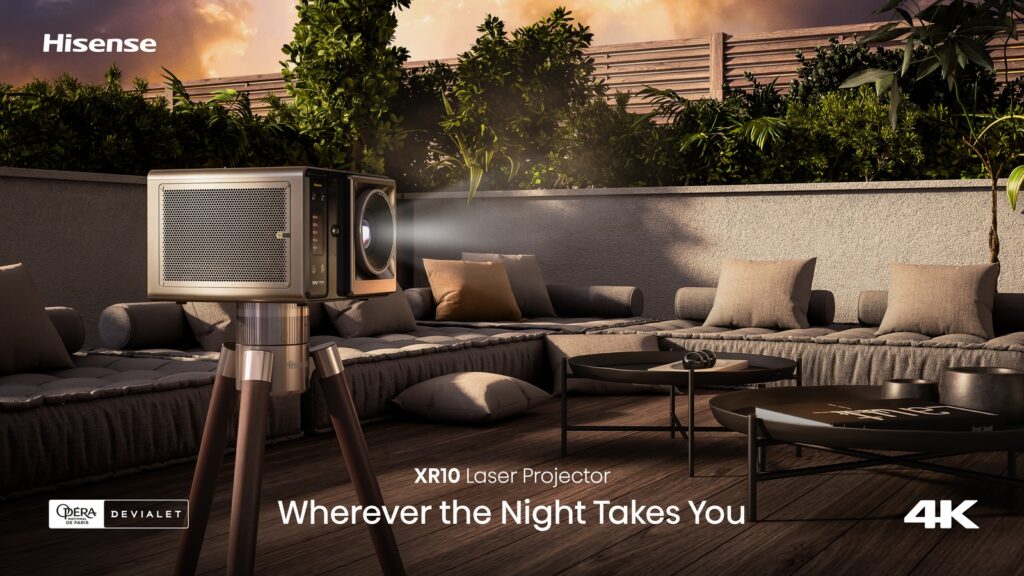
LG has announced the LG OLED evo W6, a premium wireless OLED TV that the company claims is the world’s thinnest true wireless television. Revealed during a media preview in Las Vegas ahead of CES 2026, the W6 is just 9mm thick and is designed for flush wall-mount installation, targeting luxury home-theater buyers, design-focused users, and gamers who want a clean, cable-free setup.
Unlike earlier “wallpaper” OLED concepts, the W6 integrates the display, motherboard, power board, and speakers into a single slim body, eliminating bulky casings and visible cables. External devices instead connect to LG’s compact Zero Connect Box, which transmits 4K video at up to 165Hz with no noticeable delay.
The TV is powered by LG’s Alpha 11 AI processor and introduces Hyper Radiant Color technology, along with significantly higher peak brightness and a reflection-reducing premium coating for better visibility in bright rooms. Gaming features include NVIDIA G-Sync, AMD FreeSync Premium, ALLM, and a 0.1ms response time.
Running on an upgraded webOS platform with Microsoft Copilot and Google Gemini integration, the OLED evo W6 combines minimalist design, wireless engineering, and AI-driven features, positioning it as one of the standout premium TVs heading into CES 2026.
Oppo has just announced a new budget smartphone in its home market of China. The Oppo A6s has been released with an affordable price tag, but it brings an impressive battery capacity and a large display. So here are all the details.
Oppo A6s specifications
The Chinese tech giant’s new A series model sports a tall 6.75-inch LCD panel with an HD+ resolution, a 120Hz refresh rate, a 240Hz touch sampling rate, and 1,125 nits of peak brightness. Under the hood, the Oppo A6s is equipped with Qualcomm’s older Snapdragon 685 SoC, which is paired with 8GB of RAM and up to 256GB of UFS 2.2 storage. Out of the box, this model runs on the Android 15 OS based Color OS 15 custom skin.
Oppo A6s 4G
It brings Oppo’s Trinity Engine and Luminous Rendering Engine as well for a smoother user experience with the UI and enhanced responsiveness. For optics, the rear has a 50MP main camera and a 2MP monochrome sensor. Meanwhile, the front houses a 16MP shooter for selfies and video calls. A massive 7,000mAh battery pack powers this device, which supports 80W wired fast charging and reverse wired charging support.
Other notable features include an IP69 rating for water and dust resistance, microSD card storage expansion, a large vapor cooling chamber, NFC, WiFi 5, dual SIM support, a side mounted fingerprint scanner, face unlock, and Bluetooth 5.0. The Oppo A6s is available in two color options, namely Cappuccino Brown and Ice White. Unfortunately, the brand has yet to reveal the pricing details, but this model joins the rest of the Oppo A6 lineup. The phone also arrives mere days after the company unveiled the Oppo A6t Pro model.
For more daily updates, please visit our News Section.
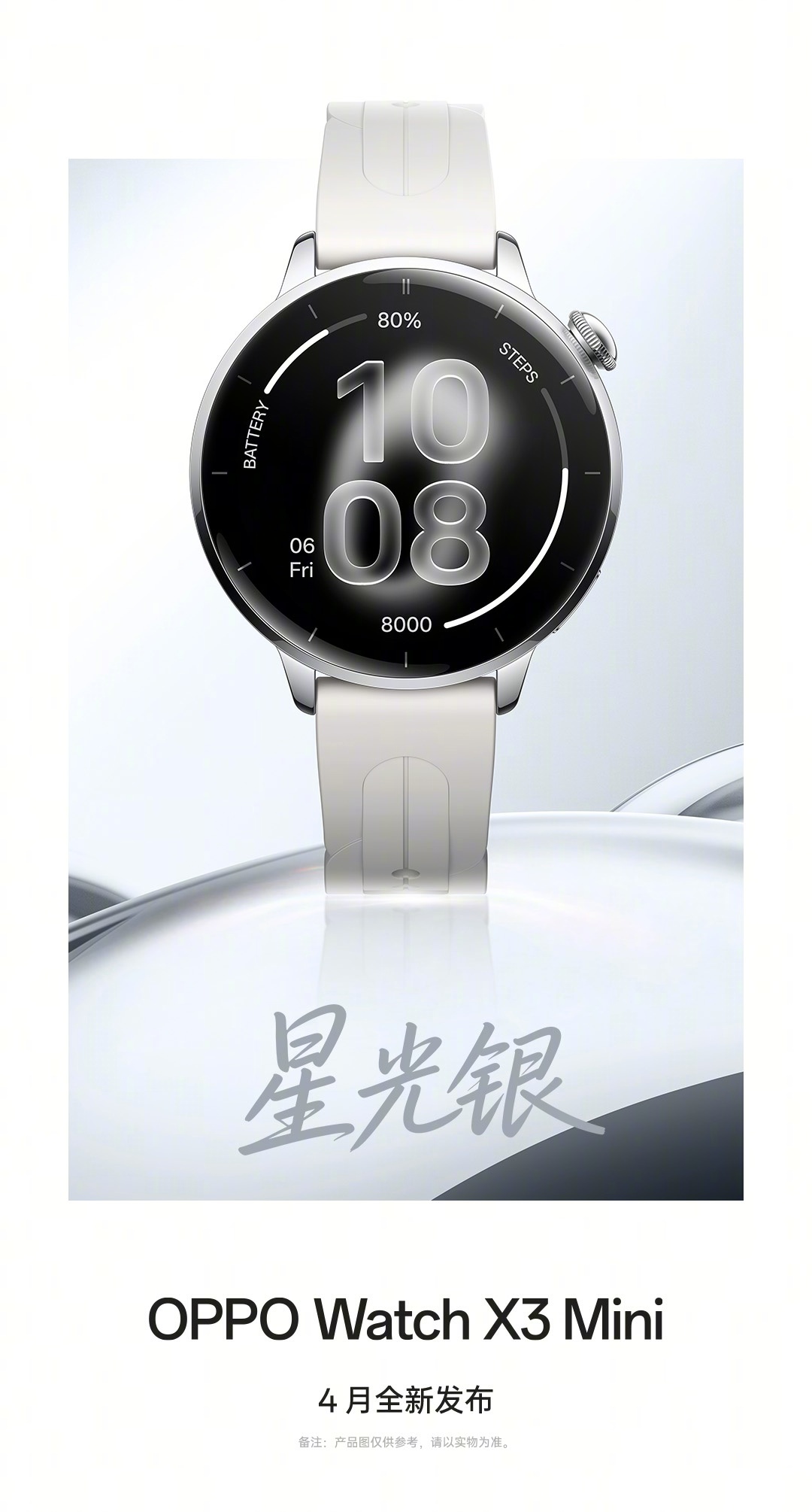
Xiaomi offers one of the most generous software update policies among Android brands, often supporting its devices longer than many competitors do. But no matter how strong the update promise is, every phone eventually reaches the end-of-life (EOL). That moment is now approaching for 19 Xiaomi phones.
These nineteen Xiaomi devices are scheduled to reach the EOL status in 2026. After that, they will stop receiving all software updates, including Android OS upgrades, HyperOS updates, and even critical security patches. Below is the full list of Xiaomi devices that are set to lose software support in 2026.
Xiaomi devices
Xiaomi 12 – March 2026
Xiaomi 12 Pro – March 2026
Xiaomi 12 Lite – July 2026
Xiaomi 12T – October 2026
Xiaomi 12T Pro – October 2026
Xiaomi Pad 6 – July 2026
Redmi devices
Redmi Note 12 5G – March 2026
Redmi Note 12 Pro – April 2026
Redmi 12C – March 2026
Redmi 13C – November 2026
Redmi A2 – March 2026
Redmi A2+ – March 2026
Redmi Pad SE – August 2026
Redmi Pad SE 8.7 – August 2026
Redmi Pad SE 8.7 4G – August 2026
POCO devices
POCO C65 – November 2026
POCO F5 – May 2026
POCO F5 Pro – May 2026
POCO X5 Pro 5G – February 2026
We’ve curated the list by reviewing the software support information for every device on the official software support information page. You can visit the page to manually check the software support for your Xiaomi device.
If your Xiaomi device is on the list, it will stop receiving updates in a few months. The device will still function properly, but it won’t have fixes for the latest security vulnerabilities. If the device has critical data, it’s better to upgrade to a newer model than to put your phone at risk.
Check out our curated list of Xiaomi phones that are promised to receive four Android OS updates or six years of software support. It’s best to grab the latest model, as it receives updates for a longer period.
HyperOS 3 update may still arrive for some devices
While the devices on the above list are moving towards their EOL status, some may still receive the HyperOS 3 update, as Xiaomi has just started rolling it out to Android 15 devices. This major upgrade, so far, has been rolling out with Android 16, but Xiaomi has recently begun to push it to Android 15 devices as well.
Last month, the Android 15-based HyperOS 3 internal build was spotted for many devices, including the Poco F5 and F5 Pro. The update is expected to expand to more devices in the coming weeks and months.
You can visit our HyperOS 3 section regularly for the latest updates. And don’t forget to follow us on Telegram for instant notifications about the latest product launches, software updates, and major tech events.
As artificial intelligence continues to weave itself into everyday life, a new category of technology is quietly reshaping how humans think about companionship: AI pets. For many, the idea evokes memories of iconic fictional companions like BB-8 from Star Wars, a droid that felt less like a machine and more like a loyal friend.
BB-8’s personality was intentionally designed to mirror the charm of a curious puppy, reinforcing how deeply emotional bonds with robots can resonate with people. Today, real-world companion robots are beginning to chase that same sense of warmth, presence, and connection.
At CES 2026, this shift was on full display as Japanese startup Ludens AI introduced two deeply expressive companion robots: Cocomo and Inu, signaling a world where digital companionship may soon feel as natural as living with a pet.
Ludens AI’s philosophy is refreshingly different from the growing trend of “smart helpers.” Instead of building robots that clean or organize, the company focuses on machines that listen, react, and bond emotionally over time. Their message is simple: AI companions don’t need jobs, they just need to exist alongside people.
Cocomo: A Warm, Mobile Robot Pet Designed for Emotional Bonding
Cocomo, the star of Ludens AI’s showcase, is positioned as an autonomous robot pet that follows its owner around the home. With a wheeled chassis, ear-like decorations, and an orange, teddy-bear-like exterior, Cocomo feels intentionally playful and approachable. Its body temperature is carefully maintained near human warmth, around 37°C in normal use and up to 39°C during frequent touch, eliminating the cold, mechanical feel often associated with robots.
Instead of speaking, Cocomo communicates through humming and soft sounds, reinforcing its pet-like character. Over time, it learns what makes its owner happy, what brings comfort, and when to offer spontaneous gestures or gentle surprises. Through voice, touch, and movement-based interactions, Cocomo is designed to create a slow-growing emotional bond rather than instant novelty. Ludens AI describes it as a companion meant to evolve alongside everyday life, a robot that remembers, imitates, and adapts.
Inu: A Minimalist “Desktop Alien Puppy” for Workspaces
In contrast, Inu is a smaller, stationary desktop companion created for work environments. Marketed as a “desktop alien puppy,” it reacts to voice, touch, and nearby sounds with playful tail wags and expressive blinking eye animations. Inu doesn’t move around rooms; instead, it offers light emotional presence while users work, serving as a gentle, comforting desk companion rather than a task-oriented assistant.
Both Cocomo and Inu highlight Ludens AI’s belief that robots don’t need to be useful in a traditional sense; they simply need to be present, warm, and emotionally engaging. With crowdfunding campaigns planned later this year, these companions may soon enter real homes and offices.
A New Kind of Emotional Technology
The debut of Ludens AI’s robots signals a broader cultural shift, from machines as tools to machines as companions. As emotional AI continues to develop, Cocomo and Inu suggest a future where companionship may extend beyond pets and people, into a new world of soft-spoken, expressive, and deeply personal robotic presence.
Honor has quietly signalled the arrival of a new ultra-premium smartphone, the Honor Magic 8 RSR Porsche Design. While no official launch date or specification sheet has been shared yet, recent activity suggests the device is moving closer to its public unveiling.
Honor Magic8 RSR Porsche Design teased
The first hint came from an Honor R&D engineer Cao Gong, who hinted he is testing a new device. The same Weibo post was reposted by Honor Performance Optimization R&D Engineer, A Yong, in which he revealed the Honor Magic 8 RSR moniker.
This development indicates that the phone is already in advanced testing stages. Reports suggest that this model will sit above the Magic 8 Pro and serve as the brand’s most advanced flagship for the year, with a clear focus on design, performance, and imaging.
A major point of differentiation lies in its industrial design. As the name suggests, the phone is being jointly developed with Porsche Design, a studio known for its long-standing influence in automotive and product aesthetics. This collaboration is expected to result in a distinct visual identity, setting the Magic 8 RSR apart from the standard Magic 8 and Magic 8 Pro models through refined materials and a more exclusive finish.
On the hardware front, the Magic 8 RSR Porsche Design is tipped to feature a rare 24GB RAM configuration, positioning it among the most powerful Android flagships expected in 2026. Powering the device could be the Snapdragon 8 Elite Gen 5, which also powers the other Magic 8 models.
Photography is another area where the device is expected to push boundaries. The phone is said to feature a new 50-megapixel OmniVision OV50R LOFIC primary camera with a large 1/1.3-inch sensor. With a dynamic range reaching up to 110dB, the setup is expected to improve low-light capture and overall image depth.
Additional reports point to a 6.71-inch 1.5K LTPO display, a 7,200mAh battery, 120W wired fast charging, wireless charging support, satellite connectivity, and advanced security with both 3D ultrasonic fingerprint scanning and 3D face recognition. It tipped to carry IP68, IP69, and even IP69K ratings and will be available in two shades: Slate Gray and Moonstone.
For more daily updates, please visit our News Section.
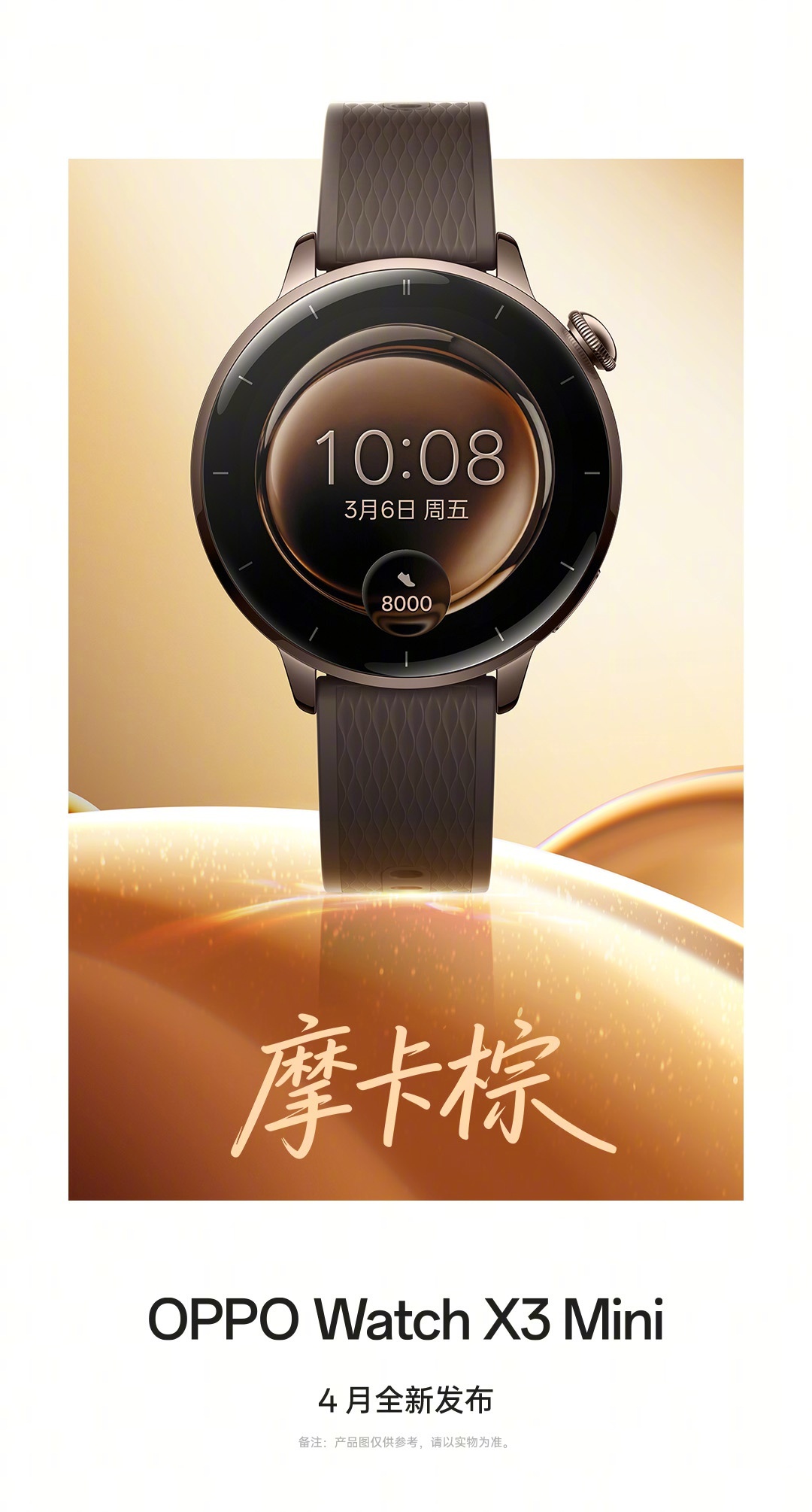
So the rumors were true. Samsung has officially increased the prices of several Galaxy A and Galaxy F series smartphones in India. The new pricing is in effect starting today, January 5.
According to a post shared by well-known tipster Abhishek Yadav, Samsung has revised the prices of the Galaxy A56, Galaxy A36, and Galaxy F17 across all storage variants. The hikes aren’t uniform, but they are consistent within each model.
The Galaxy A56 now costs ₹2,000 more across the board, the Galaxy A36 sees a ₹1,500 increase on all variants, and the Galaxy F17 gets a ₹1,000 bump regardless of configuration.
Here’s the complete breakdown
Starting with the Galaxy A56, the top-end 12GB RAM and 256GB storage model has moved from ₹44,999 to ₹46,999. The 8GB/256GB variant now costs ₹43,999, up from ₹41,999, while the base 8GB/128GB version has gone from ₹38,999 to ₹40,999.
The Galaxy A36 also isn’t spared. Its 12GB/256GB variant now retails at ₹38,499 instead of ₹36,999. The 8GB/256GB version is priced at ₹35,499, up from ₹33,999, while the 8GB/128GB model has climbed to ₹32,499 from ₹30,999.
Sasmsung Galaxy A56 (left) and Galaxy A36 (right)
Samsung’s budget-oriented Galaxy F17 5G has also seen a hike, though a smaller one. The 4GB/128GB variant now costs ₹15,499, the 6GB/128GB version is priced at ₹16,999, and the top 8GB/128GB model has moved to ₹18,499.
For now, there’s no confirmation on whether Samsung’s flagship devices — including the Galaxy S25 lineup, Galaxy Z Fold 7, and Galaxy Z Flip 7 — will see similar changes.
That said, the new Galaxy devices launching in 2026 are expected to have a price hike as component costs rise across the industry.
iQOO is all set to announce the iQOO Z11 Turbo this month in China. While the launch date is still a mystery, the company is busy revealing key details about the phone. Today, the brand released the following poster to reveal its AnTuTu score, promising performance similar to the OnePlus Ace 6T, which debuted last month in China.
iQOO Z11 Turbo AnTuTu listing
To recall, the OnePlus Ace 6T was unveiled as the world’s first phone powered by the Snapdragon 8 Gen 5 chip. Before the official announcement, this phone was spotted on AnTuTu with an impressive score of 3.56 million. As can be seen above, the iQOO Z11 Turbo, which also packs the Snapdragon 8 Gen 5 chip, has achieved a negligibly higher score of 3,599,038 on AnTuTu.
The mentioned score is a preliminary benchmark result from iQOO’s internal lab, and the actual score may differ. The aforementioned score is a total of a CPU score of 1,057,948, a GPU score of 1,157,399, a memory test score of 572,070, and a UX test score of 811,621.
iQOO Z11 Turbo specifications (rumored)
According to reports, the iQOO Z11 Turbo will feature a 6.59-inch LTPS OLED screen with support for a 1.5K resolution and a 144Hz refresh rate. Under the hood, the device will feature up to 16GB of LPDDR5x RAM, up to 512GB of UFS 4.1 storage, and a 7,600mAh battery.
The device is said to feature a 32-megapixel front camera and a 200-megapixel (Samsung HP5, OIS) + 8-megapixel dual-camera setup on the back. It is also expected to come with other specs, such as OriginOS 6-based Android 16, an ultrasonic in-screen fingerprint sensor, a metal middle frame with a glass back, and an IP68/69 rating.
iQOO 15R incoming
iQOO is said to be working on the iQOO 15R as a rival to the Snapdragon 8 Gen 5-powered OnePlus 15R (a tweaked version of the Ace 6T). Likely, the iQOO 15R, aimed at the global market, could be a rebranded version of the Z11 Turbo.
For more daily updates, please visit our News Section.

8BitDo has announced a new smartphone-focused game controller called the FlipPad. But unlike our regular gamepads, the FlipPad is designed specifically for portrait gaming on Android and iOS devices.
The FlipPad connects to the smartphone’s USB-C port and then flips up onto the lower half of the screen, revealing its gaming pad. This portrait-only focus is what separates the FlipPad from 8BitDo’s existing mobile controllers.
8BitDo FlipPad Overview
In terms of design, the FlipPad looks very much like an 8BitDo product. It uses the company’s familiar G Classic design theme. There’s a black D-pad, burgundy ABXY buttons, and gray Start and Select buttons.
In addition, there are six white buttons, though 8BitDo hasn’t yet explained what those buttons do or how they’ll be used in games. Based on past releases, it’s likely that more color options will be available later.
Where mobile play unfolds.
Introducing 8BitDo FlipPad — a flip-style gamepad designed for mobile gaming. Compatible with iOS and Android devices. Officially supported by Apple.
8BitDo says the FlipPad works with both Android and iOS devices and is officially supported by Apple, which suggests it should integrate cleanly with iOS games and input standards.
However, the company hasn’t shared pricing details yet. That information may arrive during its full CES 2026 announcement later this week.
You also won’t be able to buy one right away. According to 8BitDo, the FlipPad is expected to launch this summer. Those who are attending CES 2026 in person can get their first hands-on experience at the LVCC Central Hall, Booth #15641.
In a separate note, we are covering major CES 2026 announcements, all of which you can read here.
For more daily updates, please visit our News Section.
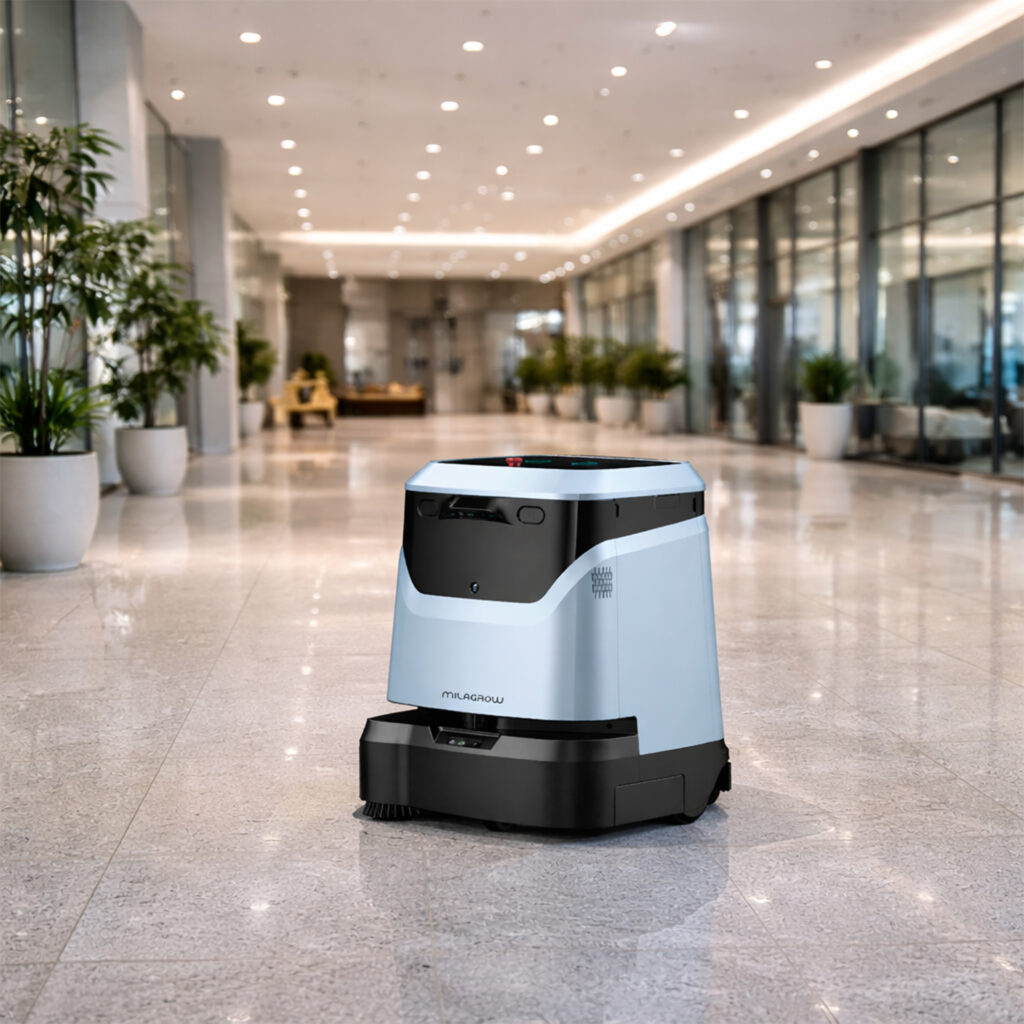
Samsung is going big at CES 2026. The company has unveiled what it calls the world’s first 130-inch Micro RGB TV, codenamed the R95H, with the widest 100% BT.2020 color gamut of any modern TV.
Since the new Micro RGB TV is massive, Samsung doesn’t want it to feel overwhelming. Instead of leaning into the “giant black rectangle on a wall” look, the R95H uses what Samsung describes as a window-like frame mold design. The idea is that the screen looks more like a large architectural window than a traditional TV.
According to Samsung, the design is a modern evolution of its older Timeless Gallery concept from 2013. The updated “Timeless Frame” wraps around the 130-inch panel and gives the display a gallery-inspired appearance. Sound is also built into the frame itself, and the audio is tuned to match the size of the screen so the picture and sound feel naturally connected.
The Micro RGB display is the highlight here
On the technology side, the R95H is built around Samsung’s latest Micro RGB display system. It combines the Micro RGB AI Engine Pro, Micro RGB Color Booster Pro, and Micro RGB HDR Pro to handle color, contrast, and brightness.
Samsung is also using AI to refine darker tones, improve subtle contrast, and keep colors looking accurate in both bright and dim scenes.
The TV supports 100 percent of the BT.2020 color gamut and has VDE certification for precise color reproduction. There’s also Samsung’s glare-free, low-reflection coating to keep colors and contrast intact even in well-lit rooms.
The R95H supports HDR10+ Advanced and Eclipsa Audio, along with an updated Vision AI Companion. This includes conversational search, recommendations, and access to features like AI Football Mode Pro, Live Translate, Generative Wallpaper, and integrations with Microsoft Copilot and Perplexity.
Samsung will be showing off the 130-inch Micro RGB TV in its exhibition zone at CES 2026 in Las Vegas. However, pricing and availability haven’t been announced yet.
For more daily updates, please visit our News Section.

Realme has officially confirmed that the Realme Neo 8 will be launched later this month in China. Alongside the announcement, the brand has also offered a first look at one of its colour options, hinting at a refreshed design language and an upgraded positioning for the Neo lineup this year.
Realme Neo 8 design
Realem Neo 8 design revealed
The Realme Neo 8 introduces a transparent cyber-inspired rear panel finished in a new “Cyber Purple” colour. The see-through back highlights internal patterns designed to give the phone a more tech-forward personality.
On the right side of the camera housing, the signature Awakening Halo lighting feature makes a return, adding a visual highlight during notifications and charging. One of the most eye-catching details is the “120X” marking near the camera module, suggesting the presence of a periscope telephoto lens capable of extended zoom.
Realme has also confirmed that the Neo 8 will move away from plastic construction, with all variants featuring a metal frame paired with a glass back, improving both durability and in-hand feel.
Realme Neo 8 specifications (rumored)
Leaks have revealed that the Realme Neo 8 will feature a 6.78-inch Samsung AMOLED display with 1.5K resolution and a 165Hz refresh rate. The screen is said to support an ultrasonic in-display fingerprint sensor and full water resistance certification. Powering the device is expected to be the Snapdragon 8 Gen 5 chipset, paired with LPDDR5x RAM and UFS 4.1 storage, placing it firmly in the flagship performance bracket.
The phone is tipped to house an 8,000mAh battery with 80W fast charging support. Camera details remain limited, but reports suggest a 50-megapixel periscope telephoto sensor. If pricing trends continue, the Realme Neo 8 could debut at 2,500 Yuan (~$360), making it a strong contender in its segment.
For more daily updates, please visit our News Section.
Redmi has officially confirmed that the Redmi Turbo 5 series will be unveiled later this month, with the lineup introducing a brand-new model called the Redmi Turbo 5 Max. The announcement hints at a stronger push in the 2,500 Yuan (~$360) performance segment, while keeping detailed specifications under wraps for now.
Redmi Turbo 5 Max variant officially confirmed
Redmi Turbo 5 Max launching this month
Official teasers suggest that the Redmi Turbo 5 Max is positioned as a step-up model focused on higher performance, improved endurance, and a more premium in-hand experience. A design detail from the promotional material shows the word “Max” reflecting as “WIN”, indicating Redmi’s confidence in how the phone is expected to compete in its category.
Leaks from Chinese tipsters point towards the Turbo series receiving a noticeable upgrade this year, including wider adoption of metal frames, large flat displays with rounded corners, and next-generation MediaTek chipsets. Some reports also indicate testing of ultrasonic fingerprint technology on higher-end variants, along with what is claimed to be the largest battery ever used in a Redmi phone.
The standard Redmi Turbo 5 Max is expected to retain a slightly lower positioning and is likely to be powered by the Dimensity 8500 chipset. This processor is built on a 4nm process and features an all-big-core CPU design, is scheduled to debut on Jan. 15 in China. The higher variant could be dubbed Redmi Turbo 5 Pro Max and may feature the upcoming Dimensity 9500e.
Outside China, the Redmi Turbo 5 Max and Redmi Turbo 5 Pro Max are expected to get rebranded as the Poco X8 series. Rumors suggest that the lineup may not include the standard Poco X8 but may comprise the Poco X8 Max (or Poco X8 Pro) and Poco X8 Pro Max.
For more daily updates, please visit our News Section.
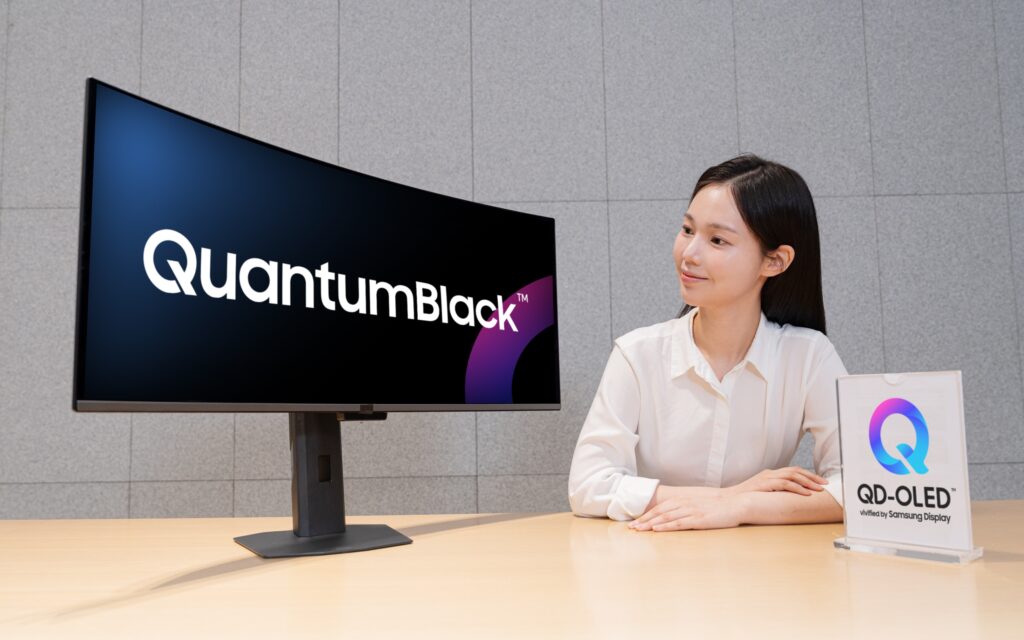
Samsung Display has unveiled a 77-inch QD-OLED TV capable of reaching 4,500 nits of peak brightness. The company showcased the new panel ahead of CES 2026, calling it the world’s brightest self-emissive display. The QD-OLED panel achieves its brightness by combining the peak luminance of each RGB component. Samsung says this approach improves color purity and delivers higher perceptual brightness compared to OLED panels that rely on white subpixels.
The panel also supports AI-based image optimization, allowing TVs to automatically adjust picture quality depending on content and environment. Samsung plans to use this new-generation panel in its high-end OLED TVs launching in 2026.
At CES, Samsung Display will also demonstrate a wide range of AI-powered OLED concepts. The company will exhibit the AI OLED Bot, a small robot with a 13.4-inch OLED display that functions as a teaching assistant. Other concept devices include the AI OLED Turntable and AI OLED Cassette, speaker systems with circular OLED panels that recommend music and display visual content in real time.
Samsung Display has set up a dedicated durability zone at the exhibition. In one test area, a robotic arm throws basketballs at 18 foldable OLED panels mounted on a board. The panels remain fully functional after repeated impacts. Another test drops steel balls on foldable displays to compare their resilience with other screen technologies.
In the automotive space, Samsung will show off new cockpit concepts. These include an 18.1-inch flexible L-shaped center display, a hidden passenger screen, and OLED tail lamps capable of displaying live road alerts to vehicles behind.
Samsung Display is also showcasing its RGB OLEDoS microdisplay, featuring 5,000 PPI in a 1.4-inch panel. The company has integrated the panel into a headset demo to highlight potential use in future XR devices.
Oppo has launched the Oppo Watch S globally, delivering a feature-packed smartwatch with strong display performance and comprehensive health tracking capabilities.
The device centers on a 1.46-inch AMOLED screen with 464×464 resolution and 317ppi density. Its standout feature is 3000 nits peak brightness, ensuring outdoor readability. The stainless steel body measures 8.9mm thick and weighs 35 grams without the strap. Running ColorOS Watch 7.1 on a BES2800BP chipset with 4GB EMMC storage, the watch offers extensive customization through multiple watch faces for different scenarios.
Fitness tracking covers over 100 workout modes with customizable options. Runners benefit from guided sessions, posture analysis, and lactate threshold monitoring. Select sports include professional court analytics for detailed performance insights.
Health monitoring uses an 8-channel heart rate sensor, 16-channel blood oxygen sensor, and wrist temperature sensor. The watch delivers a 60-second wellness snapshot, sleep analysis, stress tracking, and integrated mind-body assessments. Durability meets IP68 and 5ATM water resistance standards. The splash touch feature maintains screen responsiveness when wet.
Connectivity includes Bluetooth 5.2, cross-platform dual phone pairing, on-wrist messaging, and access card support. Dual-band L1+L5 positioning improves location accuracy. Users can control short video playback and operate their phone camera remotely from the watch.
The 339mAh battery provides up to 10 days maximum life and approximately 7 days under typical use. Compatibility spans Android 9.0+ and iOS 14.0+, making it accessible across major smartphone platforms.
The package includes the watch with strap, integrated charging cable, user guide, and safety documentation. Available colors are Phantom Black and Silver Gleam.
For more daily updates, please visit our News Section.
Tenda has launched its latest high-end router, the Taishan BE7200 Ultra, in China. The company claims it challenges the best-value 7200-class routers on the market. The BE7200 Ultra supports the Wi-Fi 7 standard and carries a regular price of 549 yuan ($78), with a limited-time launch price of 429 yuan ($61).
Tenda Taishan BE7200 Ultra Specs
The router supports dual-band Wi-Fi 7 with a combined wireless speed of up to 7141Mbps. It includes Multi-Link Operation (MLO), allowing compatible devices to transmit data across both 2.4GHz and 5GHz bands simultaneously. The router is powered by a quad-core 2GHz CPU, delivering up to 18,400 DMIPS of computing performance.
The Taishan BE7200 Ultra features a vertical chassis design inspired by Mount Tai. The body includes five upright antennas and supports AI-based antenna management that detects connected devices and adjusts signal focus automatically. Tenda says the vertical design helps improve heat dissipation.
The router includes nine high-power signal amplification modules, four for the 2.4GHz band and five for 5GHz. Tenda claims its Xtra Range 3.0 technology extends signal coverage by up to 30 meters on 2.4GHz and 4.5 meters on 5GHz compared to standard routers.
In terms of wired connectivity, the BE7200 Ultra provides two 2.5Gbps Ethernet ports and three Gigabit Ethernet ports. Tenda adds features such as NFC-based one-tap Wi-Fi access, AI voice-assisted parental controls via the Tenda Wi-Fi app, and a dedicated IoT network for smart home device isolation. The router also supports WPA3 security, IPv6, IPTV, MRU anti-interference.
A recent report revealed that four new Vivo phones were certified by the Bureau of Indian Standards (BIS) in December 2025. These include two V70-series phones, a T-series phone, and a Y-series phone. A new development reveals that two more phones were also approved by the BIS authority on Dec. 31, 2025.
Vivo X300 FE, X200T BIS certified
Vivo X300 FE and Vivo X200T BIS certified
As can be seen in the above screenshot, two upcoming phones with model numbers V237 and V2561 have also been certified by the BIS authority. These devices were recently spotted on the Bluetooth SIG certification database with the Vivo X300 FE and Vivo X200T monikers, respectively.
As mentioned above, the BIS has also approved other phones, such as the Vivo V70 (V2538), Vivo V70 Elite (V2548), Vivo T5x (V2545), and Vivo Y51 (V2544). The BIS certifications do not reveal any information about their specifications, but they hint that these devices will debut soon, probably in the first quarter of this year.
Vivo X300 FE, X200T specifications (rumored)
Vivo S50 Pro Mini
The Vivo X300 FE is expected to be a rebranded version of the Vivo S50 Pro Mini, which debuted in December 2025 in China. It is a compact phone with a 6.31-inch OLED LTPO 1.5K 120Hz screen, a Snapdragon 8 Gen 5 chip, a 6,500mAh battery with 90W wired and 40W wireless charging, a 50-megapixel front camera, and a 50-megapixel (main) + 8-megapixel (ultra-wide) + 50-megapixel (3x periscope) triple camera unit.
The Vivo X200T appears to be a rebranded edition of the Vivo X200s, which was announced in April 2025 in China. The X200s has a 6.67-inch OLED LTPO 1.5K 120Hz screen, a Dimensity 9400 Plus chip, a 6,200mAh battery with 90W wired and 40W wireless charging, a 50-megapixel front camera, and a 50-megapixel (main) + 50-megapixel (ultra-wide) + 50-megapixel (3x periscope) triple camera setup.
Vivo X300 FE, Vivo X200T price, launch timeframe (rumored)
Vivo X200s
The Vivo X300 FE is expected to cost around Rs 60,000 (~$666) at launch. The X200T is speculated to be an online-only phone, which may debut with a price tag of around Rs 55,000 (~$610) by the end of this month.
At present, there is no specific information about the launch timeline of the X300 FE. However, considering that the X200 FE was announced in July 2025, the X300 FE could arrive by late January or February, maintaining an approximately six-month release cycle.
For more daily updates, please visit our News Section.

Huawei may launch its Pura X2 foldable later than expected. A leak from tipster Fixed Focus Digital revealed that the release date of Huawei’s Pura X2 will be later than the Pura 90 series.
The Pura 90 series is expected to follow the previous release schedule and might launch in late Q1 or Q2 2026. The Pura X2 launching later than the Pura 90 series means the early launch timeline is the second quarter of 2026. The first-gen Pura X, for comparison, launched in March 2025.
As the successor to the Pura X, the Pura X2 will continue the unique wide folding form factor, which, when unfolded, reveals a large-screen user experience close to that of a tablet.
In terms of performance configuration, the phone will be equipped with the Kirin 9030 chip, which is the same chip as the Mate 80 series. The chip adopts a brand-new 9-core architecture.
In terms of the imaging system, the Pura X2 will most likely be equipped with a quad-camera setup, specifically including a 50-megapixel main camera, a 40-megapixel ultra-wide-angle lens, an 8-megapixel telephoto lens, and a 1.5-megapixel multispectral channel camera.
Here’s what the Pura X brings
The Huawei Pura X features a 6.3-inch LTPO OLED main screen with a unique 16:10 aspect ratio, complemented by a 3.5-inch outer display. The upcoming model is expected to keep the same triple rear camera setup or make it better. This camera system includes a 50-megapixel primary camera, a 40-megapixel ultra-wide camera, and an 8-megapixel telephoto camera that supports 3.5x optical zoom.
The phone packs a 4,720 mAh battery and supports fast 66W wired charging as well as 40W wireless charging. While the original Pura X uses the Kirin 9020 processor, upgrading to the Kirin 9030 would be a natural next step for this series.
For more daily updates, please visit our News Section.
MSI has unveiled the MPG 341CQR QD-OLED X36 gaming monitor just ahead of CES 2026. The new model features Samsung Display’s latest 5th Generation V-Stripe QD-OLED panel, paired with high-end specifications aimed at competitive gamers and content creators.
MSI MPG 341CQR QD-OLED X36 Specs
The monitor features a 34-inch curved display with a 21:9 aspect ratio and a UWQHD resolution of 3440 × 1440. It supports a 360Hz refresh rate and delivers a GtG response time of 0.03ms. The display reaches 300 nits brightness in SDR and 1,300 nits at peak HDR, backed by certifications such as VESA DisplayHDR True Black 500 and ClearMR 18000.
MSI has equipped the monitor with a 5-layer Tandem OLED structure using EL Gen 3 technology, which improves light efficiency by 30%. The panel also switches to a new RGB Stripe sub-pixel layout. This change improves text clarity and eliminates color fringing, one of the major complaints from earlier QD-OLED models. MSI has also applied its DarkArmor Film to the screen, which reduces reflections and boosts black depth by up to 40% while increasing scratch resistance from 2H to 3H.
The monitor covers 99% of the DCI-P3 color space and 98% of Adobe RGB, with Delta E ≤ 2 factory calibration for accurate color reproduction. MSI has included a custom HDR curve feature, which allows users to fine-tune brightness behavior depending on content size and average picture level (APL). This adjustment helps mitigate the effects of OLED brightness limiting.
The MPG 341CQR QD-OLED X36 introduces MSI’s AI Care Sensor system. It uses a built-in NPU to detect human presence and automatically puts the screen to sleep or wakes it up as needed. The sensor also enables adaptive dimming, auto brightness, and ambient-aware color temperature controls to improve efficiency and eye comfort.
For connectivity, the monitor includes one DisplayPort 2.1a with UHBR13.5, two HDMI 2.1 ports, and one USB-C port with DisplayPort Alt Mode and 98W power delivery. MSI has also redesigned the stand to reduce its desk footprint by 62% while maintaining stability.
Pricing and Availability
MSI confirmed that a more premium model, the MEG X True AI Gaming monitor, will also debut using the same 5th Gen QD-OLED technology. The company has not yet shared availability or pricing details.
Xiaomi Pad 8 Pro and Apple iPad 2025 target two very different kinds of tablet buyers, one looking for raw performance and premium multimedia power, and the other prioritizing reliability, simplicity, and ecosystem comfort. This comparison brings together a feature-packed Android powerhouse and a refined, budget-friendly iPad to see which one truly offers better value in real-world use, especially for students, creators, and productivity-focused users deciding between power and practicality.
Xiaomi Pad 8 Pro carries a performance-focused aluminum build with a modern, utility-driven feel. The side fingerprint reader and sturdy frame make it suitable for professional and creator-centric workflows. Apple iPad 2025 keeps a cleaner, minimalist aluminum design that suits students and everyday users who prefer a lighter, friendlier aesthetic. Both support magnetic stylus accessories, but the Pad 8 Pro gives a more “power-user” impression, while the iPad emphasizes comfort and familiarity.
Display & Multimedia
The Pad 8 Pro delivers a sharper and more immersive experience with its 144Hz HDR display, Dolby Vision support, and higher peak brightness, making it excellent for gaming, reading, and media. The iPad 2025 uses a standard 60Hz Liquid Retina panel that focuses on accuracy and consistency, working well for streaming, browsing, and educational use. The difference feels more like enthusiast performance versus dependable everyday viewing.
Verdict
Design and display lean toward the Xiaomi Pad 8 Pro for premium visuals and immersion, while the iPad 2025 remains the better fit for simple, reliable day-to-day use.
2. Performance and Software
Processor & UI Smoothness
The Snapdragon 8 Elite gives the Xiaomi Pad 8 Pro a clear edge in raw performance, handling gaming, editing, and intensive multitasking with ease. HyperOS 3 feels fluid, especially with higher RAM options. The iPad 2025’s A16 Bionic remains fast and efficient for study tasks, productivity apps, and creative tools within Apple’s ecosystem, prioritizing stability over extreme compute power.
Productivity & Multitasking
The Pad 8 Pro benefits from faster storage, bigger memory options, and its high-refresh interface, making multi-window workflows feel more flexible. It suits creators and heavy users who work across multiple apps. The iPad focuses on polished app behavior, reliable split-screen tools, and ecosystem continuity, ideal for structured productivity and academic workflows.
Verdict
Performance favors the Xiaomi Pad 8 Pro for power and workload headroom, while the iPad 2025 excels in optimized, stable, and ecosystem-driven productivity.
3. Battery and Accessories
Battery Life
The Xiaomi Pad 8 Pro’s 9200 mAh battery and 67W fast charging make it well-suited for long usage sessions, media consumption, and study or work days, with reverse wired charging as a useful bonus. The iPad 2025 offers steady endurance with efficient power use and 45W charging, built more around consistent daily reliability than extended heavy use.
Stylus, Keyboard & Ecosystem
The Pad 8 Pro works well as a creative workstation when paired with stylus and keyboard accessories, appealing to productivity-focused and creator-centric users. The iPad benefits from better ecosystem maturity, strong accessory compatibility, and seamless sync for users already invested in Apple devices. The difference feels like versatility versus ecosystem polish.
Verdict
Battery strength and flexibility tilt toward the Xiaomi Pad 8 Pro, while the iPad 2025 stands out for accessory integration and ecosystem reliability.
4. Camera & Media
Rear and Front Camera
Xiaomi Pad 8 Pro’s 50MP rear camera and 32MP ultra-wide selfie setup suit users who occasionally rely on a tablet for photos, content capture, and video calls. The iPad 2025’s 12MP rear and 12MP ultra-wide front cameras focus more on practicality, ideal for classes, scanning, and meetings.
Video & Audio Quality
Both support 4K recording, but the Pad 8 Pro’s Dolby Atmos speakers and multimedia tuning make it better suited for entertainment, gaming, and immersive viewing. The iPad delivers balanced video stability and clear stereo sound, fitting learning environments, productivity calls, and casual streaming.
Verdict
Camera and media lean toward the Xiaomi Pad 8 Pro for creative and entertainment use, while the iPad 2025 fits communication and academic scenarios more effectively.
5. Pricing
At around ~$400, the Xiaomi Pad 8 Pro offers flagship-class performance, fast charging, and a high-end multimedia experience, making it a strong value for power users and creators. The Apple iPad 2025, at roughly ~$300, provides a more affordable entry point into a polished and reliable ecosystem, appealing to students and everyday buyers.
The iPad wins on price accessibility, while the Pad 8 Pro delivers stronger performance value per dollar.
Disclaimer: Prices are approximate and may vary based on country, region, and applicable taxes.
6. Conclusion
The Xiaomi Pad 8 Pro stands out with its flagship processor, high-refresh HDR display, and creator-oriented hardware positioning. The Apple iPad 2025 shines through ecosystem depth, app optimization, and dependable everyday usability suited to study, work, and lifestyle workflows.
Verdict
If only one tablet were to be chosen overall, the Xiaomi Pad 8 Pro makes more sense for most users, especially if performance, display quality, battery life, and multimedia experiences matter. It offers significantly stronger hardware, a high-refresh HDR display, faster charging, and better multitasking headroom, making it a more future-proof choice for productivity, creativity, and entertainment.
Apple iPad 2025 is a solid and more affordable option with a polished ecosystem, but in a direct choice where power and versatility weigh heavier, the Xiaomi Pad 8 Pro stands out as the better all-around pick.
The upcoming Poco X8 Pro has been gradually bagging certifications across multiple regions. The device, which has already received approvals from Europe’s EEC, India’s BIS, and SGS, has now cleared Indonesia’s SDPPI certification. As usual, the listing does not reveal any specifications. However, it is believed that the phone could be a rebranded version of the Redmi Turbo 5, which is expected to launch later this month in China.
Poco X8 Pro SDPPI listing
As seen in the listing, an upcoming Poco smartphone with the model number 2511FPC34G has received approval from Indonesia’s SDPPI authority. Neither the SDPPI listing nor the previously spotted certifications have revealed the device’s final marketing name. That said, it is widely speculated to be a rebranded version of China’s Redmi Turbo 5, which is said to carry the model number 2511FRT34C.
Since the Poco X7 Pro was essentially a rebadged version of the Redmi Turbo 4 for the Chinese market, it is likely that the Poco X8 Pro could follow a similar strategy and arrive as a renamed version of the Redmi Turbo 5.
Poco X8 Pro specifications (rumored)
According to rumours, the Poco X8 Pro may feature a 1.5K LTPS OLED display and could be powered by the MediaTek Dimensity 8500 chipset. The device is also expected to pack a 6,500mAh battery, along with support for up to 100W fast charging. On the software front, it is tipped to run Android 16 with HyperOS 3 layered on top.
Poco X8 lineup rumours
Reports further suggest that Poco may skip launching a standard Poco X8 this year. Instead, the lineup could include a Poco X8 Pro Max, which is expected to be a rebranded version of the Dimensity 9500e-powered Redmi Turbo 5 Pro. The Turbo 5 Pro itself is rumoured to debut in China in the near future.Top of Form
For more daily updates, please visit our News Section.
Choosing a flagship iPhone in 2026 isn’t just about picking the most powerful model; it’s about finding the one that truly fits your lifestyle, priorities, and budget. Apple’s latest lineup gives buyers four distinct paths: a balanced everyday flagship, two performance-driven Pro models built for creators and power users, and a sleek new Air variant that blends style with premium capability. This guide breaks down how each iPhone feels to use in the real world, helping you decide which one actually makes the most sense for you.
Major Features Compared:
Feature
iPhone 17
iPhone 17 Pro
iPhone 17 Pro Max
iPhone Air
Winner
Chipset
A19
A19 Pro
A19 Pro
A19 Pro
17 Pro / Pro Max — Most powerful A19 Pro chipset
RAM
8GB
12GB
12GB
12GB
17 Pro / Pro Max / Air — Higher multitasking headroom
The iPhone 17 takes a familiar glass-and-aluminum approach that feels premium yet approachable, making it ideal for everyday users upgrading from older models. The 17 Pro and 17 Pro Max step things up with aluminum-alloy builds that feel more robust and purposeful, appealing to power buyers who value durability and a richer in-hand character. The iPhone Air goes for a sleek titanium frame and a noticeably slimmer profile, giving it a modern, minimal look that feels stylish and slightly more lifestyle-focused than performance-focused.
Display Quality
All four phones feature LTPO Super Retina XDR OLED panels with 120Hz refresh and Dolby Vision, ensuring consistency in sharpness and color richness. The Pro and Pro Max deliver the most immersive viewing experience, especially for gaming and high-brightness outdoor use. The iPhone Air offers a larger, everyday-friendly screen experience that feels balanced for reading, streaming, and work tasks, while the iPhone 17 keeps things straightforward with a refined, bright display that feels more practical than premium-leaning.
Verdict
Choose the Pro/Pro Max for the richest visual experience, the Air for sleek style with a large display, and the iPhone 17 for a refined but mainstream flagship feel.
2. Specifications
Performance
iPhone 17 runs on the A19 chip with 8GB RAM, delivering strong flagship performance suitable for social apps, gaming, and long-term software support. The iPhone 17 Pro and Pro Max upgrade to the A19 Pro with 12GB RAM, which feels better tuned for heavy workflows, video editing, and demanding graphics. The iPhone Air also uses the A19 Pro, but with a slightly lighter performance character that feels optimized for smooth everyday use rather than intense professional workloads. Storage options are more extensive on the Pro and Pro Max, making them better choices for content creators.
Battery and Charging
The iPhone 17 provides reliable daily endurance with fast wired charging and MagSafe/Qi2 wireless support. The 17 Pro and Pro Max offer larger-capacity batteries and feel more confident for long travel days, especially for users who shoot video or stream frequently. The Air focuses on slim design, so its battery feels more balanced than endurance-heavy, suiting users who prefer style and portability with efficient charging rather than extended power cycles.
Verdict
Power users and creators should lean toward the 17 Pro or Pro Max, while the iPhone 17 suits mainstream users and the Air suits stylish performance-seekers who value a thinner design.
3. Camera
Main and Secondary Lenses
iPhone 17 features a dual-camera setup with a 48MP main and ultrawide lens, delivering balanced everyday photography that feels natural for casual users and travelers. The iPhone 17 Pro and Pro Max introduce a triple-camera system with periscope telephoto and LiDAR, offering more creative flexibility, stronger zoom, and advanced video tools such as ProRes and Apple Log 2. These models feel purpose-built for filmmakers and enthusiasts who want cinematic control.
The iPhone Air keeps a single 48MP main camera, prioritizing simplicity and clean image output over multi-lens versatility.
Selfie Camera
All four models share an 18MP selfie system with Dolby Vision and spatial audio recording, offering consistent video quality for social content and video calls. The Pro models add deeper control features that feel more suited for creators who publish regularly.
Verdict
Casual photographers will be happy with the iPhone 17. The 17 Pro and Pro Max are the clear winners for zoom, pro-grade video, and versatility, while the iPhone Air suits users who want flagship-level imaging without complex camera configurations.
4. Pricing
iPhone 17 is priced at around $800, making it the most sensible entry into the 2026 flagship lineup for buyers who want premium features without crossing into Pro-tier pricing. The iPhone Air sits near $1000, positioning itself as a lifestyle-focused flagship for users who value a slim, stylish build with Pro-class performance but fewer camera modules.
The iPhone 17 Pro comes in at about $1100, feeling like the sweet spot for enthusiasts who want stronger cameras, higher RAM, and more advanced connectivity without committing to the largest form factor. The iPhone 17 Pro Max, at around $1200, is the top-end pick for users who want maximum storage options, the biggest display experience, and the most creator-focused camera hardware.
The spread makes the lineup feel intentionally layered, one model for every type of premium buyer rather than a single all-rounder.
Verdict: Budget-conscious flagship buyers should choose the iPhone 17, design-focused premium users should consider the iPhone Air, while power users and creators will get the best long-term value from the 17 Pro or Pro Max.
5. Conclusion
The iPhone 17 stands out as the balanced everyday flagship, offering strong performance, great display quality, and dependable cameras without pushing users into a higher pricing tier. The iPhone 17 Pro and Pro Max feel purpose-driven for professionals and enthusiasts, delivering advanced camera control, Pro-grade video features, and higher RAM that makes them better suited for editing, content production, and long-term heavy use. The Pro Max further appeals to users who prefer a larger cinematic viewing and productivity experience.
The iPhone Air brings a distinctive identity to the lineup, combining a slim titanium design with powerful internals, making it ideal for buyers who want a premium, stylish flagship without the bulk of Pro-tier hardware.
Verdict
Choose the iPhone 17 if you want a premium upgrade at the best value. Pick the iPhone Air if style, slim design, and balanced performance feel more appealing. Go for the iPhone 17 Pro if productivity, photography, and performance matter most. The iPhone 17 Pro Max suits buyers who want the biggest display experience and the most complete flagship package.
6. iPhone 17 Series:Buyer Recommendation
User
Best Pick
Why This Works
Casual Everyday User
iPhone 17
Great balance of performance, cameras, and battery at the most affordable price (~$800); smooth everyday use without overkill features.
Style & Design Focused
iPhone Air
Sleek titanium frame, thin profile, and solid flagship performance, ideal for users who value premium aesthetics with capable hardware.
Mobile Gaming & High Performance
iPhone 17 Pro
A19 Pro + 12GB RAM feels more responsive under heavy loads; excellent for gaming, productivity, and long-term performance headroom.
Photography & Zoom Lovers
iPhone 17 Pro Max
Triple-lens system with periscope telephoto and LiDAR delivers the best zoom, creative control, and low-light results.
Video Creators / Pro Content
iPhone 17 Pro / Pro Max
ProRes, ProRes RAW, Apple Log 2, 10-bit HDR and 3D video tools enable professional-grade filming and editing workflows.
Power Users / Multitaskers
iPhone 17 Pro / Pro Max
Higher RAM, faster storage, and larger storage tiers, especially up to 2TB on Pro Max, suit heavy apps and creator workloads.
Frequent Travelers
iPhone 17 Pro Max
Bigger battery feel and immersive display are better for long trips, navigation, media, and travel photography.
Value-Focused Upgrade
iPhone 17
Best value flagship in the lineup: premium performance and reliable cameras at the lowest entry price.
We use cookies on our website to give you the most relevant experience by remembering your preferences and repeat visits. By clicking “Accept”, you consent to the use of ALL the cookies.
This website uses cookies to improve your experience while you navigate through the website. Out of these, the cookies that are categorized as necessary are stored on your browser as they are essential for the working of basic functionalities of the website. We also use third-party cookies that help us analyze and understand how you use this website. These cookies will be stored in your browser only with your consent. You also have the option to opt-out of these cookies. But opting out of some of these cookies may affect your browsing experience.
Necessary cookies are absolutely essential for the website to function properly. This category only includes cookies that ensures basic functionalities and security features of the website. These cookies do not store any personal information.

Any cookies that may not be particularly necessary for the website to function and is used specifically to collect user personal data via analytics, ads, other embedded contents are termed as non-necessary cookies. It is mandatory to procure user consent prior to running these cookies on your website.