Advertisement

Nothing Phone (3) Update Fixes Android Auto Freezing, Glyph Improvements and Adds Dual SIM Ringtones
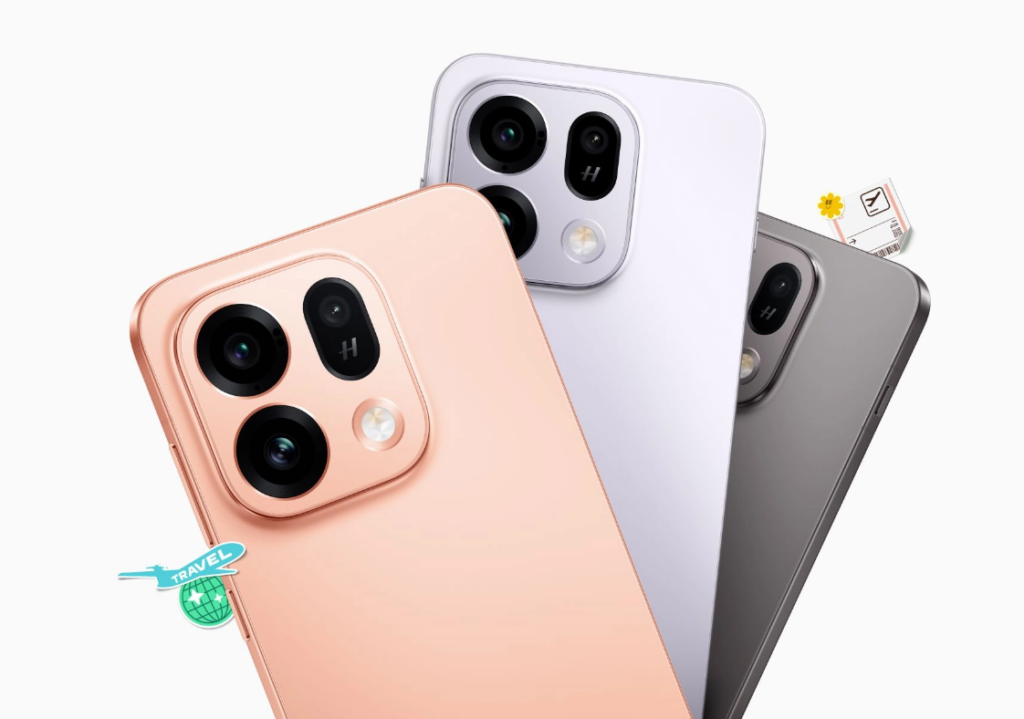
Nothing has released a major software update for the Phone (3). The update, with build number B4.0-251224-1229, brings visual improvements, new features, and bug fixes along with the December security patch.

Nothing Phone (3)
Nothing Phone (3)

What’s Changed Visually

The battery icon now shows the percentage number inside instead of next to it. Extra dark mode works better across different situations. Volume slider animations are smoother when you adjust volume with the physical keys. The Recorder app’s sound wave and wheel animations run more smoothly.

New Features

You can now set different ringtones for each SIM card if you use dual SIMs. The Always-on Glyph Toy stays on until you turn it off manually instead of timing out.

Bug Fixes

The update fixes an issue where Android Auto displays would freeze when connected to your car. Pocket mode detection for the Glyph Interface is more accurate now. Glyph mirror works more reliably across different camera modes.

Video recording no longer switches back to H.264 encoding when you change shooting modes. It stays on H.265 if that’s what you selected. The Pedometer Progress widget stops animating on the lock screen when Always-on Display is active.

System Improvements

Wi-Fi network searches are faster. Vibration and haptic feedback have been improved in more situations. The lock screen and Always-on Display are more stable. Overall system stability and smoothness have been enhanced.

The update rolls out gradually to users. Nothing uses this staggered approach to watch for problems and make sure the update deploys smoothly across all Phone (3) devices before everyone receives it.

For more daily updates, please visit our News Section.

Stay ahead in tech! Join our Telegram community and sign up for our daily newsletter of top stories.

(Source)

Red Magic 11 Pro+ Golden Saga Edition Unveiled With Gold-Plated Cooling and Snapdragon 8 Elite

Red Magic has announced two luxury gaming devices for China: the Red Magic 11 Pro+ Golden Saga and Red Magic Gaming Tablet 3 Pro Golden Saga Limited Edition, with pre-orders launching soon.

The 11 Pro+ Golden Saga showcases automotive-grade materials with supercar carbon fiber construction, aerospace-grade sapphire back cover, and mirror silver frame. The gold, silver, and sapphire design extends to internal components, featuring gold-plated vapor chamber cooling, dual-tone air ducts, and the industry’s first gold-plated liquid cooling system. Even the power button, logo, and included SIM ejector tool receive gold plating. The device ships in a collector’s gift box.

Hardware includes Snapdragon 8 Elite Gen 5, Wind Chaser 4.0 active cooling fan, ICE Magic Cooling System, and 50MP dual cameras. The single 24GB/1TB configuration costs 9,899 Yuan ($1,360).

Alongside the smartphone, Red Magic will also introduce the Red Magic Gaming Tablet 3 Pro Golden Saga. The tablet adopts a similar design language, featuring a gold rear logo, a gold-plated magic key, and a gold-plated ring around the rear camera module. The Gaming Tablet 3 Pro centers on a 9.06-inch OLED display with 165Hz refresh rate, sub-1ms response time, and 4.9mm bezels achieving 90.1% screen-to-body ratio. Peak brightness reaches 1,600 nits with 1,000,000:1 contrast. TÜV Rheinland certification and 5,280Hz PWM dimming reduce eye strain.

Snapdragon 8 Elite chipset built on TSMC’s 3nm process powers the tablet, paired with Red Core R3 Pro co-processor for gaming optimizations. LPDDR5T RAM operates at 9,600 Mbps alongside UFS 4.1 Pro storage. ICE 3.0 cooling combines sandwich vapor chamber, liquid metal 2.0, and active turbo fan.

It has a 8,200mAh battery that charges at 80W, reaching 50% in 22 minutes with bypass charging support. Synaptics S3930 controller delivers 2,000Hz touch sampling. Additional features include 13MP rear camera, 9MP front camera, dual speakers, dual linear motors, NFC, fingerprint sensor, and wireless casting.

For more daily updates, please visit our News Section.

Stay ahead in tech! Join our Telegram community and sign up for our daily newsletter of top stories!

(Source)

DJI Osmo Pocket 3 Hits $520 in Rare 34% Amazon Price Drop

DJI is one of the world’s most popular drone and vlogging camera manufacturers. Vloggers and content creators prefer their products for their superior quality and innovative features. To the great excitement of vloggers and content creators, the powerful DJI Osmo Pocket 3 is currently available on Amazon with a massive discount of up to 34% (saving $270).

Yes, you can grab the DJI Osmo Pocket 3 now at just $520. The maximum retail price listed shows $799, so it’s indeed a massive saving.

In case if you need a refresher, check below what the camera brings to the table.

  • Stunning Image Quality: Featuring a large 1-inch CMOS sensor, the Osmo Pocket 3 delivers crisp, detailed footage even in low-light conditions. It also supports 4K/120fps recording for fabulous slow-motion shots.
  • Rock-Solid Stability: The built-in 3-axis mechanical gimbal ensures your footage stays smooth and professional-looking, no matter how much you move around. So, it’s a perfect companion if you are more into taking action!
  • Smart Features: With advanced Face and Object Tracking, the camera stays locked on your subject, making it incredibly easy to film yourself or dynamic scenes.
  • Convenient Design: The rotatable touchscreen makes switching between horizontal and vertical shooting easy, perfect for YouTube, Instagram, or TikTok.

That being said, in case if you’re a professional looking for a portable cam or a beginner ready to level up your social media game, this seems to be good investment at a mid-range price.

So, don’t miss out! Check out the DJI Osmo Pocket 3 on Amazon here.

Deal Alert: Samsung Galaxy Buds 3 Pro Fall to $180 on Amazon (28% Off) 

Amazon is currently offering a massive 28% discount on the flagship Samsung Galaxy Buds 3 Pro, bringing the price down to just $180. This represents a significant drop from the original $249.99 MSRP, making it the perfect time to snag these premium AI-powered earbuds.

The Galaxy Buds 3 Pro aren’t just a minor iteration; they represent a complete redesign of Samsung’s audio lineup. Moving to a “blade” design, these earbuds provide a more ergonomic, secure fit and improved touch controls. But the real magic is inside. Read more to know the key specs:

Powered by Galaxy AI, these earbuds feature Adaptive Noise Cancellation and Adaptive EQ. The system constantly monitors your environment and how the buds fit in your ear to optimize sound quality in real-time. No matter whether you are in a noisy coffee shop or a quiet library, the Buds 3 Pro should adjust automatically to provide the best possible listening experience.

For audiophiles, the dual-amplifier system and enhanced two-way speakers are expected to deliver crisp highs and deep, resonant bass. With support for HighRes audio, you’ll hear details in your favorite tracks that you might have missed with standard earbuds.

If you own a Samsung device, the integration is flawless. Features like Auto Switch allow you to move between your tablet and phone effortlessly, while the Interpreter mode uses AI to provide real-time translations directly into your ears during face-to-face conversations.

At $179.99, we believe the Galaxy Buds 3 Pro offer incredible value, competing directly with high-end rivals while undercutting them in price. You can choose from the available silver or white colors. With fast shipping available and a 2-year warranty included on this US version, this deal likely won’t last many days.

Check out the deal on Amazon here!

OPPO Pad 5 Matte Display Edition Listed Globally Ahead of January 6 Launch

OPPO has officially unveiled its Pad 5 Matte Display Edition globally ahead of the January 6, 2025 launch event in Malaysia, where the Reno 15 series smartphones will debut. The tablet’s India arrival is confirmed through a dedicated Flipkart landing page revealing complete specifications.

As per the global product page, the OPPO Pad 5 Matte Display Edition features a 12.1-inch 2.8K (2800 x 1980 pixels) anti-glare matte display with 120Hz adaptive refresh rate, 900 nits peak brightness, and Dolby Vision support. TUV Rheinland certified, it reduces glare by 97% and blue light by 70%. The 7:5 aspect ratio screen pairs with the OPPO Pencil 2R stylus, offering 20-hour battery life and rapid charging (10 minutes equals 12 hours usage).

AI-powered productivity tools include Circle to Note, AI Recording Summary, AI Summary, Handwriting Formula Calculation, and AI Eraser. Real-time handwriting polish enhances note-taking capabilities.

A 10,050mAh battery supports 33W SUPERVOOC fast charging, delivering 53 hours of music playback, 15 hours of video streaming, or 6 hours of heavy gaming. Quad speakers provide cinematic audio output.

Running ColorOS 16 based on Android 16, the tablet promises 48 months of fluency protection, certified by TUV SUD. Cross-ecosystem connectivity enables seamless file transfers between OPPO Pad, iPhone, and PC devices through O+ Connect. Features like Quick App Launch & Switch and Flux Home Screen optimize user experience. The OPPO Pad 5 Matte Display Edition will launch in Aurora Pink and Starlight Black colors.

Unlike the Chinese version of the OPPO Pad 5, the global and Indian market models will be rebranded versions of the OPPO Pad Air 5 tablet that recently launched in China. This device is also a rebranded version of the OnePlus Pad Go 2 tablet.

For more daily updates, please visit our News Section.

Stay ahead in tech! Join our Telegram community and sign up for our daily newsletter of top stories.

(Source)

Realme 16 Pro Series Prices Leak, Launch Offers Worth ₹7,999 ($89) Also Confirmed

Realme will launch the Realme 16 Pro series in India on January 6, 2026. The lineup includes two phones: the Realme 16 Pro 5G and Realme 16 Pro+ 5G. The Realme Buds Air 8 earbuds will also launch the same day. Flipkart pages for both phones are already live.

Pre-booking customers get a free backpack worth ₹7,999 (~$89), a 10 percent instant discount up to ₹4,000 (~44), zero down payment, and no-cost EMI for 12 months.

Leaked pricing from Paras Guglani shows the Realme 16 Pro at ₹31,999 (~$355) for 8GB RAM with 128GB storage, ₹33,999 (~$380) for 8GB RAM with 256GB storage, and ₹36,999 (~$410) for 12GB RAM with 256GB storage. The Realme 16 Pro+ is priced higher at ₹39,999 (~$445) for 8GB/128GB, ₹41,999 (~$470) for 8GB/256GB, and ₹44,999 (~$500) for 12GB/256GB.

Realme 16 Pro

Both phones come in Master Gold. The Pro+ adds Master Grey and Camellia Pink. The standard Pro gets Pebble Grey and Orchid Purple.

The Realme 16 Pro+ runs on the Snapdragon 7 Gen 4 chipset and scores around 1.44 million points on AnTuTu. Both models have curved AMOLED displays with 1.48mm bezels and 6,500 nits peak brightness. They carry IP69 ratings and run Android 16 with Realme UI 7.0.

realme 16 Pro

The Pro+ has a 200MP Samsung HP5 main camera and a 50MP periscope telephoto lens. Both phones support AI Recording, AI Framing, and Google Gemini integration.

Realme is focusing on design, display, and camera quality with this series. The curved screens have thin bezels for a cleaner look. The 6,500 nits brightness works well in direct sunlight. The IP69 rating protects against water and dust better than most phones in this price range.

Don’t miss a thing! Join our Telegram community for instant updates and grab our free daily newsletter for the best tech stories!

For more daily updates, please visit our News Section.

(Source: 1, 2)

DASUNG Link is a strange way to give your smartphone an e-ink screen

DASUNG Technology is trying something unusual with smartphones, or at least how we look at them.

The Beijing-based company announced a display solution that turns regular phone content into a high-refresh-rate e-ink experience. The device is called Link, and it’s essentially an external 6.7-inch e-ink screen designed to mirror a phone’s display in real time.

And yes, it’s just a screen with a battery to power it up. It has no processor, camera, or any other regular smartphone hardware.

If that sounds familiar, it’s because DASUNG has released a Link device before. This new version is an upgrade over the previous generation, with the company claiming noticeably faster refresh speeds and smoother performance. According to DASUNG, the experience is now close to that of a traditional LCD screen, at least in terms of motion.

e-ink screen that refreshes at 60Hz!

The big change here is DASUNG’s proprietary 60Hz e-ink ultra-high refresh rate technology. E-ink displays are typically limited to static content like books or documents, and even mild animations can look choppy. DASUNG says this new Link can handle more demanding scenarios, including smooth scrolling and even dynamic video playback, while still keeping the core benefits of e-ink.

The screen itself is a 6.7-inch panel with a resolution of 300PPI. Like other e-ink displays, it doesn’t emit light; instead reflects ambient light in a way that resembles paper. 

Most importantly, this isn’t an e-ink smartphone. DASUNG describes the Link as an “e-ink screen mobile phone display.” It’s essentially a screen projector for your phone. Rather than running its own processor or software, the device mirrors your smartphone and relies entirely on your phone’s CPU, RAM, and interface. Whatever phone you use, that’s the experience you get, just rendered on an e-ink display.

It’s kinda hard to wrap your head around, so here’s a video of previous-gen DASUNG Link in action. The video also sheds light on its limitations, like it doesn’t pair with the latest versions of Android and iOS.

DASUNG says the Link (Ultra-high refresh rate wireless version) will go on sale on major e-commerce platforms starting January 5, 2026, at 8:00 PM. Pricing hasn’t been announced yet.

Don’t miss a thing! Join our Telegram community for instant updates and grab our free daily newsletter for the best tech stories!

For more daily updates, please visit our News Section.

(Via)

Price hikes for Galaxy devices in 2026 seem inevitable as component costs rise

Samsung devices may not stay at current prices for much longer, if recent industry chatter is anything to go by. Reports suggest the company is preparing to raise prices across parts of its smartphone, tablet, and laptop lineup, largely due to rising component costs. Memory prices, in particular, are under pressure as demand from the AI sector continues to surge.

The rapid expansion of generative AI has driven huge demand for high-bandwidth memory (HBM) used in data centres and AI accelerators. That, in turn, has pushed up prices for more conventional memory chips as well. With supply struggling to keep pace, manufacturers are facing higher bills for RAM-heavy products such as phones, tablets, and laptops.

Memory isn’t the only area seeing cost increases. OLED display panels and advanced camera modules have also become more expensive, while labor costs and marketing spend are rising as competition intensifies. Brands with thinner margins, especially in the mid-range segment, are increasingly passing those costs on to buyers.

In India, Samsung is reportedly considering price hikes of up to ₹2,000 on some Galaxy A-series models. Looking ahead, the Galaxy S26 lineup is also expected to launch at higher prices than the current S25 series. Analysts suggest the broader memory supply situation may not fully ease until closer to 2027.

For now, many current Samsung products are still being sold at discounted prices, particularly during ongoing seasonal sales. Models such as the Galaxy Z Fold 7, Galaxy S25 Ultra, Galaxy Watch 8, and Samsung’s OLED TVs are seeing temporary price cuts across several markets.

If the reports hold up, Galaxy fans weighing an upgrade may find the current prices easier to stomach than what comes next.

Don’t miss a thing! Join our Telegram community for instant updates and grab our free daily newsletter for the best tech stories!

For more daily updates, please visit our News Section.

(Source: 1, 2)

iQOO phones rumored with 9,000mAh and even 10,000mAh batteries

Chinese smartphone brands continue to push battery capacity to new extremes, and iQOO appears to be next in line. According to a new leak, the Vivo sub-brand is working on phones with batteries far larger than what the current performance-centric devices include.

iQOO 15 black and white

Well-known Weibo tipster Digital Chat Station hints that iQOO already has a phone in mass production with a battery close to 9,000mAh. More interestingly, another model featuring a 10,000mAh battery is said to be under evaluation. While launch timelines were not mentioned, the leak suggests these devices are part of iQOO’s upcoming roadmap.

The tipster also pointed out how quickly battery sizes are growing across the industry, especially in China. Large-screen phones launching in early 2026 are expected to ship with at least 8,000mAh batteries as standard. Near-flagship models could push towards 9,000mAh, while mid-range devices may go even higher to offer noticeably longer battery life than current premium phones.

For comparison, most global flagships still rely on batteries in the 5,000–6,000mAh range. When asked whether Apple could catch up to this trend anytime soon, Digital Chat Station responded bluntly: “Impossible, absolutely impossible.”

Separately, another leak suggests iQOO is preparing the iQOO 15 Ultra. It’s tipped to launch before the Chinese Spring Festival, likely in late January or early February 2026. The phone is expected to feature a bold new design, gaming shoulder buttons, and an upgraded active cooling fan, said to be the largest and most efficient iQOO has used so far.

While the battery size of the iQOO 15 Ultra hasn’t been confirmed yet, these reports point to a clear shift in priorities. Chinese brands appear willing to trade slim designs for longer battery life and sustained performance, especially for gamers and power users.

Don’t miss a thing! Join our Telegram community for instant updates and grab our free daily newsletter for the best tech stories!

For more daily updates, please visit our News Section.

(Source | Via)

Motorola pushes Android 16 beta update for Moto Pad 60 Pro

Moto Pad 60 Pro Android 16 update

Motorola has worked on its update rollout speed this year to deliver faster updates to its devices, as the Android 16 update has already dozens of phones and it’s gradually rolling out to the remaining devices. The latest on the list is the Moto Pad 60 Pro, although it’s rolling out as a beta for now.

As spotted by folks at Ytechb, the Android 16 beta update for the Moto Pad 60 Pro comes with the firmware version 17.5.02.026. The update will soon start rolling out to the remaining users. To check for available updates, go to Settings > System updates and tap Check for updates.

Motorola Moto Pad 60 Pro Android 16 beta update

To get the updates early, you can sign up for the Motorola Feedback Network (MFN) testing program. Here are the steps to follow:

  1. Create an account on Motorola’s community website (if you haven’t already).
  2. Visit the profile page and update your IMEI or serial number (SN) details.
  3. Opt in for MFN on your Motorola community profile.
  4. Always ensure that your phone is running the latest software.
  5. Go to the MFN Beta Testing Opportunities page to see a testing opportunity for your Motorola device.
  6. Tap on the registration link for your Motorola phone.
  7. Fill in the required details and submit your application.

Keep an eye on your inbox for emails from Motorola about the beta update. Remember to check your spam or junk folder as well, so you don’t miss any important updates.

When you receive the beta update on your Motorola device, take a moment to ensure that your device has sufficient storage and at least 30% battery before tapping the install button. A strong Wi-Fi connection is also recommended, as these major upgrades are bulky in size, over a GB. 

At the time of writing this post, we don’t have the update changelog for the Moto Pad 60 Pro, but it should be similar to other Motorola devices that have already received the Android 16 update. So, we don’t expect visual upgrades or major changes, but rather a range of useful enhancements to improve the user experience. This includes Notification cooldown, Custom modes, Flash notification, and the Advanced protection feature. The update also brings improvements to Bluetooth LE audio device compatibility, Wi-Fi connectivity, and device stability.

You can regularly visit the Motorola section on Gizmochina to stay up-to-date with the latest news and developments. Or, if you prefer instant updates, don’t forget to join our Telegram channel.

GizmoChina’s Best of 2025: Chinese Smartphones

2025 has been a year of unapologetic ambition for Chinese smartphone brands. The country’s top OEMs have gone all in on flagship territory, pushing camera tech to extremes, experimenting with AI, and embracing display innovation with a level of finesse that’s hard to ignore.

GizmoChina Best Chinese Smartphones of 2025

As we wrap up the year, five models stand out as the most impressive flagships from China. These aren’t just spec monsters, they’re statements of intent from the country’s biggest players.

1. Oppo Find X9 Pro

Oppo-Find-X9-Pro

Oppo Find X9 Pro (review)is the closest thing to a professional camera that fits in your pocket. Its triple rear setup includes a 50MP Sony LYT-828 main sensor, a 50MP ultra-wide, and a massive 200MP periscope telephoto lens with the Samsung HP5. What makes it stand out is the Hasselblad teleconverter kit, an optional accessory that brings a true 230mm equivalent focal length with a bright f/2.1 aperture. That’s something even DSLR shooters will envy.

The 6.78-inch LTPO AMOLED display hits 3600 nits peak brightness, while the Dimensity 9500 chipset and a 7500mAh silicon-carbon battery ensure this phone doesn’t just look good but lasts long. ColorOS 16 on Android 16 is refined, and the multi-spectral lens adds a science-fiction-level dimension to imaging. If you shoot a lot of video, this phone’s 4K 120fps Dolby Vision and 10-bit Log support are simply unmatched.

Please Note: When you buy something using the links in our articles, we may earn a small commission at no cost to you.

2. Xiaomi 17 Pro Max

Xiaomi 17 Pro Max (review) is a lesson in going all out. The 6.9-inch 2K OLED screen is stunning. It’s paired with a Dynamic Back Display, a second 2.9-inch AMOLED screen that doubles as a smart widget hub and selfie preview monitor.

Camera-wise, the phone delivers with a Leica-branded 50MP main sensor, 50MP ultra-wide, and a 5x periscope with a 1/2-inch sensor and prism design to boost light intake. Xiaomi’s software experience on HyperOS 3 is snappy, and the 7500mAh battery, 100W charging, and UWB support round it out as a well-balanced beast. This is the ultimate lifestyle flagship with a side of gaming nostalgia thanks to the optional Retro Handheld Gamer Case.

3. Vivo X300 Pro

The Vivo X300 Pro might be the most balanced flagship of the year. It packs a 50MP Sony LYT-828 sensor, 200MP Samsung HPB periscope, and 50MP ultra-wide, all tied together with Zeiss APO certification and a dual-chip imaging system (V3+ and VS1). For photography enthusiasts, this one goes deep on optics and clarity. Even the front camera gets a 50MP treatment with 4K video recording.

The 6.78-inch AMOLED display supports full-link natural color calibration and 4500 nits peak brightness. The 6510mAh battery, 90W wired and 40W wireless charging keep things moving, while the OriginOS 6 based on Android 16 runs like a charm. It’s the kind of phone that feels like it was co-designed with pro shooters and UI nerds alike.

Please Note: When you buy something using the links in our articles, we may earn a small commission at no cost to you.

4. Honor Magic 8 Pro

HONOR Magic 8 Pro

Honor came into 2025 swinging with the Magic 8 Pro. Its most striking feature isn’t just the 200MP telephoto camera or the 6.71-inch quad-curved OLED display, it’s the AI. Magic UI 10 introduces a cross-platform ecosystem that actually works across Android, iOS, HarmonyOS, and Windows. Add to that the YOYO agent, which can handle over 3,000 real-life scenarios, and this phone genuinely feels futuristic.

It also debuts Magic Color, an AI-based color engine that brings 16.77 million tones to life with real-time local and global tonality adjustments. The Snapdragon 8 Gen 5 keeps things fluid, while the 7200mAh battery supports 100W wired and 80W wireless charging. Honor’s calling card here is software maturity, something that finally matches its hardware chops.

5. Huawei Mate 80 Pro Max

If any phone in this roundup feels like it was built for survivalists, it’s the Huawei Mate 80 Pro Max (review). This 6.9-inch behemoth combines a Kirin 9030 Pro chip with HarmonyOS 6 and a stunning dual-layer OLED display. The camera system is arguably the most versatile: 50MP main, 50MP macro telephoto, 40MP ultra-wide, and 50MP super telephoto with Huawei’s XMAGE magic baked in.

The phone supports satellite messaging, Beidou navigation, and peer-to-peer calls even without a network. It also features next-gen Kunlun glass, IP68 and IP69 protection, and a 6000mAh battery with 100W wired and 80W wireless charging. Think of it as the smartphone equivalent of a Swiss Army knife: tough, capable, and ready for anything.

For more daily updates, please visit our News Section.

Stay ahead in tech! Join our Telegram community and sign up for our daily newsletter of top stories! 💡

Xiaomi unveils 140W Desk Charging Station with 2C+2A+4AC ports, PD 3.1 fast charging

Xiaomi has officially announced the Xiaomi Desk Charging Station 140W. The new product adopts a 2C + 2A + 4AC port layout and will launch through crowdfunding on January 7. The suggested retail price is set at 299 yuan ($42), while early backers can purchase it for 249 yuan ($36).

Xiaomi Charging Station 140W

Xiaomi Desk Charging Station Specifications

The charging station is designed as a centralized power solution for modern desks. It combines high-speed USB charging and traditional AC outlets in one compact unit. The station features two USB-C ports, two USB-A ports, and four AC outlets, allowing users to power a variety of devices simultaneously.

The USB-C1 and USB-C2 ports support up to 140W output individually via PD 3.1 fast charging. This makes the station capable of charging devices such as Apple MacBooks and high-performance Windows laptops at full speed. Xiaomi also supports its own 120W fast-charging standard across the USB-C1, USB-C2, and USB-A1 ports. These ports are backward compatible with multiple Xiaomi charging profiles, including 100W, 90W, 67W, and 33W.

Xiaomi Desk Charging Station 140W

Xiaomi includes a dedicated low-current USB-A2 port, optimized for small accessories like Bluetooth earbuds, smartwatches, and fitness bands. The low current helps protect sensitive devices from overheating and overcharging.

The station uses an intelligent power management chip that dynamically adjusts output across all ports. When devices are connected or removed, the system reallocates power in real time to maintain stable charging without interruptions.

For safety, it includes overcurrent protection, short-circuit protection, overvoltage protection, and temperature control. The design also includes a non-slip base and a minimal, professional appearance suited for both home and office use.

In related news, Xiaomi has recently launched a new flagship electric shaver featuring dual-ring stainless-steel blades and a battery life of up to 95 days, alongside its most expensive ceiling light with 10,000-lumen brightness, eye-protection features, and HyperOS support.

For more daily updates, please visit our News Section.

Stay ahead in tech! Join our Telegram community and sign up for our daily newsletter of top stories! 💡

Galaxy S26 Ultra reportedly fixes some known camera issues

Early details around the Galaxy S26 Ultra are starting to surface, and they point to a fairly restrained approach to camera upgrades.

According to the latest leak, Samsung appears to be focusing on refinements rather than pushing new sensors. One area mentioned is lens coating. The company is reportedly working on improved coatings aimed at reducing lens flare and ghosting, particularly when shooting scenes with bright light sources. Similar solutions are already used by rivals such as Vivo and Sony.

Some camera processing tweaks are also said to be in the works. These include adjustments to skin-tone rendering, which has drawn criticism on recent Galaxy models for looking too warm or yellow in some situations. Wider apertures on select lenses have also been rumored, which could help with low-light performance.

That said, the Galaxy S26 Ultra’s camera system doesn’t appear to be getting a major overhaul. Unlike most rivals, there’s no indication of larger and advanced main and telephoto sensors. The quad-camera setup is expected to carry over largely unchanged from the Galaxy S25 Ultra, with the possible exception of the 3x telephoto, which could see a modest sensor upgrade.

How the Galaxy S26 Ultra fares against competing Ultra flagships from brands like Vivo, Oppo, and Xiaomi remains to be seen. For context, you can check out our hands-on with the Xiaomi 17 Ultra by Leica.

The Galaxy S26 series is expected to debut in early 2026, likely at a February Unpacked event, with availability following in March. Pricing is expected to remain in line with the S25 Ultra. If the leaks hold up, the Galaxy S26 Ultra looks set to focus on smoothing out known camera issues rather than introducing headline-grabbing changes.

Don’t miss a thing! Join our Telegram community for instant updates and grab our free daily newsletter for the best tech stories!

For more daily updates, please visit our News Section.

(Source)

Huawei Pura 90 series leak hints at new 1-inch main sensor & improved periscope telephoto cameras

Huawei‘s next generation of flagship smartphones could take photography to the next level. The Pura 80 series, especially the Pura 80 Ultra, already offers an impressive set of cameras on the rear. But the next-gen Pura 90 lineup is reportedly getting new and improved sensors. So here’s what you need to know.

Huawei Pura 90 Series Rumored Camera Specifications

The latest leak arrives from known tipster Digital Chat Station, who shared the details on Weibo. The Chinese tech giant’s Pura 80 lineup was praised for its cutting edge photography system, and it seems like the successor will be even better. Huawei’s Pura 90 models are apparently being tested with a brand new 1-inch main camera sensor. It is unclear if this includes the base model as well. This might be a new lens system from SmartSense or OmniVision, although details are still sketchy.

Huawei Pura 80 Ultra

However, the newer main camera will reportedly bring improved image quality, especially in low light. The Pura 90 series’ cameras could take less grainy shots with better details. So photography is enhanced regardless of the shooting conditions. There are even talks of a retractable lens system, but these are likely baseless rumors.

Apart from the new and improved main camera, the Huawei Pura 90 series might pack two periscope telephoto shooters, similar to its predecessors. One of these has a 200MP resolution while the other is a 50MP camera. The tipster believes that both of these are a large 1/1.28-inch sensor and will probably be featured on the higher end Pro and Ultra models. In related news, Huawei recently debuted the Nova 15 and Nova 15 Pro, along with the MatePad 11.5 2026 in China.

For more daily updates, please visit our News Section.

Don’t miss a thing! Join our Telegram community for instant updates and grab our free daily newsletter for the best tech stories!

OnePlus 16 could arrive with 200Hz+ refresh rate display, 200MP camera

OnePlus has just launched the OnePlus 15 and OnePlus 15R in the global market. However, early leaks surrounding the OnePlus 16 have already started appearing. Recent Weibo posts suggest that the OnePlus 16 may arrive with some major upgrades.

OnePlus 16: Display and camera upgrades tipped

OnePlus may launch 200Hz refresh rate display phone

OnePlus has gradually pushed refresh rates higher in recent years, moving to 165Hz on models like the OnePlus 15 series. According to a new leak from tipster Digital Chat Station, the company is now testing ultra-high refresh rates starting from 200Hz. This aligns with another report claiming that OnePlus is experimenting with a balance between resolution and a 240Hz refresh rate, raising the possibility that the OnePlus 16 could adopt a 200Hz-plus panel.

If this happens, it will mark a major shift in display priorities. OnePlus had earlier lowered the resolution from 2K to 1.5K on the OnePlus 15 to enable smoother 165Hz performance. It remains unclear whether the brand can maintain at least a 1.5K resolution while pushing refresh rates as high as 240Hz, especially considering power consumption.

OnePlus 16 may feature a 200MP camera

On the camera front, DCS claims that OnePlus will adopt 200-megapixel sensors for its 2026 phones, with the OnePlus 16 likely to receive a 200-megapixel primary camera. Reports also hint at a triple-camera setup, potentially mirroring the imaging strategy of the upcoming Oppo Find N6, which is expected to feature a 200-megapixel main sensor alongside two 50-megapixel cameras.

Performance-wise, the OnePlus 16 is tipped to run on the next-generation Snapdragon 8 Elite Gen 6 chipset, which may launch in September next year. To support such a high refresh rate display, it may also house a large battery, following the trend set by the OnePlus 15 with its 7,300mAh capacity.

OnePlus 16 launch timeline (expected)

While OnePlus has not confirmed any details officially, the OnePlus 16 is expected to debut in China around October 2026, following the brand’s usual flagship launch cycle. For now, the focus remains on the upcoming OnePlus Turbo 6 series, scheduled to launch in January 2026.

For more daily updates, please visit our News Section.

Stay ahead in tech! Join our Telegram community and sign up for our daily newsletter of top stories.

OnePlus 15R Review: Pivoting Toward a New Identity

The OnePlus R-series has always been about offering a flagship-like experience at an affordable price, keeping the brand’s “flagship-killer” legacy alive. Over the years, we have seen OnePlus shift its strategy, and we are currently at yet another pivoting point.

This time, OnePlus is going all-in on gaming. The OnePlus 15 laid the foundation for this transition, and the OnePlus 15R is carrying it forward. While the latest R-series device remains the affordable sibling to the mainline flagship, its USP has evolved compared to previous generations.

With that in mind, let’s take a look at what the OnePlus 15R has to offer.

Note: This review was made possible via a review unit loaned by OnePlus India. As always, the brand had no editorial input or early access to this content.

OnePlus 15R

1. The One for Gaming

OnePlus 15R

The OnePlus 15R is built from the ground up for gaming. While I’m not a heavy gamer myself, my brother is. Since I first handed him the phone to try it out, he hasn’t stopped asking for it whenever he wants to play BGMI.

He enjoys playing on the 15R primarily because of the consistent 120 fps it delivers. While the device does get slightly warm during prolonged sessions, it manages to cool down remarkably fast.

This performance is backed by powerhouse hardware: the all-new Qualcomm Snapdragon 8 Gen 5 chip, LPDDR5x Ultra RAM, and UFS 4.1 storage. It even features a self-developed touch-response chip and a G2 WiFi chip for low-latency connectivity.9

To keep thermals in check, OnePlus has implemented a 5,704mm² Cryo Velocity Cooling System comprising aerogel, a large vapor chamber, and a graphite layer.

As of now, the gaming optimization is spot on. I hope this level of performance holds steady or even improves with future software updates.

On the software front, the handset runs OxygenOS 16 based on Android 16. I consider it one of the best Android skins available, second only to Samsung’s One UI 8

The interface is snappy and comes loaded with AI features for those who want to use them. Additionally, the device is guaranteed to receive four major Android upgrades and six years of security updates.

Please Note: When you buy something using the links in our articles, we may earn a small commission at no cost to you.

2. Durable and Mainstream Design

OnePlus 15R

I personally am a fan of the new design language OnePlus introduced with the 13s. By moving toward a more subtle aesthetic, the brand’s devices now appeal to a much wider audience. 

While the older circular camera layout served as the brand’s identity for the past few years, it felt a bit “over the top” and flashy, lacking a premium, mainstream vibe.

The OnePlus 15R, by contrast, is simple and elegant with its small, rounded rectangular camera island. The flat frame and rounded corners make it comfortable to hold.

And despite its ~220g weight, the balance is well-distributed. It is also remarkably slim at 8.3mm, especially for a handset packing a massive 7,400mAh battery.

My review unit came in Charcoal Black, which is a stealthy and classy choice. However, I personally prefer the Mint Breeze variant. Both of these colorways feature a matte glass finish, while the third option, Electric Violet, features a fiberglass rear with “ACE” engraved on it.

I do miss the traditional alert slider, but thankfully, the new ‘Plus’ key isn’t prone to accidental presses like it was on the OnePlus Nord 5. On the audio front, the stereo speakers are loud and clear, though they do lack bass. Also, I found the haptics could have been a bit tighter. 

Lastly, the durability is unmatched; the handset carries four IP ratings (IP66, IP68, IP69, and IP69K), meaning it can survive almost any extreme environment you might encounter.

3. Cameras Take a Backseat

OnePlus 15R Camera Sample

The OnePlus 15R features a downgraded rear camera setup compared to its predecessor, the 13R. It lacks a dedicated telephoto lens, and the primary sensor has been swapped for an older Sony IMX906 unit. Meanwhile, the 8MP ultrawide sensor remains unchanged.

Conversely, the selfie camera receives a notable upgrade: a new 32MP snapper with autofocus. All sensors are powered by the self-developed DetailMax Engine, which replaced Hasselblad tuning starting with the OnePlus 15.

In ample lighting, the primary camera produces solid results with good detail and wide dynamic range, though images tend to lean toward warmer tones. Since there is no telephoto lens, the phone relies on digital cropping from the main sensor. Results are passable up to 3x, but quality deteriorates significantly beyond that. 

Video recording is average overall, though the inclusion of a 4K 120fps mode for slow-motion is a welcome addition.

However, performance takes a hit in low light. The device triggers auto night mode even for indoor shots, and low-light images often come out blurry with blown-out highlights. 

As for the ultrawide camera, it feels like an afterthought; it lacks autofocus and fails to impress in any lighting condition. On a brighter note, the selfie camera is the best we’ve seen on an R-series device, delivering crisp images thanks to the inclusion of autofocus. Curiously, video recording is capped at 30fps across all resolutions (up to 4K).

4. Endurance Champ

OnePlus 15R

The OnePlus 15R is built around a 6.83-inch centered punch-hole OLED display. The panel offers a resolution of 2800 x 1272 pixels, 450 PPI, and 10-bit color depth. 

While it supports up to a 165Hz refresh rate, it’s worth noting that the 144Hz and 165Hz modes are only activated within specific supported games. Also, it cannot refresh below 60Hz for energy consumption due to LTPS limitations.

Visibility is excellent even outdoors, as the panel reaches 1,800 nits in High Brightness Mode (HBM). It also covers all the HDR bases, including HDR10, HDR10+, and Dolby Vision. Tucked under Corning Gorilla Glass 7i is an ultrasonic fingerprint sensor, which I found to be both quick and reliable.

Powering the device is a massive 7,400mAh silicon-carbide battery. In my testing, the phone easily lasted two days with normal usage. 

Even with heavy gaming and camera use, it comfortably cleared a full day and then some. This is, without a doubt, the best battery life I have ever seen on a OnePlus device. 

Charging remains a strong suit with 80W SuperVOOC support, which fills the massive cell in about an hour. You can even use the device to reverse-charge a friend’s phone in a pinch, though I do wish OnePlus had included wireless charging support.

5. Verdict: Is It the Right One for You?

OnePlus 15R

The OnePlus 15R is not an all-rounder. Instead, it excels in two specific areas: gaming and battery life. If those are your priorities, you won’t be disappointed.

Despite its gamer-centric performance, the 15R avoids the typical “gamer” aesthetic in favor of a clean, mainstream design. While this gives it broad appeal, potential buyers should be prepared for a mediocre camera experience, particularly in low light.

On the plus side, the phone is exceptionally well-built and durable, thanks to its multiple IP ratings. And the extended software support ensures it will age gracefully.

It handles the basics well, from the vibrant display and loud speakers to reliable cellular reception and fast charging. But is it worth the ₹47,999 / $699 / €699 asking price? 

In my opinion, the OnePlus 15R is a solid product, but it isn’t the one for me. At this premium price point, I expect a more versatile camera system and convenience features like wireless charging.

Ultimately, the OnePlus 15R is positioned for a younger audience that prioritizes gaming and media consumption above all else. And that’s exactly what the brand’s marketing suggests. If you fall into that camp, this phone was made for you.


For more daily updates, please visit our News Section.

Stay ahead in tech! Join our Telegram community and sign up for our daily newsletter of top stories! 

Honor Power 2 launching with IP68, IP69, & IP69K rating

Honor has just dropped a new teaser for the Power 2. The brand’s upcoming smartphone is set to debut in China soon, with the latest image poster confirming high end IP ratings for protection against the elements. So here’s what we know.

Honor Power 2 Teaser

The Chinese smartphone maker confirmed in its latest teaser that the Power 2 will feature an IP68, IP69, and IP69K rating. In other words, the device has a dustproof body, which is also protected against water submersion and high pressure + high temperature water jets. To recall, the company will unveil this device in its home market on 5th January 2026. But ahead of its release, recent teasers and official posters have also confirmed a bunch of its key features.

Honor Power 2
Honor Power 2

One of the highlights of this model is its gigantic 10,080mAh battery pack, which even puts certain tablets to shame. Honor claims that this model can offer up to 20.3 hours of continuous screen-on usage, 22 hours of short-video playback, and 14.2 hours of gaming. Based on what we know so far, this model will get the new Dimensity 8500 SoC and a tall 6.79-inch LTPS OLED display with a 1.5K resolution, a 120Hz refresh rate, and 8,000 nits of peak brightness.

Other notable features include a 50MP dual camera setup on the rear, a 16MP selfie shooter, up to 12GB of RAM and 512GB of internal storage, and 80W wired fast charging support. The Honor Power 2 is set to release in three color options, namely Snow White, Midnight Black, and Sunrise Orange. In related news, Honor recently unveiled the Win series of gaming phones, which includes the Win and Win RT models.

For more daily updates, please visit our News Section.

Tech enthusiast? Get the latest news first! Follow our Telegram channel and subscribe to our free newsletter for your daily tech fix! ⚡

GizmoChina’s Best of 2025: Smartphone Software

Smartphones in 2025 aren’t just about camera counts or silicon speeds. They’re about intelligence, fluidity, and seamless integration. The top Android skins of the year have evolved into intelligent platforms that personalize, predict, and adapt.


GizmoChina Best Smartphone Software of 2025

Three software experiences stand out: One UI 8, OxygenOS 16, and Pixel UI on Android 16. Each one reflects a different vision of what the future of mobile software looks like.

1. One UI 8

Samsung One UI 8 rollout schedule India

Samsung’s One UI 8 didn’t arrive with a visual overhaul, but that was never the point. Instead, it focused on making smartphones genuinely smarter. Powered by multimodal AI, One UI 8 combines visual, auditory, and contextual intelligence to understand what you’re doing and respond accordingly. Features like Gemini Live (now available even on the Flip’s cover screen) let users interact with AI that sees what they see in real time.

The new Circle to Search can fetch in-game help or object info with a simple gesture, and AI Results View keeps your screen clutter-free while you multitask. Tools like Audio Eraser, Call Captions, and Portrait Studio show how AI can clean audio, translate calls, and generate pet portraits all on-device.

But One UI 8 doesn’t stop at intelligence. Animations are smoother, layouts adjust fluidly between phones and tablets, and Quick Share and Reminder apps get smarter. The security upgrades are equally impressive, with Knox Keep, Knox Matrix, and post-quantum cryptography support.

Even better, the One UI 8.5 beta adds deep creative tools like Photo Assist with edit history, Auracast-powered Audio Broadcast, and theft-protection locks. Samsung’s ecosystem feels more connected and secure than ever.

2. OxygenOS 16

OxygenOS 16 December rollout plan

OnePlus took a bold step by embedding Google Gemini deep within its latest OxygenOS 16 update. This isn’t just a voice assistant bolted on. It’s a contextual co-pilot. Through Plus Mind, users can collect and organize anything, locations, posts, schedules, then ask Gemini to summarize, group, or build plans using real-time data.

The AI stack gets deeper with AI Writer (offering tone-based text suggestions), AI Scan (a smarter camera-based document scanner), and AI Recorder (real-time transcription with speaker ID). Photography fans get AI relighting and eye-correction tools, while Party Up creates short videos from static images.

OxygenOS 16 also shines in polish. Parallel Processing 2.0 and Flow Motion animations remove lag during multitasking. The design language called Breath with You brings in light blur effects and motion-responsive weather themes. The redesigned lock screen supports live wallpapers, depth effects, and interactive widgets.

The update builds ecosystem bridges too, with O+ Connect syncing Androids with Windows, Mac, and even iPhones. Integration with Apple Watch is a surprise twist and it works.

3. Pixel UI

Google’s Android 16 takes a quieter, more considered path rather than chasing headline-grabbing changes. The most visible update comes through Material 3 Expressive, which introduces resizable quick toggles, haptic sliders, and a dual shade layout that separates notifications from quick settings. The result feels more fluid and easier to manage during everyday use.

AI plays a practical role by tackling notification overload. Android 16 adds AI summaries and a smarter notification organizer that tones down promotional clutter while highlighting messages that actually matter. The lock screen also gains more character through live effects, retro-inspired clock styles, and dynamic weather visuals that respond to real conditions.

Pixel UI continues to lean heavily into photography, backed by Tensor-powered, on-device AI. Features such as Magic Eraser, Best Take, Magic Editor, and Video Boost focus on making advanced photo and video edits feel fast and accessible, while keeping most processing local for better privacy.

Privacy remains a core theme across the update. Tools like Privacy Sandbox, Advanced Protection Mode, and Photo Picker with Cloud Support underline Google’s push toward a privacy-first Android experience, even as AI becomes more deeply integrated.

The recent Android 16 QPR2 update also delivers a noticeable performance boost on Pixel devices. Real-world tasks and graphics see clear improvements, while CPU gains remain modest. These gains likely stem from deeper system-level optimizations, including better memory management, rather than raw hardware changes.

For more daily updates, please visit our News Section.

Stay ahead in tech! Join our Telegram community and sign up for our daily newsletter of top stories! 💡

Galaxy S26 and S26 Ultra detailed dummies offer an early look at 2026 flagships

Leaks around Samsung’s next Galaxy S series are starting to pick up as 2026 approaches. New hands-on images and a short video now offer one of the clearest looks yet at the Galaxy S26 and Galaxy S26 Ultra—albeit in dummy form.

The images were shared by well-known leaker Steve Hemmerstoffer, better known as OnLeaks. They show highly detailed dummy units in silver and black, the kind typically used by case and accessory makers ahead of a launch.

Design-wise, Samsung appears to be softening things slightly. Both models feature more rounded corners and edges compared to the Galaxy S25 lineup, a change that should improve in-hand comfort. The Galaxy S26 Ultra’s integrated S Pen also seems to have been tweaked, with a rounded cap that sits more flush with the body.

The biggest visual change is on the back. Instead of individual raised camera rings, the upper rear cameras now sit within a single, larger camera island. The layout is reminiscent of recent Galaxy Fold models and gives the phones a cleaner, more unified look. For the Ultra, the redesign is expected to accompany camera hardware upgrades, although details remain unconfirmed.

The standard Galaxy S26 looks especially compact in the dummy shots, prompting some debate online around its exact thickness. The Ultra, meanwhile, retains the large footprint expected of Samsung’s top-tier flagship. A short video circulating on X shows the devices from multiple angles, including the front, sides, and bottom ports.

While final hardware could still change, these dummy units point to a familiar Samsung approach for 2026: measured design tweaks, a greater focus on ergonomics, and a renewed push on camera design rather than a full visual overhaul.

Don’t miss a thing! Join our Telegram community for instant updates and grab our free daily newsletter for the best tech stories!

For more daily updates, please visit our News Section.

(Source)

HyperOS 3 update now rolling out to Android 15 devices

Xiaomi HyperOS 3 (Android 15) update

If your Android 15-based Xiaomi device has run out of major Android OS upgrades, you still have a chance to experience HyperOS 3 as the brand has just started rolling it out to those devices. The Android 15-based upgrade is currently available to select devices, including the Redmi K60 series and Xiaomi Pad 6 series, as a Mi Pilot Release, with more devices to follow soon.

The HyperOS 3 update, based on Android 15, is currently available only for Chinese models. The Redmi K-series is anyway China-exclusive, although it has been released in other countries under the Poco branding. Additionally, please note that the update is currently available to pilot users and will be released to other users soon. (Here’s how to sign up to become a beta tester.)

Here are the build versions as spotted by Xiaomitime:

  • Redmi K60: 3.0.2.0.VMNCNXM
  • Redmi K60 Pro: 3.0.3.0.VMKCNXM
  • Xiaomi Pad 6 Pro: 3.0.3.0.VMYCNXM
  • Xiaomi Pad 6 Pro Max: 3.0.1.0.VMHCNXM

Xiaomi hasn’t announced a rollout schedule for the Android 15-based HyperOS 3 update. Neither has it confirmed which devices are eligible for this upgrade. However, based on previous reports, the update will expand to numerous devices. We’ll regularly update you on the same in our HyperOS 3 section.

How is Android 15-based HyperOS 3 different from Android 16?

The HyperOS 3 upgrade, based on Android 15, will be a slightly downgraded version of the one based on Android 16. Xiaomi hasn’t revealed the differences yet. However, based on reports, the Android 15-based software will also feature HyperIsland. The Android 16 iteration, on the other hand, includes additional UI polish and deeper integration of interactive shortcuts during ongoing activities.

The Android 15-based also implements over 100 improvements across the system, including animations, redesigned home screen icons, enhanced blur effects, and updated battery indicators. However, it lacks some platform-level security models directly integrated into Android 16, such as Identity Check, Advanced Protection Mode, AI-powered Scam Detection, and Private Space.

Still, there are numerous upgrades to the Android 15-based HyperOS 3 update, including performance optimizations, seamless cross-ecosystem integration, and enhanced multitasking capabilities.

Despite several missing upgrades, the HyperOS 3 upgrade, based on Android 15, still brings plenty to look forward to. On top of everything, it’s great to see Xiaomi rolling out a major HyperOS upgrade to devices that have already reached the end of Android OS updates.

Be sure to check our HyperOS section regularly for fresh updates. Or, if you prefer your news instant and on-the-go, hop into our Telegram channel for instant notification about the latest software updates and all the biggest tech headlines.