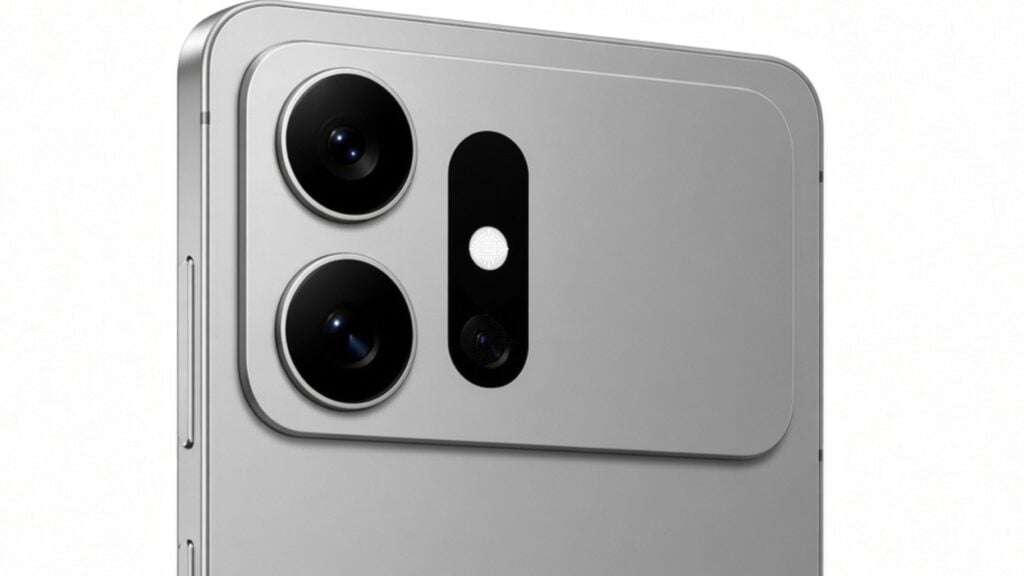
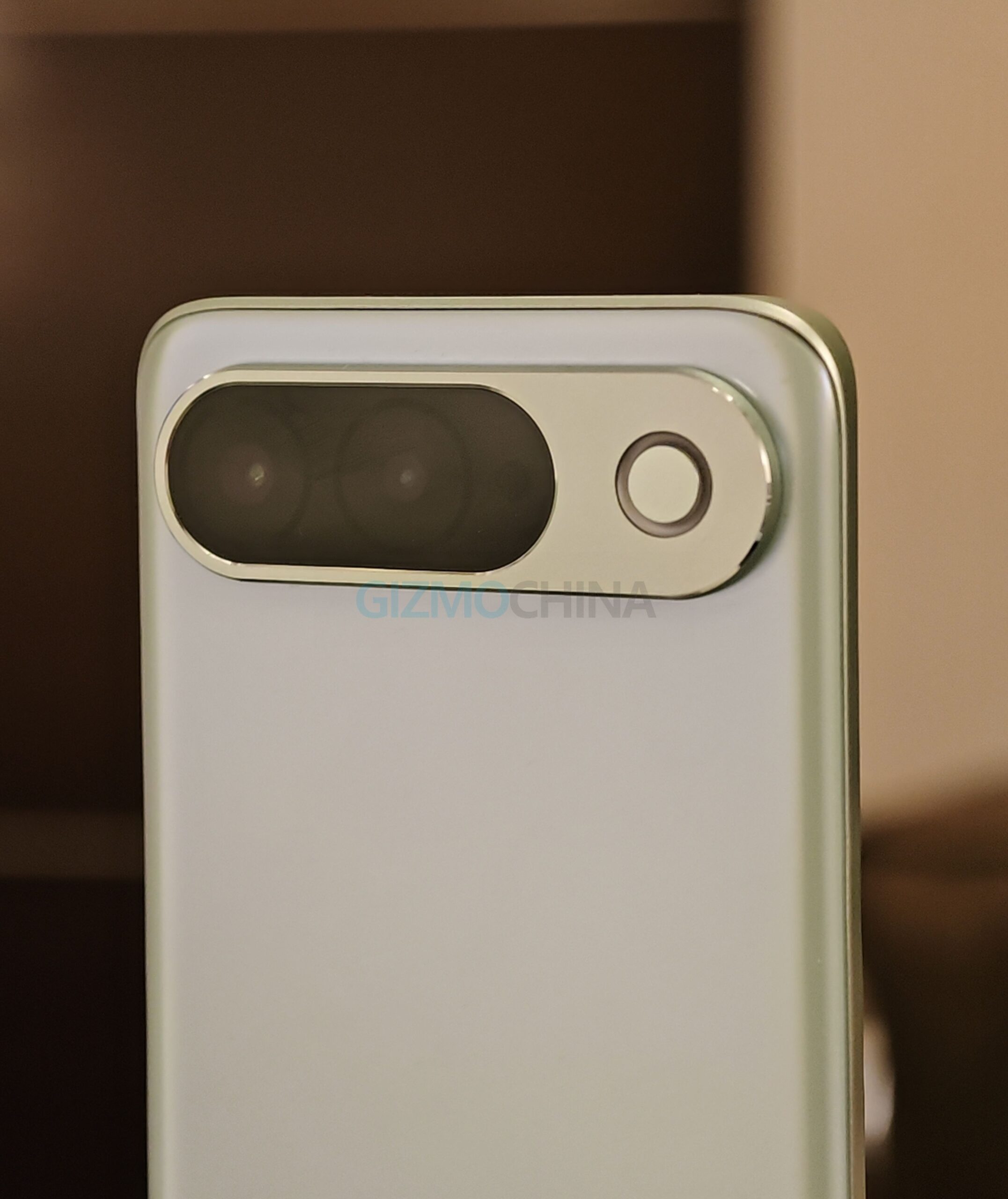
Xiaomi is all set to unveil the Xiaomi 18 Fold later this month in China. The device will be powered by Xiaomi’s all-new Xring O3 chip, built with a 3nm manufacturing process. Ahead of the expected launch, it has emerged on Geekbench, revealing its AI capabilities.
As can be seen above, Xiaomi’s upcoming foldable phone has now made another appearance on Geekbench, but this time the listing focuses on its AI performance. The device is identified as the Xiaomi 2608BPX34C, which is believed to be the upcoming Xiaomi 18 Fold, and the listing provides a closer look at its underlying hardware.
The Xiaomi 18 Fold scored 629 in the Single Precision test, 799 in Half Precision, and 634 in the Quantized test on Geekbench AI 1.7.0. The listing shows it has the O3 motherboard, further pointing towards Xiaomi’s upcoming Xring O3 flagship chipset. The chip is listed with a 10-core CPU, comprising four cores at 3.15GHz, four at 3.69GHz, and two performance cores reaching 4.36GHz. The listing also reveals that the device has 16GB of RAM and Android 17.
These results add another piece to the picture around Xiaomi’s next foldable, particularly as the Xring O3 is expected to bring major CPU, GPU and AI improvements. The same chipset is also showing promising numbers on the upcoming Xiaomi Pad 9 Pro Max, which has crossed the 14,000-point mark in Geekbench’s multi-core test. The tablet, listed under model number M367FC, recorded a peak score of 14,319, while another run reached 14,153 points.
The Xiaomi 18 Fold and Pad 9 Pro Max are expected to debut together. Rumors suggest that these devices will launch in the first half of this month, whereas the Xiaomi 18 lineup powered by the Snapdragon 8 Elite Gen 6 may break cover by the end of this montn.
For more daily updates, please visit our News Section.
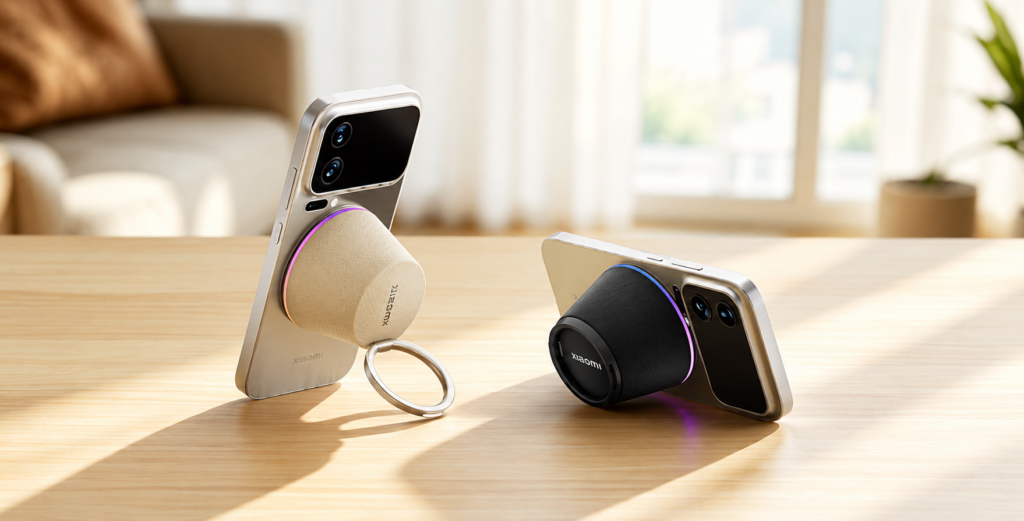
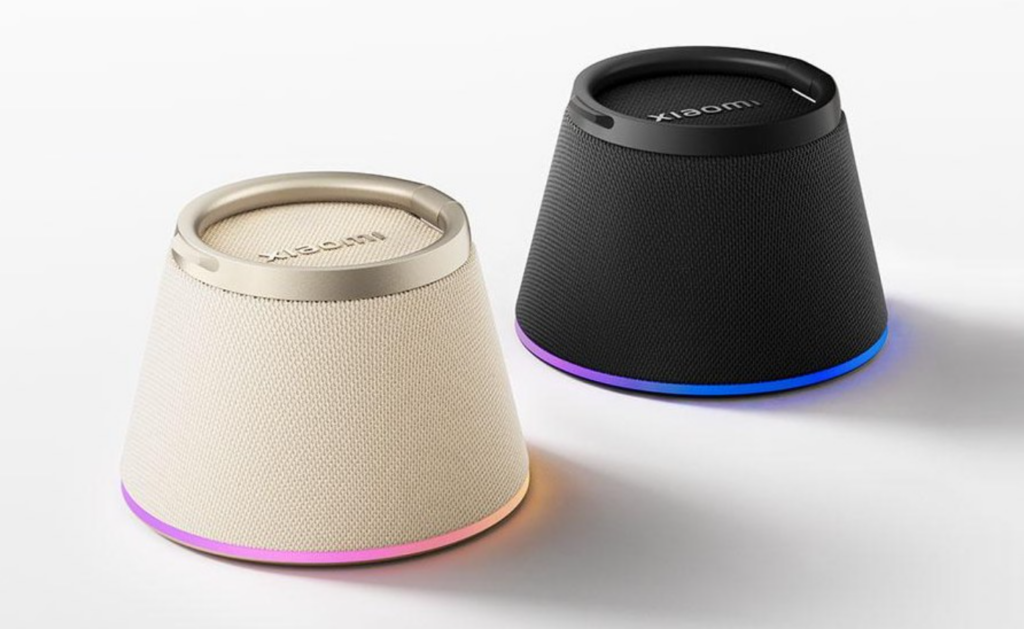
Xiaomi’s compact Bluetooth Speaker Magnetic Version has now gone on sale in China following a successful crowdfunding campaign. The tiny speaker combines audio playback with a magnetic phone stand, giving it a more practical design than a conventional portable speaker. It also packs Bluetooth 6.0, RGB lighting, and water resistance in a 95-gram body.
Xiaomi Magnetic Bluetooth Speaker specifications and features
Xiaomi Magnetic Bluetooth Speaker
The speaker features a 1.5-inch full-range driver with 3W output and supports AAC and SBC audio codecs. Its magnetic base uses a Hall sensor to detect when a compatible phone is attached, automatically powering on the speaker, while removing the phone puts it into sleep mode. iPhone 12 and newer models can attach directly, while Android users can use the included magnetic ring.
A foldable metal ring on top works as both a carrying loop and a phone stand, allowing users to position the phone in landscape or portrait orientation. The speaker supports TWS stereo pairing with two units, while up to 10 speakers can be connected for a larger multi-speaker setup. It also carries an IP67 rating for dust and water resistance.
Xiaomi Magnetic Bluetooth Speaker
Power comes from a 650mAh battery, with Xiaomi claiming around four hours of continuous playback on a full charge. Charging is handled through USB-C, while the bottom of the speaker features an RGB light ring that reacts to music. Bluetooth 6.0 handles wireless connectivity, and the speaker weighs just 95 grams.
Xiaomi Magnetic Bluetooth Speaker price and availability
The Xiaomi Bluetooth Speaker Magnetic Version is now available in China for a launch price of 149 Yuan (~$22), down from its 199 Yuan (~$30) regular price. The promotional price is available from Sept. 1 to Sept. 30. It comes in Dark Gray and Light Brown finishes. Xiaomi has not announced global availability yet.
While the smartphone industry has struggled amid the ongoing chip crisis, Samsung has continued to release new smartphones across price segments. For every price segment, there are some excellent options, which is a good thing for buyers, but that also makes it difficult to pick the right one. To make it easy, we’ve curated a list of the best Samsung smartphones across price segments.
Whether you’re looking for an excellent camera phone, a phone that offers a great balance of price and features, or a phone that’s reliable but easy on your pocket, you’ll find the right one that checks your boxes on the list below.
The Galaxy S26 is a dominant flagship choice, particularly for those seeking a premium, compact phone with excellent performance and camera capabilities.
The 6.3-inch screen uses a high-quality AMOLED panel with LTPO support for extra battery saving. It offers a smooth 120Hz refresh rate and 2600 nits of peak brightness for excellent outdoor visibility. The triple camera setup on the back takes excellent shots across various lighting conditions. It comprises a 50MP main sensor with OIS, a 10MP telephoto shooter with OIS and 3x optical zoom, and a 12MP ultrawide snapper. It supports up to 8K video recording, while the 12MP selfie camera can record up to 4K videos.
Under the hood, it’s the top-tier Snapdragon 8 Elite Gen 5 chipset that ensures smooth performance even under heavy load, but it’s reserved for select regions, including the US, Canada, and China, while India and the rest of the world get the Exynos 2600. The Snapdragon chip delivers better gaming performance, but otherwise, the performance is similar. You can take a look at the comparison here.
The Galaxy S26 packs a 4300mAh battery with support for 25W fast charging. It also offers 15W wireless and 4.5W reverse wireless charging to power up your accessories. Being the latest release, it comes with a robust set of connectivity features, including high-speed Wi-Fi 7, Bluetooth 5.4, and fast USB Type-C 3.2.
The small Galaxy S26 delivers a premium experience. It starts at INR 76,900 (USD 799) for the 12GB RAM + 256GB storage and INR 99,999 (USD 899) for double the storage.
The Galaxy S26 Ultra needs no introduction. It’s an easy recommendation for anyone looking for the most capable camera setup on a Galaxy smartphone.
The 200MP ISOCELL HP2 sensor is the same sensor that’s inside the S25 Ultra, but the new phone has a wider f/1.4 aperture lens, allowing the device to pull in about 47% more light. The rear camera setup also includes a 50MP ultrawide lens and two telephoto lenses: one with 3x optical zoom and another with 5x optical zoom. The other side has a 12MP snapper for selfies and video calls.
The Galaxy S26 Ultra upgrades to a faster 60W wired charging and 25W wireless charging, while the battery capacity remains at 5000mAh. The device also benefits from a modern Bluetooth 6.0 standard, which is available on very few Galaxy devices.
The base Galaxy S26 Ultra with 12GB RAM and 256GB storage is priced at INR 1,24,999 (USD 1099), while the 512GB storage variant is available for purchase at INR 1,44,999 (USD 1299). The top-tier model with 16GB RAM and 1TB storage costs INR 1,74,999 (USD 1,599).
The Galaxy S26 FE delivers an excellent fit for people seeking a flagship-level experience at a not-so-flagship price. Obviously, there are some corner-cutting, including an older Exynos 2500 chip, but it’s still a solid-performing chipset in 2026 for most people.
The phone features a flagship-class 6.7-inch AMOLED screen with a 120Hz refresh rate and tough Gorilla Glass Victus+ protection. Since FE models launch a few months later, they typically come with a new OS and are therefore eligible to receive an extra major Android upgrade compared to their flagship siblings. The S26 FE will receive OS updates until Android 24, while its premium siblings will reach the end of the road with Android 23.
The Galaxy S26 FE features a high-end rear camera setup, featuring a 50MP primary camera, an 8MP telephoto lens with 3x optical zoom, and a 12MP ultrawide shooter. It can record videos in up to 8K resolution, whereas the 12MP selfie camera supports up to 4K recording.
The S26 FE packs a 4900mAh battery and supports 45W wired charging, which is faster than the regular S26 (25W). The device also supports reverse wireless charging, like its premium siblings. There are some corner-cutting on the connectivity part, though. The S26 FE doesn’t support Wi-Fi 7; instead, it offers Wi-Fi 6e. Also, it comes with USB Type-C 2.0, which is slightly slower for file transfers over a USB cable than USB Type-C 3.2 on the regular S26 models.
Even with several tradeoffs, the Galaxy S26 FE remains an excellent value flagship. Samsung has announced that the phone will go on sale in India, the US, and Europe in the first week of September, while sales in India will begin on September 18. The phone costs $699 in the US for the 8GB RAM and 128GB storage. Pricing details for the Indian market have yet to be announced, with rumors suggesting a unit could cost INR 70,000.
Samsung remains the leading brand in the foldable market, and the new Galaxy Z Fold 8 Ultra raises the bar for what a book-style foldable phone can do.
The Snapdragon 8 Elite Gen 5 chip ensures the Fold 8 Ultra runs smoothly, even during heavy tasks such as gaming or video editing. Plus, the high-end camera setup makes it the best choice for anyone looking for a premium foldable phone.
The Fold 8 Ultra borrows the rear camera setup from the Galaxy S26 Ultra except for the periscope lens. That means you get a 200MP main sensor, a 10MP telephoto with 3x optical zoom, and a 50MP ultrawide camera. The phone has 10MP selfie cameras on the cover screen and the inner screen, although you can use the rear camera for much better selfies.
Much of the Fold 8 Ultra’s capabilities are borrowed from the Galaxy S26 Ultra, including the 5000mAh battery, charging capabilities, and the modern connectivity suite.
The Galaxy Z Fold 8 Ultra starts at INR 195,000 (USD 1799) for the 12GB RAM and 256GB storage, while the 512GB storage model is priced at INR 214,999 (USD 1999). The top-tier variant with 16GB RAM and 1TB storage costs INR 255,000 (USD 2,399).
The Galaxy A57 stands out as a high-performance, well-rounded mid-range phone, bringing flagship-grade durability, long software support, and advanced AI features to a more accessible price segment.
The smartphone sports a slim 6.9mm profile with glass panels on both front and back, protected by robust Gorilla Glass Victus+, alongside a refined, metallic-feeling aluminum frame. It offers a complete IP68 dust and water resistance rating, ensuring peace of mind against everyday spills, rain, or dust.
The Galaxy A57 features a 6.7-inch Super AMOLED+ screen with HDR10+ support and a 120Hz refresh rate. It’s powered by the Exynos 1680 chipset, which can smoothly handle day-to-day operations as well as gaming at moderate settings. Software support is another plus for the A57, as the brand promises six generations of major OS upgrades.
The rear camera setup features a 50MP primary shooter, a 12MP ultrawide unit, and a 5MP macro camera, while the front side has a 12MP sensor. You can do 4K video recording from both sides. The Galaxy A57 also offers AI-based photo editing features such as Object Eraser, Best Face, Auto Trim, and Edit Suggestions. Speaking of AI, the device also brings the Voice transcription feature, which is typically found on high-end phones. Other specs include a 5000mAh battery, 45W fast charging, Wi-Fi 6e, Bluetooth 6.0, and USB Type-C 2.0.
Overall, the Galaxy A57 5G is a solid mid-range phone, currently priced at INR 56,999 for the base version with 8GB RAM and 128GB storage. There’s also a 12GB RAM option with the same storage for INR 62,499. In the US, the 128GB storage model costs USD 549, and the 256GB storage variant costs USD 610.
The Galaxy A07 5G is an excellent choice for media consumption as it packs a large 6.7-inch screen and a massive 6000mAh battery. The Dimensity 6300 processor ensures no lag in everyday apps and operations.
One of the best things about the Galaxy A07 is its software update policy. Samsung has promised to offer it six years of security patches and six major Android OS updates. Other brands typically restrict their budget phones to two OS upgrades.
The Galaxy A07 5G features a dual rear camera setup, including a 50MP primary sensor and a 2MP secondary lens for portrait effects. It has an 8MP selfie camera.
The much more affordable Galaxy A07 5G is currently priced at INR 18,999 for the base model with 4GB RAM and 128GB storage. You can double the storage by paying an additional INR 2000.
If you want the absolute best Galaxy phone with top-tier capabilities, the Galaxy S26 Ultra is a brilliant choice. It offers flagship performance, high-end camera hardware, great software support, and modern connectivity features.
The standard Galaxy S26 is a great pick for people looking for a compact phone that packs high-end hardware. The phone features an excellent rear camera setup, a flagship-class processor, and fast charging support. But if you want a flagship phone at a not-so-flagship price, the Galaxy S26 FE can be a great fit.
The Galaxy Z Fold 8 Ultra is currently the best pick for a foldable phone, as it packs the best hardware available in the category. There’s also a new Galaxy Z Fold 8 with a passport-size form factor, which has become quite popular soon after its release.
For the mid-range segment, the Galaxy A57 strikes an excellent balance of performance, camera quality, and battery life. It also offers several advanced AI features found only on expensive phones. And, if you’re simply looking for a reliable Samsung phone that’s easy on the pocket, the Galaxy A07 5G serves the purpose. It packs a large battery and a big screen, and it doesn’t lag in regular use.
Official teasers that have been rolled out so far suggest that the Vivo X500 Pro series will be a major step forward for smartphone photography and videography. In the latest teaser, Vivo product manager has revealed a notable video capability for the Pro models. At the same time, an alleged real-life image offers an early look at the X500 Pro Max next to the X300 Ultra.
Vivo product manager Han Boxiao has confirmed that the X500 Pro series will support 4K video recording at 240fps using the Zeiss Super Dynamic main camera. Compared with standard 4K 30fps recording, this captures eight times more frames, allowing users to slow down footage while retaining 4K resolution. Vivo says the feature is designed to capture fleeting moments such as highlights during travel with greater detail.
The company is also working on 4K 480fps and 4K 960fps slow-motion modes. These will be achieved through Vivo’s in-house 4K frame interpolation and video speed mapping algorithms, enabling 16x and 32x slow motion while maintaining 4K output. This could be particularly useful for scenes involving splashing liquids, bursting bubbles and other fast-moving subjects.
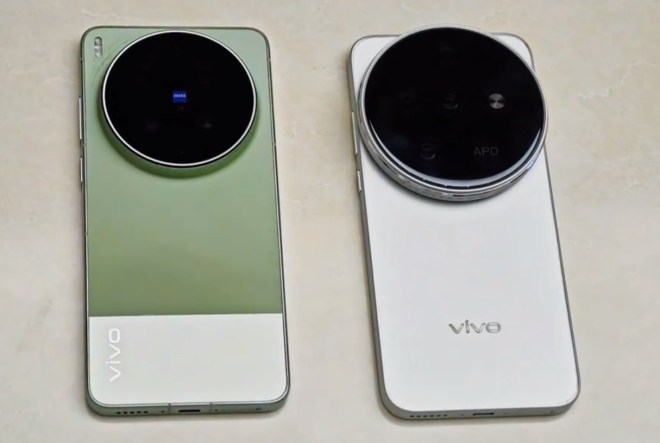
Vivo X500 Pro Max (left) with Vivo X300 Ultra (right) |Source 1 | Source 2
Meanwhile, an alleged photo shared online (via GSMArena) shows what could be the Vivo X500 Pro Max sitting beside the X300 Ultra. The Pro Max appears to have a camera island that stretches almost across the phone’s width, making the already large X300 Ultra look comparatively restrained. A separate hands-on video also appears to show a rotating ring around the camera module, with markings that could relate to ISO controls.
The X500 Pro Max is expected to feature three rear cameras, including a 50-megapixel main sensor, a 200-megapixel telephoto camera and a 50-megapixel ultra-wide camera. The main sensor is reportedly a 1/1.28-inch Sony LOFIC unit, while the telephoto camera could use Samsung’s 1/1.4-inch HP0 sensor.
The phone is also expected to feature a 6.85-inch LTPO display with a 144Hz refresh rate and one of MediaTek’s upcoming Dimensity 9600 chips. The Vivo X500 series is confirmed to launch in September, with the lineup expected to include the X500, X500 Pro and X500 Pro Max.
For more daily updates, please visit our News Section.
iQOO is reportedly preparing for its next launch event in China, where the company could unveil several new products, including the iQOO 16, iQOO Neo 12, and a new compact tablet. In the latest development, reliable tipster Digital Chat Station has revealed details about the iQOO 16’s design. Meanwhile, iQOO flagship series Product Manager Wang Ken has started teasing what appears to be the aforementioned tablet.
According to Digital Chat Station, the iQOO 16 will feature a new square-shaped camera module with heavily rounded corners. The three rear cameras are reportedly arranged in a connected layout within the module, giving the phone a distinctive appearance. The camera island is also said to feature additional detailing around its outer frame and underlying textures, adding a more intricate and mechanical character to the design.
The rear panel is expected to use a newly developed manufacturing process, with the overall design following a futuristic, science-fiction-inspired aesthetic. The combination of the unusual camera arrangement and textured finish could give the iQOO 16 a noticeably different look from previous models and help it stand out among upcoming flagships.
Earlier leaks suggest the iQOO 16 could feature three 50-megapixel rear cameras. The primary camera may use a 1/1.3-inch sensor with an f/1.68 aperture, while the ultrawide and periscope telephoto cameras are also expected to use 50-megapixel sensors.
On the front, it is expected to feature a 6.85-inch Samsung-made flat display with 2K resolution and a 165Hz refresh rate. It is also tipped to use the Snapdragon 8 Elite Gen 6 Pro and is rumored to pack an 8,500mAh battery with 100W wired charging, wireless charging, a dedicated display chip, 3D ultrasonic fingerprint sensor, USB 3.2, dual speakers, and IP68/IP69 ratings.
iQOO’s compact tablet teased
The screenshot shared by Wang Ken appears to tease the company’s upcoming compact tablet, although he has not revealed any specifications. The device is believed to be the Vivo tablet with model number iPA2691, which recently received SRRC certification in China. The compact is expected to feature the Snapdragon 8 Elite Gen 6-series chipset and an active cooling system with a built-in fan.
The tablet is also rumored to support Wi-Fi connectivity without cellular support and could target gaming users. An OLED display, slim bezels, and a high refresh rate are among the other expected features.
For more daily updates, please visit our News Section.
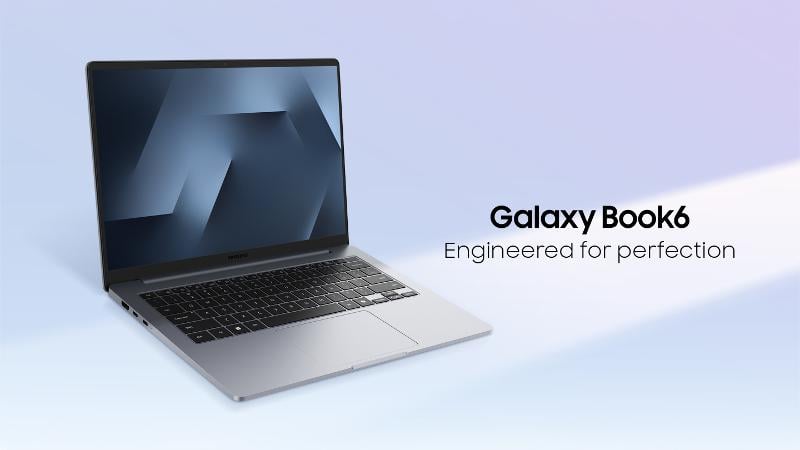
Samsung is adding a new, more affordable variant to its Galaxy Book 6 lineup, giving buyers another option alongside the existing models. While the current Galaxy Book 6 is offered with Intel Core Ultra 7 and Core Ultra 5 processors, the new variant comes with more affordable Intel Core 3 and Core 5 options. It retains key features such as a 14-inch display, Galaxy AI capabilities, and long battery life, making it a more accessible option for everyday computing.
Samsung Galaxy Book 6 specifications and features
Samsung Galaxy Book 6
The Samsung Galaxy Book 6 features a 14-inch LCD display with a 1920×1200 WUXGA resolution, 16:10 aspect ratio, 350-nit brightness, and an anti-reflective finish. It measures 313 x 221 x 15.7mm and weighs 1.35kg. The laptop is available with Intel Core 3 or Core 5 processors, Intel Graphics, and an Intel NPU offering up to 15 TOPS of AI performance.
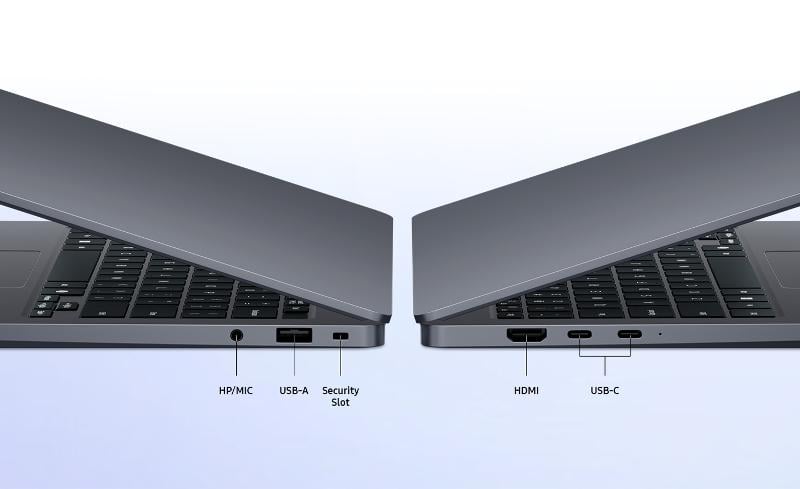
It packs a 61.2Wh battery rated for up to 25 hours of usage on a single charge. The 45W USB Type-C charger can provide around 33% charge in 30 minutes. Memory configurations include 8GB or 16GB LPDDR5X RAM, while storage options range from 256GB to 1TB. For connectivity, the laptop includes two USB Type-C ports, USB Type-A, HDMI 1.4, Wi-Fi 6E, Bluetooth 5.4, and a 3.5mm headphone jack.
Samsung Galaxy Book 6
Galaxy AI features include AI Select, AI Cut Out, and Note Assist. It runs Windows 11 Home or Pro 25H2 depending on the configuration. There’s a 2-megapixel webcam that supports 1080p video, while stereo speakers with Dolby Atmos handle audio.
Samsung Galaxy Book 6 price and availability
The Samsung Galaxy Book 6 starts at $799 and comes in Violet Silver and Gray. Regional specifications, configurations, colors, and features may differ.
For more daily updates, please visit our News Section.
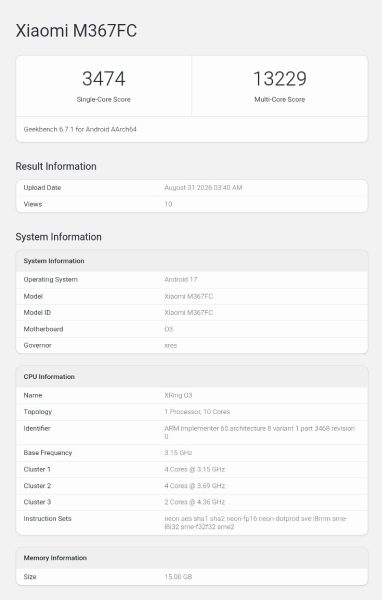
Xiaomi’s next-generation Xring O3 chip is set to power two upcoming devices, the Xiaomi 18 Fold and Xiaomi Pad 9 Pro Max. Among them, the flagship tablet, reportedly carrying the model number M367FC, has already appeared on Geekbench, revealing its core specs and performance. Newer benchmark entries now show the chip crossing the 14,000 mark in multi-core performance.
The latest Geekbench listings show the Xiaomi M367FC reaching a peak multi-core score of 14,319, while another entry records 14,153. The single-core scores range from 3,474 to 3,710 across the listed results. These numbers provide an early look at the performance potential of the Xring O3 ahead of its arrival in Xiaomi’s upcoming hardware.
The Xring O3 is listed with a 10-core CPU configuration comprising four cores clocked at 3.15GHz, four at 3.69GHz, and two high-performance cores reaching 4.36GHz. Graphics are handled by a 16-core Mali-G2-Ultra-NX GPU.
Xiaomi has also claimed substantial generational gains, including up to 60% higher CPU performance and an 85% improvement in GPU performance, alongside a 64% increase in GPU power efficiency.
Unlike upcoming 2nm flagship chips from Qualcomm and MediaTek, the Xring O3 is built on a 3nm process. However, it is \ the first mobile chip to support LPDDR6 memory. The Xiaomi 18 Fold and Pad 9 Pro Max are expected to pair it with CXMT’s 16GB LPDDR6 memory, which can reach speeds of up to 12,800Mbps and deliver memory bandwidth of up to 113.8GB/s.
The chip also reportedly delivers 200 TOPS of tensor AI performance, 3.13 TFLOPS of vector AI performance, and up to 45% higher NPU performance. Xiaomi has claimed an AnTuTu score of 5.22 million, potentially making the Xring O3 the first mobile chip to cross five million points.
OnePlus is expected to announce the OnePlus 16 by early October in China. Ahead of the launch, reliable tipster Digital Chat Station has been consistently leaking details about the upcoming OnePlus flagship. Recently, he shared key information about the phone’s display, and now he has shared detailed information about its rear and front cameras.
OnePlus 16 camera setup gets a major upgrade
According to the latest leak, the OnePlus 16 will feature a 200-megapixel primary camera with a 1/1.4-inch sensor. This is said to be the only phone in its sub-series to receive the large 200-megapixel sensor, suggesting that OnePlus is putting greater emphasis on the main camera’s image quality.
The camera system is also expected to include a 50-megapixel 3x periscope telephoto camera using a 1/1.95-inch Sony sensor. The rear setup could be completed by a new 50-megapixel ultrawide camera, giving the OnePlus 16 a three-camera configuration covering standard, zoom, and wider shots.
On the front, the phone is tipped to feature a 50-megapixel selfie camera with autofocus. The autofocus capability could help with sharper selfies and more flexible framing compared with fixed-focus front cameras.
The camera changes are not the only notable hardware upgrades expected on the OnePlus 16. Earlier details from Digital Chat Station suggested that the phone will use a new-generation BOE Oriental Screen with a 165Hz refresh rate extending across more system and application scenarios. The panel is also expected to use the X4 light-emitting material jointly developed by OnePlus and BOE.
Gaming could push the refresh rate to 185Hz in supported titles, while OnePlus is expected to bring improvements to its high-refresh-rate technology, Fengchi Gaming Core, and e-sports triple-core technology.
The phone is also tipped to feature the Snapdragon 8 Elite Gen 6 Pro, a 9,000mAh battery with 100W wired and 50W wireless charging support, an ultrasonic in-display fingerprint sensor, ColorOS 17-based Android 17, dual speakers, an X-axis vibration motor, and IP68/IP69 protection.
Huawei dropped a new teaser a few days before its big event in Germany, and it points to a more portable MatePad Pro that’s thinner, cleaner-looking, and built around a display meant to cut down on glare and distractions.
In the short video, Huawei confirmed the MatePad Pro 12″ will be one of the products shown at the September 2 launch event in Munich. The tablet looks noticeably thinner than the previous MatePad Pro 12.2, just 4.7 millimeters. The bezels are tighter, the camera module is a bit larger and round, and it comes in a blue finish. At 454 grams, it’s lighter and more compact than the bigger MatePad Pro Max.
The standout feature is the PaperMatte OLED screen. It reportedly produces almost no glare even in bright daylight, building on Huawei’s existing anti-reflective coating that gives the surface a paper-like feel. That should make it easier to use outdoors and more comfortable for reading, note-taking, or drawing with a stylus. It’s also expected to work with the Huawei Glide keyboard case (the one with a multitouch trackpad) and the usual stylus support.
Full global specs haven’t been shared yet, but the design and positioning suggest the international version will be very close to the MatePad Pro 12″ already on sale in China. That one packs a high-quality OLED panel (with a PaperMatte option), a Kirin T93-series chipset, up to 12 GB of RAM, a 50 MP main camera, and solid multimedia features including multiple speakers. The global model is likely to keep the same focus on productivity and portability.
The larger MatePad Pro Max has already picked up strong reviews for its build quality, excellent speakers, and bright OLED display, though it misses cellular connectivity options that competitors offer.
Pricing, exact availability, and the full list of features should all land at the Munich event. Until then, this teaser is mostly about showing that Huawei is serious about making a thinner, lighter MatePad Pro that feels premium.
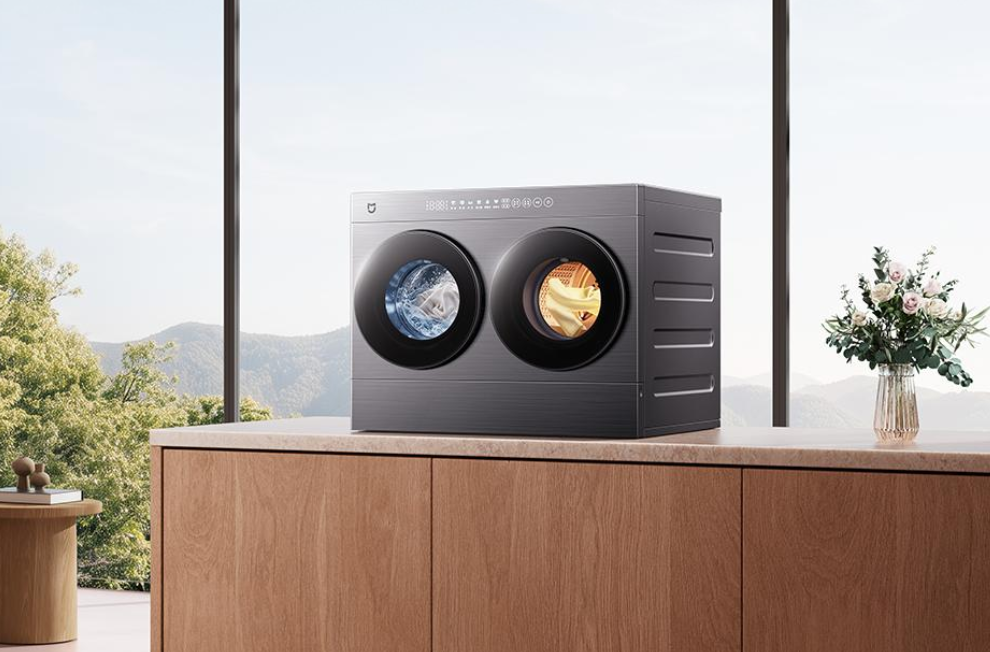
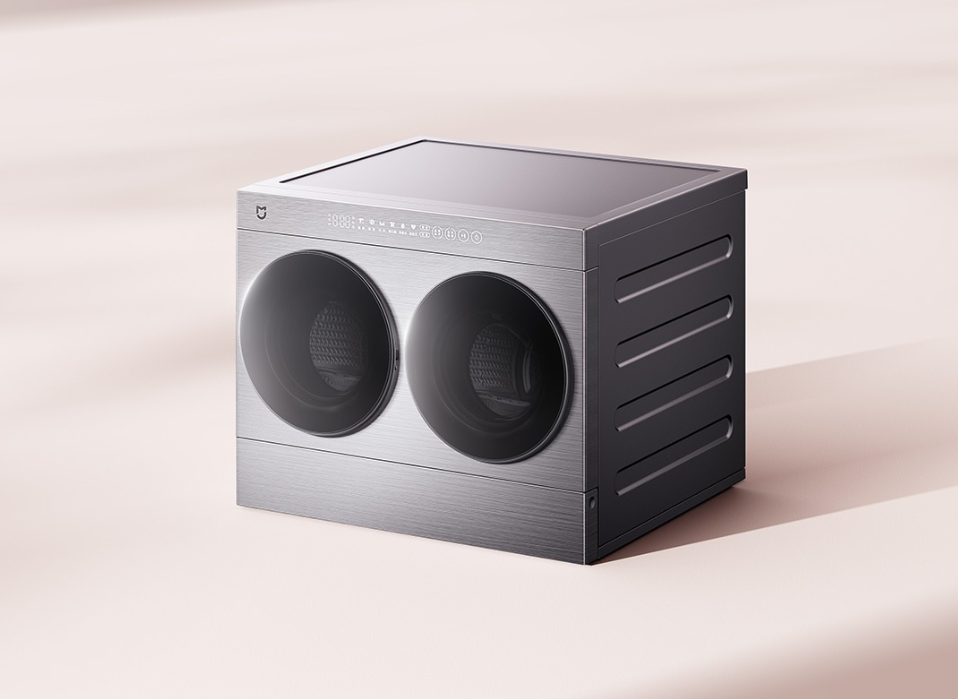
Xiaomi has launched the Mijia Mini Twin-Tub Washer-Dryer 5kg in China. It has a standard retail price of 3,499 yuan ($520) and now up for pre-order on JD.com. The appliance is built to handle a practical household task: washing different types of clothes at the same time without mixing them together.
Instead of a standard single drum, the machine splits its 5kg washing capacity across two independent 2.5kg tubs. For drying, each drum holds up to 1.5kg, giving the unit a total drying capacity of 3kg. This setup means you can wash baby clothes in one drum and adult clothes in the other, or keep delicates away from heavier fabrics. To make sure the loads stay separated, the machine uses independent water and drying channels for each tub, which prevents water from one drum crossing into the other.
Inside, the washer uses a direct-drive motor that reaches a maximum spin speed of 1,200rpm. The drums are 255mm in diameter. For detergent, the machine has two separate 150ml auto-dosing dispensers. It calculates how much soap is needed for a specific load to cut down on residue. Xiaomi claims a full dispenser can last for around a month under typical use, while the self-cleaning system helps prevent blockages over time.
The machine includes 34 wash programs for specific stains like coffee, mud, and makeup. There is a 40-minute quick wash-and-dry cycle for small items, and a 40°C low-temperature drying mode for silk that uses sensors to stop the cycle when the fabric is dry.
If you leave clothes in the machine overnight, it turns on a ventilation system to circulate fresh air and limit odors. It also has a 95°C high-temperature drum-cleaning mode and claims a 99.99% removal rate for bacteria and viruses.
Like other Mijia devices, it connects to the Mi Home app and HyperOS system. It supports voice controls and receives over-the-air software updates. The unit measures 598 x 574 x 478mm, which allows it to fit into standard 600mm-deep cabinets. It weighs 41kg and can sit on the floor, on a counter, or stacked on top of a standard front-loading washing machine.
Samsung is preparing for a major camera refresh for the Galaxy S Ultra model for 2027. The Galaxy S27 Ultra was previously rumored to ditch the 3x telephoto camera, and now we have some information about the second telephoto.
Just the removal of the 3x camera from the setup, while keeping the 5x telephoto untouched, was already a bit surprising, as it would leave the phone relying heavily on the main sensor for the 1x to 5x range. Portraits are a big part of smartphone photography these days, and that could take a hit in the 3x to 5x range.
As per the latest leak, Samsung is currently evaluating a 4x telephoto sensor with a 50MP resolution and a 1/1.9″ sensor size. This is actually larger than the current 5x periscope telephoto sensor, which measures 1/2.52″. So, we may expect less noise and fewer artifacts in images, along with better image quality overall. And, of course, it would make framing easier when shooting portraits.
Looking back, this wouldn’t even be the first time Samsung has used a 4x telephoto on an Ultra model. In fact, the very first Ultra debuted with a 4x, 48MP telephoto camera with a very similar 1/2.0″ sensor size. It was a major upgrade over the 12MP, 2x telephoto on the Galaxy S10+.
With the Galaxy S21 Ultra, Samsung moved to a much smaller 10MP dual-telephoto setup. Now, the S27 Ultra could be returning to a single telephoto camera with 4x optical zoom.
But the actual question is: will it happen?
🚨 EXCLUSIVE | Galaxy S27 Camera Strategy
Samsung is reportedly testing a shared telephoto strategy across the S27 lineup.
The Galaxy S27 and S27+ are said to use the same 3x telephoto system as the S27 Pro, while sharing their main and ultrawide camera hardware with the Ultra.…
The tipster says Samsung is weighing the upgrade against its bill of materials and the real-world benefits it would offer. If the difference between the new 4x solution and the existing 5x telephoto isn’t significant enough to justify the additional R&D cost, Samsung will reportedly retain the current 5x setup.
There are reportedly five S27 Ultra prototypes currently being evaluated, which suggests that the camera configuration is far from being completely locked in. It will be interesting to see which route Samsung ultimately takes with its upcoming Ultra model.
Casio has introduced two new color options for its AQ-240E analog-digital watch series in the Japanese market. The new models, designated as the AQ-240E-2A2JF (navy) and AQ-240E-1AJF (black), are scheduled to ship in September 2026. Both are currently available for pre-order on the Casio Japanese online store for ¥7,700 ($48).
The AQ-240E series is a straightforward continuation of Casio’s older AQ-230 line, maintaining a basic square face with rounded corners. These watches are relatively small and lightweight, measuring 40.9 x 35.8 x 8.1 millimeters and weighing exactly 51 grams.
The case and bezel are made of standard resin, while the band is stainless steel. The band uses a sliding clasp mechanism, which allows users to adjust the fit themselves without needing specialized tools to remove or add links.
For these two specific models, the primary update is the dial design. The navy version has a dark blue tint, while the black version is a standard glossy black. Both feature a sunray finish, meaning the dial reflects light differently depending on the viewing angle.
The layout remains identical to previous models in the lineup, with slim metallic indices marking the hours on the analog portion of the face, and a small digital LCD screen positioned at the bottom six o’clock position.
Functionally, the watches offer the standard digital features found on Casio’s entry-level models. The dual-time function lets you keep track of a second time zone, while the module also includes a 1/100-second stopwatch with a 60-minute capacity, a daily alarm, an hourly time signal, and an automatic calendar.
The watches run on a standard battery that Casio estimates will last for about three years before needing a replacement. They are rated for basic everyday water resistance, meaning they can handle light rain or splashes from handwashing, but they are not designed for swimming, showering, or submersion.
The iQOO Z11 is available in three distinct variants across different markets, with each version taking a different approach to hardware. The China model is powered by the MediaTek Dimensity 8500, while the Malaysia variant uses the Snapdragon 7s Gen 4.
The Indian version takes a different route altogether. Along with a different chipset from both international variants, it also gets a distinct design, making it visually different from the Z11 models sold in China and Malaysia.
This review focuses specifically on the Indian variant of the iQOO Z11, which combines its own design language with a large battery, curved AMOLED display, and a new MediaTek Dimensity 7500 Turbo chipset. After spending time with the Aurora Green model, here’s how it performs in everyday use.
7Verdict
The iQOO Z11 is not the fastest phone in its class, nor does it have the most impressive camera system. Instead, it succeeds by bringing several desirable qualities together.
The 1.5K 144Hz curved AMOLED display is excellent, the Aurora Green finish gives the phone plenty of personality, the IP68 and IP69 ratings add meaningful durability, and the 7,050mAh battery delivers the kind of endurance that many users will appreciate.
The Dimensity 7500 Turbo is capable for everyday tasks and moderate gaming, although demanding gamers will find faster options. The cameras are similarly competent rather than exceptional, while OriginOS 6 remains feature-packed but somewhat cluttered.
At its starting price of Rs. 34,999 in India, the iQOO Z11 faces strong competition. Still, if your priorities are a premium-looking display, long battery life, dependable everyday performance, and strong durability, the Z11 makes a compelling case.
It is not an outright performance champion. Instead, the iQOO Z11 is a well-balanced mid-ranger that understands where most users actually spend their time, and gets those fundamentals largely right.
For more daily updates, please visit our News Section.
Anbernic has launched the RG 55G1, its first Android handheld powered by a Qualcomm Snapdragon processor, marking a shift from the Unisoc and Rockchip chips used in its previous devices.
Anbernic RG 55G1 Specifications
The RG 55G1 adopts a horizontal design that closely resembles the Nintendo Switch Lite. It features a 5.5-inch IPS display with a standard 16:9 aspect ratio and a 1080p resolution. The screen is fully laminated and sits flush with the device’s front panel.
For controls, Anbernic is using Hall-effect sensors for both the dual analog sticks and the shoulder triggers, a hardware choice that prevents stick drift over time. The joysticks also include customizable RGB lighting rings around the base. The rest of the layout is standard, featuring a D-pad, double-shot injection-molded ABXY buttons, and standard bumpers. The entire device weighs 339 grams.
Inside, the RG 55G1 is powered by the Snapdragon G1 Gen 2, a 4nm chip with two Kryo Gold cores and six Kryo Silver cores, paired with an Adreno A12 GPU. To manage heat during gameplay, the device includes an active cooling system with a built-in fan and heat pipe. It comes with either 4GB+64GB or 8GB+128GB of memory and storage.
On the software side, the handheld runs Android 14. Anbernic has included its own software overlay, RG Home, which acts as a game launcher and includes a built-in screen mapping tool for playing touch-only Android games with physical buttons.
The software also supports driver switching, letting users swap between Qualcomm’s native graphics drivers and open-source Turnip Vulkan drivers, a useful feature for optimizing performance in certain emulators. Additionally, Anbernic has integrated a few AI tools into a swipe-in menu, offering features like real-time translation and text-based game guides.
The device runs on a 6,000mAh battery that charges at 18W, which Anbernic claims will last for up to eight hours of gameplay. Standard connectivity options are present, including Wi-Fi 5, Bluetooth 5.0, a 3.5mm headphone jack, and a microSD card slot that supports up to 2TB cards.
Pricing and Availability
The RG 55G1 is available in Black, Retro Gray, and Indigo. The 4GB/64GB model costs $139.99 during the introductory period (normally $149.99), while the 8GB/128GB model is priced at $164.99 (normally $174.99). The company is also offering various bundles that include microSD cards for an additional cost.
Portronics has introduced a new portable charger in India, the Power Shutter Air 20K. The device is a 20,000mAh power bank that integrates magnetic wireless charging, a built-in USB-C cable, and support for charging the Apple Watch.
The power bank supports the Qi2 standard, providing up to 15W of magnetic wireless charging for compatible smartphones, such as recent iPhone models. This standard is intended to offer secure magnetic alignment and improved thermal management compared to earlier Qi versions.
For wired charging, the device includes a 20W USB-C Power Delivery (PD) output. When you charge multiple devices at the same time, the power bank delivers a maximum combined output of 22.5W. It also allocates 2.5W specifically for charging an Apple Watch and 5W for wireless earbuds.
On the exterior, the Power Shutter Air 20K features a thick, matte rectangular body with rounded edges. It includes a built-in, detachable USB-C to USB-C cable that functions as a lanyard loop for carrying, along with a distinct cyan-blue accent button.
The front panel includes a large, camera-lens-style magnetic charging pad, while a digital LED display on the side edge indicates the exact remaining battery percentage. If your phone supports wireless charging but lacks built-in magnets, Portronics includes a metal ring that can be attached to the back of the phone or case for magnetic alignment.
The power bank is BIS-certified and built with a fireproof casing. It includes standard safety mechanisms to protect against short circuits, overcharging, and temperature fluctuations during use. The device is available in three colors: Black, Blue, and Orange.
The Power Shutter Air 20K has a maximum retail price of Rs. 4,999 ($52), but it is currently listed at a launch price of Rs. 2,499 ($26). It comes with a 12-month warranty. The power bank is available for purchase through the official Portronics website, Amazon India, Flipkart, and various offline retail stores across the country.
For more daily updates, please visit our News Section.
The Light Flip 5G wants to make the humble “dumb phone” feel surprisingly premium, packing 5G, an OLED display, 6GB of RAM, 128GB of storage, and a 50MP camera into a classic flip design. But at around $299 (₹28,500), it costs several times more than the Nokia 2660 Flip 4G, and it is still in pre-order, with shipping scheduled to begin in April 2027. So the real question isn’t simply which phone is better: is a minimalist flip phone really worth paying this much for, or does a “dumb phone” make more sense when it is cheap and simple?
The Light Flip 5G takes the traditional flip-phone format and gives it a distinctly modern treatment. Its matte finish, physical T9 keypad, stereo speakers, dual microphones with noise cancellation, and IP54 water and dust resistance make it feel more like a premium minimalist phone than a conventional feature phone. The Nokia 2660 Flip 4G takes a simpler approach, with a familiar physical keypad and a useful external display that allows users to check basic information without opening the phone.
The Light Flip 5G has the stronger display by a wide margin. Its 2.8-inch matte OLED panel offers a 480 × 640 resolution, compared with Nokia’s 2.8-inch TFT LCD and 240 × 320 resolution. The Light Flip’s OLED technology should deliver deeper blacks, stronger contrast, and a sharper overall image, while the matte finish suits its minimalist design particularly well. The Nokia’s external 1.77-inch display is nevertheless a practical advantage for quick notifications and caller information.
Verdict
The Nokia is perfectly adequate for basic use, but the Light Flip 5G feels substantially more premium. For buyers paying extra, the OLED display and more refined design are among the upgrades that make the price difference easier to justify.
2. Specifications Including Battery
Performance
The Light Flip 5G is dramatically more capable than the Nokia 2660 Flip 4G. It uses a MediaTek MT8873 processor with an octa-core CPU featuring four Cortex-A78 and four Cortex-A55 cores, alongside 6GB of RAM and 128GB of storage. It also supports 5G, Wi-Fi 6, GPS, eSIM, USB-C, and Bluetooth 5.0. The Nokia uses the much simpler Unisoc T107 with 48MB of RAM and 128MB of internal storage. Connectivity is limited to 4G, Bluetooth 4.2, and microUSB.
Battery and Charging
The Light Flip includes a larger 1,800mAh replaceable battery and modern USB-C charging. The Nokia has a removable 1,450mAh battery and supports a charging cradle. Its simpler hardware should help it deliver solid battery life, but the Light Flip offers greater flexibility and a much more modern overall platform.
Verdict
The Light Flip’s biggest advantage is not simply speed; it is the enormous difference in capability. If the phone is intended to replace a smartphone for everyday use, its hardware makes the additional cost considerably easier to justify.
3. Camera
Main and Secondary Lenses
The camera hardware represents another substantial gap between the two phones. The Light Flip 5G features a 50MP rear sensor that produces 12MP photos, giving it a considerably more capable setup for everyday photography. The Nokia 2660 Flip 4G, by comparison, has a basic 0.3MP rear camera with an LED flash. It is suitable for very occasional snapshots but is clearly not designed to compete with modern phone cameras.
Selfie Camera
Neither phone has a front-facing camera, so neither provides a conventional selfie experience. The Light Flip’s substantially higher-resolution rear camera still gives it an advantage for general photography, although the absence of a selfie camera remains a limitation for users who regularly take self-portraits or expect front-facing video features.
Verdict
The Light Flip wins decisively on camera hardware. However, this alone is unlikely to justify spending considerably more. Its stronger camera makes the premium more appealing when combined with the phone’s modern processor, display, storage, and connectivity. For buyers who rarely take photos, the Nokia’s basic camera may be sufficient.
4. Pricing
The Light Flip 5G is priced around $299 unlocked, or approximately ₹28,500, and is currently available for pre-order, with shipping beginning in April 2027. The Nokia 2660 Flip 4G is positioned at a much lower price point, making it fundamentally a budget alternative rather than a direct premium competitor. The Nokia 2660 Flip is available for around $80, or approximately ₹5000.
The Light Flip commands a substantial premium, so its value depends entirely on what the buyer expects from a flip phone. Paying more gets users 5G connectivity, an OLED display, 6GB of RAM, 128GB of storage, a significantly more capable processor and camera, Wi-Fi 6, eSIM support, USB-C, and a more modern overall experience. If the goal is simply affordable calling and messaging, those upgrades may be unnecessary. For someone deliberately looking for a premium minimalist phone, however, the additional capabilities have genuine value.
Verdict
The Nokia wins on affordability, but the Light Flip offers far more for the money. The premium is justified for buyers who want a modern flip phone capable of replacing more smartphone functions; otherwise, the Nokia remains the more economical choice.
5. Conclusion
Light Flip 5G is not simply a more expensive version of the Nokia 2660 Flip 4G. It represents a different interpretation of what a modern flip phone can be. The combination of a matte OLED display, 5G, 6GB RAM, 128GB storage, 50MP camera, Wi-Fi 6, eSIM, USB-C, stereo speakers, noise-cancelling microphones, and a replaceable battery gives it a significant technological advantage.
The Nokia, meanwhile, focuses on simplicity, with its external display, physical keypad, straightforward software, and low-cost hardware.
Verdict
For buyers deciding whether to spend more, the key question is whether those upgrades matter. The Light Flip 5G is worth the extra money if the goal is a premium, minimalist phone that still provides modern performance, connectivity, storage, and camera capabilities.
Its price is difficult to justify for someone who only needs calls and basic messaging, where the Nokia 2660 Flip does the job for far less. But for users specifically looking to escape the distractions of a conventional smartphone without giving up modern features, the Light Flip makes a much stronger case for the premium.
Disclaimer: This comparison is based on the specifications provided and is intended for general informational purposes. Actual performance, camera results, battery life, and overall experience may vary depending on real-world usage, software updates, and individual preferences.
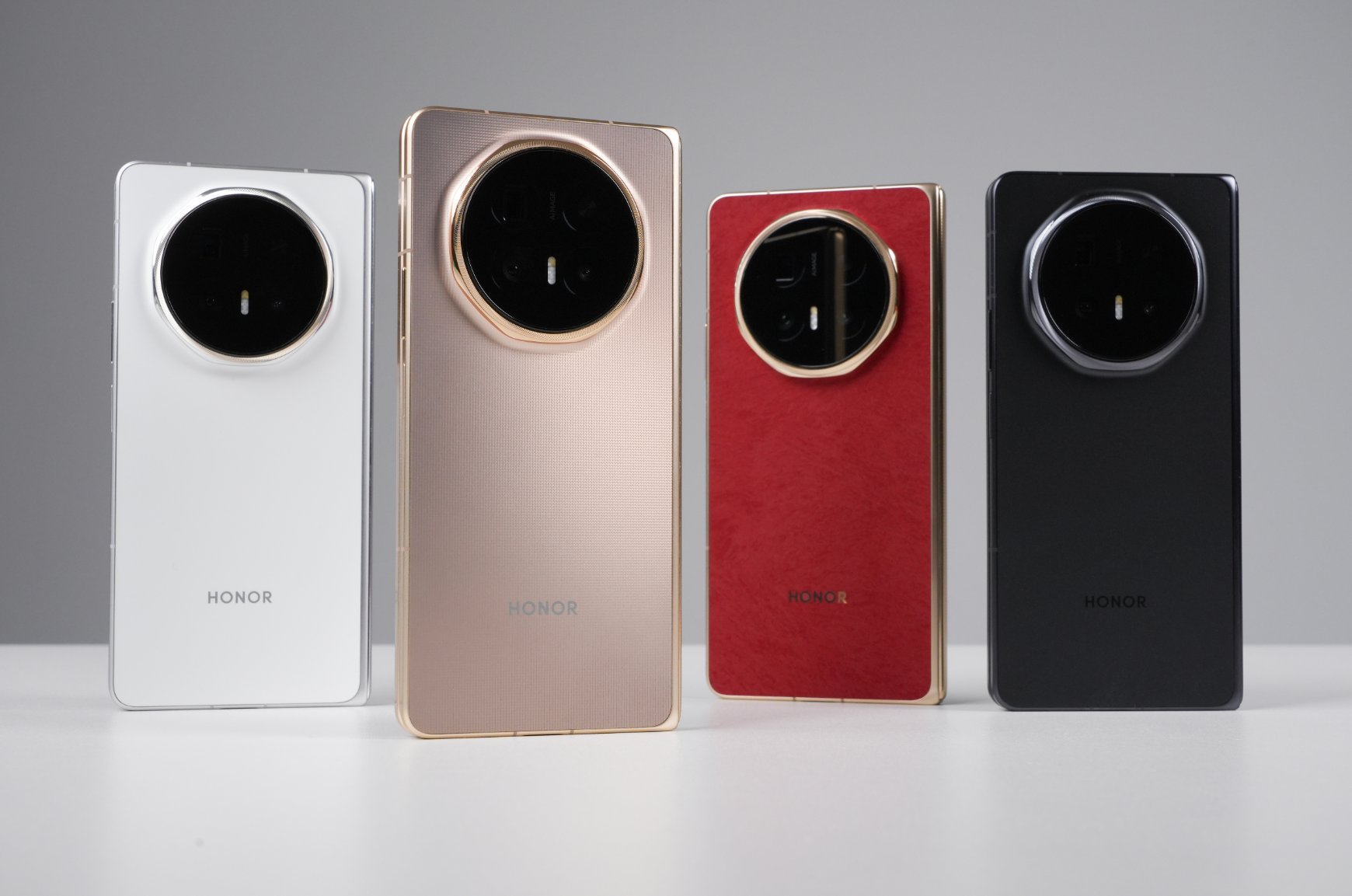
Honor‘s 2026 phone lineup is a little harder to sum up with one standout spec. The company has spent the year trying different ideas across its phones, from the thin and durable Magic V6 foldable to the camera-focused Magic 8 Pro. Then there’s the Robot Phone, which takes a much bigger swing with a built-in gimbal that physically moves the camera to track subjects. Honor first showed the Robot Phone at MWC 2026 before officially launching it in August.
That makes the lineup more interesting than a simple list of newer and older models. Some phones focus on cameras, others on battery life or durability, while the Robot Phone is basically an experiment in what a smartphone camera can become. Here are the Honor phones worth considering in 2026 and what each one does best.
The Magic 8 Pro runs on the Snapdragon 8 Elite Gen 5 chipset, paired with a 6.71-inch LTPO OLED display at 1.5K resolution and a 120Hz refresh rate. The phone has a claimed peak HDR brightness of 6,000 nits — among the brighter panels on any phone.
What makes it worth picking is its zoom range. It has a 200MP telephoto sensor at 1/1.4-inch, offering 3.7x optical zoom and up to 100x digital zoom. The global version carries a 7,100mAh silicon-carbon battery with 100W wired and 80W wireless charging, while the European model has a 6270mAh with the same charging specs. The phone also carries IP68, IP69, and IP69K ratings for dust and water resistance.
You can get the Honor Magic 8 Pro for around €1,199 to €1,299 in Europe.
The Magic V6 is built around durability claims that go further than most foldables on the market. Honor coated the outer display with 5,600 layers of silicon nitride, which the company says improves scratch resistance by three times over its previous design, and the phone is also the first foldable to earn both IP68 and IP69 ingress protection ratings.
The inner crease is also less pronounced this year, reduced by 44% compared to the Magic V5, according to Honor. It runs on the Snapdragon 8 Elite Gen 5 chipset with up to 16GB of RAM and 512GB of storage, and the inner display reaches 5,000 nits of peak brightness while the outer screen hits 6,000 nits.
It runs on a 7,150mAh battery in China, one of the largest of any foldable currently sold. You can get it for £1999.99 for the 16GB/512GB model in the UK.
The Honor 600 Pro replaced the 400 Pro this year and pushed the camera’s zoom range considerably further in the process. Quick note: the Honor 500 Pro didn’t launch globally.
It features a 6.57-inch AMOLED display at 2728×1264 resolution with a 120Hz refresh rate and up to 8,000 nits of peak brightness, running on the Snapdragon 8 Elite chipset.
The camera is the real draw here. It has a 200MP main sensor with a 1/1.4-inch sensor paired with a 50MP telephoto lens offering up to 120x zoom, well beyond what most mid-range phones attempt, while the standard Honor 600 tops out around 30x.
The phone ships with a 7000mAh battery, 80W wired charging, and carries IP68/IP69K ratings. It is priced around $929.
The X80i replaced the X70 as Honor’s current mid-tier X-series pick, and it swaps the X70’s battery-first approach for a stronger focus on display quality and durability. It features a 6.6-inch OLED display with 1.5K resolution, a 120Hz refresh rate, and up to 6,500 nits of peak brightness, numbers that are unusually high for a phone in this price bracket.
It runs on the Dimensity 6500 Elite chipset and carries SGS Gold Label five-star drop-resistance certification, with Honor claiming it can survive drops from up to 1.8 meters, along with IP66 dust and water resistance. Pricing in China starts at 1,999 yuan (~ $300).
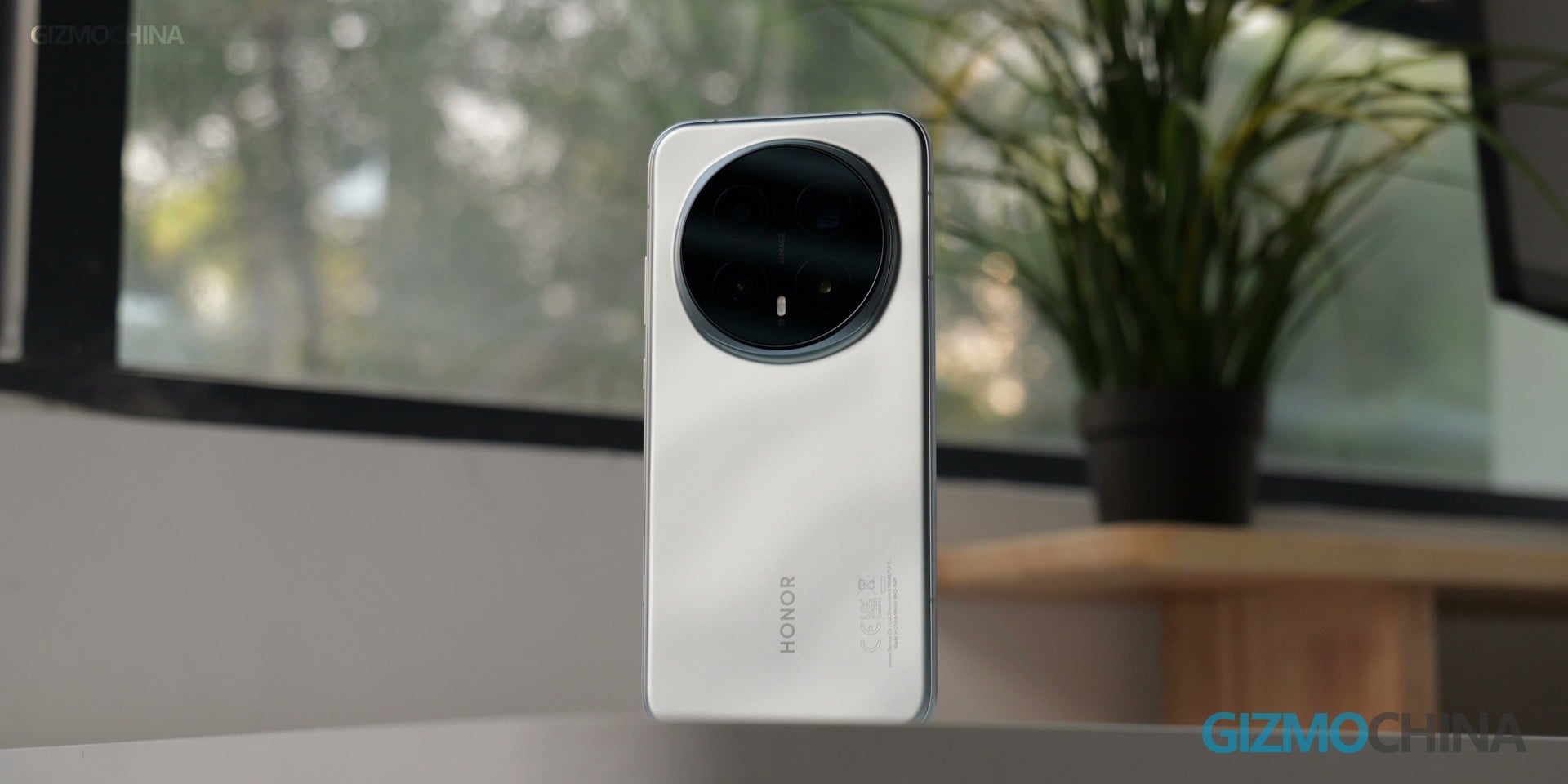
Nothing else on this list, or really anywhere else on the market, does what the Robot Phone does. It houses a four-degree-of-freedom titanium alloy gimbal that stays hidden inside the chassis and extends in 0.8 seconds when the camera activates, then rotates a full 360 degrees to track a moving subject automatically, essentially building a miniature camera stabilizer rig directly into the phone. Honor built it in partnership with ARRI, the German cinema equipment maker, adding Log-C video recording and professional LUT color grading tools that are normally reserved for dedicated film cameras.
The camera setup includes a 200MP main sensor mounted on that gimbal, a 50MP ultrawide, and a 200MP periscope telephoto, all running through Honor’s in-house Yuguang H1 imaging chip. It runs on the Snapdragon 8 Elite Gen 5 with a 6.31-inch LTPO display reaching 6,800 nits of peak brightness, and a 7,060mAh battery with 120W charging.
It starts at 9,999 yuan in China, around $1,480, for the 12GB/512GB model. Honor has confirmed there’s no global version planned for this first generation, so buying one currently means importing from China.
The Magic8 Pro makes the most sense if you want the longest zoom range and the biggest battery in Honor’s current flagship lineup. The Magic V6 is a better fit if durability is a priority in a foldable.
For a mid-range option, the Honor 600 Pro offers long-range zoom and a large battery without the price of an Ultra flagship. The Honor X80i is worth considering if you care more about display quality and drop protection on a budget. And if you want something completely different, the Robot Phone’s moving gimbal camera makes it the most unusual phone in Honor’s lineup.
For more daily updates, please visit our News Section.
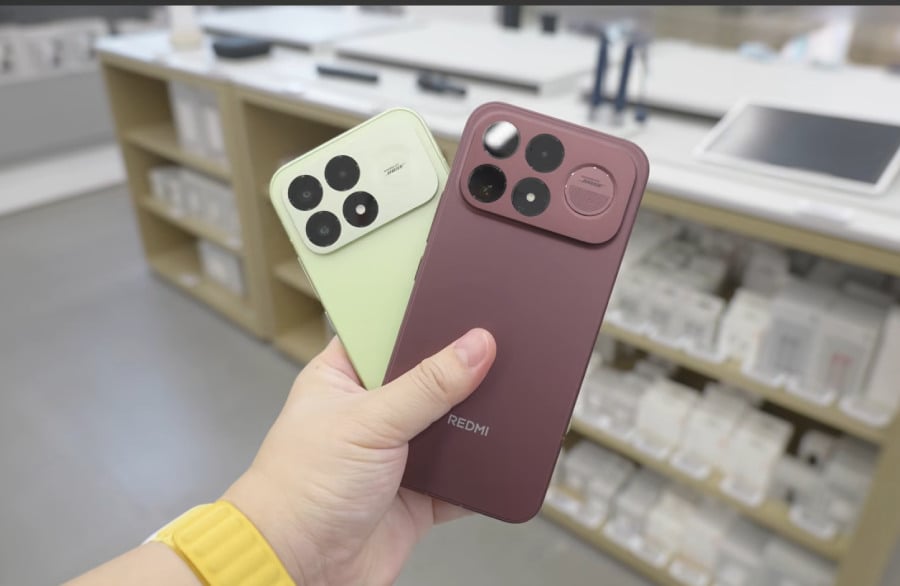
The Redmi K100 Pro and Pro Max are already out, and now the standard K100 is picking up on the rumor mill. Tipster Digital Chat Station shared the early specs of the phone in a Weibo post today, and what stands out is the battery number.
According to the leaker, we’re likely to see a flat display between 6.8 and 6.9 inches with a high refresh rate, along with symmetrical dual speakers, a large linear motor for haptics, a 3D ultrasonic fingerprint sensor, and IP68 dust and water resistance.
As for the battery, the leak tips a capacity nearly 3,000 mAh larger than the Redmi K90’s 7,100 mAh cell. That would put the standard K100 close to 10,000 mAh, about 1,000 mAh more than the Redmi K100 Pro Max’s 9,070 mAh battery. So the standard model may end up with the biggest battery in the lineup, ahead of even the Pro Max.
The chip in the rumors is the first-gen Snapdragon 8 Elite. It pairs two 4.32GHz super cores with six 3.53GHz performance cores. The GPU is an Adreno 830, and the chip supports LPDDR5X memory.
Redmi K100 Pro and Pro Max
According to the leak, the phone is also likely to get a dedicated display chip, separate from the main processor. This kind of chip typically handles two jobs at once: upscaling lower-resolution footage through super-resolution, and smoothing out frame rates through frame interpolation. Put together, that setup lets a game run smoother than its native frame rate while still keeping the image sharp, rather than forcing a trade-off between the two.
No launch date has been confirmed yet, and Redmi hasn’t commented on any of these specs. The standard Redmi K100 is expected to arrive later this year, after the Pro and Pro Max models that are already on the market.
According to the leak, the Honor Magic 9 Pro will run on the Snapdragon 8 Elite Extreme Gen 6 (SM8975) chipset and use a 1:1 square selfie camera, which would make it the first Android phone with this format. A square sensor gives you a wider field of view for selfies and vlogging, since you don’t have to rotate the phone to switch between portrait and landscape framing. The leak also says this front camera setup borrows some of what Honor built for the Robot Phone.
Honor Magic 9 Pro rear camera specs
On the rear, the specs match what earlier reports have already covered. You get a 200MP main camera with a 1/1.28-inch sensor, an f/1.57 aperture, and 3-degree OIS, paired with a 50MP ultra-wide lens.
There’s also a 200MP periscope telephoto camera with a 1/1.4-inch sensor and an f/2.6 aperture. This matches what tipster Digital Chat Station shared back in March, when the dual 200MP setup first came up. Honor’s ARRI partnership is also expected to extend to the Pro model, which should bring improvements to color science and video processing.
The square selfie camera itself isn’t new information. Reports in May already pointed to Honor testing a similar sensor for the standard Magic 9, not long after Oppo was tipped to be working on the same format for the Find X10 series. Honor may end up shipping it first.
The tipster behind this leak also mentioned in the comments that Vivo is preparing its own square front camera for next year. That suggests the format could show up across more Chinese phone makers rather than staying limited to one brand.
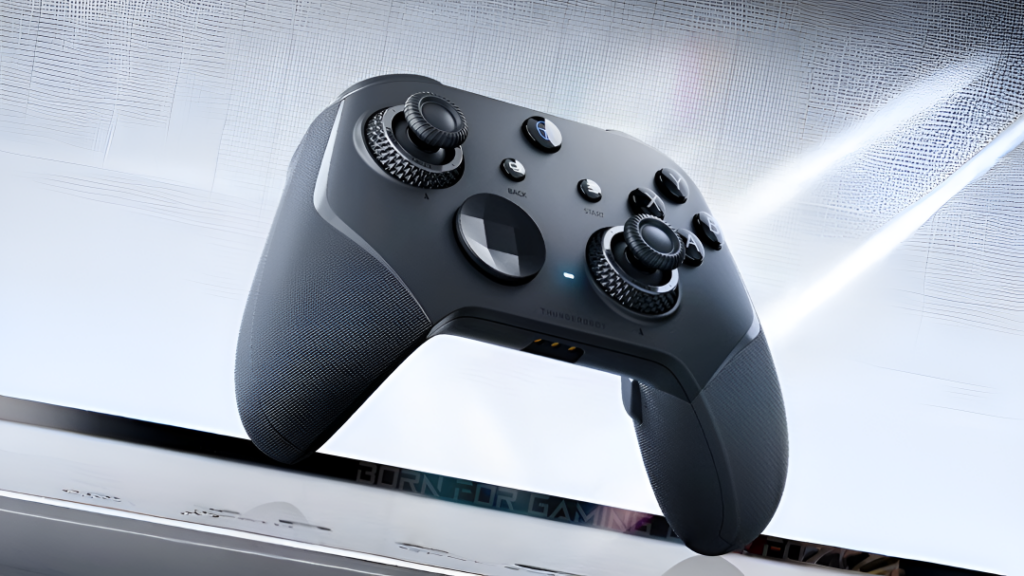
Thunderobot has released the Blade 60, a new PC and console gaming controller currently available in China. The device is priced at 449 yuan ($67), with an initial launch price of 399 yuan ($59). The controller focuses on high-speed connectivity and modular hardware inputs, offering features standard in the current market of third-party gamepads.
The controller supports three connection methods: wired USB, 2.4GHz wireless via a dedicated receiver, and Bluetooth. Both wired and 2.4GHz wireless modes support an 8KHz polling rate.
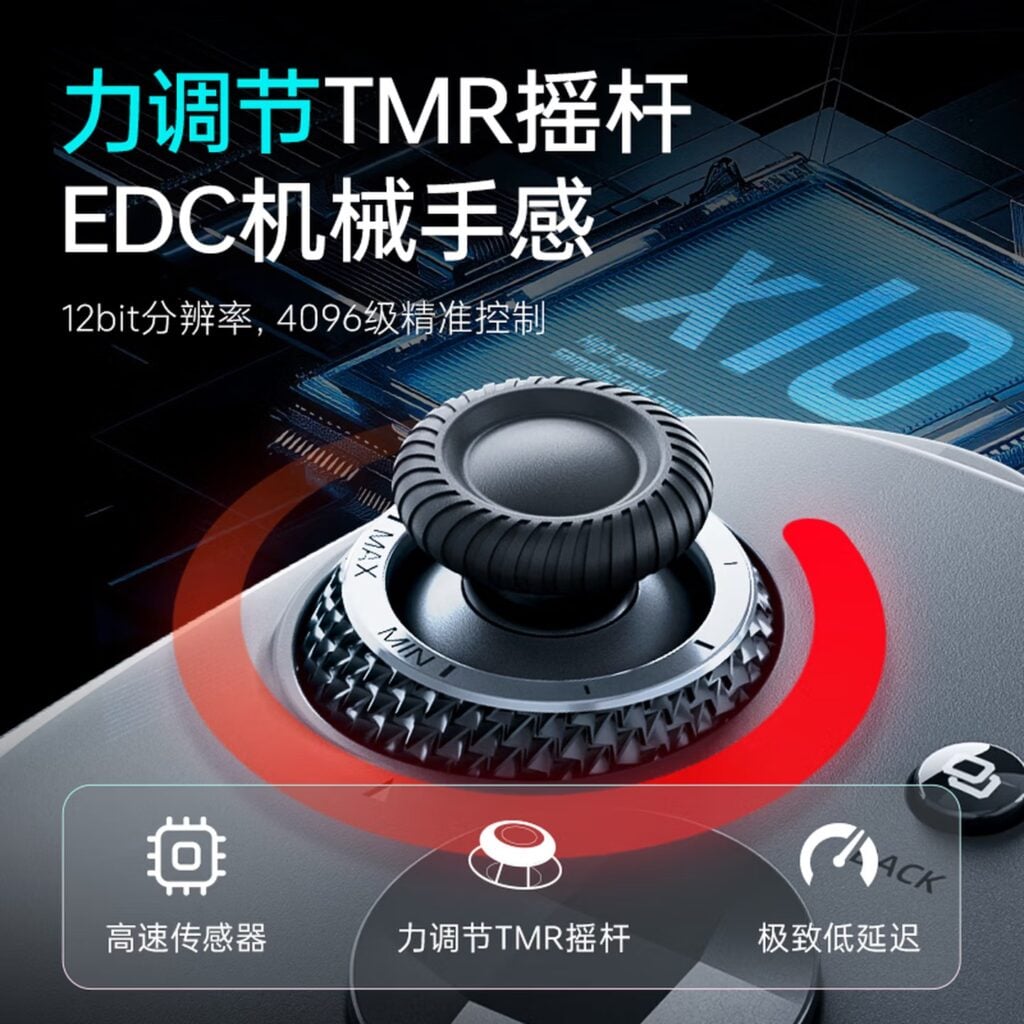
For directional inputs, the Blade 60 uses adjustable-tension TMR joysticks. These sticks operate at a 12-bit resolution, providing 4,096 levels of precision, and use a direct bus connection to minimize internal processing delay. You can manually adjust the tension of the thumbsticks to change the physical resistance and achieve a stiffer damping feel.
The triggers feature a dual-mode mechanism controlled by a physical switch on the back of the device. You can toggle between a linear Hall-effect mode, which provides precise travel measurement for genres such as racing games, and a micro-switch mode. The micro-switch setting reduces the physical travel distance to 2mm, allowing you to achieve faster actuation in shooters.
The ABXY face buttons use optical micro-switches. Instead of relying on physical metal contacts, these buttons actuate using infrared light. This design is intended to prevent hardware issues such as double-clicking and physical contact wear over time, while the buttons are rated for 10 million presses. The D-pad uses a floating, omnidirectional design and includes two interchangeable caps: a traditional cross shape and a circular dish.
Additionally, the Blade 60 includes six programmable mechanical buttons, two extra shoulder bumpers and four rear paddles. You can map these to standard inputs or macros using Thunderobot’s PC software, while multiple profiles can be saved directly to the controller’s onboard memory.
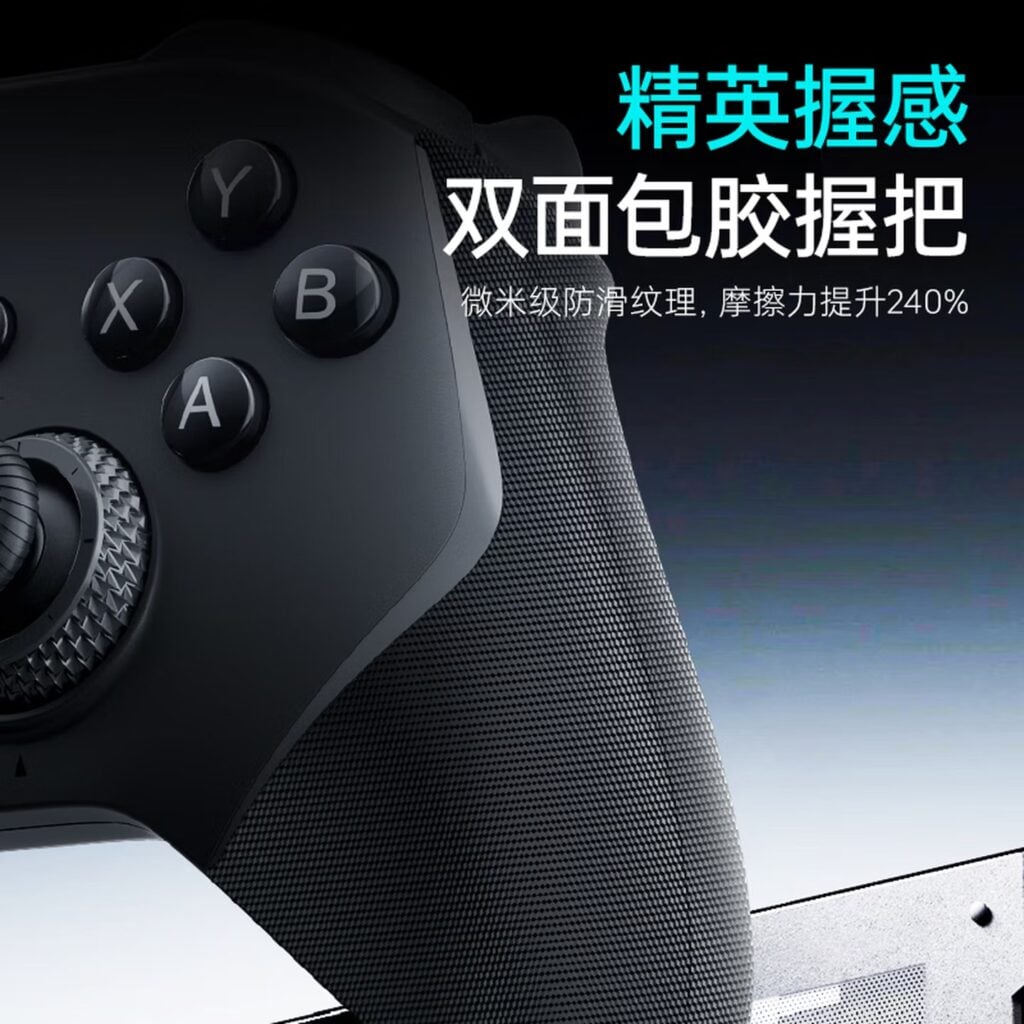
The device is powered by a 1,200mAh battery. The exterior features laser-etched rubber grips on the front and back. Inside, it uses H-bridge motors in both the main grips and the triggers for adjustable vibration feedback, alongside a six-axis gyroscope for motion controls.
The Blade 60 is compatible with PC and the Nintendo Switch, and Thunderobot says it is designed to support the upcoming Switch 2, including remote wake-up functionality through the Home button.
We use cookies on our website to give you the most relevant experience by remembering your preferences and repeat visits. By clicking “Accept”, you consent to the use of ALL the cookies.
This website uses cookies to improve your experience while you navigate through the website. Out of these, the cookies that are categorized as necessary are stored on your browser as they are essential for the working of basic functionalities of the website. We also use third-party cookies that help us analyze and understand how you use this website. These cookies will be stored in your browser only with your consent. You also have the option to opt-out of these cookies. But opting out of some of these cookies may affect your browsing experience.
Necessary cookies are absolutely essential for the website to function properly. This category only includes cookies that ensures basic functionalities and security features of the website. These cookies do not store any personal information.
Any cookies that may not be particularly necessary for the website to function and is used specifically to collect user personal data via analytics, ads, other embedded contents are termed as non-necessary cookies. It is mandatory to procure user consent prior to running these cookies on your website.