Advertisement

Morefine launches M900 Mini PC with Ryzen AI chips, OCuLink, USB4 and up to 96GB DDR5 RAM

Morefine has launched the M900 mini PC in global markets. The system features a compact design with high-end connectivity options, including a front-facing OCuLink port and USB4 interface. Morefine is offering the M900 in several configurations, with a barebones variant priced at $369.

Morefine M900 Mini PC

Morefine M900 Specifications

The mini PC comes in three processor options: AMD Ryzen AI 7 350, Ryzen AI 5 340, and Ryzen 7 H255. The Ryzen AI 7 350 is based on the Zen 5 architecture and includes 8 cores, 16 threads, and a maximum boost clock of 5.0GHz. It supports up to 66 TOPS of AI computing power, with the NPU handling up to 50 TOPS. The system uses integrated Radeon 860M graphics with 8 compute units running at up to 3.0GHz, allowing for 3D workloads, ray tracing, and casual AAA gaming.

The M900 supports dual-channel DDR5 memory with two SO-DIMM slots, offering speeds up to 5600MHz and total capacity up to 96GB. For storage, the system includes two M.2 2280 PCIe 4.0 x4 SSD slots.

Morefine has equipped the system with modern connectivity features. It includes dual 2.5GbE Ethernet ports, Wi-Fi 6, and Bluetooth 5.2. Display output support includes one HDMI 2.1 port, one DisplayPort 2.1, and two USB4 ports with video output and power delivery. The M900 can drive up to four 4K displays at 144Hz simultaneously.

The front panel features an OCuLink port for external GPU support, one USB4 port, two USB 3.2 Gen 2 Type-A ports, and a 3.5mm audio jack. The rear panel includes a second USB4 port, USB 3.2 Gen 2 and USB 2.0 ports, as well as the HDMI and DisplayPort outputs.

The mini PC includes a vapor chamber cooling solution to maintain thermal stability under sustained load. It also supports VESA mounting, allowing users to install it behind a monitor or on a wall.

In related news, Acemagic has recently launched the M1A Pro+ mini PC powered by AMD’s Ryzen AI Max+ 395 processor with up to 128GB of memory, while Gmktec has introduced the NucBox K15 mini PC featuring an Intel Core Ultra 5 CPU, OCuLink eGPU support, and USB4 connectivity.

For more daily updates, please visit our News Section.

Stay ahead in tech! Join our Telegram community and sign up for our daily newsletter of top stories! 💡

(Morefine)
Acemagic launches M1A Pro+ Mini PC with Ryzen AI Max+ 395, 128GB RAM & quad 8K display support

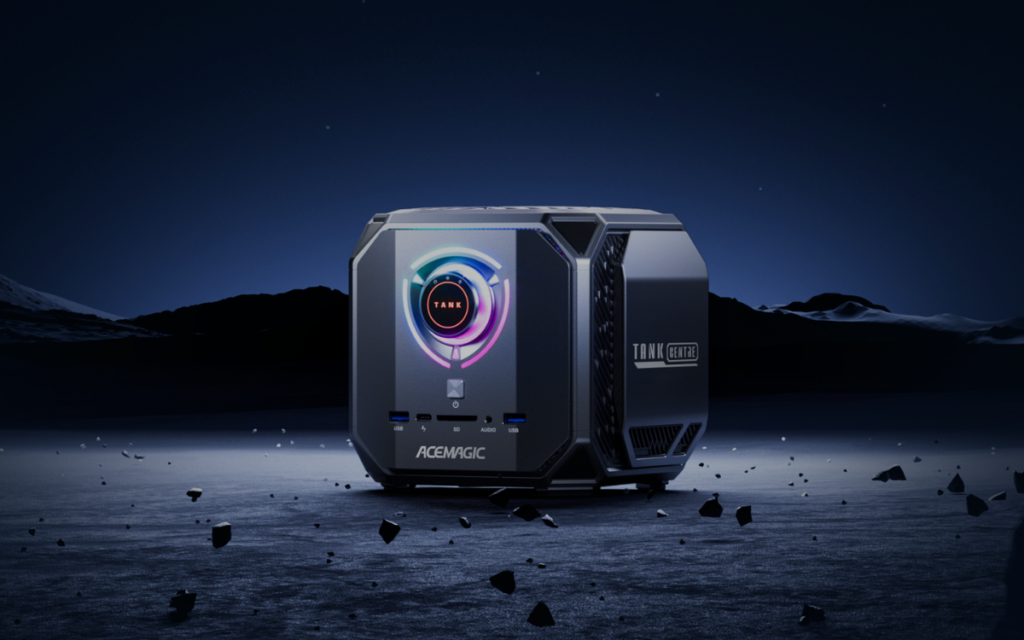
Acemagic has officially launched the M1A Pro+, a compact high-performance mini PC powered by AMD’s latest Ryzen AI Max+ 395 processor. The system targets AI developers, content creators, and power users seeking a compact desktop with advanced performance for AI workloads, multitasking, and gaming.

Acemagic M1A Pro Plus mini PC

Acemagic M1A Pro+ Specifications

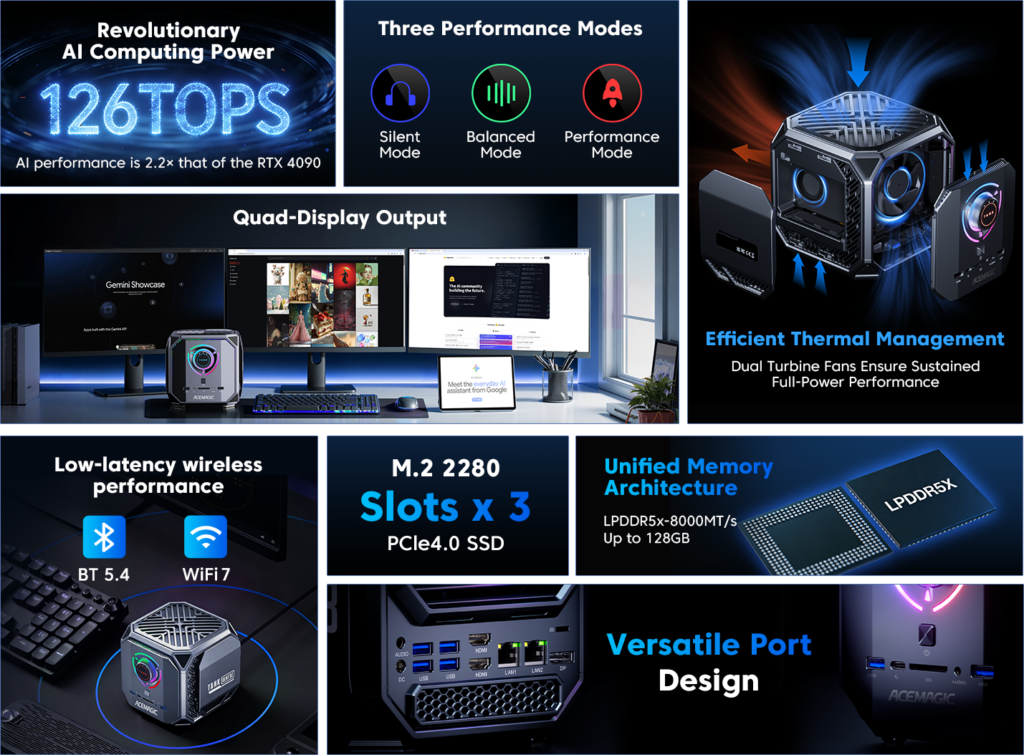
The M1A Pro+ features AMD’s Ryzen AI Max+ 395 Strix Halo chip with 16 cores and 32 threads. Acemagic claims the NPU delivers up to 126 TOPS of AI computing power, which is over twice the AI throughput of the Nvidia RTX 4090. The GPU section is handled by the integrated AMD Radeon 8060S, which runs at 2900 MHz and delivers gaming performance comparable to an RTX 4070.

The system comes equipped with 128GB of LPDDR5x memory clocked at 8000 MT/s. For storage, it offers three PCIe 4.0 x4 M.2 2280 slots with support for up to 12 TB in total capacity, while the base configuration ships with a pre-installed 2TB SSD.

For connectivity, the mini PC includes six USB-A ports, with two Gen 2 and four Gen 1, a USB 4 Type-C port, two HDMI 2.1 ports, one DisplayPort 2.0, dual 2.5GbE Ethernet ports, two 3.5 mm audio jacks, and an SD card reader. Coming to the wireless connectivity, the system features Wi-Fi 7 and Bluetooth 5.4.

Acemagic M1A Pro+

The chassis has a distinctive cube-shaped design with dimensions of 166.7 × 166.9 × 160.9 mm. It features external ARGB lighting and a performance control dial. The cooling system uses three turbine fans with seven copper heat pipes, five dedicated to the GPU and two to the CPU.

The system supports up to four 8K displays simultaneously and runs Windows 11 Pro out of the box. It weighs around 2 kilograms and is designed for easy expansion, with tool-free access to the internals and support for additional adapters or drives.

Pricing and Availability

Acemagic has priced the M1A Pro+ at $2,499, with a $100 discount available through January 10. Shipping for pre-orders begins January 31 from U.S. overseas warehouses.

In related news, we recently published a roundup highlighting the best mini PCs to watch out for in 2026. Do check it out as well.

For more daily updates, please visit our News Section.

Stay ahead in tech! Join our Telegram community and sign up for our daily newsletter of top stories! 💡

New Xiaomi Smart Home Display 11 launches in China with HyperOS & 11″ screen for $185

Xiaomi has just announced a new smart home product in its home market of China. The Xiaomi Smart Home Display 11 arrives with a tall display, the brand’s proprietary Android skin, and support for multiple languages. So here’s what it offers and how much it costs.

Xiaomi Smart Home Display 11 Specifications

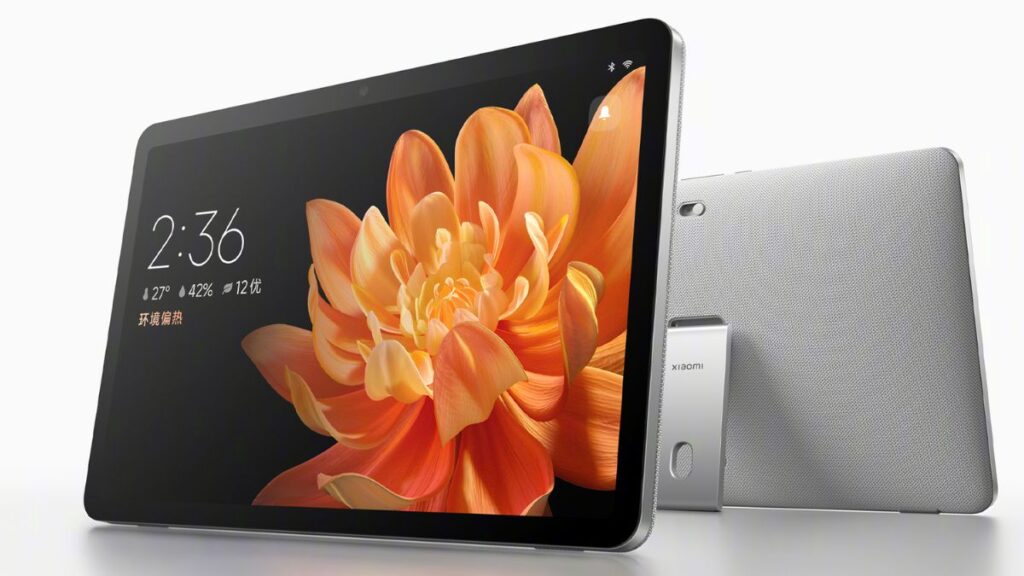
As the name suggests, the Chinese tech giant’s new Xiaomi Smart Home Display 11 sports a tall 11-inch screen with an FHD+ resolution (1920 x 1200 pixels), 400 nits of peak brightness, and TUV Rheinland Eye Protection Certification. For audio, the device packs a rear mounted speaker unit, which allowed Xiaomi to reduce the overall size of the smart screen by 35.5 percent.

Xiaomi Smart Home Display 11

This is an AI powered family device that lets users control other smart home gadgets. It also comes with Xiaomi’s HyperOS along with a large amount of video and audio content. Looking at its design, the Xiaomi Smart Home Display 11 has a simple design with a kickstand that allows it to stand upright. The device functions more like a small portable TV rather than a full fledged tablet. There is an 8MP HD camera on the front that allows for video calling as well.

Other notable features include cross platform voice command support, picture frame functionality, AI large model Q&A, and support for over 7 dialects recognition. The Xiaomi Smart Home Display 11 was just announced in China for 1,299 Yuan, which is roughly about 185 US Dollars. In related news, Xiaomi recently unveiled the Xiaomi 17 Ultra, while the special Leica Edition has already sold out.

For more daily updates, please visit our News Section.

Tech enthusiast? Get the latest news first! Follow our Telegram channel and subscribe to our free newsletter for your daily tech fix! ⚡

Here’s Everything New Nothing OS 4 Brings to the CMF Phone 1 & Phone 2 Pro

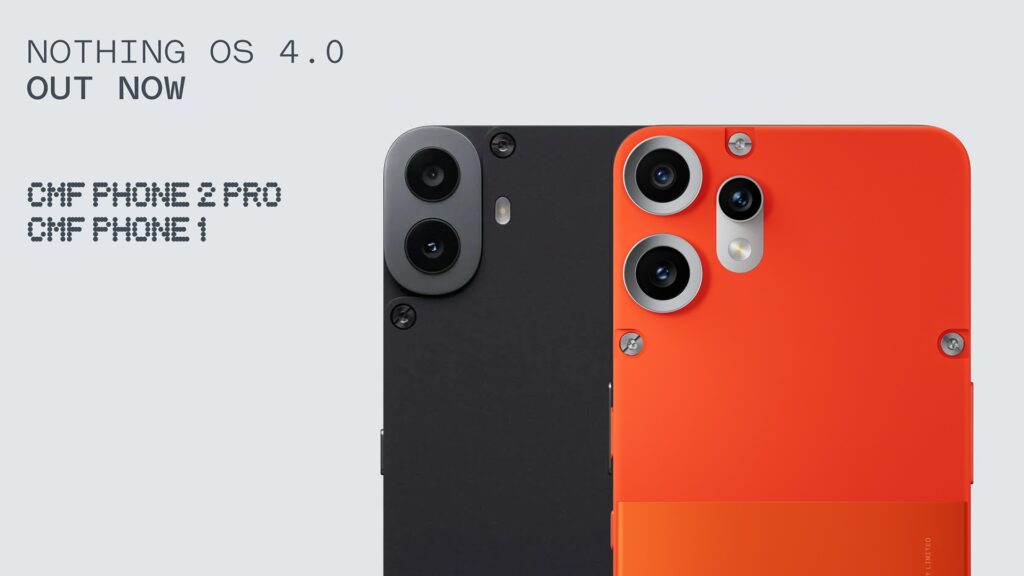
Nothing has released Nothing OS 4.0 for the CMF Phone 1 and the Phone 2 Pro, based on Android 16. The update adds new features and introduces a community platform called Playground.

Nothing OS 4.0 CMF Phone 1 and CMF Phone 2 Pro

Users can now hide apps from the home screen and app drawer. Hidden apps appear in a separate section accessed through Home screen > App drawer > Hidden icons. The app drawer includes search scope management to filter results.

Widget improvements include more size options for Weather, Pedometer, and Screen Time. Quick Settings tiles now support 2×2 sizing for most functions. Pop-up view allows two floating icons for faster app switching between tasks.

The system includes app optimization to speed up startup times, located in Settings > Apps > App optimisation. Dual SIM users can set different ringtones for each SIM card.

Nothing introduces Playground (Alpha), a platform hosting community-created content like Essential Apps, Camera Presets, and EQ Profiles. Essential Apps (Alpha) are AI-powered applications built by the community. More information is available at playground.nothing.tech.

The visual refresh includes redesigned Nothing app icons and updated status bar icons. Two new lock screen clock faces are available in Customisation settings. Extra dark mode adds a deeper dark theme option through Settings > Display > Dark theme > Extra dark mode.

Camera updates bring changes to Presets with new default styles. Filters now have intensity adjustment and exclusive Stretch styles. Watermarks include new Nothing brand options and artistic frames.

Nothing recommends backing up photos, call logs, contacts, and other user data before installing the update.

For more daily updates, please visit our News Section.

Stay ahead in tech! Join our Telegram community and sign up for our daily newsletter of top stories.

(Source)

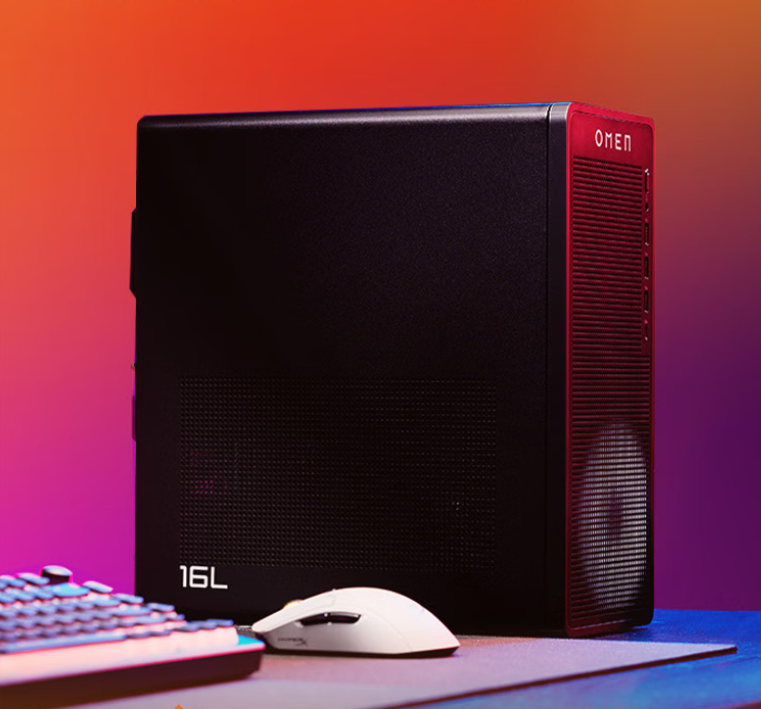
HP launches Omen 16L 2026 gaming desktops with i7-14650HX, up to 5060 Ti GPU & 32GB DDR5 RAM

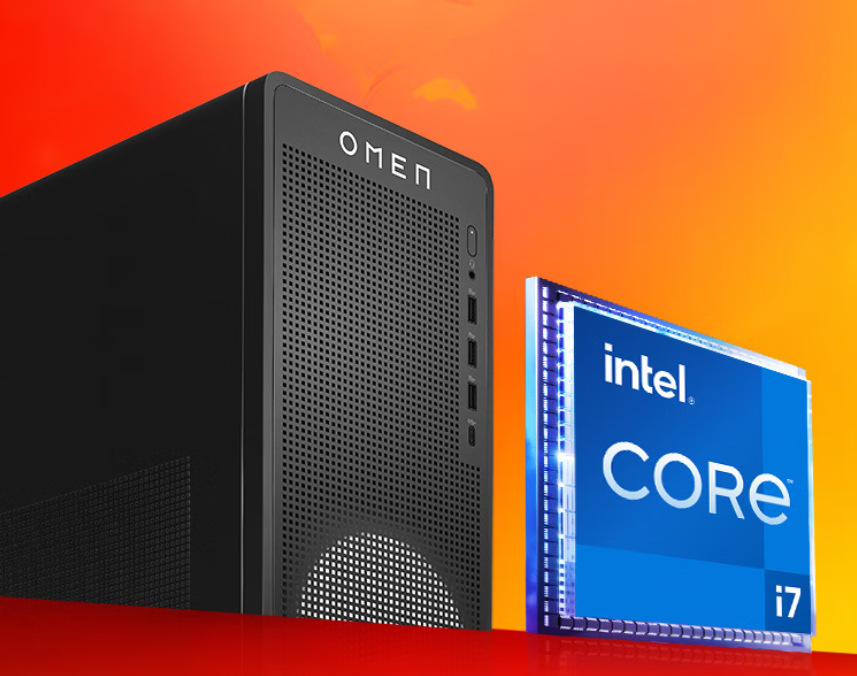
HP has launched the Shadow Elf 2026 gaming desktop in China under its Omen 16L series. The new system features a compact 16-liter chassis and uses a mobile-class Intel Core i7-14650HX processor paired with Nvidia’s latest RTX 40 series graphics cards. The system is designed for gamers and content creators who want high performance in a smaller footprint.

HP Omen 16L 2026

HP Omen 16L 2026 Specifications

The desktop is powered by Intel’s 14th-generation Core i7-14650HX processor. It uses a hybrid architecture with 8 performance cores and 8 efficiency cores, totaling 16 cores and 24 threads. The chip can boost up to 5.2GHz and includes 30MB of L3 cache.

Graphics options include the Nvidia GeForce RTX 3050 8GB, RTX 5060 8GB, RTX 5060 Ti 8GB, and RTX 5060 Ti 16GB. These GPUs are based on Nvidia’s Blackwell architecture and support ray tracing, DLSS 4 multi-frame generation, Reflex 2, and Frame Warp. The cards also support Nvidia Studio drivers and ninth-gen video encoders, enabling AI-assisted editing and rendering workflows.

HP Omen 16L 2026

The Shadow Elf 2026 comes with up to 32GB of DDR5 memory running at 5600MT/s. Storage options include a 1TB PCIe 4.0 SSD, and HP includes a second SSD slot for future upgrades. Wireless features include Wi-Fi 6E and Bluetooth 5.3.

The system uses a tower-style air cooler along with a 120mm front fan and a 90mm rear fan. The cooling setup supports up to 110W CPU thermal output. HP claims improved airflow and reduced noise compared to the previous generation. Power is supplied by a 400W or 500W 80 PLUS Platinum-rated PSU, depending on the configuration.

HP Omen 16L 2026

The front I/O includes three USB-A 5Gbps ports, one USB-C 10Gbps port, and a 3.5mm combo audio jack. The rear I/O offers four USB-A 480Mbps ports, one RJ45 Ethernet port, and three audio jacks. The GPU includes one HDMI and three DisplayPort outputs.

Pricing and Availability

HP will begin sales of the Shadow Elf 2026 gaming desktop on December 29 at JD.com. The base configuration with RTX 3050 8GB, 16GB RAM, and 512GB SSD is priced at 5,699 yuan ($798).

The RTX 5060 8GB version with 16GB RAM and 1TB SSD costs 6,799 yuan ($952), while the same GPU paired with 32GB RAM is priced at 7,299 yuan ($1,022).

The RTX 5060 Ti 8GB model with 32GB RAM and 1TB SSD comes in at 8,299 yuan ($1,162). The top-end variant with RTX 5060 Ti 16GB, 32GB RAM, and 1TB SSD is available for 8,799 yuan ($1,232).

In related news, Lenovo has recently launched the Lecoo Cool 310 desktop lineup, which is available with Intel Core Ultra 5 or AMD Ryzen processors and supports up to 16GB of RAM. Meanwhile, Mechrevo has introduced the Mechrevo S500, featuring an Intel Core i5-14450HX, 16GB of DDR5 memory, a 512GB SSD, and a compact 8-liter chassis.

For more daily updates, please visit our News Section.

Stay ahead in tech! Join our Telegram community and sign up for our daily newsletter of top stories! 💡

(JD)

Honor Power 2 specs leak: 10,080mAh battery, Dimensity 8500 Elite, and 8000 nits brightness

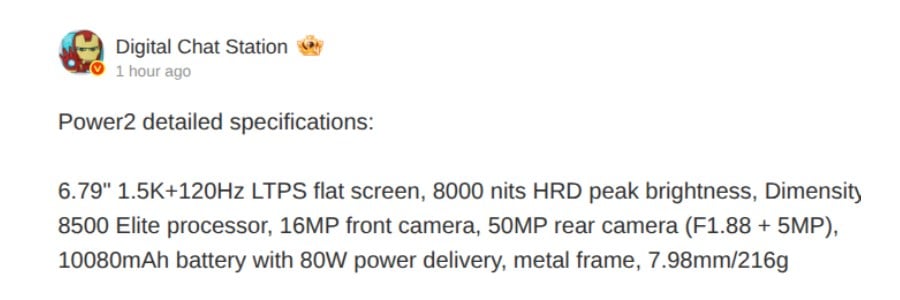
Honor Power 2 had its design revealed yesterday, and my first impression is that it looks more like an iPhone than an Honor. Following this, tipster Digital Chat Station has now shared the key specifications of the phone on the Chinese social media platform Weibo.

Honor Power 2 Specifications

According to the leak, the Honor Power 2 features a 6.79-inch flat LTPS display with a 1.5K resolution and a 120Hz refresh rate. The screen is said to reach up to 8,000 nits of peak HDR brightness, which is even higher than the more premium Honor Win that launched yesterday. 

Powering the device could be a MediaTek Dimensity 8500 Elite processor. The camera hardware includes a 16MP front-facing camera and a dual rear setup consisting of a 50MP main sensor with an f/1.88 aperture and a 5MP secondary camera. The tipster shares no additional details about the sensor size or video capabilities. 

One of the more notable aspects of the Honor Power 2 is its battery. The device is tipped to pack a 10,080mAh battery that charges via an 80W adapter. The new Honor Win also packs a 10,000mAh cell, and it takes about an hour to go from 0 to 100%.

While 80W charging might seem a little slow on paper, it likely won’t take as long as expected to fully charge a 10,000mAh-class battery.

Even more impressive is the fact that the phone reportedly measures just 7.98mm in thickness despite the large battery capacity. It tips the scales at 216 grams and features metal frames contributing to the overall build. Digital Chat Station also shared a better image of the Power 2 in all three colors. 

At this stage, Honor has not confirmed pricing or availability details. More information is expected closer to the official launch.

Don’t miss a thing! Join our Telegram community for instant updates and grab our free daily newsletter for the best tech stories!

For more daily updates, please visit our News Section.

Samsung Galaxy A07 5G rumored to get a 6,000mAh battery

Samsung may be preparing a small but meaningful upgrade for its budget Galaxy A lineup, and the focus appears to be battery life.

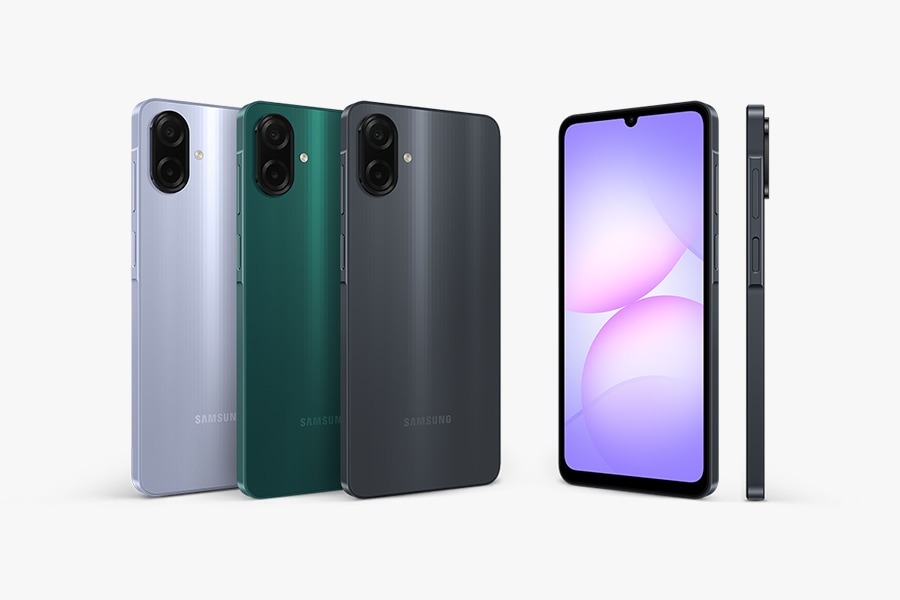
Samsung Galaxy A07

According to certification listings that surfaced in Brazil, a device believed to be the Galaxy A07 5G is equipped with a 6,000mAh battery. If accurate, that would be a step up from the Galaxy A07 4G, which ships with a 5,000mAh cell.

That extra capacity could matter. The Galaxy A07 has been one of Samsung’s highest-selling phones by volume in 2025, largely because of the brand value and a low price. The existing model already delivers full-day battery life, and a 1,000mAh increase would only make the 5G version easier to sell.

Other details suggest Samsung isn’t aiming for a major performance jump. The phone is said to run on MediaTek’s Dimensity 6300 chipset, paired with 4GB of RAM and 128GB of storage. That setup is familiar territory and closely matches what Samsung already offers in the Galaxy A06 5G.

Still, the addition of 5G support changes the equation slightly. Combined with a large battery, it positions the Galaxy A07 5G as a practical option for buyers who want faster connectivity, without paying extra for premium hardware they may not need.

As usual, Samsung hasn’t officially confirmed the device. Pricing, launch timing, and regional availability remain unknown for now. That said, reports point to a possible announcement in the coming weeks.

If these leaks hold up, the Galaxy A07 5G doesn’t look flashy. But it doesn’t need to be. In the entry-level segment, long battery life and reliable basics often matter more than anything else — and that’s exactly where Samsung seems to be placing its bet.

Don’t miss a thing! Join our Telegram community for instant updates and grab our free daily newsletter for the best tech stories!

For more daily updates, please visit our News Section.

(Source)

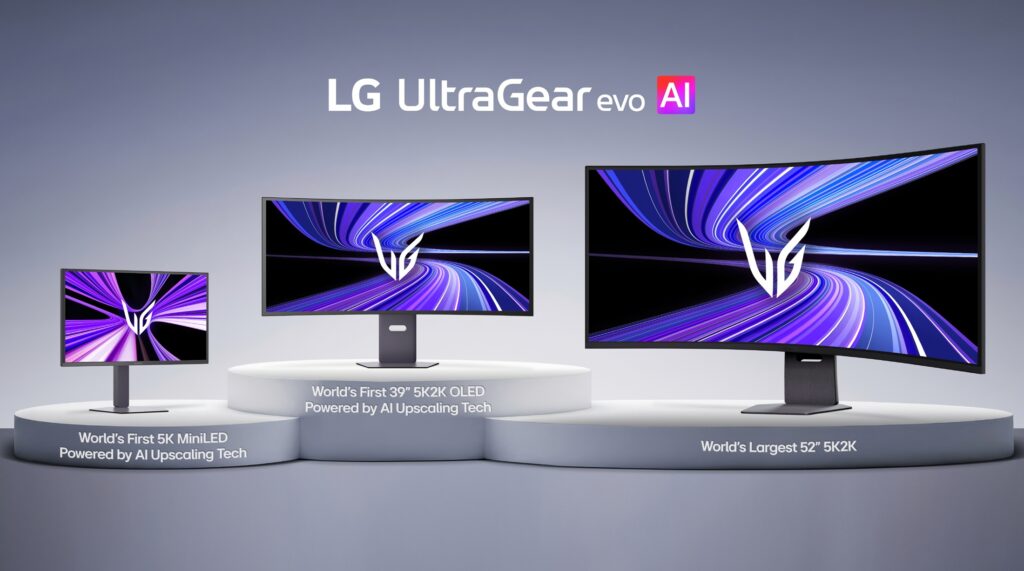
LG Unveils UltraGear evo Gaming Monitors: 5K2K OLED, MiniLED, and 52-Inch Models

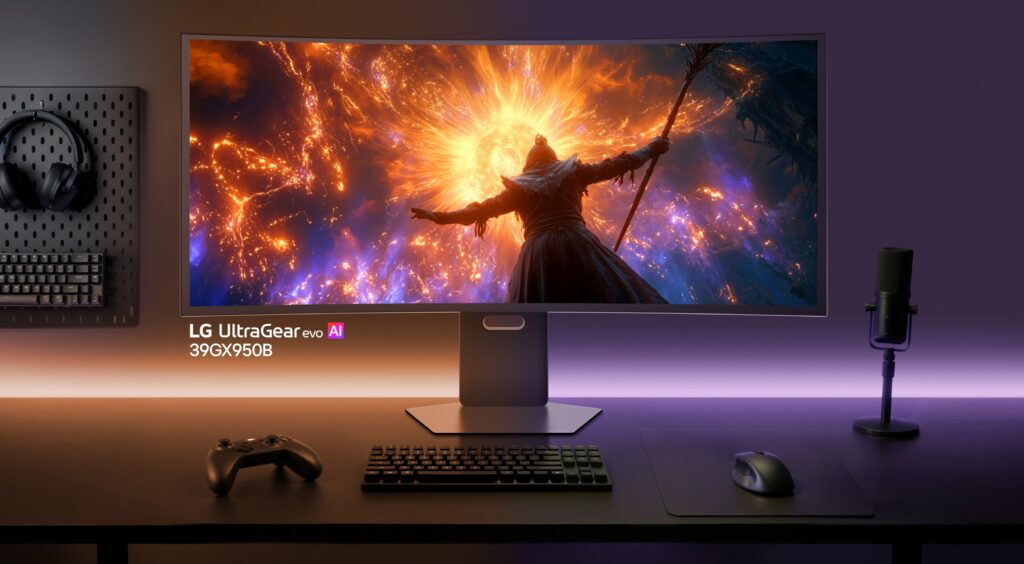
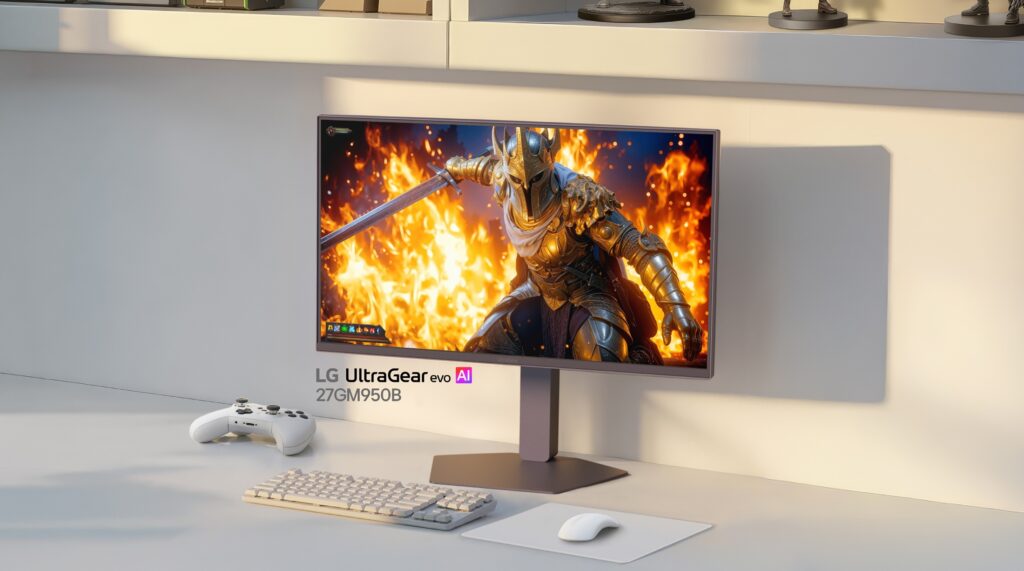
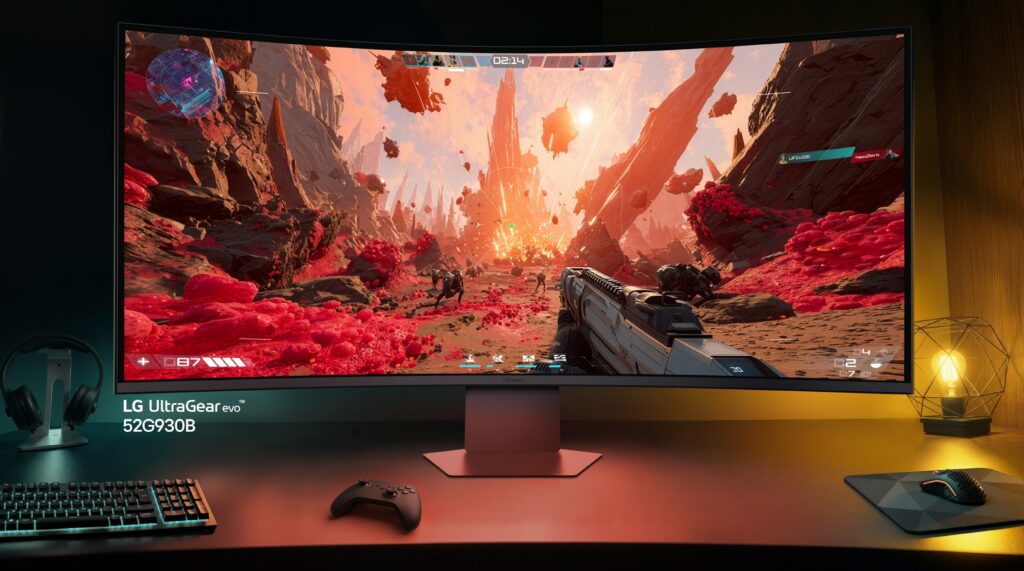
LG Electronics announced UltraGear evo, a new premium gaming monitor brand debuting at CES 2026. The lineup includes three flagship models that all feature 5K or higher resolutions: the 39GX950B, 27GM950B, and 52G930B.

What really sets all three monitors apart is LG’s built-in on-device AI, which enables 5K AI Upscaling. It’s the first solution of its kind and works by improving image quality in real time before the content even hits the screen. The result is near-5K clarity without needing a more powerful graphics card. The same AI system also fine-tunes visuals through scene optimization and adjusts audio output, helping both the picture and sound feel more balanced and refined.

39-Inch 5K2K OLED Gaming Monitor (39GX950B)

The 39-inch GX9 uses Primary RGB Tandem OLED technology for improved brightness, color accuracy, and panel longevity. The display delivers perfect blacks and lifelike colors.

The monitor has a 1500R-curved 21:9 ultrawide screen that keeps the vertical height of a 32-inch display while expanding horizontal space. It runs at 142 PPI with VESA DisplayHDR True Black 500 certification for detailed highlights and deep blacks in dark scenes.

Dual Mode lets you switch between 165Hz at 5K2K resolution and 330Hz at WFHD. Response time hits 0.03ms (GtG), so you can choose between visual quality or competitive speed.

The on-device AI solution powers 5K AI Upscaling, AI Scene Optimization, and AI Sound for real-time improvements without putting extra load on your GPU.

27-Inch 5K New MiniLED Monitor (27GM950B)

The 27-inch GM9 is the world’s first 5K New MiniLED display built to fix blooming problems. It reduces the halo effects that usually show up on high-resolution MiniLED screens.

The monitor packs 2,304 local dimming zones. Zero Optical Distance engineering cuts down the gap between the panel and LED, delivering high brightness and contrast accuracy that keeps fine details intact in both bright and dark scenes. Peak brightness reaches 1,250 nits with VESA DisplayHDR 1000 certification.

Like the 39-inch model, it includes the on-device AI solution for 5K AI Upscaling, AI Scene Optimization, and AI Sound.

Dual Mode operation lets you toggle between 165Hz at 5K resolution and 330Hz at QHD, paired with a 1ms (GtG) response time.

52-Inch 5K2K Gaming Monitor (52G930B)

The 52-inch G9 is the world’s largest 5K2K gaming monitor, running at 240Hz for consistent speed and image quality at this massive size.

The screen matches the vertical viewing height of a 42-inch 16:9 display but stretches out to a 12:9 panoramic view. This gives you a workspace 33 percent wider than a standard UHD monitor. The 1000R curvature wraps around your peripheral vision for better immersion. It’s certified VESA DisplayHDR 600 for vivid color and deep contrast.

CES 2026 Showcase and Additional Model

LG will show the UltraGear evo lineup at CES 2026 in two zones. One is the “Dream Setup” based on Reddit gaming communities. The other features a SimCraft racing simulation using the new 39-inch GX9. LG also announced the UltraGear GX7 (27GX790B) will start selling globally on the opening day of CES 2026.

For more daily updates, please visit our News Section.

Stay ahead in tech! Join our Telegram community and sign up for our daily newsletter of top stories.

(Source)

Snapdragon vs Dimensity: Is a non-Snapdragon flagship phone worth it in 2025?

For a while, Qualcomm‘s Snapdragon series was the de-facto choice for flagship Android smartphones. But in recent years, the landscape has shifted with chips from its rival, MediaTek, posing a direct channel on every segment. While the Snapdragon was often found in flagship smartphones, recent premium models even carry the latest Dimensity SoCs. So if you’re eyeing a flagship Android phone without Snapdragon, here’s what you can expect and what trade-offs you might need to consider.

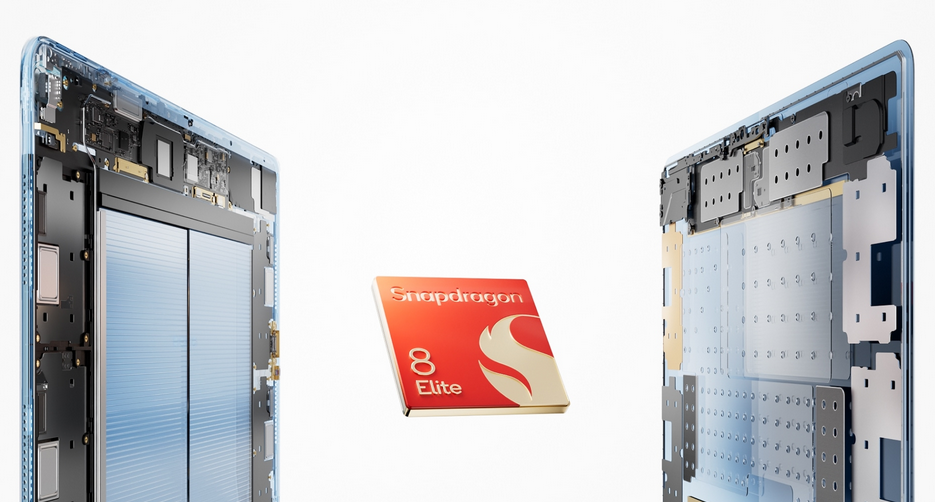
OnePlus Pad 3 with Snapdragon 8 Elite

1. Snapdragon vs Dimensity: Performance

Historically, Snapdragon chips have excelled in sustained single-thread performance and optimized multi-core throughput. This basically translated to faster app launches, snappy multitasking, and stable performance under heavy loads. So even Qualcomm’s top-end Snapdragon 8 Elite Gen 5 continues this tradition with strong single-core and multi-core scores in benchmarks.

Yet MediaTek’s Dimensity 9500 isn’t far behind, and in some tests even edges out Snapdragon in certain metrics. For example, early Geekbench 6 scores show the Dimensity can slightly outperform the Snapdragon chip in single-core tasks, while multi-core results are tightly matched. Meaning, both chips are capable of delivering flagship level performance. So, regardless of which side you pick, everyday use or intense workloads isn’t a compromise on either side.

2. Gaming & Graphics

Gaming is where the chipset battle gets interesting. Snapdragon’s Adreno GPU traditionally excels at raw graphical throughput and stable framerates, backed by Qualcomm’s “Elite Gaming” suite and optimizations tailored to top Android titles. This can mean slightly better peak performance in games, especially at higher resolutions or demanding settings.

On the other hand, the Dimensity 9500’s Mali-G1 Ultra GPU delivers very strong performance for most gaming scenarios and has shown impressive gains in GPU scores in benchmarks. Some real-world tests even highlight smoother sustained performance during long gaming sessions, thanks to better thermal behavior and power distribution.

However, certain aspects like thermal throttling are also related to the brand’s optimization and cooling solutions. If your priority is maxing out graphics, Snapdragon phones could still have an edge. But the difference in minimal and the Dimensity powered devices are holding their own with balanced performance and efficiency.

3. Power Efficiency & Thermals

Efficiency isn’t just about benchmarks, it’s about how long your phone can last during everyday use. Dimensity 9500’s architecture emphasizes a mix of high-performance and efficiency cores, often resulting in cooler operation and lower power draw during sustained tasks like gaming or video editing. This can translate to better real-world battery life, especially over extended use.

Meanwhile, Qualcomm designed its flagship Snapdragon chips with higher clock speeds and custom Oryon cores, which deliver slightly better burst performance. But this can come with increased heat under load that can trigger thermal throttling in some scenarios. Some users have even reported that Snapdragon-equipped phones run warmer during extended gaming or benchmarking sessions compared to Dimensity-powered counterparts.

4. AI, Camera, & Connectivity Features

AI performance and camera processing are increasingly important in flagship devices. Both Snapdragon 8 Elite Gen 5 and Dimensity 9500 support advanced NPUs and modern ISP pipelines capable of AI-driven photography and on-device intelligence. Qualcomm typically edges ahead with its Hexagon NPU and camera ISP tuning, which can benefit high-end videography and computational photography workflows.

However, Dimensity’s NPU also shows strong results and, in some benchmarks, uses lower power for similar tasks. In terms of connectivity, Snapdragon often leads with slightly faster 5G modem speeds and mature signal handling, but Dimensity isn’t far behind with robust 5G support and Wi-Fi advancements.

5. Verdict: More Choices, Not Compromises

High-end Android phones without Snapdragon aren’t second-class anymore. They are competitive flagship choices that reflect how far Android chip competition has come. With Samsung also revitalizing its Exynos lineup of chips, the competition is getting stiffer. So if you need top tier performance, excellent battery life, and great gaming experience, a Dimenity powered device is absolutely worth considering and offers no real trade offs when compared to Snapdragon equipped flagships.

For more daily updates, please visit our News Section.

Don’t miss a thing! Join our Telegram community for instant updates and grab our free daily newsletter for the best tech stories!

OnePlus Turbo open for pre-orders: Here’s what you get & what to expect

OnePlus is set to unveil a new lineup of smartphones that will carry the Turbo branding. These are devices that balance high end performance with budget pricing and exceptional battery life. But ahead of the official release, the pre-orders for the OnePlus Turbo have gone live. So here’s all the benefits, and everything you can expect from this phone.

OnePlus Turbo Pre-orders: What do you get?

The brand has opened the pre-orders for customs in China. Those who pre-order and purchase a small add-on package will receive a bunch of rewards. These include services and physical gifts. You receive a Never Settle branded backpack, which is designed for outdoor use. Alongside this, early buyers get a 1 year long iQiyi Gold membership card that offers access to the free streaming platform. Other perks include 1 year of extended warranty and two years battery protection plan. The launch date, unfortunately, is still at large, but rumors hint at a January launch window.

OnePlus Turbo live shot
OnePlus Turbo

Rumored Specifications

Based on what we know so far, the OnePlus Turbo is expected to sport a 6.78-inch flat LTPS OLED panel with a 1.5K resolution and a 165Hz refresh rate. Under the hood, an AnTuTu listing confirmed that the device is equipped with the Snapdragon 8s Gen 4 SoC.

This chip is believed to be paired with up to 16GB of RAM and 512GB of internal storage. A massive 9,000mAh battery could power this device, which likely offers high end fast charging support. Other specifications include a metal middle frame and an ultrasonic in-display fingerprint sensor. The brand could release this device in multiple color options, namely Unique Black, Ocean Green, and Light Chaser Silver.

For more daily updates, please visit our News Section.

Tech enthusiast? Get the latest news first! Follow our Telegram channel and subscribe to our free newsletter for your daily tech fix! ⚡

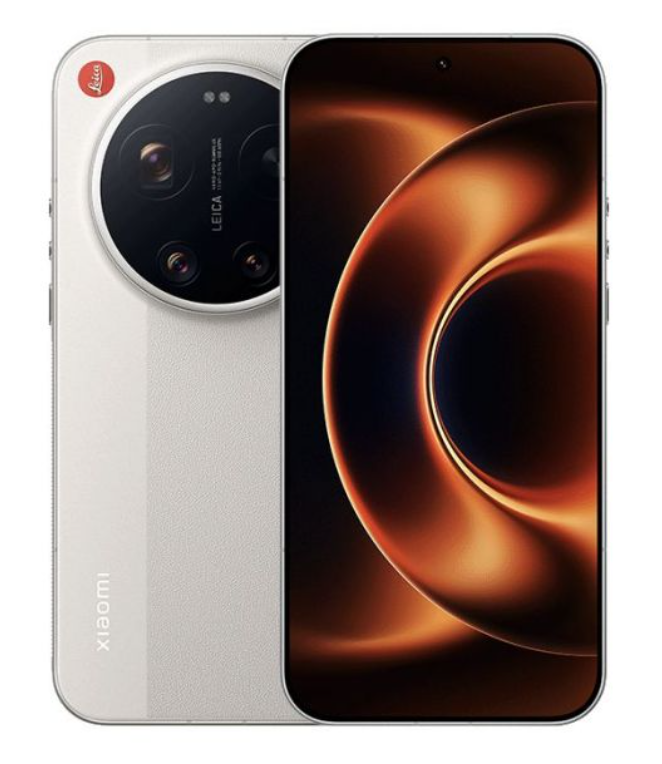
Xiaomi 17 Ultra Leica Edition sold out almost instantly and is reselling for a premium

Xiaomi recently launched its top flagship phone. But even before the official first sale, the new Xiaomi 17 Ultra Leica Edition was already sold out. Although, it seems not all of these buyers are photography enthusiasts as the device is being resold in China.

Xiaomi 17 Ultra Leica Edition: Sold Out & Resold

While the Xiaomi 17 Ultra is a part of the Chinese tech giant’s latest flagship series, the Leica Edition stands out with premium imaging features and unique design touches. To recall, the Xiaomi 17 Ultra Leica Edition was released with a starting price tag of 7,999 Yuan (roughly 1,120 US Dollars) for the 16GB + 512GB configuration. The first sales of this model kicked off on 27th December 2025, but pre-orders went live immediately after the December 25 launch.

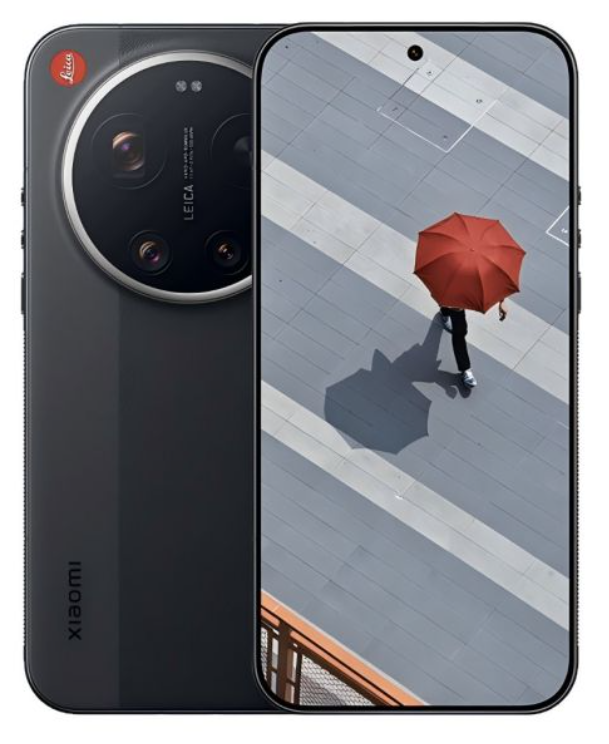
Xiaomi 17 Ultra Leica Edition

But even before the device was shipped to the early buyers, resellers had already listed the Xiaomi 17 Ultra Leica Edition on second hand selling platform. So people have pre-ordered this model and plan to resell it immediately after the company starts shipping this flagship phone. Looking at some of these listings, the Xiaomi 17 Ultra Leica Edition is being resold for a premium.

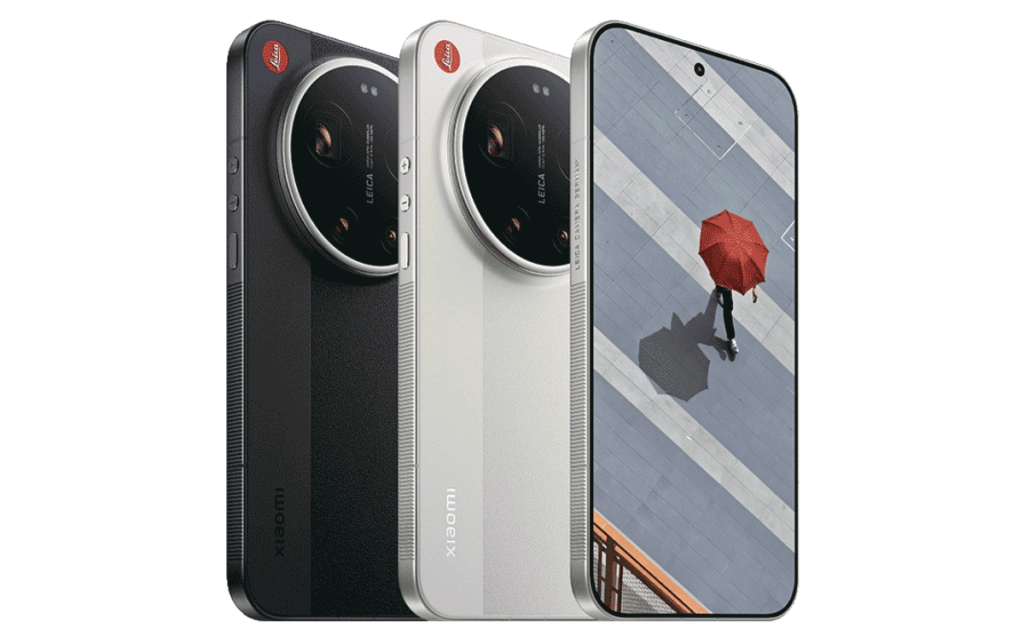
The top 16GB + 1TB variant costs 8,999 Yuan, but the resellers are listing it for 9,999 Yuan and over 10,000 Yuan as well. To recall, the Leica Edition of the 17 Ultra is built for photography enthusiast with a classic camera design and manual control. Leica’s iconic red dot branding is on the rear and comes in a distinctive two-tone finish that is inspired by Leica’s M-series cameras. This special edition even brings an exclusive “Leica Moment” mode with M9-style color rendering, M3 + MONOPAN 50 black-and-white film simulations, and a classic 3:2 full-frame aspect ratio.

For more daily updates, please visit our News Section.

Don’t miss a thing! Join our Telegram community for instant updates and grab our free daily newsletter for the best tech stories!

Samsung could use BOE display on future Galaxy S phones: Report

A new rumor out of China suggests Samsung could turn to a rival for displays on future Galaxy S phones.

According to tipster Ice Universe on Weibo and DealSite on X, the president of Samsung Telecommunications recently met with BOE’s CEO to discuss the possibility of using BOE-made OLED panels in upcoming flagship Samsung phones.

Samsung Galaxy S25 Ultra

For those unaware, BOE has been a long-time supplier of LCD panels for Samsung TVs. The meeting is said to have included a meaningful discussion on this part of the business, but people familiar with the matter claim that the two sides also discussed OLED panels for flagship S-series smartphones. 

It shouldn’t come as a surprise that Samsung Display has always been the primary supplier for its premium devices like the Galaxy S lineup, Galaxy Z foldables, and even some Galaxy Tab models. That could change now, and there’s a good reason behind it. 

It’s not a bad move, per se

You see, Samsung’s mobile division is facing pressure from rising prices for key components, including processors, camera sensors, and memory. Instead of passing all of those increases directly to consumers, Samsung is likely looking to cut costs elsewhere. And diversifying its display suppliers would be an obvious place to start.

BOE’s credibility as a display supplier has also improved in recent years. In fact, Apple already uses BOE-made OLED panels in some lower-end iPhone models. The reception has also been largely positive.

Sasmsung Galaxy A56 (left) and Galaxy A36 (right)

What’s ironic about this situation is the fact that Samsung Display recently won a patent infringement case against BOE. The legal battle temporarily blocked BOE from shipping OLED panels to the US. However, relations between the two companies seem to have eased out in recent months. 

Of course, nothing is finalized yet. We’ll be keeping a close eye on the situation, so stay tuned for updates and more tech news as it happens.

For more daily updates, please visit our News Section.

Stay ahead in tech! Join our Telegram community and sign up for our daily newsletter of top stories.

(Source 1, 2)

Lenovo’s $35 ThinkPlus power bank offers 190W output, a display, and built-in cable

Lenovo’s ThinkPlus line has always been the home of affordable power banks that offer serious value for money. The company is expanding the family today with a new 20,000mAh model that unsurprisingly is a great bargain.

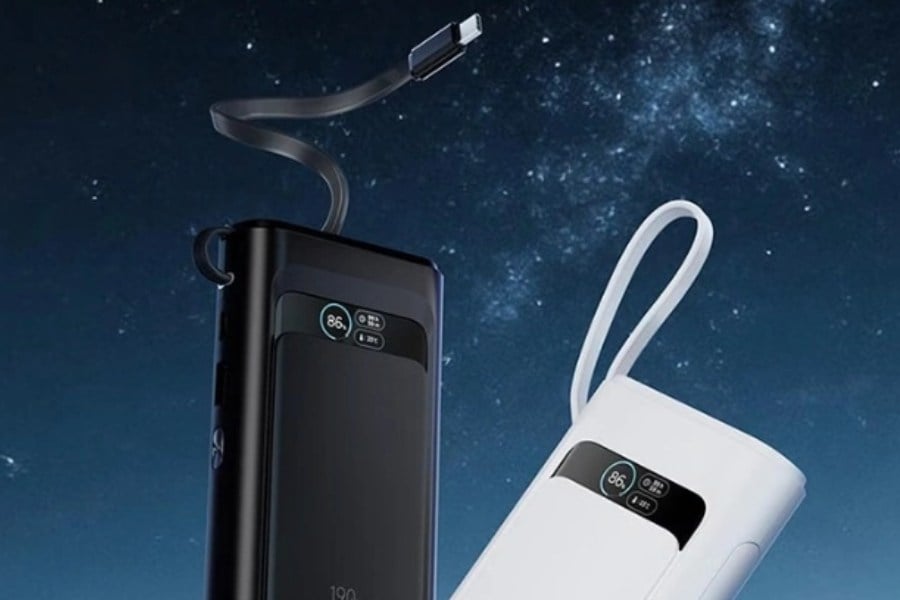
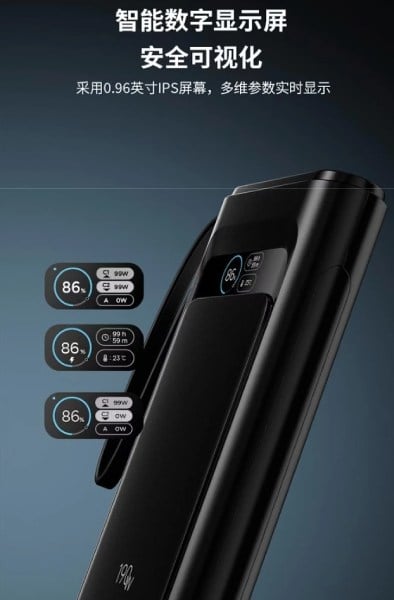
Called the ThinkPlus 20,000mAh, the battery pack features a built-in cable, a peak output of 190W, and a built-in display—all for just 259 yuan (around $35).

Lenovo ThinkPlus 20,000mAh Powebank Specifications

In terms of design, the power bank is available in black and white and weighs 280 grams. It features a 0.96-inch IPS digital display on the front, which shows charging information such as power output and battery status. 

Lenovo has also included a built-in 22cm USB-C cable, so users don’t always need to carry an extra one.

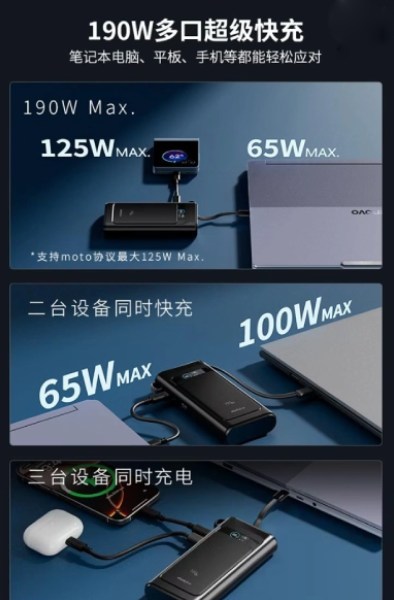
The power bank uses a 2C + 1A port layout. Both USB-C ports, including the built-in cable, support up to 140W output when used individually, while the USB-A port is capped at 30W. 

When multiple devices are connected, the total output can reach up to 190W. For example, using both USB-C ports together allows a 125W and 65W split, while using all three ports limits the output to 145W.

Lenovo says the power bank supports fast-charging standards like PD 3.0, PPS, QC 3.0, AFC, FCP, and Moto protocols. This makes it compatible with all sorts of gadgets, including phones, tablets, laptops, and accessories. It takes 100W input to top itself. 

For all this power and features, $35 is a really generous ask. It will go on sale starting December 29 in China; however, it is unlikely to launch in international markets. 

Lenovo is also offering a small incentive for early buyers. Anyone who purchases the power bank before January 8, 2026, will even receive a free 65W ThinkPlus charger. At this point, it’s hard to ask for anything more.

For more daily updates, please visit our News Section.

Stay ahead in tech! Join our Telegram community and sign up for our daily newsletter of top stories.

(Via)

Xiaomi 17 Ultra vs iPhone 17 Pro Max: Forget the Hype, Here’s the Real Difference

Choosing between the Xiaomi 17 Ultra and iPhone 17 Pro Max isn’t just about picking a premium phone; it’s about deciding which flagship philosophy fits the kind of user you are. This comparison matters for buyers who care about creativity, performance, confidence, and long-term platform value, especially photographers, creators, professionals, and tech-enthusiasts. Putting these two devices side-by-side helps clarify whether it makes more sense to invest in a feature-driven powerhouse or a polished ecosystem built around reliability and continuity.

Major Features:

FeatureXiaomi 17 UltraiPhone 17 Pro MaxWinner
PerformancePowerful Snapdragon with HyperOSApple A19 Pro with tight iOS optimizationiPhone — smoother sustained performance
Display QualityVivid, punchy AMOLEDAccurate, balanced Super Retina XDRiPhone — better color accuracy
Camera VersatilityLeica optics + continuous zoomConsistent color + pro video toolkitXiaomi — more flexible shooting
Battery & ChargingBigger battery + faster chargingEfficient battery + MagSafe supportXiaomi — longer endurance & faster top-ups
Value for MoneyLower price flagship valuePremium price with ecosystem perksXiaomi — stronger value per cost

1. Design and Display 

Build and Feel

Xiaomi 17 Ultra leans toward a rugged-premium character with reinforced materials and a finish that feels purpose-built for demanding usage. The design gives a sense of confidence, especially for users who prefer durability and outdoor readiness. iPhone 17 Pro Max delivers a polished, minimalist feel with premium shielding and a more refined aesthetic. It feels engineered for long-term reliability and a clean, professional look.

Display Quality

Xiaomi’s AMOLED panel delivers vivid colors and deep contrast, making movies, photos, and creative visuals feel more immersive and expressive. It suits users who enjoy bold, visually rich content.  iPhone’s Super Retina XDR display focuses on accuracy and balanced brightness, giving a more natural and precise tone that feels ideal for editing, productivity, and consistent clarity.

Verdict

Xiaomi 17 Ultra suits users who prefer a tougher design and a more vibrant visual experience, while the iPhone 17 Pro Max feels better for those who value refined craftsmanship and finely calibrated display quality.

2. Specifications

Performance

Xiaomi 17 Ultra, powered by Snapdragon 8 Elite and HyperOS, favors raw speed and multitasking flexibility. It feels well-suited for gaming, creative workloads, and advanced imaging where performance freedom matters. iPhone 17 Pro Max and A19 Pro emphasize sustained efficiency and smooth responsiveness. The experience feels more stable during long professional workflows and content processing.

Battery and Charging

Xiaomi delivers higher endurance with faster wired and wireless charging, making it feel practical for heavy daily use and frequent travel. Quick top-ups reduce downtime for power users. iPhone takes a steadier approach with efficiency-focused charging and ecosystem-friendly wireless support, which tends to benefit long-term battery health and thermal balance.

Verdict

Xiaomi 17 Ultra feels better for users who want maximum power, faster charging, and extended on-device use, while the iPhone 17 Pro Max suits those who value consistency, efficiency, and stable long-term performance.

3. Camera 

Main and Secondary Lenses

Xiaomi 17 Ultra features Leica-tuned optics and a continuous optical zoom system that encourages creative framing and experimental shooting. The setup feels ideal for enthusiasts who enjoy versatility and detailed outdoor photography.

iPhone 17 Pro Max focuses on reliable color science and advanced video tools such as ProRes and Apple Log. The output feels more consistent across lighting conditions and is suited for post-production workflows.

Selfie Camera

Xiaomi’s high-resolution selfie camera favors sharper textures and detailed portraits, appealing to creators who rely heavily on front-camera photography.

iPhone’s selfie system pairs depth sensing with polished video tools, making it feel better suited for vlogging and cinematic content creation.

Verdict

Xiaomi 17 Ultra is the stronger pick for users who want creative flexibility and experimental lens control, while the iPhone 17 Pro Max feels more suitable for filmmakers and professionals who prioritize dependable video quality.

4. Pricing 

Xiaomi 17 Ultra sits in a more accessible flagship bracket, delivering strong value for users seeking powerful hardware, advanced camera features, and faster charging at a lower premium. The balance feels especially attractive for performance-focused buyers.

iPhone 17 Pro Max commands a higher price but offers extended software longevity, deeper ecosystem integration, and broader storage options. The premium feels worthwhile for users invested in Apple workflows and continuity across devices.

Verdict

Xiaomi 17 Ultra offers better value for buyers who want maximum features and innovation at a comparatively lower cost, while the iPhone 17 Pro Max makes more sense for users willing to pay extra for ecosystem reliability and long-term platform support.

5. Conclusion 

Xiaomi 17 Ultra stands out with continuous optical zoom, two-way satellite communication, infrared support, and accessory-ready photography tools. These additions make it feel more experimental and appealing to users who enjoy pushing creative hardware limits.

iPhone 17 Pro Max counters with advanced Ultra Wideband functions, satellite-enabled safety features, spatial recording, and deep integration with Apple services, delivering a sense of maturity and reliability for professional environments.

Verdict

Xiaomi 17 Ultra is the more compelling option for enthusiasts, photographers, and heavy users who value versatility and innovation. iPhone 17 Pro Max suits professionals and ecosystem-centric buyers who prioritize stability, longevity, and refined software integration.

iPhone 17 Pro Max — best single choice overall for most users
Xiaomi 17 Ultra — choose if photography versatility and value outweigh ecosystem and long-term software support.

Read More:

Nothing OS 4.0 Update Arrives on CMF Phone 2 Pro, CMF Phone 1, & Nothing Phone (3a) Lite

Nothing is bringing its new Android 16 OS based custom skin update to more smartphone models. The company had recently halted its Nothing OS 4.0 roll out due to critical bugs, but the update release is in full swing once again. This time around, the brand’s budget subsidiary phones, the CMF Phone 2 Pro and CMF Phone 1, are receiving this update. So here are all the details.

Nothing OS 4 is finally here for CMF Phone 2 Pro & CMF Phone 1

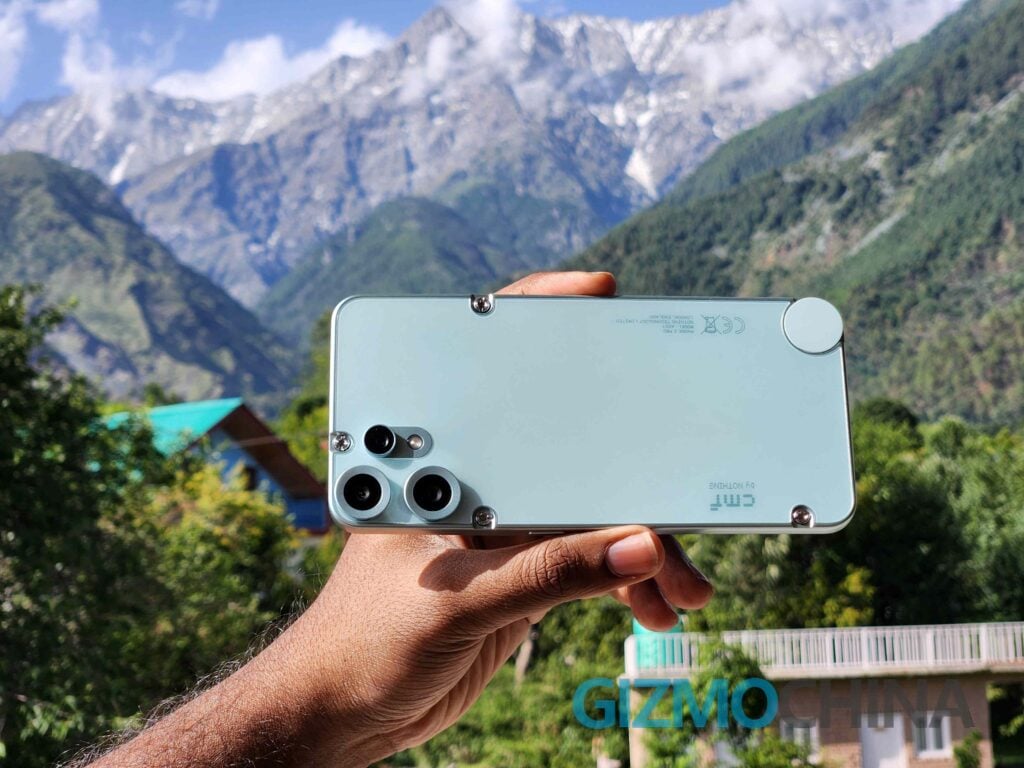
CMF Phone 2 Pro
Nothing CMF Phone 2 Pro

Back in November 2025, the Nothing OS 4.0 stable build was released on the Nothing Phone (2), Phone (2a), and Phone (2a) Plus. Now, the company is expanding the supported list for the major software upgrade with the CMF Phone 2 Pro, CMF Phone 1, and Nothing Phone (3a) Lite.

In an official post on the Nothing Community forum, the Nothing OS 4.0 release was confirmed for these devices, bringing refreshed visuals, new customization options, and a more refined user interface. With the new update, Nothing aims to improve the core user experience while upgrading the overall features and functionality. The Nothing OS 4.0 custom skin is currently rolling out to the CMF Phone 1 today (26th December 2025), with the update rolling out in a staggered manner.

Nothing Phone (3a) Lite

Meanwhile, the CMF Phone 2 Pro is receiving the update in the coming weeks, as a part of the next roll out phase. The company has further added that the Nothing OS 4.0 release timeline might vary between the regions. So it’s not uniform across the globe. So you can head to settings and manually check if you’ve received this update.

For more daily updates, please visit our News Section.

Tech enthusiast? Get the latest news first! Follow our Telegram channel and subscribe to our free newsletter for your daily tech fix! ⚡

POCO M8 India launch near, New teasers surface on Flipkart

Xiaomi is bringing its next generation of POCO M series smartphones in India soon. A fresh teaser for the new POCO M8 has just surfaced online, giving us a glimpse of the smartphone and even confirming its availability details. So here’s everything you need to know.

POCO M8 teased in India

The Chinese tech giant’s new POCO M8 has just surfaced on an official teaser that shows the smartphone with the ‘Designed to Slay’ tagline. Apart from this, the image poster states, “Power in your palm. Focus in every frame. POCO M8 5G doesn’t show up to compete; it shows up to finish. Designed to Slay.” The teaser confirms the Flipkart availability of the POCO M8, which is a popular e-commerce platform in the region.

Poco M8
Poco M8

We also get a look at the device’s rear design, showcasing its dual tone hue and its large camera module. Just last week, the POCO M8 and POCO M8 Pro had official looking renders leaked, so this design seems in line with what we’ve already seen so far. Another leak from a few days ago also revealed the key specs and release timeline of this phone.

Xiaomi will reportedly launch the POCO M8 in the Indian market on January 2026, while the M8 Pro may debut in the first quarter of 2026. The smartphone is expected to sport a tall 6.77-inch display with an FHD+ resolution and a 120Hz refresh rate. Under the hood, the device might be equipped with the Snapdragon 6 Gen 3 SoC, which could be coupled with up to 8GB of RAM and 256GB of internal storage. Other notable features may include a large 5,520mAh battery pack, 45W wired fast charging, and an IP65 rating for water and dust resistance.

For more daily updates, please visit our News Section.

Don’t miss a thing! Join our Telegram community for instant updates and grab our free daily newsletter for the best tech stories!

Vivo Y500i surfaces with Vivo S50-like design, full specifications revealed

Last month, Vivo unveiled the Vivo Y500 Pro equipped with a 7,000mAh battery and a 200-megapixel primary camera. Now, in a new development, the upcoming Vivo Y500i has appeared in the database of China Telecom, revealing key details about its design and specifications ahead of the official announcement. Here’s a look at what to expect from the Y500i.

Vivo Y500i specifications (rumored)

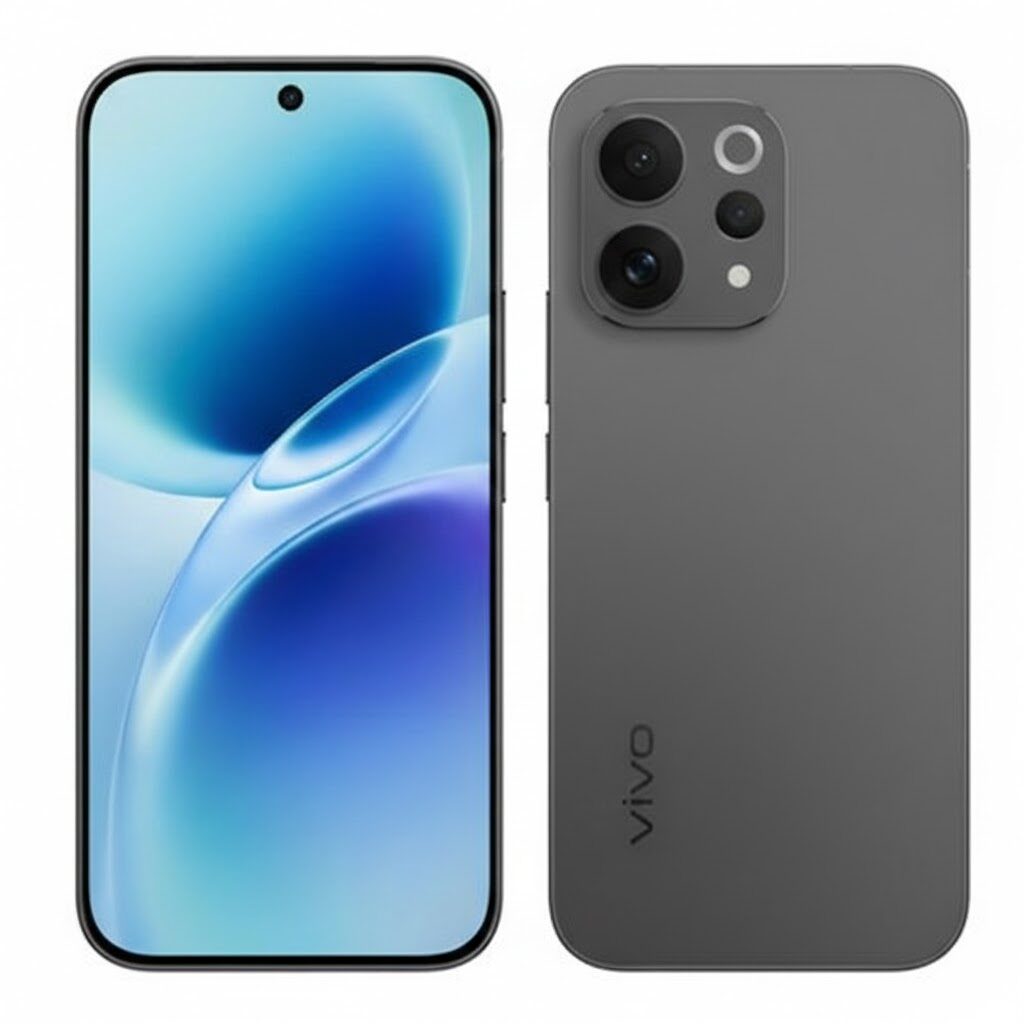
Vivo Y500i
Vivo Y500i

As per the China Telecom listing, the Vivo Y500i carries the model number V2531A and measures 166.64 x 78.43 x 8.39mm, with a weight of around 219 grams. It features a large 6.75-inch display with an HD+ resolution of 1570 x 720 pixels.  For security, the device is listed with a side-facing fingerprint sensor.

In the imaging department, the Vivo Y500i has a single 50-megapixel rear camera, paired with a 5-megapixel front-facing camera for selfies and video calls. In terms of design, it appears to be the more powerful Vivo S50, which recently debuted in China.

Vivo S50
Vivo S50

On the software side, the device is confirmed to run Android 16 out of the box, making it one of the few budget-oriented smartphones expected to ship with the latest Android version.

Powering the Vivo Y500i is a Snapdragon 4 Gen 2 chipset, referenced by its SM4450 part number in the listing. The phone is expected to arrive in multiple memory configurations, including 8GB+256GB, 8GB+512GB, and 12GB+256GB. One of the key highlights is its large 7,200mAh battery, although the listing does not reveal any details about fast charging capabilities.

Other features mentioned include Wi-Fi, Bluetooth, NFC, and a USB Type-C port. The Vivo Y500i will be available in colour options such as Obsidian Black, Galaxy Silver, Near-Gold Brown, and Wind Feather Gold. As per the China Telecom listing, the device is scheduled to be released in China on January 16.

For more daily updates, please visit our News Section.

Stay ahead in tech! Join our Telegram community and sign up for our daily newsletter of top stories.

Xiaomi 17 Ultra by Leica, Available at Geekwills: Ultimate Camera Flagship at $1499

Xiaomi 17 Ultra by Leica is a premium flagship phone made for users who want powerful performance and professional-grade photography. It features a large 6.9-inch LTPO AMOLED display with up to 120Hz refresh rate and peak brightness of 3500 nits, offering bright, sharp, and smooth visuals.

Price and Availability:

Xiaomi 17 Ultra by Leica is now available at GeekWills starting at $1499. You can choose between Black and White colors and storage options of 16GB RAM with 512GB or 16GB RAM with 1TB space. Grab this advanced flagship smartphone today and enjoy powerful performance, stunning display, and pro-level Leica photography.

The phone runs on the Snapdragon 8 Elite Gen 5 processor with fast LPDDR5X RAM and UFS 4.1 storage, making it great for gaming, multitasking, and heavy apps. It also uses Xiaomi Hyper OS 3 with an advanced battery management system for better efficiency.

The main highlight is its Leica camera system. It includes a 50MP Light Hunter 1050L main camera, a 200MP Leica optical zoom telephoto lens, and a 50MP ultra-wide camera. With OIS, Leica optics, and high-quality sensors, it delivers detailed photos, natural colors, and great zoom results.

The phone is powered by a 6800mAh battery with 90W wired and 50W wireless charging, plus wireless reverse charging. It also offers stereo speakers, a high-dynamic mic system, and IP68 water and dust resistance.

Xiaomi 17 Ultra is ideal for creators, photographers, and users who want a premium, camera-focused flagship smartphone.


Read More:

Xiaomi 17 launching in India soon, Spotted on BIS certification

Xiaomi‘s latest flagship is expected to launch in India soon. But ahead of any official announcement, the Xiaomi 17 model just surfaced in a major certification in the region. So the countdown to its release has basically kicked off. So here’s what you can expect from this phone.

Xiaomi 17 visits BIS ahead of India launch

The Chinese tech giant’s Xiaomi 17 is a flagship grade smartphone with cutting edge specs and features. It was recently spotted on the BIS database (Bureau of Indian Standards), carrying the 25113PN0E1 model number. While the certification listing doesn’t reveal finer details like its release timeline or hardware, it does hint at an imminent release in the Indian market.

Xiaomi 17 color options
Xiaomi 17

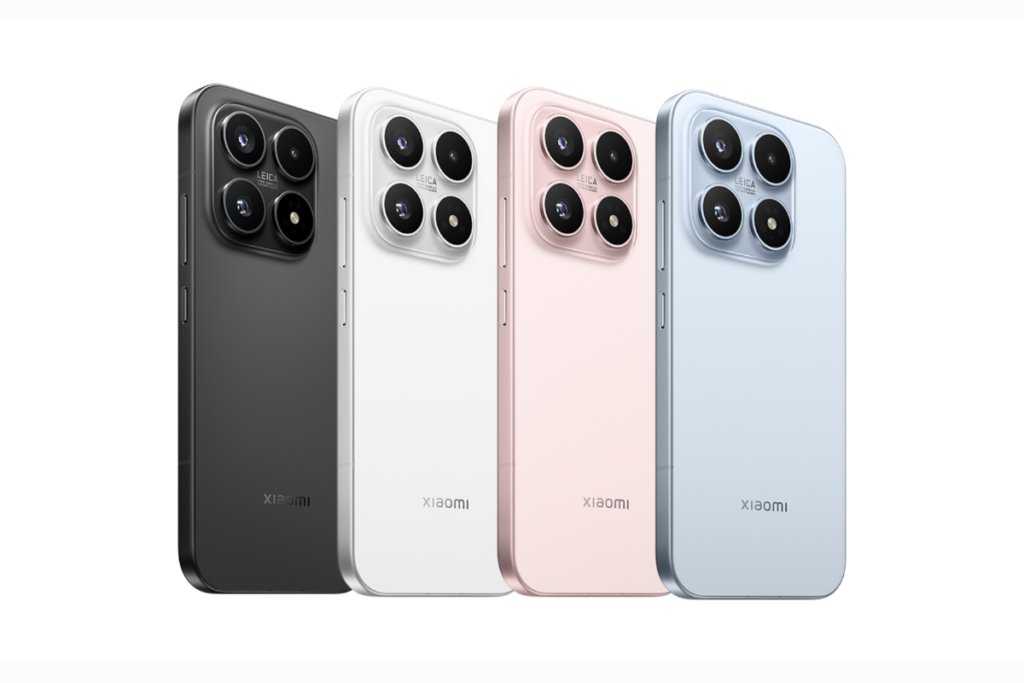
To recall, the brand first unveiled the Xiaomi 17 in its home market of China back in September 2025. It debuted as the first wave of next gen flagships that pack Qualcomm’s latest and greatest Snapdragon 8 Elite Gen 5 SoC. This is a compact flagship phone that sports a 6.3-inch flat LTPO OLED display with a 1.5K resolution, a 120Hz refresh rate, Xiaomi Dragon Crystal Glass, DC dimming, and up to 3500 nits of peak brightness.

A massive 7,000mAh battery pack powers this device, which supports 100W wiredfast charging, 50W wireless fast charging, magnetic charging, and 22.5W wired reverse charging. For optics, the rear has a 50MP triple camera setup, while the front houses a 50MP selfie shooter. Other notable features include stereo speakers with Dolby Atmos support, an infrared sensor, and an in-display ultrasonic fingerprint scanner. The Xiaomi 17 debuted in Snow Mountain Pink and Ice Melt Blue, along with the classic white and black colorways in China, and we can expect similar specs and design for the Xiaomi 17’s Indian release as well.

For more daily updates, please visit our News Section.

Tech enthusiast? Get the latest news first! Follow our Telegram channel and subscribe to our free newsletter for your daily tech fix! ⚡

Motorola’s New Moto X70 Air Pro surfaces with flagship-level 90W fast charging

A premium Motorola smartphone is arriving soon. Recent teasers have confirmed the Motorola Signature model, which is expected to be the Edge 70 Ultra, while the Chinese market is getting the Moto X70 Air Pro. Now, the latter has just surfaced on a major certification website in China, so here’s what it revealed.

Moto X70 Air Pro Spotted on 3C Certification

The Moto X70 Air Pro was spotted on the 3C database, carrying the XT2601-3 model number. Motorola’s new flagship smartphone is set to launch in China soon, with the certification confirming one key feature. While finer details are still at large, the Moto X70 Air Pro will support 90W wired fast charging, which matches other flagship grade smartphones.

Motorola Edge 70
Motorola Edge 70

Unfortunately, this was all the information that was revealed in the 3C certification website. Based on what we know so far, the Moto X70 Air Pro is expected to pack either the Snapdragon 8 Gen 5 or Snapdragon 7+ Gen 5 chip. The big discrepancy between the chips is based on the two GeekBench sightings that either show flagship or mid range level performance.

This chip is also coupled with 16GB of RAM, running on Android 16 OS out of the box. Other rumors specifications include a 6.7-inch flat 1.5K 120Hz OLED display on the front, 50MP triple cameras on the rear, and a sleek new design that includes elegant color options like Carbon and Martini Olive. This is all the information we have at the moment, so stick around for more.

For more daily updates, please visit our News Section.

Don’t miss a thing! Join our Telegram community for instant updates and grab our free daily newsletter for the best tech stories!