Advertisement

These Galaxy devices have received the September 2026 security update

Samsung September 2026 security update

Samsung has been struggling with software rollouts lately. The company missed its timeline for the Galaxy S26 series One UI 9 global rollout, and that may have also affected the regular security maintenance release. The latest September security patch began rolling out in the second week, but the rollout has picked up pace only recently.

Samsung’s September 2026 security patch details

The September 2026 security releases address a total of 90 vulnerabilities. Of those, 58 come from Google, which includes 18 critical fixes and 40 high-level fixes. The rest includes one patch from Samsung Semiconductor, and 31 from Samsung Mobile.

31 patches provided by Samsung Mobile include two critical-level fixes, three high-level fixes, and 15 moderate-level fixes, while the severity of the remaining 11 patches hasn’t been disclosed.

Samsung says 40 fixes from Google included in the latest security patch are not applicable to Galaxy devices, and one issue was already resolved in a previous update.

These Galaxy devices are receiving the September 2026 security update

  • Galaxy Z Fold 8, Fold 8 Ultra, Flip 8
  • Galaxy Fold 5, Flip 5
  • Galaxy S26 FE
  • Galaxy S23, S23+, S23 Ultra
  • Galaxy A57, A56, A55
  • Galaxy A17 (LTE)
  • Galaxy A07 5G
  • Galaxy M56
  • Galaxy M17, M17e
  • Galaxy F70e
  • Galaxy Tab S11, S11 Ultra
  • Galaxy Tab S10+, Tab S10 Ultra, S10 Lite
  • Galaxy Tab S10 FE, Tab S10 FE+
  • Galaxy Tab S9, S9+, S9 Ultra
  • Galaxy Tab S9 FE, S9 FE+
  • Galaxy Tab Active 5, Active 5 Pro
  • Galaxy Tab A11+

There are dozens of Galaxy devices that are waiting for the September 2026 security update. Samsung will gradually roll out the update to those devices. We’ll update the list periodically to ensure it’s updated.

The availability of an update depends on your region. So, it may take a few days to reach all the devices. Go to Settings > Software updates and tap Download and install to check for available updates, if you haven’t received the update notification yet.

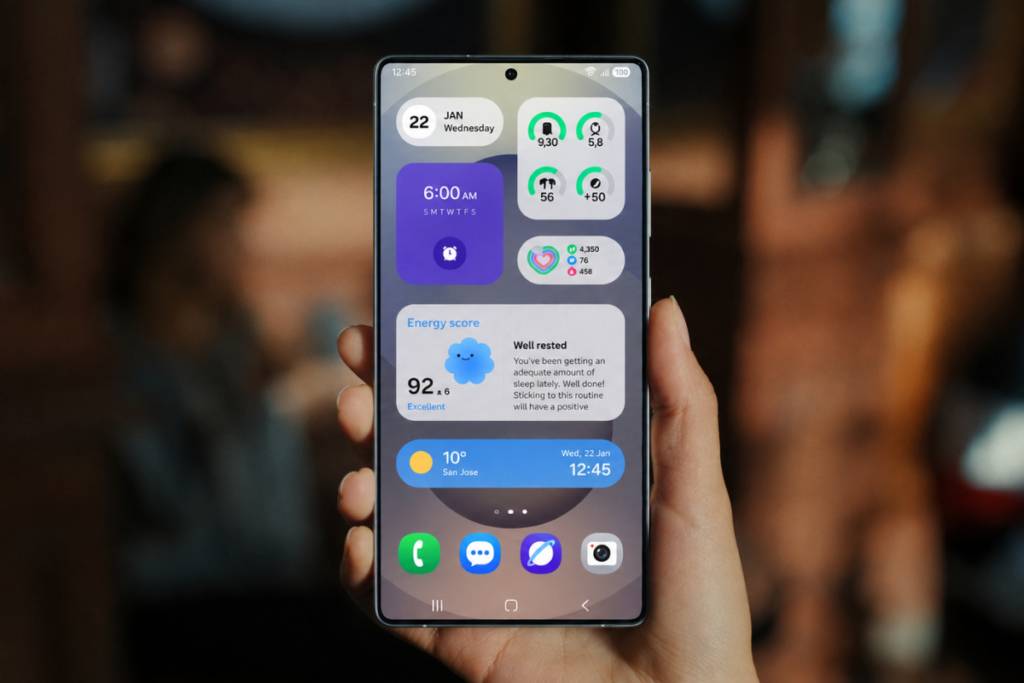
Samsung has also begun rolling out the major One UI 9 update, which brings exciting new features, visual upgrades, and a more powerful Galaxy AI experience. You can check the list here to find out if your Galaxy device is eligible for this major upgrade.

We’ll keep you updated on the latest One UI announcements and rollout details in our Samsung section. Or, you can simply join our Telegram channel to receive instant alerts when we post new stories.
iQOO 16 camera details officially confirmed ahead of September 29 launch

The iQOO 16 is set to bring a stronger focus on photography, with iQOO now revealing key details about its camera hardware and imaging technology. The company has shared new information ahead of the phone’s upcoming launch in China. More details about the rest of the camera setup have also surfaced ahead of the launch.

iQOO 16 camera gets a major hardware upgrade

iQOO 16 camera details-

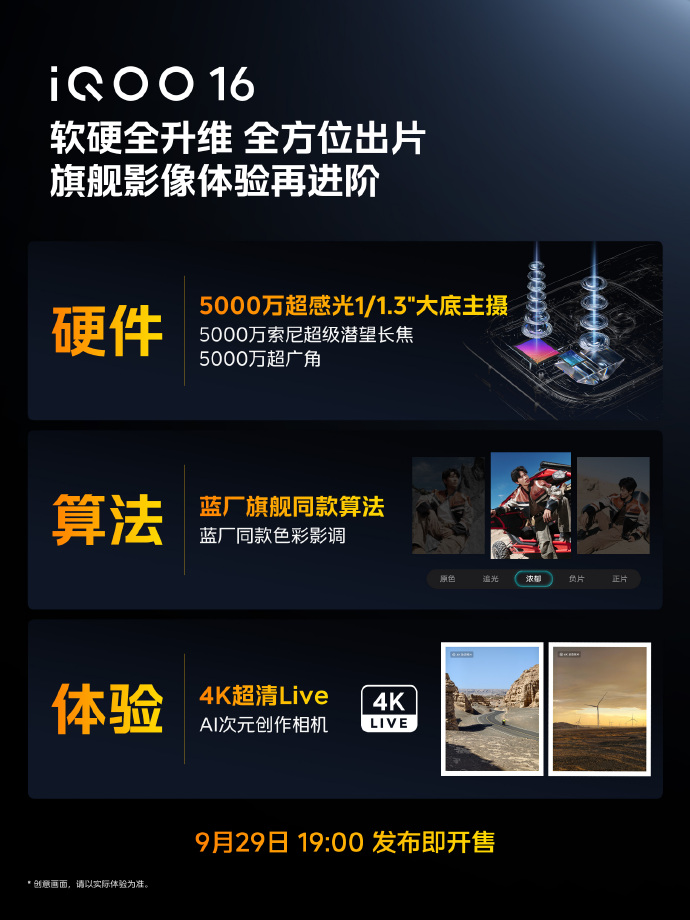
iQOO has confirmed that the iQOO 16 will feature a 50-megapixel main camera with a large 1/1.3-inch sensor. Compared with the iQOO 15, the new sensor is claimed to capture 79% more light, which should help the phone handle challenging lighting conditions more effectively. The company is also pairing the camera with its self-developed Super HDR imaging technology and NICE 3.0 optical reconstruction engine.

The camera system will further benefit from CIPA 5.5-rated stabilization, designed to reduce the impact of hand movement when capturing photos and videos. iQOO says the combination of the larger sensor, improved processing and stabilization is intended to produce better detail in bright areas while retaining more information in darker parts of an image.

Earlier this month, reliable tipster Digital Chat Station revealed that the iQOO 16 will feature an OV50Q 50-megapixel primary sensor, while the main camera is expected to be joined by a 50-megapixel ultrawide camera and a 50-megapixel Sony IMX882 periscope telephoto camera with 3x optical zoom.

On the front, it will feature a 6.85-inch Samsung M16 AMOLED panel offering a 2K resolution and a 165Hz refresh rate. Under the hood, the device will feature the Snapdragon 8 Elite Extreme Gen 6 chipset.

iQOO 16 launch date
iQOO 16 launch date

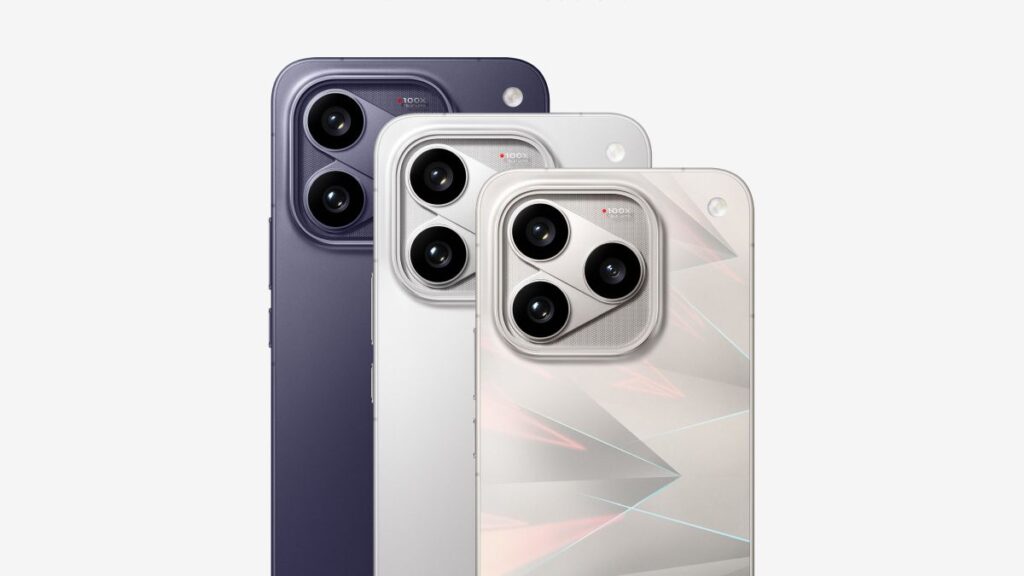
The iQOO 16 will be powered by an 8,400mAh battery with 100W wired and 50W wireless charging support.  It will run on OriginOS 7-based Android 17 and will be offered in multiple configurations, such as 12GB+256GB, 12GB+512GB, 16GB+512GB, and 16GB+1TB. It will also have an ultrasonic in-screen fingerprint sensor and an IP68/69 rating for dust and water resistance. It will be offered in three shades, such as Chasing Light, Racing Track, and Legend.

For daily updates, please visit our News Section.

Stay ahead in tech! Join our Telegram community and sign up for our daily newsletter of top stories!

Huawei MatePad Air Z arrives in two versions with a 12-inch 144Hz PaperMatte display

Huawei‘s MatePad Air 2026 has barely finished rolling out. The tablet went global in July and only arrived in China this month alongside the Mate XT 2 tri-fold. Now, Huawei is adding another model to the family with the new MatePad Air Z.

The MatePad Air Z comes in two versions: Standard and Enjoy Edition. Both are already available for pre-sale through Huawei’s VMall store, although Huawei hasn’t announced an official launch date yet.

Huawei MatePad Air Z Launch Specs Price

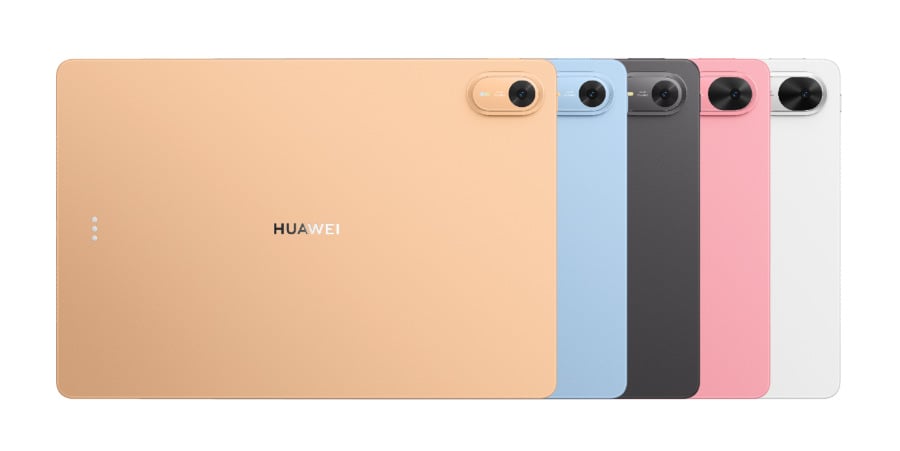
There are five colors in total. The Standard model comes in Coral Orange, Island Blue, and Space Gray, while the Enjoy Edition is available in Nebula Pink and Moonlight Silver. The overall design is similar to the regular MatePad Air, although three of the five color options get a slightly different camera module.

MatePad Air Z gets a 12-inch 144Hz display

Both versions use Huawei’s Kirin T93S23 chipset and run HarmonyOS 7. The main attraction is a 12-inch Ultra HD Eye-Care PaperMatte display. Huawei says the screen is designed to reduce glare while keeping text and images clear in bright surroundings. It has a 2.8K resolution, a 144Hz refresh rate, and an 88% screen-to-body ratio.

Huawei MatePad Air Z Display

The cameras are the same on both versions, with an 8MP front camera and a 50MP rear camera. Huawei does, however, use different camera housings. The Standard model has a circular lens inside a pill-shaped module with an LED flash, while the Enjoy Edition uses a simpler oval-shaped lens housing.

The two models also share a 10,100mAh battery; the difference comes with charging. The Standard version supports 66W charging and comes with an all-in-one 66W charger. The Enjoy Edition ships with a 40W adapter instead. Both tablets also have a six-speaker stereo system.

MatePad Air Z price and configurations

The Standard MatePad Air Z starts at 3,699 yuan for the 8GB/256GB version. The range goes up to 4,999 yuan for the 12GB/256GB model with the PaperMatte display, while another PaperMatte configuration sits at 4,299 yuan.

Huawei MatePad Air Z Colors

The Enjoy Edition is cheaper, starting at 2,999 yuan for 8GB of RAM and 128GB of storage. The top-end 12GB/256GB version with the PaperMatte display costs 4,499 yuan.

Where to buyHuawei MatePad AirBrowse the range on AmazonShop now →

Huawei is also selling a Smart Leather Case and Magnetic Keyboard for the Standard model.

For now, Huawei hasn’t shared every detail about the MatePad Air Z, including its official launch date. More information could arrive alongside the Mate 90 series next week.

For daily updates, please visit our News Section.

Stay ahead in tech! Join our Telegram community and sign up for our daily newsletter of top stories!

(Source)

Best Small Speakers in 2026

Small Bluetooth speakers have gotten surprisingly good. You can now find models that are small enough to carry in one hand but still offer decent bass, long battery life, and enough volume for a room or a day outside. Many also come with waterproofing, stereo pairing, and other features that were once limited to larger speakers.

The right choice mostly comes down to how you plan to use the speaker. Some are made to disappear into a backpack, while others trade a little portability for better sound, longer battery life, or more volume. Here are the six best small speakers worth considering in 2026.

1. JBL Clip 5 

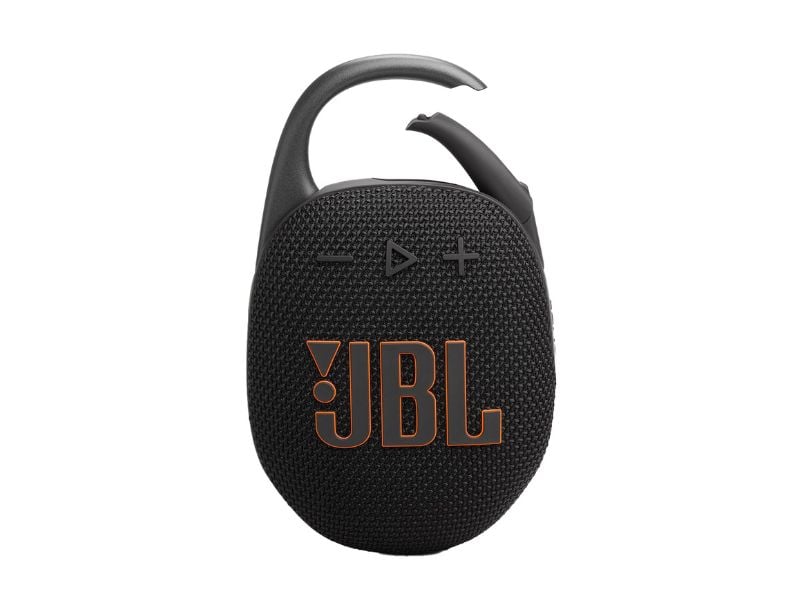
The JBL Clip 5 is one of the easiest speakers to carry around. Its built-in carabiner lets you attach it directly to a backpack strap, belt loop, or even a towel rail, so there is no need to buy an extra clip. It weighs less than 300 grams and has an IP67 rating for dust and water resistance.

The battery lasts up to 12 hours, while Playtime Boost in the JBL Portable app can add around three more hours by reducing some of the processing used for bass. Its driver and passive radiator won’t fill a large room, but the Clip 5 produces more bass than its size suggests.

Where to buyJBL Clip 5Latest price on AmazonCheck price →

It also supports Auracast, so you can connect two speakers for stereo playback or link it with other compatible JBL speakers. JBL currently lists the Clip 5 at $79.95 in the U.S.

2. JBL Go 5

JBL Go 5

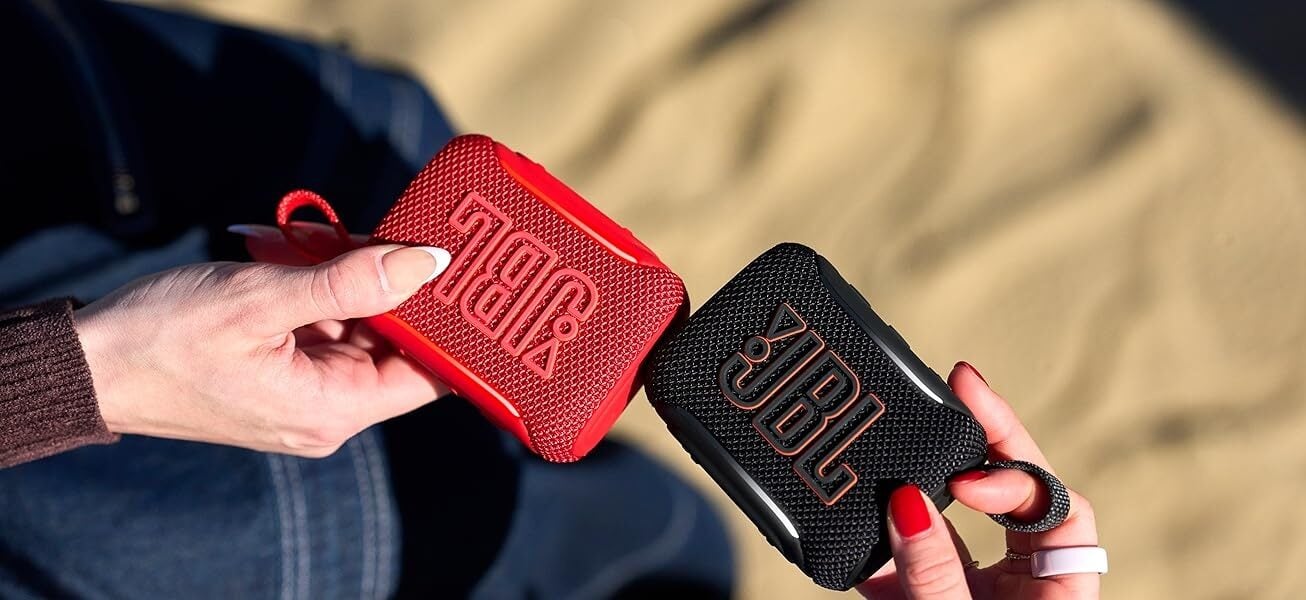
The JBL Go 5 replaces the Go 4 as the smallest, cheapest speaker in JBL’s lineup, and it’s worth the small price bump. It keeps the same palm-sized, block-like shape, but jumps to Bluetooth 6.0 for a more stable connection and adds LC3 and LE Audio codec support alongside Auracast. The bigger change is on the durability and playback side: dust and water resistance moves up to IP68, and battery life stretches to 10 hours with Playtime Boost, up from the Go 4’s 7 hours.

It’s also the first Go model with a USB-C DAC, so plugging it into a laptop or phone via cable gets you lossless audio instead of compressed Bluetooth. JBL added a subtle WINK ambient light strip on the front, too, which doubles as a visual battery and pairing indicator.

Where to buyJBL Clip 5Latest price on AmazonCheck price →

JBL prices the Go 5 at $54.95, just a few dollars above where the Go 4 sat, and it’s a straightforward upgrade if you don’t already own the older model.

3. Ultimate Ears WONDERBOOM 4 

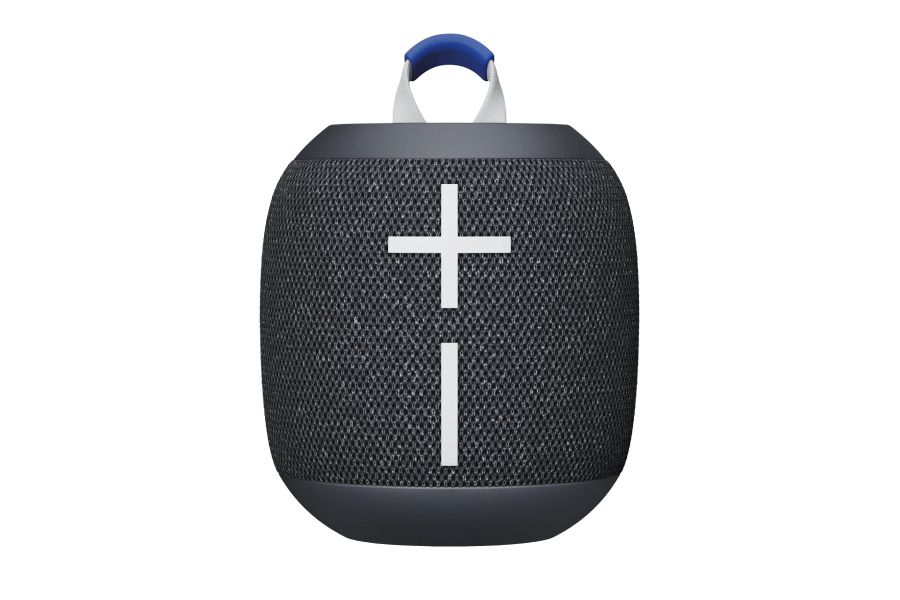
The Ultimate Ears WONDERBOOM 4 keeps the round design that has been a part of the series for years. And the shape isn’t just for looks. The speaker uses two active drivers and two passive radiators to send sound in different directions, so you don’t have to keep it pointed toward you.

It lasts up to 14 hours on a charge and has an IP67 rating. It can also float, which makes it a natural choice for poolside use.

Where to buyUltimate Ears WONDERBOOM 4Latest price on AmazonCheck price →

It has an Outdoor Boost mode for open spaces, plus a Podcast Mode that makes spoken voices easier to hear. You can also pair two WONDERBOOM 4 speakers for stereo playback. Ultimate Ears currently lists it at $79.99 in the U.S.

4. Marshall Emberton III

The Marshall Emberton III looks more like a tiny guitar amplifier than a typical portable Bluetooth speaker. It has Marshall’s familiar styling, including the brass control knob on top, but there is more to it than the retro design.

Battery life is the biggest reason to consider it. Marshall rates the Emberton III for more than 32 hours of playback, which is considerably longer than most speakers in this size range. A quick recharge can further add around six hours of playback after 20 minutes.

The speaker uses two amplifiers with Marshall’s True Stereophonic technology for 360-degree sound. It is also rated IP67 for dust and water resistance.

Where to buyMarshall Emberton IIILatest price on AmazonCheck price →

Another change from the previous model is the built-in microphone, which lets you use the speaker for calls. Bluetooth 5.3 and LE Audio support also leave it ready for newer Bluetooth features. Marshall currently lists the Emberton III at $179.99 in the U.S.

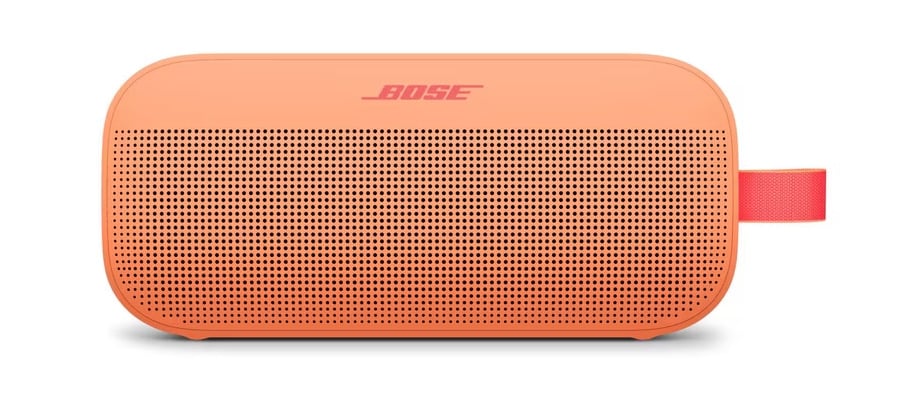
5. Bose SoundLink Flex (2nd Gen)

Bose Soundlink Flex 2nd gen

The Bose SoundLink Flex (2nd Gen) cares less about battery-life numbers and more about how the speaker actually sounds. It lasts up to 12 hours, which is enough for a day out but well behind the Emberton III.

Where to buyBose SoundLink Flex 2nd GenLatest price on AmazonCheck price →

Where it makes up for that is audio quality. Vocals and higher frequencies come through clearly, and the speaker generally sounds more balanced than many models of a similar size. Bose’s PositionIQ technology also changes the sound depending on how the speaker is positioned, whether it is lying flat, standing up, or hanging from its built-in loop.

It has an IP67 rating and supports Bluetooth 5.3 with multipoint pairing, so two devices can remain connected at the same time. You can also pair two speakers for stereo or party playback through the Bose app. Bose currently lists the SoundLink Flex (2nd Gen) at $159 in the U.S.

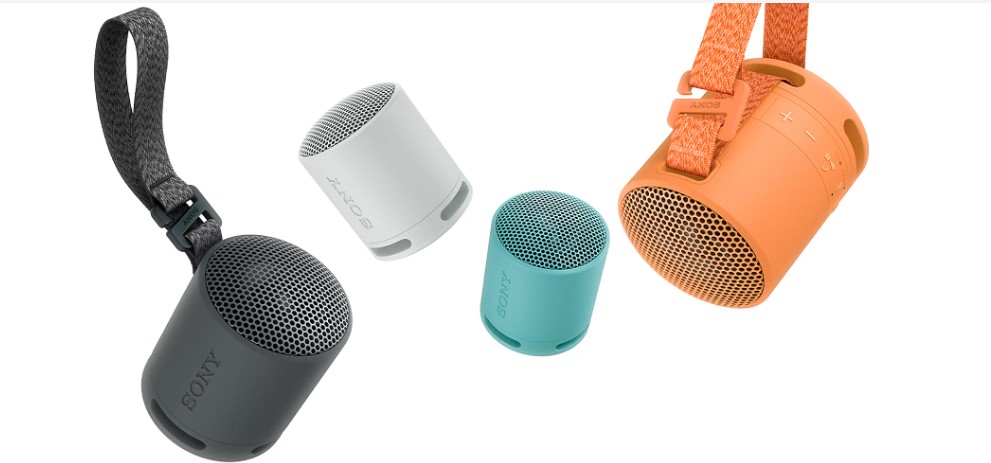
6. Sony SRS-XB100 

The Sony SRS-XB100 is one of the smaller options here, but it still covers the basics well. It has an IP67 rating, up to 16 hours of battery life, and a compact design that can easily fit into a jacket pocket or small bag.

Sony uses a Sound Diffusion Processor to spread the audio beyond what you might expect from its single small driver. The speaker also has a UV-resistant coating to protect the exterior when it spends a lot of time in direct sunlight.

Where to buySony SRS-XB100Latest price on AmazonCheck price →

You can pair two XB100 speakers for stereo playback, and the built-in microphone uses echo cancellation for hands-free calls.

7. How to Choose

The best small speaker depends mostly on where you plan to use it. If portability matters most, the JBL Clip 5 is the easiest one to carry. The WONDERBOOM 4 makes more sense if you’re usually sharing music with a group or using the speaker outdoors. The JBL Go 5 is the cheaper option if you simply want something tiny that you can throw into a bag.

Battery life changes the equation, too. The Marshall Emberton III can run for more than 32 hours, while the Sony SRS-XB100 offers up to 16 hours. If sound quality matters more than battery life or size, the Bose SoundLink Flex is worth considering.

There isn’t one small speaker that fits every situation. The useful part is that you no longer have to choose between something tiny and something that actually sounds good. These speakers cover different needs, so the best choice comes down to what matters most when you take yours outside.

For daily updates, please visit our News Section.

Stay ahead in tech! Join our Telegram community and sign up for our daily newsletter of top stories!

Huawei Mate 90 Pro Max Collector’s Edition telephoto extender leaked with 1-inch sensor, 10x optical zoom

Huawei is expected to unveil the Mate 90 series in China soon, with the top-end model attracting attention for its camera capabilities. The Mate 90 Pro Max Collector’s Edition is now tipped to support an unusual external imaging accessory. If accurate, the setup could give Huawei’s flagship a significant boost for long-distance photography.

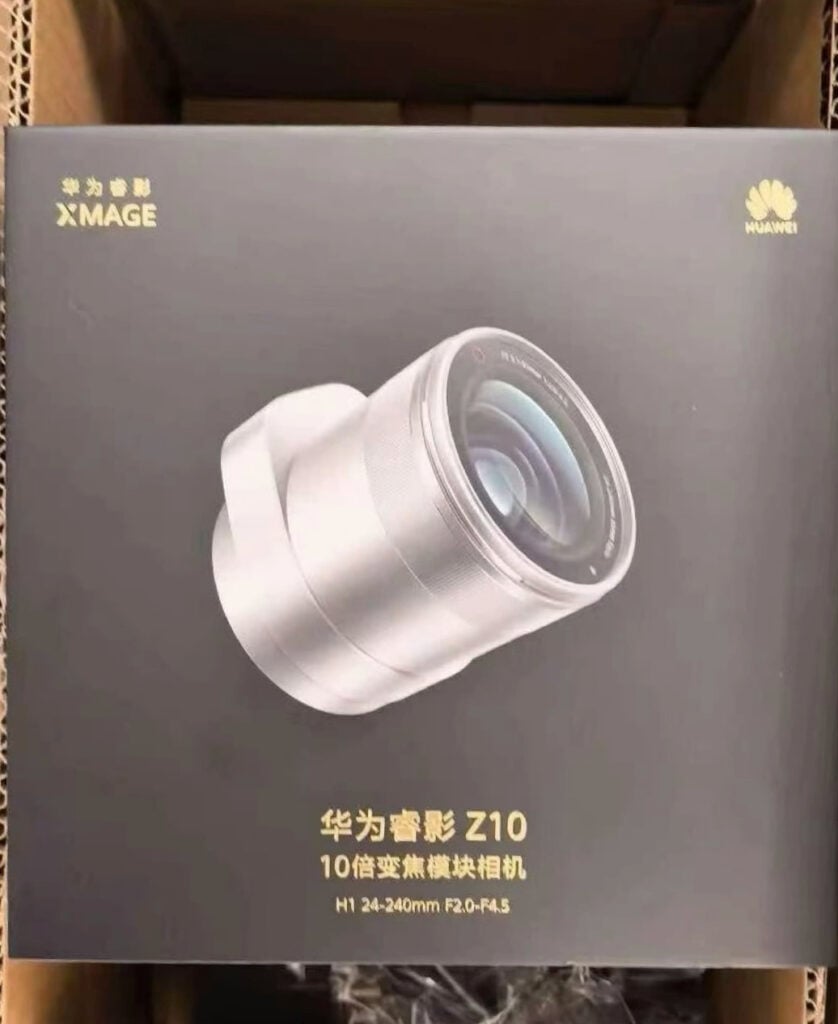
Huawei Mate 90 Pro Max’s Ruiying Z10 telephoto extender

Huawei Mate 90 Pro Max's Ruiying Z10 telephoto extender
Huawei Mate 90 Pro Max’s Ruiying Z10 telephoto extender

According to details shared by Bald Panda and Smart Pikachu on Weibo, the Huawei Mate 90 Pro Max Collector’s Edition could support an external telephoto module called the Huawei Ruiying Z10. The accessory is said to feature a large 1-inch sensor and a 9.1-91mm physical focal length, corresponding to a 24-240mm equivalent range. It reportedly supports 10x optical zoom and uses a PZ motorised zoom mechanism.

The module is also tipped to feature a built-in Red Maple lens system and an f/2.0-f/4.5 variable aperture. Rather than simply extending the phone’s existing telephoto range, this approach would give the external unit its own large sensor and optical system. The reported configuration would therefore be quite different from conventional smartphone telephoto attachments.

The phone itself is expected to feature a 200-megapixel, 1/1.28-inch periscope telephoto camera, alongside a 50-megapixel 1/1.28-inch main camera with variable aperture and an anti-glare infrared coating. The Collector’s Edition is also tipped to feature Huawei’s Kirin 9050 Pro chipset, 16GB of RAM and a 6,800mAh battery with 100W charging.

Other reported specifications include a 1.5K dual-layer OLED display with a 1-144Hz LTPO adaptive refresh rate and peak brightness reaching the 10,000-nit range. The Mate 90 series is expected to debut in China on Sept. 29, although Huawei has yet to officially confirm the full specifications of the Collector’s Edition or the external lens.

For daily updates, please visit our News Section.

Stay ahead in tech! Join our Telegram community and sign up for our daily newsletter of top stories!

(source 1, 2)

TECNO EllaClaw AI Agent Can Research News, Write Scripts and Check Social Posts

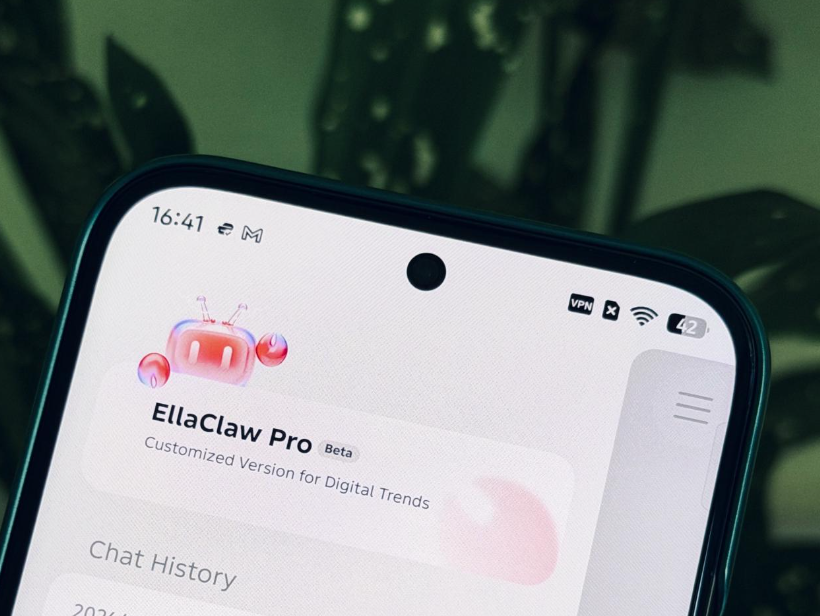
TECNO is exploring how mobile AI can be tailored to fit specific professional workflows through a new collaboration with Digital Trends Media Group. The company has demonstrated four customized AI workflows built around the needs of technology journalists and digital content creators, using its experimental EllaClaw mobile AI agent. Announced on September 23 in Hong Kong, the showcase highlights TECNO’s efforts to make AI more practical for real-world tasks instead of relying only on a fixed set of features. 

TECNO EllaClaw Focuses on Customizable Mobile AI

EllaClaw is described by TECNO as an exploratory mobile Agentic AI system that can adapt to different professions, industries, and user requirements. Instead of working as an autopilot that takes over tasks, TECNO positions it as a digital co-pilot that helps users complete repetitive work while keeping important decisions under human control.

The Digital Trends collaboration was created to explore how this approach could work in professional content creation. The resulting workflows cover several stages of the process, from researching a developing story to preparing content for publication and social media.

Four Workflows for Content Creators

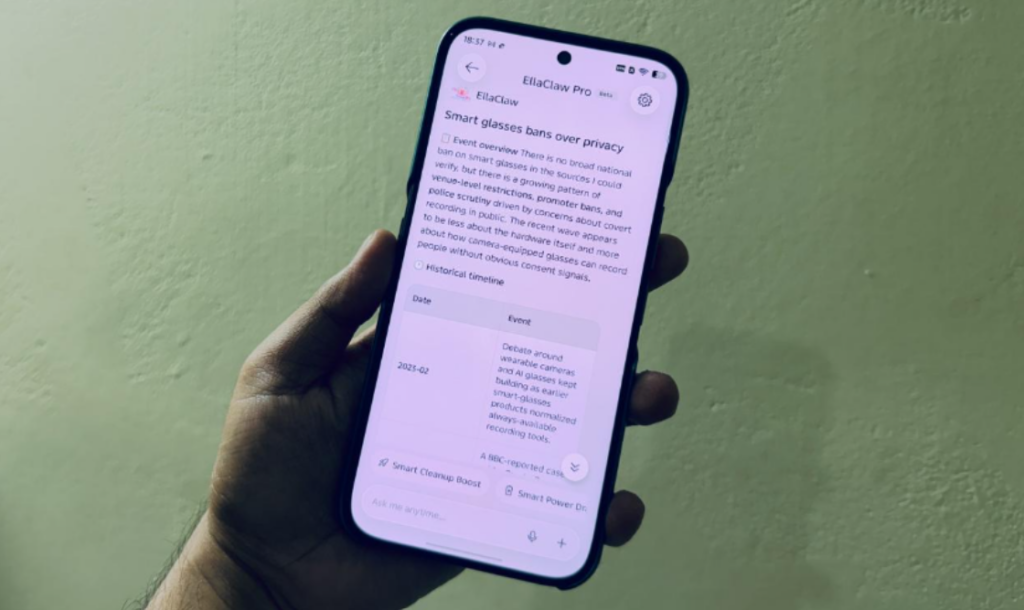
The first workflow, News Background Research, allows users to share a developing story with EllaClaw. The agent can identify the topic, search selected trusted sources, and organize the findings into a structured brief. The research can include historical context, key developments, stakeholder perspectives, and source references. The resulting brief can be saved to the phone’s Notes app, while an audio version allows users to listen to the research.

The second workflow, Research-to-Script, takes the gathered information and turns it into structured storyboards. It can provide multilingual script suggestions, supporting creative assets and content-planning assistance. This is designed to connect the stages of idea generation, research, storyboarding and production without requiring users to move between several different apps.

news background research

Personalized Writing and Social Media Checks

EllaClaw also includes a Personal Writing Style workflow. Users can provide writing samples, which the AI analyzes to create a reusable style profile. The profile can then be applied when generating content for different platforms. TECNO says the profile can continue to evolve through new writing samples, feedback and ongoing interaction.

The fourth workflow, Social Media Risk-Word Check, reviews content before publication. It checks copy against platform-specific publishing considerations and helps identify potentially risky wording. The goal is to reduce publishing risks while keeping the original message effective.

Human Control Remains Central

TECNO says user control, transparency and privacy are important parts of the EllaClaw experience. Users remain responsible for reviewing, refining and approving AI-generated content before publication. This keeps creative decisions and editorial judgment with the person using the system.

Although the demonstration focused on technology journalists and content creators, TECNO says the same concept could be adapted for other professions, industries and personal workflows. The showcase therefore presents EllaClaw as an example of how mobile Agentic AI could become more personalized and practical, while still keeping human creativity and decision-making at the center.

Read More:

Vivo Y600i launches with an 8,000mAh battery, a 120Hz display, and IP69 protection

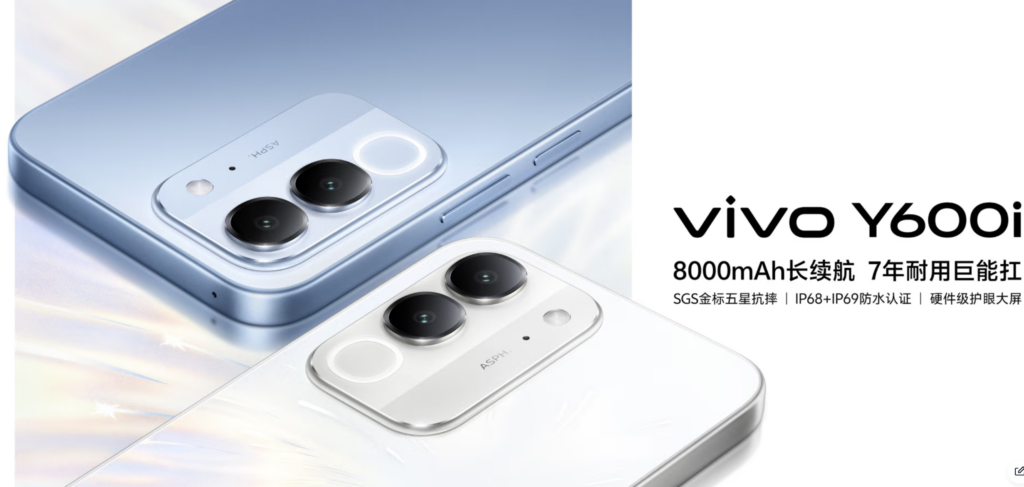
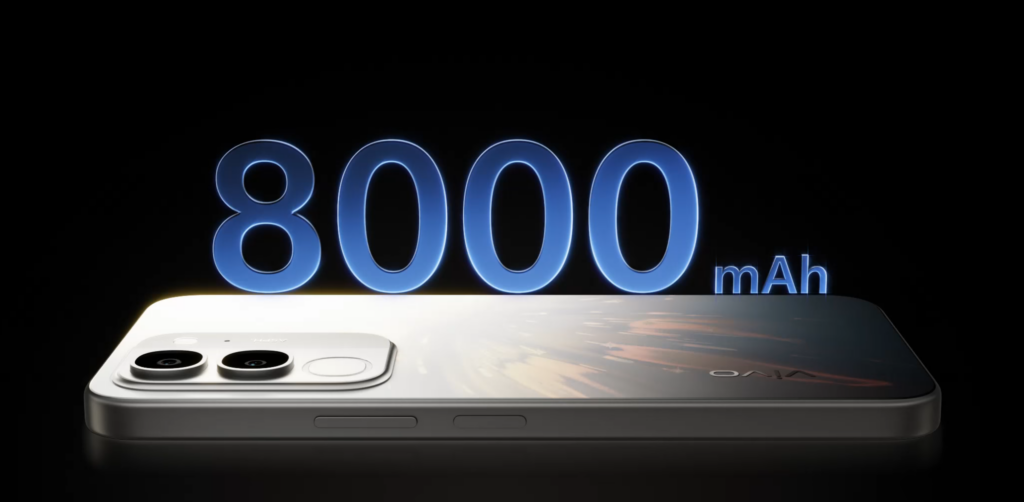
Vivo has expanded its Y-series lineup in China with the Y600i, which joins existing models such as the Vivo Y600 Turbo and Y600 Pro. Those phones pack 9,020mAh and 10,200mAh batteries, respectively. Like its siblings, the Y600i packs a huge 8,000mAh battery, while also bringing a 120Hz display along with a durable build.  

Vivo Y600i specifications and features

Vivo Y600i
Vivo Y600i

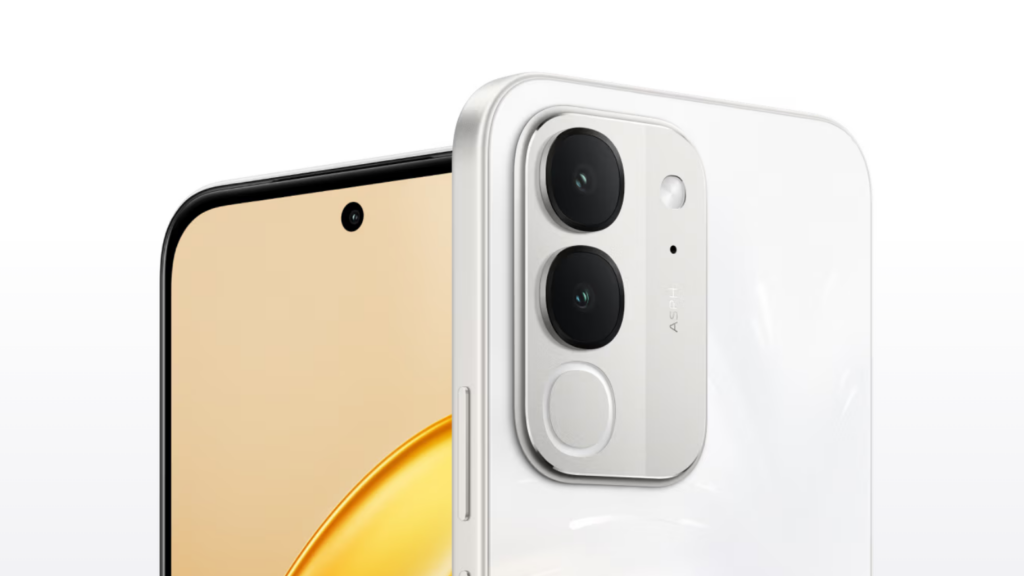
The Vivo Y600i is built around a 6.87-inch LCD with a 1592 x 720 resolution and 120Hz refresh rate. The panel reaches up to 1,300 nits in HBM mode and supports DC dimming, while TÜV Rheinland certification is included for software-level low blue-light protection.

Its biggest highlight is the 8,000mAh battery, which supports up to 44W wired charging and wired reverse charging. Vivo says the battery retains at least 80% of its capacity after 1,500 charge cycles, based on its laboratory testing. The company also claims the phone can deliver up to 25 hours of short-video playback and 16 hours of continuous navigation.

Vivo Y600i

Powering the phone is the Snapdragon 4 Gen 2 processor paired with 6GB of LPDDR4X RAM and 256GB of UFS 2.2 storage. Storage can be expanded by up to 2TB via a memory card, while RAM expansion can add up to 12GB through Vivo’s memory-fusion technology. The phone runs OriginOS 6-based Android 16. It also features AI-powered anti-fraud protection for identifying scam calls, making the phone particularly focused on durability, endurance, and everyday safety.

Vivo Y600i

The Y600i has a 50-megapixel f/1.8 rear camera with autofocus and an 8-megapixel front camera. It also features a side-mounted capacitive fingerprint sensor, Bluetooth 5.1, dual-SIM 5G, USB Type-C and an infrared blaster. Durability is another major focus, with IP68 and IP69 ratings and SGS five-star drop-resistance certification.

Vivo Y600i price and availability

The Vivo Y600i is priced at 1,999 Yuan (~$300) for its 6GB+256GB configuration in China. It comes in Stardust, Sky Blue and Midnight Black. It is scheduled to go on sale from Sept. 30 in China.

For daily updates, please visit our News Section.

Stay ahead in tech! Join our Telegram community and sign up for our daily newsletter of top stories!

Hisense launches U7T Pro RGB-Mini LED TVs with 180Hz 4K display & 330W Devialet audio

Hisense has introduced the U7T Pro, a new line of RGB-Mini LED TVs in China. The series focuses on high refresh rates, extensive local dimming, and broad color gamut coverage.

Hisense U7T Pro

Hisense U7T Pro Specifications

The display relies on an RGB-Mini LED panel that Hisense refers to as the True Color Obsidian Screen. The panel covers 103% of the BT.2020 color space. Backlighting is managed by a system Hisense calls Linglong True Color Backlight 2.0.

The number of local dimming zones scales with the size of the TV, starting at 2,880 zones on the smaller models and reaching 6,912 zones on the 100-inch version. Hisense says this hardware configuration improves light efficiency and reduces blooming compared to its previous models. The screen also includes a dual-layer anti-reflection coating designed to keep the reflection rate down to 1.28%.

Internal processing is handled by Hisense’s Xinxin AI Picture Quality Chip H7, which manages color accuracy and local dimming while offering standard upscaling and scene recognition functions.

For connectivity and gaming, the U7T Pro includes four full-bandwidth HDMI 2.1 ports capable of 48Gbps transmission. The panel has a native 4K resolution and a 180Hz refresh rate.

Hisense U7T Pro

It supports standard gaming features like Variable Refresh Rate (VRR), Auto Low Latency Mode (ALLM), and AMD FreeSync Premium Pro. There is also a 360Hz mode that operates at a lower resolution, and Hisense has included a specific picture profile tuned for the action game Phantom Blade Zero.

The TV runs on a MediaTek 9655 processor with 4GB of RAM. Storage varies by size, with the 100-inch model offering 128GB and the smaller versions including 64GB. It supports Wi-Fi 6 and Bluetooth 5.4.

The audio system is tuned by Devialet. The flagship 100-inch model features a 4.2.2-channel setup with 18 speakers, delivering a total output of 330W, while the smaller models use a 4.1-channel configuration with up to 180W of output. Physically, the TV has a 44mm-thick chassis and 1.8mm bezels, allowing for a near-flush wall mount.

Pricing and Availability

The U7T Pro is available in four sizes. The 65-inch model has an MSRP of 12,499 yuan ($1,862). The 75-inch model costs 15,499 yuan ($2,309), the 85-inch is 20,999 yuan ($3,128), and the 100-inch version is priced at 30,499 yuan ($4,544).

For more daily updates, please visit our News Section.

Stay ahead in tech! Join our Telegram community and sign up for our daily newsletter of top stories!

Snapdragon Sound Elite Gen 2 unveiled: Qualcomm’s first premium audio chip that understands what’s going on

At this year’s Snapdragon Summit in Hawaii, Qualcomm introduced a new platform that’s meant to turn regular earbuds and headphones into smarter, more independent gadgets. The idea is that the next generation of hearables shouldn’t just play music; they should actually understand what’s going on around you and help out without always needing your phone.

Snapdragon Sound Elite Gen 2 is Qualcomm’s first premium audio platform built specifically with personal AI in mind. It packs high-quality audio processing, voice tech, on-device intelligence, and solid connectivity into one solution.

On the audio front, it supports aptX Lossless for high-fidelity wireless streaming and XPAN, which helps stretch beyond the usual Bluetooth range limits. There’s also 5th generation adaptive active noise cancellation, Qualcomm’s cVc echo and noise suppression, and multi-mic support. All of that should mean better noise reduction and clearer voice pickup, useful both for calls and for talking to AI assistants in noisy places.

Connectivity gets a big upgrade too. Built-in micro-power Wi-Fi 6E lets compatible devices connect straight to AI assistants. That should make the next generation of premium earbuds feel more independent. It still works with Bluetooth as well, so manufacturers have flexibility.

The platform is designed for a wide mix of products: true wireless earbuds, over-ear headphones, open-ear designs, audio glasses, earbuds with cameras, and other multimodal wearables that are still emerging. Qualcomm is also providing reference designs to help brands move from prototypes to actual products faster.

Under the hood, the performance jump is pretty significant. Compared with the previous Snapdragon S7 Gen 1 Sound Platform (which topped out at 64 GOPS of AI compute and 128 MAC operations per cycle), the new one more than doubles that to 128 GOPS and 256 MAC operations per cycle. That suggests it can run multiple smart features at the same time. Power use drops by up to 40%, and the overall footprint shrinks by as much as 30%, both important when you’re trying to fit everything into tiny earbuds.

In short, Snapdragon Sound Elite Gen 2 is Qualcomm’s attempt to turn audio wearables into always-available personal AI helpers: capable of real-time translation, contextual assistance, personalized hearing, and more multimodal interactions.

Don’t miss a thing! Join our Telegram community for instant updates and grab our free daily newsletter for the best tech stories!

For more daily updates, please visit our News Section.

Source: Qualcomm (1), (2)

Oppo K14 Plus teaser confirms September 29 launch with 8000mAh battery, 144Hz 1.5K display, 5000 mm² VC cooling

Oppo is getting ready to expand its K-series in India with a new mid-range phone. After a few teasers, the company has now locked in the official reveal date.

The Oppo K14 Plus will be unveiled in India on September 29 at 12 PM. It’s coming as a Flipkart Unique product, and Oppo is promising some exciting offers timed with the upcoming Big Billion Days sale.

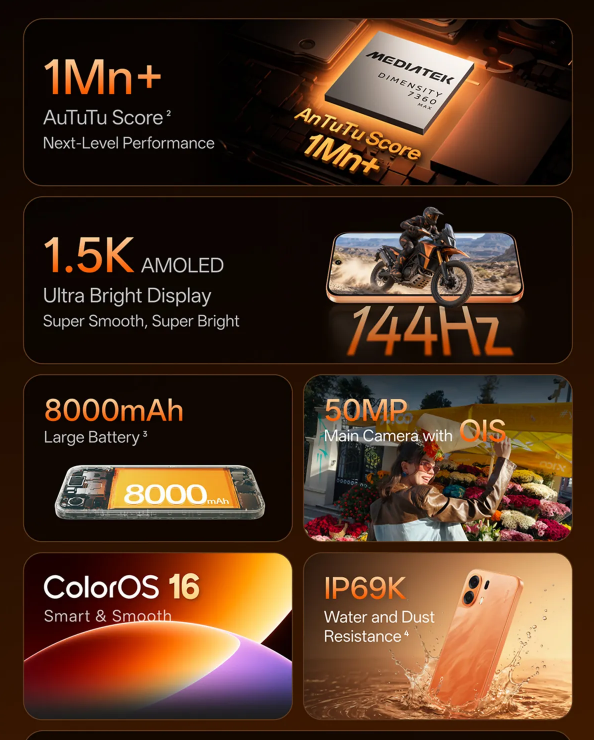
From what’s been revealed so far, this one is clearly leaning into battery life and performance. It’s powered by the MediaTek Dimensity 7360 Max, paired with 8GB of RAM and 256GB of storage. Oppo is claiming the chip can push past the one-million mark on AnTuTu, helped by a 5,000 mm² vapor chamber for cooling so it doesn’t throttle as quickly during gaming or heavy multitasking.

The screen is a 6.77″ 1.5K AMOLED with a 144Hz refresh rate and peak brightness that goes up to 3,600 nits. So it should stay readable outdoors and feel nice and fluid for scrolling. It’ll ship with ColorOS 16 out of the box.

On the camera side, it’s a dual rear setup (main sensor plus a secondary one) and a front camera. Multiple reports point to a 50MP primary with OIS and 4K video recording, plus a 16MP Sony IMX480 selfie shooter.

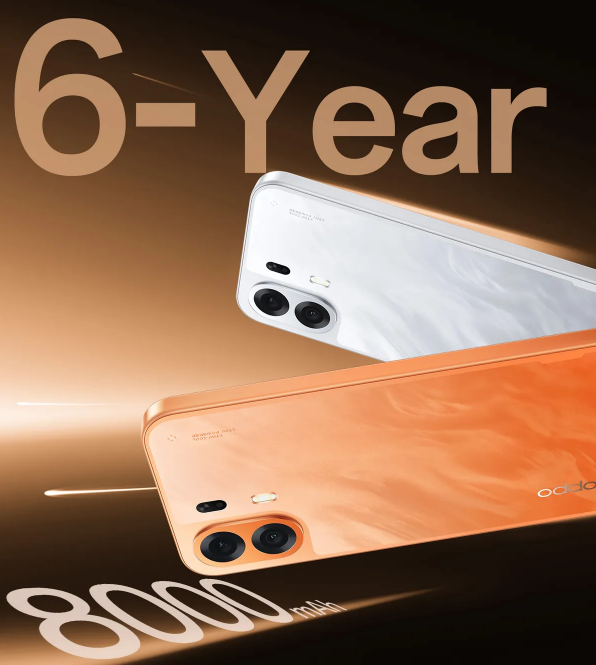
The standout feature, though, is the battery: a massive 8,000 mAh unit with 45W charging. Oppo is also claiming “6-Year” longevity thanks to the large battery. Other practical bits include an in-display fingerprint sensor and an IP69K rating for dust and water resistance.

It’ll come in two colour options (exact marketing names still a bit fuzzy, though the visuals show white and an orange-ish finish). Pricing, the exact secondary camera sensor, and any other variants should get confirmed at the September 29 event.

Don’t miss a thing! Join our Telegram community for instant updates and grab our free daily newsletter for the best tech stories!

For more daily updates, please visit our News Section.

(Source: Flipkart)

Xiaomi has opened pre-orders for its Mijia Semi-Automatic Espresso Machine Pro

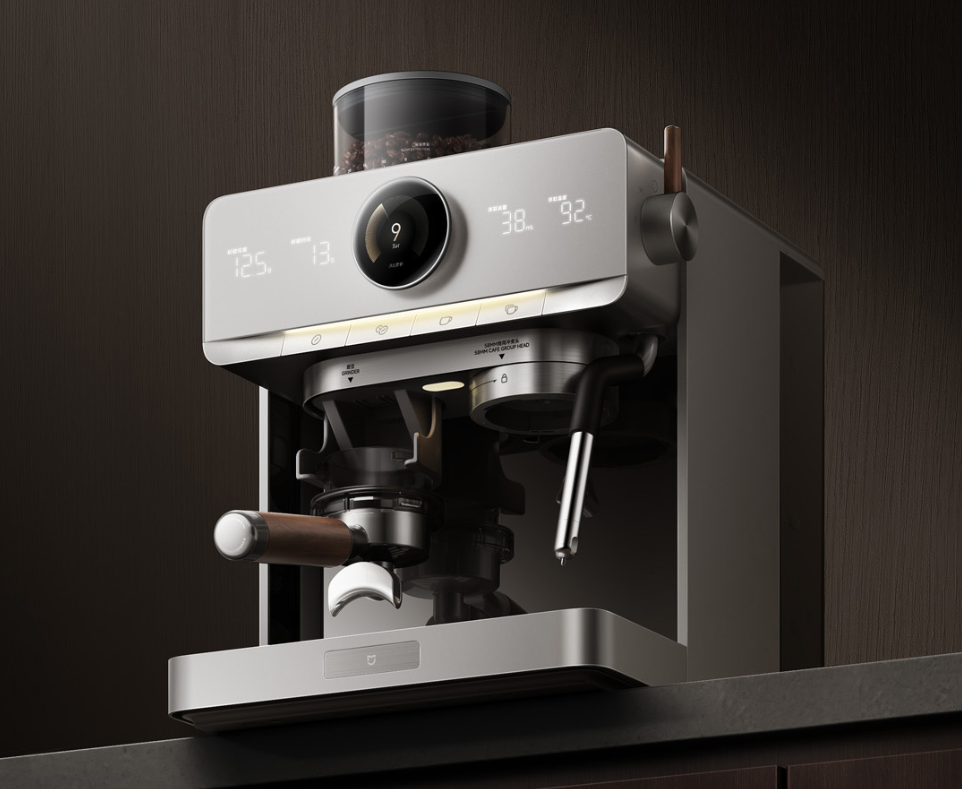
Xiaomi has opened pre-orders in China for the Mijia Smart Semi-Automatic Espresso Machine Pro. The new kitchen appliance is an all-in-one unit that handles coffee grinding, extraction, and milk frothing. It carries a suggested retail price of 4,999 yuan ($744), with an initial pre-order price of 4,439 yuan ($661).

Xiaomi Mijia Semi-Automatic Espresso Machine Pro

Mijia Semi-Automatic Espresso Machine Pro Specs

Rather than functioning as a fully automatic machine that prepares coffee at the push of a button, the Mijia Pro is designed to assist with the manual espresso-making process. It features an intelligent pressure-curve analysis system that monitors extraction pressure in real time and generates a pressure graph after each shot.

The system then determines whether the coffee is under-extracted, properly extracted, or over-extracted. Based on the results, it provides suggestions for improving the next shot, such as adjusting the grind setting or changing the tamping pressure.

The internal hardware is built around a dual-pump and dual-heating block system. This setup allows the machine to pull a shot of espresso and steam milk at the same time, bypassing the wait times and temperature fluctuations that typically affect single-boiler machines.

Xiaomi Mijia Semi-Automatic Espresso Machine Pro

It equips an imported ULKA pump that delivers up to 19 bar of peak pressure. For temperature control, the machine uses five NTC sensors positioned at key points, including the brewing head and water tank, along with a PID algorithm to maintain stable temperatures during extraction.

Where to buyXiaomi Mijia Espresso MachineBrowse the range on AmazonShop now →

Xiaomi has also integrated a weighing system directly into the built-in grinder. The grinder, which uses a 420 stainless steel conical burr, measures the coffee output in real time with a 0.1g display resolution. This eliminates the need for you to keep a separate countertop coffee scale. It also includes an ion-based anti-static mechanism to prevent coffee grounds from scattering.

Xiaomi Mijia Semi-Automatic Espresso Machine Pro

For milk drinks, the machine features an automatic frother programmed to handle five different types of milk, including plant-based options. You simply set your preferred milk type and temperature, and the machine stops automatically when the target temperature is reached. Additionally, the machine has a separate water circuit dedicated to cold drinks, using a room-temperature, low-pressure pulse extraction mode to brew coffee without running it through the hot water lines.

Xiaomi Mijia Semi-Automatic Espresso Machine Pro

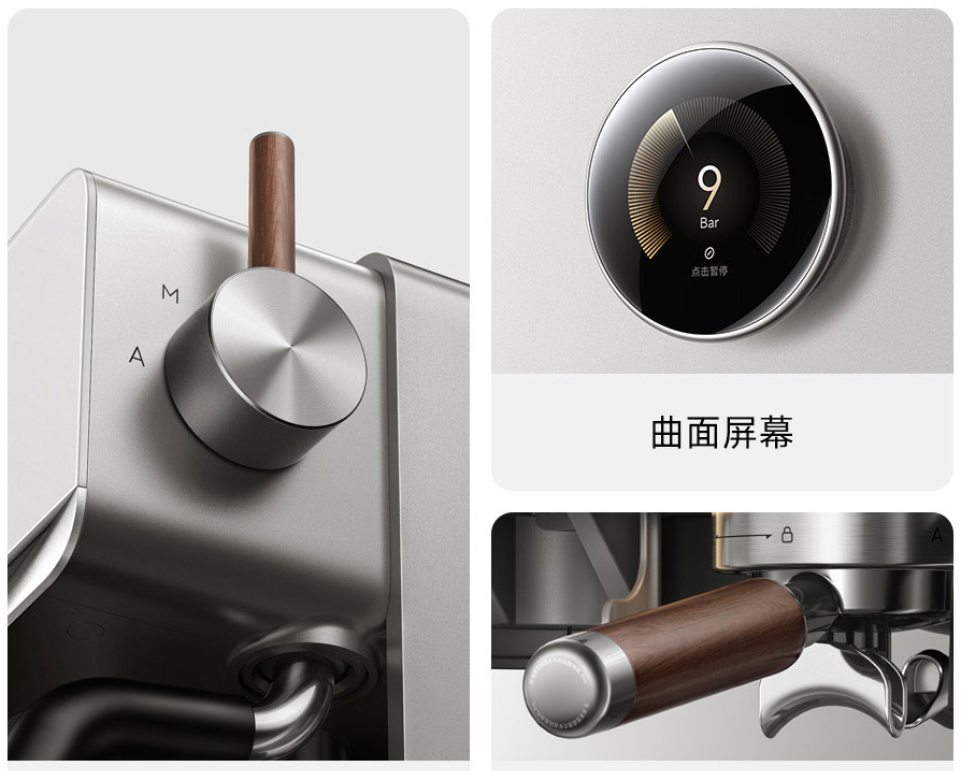
You can interact with the machine through a full-color TFT rotating display knob or the Mijia companion app. The app allows you to adjust nine different brewing parameters, including pre-infusion time, extraction volume, and temperature, and includes over 100 downloadable recipes.

The Mijia Smart Semi-Automatic Espresso Machine Pro ships with a commercial-style 58mm portafilter, a heat-insulating walnut handle, and an independent hot water dispenser for Americanos or tea.

In related news, Xiaomi has recently launched new Mijia smart lights with human presence detection and full-spectrum LEDs, along with a smart countertop dishwasher featuring AI dirt sensing, 80°C drying, and 10-day UV storage.

For more daily updates, please visit our News Section.

Stay ahead in tech! Join our Telegram community and sign up for our daily newsletter of top stories!

(JD)

Vivo S2 FE specs leak with 10,000mAh battery and different chipset from the Vivo S2

The Vivo S2 FE has already shown up in BIS certification listings and on Geekbench. Now a user on X has posted what looks like its full spec sheet, along with two images of the phone. Vivo hasn’t announced the phone or commented on any of this, so treat everything below as unconfirmed.

A word on the source before you read too much into it. The leak comes from Ahsan Kharbai, who doesn’t have a long record of accurate tips, so a bit more skepticism than usual is warranted.

Vivo S2 FE Specifications

The battery is the first thing you’ll notice. The tipster says the Vivo S2 FE carries a 10,000mAh cell with 44W wired charging. The Vivo S2, which launched in India in August, has a 7,050mAh battery and the same 44W charging speed. 

Elsewhere, the spec sheet stays close to the Vivo S2. The leak lists a 6.83-inch 1.5K AMOLED display with a 120Hz refresh rate, a 50MP main camera on the back, a 32MP front camera, and an in-display fingerprint scanner.

Vivo S2 FE Specs Leak with Price

The chipset is where the two phones differ — again. The leak suggests the phone will be powered by MediaTek Dimensity 7300e, while the Vivo S2 runs on the Dimensity 7360 Turbo. 

This lines up with the Geekbench listing from a few days ago, which shows a MediaTek chip with clock speeds matching the Dimensity 7300e.

According to previous reports, the Vivo S2 FE could be a rebadged Vivo V80 Lite 5G, which launched in Malaysia with a 10,000mAh battery, the same Dimensity 7300e chip, and 44W charging. The connection between the two is not confirmed, though.

On price and timing, the leak says the Vivo S2 FE could cost under INR 40,000 (about $416) and launch alongside the Vivo V80 on October 6. Vivo has confirmed that date for the Vivo V80 but not for the Vivo S2 FE yet.

For more daily updates, please visit our News Section.

Stay ahead in tech! Join our Telegram community and sign up for our daily newsletter of top stories!

(Source)

Global Xiaomi 18 Pro and 18 Pro Max have smaller batteries than the China versions

Xiaomi launched the Xiaomi 18 Pro and Xiaomi 18 Pro Max in China on September 23 with 7,000mAh and 8,500mAh batteries, but you shouldn’t count on those capacities if you’re buying outside China. Tipster Kacper Skrzypek found battery entries for the international models in HyperOS code, and both are smaller than their China counterparts.

What the leak shows

According to Skrzypek, the global Xiaomi 18 Pro (model number 2609BPN61G) has a 6,000mAh battery. That’s 1,000mAh less than the China version, or a cut of about 14%. The global Xiaomi 18 Pro Max (2611FPNFAG) is listed at 7,050mAh, down from 8,500mAh in China. That’s a 1,450mAh drop, or roughly 17%, so the bigger phone takes the bigger hit.

Even so, the global Xiaomi 18 Pro Max ends up with a slightly larger battery than the China-market Xiaomi 18 Pro. Charging speeds reportedly stay close to the China models, at a maximum of 90/100W. There are no global figures yet for wireless or reverse charging, which the China versions support at 50W and 27W.

Xiaomi did the same with last year’s lineup. The China Xiaomi 17 has a 7,000mAh battery, while the global version launched in February with 6,330mAh, about 10% less. The Xiaomi 17 Ultra followed the same pattern, going from 6,800mAh in China to 6,000mAh globally.

Xiaomi hasn’t given a reason for the cuts on the 18 Pro series. The explanation you’ll see most often is international transport rules for lithium-ion batteries, especially in Europe, which cap the energy a single cell can carry. Brands can work around that with dual-cell designs, but those add thickness, weight, and engineering complexity. This earlier explainer covers the reasoning in more detail.

What’s still unconfirmed

Xiaomi has said a global launch is coming this year, but it hasn’t shared a date, prices, or a list of markets. The battery figures come from code strings, not from Xiaomi, so they could still change before the phones ship.

For more daily updates, please visit our News Section.

Stay ahead in tech! Join our Telegram community and sign up for our daily newsletter of top stories!

Xiaomi launches smarter Mijia lights with human presence detection and full-spectrum LEDs

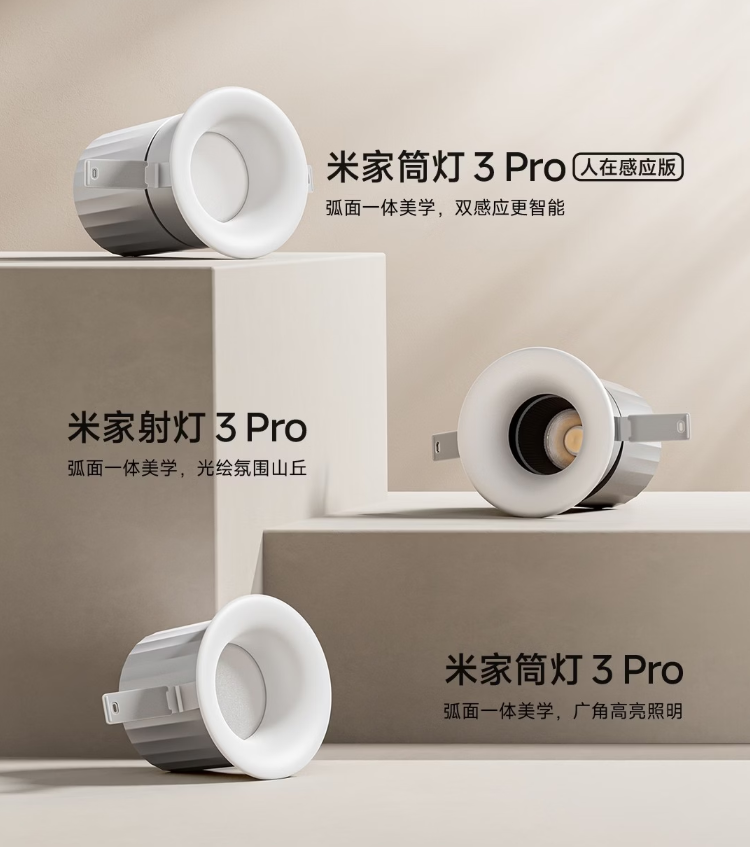
Xiaomi has released three new ceiling fixtures under its Mijia smart home brand: the Mijia Downlight 3 Pro, the Mijia Spotlight 3 Pro, and a radar-equipped Presence-Sensing Edition of the downlight. The new series focuses on practical hardware upgrades, including higher lumen output, improved anti-glare designs, and the adoption of Xiaomi’s faster Mesh 2.0 connectivity standard.

Xiaomi Mijia Downlight 3 Pro series

Specifications

The standard Mijia Downlight 3 Pro operates on a 12W LED setup that outputs 660 lumens. This is a 65% increase in brightness compared to the previous generation. It uses an 80-degree beam angle to provide general room illumination and minimize shadows.

Xiaomi Mijia Downlight 3 Pro series

For users needing directional lighting, the Mijia Spotlight 3 Pro uses a 13W module that outputs 550 lumens. It features a narrower 36-degree beam angle and a physical tilt mechanism that can be adjusted between 0 and 15 degrees to highlight specific areas like shelves or wall art. To reduce glare, the spotlight recesses the light source by 45mm into a black anti-glare ripple structure, achieving a unified glare rating (UGR) of 10 or lower.

Where to buyXiaomi Mijia smart downlightsBrowse the range on AmazonShop now →

The third model, the Mijia Downlight 3 Pro Presence-Sensing Edition, shares the same 12W, 660-lumen specifications as the standard downlight but integrates a 24GHz radar and an ambient-light sensor. Instead of relying solely on manual switches or app controls, this model detects when someone enters or leaves a room, automatically turning the light on or off. It can also be configured to trigger a larger group of connected lights simultaneously, which is useful for hallways and entryways.

Xiaomi Mijia Downlight 3 Pro series

Across all three models, Xiaomi is using full-spectrum LEDs with a color rendering index of Ra97. Users can adjust the color temperature from 2700K to 5700K and utilize stepless dimming. The lights also feature a gradual power-on and power-off function to prevent abrupt lighting changes.

On the software side, the series utilizes Xiaomi’s newer Mesh 2.0 module. When paired with a compatible Mesh 2.0 gateway, the company states that multi-device response speeds are 50% faster and network pairing time is reduced by 80% compared to the older Mesh 1.0 standard. The fixtures integrate with the Mijia app for grouping and automation, support XiaoAI voice commands, and include a dedicated low-brightness night-light mode.

Xiaomi Mijia Downlight 3 Pro series

Pricing

The Mijia Downlight 3 Pro is priced at 152 yuan ($22), while the Mijia Spotlight 3 Pro costs 176 yuan ($26). The Presence-Sensing Edition is available for 199 yuan ($30).

For more daily updates, please visit our News Section.

Stay ahead in tech! Join our Telegram community and sign up for our daily newsletter of top stories!

(JD)

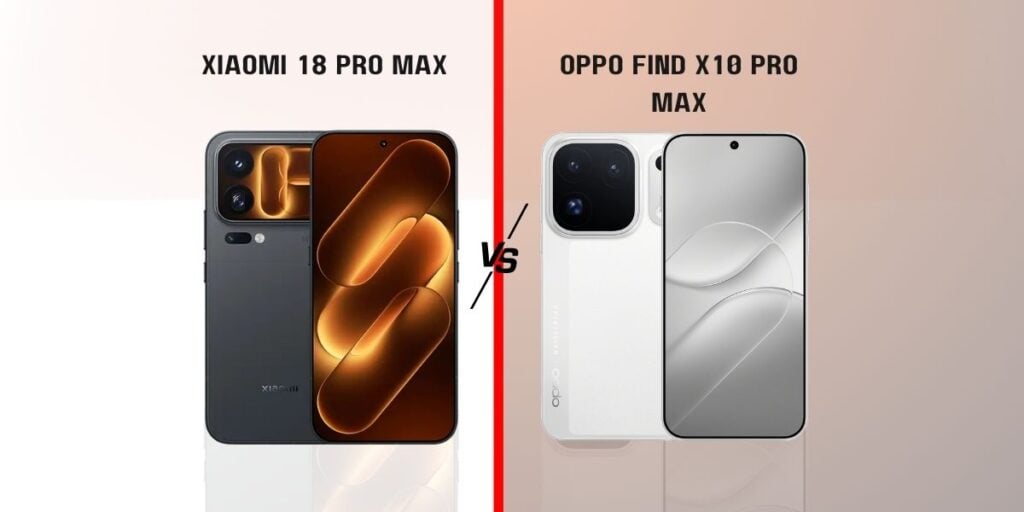
Xiaomi 18 Pro Max vs Oppo Find X10 Pro Max: Full Specs and Feature Comparison

China has had back-to-back flagship launches this week. Oppo introduced the Find X10 Pro Max on September 22 with three 200MP cameras, while Xiaomi followed less than 24 hours later with the 18 Pro Max. Instead of adding another telephoto camera, Xiaomi has put a second screen on the back of the phone.

Both phones come with new 2nm chips, batteries larger than 8,000mAh, and a long list of high-end features. Both are chasing the same buyer, but the experience of using each one ends up pretty different once you dig into the specifics.

Xiaomi 18 Pro Max vs Oppo Find X10 Pro Max

1. A rear display vs a familiar camera module

Oppo Find X10 Pro Max - Moon White

The Find X10 Pro Max keeps the squircle-shaped camera housing that Oppo introduced with the Find X9 series. The rear camera system is divided into a large square section for the three cameras and a separate vertical pill for the LED flash.

The Moon White version gets Oppo’s camera-splicing design, with a single piece of glass using two different textures. The Warm Orange and Light Titanium versions instead have a sanded finish. All three models also feature a Hasselblad logo inspired by the material sections found on classic film cameras.

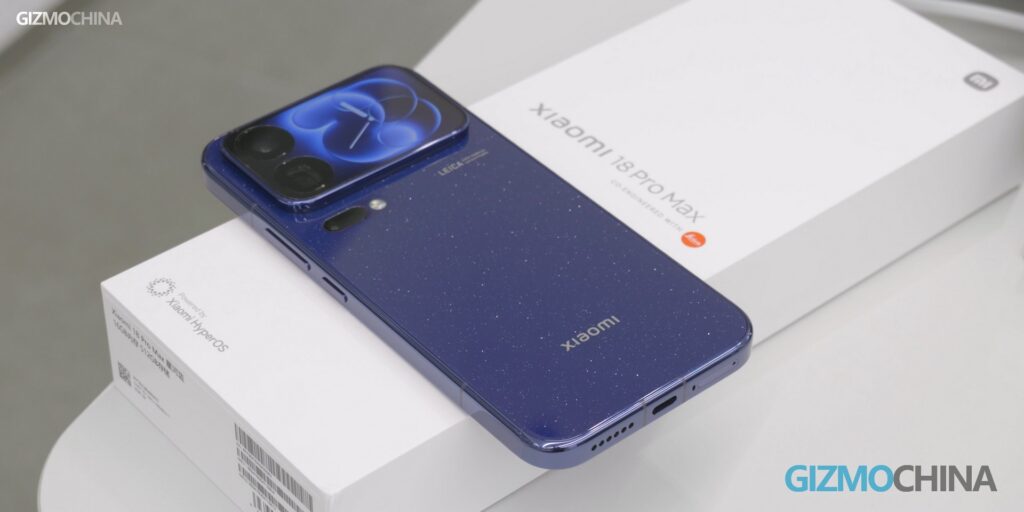
The Xiaomi 18 Pro Max takes a much more unusual approach. Its rear panel houses a 2.9-inch AMOLED display that supports up to a 120Hz refresh rate and reaches 4,000 nits of brightness. Instead of being just another decorative part of the phone, the screen can be used for different tasks.

Users can upload a photo of themselves, a pet, or a favorite character, and Xiaomi’s AI can create a custom avatar for the rear display. The screen also supports more than 100 app cards at launch, covering productivity, entertainment, and AI-generated cards created from a text description.

Xiaomi is also selling NFC-enabled plush toys that attach to the back of the phone and change the appearance of the rear display. There’s also a voice assistant that works through the rear screen. It can hold conversations, remember previous context, and control Mi Home devices without requiring you to turn the phone around.

Xiaomi 18 Pro Max

The front display uses a 19.6:9 aspect ratio with a 1.9mm corner curvature radius. The phone is available with either a fiberglass or glass back. Fiberglass versions come in Black, White, and Iced Peach Pink and weigh 235 grams, while the glass versions, including Galaxy Blue, weigh 240 grams.

There’s also a transparent edition with a red-tinted see-through back. It’s limited to the 16GB RAM and 1TB storage configuration and marks the first transparent special edition from Xiaomi since the Mi 10 Ultra in 2020.

2. Three 200MP cameras vs a different optical setup

The Find X10 Pro Max’s biggest camera feature is its three 200MP sensors. They cover the ultra-wide, main, and telephoto cameras, making it the first phone to use 200MP sensors across all three focal lengths.

The main camera uses a 1/1.3-inch sensor with an f/1.5 aperture and a 24mm equivalent focal length. Oppo claims up to 17 stops of dynamic range, while CIPA 6.5 stabilization is used to keep shots steady.

The telephoto camera has a 1/1.56-inch sensor with an f/2.1 aperture and a 70mm equivalent focal length. It supports macro photography from as close as 10cm and has a CIPA 7.5 stabilization rating.

The 1/1.56-inch ultra-wide camera has an f/2.2 aperture and a 124-degree field of view. Oppo says it can capture 202% more light than the previous generation.

Oppo has also added a second-generation Danxia color lens that works separately from the main imaging sensors. It tracks 24 spectral sampling channels and is designed to help with color reproduction in both photos and videos.

Xiaomi uses a different camera setup. The main camera combines a 200MP Light Hunter 960L sensor, measuring 1/1.28 inches, with what Xiaomi calls a Leica Optics Summilux high-speed lens. The lens uses a 1G+6P glass-plastic construction designed to reduce internal reflections.

The lens also has several coating layers, including MgF₂ for curved-surface glare, LSC to reduce fogging, and ALD/PVD/SWC coatings intended to reduce ghosting.

The periscope telephoto camera also has a 200MP sensor, this time measuring 1/1.56 inches with an f/2.4 aperture. It offers 3.2x native optical zoom, up to 12.8x lossless zoom, a 75mm equivalent portrait mode, and 12cm macro focusing through a floating dual-lens focus system.

The ultra-wide camera is a 50MP unit with an f/2.4 aperture and a 102-degree field of view. It also supports autofocus from as close as 5cm.

Xiaomi’s camera software takes a different route as well. The company says its first end-to-end large-scale imaging model was trained using millions of real camera photos. The system processes raw sensor data in the cloud rather than handling the entire process on the phone.

The resulting “A Legendary Moment” system includes depth-of-field effects based on real 75mm and 2035mm lens optics. It also includes three shooting styles: Legendary CCD, which was trained using hundreds of thousands of CCD camera photos; a black-and-white film mode with film-spectrum calibration and a custom grain algorithm; and Contemporary Classic, which is designed for more neutral everyday photos.

Oppo is relying more heavily on its Hasselblad partnership and preset shooting profiles such as Master Mode and XPan Mode.

3. Two different 2nm chips

Both phones are among the first flagships to use 2nm processors, although they use chips from different companies.

The Find X10 Pro Max comes with MediaTek’s Dimensity 9600 Pro, built using TSMC’s 2nm process. It uses a 2+3+3 all-big-core CPU layout.

The Xiaomi 18 Pro Max uses Qualcomm’s Snapdragon 8 Elite Extreme Gen 6, also built on TSMC’s 2nm process. It has a 2+6 all-big-core design and uses Qualcomm’s fourth-generation Oryon CPU architecture, with clock speeds reaching up to 5GHz.

Xiaomi says the chip can maintain an average frame rate of 59.26fps for one hour at the highest graphics settings, with the phone reaching a maximum temperature of 43.6°C during the test.

The Pro Max also uses a ring-shaped cold-pump vapor chamber covering 5,513mm² to help manage heat during demanding workloads.

4. Battery and charging

Xiaomi has the larger battery of the two. The 18 Pro Max comes with an 8,500mAh silicon-carbon battery, compared with the 8,000mAh cell inside the Find X10 Pro Max.

Both companies use stacked silicon-anode battery technology and an irregular internal design to fit more capacity into the available space.

Xiaomi’s battery has up to 32% silicon content and an energy density of 946Wh/L. The company says it can retain more than 80% of its capacity after 2,000 full charge cycles. Oppo, meanwhile, has given the Find X10 Pro Max a five-year battery durability claim. 

Charging speeds are relatively close. Xiaomi supports 100W wired charging and 50W wireless charging, while Oppo offers 80W wired and 50W wireless charging.

The Xiaomi phone also supports the 100W PPS universal fast-charging standard, which allows it to reach higher charging speeds with a wider range of compatible third-party chargers.

5. Software and AI assistants

The Find X10 Pro Max runs ColorOS 17 and includes several AI tools. Xiao Bu Space can bring together information such as flight bookings, while AI Notes can automatically summarize meetings. AI Tap can also use the camera to identify objects and provide information about them.

Xiaomi’s 18 Pro Max runs HyperOS 4 with Super Xiao AI 2.0. The assistant can handle more complex tasks across different apps.

For example, Xiaomi says you can tell it to find an activity for the children over the weekend, and it can search saved information for a suitable option before adding it to your calendar. Another example lets the assistant prepare your car when you tell it you’re about to leave.

Super Xiao Ai can also maintain shared context across devices. You can start a task on a Mac, move to the phone, and continue the same conversation with the previous context available. Some of these more advanced functions require the “Expert Mode” tier, which is accessed through a points system.

Both Oppo and Xiaomi have also added features designed to work with Apple’s ecosystem.

Oppo Connect can mirror iPhone calls and messages on the Find X10 Pro Max and sync activity data from an Apple Watch.

Xiaomi supports two-way notification syncing with an iPhone for apps such as WeChat and QQ. It can also mirror the phone’s desktop to an iPad, allowing files to be moved using drag and drop. The Xiaomi phone can even be unlocked through an iPad using Face ID or Touch ID.

6. Price and availability

In China, the Oppo Find X10 Pro Max starts at 6,799 yuan (around $1,006) for the 12GB/256GB version. The 16GB/1TB model costs 8,999 yuan (around $1,332). Sales began on September 24.

The Xiaomi 18 Pro Max starts at 6,999 yuan (around $1,045) for 12GB/256GB and goes up to 9,999 yuan (around $1,492) for 16GB/1TB.

The transparent special edition is only available with 16GB RAM and 1TB storage and costs 10,999 yuan (around $1,639). Sales began immediately after Xiaomi’s launch event.

Xiaomi has also officially confirmed that the 18 Pro series will launch globally later this year. That’s different from the Xiaomi 17 Pro and 17 Pro Max, which remained exclusive to China. Oppo has not yet made a similar global availability announcement for the Find X10 Pro Max.

7. Two flagships with very different priorities

The Find X10 Pro Max and Xiaomi 18 Pro Max share some major hardware trends, including 2nm processors, huge batteries, and high-resolution cameras. But the differences become much clearer once you look beyond the basic specifications.

Oppo has built the Find X10 Pro Max around three 200MP cameras, giving the main, telephoto, and ultra-wide cameras the same headline resolution. Its design also stays closer to the traditional flagship-phone layout.

Xiaomi has taken a different route with the 18 Pro Max. The rear display changes how the back of the phone can be used, while the camera system combines a 200MP main sensor and periscope camera with a 50MP ultra-wide. Its software also puts more emphasis on AI-assisted photography and an assistant that can carry out tasks across apps.

The two phones therefore offer different approaches to the same premium flagship market. The Find X10 Pro Max puts more hardware into its camera system, while the Xiaomi 18 Pro Max uses the rear display and software features to create a different phone experience.

For daily updates, please visit our News Section.

Stay ahead in tech! Join our Telegram community and sign up for our daily newsletter of top stories!

Ninkear MBOX18 Debuts With Intel 18A, 15 TOPS AI and Triple-Display Support

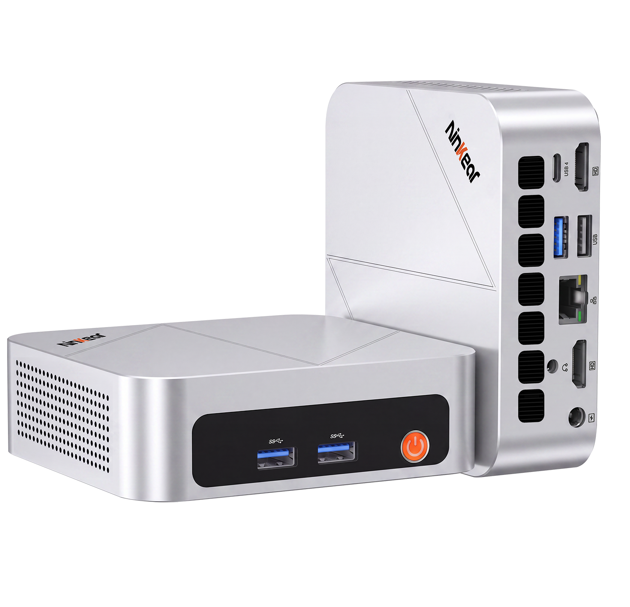
Ninkear has introduced the MBOX18, a new Mini PC designed to deliver everyday desktop performance in an ultra-compact form factor. The system is powered by the Intel Core 3 processor 304, based on Intel 18A technology, and combines a 15W processor with integrated graphics, an NPU for AI features, fast connectivity and expandable storage.

With its 0.36L metal chassis and 478g weight, the MBOX18 is aimed at users who want a capable Windows PC without the size of a traditional desktop tower. Ninkear is targeting remote workers, students, home users and small businesses that need a compact computer for everyday productivity.

Intel Core 3 304 Brings Intel 18A Technology

The main highlight of the MBOX18 is its Intel Core 3 processor 304, which uses a five-core, five-thread hybrid architecture and reaches speeds of up to 4.3GHz. The processor features 6MB of cache and a 15W TDP, making it suitable for office work, web browsing, entertainment and everyday multitasking.

The processor is based on Intel 18A process technology, which Ninkear highlights as a key part of the MBOX18’s next-generation platform. The system also features integrated Intel Graphics with one Xe-core and speeds of up to 2.3GHz.

The 15W design also helps keep the Mini PC focused on efficient everyday computing. It is not positioned as a gaming-focused machine or a high-performance workstation, but rather as a compact system for common desktop workloads.

15 TOPS NPU Adds Practical AI Features

The MBOX18 also includes a 15 TOPS NPU with Intel AI Boost. Instead of positioning its AI hardware for demanding local AI workloads, Ninkear focuses on practical features that can improve video meetings.

The NPU can accelerate features such as background blur, automatic framing, eye-contact correction and noise reduction. These capabilities could be useful for remote workers, students and anyone who regularly joins online meetings.

This gives the MBOX18 some on-device AI capabilities while keeping the primary focus on everyday Windows computing.

0.36L Metal Design With VESA Mounting

The MBOX18 is designed to take up very little space. Its chassis measures 116 x 107 x 36mm and has a volume of approximately 0.36 liters, while the Mini PC weighs 478 grams.

Its aluminium-alloy metal body gives it a compact desktop design that can fit easily into smaller workspaces. Ninkear also includes a VESA mount, allowing the MBOX18 to be attached behind a compatible monitor and effectively removed from the desktop.

The system uses a single-fan active cooling design. While the product is marketed with an ultra-quiet focus, no specific noise measurement is provided in the supplied specifications, so its noise level cannot be quantified from the available information.

Triple-Display Support and 40Gbps USB4

Connectivity is another important part of the MBOX18. The Mini PC supports three independent displays through two HDMI connections and USB4, with support for up to 4K at 120Hz or 8K at 60Hz.

The USB4 connection supports transfer speeds of up to 40Gbps, giving users a high-speed option for compatible peripherals and external storage. The system also includes three USB 3.2 Gen 2 ports with 10Gbps speeds and one USB 2.0 Type-A port.

For networking, the MBOX18 offers Gigabit Ethernet, Wi-Fi 6 and Bluetooth 5.3. There is also a 3.5mm audio jack, providing a broad selection of connectivity without requiring a separate hub for basic desktop accessories.

12GB LPDDR5x Memory and Expandable Storage

The MBOX18 comes with 12GB of LPDDR5x memory and a 512GB M.2 PCIe SSD in its default configuration. Storage options include 512GB, 1TB and 2TB, while two M.2 2280 PCIe 3.0/4.0 slots are available. One slot is occupied by the primary SSD, while the second is available for expansion.

The memory is soldered to the motherboard and cannot be upgraded, so buyers should choose the appropriate configuration upfront. The available storage expansion provides more flexibility for users who need additional space for applications, documents or media.

The Mini PC ships with Windows 11 and WPS Office pre-installed, allowing users to get started with documents, spreadsheets, presentations and other everyday tasks without purchasing additional office software.

The Ninkear MBOX18 brings Intel 18A technology, practical AI features and versatile connectivity to a compact Mini PC designed for modern everyday computing. To learn more about the MBOX18, its specifications and features, visit Ninkear’s official product page. You can also check its availability and purchase it through Ninkear’s official store.

Vivo Imagine Smartphone Photography Awards return for fourth edition with new short film category

Vivo has announced the fourth edition of its Imagine Smartphone Photography Awards in India. The competition continues to focus on smartphone-based visual storytelling and creative expression. This year’s edition introduces a new format alongside the existing photography categories.

Vivo Imagine 2026 adds a short film category

Vivo Imagine Smartphone Photography Awards

The fourth edition is being held in association with National Geographic Creative Works under the theme “How Far Your Curiosity Can Take You?” Entries opened on September 23 and will remain open until November 1, 2026. The awards now feature six categories, including five photography categories covering Portrait, Nature & Landscape, Night & Light, Motion, and Street & Culture.

The new Short Film category carries the theme “My City” and marks Vivo Imagine’s move into mobile videography. It is aimed at creators who use smartphones to tell stories through short-form video, complementing the competition’s focus on still photography.

The Grand Winner will receive Rs 5 lakh, while winners across all six categories, including the Grand Winner, will receive a Vivo X300 Ultra smartphone. The winning entries and creators will be recognised at the conclusion of Vivo Imagine Season 4 in November.

Jury, activities and how to participate

The judging panel includes photographers Auditya Venkatesh, Vineet Vohra, Rakesh Pulapa, and Aamir Wani. Beyond the competition, Vivo says the fourth edition will include photo walks, masterclasses, photography tips, and learning sessions led by its professional photographers across India.

Participants can submit photographs or short videos captured on a Vivo smartphone through the official Vivo Imagine website. Following the audit process, the jury will evaluate the entries before the category winners and Grand Winner are announced in November 2026. The previous edition received more than 63,000 entries from across India, with Soumayan Biswas winning the Grand Prize of Rs 5 lakh.

For daily updates, please visit our News Section.

Stay ahead in tech! Join our Telegram community and sign up for our daily newsletter of top stories!

Oppo ColorOS 16 update adds more ways to manage and customize photo libraries

Oppo is rolling out new photo management features with the latest ColorOS 16 update. The changes are focused on making it easier to organize, browse, and manage photos directly from the Photos app. The update also adds improvements for text extraction, album privacy, and file selection.

ColorOS 16 adds new photo management tools

ColorOS 16 September

One of the most useful additions is the ability to change the date and time associated with a photo. Users can correct inaccurate timestamps or reorganize older memories by adjusting the capture time directly from the Photos app.

The update also lets users hide customized albums from the main Photos view, offering an additional way to keep certain collections out of sight. Meanwhile, the new Batch Favourites option allows multiple photos to be added to Favorites at once, reducing the number of taps needed when organizing a large library.

Oppo is also adding a Scan Text feature that can extract text from photos for copying, editing, or sharing. When working with documents, the tool can additionally rotate and straighten images and remove glare or shadows to create cleaner digital copies.
Photos and Albums now offer Immersive and By Date viewing modes, giving users more flexibility when browsing their libraries. The September ColorOS 16 update also includes improvements to Private Safe and photo selection, with better file organization across different formats and measures aimed at reducing accidental selections.

Oppo says the new features are part of its ongoing ColorOS 16 improvements, although availability may vary depending on the device and region. The update builds on the existing photo management experience by adding more control over how memories are organized, displayed, and accessed.

For daily updates, please visit our News Section.

Stay ahead in tech! Join our Telegram community and sign up for our daily newsletter of top stories!

Oppo Find X10 series pre-orders begin in the UK with major freebies; Configs, color options confirmed

Oppo has opened early blind pre-orders for the Find X10 and Find X10 Pro Max in the UK, shortly after unveiling the new series in China. The offer lets buyers reserve either phone before the official UK launch date is confirmed. Oppo is also bundling discounts and free accessories to attract early buyers.

Oppo offers up to £200 off and free gifts

Oppo Find X10 series pre-order UK

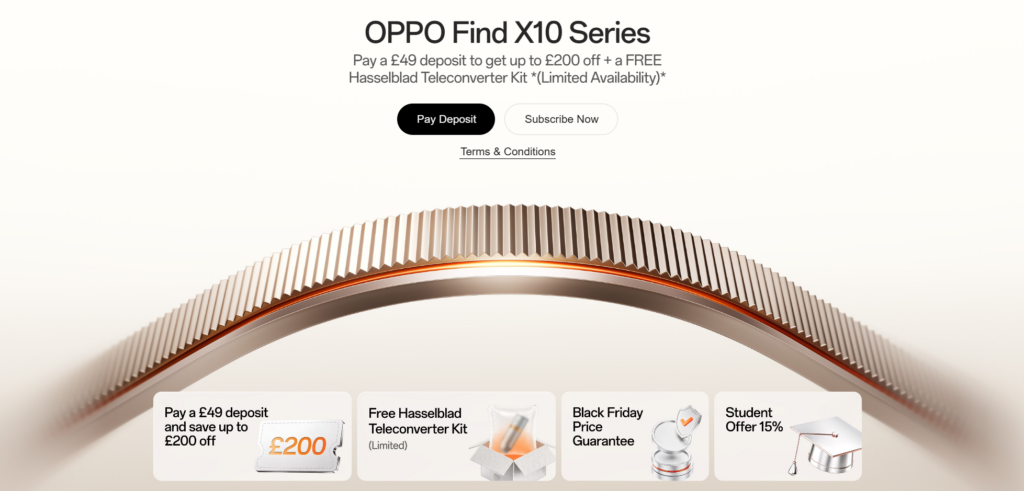
UK customers can place a £49 deposit to secure an early-bird offer on the upcoming phones. The Find X10 comes with a discount of up to £150, while the Find X10 Pro Max gets up to £200 off. Buyers can also choose one free gift from the Hasselblad Teleconverter Kit, Oppo Watch X3, or Oppo Pad 5 Wi-Fi, subject to availability.

Oppo is also promising a Black Friday price guarantee, meaning customers will receive the difference if the phone is offered at a lower price during Black Friday. The early-bird promotion further includes a 15% student discount, while Oppo’s promotional material highlights signature-on-delivery service.

The company has not yet confirmed the UK launch date or final retail pricing for either phone. However, the official UK store has already created product pages for the Find X10 Pro Max and the Find X10, confirming that the two models are headed to the market.

Where to buyOppo Find X10Latest price on AmazonCheck price →

Find X10 and Find X10 Pro Max UK variants revealed

Oppo’s UK store lists the Find X10 in Glacier Blue, Mist Grey, and Glow Coral, with 12GB of RAM and either 256GB or 512GB of storage. The Find X10 Pro Max will be offered in Titanium Grey and Lunar White with 12GB of RAM and 512GB of storage.

The Find X10 series was unveiled in China alongside the Find X10E, but the UK early-bird program currently focuses on the Find X10 and Find X10 Pro Max. Oppo has already confirmed that the Pro Max will launch internationally, with the phone set to feature MediaTek’s Dimensity 9600 Pro chipset.

The £49 deposit is used to secure the early-bird benefits, with the remaining balance due after the launch according to the promotional terms shown on Oppo’s UK store.

For daily updates, please visit our News Section.

Stay ahead in tech! Join our Telegram community and sign up for our daily newsletter of top stories!

(source)

Samsung Wallet gets biometric UPI payments and unveils new TV and soundbar offers

Samsung is making UPI payments more convenient for Galaxy smartphone users in India. The latest Samsung Wallet update introduces fingerprint authentication for eligible transactions. The company is also running a new campaign with offers on its TVs and soundbars.

Samsung Wallet adds fingerprint authentication for UPI

Samsung Wallet

With the new Samsung Wallet feature, Galaxy users can authorize UPI payments of up to Rs 10,000 using the fingerprint sensor on their device. This removes the need to manually enter a UPI PIN for every eligible transaction, potentially making everyday payments quicker.

The authentication takes place through the smartphone’s on-device biometric hardware, rather than requiring users to enter their UPI credentials manually. Samsung says the approach can also help prevent PINs from being exposed in public places and reduce failed transactions caused by incorrectly entered PINs. The feature links the biometric security already available on supported Galaxy devices with UPI payments within the specified transaction limit.

Samsung launches ‘Thank You India’ campaign

Samsung Thank you

Samsung India has also announced its ‘Thank You India’ campaign to mark 20 years in the television industry and 12 years in the soundbar market. As part of the campaign, consumers purchasing select Samsung Vision AI Big TVs can receive free soundbars worth up to Rs 1.10 lakh, along with other benefits.

Where to buySamsung Vision AI TVBrowse the range on AmazonShop now →

The campaign includes a 1-year Accidental Damage and Liquid Damage warranty, a 3-year comprehensive warranty, and up to 20% cashback. Samsung is also offering an affordability scheme with 0% down payment and EMI options for up to 30 months.

Additional offerings include Samsung TV Plus with more than 200 streaming TV channels, Samsung Care+ for after-sales support, and Samsung Finance+ with paperless financing and zero-interest plans. Samsung Art+ provides access to artwork from artists around the world, while compatible TVs can receive up to seven years of OS upgrades.

The campaign covers Samsung’s TV lineup from 32-inch models up to 115-inch screens, alongside its Vision AI features, SmartThings ecosystem and lifestyle-focused designs. Samsung says its ‘Made for India’ Plus strategy also brings together TV+, Care+, Art+, Sound+, Security+, Trade-in+, Finance+ and long-term OS upgrades.

For daily updates, please visit our News Section.

Stay ahead in tech! Join our Telegram community and sign up for our daily newsletter of top stories!