Advertisement

Honor 600 Smart 5G debuts with 7,700mAh battery, 6.87-inch 120Hz display

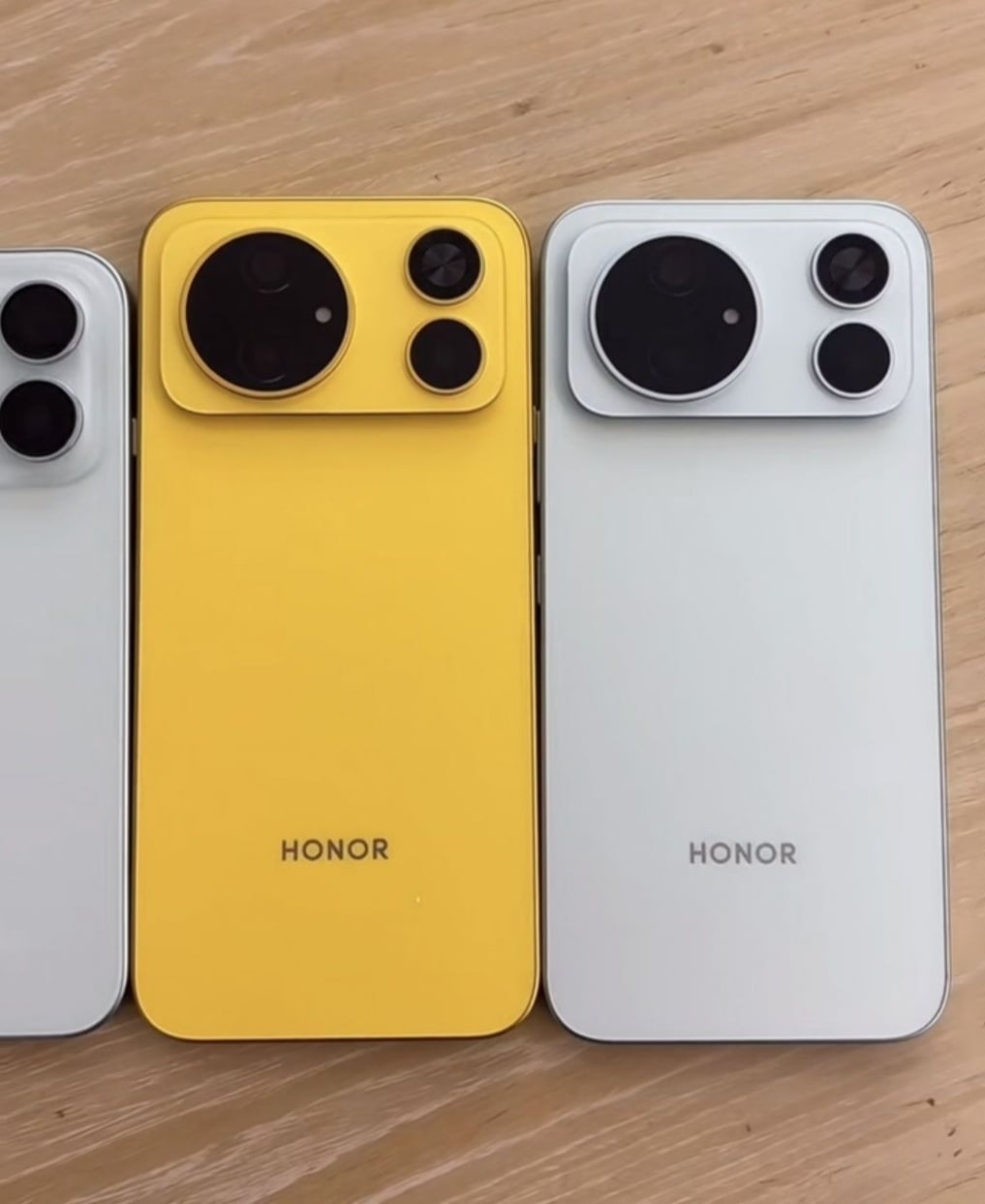
After unveiling the Honor 600 Lite, Honor 600, and Honor 600 Pro for the global market, Honor is now back with yet another 600-series phone called the Honor 600 Smart 5G. Positioned as an entry-level offering, the device focuses on battery life, durability and a large display. It also becomes one of the biggest battery-equipped smartphones in the Honor 600 lineup available outside China.

Honor 600 Smart 5G specifications and features

Honor 600 Smart 5G
Honor 600 Smart 5G

The Honor 600 Smart 5G features a large 6.87-inch LCD panel that offers HD+ resolution of 1592 x 720 pixels and brightness levels of up to 1,020 nits. It is the world’s first smartphone to feature the Snapdragon 4 Gen 4 chip. The SoC is coupled with 4GB of RAM and 128GB of internal storage. Honor also offers RAM Turbo technology, which can allocate additional storage as virtual memory.

One of the major highlights of the device is its 7,700mAh battery, which is larger than the 7,000mAh batteries found on the Honor 600 and 600 Pro. The battery supports 45W fast charging and is claimed to deliver up to 28 hours of video streaming and as much as 93 hours of usage on a single charge under certain conditions.

The handset runs Android 16 with MagicOS 10.0 on top. It is equipped with a 50-megapixel rear camera and a 5-megapixel front-facing camera. Additional features include stereo speakers with a 400 percent volume boost mode, an AI button, face unlock support, and USB Type-C connectivity

When it comes to durability, the 600 Smart 5G offers IP64-rated dust and splash resistance, and SGS-certified drop protection. Honor says the phone can withstand drops from up to 2.5 metres and can survive underwater at depths of up to 1.5 metres for 30 minutes.

Honor 600 Smart 5G price and availability

The Honor 600 Smart 5G has been announced in a single 4GB RAM + 128GB storage configuration. In France, it is priced at €219 (~$250). Buyers can choose between Silver and black color options. The smartphone is expected to go on sale in Europe later this month.

For more daily updates, please visit our News Section.

Stay ahead in tech! Join our Telegram community and sign up for our daily newsletter of top stories!

Caviar launches magnetic backplates for the iPhone 17 Pro Max, including one with a T-Rex fossil

Luxury device modifier Caviar has announced its latest lineup of Apple accessories, and this time, the company is stepping away from permanent chassis replacements.

Caviar Custom Magnet Genesis Collection

Design Details

The new Genesis collection is a series of magnetic custom modules designed for the iPhone 17 Pro Max. Instead of dismantling the phone to apply precious metals, these new accessories function as high-end, snap-on backplates that attach magnetically to the device, sitting somewhere between a traditional phone case and a full custom modification.

The flagship model of the Genesis collection is the Relict, which is priced at $4,490 and limited to a production run of just seven units. The primary selling point of the Relict is a literal fragment of a Tyrannosaurus Rex fossil embedded into a checkmark-shaped decorative element on the back panel.

Caviar Relict
Relict

The rest of the module is constructed from lightweight aviation-grade titanium and alligator leather finished in a smoky gray-to-white Himalaya colorway, accented with blue jewelry enamel.

For buyers not looking to carry prehistoric fossils in their pockets, Caviar is offering four other models in the Genesis line, each limited to 99 pieces. The entry-level option is the $1,630 Proteus, which pairs blue hand-crafted crocodile leather with standard silver aviation titanium.

Stepping up the pricing tier are the Stimulus and Vector models, both priced at $1,910. These variants utilize black PVD-coated titanium frames and black crocodile leather, differentiated primarily by their enamel accents, orange for the Stimulus and black for the Vector.

Rounding out the collection is the Orion, priced at $2,060. It features a gold PVD-coated titanium frame paired with blue crocodile leather and blue enamel detailing, designed to mimic the night sky.

All modules in the Genesis collection rely on a magnetic attachment system, allowing users to swap the heavy titanium and leather plates on and off without tools. Caviar says that the accessories are shipped in the company’s signature gift boxes.

In related news, Caviar has recently unveiled a luxury iPhone 17 Pro Max featuring a built-in vault for Swiss watches, alongside a $10,500 gold-plated edition inspired by Donald Trump.

For more daily updates, please visit our News Section.

Stay ahead in tech! Join our Telegram community and sign up for our daily newsletter of top stories!

(Caviar)

Huawei FreeBuds 7i and SE 4 ANC arrive in India with premium audio features at accessible prices

Huawei has announced two new true wireless earbuds in India aimed at users looking for better sound quality, effective noise cancellation and extended battery life. The new FreeBuds 7i and FreeBuds SE 4 ANC cater to different price segments while bringing several premium audio features to a wider audience. Here’s more in detail about both audio products.

Huawei FreeBuds 7i and FreeBuds SE 4 ANC key features

Huawei Freebuds 7i
Huawei Freebuds 7i

The Huawei FreeBuds 7i is positioned as the more premium offering in the lineup. It comes equipped with Intelligent Dynamic ANC 4.0, which automatically adjusts noise cancellation levels based on the surrounding environment.

The earbuds feature an 11mm quad-magnet driver, spatial audio support with head tracking, and a triple-microphone system paired with AI-powered noise reduction for clearer voice calls. Huawei claims the earbuds can maintain call quality even in noisy surroundings. The FreeBuds 7i also supports gesture controls, dual-device connectivity, audio sharing and Bluetooth 5.4.

Huawei Freebuds 4 SE
Huawei Freebuds 4 SE ANC

Meanwhile, the Huawei FreeBuds SE 4 ANC targets value-conscious buyers with support for multi-mode active noise cancellation of up to 24dB. The earbuds feature a 10mm dynamic driver, Bluetooth 5.4 connectivity, low-latency gaming support and multiple EQ presets. Huawei says the lightweight design is based on extensive ear-shape research to improve long-term comfort. Both models carry an IP54 rating for dust and splash resistance, making them suitable for everyday use and workouts.

The FreeBuds 7i can deliver up to 35 hours of playback with the charging case, while a quick 10-minute charge provides up to four hours of listening time. The FreeBuds SE 4 ANC extends total battery life to as much as 50 hours with the charging case.

Huawei FreeBuds 7i and FreeBuds SE 4 ANC price and availability

The Huawei FreeBuds 7i is available in Black, White and Pink colour options and is priced at Rs 8,799 as a launch offer, against an MRP of Rs 13,999. The Huawei FreeBuds SE 4 ANC comes in Black and White shades and is available for Rs 4,799, compared to its Rs 7,999 MRP.

For more daily updates, please visit our News Section.

Stay ahead in tech! Join our Telegram community and sign up for our daily newsletter of top stories!

This new Hisense TV combines Mini-LED visuals, 144Hz gaming and Devialet-tuned sound

Hisense E8S series has debuted in India as the company’s latest Mini-LED TV lineup for consumers seeking premium picture quality, immersive sound and gaming-focused features. Available in multiple screen sizes, the new range combines advanced display technology, AI-powered enhancements and smart entertainment features in a single package.

Hisense E8S TV series: All the key features

Hisense E8S TV series

The Hisense E8S series is built around the company’s ULED Mini-LED display technology, which combines Full Array Local Dimming and Hi-QLED Colour technology to deliver improved contrast, deeper blacks and more accurate colours. The TVs also support HDR10+ Adaptive, Dolby Vision IQ and Filmmaker Mode, helping content appear closer to the creator’s original intent.

For gaming enthusiasts, the E8S comes with a native 144Hz refresh rate, allowing smoother visuals and reduced motion blur during fast-paced gameplay. Powering the experience is the Hi-View AI Engine, which analyses scenes in real time and adjusts picture settings for improved clarity, contrast and colour reproduction. The 85-inch variant receives an upgraded Hi-View AI Engine Pro for additional image enhancements.

Audio is another major highlight of the series. The TVs feature a built-in subwoofer tuned by Devialet, delivering deeper bass and a fuller sound experience without requiring an external speaker system. Hisense has also included an AI RGB Light Sensor that automatically adjusts picture settings based on room lighting conditions.

The E8S runs on the VIDAA Smart OS and supports hands-free voice control for easier navigation and content discovery. The lineup is available in 55-inch, 65-inch, 75-inch and 85-inch screen sizes, catering to different room sizes and viewing preferences.

Hisense E8S TV series price and availability

The Hisense E8S ULED Mini-LED TV series starts at Rs 57,990 and will be sold exclusively through online platforms, including Amazon and Flipkart. Buyers can also take advantage of launch offers such as no-cost EMI options of up to 18 months and special introductory discounts for early purchasers.

For more daily updates, please visit our News Section.

Stay ahead in tech! Join our Telegram community and sign up for our daily newsletter of top stories!

iQOO Z11i teasers begin, here’s expected specifications

So far, iQOO has launched three Z11-branded phones in China, namely the iQOO Z11x, Z11, and Z11 Turbo. Now, the brand has started teasing the arrival of the Z11i, which appears to be an entry-level 5G phone. Here’s a look at all the details of this upcoming phone. While the launch date is yet to be confirmed, it is now available for pre-orders through the company’s official online store and other online retailers. At the same time, the brand has also revealed the color variants of the device.

iQOO Z11i design, color options revealed

The above images showcase the iQOO Z11i in three color options: Green Peak, Desert Gold, and Ink Shadow. While the specifications of the phone are under wraps, Chinese tech bloggers such as Experience More claim that it will be a rebranded version of the Vivo Y60, which debuted recently in China.

While the Vivo Y60 has the model number V2559A, the iQOO Z11i is said to have the model number V2559UA. Therefore, it would not be surprising if the Z11i arrives with the same specifications as the Y60.

iQOO Z11i specifications (expected)

The iQOO Z11i is expected to feature a 6.72-inch LCD panel with a waterdrop notch. It will offer an HD+ resolution and a 120Hz refresh rate. Under the hood, it may feature the Snapdragon 4 Gen 2 chip along with LPDDR4x RAM and UFS 3.1 storage.

The Z11i may draw power from a 6,500mAh battery, which will support 15W charging. For photography, it may feature a 5MP front camera and a 13MP rear camera.

The Z11i is expected to run on OriginOS 6-based Android 16. It may come with other features such as a side-facing fingerprint sensor, a 3.5mm audio jack, an IR blaster, a notification LED, and an IP65-rated dust- and splash-resistant body.

For more daily updates, please visit our News Section.

Stay ahead in tech! Join our Telegram community and sign up for our daily newsletter of top stories!

Oppo Reno 16 series launch date officially revealed, official renders, variants confirmed

Oppo is gearing up to launch the Reno 16 series in multiple markets. Among these, Indonesia and Malaysia have already confirmed the launch dates. While the lineup will be announced on July 8 in Malaysia, it will launch earlier on July 3 in Indonesia. Ahead of the launch, regional listings have revealed key details about the upcoming Oppo devices.

Oppo Reno 16 series incoming

Oppo Reno 16 Indonesia launch date
Oppo Reno 16 series is launching on July 3 in Indonesia

The Reno 16 series landing page available on Oppo Malaysia’s website reveals that it is now up for pre-orders. The microsite also reveals that the brand will unveil other devices, such as the Oppo Bubble, a display that can be attached to the back of the Reno 16 series, and earbuds such as the Enco Air 5 and Enco Air 5s.

On the other hand, Oppo Indonesia is also accepting pre-orders for the Reno 16 series and has dedicated landing pages for each of the three phones. The Reno 16F, which will be an entry-level offering in the lineup, will have two variants: 8GB+128GB and 8GB+256GB. It will come in color options such as Dream Purple, Pop White, and Twilight Violet.

The Reno 16 is listed in two colors: Pop White and Twilight Violet. It will be available in two variants: 8GB+256GB and 12GB+256GB.

The Oppo Reno 16 Pro will come in a single 12GB+256GB version. Buyers will have the option to choose from Pop White and Starlight Black

.

Oppo hasn’t confirmed the other specifications of these smartphones. However, recent Geekbench sightings have revealed that the Reno 16F, Reno 16, and Reno 16 Pro will be powered by the Dimensity 7300, Snapdragon 7 Gen 4, and Dimensity 8500 (or 8550) chipsets, respectively. Hopefully, upcoming reports will reveal more details about the Reno 16 trio.

For more daily updates, please visit our News Section.

Stay ahead in tech! Join our Telegram community and sign up for our daily newsletter of top stories!

TSMC’s capacity crisis is handing Samsung a massive victory

Samsung chip business

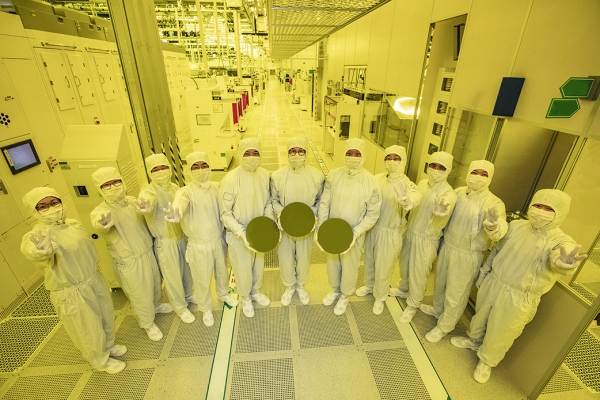
Samsung’s overall chip business achieved a record-breaking operating profit in Q1 2026, and that’s only going to go up as the global chip buyers are turning to Samsung Electronics for manufacturing future chips, as reported by Nikkei Asia. The list includes big tech giants such as AMD, Google, NVIDIA-backed Groq, Tesla, and BYD, all of which are looking to diversify their chip production to Samsung as demand continues to soar beyond TSMC’s available capacity.

AMD is in talks with Samsung about manufacturing future CPUs starting in 2028. Google is also reportedly expanding ties with the South Korean giant to produce its next-generation Axion processors, set to launch around 2028, and has asked Samsung to build part of its key Tensor Processing Units (TPUs) for AI computing workloads as early as 2028.

BYD, the world’s largest electric vehicle maker, is also in discussion with Samsung for its next-generation autonomous driving chips, while Tesla has already confirmed that its next-generation AI6 chip will be produced at Samsung’s Texas facility. NVIDIA-backed Groq, which develops language processing units, is already using Samsung’s foundry for chip production and may also use it for its next version of specialized AI chips.

Samsung is witnessing a sharp rise in manufacturing inquiries from both existing and new clients, people familiar with the matter told Nikkei Asia. Companies are adopting dual-sourcing strategies, splitting orders between TSMC and Samsung, rather than relying on the foundry to reduce supply-chain risk.

With tech giants like Google, Tesla, BYD, and AMD aggressively securing what’s left of TSMC’s capacity, smaller companies are left with little choice but to look elsewhere, making Samsung their strongest alternative.

Samsung’s chip business gains momentum as demand outpaces TSMC

There are only three companies in the world that can produce advanced chips: TSMC, Samsung, and Intel.

TSMC makes the most advanced chips and therefore dominates the market, followed by Samsung, which has struggled to win over major outside customers, but things have started to shift. While Intel is a massive company, its contract manufacturing business is still in its infancy regarding external scale.

Due to unprecedented demand for AI and high-performance chips, TSMC’s production capacity is unable to keep pace with the demand, forcing companies to diversify orders across multiple foundries, and that’s where Samsung shines. It’s emerging as the main alternative for companies that are not able to secure capacity at TSMC and for those who want to diversify to ensure it’s not affected by the supply-chain crisis.

Also read:
1. Huawei aims to launch lithography equivalent to TSMC’s 1.4nm by 2031 in a major defiance of U.S. sanctions
2. Apple turns to Intel to manufacture its next-gen MacBook Neo chips as TSMC supply tightens
3. TSMC’s 2nm supply shortage forces smartphone brands to save the best for top-end models amid growing DRAM crisis

For more daily updates, please visit our News Section.

And, don’t forget to join our Telegram community and sign up for our daily newsletter for top stories.

Samsung Galaxy A27 vs Oppo A6 Comparison: Display, Battery, Camera & Performance

Samsung Galaxy A27 and Oppo A6 target buyers looking for a capable mid-range smartphone without stretching their budget. While both devices sit in the same price segment, they take very different approaches. Samsung focuses on display quality, performance, and long-term software support, while Oppo emphasizes battery life and durability. This comparison breaks down their key differences to help determine which phone delivers the better overall value. 

Major Features:

CategorySamsung Galaxy A27Oppo A6Winner
Design & BuildGorilla Glass Victus+ front and back, IP64 ratingPlastic back, IP68/IP69 ratingOppo – Better water and dust resistance
Display Technology6.7-inch Super AMOLED, 120Hz6.75-inch IPS LCD, 120HzSamsung – Superior AMOLED panel
Resolution1080 x 2340 (FHD+)720 x 1570 (HD+)Samsung – Sharper visuals
Display ProtectionGorilla Glass Victus+Mohs Level 5 protectionSamsung – Stronger protection
BrightnessAMOLED displayUp to 1125 nits peakSamsung – Better overall viewing experience
ProcessorSnapdragon 6 Gen 3 (4nm)Dimensity 6300 (6nm)Samsung – Faster performance
GraphicsAdreno 710Mali-G57 MC2Samsung – Better gaming capability
SoftwareAndroid 16, 6 major updatesAndroid 15, ColorOS 15Samsung – Longer software support
RAM & Storage OptionsUp to 8GB RAM, 256GB storageUp to 12GB RAM, 512GB storageOppo – More configuration choices
Expandable StoragemicroSD (hybrid slot)Dedicated microSD supportOppo – More flexible expansion
Main Camera50MP OIS camera50MP cameraSamsung – OIS improves photos and videos
Ultra-Wide Camera5MP ultrawideNot availableSamsung – More versatile photography
Video Recording4K@30fps1080p@60fpsSamsung – Higher video quality
Selfie Camera12MP AF8MPSamsung – Better selfies and focus
SpeakersSingle speakerStereo speakersOppo – Better audio experience
Battery Capacity5000mAh7000mAhOppo – Significantly longer battery life
Charging Speed25W wired45W wiredOppo – Faster charging
Reverse ChargingNo5W reverse chargingOppo – Extra convenience
ConnectivityBluetooth 5.1Bluetooth 5.4, aptX HDOppo – Newer wireless standards
Special FeaturesSamsung DeX supportReverse chargingSamsung – Unique productivity feature
Price/ValuePriced around $260 / ₹22,000Priced around $260 / ₹22,000Samsung – Better overall feature set
Disclaimer: Specs are based on available data. Actual performance may vary. Verify details from official sources before buying.

1. Design and Display

Build and Feel

The Samsung Galaxy A27 offers a more premium construction with Gorilla Glass Victus+ on both the front and back, along with an IP64 rating for protection against dust and water splashes. The overall design feels more refined and modern, especially for users who value premium materials in a mid-range smartphone.

The Oppo A6 takes a different approach by focusing on durability. Its IP68/IP69 rating provides significantly stronger water and dust resistance, making it more suitable for outdoor use or harsher environments. While the plastic back does not feel as premium as Samsung’s glass design, the rugged protection adds practical value for many users.

Display Quality

Samsung clearly leads in display quality with its 6.7-inch Super AMOLED panel, 120Hz refresh rate, and Full HD+ resolution. Colors appear richer, blacks are deeper, and overall sharpness is noticeably better.

The Oppo A6 offers a 120Hz IPS LCD panel with decent brightness, but the lower HD+ resolution results in less detail and clarity. Every day use remains smooth, but media consumption feels more immersive on Samsung’s AMOLED screen.

Verdict

The Galaxy A27 wins this category thanks to its premium materials and significantly superior AMOLED display. The Oppo A6 scores points for durability, but Samsung delivers the better overall viewing experience.

2. Specifications Including Battery

Performance

The Samsung Galaxy A27 is powered by the Snapdragon 6 Gen 3 chipset, which provides stronger CPU and GPU performance than the Dimensity 6300 inside the Oppo A6. Daily tasks, multitasking, gaming, and long-term responsiveness feel more polished on the Galaxy A27.

Samsung also benefits from an exceptional software commitment, offering Android 16 and up to six major Android upgrades. This level of support is rarely seen in this price segment and greatly improves long-term value.

The Oppo A6 handles everyday applications comfortably and offers multiple storage and RAM configurations, including a 512GB option. However, its Dimensity 6300 is aimed more at efficiency than outright performance.

Battery and Charging

Battery life is where the Oppo A6 shines. Its massive 7000mAh battery easily outlasts the Galaxy A27’s 5000mAh cell. Combined with 45W charging, it is built for users who prioritize endurance.

Samsung’s 25W charging is adequate but less impressive. Most users will comfortably get through a day, but the Oppo A6 is clearly the endurance champion.

Verdict

The Galaxy A27 offers stronger performance and industry-leading software support, while the Oppo A6 dominates in battery life. For overall capability, Samsung takes a slight lead, but heavy battery users may prefer Oppo.

3. Camera

Main and Secondary Lenses

Samsung equips the Galaxy A27 with a versatile triple-camera setup featuring a 50MP main sensor with OIS, a 5MP ultrawide camera, and a macro lens. Optical image stabilization helps improve low-light photos and video stability, while the ultrawide lens adds flexibility for landscapes and group shots.

The Oppo A6 uses a 50MP primary camera paired with an auxiliary sensor. Daylight photos can look good, but the lack of OIS and the absence of a true ultrawide camera limit versatility. Video recording is also capped at 1080p, whereas Samsung supports 4K recording and advanced stabilization.

The Galaxy A27 feels more complete as a camera-focused device, especially for users who regularly capture photos and videos.

Selfie Camera

Samsung again has the advantage with its 12MP autofocus selfie camera. Autofocus helps maintain sharper results, particularly in varying shooting distances.

The Oppo A6’s 8MP front camera is suitable for video calls and casual selfies, but it cannot match Samsung’s detail and consistency.

Verdict

The Galaxy A27 comfortably wins the camera category. Better stabilization, an ultrawide lens, 4K video recording, and a superior selfie camera make it a stronger photography package.

4. Pricing

The Samsung Galaxy A27 is priced around $260 / ₹22,000, while the Oppo A6 is also priced around $260 / ₹22,000. Since both devices occupy the same price bracket, the decision comes down to priorities rather than affordability.

Samsung delivers a premium AMOLED display, a faster processor, better cameras, DeX support, and one of the best software update policies available in the segment. These advantages contribute directly to the daily user experience and long-term ownership value.

The Oppo A6 focuses on practicality. Buyers receive a massive 7000mAh battery, faster 45W charging, stronger IP68/IP69 protection, stereo speakers, and extensive memory options. These features can be highly appealing for users who prioritize endurance and durability.

Verdict

At the same price, the Galaxy A27 offers better overall value for most buyers because of its display, performance, cameras, and software support. The Oppo A6 remains an excellent value choice for users who need exceptional battery life above everything else.

Disclaimer:
Prices are approximate and may vary based on country, region, launch timing, and applicable taxes. Always check whether the listed price is for a China unit or a global/international variant when purchasing.

5. Conclusion

The Galaxy A27 stands out with its Super AMOLED display, Snapdragon 6 Gen 3 chipset, OIS-equipped camera system, Samsung DeX support, and six years of major Android updates. These features make it feel like a more complete and future-proof smartphone.

The Oppo A6 counters with a huge 7000mAh battery, 45W charging, IP68/IP69 protection, stereo speakers, and numerous storage configurations. Its strengths are practical and designed for long-lasting daily usage.

Both devices serve different audiences. Samsung focuses on delivering a balanced smartphone experience with stronger multimedia and software capabilities, while Oppo emphasizes durability and battery endurance.

Verdict

For most users, the Samsung Galaxy A27 is the better overall smartphone. The superior display, faster performance, stronger camera system, and outstanding software support create a more rounded package at the same price.

Choose the Oppo A6 if battery life, charging speed, and rugged durability are the highest priorities. Otherwise, the Galaxy A27 provides a more complete experience and better long-term value.

Disclaimer: This comparison is based on the specifications provided and is intended for general informational purposes. Actual performance, camera results, battery life, and overall experience may vary depending on real-world usage, software updates, and individual preferences.

Read More:

This new itel phone comes with a free neckband worth Rs 1,499 in the box

itel has introduced a new 4GB RAM variant of the A100 Pro in India, adding another option to its affordable smartphone portfolio. The device combines entry-level specifications with a few uncommon features for its price segment, while a limited-period bundled offer is aimed at attracting first-time smartphone buyers.

itel A100 Pro 4GB specifications and features

itel A100 Pro
itel A100 Pro

The itel A100 Pro comes with a 6.6-inch HD+ IPS display that supports a 90Hz refresh rate for smoother scrolling and animations. It also features DTS-tuned audio and a Dynamic Bar interface that displays alerts, calls and battery information in a compact format.

Under the hood, the smartphone is powered by the Unisoc T7100 octa-core chipset paired with 4GB of RAM and 64GB of storage. The company also offers an additional 8GB of virtual RAM expansion.

In terms of photography, the handset includes an 8-megapixel AI rear camera and a 5-megapixel front-facing camera. The device runs Android 15 Go Edition and packs a 5,000mAh battery with support for 10W charging.

Other notable features include a side-mounted fingerprint scanner, face unlock support, an IR blaster, Ultra Link connectivity for communication in limited network conditions, and MIL-STD-810H military-grade durability certification.

Price and availability

The itel A100 Pro 4GB is priced at Rs 10,999 and is available in Comet Orange, Cloud White and Black color options. The company is also offering a free screen replacement within 100 days of purchase, adding an extra layer of protection for buyers.

One of the biggest highlights of the A100 Pro 4GB, worth Rs 1,499, is the inclusion of a neckband worth Rs 1,499 inside the retail box at no extra cost. The company is positioning the offer as an added-value package for consumers looking for both a smartphone and audio accessory in a single purchase.

For more daily updates, please visit our News Section.

Stay ahead in tech! Join our Telegram community and sign up for our daily newsletter of top stories!

Oppo Reno 15A launches with a 7,000mAh battery and 50MP triple cameras

Oppo has quietly introduced the Reno 15A in Japan, bringing a familiar set of specifications under a different name. The smartphone shares its model number and hardware with the Oppo Reno 15F, suggesting that the two devices are essentially the same product aimed at different markets.

Oppo Reno 15A specifications and features

Oppo Reno 15A
Oppo Reno 15A

The Oppo Reno 15A sports a 6.6-inch AMOLED display that delivers Full HD+ resolution, a 120Hz refresh rate, 10-bit colour depth, and up to 1,400 nits of peak brightness in sunlight. The screen is protected by AGC Dragontrail STAR D+ glass, while an in-display fingerprint scanner handles biometric authentication.

Under the hood is the Snapdragon 6 Gen 1 chipset paired with LPDDR4X RAM and UFS 3.1 storage. One of its key highlights is a 7,000mAh battery with support for 80W fast charging and 55W PPS charging.

Oppo Reno 15A
Oppo Reno 15A

On the back, the Reno 15A features a 50-megapixel main camera with OIS support, an 8-megapixel ultra-wide lens, and a 2-megapixel macro camera. On the front, it houses a 50-megapixel selfie camera. Additional features include NFC support, Bluetooth 5.1, USB Type-C audio, microSD card expansion, and ColorOS 16 based on Android 16. For more durability, the 15A offers IP66/68/69 ldurabilityevels of dust and water resistance.

Oppo Reno 15A price and availability

The Oppo Reno 15A will be available in Afterglow Pink, Twilight Navy, and Aurora Blue colour options. The 8GB+128GB variant is priced at 64,800 yen (~$400), while the 12GB+256GB model costs 76,800 yen (~ $480).

It should be noted that the Reno 15A is a Japan-exclusive smartphone and appears to be a rebranded version of the Oppo Reno 15F, which is available in other regions. Both devices carry the CPH2801 model number and feature identical core specifications.

For more daily updates, please visit our News Section.

Stay ahead in tech! Join our Telegram community and sign up for our daily newsletter of top stories!

JBL Live 780NC, Live 680NC launched with ANC, spatial audio, Bluetooth 6.0 and long battery life

JBL has introduced a new pair of wireless headphones in India aimed at users who want immersive audio, effective noise cancellation and long battery life in a stylish package. The new JBL Live 780NC and JBL Live 680NC arrive with several premium features, including adaptive noise cancellation, spatial audio and personalised sound tuning.

Smarter listening with ANC, spatial audio and AI-powered calls

JBL Live 780NC
JBL Live 780NC

The JBL Live 780NC is an over-ear model, while the Live 680NC adopts an on-ear design. Both headphones feature 40mm dynamic drivers and support JBL Spatial Sound 3.0 for a more immersive listening experience across music, movies and podcasts. Users can further customise the sound profile through Personi-Fi 3.0, which tailors audio output according to individual hearing preferences.

For noise cancellation, JBL has equipped both models with True Adaptive Noise Cancelling 2.0 technology. The Live 780NC uses six microphones, while the Live 680NC relies on four microphones for environmental noise detection and reduction. Call quality is handled by two beamforming microphones combined with an AI-trained noise reduction algorithm that aims to improve voice clarity during conversations.

JBL Live 680NC
JBL Live 680NC

The headphones also support Bluetooth 6.0, multipoint connectivity and Auracast. High-resolution wireless audio is available through LDAC support on compatible devices. Battery performance remains one of the biggest highlights, with both models offering up to 80 hours of playback with ANC turned off and up to 50 hours with ANC enabled. A quick five-minute charge can deliver up to four hours of listening time.

Price and availability

The JBL Live 780NC is priced at Rs 15,999 (~$170), while the JBL Live 680NC costs Rs 11,999 (~$130). The headphones are available in seven color options: Black, Blue, White, Champagne, Green, Orange and Purple. Pre-bookings for the Live 780NC begin on June 18 through JBL India’s website and Amazon, with an additional Rs 2,000 discount and a complimentary one-year extended warranty for a limited period.

The JBL Live 780NC will be available starting from Amazon Prime Day and through major retail outlets, while the Live 680NC will go on sale from July 15.

For more daily updates, please visit our News Section.

Stay ahead in tech! Join our Telegram community and sign up for our daily newsletter of top stories!

Vivo X Fold 6 officially confirmed to offer 7,000mAh battery, IPX8/9 water resistance

Vivo has shared a new demonstration video highlighting the capabilities of the upcoming Vivo X Fold 6. Instead of focusing only on performance or cameras, the company is drawing attention to areas that matter to frequent travellers and power users, including battery endurance, durability and network connectivity.

Vivo X Fold 6 battery size, durability details confirmed

Vivo Product Manager Han Boxiao has confirmed that the Vivo X Fold 6 will pack a massive 7,000mAh Blue Ocean battery across all variants. The foldable is also said to be the industry’s first smartphone to feature fifth-generation silicon-anode battery technology, complemented by Vivo’s third-generation semi-solid-state battery technology for improved efficiency and endurance.

According to Boxiao, the Blue Ocean battery system has been optimised at multiple levels, helping the foldable deliver up to 9.8 hours of endurance in heavy-load Atomic Workbench scenarios. Vivo claims this represents a 30 per cent improvement in battery life.

The company also showcased the phone’s performance in extreme conditions. The Vivo X Fold 6 reportedly continued operating at temperatures as low as minus 20 degrees Celsius. Another demonstration showed the foldable being used underwater. The device carries IPX8 and IPX9 ratings and is claimed to withstand powerful water pressure. Vivo has also equipped it with a lightweight hinge designed to maintain stable folding and unfolding over extended use.

Connectivity appears to be another major focus area. Vivo says the Vivo X Fold 6 features its upgraded Global Signal Amplification System 3.0, supported by a proprietary 1+4 communication chipset architecture. This setup includes one dedicated signal amplification chip and four Wi-Fi enhancement chips aimed at improving reception in challenging environments.

The company even demonstrated a voice call during a skydive from an altitude of 4,000 metres, highlighting the phone’s ability to search for and maintain optimal network connections. Vivo claims the upgraded communication system is designed to deliver reliable connectivity in high-speed trains, lifts, highways and other difficult coverage areas.

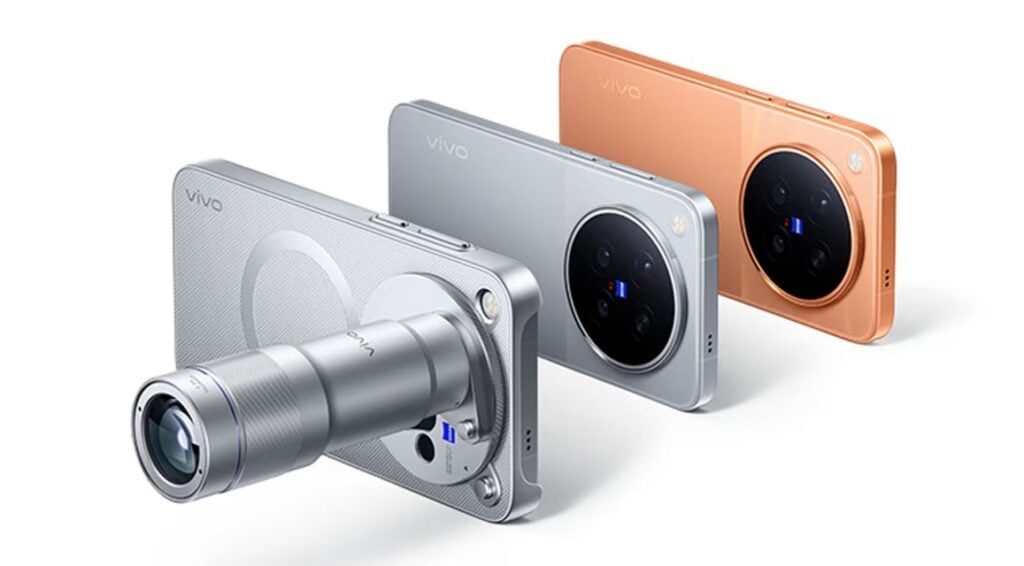
Previously, the brand confirmed that the device will feature an 8.02-inch foldable OLED inner display with up to 5,000 nits of brightness, the Dimensity 9500 Super Edition chipset, and a triple rear camera setup comprising a 200-megapixel main camera, a 50-megapixel ultra-wide lens, and a 50-megapixel periscope telephoto camera. it will be the company’s first foldable to support a telephoto extender attachment. 

It will be available in 12GB+256GB, 12GB+512GB, 16GB+512GB, and 16GB+1TB configurations, along with Blue Cave, Salt Lake, Polar Night, and Black Gold Edition color options. The device is expected to launch on June 26 in China, with its global debut likely to follow in July.

For more daily updates, please visit our News Section.

Stay ahead in tech! Join our Telegram community and sign up for our daily newsletter of top stories!

(source)

iPhone Air 2 may be worth the wait as leaked upgrades point to a Q1 2027 launch

Apple’s ultra-thin iPhone Air appears set to get a successor, and early details suggest that the company is addressing some of the shortcomings that held back the first-generation model. While the next version is still some time away, reports have shed light on a few notable upgrades and a possible launch timeline.

Second camera and better battery life tipped

According to Bloomberg’s Mark Gurman, Apple is working on a second-generation iPhone Air, internally codenamed V62, which could launch in spring 2027. At the same time, tipster Digital Chat Station has claimed that the iPhone Air 2 will be announced in Q1 2027.

The device is expected to retain the same slim design language but may arrive with meaningful hardware improvements. One of the biggest changes could be the addition of an ultra-wide camera.

The current iPhone Air features a single 48-megapixel rear camera, a decision that reportedly drew criticism from users looking for a more versatile photography experience. Adding a second 48-megapixel lens would bring the Air model closer to the standard iPhone lineup while still keeping a gap between it and the Pro models.

Battery life is another area Apple is said to be focusing on. Reports indicate that the company is exploring ways to improve endurance on the next-generation Air. It remains unclear whether this will come through a larger battery, internal design changes, improved efficiency, or a combination of these factors.

The iPhone Air 2 is also tipped to receive Apple’s A20 Pro chipset, the same processor expected to power the iPhone 18 Pro and iPhone 18 Pro Max. This could give the thin and lightweight handset flagship-level performance despite its non-Pro positioning.

The reported spring 2027 launch aligns with Apple’s evolving iPhone release strategy. Instead of unveiling all models together, the company is expected to split launches across two seasons. Reports suggest that the iPhone 18 Pro, iPhone 18 Pro Max, and Apple’s first foldable iPhone could debut in late 2026, while the standard iPhone 18, iPhone 18e, and iPhone Air 2 may follow several months later.

For more daily updates, please visit our News Section.

Stay ahead in tech! Join our Telegram community and sign up for our daily newsletter of top stories!

Next-gen AI-first smartphones may feature LLW memory, and not LPDDR

Smartphones are running into a memory problem, and it’s not something a software update can fix. As you may be aware, phone makers are trying to run larger AI models directly on devices, and fortunately, mobile processors are capable of running these LLMs locally. 

The current LPDDR memory technology, however, has limits on how quickly it can feed data to these processors. That’s one reason why AI datacenters rely on HBM, or High Bandwidth Memory. 

According to a new report, a new memory format called LLW, short for Low Latency Wide DRAM, is being developed to address exactly that issue.

LLW could be the HBM solution for smartphones

LLW reportedly draws inspiration from HBM, which achieves high speed by placing multiple memory layers close to the processor and connecting them via an extremely wide interface. The result is significantly higher bandwidth, 10 to 15 times faster than the current best LPPDR memory.

However, HBM also demands complex packaging and cooling solutions that aren’t practical for smartphones. LLW is expected to solve this by providing more bandwidth and lower latency than conventional LPDDR memory without introducing the thermal and space constraints that come with stacked memory designs.

Xiaomi 17T and 17T Pro

That said, it’s worth taking these claims with some caution. The information available so far comes from industry bloggers and tipsters rather than official company announcements. 

Speaking of which, a leak by tipster Fixed Focus Digital suggests LLW could reduce power consumption by around 50% while improving performance by roughly 1.5 times. 

As for availability, the same leak suggests that LLW is still some years away from widespread adoption. More specifically, it won’t be until the second half of 2027 that we can expect its larger-scale deployment. Xiaomi and Huawei are said to be potential early adopters, although neither company has publicly discussed the technology.

For more daily updates, please visit our News Section.

Stay ahead in tech! Join our Telegram community and sign up for our daily newsletter of top stories!

(Via 1, 2)

Is Redmi Turbo 5 Better Than OnePlus Nord 6?

Choosing a mid-range smartphone in 2026 has become tricky, as an ongoing RAM and storage pricing crisis is forcing companies to adjust their prices without warning.

In this unpredictable market, two devices are dominating the conversation: Xiaomi‘s recently launched Redmi Turbo 5 and the OnePlus Nord 6, which has been available for over two months.

To help you navigate these shifting value propositions, here is a direct comparison of what each phone actually delivers in day-to-day use.

Redmi Turbo 5

1. Design and Display

The Redmi Turbo 5 and OnePlus Nord 6 take different approaches to their physical footprint. The Redmi Turbo 5 is the more compact of the two, featuring a 6.59-inch 1.5K OLED display. Xiaomi has opted for a metal frame and a glass back, keeping the weight at a manageable 204 grams. It feels balanced in the hand, and the addition of a dynamic RGB Pixel Matrix around the camera module gives it a distinct look without being overly flashy. The display offers a 120Hz refresh rate and a peak brightness of 3500 nits, making it excellent for outdoor visibility.

The OnePlus Nord 6, meanwhile, is a noticeably larger device. It features a 6.78-inch 1.5K AMOLED screen with a variable refresh rate that scales up to 165Hz. This higher refresh rate is a direct nod to mobile gamers looking for the smoothest possible animations. OnePlus also includes its Aqua Touch 2.0 technology, which ensures the screen remains responsive even if your fingers or the display are wet.

Durability is a strong suit for both phones. They both carry an impressive array of IP ratings (IP66, IP68, IP69, and IP69K), meaning they are highly resistant to dust and can survive submersion as well as high-pressure water jets. OnePlus goes a step further by including MIL-STD-810H military-grade certification for drop and environmental stress resistance, making it the slightly more rugged option.

2. Performance

Under the hood, both phones are well-equipped to handle demanding tasks, but they rely on different silicon. The Redmi Turbo 5 is powered by the MediaTek Dimensity 8500-Ultra, built on a 4nm process.

Xiaomi has paired this with a large 5300 mm² vapor chamber cooling system to sustain performance during long sessions. In practical terms, this phone will easily handle multitasking, heavy apps, and gaming without noticeable slowdowns.

The OnePlus Nord 6 uses the Qualcomm Snapdragon 8s Gen 4 platform. OnePlus has explicitly positioned this phone for gaming, and the hardware reflects that.

Alongside the processor, the Nord 6 includes a 3200Hz touch sampling rate for faster input response and a custom Touch Reflex Chip. If you spend a significant amount of time playing competitive titles like BGMI or Call of Duty: Mobile, the Nord 6’s hardware is specifically tuned to give you a slight edge in responsiveness.

3. Battery and Charging

Battery technology has seen a major leap this year, and both phones benefit from it. The Redmi Turbo 5 houses a 7,560mAh battery, which is substantially larger than the industry average.

It supports 100W wired fast charging, allowing you to top up that massive cell relatively quickly, and it even includes 27W reverse wired charging to power up your accessories.

OnePlus, however, has integrated a 9,000mAh silicon-carbon battery into the Nord 6. By using silicon, they managed to increase the energy density without making the phone excessively thick (it sits at 8.5mm). While its 80W charging is slightly slower than the Redmi’s, the Nord 6 includes bypass charging.

4. Cameras and Software

If you are looking for a camera-first smartphone, neither of these is likely your top choice, but both provide very capable setups for everyday photography. Both feature a 50MP primary sensor with OIS, a Sony IMX882 on the Redmi and a Sony LYTIA-600 on the OnePlus. These are paired with standard 8MP ultra-wide lenses. You can expect sharp, vibrant photos in good lighting from both devices.

The software experience is where the two phones diverge significantly. Both run Android 16 and guarantee four years of OS updates and six years of security patches. Xiaomi’s HyperOS 3 focuses on smooth animations, system optimization, and a clean interface.

OnePlus’s OxygenOS 16 leans heavily into artificial intelligence. The Nord 6 features deep integration with Google Gemini and includes a suite of AI tools, such as real-time call translation, an AI writer, and various photo editing features like AI Eraser and Unblur. If you find yourself relying on AI tools for productivity, the Nord 6 offers a more integrated experience.

5. Pricing

The decision between these two phones ultimately comes down to your budget and how you plan to use the device.

The Redmi Turbo 5 is priced at ₹37,999 for the 8GB/256GB model and ₹40,999 for the 12GB version. It is a well-rounded smartphone that offers excellent performance, a bright display, and a very large battery in a relatively compact form factor. It provides great value for the price.

The OnePlus Nord 6 recently saw a price hike, now starting at ₹42,999 for the 8GB/256GB model and going up to ₹47,999 for the 12GB variant. This ₹5,000 to ₹7,000 premium buys you a larger screen with a 165Hz refresh rate, a bigger 9,000mAh battery, specific gaming optimizations, and a suite of built-in AI features.

6. Which one should you buy?

If you want a reliable, high-performing phone for everyday use and want to keep your spending under ₹40,000, the Redmi Turbo 5 is the more practical choice. However, if mobile gaming is a priority, or if you value having the largest possible battery and built-in AI productivity tools, the OnePlus Nord 6 justifies its higher price tag.

For more daily updates, please visit our News Section.

Stay ahead in tech! Join our Telegram community and sign up for our daily newsletter of top stories!

Lenovo launches affordable mechanical keyboard with tri-mode connectivity & hot-swap support

Lenovo has released a new mechanical keyboard in China, the Lecoo Bellator GK101. Priced at 299 yuan (about $44), it is a budget-focused option that includes several features currently standard in modern mechanical keyboards.

Lenovo Lecoo Bellator GK101 keyboard

Lenovo Bellator GK101 Keyboard Specifications

The GK101 uses a 99-key layout. The keycaps are made of double-shot PBT plastic and feature side-printed legends and a translucent design to let the keyboard’s RGB lighting show through. The lighting system includes standard preset effects, adjustable brightness levels, and wraparound light strips on the sides of the case.

For the typing experience, Lenovo is using a gasket-mounted structure combined with five layers of internal sound-dampening material. This setup is intended to reduce case noise and vibrations, resulting in a softer typing feel.

Lenovo Lecoo Bellator GK101 keyboard

The board comes with custom mechanical switches made from self-lubricating materials, featuring a 50±10gf actuation force and 4.0±0.5mm of total travel. The printed circuit board is also fully hot-swappable, meaning you can pull out the included switches and push in new ones without needing a soldering iron.

On the technical side, the GK101 supports a 1000Hz polling rate and full N-key rollover to ensure keystrokes register correctly during fast typing or gaming. It offers three connection methods: a wired USB-C mode, Bluetooth, and a 2.4GHz wireless connection using an included USB receiver.

The receiver can be stored in a hidden compartment on the back of the keyboard when not in use. It is compatible with both Windows and macOS, allowing users to toggle between the two operating system layouts using a keyboard shortcut.

Lenovo Lecoo Bellator GK101 keyboard

The keyboard is powered by an 8,000mAh battery. According to Lenovo, this provides about 15 to 20 days of use in power-saving mode with the backlighting turned off, assuming four hours of use per day.

With the RGB lighting on maximum brightness, the battery lasts for about 14 hours of continuous use, or roughly a week of typical wireless use. The GK101 weighs 1,013 grams, measures 387.62 x 138.92 x 43.39 mm, and includes dual-stage feet for adjusting the typing angle.

In related news, Logitech has recently launched the G316 X 98 gaming keyboard with hot-swappable switches and an 8,000Hz polling rate.

For more daily updates, please visit our News Section.

Stay ahead in tech! Join our Telegram community and sign up for our daily newsletter of top stories!

(JD)

Ugreen launches 30W magnetic phone cooler with -25°C cooling, RGB lights & display

Ugreen has introduced a new magnetic phone cooler, the LP1012, currently available in China through JD.com for 199 yuan (roughly $29). It is a straightforward accessory designed for people who play demanding mobile games, record long videos, or livestream directly from their phones, tasks that typically cause smartphones to heat up, dim their screens, or throttle performance.

Ugreen LP1012 magnetic phone cooler

Ugreen LP1012 Magnetic Cooler Specifications

Inside the cooler is a 36 by 36mm thermoelectric (TEC) cooling plate. Ugreen claims this setup can bring surface temperatures down to -25°C under controlled lab conditions. While real-world results will naturally vary depending on your environment and the phone’s workload, the underlying hardware relies on a standard six-layer design. This includes the TEC chip, an aluminum heat-conducting plate, cooling fins, and thermal silicone pads to pull heat away from the back of the device.

Ugreen LP1012 magnetic phone cooler

To dissipate that heat, the LP1012 uses a seven-blade fan with three speed settings. The lowest setting runs at 2,500 RPM and produces about 20dB of noise, which shouldn’t be too distracting if you are using the phone’s built-in speakers. The standard mode runs at 4,000 RPM, while the highest setting pushes the fan to 6,500 RPM. Ugreen also designed the vents to push hot air out the sides rather than the top and bottom, so it doesn’t blow directly onto your hands while holding the phone horizontally.

The device comes with a small digital display at the center of the fan that shows the current temperature and cooling mode. There is also an RGB light ring with 12 LEDs and five patterns, though you can turn the lighting off completely if you prefer a plainer look.

Ugreen LP1012 magnetic phone cooler

The cooler weighs 96 grams and attaches magnetically. It snaps directly onto the back of iPhone 12 and newer models using Apple’s MagSafe standard. For Android phones or tablets, Ugreen includes an adhesive magnetic ring and a physical phone clamp in the box. The base of the cooler is covered in soft silicone to prevent it from scratching your device.

It does not have a built-in battery, so you will need to keep it plugged in while using it. It draws power through a USB-C port and requires a charger capable of outputting at least 30W to operate at its highest setting. The casing includes a standard 1/4-inch thread, which is a useful detail if you want to mount the phone and cooler assembly directly onto a tripod for stationary video recording.

In related news, Ugreen has recently launched a 45W 10,000mAh smart power bank with a built-in cable and color display, alongside a 12.5mm-thin 45W GaN charger.

For more daily updates, please visit our News Section.

Stay ahead in tech! Join our Telegram community and sign up for our daily newsletter of top stories!

(JD)

Samsung demonstrates 40,000-nit ultra-high-brightness RGB OLEDoS microdisplay

Samsung Display is really pushing the limits of extended reality (XR) tech with some impressive new micro-OLED breakthroughs. They’re promising much brighter and more immersive experiences in small, wearable devices like AR glasses and MR headsets.

At AWE USA 2026, Samsung showed off a 1.3-inch RGB OLEDoS (OLED on Silicon) microdisplay panel that hits a crazy 40,000 nits of brightness. To really show what it can do, they set up a darkroom exhibit called “The Big Dipper,” using seven displays to recreate the famous constellation. Only two of those screens used the new ultra-bright panel, but the difference was striking, offering much better brightness and more vivid colors than the standard ones.

This RGB OLEDoS technology skips the usual color filters by using direct-emission pixels. That makes it more efficient with light and could lead to better battery life and longer panel lifespan. For XR devices, this kind of high brightness is super important because the display has to fight against real-world ambient light (think sunny days or bright rooms) while staying clear and not draining the battery too fast.

Samsung also demoed other prototypes, including AR glasses with a smaller 0.62-inch 30,000-nit version of the panel and an MR headset using the same tech. They had additional showcases with stretchable displays and naked-eye 3D light field displays, showing they’re going all-in on next-gen visual tech.

These developments come at a time when the XR market is picking up real momentum. More consumer electronics brands are looking for lighter, more comfortable, and visually impressive headsets and smart glasses. High-brightness microdisplays like these could be the key to making mixed reality feel seamless, blending digital stuff with the real world in a natural way.

Overall, Samsung Display’s demos at AWE USA 2026 feel like a big step toward practical, high-performance XR hardware that people might actually want to use every day. As competition in spatial computing heats up, innovations like this could help bring advanced AR and MR devices into the mainstream sooner than we think.

Don’t miss a thing! Join our Telegram community for instant updates and grab our free daily newsletter for the best tech stories!

For more daily updates, please visit our News Section.

(Via)

OnePlus N6 claimed to offer three-day battery life thanks to 8,000mAh cell

OnePlus is stepping up its game in India’s super-competitive budget smartphone segment with the upcoming OnePlus N6, the very first phone in its all-new N Series. The company is putting a massive spotlight on what could be its biggest strength: an enormous battery that promises multi-day usage for people who just want their phone to keep going without constant charging.

In a recent announcement on X, OnePlus confirmed that the N6 comes with a hefty 8,000mAh battery, the same high-capacity cell used in the recently launched Nord CE 6. According to them, this should easily deliver up to three full days of typical use on a single charge. Even better, they’re promising seven years of battery health, so it should stay strong without degrading too quickly over time.

This heavy focus on endurance makes a lot of sense for the N Series. It’s positioned as an affordable lineup, expected to sit between ₹18,000 and ₹25,000, mainly targeting Gen Z buyers who want solid OnePlus experience without spending mid-range or flagship money. It sits below the Nord Series (which usually goes from ₹25,000 to ₹50,000).

Design-wise, the N6 looks pretty clean and modern, closely following the Nord CE 6 with some small tweaks. You’re getting a flat back panel, a square camera module in the top-left corner, and centered branding. On the front, there’s a flat display with a centered punch-hole and somewhat thicker bezels, totally understandable at this price. Buttons are on the right side, and the bottom has the usual USB-C port, speaker, and SIM tray.

With the launch set for June 30, we should get more details soon on the chipset, display, cameras, and other specs. Since it shares the battery with the Nord CE 6, it’ll probably offer similar real-world stamina while keeping other features tuned for this more budget-friendly spot.

If the phone delivers decent performance and everyday features alongside this endurance, the N6 could be a real contender against phones from Redmi and Samsung in the sub-₹25,000 range.

Don’t miss a thing! Join our Telegram community for instant updates and grab our free daily newsletter for the best tech stories!

For more daily updates, please visit our News Section.

(Source)

Xreal Aura unveiled with Android XR, Snapdragon Reality Elite, but its most important detail is still missing

Xreal has finally taken the wraps off Aura, its first Android XR-powered smart glasses. After months of teasers under the Project Aura name, the company has revealed key hardware and software details at AWE 2026. However, one major piece of information is still missing, which could influence how the product is received when it launches later this year.

Xreal Aura specifications and features

Xreal Aura glasses
Xreal Aura glasses

Aura is built around Google’s Android XR platform with Gemini integration and is powered by Qualcomm’s newly announced Snapdragon Reality Elite chipset. The glasses also feature Xreal’s X1S coprocessor, which is responsible for handling spatial computing tasks and rendering content on the optical see-through display system.

The glasses offer a 70-degree field of view and use Sony Micro-OLED panels with a resolution of 1920 x 1200 pixels per eye and a refresh rate of up to 120Hz. Electrochromic dimming is included, allowing users to darken the lenses when focusing on digital content. Hand tracking serves as a primary interaction method, supported by front-facing cameras that enable six degrees of freedom tracking and gesture controls.

Unlike fully standalone AR glasses, Aura relies on an external compute puck that houses the Snapdragon Reality Elite processor and a 4,455mAh battery. The puck will be offered in configurations with up to 16GB RAM and 512GB storage. Xreal is also preparing a broad ecosystem of games, productivity tools and immersive experiences, including titles such as Fallout: Factions, Demeo and Cubism.

Xreal Aura: Availability and what remains unknown

Xreal Aura glasses
Xreal Aura glasses

Xreal has opened reservations for Aura in the United States, the United Kingdom and Japan. Interested buyers can place a $99 reservation to receive credits toward the final purchase, while a limited Founder Priority Pass is available for $299.

While Xreal has confirmed that the base model will cost less than $1,500, the company has not announced the final retail price or a specific launch date. Aura is expected to reach markets including the US, Canada, Japan, South Korea and the UK later this year, with additional European availability planned afterwards.

For more daily updates, please visit our News Section.

Stay ahead in tech! Join our Telegram community and sign up for our daily newsletter of top stories!