Advertisement

Poco C85 vs Vivo Y19s: One Budget Phone Gets Almost Everything Right

Budget 5G smartphones are no longer about basic compromises, and the Poco C85 vs Vivo Y19s comparison reflects that shift. Both phones target value-focused buyers who want long battery life, smooth everyday performance, and reliable brand support without stretching their budget. For students, first-time 5G users, and practical upgraders, choosing between these two comes down to priorities rather than price. Comparing them side by side matters because small differences in experience can significantly shape long-term satisfaction in this competitive budget segment.

Major Features:

FeaturePoco C85Vivo Y19sWinner
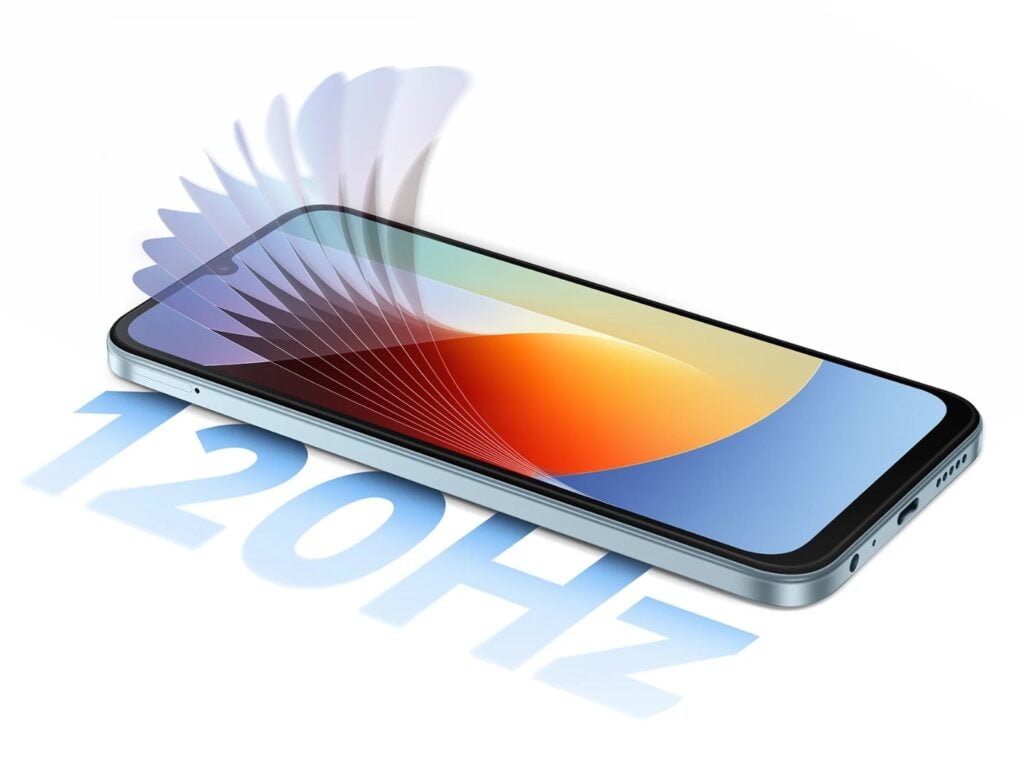
Display Smoothness120Hz refresh rate90Hz refresh ratePoco C85
Storage SpeedFaster UFS 2.2Slower eMMC 5.1Poco C85
Charging Speed33W fast charging15W chargingPoco C85
Main Camera Quality50MP sharper photos13MP modest qualityPoco C85
Durability/Build ConfidenceStandard IP64IP64 + MIL-STD-810HVivo Y19s

1. Design and Display

Build and Feel

Both phones focus on practicality, but they target different preferences. The Poco C85 has a bolder, more youth-oriented design that feels modern and energetic. The Vivo Y19s looks cleaner and more restrained, fitting better in professional or everyday settings. IP64 protection on both covers basic spills and dust. Vivo’s MIL-STD-810H certification adds reassurance for daily knocks, even if it’s not built for extreme conditions. Overall, the Poco feels more expressive, while the Vivo feels safer and more conservative.

Display Quality

Poco C85 gains a clear edge with its 120Hz refresh rate, making scrolling and animations noticeably smoother. The Vivo Y19s uses a 90Hz panel that still feels responsive but less fluid. Outdoor visibility slightly favors the Poco due to higher brightness. Both displays stick to HD+ resolution, which is acceptable for the price but not especially sharp for text-heavy use.

Verdict

The Poco C85 delivers a smoother, more engaging display, while the Vivo Y19s offers a calmer, more understated visual experience.

2. Specifications 

Performance

Both devices use the same Dimensity 6300 chipset, so everyday performance is largely similar. Daily tasks, streaming, and social apps run smoothly on both. The key difference lies in storage. The Poco C85’s UFS 2.2 storage feels faster during app installs and multitasking, especially in higher RAM variants. The Vivo Y19s relies on eMMC storage, which can feel slower over time. In regular use, the Poco feels slightly snappier and more future-ready.

Battery and Charging

Battery capacity is identical, but charging speed changes the experience. The Poco’s 33W fast charging reduces downtime and suits busy routines. The Vivo’s 15W charging feels slow by comparison. Reverse charging on the Poco adds extra flexibility.

Verdict

Thanks to faster storage and charging, the Poco C85 delivers a more satisfying overall performance package.

3. Camera 

Main and Secondary Lenses

The Poco C85 clearly leads with its 50MP main camera, producing sharper images and better detail in good lighting. Colors appear more vibrant, making it better for social media and casual photography. The Vivo Y19s’ 13MP camera delivers usable shots but lacks clarity and dynamic range. Low-light performance is limited on both, though the Poco retains slightly more detail.

Selfie Camera

The Poco again has the advantage with a higher-resolution selfie camera that captures clearer facial details and handles HDR better. The Vivo’s front camera is fine for video calls but feels basic for frequent selfies.

Verdict

For users who value camera quality, the Poco C85 feels more capable and consistent overall.

4. Pricing

With similar pricing, both phones offer value in different ways. The Poco C85 focuses on features that are immediately noticeable, smoother display, faster charging, stronger cameras, and quicker storage. These upgrades enhance daily use and keep the phone feeling fresh longer. The Vivo Y19s takes a more conservative route, emphasizing durability claims, stereo speakers, and a simpler overall experience.

For spec-focused buyers, the Poco clearly delivers more for the money. The Vivo Y19s appeals more to users who prioritize stability, brand familiarity, and a no-frills approach. Both are fairly priced, but they serve different buyer mindsets.

5. Conclusion 

Poco C85 stands out with its 120Hz display, faster UFS storage, 33W charging, reverse charging support, and higher-resolution cameras. These features make it feel surprisingly advanced for its price. The Vivo Y19s responds with stereo speakers, MIL-STD-810H certification, and a cleaner, more reserved design that suits long-term everyday use.

Verdict

Overall, the Poco C85 feels like the better choice for users who want speed, smoothness, and stronger features right out of the box. It offers better long-term value and a more modern experience. The Vivo Y19s makes sense for buyers who prefer a simpler, sturdier phone with dependable basics. For most budget 5G buyers, the Poco C85 is the more compelling option.

Read More:

PS6 Handheld Leaks: A New Direction for PlayStation?

A big leak that surfaced recently has suggested an interesting twist in Sony’s next-gen PlayStation strategy. Rather than chasing raw power like previous consoles, Sony appears to be emphasising low-power, efficient hardware that could possibly support a new PS6 variant that could go all in on handheld gaming. So here’s what the latest leaks reveal and what they could mean for the future of PlayStation gaming.

A new PS6 Portable?

1. Sony’s Low-Power Push

Recent leaks from hardware insider Moore’s Law Is Dead, and corroborating reports indicate that Sony has been urging developers to prioritise Low Power and Power Saver modes in the PlayStation 5 software development kit. The Power Saver mode is now included by default in PS5 dev tools, and it’s reportedly being treated as a higher priority than some PS5 Pro-specific optimisations. That suggests Sony might be laying the groundwork for hardware that runs at lower total power. All of this basically points to a portable console for a handheld gaming form.

According to leaked documentation, Sony is also encouraging studios to make games that can run on lower CPU configurations, possibly because future PS6 handheld hardware may not support as many high-power cores or threads as a full-fledged console like the PlayStation 5. Leaks claim developers are being asked to ensure games can run using eight CPU threads. In other words, an upcoming PlayStation might have limited horsepower to work with.

2. Moving towards handheld

We have recently seen a bunch of handheld gaming consoles drop in the market, like the new ASUS ROG Xbox Ally series. So the recent leak might be the latest competitor in the market. Furthermore, the power saving focus could imply that Sony wants games to maintain a target framerate by lowering resolution and load, rather than simply throttling physics or cutting frame rates.

This is what led to the speculations of Sony preparing developers to make games that scale better for gaming rigs with lower thermal and power budgets, like handhelds. Other leaks have also suggested that Sony may ship a device with four Zen 6c cores along with two low power cores for background processes. The new configuration wouldn’t make sense on a home console, but favors efficiency in a portable rig.

3. How does the regular PlayStation fit into the bigger picture?

Sony’s Power Saver focus is already showing up in updates, with support for Low Power modes being adding to existing titles and the PS5’s system software. So regular consoles like the PlayStation 5 or the upcoming PlayStation 6 might be for gamers who want to enjoy AAA titles with high graphical fidelity, while the low powered “PS6 Portable” might target players who want console-quality games on the go.

4. What This Could Mean for the Future of PlayStation

If these leaks are to be believed, Sony’s strategy might be a significant shift. The company appears to be redefining expectations around efficiency and optimisation. This mirrors broader industry trends, already seen in mobile gaming, where hardware doesn’t have to be the most powerful ever. In practical terms, this could mean a PS6 handheld that runs games at slightly lower resolutions or uses next-gen upscaling tech to hit framerate targets.

For more daily updates, please visit our News Section.

Don’t miss a thing! Join our Telegram community for instant updates and grab our free daily newsletter for the best tech stories!

Google’s AI-heavy approach to Pixel phones draws criticism

Some Google Pixel users are growing increasingly frustrated with the company’s aggressive push to integrate AI features across its phones, with complaints suggesting that the experience now feels more cluttered than helpful.

Recent Reddit discussions show Pixel owners questioning whether Google’s AI-first direction is starting to undermine the clean, simple Android experience the lineup was once known for.

The discussion gained traction after a Reddit user, JxK_1, shared concerns about what they described as unnecessary layers of complexity added through AI tools. The user said they preferred using an older Pixel 7, citing its simpler interface and fewer interruptions.

Several complaints focus on day-to-day usability. The Reddit user mentioned full-screen AI overlays appearing when tapping the Google search bar, as well as added steps when editing screenshots. Tasks that were previously one-tap actions now require digging through menus or tapping additional options labeled “more.”

Others echoed similar frustrations. One user pointed out that translating a screenshot, once available through a dedicated button, now involves opening a menu, selecting Google Lens, and locating a small icon. Some commenters suggested disabling AI features where possible, while others said they had considered switching to custom ROMs such as GrapheneOS.

Not all feedback is negative, though. Some Pixel owners defended features like Magic Eraser and AI-powered search, saying they remain genuinely useful. Still, critics argue that these tools demand more system resources, especially RAM.

The debate highlights a familiar challenge for Google: balancing innovation with familiarity and ease of use. As the company continues to lean heavily into AI, some longtime Pixel users say they simply want more control over which features are enabled—and which ones stay out of the way.

Don’t miss a thing! Join our Telegram community for instant updates and grab our free daily newsletter for the best tech stories!

For more daily updates, please visit our News Section.

(Sources: 1, 2)

Huawei Nova 15 Pro & Ultra debut with Kirin 9010S, 6.84″ LTPO OLED 6500mAh battery & satellite features

Alongside the Nova 15, Huawei has officially launched the Nova 15 Pro and Nova 15 Ultra smartphones in China, positioning them as premium mid-range devices with a strong focus on imaging and AI features.

Huawei Nova 15 Ultra

Nova 15 Pro & Ultra Specifications

Both the Nova 15 Pro and Ultra feature a 6.84-inch OLED flat display with a resolution of 2856×1320 pixels, 10.7 billion colors, and P3 wide color gamut. The panel supports 1-120Hz LTPO adaptive refresh rate and reaches up to 4000 nits peak brightness. The Ultra version adds 2160Hz high-frequency PWM dimming and enhanced Kunlun Glass protection with anti-reflective treatment. Huawei has also integrated AI HDR and dynamic eye-care features across both models.

Both devices are powered by Huawei’s in-house Kirin 9010S chipset and run HarmonyOS 6. The company claims an 18% performance boost over the previous generation, with improved system fluency and gaming frame rate stability enabled by HarmonyOS-level hardware-software optimization.

Kirin 9010S

In terms of camera specs, both phones debut Huawei’s Dual Red Maple Imaging system. On the front, they use a 50MP ultra-sensing portrait camera paired with a Red Maple multispectral sensor, supporting 4K video recording and AIS stabilization.

The rear camera setup on the Nova 15 Ultra features three 50MP RYYB sensors: a main camera with a physical variable aperture (f/1.4-f/4.0) and OIS, a 50MP periscope telephoto with 3.7x optical and 100x digital zoom, and a 50MP ultra-wide macro shooter. It also features a 1.5MP Red Maple color sensor that enhances color reproduction. The Pro model swaps out the periscope lens for a 12MP telephoto portrait camera and uses a 13MP ultra-wide macro sensor. It also drops the variable aperture from the main lens.

Huawei Nova 15 Pro
Huawei Nova 15 Pro

Both models house a 6500mAh silicon-based battery. They support 100W wired Huawei SuperCharge Turbo 3. The Ultra model adds 50W wireless charging and 7.5W reverse wireless charging.

The Nova 15 Ultra includes dual satellite communication capabilities (Beidou image messaging and Tiantong voice), IP68 and IP69 water and dust resistance, stereo speakers with Audio Vivid certification, and advanced call noise reduction. It also supports NearLink digital car keys and lossless audio transmission up to 4.6Mbps. The Pro model skips satellite voice communication, offers IP65 protection, and lacks wireless charging. Both phones support Wi-Fi 7+, Bluetooth 6.0, NFC, USB-C, and multi-band GNSS positioning.

Huawei Nova 15 Ultra

Pricing and Availability

The Nova 15 Pro is priced from 3,499 yuan ($490) for the 256GB variant. The 256GB Kunlun Glass version costs 3,599 yuan ($504), while the 512GB Kunlun Glass model is priced at 3,899 yuan ($546).

The Nova 15 Ultra starts at 4,199 yuan ($588) for the 256GB Kunlun Glass version. The 512GB Kunlun Glass variant is priced at 4,499 yuan ($630), and the top-end 1TB model with Basalt Tempered Kunlun Glass costs 4,999 yuan ($700).

Both phones are already on sale in China and are available in four color options: Vibrant Green, Elegant Purple, Zero White, and Phantom Black.

For more daily updates, please visit our News Section.

Stay ahead in tech! Join our Telegram community and sign up for our daily newsletter of top stories! 💡
Alleged OnePlus Turbo spotted on Geekbench, global and India launch tipped

OnePlus has confirmed that it will unveil the OnePlus Turbo, a new series of performance-focused smartphones, in January 2026 in China. Ahead of the expected launch, the alleged device has appeared on the Geekbench database. At the same time, a reliable tipster has revealed new details about the phone’s potential global arrival.

OnePlus Turbo Geekbench listing

As seen in the listing, an upcoming OnePlus phone meant for the Chinese market, bearing the model number PLU110, has surfaced on Geekbench. The benchmark data reveals that the device is powered by the Snapdragon 8s Gen 4 chipset. This has been deduced based on the CPU and GPU details available in the Geekbench metadata.

The listing further reveals that the device is equipped with 12GB of RAM and runs Android 16. The handset has also managed to score in both the single-core and multi-core tests.

Previous reports have already claimed that the upcoming OnePlus Turbo will be powered by the Snapdragon 8s Gen 4 chipset. Therefore, it is likely that the model number PLU110 is associated with the OnePlus Turbo. Rumours surrounding the device suggest that it will feature an OLED screen with a 165Hz refresh rate and a massive 9,000mAh battery.

In related news, tipster Abhishek Yadav has claimed that an upcoming OnePlus phone codenamed “Volkswagen” will also feature the Snapdragon 8s Gen 4 chipset. He added that this device could pack a 9,000mAh battery with 80W fast charging support and a 6.xx-inch OLED display offering a 1.5K resolution and a 165Hz refresh rate.

The said device is expected to launch in global markets, including India. While the tipster has not revealed the official name, it could be a rebranded or slightly tweaked version of the OnePlus Turbo. More clarity is expected as additional reports surface in the coming days.

For more daily updates, please visit our News Section.

Stay ahead in tech! Join our Telegram community and sign up for our daily newsletter of top stories.

LG SIGNATURE 10th Anniversary: AI Refrigerators and Smart Ovens Will Debut at CES

LG Electronics is celebrating ten years of its LG SIGNATURE brand at CES 2026 in Las Vegas with new appliances that use artificial intelligence.

The updated lineup runs on LG’s AI Core-Tech platform, which learns how users interact with their appliances and adjusts settings automatically. The system uses generative AI to make appliances easier to use without requiring manual adjustments.

The main product is a new LG SIGNATURE refrigerator with conversational AI based on Large Language Model technology. Users can talk to it naturally through a 6.8-inch LCD display. The AI Fresh function tracks temperature changes based on how often you open the door and pre-cools the inside up to two hours before you’re likely to use it. This keeps food fresher for longer.

The Smart InstaView model adds ThinQ Food features. An internal camera identifies what’s stored inside, suggests recipes based on available ingredients, and recommends substitutions. When you’re not using these features, the T-OLED InstaView panel shows visual content and blends into your kitchen.

The LG SIGNATURE Oven Range comes with Gourmet AI. An internal camera recognizes more than 85 dishes and sets the correct cooking temperature and time automatically. The AI Browning feature watches your bread while it bakes and sends a notification through the ThinQ app when it reaches your chosen browning level. You can monitor cooking in real time, get a time-lapse summary when it’s done, and share results from your phone.

The design keeps LG SIGNATURE’s Refined Minimal style with clean horizontal lines, gold accents, and detailed craftsmanship. LG is launching three design collections: Seamless, Iconic, and Tailored. These offer different materials and styles while maintaining high performance.

LG partnered with Italian luxury brand Poliform to create display spaces showing how the appliances fit into premium homes. Baek Seung-tae says the expanded lineup aims to set a new standard for premium home appliances by combining design, performance, and user experience.

The full collection is at booth 15004 in the Las Vegas Convention Center from January 6 to 9. LG also has plans to introduce a new wireless home audio system built around the H7 soundbar, as well as its latest Micro RGB evo TVs, which use a new Micro RGB backlight system built from ultra-small, individually controlled RGB LEDs.

For more daily updates, please visit our News Section.

Stay ahead in tech! Join our Telegram community and sign up for our daily newsletter of top stories.

(Source)

Oppo Watch X3 radio certification hints at imminent launch

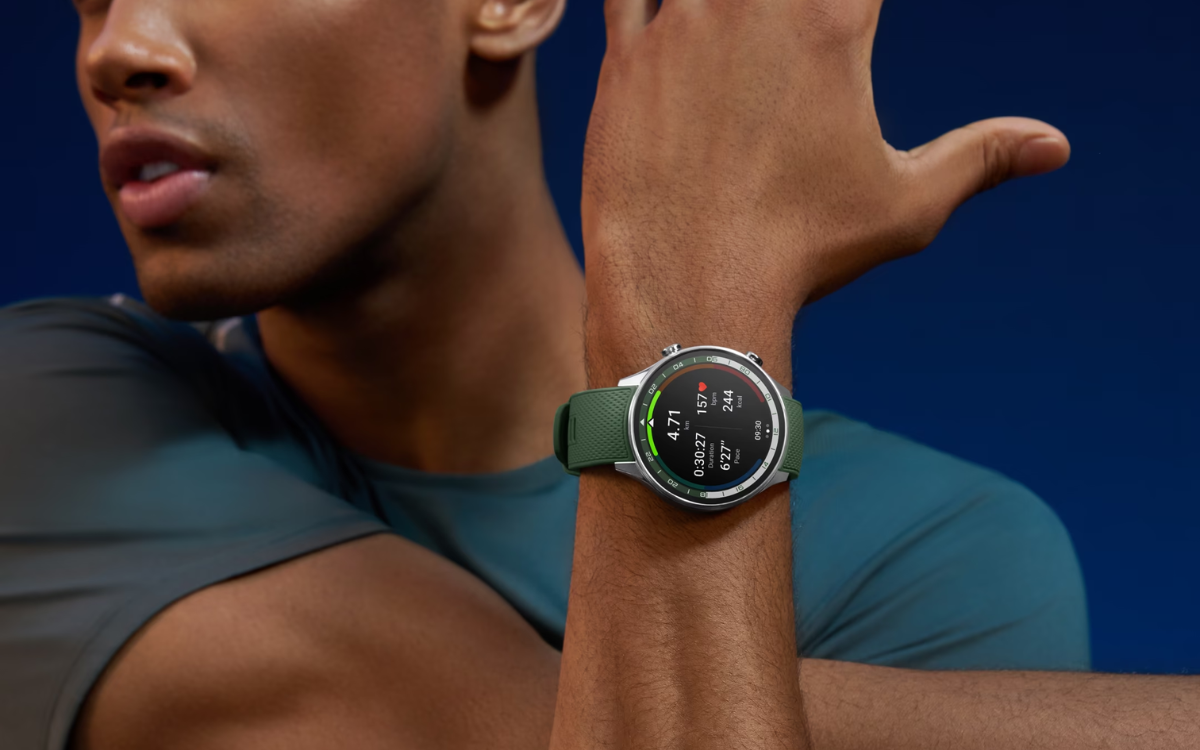
Oppo appears to be preparing its next premium smartwatch, with a new device carrying the model number OOWW261 recently passing network access certification from China’s Ministry of Industry and Information Technology. The listing is widely believed to point to the upcoming Oppo Watch X3.

Oppo Watch X2

According to reports, the Watch X3 could debut alongside Oppo’s next foldable flagship, the Find N6. While Oppo has yet to confirm launch details, early certification activity suggests the wearable is moving closer to release.

Tipster @experiencemore claims the Watch X3 may switch to USB-C charging, replacing Oppo’s proprietary solution. If accurate, this would make charging more convenient and reduce the need for specialized cables. Other specifications remain unconfirmed for now.

The Oppo Watch X2 from February 2025 started at 2,499 yuan (about $354 at the current exchange rate), with subsidies bringing the price down to around 2,124 yuan. It featured a titanium alloy bezel with dual-tone finishing, a 1.5-inch LTPO display with a peak brightness of 2,200 nits, and sapphire crystal protection rated above Mohs 8. The watch also included a rotating crown with a pyramid-style texture for navigation.

Battery life was another strong point. Thanks to Oppo’s Glacier Battery technology, the Watch X2 offered up to five days in full smart mode and up to 16 days in power-saving mode. Health features included ECG support, hypertension risk assessment, multi-channel heart rate and blood oxygen sensors, and wrist temperature tracking.

If the Watch X3 builds on this foundation while adding USB-C charging and launches alongside the Find N6, it could strengthen Oppo’s ecosystem of premium devices. More details are expected to surface in the coming weeks.

Stay ahead in tech! Join our Telegram community and sign up for our daily newsletter of top stories!

For more daily updates, please visit our News Section.

(Source)

Huawei Nova 15 debuts with Kirin 8020, 50MP Red Maple cameras, 6000mAh battery & 100W charging

Huawei has officially launched the Nova 15 in China, positioning it as a feature-rich mid-range smartphone with a strong focus on imaging, battery life, and HarmonyOS-driven AI experiences. Let’s check out the key specs and pricing details.

Huawei Nova 15

Huawei Nova 15 Specifications

The Nova 15 features a 6.7-inch flat OLED display with a Full HD+ resolution of 2412×1084 pixels. It supports a 120Hz refresh rate, 300Hz touch sampling rate, and 2160Hz high-frequency PWM dimming to reduce eye strain.

The screen is capable of displaying 10.7 billion colors with P3 wide color gamut coverage. For durability, Huawei has used aluminum silicate glass protection, and the display carries SGS five-star certification for improved drop and impact resistance.

Huawei Nova 15

The device is powered by the Kirin 8020 processor, Huawei’s latest 5G-ready chipset. Built with performance and efficiency in mind, the chip is said to deliver a 62% overall performance boost compared to the previous generation. Huawei claims a 52% improvement in CPU multi-core performance, 26% in GPU, and 128% in NPU capabilities. The phone also benefits from end-cloud-chip coordination, which enhances app launch speeds, multitasking, and gaming responsiveness.

Kirin 8020

Out of the box, the Nova 15 runs HarmonyOS 6.0. The new version integrates system-level AI features, including intelligent sensing controls. These enable AI air gestures, AI air transfer, and AI smart payment. The phone also supports HarmonyOS smart communication technologies such as Beidou satellite image messaging and 2.4GHz StarLink off-grid connectivity.

At the back, the Nova 15 includes a triple-camera setup under the Red Maple imaging system. This consists of a 50MP main camera with an f/1.9 aperture and large 1/1.56-inch sensor, a 12MP RYYB telephoto portrait lens with 3x optical zoom and OIS, and a 1.5MP multispectral color sensor for accurate tone rendering. It supports up to 30x digital zoom and 4K video recording. The front houses a 50MP ultra-clear portrait camera with a 90-degree wide-angle lens, a 1/2.5-inch sensor, and 4K video support with AIS stabilization.

The device comes with a 6,000mAh silicon anode battery. It supports 100W Huawei SuperCharge Turbo, enabling rapid charging.

Huawei Nova 15

For connectivity, it includes Wi-Fi 7, Bluetooth 6.0, NFC, USB Type-C, and multi-band positioning systems like GPS, Beidou, Galileo, and NavIC. The phone weighs around 196 grams and measures 7.2mm in thickness. It also carries an IP65 rating for dust and splash resistance.

Pricing and Availability

The Huawei Nova 15 is available in two storage options in China. The 256GB variant is priced at 2,699 yuan (around $378), while the 512GB model costs 2,999 yuan (around $420). The phone comes in Vibrant Green, Elegant Purple, Zero White, and Phantom Black, and it is already on sale in the Chinese market.

For more daily updates, please visit our News Section.

Stay ahead in tech! Join our Telegram community and sign up for our daily newsletter of top stories! 💡
OnePlus 15R vs Samsung S25 FE: Which One Is Worth the Money?

OnePlus 15R and Samsung Galaxy S25 FE attract the same buyer for very different reasons. One promises speed, power, and a more thrill-driven experience, while the other offers familiarity, balance, and long-term peace of mind. This comparison matters because choosing between them isn’t about brand loyalty; it’s about deciding whether day-to-day excitement or long-term reliability matters more. For buyers spending flagship-level money, understanding this difference can make the purchase feel like a smart choice.

1. Design and Display

Build and Feel

The OnePlus 15R goes for a bold, performance-first look with a distinctive rear finish that feels more experimental and tech-driven. It stands out visually and feels purpose-built rather than decorative. The Galaxy S25 FE sticks to a familiar premium formula with polished glass and a refined frame, giving it a cleaner, more conservative appeal. OnePlus feels more daring in the hand, while Samsung feels immediately comfortable and familiar.

Display Quality

OnePlus delivers an ultra-smooth AMOLED experience that prioritizes motion clarity and visual punch. Scrolling and gaming feel exceptionally fluid. Samsung’s display is more restrained but highly refined, with excellent color balance and adaptive smoothness that works well for long viewing sessions. The OnePlus display feels exciting, while Samsung’s feels more controlled and easygoing.

Verdict

OnePlus wins on bold design and visual impact. Samsung counters with refinement and long-term viewing comfort.

2. Specifications 

Performance

The OnePlus 15R focuses on raw speed and sustained performance, handling heavy multitasking and demanding apps with ease. It feels tuned for users who push their phones hard. The Galaxy S25 FE delivers stable, reliable performance for daily use, but it prioritizes efficiency over peak power. OnePlus feels faster under pressure, while Samsung feels more measured and consistent.

Battery and Charging

OnePlus emphasizes endurance and fast wired charging, making it well-suited for heavy users who value quick top-ups. Samsung offers more flexibility with wireless and reverse charging, fitting better into a connected device ecosystem. OnePlus feels more direct and performance-focused, while Samsung feels more versatile.

Verdict

OnePlus suits power users who want speed and stamina. Samsung fits users who prefer balance and charging flexibility.

3. Camera

Main and Secondary Lenses

Samsung takes the lead in versatility with a well-rounded camera system that covers everyday shots, portraits, and zoom photography. Image processing is consistent, and video recording feels especially polished. OnePlus focuses more on primary camera quality, delivering sharp and contrast-rich images, but with fewer creative options due to limited secondary lenses.

Selfie Camera

The OnePlus front camera captures more detail and works well for video calls. Samsung’s selfie camera prioritizes natural skin tones and consistency across lighting conditions, which often looks better for social sharing.

Verdict

Samsung wins overall for camera flexibility and video strength. OnePlus delivers strong main-camera results but feels more specialized.

4. Pricing

With similar pricing, the OnePlus 15R delivers immediate value through performance, display smoothness, and battery confidence. It feels exciting from day one. The Galaxy S25 FE justifies its price through long-term software support, ecosystem features, and overall reliability. Its value becomes clearer over time rather than instantly.

OnePlus appeals more to spec-focused buyers who want maximum performance per dollar. Samsung targets users who prioritize longevity, updates, and a well-rounded ownership experience.

5. Conclusion

The OnePlus 15R stands out for its performance-driven identity, fast charging, and high-refresh display that favors power users. The Galaxy S25 FE differentiates itself with extended software support, camera versatility, wireless features, and ecosystem integration that quietly adds long-term value.

Verdict

If we have to choose one, then the OnePlus 15R is the better overall choice. It delivers stronger performance, a smoother and more immersive display, and significantly better battery confidence at the same price. It feels faster, more future-proof, and more rewarding in day-to-day use. The Galaxy S25 FE remains a solid, safe option for long-term software support and camera versatility, but the OnePlus 15R offers the more compelling all-around value right now.

Read More:

Oppo Pad Air 5 to launch with a 12.1-inch 2.8K display with 900 nits peak brightness

Oppo‘s new tablet could offer a high end visual experience thanks to its display. The brand just dropped a fresh teaser for the Oppo Pad Air 5, confirming a taller display, higher resolution, and brighter screen compared to its predecessor. So here are all the details.

Oppo Pad Air 5 Display Specifications

To recall, the Chinese tech giant unveiled the Oppo Pad Air 2 back in 2023 with a tall 11.35-inch LCD screen with a 2.4K resolution, 90Hz refresh rate, and 400 nits of peak brightness. While the brand was expected to release a success with the Pad Air 3, it seems like the brand is skipping the generation directly to the Oppo Pad Air 5. Now, teaser posters have confirmed that the Oppo Pad Air 5 will sport a larger 12.1-inch display with a 2.8K resolution and up to 900 nits of peak brightness.

Oppo Pad Air 5
Oppo Pad Air 5

There is even a low blue light technology and a flicker-free viewing experience. Some rumors have even hinted at the Oppo Pad Air 5 being a rebranded version of the OnePlus Pad Go 2, which was recently announced. So we can expect this model to also offer Dolby Vision support and a 120Hz refresh rate. Under the hood, the Pad Go 2 packed the Dimensity 7300 Ultra that might make a return on the Pad 5 Air as well.

Oppo’s Pad Air 5 is already confirmed to run on the latest ColorOS 16 custom skin and be powered by a massive 10,050mAh battery pack. The pre-order page has already revealed that the Oppo Pad Air 5 will debut in WiFi only and WiFi + 5G versions. It will also be sold in multiple color options, namely Space Gray, Starlight Powder, and Starlight Pink. This is all the information we have at the moment, so stick around for more.

For more daily updates, please visit our News Section.

Don’t miss a thing! Join our Telegram community for instant updates and grab our free daily newsletter for the best tech stories!

Xiaomi 17 Ultra teased in stunning Starry Green finish

Xiaomi has unveiled the design of a new “Starry Green” variant of the upcoming Xiaomi 17 Ultra. The company has described it as its most visually striking Ultra phone to date. The new color joins the previously confirmed black and white options and features a textured finish made with mineral-like particles.

Xiaomi 17 Ultra Starry Green

The phone uses a wraparound frame and a segmented circular volume key design. Xiaomi has also confirmed that the rear camera module has been reduced in size to improve grip comfort. The display is a flat 2D panel with large-radius corner curves, and the body measures just 8.29mm in thickness. Xiaomi claims this is the slimmest Ultra model it has released so far.

In terms of design, it drops the secondary rear display seen on the 17 Pro in favor of a cleaner, more straightforward camera layout. As a camera-focused flagship, the phone retains the centered circular camera module from the previous-generation 15 Ultra with Leica branding, along with the Ultra label positioned at the top left of the rear panel.

Xiaomi 17 Ultra Starry Green

The company will launch the Xiaomi 17 Ultra on December 25 at 7:00 PM in China. It will be the first flagship under an upgraded Xiaomi × Leica imaging partnership.

The phone focuses on mobile photography and includes a 1-inch Omnivision OV50X primary sensor with LOFIC technology for enhanced dynamic range. It also features a 200MP periscope telephoto camera from Samsung, equipped with Leica APO optics to improve sharpness and clarity at long zoom ranges.

The Xiaomi 17 Ultra is expected to use the Snapdragon 8 Elite Gen 5 processor. It will likely feature a 6,800mAh battery with support for fast wired and wireless charging. Pricing is expected to start at around 6,999 yuan ($994) in China.

For more daily updates, please visit our News Section.

Stay ahead in tech! Join our Telegram community and sign up for our daily newsletter of top stories! 💡
OnePlus Turbo spotted with Snapdragon 8s Gen 4 on GeekBench

OnePlus is planning on launching a brand new lineup of smartphones for the global market. The recent teasers have hinted at the new Turbo lineup arriving soon. And now, a fresh benchmark listing has revealed some of the capable hardware that will power a OnePlus Turbo series model.

OnePlus Turbo Expected Specifications

The Chinese brand’s upcoming OnePlus Turbo lineup will apparently be another performance focused model with an affordable price tag, similar to the OnePlus 15R. On the GeekBench platform, the supposed Turbo phone was spotted with the PLU110 model number. This device is equipped with the Snapdragon 8s Gen 4 chip, which helped it achieve a single core result of 2,124 points and 6,880 points on the multi core test.

OnePlus Ace 6 China Telecom-
OnePlus Ace 6

Looking at the benchmark listing, we can see that the chip is paired with up to 16GB of RAM. GeekBench also revealed that the device runs on the Android 16 OS out of the box, which will carry the brand’s OxygenOS 16 custom skin. This is in line with one of our recent reports. Based on what we know so far, we can also expect a massive 9000mAh battery pack that will have a dual cell design.

Meanwhile, the front will likely sport a tall display with a 165Hz refresh rate. To recall, OnePlus’ President had previously revealed that the Turbo series will deliver powerful performance and battery life for its segment, positioning it directly against similarly priced performance-centric phones. But this is all the information we have at the moment, so stick around for more.

For more daily updates, please visit our News Section.

Tech enthusiast? Get the latest news first! Follow our Telegram channel and subscribe to our free newsletter for your daily tech fix! ⚡

OnePlus 15R vs Xiaomi 17: One Plays Safe, Other Plays Smart, We Have a Clear Winner?

OnePlus 15R vs Xiaomi 17 comparison is a clash of two flagship philosophies aimed at the same buyer but with very different priorities. This is for users who want serious power and a premium feel without paying ultra-flagship prices. One phone is built around long-term performance and reliability, the other around features, flexibility, and value. Lining them up side by side matters because the “better” choice depends less on specs and more on how you actually use your phone every day.

Major Features:

FeatureOnePlus 15RXiaomi 17Winner
Display QualityUltra-smooth high refresh rate and bright panelLTPO AMOLED with richer colors and advanced HDRXiaomi 17
PerformanceStable sustained performanceHigher peak performanceXiaomi 17
Battery & ChargingExcellent enduranceFast wired + wireless chargingTie (depends on priority)
Camera SystemSolid dual setupVersatile triple setup with telephotoXiaomi 17
Value for MoneyGood, focused on performanceMore features at lower priceXiaomi 17
Approx. Price~$700~$650Xiaomi 17

1. Design and Display

Build and Feel

OnePlus 15R focuses on a bold, performance-driven design that feels tough and purposeful. Its ceramic-like coating and solid construction give it a confident, no-frills flagship vibe aimed at heavy users. Xiaomi 17 takes a more refined route, emphasizing elegance and polish. The glass finish and cleaner design language make it feel more premium and lifestyle-focused. Xiaomi feels designed to impress visually, while OnePlus feels built to last under demanding use.

Display Quality

OnePlus prioritizes smoothness with an ultra-high refresh rate that makes scrolling and gaming feel exceptionally fluid. Xiaomi counters with LTPO tech, richer colors, and stronger HDR formats, making media consumption feel more cinematic. Xiaomi’s screen feels more immersive for movies, while OnePlus feels faster and more responsive during daily use.

Verdict

Xiaomi 17 feels more refined and visually premium, while OnePlus 15R feels tougher and more performance-focused.

2. Specifications 

Performance

Both phones deliver flagship-level performance, but their tuning differs. OnePlus 15R emphasizes sustained output, making long gaming sessions and multitasking feel stable and predictable. Xiaomi 17 pushes higher peak performance, feeling faster in short bursts and heavy creative tasks. HyperOS adds features and polish, while OxygenOS feels lighter and more focused. Xiaomi feels quicker, OnePlus feels steadier.

Battery and Charging

OnePlus stands out with excellent endurance, easily lasting through heavy days. Xiaomi balances slightly lower capacity with extremely fast wired and wireless charging, reducing downtime significantly. Xiaomi feels more convenient, while OnePlus feels more dependable.

Verdict

Xiaomi wins on speed and charging flexibility; OnePlus excels in sustained performance and battery longevity.

3. Camera

Main and Secondary Lenses

Xiaomi 17 clearly targets camera-focused users with a versatile triple-camera setup and Leica tuning. It offers better zoom, richer colors, and stronger video features, especially for HDR content. OnePlus 15R delivers reliable and clean results but keeps things simpler, lacking the creative flexibility of a telephoto lens. Xiaomi encourages experimentation; OnePlus prioritizes consistency.

Selfie Camera

Xiaomi’s front camera feels sharper and more reliable for both photos and video. OnePlus remains solid but less impressive in comparison.

Verdict

Xiaomi 17 is the better choice for photography and video, while OnePlus 15R is dependable but less versatile.

4. Pricing

OnePlus 15R is positioned as a premium performance phone, asking users to pay more for endurance and stability. Xiaomi 17 undercuts it while offering stronger cameras, faster charging, and more flagship features overall. The added wireless charging and storage options make Xiaomi feel aggressively priced. OnePlus still appeals to users who value battery life and software simplicity, but Xiaomi delivers more for the money.

Verdict

Xiaomi 17 offers better value overall, while OnePlus 15R charges extra for reliability and performance consistency.

Disclaimer:
Prices are approximate and may vary based on country, region, and applicable taxes.

5. Conclusion

OnePlus 15R stands out with its large battery, ultra-smooth display, and stable performance tuning aimed at power users. Xiaomi 17 feels more well-rounded, combining a premium display, versatile cameras, and faster charging into a single package. Xiaomi focuses on covering every flagship feature, while OnePlus focuses on doing fewer things extremely well.

Verdict

If you had to choose just one, the Xiaomi 17 is the smarter pick for most buyers. It delivers a more balanced flagship experience with stronger cameras, faster charging, richer display tech, and better overall value for money. While the OnePlus 15R impresses with sustained performance and battery endurance, the Xiaomi 17 simply gives you more of what users care about day-to-day, especially if your priorities include photography, media, and versatility.

Read More:

POCO M8 and POCO M8 Pro leak reveals new release timeline details & key specs

Xiaomi is gearing up to bring a new lineup of mid range POCO smartphones to the global market. Earlier teasers have revealed that the POCO M8 series will launch soon. But a fresh leak has revealed that the POCO M8 and POCO M8 Pro might not be arriving together. We also get more details regarding their specs as well, so here’s everything you need to know.

POCO M8 and POCO M8 Pro Rumored Launch Window

The latest information arrives from known tipster Yogesh Brar, who shared the details on X (formerly Twitter). Brar stated that the POCO M8 series will be debuted in the Indian market in the middle of next month, which is January 2026. While this is in line with our previous reports, he later clarified that the POCO M8 Pro will get a mid Q1 2026 launch. In other words, the POCO M8 Pro could be unveiled sometime in February rather than January.

Poco M8 Pro
Poco M8 Pro

POCO M8 and M8 Pro Leaked Specifications

In the tweet, the tipster also revealed a bunch of key details of the upcoming smartphones. The POCO M8 Pro is expected to sport a tall 6.88-inch OLED display with a 1.5K resolution and a 120Hz refresh rate. For photography, the device might offer a 50MP + 8MP dual camera setup on the rear and a 32MP selfie shooter on the front. Under the hood, it might be equipped with the Snapdragon 7s Gen 4 and house a massive 6,500mAh battery pack that supports 100W wired fast charging.

Meanwhile, the POCO M8 could feature a 6.7-inch OLED display with an FHD+ resolution and a 120Hz refresh rate. We only have details for the 50MP main camera on the rear and a 20MP selfie shooter on the front. It may arrive with a Snapdragon 6 Gen 3 chip and be powered by a 5,520mAh battery with 45W fast charging support.

For more daily updates, please visit our News Section.

Don’t miss a thing! Join our Telegram community for instant updates and grab our free daily newsletter for the best tech stories!

Honor Win teased with ultrasonic fingerprint scanner & massive 10000mAh battery

Honor has just shared a series of teasers for its upcoming Honor Win and Win RT smartphone models. These devices are bringing class leading battery sizes, high end water and dust resistance rating, and much more. So here’s everything that was revealed.

Honor Win Teaser

Honor Win Teaser

To recall, the Chinese brand will officially unveil the Honor Win series in its home market on 26th December 2025. But ahead of the announcement, Honor has confirmed that the Win lineup will carry an IP68, IP69, and IP69K rating for protection against the elements. It will also pack a 3D ultrasonic in-display fingerprint scanner for security. While there were rumors of the devices carrying a huge battery pack, the latest teasers have confirmed a gigantic 10,000mAh Qinghai Lake battery.

Other notable features that were revealed in the teasers include a proprietary communication system that consists of a dual-chip architecture that pairs a dedicated Wi-Fi signal chip and the Honor C1+ RF enhancement chip. This should help boost the network indoors and in areas with weaker network connectivity. Based on what we know so far, the Honor Win is expected to sport a tall 6.83-inch OLED screen offering a 1.5K resolution, a 185Hz refresh rate, and uniform 1.4mm bezels.

Honor Win Teaser

The Honor Win model is equipped with the Snapdragon 8 Elite Gen 5 chip, paired with LPDDR5x Ultra RAM and UFS 4.1 storage. While the base Win is rumored to feature a 50MP triple camera setup, the Win RT is believed to have a dual camera system. This is all the information we have at the moment, so stick around for more.

For more daily updates, please visit our News Section.

Tech enthusiast? Get the latest news first! Follow our Telegram channel and subscribe to our free newsletter for your daily tech fix! ⚡

Samsung Galaxy Book 6 Pro poses for photos ahead of launch

Aside from its flagship S26 lineup, Samsung is also prepping to launch the Galaxy Book 6 Pro in the first quarter of 2026. Ahead of the release, the laptop has now cleared the Safety Korea certification, which gives us our first real look at the device.

Here’s your first look at Galaxy Book 6 Pro

Design-wise, the Galaxy Book 6 Pro doesn’t stray far from its predecessor. It sports a grey finish and sleek look, exactly what we have come to expect from Samsung’s Galaxy Book series. The only noticeable tweak is the placement of the Samsung logo, now sitting closer to the top edge rather than slightly off-center as on the previous model.

The certification images reveal two variants: a larger model measuring 360mm by 250mm, likely the 16-inch version, and a smaller 330mm by 225mm model, which should be the 14-inch version. Their model numbers are listed as NT960XJG and NT940XJG, respectively.

As for the performance, a Geekbench listing suggests the Galaxy Book 6 Pro will be powered by Intel’s upcoming Panther Lake Core Ultra 338H processor, paired with an Intel Arc GPU, 32GB of RAM, and 16GB of graphics memory.

Galaxy Book 6 Pro Geekbench

Moreover, a report from SamMobile claims that the 14-inch Galaxy Book 6 Pro will feature a 65.9 Wh battery. The 16-inch model will have a bigger 76.6 Wh cell. The report goes on to say that the Galaxy Book 6 Ultra will have a 78.64 Wh cell. 

As for when Samsung will officially unveil it, CES 2026 seems like the most likely stage. The Galaxy Book 5 Pro debuted at CES 2025, and its predecessor landed at CES 2024, so an early 2026 reveal would be in line with Samsung’s usual cadence.

For more daily updates, please visit our News Section.

Stay ahead in tech! Join our Telegram community and sign up for our daily newsletter of top stories! 💡
OriginOS 6 update now rolls out to Vivo X100 Ultra

Vivo X100 Ultra

The Vivo X100 Ultra starts receiving the awaited OriginOS 6 update, nearly a month after its siblings, the Vivo X100 and X100 Pro, picked it up. The Android 16-based update introduces plenty of useful upgrades throughout the system, along with a set of new features that make OriginOS 6 feel like a true major upgrade.

As spotted by Ytechb, the latest update for the Vivo X100 Ultra is now rolling out in select regions, including India. It’s tagged with the firmware version PD2366I_A_16.2.10.4.W10.V000L1.

Vivo X100 Ultra OriginOS 6 update

If you’re rocking a Vivo X100 Ultra and haven’t upgraded to OriginOS 6 yet, go to the system update section inside the Settings app to fetch the latest update. Please note that updates are typically rolled out in batches, so they may take a few days to reach all users.

The OriginOS 6 update for the X100 Ultra has a download size of about 4.6GB. Ensure that your device has sufficient storage before downloading the upgrade, and that it has at least 40% battery to ensure a smoother installation. For additional safety, you can back up important data before the installation.

After upgrading to OriginOS 6, Vivo users, especially those switching from Funtouch OS, will experience numerous changes throughout the system. It introduces the Origin Island feature, which shows real-time updates, smart notifications, and timely suggestions. This feature also enables drag-and-drop sharing between apps.

The Control Center has been redesigned, along with the notification center, to make it feel modern and well-organized. The update also features improved lighting effects, better blur and transparency, and a new system font for improved readability.

The lock screen can now be more personalized with new clock styles, deeper layout controls, and new widgets. Furthermore, OriginOS 6 introduces several under-the-hood changes, resulting in faster app launches, more fluid animations, and better multitasking. It also brings meaningful quality-of-life upgrades, such as cross-device features for Windows and Mac, AI-powered captions and search, improved notes, file management, and optimized battery efficiency.

You can read the complete changelog on this page, detailing every single change and new feature.

Be sure to regularly visit the Vivo section on Gizmochina to get the latest updates. Or, if you prefer your news instant and on-the-go, hop into our Telegram channel for rapid-fire software updates and all the biggest tech headlines.

Redmi Pad 2 Pro is finally coming to India, and it has a 12,000mAh battery

Redmi is taking its time to bring the Redmi Pad 2 Pro to India, but the wait is finally over. The company has confirmed that the tablet will officially launch in the country on January 6, alongside the Redmi Note 15 5G.

An Amazon landing page for the Redmi Pad 2 Pro is already live, and it confirms a massive 12,000mAh battery inside. We expect Redmi to share more details as the lead-up to launch, but since the Pad 2 Pro has been available in the UAE and European markets for a while now, we have a pretty clear picture of what to expect. 

Here’s a quick rundown of its specifications.

Redmi Pad 2 Pro: specifications

The Redmi Pad 2 Pro features a 12.1-inch LCD with a 2.5K resolution and a 120Hz refresh rate. The touch sampling rate reaches 360Hz, and the device is bright up to 600 nits. 

Redmi also has a Matte Glass variant with AG nano-texturing of the Pad 2 Pro, but it’s not clear if the company will bring this model to India. 

Powering the tablet is Qualcomm’s Snapdragon 7s Gen 4 that features Cortex-A720 and Cortex-A520 CPU cores, paired with an Adreno 810 GPU. 

Memory options include 6/8GB LPDDR4X RAM and 128/256GB UFS 2.2 storage. There’s also support for microSD expansion up to 2TB.

On the software side, the Redmi Pad 2 Pro runs Android 15 with Xiaomi’s HyperOS 2 on top. For cameras, the tablet keeps things simple. There’s an 8MP front camera and an 8MP rear camera on the Wi-Fi model, while the 5G variant upgrades the rear sensor to 13MP. 

Both cameras support 1080p video recording at 30fps, which should be perfectly adequate for video calls, online classes, and occasional document scanning.

(Source)

Honor Magic 8 RSR design, display, processor, and battery details leak

Just as chatter around the Honor Magic 8 RSR picked up earlier this week, a fresh leak has offered a clearer look at what Honor is preparing behind the scenes. The information comes from a well-known tipster, Digital Chat Station, who shared the details on Weibo.

Honor Magic 8 RSR Specifications

According to the leak, Honor will power the Magic 8 RSR with the Snapdragon 8 Elite Gen 5 processor. This will be paired with up to 24GB of RAM and likely 1TB of storage, much like the Magic 7 RSR

Up front, the phone is expected to feature a 6.71-inch LTPO display with a resolution of 2808 × 1256 pixels. The screen will also be home to a 3D face scanner, though Honor will equip the phone with a 3D ultrasonic fingerprint sensor as well.

Moving on, the company is said to be using a 7200mAh cell to keep things running. Charging options include both 120W wired and wireless options.

The Magic 8 RSR is also tipped to carry IP68, IP69, and even IP69K ratings and will be available in two color options: Slate Gray and Moonstone.

If these specs sound familiar, that’s because they are. As expected, the Honor Magic 8 RSR will heavily borrow from the Magic 8 Pro, with the main differences coming down to design and color options.

Beyond the Magic 8 RSR, Honor is also preparing two surprise devices as part of the Magic 8 lineup: the Magic 8S and the Magic 8 Air. We shared everything we know so far about these devices in a report yesterday, if you want to check it out. 

The same report suggests that the Magic 8 Air and Magic 8 RSR will launch in mid to late January.

For more daily updates, please visit our News Section.

Stay ahead in tech! Join our Telegram community and sign up for our daily newsletter of top stories! 💡
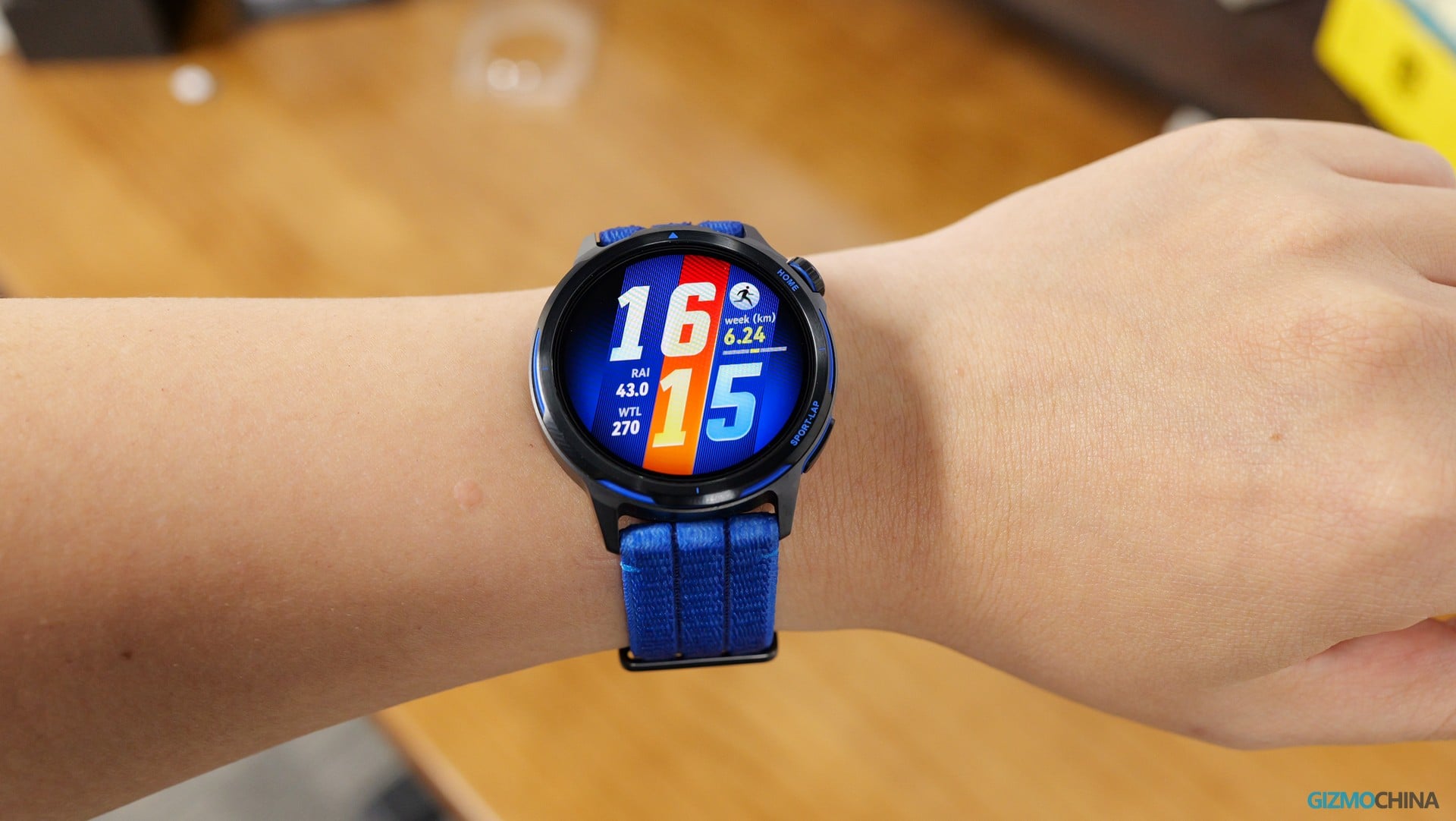
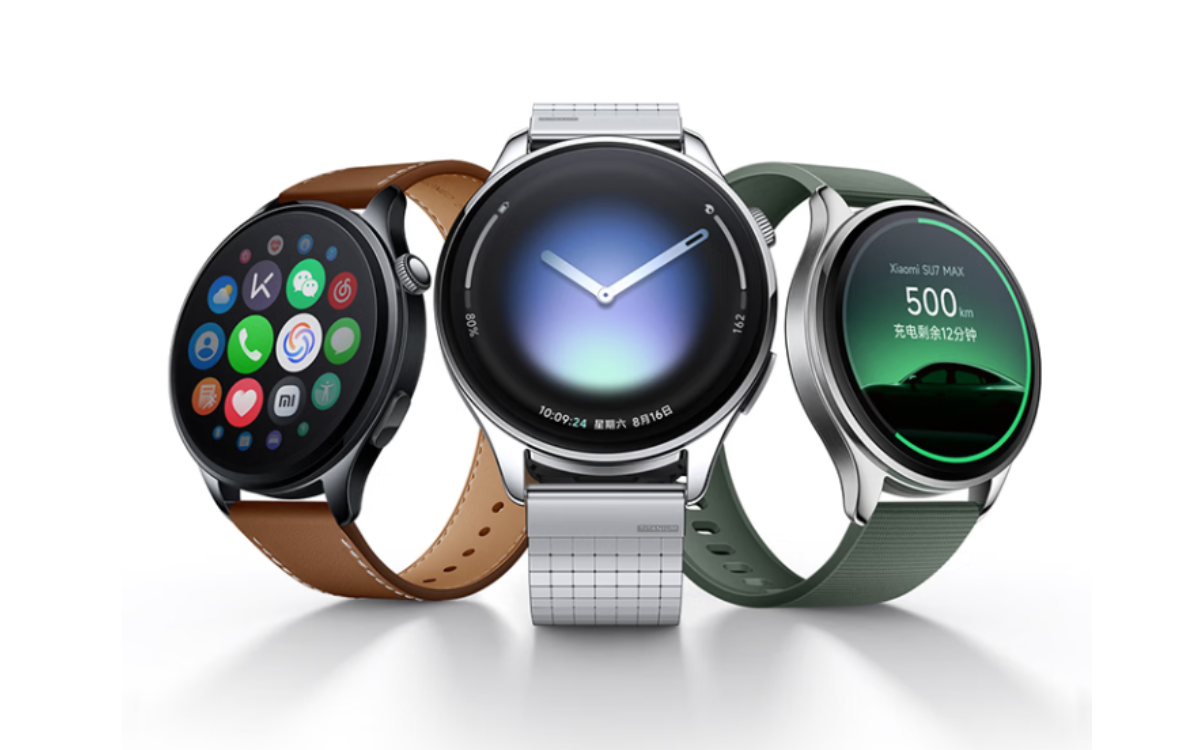
Xiaomi announces Watch 5 and Buds 6 launch ahead of December 25 event

Xiaomi is gearing up for a packed product launch day on December 25. Alongside the already confirmed Xiaomi 17 Ultra, the company has officially announced two new accessories, the Xiaomi Watch 5 and the Xiaomi Buds 6, both of which will debut alongside the flagship phone.

Xiaomi Watch 5

Xiaomi claims the Watch 5 is a “fully intelligent flagship” smartwatch. At its core, it runs on Qualcomm’s Snapdragon W5 wearable platform, which is built on a 4nm process and uses a quad-core Cortex-A53 CPU. 

The watch is also the first from Xiaomi to feature an EMG (electromyography) signal sensor, in addition to an ECG (electrocardiogram) sensor. 

The company hasn’t gone into detail yet on what the new EMG will bring to the table, but it usually detects the tiny electrical signal from the wrist muscle as you intend to make gestures. Simply, it translates your hand movements into digital commands to control the watch.

In terms of design, the Watch 5 has a round dial and a sapphire glass that rates 9 on the Mohs hardness scale. The casing is also said to be forged from one-piece stainless steel. The watch will be available in stainless steel and brown and green strap options. 

Xiaomi Buds 6

Xiaomi also confirmed that it will launch its new flagship semi-in-ear earbuds, the Xiaomi Buds 6, on the same evening. The official poster confirms its three color options: Pink, White, and Black. 

The Buds 6 feature a biomimetic curve design and promise “CD-level lossless original sound.” Beyond audio, Xiaomi is highlighting smart features like intelligent recording, translation, and AI-based summarization.

For context, last year’s Xiaomi Buds 5 launched at 699 yuan and offered features like semi-in-ear active noise cancellation, Qualcomm lossless audio, spatial audio, and up to 39 hours of total battery life with noise cancellation turned off. The Buds 6 will likely build on that foundation, though pricing and full specifications are still unknown.

For more daily updates, please visit our News Section.

Stay ahead in tech! Join our Telegram community and sign up for our daily newsletter of top stories.