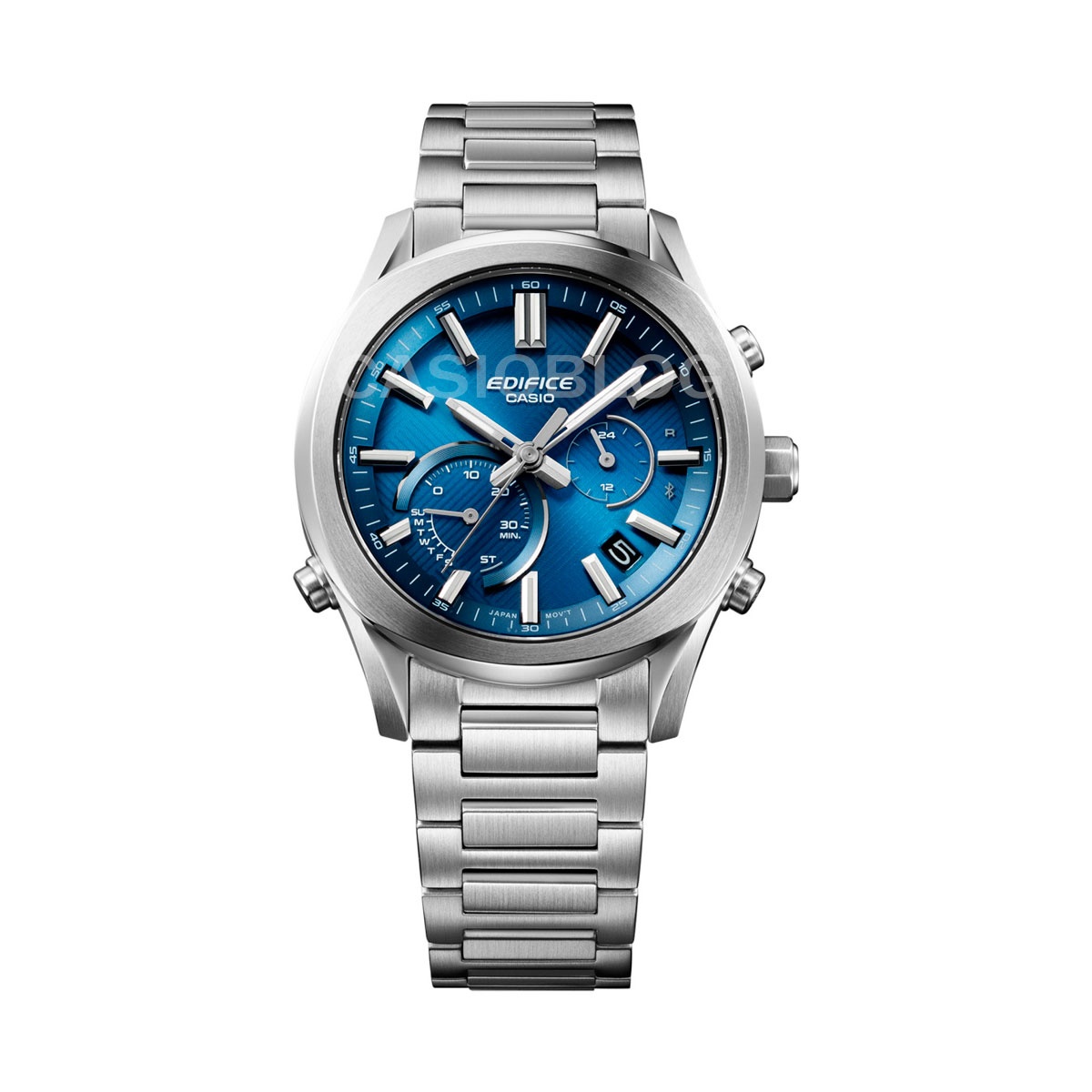
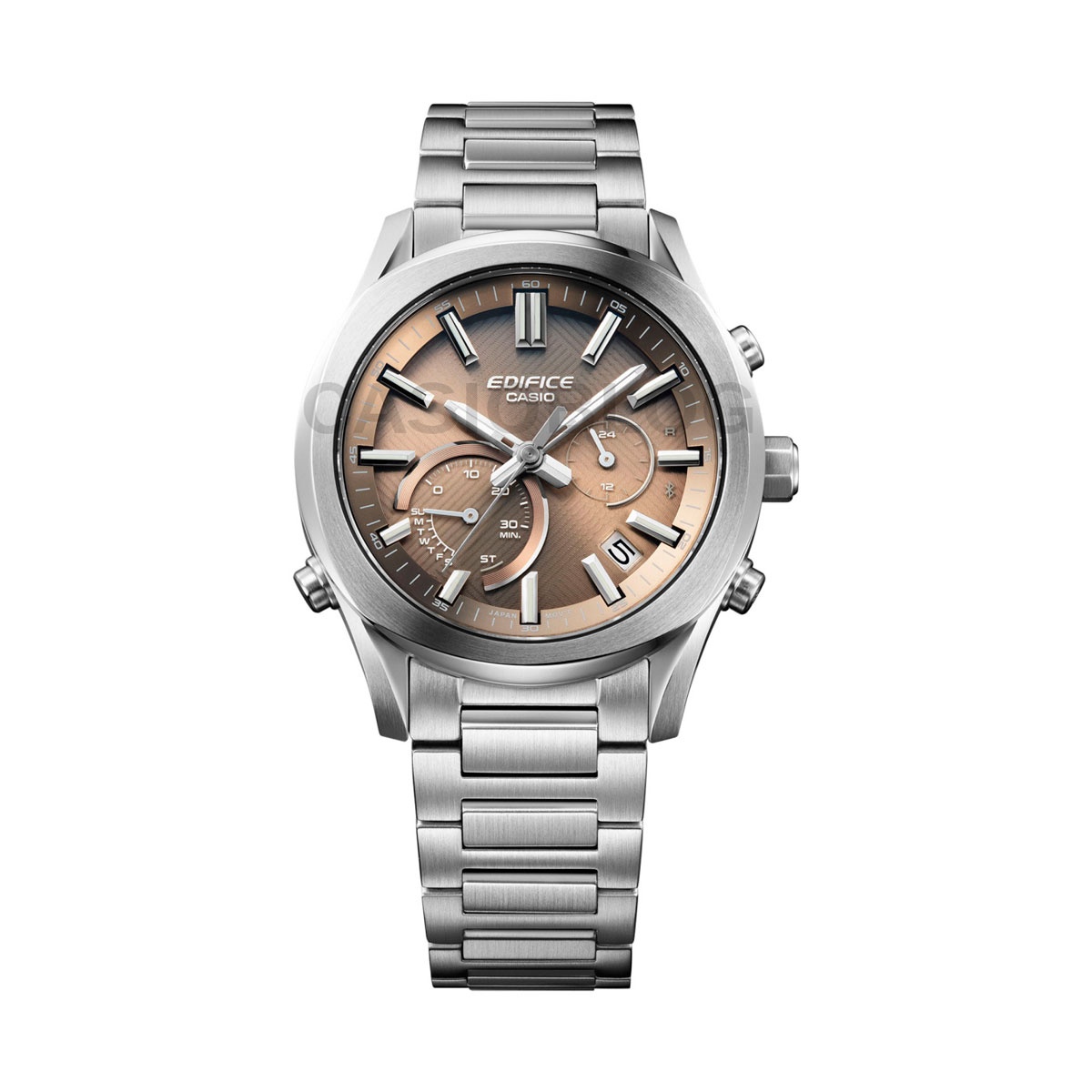
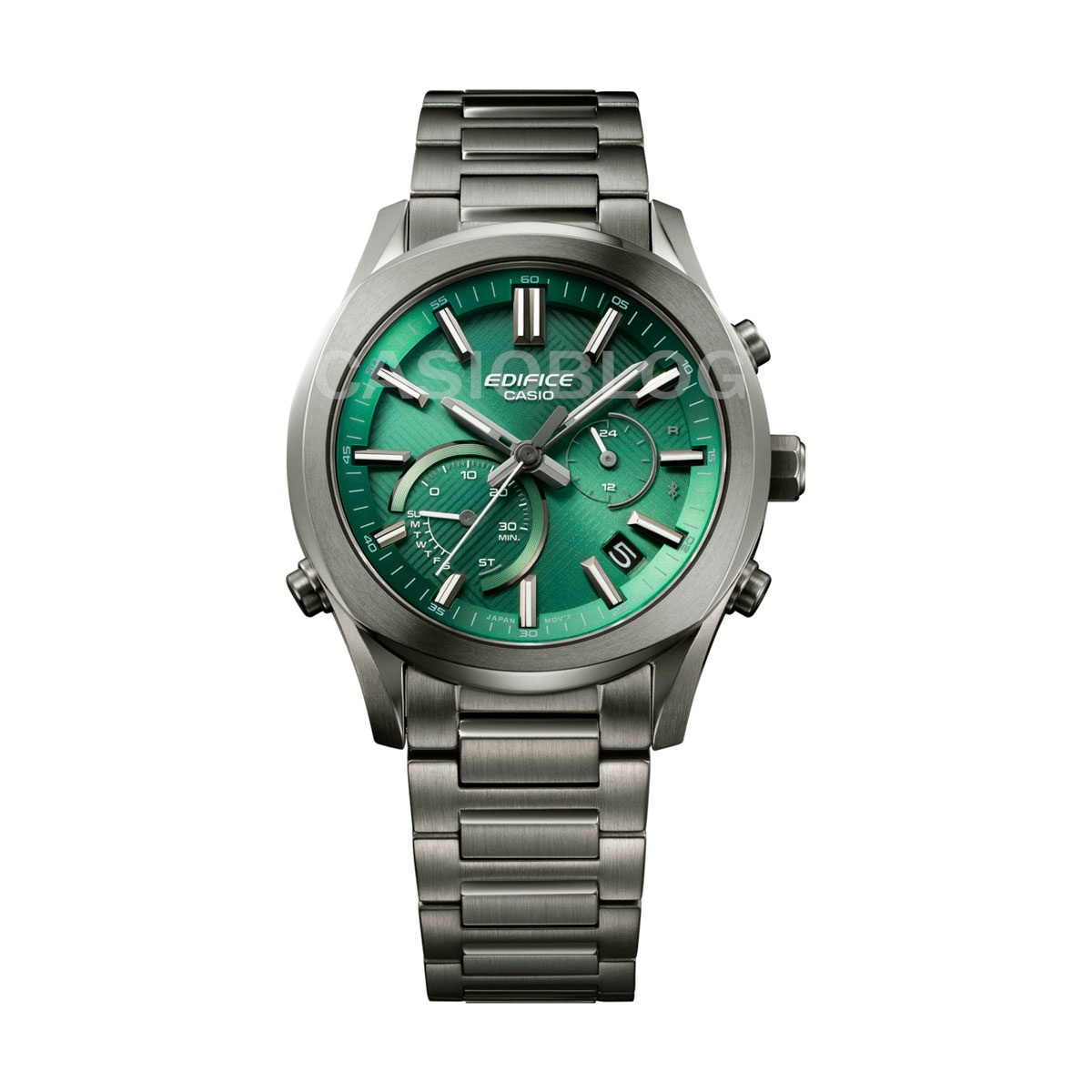
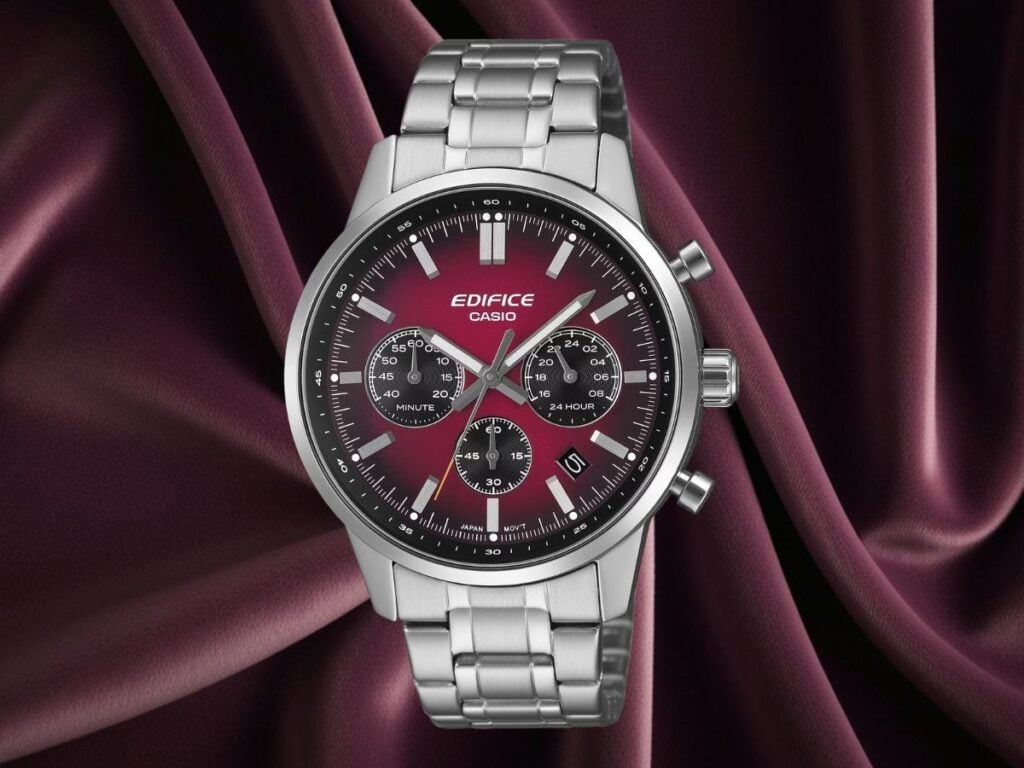
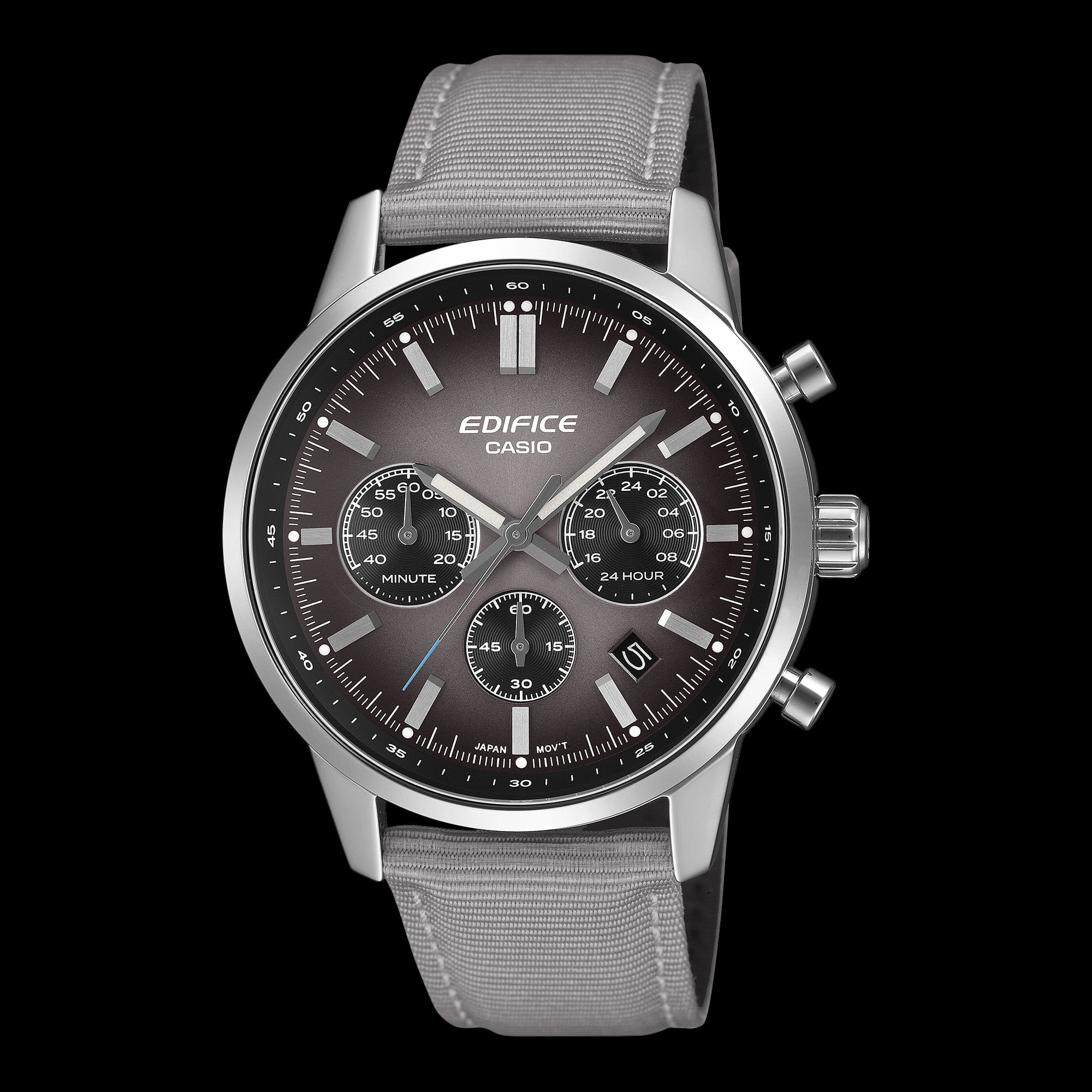
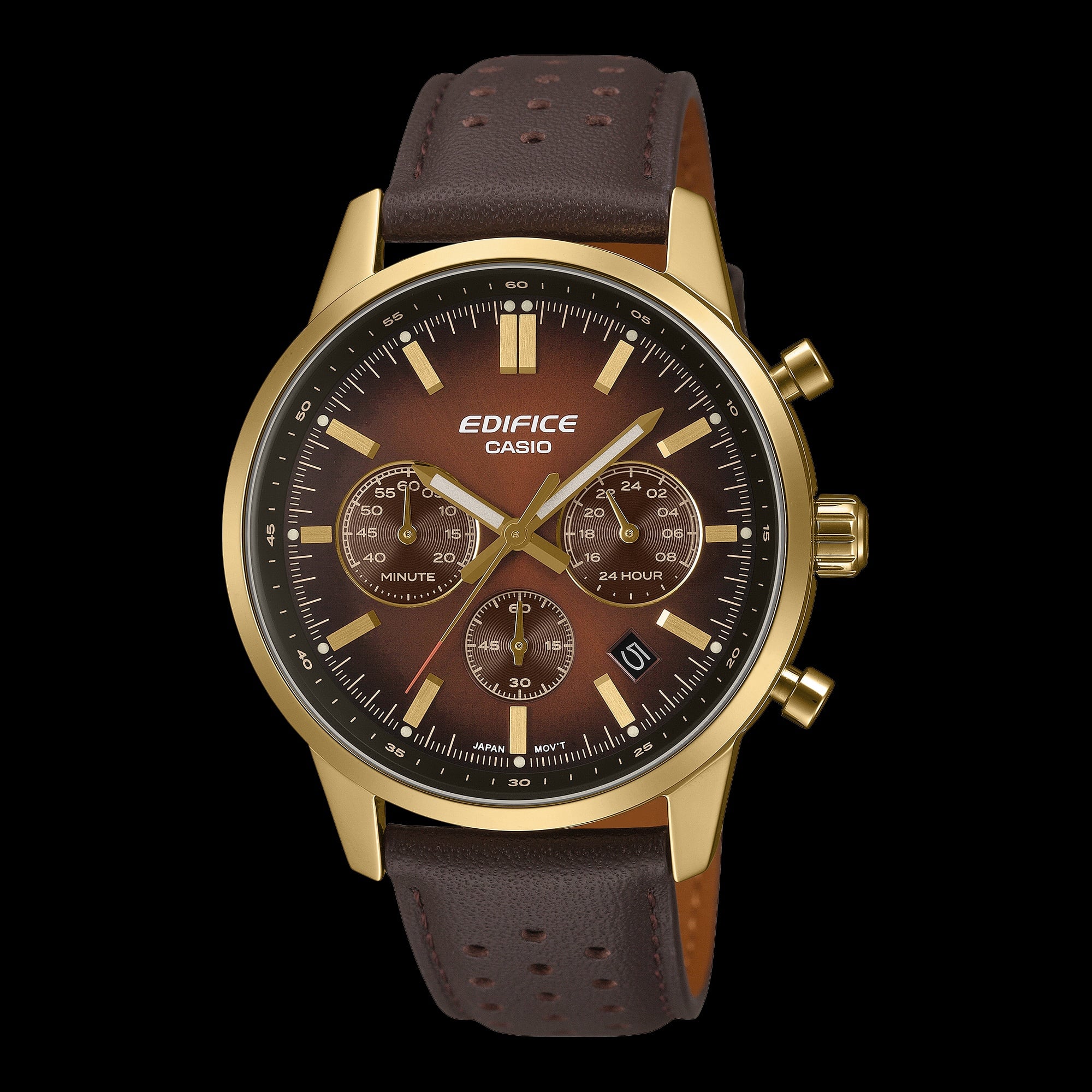
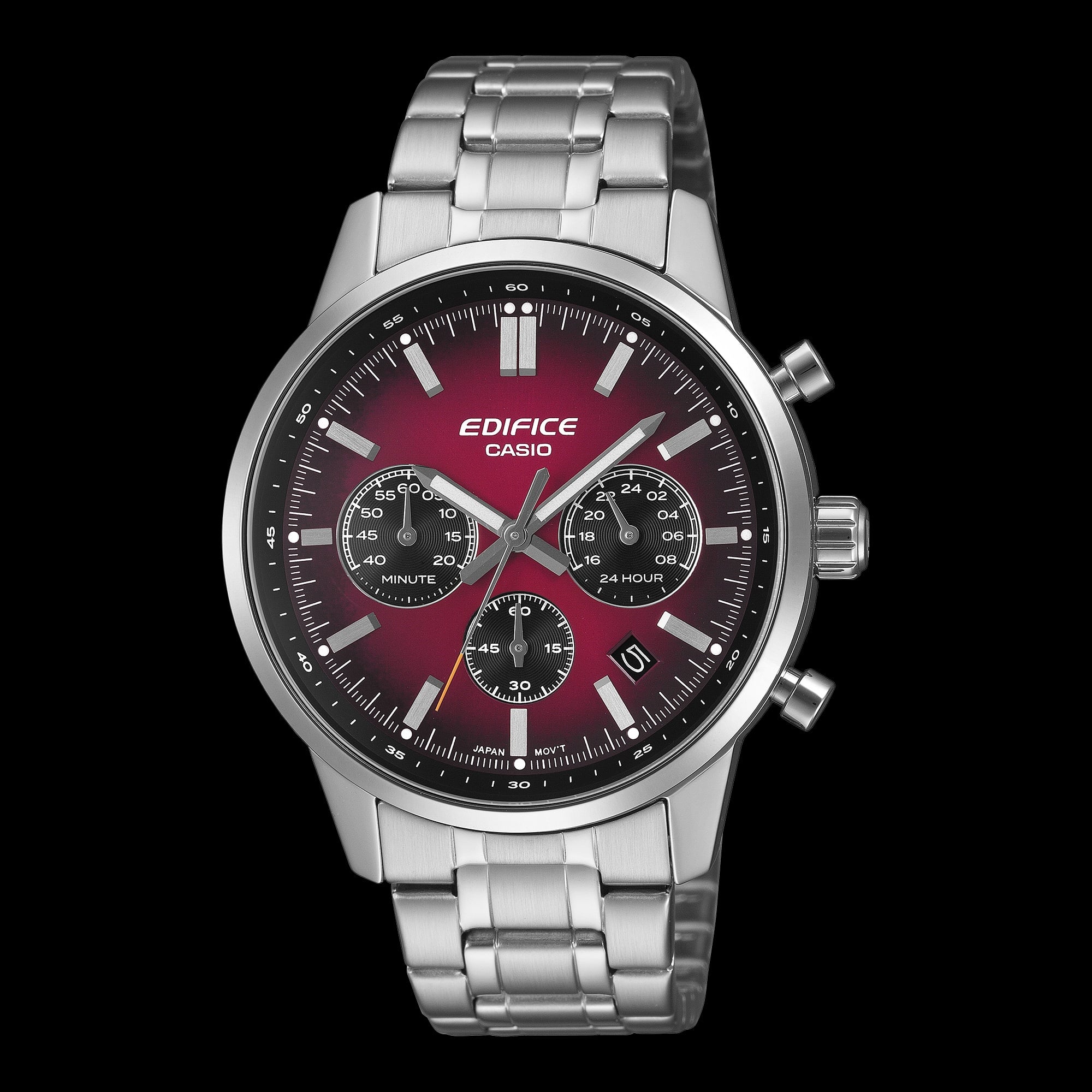
Casio is preparing to expand its EDIFICE lineup with the new EQB-1300 series, expected to be announced in April. As per a report from Casioblog, the range will include three variants at launch: the blue EQB-1300D-2A, green EQB-1300DC-3A, and a newly revealed brown EQB-1300D-5A.
The EQB-1300 focuses heavily on dial design. It uses layered textures and bold color finishes to create a sporty look inspired by automotive design. The surface features a geometric layout made up of parallel line patterns, while satin-finished side elements give the impression of metal panels. The outer chapter ring is slightly raised, creating a floating effect with visible shadows. Hour markers are shaped with clean polygonal edges, reinforcing the premium positioning of the model.
The bezel also stands out. Its top surface varies in width across different sections, adding visual depth and breaking away from a uniform circular design.
While official dimensions are not confirmed, the watch is expected to be more compact than models like the ECB-2300 and ECB-2200. This would mark a shift toward a slimmer profile for the EQB series, which has not seen a major update since the EQB-2000 launched nearly four years ago.
The watch runs on module 5758, bringing Bluetooth connectivity and solar charging. It supports automatic time syncing via smartphone, daylight saving adjustments, and easy configuration through an app. A low battery indicator is included, where the second hand moves in two-second steps.
Functionality is straightforward. There is a 30-minute stopwatch displayed through a subdial at the 8 o’clock position, which also shows the day of the week. A date window sits opposite it, while a separate indicator displays 24-hour time. There is no timer or alarm.
Water resistance is rated at 100 meters. As per Casioblog, the pricing is expected to stay under $300, though the green IP-coated variant may cost slightly more.
For more daily updates, please visit our News Section.
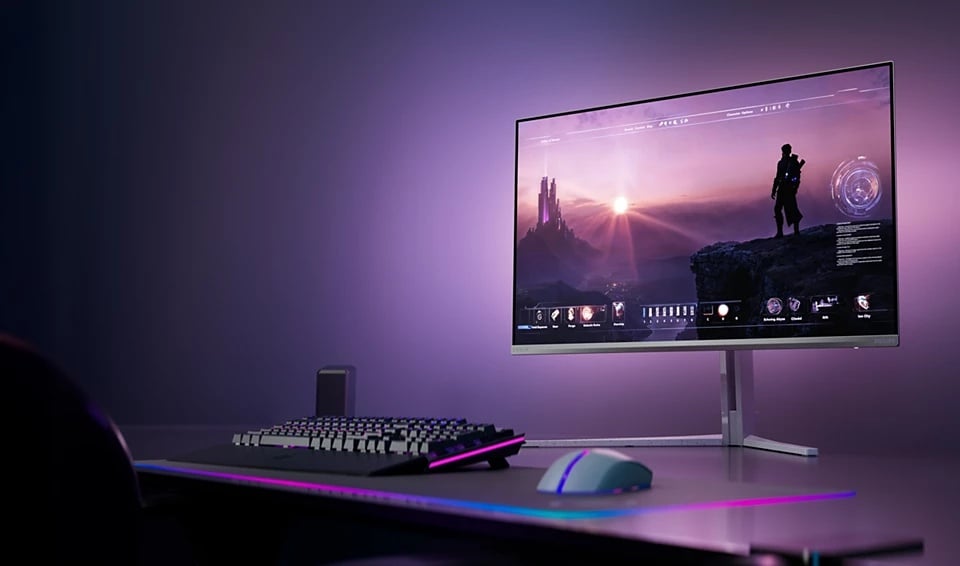
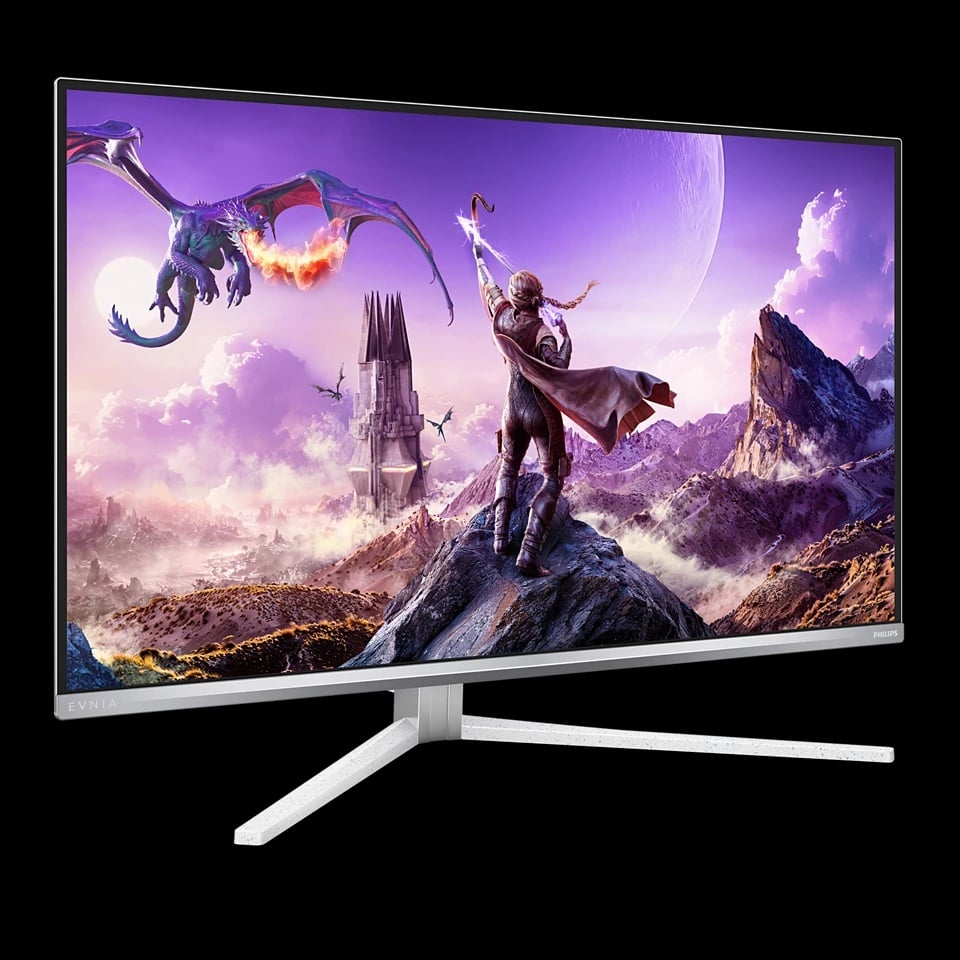
Philips has listed a new high-end gaming monitor in China under its Evnia lineup, the 32M2N8900X. The model uses a 31.5-inch QD-OLED panel with a 3840 x 2160 resolution and supports refresh rates up to 240Hz over both HDMI and DisplayPort, positioning it for high-performance gaming and content work.
The panel delivers a 0.03 ms response time and supports Adaptive-Sync, along with NVIDIA G-SYNC compatibility to reduce screen tearing. It is rated for DisplayHDR True Black 500, while additional certification details also point to DisplayHDR True Black 400 support, depending on mode. ClearMR 13000 is also listed, indicating reduced motion blur in fast scenes.
Brightness levels are rated at 300 nits in SDR at full screen, 515 nits in HDR at 10 percent window, and up to 1000 nits peak in HDR at 3 percent window. The monitor supports true 10-bit color and offers a 1,500,000:1 contrast ratio. Color coverage includes full sRGB and up to 99.5 percent DCI-P3, with Delta E below 2 in sRGB mode. Pixel density is rated at 139.87 PPI, and the panel uses an RGB Q-Stripe subpixel layout with an anti-glare coating.
Philips integrates QD-OLED technology with Quantum Dot enhancement for higher brightness and color output while maintaining deep blacks and wide viewing angles. The panel also uses an internal graphene layer to improve heat dissipation and maintain long-term color stability.
On the feature side, the monitor includes three-sided Ambiglow with AI-based lighting effects, a built-in KVM switch, and MultiView support for PiP and PbP. Gaming-focused tools include Smart Crosshair, ShadowBoost, and low input lag modes. Eye comfort features such as LowBlue mode and flicker-free technology are also included. Audio is handled by dual 5W speakers with DTS Sound.
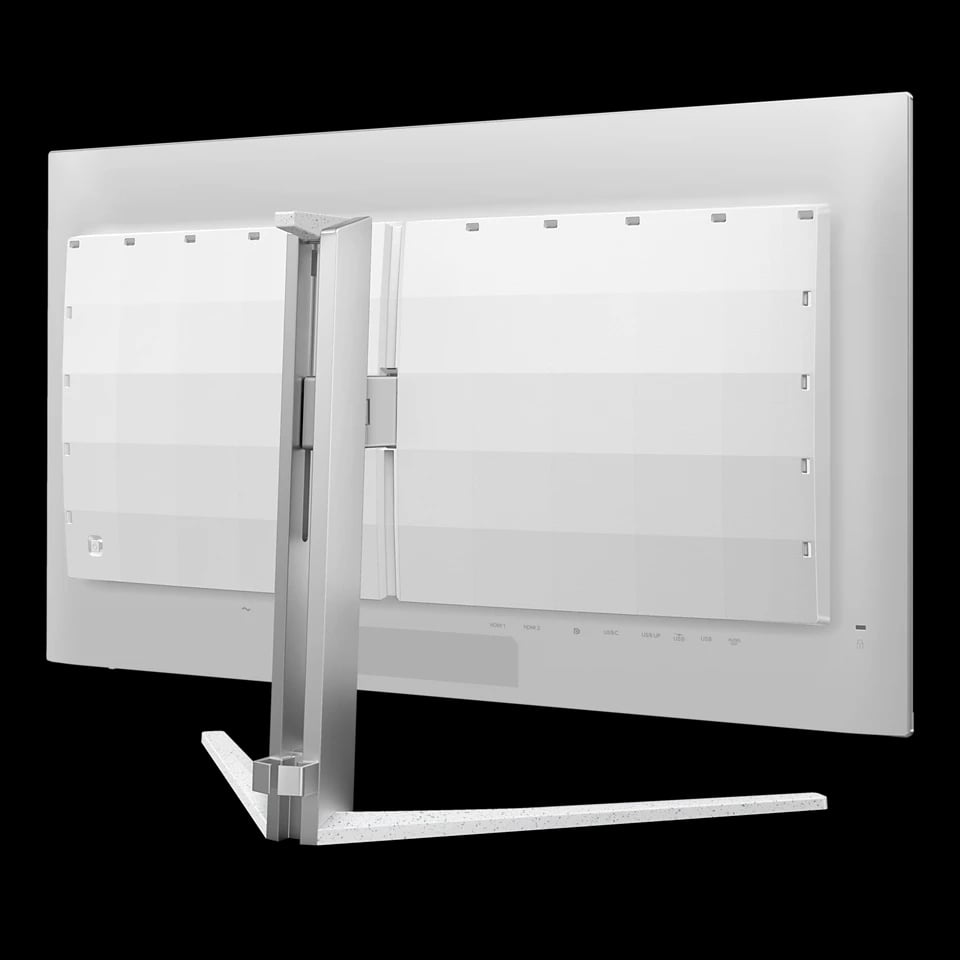
Connectivity options include two HDMI 2.1 ports, one DisplayPort, USB-C with up to 65W Power Delivery, USB-B upstream, two USB-A ports, and an additional USB-C downstream port with 15W output. Philips has not yet confirmed pricing or availability outside China.
For more daily updates, please visit our News Section.
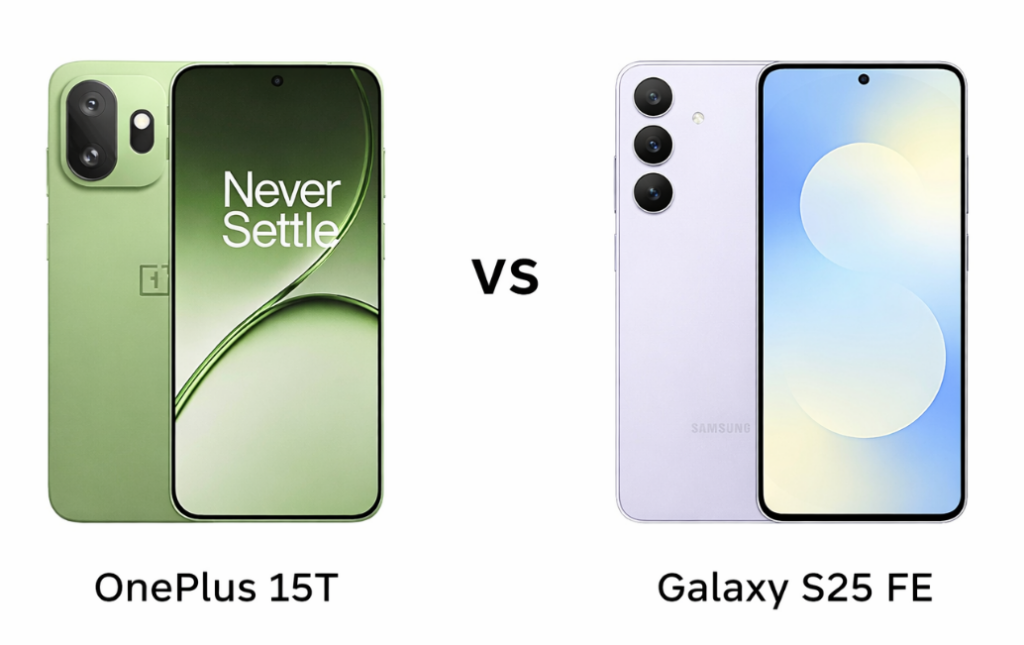
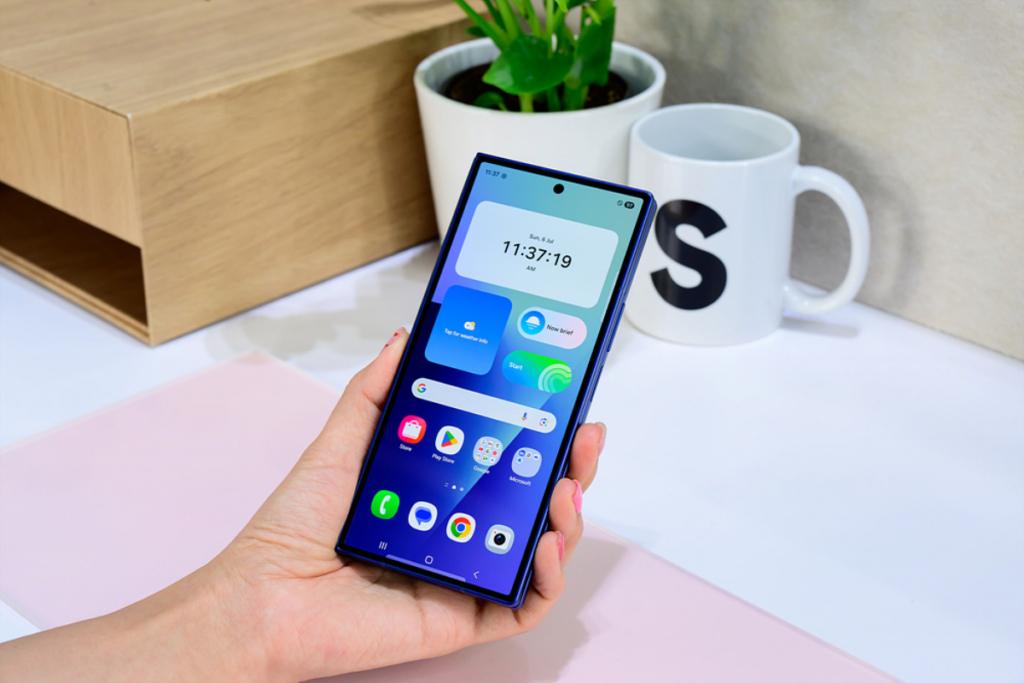
Some smartphone comparisons come down to minor upgrades, but this one is a clear clash of priorities. OnePlus 15T is engineered around high-performance hardware, featuring a next-gen chipset, high refresh rate display, and an unusually large battery with ultra-fast charging. In contrast, the Samsung Galaxy S25 FE takes a more balanced flagship approach, combining refined build quality, a versatile multi-camera system, and extended software support.
This comparison ultimately comes down to prioritizing raw performance and hardware innovation versus a more polished, well-rounded user experience.
The OnePlus 15T leans toward a performance-first design with a sturdy aluminum alloy frame and fiber-reinforced back, paired with high-end IP68/IP69K protection. It feels built for durability and aggressive use. The Samsung Galaxy S25 FE, on the other hand, focuses on premium aesthetics with Gorilla Glass Victus+ on both sides and an enhanced armor aluminum frame. It feels more refined and flagship-like in hand, with a cleaner, polished finish that aligns with Samsung’s design language.
Display Quality
The OnePlus 15T pushes boundaries with a 165Hz AMOLED panel, Dolby Vision, and extremely high peak brightness, making it ideal for gaming and HDR-heavy usage. The Samsung Galaxy S25 FE counters with a larger Dynamic LTPO AMOLED 2X display, offering smoother adaptive refresh and excellent color tuning. While OnePlus delivers raw display power, Samsung’s panel feels more balanced and easier on the eyes for long-term use.
Verdict
OnePlus 15T wins for performance-focused display and brightness, while Samsung Galaxy S25 FE feels more premium and visually refined.
2. Specifications Including Battery
Performance
The OnePlus 15T clearly dominates with the Snapdragon 8 Elite Gen 5 chip, offering top-tier performance that easily handles gaming, multitasking, and future workloads. It also pairs with faster UFS 4.1 storage and higher RAM options, giving it a clear edge in speed. The Samsung Galaxy S25 FE’s Exynos 2400 is capable and efficient, but it doesn’t match the raw power or sustained performance of OnePlus, especially under heavy loads.
Battery and Charging
The battery is where the gap becomes massive. The OnePlus 15T packs a huge 7500mAh battery with 100W wired and 50W wireless charging, making it one of the fastest and longest-lasting setups in its class. The Samsung Galaxy S25 FE offers a 4900mAh battery with slower 45W charging and modest wireless speeds. Samsung focuses more on stability than speed, but the difference is noticeable in daily use.
Verdict
OnePlus 15T is the clear winner for performance and battery, delivering significantly more power and faster charging.
3. Camera
Main and Secondary Lenses
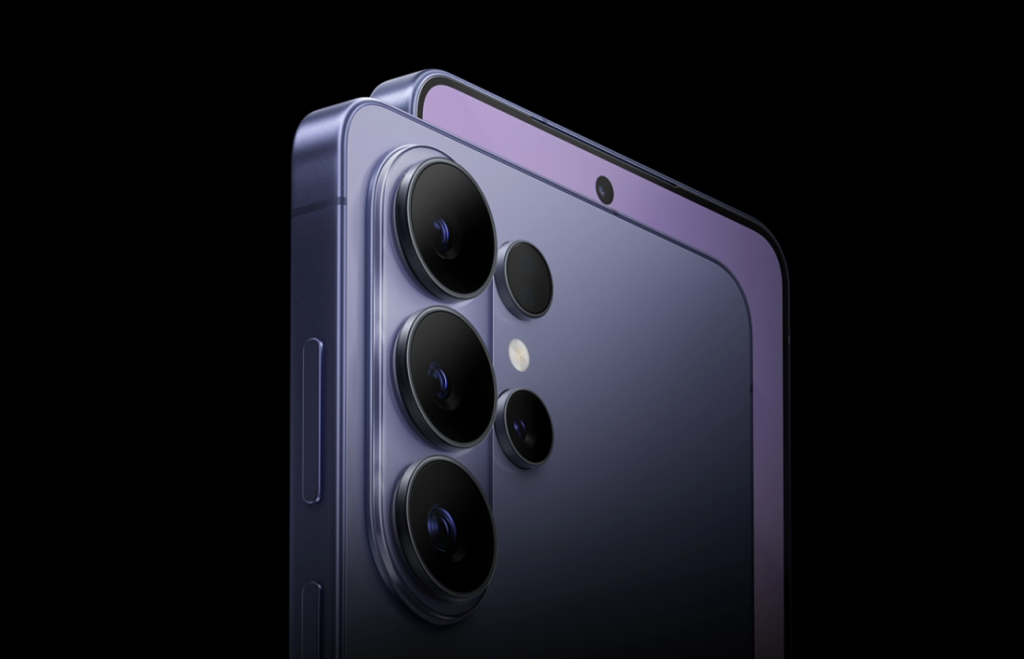
The OnePlus 15T features a dual-camera setup with a strong 50MP main sensor and a 50MP telephoto lens with 3.5x zoom, focusing on quality over quantity. It delivers sharp images and solid zoom performance but lacks an ultrawide lens. The Samsung Galaxy S25 FE takes a more versatile approach with a triple-camera setup, including ultrawide, telephoto, and wide lenses. This makes it more flexible for different shooting scenarios, even if the telephoto sensor is less powerful than that of OnePlus.
Selfie Camera
Samsung takes the lead in selfies with a 12MP sensor capable of 4K video, offering better detail and video quality. The OnePlus 15T’s 16MP front camera is decent but limited to 1080p video, which feels slightly behind in this segment.
Verdict
Samsung Galaxy S25 FE wins for versatility and better selfie/video capabilities, while OnePlus focuses on stronger primary and zoom quality.
4. Pricing
Price Comparison
The OnePlus 15T is priced at around $600 (₹58,000), while the Samsung Galaxy S25 FE comes in at about $700 (₹50,000). Despite the higher dollar price, Samsung appears more affordable in the Indian market, which shifts the value perception significantly.
Is the price justified?
The OnePlus 15T justifies its price with cutting-edge performance, a massive battery, and ultra-fast charging. It feels like a power-user device built for longevity. The Samsung Galaxy S25 FE, however, offers a more balanced package with a premium design, versatile cameras, and long-term software support, making it appealing for users who prefer stability and ecosystem features over raw specs.
Verdict
OnePlus 15T offers better hardware value, while Samsung Galaxy S25 FE delivers more balanced overall value, especially considering pricing in India.
Disclaimer: Prices are approximate and may vary based on country, region, and applicable taxes.
5. Conclusion
The OnePlus 15T stands out with its massive battery, 165Hz display, and flagship-grade performance, clearly targeting power users and gamers. It feels like a device built to push limits. The Samsung Galaxy S25 FE differentiates itself with premium build quality, versatile cameras, Samsung DeX support, and long-term software updates, making it more ecosystem-friendly and future-proof.
Final Verdict
If you have to choose one, then OnePlus 15T is the better pick overall. It delivers significantly stronger performance, a much larger battery, faster charging, and a more advanced display, making it feel more powerful and future-ready in daily use. While the Samsung Galaxy S25 FE offers a more balanced experience with better cameras and software support, it doesn’t match the raw hardware advantage of the OnePlus. For most users, the OnePlus 15T gives more value in the long run.
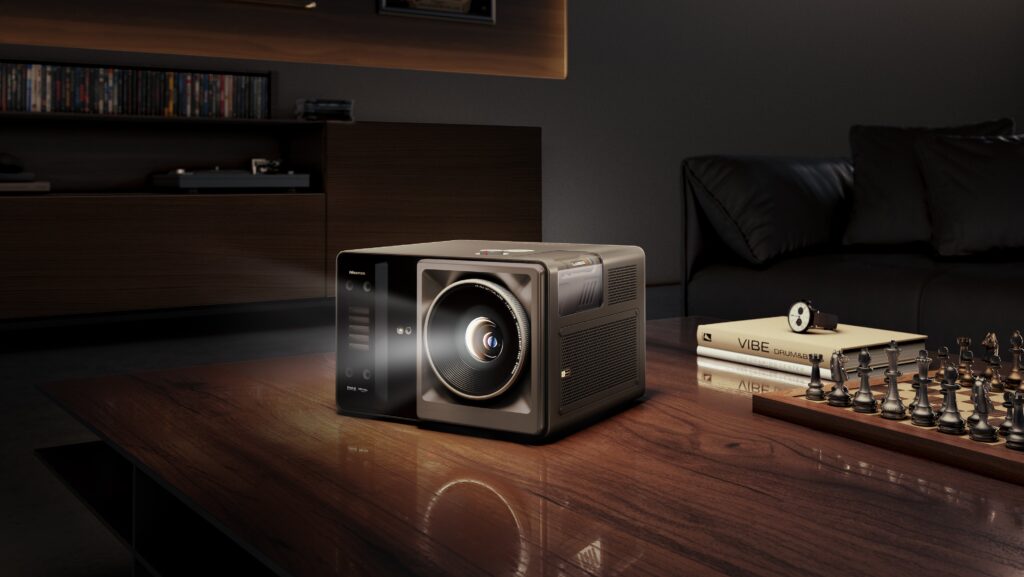
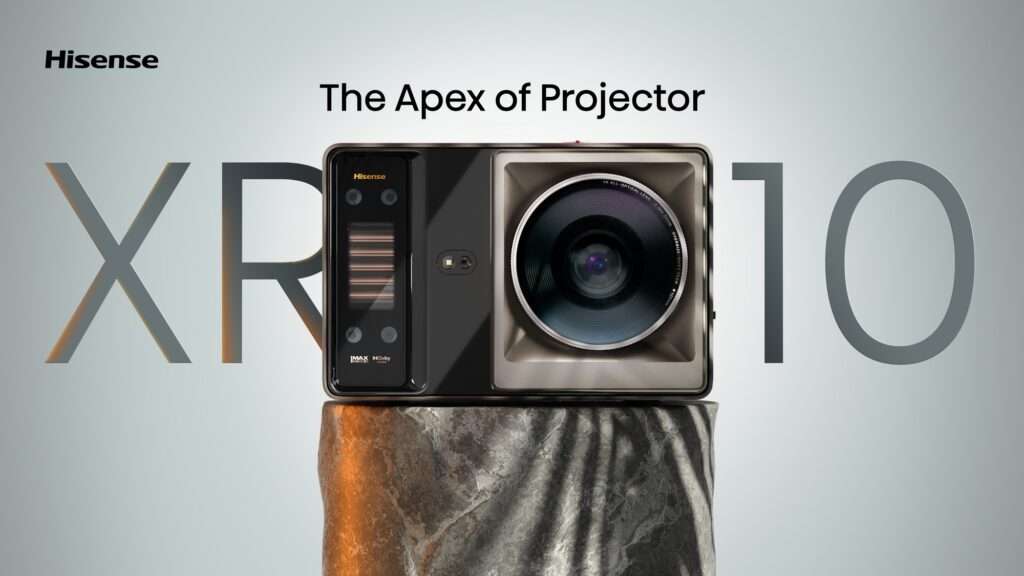
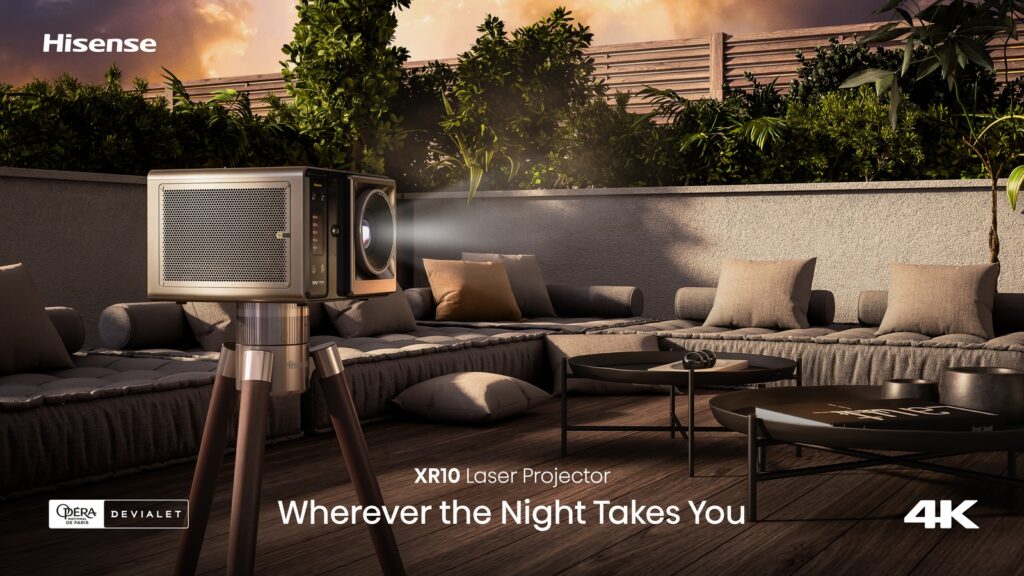
Hisense has opened pre-orders for its XR10 4K Triple Laser Smart Projector, which was first shown at CES 2026. The model is positioned as the company’s most advanced home projector so far.
The XR10 supports 4K UHD resolution at 60Hz and can project images from 65 inches up to 300 inches. It uses a triple-laser light source that delivers up to 6,000 ANSI lumens. This level of brightness is designed to keep the image clear even with lights on. The light source is rated for up to 25,000 hours.
The projector has a 0.84 to 2.0:1 throw ratio, along with 2.39x optical zoom and lens shift. These features allow flexible placement without needing to move the unit much. Hisense has also added a seven-level iris adjustment and a 17-element glass lens system. The XR10 delivers a 6,000:1 native contrast ratio and up to 60,000:1 dynamic contrast.
For picture formats, it supports Dolby Vision, HDR10+, and IMAX Enhanced. It covers up to 118 percent of the BT.2020 color space, which is aimed at accurate color output.
The XR10 runs on Hisense’s VIDAA smart platform. It includes apps like Netflix, Amazon Prime Video, Disney+, and Apple TV. Screen mirroring is supported through AirPlay 2 and Miracast. For connectivity, it offers Wi-Fi 7, Bluetooth 5.4, HDMI 2.1, HDMI 2.0, USB 3.0, and Gigabit Ethernet. It also supports eARC and CEC for easier audio setup.
Audio is handled by a built-in 2.1-channel system developed with Devialet. It includes two 8W speakers and a 15W subwoofer. The system supports Dolby Digital and DTS Virtual:X. The sound profile has also been tuned with input from the Opéra de Paris. Cooling is managed by a dual-channel liquid cooling system designed to keep temperatures stable and reduce noise.
Pricing & availability
In the US, the XR10 is priced at $6,999.99. It is currently available for pre-order at $5,299.99 with a $1,700 discount. Buyers also get a free HT Saturn 4.1.2 wireless sound system. In Europe, it is listed at £5,999 in the UK and €4,999 in Germany.
For more daily updates, please visit our News Section.
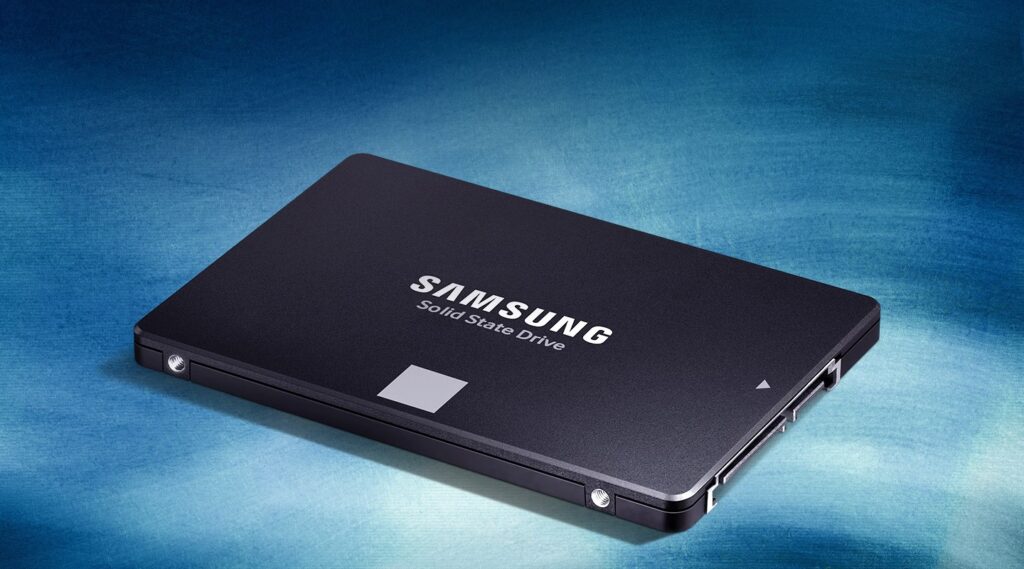
Samsung has launched the 8TB version of its 870 Evo SSD. The new model is now available in China for 12,999 yuan through major retailers like JD.com. In Europe, the SSD is priced at around €1,259, while in Singapore it is priced at $1,864.
Samsung 870 Evo 8TB SSD Specs
Samsung introduced the 870 Evo series in 2021 with capacities ranging from 250GB to 4TB. The new 8TB model doubles the previous maximum capacity, providing more options for users with heavy storage needs.
The 870 Evo SSD achieves sequential read speeds of up to 560 MB/s and write speeds of up to 530 MB/s, which are the highest possible speeds for the SATA interface. Samsung uses Intelligent TurboWrite technology to deliver consistent write performance over extended periods. Everyday users can expect professional-grade performance for tasks like gaming, media editing, and large file transfers.
Samsung designed the 8TB model for reliability and longevity. The SSD includes a five-year limited warranty and a 4,800 TBW (terabytes written) endurance rating, making it suitable for data-intensive workloads like 4K/8K video processing. The 870 EVO uses Samsung’s V-NAND TLC memory and the in-house MKX controller to ensure stable performance and compatibility across a wide range of devices.
This new SSD supports a standard 2.5-inch SATA form factor, which allows it to work with most desktop PCs, laptops, and NAS devices. Samsung Magician software lets users easily migrate data, monitor drive health, and install firmware updates. The SSD weighs approximately 48 grams and maintains compatibility with SATA 6Gb/s connections, while also supporting older SATA 3Gb/s and SATA 1.5Gb/s standards.
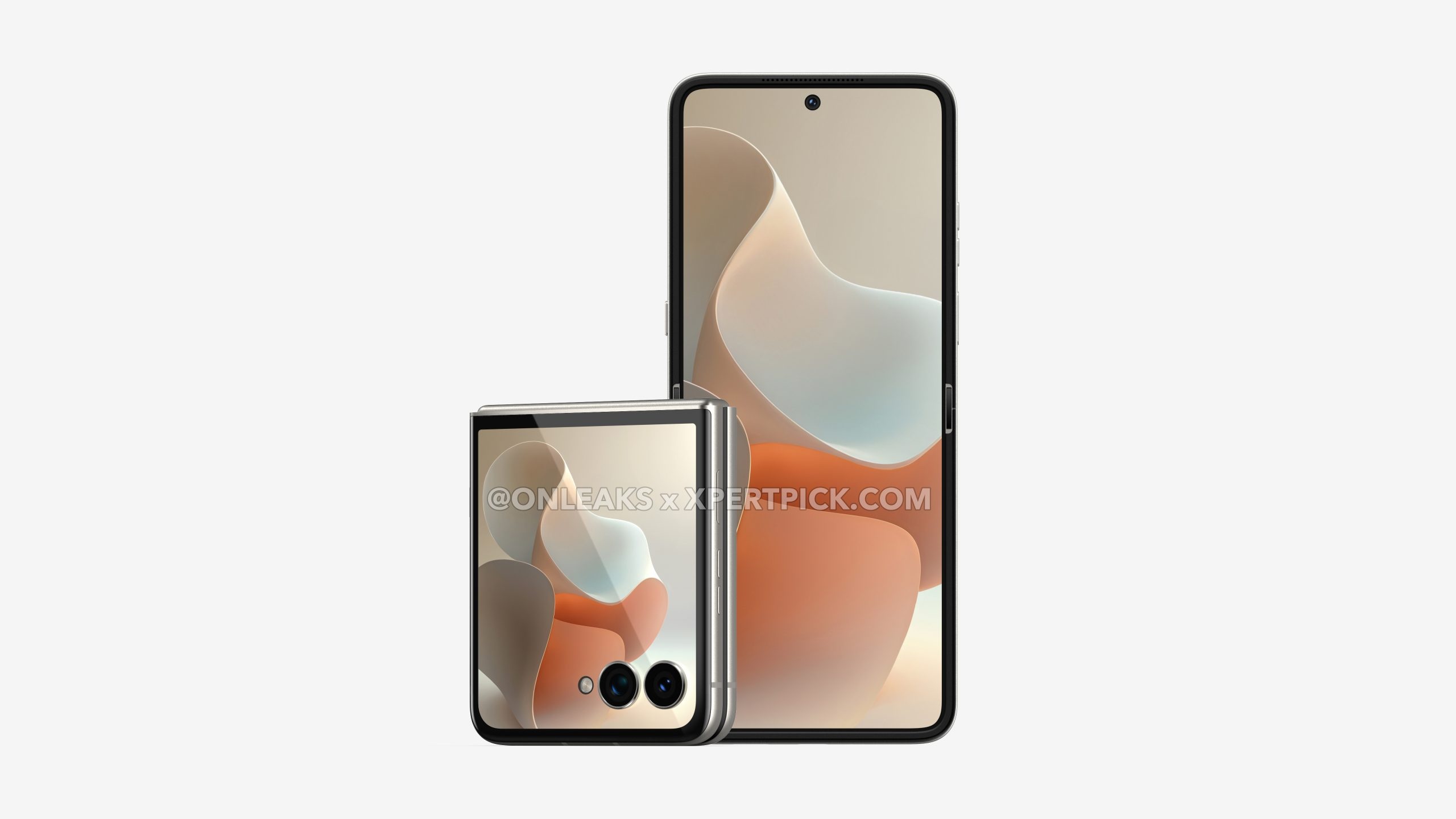
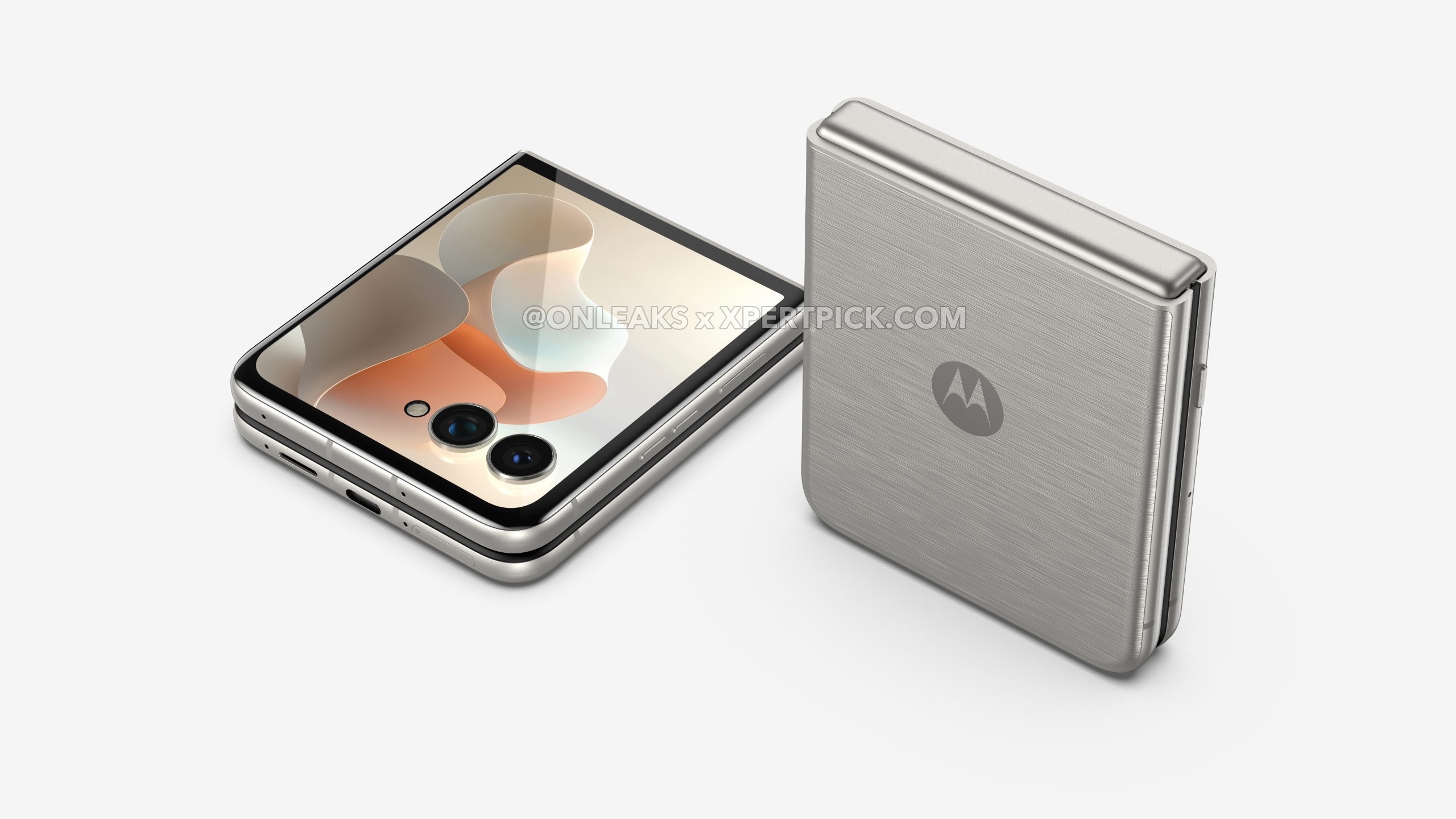
Motorola‘s upcoming Razr 70 Ultra has appeared in CAD renders and a 360-degree video shared by OnLeaks and XpertPick, revealing a device that prioritizes refinement over reinvention.
The foldable maintains its clamshell form factor with dimensions of 171.3 x 74.1 x 7.8mm unfolded and 88.0 x 74.1 x 15.8mm folded. The camera bump pushes the total thickness to 9.6mm and 17.63mm, respectively. This represents a slight increase from the Razr 60 Ultra’s 7.2mm and 15.7mm measurements, suggesting internal modifications likely targeting battery capacity or camera components.
Display specifications remain static: a 7-inch internal foldable screen paired with a 4-inch cover display, matching the previous generation’s configuration.
Design alterations are minimal. The left edge now features a dedicated Moto AI button, while power and volume controls stay right-mounted. The bottom houses a USB Type-C port, speaker grille, microphone, and SIM slot. A secondary microphone sits topside.
For context, the Razr 60 Ultra delivers a 7-inch FlexView pOLED LTPO inner display (1224 x 2992 pixels, 1-165Hz refresh, 4000 nits peak brightness) and a 4-inch QuickView outer screen (1272 x 1080 pixels, 1-165Hz, 3000 nits, Gorilla Glass Ceramic). It runs Snapdragon 8 Gen Elite on 3nm architecture with Adreno 830 graphics, 16GB LPDDR5X RAM, and 512GB UFS 4.1 storage.
Camera hardware includes triple 50MP sensors: main (f/1.8, OIS), ultra-wide (f/2.0), and front-facing (f/2.0). Connectivity spans 5G SA/NSA, dual 4G VoLTE, Wi-Fi 6E, Bluetooth 5.4, and NFC. The 4700mAh battery supports 68W wired and 30W wireless charging. The Razr 70 standard model has already surfaced on China’s TENAA with images and specifications, indicating an imminent launch window for both variants.
The Exynos 2600 is the first chipset to use Samsung’s 2nm process, promising upgrades to both performance and efficiency, thanks to advanced lithography, increased nanosheet count, and improved gate control. However, things haven’t gone Samsung’s way, as the chip ended up drawing 30W at peak, making its rival, the Snapdragon 8 Elite Gen 5 (21W), significantly more power-efficient.
YouTube channel TechStation365 performed a series of tests on Galaxy S26 (powered by Exynos 2600), OnePlus 15 (powered by Snapdragon 8 Elite Gen 5), and Motorola Signature (powered by Snapdragon 8 Gen 5). For the sake of this article, we’ll focus on Geekbench 6 and a Decompression Test (for a 20GB ZIP file), which reveal rather interesting results.
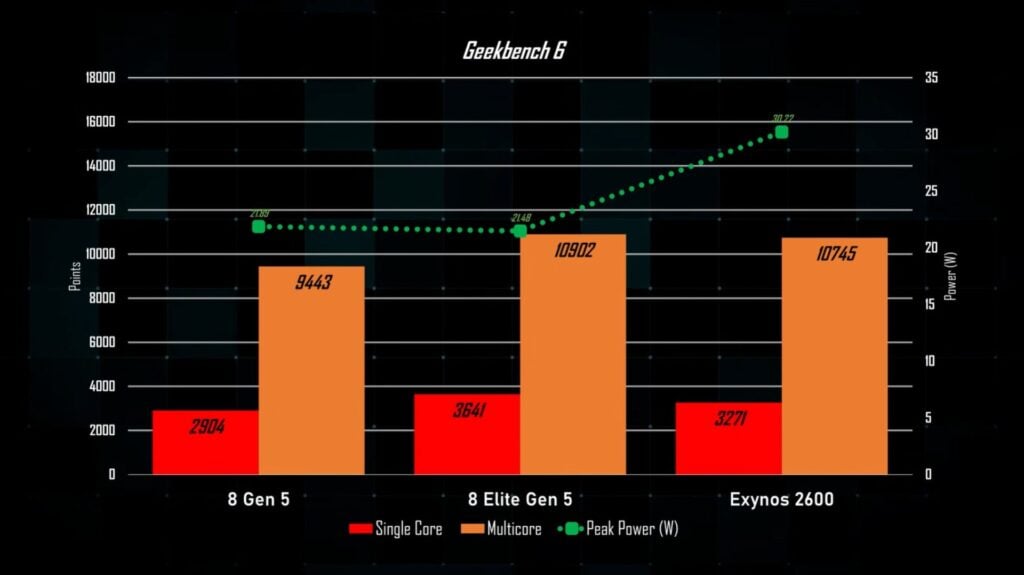
Both the Snapdragon 8 Elite and Snapdragon 8 Elite Gen 5 have a peak power draw of around 21W, while the Exynos 2600 reaches 30W, which is a pretty significant gap, even though the power draw may have just been for a few seconds. This also means the Exynos 2600 will perform poorly under sustained workloads due to increased power draw.
Snapdragon 8 Elite Gen 5
Single core: 3,641 points
Multi core: 10,902 points
Peak power draw: 21.48W
Exynos 2600
Single core: 3,271 points
Multi core: 10,745 points
Peak power draw: 30.22W
Snapdragon 8 Gen 5
Single core: 2,904 points
Multi core: 9,443 points
Peak power draw: 21.89W
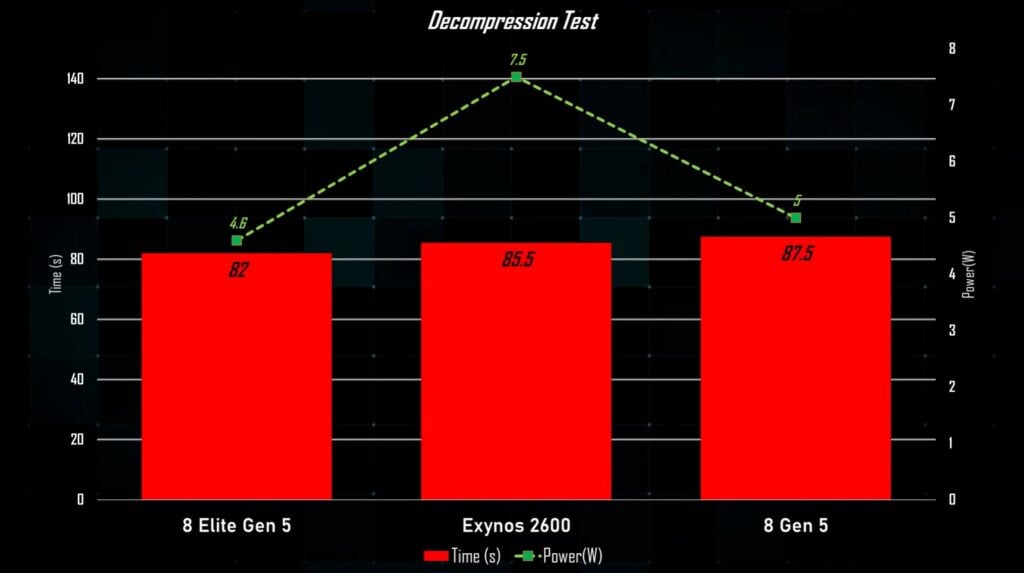
Even in the Decompression Test, the Exynos 2600 didn’t see any efficiency improvements. It reached up to 7.8W in peak power consumption, while the Snapdragon 8 Gen 5 and Snapdragon 8 Elite Gen 5 are below 5W. The Snapdragon 8 Elite Gen 5 also takes less time to decompress.
The results pretty much confirm that TSMC still has a solid upper hand in chip efficiency over Samsung. YouTube channel TechStation365 has concluded that the Exynos 2600 is a power-hungry chipset, as those 10-cores require a little more juice to perform optimally. Hopefully, we’ll see some real efficiency upgrades in Exynos 2700.
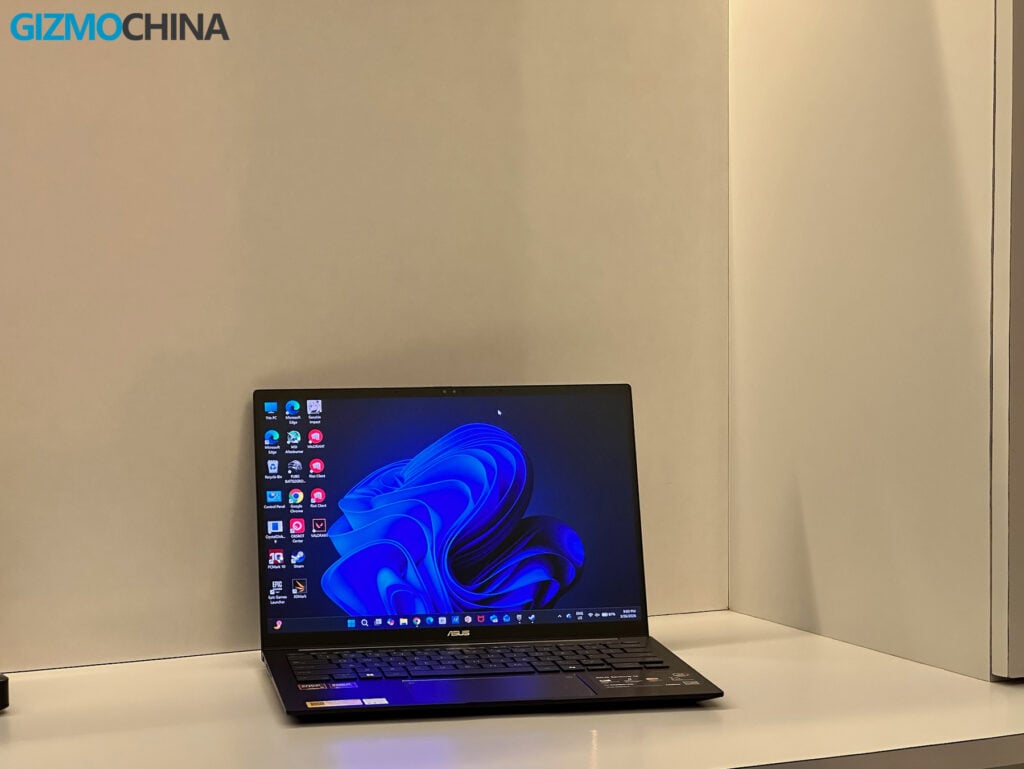
Thin-and-light laptops have always been my go-to for their portability and sleek aesthetics.
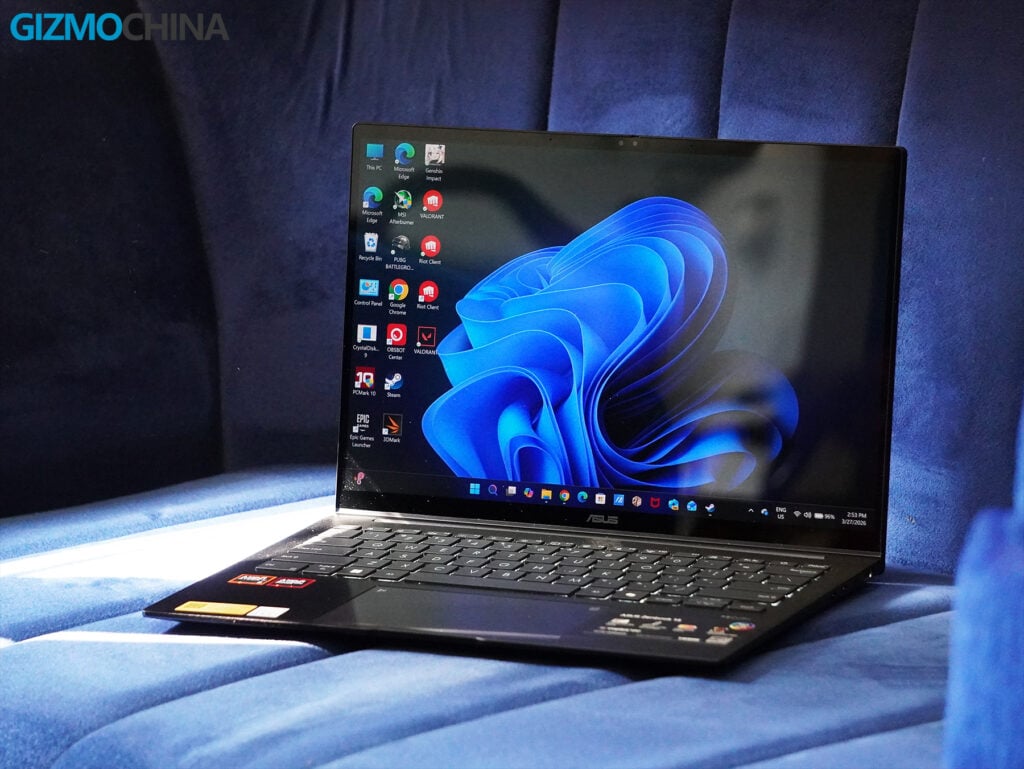
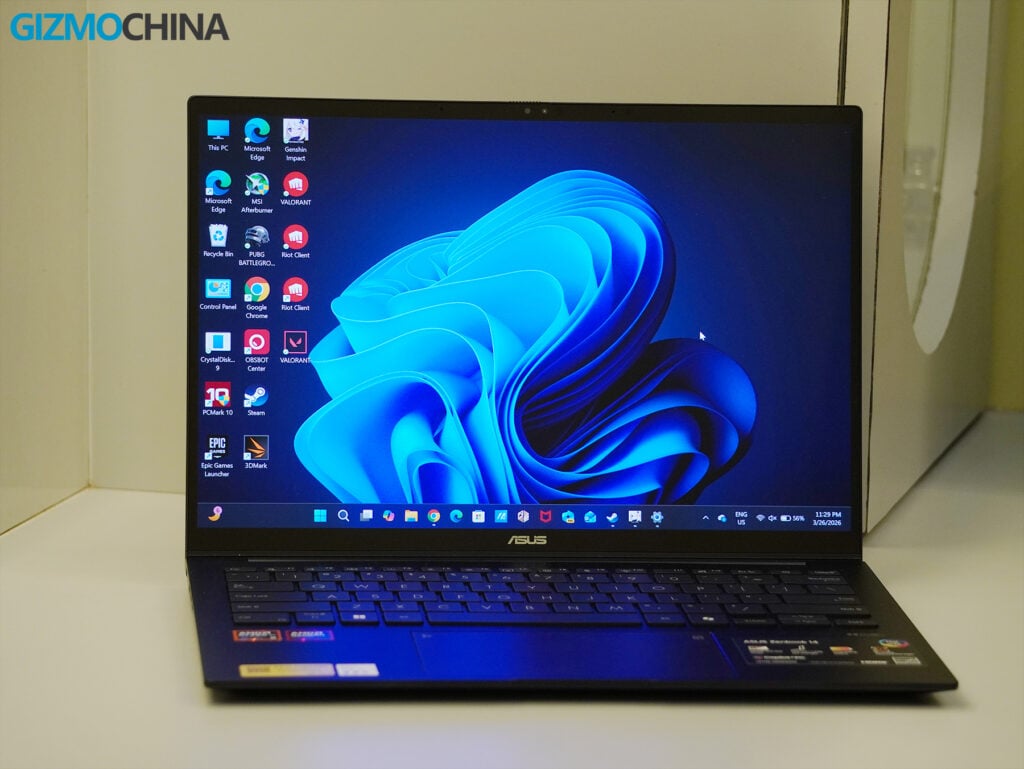
Over the past couple of weeks, I had the chance to test out the Asus Zenbook 14 (UM3406G), a machine that promises the best of modern design, AI-infused performance, and impressively long battery life.
While marketed as an ultraportable, it’s clear that Asus also wanted to make a device that stands out in terms of build, features, and utility. But does it deliver on all fronts? Let’s break it down.
Design and Build Quality
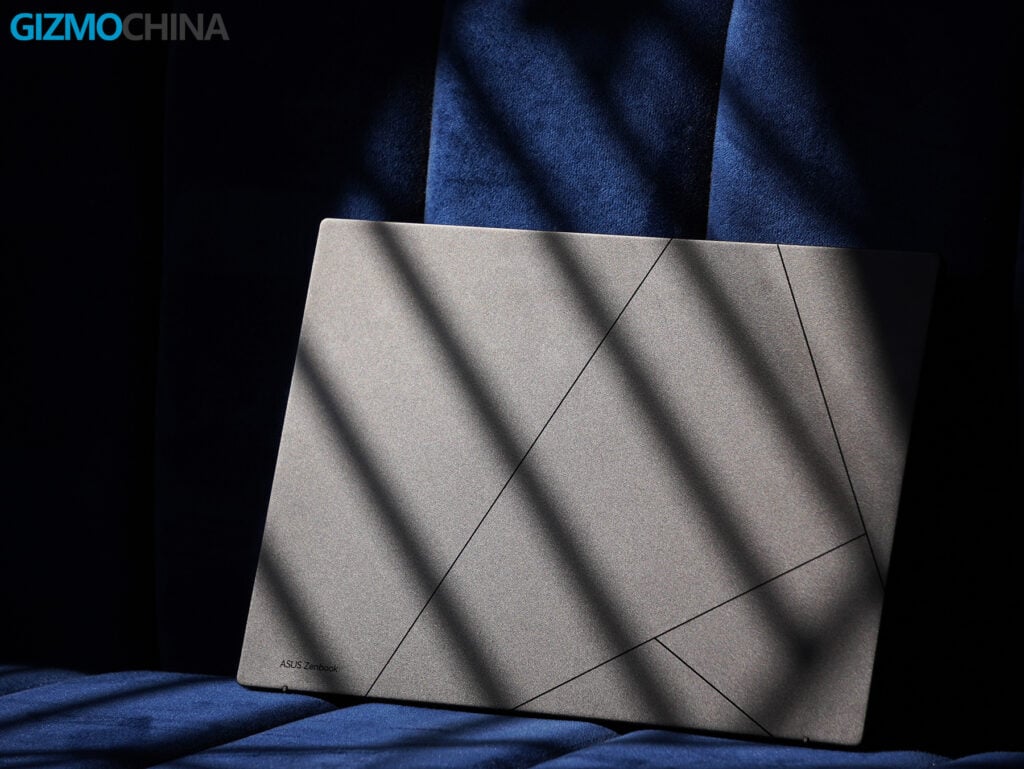
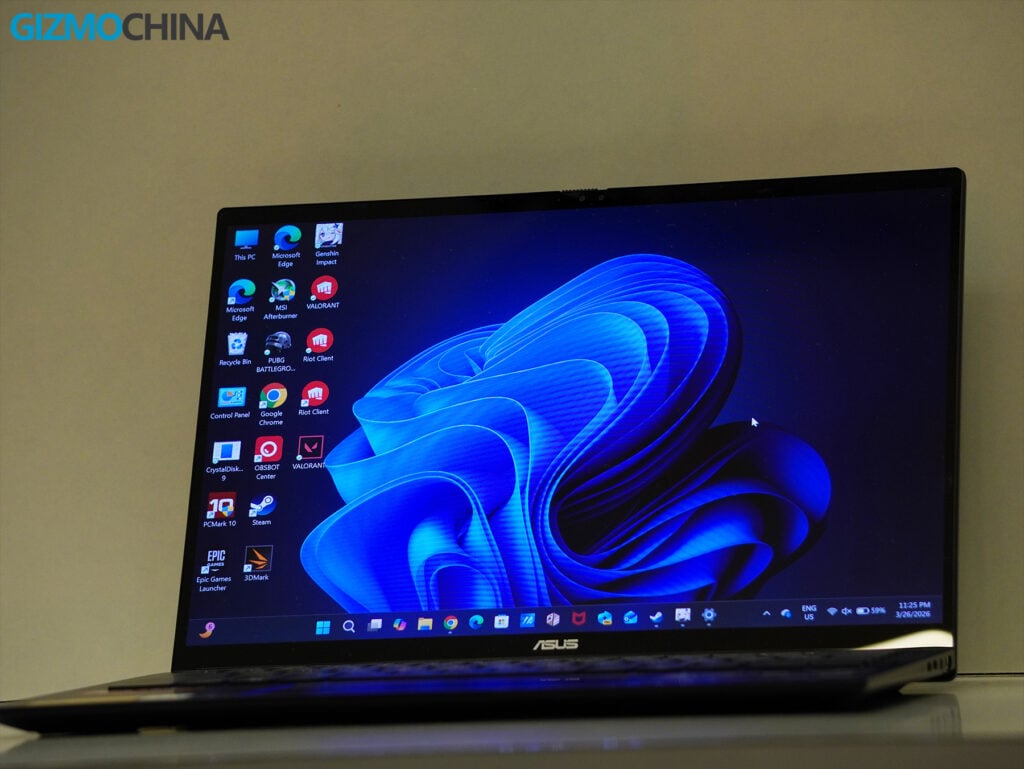
Straight out of the box, the Zenbook 14 makes an impression with its minimalist, all-aluminum alloy chassis. Asus has gone for a clean, professional aesthetic that blends seamlessly into both casual and office settings. The Jade Black finish steals the spotlight, subtle, sophisticated, and premium. However, it’s a fingerprint magnet, which detracts slightly from its otherwise polished look. You’re going to want to keep a microfiber cloth handy.
At 1.49 cm thin and weighing 1.28 kg, this laptop is designed for those on the move. It’s incredibly lightweight and slim, yet it doesn’t compromise structural integrity. The MIL-STD 810H certification for military-grade durability adds some peace of mind. I tossed it into my work bag every day and used it in various coffee shops without worrying about accidental bumps.
The hinge design allows the lid to open a full 180 degrees, making collaboration or angled viewing comfortable. However, the one downside in practical use is that you can’t open the lid with one hand, a very annoying hiccup in an otherwise thoughtful design.
Display
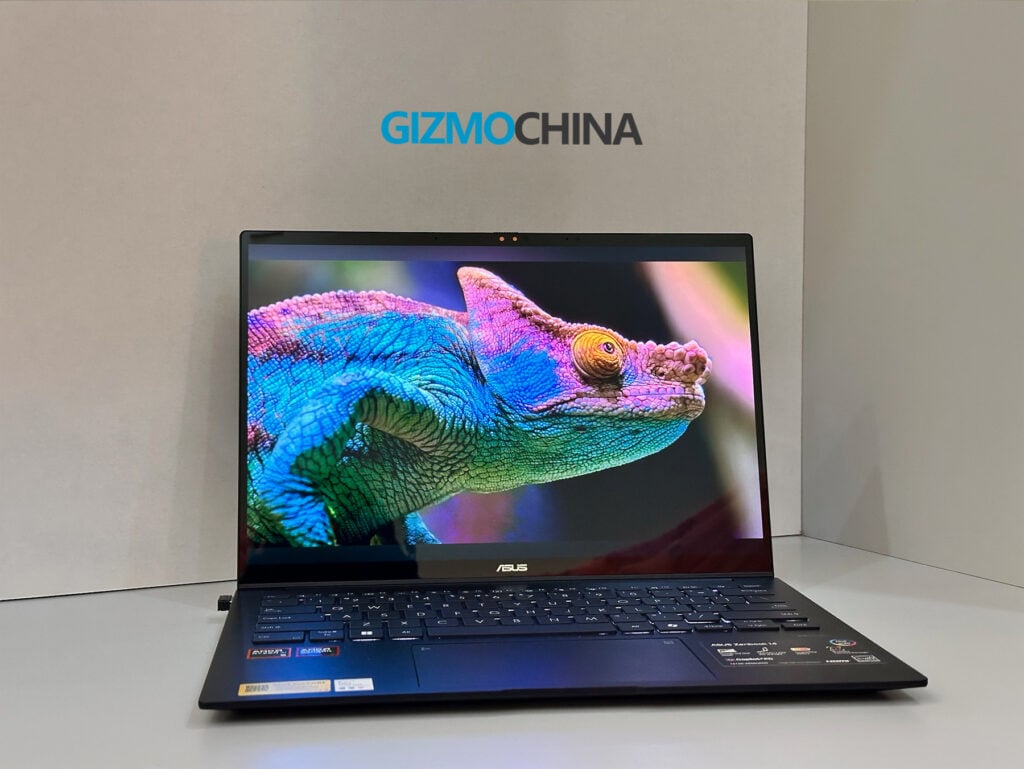
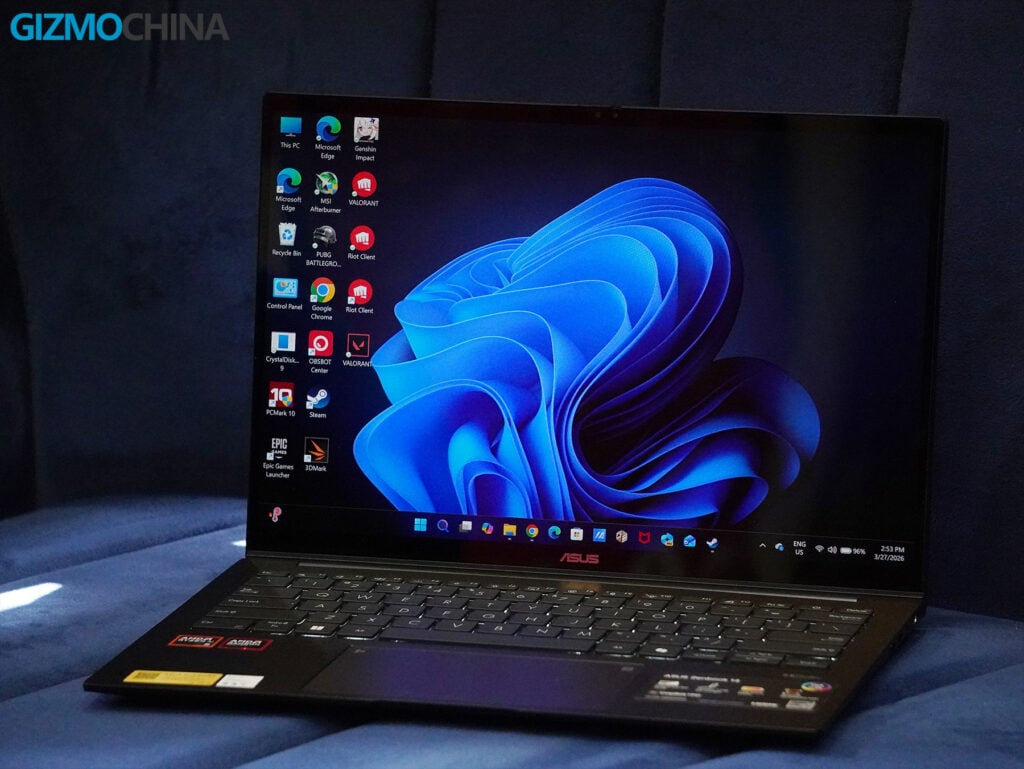
The display is easily one of the standout features of the Zenbook 14 for me. It comes with a 14-inch FHD+ Lumina OLED panel (1920×1200) surrounded by incredibly thin bezels and an aspect ratio of 16:10, giving it an impressive 87% screen-to-body ratio.
Even though the resolution might feel a little low compared to higher-res panels, the colors are absolutely stunning. They’re vivid and deeply saturated, covering 100% of the DCI-P3 color gamut with a 1,000,000:1 contrast ratio. Whether I was editing photos, watching HDR videos, or just scrolling through documents, the display felt immersive and incredibly true-to-life.
HDR content looks fantastic on this VESA-certified DisplayHDR True Black 500 panel. The 0.2ms response time makes motion smooth and fluid, which is perfect for watching videos or working on media-heavy tasks.
That said, there are a couple of downsides. The glossy screen, while gorgeous indoors, can be highly reflective in bright lighting. On top of that, the refresh rate is capped at 60Hz, which is fine for my general productivity tasks but might feel limiting for gamers or anyone used to 120Hz or higher.
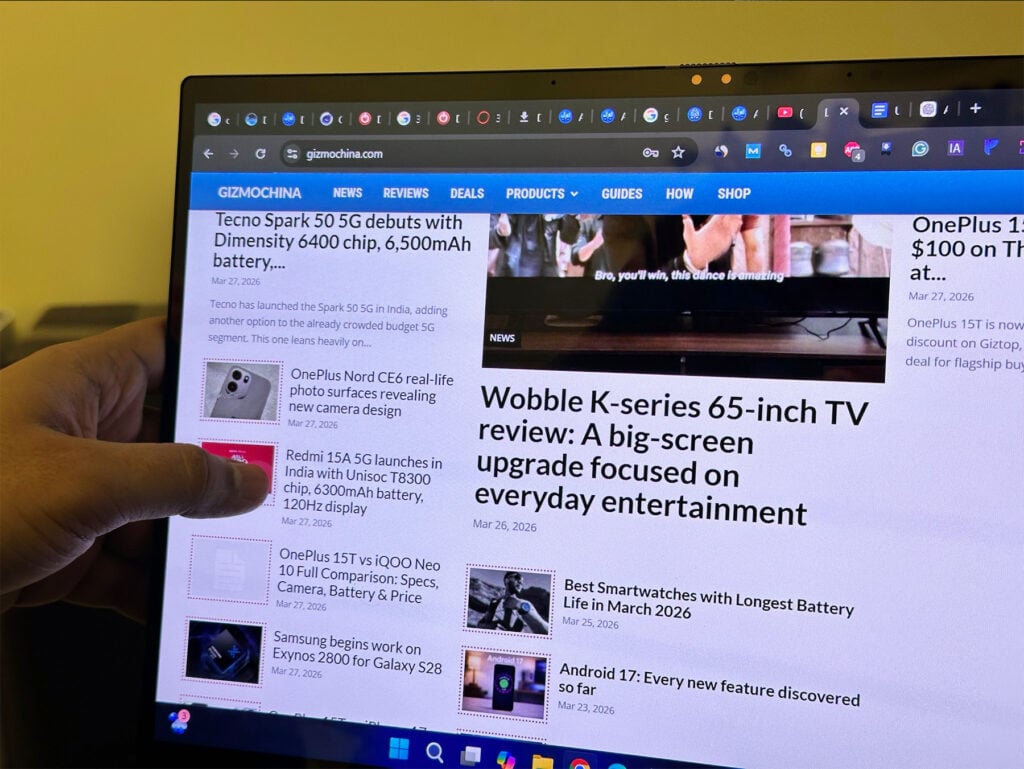
On the positive side, my unit includes a touchscreen, and it works flawlessly. It also supports a stylus, which has made the laptop even more versatile for creative or note-taking tasks.
Ports and Connectivity
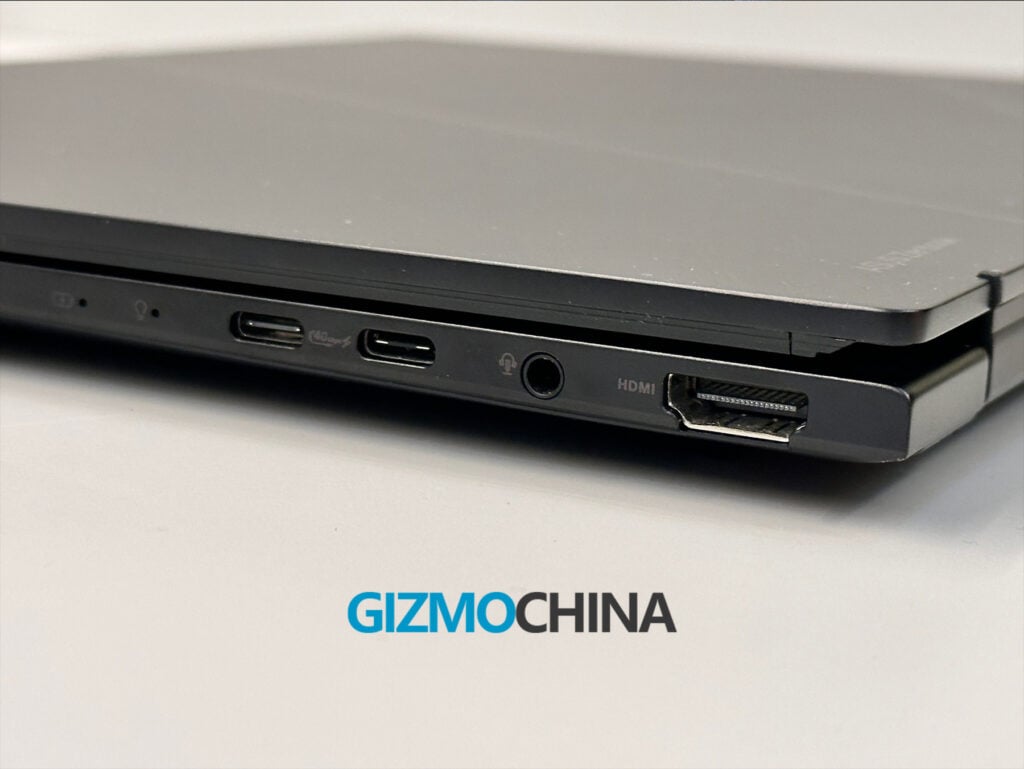
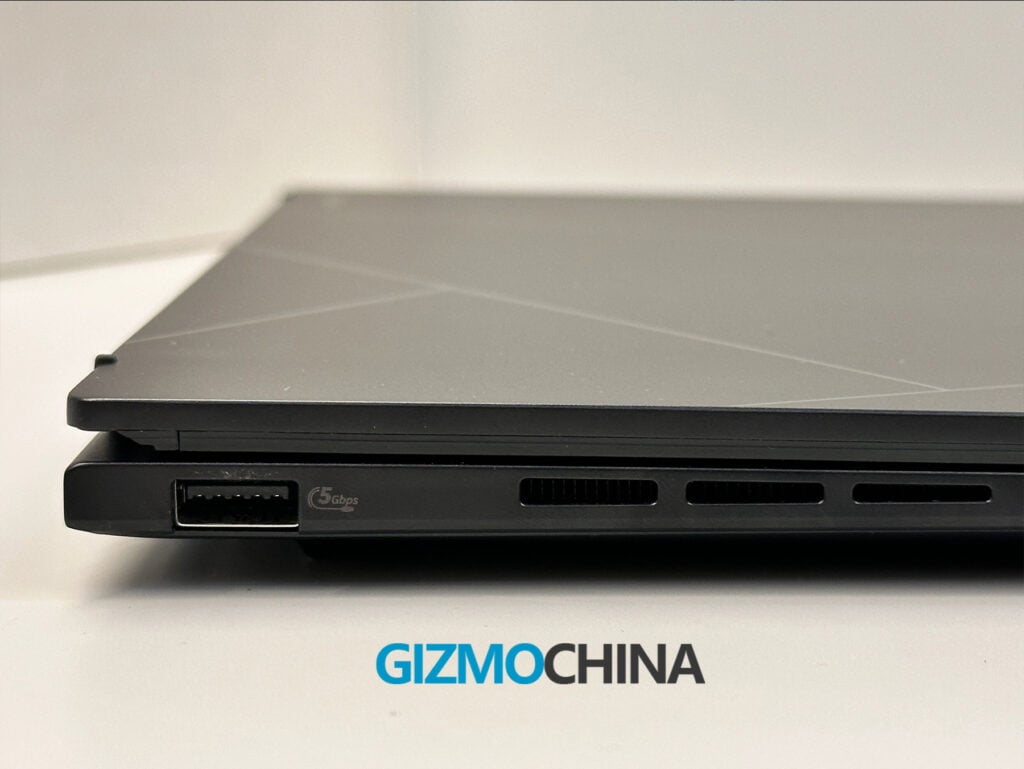
The laptop comes with a well-rounded selection of ports. You get one USB 4.0 Gen 3 Type-C port with DisplayPort and Power Delivery, one USB 3.2 Gen 2 Type-C port, one USB 3.2 Gen 1 Type-A port, an HDMI 2.1 port, and a 3.5mm combo audio jack.
The port selection is versatile enough to cover most of my needs, but I did notice that Asus placed all the USB-C ports on the right side of the laptop. For me, this design choice can make cable management a bit tricky when connecting multiple peripherals or an external monitor on my desk. I also found myself missing an SD card reader, which would have been helpful for transferring files from my camera or other recording devices.
Keyboard and Trackpad
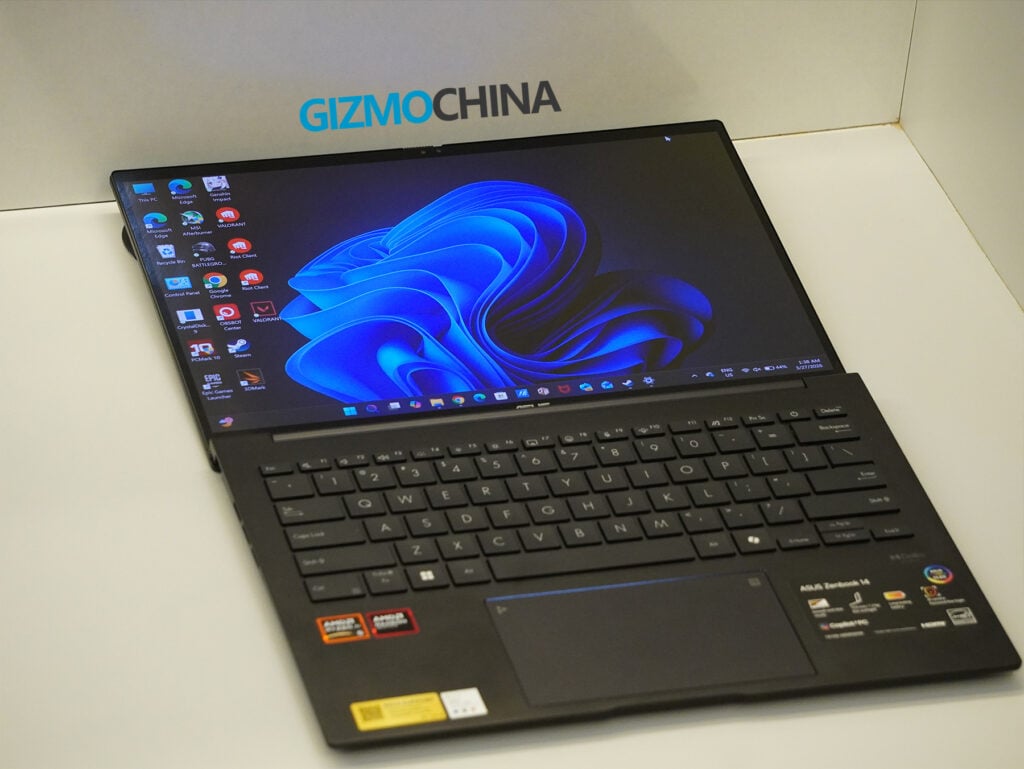
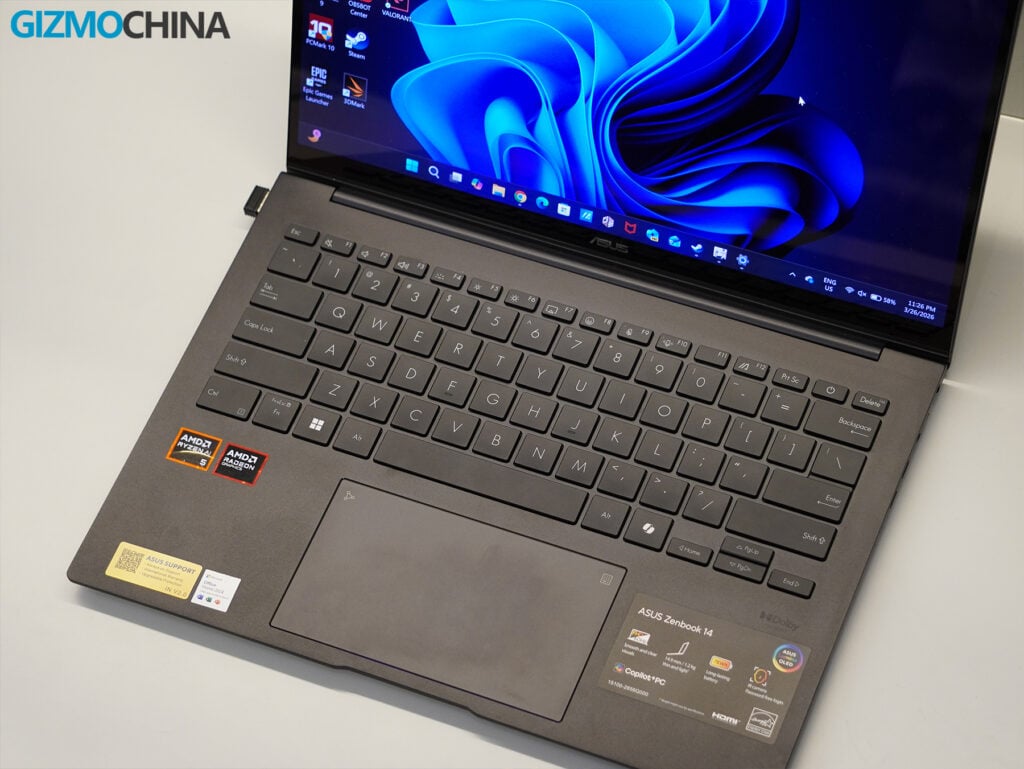
I found the keyboard on the Zenbook 14 to be a joy to type on. The well-spaced keys, natural layout, and backlit made it easy to start typing right away without any awkward adjustments.
The 1.4mm key travel feels smooth and satisfying, while still being quiet enough for any setting. I also liked the smudge-resistant keycaps, which keep the keyboard looking clean and tidy even after extended use.
I found the trackpad to be smooth and accurate, with plenty of space for swipes and multitouch gestures. It also comes with an integrated numpad shortcut, which is a clever feature that worked really well.
Benchmarks
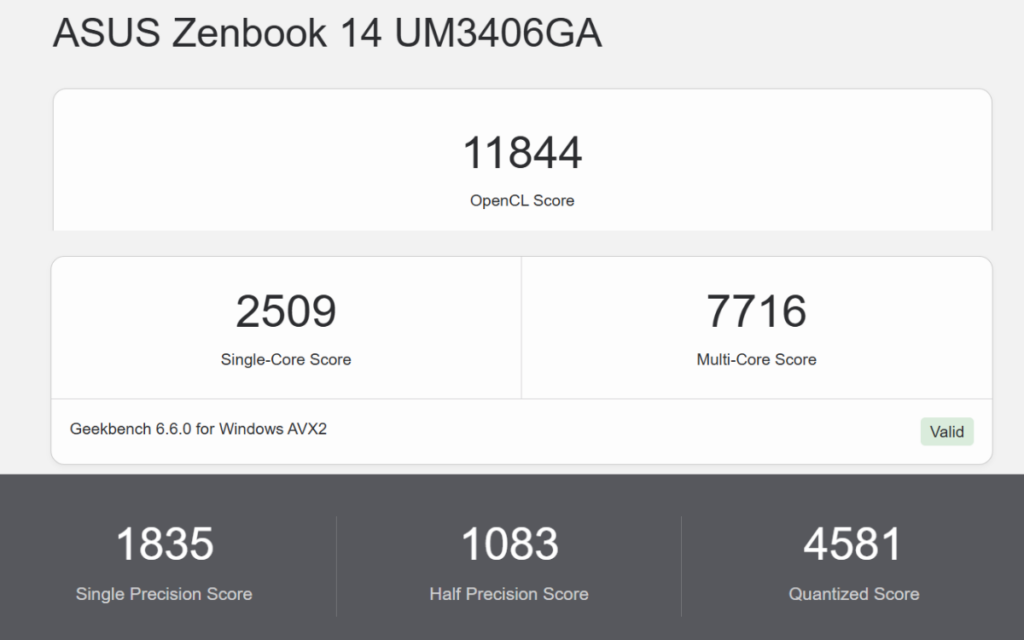
Here’s how the Zenbook 14 (UM3406G) performed in my benchmarking suite:
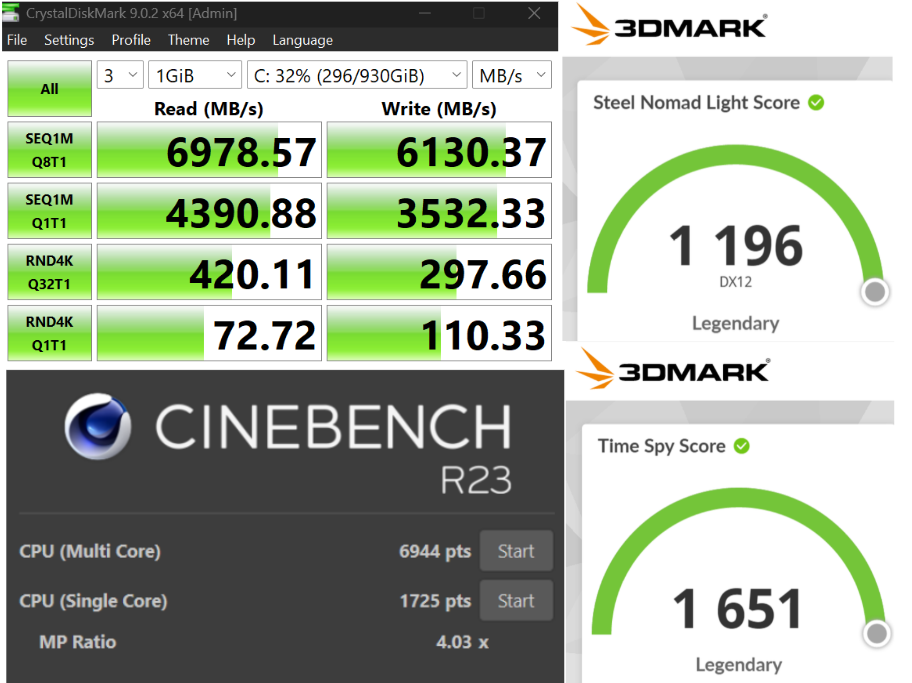
PCMark 10: 6,985 overall – Smooth and consistent for everyday multitasking.
Geekbench AI: 6,875 – Competent for handling on-device AI-related tasks like productivity features and video call enhancements.
3DMark Time Spy: 1,650 overall – Decent for casual gaming and minimal 3D workloads.
CrystalDiskMark: 6,978 MB/s read / 6,130 MB/s write – Ensures fast boot times, large file handling, and responsive app performance.
These results position the Zenbook 14 as an ultraportable designed for everyday productivity and portability, rather than a powerhouse for intensive workloads or gaming. It performs reliably for general tasks, but if you are seeking high-range performance for creative applications or gaming should look elsewhere. It’s best suited for professionals, students, and casual users.
AI and Performance
The Zenbook 14 (UM3406G) uses the Ryzen AI 5 430 processor, and I’ve found it great for enhancing everyday productivity with its AI-powered features. Windows Copilot works seamlessly with 50 TOPS, offering tools like background blurring for video calls, real-time translation, local AI-based summarization, and even basic image editing.
These features have been super convenient and made my workflow feel more efficient. Office apps also run incredibly smoothly, handling everything from heavy Excel sheets to PowerPoint presentations without any issues.
In my testing, the laptop handled over 30 Chrome tabs without breaking a sweat, but pushing beyond that introduced noticeable slowdowns, especially when multitasking with other programs.
For day-to-day tasks like web browsing, casual Photoshop sessions, light editing tasks, writing documents, and working with office apps, it runs perfectly as long as I keep the workload moderate.
Gaming
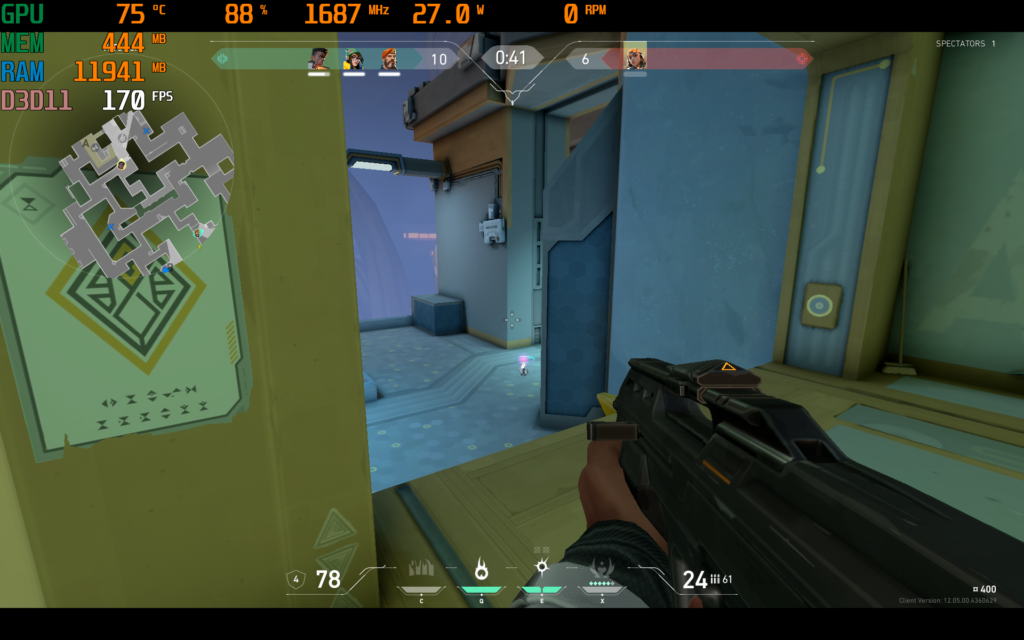
The laptop offers entry-level gaming performance with its integrated Radeon 840M GPU, which I found good enough for casual gaming. In esports titles like Valorant, it performs really well, delivering a smooth 170-230 FPS. The GPU runs at around 85-90% usage and consumes about 28W of power, which provides a stable and competitive experience.
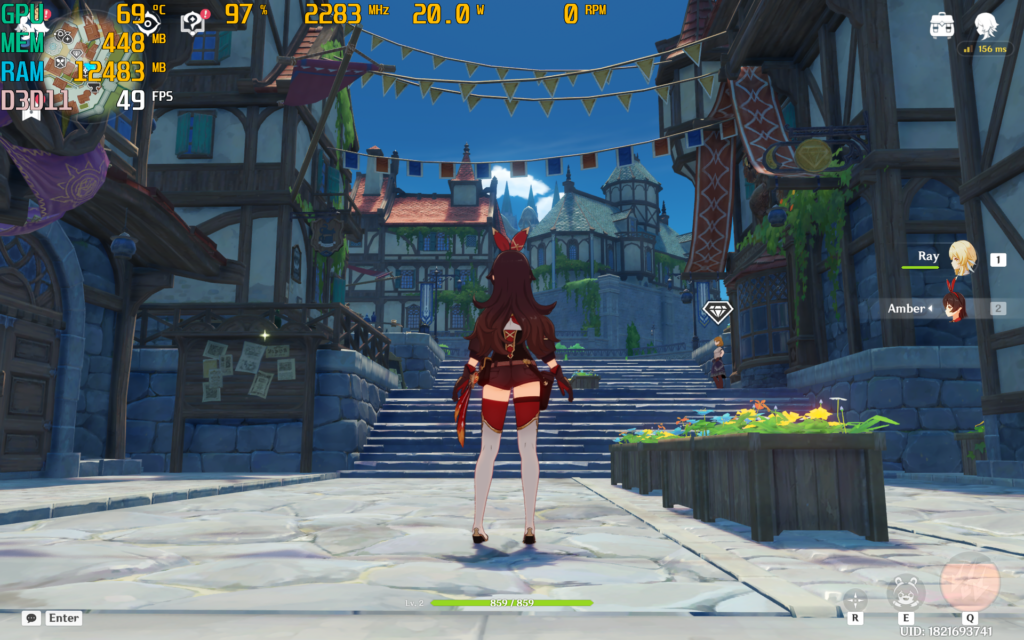
For slightly more demanding games like Genshin Impact, the laptop manages 49-57 FPS on medium settings. The GPU is fully utilized at 97-99%, drawing about 20W of power. It’s definitely playable, but there are occasional dips during more intense moments.
When I tested PUBG on its lowest settings, the laptop averaged around 32 FPS, with the GPU maxed out at 98%. It’s clear that it struggles with modern AAA or resource-heavy titles.
While the Zenbook 14 isn’t a gaming laptop, it handles light gaming and older esports titles quite well. It’s great if you’re looking to game casually or play less demanding titles, but it’s not suited for intense DX12 workloads or modern AAA games on higher settings. For me, it works perfectly as a secondary device for light gaming when I’m not looking for peak performance.
Thermal and Fan Performance
Thermals were remarkably well-managed, thanks to the single-heatpipe cooling system. Even under sustained workloads, the device remained cool to the touch, with the fan ramping up only during heavy tasks. For everyday usage, this is one of the quietest laptops I’ve tested.
Battery Life, Sound, and Camera
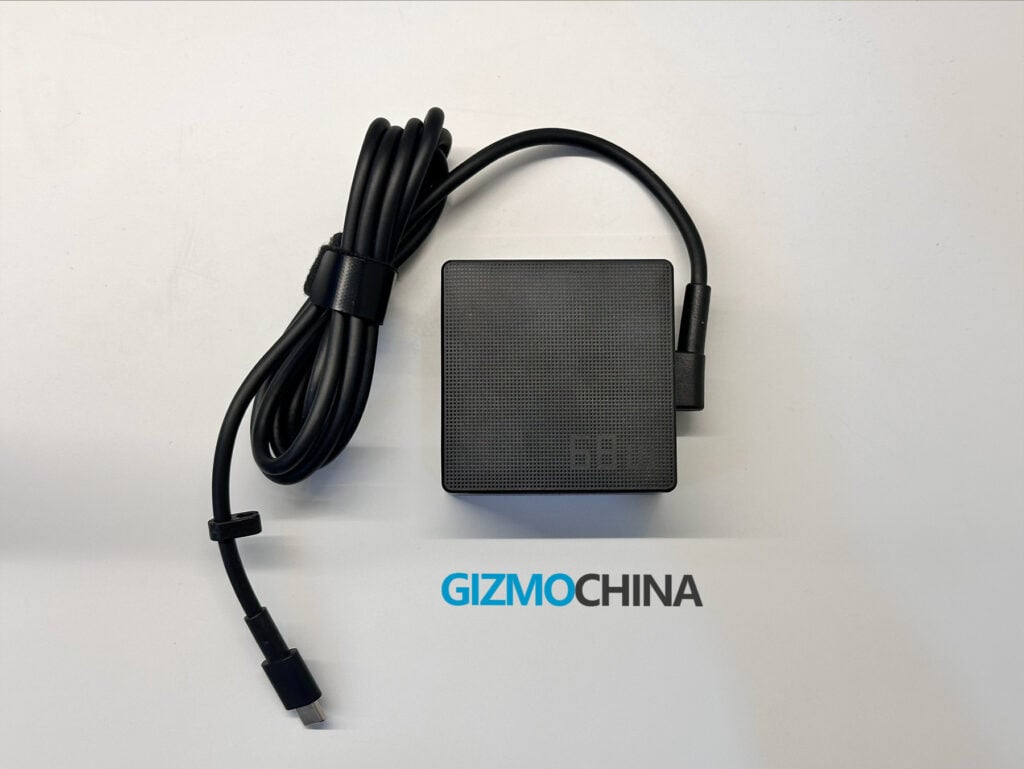
The Zenbook’s 75Wh battery is solid. I got over 10 hours of use with tasks like browsing, writing, using Office apps, and streaming. For heavier workloads, like multitasking with demanding apps, it lasted around 7-8 hours, which was enough to get me through the day without charging. The 65W fast charging is handy, it took around 50 minutes to go from 0 to 60%.
The speakers, however, were a bit disappointing. They’re bottom-firing and don’t have much bass. They’re okay for casual media and calls but don’t stand out if you’re hoping for great sound quality.
The 1080p webcam works fine for video calls. The quality is decent, and features like AI background blur and low-light adjustments help. It’s not amazing, but I didn’t have any complaints using it for meetings.
Verdict
The Asus Zenbook 14 (UM3406G) gets a lot of things right.
It combines a premium design, a fantastic OLED display, excellent battery life, and strong everyday performance into a lightweight package that’s easy to live with. The Ryzen AI 5 430 may not be the most powerful chip in its class, but it focuses on efficiency, and that’s exactly what this category needs.
There are compromises. The 60Hz display feels limiting, the reflective panel can be annoying, and the speakers could have been better. Port placement also feels slightly inconvenient.
But none of these break the experience.
After using it for over two weeks, this feels like a laptop designed for real life not benchmarks. It’s reliable, consistent, and comfortable to use daily.
If you’re looking for a Windows ultrabook that prioritizes battery life, portability, and a great display over raw power, this is an easy recommendation.
The Zenbook 14 (UM3406) starts at ₹85,990 for the Ryzen AI 5 340 variant, while the higher-end Ryzen AI 5 430 model is priced around ₹115,990 on the Asus store.
For more daily updates, please visit our News Section.
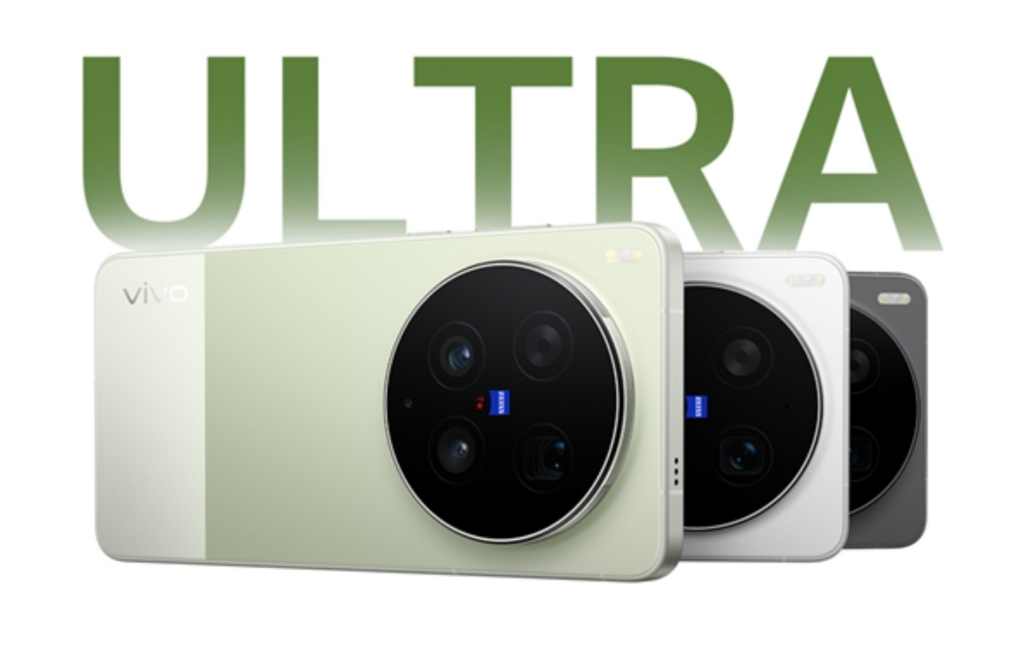
Vivo is gearing up to launch the Vivo X300 Ultra on March 30 in China. The company already showcased the device at MWC in February, so a global launch is also expected soon.
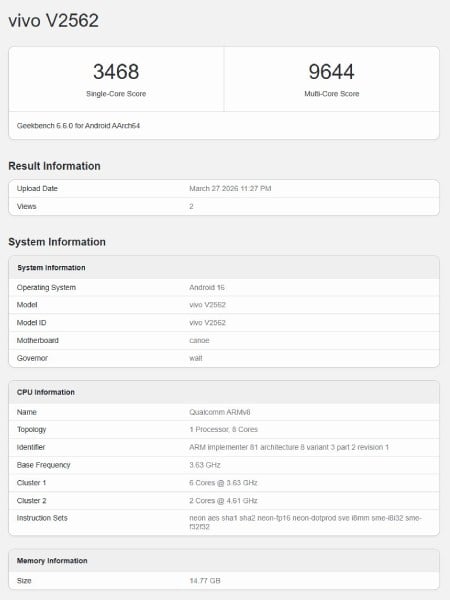
Ahead of that, the global model of the Vivo X300 Ultra has appeared on Geekbench.
The device, identified by the model number V2562, is powered by Qualcomm’s latest Snapdragon 8 Elite Gen 5 chipset. It is paired with 16GB of RAM, runs Android 16, and scored 3,468 points in single-core and 9,644 points in multi-core tests.
Interestingly, the Chinese model of the device, with model number V2547DA, also appeared on Geekbench a few days ago. It posted slightly higher scores, with 3,722 in single-core and 11,621 in multi-core tests.
The processor, RAM, and OS version are the same as the global model, which suggests the latter might still need some optimization.
Vivo X300 Ultra Specifications (Expected)
Vivo X300 Ultra is expected to feature a 6.82-inch 2K BOE display with narrow bezels all around. The Chinese model will pack a 6,600mAh battery, along with 100W wired and 40W wireless charging support. Despite that, the phone reportedly maintains a slim profile at 8.19mm.
Cameras, of course, are the highlights here. It features a 200MP Sony LYTIA-901 main sensor paired with a 50MP LYTIA-828 ultrawide sensor, which was previously used as the X300 Pro’s main sensor. This phone also has a 200MP ISOCELL HP0 prerescope telephoto unit along with a 5MP multi-spectral sensor, which will improve colour accuracy.
On the audio and recording side, the X300 Ultra introduces a quad-microphone system. The phone also includes customized speakers, featuring a 1697 upward-firing unit and a relatively large 0.8cc sound cavity, which could contribute to louder or fuller audio output.
Last but not least, the device is said to include a high-end 751440 vibration motor for more precise haptic feedback. Vivo is also adding a back-tap gesture feature, allowing users to trigger shortcuts like silent mode, flashlight, or screen recognition functions.
For more daily updates, please visit our News Section.
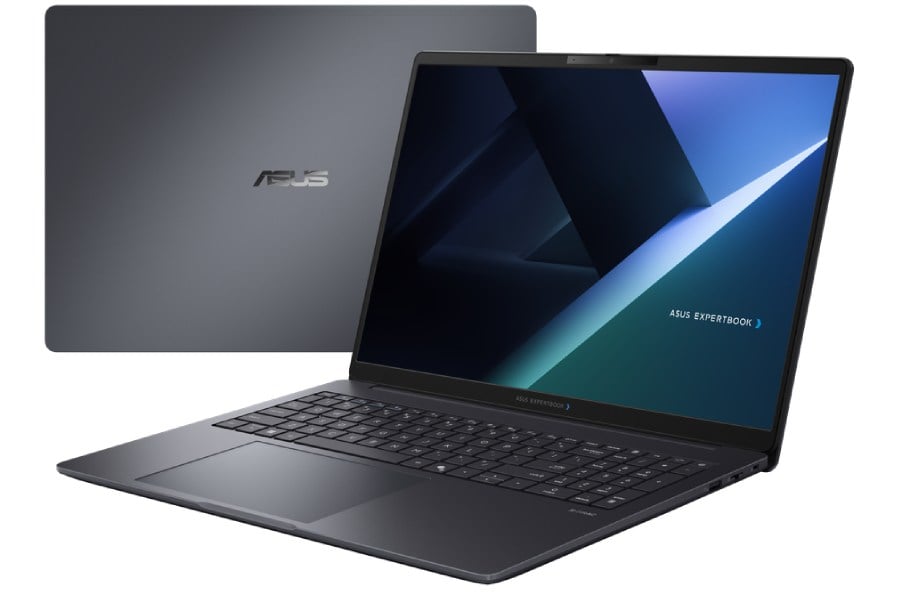
Asus is adding another option to its business laptop lineup with the new Asus ExpertBook B3 G1. The ExpertBook B3 G1 comes in both 14-inch and 16-inch versions, which is fairly standard for business laptops trying to cover different workplace needs.
You can also choose between multiple processors, from the Core Ultra 5 225H, Core Ultra 5 vPro 235H, Core Ultra 7 255H, and Core Ultra 7 vPro 265H. Graphics is handled by up to an Arc 140T iGPU.
Memory can be configured up to 96GB of DDR5-5600, while the storage includes two M.2 PCIe 4.0 slots supporting up to 6TB in total capacity.
Asus ExpertBook B3 G1 Specifications
Asus is also using two different panels on the front. One has a 1920 x 1200 IPS screen, while another comes with a higher-resolution 2560 x 1600 IPS option. The latter pushes brightness up to 400 nits, includes a 144Hz refresh rate, and covers 100 percent of the sRGB color gamut.
The 16-inch version also adds the option of a touchscreen panel. But this model has a 1920 x 1200 resolution panel with a 120Hz refresh rate and similar overall characteristics to the higher-resolution panel.
The laptop has all the necessary port options, including Thunderbolt 4, two USB-A 3.2 Gen 1 ports, HDMI 2.1, a 3.5mm headphone jack, and a Gigabit Ethernet port.
The ExpertBook B3 G1 runs on 50Wh and 70Wh batteries. For video conferencing and remote work, Asus is also offering multiple webcam options, including HD, Full HD, and FHD+IR variants, the latter likely intended for Windows Hello facial recognition.
The company hasn’t detailed anything on pricing or availability yet.
For more daily updates, please visit our News Section.
Samsung wasn’t quick to begin the March 2026 security update rollout. It went live in the second half of the month, starting with the Galaxy S25 series, and the expansion has been strong since. The latest security patch now covers dozens of Galaxy phones, including many mid-range phones. We’ve included the complete list below, which is updated regularly.
The March 2026 security patch for Samsung Galaxy includes fixes for 65 vulnerabilities. Of these, 60 are Android-related vulnerabilities with fixes coming from Google, while the remaining 5 are specific to Samsung Galaxy devices.
Samsung has released March 2026 security update for these devices: Complete list
Galaxy S series
Galaxy S25
Galaxy S25+
Galaxy S25 Ultra
Galaxy S25 Edge
Galaxy S25 FE
Galaxy S24
Galaxy S24+
Galaxy S24 Ultra
Galaxy S24 FE
Galaxy S23
Galaxy S23+
Galaxy S23 Ultra
Galaxy S23 FE
Galaxy Z series
Galaxy Z TriFold
Galaxy Z Fold 7
Galaxy Z Flip 7
Galaxy Z Flip 7 FE
Galaxy Z Fold Special Edition
Galaxy Z Fold 6
Galaxy Z Flip 6
Galaxy Z Fold 5
Galaxy Z Flip 5
Galaxy Z Fold 4
Galaxy Z Flip 4
Galaxy A series
Galaxy A55
Galaxy A54
Galaxy A53
Galaxy A36
The list will continue to grow as Samsung pushes the March update to more Galaxy devices over the coming days. We’ll update it regularly to keep it fresh.
If you’ve spotted your device on the list, the March 2026 security update may be available for installation. Go to Settings > Software updates > Download and install to check for available updates. Keep in mind that updates are usually rolled out in batches, and so they can take some time to reach all the users.
Besides rolling out the March 2026 security patch, Samsung’s software team is busy expanding One UI 8.5 beta to more devices. It recently went live for the Galaxy S25 FE, Galaxy S24 series (including S24 FE), and Galaxy Tab S11 series, with more devices expected to join in April. You can head to our One UI 8.5 section for the latest updates.
We’ll keep posting the latest One UI developments in our Samsung section. You can visit the section regularly for the latest updates, or join our Telegram channel to get instant notifications about the latest software updates and breaking tech news.
A few weeks after the initial news, Honor has officially announced that it will launch the Honor WIN gaming laptop in April. An accompanying teaser poster places the device front and center alongside the Delta Force Fiery Professional League, hinting at a clear esports angle.
The WIN gaming laptop isn’t entirely a surprise. Honor has been hinting at a return to gaming hardware since early 2024, when it revived its Hunter branding during a spring flagship launch.
Later, in December 2025, Zhu Chencai, general manager of Honor’s PC division, said that a new gaming laptop was on the way. Around the same time, the company confirmed that the device would arrive in 2026 and would be closely tied to the Delta Force esports scene.
Honor WIN Specifications (Expected)
Before this announcement, an earlier report revealed key specifications of the device. The laptop is expected to feature a base configuration with an Intel Core i7-14650HX processor paired with an Nvidia RTX 5060 GPU, along with 16GB of DDR5 RAM and either 512GB or 1TB of SSD storage.
Moreover, a higher-end configuration is said to include an Ultra 9 290HX Plus processor and an RTX 5070 GPU, with total system power reportedly exceeding 250W.
Design-wise, the WIN gaming laptop is expected to carry forward the visual identity of the earlier Hunter series, including a lit Hunter logo and a style that leans into esports aesthetics without overdoing it.
Honor is also positioning the device for professional gaming use cases, particularly through its partnership with the Delta Force league.
For now, much of the WIN gaming laptop story still relies on a mix of official hints and well-sourced leaks. But with an April launch now confirmed, Honor doesn’t have much longer to wait before revealing the full picture.
For more daily updates, please visit our News Section.
If recent leaks are anything to go by, the Galaxy S27 Ultra could end up being one of the first phones to adopt a new generation of memory, which might bring some noticeable gains.
According to a fresh leak, the device is expected to feature LPDDR6 RAM, likely paired with Qualcomm’s upcoming Snapdragon 8 Elite Gen 6 Pro. That would make it one of the earliest Android phones to move beyond LPDDR5X, which is still what most current flagships rely on.
On paper, LPDDR6 is a fairly big step forward. It’s said to offer higher bandwidth and improved efficiency, partly due to changes in how memory channels are structured. In everyday use, that could mean smoother multitasking, quicker app loading, and better performance in heavier workloads like gaming or on-device AI tasks. Whether the difference feels dramatic is another question, but it should at least be measurable.
The chipset itself is also shaping up to be a notable upgrade. Qualcomm is reportedly working on two versions this time: the standard Snapdragon 8 Elite Gen 6 and a more powerful Pro variant. The latter is expected to include a “superior” Adreno 850 GPU with 18MB GMEM, while the standard model will likely use an Adreno 845 GPU with 12MB GMEM. Both chips are said to use a 2+3+3 CPU layout and could be built on TSMC’s 2nm process, which should help with efficiency.
As for Samsung’s own chips, development is ongoing with the Exynos 2700 and Exynos 2800. Still, early reports suggest the Ultra model will stick with Qualcomm, at least in most markets.
Of course, there’s a trade-off here. Moving to newer memory standards and a more advanced chipset usually means higher costs. With DRAM and storage prices already trending upward, it wouldn’t be surprising if the Galaxy S27 Ultra ends up being more expensive than the current generation.
It’s still early, and a lot can change before launch, but if these details hold, the S27 Ultra could be one of the first Android phones to really push next-gen hardware across the board.
Casio has introduced three new additions to its Edifice EFR-575 series in Europe, continuing to build on the lineup launched last year. The latest models include the EFR-575C-8A, EFR-575D-4A, and EFR-575CL-5A, each offering different finishes while retaining the same underlying specifications.
Casio Edifice EFR-575D-4A
All three watches share a stainless steel case that measures 47.9 mm in diameter. The dial uses a standard analog layout with hour, minute, and second hands, and is rated for accuracy within ±20 seconds per month. Additional features include a date display, a 24-hour indicator, and dedicated sub-dials for tracking stopwatch minutes and seconds.
EFR-575C-8AEFR-575CL-5AEFR-575D-4A
The design follows the Edifice range’s motorsport-inspired approach. Each model is equipped with a domed crystal and a slim metal bezel. On the right side of the case, three pushers are used to operate the chronograph. The watches also offer water resistance up to 10 bar, making them suitable for everyday wear and light water use.
Power is supplied by an SR920SW battery, which is expected to last around two years. The overall focus remains on traditional timekeeping with basic chronograph functions, rather than connected or smart features. Casio has not confirmed any plans for availability outside Europe, including a release in the United States.
In terms of variants, the EFR-575C-8A comes with a gray gradient dial and a silver-tone case and strap. The EFR-575D-4A uses a purple-to-black gradient dial with the same metal finish. The EFR-575CL-5A looks a bit more premium, with a brown gradient dial, a gold-tone case, and a brown leather strap. Pricing starts at €129 for the EFR-575C-8A and EFR-575D-4A, while the EFR-575CL-5A is priced at €149 in markets like the Netherlands, Spain, and Germany.
For more daily updates, please visit our News Section.
Ayaneo has issued a new update for its handheld lineup, and it’s not exactly great news for buyers. The company says prices for several models are set to go up soon, while a few others could disappear altogether once current stock runs out. Like many in the industry right now, Ayaneo is dealing with rising memory and storage costs, and it’s starting to show.
In a post shared on its Discord server, Ayaneo outlined the situation across multiple devices. Some of the affected models are fairly recent too, which makes the timing a bit unusual.
The Pocket Vert, for example, is already running low on stock and won’t be restocked once it sells out. The Pocket S Mini is in a similar position, though slightly more abrupt. It only launched earlier this year, but production has already stopped. What’s left will be sold, and that’s it. The company also confirmed that the free Pocket Air Mini units offered as compensation for the smaller battery will no longer be available after April 1, 2026.
There’s also a limited update on the Pocket DS. Around 200 units are up for pre-order again, with shipping expected in mid-April. Beyond that, Ayaneo isn’t committing to more batches, so availability could be short-lived.
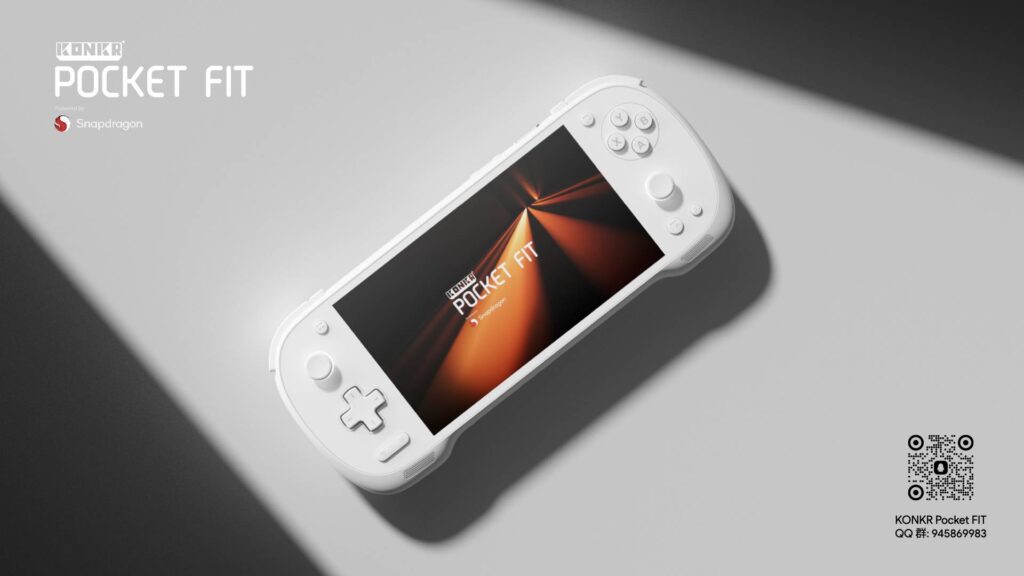
Things are a bit more mixed under the Konkr branding. The Pocket Fit Gen 3 and Pocket Fit 8 Elite are still in play, but with some changes. The Snapdragon 8 Elite version, which had seen delays, is finally shipping. Once current orders are done, Ayaneo plans to relaunch it in phases. The Snapdragon 8 Gen 3 variant, however, is already gone from the official store.
The Konkr Fit, which is the first Windows-based model in that lineup, is still open for pre-orders. It was initially planned as a limited run, but Ayaneo now says production will depend on demand instead.
There’s no clear word yet on how much prices will increase, or whether other models will be affected. But given the broader spike in DRAM and storage costs, it wouldn’t be surprising if more changes follow.
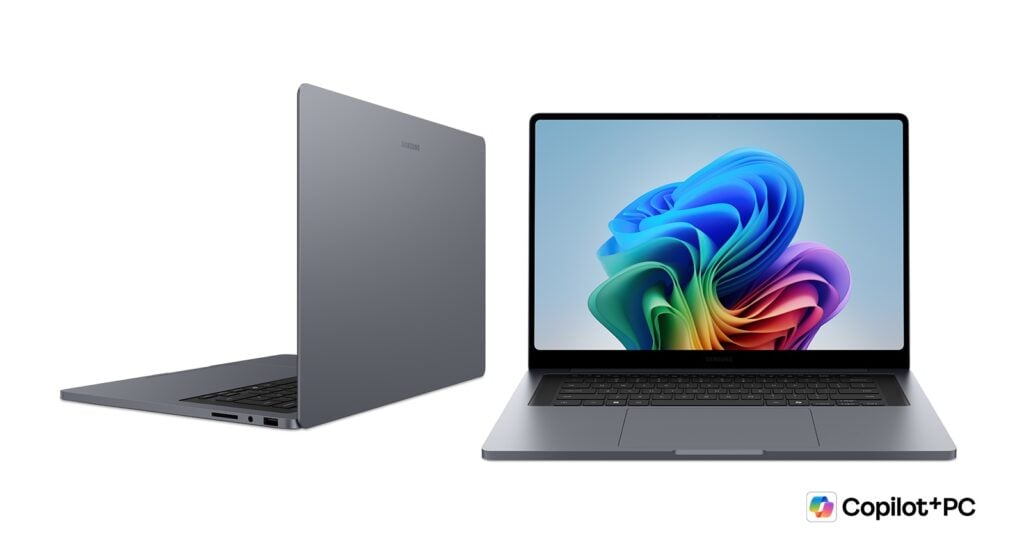
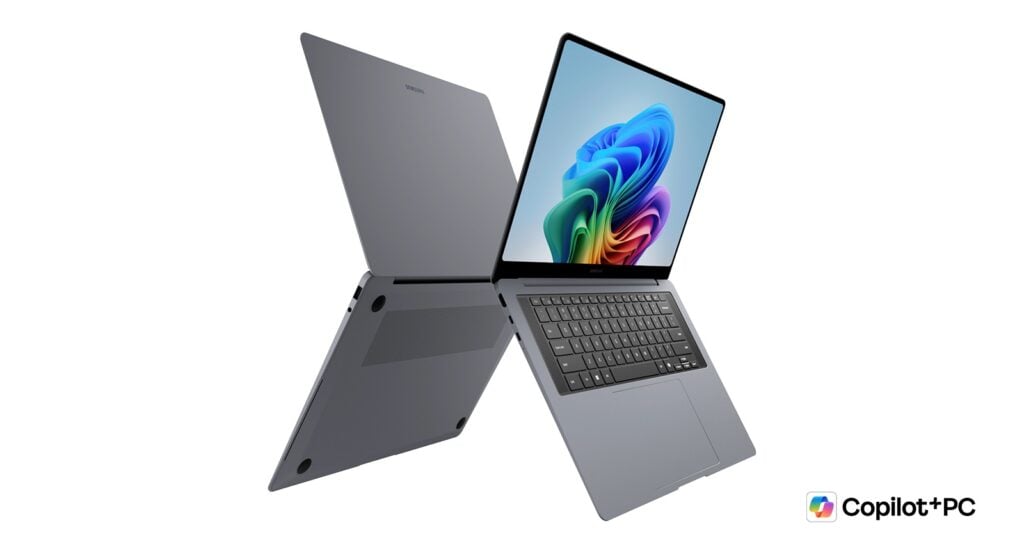
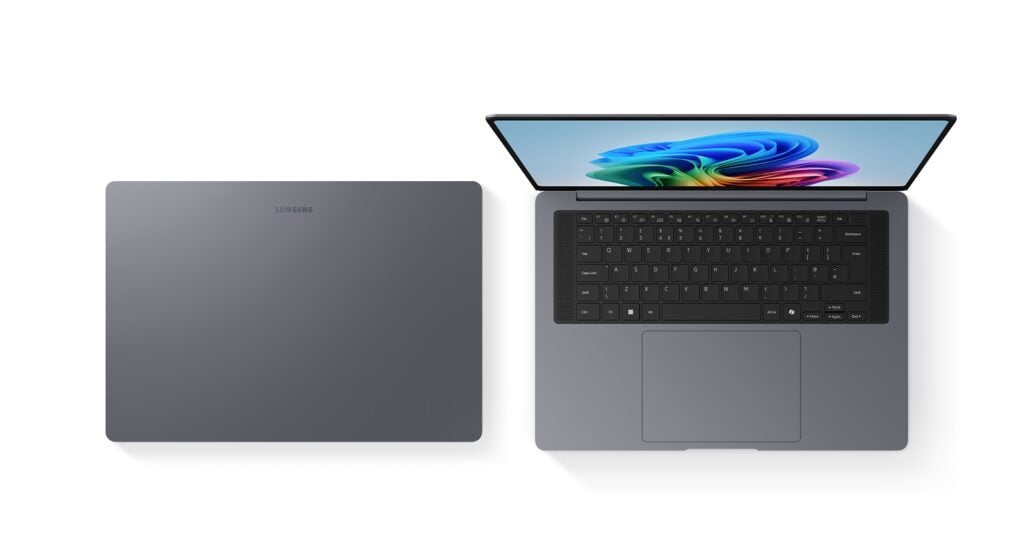
Samsung has launched the Galaxy Book 6 series in India with three models: Galaxy Book 6 Ultra, Galaxy Book 6 Pro, and Galaxy Book 6. The new lineup focuses on updated design, AMOLED displays, Intel Core Ultra processors, and built-in Galaxy AI features.
Galaxy Book 6 Ultra
The series comes with a redesigned chassis and updated internal layout. Samsung has added a wider vapor chamber, thinner fans, and a revised hinge system to improve cooling while keeping the laptops slim. The Galaxy Book 6 Ultra measures 15.4mm in thickness, while the Galaxy Book 6 Pro 16-inch comes in at 11.9mm. The laptops use a two-tone backlit keyboard across all models. The Ultra and Pro include a haptic touchpad, while the standard Galaxy Book 6 uses a clickpad.
Galaxy Book 6 Pro
On the display side, the Galaxy Book 6 Ultra features a 16-inch touch AMOLED panel with WQXGA+ resolution of 2880 × 1800 and peak brightness up to 1000 nits. The Galaxy Book 6 Pro is available in 14-inch and 16-inch touch AMOLED displays with anti-reflective coating. The standard Galaxy Book 6 uses IPS panels with a WUXGA resolution of 1920 × 1200 and 350 nits brightness. AMOLED models support adaptive refresh rates from 30Hz to 120Hz, Vision Booster, True Bright certification, and low black levels. Gorilla Glass with DXC is used to reduce reflections.
Performance is powered by Intel Core Ultra Series 3 processors under the Intel Evo platform. Options include Core Ultra 5, 7, and X7 variants, with up to 16 CPU cores. Each chip includes an Intel NPU delivering up to 50 TOPS for AI workloads. The Galaxy Book 6 Ultra also includes an NVIDIA GeForce RTX 5070 Laptop GPU with 8GB GDDR7 memory. The Pro models use Intel Arc or integrated graphics, while the standard Book 6 uses Intel Graphics.
Galaxy Book 6
The Galaxy Book 6 Ultra comes with 32GB LPDDR5X RAM and a 1TB PCIe SSD with expansion support. The Pro models offer 16GB or 32GB LPDDR5X RAM with 512GB or 1TB SSD options, with expansion support on the 16-inch model. The standard Book 6 also supports 16GB or 32GB RAM with 512GB or 1TB SSD, with expansion available on the 14-inch model.
Battery capacity on the Ultra is 80.2Wh, with support for 100W USB Type-C charging on the integrated model and 140W on the discrete GPU version. The Pro models include 67.18Wh for the 14-inch and 78.07Wh for the 16-inch, both with 65W charging. The standard Book 6 uses a 61.2Wh battery with 45W charging. Samsung claims up to 30 hours of video playback under typical usage. The Ultra supports fast charging up to 63 percent in around 30 minutes.
Audio on the Ultra includes a six-speaker system with Dolby Atmos, using four woofers and two tweeters. The Pro 16-inch uses quad speakers, while the 14-inch model uses stereo speakers. The standard Book 6 also includes stereo speakers. All models include dual-array microphones and a 2MP 1080p webcam.
Connectivity includes Wi-Fi 7 and Bluetooth 5.4 on the Ultra and Pro models, while the standard Book 6 supports Wi-Fi 6E and Bluetooth 5.4. Ports on the Ultra and Pro include two Thunderbolt 4 ports, one USB Type-A port, HDMI 2.1 with support for 8K at 60Hz and 5K at 120Hz, a microSD slot, and a headphone and microphone combo jack. The Book 6 includes two USB Type-C ports, two USB Type-A ports, HDMI, microSD, RJ45, and a security lock slot. The laptops run Windows 11 Home and include Samsung Knox security along with secured-core PC support.
Samsung has also integrated Galaxy AI features such as AI Select, AI Cut Out, Note Assist, and Natural Language Search. Cross-device features include Multi Control, Second Screen, Link to Windows, and Storage Share.
Pricing & availability
The Galaxy Book 6 series is available in Gray and Silver through Samsung’s official website, retail stores, and authorized partners. Pricing starts at Rs. 1,27,990 for the Galaxy Book 6, Rs. 1,78,990 for the Galaxy Book 6 Pro, and Rs. 2,42,990 for the Galaxy Book 6 Ultra with 32GB RAM and 1TB storage. Launch offers include up to 24-month no-cost EMI, cashback up to Rs. 5000 on Ultra and Pro models, Rs. 2000 on the standard model, and student discounts up to 10 percent.
For more daily updates, please visit our News Section.
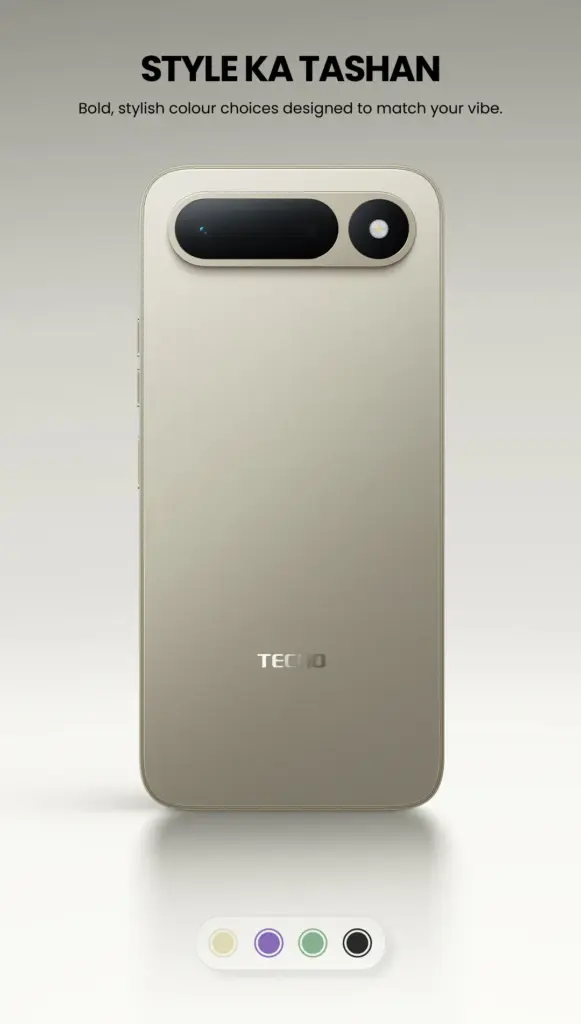
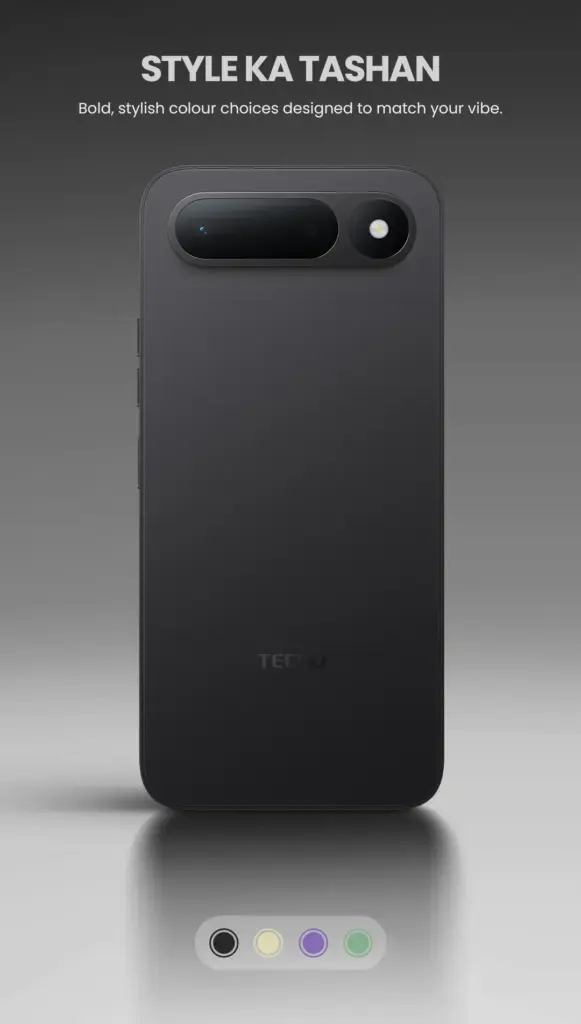
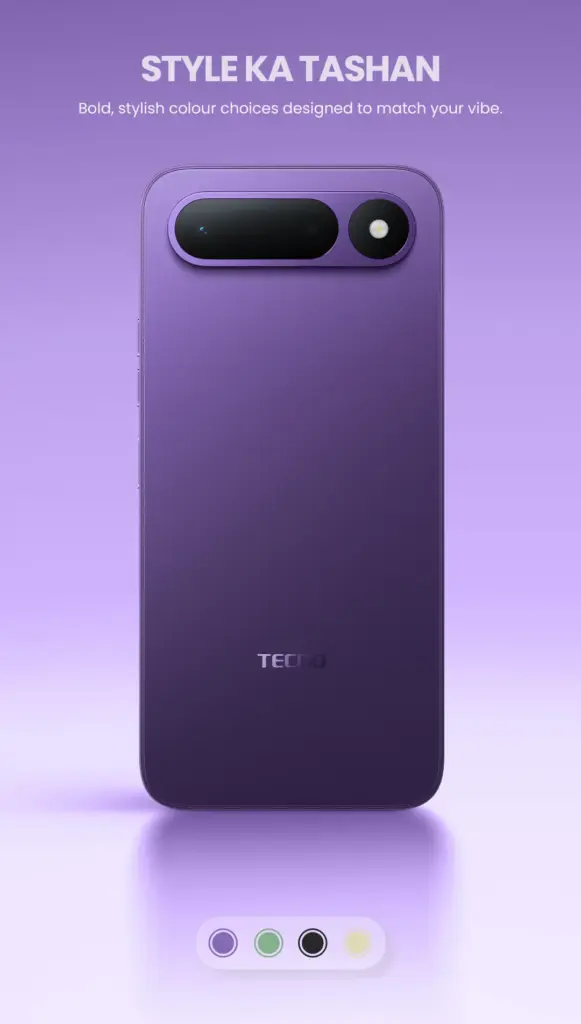
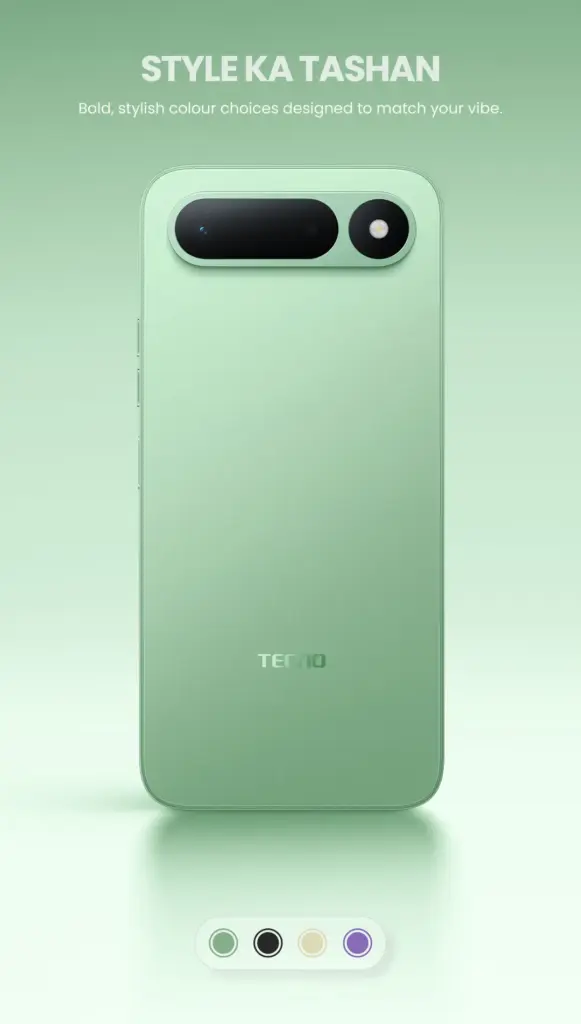
Tecno has launched the Spark 50 5G in India, adding another option to the already crowded budget 5G segment. This one leans heavily on battery life and practical features rather than trying to stand out with flashy specs, which, for this price range, probably makes sense.
The phone comes with a 6.78-inch HD+ LCD display and a 120Hz refresh rate. It’s still 720p, so sharpness isn’t the highlight here, but the higher refresh rate should make everyday use feel smoother. Tecno is also claiming up to 560 nits of brightness, which should be just about enough for outdoor visibility in most cases.
Performance is handled by the MediaTek Dimensity 6400, a 6nm chip that’s fairly common in entry-level 5G phones right now. It’s paired with either 4GB or 6GB RAM and 128GB storage, with a microSD slot if you need more space. It’s not built for heavy gaming, but for regular use like calling, messaging, watching YouTube, and making online payments, it should be more than enough.
The biggest talking point, however, is the battery. Tecno has gone with a 6,500mAh unit, which is on the larger side even for budget phones. It supports 45W fast charging, so while the battery is big, topping it up shouldn’t take forever. For users who don’t like carrying a charger around, this could be a real advantage.
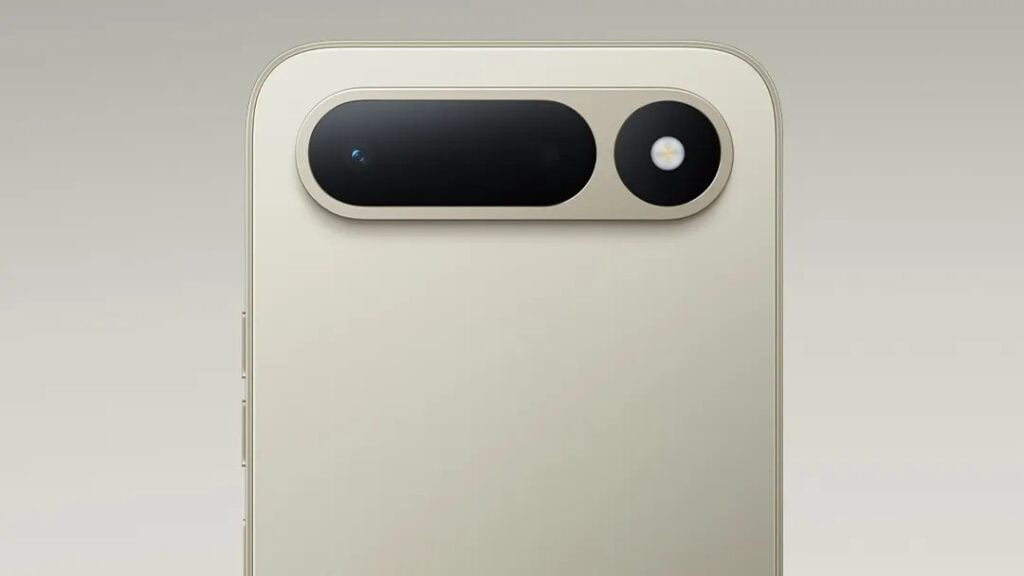
Cameras are pretty straightforward. There’s a single 50MP rear sensor and an 8MP front camera. No extra lenses, no gimmicks, just the basics. It should do okay in good lighting, but expectations should be realistic. That said, one thing that helps it stand out is the Pixel-like pill-shaped camera island. It gives the phone a more premium look, and for many buyers, design plays a big role as long as the basics are covered.
The phone also gets an IP64 rating and MIL-STD-810H certification. It adds a bit of reassurance if the phone takes the occasional drop or gets exposed to splashes.
Pricing and availability:
The Spark 50 5G starts at ₹16,999 for the 4GB variant and goes up to ₹18,999 for 6GB RAM. Sales begin April 3 via Amazon and Flipkart.
Overall, it feels like a very straightforward device. Big battery, decent performance, and just enough features to cover daily needs.
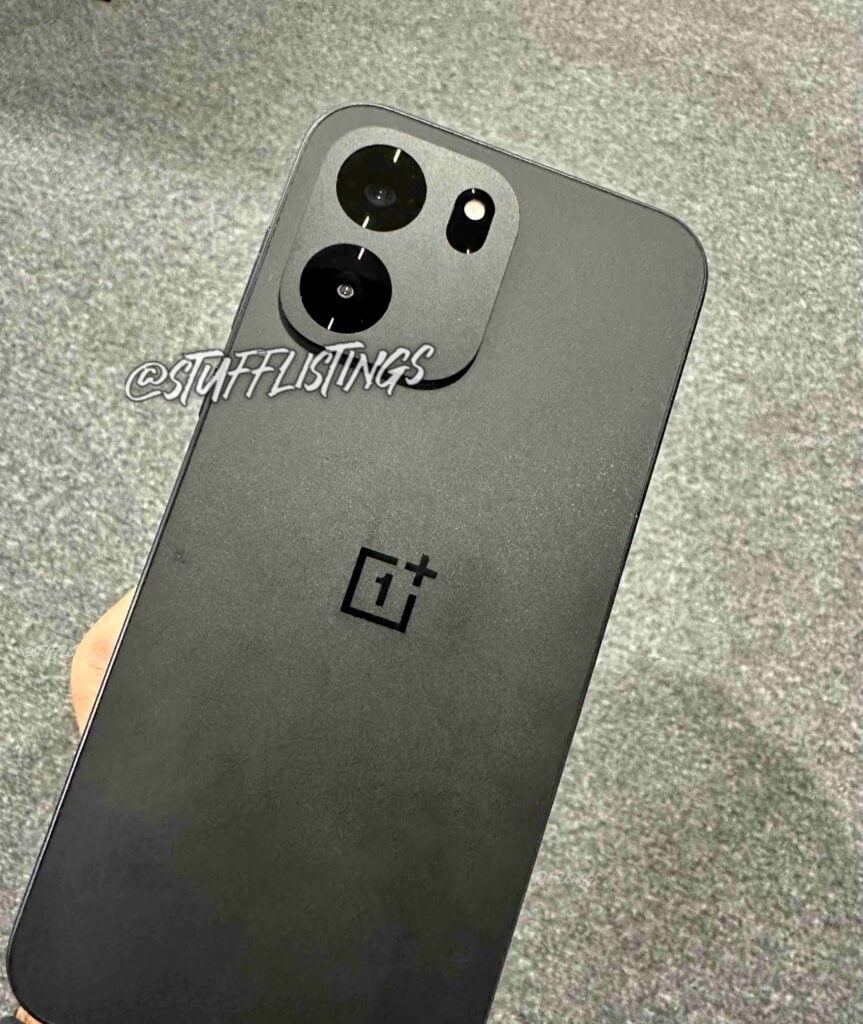
OnePlus looks set to expand its Nord lineup in India soon, with more models expected after the upcoming Nord 6. The company has already confirmed that the Nord 6 will launch on April 7, 2026. Now, a leak from tipster @stufflistings suggests the Nord CE6 and Nord CE6 Lite could follow in May.
Alongside the timeline, the tipster also shared what appears to be a live image of the Nord CE6. The phone is shown in a matte black finish with a fairly clean rear panel and a dual-camera setup inside a squircle-shaped module.
Specs are still mostly unclear, but earlier reports hint that the device could be related to the OnePlus Turbo 6V, which launched in China earlier this year. That phone comes with a 6.78-inch AMOLED display, 144Hz refresh rate, Snapdragon 7s Gen 4, and a notably large 9,000mAh battery. If OnePlus follows a similar setup here, it would be a noticeable step up from the previous generation.
For context, last year’s Nord CE model used a 120Hz panel, a MediaTek chip, and a smaller battery. So even a partial upgrade would make a difference.
The Nord CE6 Lite, meanwhile, is expected to sit a tier below. It will likely target buyers looking for a more affordable option, similar to how the Nord CE4 Lite was positioned.
Taken together, the lineup looks fairly spread out this year. The Nord 6 is expected to focus more on performance, while the CE6 models should cover the mid-range and budget-friendly segments.
There’s still no official word on pricing or full specifications. But if the May timeline holds, teasers could start not long after the Nord 6 launch.
With brands like Xiaomi, Realme, and Motorola pushing aggressively in this space, OnePlus doesn’t have much room to slow down.
Xiaomi has quietly added another budget option to its lineup in India with the Redmi 15A 5G. It’s not trying to do anything flashy, and that’s kind of the point. This one is clearly meant for people who just want a dependable phone with 5G, without spending too much.
At the center of it is the Unisoc T8300 chip. It’s built on a 6nm process and should be fine for basic tasks like calls, messaging, online payments, and some light multitasking. Nothing particularly exciting here, but it doesn’t need to be. You get 4GB or 6GB RAM options, along with up to 128GB storage, and there’s a microSD slot if that matters to you.
The battery is probably the main highlight. It’s a 6,300mAh unit, which is quite large even by today’s standards. Xiaomi is claiming up to two days of use, which sounds reasonable if you’re not pushing it too hard. Charging is limited to 15W though, so it will take its time. There’s also reverse wired charging, which is a small but useful addition.
The display is big, 6.9 inches, with a 120Hz refresh rate. It’s still HD+, so it won’t look as sharp as some others, but the smoother scrolling does help a bit in daily use. Brightness tops out at 800 nits, which should be manageable outdoors.
Cameras are kept simple. There’s a single 32MP sensor at the back and an 8MP camera on the front. It should handle basic shots fine, especially in daylight, but that’s about it.
It runs HyperOS 3.0 based on Android 16, and Xiaomi is promising four major updates, which is actually quite good for this price range.
The Redmi 15A 5G starts at ₹12,999 and goes up to ₹16,499, with sales beginning April 3. It comes in Black, Blue, and Pink.
Overall, it feels like a phone that knows exactly what it’s trying to be. Nothing extra, just the basics covered.
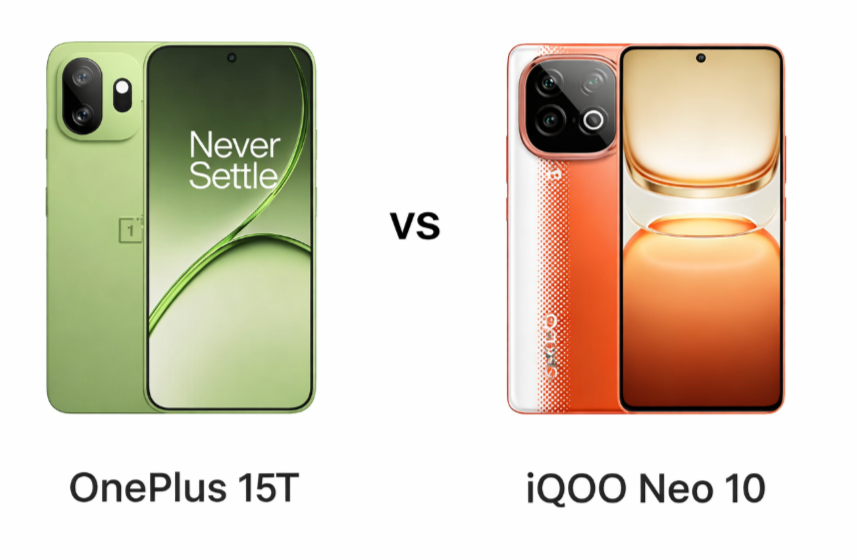
Flagship power is no longer reserved for flagship prices, and this comparison proves it. The OnePlus 15T brings cutting-edge performance, premium build, and advanced camera tech, while the iQOO Neo 10 pushes aggressive value with high-end specs at nearly half the price. One aims to deliver a refined flagship experience, the other focuses on raw performance and speed without breaking the bank. This isn’t just a spec battle, it’s a clash between premium polish and unbeatable value.
The OnePlus 15T clearly leans toward a more premium feel with its aluminum frame and stronger IP68/IP69K protection, making it more durable in real-world conditions. The iQOO Neo 10, while solid, uses a plastic frame and offers only IP65 protection, which feels less reassuring at this price tier. The OnePlus device also supports eSIM, adding a layer of flexibility that’s becoming increasingly useful. Overall, the OnePlus 15T feels like a flagship, whereas the iQOO feels more performance-focused than premium.
Display Quality
The iQOO Neo 10 offers a larger and brighter display with a higher peak brightness, making it more immersive for content consumption and outdoor visibility. However, the OnePlus 15T counters with a smoother 165Hz refresh rate and stronger HDR support including Dolby Vision, which enhances streaming quality. The slightly sharper panel also gives it a cleaner look in daily use. One feels cinematic, the other feels more refined.
Verdict
The iQOO wins on size and brightness, but the OnePlus 15T delivers a more premium build and balanced display experience.
2. Specifications Including Battery
Performance
The OnePlus 15T is powered by the newer Snapdragon 8 Elite Gen 5, delivering significantly better raw performance and efficiency compared to the Snapdragon 8s Gen 4 on the iQOO Neo 10. This translates into smoother multitasking, better sustained gaming, and more future-proof performance. The difference isn’t just on paper—it’s noticeable in heavy workloads where the OnePlus feels more stable and faster over time.
Battery and Charging
The OnePlus 15T packs a larger 7500mAh battery, which should easily last longer in real-world usage. It also supports wireless charging, something missing on the iQOO. However, the iQOO Neo 10 takes the lead in charging speed with 120W fast charging, making it extremely quick to top up. The inclusion of bypass charging is also a big plus for gamers. One prioritizes endurance, the other prioritizes speed.
Verdict
The OnePlus 15T wins for performance and battery longevity, while the iQOO Neo 10 appeals to users who value ultra-fast charging.
3. Camera
Main and Secondary Lenses
The OnePlus 15T clearly has the more versatile camera setup with a 50MP main sensor paired with a 50MP telephoto lens offering 3.5x optical zoom. This gives it a major advantage in portrait and zoom photography. The iQOO Neo 10, on the other hand, includes an 8MP ultrawide camera, which is useful but less impactful overall. Additionally, OnePlus supports 8K recording and Dolby Vision HDR, pushing it ahead for video capabilities.
Selfie Camera
The iQOO Neo 10 features a higher-resolution 32MP front camera with 4K video support, making it better suited for selfies and vlogging. The OnePlus 15T’s 16MP selfie camera is more basic and limited to 1080p video, which feels slightly outdated at this level.
Verdict
The OnePlus 15T dominates in rear camera versatility and video, while the iQOO Neo 10 is better for selfie-focused users.
4. Pricing
OnePlus 15T is priced at around ₹58,000, while the iQOO Neo 10 comes in significantly lower at around ₹33,000. This creates a massive price gap, positioning the iQOO as a value-driven performance phone and the OnePlus as a premium flagship alternative. The difference isn’t small; it fundamentally changes which audience each phone targets.
Value for Money
iQOO Neo 10 offers exceptional value, delivering strong performance, a great display, and ultra-fast charging at a much lower price. It feels like a performance bargain. However, the OnePlus 15T justifies its higher price with better build quality, superior chipset, wireless charging, and a more advanced camera system. It feels more complete and future-ready.
Verdict
The iQOO Neo 10 is the clear value winner, while the OnePlus 15T justifies its price for those wanting a flagship-level experience.
Disclaimer: Prices are approximate and may vary based on country, region, and applicable taxes.
5. Conclusion
The OnePlus 15T stands out with its flagship-grade chipset, premium build, wireless charging, and telephoto camera, making it a well-rounded high-end device. Meanwhile, the iQOO Neo 10 focuses on delivering top-tier performance, extremely fast charging, and a large immersive display at a much more accessible price. Each device targets a different kind of user, one aiming for refinement, the other for aggressive value.
Verdict
OnePlus 15T is the better overall phone with flagship features and long-term usability. However, the iQOO Neo 10 is hard to ignore for its price, offering incredible performance and features for the money. The smarter buy depends on priorities, premium experience or maximum value.
We use cookies on our website to give you the most relevant experience by remembering your preferences and repeat visits. By clicking “Accept”, you consent to the use of ALL the cookies.
This website uses cookies to improve your experience while you navigate through the website. Out of these, the cookies that are categorized as necessary are stored on your browser as they are essential for the working of basic functionalities of the website. We also use third-party cookies that help us analyze and understand how you use this website. These cookies will be stored in your browser only with your consent. You also have the option to opt-out of these cookies. But opting out of some of these cookies may affect your browsing experience.
Necessary cookies are absolutely essential for the website to function properly. This category only includes cookies that ensures basic functionalities and security features of the website. These cookies do not store any personal information.
Any cookies that may not be particularly necessary for the website to function and is used specifically to collect user personal data via analytics, ads, other embedded contents are termed as non-necessary cookies. It is mandatory to procure user consent prior to running these cookies on your website.