Advertisement

Huawei MatePad 11.5 S 2026 Global Pricing Confirmed With PaperMatte Display and 144Hz Screen

Huawei has confirmed the global pricing of the MatePad 11.5 S 2026 after introducing the tablet alongside the Mate X7 foldable phone, FreeClip 2 earphones, and the WATCH Ultimate Design Royal Gold Edition. The device targets users looking for productivity, note taking, and creative work on a large display.

HUAWEI MatePad 11.5 S 2026

The Huawei MatePad 11.5 S 2026 with 12GB RAM, 256GB storage, and a detachable keyboard is priced at 479 euros. The PaperMatte Edition with the same configuration costs 529 euros. Both variants are available in Green and Space Gray.

The tablet features an 11.5-inch LCD display with a resolution of 2800 x 1840 pixels. It supports a 30Hz to 144Hz adaptive refresh rate and reaches up to 500 nits of brightness. Huawei claims an 87 percent screen to body ratio, a 1500:1 contrast ratio, and P3 wide colour gamut support. The PaperMatte Edition uses nano-level etching to reduce glare and surface sparkle by 50 percent and eliminate 99 percent of light interference, making it suitable for outdoor use. It carries TÜV Rheinland Low Blue Light and Flicker-Free certifications, along with SGS Low Visual Fatigue 2.1 certification, which applies only to the PaperMatte model.

The MatePad measures 261.0 x 177.3 x 6.1 mm and weighs around 515 grams. It uses an all-metal body design. The tablet runs HarmonyOS 4.3 and comes with 12GB RAM, paired with either 256GB or 512GB storage.

Huawei Notes is pre-installed and supports AI equation recognition, AI handwriting enhancement, note replay, and a built-in resource centre. Creative users also get the GoPaint app with studio-style brushes. The tablet supports the M-Pencil Pro stylus and a detachable keyboard, both sold separately.

For cameras, the device includes a 13MP rear camera with autofocus and an 8MP front camera. It is powered by an 8800mAh battery with support for up to 40W wired fast charging.

Connectivity options include Wi-Fi 6, Bluetooth 5.2, NearLink, USB Type-C 3.0, and quad speakers tuned with Huawei Histen 9.0 audio.

(Source)

Samsung to hike Galaxy A series prices in India by up to ₹2,000 starting next week

Samsung’s Galaxy A-series phones could soon get a little more expensive in India. According to information shared by tipster Abhishek Yadav on X, Samsung is planning a price hike across its Galaxy A lineup, with the changes expected to take effect starting Monday.

As per the tip, Samsung India will increase the prices of most Galaxy A-series smartphones by ₹1,000. The Galaxy A56, however, is set to see a larger bump, with its price rising by ₹2,000.

It’s not surprising given the current market conditions

Samsung is expected to launch new Galaxy A-series phones next month, including the Galaxy A37 and Galaxy A57. Price adjustments just ahead of new launches aren’t unusual, but they typically make older models more affordable to make way for the new ones.

This time, though, it’s going in the opposite direction. And if you guessed it, yes, the primary reason behind the increase is rising memory costs.

The global semiconductor market is currently dealing with a memory shortage, largely driven by soaring demand for High Bandwidth Memory (HBM) and DDR5 DRAM used in AI data centers. As big tech companies are pouring money into AI infrastructure, smartphone makers are left competing for the same memory components at higher prices.

Sasmsung Galaxy A56 (left) and Galaxy A36 (right)_

We’ve already seen the impact of this trend at the high end of the market. Recent flagship launches such as the OnePlus 15, Vivo X300, and iQOO 15 arrived with noticeably higher price tags compared to their predecessors. 

The iQOO 15, in particular, saw the maximum price rise of 33% over its predecessor. What’s changing now is that these cost pressures are starting to trickle down to midrange phones as well.

What’s more concerning is that this situation doesn’t appear to be temporary. Industry expectations suggest that memory prices are unlikely to cool down in 2026. If that happens, phones launching next year, be it budget, midrange, or premium, could all see further price increases.

In fact, executives from multiple smartphone brands like Realme and CMF have already acknowledged that price hikes are becoming unavoidable.

Please Note: When you buy something using the links in our articles, we may earn a small commission at no cost to you.

Don’t miss a thing! Join our Telegram community for instant updates and grab our free daily newsletter for the best tech stories!

For more daily updates, please visit our News Section.

OnePlus Open Receives Stable OxygenOS 16 Update in North America

OnePlus has started rolling out the stable OxygenOS 16 update for the OnePlus Open in North America, nearly a month after the update first arrived in India. Indian users received the stable build in November, followed by a smaller update in early December, while other regions were left waiting.

The update is being released in stages, so it will not reach all devices at once. OnePlus has said the rollout will expand to more regions over the next few weeks. For North America, the update arrives with build number CPH2551_16.0.1.300(EX01).

OxygenOS 16 is largely focused on improving how the system feels in daily use. Animations are smoother and more consistent across the interface, with better timing when opening, closing, or switching between apps. Drag and drop actions on the Home screen, widgets, folders, and the Smart Sidebar feel more fluid, and scrolling now follows touch input more closely. Transitions in the status bar, notification shade, and Quick Settings are smoother and can be interrupted mid gesture. Common actions such as charging, fingerprint unlock, audio controls, and long press actions across system apps now use updated animations with softer lighting effects.

Under the hood, performance improvements come from the updated Trinity Engine. It adjusts system resources in real time to keep performance steady during gaming, video playback, and long camera sessions. Background activity is better controlled during heavy use, helping reduce power drain. Games benefit from more stable frame rates, while pop up windows and video calls are handled more efficiently. Apps open faster from the Home screen, photo albums load quicker, and cached video previews appear sooner in supported third party apps. Power Saving mode now scales performance based on the remaining battery level.

OnePlus has also expanded its AI features across OxygenOS 16. Mind Space now supports voice memory recording by pressing and holding the Plus Key, including landscape capture. A new Mind Assistant makes it easier to search saved content and manage collections. The Photos app has been redesigned with simpler navigation, improved album sorting, and expanded video editing tools such as trimming, transitions, speed controls, filters, and background music. Motion photos can be turned into slow motion clips or collages without losing HDR quality.

Notes now supports block based editing, richer text formatting, image view switching, and one link sharing for full notes. The Recorder app gets a new layout, AI noise cancellation, automatic context detection, and easy sharing of audio files, transcripts, and summaries. AI Translate has been refined for smoother real time use. AI Writer is now available system wide, allowing users to generate text, summaries, tables, and mind maps directly inside apps. AI VoiceScribe and Call Summary also offer better context detection and more export options.

Design changes include the new Flux Home screen with light field style icons, customizable grids, folders, widgets, and a cleaner layout without icon labels. AI powered Flux themes add motion wallpapers, adaptive icons, Always On Display updates, and real time customization. Core apps such as Clock, Calculator, and Compass have also been refreshed.

The update also improves connectivity with features like Touch to Share, better OnePlus Connect PC mirroring, cross device clipboard and search, improved in car Bluetooth, My Devices controls, stronger network sharing, and smoother data transfer from iOS. On the security side, OxygenOS 16 adds warnings for risky apps and new options to lock or hide apps directly from the Home screen.

(Source)
GizmoChina’s Best of 2025: Foldable Smartphones

If 2024 was a year of incremental updates, 2025 was the year the foldable form factor truly matured. We moved past the era of engineering curiosity and fragility into a time where these devices stood confidently alongside and often surpassed traditional flagship phones.

From Samsung’s meticulous refinement of its ecosystem to Huawei and Oppo pushing the physical limits of camera optics and hinge mechanics, this year’s lineup proved that foldables are no longer just experiments. They are now among the very best smartphones money can buy.

GizmoChina Best Foldable Smartphones of 2025

Here are our picks for the best foldable smartphones of 2025.

1. Samsung Galaxy Z Fold 7

Galaxy Z Fold 7

Samsung’s seventh-generation book-style foldable feels like the device the series was always destined to be. The Galaxy Z Fold 7 eliminates previous compromises, most notably in its weight; at just 215g, it is the lightest Fold yet, thanks to a new titanium-backed display and slimmer FlexHinge. The viewing experience has been significantly upgraded with an 8-inch main display featuring thinner bezels and the removal of the under-display camera, which has been swapped for a sharper 10MP sensor.

However, the headline feature is the camera system. For the first time, Samsung has integrated a 200MP flagship-grade sensor, allowing the Fold 7 to capture images that rival the best slab phones on the market. On the software front, the device acts as a premier mobile workstation. Running One UI 8 and Android 16, it leverages Galaxy AI for seamless multitasking, such as side-by-side editing and context-aware interactions with Gemini Live.

Please Note: When you buy something using the links in our articles, we may earn a small commission at no cost to you.

2. Samsung Galaxy Z Flip 7

Samsung Galaxy Z Flip 7

Samsung also elevated its Flip line this year, turning the clamshell form factor into a productivity tool. The Galaxy Z Flip 7 introduced the biggest and brightest cover screen ever seen on the series, a 4.1-inch FlexWindow that genuinely feels like a standalone phone. This expanded real estate allows users to reply to messages, run full apps, or interact with Gemini Live without ever needing to unfold the device.

Beyond the screen, the Flip 7 is a powerhouse in its own right. It is the first in the series to support Samsung DeX, allowing it to double as a desktop computer, and it packs a larger 4300mAh battery despite being slimmer than ever. This combination of portability and power ensures that the Flip 7 offers a premium flagship experience that goes far beyond simple nostalgia.

Please Note: When you buy something using the links in our articles, we may earn a small commission at no cost to you.

3. Huawei Mate X7

Huawei-Mate-X7

While others focused on refinement, Huawei chose to experiment with aggressive hardware. The Mate X7 turned heads with its unique Yun Brocade Collector’s Edition design, but it is the camera system that truly sets it apart. It features a 50MP main sensor with a variable aperture, a 50MP telephoto lens with 3.5x optical zoom, and Huawei’s Red Maple color sensor, all of which combine to deliver stunning results in any lighting condition.

The display technology is equally impressive, with a foldable OLED screen that reaches a peak brightness of 2500 nits. Running on HarmonyOS, the device makes excellent use of this extra screen real estate with improved multitasking features and satellite messaging support. To top it off, the 5600mAh battery and titanium-reinforced body make the Mate X7 one of the most rugged and longest-lasting foldables released this year.

4. Oppo Find N5

Oppo Find N5

If Samsung and Huawei aimed for raw performance and camera versatility, the Find N5 focused on ergonomic perfection. This was arguably the most comfortable and polished foldable to hold in 2025, featuring a crease so shallow it is barely noticeable. This is made possible by an aerospace-grade titanium hinge that is both lighter and tougher than anything Oppo has shipped before.

The experience is just as premium on the inside. The 8.12-inch LTPO inner display supports stylus input, while the outer display has been upgraded for higher brightness. The Hasselblad-powered triple camera system, which includes a 50MP periscope lens and 6x optical zoom, holds its own in low-light and portrait scenarios. Furthermore, Oppo addressed battery anxiety by packing a massive 5600mAh silicon-carbon battery into the device, complete with fast wired and wireless charging, features its predecessor sorely lacked.

5. Huawei Pura X

Huawei Pura X

Huawei’s Pura X took the idea of a flip phone and flipped expectations. The device features a unique 6.3-inch inner display with a 16:10 aspect ratio, a rarity in foldables, while the 3.5-inch outer OLED is a perfect square, giving the phone a distinctive, mirror-like aesthetic. Both screens are top-tier, supporting high-frequency PWM dimming and full 120Hz LTPO refresh rates.

Unlike many flips that compromise on cameras, the Pura X is a serious imaging device. It houses a 50MP RYYB main camera, a 40MP ultra-wide, and a 3.5x telephoto lens, offering flagship versatility in a playful form factor. When you add in IPX8 water resistance, satellite communication support, and a 4720mAh battery with 66W wired charging, the Pura X stands out as a flip phone that feels like a true flagship.

In related news, we recently covered the best global smartphones of 2025. You can check them out as well.

For more daily updates, please visit our News Section.

Stay ahead in tech! Join our Telegram community and sign up for our daily newsletter of top stories! 💡

Replacing the Galaxy Z TriFold’s display costs almost as much as a brand new S25 Ultra

Samsung’s first tri-fold smartphone is making headlines—but not just for its ambitious design. New repair pricing details suggest that fixing the Galaxy Z TriFold’s main display could cost nearly as much as buying a brand-new Galaxy S25 Ultra outright.

Samsung Galaxy Z TriFold how is it different

The Galaxy Z TriFold launched last month as Samsung’s boldest foldable yet, introducing a complex tri-folding screen that expands into a tablet-like canvas. Interest has been intense: the device reportedly sold out within minutes of becoming available, despite extremely limited stock. But that flexible inner screen comes with a downside if anything goes wrong.

According to a recent report, replacing the outer display will cost between KRW 137,000 and KRW 226,000 (roughly $90–$150), which is broadly in line with the Z Fold 7. The real shock comes from the inner tri-folding panel. Replacing that display could set owners back anywhere from KRW 1,657,500 to KRW 1,834,500 (about $1,120–$1,240), depending on the extent of the repair.

To put that into perspective, Samsung’s own Galaxy S25 Ultra—the company’s top-tier bar-style flagship—currently retails in South Korea for around KRW 1,673,100. In other words, repairing the TriFold’s main screen could cost as much as, or even more than, buying an entirely new S25 Ultra.

The report also notes that availability is extremely limited. Samsung is said to be stocking just 15 to 30 units per major store in South Korea, with only around 700 units available nationwide so far. Total sales are reportedly expected to reach between 2,500 and 5,000 units by early next year, suggesting this is very much a controlled, experimental release.

It’s worth stressing that these details come from an unverified blog report, so final pricing could change. Still, if accurate, they underline a familiar truth about foldables—especially bleeding-edge ones. The Galaxy Z TriFold may represent the future of smartphones, but repairing that future won’t come cheap.

Don’t miss a thing! Join our Telegram community for instant updates and grab our free daily newsletter for the best tech stories!

For more daily updates, please visit our News Section.

(Sources: 1, 2)

Samsung Galaxy Watch 8 Drops Back to $249 With Wear OS 6

As Holidays are coming, there are many deals out in the market. The Samsung Galaxy Watch 8 returns to post-Black Friday pricing on the compact 40mm model, ideal for everyday wear with its lightweight design available for only $249. That is $100 off from its standard pricing and a matching record low.

Samsung Galaxy Watch 8

Samsung’s Newest smartwatch, the Samsung Galaxy Watch 8, comes with Wear OS 6 and One UI 8 Watch. It also features a wrist Gemini support and a long list of added functions. Galaxy Watch 8 comes with an ergonomic, versatile, & ultra-sleek (8.6mm slim-fit) design that’s built to last with Sapphire glass and Armor Aluminum. It features a Super AMOLED display with up to 3000 nits of brightness is easy to read even is bright light. The smartwatch also has features, such as a Running Coach, Antioxidant Index, Vascular Load, and more, making it Samsung’s most sophisticated wearable yet.

For this generation, Samsung has redesigned the strap system, so standard watch bands are no longer compatible. The updated bands are designed to help the watch hug your wrist more closely instead of lying flat. And users can’t agree more. Complaints flooded social media. Some of them were claiming the comfort of the band is far better than the flagship Galaxy Watch Ultra.

Please Note: When you buy something using the links in our articles, we may earn a small commission at no cost to you.

Despite packing a larger battery, Samsung still rates the Galaxy Watch 8 for around two days of use on a full charge. However, the company notes these battery estimates are intentionally conservative. So many users can expect to squeeze out even longer runtimes in daily use.

The holiday season is around the corner, and this is the right time to get a valuable gift for your loved ones. If you are planning to gift a smartwatch or get one for yourself, then the Galaxy Watch 8 is a great choice. For more deals, just visit our dedicated deals section here on Gizmochina.

Xiaomi Skipping the POCO X8 and POCO F8?

Just last month, the POCO F8 Pro was released as the brand’s latest flagship smartphone, while the highly anticipated POCO X8 Pro is set to debut soon. However, both the X8 and F8 series might be skipping out on a more affordable base variant. A recent rumor has hinted that Xiaomi might skip the POCO X8 and POCO F8 models.

Is Xiaomi Killing the POCO X8 and POCO F8?

According to a Xiaomi Time report, the Chinese tech giant doesn’t have plans to launch the POCO standard F8 and POCO X8. In other words, the POCO F8 Pro and POCO F8 Ultra are the only models in the F8 lineup, while the POCO X8 Pro could be followed by a POCO X8 Pro Max model. To recall, the POCO F8 Pro and POCO X8 Ultra are rebranded smartphones of the Redmi K90 and Redmi K90 Pro Max.

POCO F8 Ultra

Similarly, the new POCO X8 Pro Max might replace the base X8, and is expected to be a rebadged version of the POCO X8 Pro Max. Meanwhile, the POCO X8 Pro is basically a renamed Redmi Turbo 5 Pro. Keep in mind that Xiaomi has yet to release the Redmi Turbo 5 lineup either, so the POCO versions are likely the global version, while the Redmi branded phones are China exclusive.

The report adds that the brand is making this move as it is working on expanding the affordable POCO M8 series. It is worth noting that this is still just speculation based on IMEI database registrations. So take this report with a pinch of salt for now, and stick around for more.

For more daily updates, please visit our News Section.

Tech enthusiast? Get the latest news first! Follow our Telegram channel and subscribe to our free newsletter for your daily tech fix! ⚡

Honor Win’s design shows an active cooling fan built into the camera module

Honor made a last-minute branding change to its upcoming midrange phone. What we were expecting to be the Honor GT 2 will now be the Honor Win smartphone, as revealed in a previous report.

Ahead of the launch, the first renders of the Honor Win have surfaced on the web, and they show a few features that immediately stand out.

Here’s your first look at Honor Win 

The renders show the Honor Win in black, blue, and cyan color options. On the back, there’s a horizontal matrix-style camera module that houses three cameras. The layout stretches across the width of the phone and extends all the way to the edge, similar to how recent iPhones integrate their camera islands. The module also includes an LED flash and a visible WIN branding.

What’s more unusual or interesting is an active cooling fan that sits in a cutout that visually blends with the camera module. Active cooling fans are still rare outside gaming phones, so this hints that Honor will position the Win series as a performance-focused device rather than a typical flagship.

On the inside, leaked information suggests the Honor Win series could be powered by the Snapdragon 8 Elite Gen 5 mobile platform. The chip uses a 2+6 core architecture, with two super-large cores clocked as high as 4.6GHz. 

Moreover, the phone is expected to feature a 6.83-inch flat display with 1.5K resolution, paired with a metal frame. Honor may also include 3D ultrasonic fingerprint recognition and high-level water resistance.

Camera-wise, the Honor Win is tipped to use a 50MP large-sensor main camera, while charging could go all the way up to 100W fast charging. Perhaps the wildest claim is that it could come with a 10,000mAh battery, which would be massive for a phone of this class.

For more daily updates, please visit our News Section.

Stay ahead in tech! Join our Telegram community and sign up for our daily newsletter of top stories.

TCL Unveils Major AI Breakthroughs at TIC 2025: Smart Living, Manufacturing & Green Tech

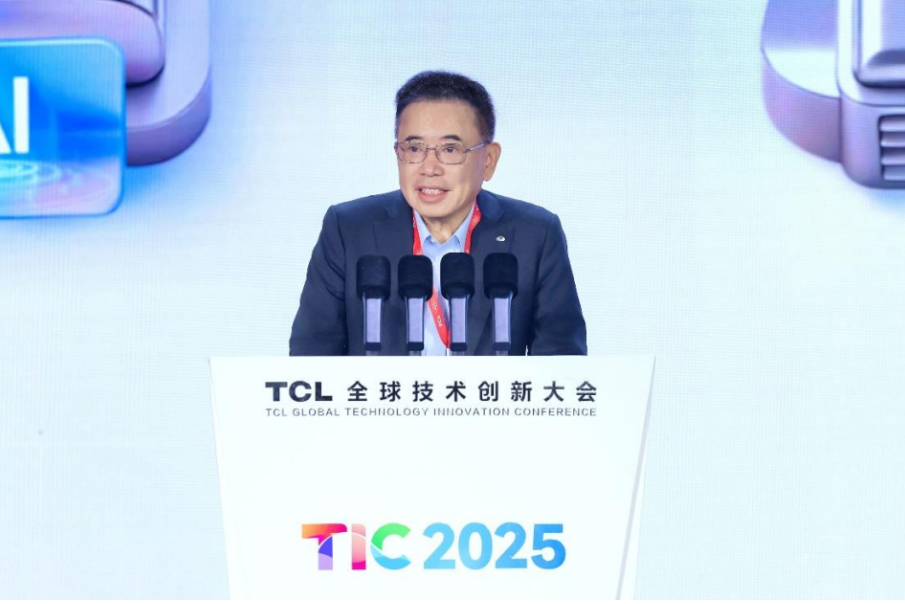
TCL set the stage for a major technological leap at the 2025 Global Technology Innovation Conference (TIC) held in Guangzhou, China. With the theme “AI for Real,” the 12th annual gathering focused on turning artificial intelligence into practical solutions that deliver measurable benefits. Researchers, industry experts, and global partners explored how AI can reshape manufacturing, consumer electronics, and green innovation. TCL highlighted its goal of creating AI that brings economic value, enhances daily life, and supports a sustainable future.

Li Dongsheng, Founder and Chairman of TCL

Practical AI Adoption

TCL Founder and Chairman Li Dongsheng stressed that AI must produce real, tangible value across industries. He shared that TCL’s AI solutions are expected to generate more than US$140 million in economic benefits in 2025. He also urged deeper cross-sector collaboration to accelerate AI-powered industrial transformation.
COO Kevin Wang reinforced this message, emphasizing the shift from conceptual AI to real-world deployment. He noted that TIC 2025 aims to define the next chapter of industrial AI development by focusing on measurable and sustainable outcomes.

Kevin Wang, COO of TCL Technology Group Corporation

Major Breakthroughs in Intelligent Manufacturing

A highlight of the event was TCL CSOT’s launch of X-Intelligence 3.0, the world’s first large AI model built specifically for display technologies. It improves issue analysis by 20% and boosts materials development efficiency by 30%. TCL also introduced its APEX philosophy, which focuses on eye protection, eco-friendly materials, and imaginative display experiences.

TCL confirmed a major milestone with its 8.6-generation inkjet-printed OLED (IJP OLED) production line, a US$4 billion project now ready for mass manufacturing. New innovations included the world’s first 5.65-inch Real Stripe RGB OLED for smartphones and an advanced 28-inch foldable portable display.

Dr. Yan Xiaolin, CTO of TCL Technology and TCL CSOT, highlighted the company’s major progress in industrial automation. He explained that TCL has now achieved complete end-to-end automation, covering Auto Defect Classification (ADC), evaluation, and Auto Defect Repair (ADR). He noted that this full-scale deployment has already generated more than US$7 million in annual revenue, demonstrating the real commercial value of AI-driven manufacturing.

Dr. Yan Xiaolin, CTO of TCL Technology, CTO of TCL CSOT, President of TCL Research

AI-Powered Smart Living Products

In consumer technology, TCL expanded its AI smart living ecosystem. The FreshIN AI air conditioners reduce energy use by up to 40% and improve sleep quality. AI refrigerators maintain precise temperatures, while AI Super Drum washing machines use sensors and the Fuxi LLM to customize wash cycles. TCL’s AI TVs can understand complex voice commands and refine visuals frame by frame.

The company also showcased RayNeo X3 Pro AR glasses, featuring real-time subtitles, translation, and visualized AI assistance. Another standout innovation was TCL AiMe, the world’s first modular AI home robot designed for emotional interaction and family companionship.

R&D Power and Global Collaboration

TCL highlighted its strong innovation capacity, backed by US$8.4 billion in R&D investment over six years, more than 20,000 researchers, and over 110,000 patents. Its global partnerships continue to expand through major initiatives such as the US$2.8 billion Rising Sun Project, strengthening ecosystem-wide technological development.

Commitment to Green and Sustainable Technology

Sustainability was another major theme. TCL emphasized the role of AI in promoting energy-efficient products, responsible material sourcing, and cleaner manufacturing. The TCLGreen initiative aims to merge technology, clean energy, and eco-friendly design to support both planetary health and consumer wellbeing.

Motorola rolls out Android 16 update for Moto G67 Power

Motorola Moto G67 Power Android 16

Another affordable Moto G-series smartphone has started to receive the Android 16 update. I’m referring to the Moto G67 Power, which is now receiving its first major Android update.

The Android 16 upgrade for the Moto G67 Power is tagged with the firmware version W1VN36H.60-30 and has a download size of 1.33GB, as noted by Ytechb. If the update notification hasn’t arrived yet, navigate to Settings > System updates > Check for updates to manually check for available updates.

While it is a major upgrade, you won’t notice many visual changes. However, it does bring many improvements to enhance the software experience.

After upgrading to Android 16, Motorola users should see a new Notification cooldown on their devices. This prevents users from getting annoyed when an app sends too many notifications in a short time. It basically lowers the volume of such incoming notifications. The upgrade also introduces a Flash notification feature within the Settings app, which can be configured to flash the camera or screen upon receiving calls and notifications.

The Settings app in Android 16 also introduces Custom modes, allowing users to create profiles for different activities. Additionally, the update brings Advanced protection, a suite of security features designed to protect you from various vulnerabilities and security issues. Improvements have also been made to compatibility with Bluetooth LE audio devices, Wi-Fi connection, and device stability.

No more OS upgrades beyond Android 16

While it’s good to see the Moto G67 Power getting a major upgrade just a month after its launch, it’s also disappointing that it wasn’t released with Android 16. The latest Android OS was released by Google back in June, but Motorola shipped the G67 Power with a year-old OS, that too in November, when some brands are moving towards wrapping up their Android 16 rollout.

Also, Motorola promises just one major upgrade for the Moto G67 Power. This means the device won’t receive Android OS updates beyond Android 16. However, it will continue to receive security patch updates for three years.

You can visit the Android 16 section on Gizmochina regularly to stay up-to-date with the latest news and developments. Or, if you prefer instant updates, don’t forget to join our Telegram channel.

Please Note: When you buy something using the links in our articles, we may earn a small commission at no cost to you.

Lenovo Launches Powerful New Diablo IV inspired Legion Y9000P Gaming Laptop with RTX 5080

Lenovo has just launched a high end new gaming laptop that is inspired by a popular gaming franchise. The company’s Legion Y9000P is getting a new Diablo IV makeover, bringing cutting edge hardware and a design that is made for fans of the iconic action RPG series. So let’s check it out.

Lenovo x Diablo IV Legion Y9000P: What makes it special?

What sets the new gaming laptop apart isn’t its specs and features, but the unique design. The powerful notebook has an aesthetic drawn from Diablo IV. It isn’t a simple recolor either, you get a customized Legion brand logo on the back along with a custom Lilith textured. Complimenting this is a special theme and wallpaper on the software and a custom backlit keyboard.

Lenovo Legion Y9000P Diablo IV Edition
Lenovo Legion Y9000P Diablo IV Edition Gaming Laptop

Talking about the specs, the Legion Y9000P Diablo IV Edition features Intel’s Core Ultra 9 275HX CPU and the Nvidia GeForce RTX 5080 GPU. While this is a mobile GPU, it has a TDP of 175W. Meaning, you get near desktop level performance out of this gaming laptop. You also get 16GB of GDDR7 memory from this GPU. There is even a lower RTX 5070 Ti model.

You also get 32GB of RAM and 1TB of internal storage. On the front, you get a 16-inch OLED display with a 2560 x 1600p resolution and a 240Hz refresh rate. Owing to its hefty hardware, the new Lenovo Legion Y9000P Diablo IV gaming laptop starts from 16,999 Yuan (roughly 2,410 US Dollars) for the RTX 5070 Ti variant, while the RTX 5080 option costs 21,999 Yuan (roughly 3,120 US Dollars).

For more daily updates, please visit our News Section.

Don’t miss a thing! Join our Telegram community for instant updates and grab our free daily newsletter for the best tech stories!

Xiaomi is the first brand to unlock Alipay Tap to Pay on smartbands and smartwatches

Xiaomi has a new update for its wearable users in China. The company has confirmed that it is the first brand to integrate Alipay’s “Tap to Pay” feature into its smart bands, enabling easier contactless payments.

The update was shared by Zhang Lei, Vice President of Xiaomi Group’s Mobile Phone Division and General Manager of its Wearable Devices Division. According to Zhang, Xiaomi is currently the only manufacturer supporting this feature in the band category.

Xiaomi Smart Band 10 Glimmer Edition

Alipay’s Tap to Pay works much like other contactless payment systems: users can tap their smartwatch or band at a supported terminal to pay, without pulling out a phone. 

However, Zhang says that enabling this feature wasn’t as simple as it might seem. According to him, each product has to go through its own research and development process, testing, and approvals from multiple parties. As a result, different devices receive support at different times.

Xiaomi wearables that support Alipay Tap to Pay

Some Xiaomi wearables already support Tap & Pay. The list includes the REDMI Watch 6, the Xiaomi Band 9 NFC / Ceramic version, and Xiaomi Band 10, including the NFC model, Ceramic version, and the Shining Gold Special Edition. For users of these devices, the feature is already live.

Other products are still in what Xiaomi calls “gray-scale” pilot testing, meaning the feature is being rolled out gradually to a limited group of users. The Xiaomi Watch S4 lineup, including the standard version, eSIM version, 41mm model, and the 15th Anniversary Edition, is currently in this testing phase. The Xiaomi Watch S4 Sport is also included. Xiaomi says full support for Alipay Tap & Go on these watches is expected to arrive in December.

Looking further ahead, Xiaomi has outlined plans for additional devices. Both the standard and eSIM versions of the REDMI Watch 5 will begin gray-scale rollout in December. Meanwhile, the Xiaomi Mi Band 9 Pro is scheduled to enter gray-scale testing much later, starting in February 2026.

Don’t miss a thing! Join our Telegram community for instant updates and grab our free daily newsletter for the best tech stories!

For more daily updates, please visit our News Section.

(Via)

HONOR Brings iPhone Notification Sharing to Multiple MagicOS 10 Devices

HONOR is expanding the cross-device features of MagicOS, and iPhone notification sharing is now rolling out to users. The feature first appeared in the November MagicOS 10 update, which also added Face Unlock support for the Dynamic Capsule and video lock screen wallpapers.

MagicOS Product Director Kaopu Guige confirmed that iPhone notification sharing is already supported on several HONOR phones and tablets. Compatible devices include the Magic V5, V3, and Vs3 series, the Magic 8, 7, 6, and 5 series, and the HONOR 500, 400, and 300 series. It is also available on the HONOR GT, GT Pro, and MagicPad 3. More models will receive support through future system updates.

The feature is designed to sync notifications across devices. Once paired, users can view iPhone system alerts and app notifications directly on their HONOR device. This helps users who carry both devices stay updated without switching screens all the time. HONOR says the goal is to keep the experience stable and useful in daily use.

To use the feature, HONOR devices must be running MagicOS 10 or later, and the iPhone must be updated to iOS 15.6 or above. The setup process is simple. Users install the HONOR Connect app on the iPhone, create a QR code inside the app, and scan it with the Smart Connectivity option on the HONOR device. After pairing, users can choose which notifications they want to sync.

Early user feedback says the feature works smoothly, with alerts coming in on time and without changing how notifications behave on either device. HONOR says it will continue improving the feature based on user feedback and plans to add more cross-device functions to make MagicOS work better with other platforms.

Don’t miss a thing! Join our Telegram community for instant updates and grab our free daily newsletter for the best tech stories!

For more daily updates, please visit our News Section.

(Source, via)

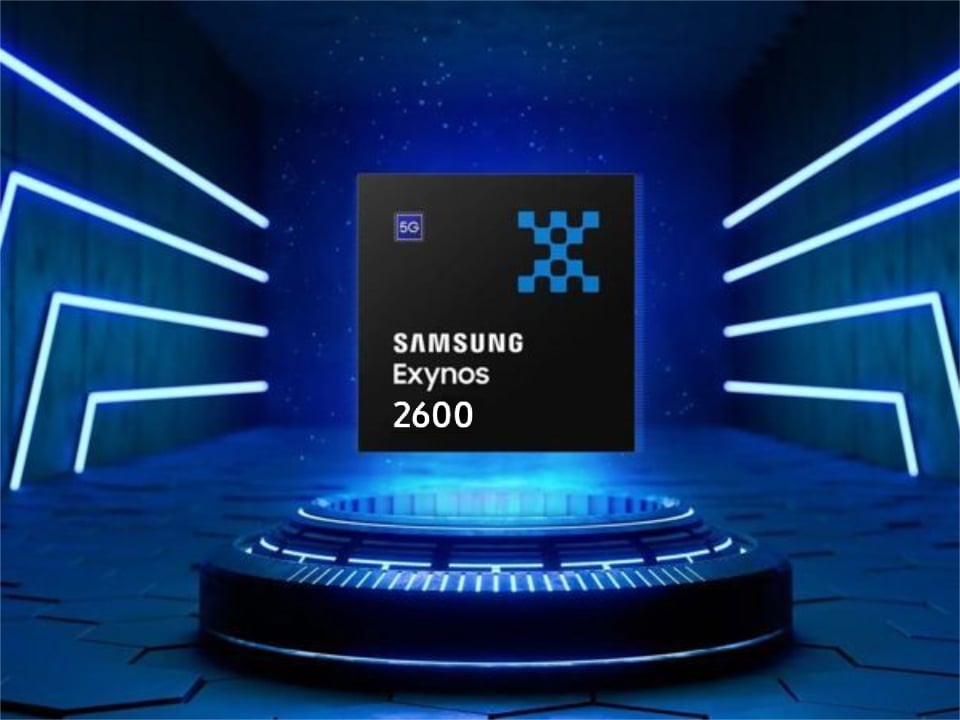
Exynos 2600: The 2nm Chip Samsung Hopes Will Win Back Apple and Qualcomm

Samsung is positioning the Exynos 2600 as more than the main chipset for its next flagship phones. The chip also acts as Samsung’s first large-scale showcase of its 2nm process, which the company hopes will help bring major customers back to its foundry business. After struggling to win meaningful 3nm orders, Samsung is relying on the Exynos 2600 to prove that its new node can deliver stable performance and better efficiency.

Exynos 2600

A new report from South Korea says Samsung has introduced a cooling method for the Exynos 2600 that is drawing interest from Apple and Qualcomm. Both companies have relied on TSMC for their recent mobile and desktop chips, largely because Samsung’s previous flagship chipsets faced consistent thermal and stability issues. Samsung now claims it has addressed those concerns with a packaging method called Heat Path Block technology.

The Heat Path Block design uses a copper heatsink placed directly on top of the mobile AP. To enable this layout, Samsung moved the DRAM to the side of the processor instead of stacking it above the die. This gives the heatsink direct contact with the main chip, allowing heat to move out of the package more quickly. According to the report, internal testing shows up to a 30 percent improvement in thermals compared to the previous Exynos generation.

Samsung missed most of the 3nm demand because its early process did not inspire confidence among top-tier customers. The company is now more cautious with its 2nm rollout but believes this node has a better chance at competing with TSMC. Samsung expects the Exynos 2600 to act as the first real demonstration of what its 2nm line can achieve in a consumer device.

If the Exynos 2600 delivers the thermal and performance gains that Samsung is targeting, it could help the company rebuild trust with major chip designers. That outcome would be important for Samsung as it looks to secure future 2nm orders and re-establish itself as a competitive alternative to TSMC in advanced chip manufacturing.

For more daily updates, please visit our News Section.

Don’t miss a thing! Join our Telegram community for instant updates and grab our free daily newsletter for the best tech stories!

(Source, via: 1, 2)

ASUS’ Next Zenbook Duo Packs a Larger Battery & Improved Dual Displays

ASUS has just teased the arrival of a new dual display laptop. The Zenbook Duo series is getting a new 2026 edition with a bunch of upgrades across the board, which could make it a more compelling option for those looking for a notebook with a larger screen real estate. So let’s check it out.

ASUS Zenbook Duo 2026: All the new upgrades

The Zenbook Duo OLED was the last model in the lineup. But now, we are finally getting a sequel, and it appears that ASUS has plans for a bunch of upgrades. The brand has just shared a new video trailer on X (formerly Twitter) which showcases the design elements and some of the key upgrades. ASUS showcases a stronger hinge that houses the two displays. These screens likely offer a similar 14-inch size but might get thinner bezels.

ASUS Zenbook Duo 2026

With the newer Zenbook Duo 2026 model, ASUS has also shifted to a dual cell battery setup, which could bring notable upgrades in terms of total battery life. To recall, the predecessor was powered by a sizeable 75Wh battery. The last generation of ASUS Zenbook Duo packed Intel’s Arrow Lake architecture, packing the Intel Core Ultra 9 285H processor.

So we might also be getting the Panther Lake lineup which is set to debut early next year. Looking at the video trailer, the Taiwanese tech giant plans on unveiling the Zenbook Duo 2026 model during the CES 2026 event on 6th January 2026. This is all the information we have at the moment, so stick around for more.

For more daily updates, please visit our News Section.

Don’t miss a thing! Join our Telegram community for instant updates and grab our free daily newsletter for the best tech stories!

OriginOS 6 Update Finally Lands on the iQOO 13

Vivo’s OriginOS 6 update has been rolling out for various smartphone models over the last few weeks. Just recently, the Vivo X300 series started receiving the global version of this update. Now, iQOO’s last year flagship, the iQOO 13, has finally received the major software upgrade as well. So here are all the details.

iQOO 13 receives OriginOS 6: What you should know

The Chinese brand just started rolling out OriginOS 6 for the iQOO 13. This is a massive update that carries a hefty download size of 4.05GB. It brings the Android 16 OS along with various other additions and upgrades. To improve the overall user experience, OriginOS 6 packs the new Origin Smooth Engine to help boost app launch speeds, stabilize frame rates, and much more. UI has also been enhanced with smoother system animations and improved system resource management.

iQOO 13
iQOO 13

Apart from just visual upgrades, OriginOS 6 also made improvements to the responsiveness and added more personalization as well. The cleaner animations are coupled with new home screen and lock customization options, adaptive app folders, and even new AI features. There are a bunch of new AI powered tools like Gemini Live, Retouch Suite, and even image editing tools. Other notable features include Origin Island (inspired by Apple’s Dynamic Island), performance optimizations, and more subtle UI tweaks.

At the moment, iQOO is rolling out the iQOO 13 update in a staggered manner. So only a few units are receiving the OriginOS 6 update. This makes sense since it allows the company to catch any major software bugs, vulnerabilities, or other issues. The majority of iQOO 13 owners are expected to get the update soon after.

For more daily updates, please visit our News Section.

Tech enthusiast? Get the latest news first! Follow our Telegram channel and subscribe to our free newsletter for your daily tech fix! ⚡

Google’s new browser wants to “vibe-code” apps from whatever you’re doing online

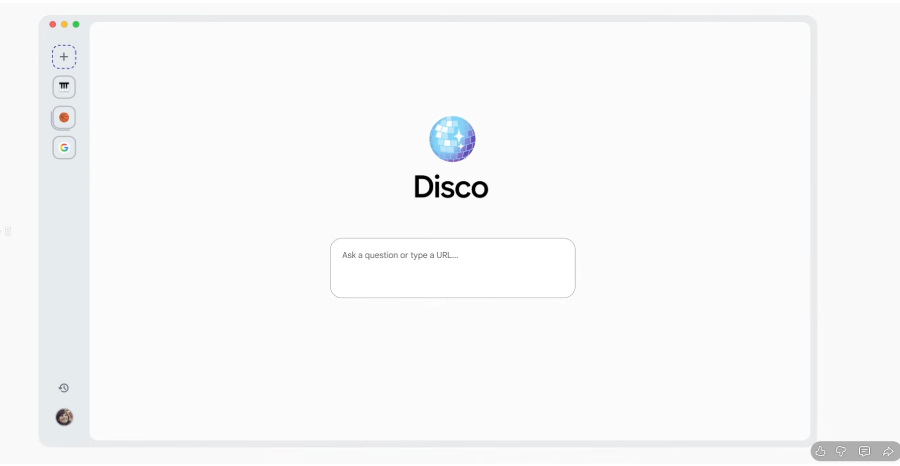
Google thinks the future of the web isn’t just about making it agentic; it’s also about letting your browser build things for you. That idea is now real with “Disco”, the company’s experimental new AI-powered browser that vibe-codes an app based on what you are doing online. This feature of Disco is called “GenTab,” and is powered by Gemini 3.

As you might’ve guessed, GenTab takes your tab and chat history into consideration. It analyzes your tabs, your searches, and your chat prompts to generate tools that fit what you’re doing.

Google showed off a few examples, and they’re honestly pretty impressive. If you’re researching science topics like Entropy, Disco might spin up an “Entropy Explainer” app. The official video also shows a vibe-coded bunk bed comparison site and a memory match brain game.

Google’s new AI browsers vibe codes an app based on your tabs

GenTabs sit alongside regular tabs, but they get their own Gemini-like icon instead of a favicon. One demo showed a travel planner with calendars, route maps, crowd-level predictions, and quick-action buttons like “Book Nearby Stays.” Tap anything inside that app, and the GenTab reshapes itself in real time.

Disco greets you with a homepage containing a chatbox rather than the usual address bar. That’s where the chat history comes from, although you can also paste a URL in it.

If you end up conversing, Google will first suggest you relevant webpages, and after a few conversations, it pops up a prompt to create a GenTab based on what you’re searching.

AI is definitely changing the way we search and consume content. And it won’t surprise me that features like GenTabs are the next evolution of it. 

You don’t need to write code; you just describe what you need, refine it in plain language, and the browser does the heavy lifting. Google says Disco is meant to help people “learn faster” and experiment with what browsing could become. And yes, the company admits the best concepts from Disco might eventually show up in Chrome.

For now, Disco is an early experiment. Google Labs has opened a waitlist, and the first version is rolling out only on macOS. 

For more daily updates, please visit our News Section.

Don’t miss a thing! Join our Telegram community for instant updates and grab our free daily newsletter for the best tech stories!

Motorola Signature may replace the Edge 70 Ultra as the brand’s next flagship

Motorola is gearing up to unveil its next gen flagship smartphone soon. But while rumors predicted that the Edge 70 Ultra is on its way, a fresh leak claims otherwise. The next premium phone from the brand could be dubbed the Motorola Signature. So here’s what we know.

Motorola Signature: New flagship vision from Moto?

The news of Motorola’s shift in flagship branding arrives from known tipster Evan Blass. In response to a recent tweet related to the alleged Edge 70 Ultra renders leak, he claimed that the company’s next flagship carries the codename Urus and will be the first model in the new Motorola Signature lineup. Although, it is unclear if the branding is dedicated to a certain region or will be uniform across the globe.

Motorola Edge 70 Ultra leaked renders

Motorola devices from the Edge and Razr lineup usually have a slightly different names than their global counterparts. Furthermore, another leak from a Weibo tipster confirmed some of the high end specs of this upcoming smartphone. The Motorola Signature will reportedly sport a tall 6.7-inch flat OLED with a 1.5K resolution and a 120Hz refresh rate.

Under the hood, it might be equipped with the new Snapdragon 8 Gen 5 SoC. For photography, the Motorola Signature is expected to feature a 50MP triple camera setup that likely consists of a main, ultra wide, and periscope telephoto shooter. Lastly, three of the color options were also revealed, including black, green, and bronze. Some of these specs are similar to the Edge 50 Ultra, which was the last Ultra model from the brand. But unfortunately, this is all the information we have at the moment, so stick around for more.

For more daily updates, please visit our News Section.

Don’t miss a thing! Join our Telegram community for instant updates and grab our free daily newsletter for the best tech stories!

Sony BRAVIA 2M2 Series Slashes to All-Time Low Price of ₹49,490

Sony’s BRAVIA 2M2 series 55-inch 4K Ultra HD Smart Google TV K-55S25BM2 comes under the mid-premium segment aimed at users who want cinematic visuals, a smooth Google TV experience, and reliable brand backing without jumping to flagship OLED pricing. It combines Sony’s image processing with a modern smart TV platform, making it suitable for mixed usage like OTT streaming, sports, and console gaming.

Specs and Pricing

The pricing for the base model with a 55-inch screen starts at around ₹57,990, with additional discounts of up to ₹7,000 off with HDFC CC No Cost EMI, and on top, of that, apply a ₹1,500 off Coupon, which will bring the effective pricing to ₹49,490.

Please Note: When you buy something using the links in our articles, we may earn a small commission at no cost to you.

Sony’s BRAVIA 2M2 series is packed with premium specs. It comes with a 60 Hz display with 4K Ultra HD (3840 x 2160) resolution. The TV combines a sharp 4K LED panel with the processor X1, Live Colour, 4K X-Reality PRO, MotionFlow XR 100 and HDR10/HLG support to deliver detailed, vibrant, smooth, and high dynamic range visuals ideal for movies, sports, and streaming. The device has 4 HDMI ports and 2 USB ports. And the best thing is that it supports gaming consoles too. It supports 20W Dolby Atmos with DTS Digital Surround.

The TV has all the essential smart kits in it. Like Google TV, Watchlist, Google Assistant, Google Cast, and Google Menu. And on top it also supports Apple AirPlay 2, Apple HomeKit, and Alexa. Sony provides a one-year warranty from the date of purchase.

Currently, the product is running at its lowest price. If you don’t want to miss this. Sony’s BRAVIA 2M2 series 55-inch 4K Ultra HD Smart Google TV is now available at a great deal.

Six more Realme phones are getting Realme UI 7.0 beta update

Realme UI 7.0 beta program (round seven)

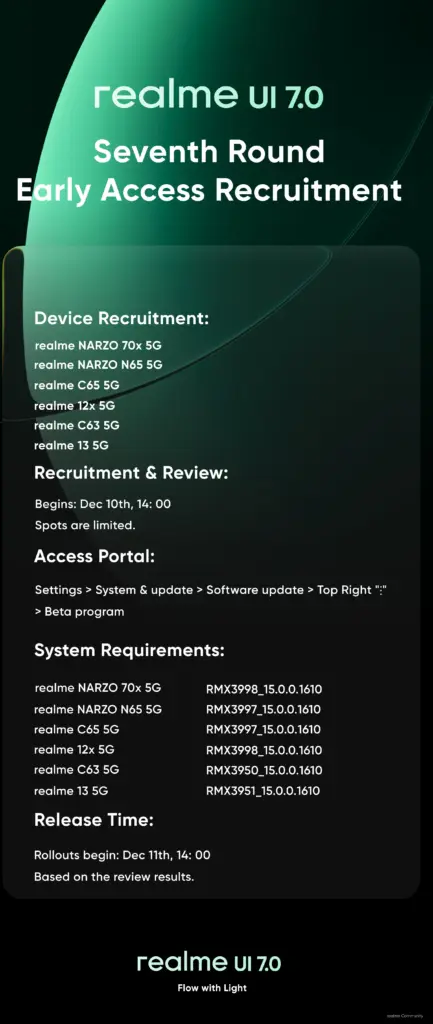
The seventh round of the Realme UI 7.0 Early Access program has gone live, bringing the latest features and upgrades to six more Realme smartphones ahead of the stable rollout. The latest beta round includes devices like the Realme 13 5G, Realme 12x 5G, Narzo 70x 5G, Narzo N65 5G, Realme C65 5G, and Realme C63 5G.

The sixth wave of Realme UI 7.0 beta access is currently live in India, with no official confirmation regarding its expansion to other regions. If you have one of these eligible Realme devices and live in India, you can sign up for the beta program to access the latest features and upgrades without waiting.

Realme UI 7.0 early access beta round 7

How to get the Realme UI 7.0 beta update?

The Realme UI 7.0 Early Access program is already live for all six Realme phones. You can participate in the program right now, but note that Realme is only accepting a maximum of 200 applications for each of these models. Therefore, you must hurry to secure a slot, as they are offered on a first-come, first-served basis.

Step 1: Ensure that your device has the required firmware version

To be eligible for the beta access, your Realme device must be running on the required firmware version:

  • Realme 13 5G: RMX3951_15.0.0.1610
  • Realme 12x 5G: RMX3998_15.0.0.1610
  • Realme Narzo 70x 5G: RMX3998_15.0.0.1610
  • Realme Narzo N65 5G: RMX3997_15.0.0.1610
  • Realme C65 5G: RMX3997_15.0.0.1610
  • Realme C63 5G: RMX3950_15.0.0.1610

You can verify the software version by navigating to Settings > System & Updates > Software Update. Now that we have completed this step, let’s proceed to the beta registration part.

Step 2: Sign up for the Realme UI 7.0 Early Access program

You must enable the developer settings first. If you haven’t already, go to Settings > About device > Version > Version Number and tap the version number seven times in quick succession. This should enable developer settings.

Now, you’re ready to sign up for the beta program. Follow these steps in the same order:

  1. Open the Settings app on your Realme phone.
  2. Go to System & update and tap Software update.
  3. Tap the three dots icon in the top-right corner and choose Beta program.
  4. Tap the Early Access option and click Apply now on the next screen.
  5. Accept terms and conditions and tap Submit.

After submitting the application, you will soon receive the Realme UI 7.0 beta update via OTA. To manually check for updates, go to Settings > System & update > Software update.

The beta rollout has already begun for these Realme devices included in the 7th wave of beta access, so the wait should not be long. Since this is a major upgrade with a hefty download size, the brand recommends keeping at least 15GB of free storage and a battery level above 60% for a smoother installation.

Also read: Here’s the Realme UI 7.0 Open Beta rollout timeline for India

Be sure to check the Android 16 section on Gizmochina regularly for fresh updates. Or, if you prefer your news instant and on-the-go, hop into our Telegram channel for rapid-fire software updates and all the biggest tech headlines.

(source: Realme Community)