Advertisement

Huawei Matepad C5e tablet unveiled globally

Earlier this year, Huawei launched the MatePad SE tablet in the Chinese market. The brand has now relaunched the tablet under a new moniker – Huawei MatePad C5e. This tablet will first arrive in the Japanese market, after which, the device will be made available in other global markets.
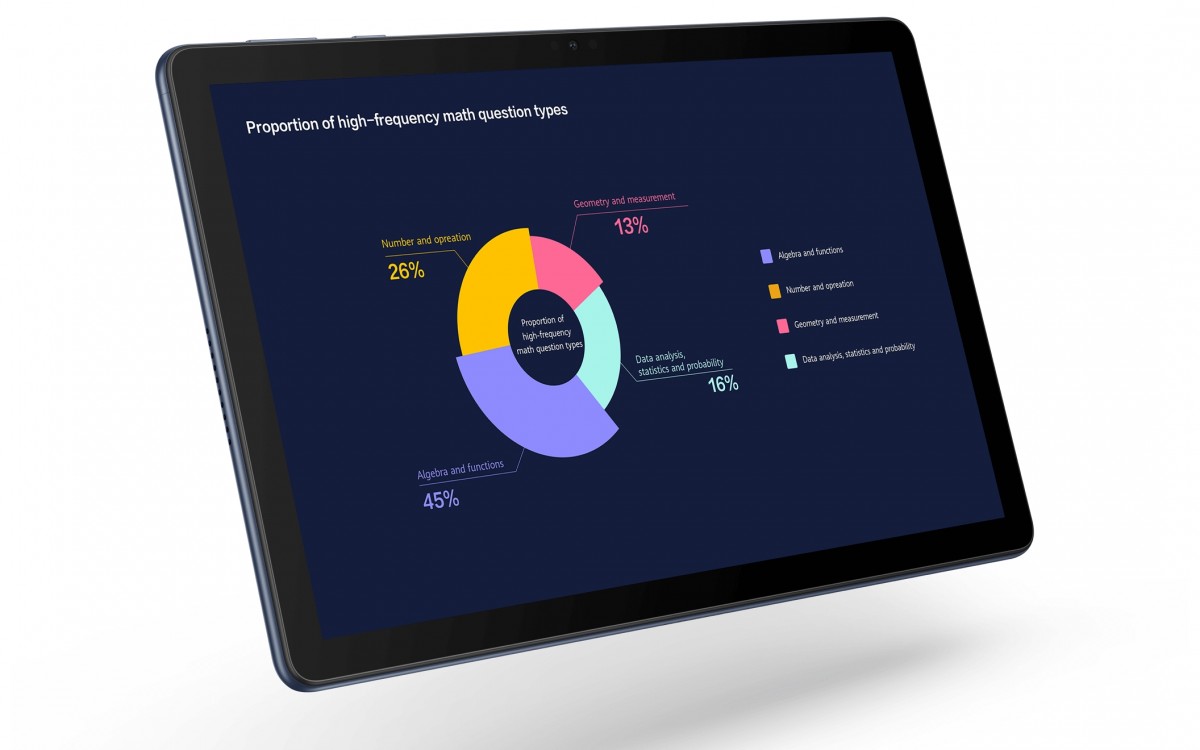
Huawei Matepad C5e

Huawei MatePad C5e specs

The Huawei MatePad C5e has a 10.1-inch Full HD+ IPS display with a screen resolution of 1920 x 1200 pixels and an 80 percent screen-to-body ratio. The gadget is powered by the Kirin 710 processor developed by the firm. The processor contains four Cortex-A73 cores running at 2.0GHz, four Cortex-A53 cores running at 1.7GHz, and a Mali G51 GPU. It has 4GB of RAM and 64GB of storage space (expandable up to 512GB via microSD).
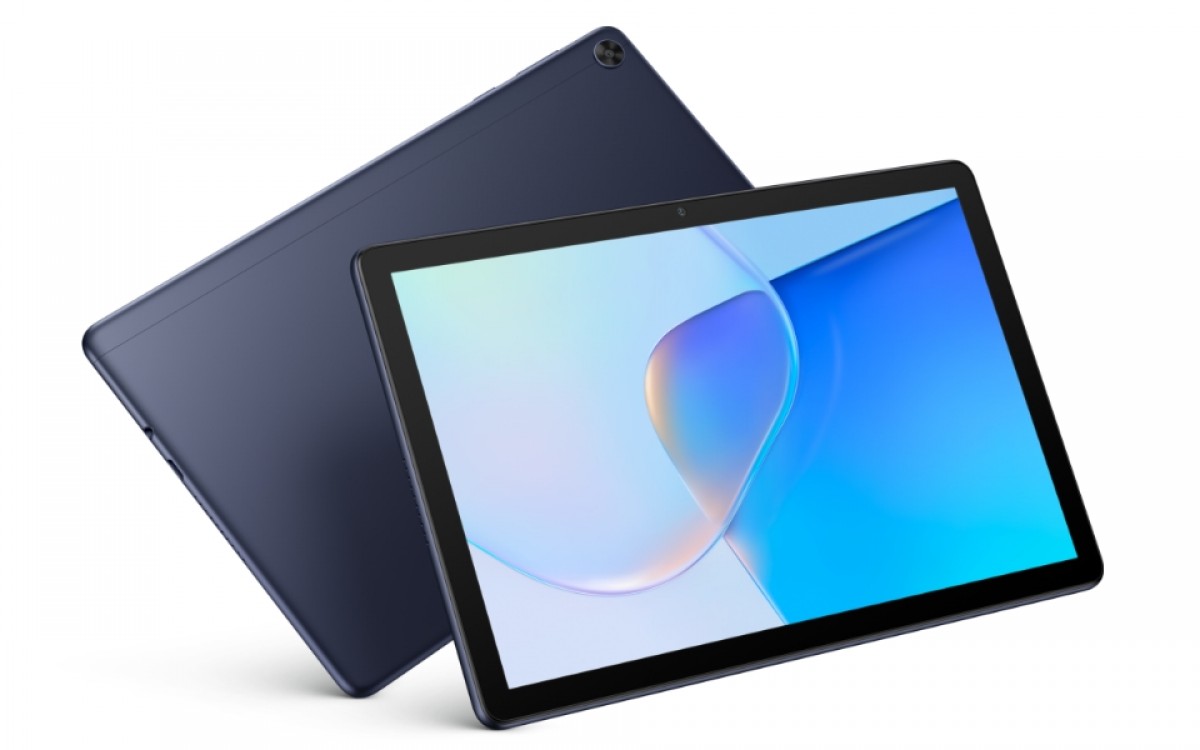
Huawei Matepad C5e

The tablet has dual-channel speakers and support for Histen 7.0 Sound. In terms of cameras, there’s a 5-megapixel sensor on the rear panel and a 2-megapixel snapper on the front for selfies and video calls.

In the software department, the Huawei MatePad C5e runs Android 12-based EMUI 10.1. It has a 5,100 mAh battery that supports 10W fast charging.

Pricing & availability

Although Huawei hasn’t yet made the tablet available on its web store in Japan, it is expected to cost roughly JPY30,000, or about $200 – the same as the MatePad SE in China.

RELATED:

(Source)

Samsung Galaxy A24 key specifications surface online

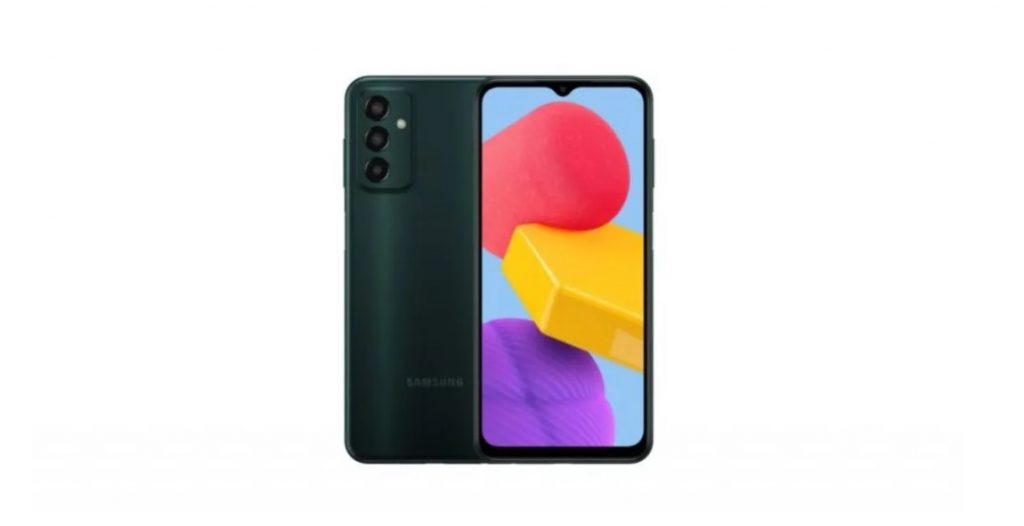
Samsung Galaxy A24 key specifications have surfaced online. The details have been leaked by Vietnamese publication The Pixel. The smartphone will debut as the successor to the Galaxy A23 which was launched earlier this year. The launch timeline of the Galaxy A24 remains unknown at the moment. Read on to know what the leak reveals. 

The Samsung Galaxy A24 will reportedly feature a 6.24-inch sAMOLED display bearing an FHD+ resolution. It will offer a 90Hz refresh rate. To recall, the smartphone’s predecessor has an LCD screen. It remains unclear whether the South Korean brand will go with a waterdrop notch or a punch-hole cutout display. The smartphone’s design also remains a mystery.

The report states that the Galaxy A24 will be equipped with an Exynos 7904 processor which is almost four year old. It will pack 6GB RAM and 64GB internal storage, but we can expect more options at launch. The device is tipped to be backed by a 4,000mAh battery unit with support for 15W charging. The hardware seems to be quite a downgrade compared to the Galaxy A23. 

On the imaging front, the Galaxy A24 is said to come with a triple rear camera setup comprising a 48MP main sensor with OIS support, an 8MP ultra-wide-angle lens, and a 5MP third shooter. There will be a 16MP front-facing selfie snapper. 

Since this is a leak, readers are advised to take the information with a grain of salt.

Related:

Via

Xiaomi partners with Airtel, all 5G compatible phones now support Airtel 5G Plus in India

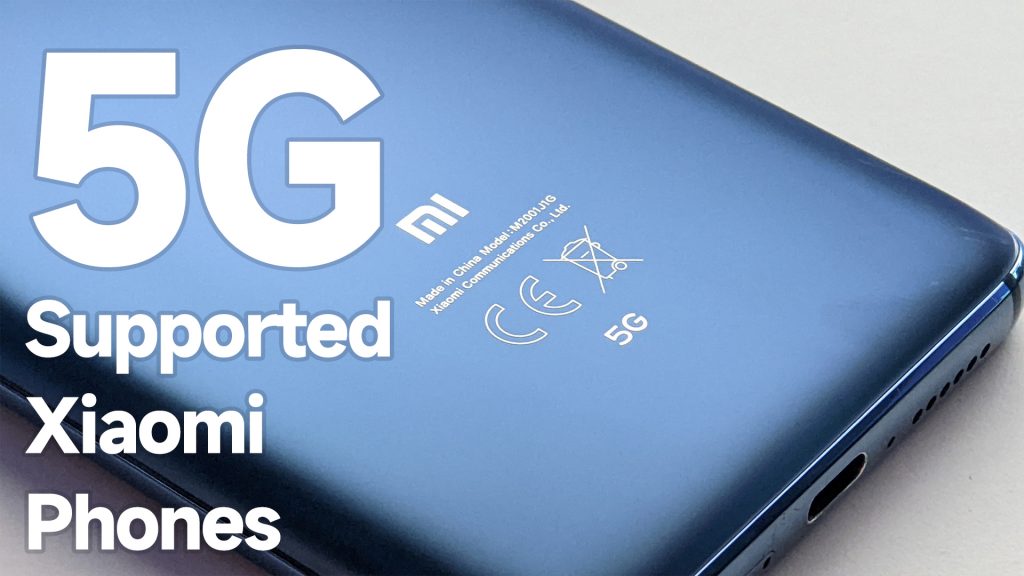
Xiaomi India has announced that it has partnered with Bharti Airtel in India. The Chinese brand aims to offer the telecom operator’s 5G Plus support for all its devices. The company offers a host of 5G-compatible devices under the Xiaomi and Redmi branding. The collaboration means that Xiaomi and Redmi smartphone users can now benefit from the latest-generation 5G network. 

Xiaomi and Redmi 5G Phones

5G was launched earlier this month in India. It offers fast upload and download speeds, negligible latency, and stable connectivity. A host of smartphone OEMs are pushing out software updates to enable 5G on their devices in the country. Xiaomi says that it worked with Airtel to meticulously test seamless 5G connectivity on its devices for two years. All its phones are already 5G-ready. 

Airtel’s 5G Plus is now available in more than eight cities including Ahmedabad, Bengaluru, Chandigarh, Chennai, Delhi, Gandhinagar, Gurugram, Hyderabad, Jamnagar, Kolkata, Lucknow, Mumbai, Pune, Siliguri, and Varanasi. It is based on the NSA structure and doesn’t require a standalone 5G SIM to connect to 5G network. 

The list of Xiaomi and Redmi phones supporting Airtel 5G Plus include Xiaomi 12 Pro, Mi 11 Ultra, Xiaomi 11T Pro, Xiaomi 11 Lite NE 5G, Xiaomi 11i HyperCharge, Xiaomi 11i, Mi 11X Pro, Mi 11X, Mi 10T Pro, Mi 10T, and Mi 10 as well as Redmi K50i, Redmi 11 Prime 5G, Redmi Note 11 Pro+ 5G, Redmi Note 11T 5G, and Redmi Note 10T 5G

To access 5G on Xiaomi or Redmi smartphones, users need to go to Settings > tap on SIMs > Select “5G (recommended)” from the preferred network type menu > Select 5G or 5G/4G/3G from the list to connect to a 5G network. Additionally, users can also enter the code *#*#*4636*#*#* in the dialler app and navigate to phone information to see a list of different types of networks and then choose “NR only” or “NR/LTE” to connect to 5G. 

Related:

Apple discontinues Apple TV HD 2015 following new Apple TV 4K launch

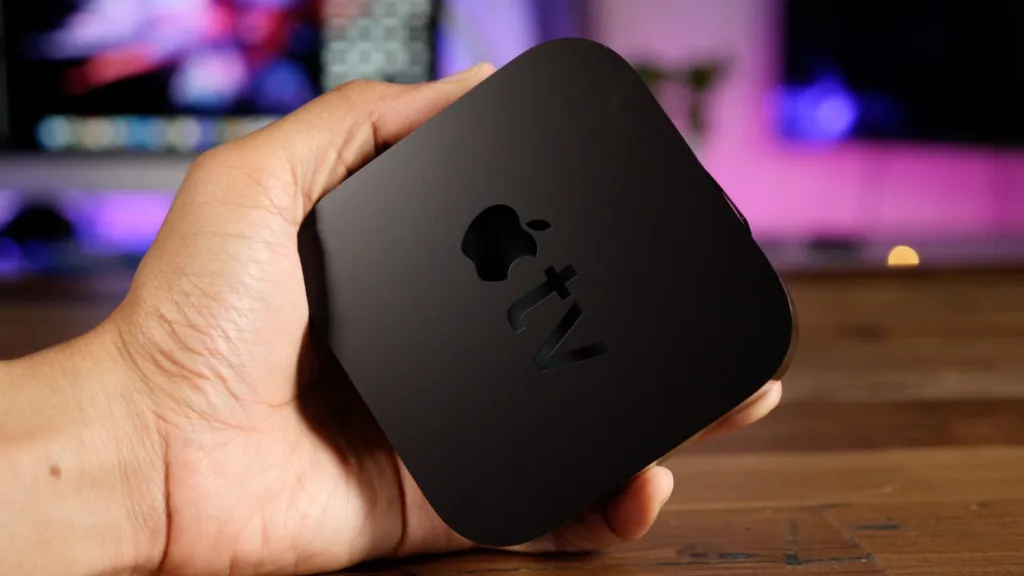
The Apple TV has existed in two different variants alongside each other for some time now. The TV 4K was first launched back in 2017 and sold along with the fourth gen Apple TV HD. However, with the latest TV 4K model launch, the company has finally discontinued the old HD variant.

For those unaware, the Cupertino based giant launched the latest TV 4K model earlier this week. At the same time, the iPhone maker also delisted the TV HD variant, which is no longer sold in the company’s official store. The Apple TV HD model was the fourth generation of the series and was also the first variant that ran on tvOS, which is a standalone operating system that was dedicated to these devices. Furthermore, it was equipped with the A8 chip and had 2GB of RAM.

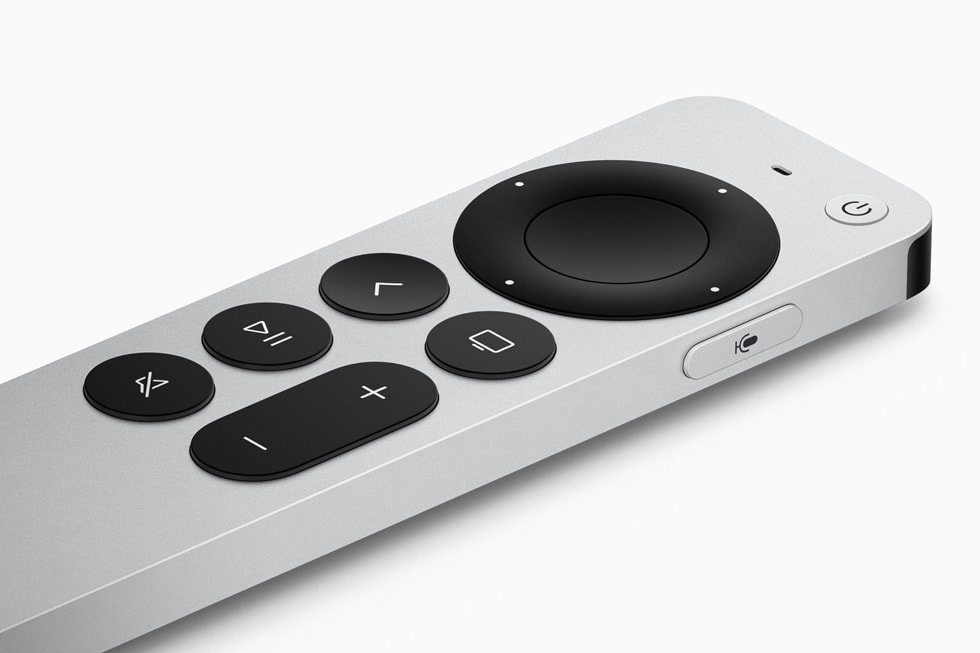
One of the biggest highlights of this fourth gen Apple TV was also the arrival of the Siri Remote that featured touchpad and motion sensors. It was announced for a starting price tag of 149 US Dollars for the 32GB version. However, the company finally announced the TV 4K, which was the first model that came with 4K resolution and HDR support. It was also powered by the more powerful A10X Fusion chipset. In 2021, this device was refreshed again with the A12 Bionic chip and a redesigned Siri Remote.

Now, the latest model is the Apple TV 4K 2022, which comes with the even more powerful A15 Bionic chipset, which is around 50 percent faster than the A12 chipset. The new Siri Remote also comes with a USB Type C charging port over the Lightning port on the older models. Its starting storage capacity also doubled to 64GB and maxed out at 128GB, with a lowered starting price tag of 129 US Dollars.

RELATED:

iPad Air (5th gen), iPad Mini (6th gen), iPad (9th gen) become expensive in India: check revised prices

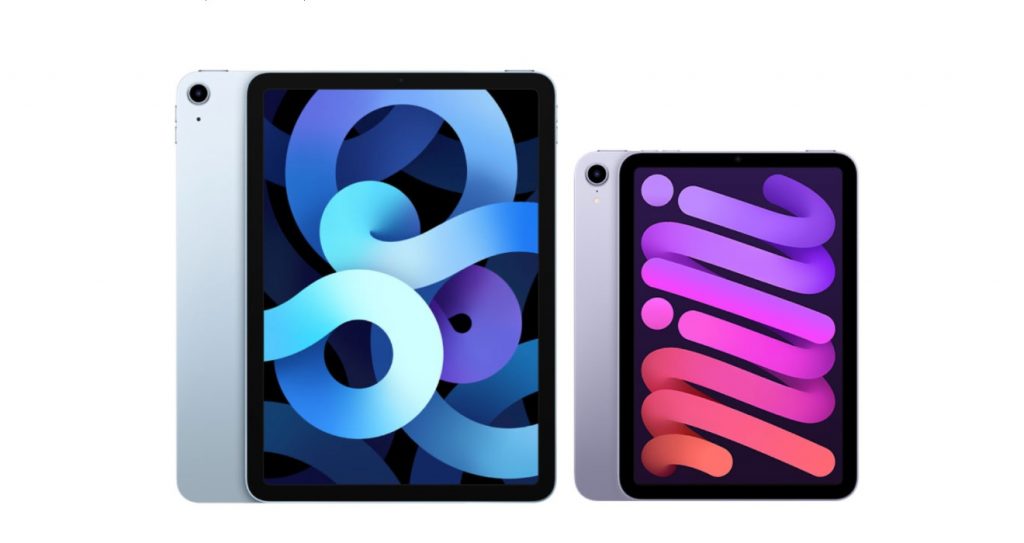
iPad Air (5th gen), iPad Mini (6th gen), and iPad (9th gen) have become expensive in India. Following the launch of the iPad (10th gen) and iPad Pro 2022 last night, the Cupertino-based tech giant has hiked the prices of all three iPads. The Air (5th gen) debuted this year whereas the Mini (6th gen) and iPad (9th gen) are last year’s tablets. The revised prices are already reflected on Apple India’s official website. 

iPad Air (5th gen)New PriceOld Price
iPad Air (5th gen) 64GB WiFi onlyRs 59,900Rs 54,900
iPad Air (5th gen) 256GB WiFi onlyRs 74,900Rs 68,900
iPad Air (5th gen) 64GB WiFi+CellularRs 74,900Rs 68,900
iPad Air (5th gen) 256GB WiFi+CellularRs 89,900Rs 82,900

Going by the above table, the iPad Air (5th gen) 64GB and 256GB WiFi-only variants are costlier by Rs 5,000 and Rs 6,000 respectively. Meanwhile, the WiFi+Cellular models have received a hike of Rs 6,000 and Rs 7,000. 

iPad Mini (6th Gen)New PriceOld Price
iPad Mini (6th gen) 64GB WiFi onlyRs 49,900Rs 46,900
iPad Mini (6th gen) 256GB WiFi onlyRs 64,900Rs 60,900
iPad Mini (6th gen) 64GB WiFi+CellularRs 64,900Rs 60,900
iPad Mini (6th gen) 256GB WiFi+CellularRs 79,900Rs 74,900
iPad (9th gen)New PriceOld Price
iPad (9th gen) 64GB WiFi onlyRs 33,900Rs 30,900
iPad (9th gen) 256GB WiFi onlyRs 48,900Rs 44,900
iPad (9th gen) 64GB WiFi+CellularRs 46,900Rs 42,900
iPad (9th gen) 256GB WiFi+CellularRs 61,900Rs 56,900

As for the iPad Mini (6th gen) and iPad (9th gen), the 64GB and 256GB WiFi-only variants of the tablet have received a price hike of Rs 3,000 and Rs 4,000 respectively. The prices of the same storage options of both tablets but in WiFi + Cellular versions have increased by Rs 4,000 and Rs 5,000. 

Related:

OPPO Find N Flip specifications leaked well ahead of launch  

Recent reports have claimed that OPPO will announce its first clamshell phone with a foldable screen in December 2022 in China. While there is no official confirmation on its final marketing name, the device is speculated to break cover in the home market with the “OPPO Find N Flip” moniker. Well ahead of the launch, tipster Digital Chat Station has leaked the key specifications of the Find N Flip.  

DCS had previously revealed that the OPPO Find N Flip phone, which will feature the Snapdragon 8 Plus Gen 1chipset, has the “Dragonfly” codename. It is expected to arrive in black, white, and purple. The Find N Flip phone is expected to rival the likes of the Samsung Galaxy Z Flip 4, the Moto Razr 2022, and the Huawei P50 Pocket New in China. Here is all the information on the Find N Flip that has surfaced through DCS’ latest leak.  

OPPO Find N Flip specifications (rumored)

OPPO logo

The Find N Flip is expected to feature a 6.8-inch foldable OLED panel and a 3.26-inch external display. The former will support a Full HD+ resolution of 2520 x 1080 pixels. It will draw power from a 4,300mAh battery.

The device will come equipped with a 32-megapixel Sony IMX709 primary camera. The device will have a 50-megapixel Sony IMX766 main camera and an 8-megapixel Sony IMX355 ultra-wide lens on the back.In related news, the Chinese manufacturer unveiled the Snapdragon 8 Gen 1-powered OPPO Find N as the company’s first foldable phone in December 2021. Speculations are rife that the successor edition of the Find N, which is tentatively called the Find N2, will make its debut in December this year. The Find N2 is also expected to feature the Snapdragon 8 Plus Gen 1 chipset.

RELATED:

Oppo slashes prices for F21 Pro, A55 & A77 models in India

Huawei Mate 50 Pro Adds Support For Face Unlock with Masks, Glasses, & Make-up

Huawei is the only company other than Apple to provide a secure face authentication system on its smartphones. Therefore, the latest Huawei Mate 50 Pro and Porsche Design Huawei Mate 50 RS sport a wide notch.

As the COVID-19 pandemic is yet to end, masks are still mandatory in certain parts of the world. Hence, Apple introduced ‘Face ID with a Mask’ earlier this year. Following the footsteps of the American tech giant, Huawei also rolls out a similar feature for the Mate 50 Pro models.

Huawei Mate 50 Pro

Huawei is seeding out a new software update for the Huawei Mate 50 Pro and Porsche Design Huawei Mate 50 RS in China. The OTA system update bumps up the HarmonyOS version to 3.0.0.156.

As per the official changelog, the update adds support for face authentication while wearing a mask. Users can not only unlock the phone but can also make payments,

Unsurprisingly, the feature is the same as what Apple offers on iPhone 12 and later. When face authentication with a mask is turned on, the system will identify the user by their eyes.

If a user wears glasses, they can enroll their faces with glasses on for more accuracy. Additionally, users can also enroll faces with make-up, which is not possible on iPhones.

At present, we are not sure if and when this feature will be made available outside mainland China.

RELATED:

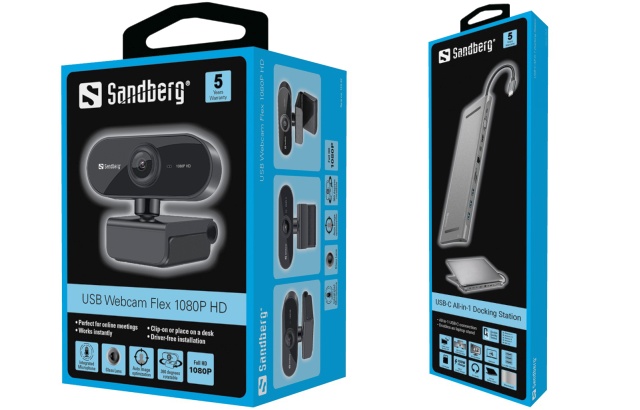
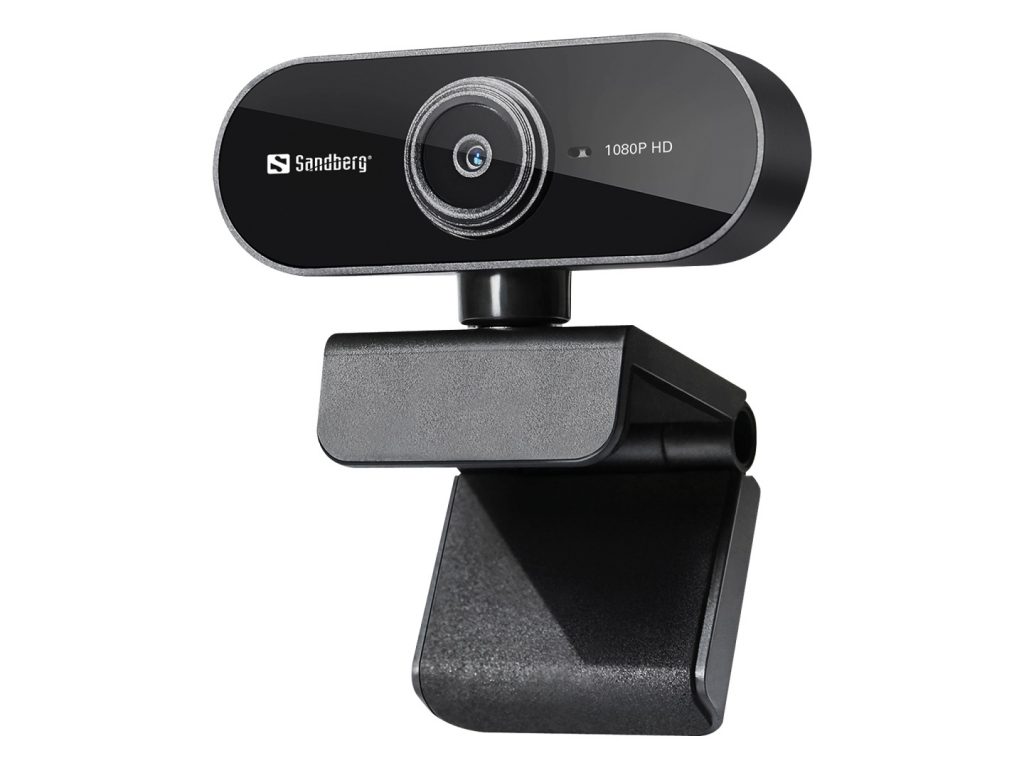
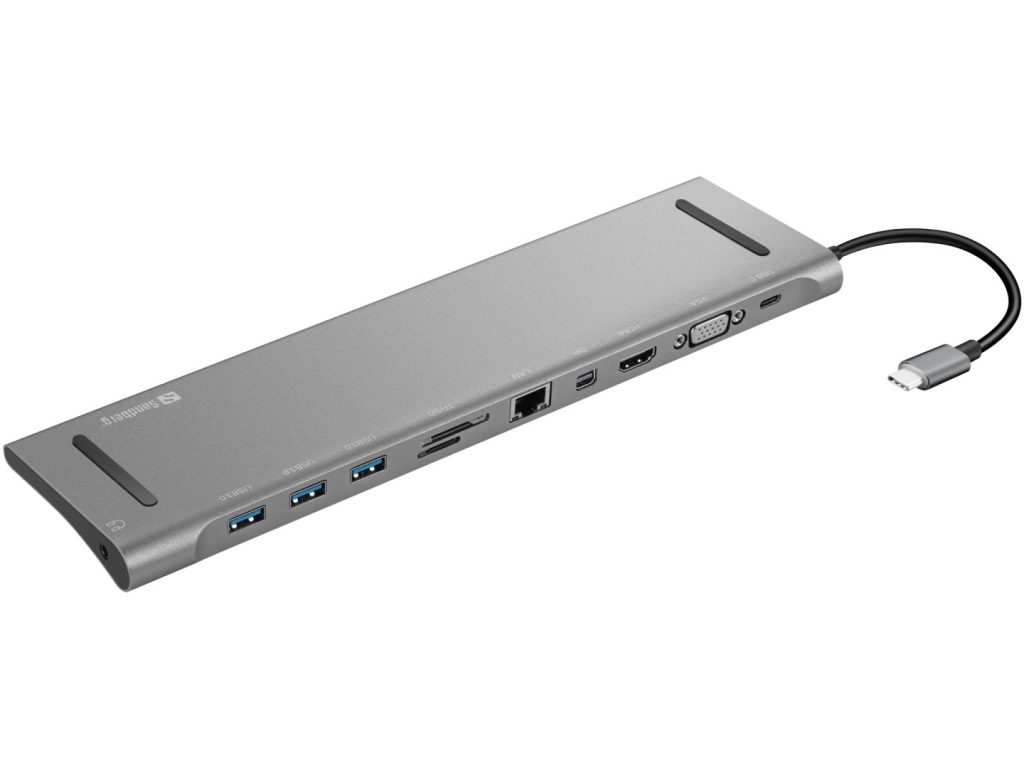
Sandberg launches USB Webcam Flex 1080p & USB-C All-in-1 Docking station

The Danish electronics manufacturer Sandberg has launched a new webcam called USB Webcam Flex and a USB-C All-in-1 docking station.

These two items have lengthy guarantee periods and a reasonable price. According to the official press release, they are “an ideal pairing for those who work from home and participate in video calls.”

The USB Webcam Flex 1080P HD, which costs GBP£39.99 (about US$46), has a 72-degree viewing angle, 30 frames per second, and automated saturation, exposure, contrast, and white balance adjustment. Naturally, it has an integrated microphone as well, providing the absolute minimum for video calls.

The USB-C All-in-1 Docking Station costs GBP£127.98 (approximately US$146) and features a power connector that provides up to 100 W for USB-C charging, 3 X USB 3.0 A ports, a single audio output 3.5 mm jack, VGA, RJ45 Gigabit, HDMI, mDP, a multi-card reader (SD/SDHC/SDXC/MMC), and a security lock hole.

Both of the aforementioned items have a generous 5-year warranty and are available on Amazon (the prices mentioned earlier might be different depending on the market).

RELATED:

Xiaomi 13 Pro leaked image reveals square camera module and Leica branding

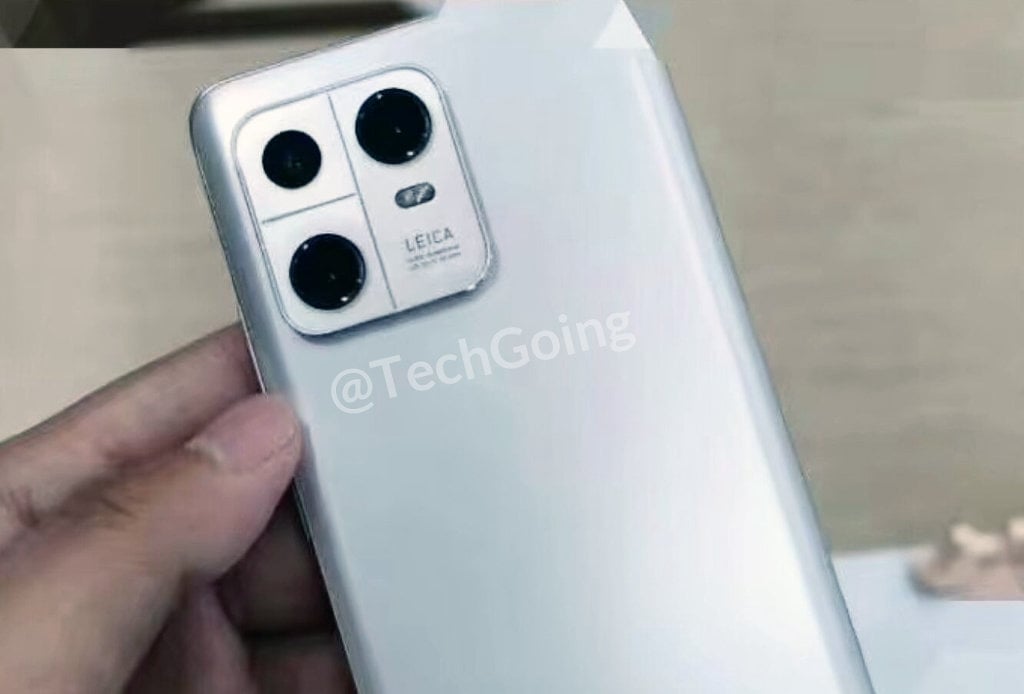
Recently, Xiaomi 13 was allegedly spotted in a leaked live image. Now the Pro variant has surfaced in a live image courtesy of publication TechGoing. It gives us a look at the upcoming smartphone. Going by the leaked image, the Xiaomi 13 Pro looks similar to the regular variant. Both smartphones are expected to debut next month or in December, probably after the launch of the Snapdragon 8 Gen 2 processor. 

Xiaomi 13 Pro

The leaked image reveals that the Xiaomi 13 Pro will sport a protruding squarish camera island. The module houses two sensors stacked vertically on the left and a large lens on the right side. The latter has LED flash beneath it. There’s also a ‘Leica’ text that suggests Xiaomi has collaborated with the iconic camera brand for the upcoming flagship device. The back panel also has curved edges. The Xiaomi 13 Pro is seen in Silver colour option and we can expect more variants at launch.

The leaked image does not reveal any additional details about the Xiaomi 13 Pro. However, the smartphone’s front side was also leaked with key specifications last month. It features a centre-aligned punch-hole display with curved edges. It is expected to feature a 6.67-inch AMOLED screen with 2K resolution and a 120Hz refresh rate. The leaked image also revealed 12GB RAM along with 3GB virtual RAM and MIUI 14 based Android 13 OS. 

The Xiaomi 13 Pro with model number 2210132C was also spotted on China’s 3C certification website. It will likely support 120W fast charging.

Related:

Via

POCO C31 sees record sales of whopping 400K units during Flipkart Big Billion Days

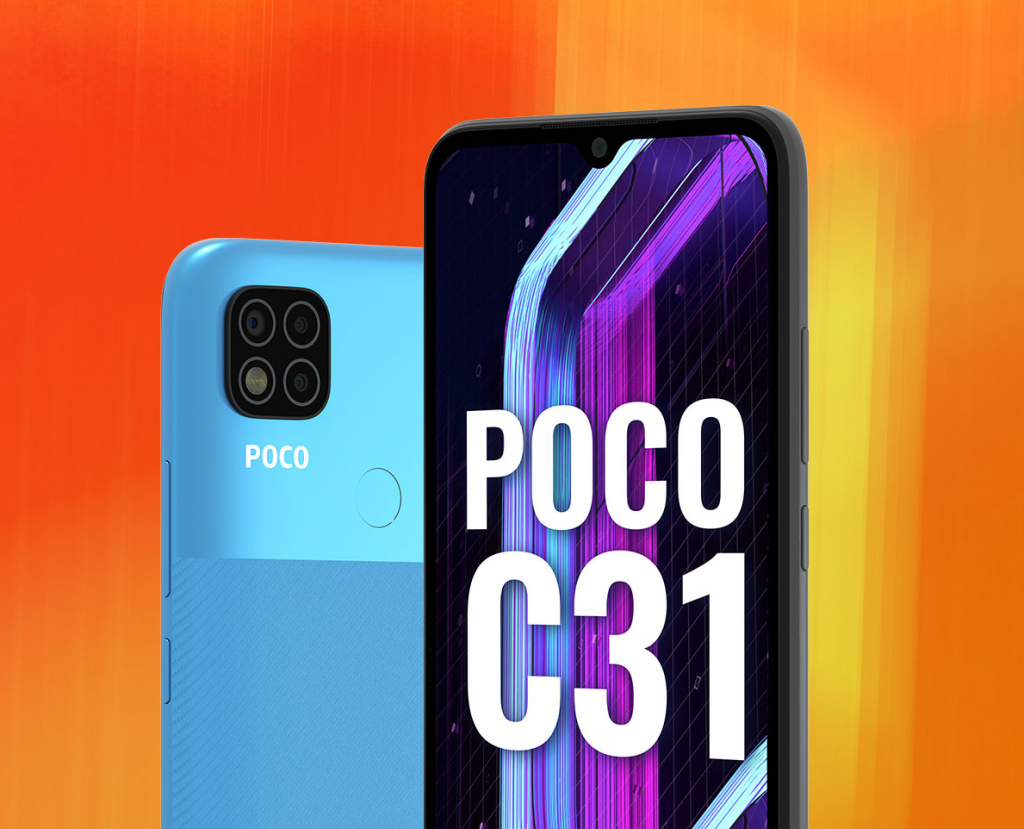
During the Flipkart Big Billion Day sales, a number of products went on attractive discounts on the e-retail platform. However, one smartphone, which is the POCO C31, stood out thanks to its blockbuster sales figure of 400,000 units.

For those unaware, the POCO C31 model is a budget device from the Chinese smartphone maker. Notably, the handset was also the highest selling smartphone that was priced under 8,000 INR in India during the Flipkart Big Billion Days sale. Notably, this wasn’t the only model from the brand to see impressive sales, as the POCO M4 Pro model also sales reaching a whopping 300,000 units during this same period while the X4 Pro 5G registered more than 150,000 units in sales as well. However, the C31 was undoubtedly the top selling model from the brand with an impressive 400,000 units being shipped.

POCO

According to Himanshu Tandon, POCO India head, “This festive season, we wanted to celebrate with our consumers and strived to make POCO products accessible to the masses. Post the offers and discounts announced, we empowered consumers to get their hands on the powerful POCO rangers at unmatched prices. And the consumers’ verdict is out, POCO C31, M4 Pro AMOLED, and X4 Pro 5G have performed extremely well in their respective segments. We are overwhelmed with the love received from the POCO fam and consumers this Big Billion Days Sale, and extend our gratitude for their love and trust, always.”

Notably, the company also announced new deals to elevate festive season and wrap up the Diwali Sale. So now, you can expect good discounts on a range of POCO branded smartphones. This ranges from top of the line F4 5G model selling for just 21,999 INR, while mid range X4 Pro 5G costing around 13,999 INR. Lastly, the M4 Pro and C31 model will be priced around 10,249 INR and 6,749 INR reespectively during this sale.

RELATED:

Sony PS5 Pro devkits have already made their way to game studios: Report

Over the last couple of weeks, we have reported on Sony working on a new PlayStation 5 Pro model, which would have been a refreshed model with bumped up specs. Now, a new report has revealed that the new console model isn’t too far away.

A new leak from known industry insider Tez2 claims that many developers have already started receiving the PS5 Pro devkits. If this news is true, it confirms the existence of the new game console. For those unaware, game studios typically get the devkit of new consoles ahead of the market for various reasons like better optimizations of existing games, or even the development of new titles based on improved hardware.

According to the tipster, the developers have been referring to the PS5 Pro devkits as the “kits of mid life upgrades.” Although, based on the PlayStation 5 devkits, we can expect the specifications of the PS5 Pro to also differ from the retail version that will be made available for consumers. Unfortunately, Tez2 did not reveal any other finer details like specifications regarding the upcoming gaming console model. But we can expect a more robust cooling system that helps keep the upgraded AMD APU’s thermals in check.

Based on these rumors, we can expect the PlayStation 5 Pro to launch sometime around mid to late 2024. This would be in line with the PS4 series, with the PS4 Pro launching around three years after the launch of the original variant. So, its likely that we’ll see a similar gap between the PS5 and PS5 Pro. So stick around for more, as we will be providing updates when additional information is available regarding this matter.

RELATED:

Chrome update brings productivity improvements to Android tablets

A new version of Chrome for Android tablets has been released by Google, making it easier to switch between tabs and finish activities more quickly on Android tablets. Additionally, Chrome will also get a couple more features to improve productivity on Android tablets. So, let’s check these features out in detail.

Side-by-side design

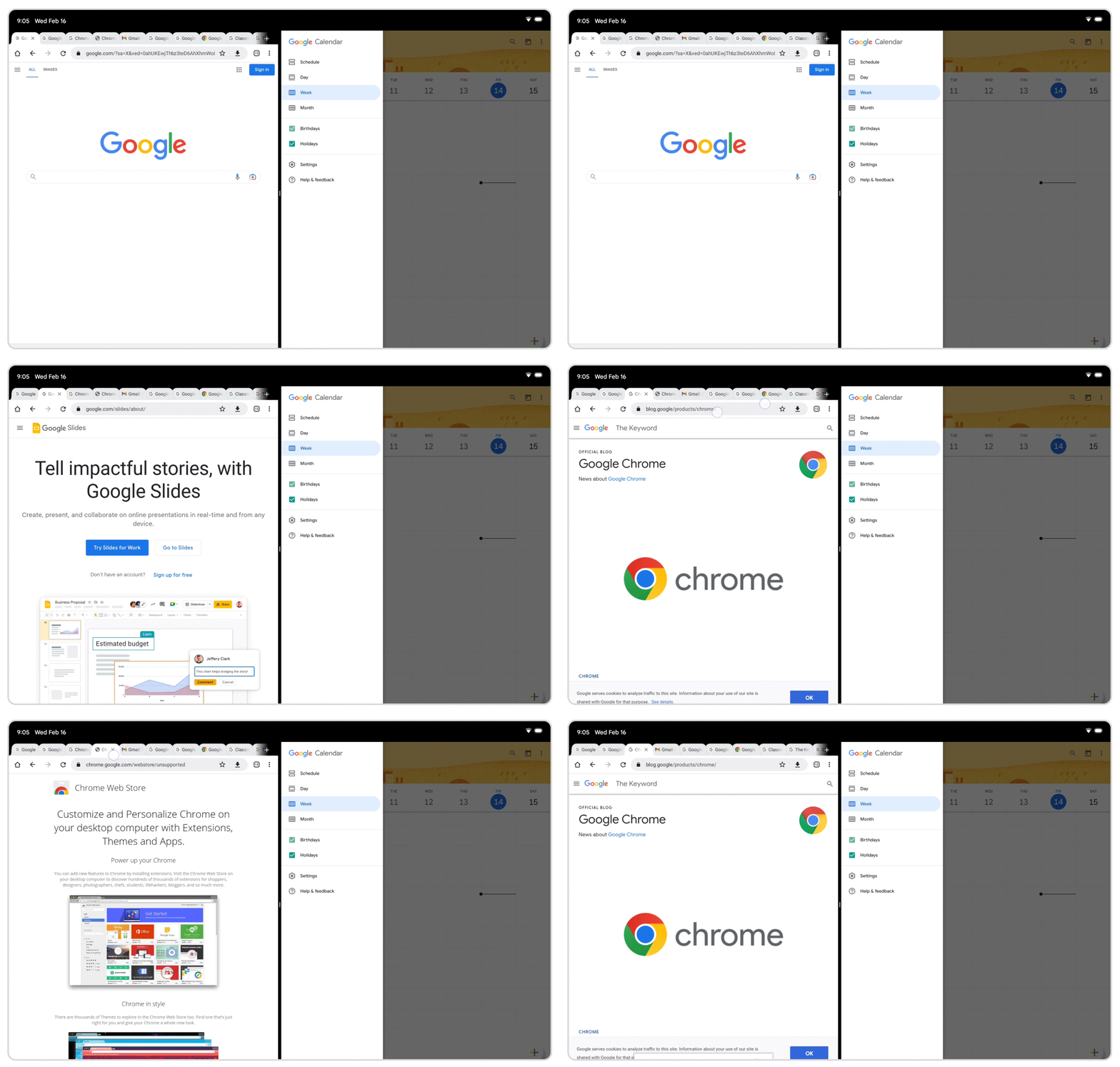
Finding the right tab can be difficult on a smaller screen with numerous open ones. To make choosing tabs simpler, Google modified it by incorporating a side-by-side design into Chrome. You can swipe back and forth between tabs using the auto-scroll back function as well. To avoid accidental closing of tabs, the close button is hidden when the tabs get too small. If you do end up accidentally closing a tab, there is a one-click button to restore it.

Visual tab grid

Google has introduced the visual tab grid to make it even easier to locate a specific tab when you have multiple tabs open. Instead of being displayed in a horizontal stream, tabs are now displayed in a grid with a preview to make navigation easier. If you have a foldable smartphone, visual tabs are helpful because the smaller screen on the outside matches the larger screen inside.

Drag & drop out of Chrome

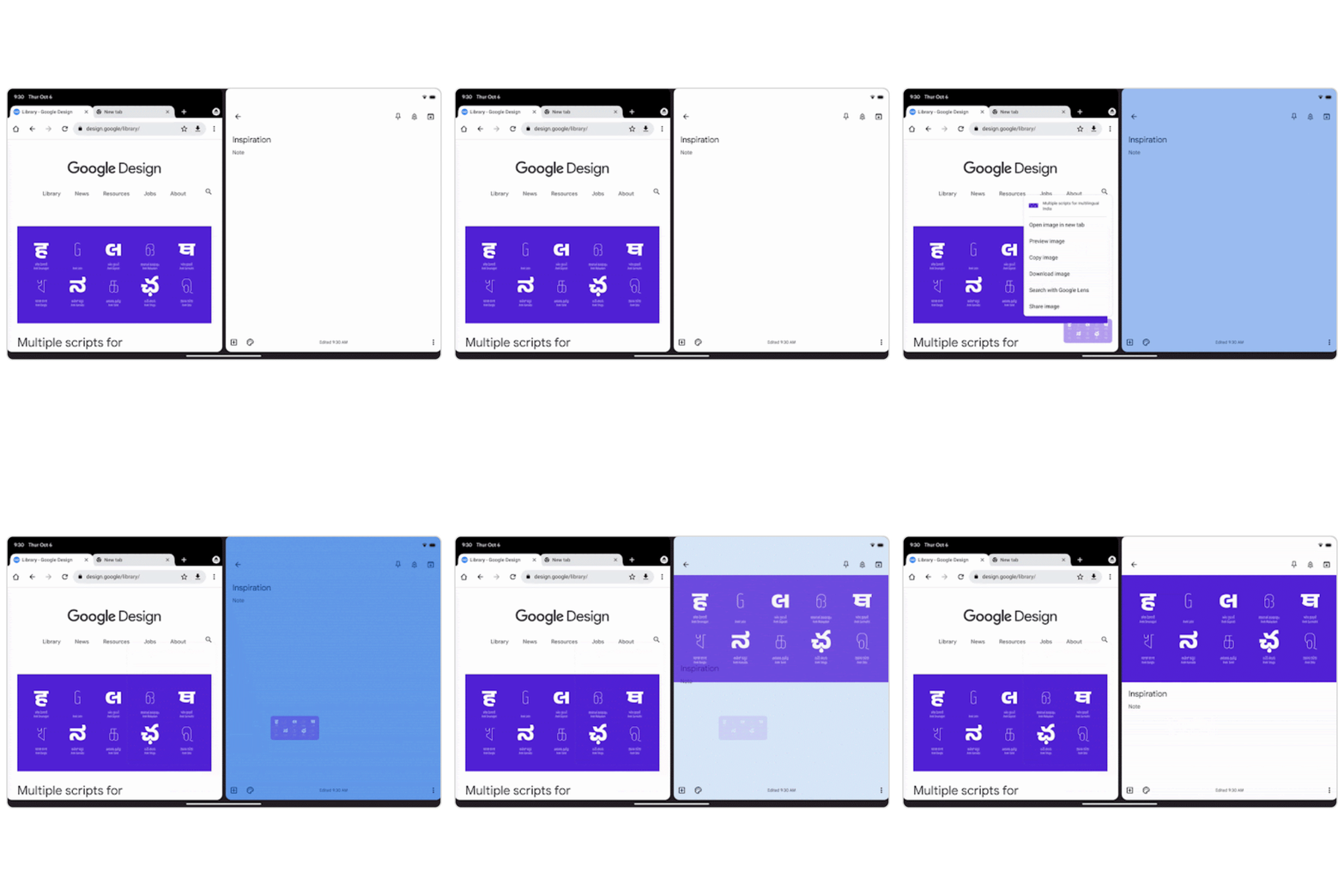
Sharing content across apps is also now easier while you browse the internet using Chrome as you can simply drag and drop images, text, and links to apps like Gmail, Photos or Keep.

Desktop mode

A lot of times, websites don’t work as they are supposed to on tablets, or some features of the site are missing on the tablet version. Got get around this issue, you can set Chrome to always request and display the desktop version of a website.

Tab groups

Tab Groups is a feature currently available on the PC and Android smartphone versions of Chrome. It helps in increasing productivity and keeping things organized as the feature can group tabs to keep related pages together in one workspace. With this update, this feature is now available on all Android tablets.

RELATED:

(Source)

Rokid Station launched as an AR remote control for gaming & productivity

Earlier this week, Rokid launched a new product that is a three in one type of product that aimed to fulfill multiple roles. The device in question is the Rokid Station which is basically an AR remote control for multimedia, gaming, and even productivity based uses.

For those unaware, Rokid is a brand that specializes in developing software and hardware related to AR technology. It has even launched a pair of AR glasses as well in the past, and now, the company announced the Rokid Station during an online conference. This product serves a three in one purpose, offering a private theater experience with IMAX while also providing an immersive portable mobile terminal and even serving as a powerful productivity platform as well.

Looking at the device itself, it appears to resemble an actual remote control. Despite its functionality, it is more compact and portable than a traditional smartphone. Although, it can be paired with handsets, tablets, computers, and even portable gaming consoles as well as the Rokid Air AR glasses that were launched back in 2021. It houses a large 5,000mAh battery pack, which the company claims can last for up to three full movies or over 6 hours of battery.

The Rokid Station supports mainstream 3D video formats and also houses 32GB of internal storage. So even if there is no internet connectivity, users can watch local videos that were imported onto the device. Apart from this, users can play popular games like Genshin Impact and function as a dedicated gamepad for a better gaming experience. For productivity, the Station also offers built in Alibaba Cloud’s cloud computing service and other 3D office applications as well. The device has just been launched in China and is priced at 799 Yuan.

RELATED:

MIUI 13 Starts Rolling Out to Redmi Note 9 Pro/Pro Max, Poco M2 Pro in India

Xiaomi is yet to deliver the Android 12 update for some of its devices though Android 13 is out for more than 2 months. Three such handsets have started receiving the much-awaited update in India.

The Chinese smartphone maker has begun to roll out last year’s Android update for the Redmi Note 9 Pro, Redmi Note 9 Pro Max, and Poco M2 Pro in its largest market outside mainland China.

Redmi Note 9 Pro Max

The Android 12 update for the Pro models of Redmi Note 9 and Poco M2 arrive with MIUI 13 in India. Despite releasing in October, the software builds come with August 2022 security patches.

Most importantly, the update is currently limited to Mi Pilot testers. It should make its way to regular users in the coming days and weeks.

The update should enter the ‘Stable Beta’ phase next, followed by ‘Stable’. Hence, most users will likely get access to it by next month.

The Android 12-based MIUI 13 update is probably the last major software update for Redmi Note 9 Pro, Redmi Note 9 Pro Max, and Poco M2 Pro. These phones may only receive necessary security updates going forward.

All three devices were launched in 2020. They share a similar design and only differ in terms of certain features.

RELATED:

(Source 1, 2, 3)

Xiaomi Integrates Google Photos Into MIUI Gallery

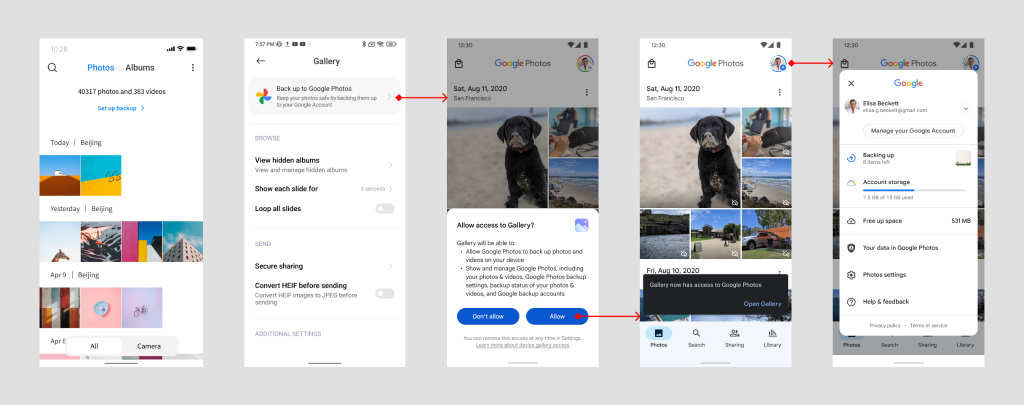
Last week, Xiaomi announced that it will drop support for MIUI Gallery sync feature with Xiaomi Cloud. The company also disclosed that it will allow users to migrate their media to Google Photos in 2023.

Just a few days later, the smartphone maker now reveals that Google Photos will be integrated with MIUI Gallery starting next week.

Xiaomi MIUI Gallery Google Photos Integration

Xiaomi says that it is integrating Google Photos backup functionality into MIUI Gallery. The integration will go live with a new version of the application.

The update will be rolled out via Xiaomi’s GetApps app store. It will be first made available in Singapore starting on October 24.

Existing users of Xiaomi Cloud will be able to migrate their media to Google Photos. Also, they will be offered a 3-month trial of Google One membership (100GB).

Xiaomi Cloud offers only 5GB of free storage and its family plan is limited to China. On the other hand, Google provides 15GB of free storage. Additionally, with Google One membership, users can not only expand storage but can also add up to 5 family members.

As mentioned earlier, the initial timeline disclosed by Xiaomi for the rollout of Google Photos integration with MIUI Gallery was 2023. Hence, we believe that it will take months to reach all the markets.

What are your thoughts on Xiaomi discontinuing the synchronization of MIUI Gallery with its own cloud service outside mainland China? Do let us know in the comment section below.

RELATED:

New iPad with USB-C oddly supports Apple Pencil with Lightning port

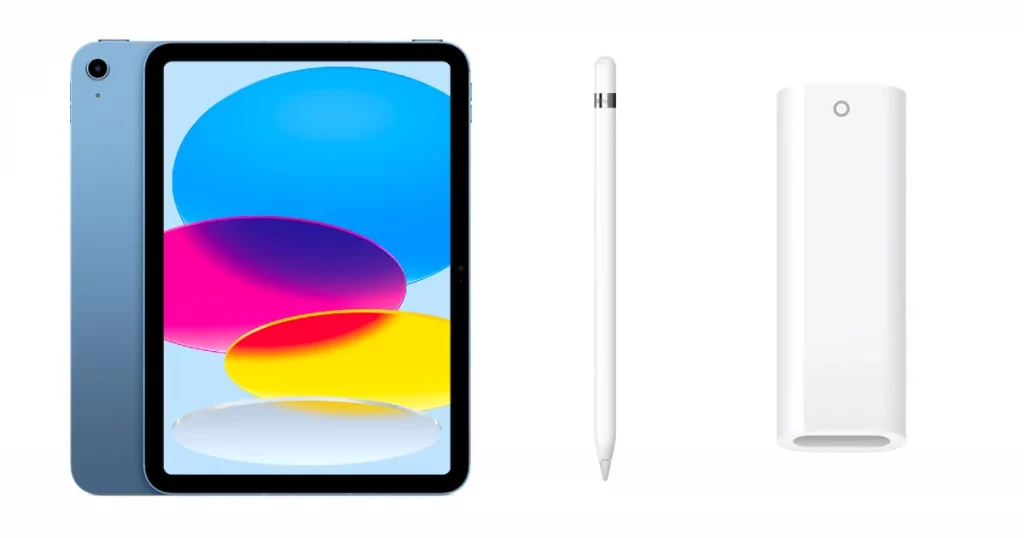
Apple has just announced a new entry level iPad model for the Indian market. However, this new generation of iPad did not drop alone as the company also brought support for the first generation Apple Pencil as well. But, there appears to be an odd issue of port compatibility between the two products.

For those unaware, the new iPad 2022 model comes with a USB Type C port, which is the next gen standard for the large screened devices. Furthermore, the new iPad 2022 model starts from 44,900 INR and is over 10,000 INR more expensive than its predecessor. Although, in terms of specs, it is closer to the iPad Air M1 model. But unfortunately, the 1st Generation Apple Pencil only charges over a Lightning port. So, how will one charge the stylus with the iPad? Simple, buy the brand’s 900 INR USB Type C Apple Pencil adapter.

As of right now, the new entry level iPad only works with the 1st Gen Apple Pencil, despite being a current gen iPad model. This seems especially more weird considering that the iPhone maker has launched the iPad Air, iPad mini, and iPad Pro to all support the 2nd Gen Pencil. So, it appears that the brand launched the latest gen entry level iPad with USB Type C port, but is pushing users to buy a dedicated adapter to get the full functionality of the tablet when used with a stylus.

As per official description, the 1st Gen Pencil charges with the 10th Gen iPad. It reads “the USB-C to Apple Pencil Adapter is required to pair and charge Apple Pencil (1st generation) with iPad (10th generation). Your Apple Pencil plugs into one end of the adapter and the USB-C Charge Cable from your iPad plugs into the other.”

RELATED:

iQOO Z6 Lite 5G gets up to 12GB RAM support thanks to Extended RAM 3.0 feature

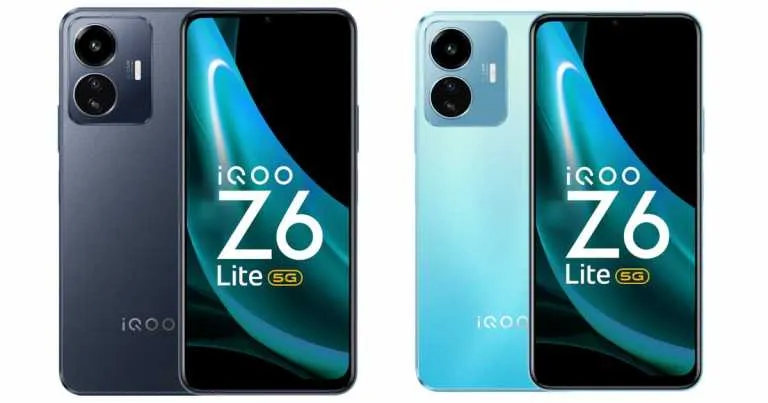
Last month, iQOO launched the iQOO Z6 Lite 5G in the Indian market. This device debuted as the first smartphone to be powered by the Snapdragon 4 Gen 1 chipset. In addition to the chipset, it has many other features like a high-resolution panel with a high refresh rate that make it quite a compelling gaming smartphone in the lower midrange.

iQOO-Z6-Lite-5G

The device also featured the Extended RAM 2.0 technology (virtual RAM) which enabled the device to gain an additional 2GB of RAM above the RAM capacity of the Z6 Lite 5G. Now, the brand has started pushing out an update that will take the virtual RAM capabilities of the Z6 Lite 5G to new heights.

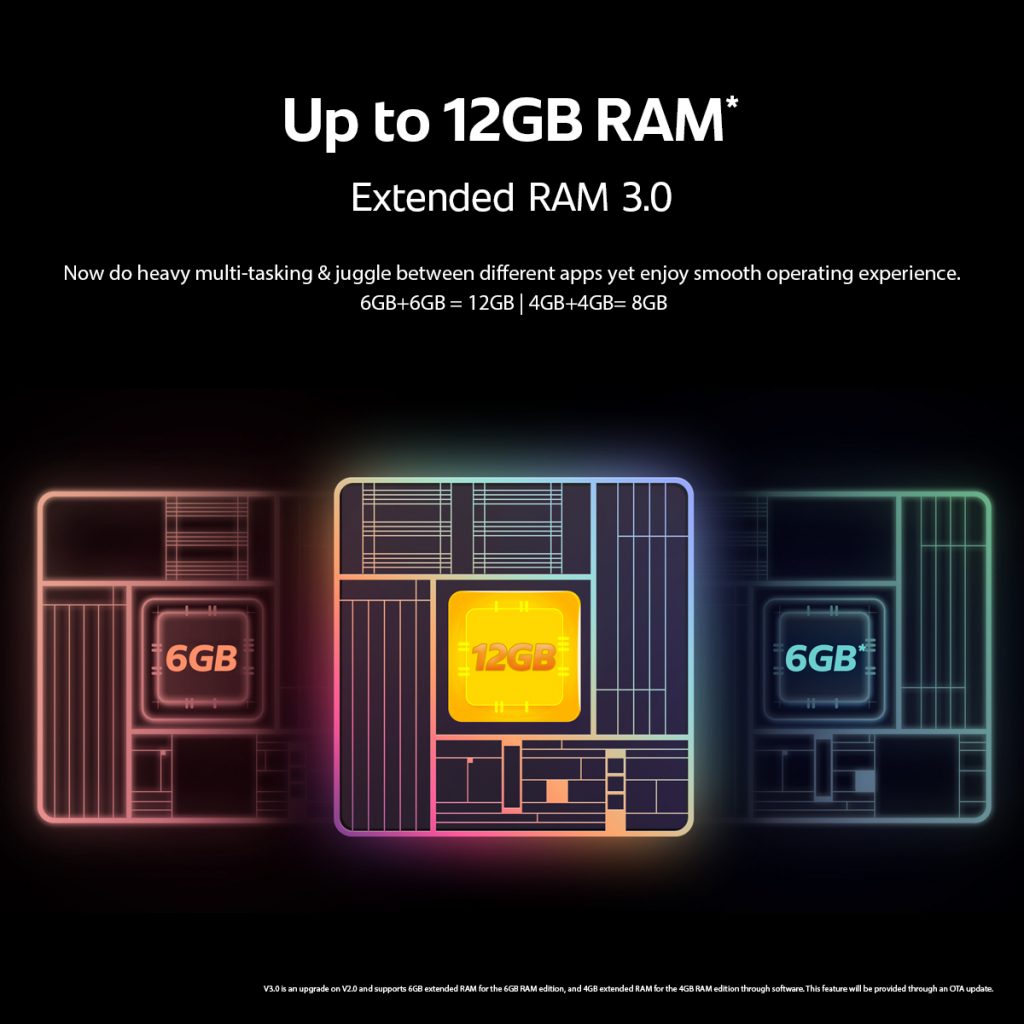
According to iQOO, the new update carries Extended RAM 3.0, which will allow users to extend the RAM of the 6GB iQOO Z6 Lite 5G model by another 6GB, while users of the 4GB model will be able to increase their RAM by another 4GB using the Extended RAM feature. The new feature will help improve performance while multi-tasking and even while gaming in some titles.

According to iQOO, the update will be available via OTA beginning today. We can expect the update to roll out in batches, so it might take a couple of days before the update makes its way to all of the devices.

iQOO Z6 Lite 5G specs & features

The iQOO Z6 Lite 5G boasts a massive 6.58-inch Full HD+ display offering a resolution of 2408×1080 pixels. The display has a refresh rate of 120Hz and a touch sampling rate of 240Hz. The front camera is housed inside a waterdrop notch on the display.

Under the hood, the smartphone housed the Snapdragon 4 Gen 1 SoC manufactured on TSMC’s 6nm process. The chipset is complemented by 4GB or 6GB of RAM and 64GB or 128GB of storage. It has a 5000mAh battery with 18W charging support and operates on Android 12-based FuntouchOS 12.

For optics, the handset includes a dual camera setup on the back consisting of a 50-megapixel primary camera and a 2-megapixel macro unit. On the front, there is an 8-megapixel camera for selfies and video calls.

RELATED:

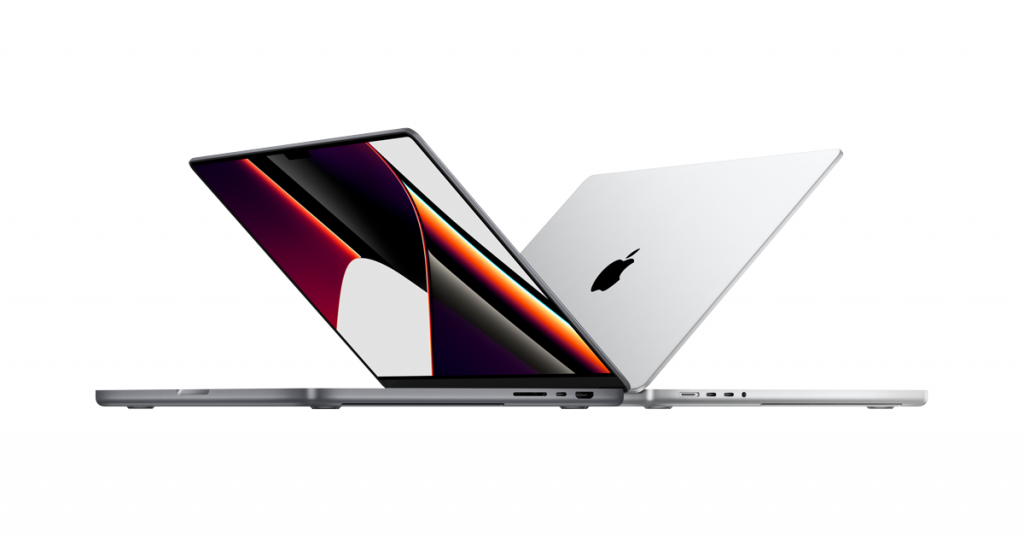
Apple’s upcoming 14-inch and 16-inch MacBook Pro models to reportedly launch next month

Apple recently unveiled its latest iPad and iPad Pro models, along with a new Apple TV 4K. Now, the next lineup of products to get refreshed is the highly anticipated MacBook Pro 14-inch and 16-inch models.

The new Apple MacBook Pro models were expected to go official this month, i.e. in October but a new report from Mark Gurman of Bloomberg suggests that the launch has been delayed to next month.

Apple MacBook Pro 14-inch and 16-Inch Models

According to the report, the new 14-inch and 16-inch models of the MacBook Pro in November but an exact launch date is not yet known. The company also has a history of launching new MacBook models in November, which it did in the year 2019 and 2020.

Previously, we reported that Apple is planning to launch new MacBook Pro laptops as early as the fall of this year, but the launch could get delayed because of supply chain issues.

The upcoming laptop models will come powered by the Apple Silicon’s M2 Pro and M2 Max chips, which are not yet officially announced by the Cupertino-based tech giant. There were rumors about the upcoming M2 Pro and M2 Max chips being manufactured using the 3nm process, but recent reports have indicated that the company will stick to the 5nm process for the new chips.

If the reports are to be believed, then the company is expected to move from the N5 process of the M1 Pro and M1 Max chips to the newer N5P process by TSMC. As of now, there’s not much information available about the upcoming Pro models of the MacBook, but it’s likely that there won’t be any major changes in terms of design, and we’ll mostly see internal upgrades for better performance.

RELATED:

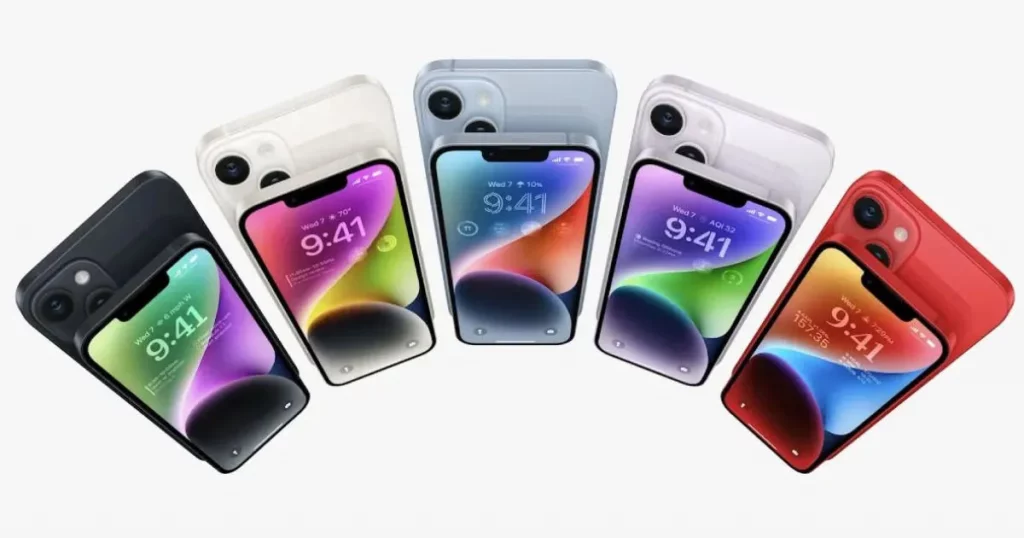
Apple iPhone 14 series suffers from a SIM bug, but a fix is on its way

Apple had just recently launched the iPhone 14 series. However, soon after its release, various reports surfaced regarding bugs that users were facing on the new device. Now, a new report has found that users are now facing another issue, which is affecting the SIM this time around.

Apple

People who bought the iPhone 14, iPhone 14 Plus, iPhone 14 Pro, and iPhone 14 Pro Max have raised complaints regarding their devices showing the message “SIM Not Supported.” Following this, the screen also freezes for a short while as well. While some of the bugs we had initially reported on were circulated on publications or on Reddit, this issue has been officially acknowledged by the Cupertino based giant.

According to Apple, this SIM issue is caused by a bug in iOS 16. In other words, it is clearly not a hardware related problem and the brand is also actively working on finding a fix to this matter. Meaning, users of the iPhone 14 series can expect to see a software update roll out soon that will patch this bug. Apple has also urged its iPhone 14 users to keep their devices’ software up to date.

As of right now, there are a few things that can be done while the company is working on a fix. This includes waiting for a couple of minutes, by which time the message usually disappears on its own. It is advised that users do not restore their devices, rather, visit an Apple Store or an authorized service provider who is trained to offer professional technical support in resolving this problem.

RELATED:

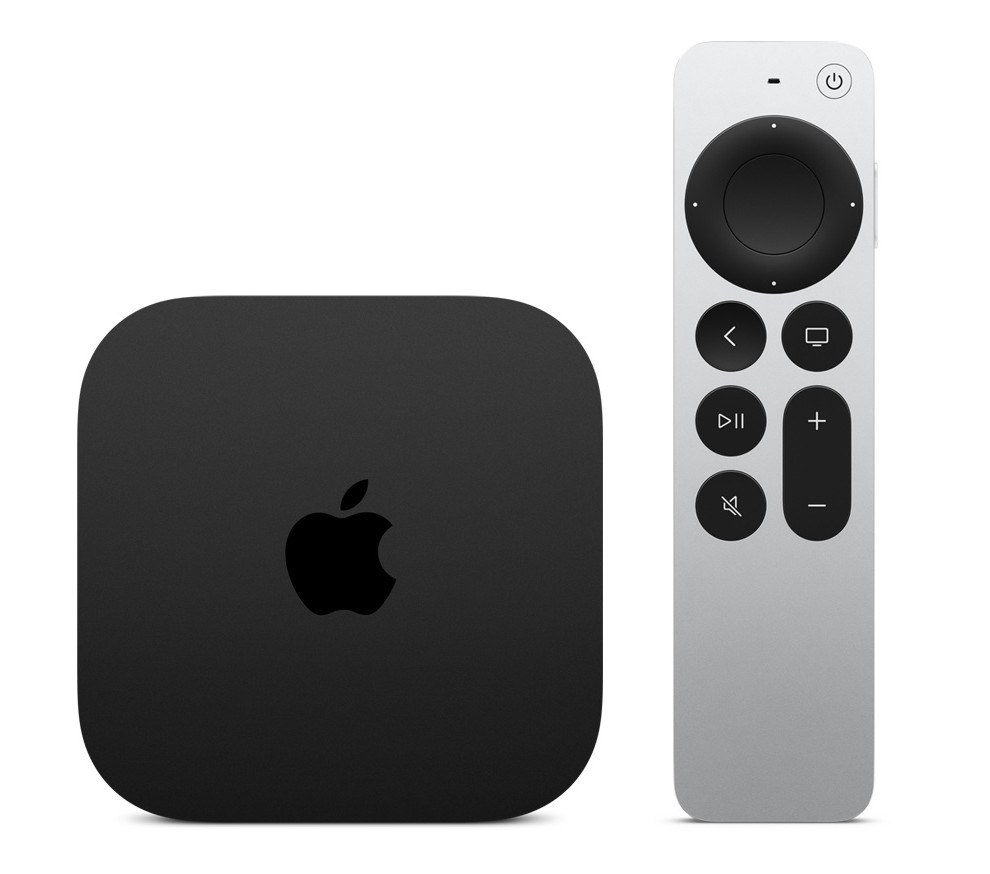
Apple TV 4K with A15 Bionic chip launched in India, offers HDR10+ support

Apple recently launched many new products in the market including the new iPad Pro with M2 chips and the 10th Gen iPad. The brand has also debuted the Apple TV 4K in India, which is the successor of the 2021 model and comes with the A15 Bionic chip under the hood.

Apple TV 4K

The Apple TV 4K supports HDR10+ and Dolby Vision. The A15 chip offers better performance compared to the 2021 model as it is up to 50% faster in terms of CPU performance and up to 30% faster in terms of GPU performance.

Additionally, it comes with a Siri Remote, a touch-enabled clickpad that offers quick navigation of Apple TV’s clean, sophisticated user interface. For audio, the Apple TV 4K offers support for Dolby Atmos, Dolby Digital 7.1, or Dolby Digital 5.1 to best suit the user’s home audio setup. The Apple TV 4K is available in two versions – Wi-Fi only and Wi-Fi + Ethernet.

Apple has also said that they will be rolling out new features with the Apple tvOS 16 later this fall. These new features will make it even easier for customers to use their voice to control Apple TV and interact with the results. For instance, users can say “Hey Siri” while wearing AirPods to search for and control Apple TV hands-free. Each user’s voice will be recognized by Siri, making it simple for them to access their movies, TV episodes, music, games, and apps and pick up where they left off.

Pricing & availability

The Apple TV 4K comes in two configs – Apple TV 4K (Wi-Fi), which offers 64GB of storage and costs Rs. 14,900, and Apple TV 4K (Wi-Fi + Ethernet), which costs Rs. 16,900.

It can be pre-ordered from Apple.com and authorized dealers in India. The device will be available for purchase starting November 4th.

RELATED: