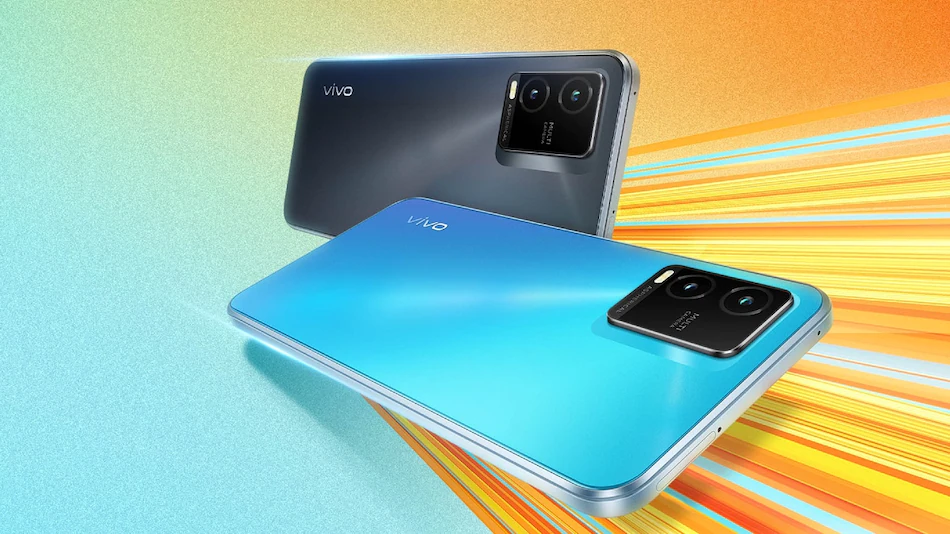
Vivo unveiled the Vivo T1x in India last week. As announced at its launch, the company will carry out the first sale of the T1x today in India. Buyers will be able to purchase it through Flipkart and Vivo India.
Vivo T1x price in India, offers
The Vivo T1x comes in three options in India, such as 4 GB RAM + 64 GB storage for Rs 11,999 (~$150); 4 GB RAM + 128 GB storage for Rs 12,999 (~$163); and 6 GB RAM + 128 GB storage for Rs 14,999 (~$188). It comes in Gravity Black and Space Blue colors.
Vivo T1x
HDFC Bank cardholders can avail a flat Rs 1,000 (~$13) instant discount on the purchase of the Vivo T1x. The first sale will be carried out at 12 pm (local time) in India on Flipkart and Vivo India’s website.
Vivo T1x specifications
The Vivo T1x has a 6.58-inch LCD screen with a teardrop notch. It has a Full HD+ resolution and a 90Hz refresh rate. The power button of the T1x doubles up as a fingerprint scanner. It is packed with a 5,000mAh battery that supports 18W charging. The device ships with FunTouch OS 12 based Android 12 OS.
The Snapdragon 680 chipset powers the Vivo T1x. It comes with 4 GB / 6 GB of LPDDR4x RAM and 64 GB / 128 GB of UFS 2.2 storage. It has an 8-megapixel front-facing camera, and its back panel has a 50-megapixel main snapper and a 2-megapixel macro camera.
Motorola is all set to launch its latest foldable, dubbed Moto Razr 2022 on August 2. The company has started teasing the smartphone on social media, it recently confirmed that the Razr 2022 will be the first foldable phone to be equipped with Snapdragon 8+ Gen1 Soc. Today, the company has revealed the battery capacity of the Moto Razr 2022 and it’s actually better than what was expected.
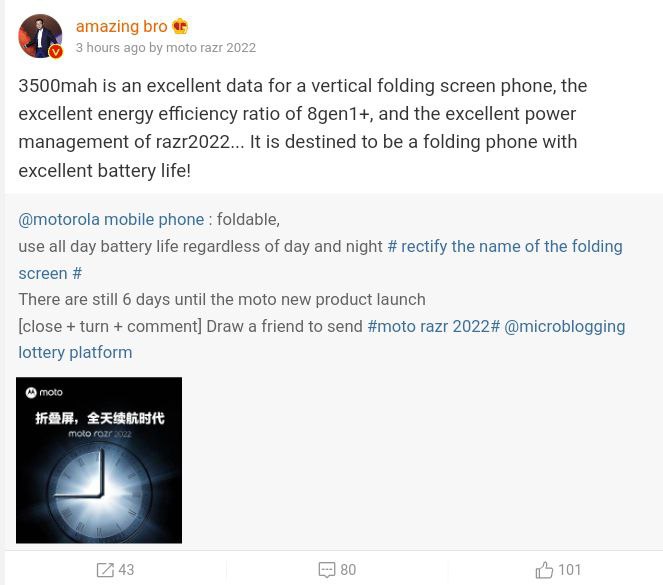
A Motorola official recently teased the battery capacity of the Moto Razr 2022 in a Weibo post. The official claimed that the upcoming foldable is equipped with a 3500maAh battery, and with the help of the energy efficiency ratio of Qualcomm Snapdragon 8+ Gen1 chipset, it can achieve an all-day battery life.
It is a significant battery upgrade over Motorola’s other foldable smartphones. For reference, the first two generations of Motorola Razr smartphones came with an underwhelming battery. The Moto Razr was equipped with a 2510mAh battery, while the Moto Razr 2 came with a 2800mAh battery unit.
Moto Razr 2022’s battery capacity is almost the same as the Samsung Galaxy Flip 4, which is rumored to have a battery capacity of 3,595mAh.
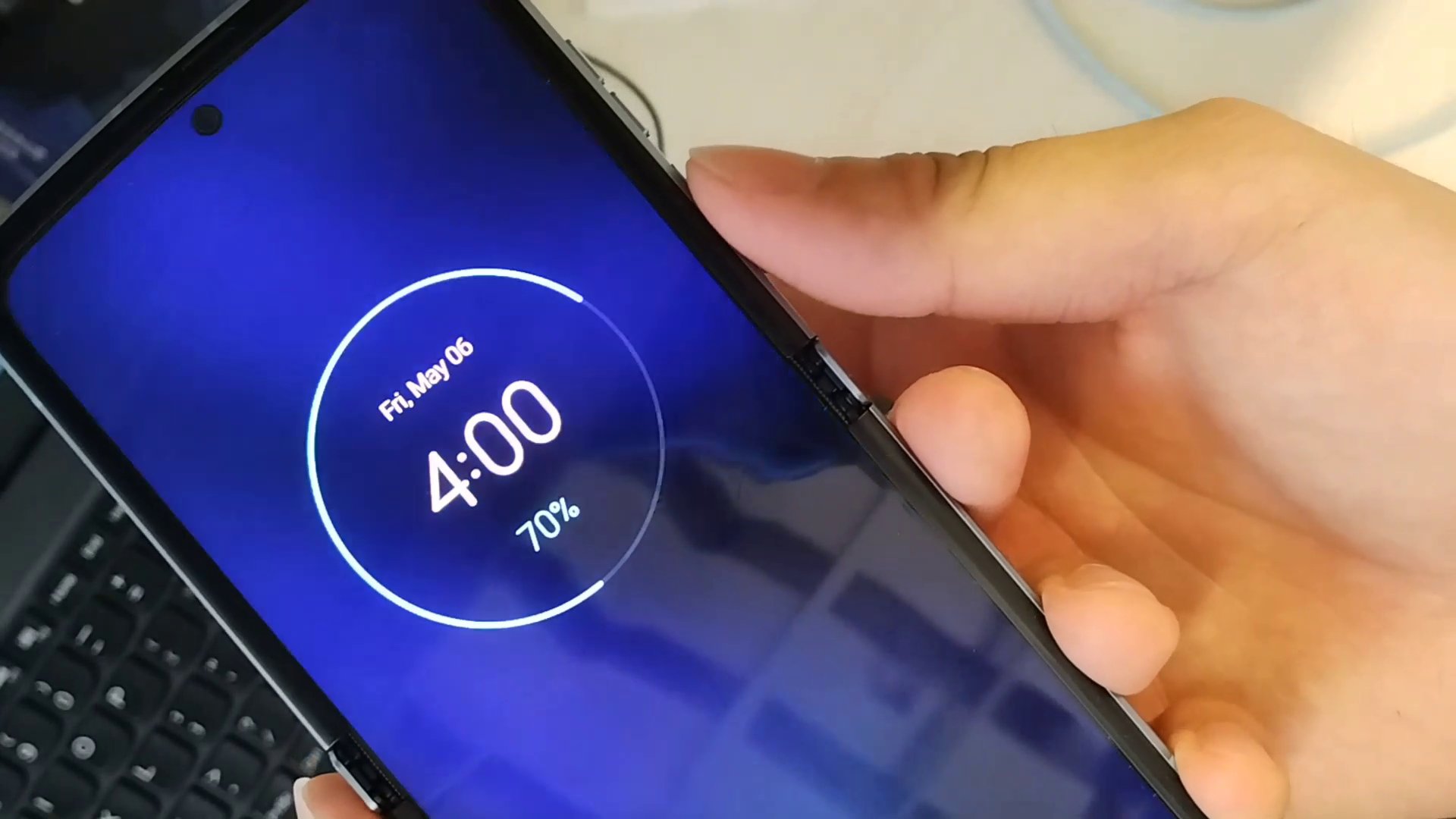
Motorola Razr 3 hands-on image
Talking about other specifications, the Motorola foldable will likely come with a 6.7-inch P-OLED FHD+ foldable screen offering a 120Hz refresh rate. It is said to have a 3-inch cover display on the back which may also be used to play games.
For photography, the device may feature a 50-megapixel (main) + 13-megapixel (ultra-wide) dual-camera setup. While on the front, it could have a 32-megapixel camera for selfies and video calls. It is said to have up to 12 GB of LPDDR5 RAM, and 512 GB of UFS 3.1 storage.
Earlier this year, Infinix launched a budget-oriented Smart 6 smartphone in India. It came with some impressive features for the price. For instance, it featured a large 6.6-inch IPS LCD display, 5000mAh battery, and a triple rear camera setup. Today, a Flipkart listing has revealed that the company will launch another smartphone in India, dubbed Infinix Smart 6 Plus, which will likely be the successor to the previous Infinix Smart 6.
Recently, a Flipkart microsite for Infinix Smart 6 Plus went live which revealed the launch date and some key specifications of the upcoming smartphone. As per the microsite, Infinix Smart 6 will launch in India on July 29. It will go on sale via Flipkart only.
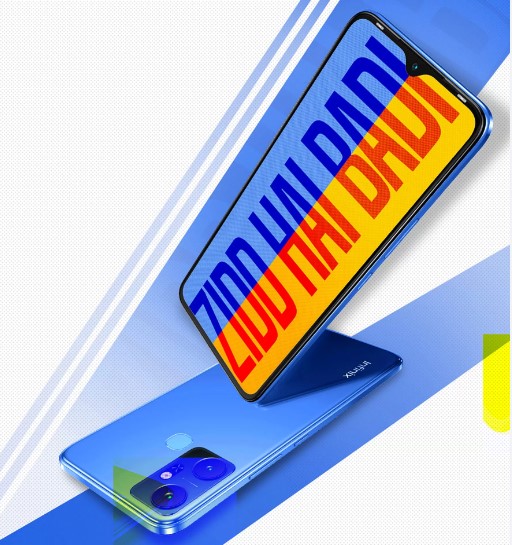
Flipkart also reveals the design of the smartphone. The teaser image shows that Infinix Smart 6 Plus will come with a waterdrop notch and dual front flashes aligned on the corners of the screen. The back of the smartphone houses dual-rear cameras fitted on a rectangular camera module. It also has a fingerprint sensor on the back which is rarely seen these days. The overall design of the smartphone is pretty decent and looks premium.
Talking about the specifications, the microsite has confirmed that the smartphone will have a particularly large 6.82-inch HD+ display with a waterdrop notch. It will be fueled by a 5,000mAh battery. The device is confirmed to have 64GB and up to 6GB LPDDR4X RAM (including 3GB virtual RAM).
The processor and camera details of the smartphone are not known yet. But judging from the confirmed features, the device appears to be a budget phone just like the Infinix Smart 6. We expect it to be priced under $125 (roughly Rs. 10,000).
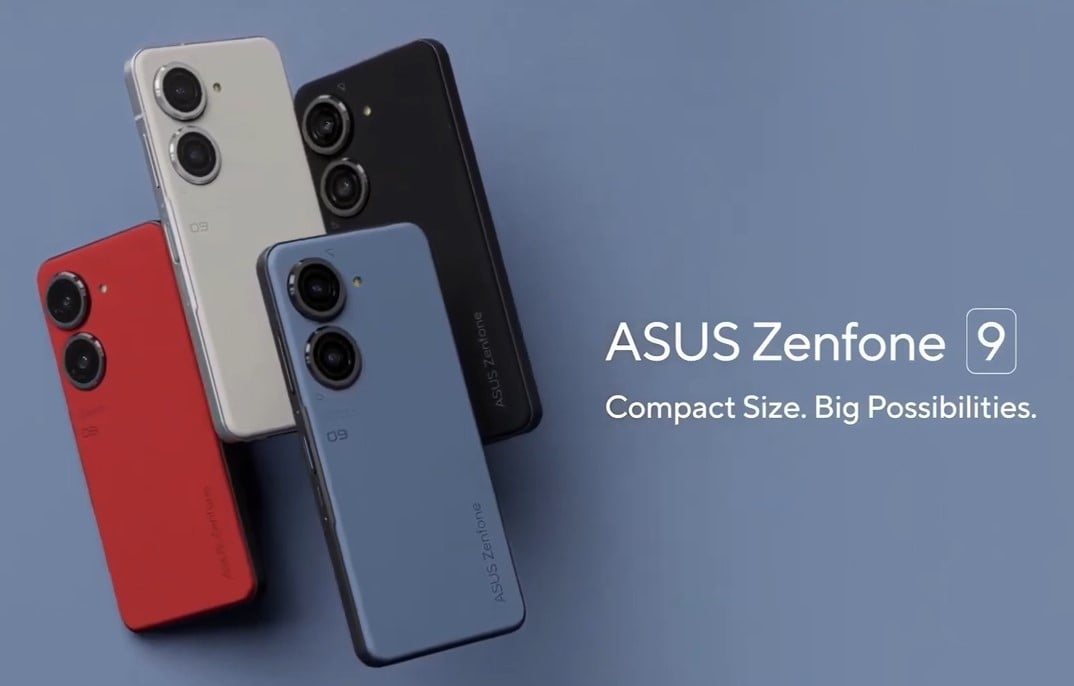
Asus is all set to launch its next-generation Zenfone smartphone in the market. As the name indicates, the upcoming compact-sized phone will be a successor to the Zenfone 8, aka Zenfone 8Z, launched last year.
The launch event for the Asus Zenfone 9 is set for tomorrow, i.e., 28th July and will start at 09:00 PM GMT+8. This means that it will start at 09:00 PM in Taipei, 09:00 AM in New York, 03:00 PM in Berlin, and 06:30 PM in India.
The company will be live streaming the launch event on its official YouTube channel. You can watch the event by clicking here or through the following embedded video.
Ahead of the launch, the phone has leaked a few times, revealing what to expect from the device. The Asus Zenfone 9 (Asus 9z) will feature a 5.9-inch Samsung AMOLED display with Full HD+ screen resolution and up to a 120Hz refresh rate.
Under the hood, the device will be powered by the Qualcomm Snapdragon 8 Plus Gen 1 processor, coupled with up to 16GB LPDDR5 RAM and up to 512GB UFS 3.1 storage.
In the camera department, there will be a dual-camera setup on the back featuring a 50-megapixel Sony IMX766 primary sensor and a 12-megapixel ultra-wide lens. On the front side, there’s a 12-megapixel snapper for taking selfies and video calling.
The smartphone will run the Android 12 operating system out-of-the-box and will have its own ZenUI custom interface on top. The device will be powered by a 4,300mAh battery and come with a 30W charger in the box.
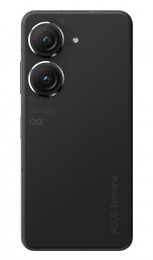
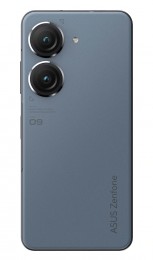
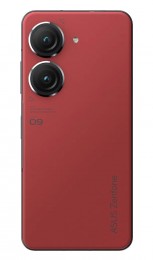
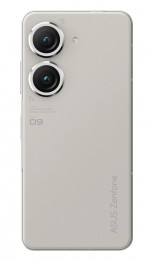
The Asus Zenfone 9 will come in four colors — Midnight Black, Moonlight White, Sunset Red, and Starry Blue. If the leaks and rumors are to be believed, then the top-end model in the lineup with 16GB RAM and 256GB storage could cost €799.
Earlier today, ASUS India introduced a variety of new ROG Gaming laptops that are equipped with AMD’s quick and effective Ryzen 6000H processors.
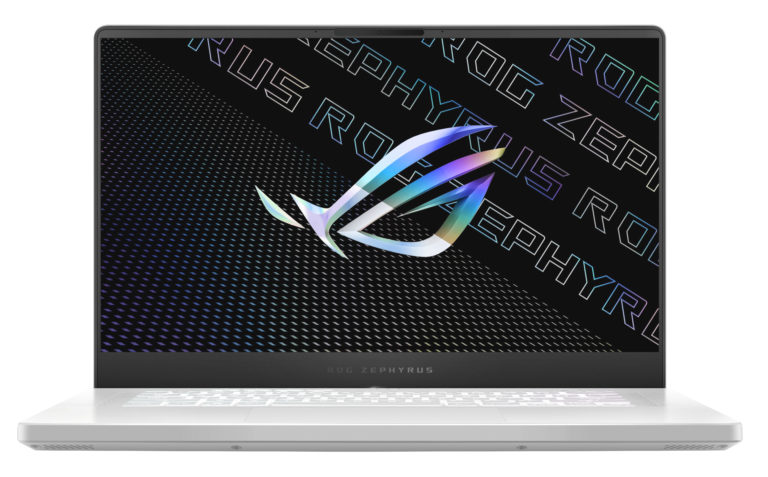
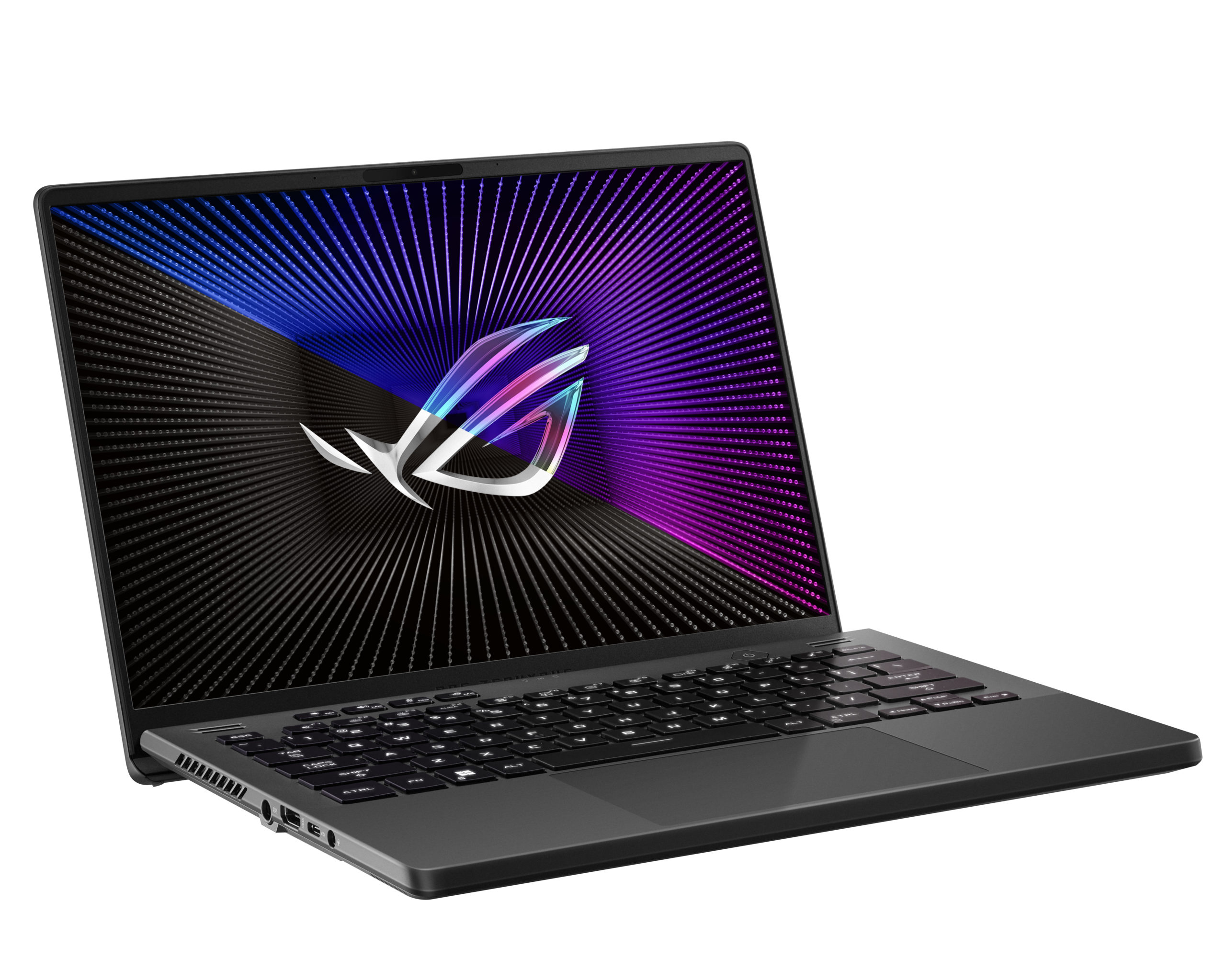
The redesigned ROG Zephyrus G15 is one of them, and it now has new hardware as well as some improvements to make it even better than its predecessors. The Zephyrus G14, which was also just released, has a larger chassis and is marginally more powerful but less efficient.
Along with the launch, ASUS ROG unveiled the #BeYouWithROG campaign, which implores consumers to embrace their unique identities and discover their creative side. With this campaign, the company hopes to encourage customers to never give up on their dreams and to trust in their own abilities.
Arnold Su, Business Head, Consumer and Gaming PC, System Business Group, ASUS India, commented on the new lineup of gaming computers. He said “At ASUS, we take pride in being able to deliver to our customers a holistic gaming experience, We are confident that the new Zephyrus and Flow lineups will deliver a whole new level of immersion to both seasoned and aspiring gamers. The ultra-sleek chassis that the machines are equipped with is designed to impart an equally unique style wherever carried. Be it your home, workstation, or a gaming battle station.”
ASUS ROG Zephyrus G15 Specifications and Features
The Zephyrus G15 comes with the AMD Ryzen 9 6900HS processor. The G15’s core processor, which has 8 cores and 16 threads, is constructed using cutting-edge 6nm technology and is compatible with graphics cards as powerful as the top-of-the-line NVIDIA GeForce RTX 3080.
Additionally, in comparison to the ASUS ROG Zephyrus G14 which features an AMD Ryzen 9 6900HS processor (with integrated Radeon graphics) and a separate Radeon RX 6800S GPU. Up to 16GB of DDR5 4800MHz RAM (8GB onboard + 8GB SO-DIMM) and up to 1TB of PCIe 4.0 NVMe M.2 SSD. The ASUS ROG Zephyrus G15 can be configured with up to 16 GB of DDR5 RAM- 4800 MHz (expandable to 48GB), which gives the capacity and performance for whatever multitasking you throw at it.
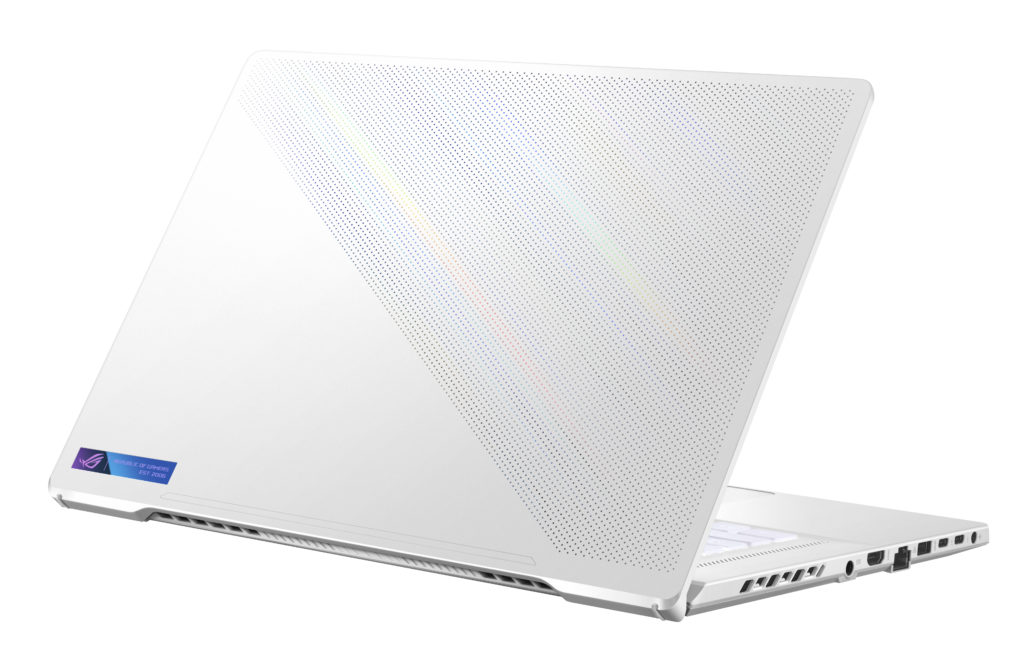
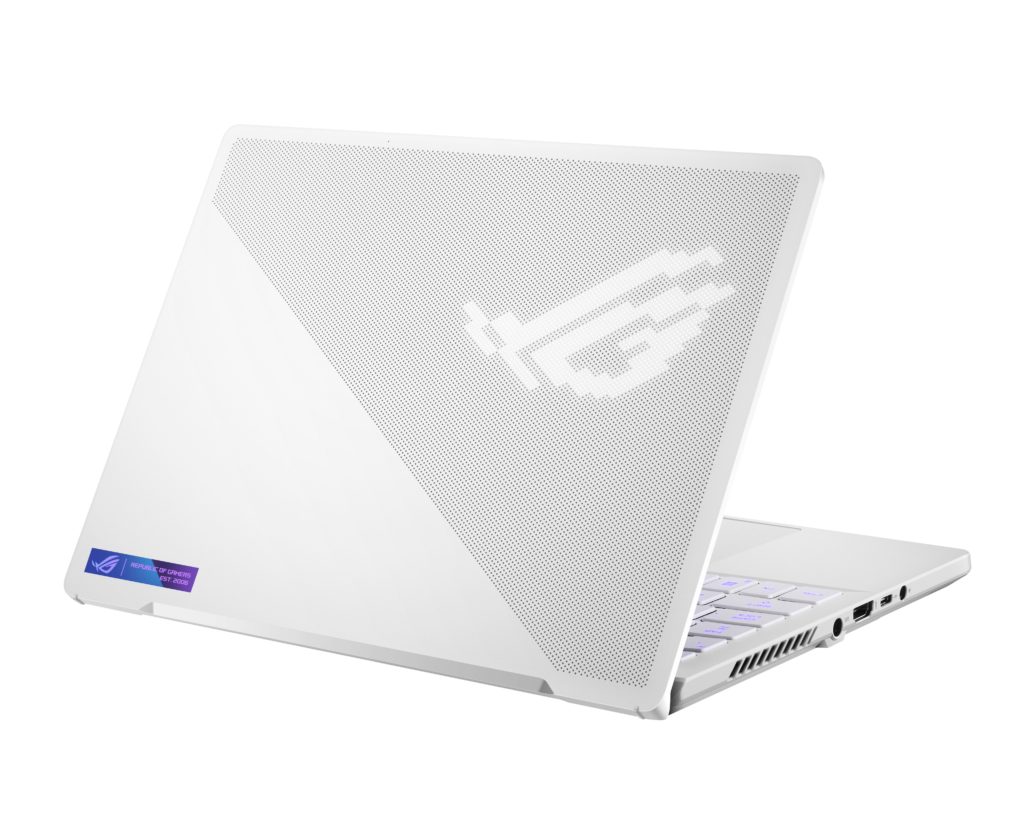
The Zephyrus G15 may be configured with either a 240Hz or 165Hz QHD screen for the best visual experience, combining the benefits of high-resolution displays with snappy and rapid refresh rates. With 100 percent DCI-P3 color gamut coverage provided by Adaptive-Sync technology, you can game, stream, and create to your heart’s delight with rich, vivid graphics. The lid’s asymmetrical dot matrix pattern is created using a precise CNC milling technique that produces 8279 evenly spaced holes across an unusually small surface area.
ASUS has added a prismatic coating that gleams up from beneath, creating a faint yet eye-catching shimmering appearance when the light catches it at precisely the right angle.
Pricing and availability
This new ASUS ROG Zephyrus G15 with up to Ryzen 9 6900HS and RTX 3080 will start at INR 1,57,990 (US$2000 approx.), a significant price increase over its predecessors.
It is currently available to purchase on Amazon, and can also be bought from Flipkart, ASUS e-shop, ASUS Exclusive Stores/ ROG Stores, Croma, Vijay Sales, Reliance Digital & all ASUS authorized dealers.
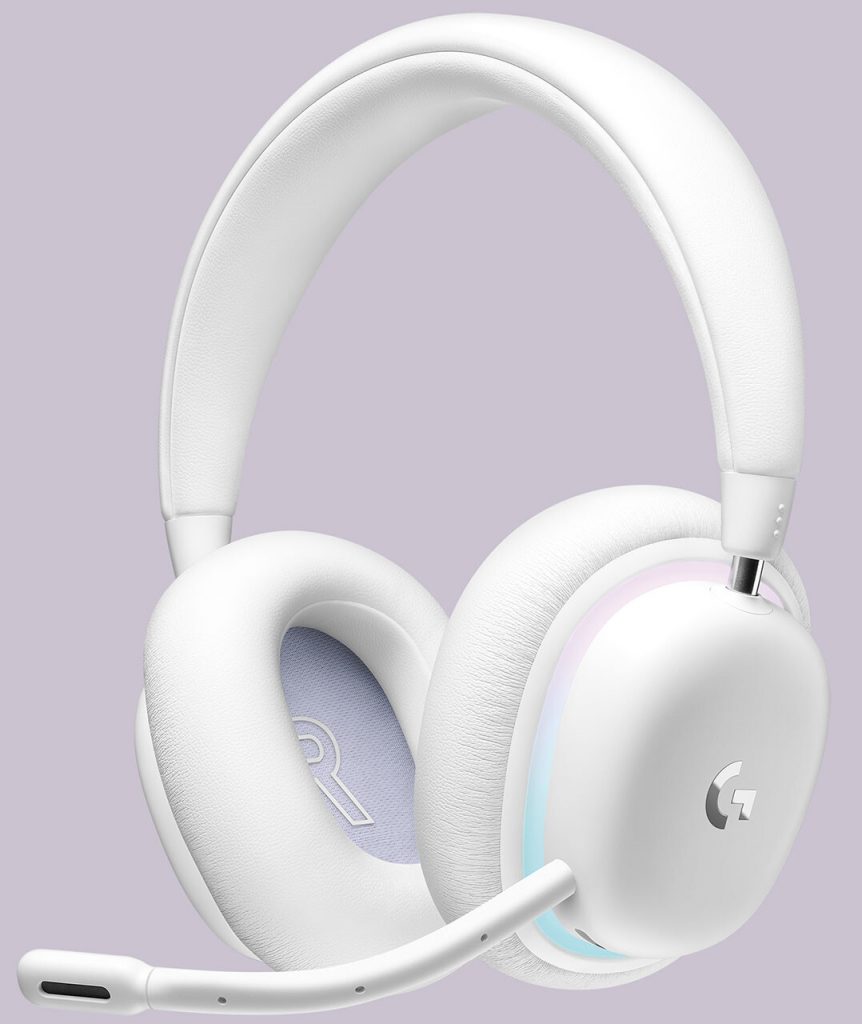
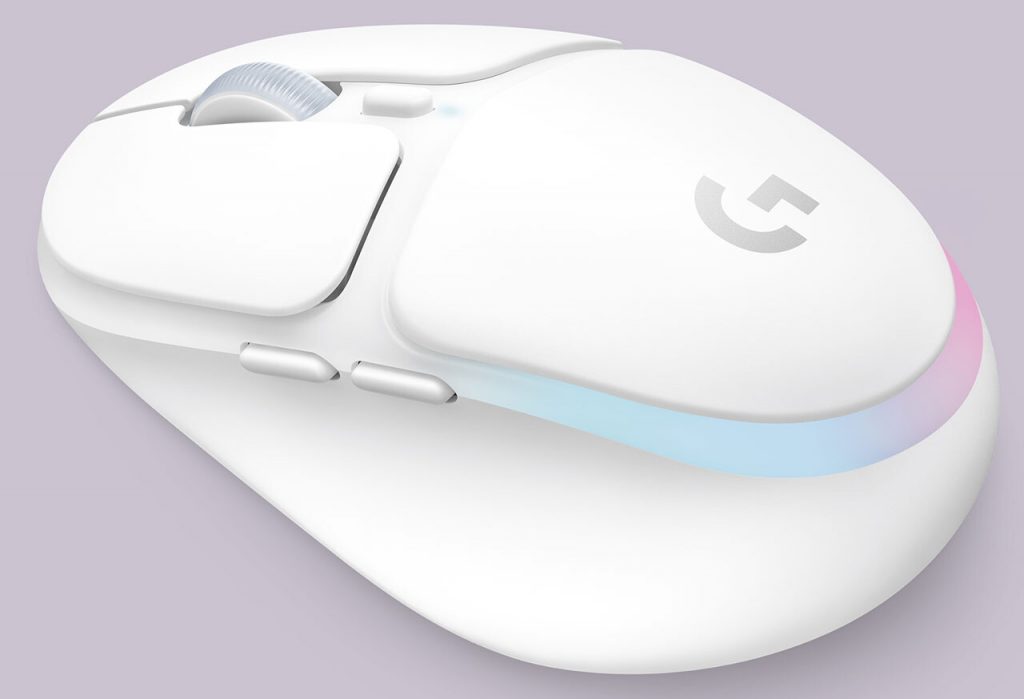
Logitech G has introduced a rich collection of gender-inclusive gaming accessories including gaming headsets, gaming keyboards, and a wireless mouse. The Logitech G Aurora Collection consists of the G735 Wireless Gaming Headset, G715 Wireless Gaming Keyboard, G713 Gaming Keyboard, and several other gaming accessories.
Logitech G has catered for gender peculiarities in the new Aurora Collection for gamers. It offers an excellent gaming experience for both male and female gamers. The collection sports a distinct aesthetic appeal and personalized options and color choices. It incorporates the Logitech G’s advanced gaming technologies. These include LIGHTSPEED and Blue VOICE wireless and mic technologies.
The Aurora Collection is a flexible collection of gaming accessories that will satisfy the needs of a more diverse demography. This aligns with the company’s commitment to delivering custom solutions to a wide variety of the gaming populace. It is a gender-inclusive collection that offers comfort, approachability, and playfulness for a great gaming experience. It has factored feedback from women to develop the products and this is bound to attract that segment of the gaming population.
The collection was developed by a predominantly female research and engineering team at Logitech G. The G735 Wireless Gaming Headset features ethereal RGB lighting and on-ear audio mixing. It is the first Logitech G device with the Blue VOICE microphone technology. It accommodates players of different head sizes and has 56 hours of battery life. The LIGHTSPEED wireless technology ensures that users enjoy an unrestrictive gaming experience, in addition to Bluetooth connectivity.
The Mechanical Gaming Keyboards reflect Logitech’s thrust for excellence and comfort, as well as the other models in the Aurora Collection. The keyboard can offer up to 25 hours of gaming with its rechargeable batteries. Other accessories include the Wireless Mouse, palm rest, keycap puller, and brush, as well as a customizable mouse pad.
The entire Aurora Collection has carbon-neutral certification and includes recycled materials. The collection can be purchased via the Logitech G’s website with the G735 priced at $229.99. More details can be obtained from the company’s website.
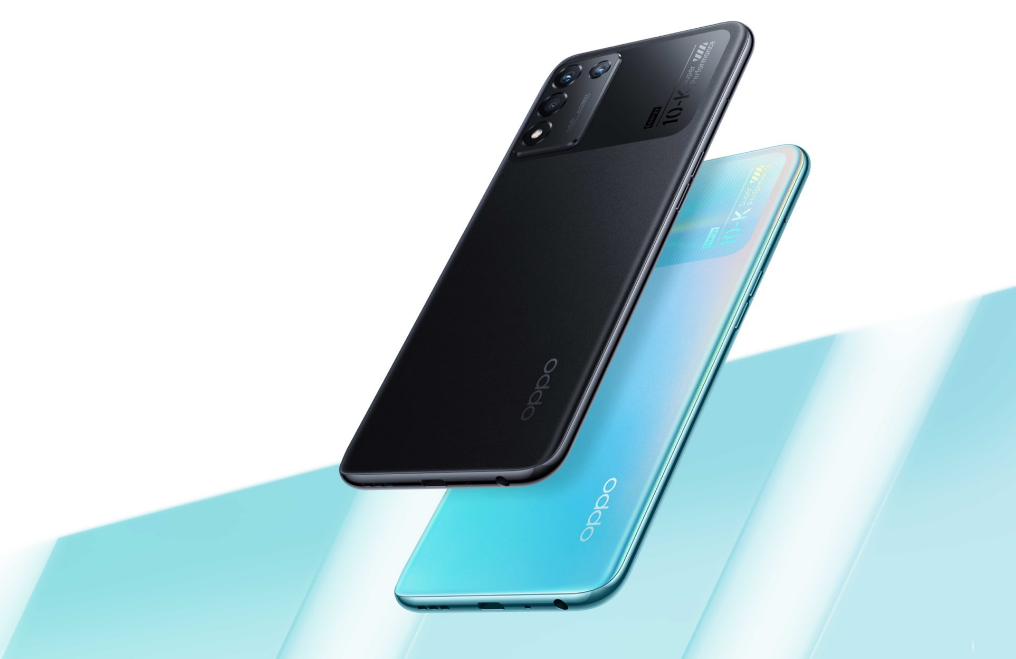
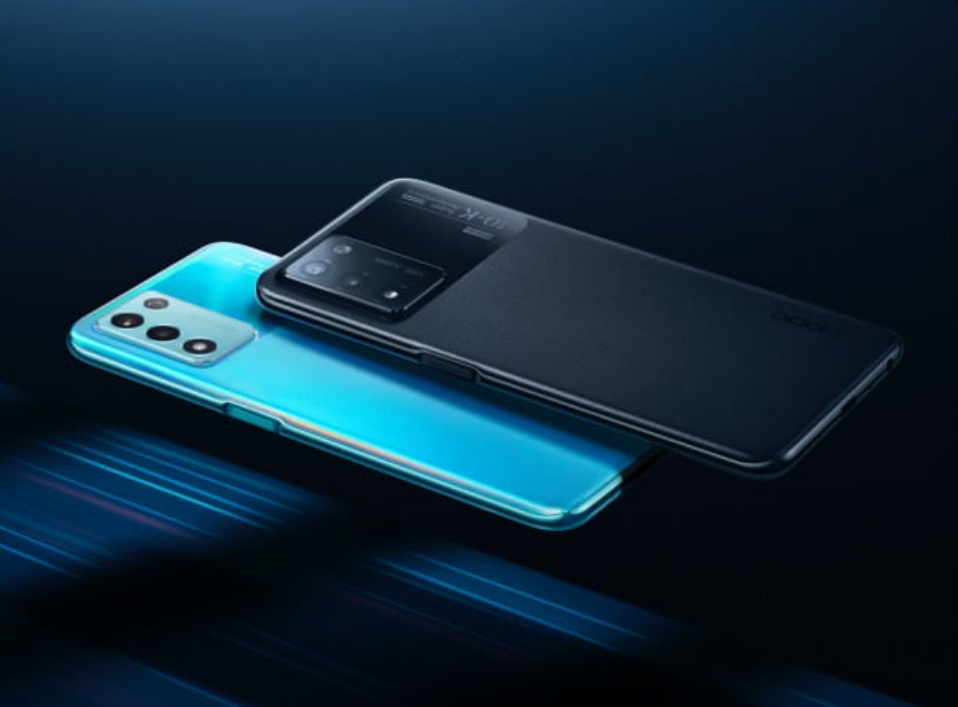
The OPPO K10 Vitality Edition has gone official in China. It is the third K10 series phone after the OPPO K10 5G and K10 Pro 5G smartphones, which were announced in the first half of 2022. The Chinese variants of the K10 and K10 Pro are powered by the Dimensity 8000 and Dimensity 8100 chipsets, respectively. The Chinese manufacturer has settled for the Snapdragon 778G to power the K10 Vitality Edition.
OPPO K10 Vitality Editions specifications and features
OPPO K10 Vitality Edition
The OPPO K10 Vitality Edition has a 6.59-inch IPS LCD panel that offers a Full HD+ resolution of 1080 x 2412 pixels, a 120Hz refresh rate, a 240Hz touch sampling rate, and a DCI-P3 color gamut. The display punch-hole houses a 16-megapixel selfie camera.
The K10 Vitality Edition’s rear camera setup has a 64-megapixel main camera. It is assisted by an 8-megapixel ultra-wide snapper and a 2-megapixel macro camera. The device runs on Android 12 OS and ColorOS 12.1. For security, it has a side-mounted fingerprint scanner.
OPPO K10 Vitality Edition
The Snapdragon 778G powers the OPPO K10 Vitality Edition. The device comes with 12 GB of RAM and 256 GB of built-in storage. For storage, it has a microSD card slot onboard. It features a 5,000mAh battery that supports 30W fast charging. It comes with other features, such as dual SIM, 5G, Wi-Fi 802.11ac, Bluetooth 5.2, GPS, NFC, a USB-C port, and a 3.5mm audio jack.
OPPO K10 Vitality Edition price and availability
The OPPO K10 Vitality Edition is only available in a 12GB RAM + 256GB storage configuration. In China, the device is priced at 2,199 Yuan (~$330). It comes in black and blue colors.
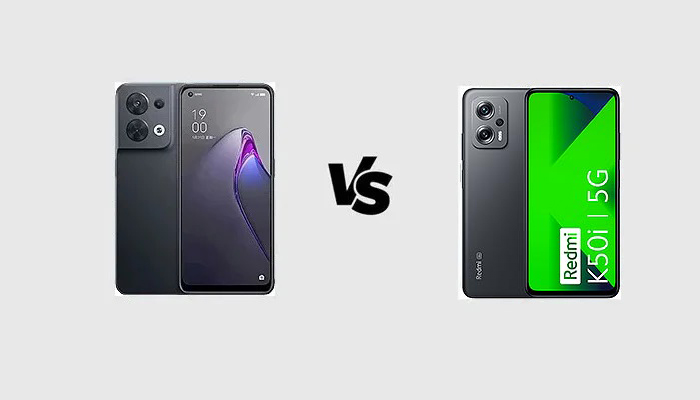
OPPO officially launched the Reno8 Series in the global market. For now, it is only available in China and India, but soon the OPPO Reno8 Series should hit the European market as well: the European launch is expected in September. Meanwhile, we think it is time to compare it to the most interesting devices sold in the Indian market in the same price range. Among the best ones, you have the Redmi K50i: it comes with an amazing processor but, just like the OPPO Reno8, it faces some compromises. This is a comparison between the specifications of the OPPO Reno8 and the Redmi K50i which will tell you the differences between these two amazing upper-midrange devices.
OPPO Reno8 vs Xiaomi Redmi K50i
OPPO Reno8 Global
Xiaomi Redmi K50i
DIMENSIONS AND WEIGHT
160.6 x 73.4 x 7.7 mm,
179 g
163.6 x 74.3 x 8.9 mm,
200 g
DISPLAY
6.43 inches, 1080 x 2400 pixels (Full HD+), AMOLED
6.6 inches, 1080 x 2460 pixels (Full HD+), FFS LCD
Triple 50 + 2 + 2 MP, f/1.8 + f/2.4 + f/2.4
32 MP f/2.4 front camera
Triple 64 + 8 + 2 MP, f/1.9 + f/2.2 + f/2.4
16 MP f/2.5 front camera
BATTERY
4500 mAh, fast charging 80W
5080 mAh, Fast Charging 67W
ADDITIONAL FEATURES
5G, dual SIM
5G, dual SIM
Design
Generally, OPPO phones come with a more interesting design compared to most of the other brands out there. It is exactly the case with the OPPO Reno8, coming with a very original camera module and amazing color options. Further, it is thinner and lighter with a thickness of just 7.7 mm and a weight of just 179 grams. A lot more interesting than the Redmi K50i, even though both the phones are made of polycarbonate. The OPPO device is even more compact thanks to the presence of a smaller display. This phone comes with a punch-hole screen with a hole placed on the upper left corner, it has a camera module protruding gradually from the back cover similar to the Find X5 series, and a thicker chin under the display. Its power button is placed on the right side of the phone, while the volume rocker is on the left side. Instead, the Redmi K50i has both the power button and the volume balancer on the right side.
Display
Do you need a display with the highest image quality? If so, you should go for the OPPO Reno8. It has an AMOLED display showing bright colors and deep blacks with a diagonal of 6.4 inches, a Full HD Plus resolution of 1080 x 2400 pixels, a 90 Hz refresh rate, a peak brightness of up to 800 nits, and the Gorilla Glass 5 protection for the front glass. There is also an optical in-display fingerprint reader. Unfortunately, the Redmi K50i is equipped with an LCD panel, so you should not expect the best color reproduction, even though it supports the HDR10 certification and Dolby Vision. However, you might prefer this device if you are a gamer because it offers a wider diagonal of 6.6 inches and a higher 144 Hz refresh rate. It has a 500 nits typical brightness, and the Gorilla Glass 5 protection, but the fingerprint reader is not placed under the display but is side-mounted. Note that the OPPO Reno8 wins the display comparison but not the audio one: it has just a mono speaker and it does not feature a 3.5 mm audio jack, while the Redmi K50i does and it comes with stereo speakers.
Specs & Software
The hardware of the Redmi K50i is actually better than the one found on the OPPO Reno8. On board, there is a more powerful Dimensity 8100 mobile platform by MediaTek. It is an octa-core chipset built at 5 nm and composed of four Cortex A78 CPUs running at a max frequency of 2.85 GHz, four Cortex A55 CPUs running at 2 GHz, and a Mali G610 MC6 GPU. This handset sports up to 8 GB of RAM and up to 256 GB of UFS 3.1 native storage. You can get exactly the same memory configuration with the OPPO Reno8, but with an inferior processor: the MediaTek Dimensity 1300. It is almost the same as the Dimensity 1200 chipset released in 2021 and it is an SoC built at 6 nm with an octa-core architecture. This chip is composed of one Cortex A78 CPU running at a max frequency of 3 GHz, three Cortex A78 CPUs running at 2.6 GHz, four Cortex A55 CPUs running at 2 GHz, and a Mali G77 MC9 GPU. Both the handsets run Android 12 out of the box, with highly customized user interfaces on top.
Camera
It looks like the OPPO Reno8 has a more interesting camera department for two reasons: first of all, it has a better 50 MP main camera. Further, it comes with a superior 32 MP selfie camera allowing you to shoot brighter selfies.
If you are looking for longer battery life in most of the scenarios, then the Redmi K50i is your choice. It has a bigger 5080 mAh battery and it supports 67W fast charging. On the other hand, the OPPO Reno8 charges quicker not only because it has a smaller battery, but also because it features 80W fast charging.
Price
The OPPO Reno8 starts from Rs. 29,999 / $375, while the Redmi K50i has a starting price of Rs. 25,999 / $325. Overall, the Reno8 offers more value due to its better display, cameras, and faster charging. But the K50i is a better option for gamers because it has a superior chipset, battery, and higher refresh rate.
OPPO Reno8 Global vs Xiaomi Redmi K50i: PRO and CONS
Chinese tech giant Xiaomi has launched the MIJIA Thermostatic Electric Kettle 2 in China. The new electric kettle has a 1.5L container that can quickly heat water to its boiling point within 5 minutes. The MIJIA Thermostatic Electric Kettle 2 is now available for 169 yuan (~$25). The electric kettle is powered by a 1,800W heating element and a STRIX thermostat provides regulation.
The MIJIA Thermostat Electric kettle has multiple modes to support different heating tasks. It can be used to heat tap water, pure water, as well as other modes. You can use the boiling button for direct heating to the top temperature. Four temperature settings are available to meet the different water boiling needs. Temperature choices include 45℃, 60℃, 85℃, and full boiling (100℃).
The electric kettle is designed with safety in mind. The sprout and inner tank are a single piece, which prevents water from entering gaps. The cover prevents the steam from scalding a user and it is safer to use. The device has a real-time digital temperature display to monitor the water heating progress.
The MIJIA Thermostatic Electric Kettle 2 comes with triple-use electric protection that safeguards users from electric shock and burns. The electric kettle comes in a white color variant and retails for 169 yuan ($25) in China. The global availability of the new MIJIA electric kettle is not known at this time.
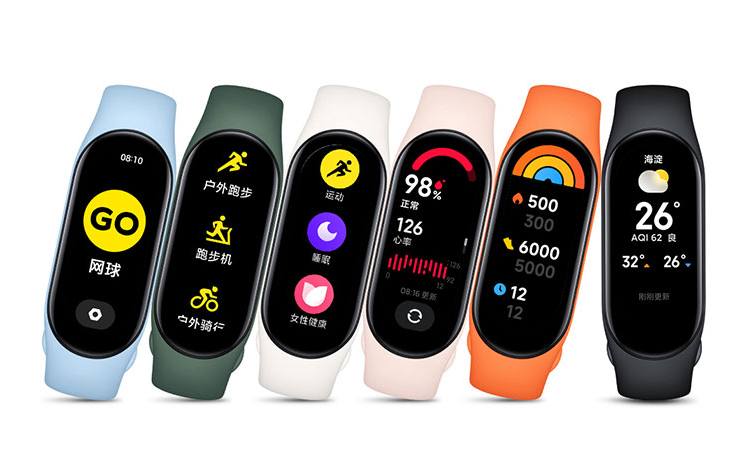
Xiaomi has released software version 1.19.15 updated for the Smart Band 7. The rollout of the latest update starts in China and delivers several improvements to the device. Apart from bug fixes, there are a few more features added to the Smart Band 7. The Xiaomi Smart Band 7 was released two months ago in China and globally last month.
The new software version is an upgrade from version 1.16.07 from last month. Xiaomi has added a wall clock to the 1.62-inch AMOLED display and interval training for some sports modes. Several bugs were addressed with the new update including overlapping messages, frequent resetting of the vibration intensity, and freezing. Xiaomi also says that power consumption will be optimized with the latest update. It is unclear whether the battery life of the Smart Band 7 could increase beyond 14 days due to this update.
Although the software version of 1.19.15 is not yet available globally, we expect it to roll out shortly. The update can be downloaded using the Zepp Life app and paired with the smartwatch. This month Xiaomi released the Brand 7 Pro to the global market. The new smartwatch comes with some visible improvements over its predecessor.
A couple of years back, Asus debuted the ROG Zephyrus G14 series of compact gaming laptops that became quite popular in the Indian market. Now, the brand has refreshed the laptop with the latest Ryzen 6000 series processors and Radeon 6000 series GPUs from AMD.
ASUS ROG Zephyrus G14 (2022) specs
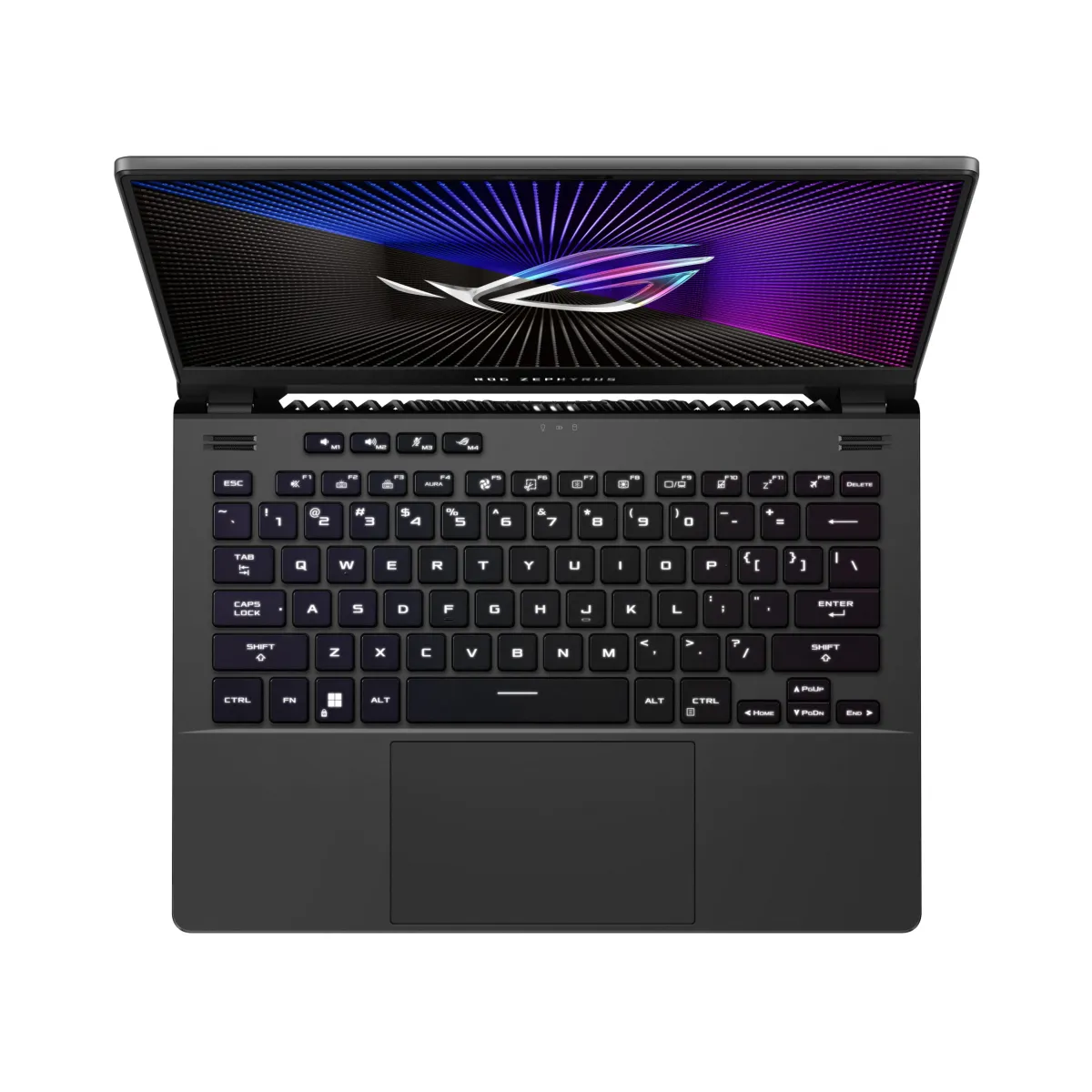
The design of the laptop hasn’t changed much over the years, and the 2022 model also features aesthetically pleasing flat edges and a tilt-up hinge design that enables better airflow for the device. It also brings the Anime Matrix to help users customize their laptops however they please.
The top-end G14 comes with a 14-inch IPS LCD display with 2K+ resolution, 120Hz refresh rate, 3ms response time, and 500 nits of brightness. The 16:10 aspect ratio makes it suitable for professional work and the 91% screen-to-body ratio provides users with a truly immersive gaming and visual experience. The display panel comes with Dolby Vision, 100% DCI-P3 color coverage, and Pantone Validation for color accuracy.
Under the hood, the laptop is offered with up to AMD Ryzen 9 6900HS (with integrated Radeon graphics), paired with a discrete Radeon RX 6800S GPU. It is offered with up to 16GB of DDR5 4800MHz RAM (8GB onboard + 8GB SO-DIMM) and up to 1TB of PCIe 4.0 NVMe M.2 SSD.
To manage the power draw, the device comes with a MUX switch that defaults to integrated graphics when additional graphics power is not required. To keep things cool, Asus has added a Vapor Chamber to the laptop and has used liquid metal on both the processor and the GPU for better heat transfer.
The ports include a headphone jack, HDMI port, two 3.2 USB-A ports, two 3.2 USB-C ports (one of which supports charging), and a microSD card reader. The laptop weighs around 1.7kg and the company claims an average battery life of 8 hours.
Pricing & Availability
The Asus ROG Zephyrus G14 has a starting price of ₹1,46,990 in India. While the top-end model with all the bells and whistles will set you back by ₹1,67,990. It is currently available to purchase on Amazon, and can also be bought from Flipkart, ASUS e-shop, ASUS Exclusive Stores/ ROG Stores, Croma, Vijay Sales, Reliance Digital & all ASUS authorized dealers.
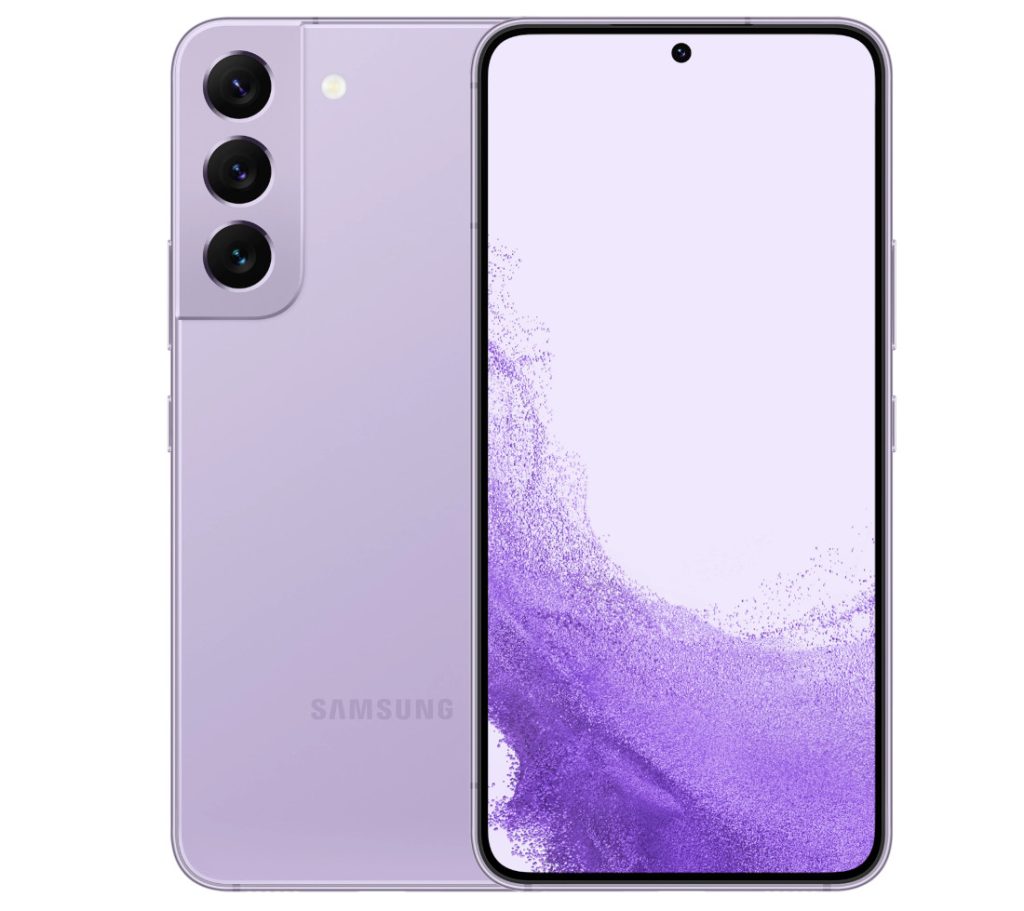
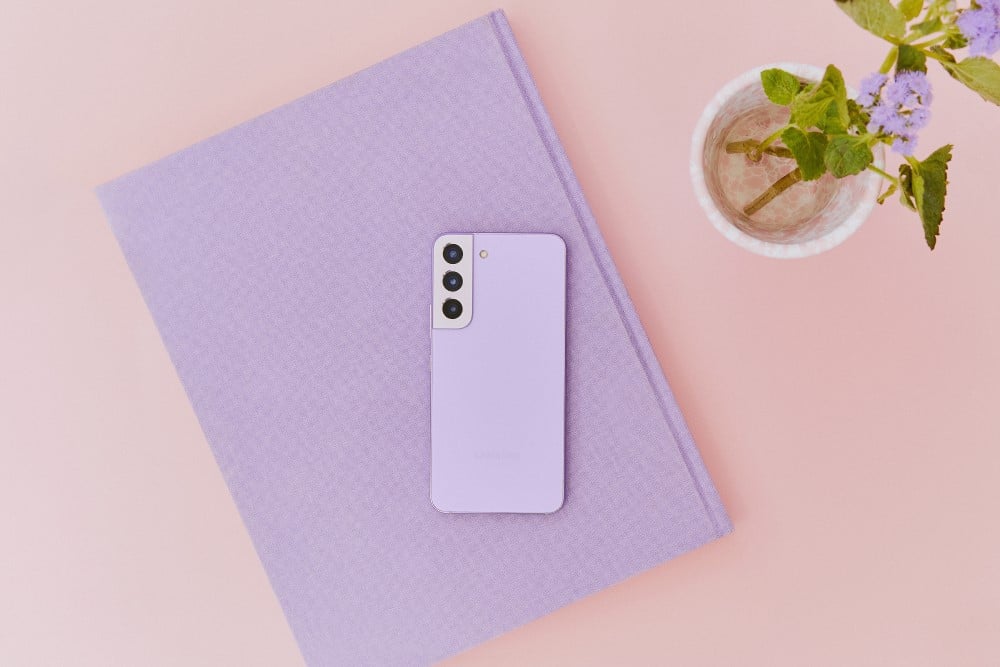
Samsung has decided to add a new color to the Samsung Galaxy S22 variants. The “Bora Purple” color option for the device will be available next month at carriers and retail shops. Samsung’s new Bora Purple color is the eighth color choice for the Galaxy S22. Previously available hues included Phantom White, Phantom Black, Graphite, Green, Sky Blue, and Cream. Samsung hopes that the new color will “evoke joy, spark creativity, and embrace individuality.”
Samsung Galaxy S22 Bora Purple
Violet, the first purple color in the Galaxy S22 series, was previously exclusively accessible via Samsung’s online shop. Compared to the current violet color, Bora Purple is a little bit darker. Since the Galaxy S8 and Galaxy S9, Samsung has long been a fan of the color purple. Even recent products like the Galaxy Z Flip 3 used the color.
On August 10, the day of the next Galaxy Unpacked event, the Bora Purple Galaxy S22 will go on sale. You may purchase it from Samsung or your chosen carrier, which may be AT&T, T-Mobile, Verizon, or another company. The selling price of the Galaxy S22 in Bora Purple is $799.99.
It goes without saying that the introduction of the new Bora Purple color for the Galaxy S22 should provide a clear indication of the availability of some of the new products anticipated at Galaxy Unpacked. Bora Purple has already been spotted on upcoming gadgets including the Galaxy Z Flip 4, the Galaxy Z Fold 4, and the Galaxy Buds 2 Pro.
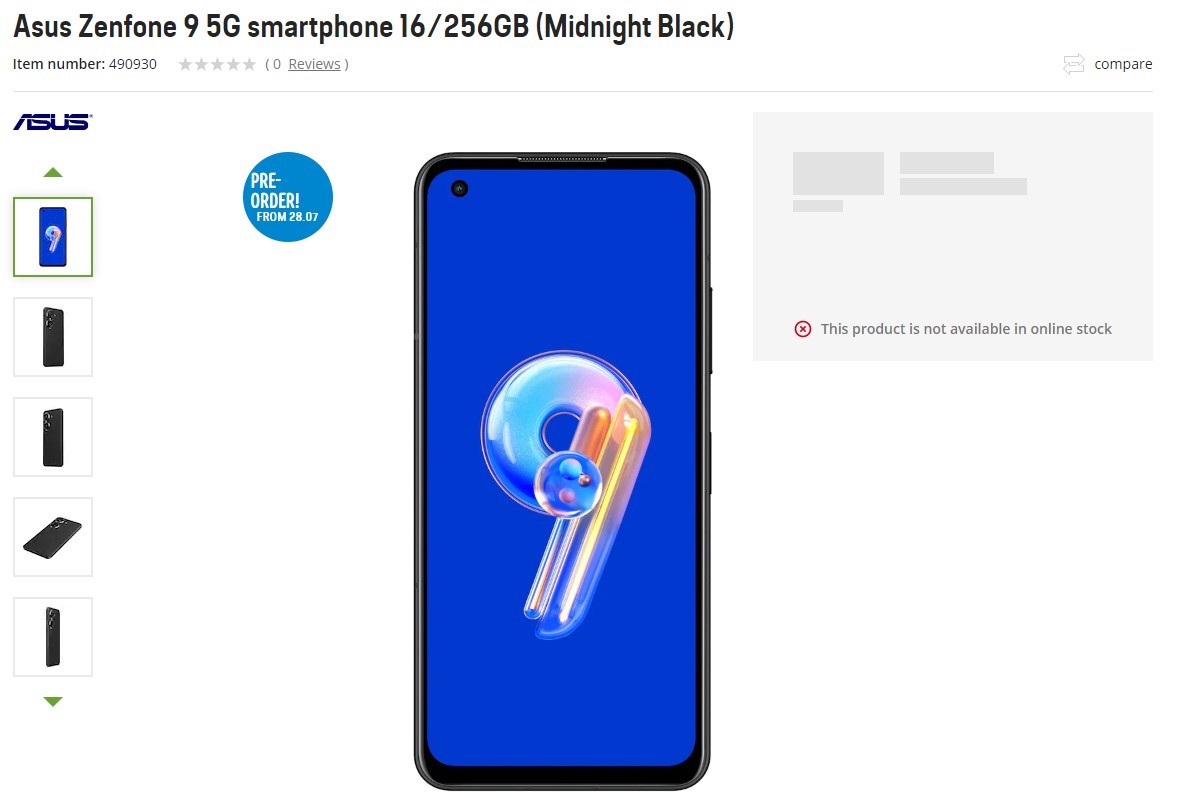
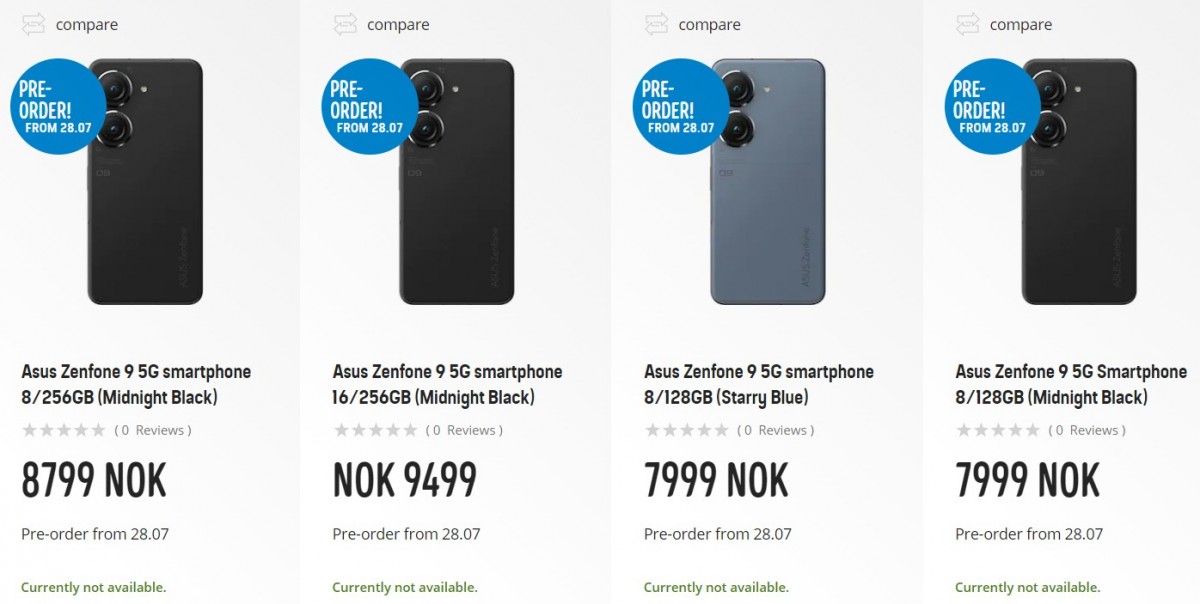
The Asus Zenfone 9 will be introduced during a global event on July 28 (Thursday), and it appears like it will be available for pre-order right away. We found out the details about the smartphone have already been leaked as it is already listed on the Norwegian website Elkjøp, complete with photos, a spec sheet, and even the price.
Keep in mind that this page may not be ready for publication – since it isn’t scheduled to be released yet – thus some facts may be incorrect. But here’s what the Zenfone 9 is said to be like.
By today’s standards, it won’t be all that little, but it will be small. It is somewhat smaller than the Zenfone 8 in size and weighs 165g. Its dimensions are 146.6 x 68.2 x 9.45mm. In contrast, the Galaxy S22 measures 146 x 70.6 x 7.6mm and weighs 167g.
The phone will have a 5.92″ AMOLED display (manufactured by Samsung) with a 20:9 aspect ratio and a refresh rate of 120 Hz. Gorilla Glass Victus will protect it. The phone will be water and dust-resistant, with an IP68 classification. The 12MP Sony IMX663 with dual PDAF will be used as the front camera.
There will be two cameras on the rear. The primary module has a 50MP Sony IMX766 sensor with “6-axis gimbal stabilization” (1.56″, 1.0 m pixels) (machine translated, could be wrong). 8K video may be captured using this camera. The 12MP ultra-wide camera with an IMX368 sensor is also located on the rear.
Being a true little flagship, the Asus Zenfone 9 will, of course, be powered by the Snapdragon 8+ Gen 1. Elkjp advertises four color options in addition to three storage options (8/128GB, 8/256GB, and 16/256GB).
The phone will support GNSS (GPS L1+L5, GLONASS L1, Galileo E1+E5a, BDS, and QZSS) as well as Wi-Fi 6E (axe), Bluetooth 5.2, NFC, and 5G (bands: 41, 77, 78, and 79). There will be a 3.5mm headphone jack and a USB-C 3.0 port for connected communication.
The 4,300mAh battery (300mAh greater than the model from last year) can also be charged via the USB-C connector. The retail bundle will include a 30W USB-C charger, according to the retailer. On the side, there will be a fingerprint reader (replacing the under-display reader of the old model).
Additionally, August 2024 is listed as the date of the most recent OS upgrade that is assured (about two years from now). “44797” is mentioned as the final guaranteed security patch, although we’re not completely sure what that implies.
Price and availability
The vanilla Asus Zenfone 9 (8/128GB) will cost NOK 8,000 (equivalent to $810/€800) based on Elkjp’s pricing. The fully equipped 16/256GB option costs NOK 9,500 (approximately $960/€960), which is 10% more than the 8/256GB configuration.
Midnight BlackStarry BlueSunset RedMoonlight White
Asus will offer four distinct colors- Midnight Black, Moonlight White, Sunset Red, and last but not least Starry Blue.
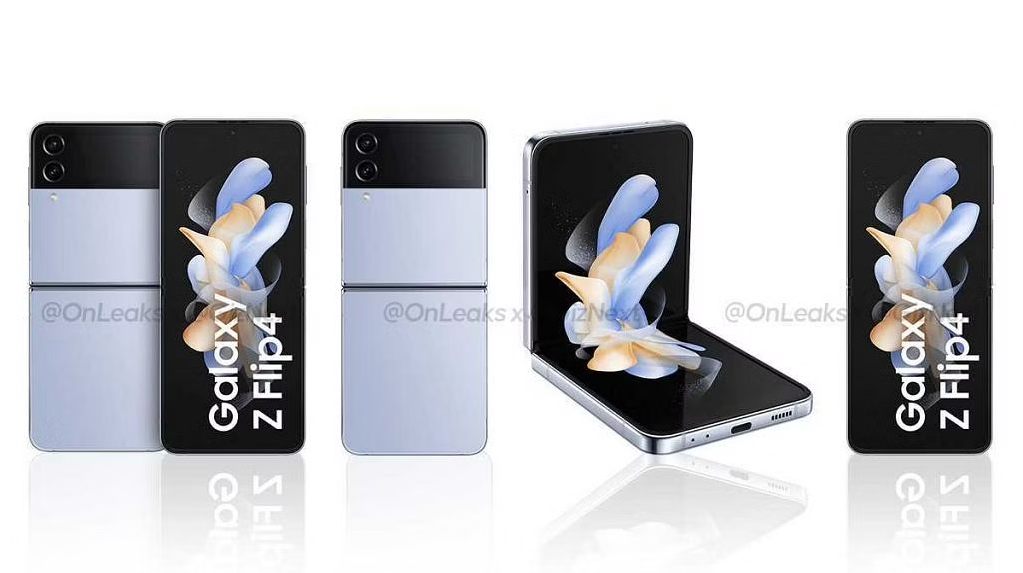
Samsung is gearing up to launch its next generation of foldable smartphones on August 10th at the Galaxy Unpacked Event 2022. The company is expected to debut two devices at this launch event namely the Samsung Galaxy Z Flip 4 and the Galaxy Z Fold 4.
Image via Onleaks
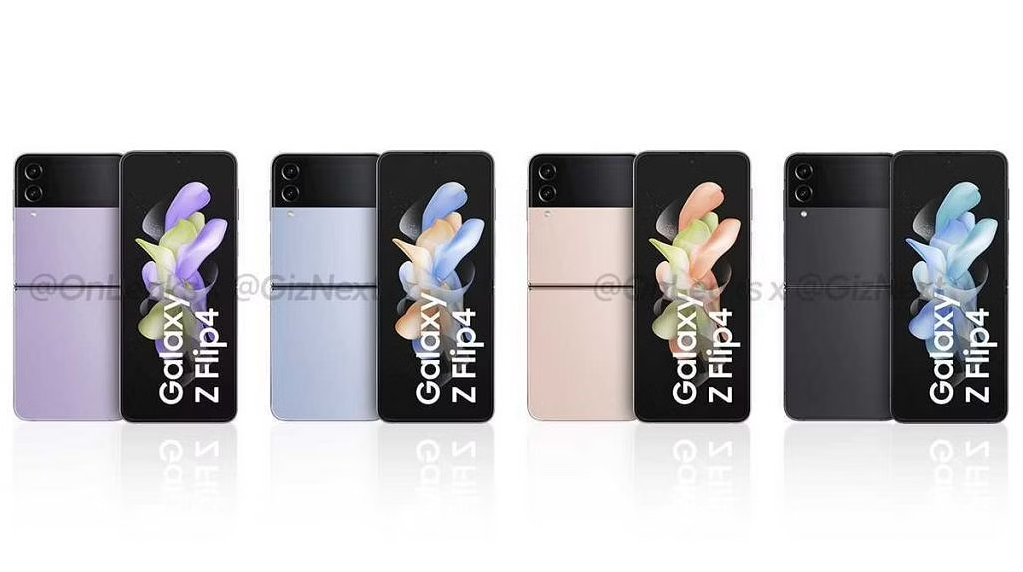
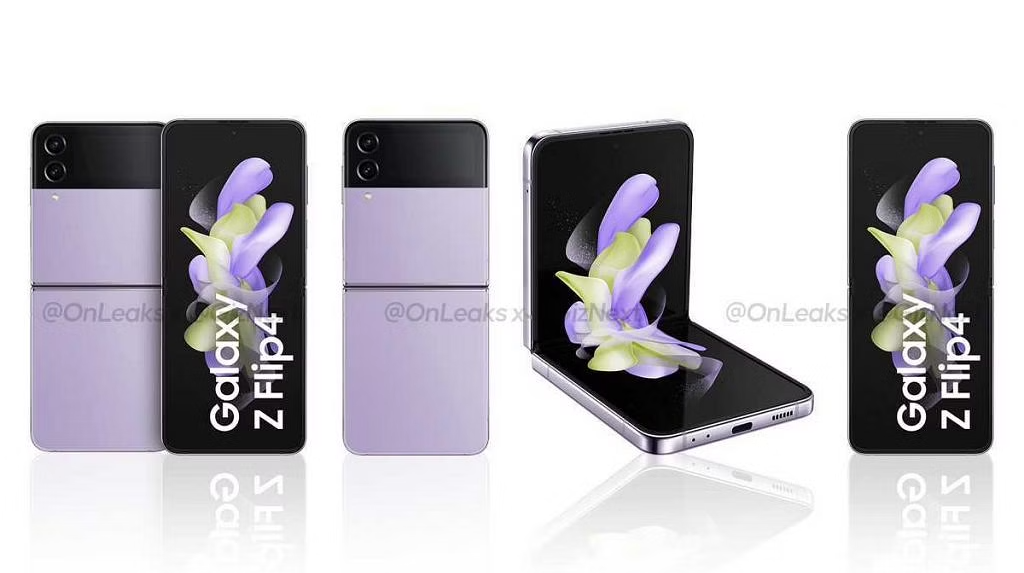
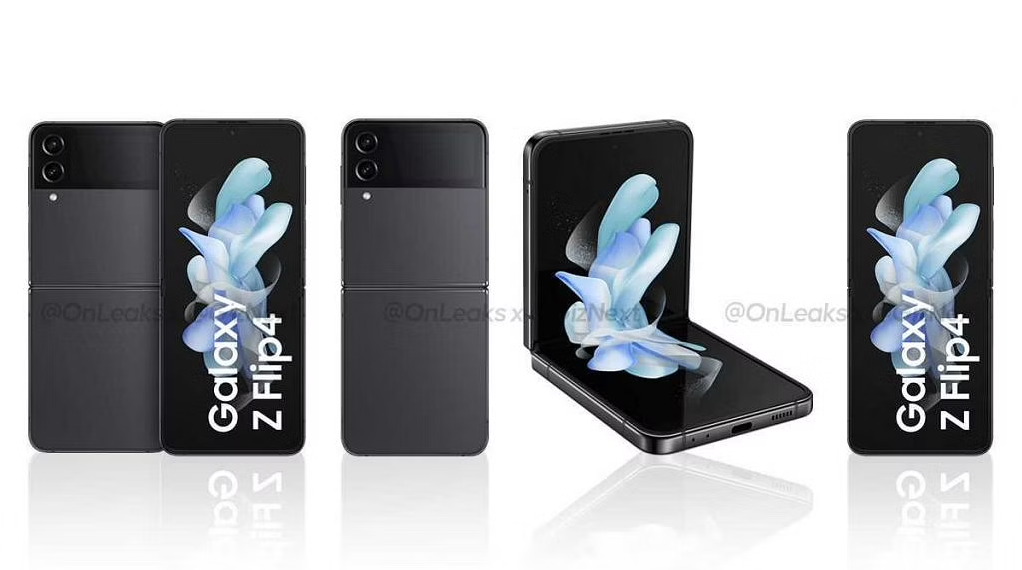
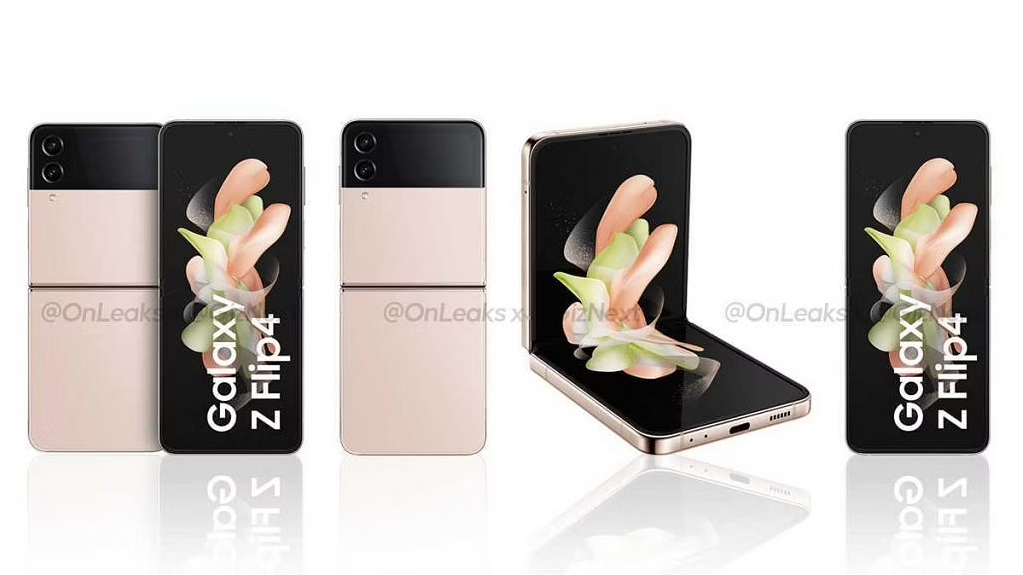
Ahead of the launch, the Galaxy Z Fold 4 has been spotted in a leaked promotional video. Now, reliable tipster Onleaks has leaked the renders of the Samsung Galaxy Z Flip 4 (Via: Giznext). So, let’s take a look at the design and color options of the foldable.
Image via Onleaks
Image via Onleaks
Image via Onleaks
Image via Onleaks
The images reveal the complete design language along with the color options of the upcoming Galaxy Z Flip 4. The clamshell design remains unchanged, but the camera module looks a bit different. The camera bump is a bit more pronounced compared to the last generation, and it has a two-tone design with the camera module painted in black.
The volume keys and another key (presumably a specialized digital assistant key) can be seen on the Galaxy Z Flip 4’s right panel, while the SIM card tray is located on the left. The speaker grille and USB Type-C port are both located on the bottom panel.
Coming to the color options, the renders showcase the device in black, golden, purple, and light blue colors. These will likely be marketed as Graphite, Pink Gold, Bora Purple, and Blue color options.
Samsung Galaxy Z Flip 4 specs (rumored)
The Galaxy Z Flip 4 is expected to launch with a 6.7-inch Full HD+ sAMOLED display with a 120Hz refresh rate. Additionally, it will have a 2.1-inch sAMOLED panel on the outside serving as a secondary display.
The phone will be equipped with a Snapdragon 8+ Gen 1 chipset, up to 12GB of RAM, and up to 256GB of storage. According to rumors, the battery unit will enable 25W fast charging and have a 3,700mAh capacity.
The smartphone will have two 12-megapixel cameras on the back for photography: a 12-megapixel main camera and a 12-megapixel ultrawide camera. We’ll most likely receive a 10-megapixel front-facing camera for selfies and video chats.
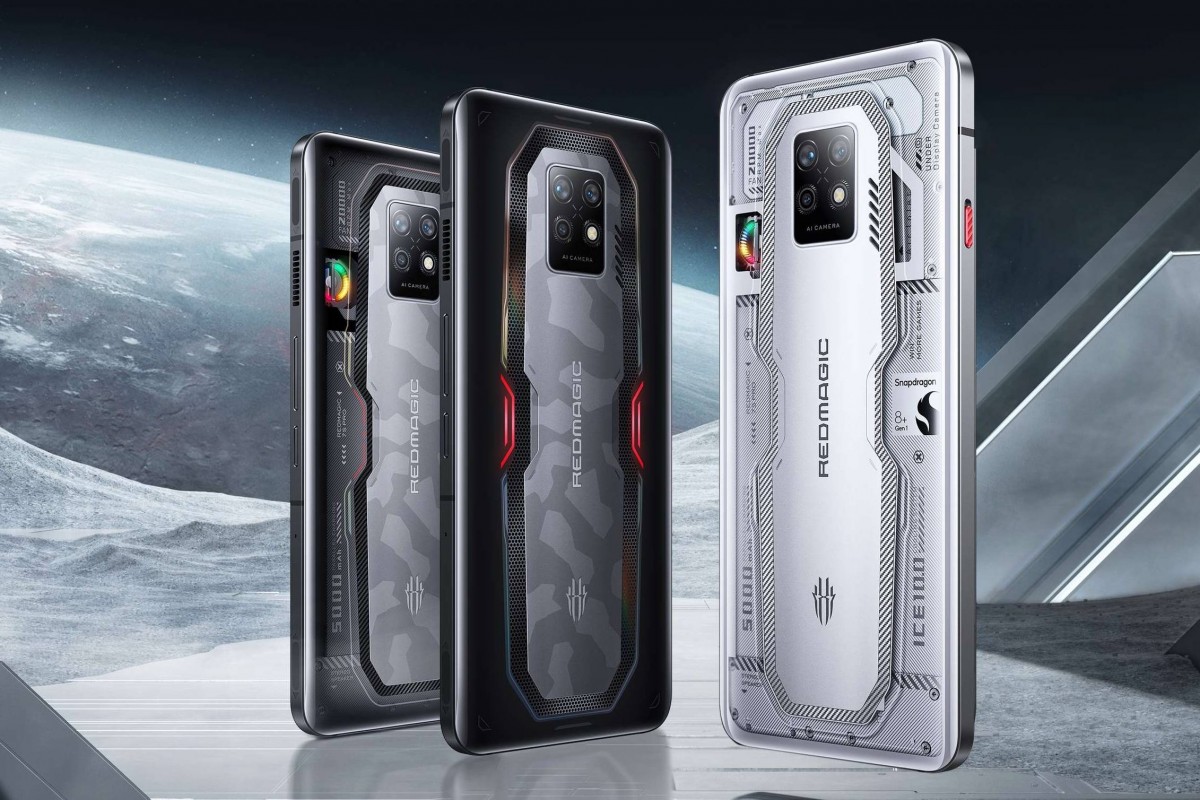
Earlier this month, Nubia’s gaming-focused sub-brand Red Magic launched the Red Magic 7S series of smartphones in China. The series consists of the Red Magic 7S and the Red Magic 7S Pro smartphones.
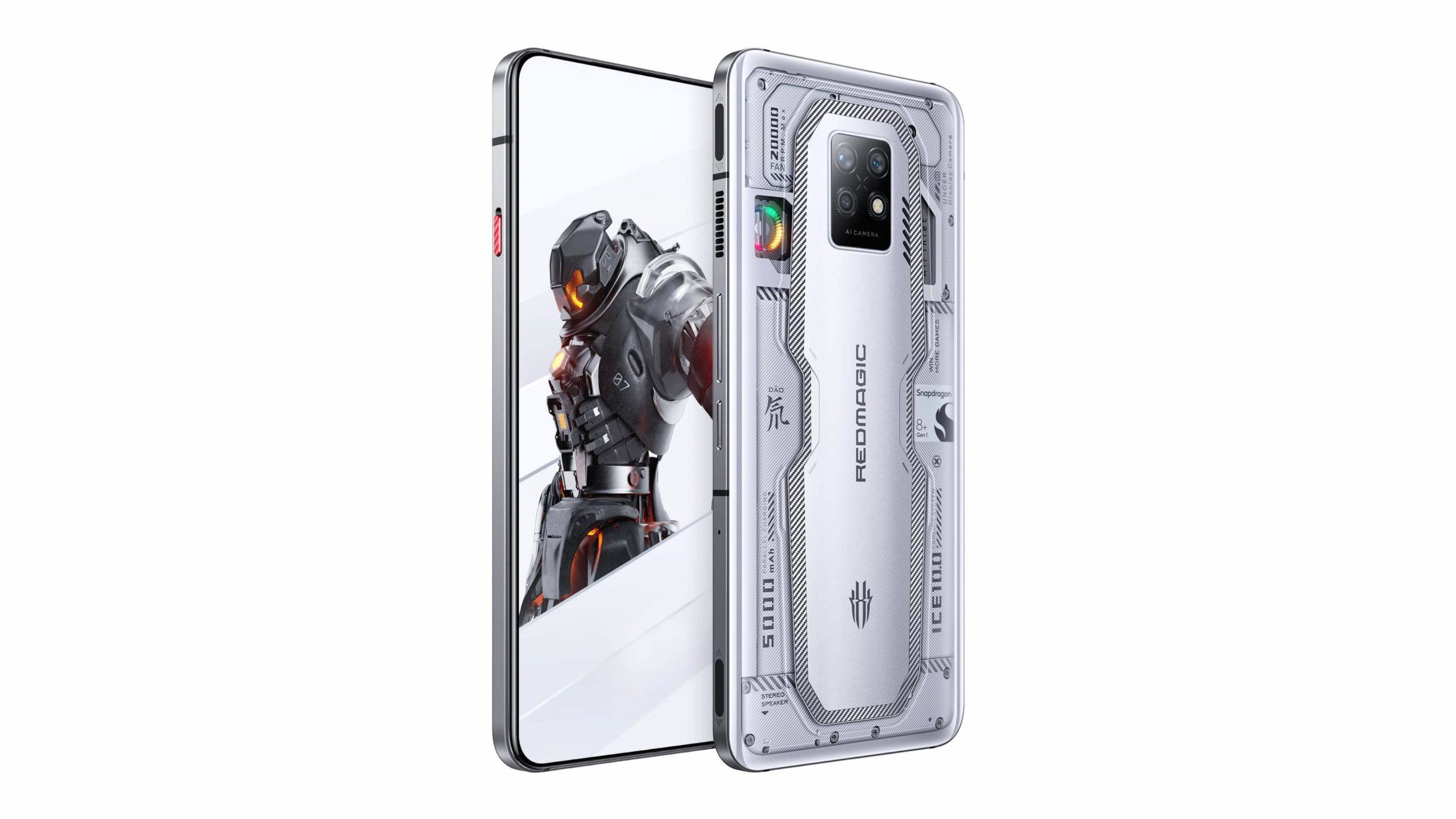
Now, the company has launched the Red Magic 7S Pro in the global market, so let’s take a look at its pricing, availability & specifications.
Pricing and availability
The Redmagic 7S Pro is priced at €779/£669/$729 for the 12 GB RAM + 256GB storage model (Obsidian color). On the other hand, the 18GB RAM + 512GB configuration is priced at €949/£809/$899 (Supernova and Mercury color options). Pre-orders for the device will begin from August 2 and shipments will commence on August 9.
Red Magic 7S Pro Specifications
The Red Magic 7S Pro houses a 6.8-inch AMOLED display but with a 120Hz refresh rate. The smartphone is equipped with Red Magic x Qualcomm LTM dimming technology.
Red Magic 7S Pro
1 of 2
The 7S Pro is powered by the Snapdragon 8+ Gen 1, paired with the company’s proprietary Red Core 1 which is a dedicated gaming chipset for enhancing the performance of the device. The smartphone comes with an advanced Ice 10.0 cooling system. It has a 5,000mAh battery unit with 135W fast charging and comes with a 165W gallium nitride charging brick in the box. The smartphone runs Red Magic 5.0 based on Android 12.
For optics, it has a 64MP primary camera accompanied by an 8MP wide-angle lens and a 2MP macro lens along with an LED flash. On the front, the device features a 16-megapixel selfie camera.
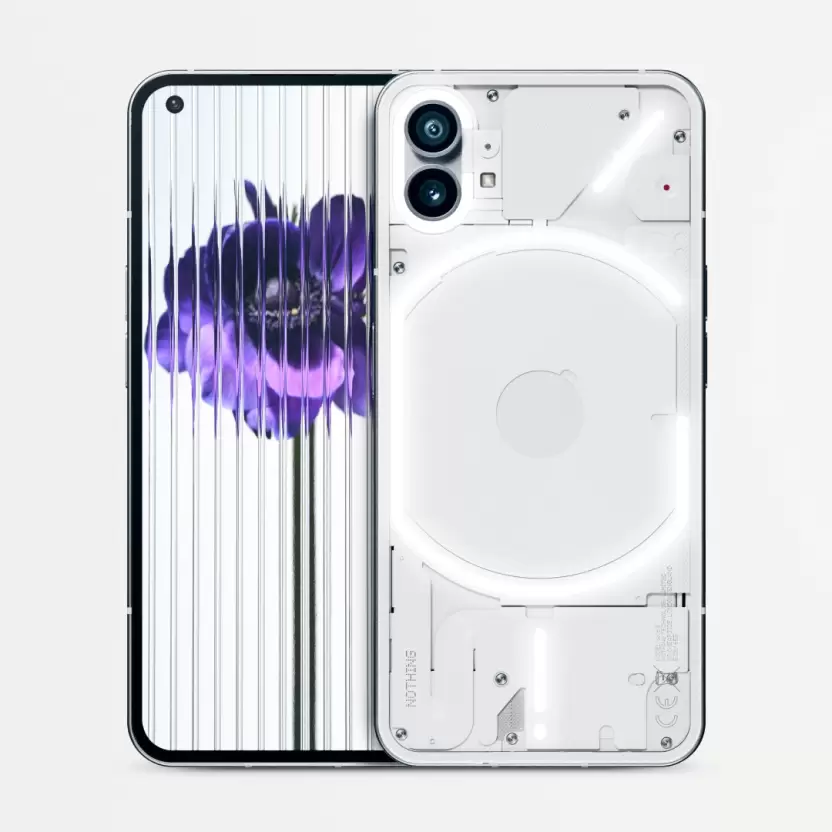
The London-based startup Nothing recently launched its first Android smartphone in the global market dubbed the Nothing Phone (1).
Nothing has been manufacturing the Phone (1) domestically for the Indian market to keep the costs low. Recently, some of the customers have complained of issues with the display of the smartphone like a green tint on the screen, and a black dot near the punch hole.
Now, as the device reaches more customers, new flaws with Nothing Phone (1)’s rear panel are being brought to light.
Quality issue in NOTHING PHONE 1, the wire tape just above the nothing brand is misplaced its identical and looks weird. Also the flash placement is up side down… not placed in symmetrical way!! I guess more QC issues will be visible soon 🤦🏻♂️ pic.twitter.com/9glNHKlPj2
According to multiple Twitter users, their Nothing Phone (1) unit has flaws in its design. These flaws range from an alignment issue with the wire tape on the back panel to the LED flash module being placed upside down. 91mobile’s Ronil Thakkar has also reported difficulties with placing replacement requests for the defective model on Flipkart, with Flipkart reporting an error in taking a return/replacement request.
@flipkartsupport@Flipkart@nothing@nothingsupport Got this unit a couple of days ago, and the piece has an design alignment issue at the rear. I’ve tried several time to place a replacement request, but the app won’t let me proceed the request. Please check the attachment: pic.twitter.com/cMrx4waWx8
Thakkar has also shared the response from Flipkart support which states “Thank you for reaching out to us via DM and sharing the requested order ID. We certainly understand your concern here. Please be assured that the team is actively working towards resolving your issue. We’ll be contacting you to address this further.” According to the report, Flipkart is yet to contact them regarding this issue.
Even more bizarre is the incident that occurred with Twitter user @therational_pi, who upon receiving a defective unit of the Nothing Phone (1) opted for a replacement. However, the company shipped a damaged Nothing Phone (1) to them as a replacement. From the various complaints, it is clear that Nothing has some serious quality control issues, and it remains to be seen how swiftly the company addresses these issues. Stay tuned for more updates on this matter.
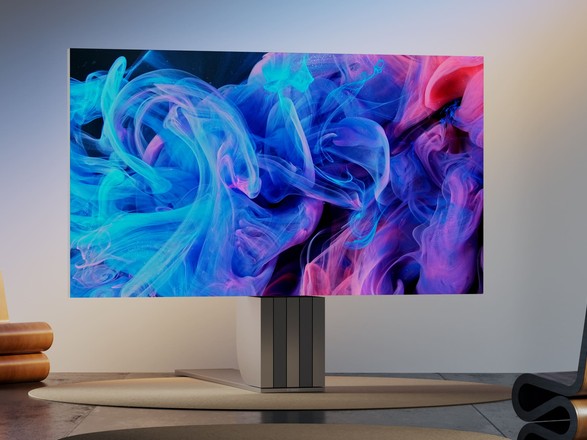
The C SEE N1 folding TV series has been released and they range in size between 103 inches and 165 inches. The TVs come with a folding 4K screen with HDR10+ support and a 3,480Hz refresh rate.
The C SEED TV’s expansive screen looks like a sculpture when collapsed. It has a 4K MicroLED display with an aluminum base. The screen is rotatable by 180 degrees to the left or the right. There is a screen coating in the TV to support true black output and HDR is also supported. The TV is capable of up to 1,000 nits of brightness and 16-bit color processing. The larger model with a 165-inch display has a maximum brightness of 800 nits. The color temperature of the TV is adjustable across a large spectrum.
The C SEED N1 TVs offer an immersive viewing and listening experience. They have 100W speakers built in. The sound output range is between 60Hz to 22kHz and the sound system can be enhanced with a connection to external speakers. There are five HDMI and two USB ports in the TV for easy connectivity. The model is available in gold, silver, black, and titanium colors while its price starts at about $184,200. The C SEED N1 TV series reinvents the cinema experience while also coming off as an art piece.
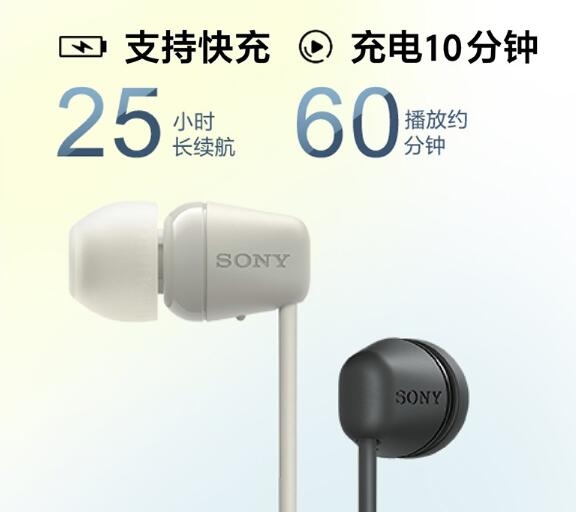
Sony has launched a new wireless Bluetooth headset that offers a long battery life. The headset dubbed Sony WI-C100 wireless neckband headphone is capable of delivering up to 25 hours of battery life when it is fully charged. Interestingly, it comes with support for fast charging as a 10-minute charge will deliver up to 1 hour of music playback. The product carries a starting price tag of 199 yuan (~$29).
Speaking of the design, the Sony WI-C100 adopts a neckband design that fits the neck and is comfortable to wear. The earbuds come with three different sizes of hybrid silicone ear tips. The stem also has a three-button remote control design and a multi-function button to wake up the phone’s own voice assistant.
The new product uses a 9mm drive unit with the DSEE digital sound enhancement engine. Sony claims the engine can restore some of the lost high-frequency sounds thereby improving the sound quality.
This headset also supports Bluetooth 5.0 standard, SBC and AAC codec protocols, and 360 on-the-spot sound effects. Users can also set sound effects through Sony’s Headphones Connect app. Users can adjust the equalizer according to their preferences and set a personalized listening style.
In addition, the headset can also be paired with the wireless transmitter WLA-NS7 and Sony BRAVIA XRTM series TVs, allowing users to experience Dolby Atmos and other viewing experiences.
In other respects, the Sony WI-C100 supports IPX4 water and sweat resistance and is available in four colors: black, white, blue, and taupe (dark gray-brown color).
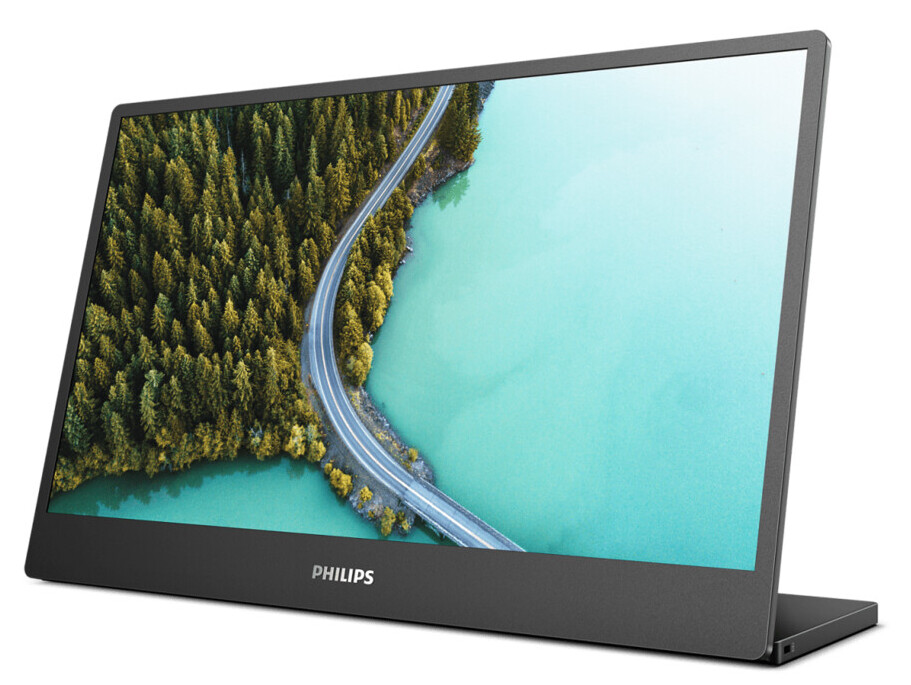
Philips has officially launched a new portable monitor, the 16B1P3302 Philips Portable Monitor. The monitor sports a 15.6-inch 1920 x 1080-pixel IPS LED display. While being portable and easy to store, its upgraded 16:9 Full HD display with SmartImage packs a visual punch with vibrant colors, fine details, a 75 Hz refresh rate, and rich contrast. With IPS technology, users can enjoy the display from virtually any angle thanks to its wide 178°/178° viewing angles. and is simple to view thanks to an anti-glare coating. The screen is capable of a maximum brightness of 250 cd/m2 and a contrast ratio of 700:1.
With the Philips 16B1P3302, flexibility is assured owing to a number of features that make it easy to work and play while on the go. Type C and Type A connectors allow users to enjoy high-resolution video from their smartphone or laptop, benefit from dual-screen productivity, recharge the monitor, transfer data at high speeds, and enjoy quick, simple sharing and presentation. The monitor’s slim, reversible USB mesh cable is soft and flexible to fit into any bag.
You may adjust the Portable Monitor’s bend between 0° and 90° using a continuous tilt stand. With the device’s USB-C video delivery via the DisplayLink function, you may watch high-definition videos while connected to your laptop or smartphone. Along with the display, a protective case and a USB dual mesh cable with USB-C and USB-A ports are included.
The Philips Portable Monitor weighs only 1.03 kg (2.27 lbs) and can be charged at up to 15 W through a USB-C cable. The monitor’s overall dimensions are 359 x 232 x 119 mm (about 14.1 x 9.1 x 4.7 in), and its lifespan is predicted to be 70,000 hours. The device is powered by SmartControl software, which includes clever options including LowBlue Mode and a Flicker-free vision. The Philips Portable Monitor 16B1P3302 costs £219.99 (about $265.49) in the UK.
Last week, Qualcomm announced that it will be launching the next-generation Snapdragon 8 Gen 2 chipsets on November 15, 2022. Now, ahead of the launch, some details about the SoC have surfaced giving us an idea of what to expect.
According to a WFCCtech report, only TSMC will be taking the Snapdragon 8 Gen 2 orders from Qualcomm. The chipset, however, will likely not be made on TSMC’s upcoming 3nm node. This is due to the fact that Apple is TSMC’s most lucrative client and has already reserved fab capacity for the M2 Pro and M2 Max chips. So, we are likely looking at Qualcomm using TSMC’s 4nm node again for the Snapdragon 8 Gen 2 chipset. For those unaware, it is the same node on which the Snapdragon 8+ Gen 1 is made.
Samsung has recently started shipping its cutting-edge 3nm node to clients, however, it is reported that no smartphone chipset vendor has approached Samsung for its 3nm GAA chips. A reason for Qualcomm not placing orders with Samsung yet could be the fiasco with the Snapdragon 8 Gen 1 chipset. The chipset was manufactured on Samsung’s 4nm node and was heavily criticized for its thermal and efficiency issues.
Earlier reports have mentioned that Qualcomm could opt for a “1 + 2 + 2 + 3” cluster instead of the “1 + 3 + 4” CPU cluster used on previous Snapdragon chips. This new configuration will have a high-performance core codenamed Makalu, two Makalu cores, two Matterhorn cores, and three Klein R1 cores. These codenames will correspond to Cortex-X3, Cortex-A715, and an updated Cortex-A510, which are the latest CPU architectures unveiled by ARM.
The Snapdragon 8 Gen 2 is anticipated to be coupled with Qualcomm’s most recent Snapdragon X70 5G modem in addition to its unique CPU design, enabling it to achieve new peak download speeds while using up to 60% less power. Tipster Yogesh Brar has informed that we can expect significant gains in the GPU performance and around a 10% uplift in the overall performance of the chipset.
We use cookies on our website to give you the most relevant experience by remembering your preferences and repeat visits. By clicking “Accept”, you consent to the use of ALL the cookies.
This website uses cookies to improve your experience while you navigate through the website. Out of these, the cookies that are categorized as necessary are stored on your browser as they are essential for the working of basic functionalities of the website. We also use third-party cookies that help us analyze and understand how you use this website. These cookies will be stored in your browser only with your consent. You also have the option to opt-out of these cookies. But opting out of some of these cookies may affect your browsing experience.
Necessary cookies are absolutely essential for the website to function properly. This category only includes cookies that ensures basic functionalities and security features of the website. These cookies do not store any personal information.
Any cookies that may not be particularly necessary for the website to function and is used specifically to collect user personal data via analytics, ads, other embedded contents are termed as non-necessary cookies. It is mandatory to procure user consent prior to running these cookies on your website.