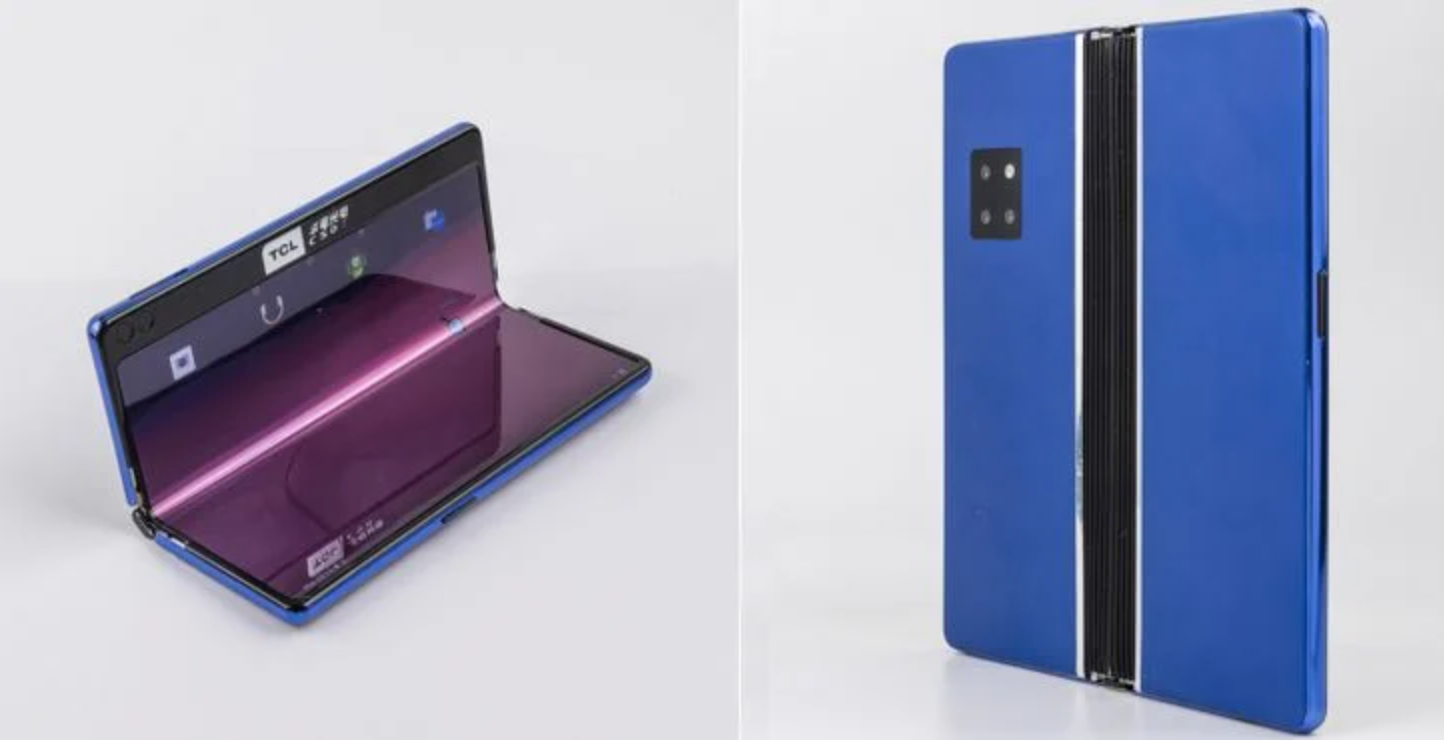
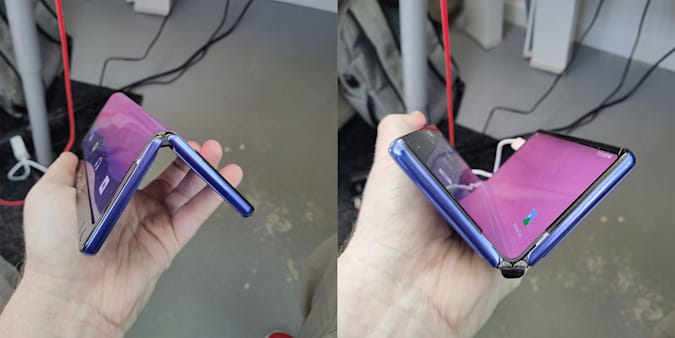
The latest TCL concept phone is capable of folding inwardly and outwardly, thus presenting a slew of functionality for the device. The eye-catching prototype device was showcased during the ongoing Mobile World Congress (MWC) 2022 holding in Barcelona, Spain. The concept phone is part of an array of different devices showcased by TCL during MWC 2022 which is in its first full day.
The double foldable concept phone is called Ultra Flex and it has a 360-degree rotating hinge as well as a flexible display that adjusts with the folding of the screen. It should be noted that the 360-degree folding mechanism will put much stress on the strip above the hinge and it is unclear how this will measure under stress testing. Some experts think that the Ultra Flex may be prone to breaking.
Being a concept phone, we cannot say for certain whether it will scale through all the obstacles to become a finished commercial product. Apart from the display which is yet to be demonstrated by TCL, it made some sounds that need to be resolved. Overall, it is believed that the Ulta Flex may be far off from becoming a commercial product.
As per the justification for having a double foldable display, TCL insists that it will combine the benefits of both types of folding devices like the Galaxy Z Fold 3 and Huawei’s first Mate X foldable. The company says the Ultra Flex will offer the benefits of both worlds but the outward foldable functions seem difficult to comprehend. Huawei has since adopted a forward folding design in its newer Mate X foldable.
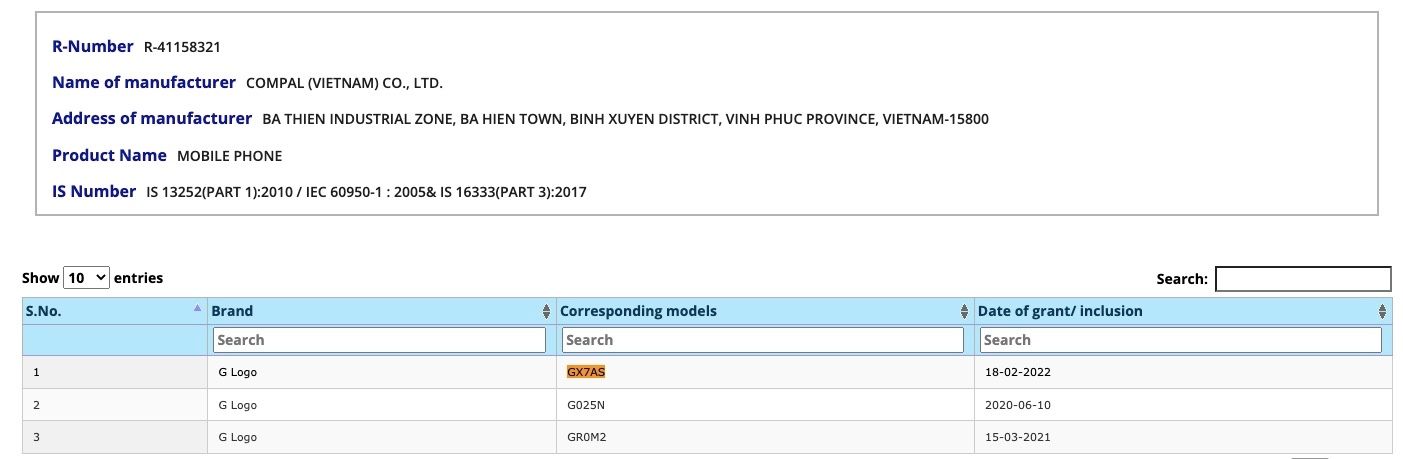
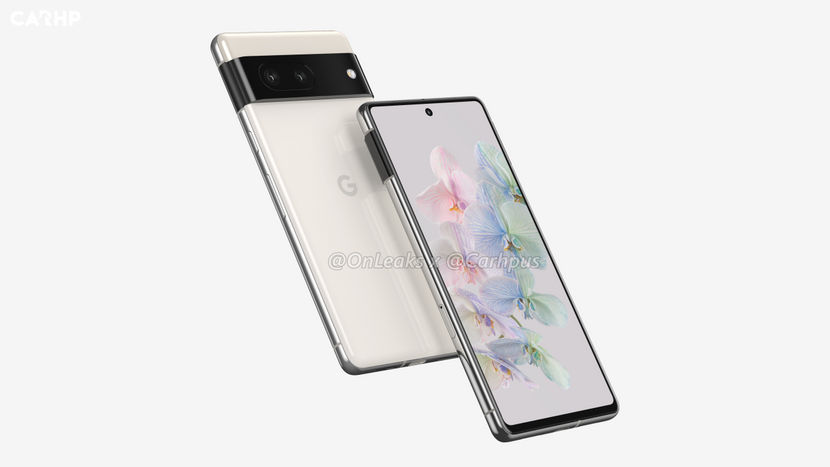
Although there’s a while until we see the Google Pixel 7 phones, the early leaks of the phones are slowly appearing on the Internet. Interestingly, now a mysterious Pixel series phone has appeared on the Indian BIS certification site confirming its Indian existence. Could it be the upcoming Pixel 7?
MySmartPrice has first spotted the listing of the smartphone and it carries the model number GX7AS. To recall, this model number was previously leaked.
Months back, XiaomiUIhad revealed the upcoming Pixel phones list with their model numbers. The GX7AS was one of the phones on the list. Having said that, we expect it to be some Pixel phone for specifically the Indian market.
Since the upcoming Pixel 7 rumors are in the early stage, we do not know whether this model number is for the Indian Pixel 7 phone. Nonetheless, we’ll see developments for this device soon.
As for now, the Pixel 7 rumors have been in the talks. The recently leaked renders revealed that both the Pixel 7 and 7 Pro will feature the same old Pixel 6 design. The internals, however, will differ. The vanilla 7 is said to come with a smaller form factor than the predecessor and feature a 6.4-inch panel. It will come with up to 512GB of storage.
It will be powered by the second generation Tensor processor and have a 50MP dual-rear camera system. The device is expected to come in Stormy Black, Kinda Coral, Sorta SeaFoam, and Cloudy White color variants.
On the other hand, the Pixel 7 Pro is expected to come with a 6.7-inch to 6.8-inch curved edge panel. It will have the same second-generation Tensor chipset and similar RAM and storage configurations. This time around, the Pro will get a periscope lens besides the main and the ultra-wide snappers.
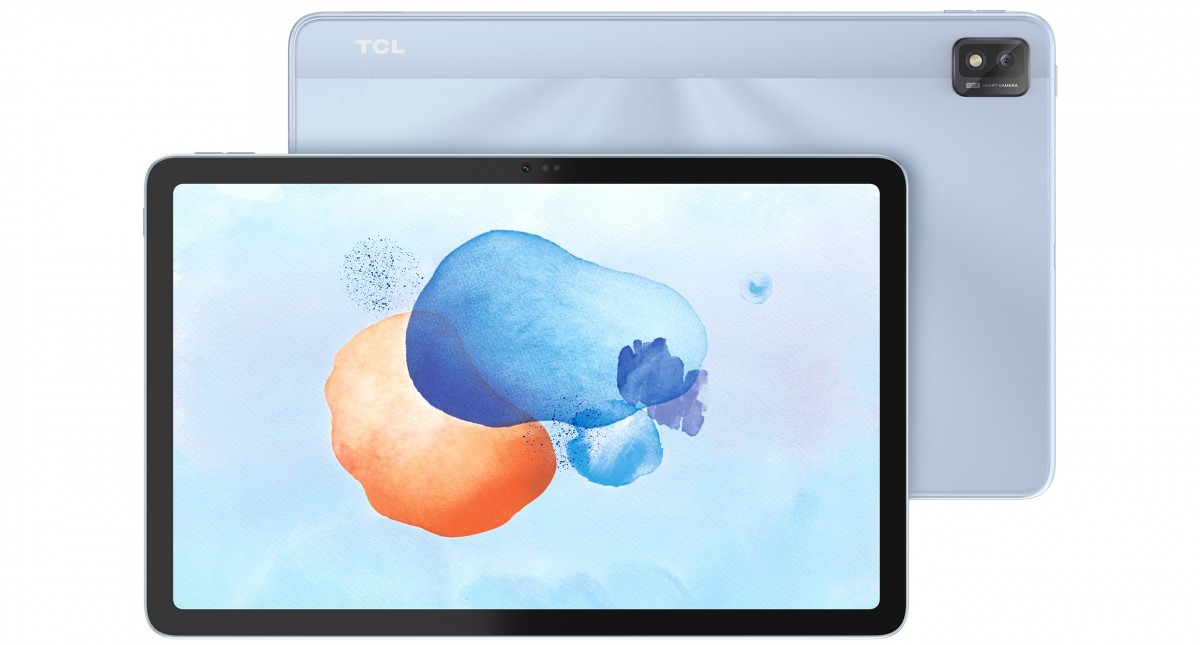
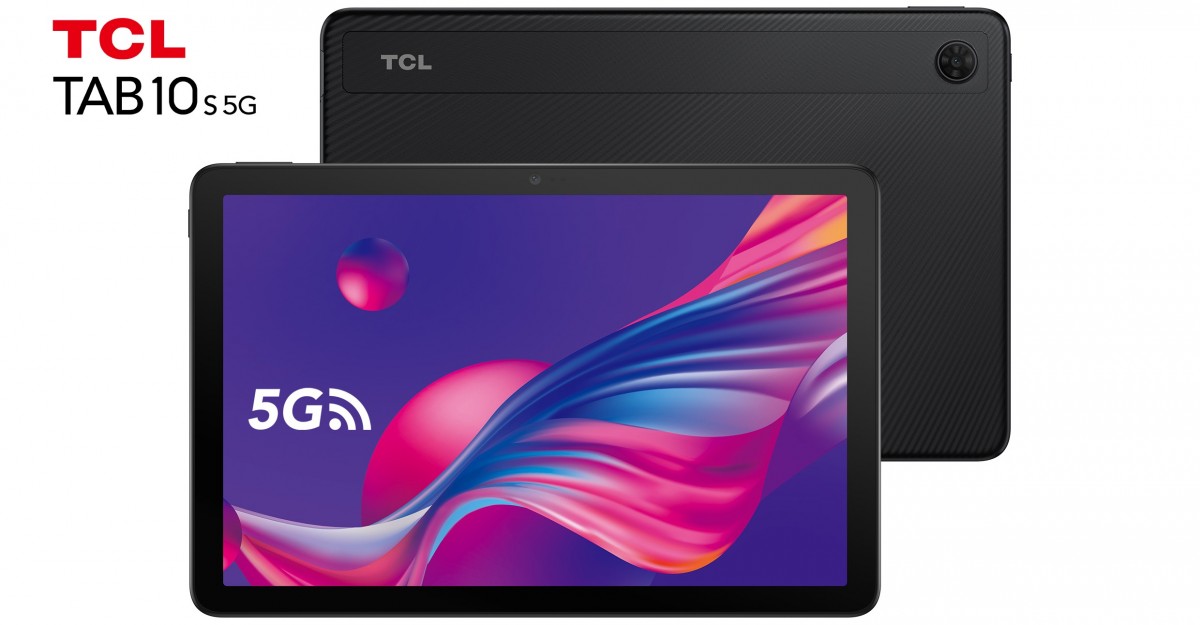
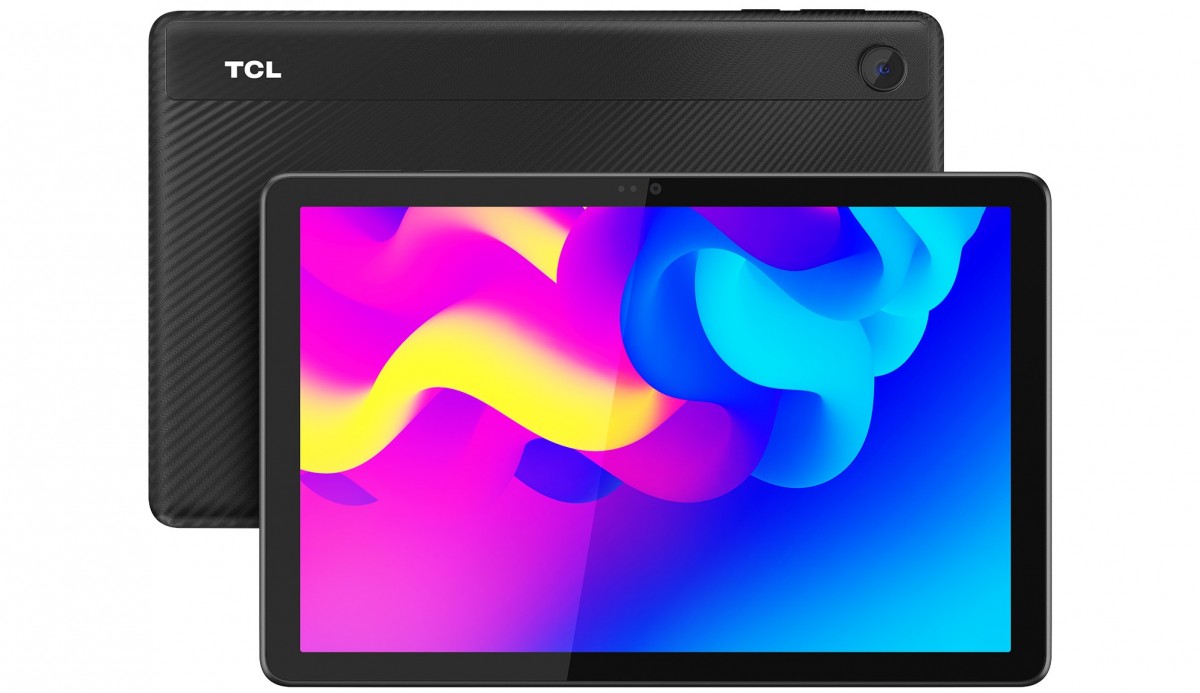
There had been a raft of rapid product announcements on the first full day of the ongoing Mobile World Congress (MWC), Barcelona 2022. TCL is not going to be left out as it has announced the NxtPaper MAX 10, Tab 10s 5G, and a couple of Tab 10 devices.
The Tab 10s 5G is an upgraded version of the Tab 10s 4G and it supports 5G connectivity. It is powered by a MediaTek chip with two Cortex-A78 cores clocking 2.4GHz and six A55 at 2.0GHz. This is complemented with a Mali G57 MC2 GPU and the 5G modem.
Power and enhanced connectivity are some of the key improvements delivered by the Tab 10s 5G. The memory configuration of the Tab 10s 5G is 4GB/64GB for RAM/ internal storage. The storage can be scaled via the microSD card slot.
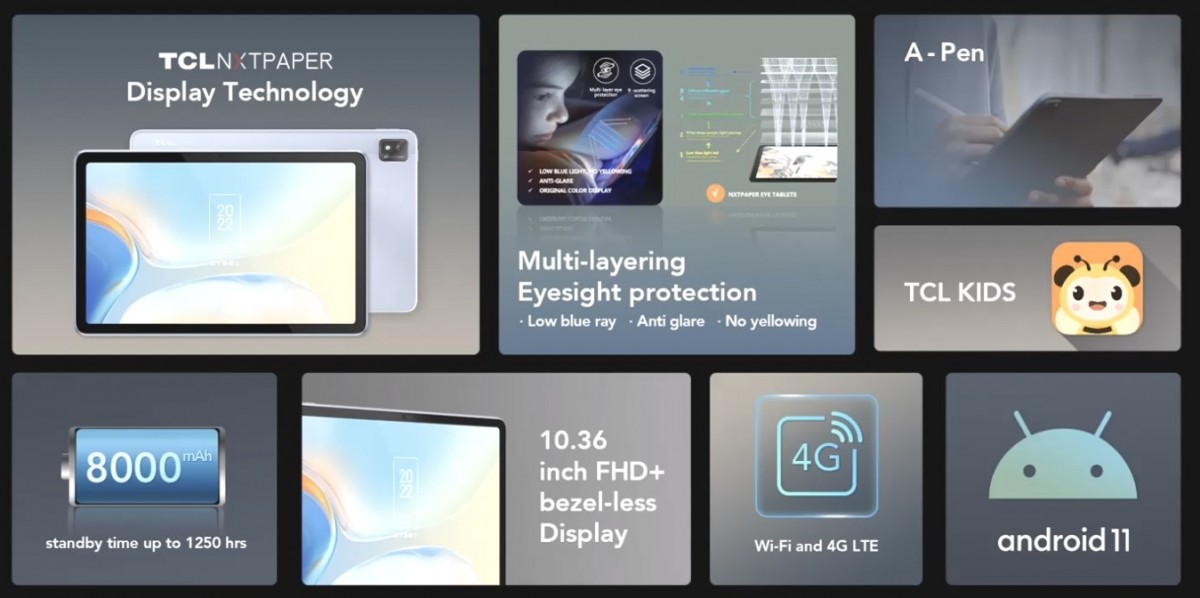
The TCL NxtPaper MAX 10 comes with a 10.36-inch FHD+, anti-glare display. The display was designed to rekindle the feeling of reading through a sheet of paper and the laptop also relives a writing experience via its A-Pen stylus. The tablet runs on Android 11 with kids feature to take care of the lower demographics of kids. It is designed to last for hours with its 8,000mAh battery. The availability date for the TCL NxtPaper MAX 10 is yet to be fully specified but it will come with Wi-Fi only or 4G support although it could be out within Q2 2022 in Asia.
The TCL NxtPaper MAX 10 is priced at €270 ($303) while the Tab 10s 5G will cost €350 ($393) and the TCL Tab 10 will start from €200 ($224). All the models announced by TCL are pretty affordable and could spur substantial demand for the products.
The fast-charging capabilities of smartphones have been constantly increasing year by year. A while ago, we would be contempt with fast charging in the 30W range, and now, 100W+ fast charging has become the norm for many smartphone brands. However, in a recent announcement, OPPO has unveiled some cutting-edge tech that’s honestly pretty mind-blowing.
150W SuperVOOC
At Mobile World Congress 2022, OPPO took the stage to unveil their latest 150W fast charging technology. The brand stated that the new 150W SuperVOOC charging will be assisted by OPPO’s Battery Health Engine and will come coupled with their exclusively customized 6C batteries. The 150W fast charger will be able to easily fill up 50% of a 4500mAh battery in just 5 minutes while a full 100% will take around 15 minutes.
Oppo’s Battery Health Engine
OPPO 150W SuperVOOC battery health
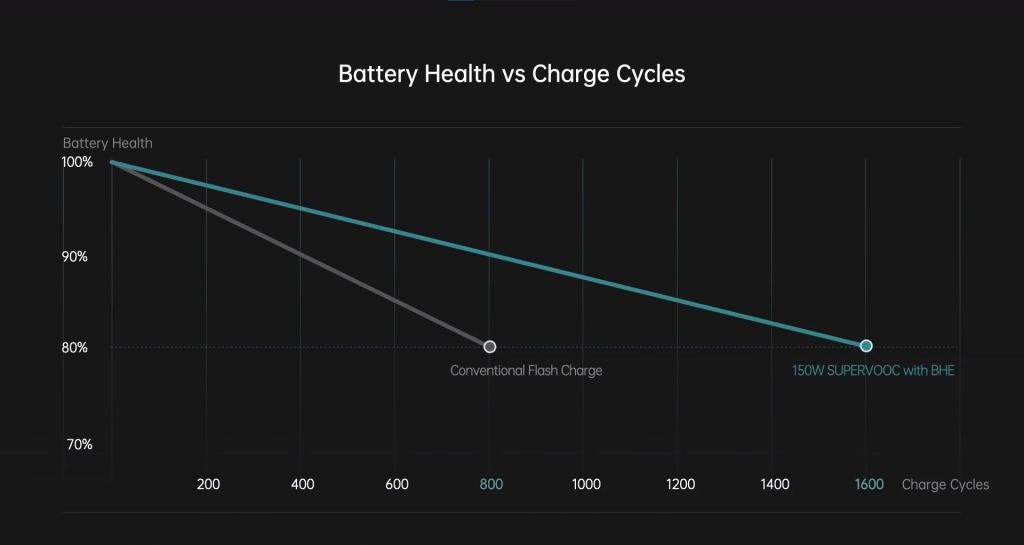
With the increased charging speed, the company states that they have also made the batteries safer and have dramatically increased their life span up to 1600 charging cycles from 0-100 percent with a loss of just 20% battery health. OPPO has announced that the Battery Health Engine will become a staple in upcoming OPPO and OnePlus devices from this point on. For those unaware, OPPO has already debuted the Battery Health Engine in their Find X5 and Find X5 Pro smartphones. The 150W SuperVOOC charging tech will first launch with an upcoming OnePlus device which is scheduled to launch in Q2 2022.
240W SuperVOOC
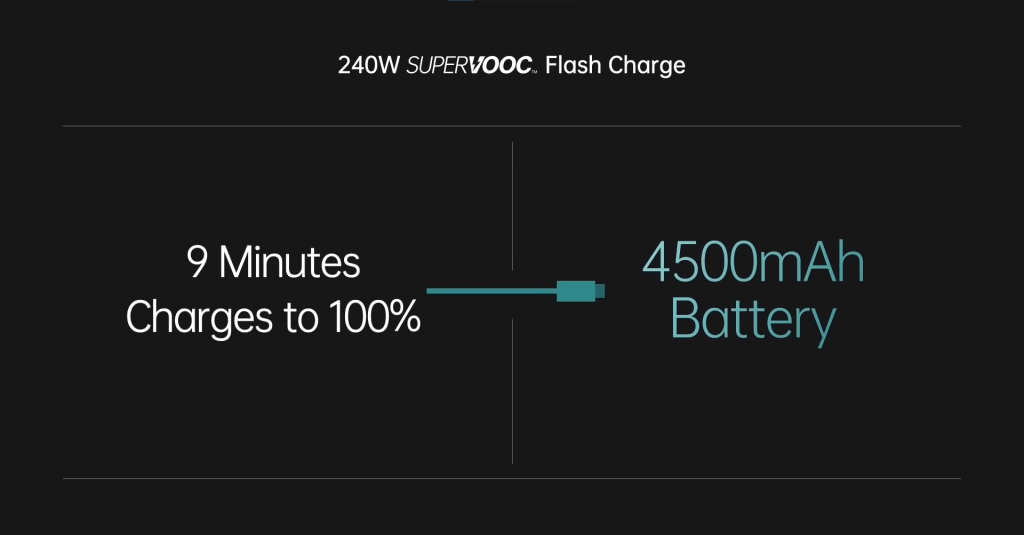
But that’s not all, as the company also gave us a glimpse at their upcoming 240W fast charging technology which is capable of filling a 4500mAh battery to half capacity in just 3 minutes 29 seconds and takes a meager 9 minutes to get it to 100%. The technology is still not ready for commercialization yet as the company is still working on polishing it further to offer a better battery life and energy density. So stay tuned for more updates.
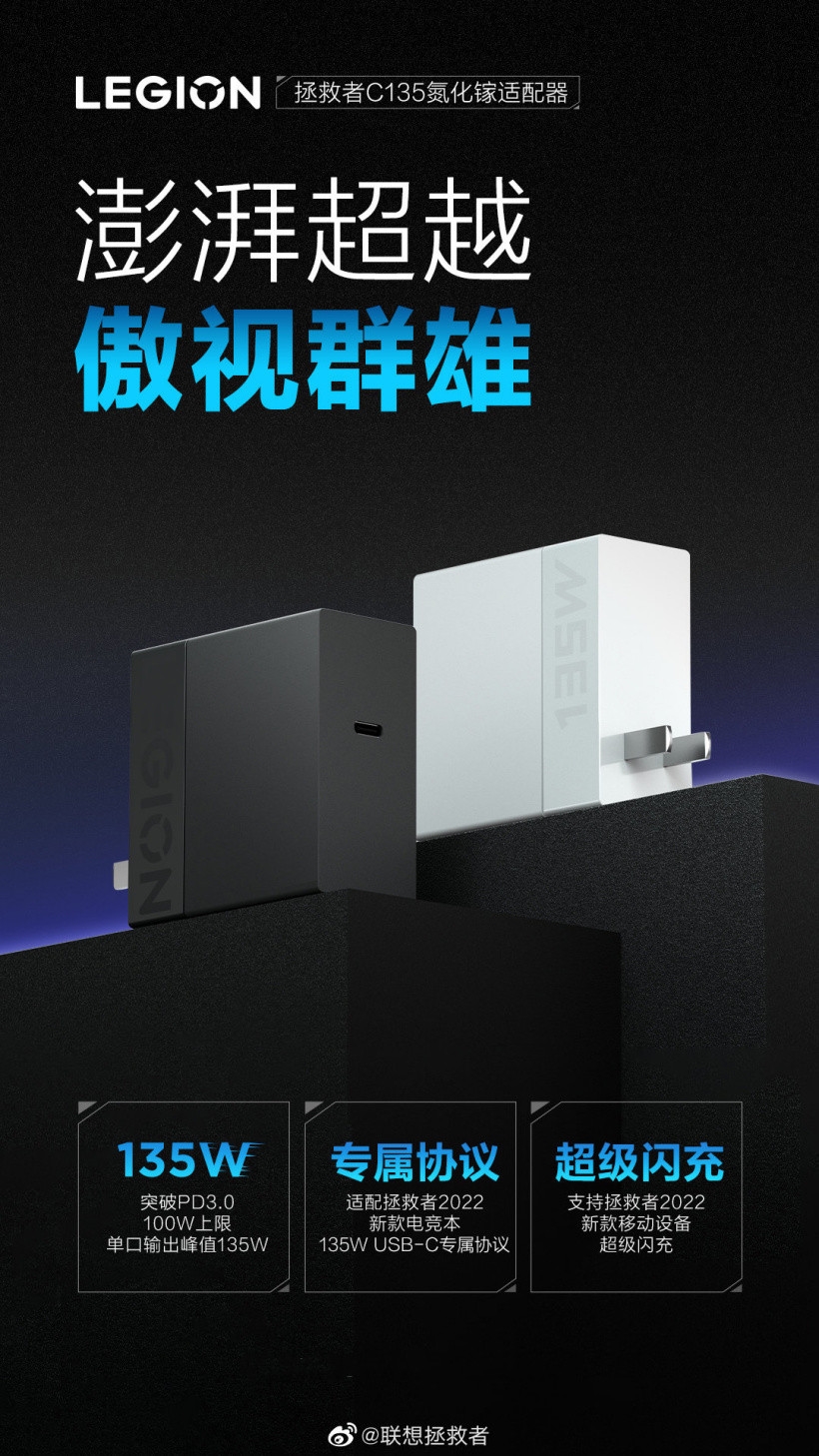
Gaming laptops are generally known for their powerful hardware lineup and in most cases, high charging rating. It is common these days to see laptops with 100W or even 200W charging speed but there are not many bricks with such power ratings around. Chinese tech giant Lenovo has launched a charging adapter with a high power rating. The Lenovo Legion C135 Gallium Nitride Type-C charger is suitable for charging the latest Legion gaming notebooks.
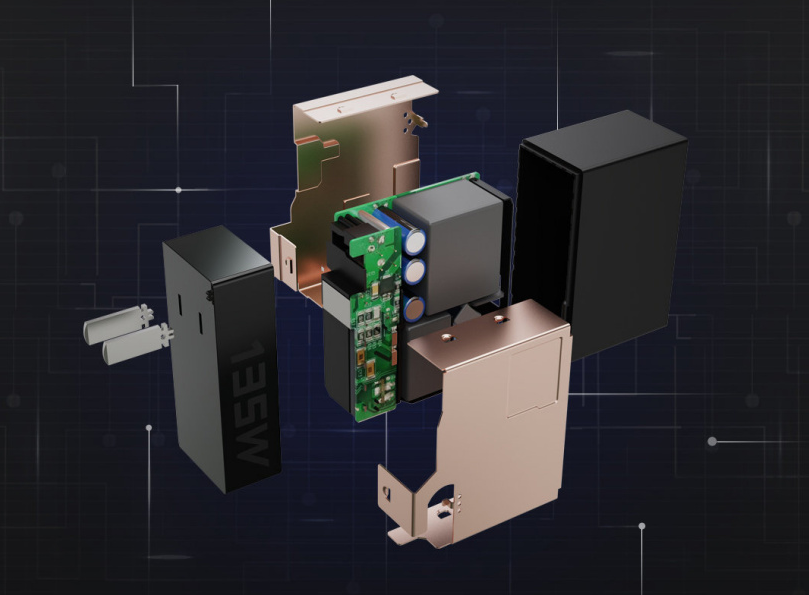
The Lenovo 135W Gallium Nitride Type-C Charger has a maximum output of 135W but can also charge other gadgets that do not require such high power output. The adapter features a single USB-C port. It deploys the Gallium Nitride technology with the casing made from UL94-V0 grade fire-resistant and high-temperature resistant materials. The energy conversion efficiency is greater than 92%, and it has better temperature control.
In terms of performance, the charger uses the third-generation GaN chip and the power density is greater than 1W/CC. It breaks through the upper limit of PD3.0 100W, and the peak output of a single port is 135W. Just like other GaN chargers in the market, Xiaomi’s 55W GaN charger is manufactured using gallium nitride semiconductors. The use of gallium nitride semiconductor materials has the advantages of super thermal conductivity, high-temperature resistance, acid and alkali resistance, and greatly reduces the size of the charger.
The Lenovo C135 GaN charging adapter comes in black and white colors but there is no word yet on the pricing and availability.
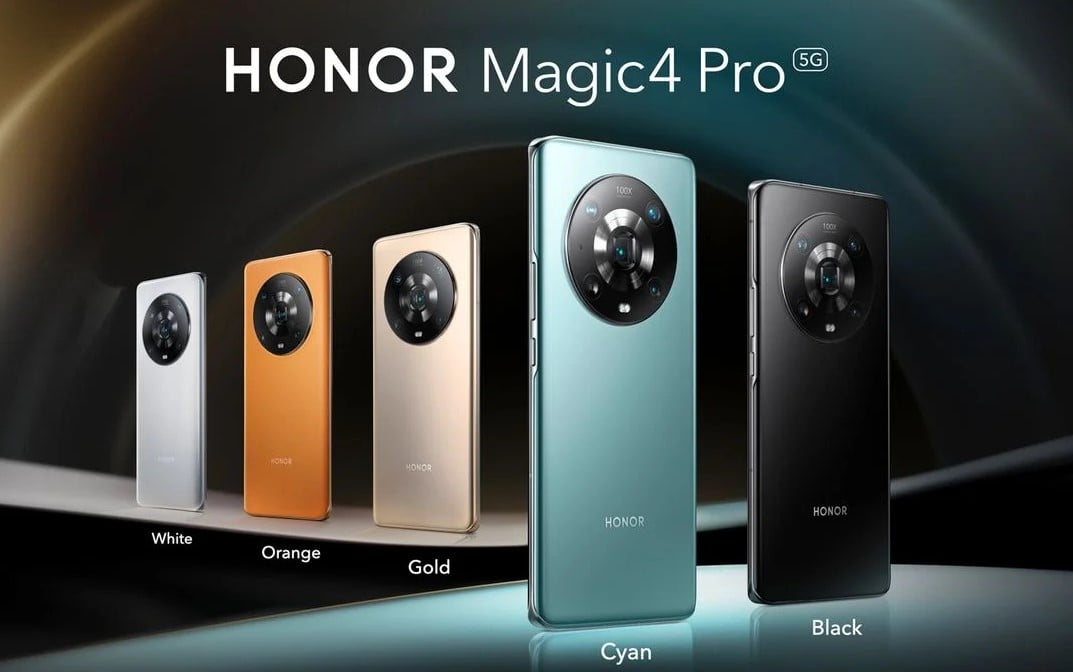
Honor has just launched their latest flagship smartphones dubbed the Honor Magic4 and the Magic4 Pro. The devices feature the latest Qualcomm Snapdragon 8 gen 1 SoC and have an impressive camera system that can give the leading premium flagships a run for their money, so let’s take a look at what all the smartphones have to offer.
Design & Display
Starting with the design of the smartphones, the Honor Magic4 Pro and the vanilla Magic4 feature a symmetrical design concept that allows for a firm, comfortable grip on the smartphone. Both the smartphones come with a curved display and have cutouts for the front camera. The Pro model has a slightly left alignment and is in a pill shape cutout to accommodate dual front cameras, while the vanilla Magic4 has a center punch hole for the selfie cam.
On the rear, both the devices come with a large circular “eye of muse” camera array design that is already present in its predecessor, the Honor Magic3.
Coming to the display, the Magic4 Pro offers a curved 6.81-inch 1312 x 2848p LTPO OLED panel with a variable refresh rate capable of going from 1Hz to 120Hz. It also offers 460 PPI pixel density, and a 360Hz touch sampling rate. The vanilla version on the other hand has a Curved 6.81-inch 1224 x 2664p LTPO OLED panel with up to 120Hz refresh rate. Both the models are capable of up to 1000 nits peak brightness and 1920Hz PWM Dimming.
Camera
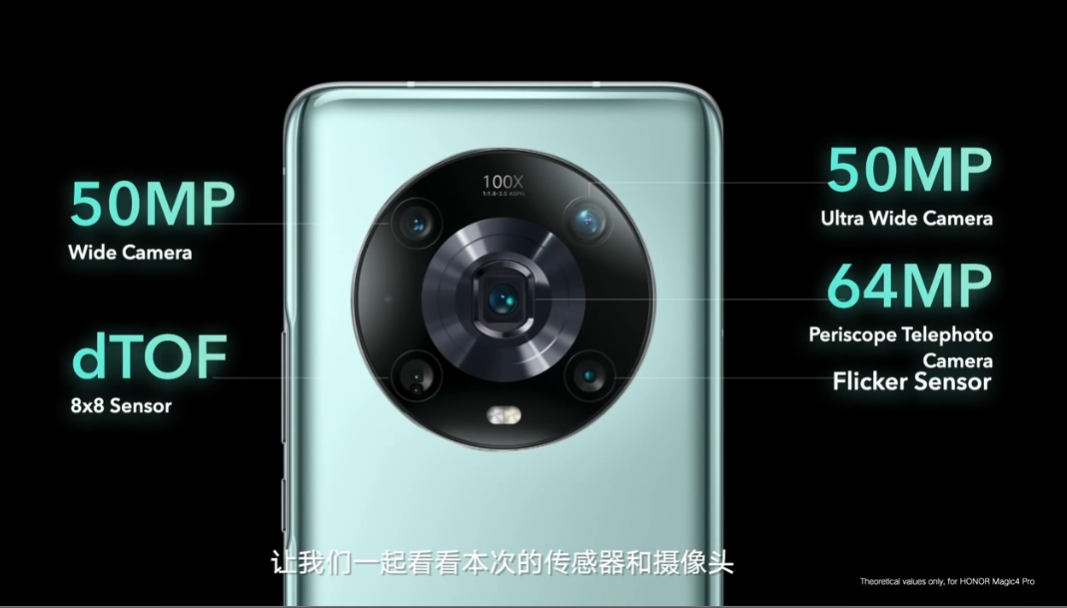
It wouldn’t be untrue to say that the main attraction of these new smartphones is their camera setups. with the Magic4 Pro boasting a triple camera setup consisting of a 50MP Wide primary camera (f/1.8), a 50MP Ultra Wide Camera(f/2.2), and a 64MP Periscope Telephoto Camera (f/3.5) with 3.5x Optical Zoom, 100x Digital Zoom, and EIS+OIS stabilization. The camera island also includes a Flicker sensor and an 8×8 dTOF Laser Focusing System. The Magic Pro gets a 12MP 100 degrees FOV front camera coupled with a 3D depth camera enabling the smartphone to offer facial recognition features.
Honor says that its “Multi-Camera Computation Photography” allows for the intelligent combination of all lenses, enhancing some of its zoom capabilities and additionally sharper images.
The vanilla Magic4 also gets the 50MP Wide primary camera, a 50MP Ultrawide with 122 degrees FOV, and has an 8MP Periscopic Telephoto camera capable of up to 50X digital zoom. The phone also equips the flicker and lacer focusing sensors.
Specifications and features
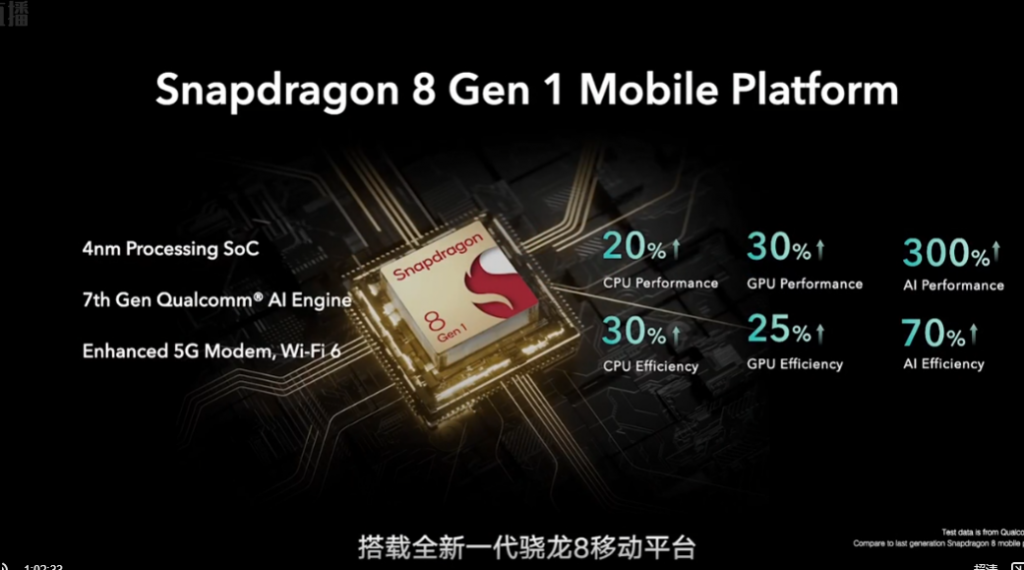
The Magic4 and the Magic 4 Pro come with a Snapdragon 8 Gen 1 octa-core SoC which features the Adreno 730 GPU and offers GPU Turbo X, which makes the gaming performance even stronger. But that’s not all as the smartphones feature a self-developed HONOR Image Engine chip to enhance the photography experience even further. The devices have also been integrated with an independent chipset offering the dual TEE security system to better protect the privacy of its users. On the topic of security, the devices also come with an in-display ultrasonic fingerprint sensor.
The Magic4 series devices are offered in 8GB and 12GB RAM variants and offer 256/512GB UFS 3.1 storage. The vanilla model also comes in a 128GB storage option. The Magic4 Pro has a 4,600mAh battery that supports 100W wired and wireless charging. The vanilla variant gets a larger 4,800mAh battery with support for 66W fast charging.
Other features of the devices include dual-band WiFi with 802.11 a/b/g/n/ac/ax, 2×2 MIMO, HE160, 4096 QAM support, Bluetooth 5.2, 5G, NFC, and GPS, AGPS, GLONASS, BeiDou, and Galileo for positioning. The devices are also certified with IP68 water and dustproof rating.
Price and availability
The Honor Magic4 series will be available in Cyan and Gold in addition to Black and White variants. There’s also a vegan leather edition of the Pro in Orange color. More colors are in store for the future.
Coming to the price of the devices, the vanilla Honor Magic4 will start at €899 while the Magic4 Pro will be available for €1099. Honor has announced that they will soon announce the availability dates for different countries and regions.
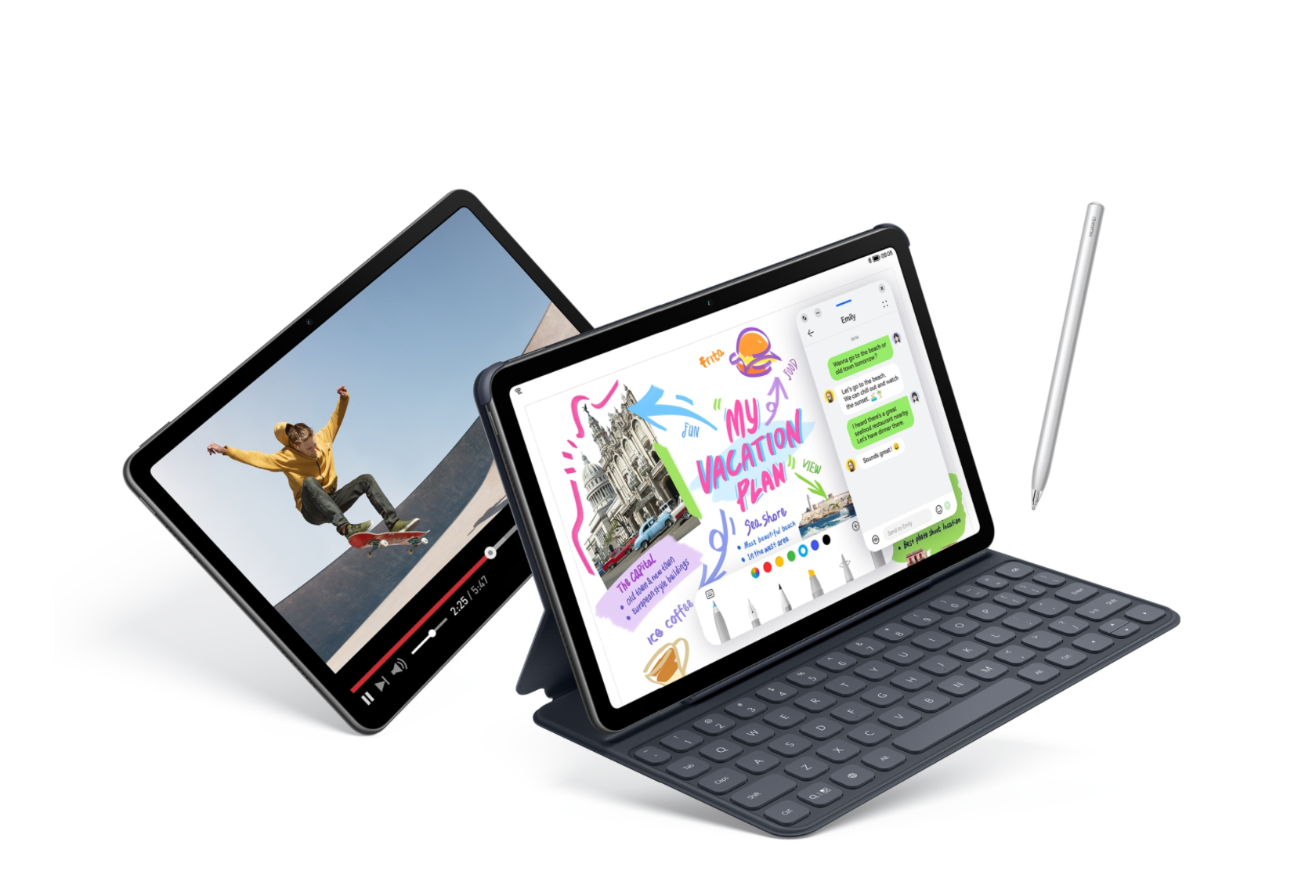
Huawei yesterday held the Smart Office launch conference where a number of products were unveiled including the MateBook X Pro, MateBook E 2-in-1 laptop, among others. The company also unveiled a new MatePad tablet.
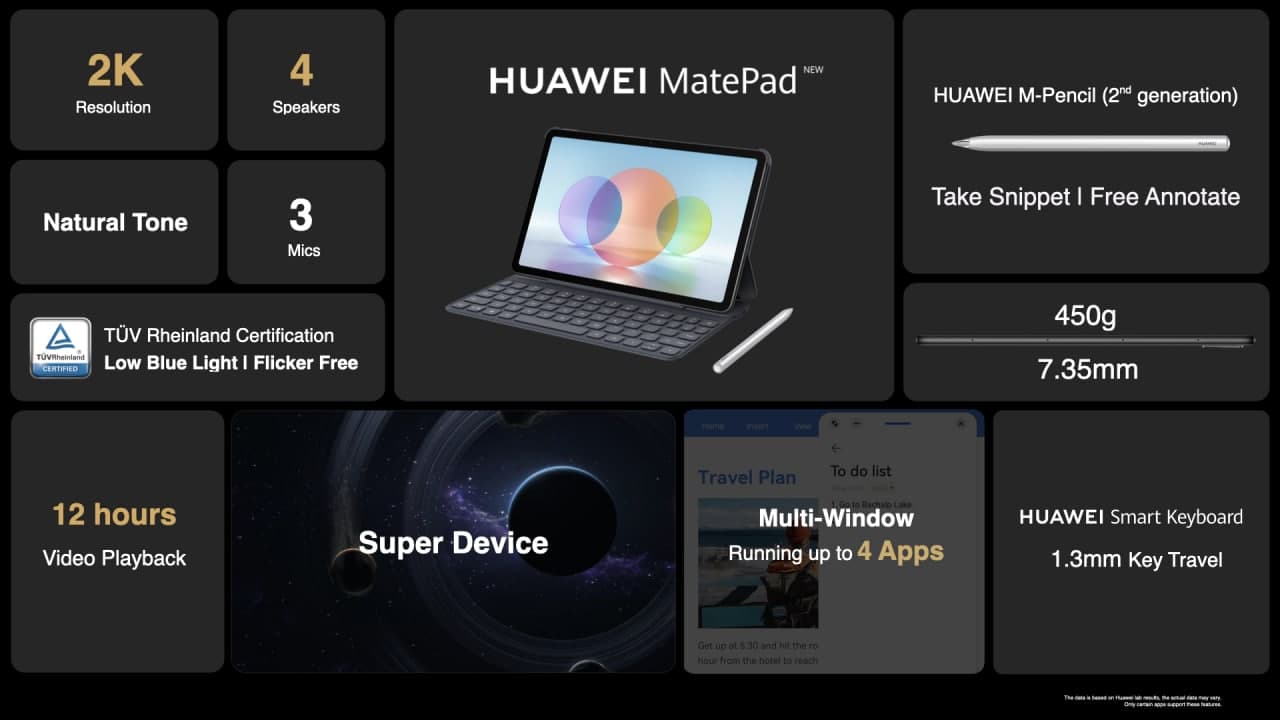
The Huawei MatePad 2022 sports a 10.4-inch IPS FullView touchscreen display with a resolution of 2000×120 pixels, 16.7 million colors, and 470nits brightness. The MatePad 2022 features a multi-window mode, as well as the Huawei Share multi-screen collaboration. It is also TuV Rheinland certified.
The tablet is powered by an Octa-core Kirin 710A processor made up of four Cortex-A73 clocked at 2.0 GHz and four Cortex-A53 cores clocked at 1.7 GHz. The processor is accompanied by a Mali G51 GPU. The processor is paired with 4GB RAM while the device comes with 64GB and 128GB storage options with support for expansion up to 512GB. For the photography, the MatePad features a 13MP main camera at the rear with f/1.8 aperture and autofocus. The slate also comes with an 8MP selfie camera. The rear camera takes 4160 x 3120 pixels resolution for photos and up to 1920 x 1080 pixels of camera resolution.
One interesting aspect is the 7250mAh battery on board with support for 22.5W fast charging. The tablet also comes with an ambient light sensor, color temperature sensor, and more. The sound system is also tweaked by Harman Kardon.
As for the price, the MatePad 4GB + 64GB version is priced at €279 while the 4GB+128GB version is priced at €319. Finally, there is a 4GB+128GB bundled with a smart keyboard priced at €379.
While Realme introduced the GT2 and GT2 Pro phones at the MWC 2022 event, the company also gave a sneak peek at its 150W UltraDart fast charging solution. At the conference, the company confirmed that this UltraDart technology will arrive with the upcoming Realme GT Neo3. Interestingly, the company also revealed the solution’s key highlights, let’s take a look.
The 150W UltraDart charging solution will not only offer reduced battery charging time but also deliver low-temperature charging. Realme claims that the UltraDart Charging Architecture (UDCA) will come with three major highlights like Temperature Management Algorithm and Multi Boost Charge Pumps.
As per Realme, the Temperature Management Algorithm will ensure that the thermal temperature while charging will stay below 43 degrees. Furthermore, the Multi Boost Technology will reduce the total charge time making the phone charge fully in lesser time.
Moreover, the UltraDart Charging Architecture (UDCA) is said to be capable of producing a charge output of 200W, however, the Realme GT Neo3’s support will be limited to 150W.
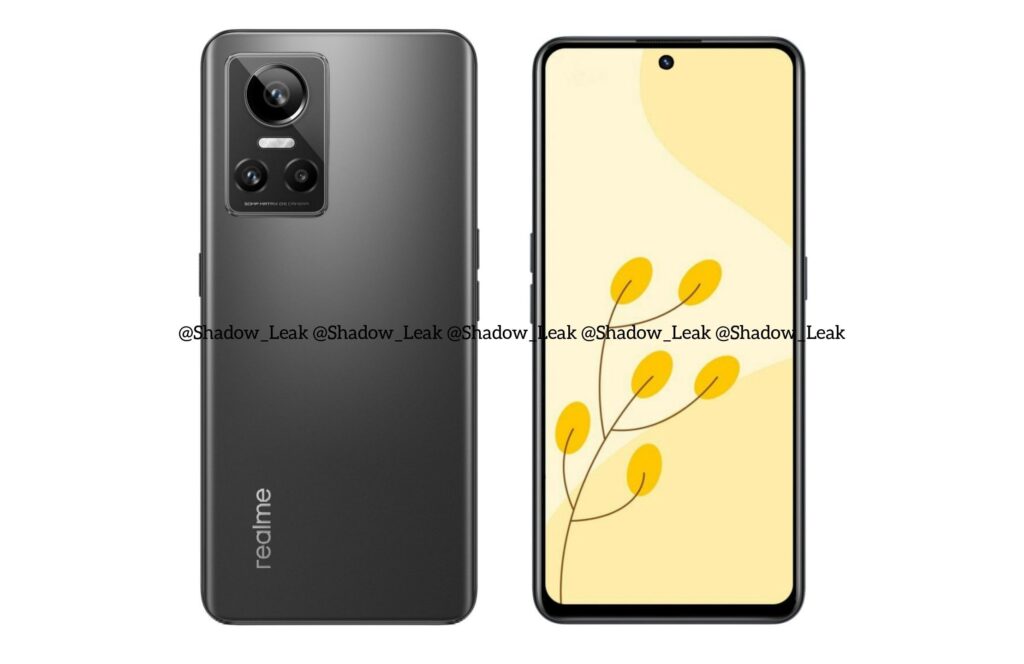
Realme GT Neo3 render by ShadowLeak
Other than this, Realme didn’t reveal any specs of the upcoming GT Neo3, but today, we saw the phone’s renders. The Realme GT Neo3 has a 6.7-inch FHD+ AMOLED display with a 120Hz refresh rate. It has a tweaked rear camera island with the rumored 50MP OIS-enabled primary lens at the top and an 8MP, 2MP sensor at the bottom.
The device is rumored to come powered by the MediaTek Dimensity 8100 SoC paired with 12GB of RAM and 512GB of internal storage. The phone is expected to come in two variants, a 4500mAh variant, and a 5000mAh variant. The device will run on Android 12 OS with Realme UI 3.0 on the top.
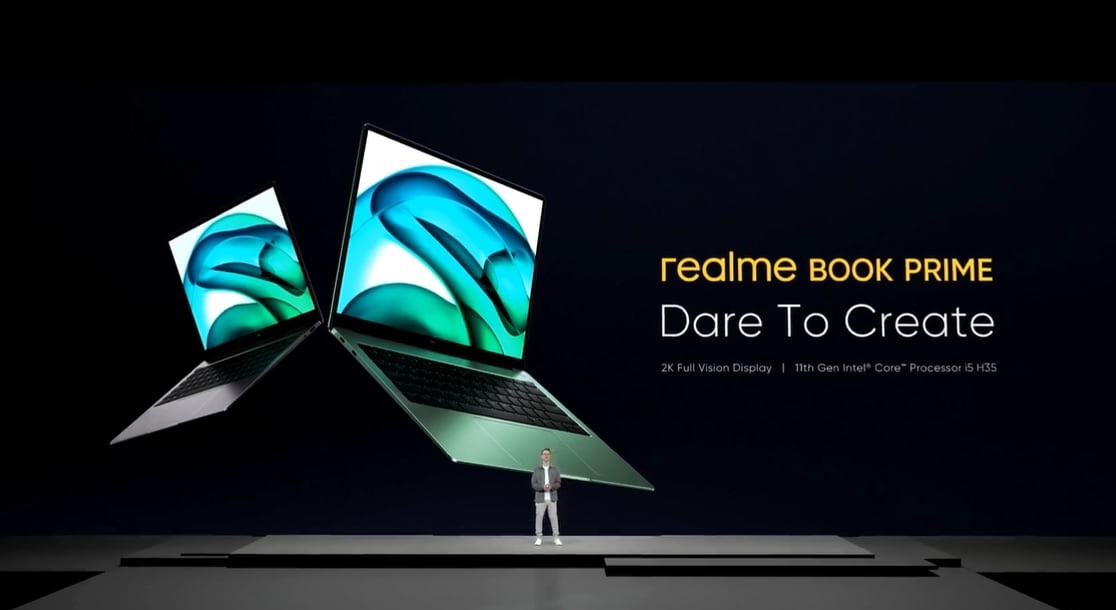
Realme on Monday introduced a new notebook at the Mobile World Congress(MWC) 2022. The new Realme Book Prime is a rebadged model of the Realme Book Enhanced Edition Air that launched last month in China. In addition to the notebook, the company also unveiled the much-awaited Realme Buds Air 3.
Realme Book Prime
The Realme Book comes with a similar form-factor to the predecessor Realme laptops. It comes with a 14.2-inch IPS LCD display with a 2160 x 1440 pixels resolution. It has a 3:2 aspect ratio and features a slim-bezel design.
It is powered by the Intel Core i5-11320H processor that is clocked at a single-core frequency of 4.5GHz. It has 8 threads and a cache of 8MB. The processor is supported by Intel’s Iris Xe GPU. It has 8GB, 16GB of RAM; and 512GB of SDD storage.
The laptop has a dual-fan cooling system that is touted to dissipate heat while intense gaming sessions. It houses a 54Wh battery and has support for 65W fast charging support.
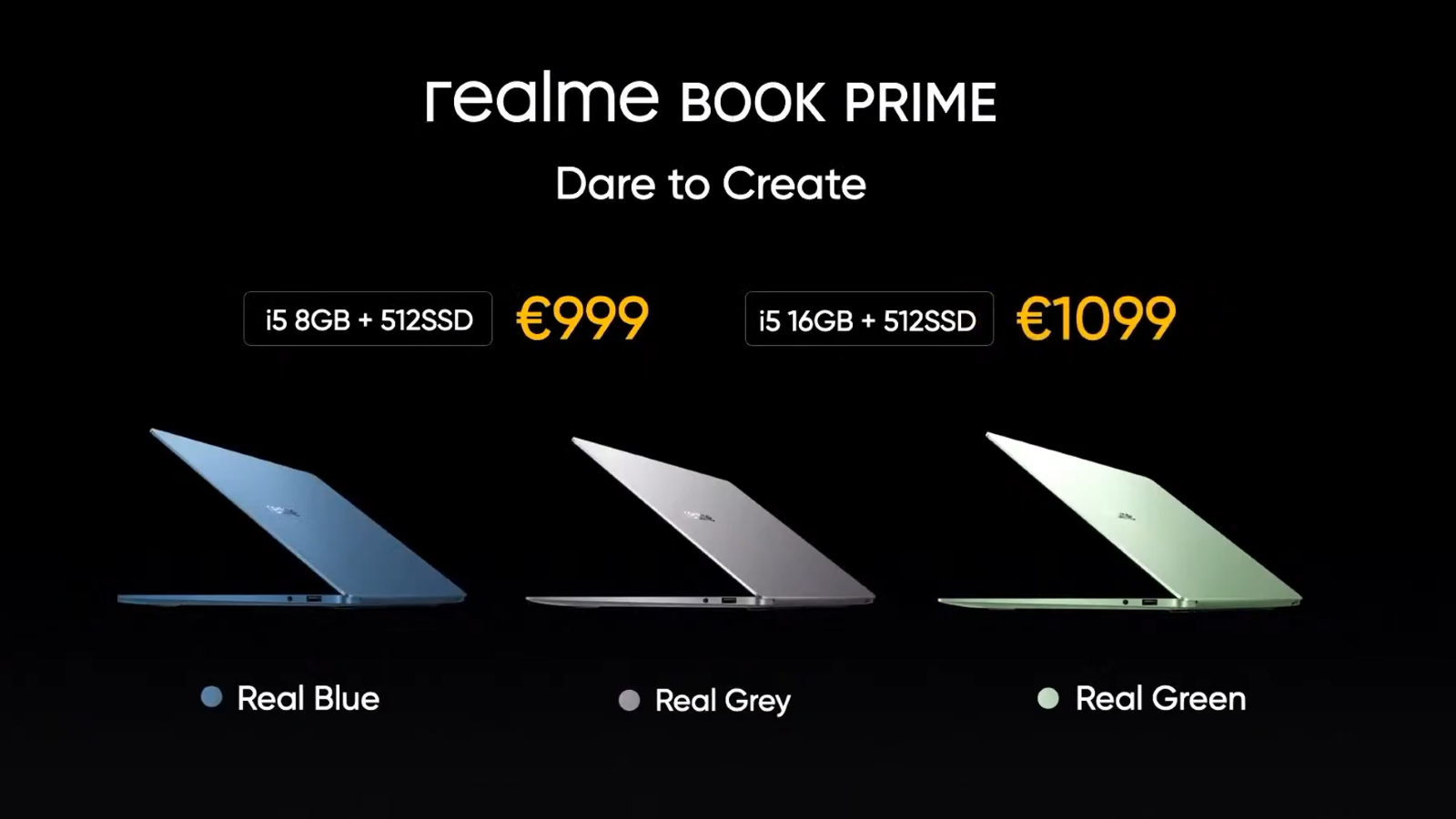
In terms of pricing and colors, it costs €999(~$1,120) for the 8GB variant and €1,099(~$1,231) for the 16GB variant. It comes in Real Blue, Real Grey, and Real Green colors.
Realme Buds Air 3
The Realme Buds Air 3 is the newest TWS earbuds from Realme. The earbuds bring an improved design over the predecessor and have 10mm Dynamic Bass Boost drivers. They come with Hybrid ANC technology, a transparency mode, and also have a low latency mode of 88ms.
The earbuds come with Dolby audio and have an IPX5 sweat and water-resistant rating. The buds offer up to 30 hours of music playback with the charging case. The Buds Air 3 is priced at €59.99(~$67) and has two color variants – Galaxy White and Starry Blue.
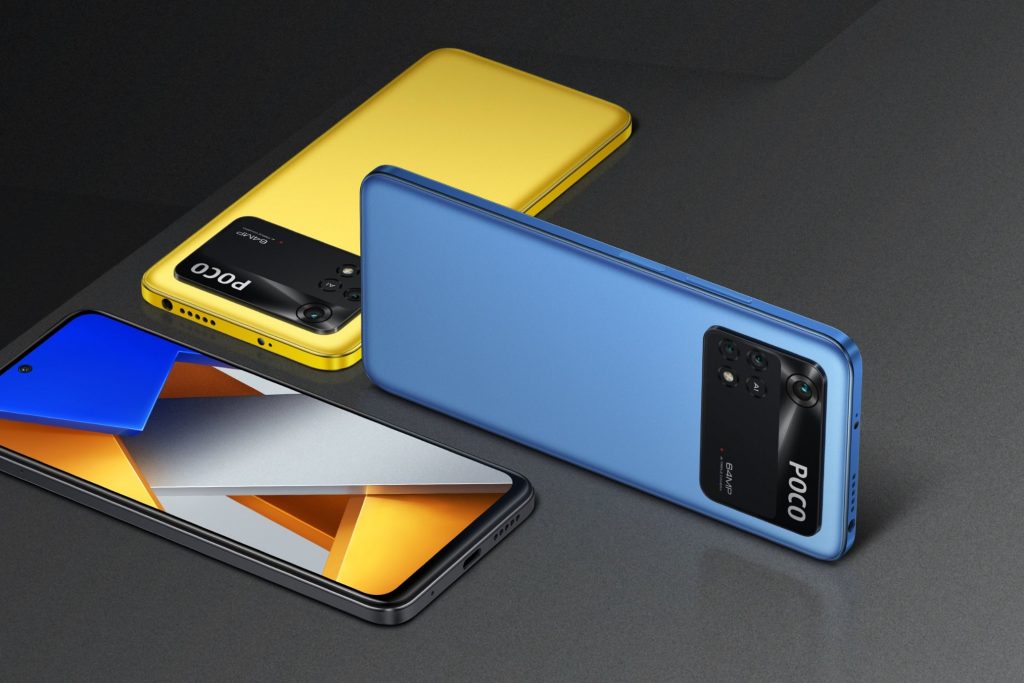
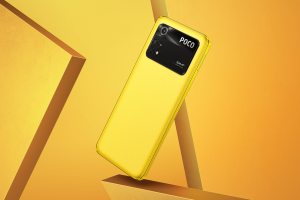
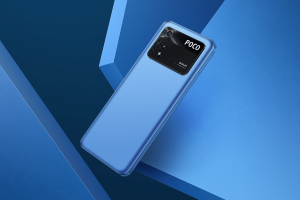
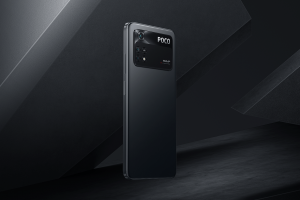
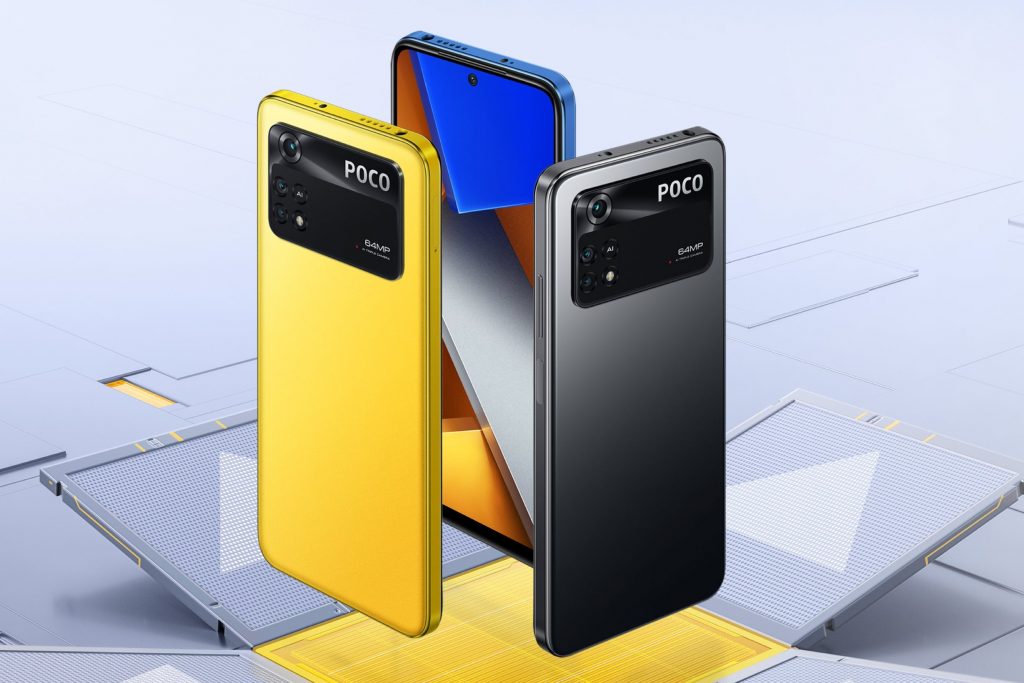
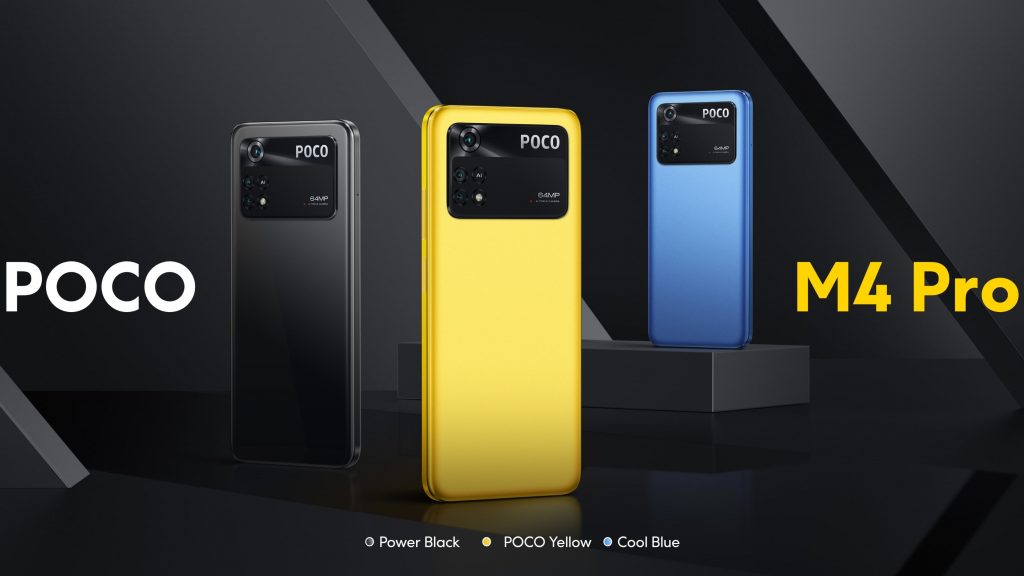
The POCO M4 Pro has launched in India as planned. The device is a 4G variant of POCO M4 Pro 5 and it is nothing but a tweaked version of the Redmi Note 11S. The phone comes with a redesigned rear panel and a triple camera system instead of a quad. Let’s take a detailed look at its specs, price, and availability.
POCO M4 Pro Price and Availability in India
The POCO M4 Pro will retail at the following price tags in India.
6GB + 64GB – ₹14,999
6GB + 128GB – ₹16,499
8GB + 128GB – ₹17,999
It can be availed in either of these three colors, namely POCO Yellow, Cool Blue, and Power Black.
The phone’s first sale is scheduled for at 12 PM on March 7 via Flipkart. Customers can get a flat ₹1,000 off via HDFC Bank debit/credit cards and credit card EMI transactions.
POCO M4 Pro Specifications and Features
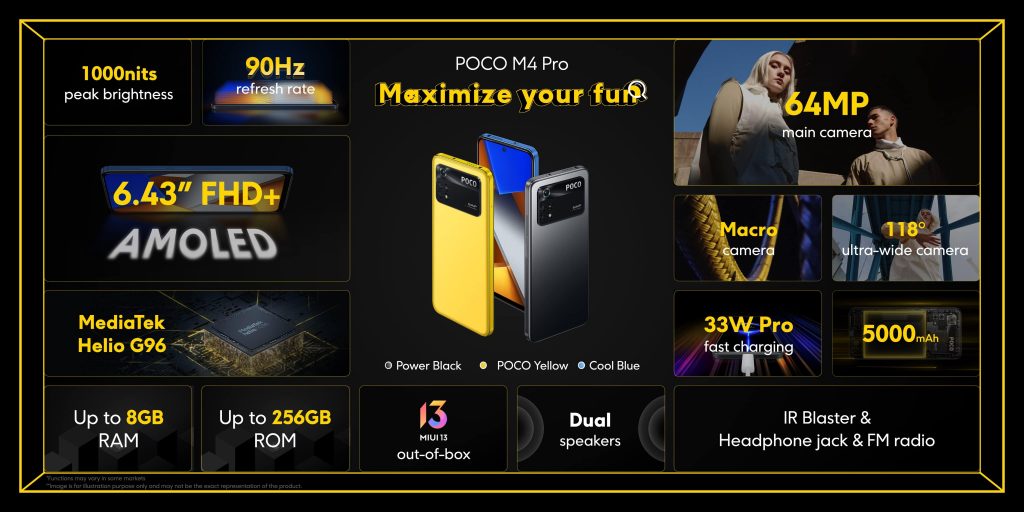
The POCO M4 Pro flaunts a 6.43-inch centered punch-hole AMOLED display with a resolution of 2400 x 1080 pixels (FHD+), 409 PPI, and a 4,500,000:1 contrast ratio. The panel supports up to 90Hz refresh rate, 180Hz touch sampling rate, and 1,000 nits peak brightness level. It is also compatible with the DCI-P3 color gamut.
It is powered by a MediaTek Helio G96 chipset paired with LPDDR4X RAM and UFS 2.2 storage. As far as software is concerned, the handset boots MIUI 13 for POCO based on Android 11.
Further, it has a triple camera system on the rear comprising a 64MP primary sensor, an 8MP ultra-unit unit, and a 2MP macro snapper. There’s a 16MP shooter on the front for selfies and video calls.
The smartphone offers multiple connectivity options like dual-SIM, 4G, dual-band WiFi, Bluetooth 5.0, and GNSS. It is IP53-rated for splash resistance and also carries Hi-Res Audio certification
Other features include dual stereo speakers, a 3.5mm headphone jack, an IR blaster, a dedicated MicroSD card slot, a z-axis linear vibration motor, a side-mounted fingerprint sensor, and liquid cooling technology. The phone sports a plastic build, measures 159.87 x 73.87 x 8.09mm in dimensions, and weighs 179.5g.
Last but not least, it is backed by a 5,000mAh battery with support for 33W fast charging.
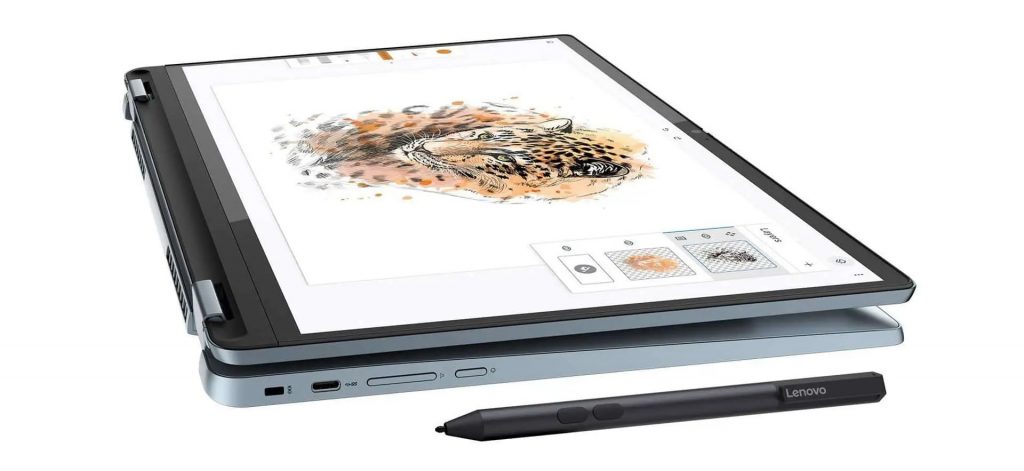
Lenovo today unveiled a number of Chromebooks as part of the MWC 2022 event, two of which are the IdeaPad Flex 5i and the IdeaPad Flex 3i. Both are aimed at consumers who want feature-rich laptops without being weighed down.
The IdeaPad 5i and IdeaPad 3i have 14-inch and 15-inch displays respectively with an FHD resolution and a peak brightness of 400 nits. Both come in a convertible, 2-in-1 form-factor, complete with stylus support, opening up a wide range of usage scenarios.
IdeaPad Flex 5i Chromebook
The Lenovo IdeaPad Flex 5i Chromebook is powered by up to 12th Gen Intel processors and has a 14-inch FHD IPS touchscreen display in a 16:10 aspect ratio. It features multiple privacy features such as an optional fingerprint reader and a physical camera shutter that protects its 1080p webcam.
The laptop’s 360-degree hinge can also help lift the keyboard a bit for a more optimal typing experience. Its dual front-firing speakers are tuned by MaxxAudio. Battery life shouldn’t be a problem as Lenovo promises up to 11 hours of usage on a full charge.
The IdeaPad Flex 5i Chromebook will retail starting at $499 and launch in June. Color options are two, namely Storm Grey and Stone Blue.
IdeaPad Flex 3i Chromebook
The IdeaPad Flex 3i is the more affordable of the duo, just as its name implies, but actually has a larger FHD IPS touchscreen 15.6-inch display. Audio is handled by front-facing speakers tuned by MaxxAudio. A bunch of I/O ports are present too for enhanced interfacing.
Under the hood, you get the Intel Pentium Silver N6000 processor. The laptop is 18.94mm thin and weighs 1.91kg. It also gets a numpad and a larger touchpad, which Lenovo claims will allow a user to select and edit files more efficiently.
The IdeaPad Flex 3i will sell in Abyss Blue and Arctic Grey colors and will be available in May, starting at $399.
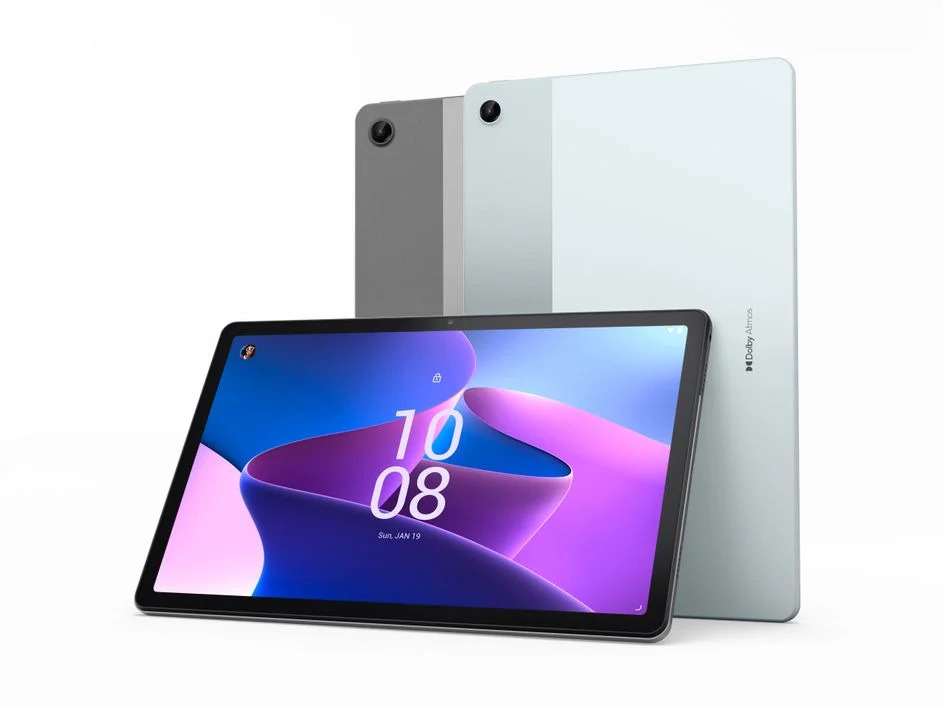
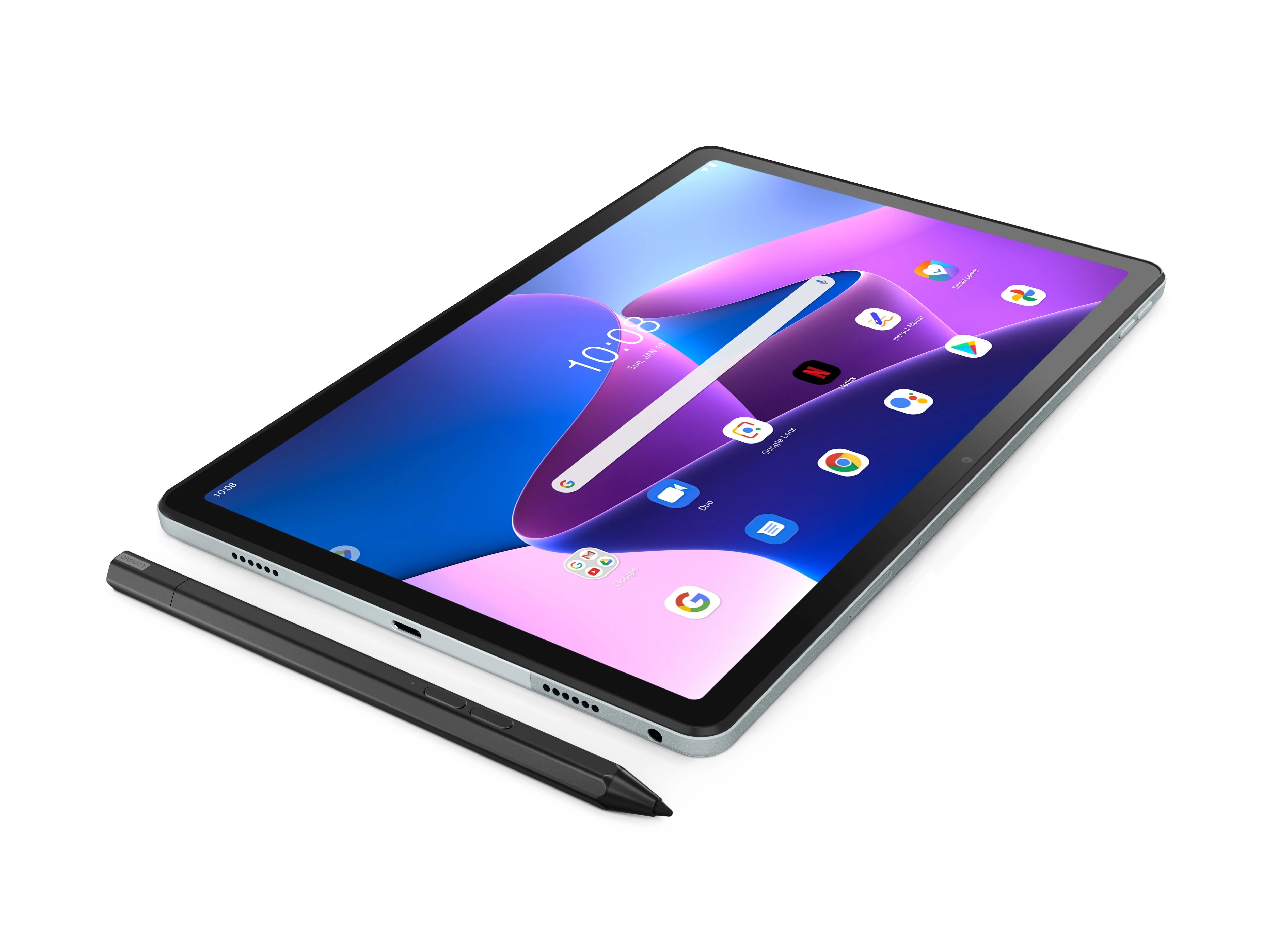
Lenovo has officially launched a new tablet dubbed Tab M10 Plus at the Mobile World Congress (MWC) 2022. The Lenovo Tab M10 Plus(3rd Gen) packs a 2K display and comes in two variants — Wifi and LTE, both with different chipsets.
The Lenovo Tab M10 Plus (3rd Gen) comes at a starting price of EUR 249(~$279). The tablet has two color variants namely Frost Blue and Storm Grey. It will go on sale starting from April this year(via).
Lenovo Tab M10 Plus (3rd Gen) Specifications
The Lenovo Tab M10 Plus sports a 10.61-inch IPS LCD display with a 2K(2000 x 1200 pixels) resolution. It has a 72% NTSC color gamut and has a peak brightness of 400 nits. The tablet has up to 85% screen-to-body ratio and is certified by TUV Rheinland for reduced blue light exposure.
The tablet has a single 8MP autofocus camera at the rear and has an 8MP fixed focus sensor at the front. The WiFi variant is powered by the MediaTek Helio G80 SoC, while the LTE variant gets Snapdragon 680 4G SoC.
It has 3GB, 4GB of RAM; and 64GB, 128GB of internal storage. There’s also a microSD card slot for additional storage requirements. The tablet packs a 7,700mAh battery and has a 20W fast charging support. Lenovo claims that it will offer up to 12 hours of video playback on a single charge.
It features Dolby Atmos branded quad-speaker setup and supports an optional Lenovo’s Precision Pen 2 stylus. The tablet also comes with a folio case that can be bought separately. It boots on Android 12 OS and has a USB Type-C port, 3.5mm headphone jack.
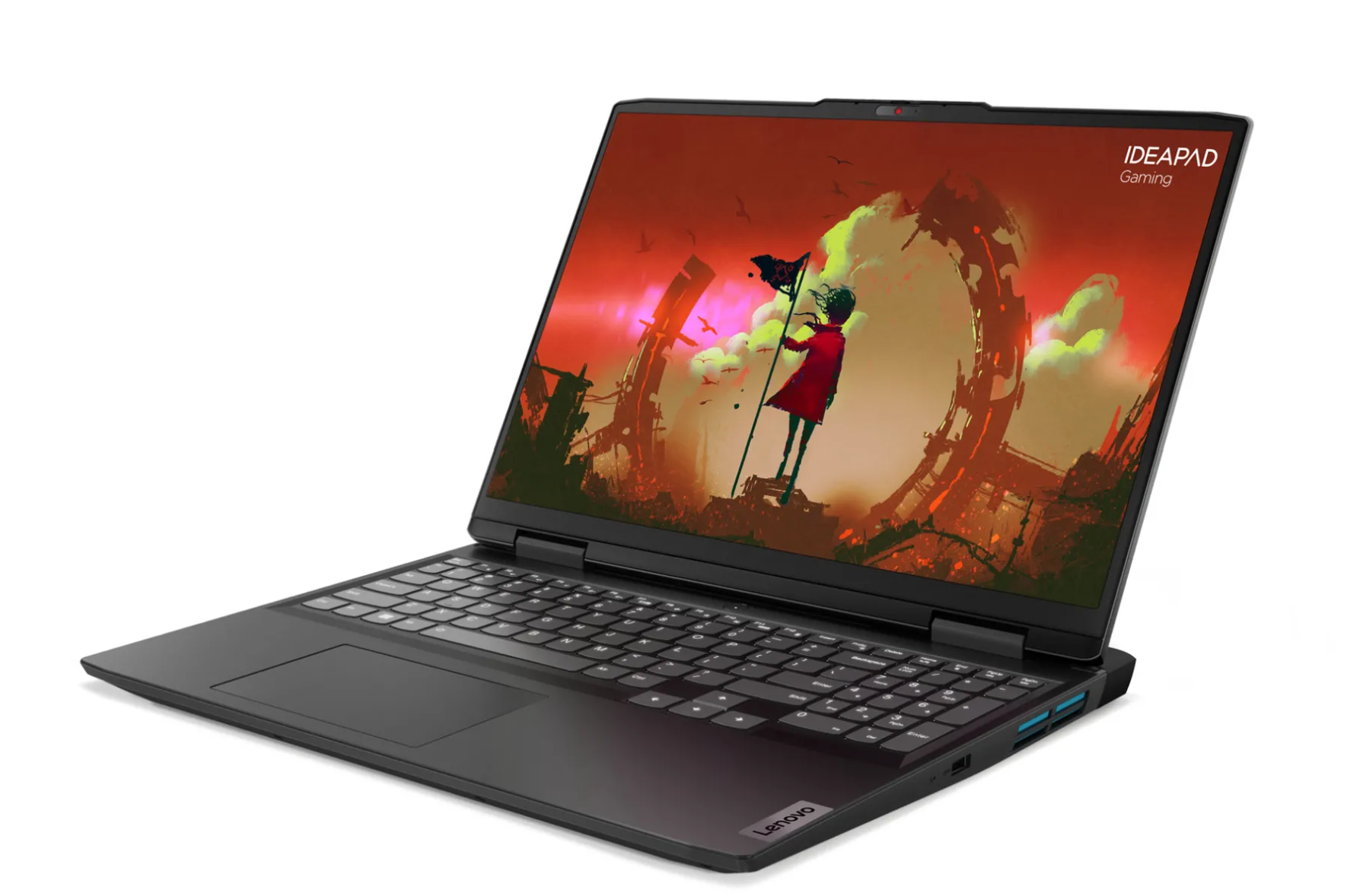
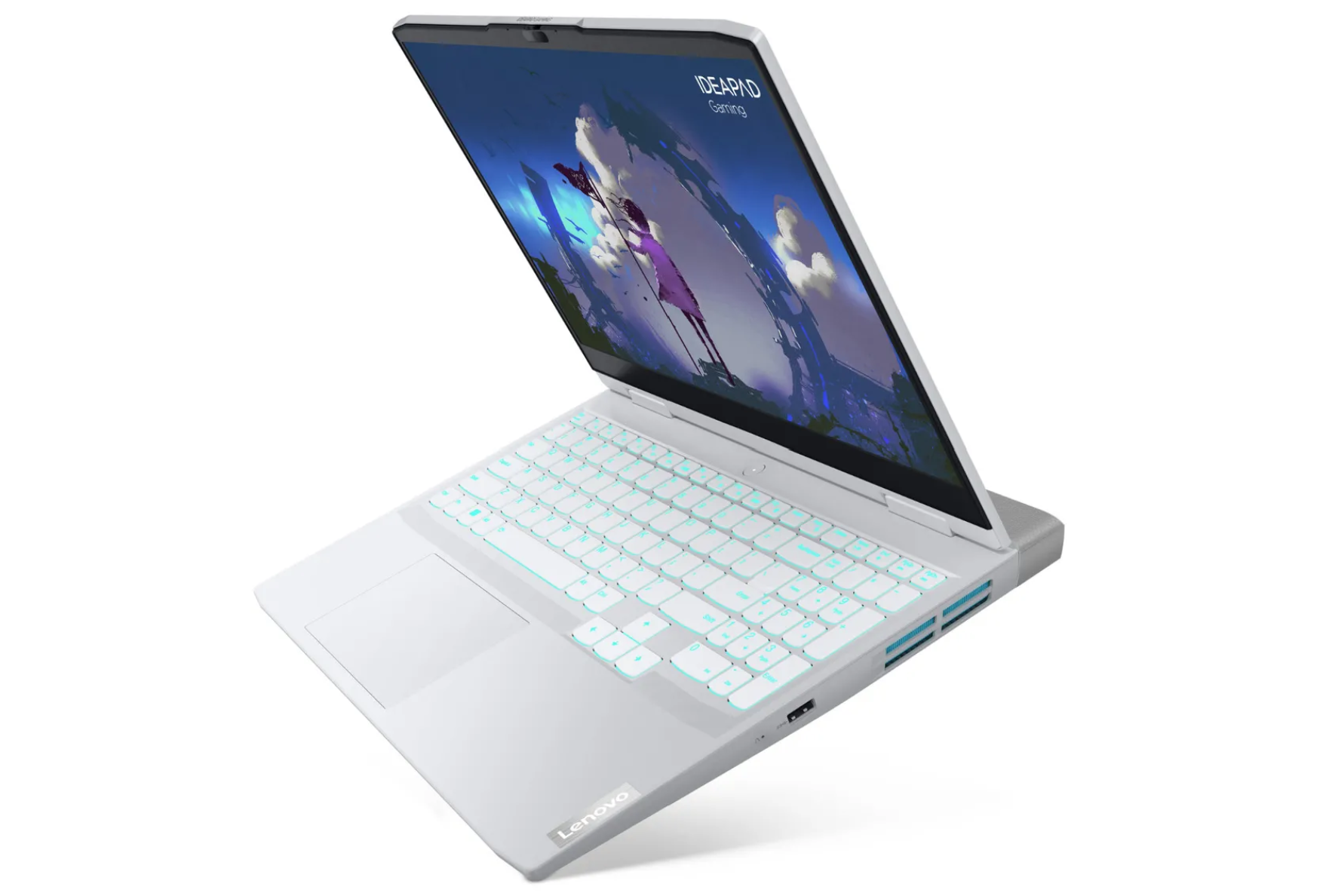
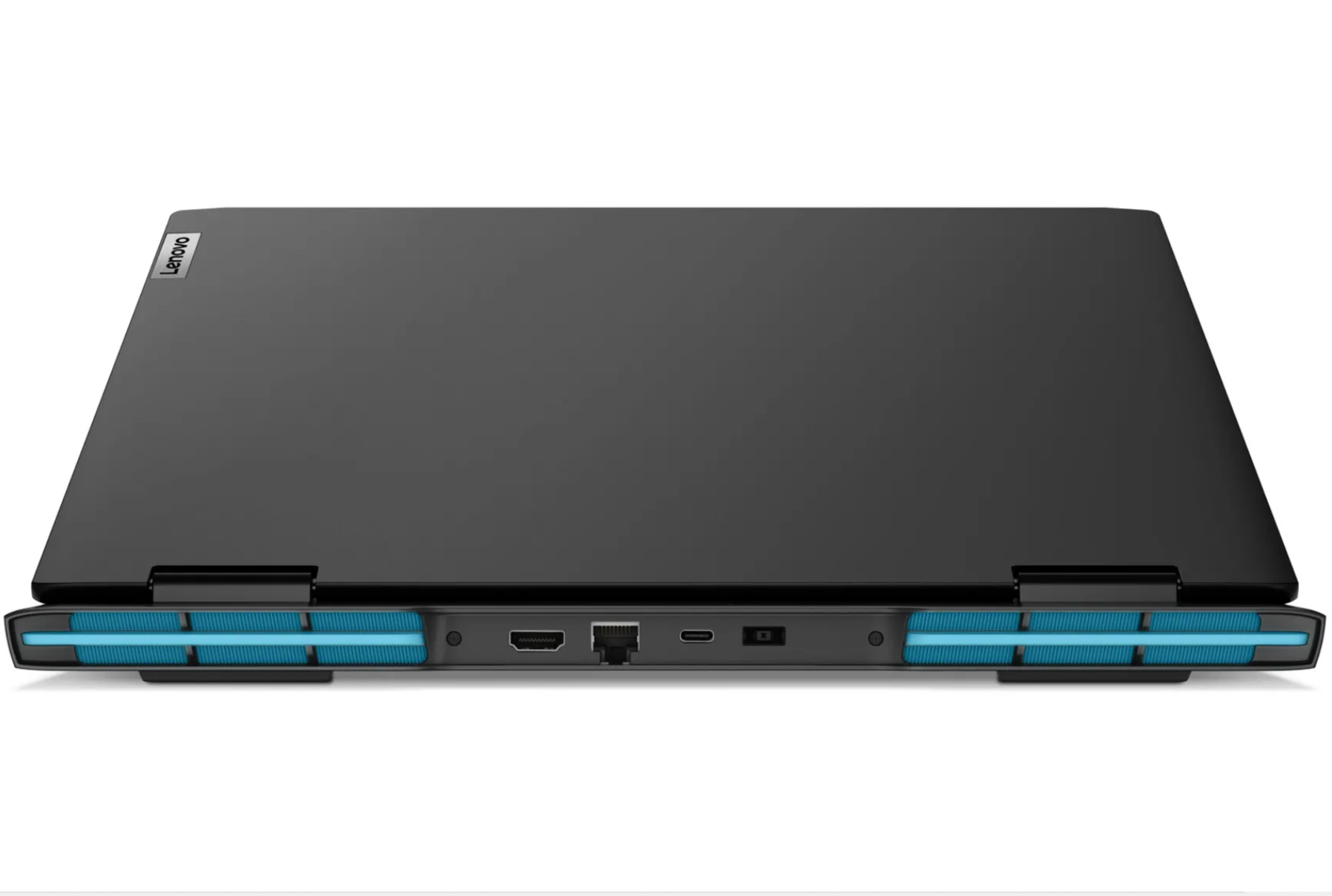
The Lenovo IdeaPad Gaming 3 laptop reflects some key changes in the design and performance architecture of the gaming laptop together with a seemingly affordable price. The 2022 IdeaPad Gaming 3 lineup includes two Intel 12th Gen-powered models and two AMD Ryzen 6000 series-equipped models. Two size variants are available for the IdeaPad Gaming 3 lineup namely 15.6” and 16”.
The 16-inch models will have a 16:10 Aspect Ratio for any of the CPU options. The display resolution could go up to 2560 x 1600 which offers a better vertical space for gaming, browsing, and other applications. The 16:10 aspect ratio however is not suited for watching TV or movies which are produced with the 16:9 standard. Apart from the specs variation across CPU and size, each of the Lenovo IdeaPad Gaming 3 laptops looks similar design-wise. The Intel-based models are called IdeaPad Gaming 3i while the AMD-based models are known as the IdeaPad Gaming 3.
The memory configuration for the IdeaPad Gaming 3 lineup includes up to 32GB of DDR4 3200MHz RAM and up to 1TB of storage. The IdeaPad Gaming 3i and 3 models support Thunderbolt 4 with the exception of the RTX 3060-based model. The graphics of the IdeaPad Gaming 3i is significantly better than that of the models running on AMD processors.
Dimension-wise, the 16-inch model has a slimmer design than the 15.6-inch models. As per pricing, the IdeaPad Gaming 3i starts from $989.99 while the AMD-based models start at $929. The 16-inch model begins at $1,489. The IdeaPad Gaming 3 lineup will surface in April and June 2022.
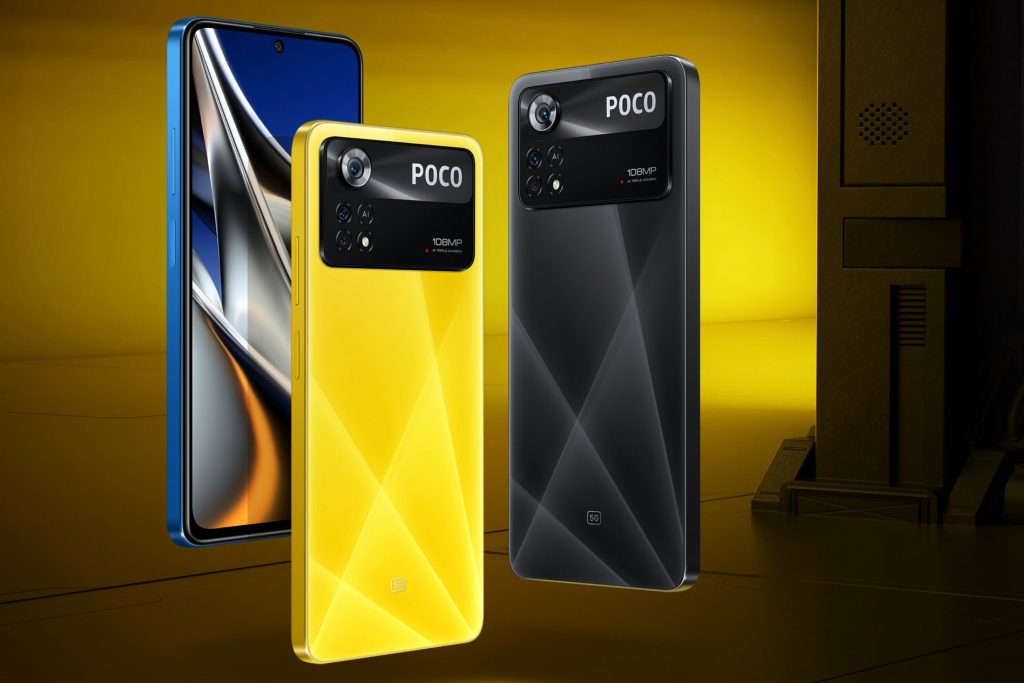
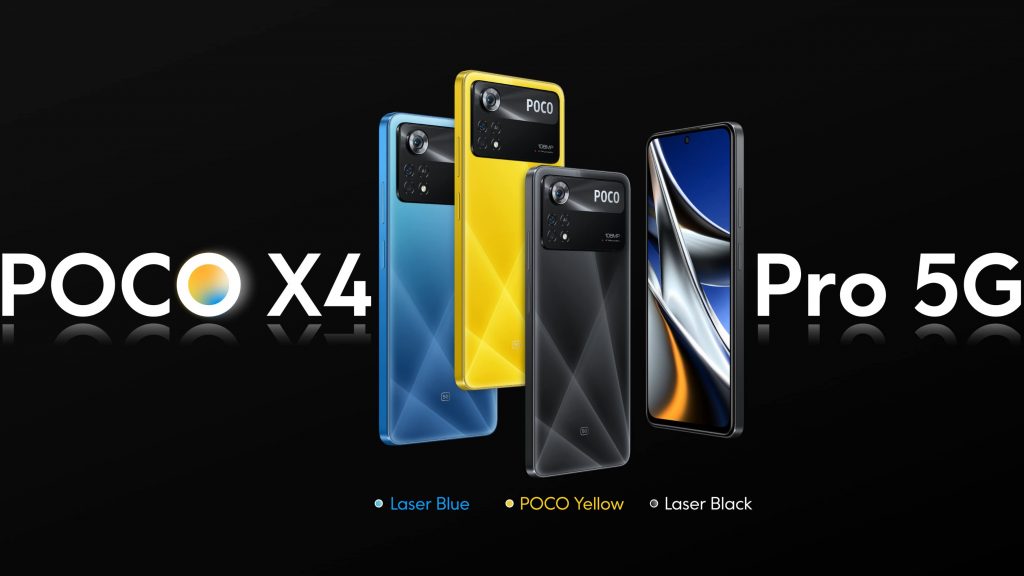
As scheduled, POCO has officially launched the POCO X4 Pro 5G and POCO M4 Pro for international markets. These two smartphones succeed the POCO X3 Pro and POCO M3 Pro 5G from last year. They are unlike their predecessors in terms of both design and specs. They are tweaked versions of already released Redmi phones.
POCO X4 Pro 5G Specifications and Features
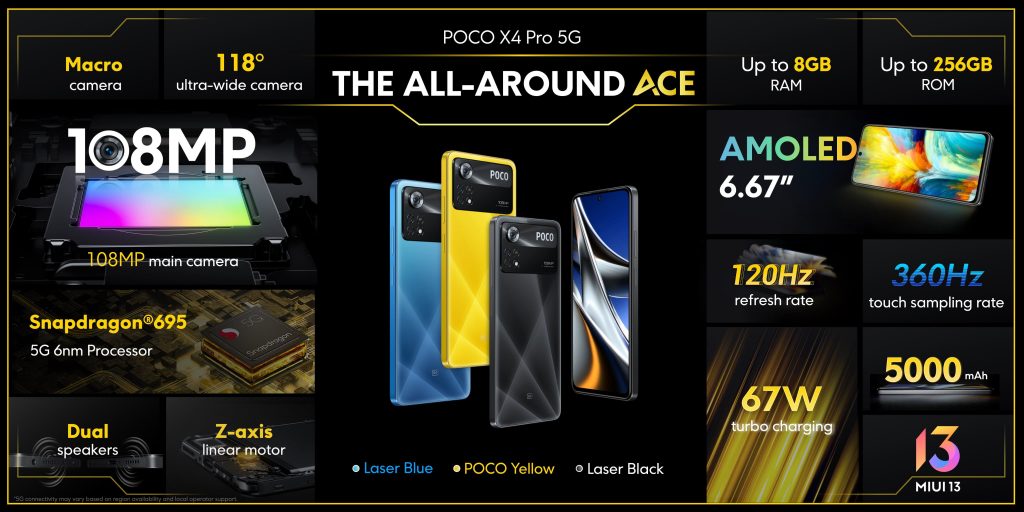
The POCO X4 Pro 5G is a rebranded Redmi Note 11 Pro 5G sold in global markets. It has the exact same specs, except for a redesigned rear panel.
The smartphone sports a 6.67-inch centered punch-hole AMOLED display with a resolution of 2400 x 1080 pixels (FHD+), 395 PPI, and up to 120Hz refresh rate. The DCI-P3 color gamut-supported screen has a 4,500,000:1 contrast ratio and can reach a peak brightness level of 1,200 nits.
The device is powered by a Qualcomm Snapdragon 695 SoC, which is a downgrade from the Qualcomm Snapdragon 860 present inside the POCO X3 Pro. The new phone also comes with slower UFS 2.2 storage instead of UFS 3.1 but the RAM remains the same LPDDR4x.
For photography and videography, the handset uses a triple camera system on the rear consisting of a 108MP primary sensor, an 8MP ultra-wide, and a 2MP macro snapper. Whereas, on the front, it sports a 16MP shooter for selfies and video calls.
The connectivity options on the smartphone include dual SIM, 5G, dual-band WiFi, Bluetooth 5.1, NFC (market dependent), GNSS, and USB Type-C. Other features include dual stereo speakers, a 3.5mm headphone jack, Hi-Res Audio certification, IP53 rating for splash resistance, liquid cooling technology, a hybrid MicroSD card slot, a z-axis linear vibration motor, an IR blaster, and a side-mounted fingerprint sensor.
The device boots MIUI 13 for POCO based on Android 11. Finally, it is backed by a 5,000mAh battery with support for 67W fast charging.
POCO M4 Pro Specifications and Features
The POCO M4 Pro is the 4G variant of the POCO M4 Pro 5G from late last year. It is a rebadged Redmi Note 11S with a different rear design and camera system.
The phone is built around a 6.43-inch centered punch-hole AMOLED display with a resolution of 2400 x 1080 pixels, 409 PPI, and up to 90Hz refresh rate. The panel has support for DCI-P3 color gamut, 4,500,000:1 contrast ratio, and up to 1,000 nits peak brightness level.
The handset is run by a MediaTek Helio G96 chipset coupled with LPDDR4x RAM and UFS 2.2 storage. It boots MIUI 13 for POCO based on Android 11 and gets its juice from a 5,000mAh battery, which can charge at a maximum rate of 33W.
On the back, the device features a triple camera setup comprising of a 64MP primary sensor, an 8MP ultra-wide unit, and a 2MP macro shooter. As far as selfies and video calls are concerned, it uses a 16MP snapper.
The smartphone offers multiple connectivity options like dual-SIM, 4G, dual-band WiFi, Bluetooth 5.0, GNSS, NFC (market dependent), and USB Type-C. Other features of the handset include liquid cooling technology, IP53 rating for splash resistance, Hi-Res Audio certification, dual stereo speakers, 3.5mm headphone jack, dedicated MicroSD card slot, z-axis linear vibration motor, IR blaster, and side-mounted fingerprint sensor.
Last but not least, it is backed by a 5,000mAh battery with support for 33W fast charging.
POCO X4 Pro 5G, POCO M4 Pro Price and Availability
The new POCO phones will be available at the following early bird price tags from March 2 via official retailers across multiple international markets.
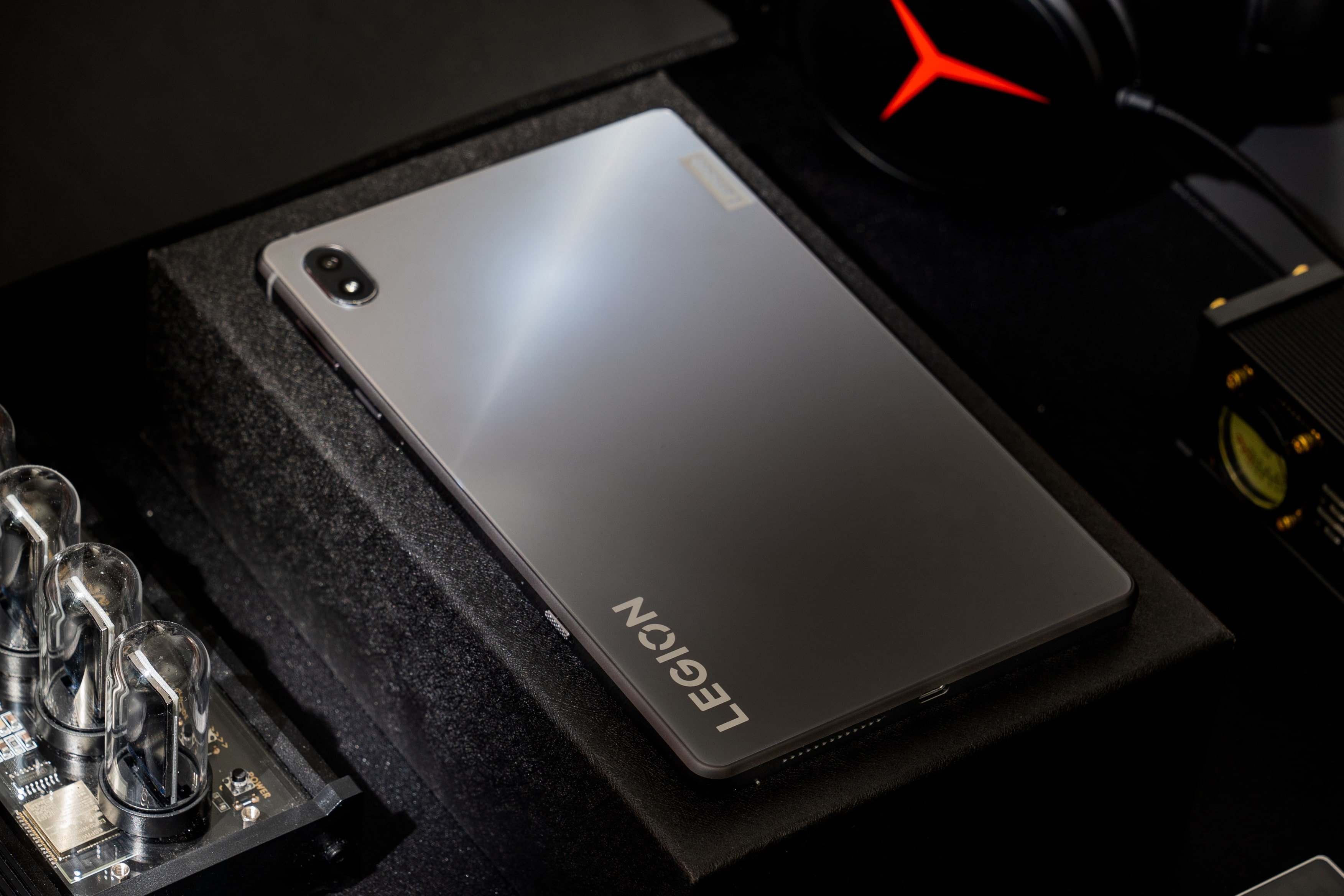
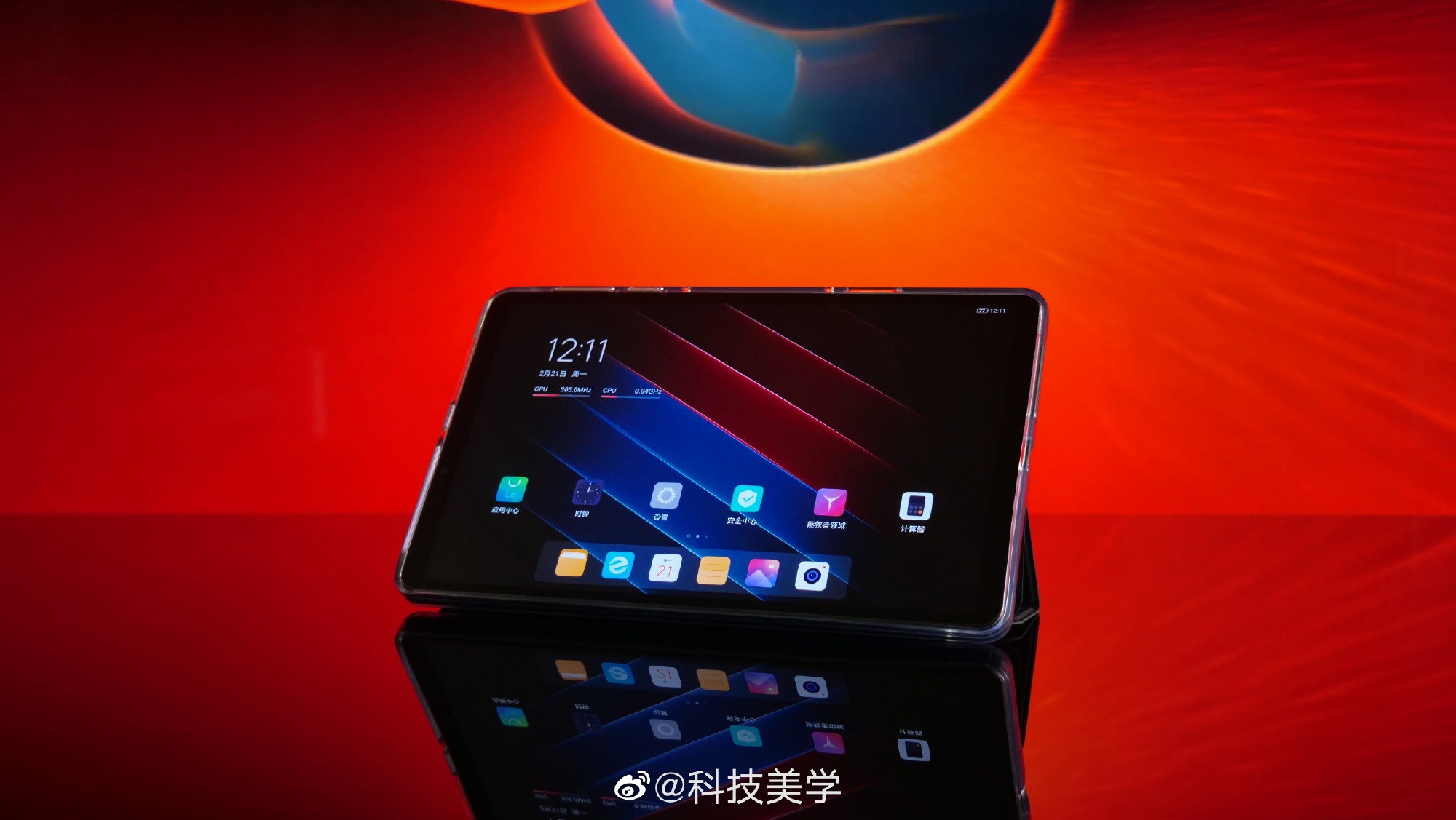
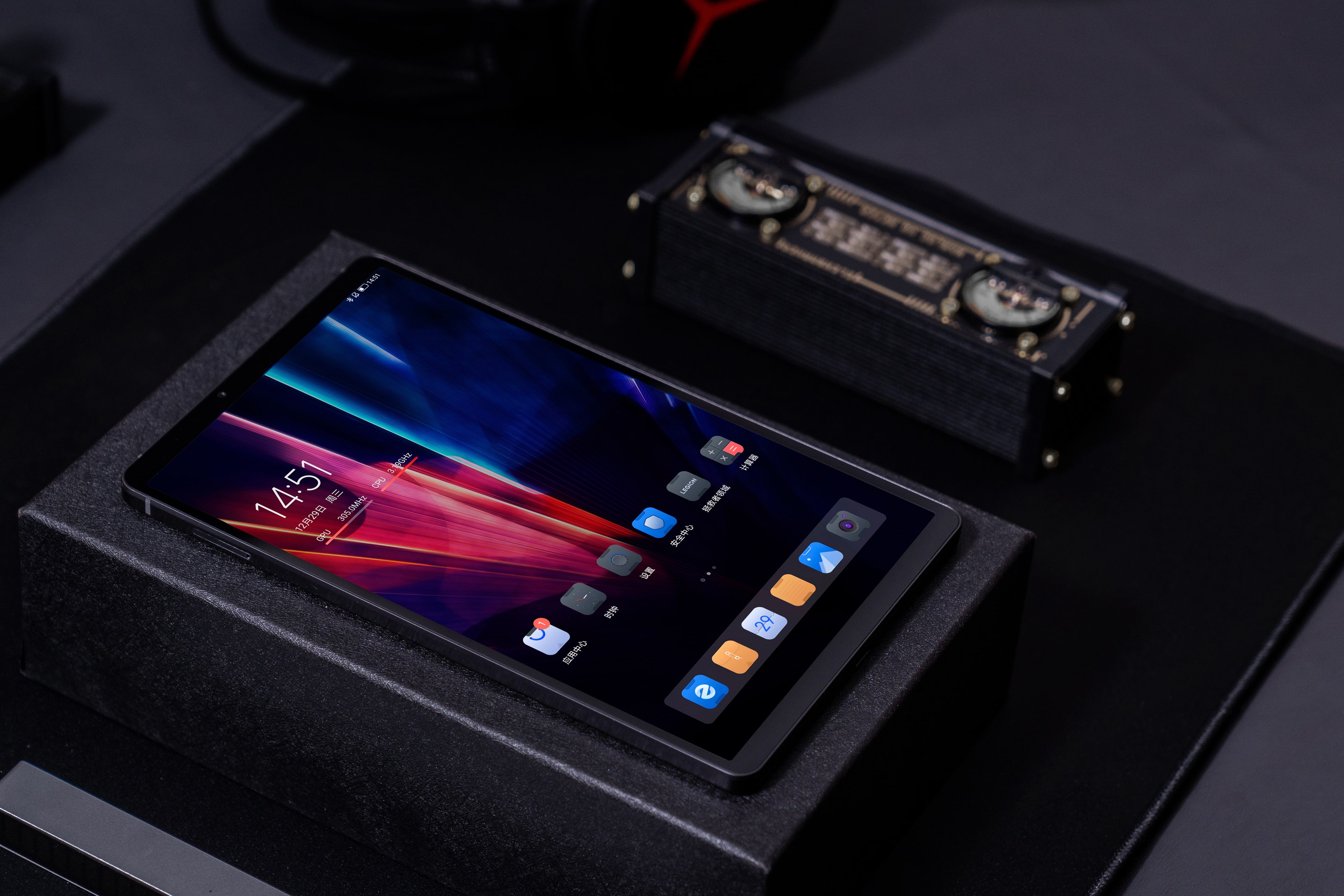
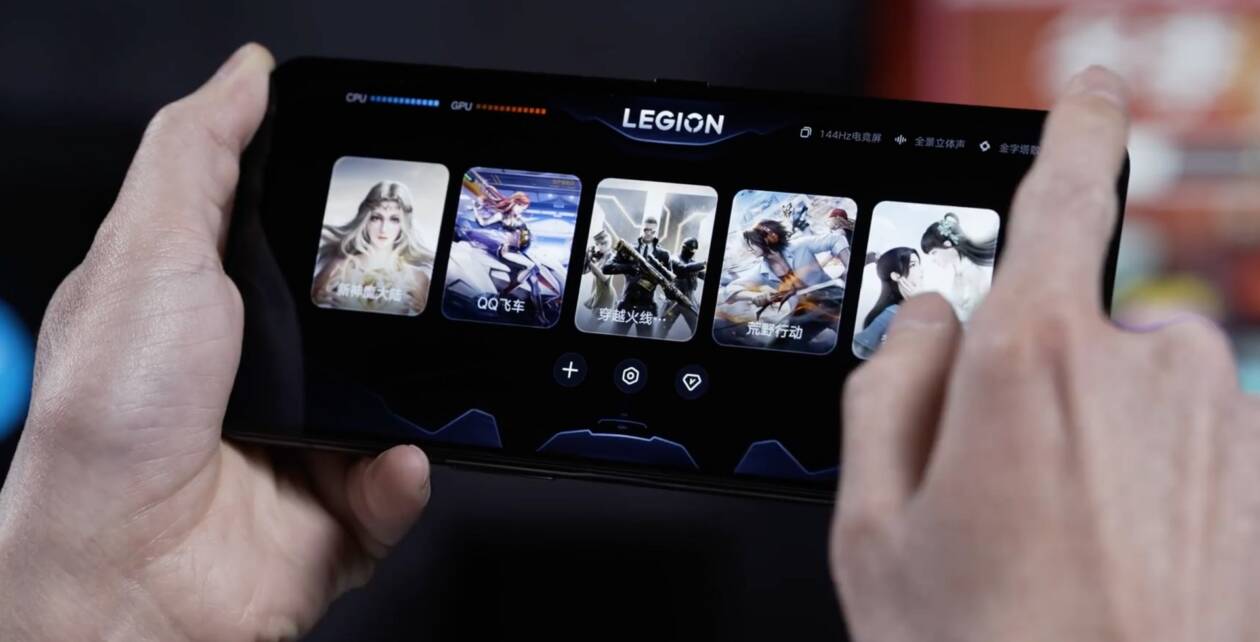
The new tablet from the Chinese smartphone maker doesn’t feature a unique design like the Legion Y90. Rather, it features a more minimalist aesthetic but with a premium build quality. The device sports a large 8.8 inch LCD display that supports 100 DCI P3 color gamut. It has a resolution of 2560 x 1600 pixels, 120Hz refresh rate, and 240Hz touch sampling rate as well. Similar to the Y90, the tablet also has a noticeable chin and notch, but even its bezels on the side are quite visible.
It is clear that the company placed an emphasis on hand feel with the metallic frame rather than a eye catching look, since the tablet targets the gaming audience. The Legion Y700 gaming tablet features 3.5mm headphone jack and features the usual selection of buttons like the volume rockers, power button, alongside a dedicated switch for the resource monitoring window in gaming mode. Similar to the Y90, it also features a dedicated cooling mechanism, which includes the 8500mm² of VC cooling and a whopping 45357.7mm² of total heat dissipation materials.
Specifications & Features
Under the hood, the Legion Y700 features Qualcomm Snapdragon 870 SoC, which is paired with up to 12GB of RAM and up to 256GB of internal storage. It is powered by a large 6,550mAh battery pack that supports 45W fast charging and runs on ZUI 13. The device also supports smart split screen feature that allows for improved multi tasking as well. On the rear, the Legion Y700 houses a 13 megapixel camera that is paired with an LED flash while the front has an 8 megapixel selfie shooter.
Pricing & Availability
The Legion Y700 will be available in two storage configurations, including:
8GB + 128GB – 2,199 Yuan (roughly 348 US Dollars)
12GB + 256GB – 2,499 Yuan (roughly 396 US Dollars)
The gaming tablet will also be available for purchase in China, starting from March 10.
Lenovo has just launched a highly anticipated gaming smartphone in China. It is the Legion Y90, which features top notch specifications and features. The company is known for its Legion series of gaming laptops and now, it has announced a high end gaming phone. So let’s have a look.
Design & Display
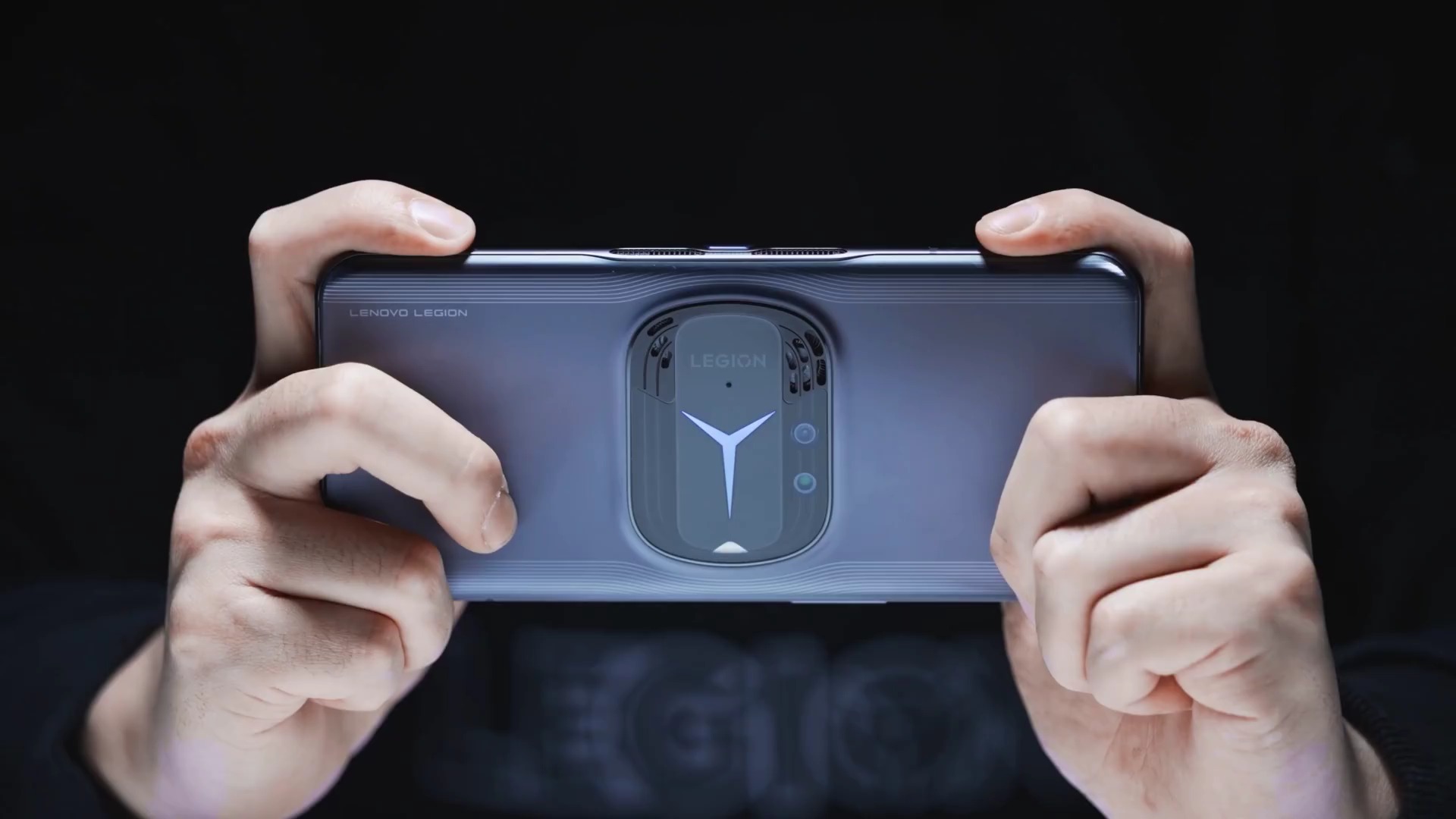
Being a gaming smartphone, the Chinese brand placed an emphasis on offering a robust cooling mechanism to ensure that the device performs at an optimum level for longer periods of time. Under the hood, the Legion Y90 features over 1600mm² of heat dissipation material not including the 3520mm² large VC cooling plate and its dual fans that feature a fin design for better in take of air for improved cooling. The rear features a very unique look, with its iconic “Y” Legion branding camera module in the center.
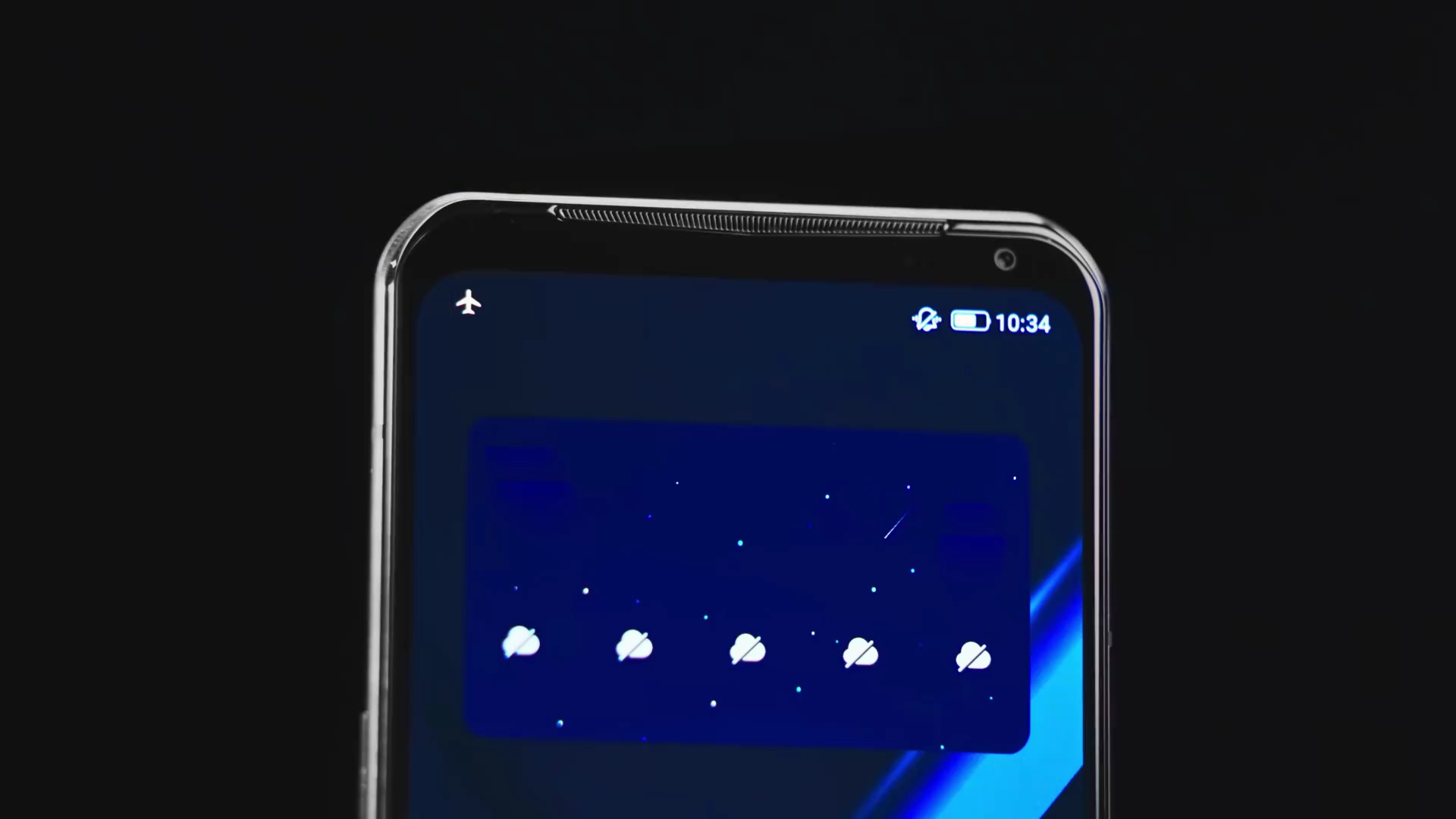
This oval shaped island module is raised and even has RGB lighting as well on its logo. It also houses vent cutouts that lead to the two physical fans. Other notable gaming feature is the four shoulder mounted buttons that are also customizable. Arriving at the front, it sports a 6.92 inch E4 AMOLED display that features HDR10+ support, 2460×1080 pixels resolution, and a high refresh rate of 144Hz and 720Hz touch sampling rate, which would be handy for mobile players playing competitive titles like PUBG Mobile. The front has a noticeable chin and notch but negligible bezels on the sides. This panel also supports HDR10+
Specifications & Features
The Lenovo Legion Y90 gaming smartphone arrives with Qualcomm’s latest and greatest Snapdragon 8 Gen1 SoC. This is coupled with 18GB of RAM (supports 4GB virtual RAM expansion) and up to 512GB of internal storage. Notably, the top end model even features 128GB of SSD storage as well, which forms a RAID 0 system with the UFS 3.1 storage for improved memory read and write speeds. The rear camera module comprises of a dual camera setup, including a 64 megapixel primary sensor and a 13 megapixel ultra wide angle lens.
On the other hand, the front features a lone 16 megapixel selfie shooter. The device is powered by a large 5,600mAh battery pack that supports up to 68W fast charging. This enables the smartphone to be fully charged in just 38 minutes. Other features include OTG support, Wi-Fi 802.11ax, Bluetooth v5.2, and two USB Type C ports.
Pricing & Availability
The Legion Y90 will be available in three storage configurations, so here are there pricing:
12GB + 256GB – 3,999 Yuan (roughly 633 US Dollars)
16GB + 256GB – 4,299 Yuan (roughly 681 US Dollars)
18GB + 640GB – 4,999 Yuan (roughly 792 US Dollars)
The Legion Y90 will be officially launched in China on March 10.
Huawei has announced a few new products at the Mobile World Congress, including new laptops in the MateBook lineup. Along with that, the company has also launched a smartphone under the Mate lineup in China, dubbed Huawei Mate 40E Pro 5G.
It is being offered in three color options — Black, White, and Mithril. The device packs 8GB RAM and 256GB of internal storage and costs 6,700 yuan, which is approximately $1,062.
The smartphone features a 7.76-inch OLED Full HD+ display with a screen resolution of 2772 x 1344 pixels, DCI-P3 wide color gamut, 90Hz refresh rate, and 240Hz touch sampling rate. It has a pill-shaped cutout in the top-left corner of the screen.
Under the hood, the device is powered by the company’s own Huawei HiSilicon Kirin 9000L chipset. It is manufactured using the 5nm process node and includes one Cortex-A77 at 3.13GHz, two Cortex-A77 at 2.54GHz, and three Cortex-A55 at 2.05GHz.
In the camera department, the smartphone features a triple-camera setup on the back that includes a 50-megapixel super-sensing wide-angle lens with f/1.9 aperture, a 20-megapixel ultra-wide-angle lens with f/1.8 aperture, and a 12-megapixel telephoto lens with f/3.4 aperture. On the front side, the device has a 13-megapixel super-sensing wide-angle camera and a 3D depth camera.
The Huawei Mate 40E Pro 5G is running the company’s own HarmonyOS 2.0 operating system with several new smart features for an inter-connected devices user experience. It is powered by a 4,400mAh battery with support for 66W super-fast charging.
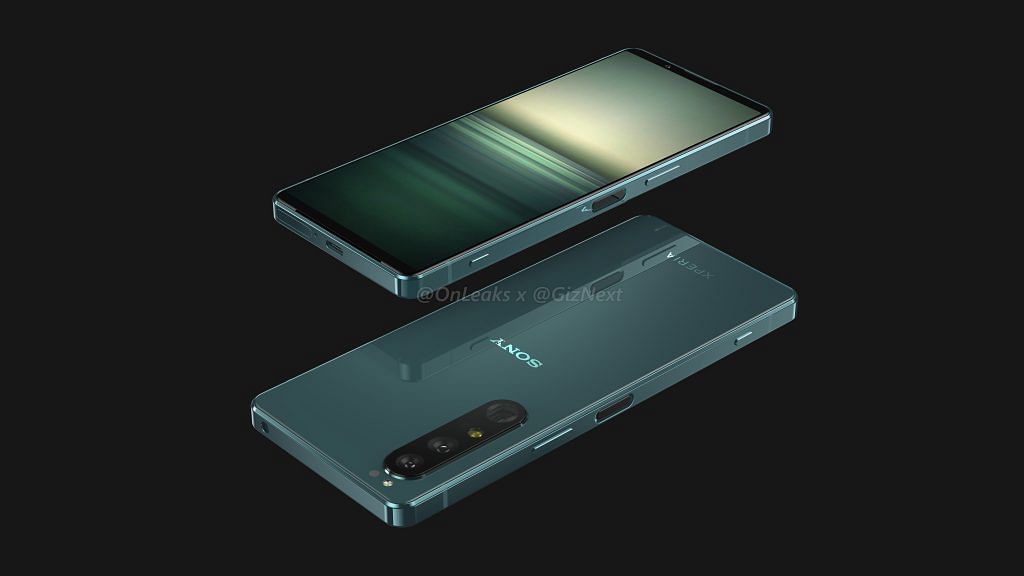
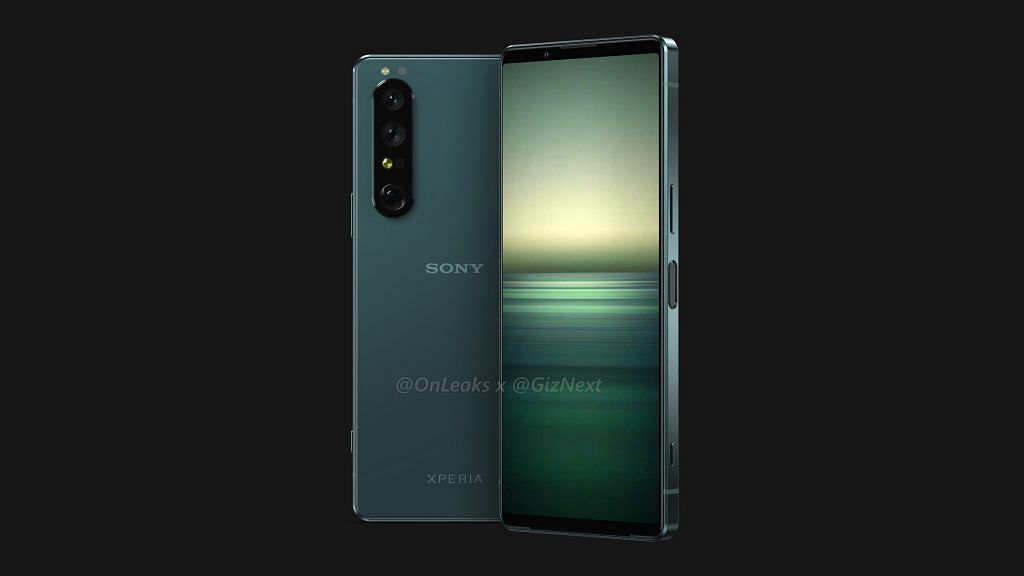
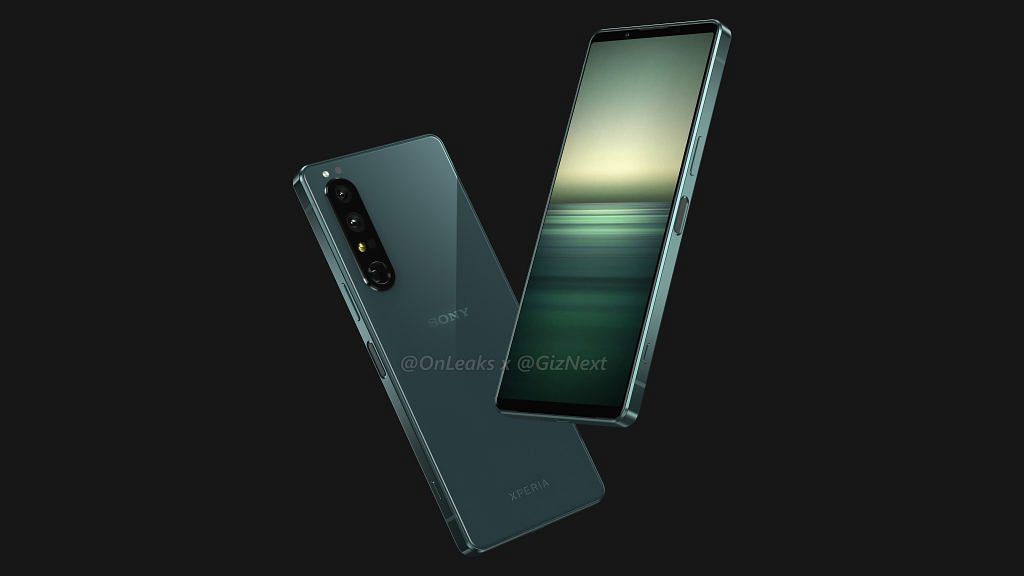
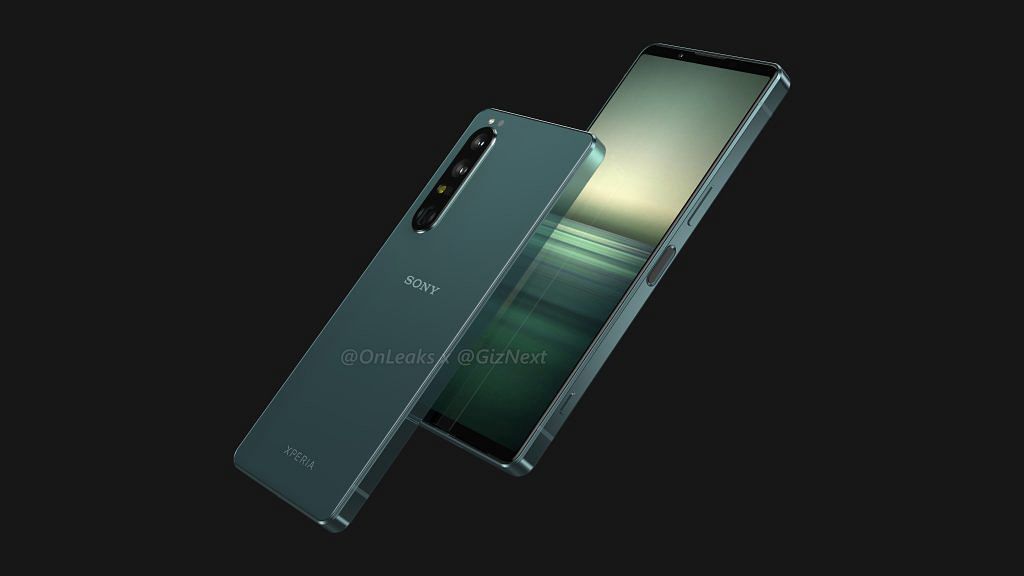
Sony‘s smartphone division has recently become active again as news surfaced last week that the company is working on the Xperia 5 IV smartphone. And now, renders of the Sony Xperia 1 IV have been revealed by a renowned tipster.
According to a GizNext report, tipster @OnLeaks has released the renders of Sony’s next-gen smartphone in the Xperia 1 lineup of devices.
SONY XPERIA 1 IV render
1 of 4
Image via Giznext
Image via Giznext
Image via Giznext
Image via Giznext
According to these renders, the upcoming smartphone will feature a similar design language to the current Xperia 1 III with a flat edge, almost box-like design. The tipster reveals that the smartphone will have 164.7 x 70.8 x 8.3mm dimensions and a total thickness of 9.5mm including the camera bump.
The front of the device will feature a flat-screen 6.5-inch display which will have a punch-hole cutout for the selfie camera placed a bit left to the center. Coming to the back of the device, we can observe a triple camera setup which is said to feature one telescopic sensor. Information about the other two sensors remains under wraps. The camera module also houses an LED flash between the second and third cameras.
The bottom of the device packs a SIM card tray along with the USB Type-C port. The left edge of the Xperia 1 IV has been left smooth while the right edge houses the volume rocker, power, and a dedicated shutter key. It is worth noting that this time around, Sony might not provide the dedicated Google Assistant key which is present in its current-gen model. That aside, the smartphone appears to have a side-mounted fingerprint reader embedded in the power button.
The majority of specs and features of the smartphone are still not available yet, however, we are sure to see more leaks about the upcoming Sony Xperia 1 IV in the near future, so stay tuned.
The Redmi Note lineup has grown to be one of the most confusing series to date for us and buyers alike. With a slew of models that change names as they see fit depending on the region, it’s no wonder that they’re tough to follow. Its eleventh iteration made its debut last year in China and as if four models weren’t enough already, they’ll soon be joined by yet another.
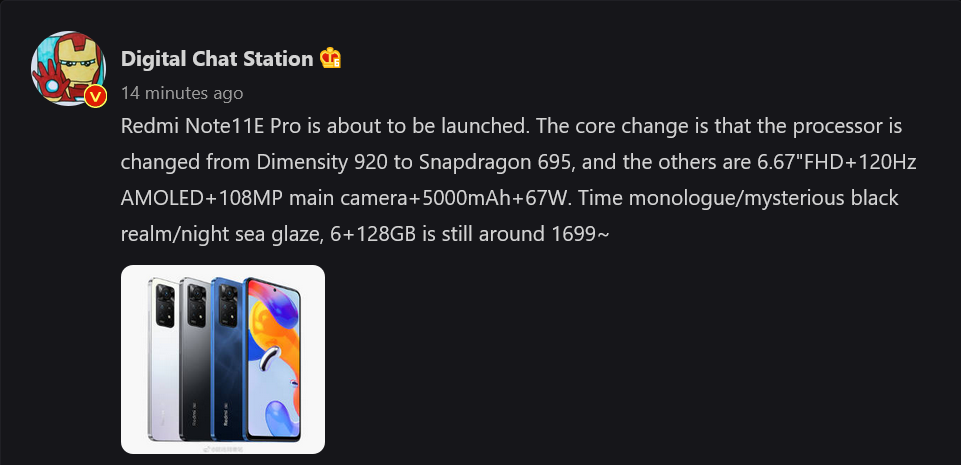
The Redmi Note 11E Pro first made an appearance on Google Play Console, revealing its codename ‘veux,’ which is the same as the one that the global Redmi Note 11 Pro 5G carries. Fast forward to now, and notable industry insider Digital Chat Station with a post on Weibo has revealed a few specifications of the phone, confirming that the Redmi Note 11E Pro and Redmi Note 11 Pro 5G are indeed identical. The only difference is that the Redmi Note 11E Pro is a China-exclusive.
The soon-to-launch phone has been revealed to feature the Snapdragon 695 chip, have a 6.67″ FHD+ 120Hz AMOLED display, and pack a 5000mAh battery with 67W charging support. Its main camera, just like its global version will be a 108MP sensor.
Redmi Note 11E Pro / Redmi Note 11 Pro 5G
Color variants have been tipped to be “monologue/mysterious black realm/night sea glaze” and the price is expected to be around 1,699 Yuan for the 6GB+128GB variant, which is slightly cheaper than the global variant as expected.
The tipster hadn’t shared any specifics but said that the Redmi Note 11E Pro is set to launch quite soon in China.
OPPO has upped its software update game significantly of late and was actually one of the first OEMs to release Android 12 for some of its devices, joining the likes of Samsung and Google. While most of its premium eligible models have already been upgraded to the update, it’s now the turn for older mid-rangers to get treated.
With multiple posts on its community forums, the company today announced the commencement of ColorOS 12 x Android 12 update public beta recruitment for the Reno3 Pro 5G series, Reno3 Vitality Edition, and the OPPO K7.
OPPO Reno3 Pro
All of these models were launched back in 2020 with ColorOS 7 based on Android 10, making it highly likely that ColorOS 12 is the last major upgrade for them.
The recruitment program for the aforementioned phones starts today and will last until March 1st. Of course, slots will be limited, so you’d want to hurry.
OPPO Reno3 Pro 5G series
Region: China
Required Firmware: C.13, C.14
OPPO Reno3 Vitality Edition
Region: China
Required Firmware: C.11, C.12
OPPO K7
Region: China
Required Firmware: C.11, C.12
Interested users on the required firmware can enroll in the ColorOS 12 beta initiative by heading over to Settings > Software Update > Gear Icon > Apply for Beta Version > Update Beta Version and following the on-screen instructions. Selected applicants will receive the beta software via OTA, while others can try their luck during the next batch of recruitment.
As far as stable release is concerned, OPPO is yet to reveal details, but it shouldn’t tale much longer now.
Do keep in mind here that the recruitment is limited to China as of now so you’d want to wait for the global one to start if you reside out of the country.
We use cookies on our website to give you the most relevant experience by remembering your preferences and repeat visits. By clicking “Accept”, you consent to the use of ALL the cookies.
This website uses cookies to improve your experience while you navigate through the website. Out of these, the cookies that are categorized as necessary are stored on your browser as they are essential for the working of basic functionalities of the website. We also use third-party cookies that help us analyze and understand how you use this website. These cookies will be stored in your browser only with your consent. You also have the option to opt-out of these cookies. But opting out of some of these cookies may affect your browsing experience.
Necessary cookies are absolutely essential for the website to function properly. This category only includes cookies that ensures basic functionalities and security features of the website. These cookies do not store any personal information.
Any cookies that may not be particularly necessary for the website to function and is used specifically to collect user personal data via analytics, ads, other embedded contents are termed as non-necessary cookies. It is mandatory to procure user consent prior to running these cookies on your website.





 For the photography, the MatePad features a 13MP main camera at the rear with f/1.8 aperture and autofocus. The slate also comes with an 8MP selfie camera. The rear camera takes 4160 x 3120 pixels resolution for photos and up to 1920 x 1080 pixels of camera resolution.