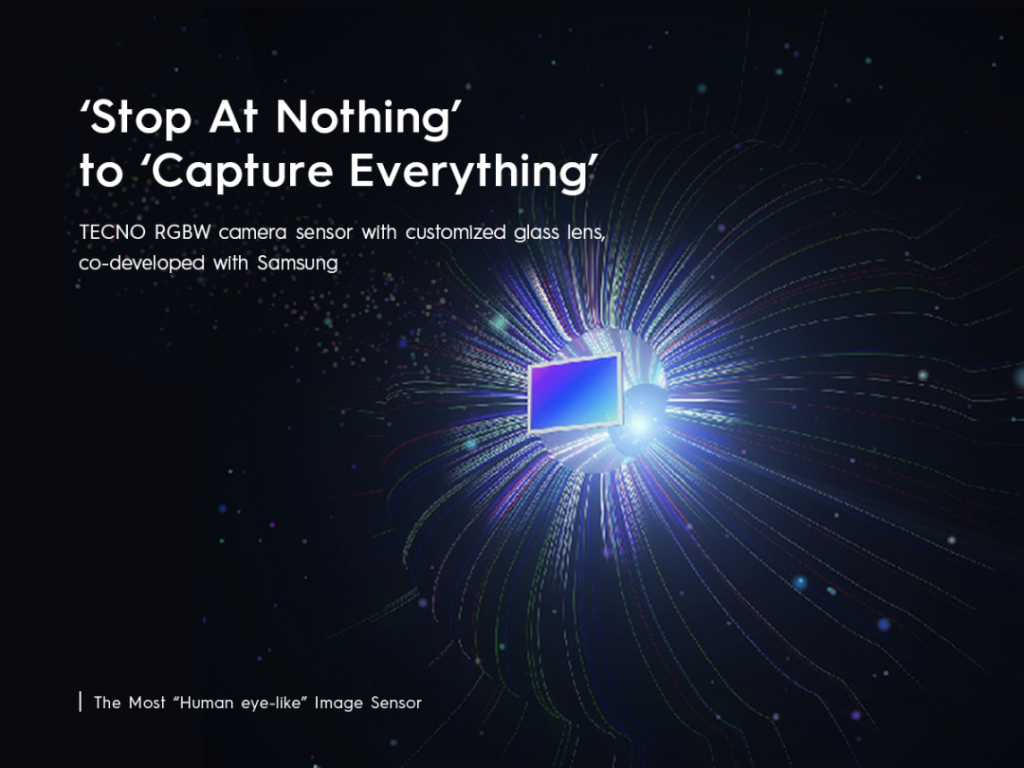
TECNO during MWC 2022 announced that the CAMON 19 series will be using the RGBW high-transparency crystal molded lens for its camera. The technology has been developed by the company jointly with Samsung.
TECNO says that the technology adds white sub-pixels to the original RGB three primary color implementation to form an RGBW pixel arrangement. The additional white pixel helps produce a more refined color tone since a regular RGB implementation can’t produce pure white.
TECNO’s solution is further enhanced by Samsung’s ISOCELL technology to improve light sensitivity, reduce light crosstalk, and bring a better low-light shooting experience.
Reports suggest that the said RGBW sensor will have a resolution of 64MP and will improve incoming light capture performance by up to 60%. In addition, the pricier and more effective Glass+Plastic lens assembly will be used, which performs better than all-plastic lenses.
Not much is known about the CAMON 19 series itself but the lineup is said to comprise four models including the CAMON 19 Pro 5G and CAMON 19 Neo. Apart from this, there are no other details about the CAMON 19 phones. But we could see them popping up on certification sites soon, which should reveal some specs.
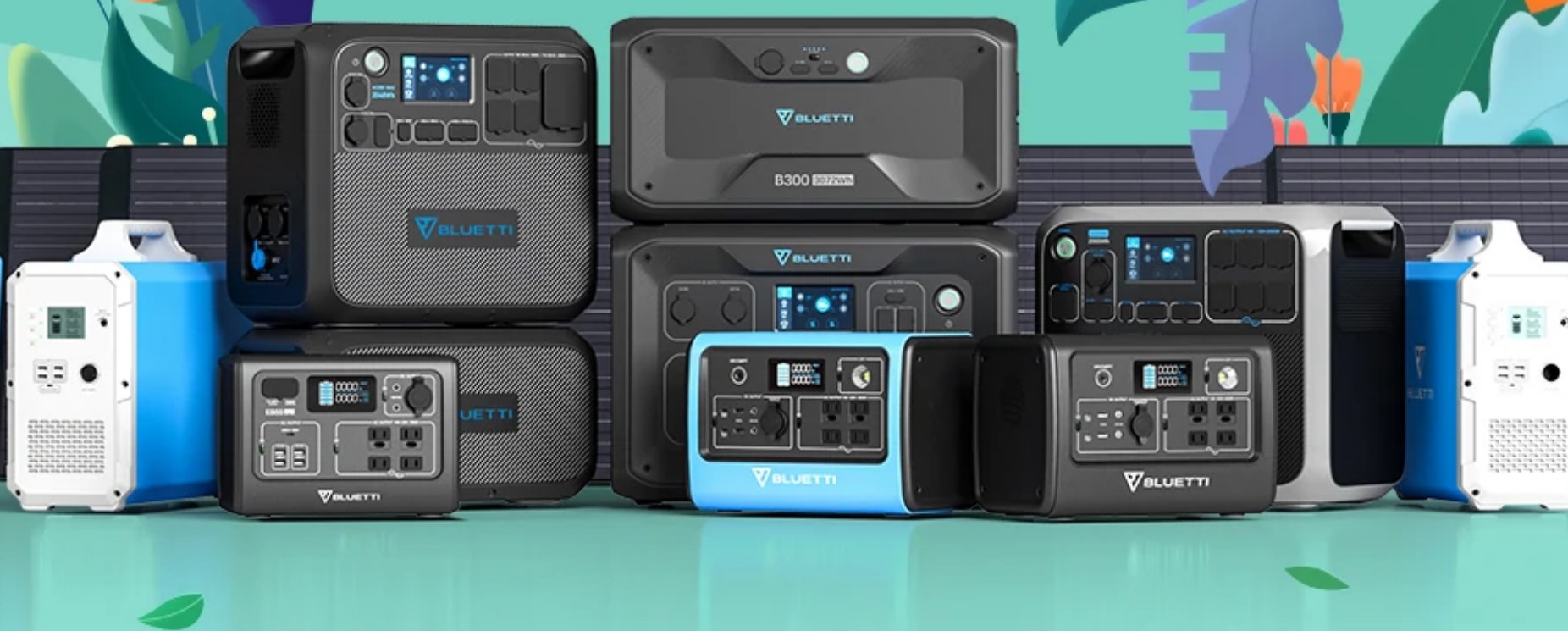
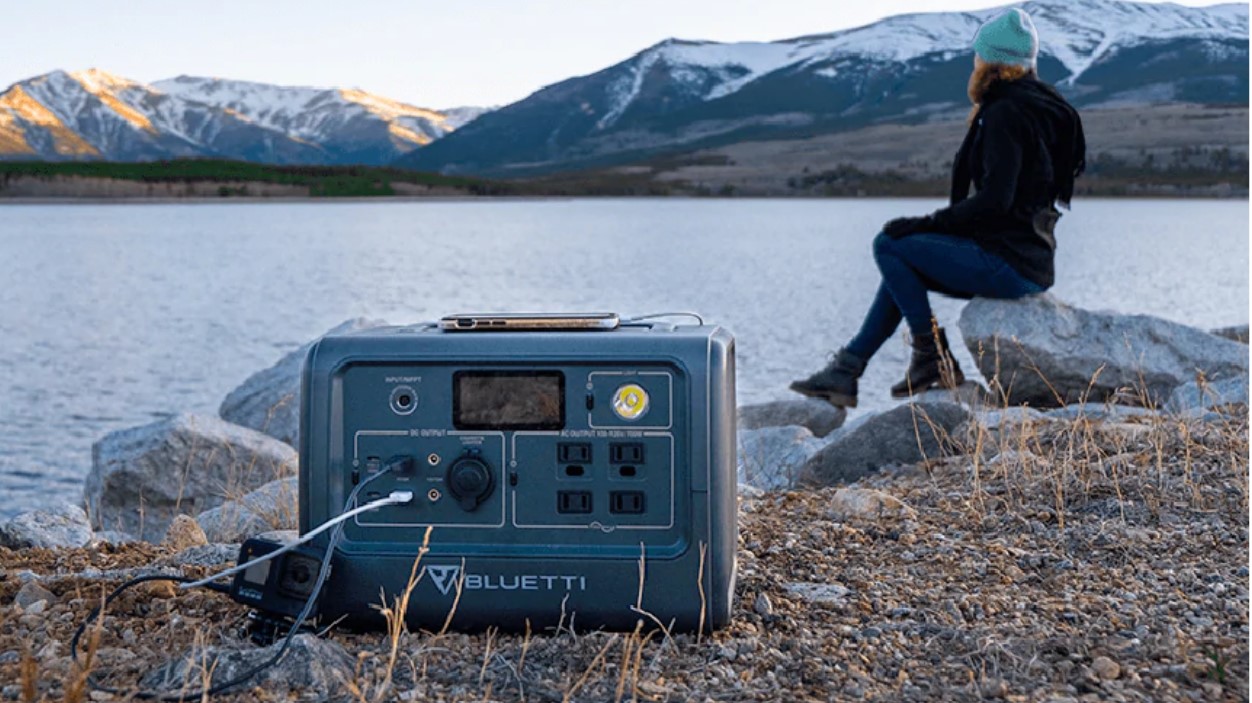
As the pandemic is subsiding, global travel, van life, and camping are back on track. People are running to exotic and unknown destinations to find some much-needed fun and peace. At this time, the market is flooded with alternative power solutions like solar power stations, diesel generators, inverters, etc. Most of the devices for power generation use lithium-ion battery chemistries like NCM and NCA. However, Bluetti is at the forefront of technological innovation and uses LiFePo4 (LFP) batteries for its solar generators.
The LFP battery is less expensive than some of the other lithium-ion chemistries, like NCA and NCM as it does not use cobalt. Moreover, it offers long cycle life, fast charging, and low toxicity. So let’s take a detailed look at the LFP battery technology used by Bluetti.
LiFePo4 Batteries
LiFePO4 is a natural mineral of the olivine family. In 1996 it was identified as a cathode material belonging to the polyanion class for use in batteries. Its anode material is LiaC6, and the cathode material is LiFePO4, with the carrier being Li+. Due to the nano-scale phosphate cathode material found in the battery, LFP batteries provide some of the best electrochemical performance with added lower resistance on the market.
Advantages of LiFePo4 Batteries:
Thermal stability
Long life cycle
Higher current rating
An extra layer of safety
No maintenance
Lightweight and portable
Improved discharge and charge efficiency
Low toxicity
How do LiFePo4 Batteries work?
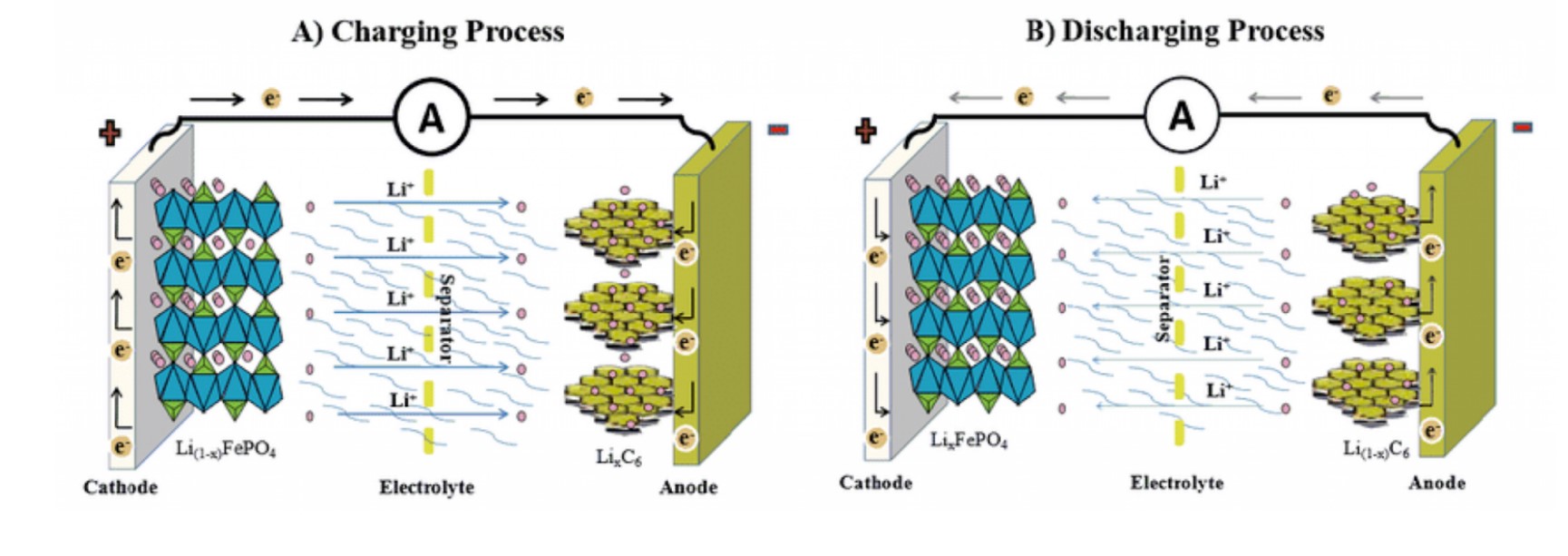
An LFP battery is essentially made up of the following components: Positive electrode (cathode), Negative electrode (anode), Electrolyte, Separator, Lithium metal oxide (LiFePO4), Graphite, Lithium salt, and Polymer membrane Charging.
Charging the Battery:
When a LiFePO4 battery is being charged, lithium ions are released from the cathode and move to the anode using the electrolyte.
Discharging:
When a power load is applied to the battery, the opposite reaction takes place and Lithium ions move from the anode to the cathode.
Electricity:
This movement of the lithium ions from the cathode to anode and vice-versa creates an electron flow between these two electrodes, which generates an electric charge and powers your devices.
Why LiFePo4 Batteries are the perfect companions for your solar generators?
Long Life Span: The greatest advantage of an LFP battery over a lithium-ion NCM / NCA battery is its ability to charge and discharge over a thousand times. For e.g. Bluetti’s largest solar generator can discharge over 3500times. This is a significant decision-making factor as LFP technology gives you not only high-quality batteries but also long-lasting ones.
Highly efficient: Unlike lead-acid batteries, LFP ones are highly efficient because they can discharge over 90% of their capacity. This means you get the most out of your solar generator for as little space used as possible.
Zero maintenance:Another big advantage of LFP technology is that it requires no active maintenance. LFP batteries require pretty much no maintenance. This means you do not need to do anything to extend its lifespan. You can simply charge and discharge as you see fit.
Lightweight and portable: When compared to other similar battery technologies available in the market, LiFePo4 batteries are much lighter. This is particularly important when their application is found inside a solar generator as lesser weight means higher mobility. For e.g. Bluetti’s new AC200 MAX weighs only 61.9lbs (28.1kg). This may sound like a lot but compared to its discharge power and energy density, 61 pounds is nothing.
High Safety: LiFePO4 batteries are the safest lithium-ion batteries on the market. These batteries are encased in an airtight aluminum case, specifically designed to withstand temperature, pressure variations, punctures, and impacts.
Extreme Temperatures: Temperature is not something to overlook when it comes to battery performance, as it can have a profound effect on any battery. However, LiFePO4 stands the best chance during extreme temperature variations. Thus Bluetti’s solar generators are able to operate in a wide range of temperatures, which makes them desirable in different surroundings and environments.
Why Bluetti is a better and cheaper option?
Let’s now compare Bluettis Solar generators with other manufacturers like Jackerry and Ecoflow:
Manufacturer
Battery Chemistry
Capacity
Life Cycles
Cost
Bluetti
LiFePO4
2,000 Wh
3,500
$1,799
Jackery
Lithium-Ion
1,534 Wh
500
$1,599
Ecoflow
NCM
2,016 Wh
800
$1,899
*Please note that Bluetti uses LiFePO4, Jackery lithium-ion, and Ecoflow NCM.
**We could not find a comparable capacity size for the Jackery, so we included their largest capacity generator, which is 1,534 Wh
When it comes to energy storage, one cannot simply rely on the actual buying price of the solar generator (up-front cost). We also need to take into account the total energy in watt-hours that the solar generator can store and release (the charge/discharge cycle) during its lifetime. Thus we need to find the LCOS or Levelized Cost Of Storage in USD/Wh.
LCOS = Upfront Cost / (total kWh capacity x (DoD %) x cycle life)
Let’s work out the LCOS for each solar generator manufacturer and their respective product models.
As we can see when working out the LCOS, Bluetti is by far the much cheaper option over the long run, as the LiFePO4 technology lasts much longer than both lithium-ion and NCM. Please note that the above LCOS includes other components such as the charge controller and inverter, as these two components are included in the upfront purchasing price.
Conclusion:
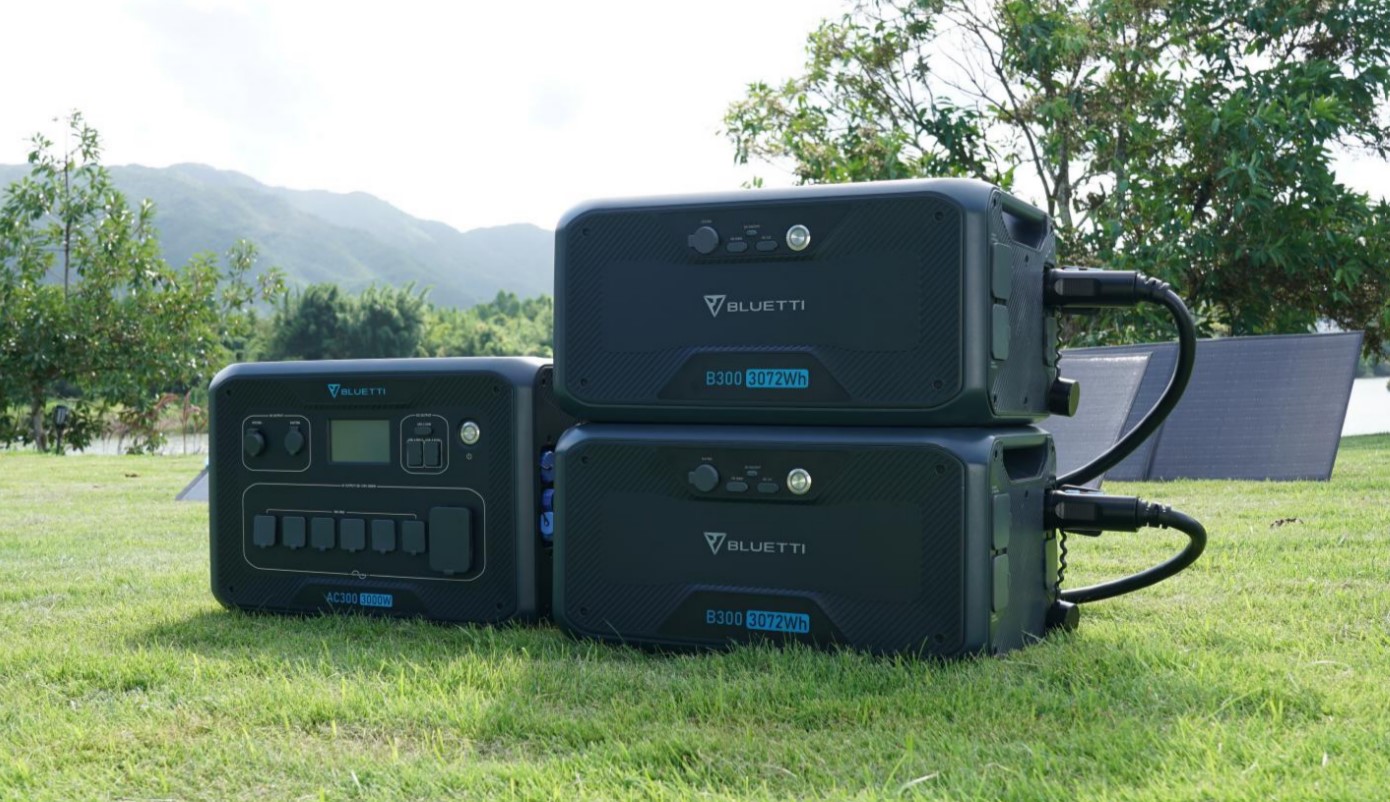
We now know the importance of LFP battery technology and how it has revolutionized the portable power sector. If you are looking for a high-quality, long-lasting, safe, and zero-maintenance power solution then Bluetti stands out in the market with its use of LiFePo4 batteries. Models such as the new AC200 MAX and the AC300 modular power system are capable of providing you with incredible amounts of energy storage. For more information on these innovative power, solutions check out the Bluetti official website.
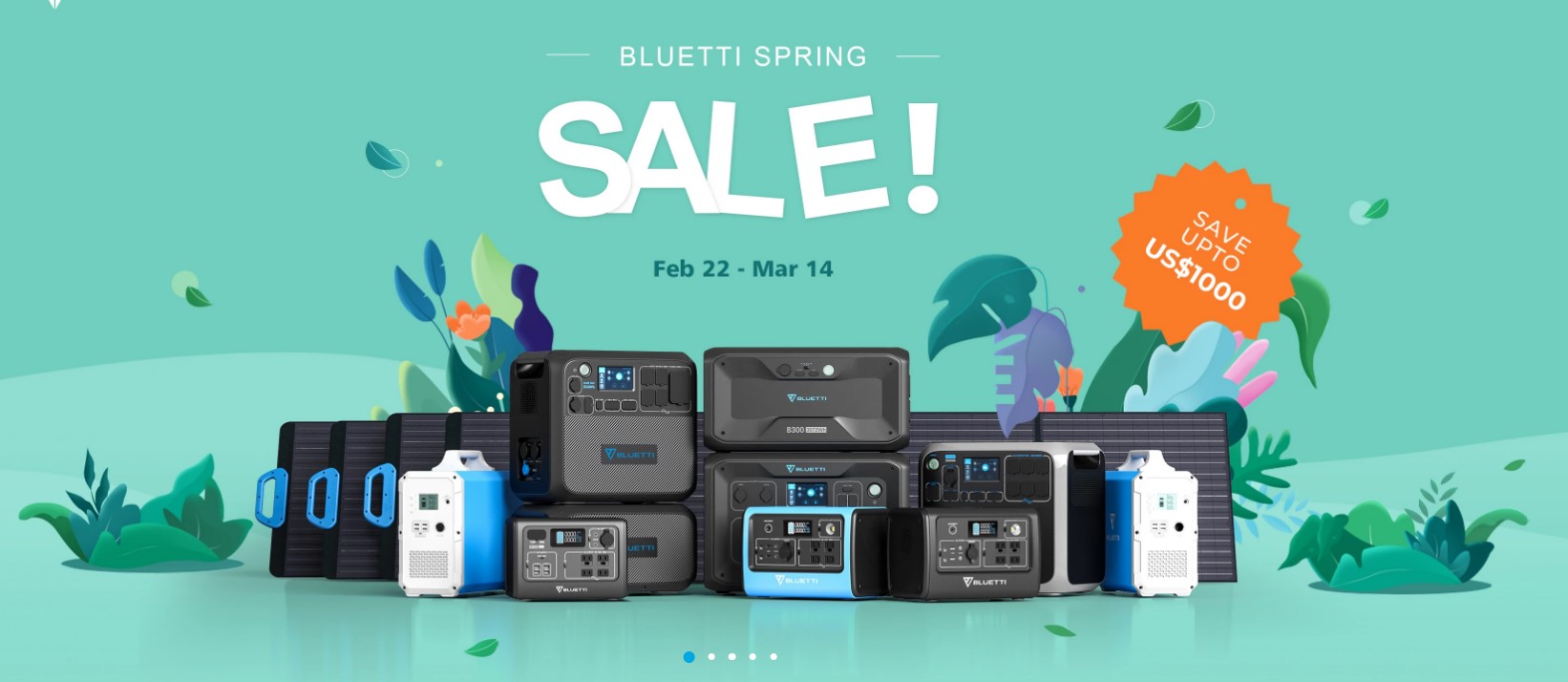
Please note that Bluetti Spring Festival 2022 is now live. Bluetti is now giving huge discounts on almost all its products under the Bluetti Spring Sale 2022. The sale ends on 14 March 2022.
*We thank Bluetti for sponsoring this post. Our sponsors help us pay for the many costs associated with running Gizmochina.
Along with the Realme 9 5G and Realme 9 Speed Edition 5G smartphones, the company also launched a new smartwatch under the Techlife branding in the Indian market, dubbed as Realme Techlife Watch S100.
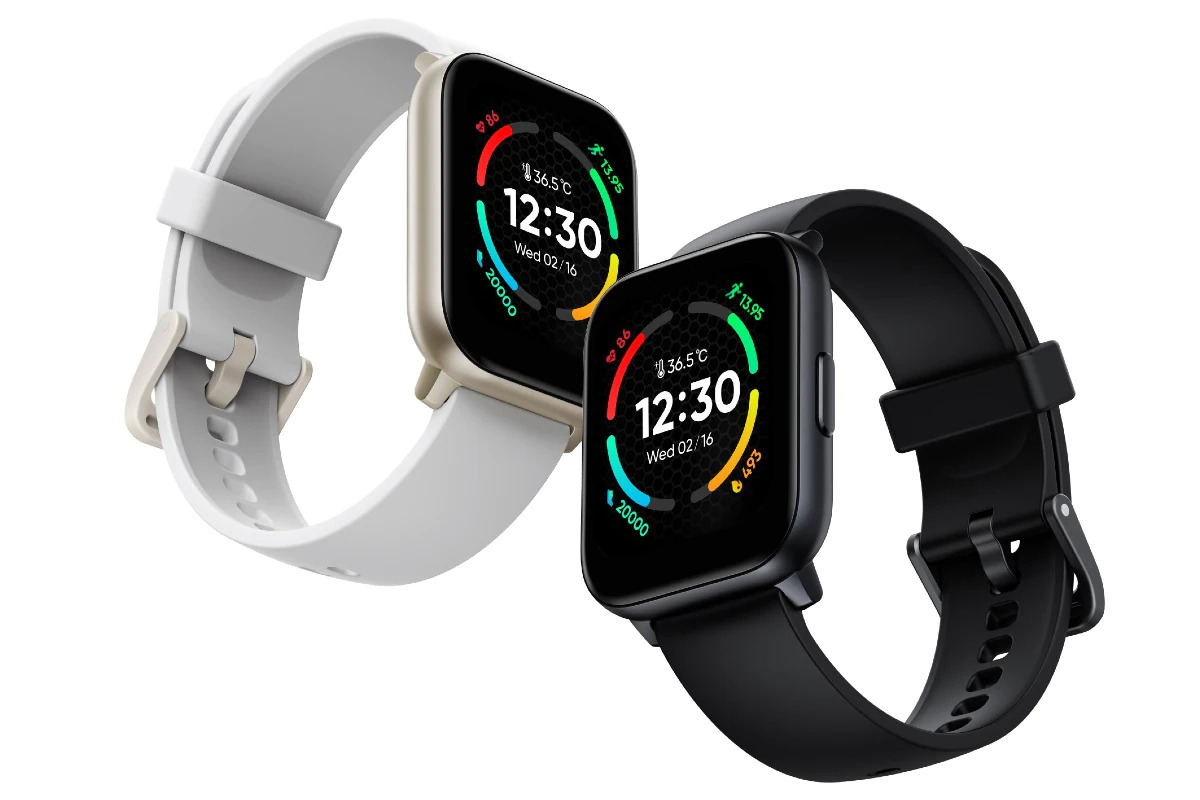
This new smartwatch comes with a metallic finish which offers a premium look and feel. Just like other similar products, this one also comes with several health-related features.
The Realme Techlife Watch S100 features a 1.69-inch color touch screen display and has a button on the side that can be used for navigation. There are 110 watch faces to choose from and the screen can show notifications and messages, along with health-related data.
It is IP68-rated, making it dust and water-resistant up to 1.5 meters. The wearable device comes with features like weather forecast, music control, camera control, find my phone, alarm, stopwatch, timer, and flashlight, among others.
It also packs several sensors, including a heart rate sensor, SpO2 monitor, and skin temperature monitor along with a three-axis accelerometer for activity tracking.
The device comes with 24 sports modes, including dancing, riding, running outdoors, and walking, among others. As for the battery life, the company has promised up to 12 days of usage on a single charge.
The Realme TechLife Watch S100 comes in two colors — Black and Gray. The smartwatch is priced at ₹1,999 (approximately $26) in the Indian market and will be available for purchase through Flipkart from 14th March.
When there are so many audio products on the market, the competition is, of course, very fierce and you would think that under this kind of market pressure companies will try really hard to manufacture the best products to survive, so you wouldn’t need to worry too much about choosing which product to purchase, well, that seems like it but it’s not really the truth. Not every company has a qualified or excellent audio engineer or product designer, or a good marketing team.
So even if the competition is so fierce, most of the companies just can’t get it right and always end up making awful earbuds and sell them really cheap, so you still need to do some amount of research to choose what kind of audio product to choose when you want to invest some decent money.
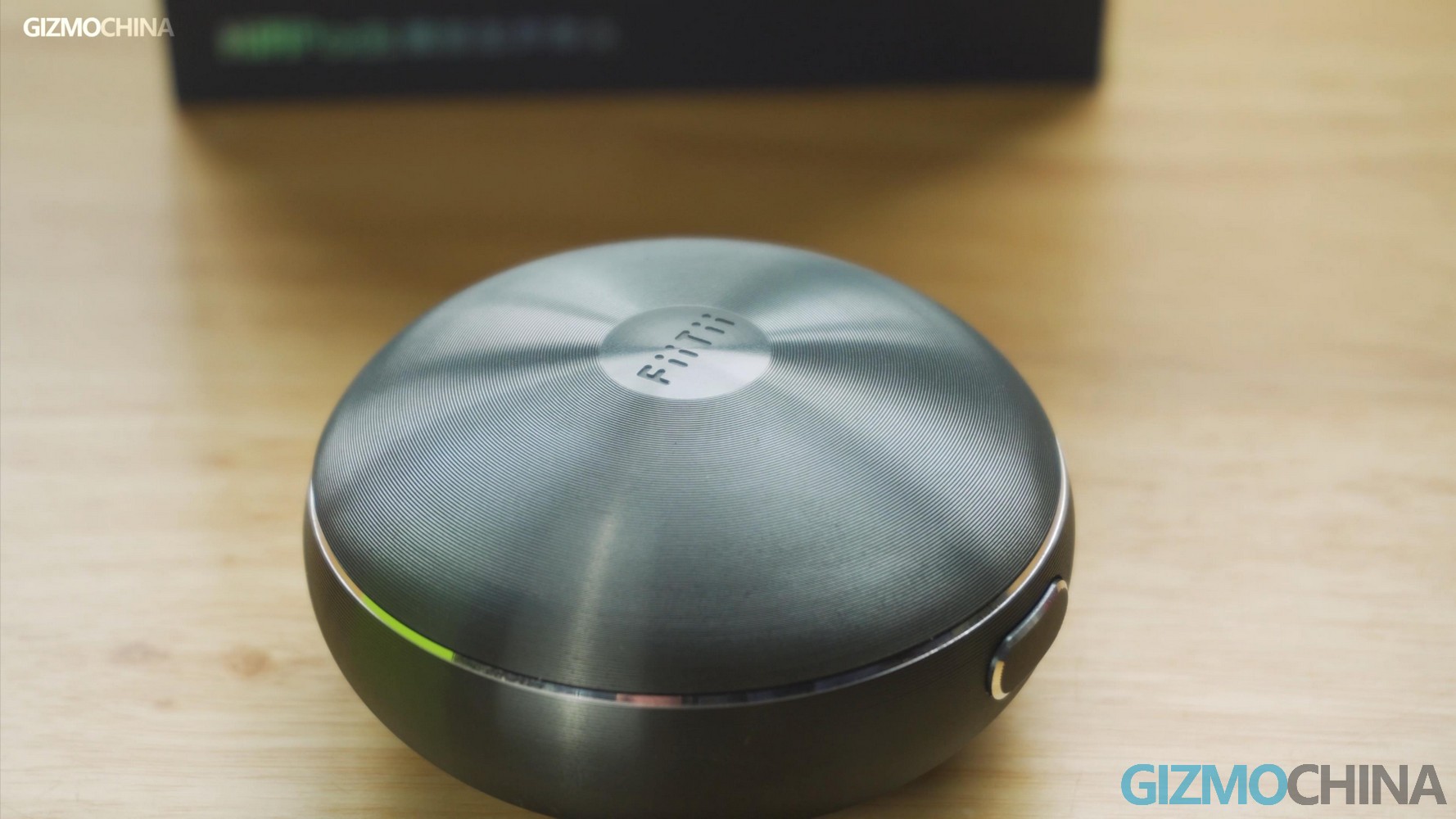
So to make your job easier, with our long years of experience of using and trying all kinds of earbuds from different brands, we have chosen FiiTii HifiPods, as one of the very capable options that you definitely should consider.
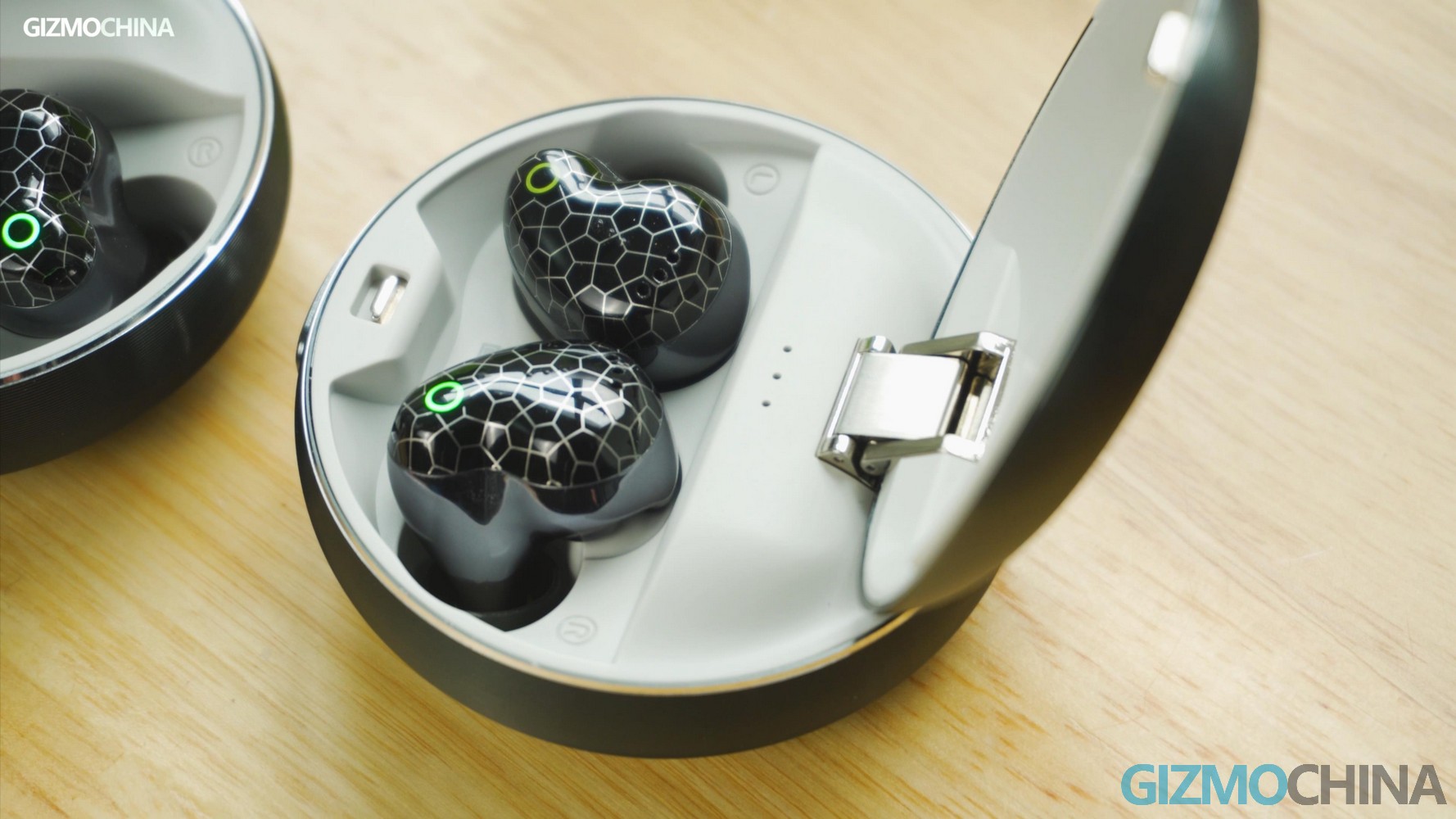
We’ll talk about it starting with the design, a round metal-built earphone case, with a satisfying click to open and close. The edges are polished with these pretty silver lines that increase the aesthetics to a really great extent. This unique design can also be a décor item just by leaving it on the desktop, decorating the shelf or your desktop. It’s not the smallest case out there but it can easily fit any kind of normal pocket.
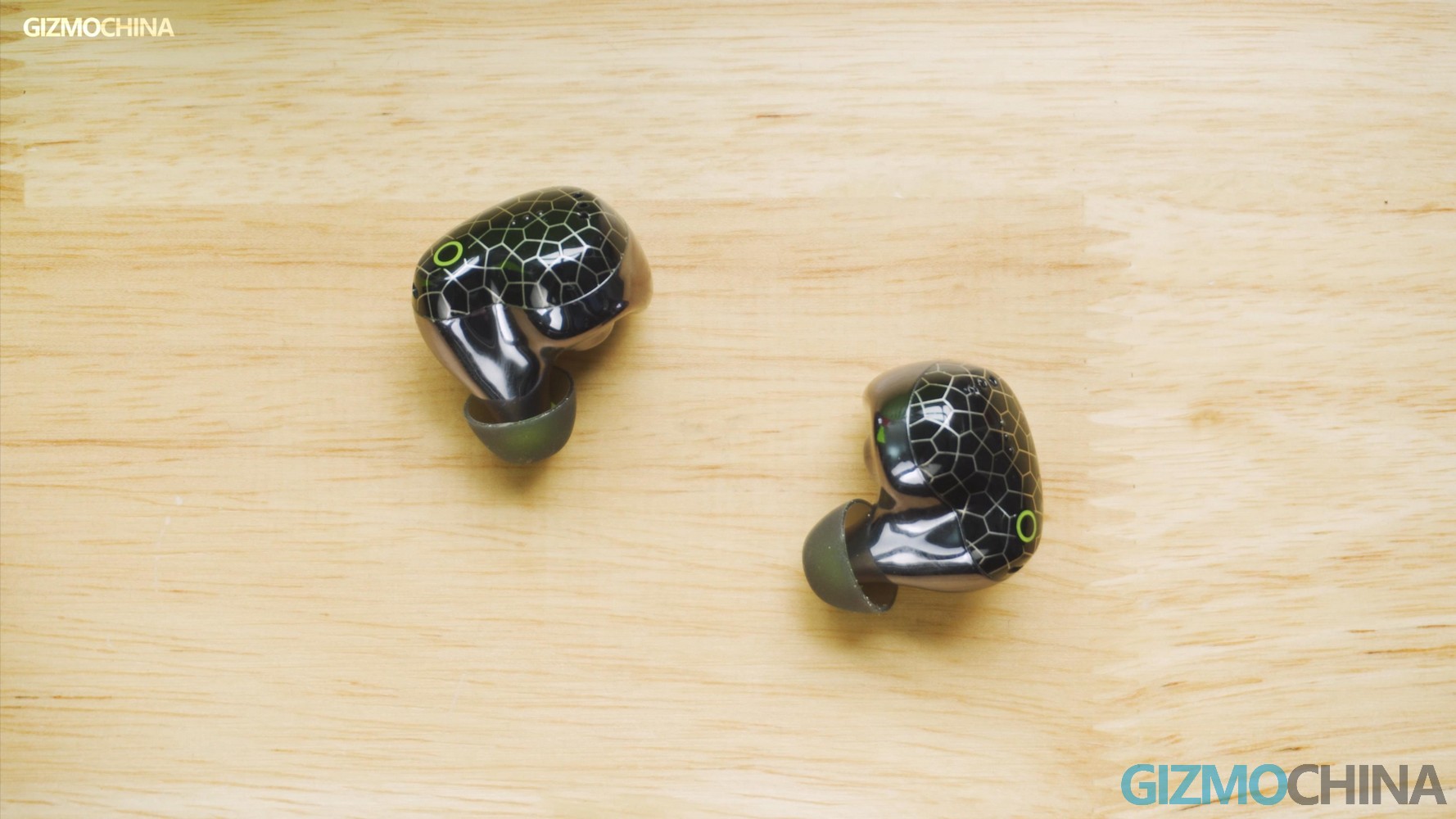
Inside is a very neutral gray color with earphones magnetically placed inside. Earbuds are glossy finish plastic, which makes them really light. It only weighs 5.5 grams each while the charging case is 85 grams. The shape design is very subtle, these little curvatures across its body make it very comfortable to wear and at the same keeps very tight and firm. Along with its lightweight, the experience of wearing it is simply wonderful: Light, firm, and comfortable. And this is the one thing I like the most about this pair of earphones.
Features
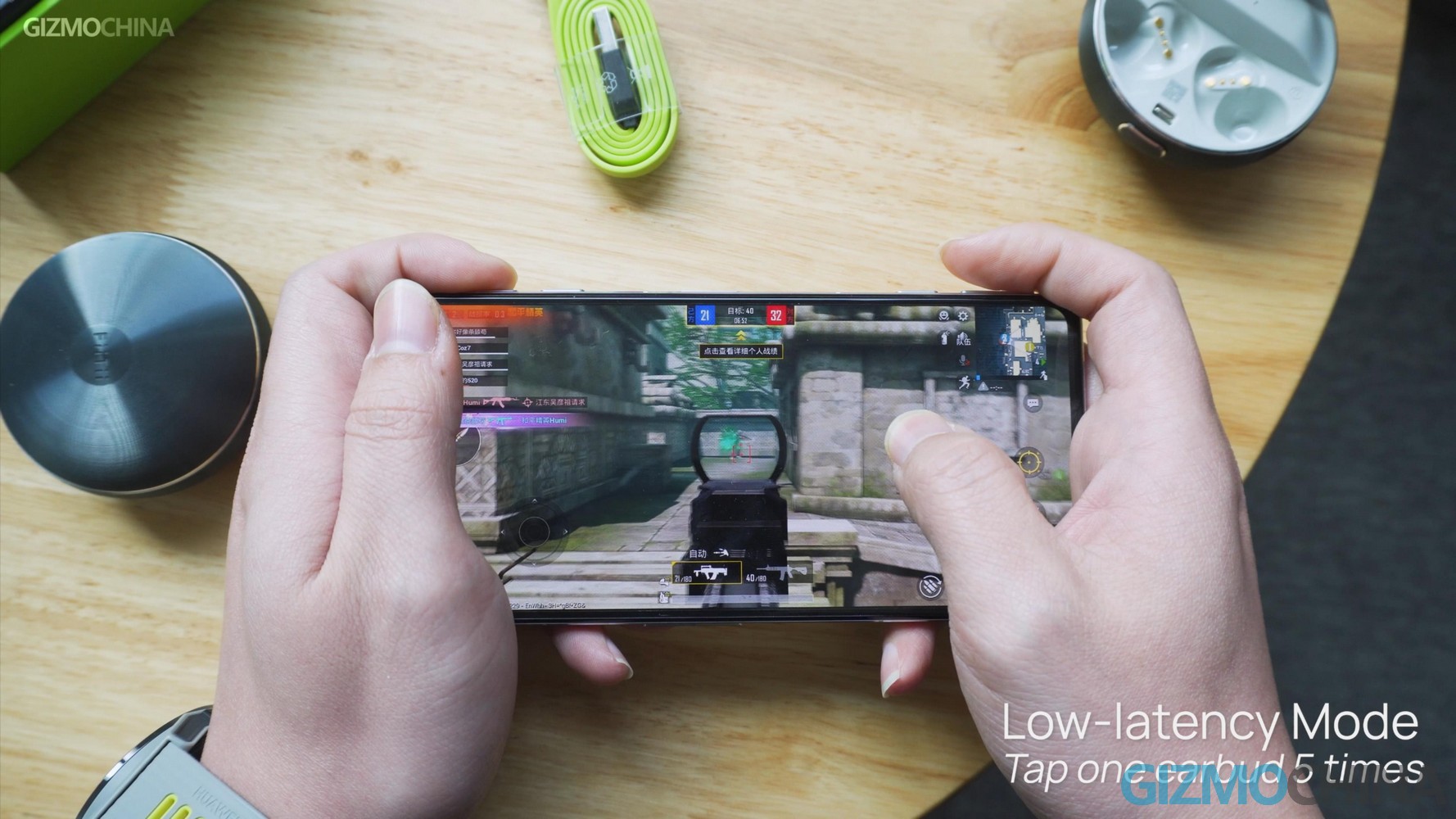
Moving to the next part, it has got all the useful features packed very well, first of all, the noise-canceling, it’s equipped with 6 microphones to pick up most of the frequencies and can effectively reduce it to a very large extent, which is 40db at most. It also supports wind noise reduction so you don’t need to worry about using it on a windy day or while riding a bike. With the built-in algorithm, it also reduces the surrounding noise while making a phone call, making the voice much clearer even in a very noisy environment.
Connectivity
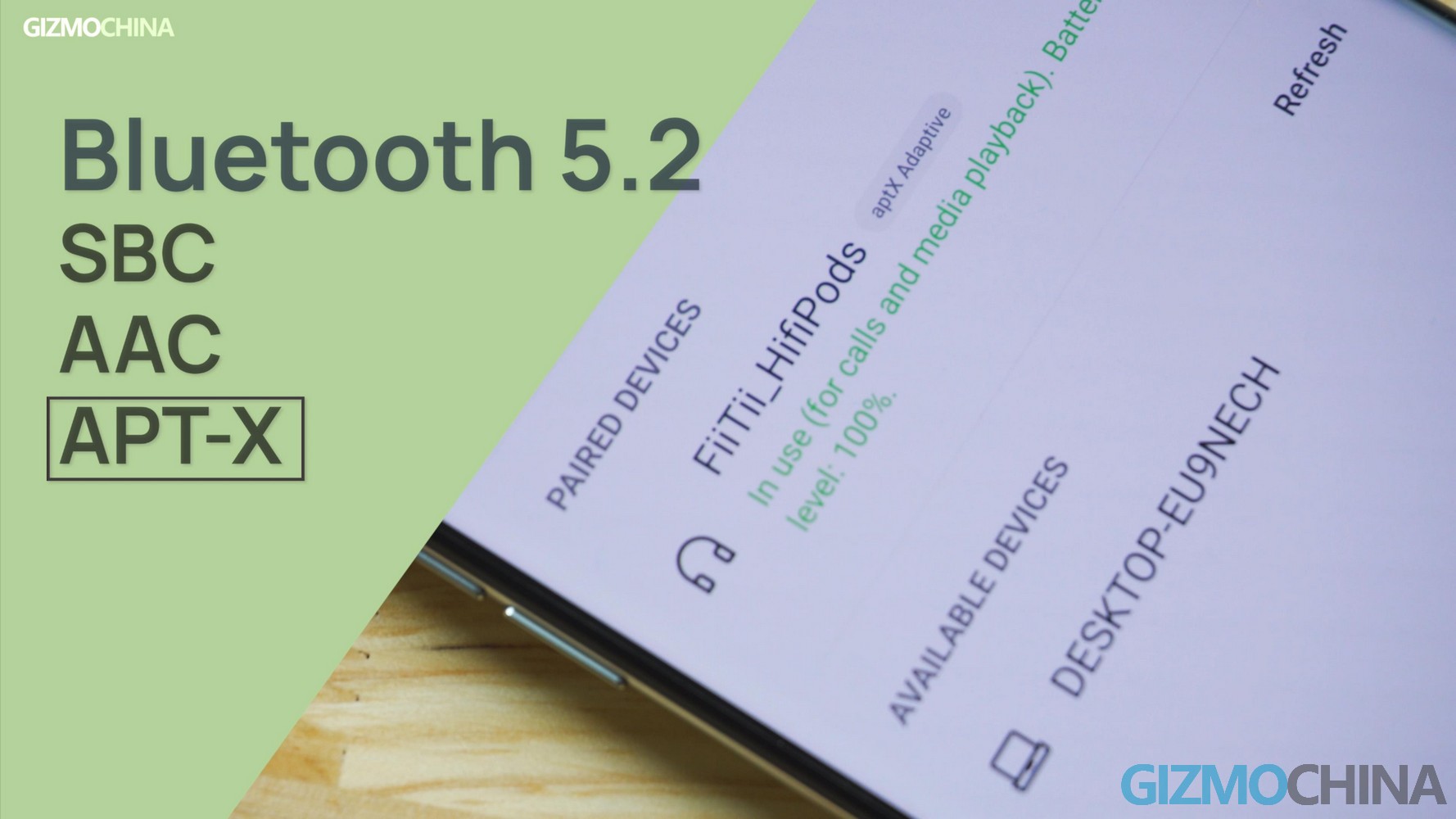
It uses Bluetooth 5.2 and supports SBC, AAC, and APT-X codex for its connections. SBC and AAC are pretty common but APT-X usually doesn’t come with normal earphones and it’s said that it improves the sound quality to a great extent and we will talk about it when we talk about the sound quality later. Going back to the Bluetooth connectivity, the connection is very steady, even in some really crowded places like a subway station, it still worked perfectly and consistently and connection the range was up to as far as 10m.
battery life
And the next thing is what sets it apart from most of the other competitions distinctly, which is battery life, charging case is with a 1000mAh battery and it has a crazy 70 hours of battery life together with the case. The earbuds themselves provide 7 hours and the charging case provides 63 hours. This is a lifesaver if you are someone who always forgets to charge the earphone in time.
Just charging once at night before going to bed can get it running for around a week.
It’s rated IPX7, which means that you can fully submerge the earphone 1 meter under the water for half an hour and it can still function normally, but the rating only includes the earbuds, the charging case doesn’t have any IP rating. Please keep that in mind.
Sound
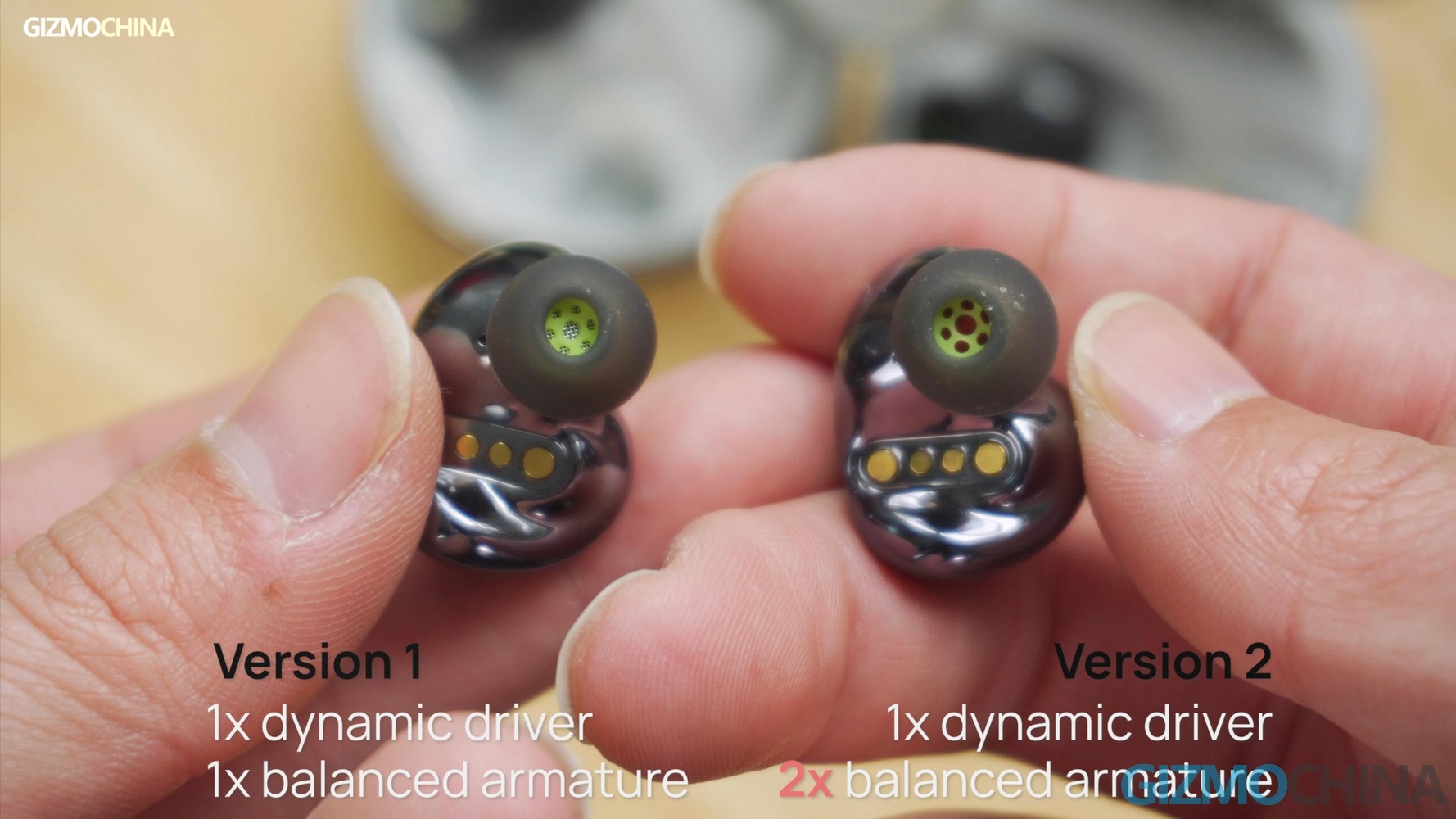
Now let’s talk about the sound quality, the earphone comes with two different driver styles, one is with one Dynamic driver and one balanced armature driver and the other one is with one dynamic driver and two balanced armatures. I have listened to both of them and they vary a lot in sound quality. One dynamic driver and two-balanced-armature version have much better sound quality than the other, for this reason, I only recommend the 2 balanced armature version, though it’s a little bit more expensive, the sound quality is way better and that’s definitely a bargain.
The base is the most emphasized section in the frequency response and is also very well-tuned, it can go very deep and also has a really good dynamic, it can be smooth in some light tracks and also can be very powerful in some heavy tracks, the treble is very airy and pleasant and there is no sign of harshness whatsoever. Also, the instruments are very well separated and the vocal is very soft and tender. The overall listening experience is very pleasing and satisfying.
Conclusion
In conclusion, although the price seems a little bit high, all these key features, like battery life, built quality, and comfort, all excel many other products on the market. Sound quality also is very pleasing and beautiful and all these reasons combined together give me every bit of reason to recommend it. And also remember, if you are going to purchase one you should definitely get 2 balanced armatures and 1 dynamic driver version that has a way better sound quality than the other one and it only costs just a little bit more.
More information or buy it here. (Coupon: gizmochina, 20% off)
Motorola has confirmed that it will be held on March 17. It is likely that the company will confirm the release date of the Moto Edge X30 Under Screen Edition for the Chinese market. The Lenovo-owned brand has released another teaser, which indicates it may announce another device alongside the Edge X30 Under Screen Edition.
The above-shown teaser seemingly shows a glimpse of the Edge X30. Recently, a new Motorola phone with XT2201-6 model number was certified by the TENAA authority of China. This model is said to be the under-display camera variant of the Moto Edge X30. In terms of design and specs, the Moto Edge X30 Under Screen Camera Edition is said to be identical to the Edge X30.
Motorola Edge X30 Under Screen Edition
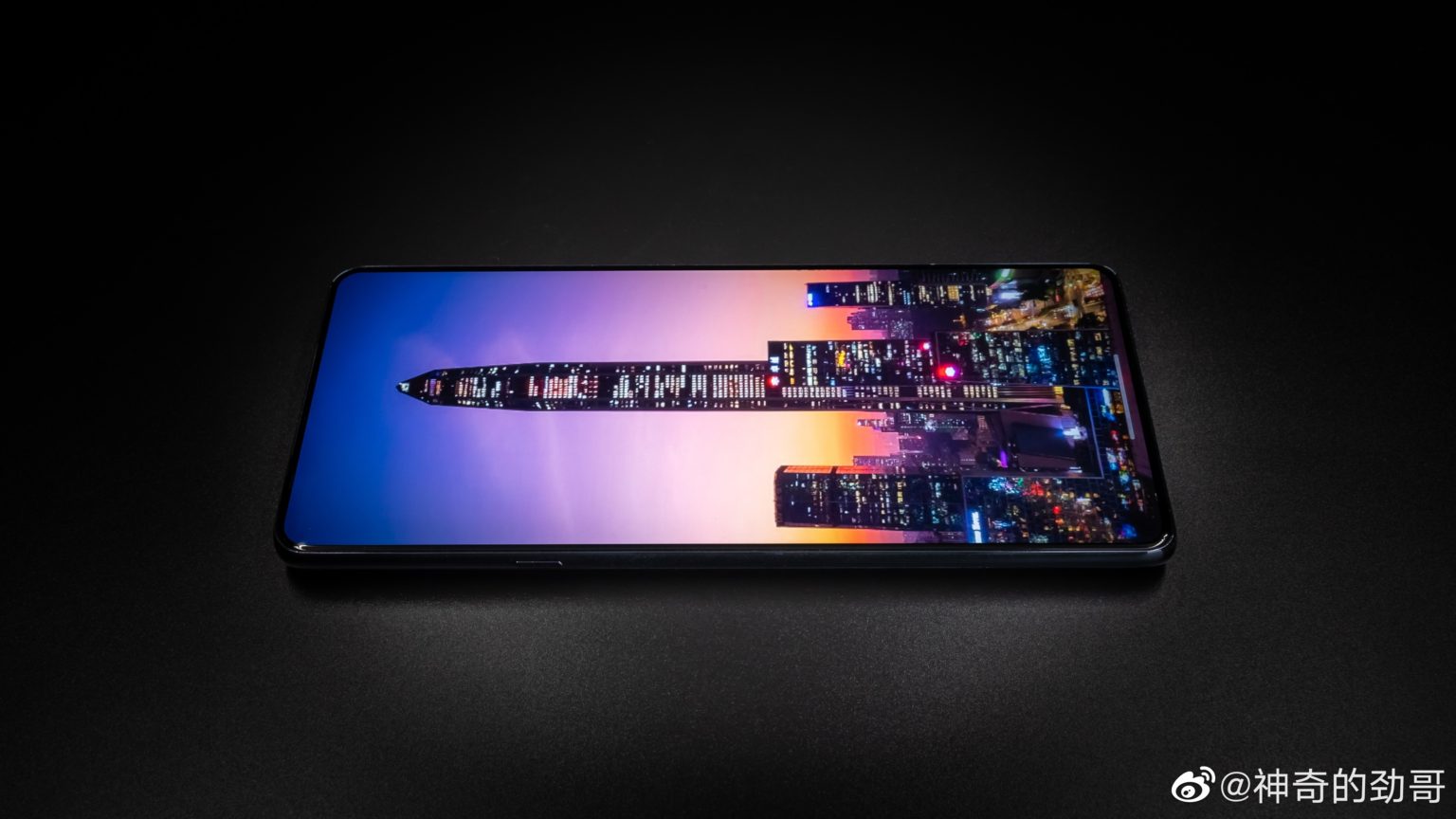
The only major difference is that the new phone’s display offers a full-screen experience as it does not feature a punch-hole. The reason behind it is that the selfie camera is embedded under the display. This new model will probably be showcased at the March 17 event in China. Even tipster WHY LAB has claimed that the Edge X30 Under Screen Edition will debut on March 17.
The Edge X30 Under Screen Edition is expected to arrive with specs like a 6.7-inch AMOLED FHD+ 144Hz display, Android 12 OS with MY 3.0, Snapdragon 8 Gen 1, and a 4,800mAh battery with 68W charging support. It may come with a 60-megapixel front camera and a 50-megapixel (main, with OIS) + 50-megapixel (ultrawide) + 2-megapixel (macro) triple camera unit.
The other teaser above seems to show a mysterious display, and the machine-translation of the Weibo text reads, “It is beneficial to open the book, for seeing the true joy.” Could it be a foldable phone that can be opened like a book or something else? Hopefully, upcoming teasers are expected to shed more information on the alleged device.
Along with the Realme 9 5G smartphone launch in the Indian market, the China-based company has also launched the Realme 9 SE 5G smartphone in India, adding yet another device to the existing lineup of Realme 9i, Realme 9 Pro, and Realme 9 Pro Plus.
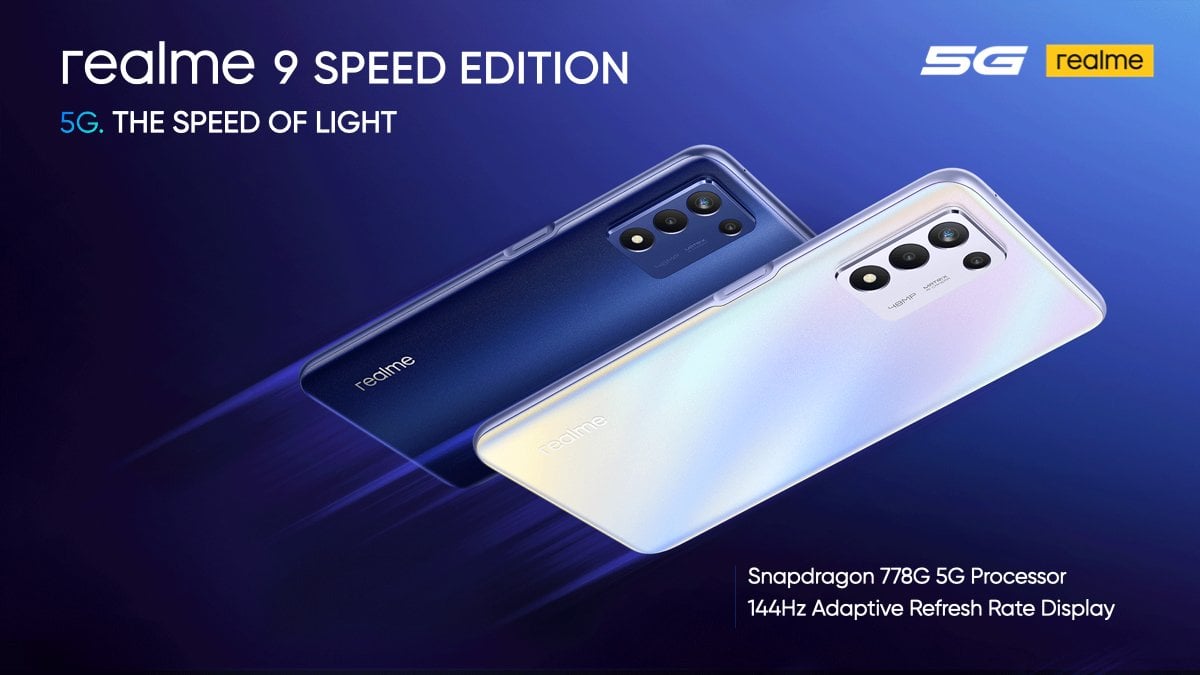
With the launch of the Realme 9 SE smartphone, the OPPO-backed company finally has a device with the “SE” suffix in this lineup. The company has also confirmed that the SE stands for Speed Edition.
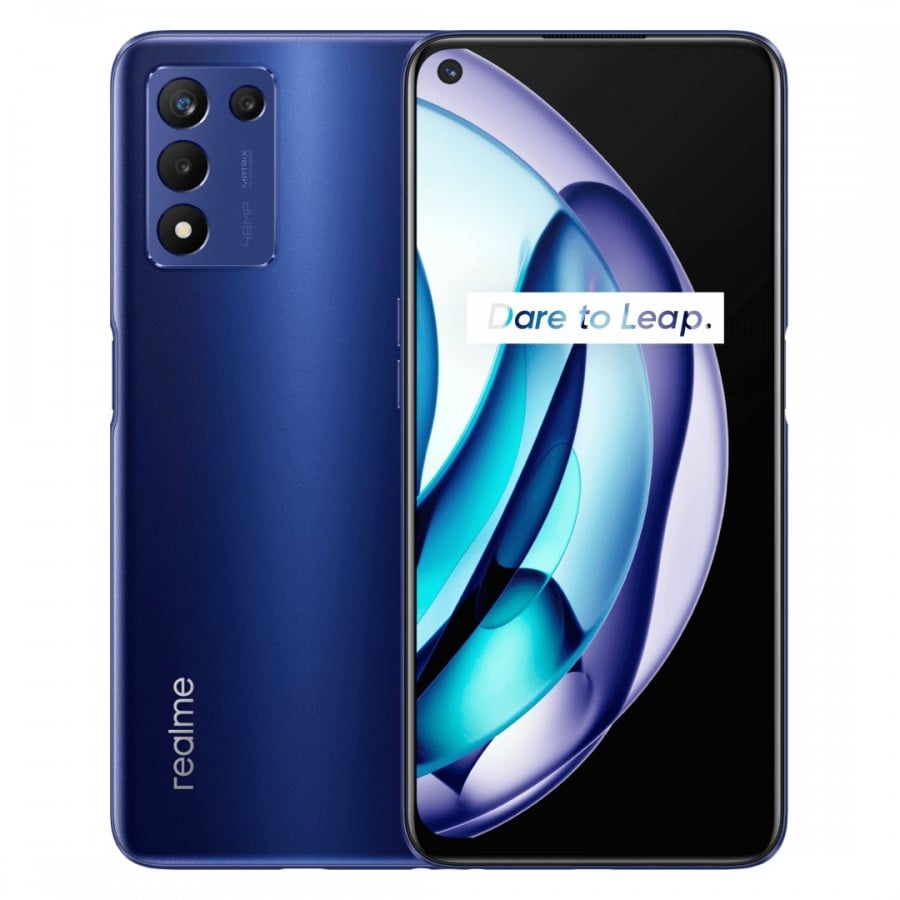
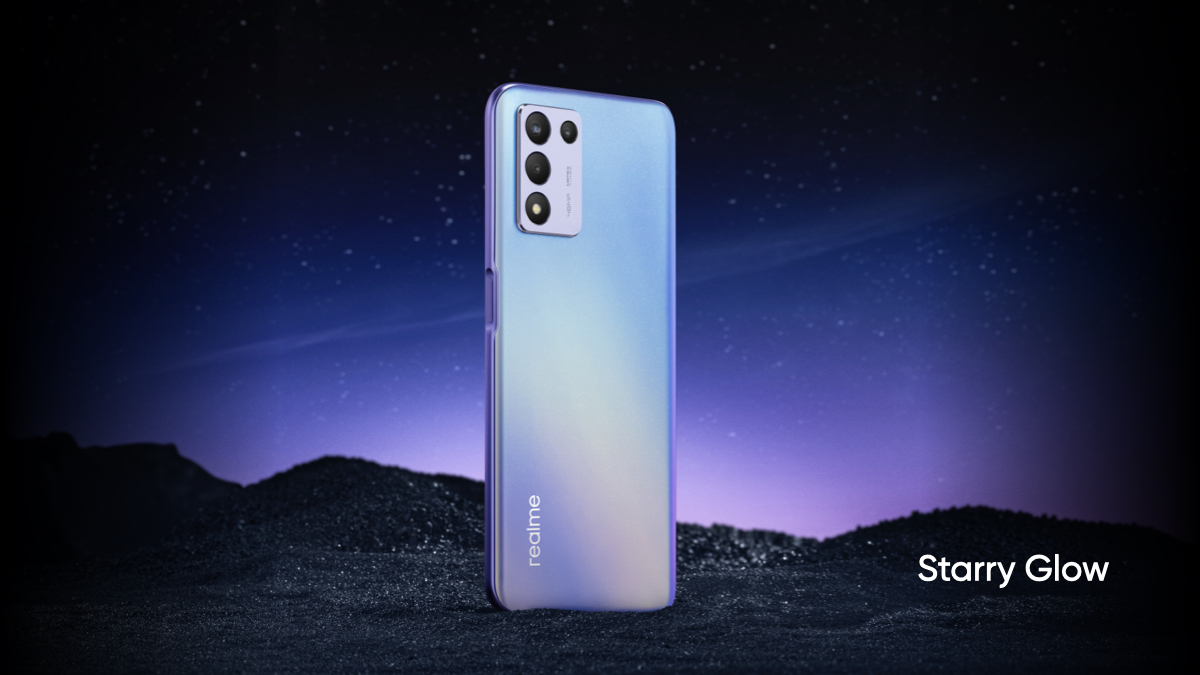
Similar to Realme 9, the SE model uses the new Starlight Texture Design language. It features a 6.6-inch Full HD+ IPS display with DCI-P3 color gamut, 90.8 percent screen-to-body ratio, up to 600nits brightness, and adaptive refresh rate up to 144Hz.
Under the hood, the device is powered by the Qualcomm Snapdragon 778G processor. It also comes with Qualcomm AI Engine that enables AI performance up to 12 TOPS and features Snapdragon Elite Gaming with variable-rate shading for improved low latency.
It runs the Android 12 operating system out-of-the-box with the company’s own Realme UI 3.0 on top. The device is powered by a 5,000mAh battery that supports 30W Dart fast charging technology.
For cameras, similar to the Realme 9 5G, this one too has a triple-camera setup on the back. It consists of a 48-megapixel primary sensor, a 20megapixel depth-sensing lens, and a 2-megapixel macro lens. On the front side, there’s a 16-megapixel snapper for taking selfies and video calling.
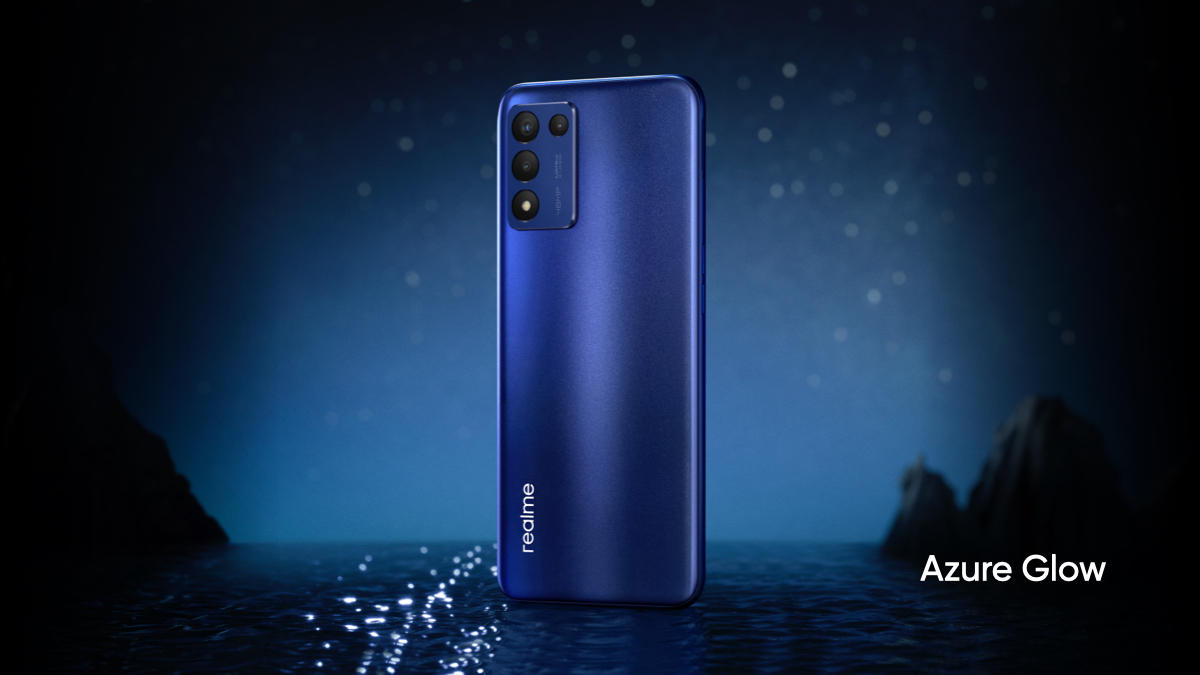
The Realme 9 SE 5G comes in Starry Glow and Azure Glow color options. The 6GB RAM and 128GB internal storage model is priced at ₹19,999 (~$262) while the 8GB RAM and 128GB storage model costs ₹22,999 (~$302). Both the models will go on sale from 14th March in India through Realme.com, Flipkart, and offline stores across the country.
Realme has today unveiled two new phones in the Realme 9 series smartphones in the Indian market. The newly launched models are Realme 9 5G and Realme 9 Speed Edition 5G, marking the debut of the “SE” model for the brand.
The two newly launched smartphones are an addition to the existing lineup that was announced earlier this year and include Realme 9i, Realme 9 Pro, and Realme 9 Pro Plus.
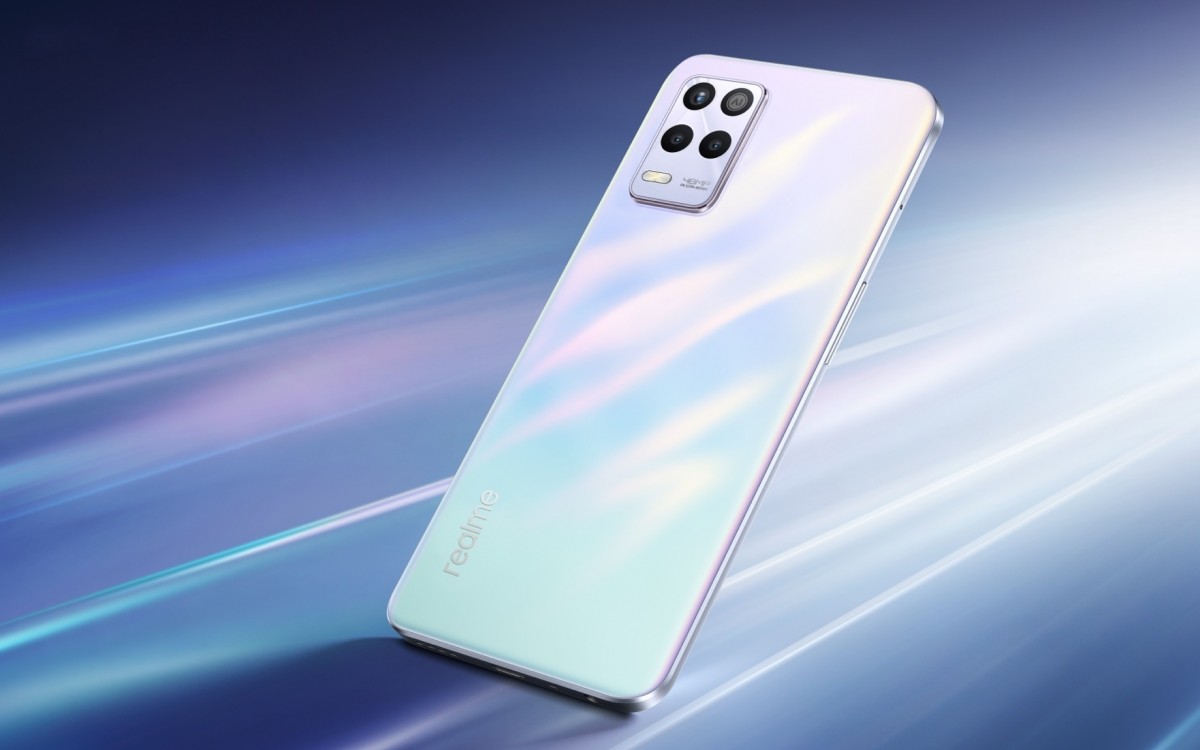
The Realme 9 5G smartphone uses the new Ripple Holographic Design language and the phone measures 8.5mm in thickness, weighing 188 grams. It features a 6.5-inch Full HD+ display with 2400 x 1080 pixels screen resolution, 90.5 percent screen-to-body ratio, and support for a 90Hz screen refresh rate.
Under the hood, the device is powered by a MediaTek Dimensity 810 processor, coupled with up to 8GB of RAM and 128GB of internal storage. It also has Dynamic RAM Expansion which adds additional 5GB of virtual RAM. It also features MediaTek HyperEngine 2.0 for enhanced power efficiency.
There’s a side-mounted fingerprint sensor for added security. The phone runs the Android 12 operating system out-of-the-box with the company’s own Realme UI 3.0 on top. The device is powered by a 5,000mAh battery that supports 18W Dart fast charging.
In the camera department, the Realme 9 5G smartphone has a triple-camera setup on the back that consists of a 48-megapixel primary sensor, a 20megapixel depth-sensing lens, and a 2-megapixel macro lens. On the front side, there’s a 16-megapixel snapper for taking selfies and video calling, with Clear Fusion Algorithm technology.
The Realme 9 5G is offered in two colors — Stargaze White and Meteor Black. The 4GB RAM with 64GB internal storage model is priced at ₹14,999 (~$197) while the 6GB RAM and 128GB storage model costs ₹17,499 (~$230). Sale from 14th March across Realme.com, Flipkart, and offline stores across India.
Even though most Pixel devices are the best of the lot, along with excellent cameras. It is no secret that these cameras excel due to the post-processing done by the camera app. Any smartphone enthusiast knows how good the GCAM app from Google is, and people have been porting the app ever since Google removed it from the Play Store. Google recently updated the camera app on the Google Pixel 6 Pro to build v8.4.300.18. Lucky for us, developer BSG released the Modded APK of the camera app to the public. So, in this guide, we’ll show you how to download and install the GCAM 8.4 APK on your Android device.
Unlike most GCAM ports, this one is usable on any device for as long it runs at least Android 10. The GCAM 8.4 port from BSG works with any smartphone, irrespective of the OEM. The app has already been tested on Xiaomi, Samsung, OnePlus, Asus, etc. So we believe it should work with all Android devices.
Download GCAM 8.4 APK
You can install the app as you do with any other app. Download it from here and open it. You might be asked to grant permission to install from unknown sources if you’re doing it for the first time. Install the APK, and that’s basically it. You don’t have to root your device.
GCAM 8.4: Added features and improvements
GCAM 8.4 update brings substantial improvements and new features to the camera. This includes the following.
New and improved video stabilization modes – Google has added 3 new stabilization modes to help you capture steady videos. The new Locked, Active, and Cinematic Pan modes deliver unmatched performance. These modes will come in handy if you’re shooting lengthy shots.
Night Sight in Portrait and Camera modes – You no longer have to switch modes when snapping shots in the dark.
Zoom buttons – You can now zoom in or out a lot quicker.
Magic Eraser – Google hyped up this feature in their I/O, and yes, it is truly worth it. You can now digitally remove unwanted things (or people) from your photos a lot quicker.
Google has also made some UI amendments to make it look a lot cleaner and minimal than the previous version. Give a try to the app and do let us know in the comments your opinion about it.
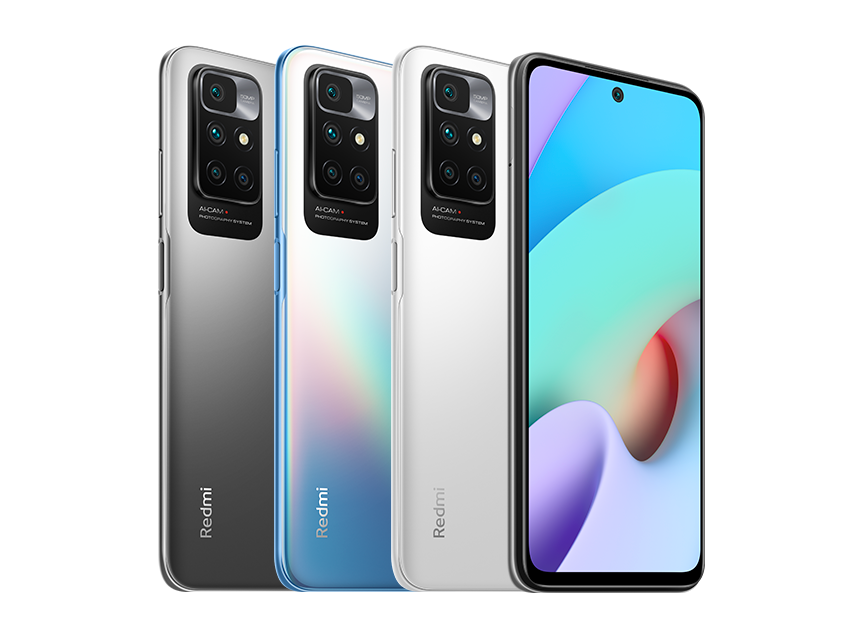
As Xiaomi has almost debuted the Redmi Note 11 series in all the markets, it is now expected to introduce new models in the entry-level Redmi number series. Last year, the company only released a couple of devices in the Redmi 10 series, and therefore, it is said to launch new models in the very same generation instead of the Redmi 11 series. Alleged details about one of these phones have now emerged again.
Redmi 10 Prime
According to Xiaomiui, Xiaomi is readying to launch a budget smartphone with model number 220333QBI in India. The publication says that this handset will go official as Redmi 10 in the country. For your information, the original Redmi 10 is sold as Redmi 10 Prime in the region.
For those unaware, Xiaomiui had already reported on this phone in late January. It is codenamed ‘fog’ and it was previously suggested to launch as Redmi 10C
There is also a POCO version of the aforementioned device carrying model number 220333QPI. This model is said to break cover as POCO C4.
As far as features are concerned, the new report reiterates the camera specs earlier. However, it does talk about the handset’s software and some other specs for the first time.
Talking about the operating system first, it will boot MIUI 13 but unfortunately, the build will be based on Android 11. Further, the smartphone will arrive with a 60Hz 6.53-inch HD+ notched display (LCD), a MediaTek chipset with an octa-core CPU, a dual-SIM card slot, a MicroSD card slot, and a 5,000mah battery.
Finally, talking about cameras, the phone will come with a 50MP Samsung ISOCELL S5KJN1 or a 50MP OmniVision OV50C primary sensor, an 8MP ultra-wide unit, a 2MP OmniVision OV02B1B or a SmartSens SC201CS macro snapper, and a 5MP front-facing shooter.
This alleged Redmi 10 will likely be accompanied by Redmi 10 Prime 2022, which is expected to be the same as Redmi 10 Prime from 2021.
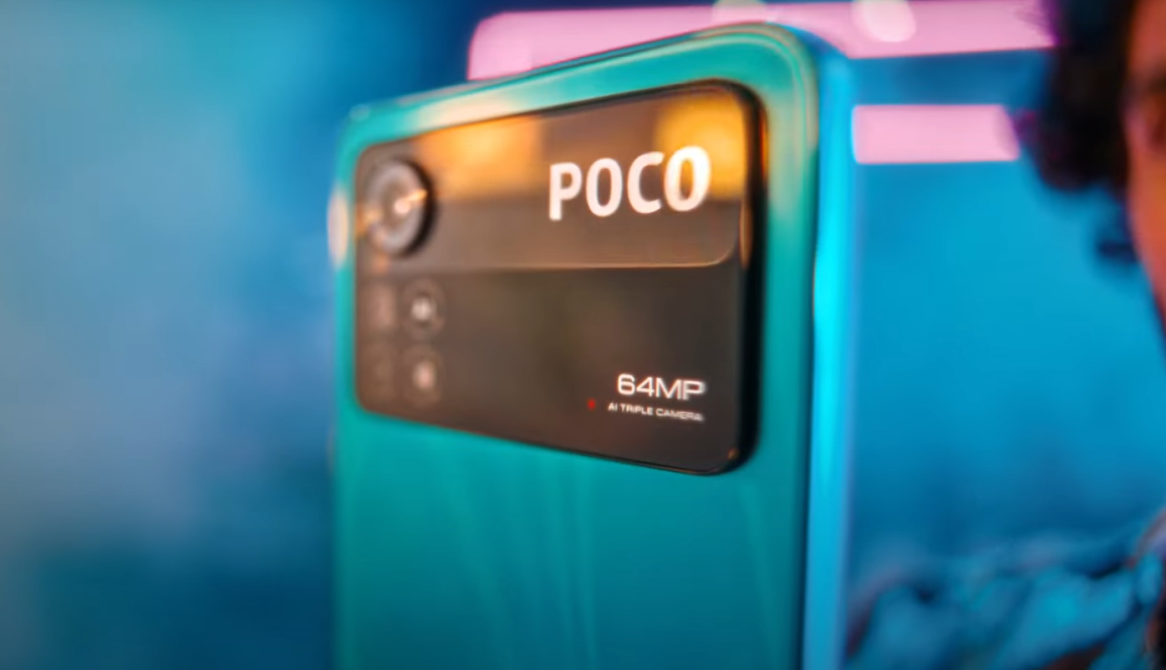
A recent teaser video released by POCO India features the POCO X4 Pro 5G, which indicates that it may debut soon in India. To recall, POCO globally unveiled the POCO X4 Pro 5G and POCO M4 Pro 4G last month. While the M4 Pro has also launched in India, the X4 Pro 5G is yet to debut in the country. The teaser suggests that the POCO X4 Pro 5G may debut later this month in India.
The promo video released by POCO India shows that the POCO X4 Pro 5G is equipped with a 64-megapixel camera. To recall, its global edition has a 108-megapixel main camera. It is unclear whether there are any other changes to the Indian variant.
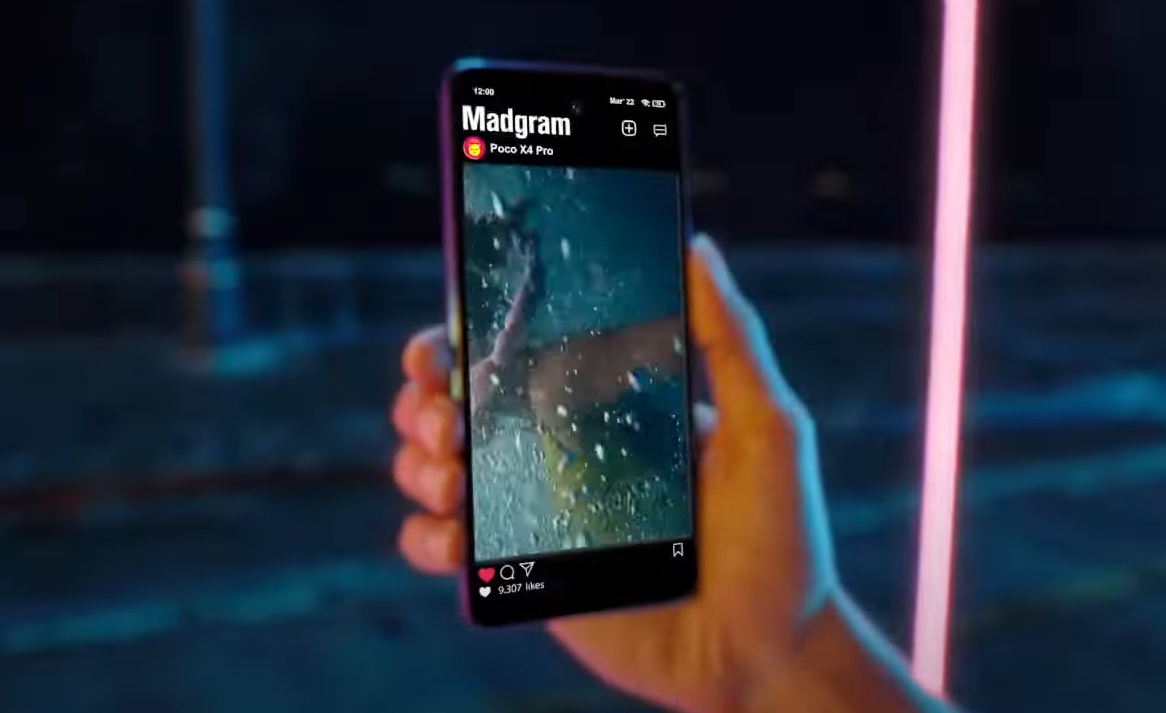
The time and date shown in the screengrab below indicate that the POCO X4 Pro 5G will be available in India at 12 pm on March 22. Hopefully, POCO India will soon confirm its launch date in the coming days.
POCO X4 Pro 5G specifications (expected)
The POCO X4 Pro 5G for India will feature a 6.67-inch AMOLED FHD+ display that offers a 120Hz refresh rate. It will be powered by the Snapdragon 695 chipset, up to 8 GB of LPDDR4x RAM, and up to 256 GB of UFS 2.2 storage.
The X4 Pro 5G will feature a 16-megapixel camera for snapping selfies. The rear side of the device will feature a 64-megapixel primary camera, an 8-megapixel ultrawide camera, and a 2-megapixel macro camera. It will pack a 5,000mAh battery that supports 67W fast charging. The X4 Pro 5G will come with other features such as MIUI 13 based Android 11, a side-facing fingerprint scanner, and a microSD card slot for additional storage.
If you enjoy running, you’re bound to be disappointed with the current conditions that prevent you from getting out. Whether it’s raining or snowing, the temperature can be either too hot or too cold outside. Or maybe it’s simply because you’re in a bad mood and don’t want to go out. This is when you consider buying a treadmill. But there are a couple of things that stop people from getting a treadmill.
First, it’s rare that you can’t go out for a jog, and second, a treadmill takes up a lot of space.
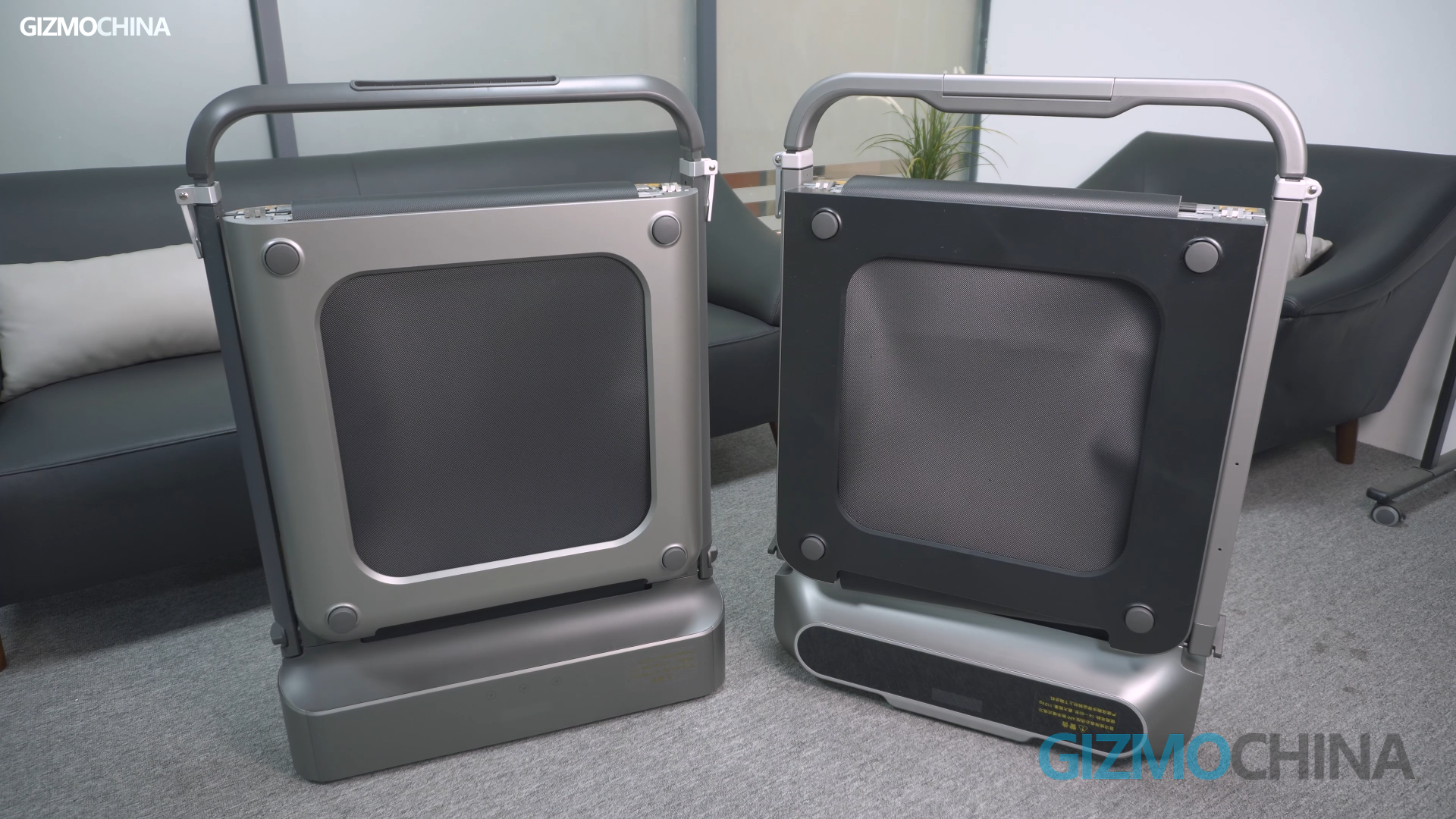
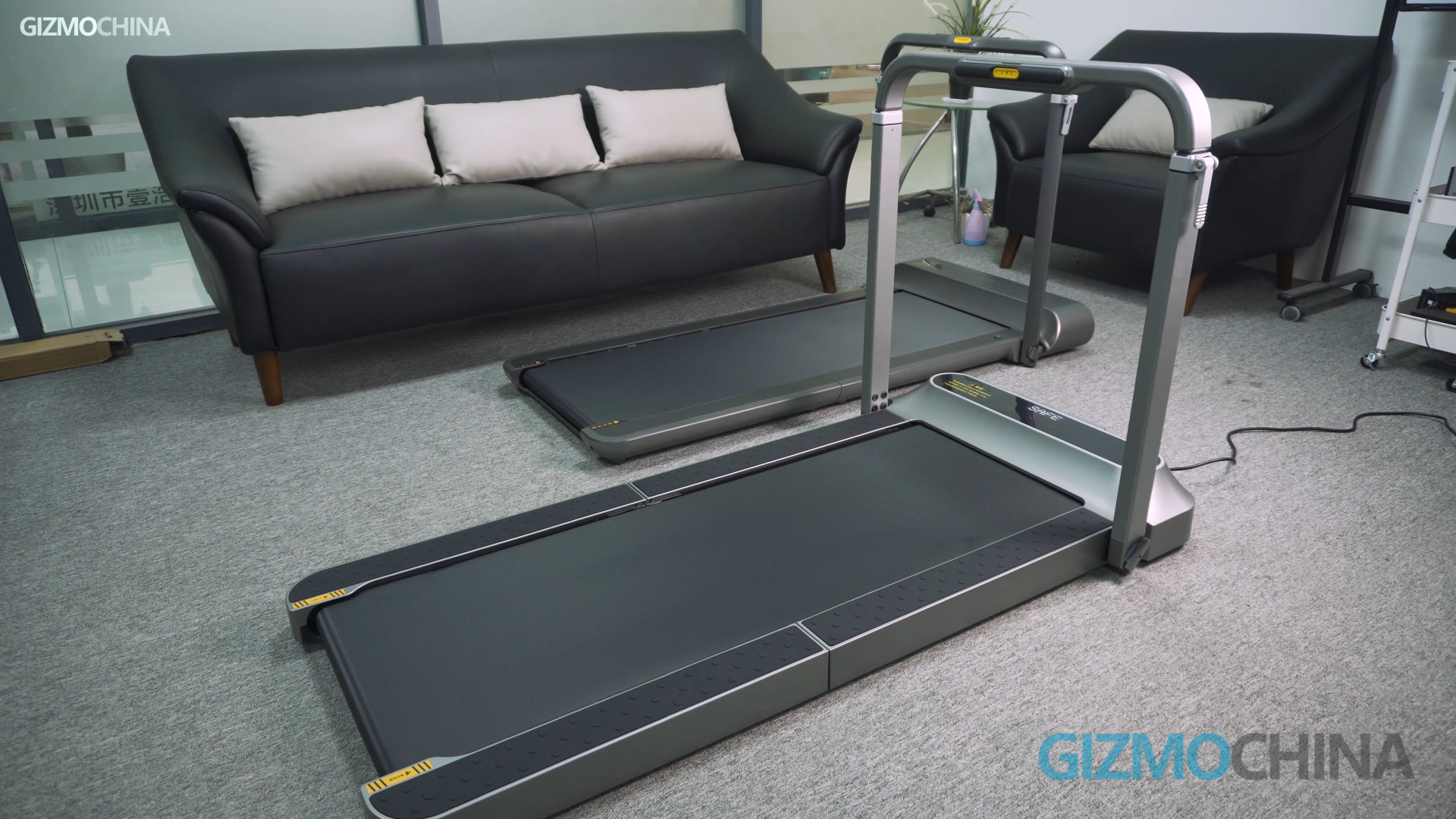
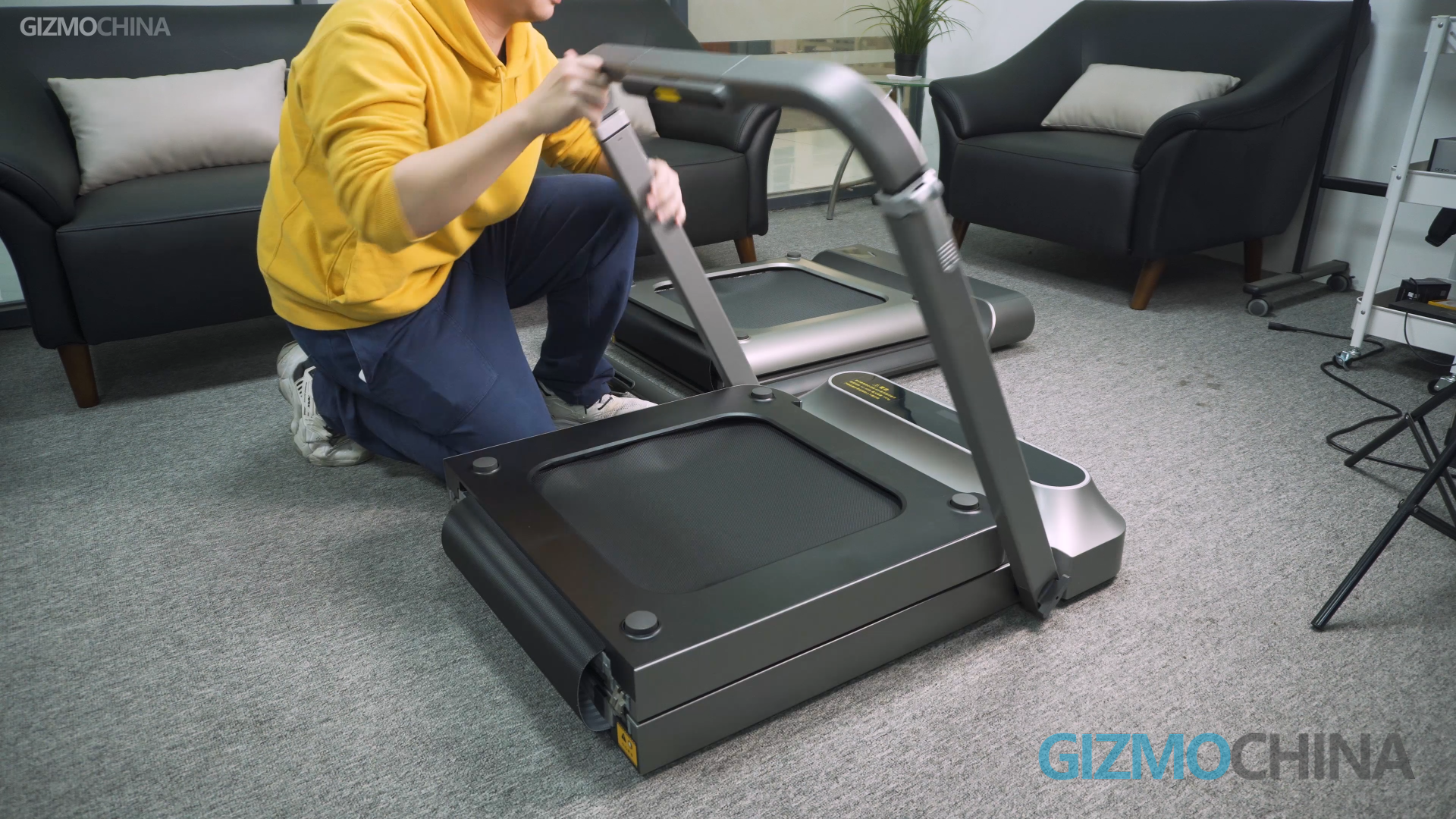
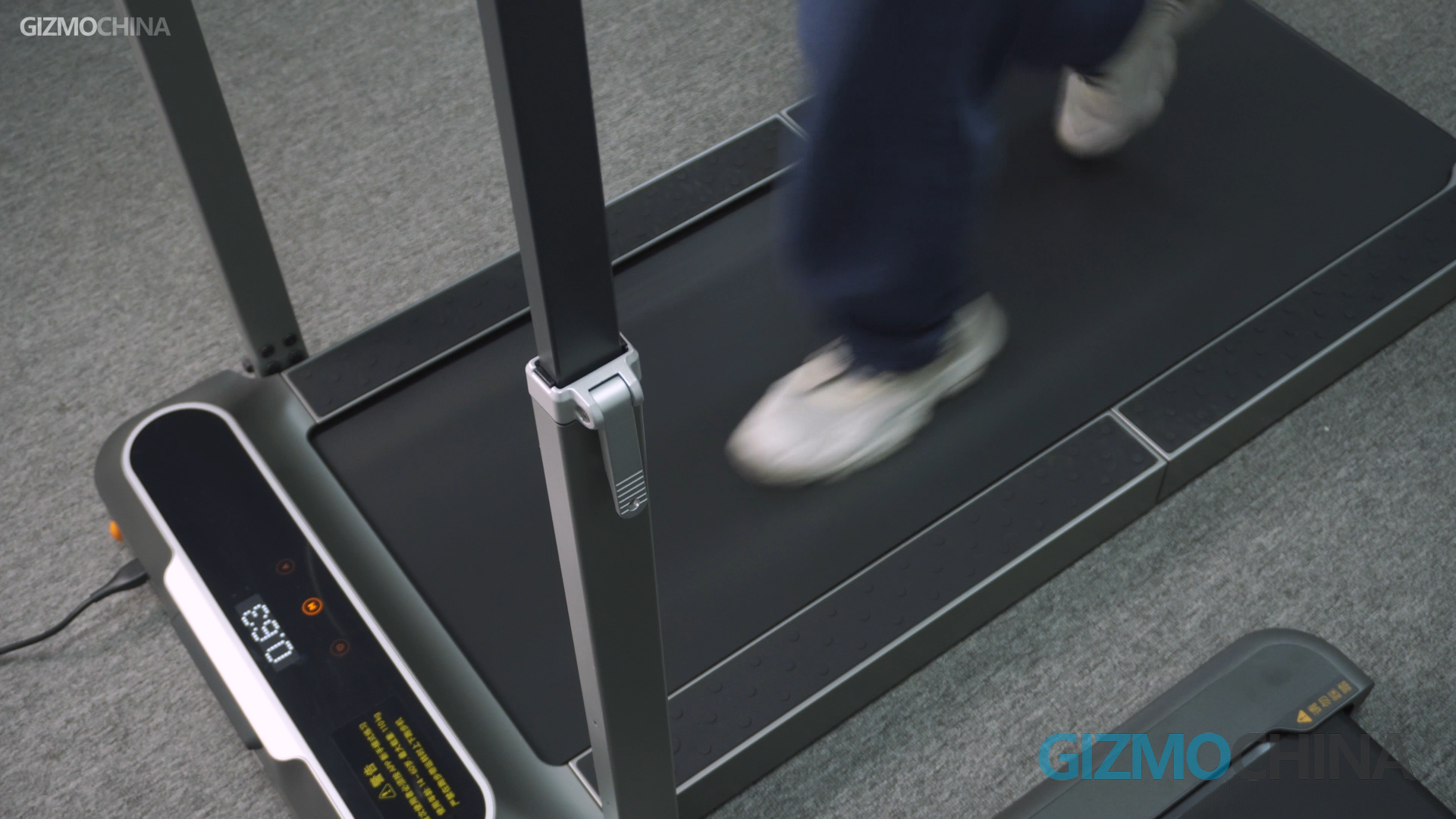
We previously did a review video of a foldable treadmill, the WalkingPad R1 Pro, which was a great solution to the above problem. Two years later, WalkingPad has launched its updated version, the WalkingPad R2. As it happens, we have both WalkingPads and this video looks at the differences between the R1 Pro and R2.
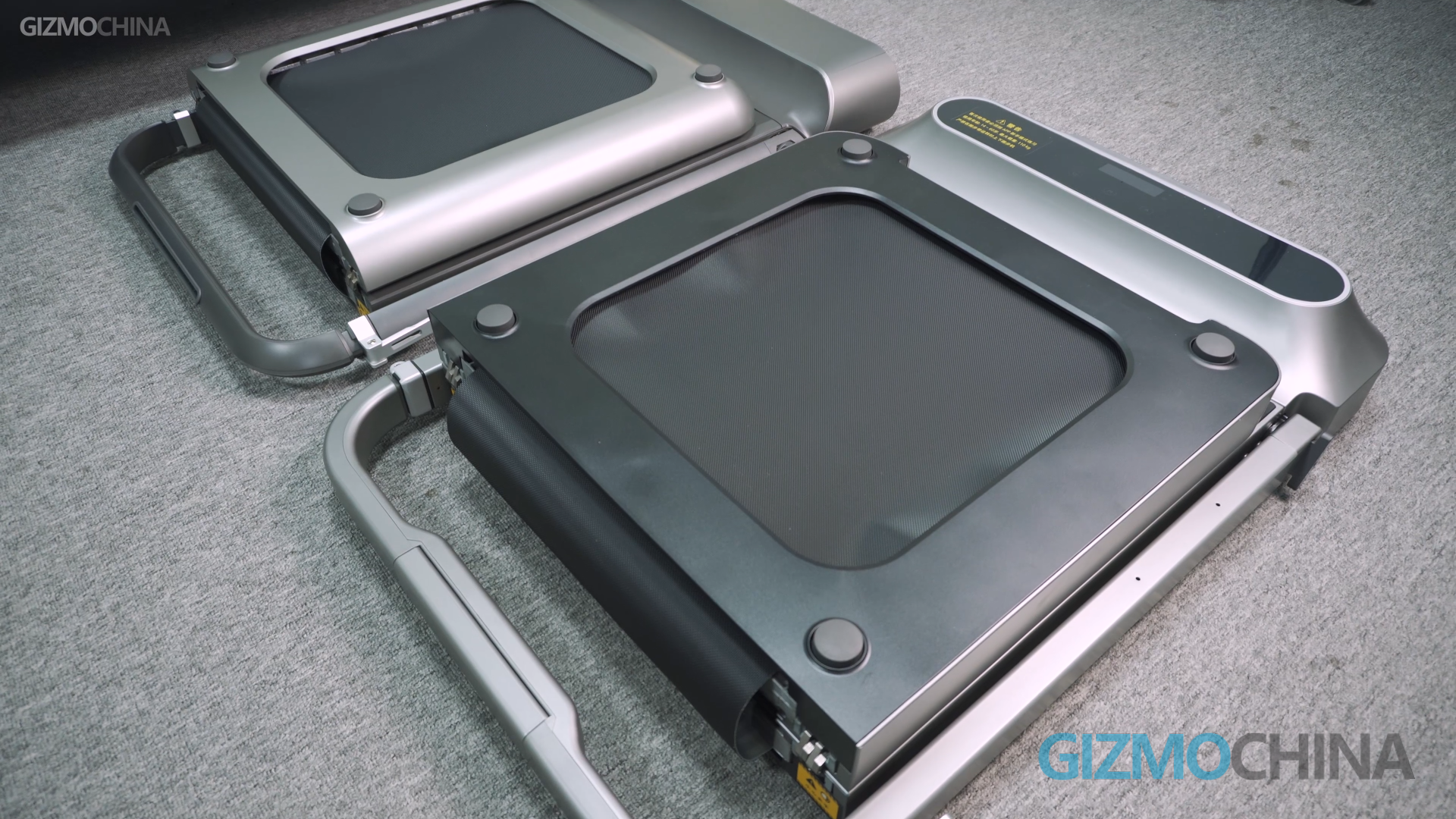
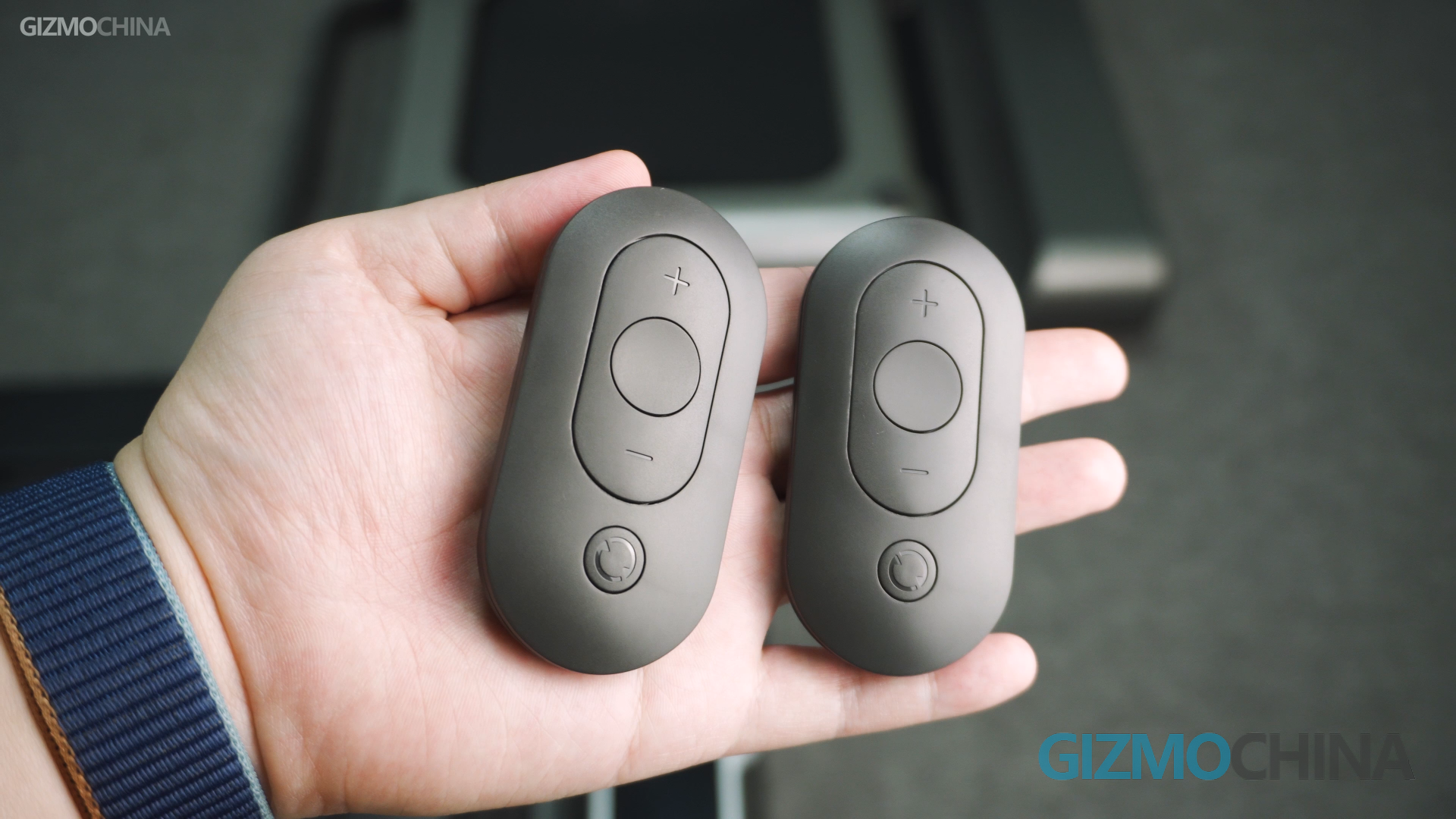
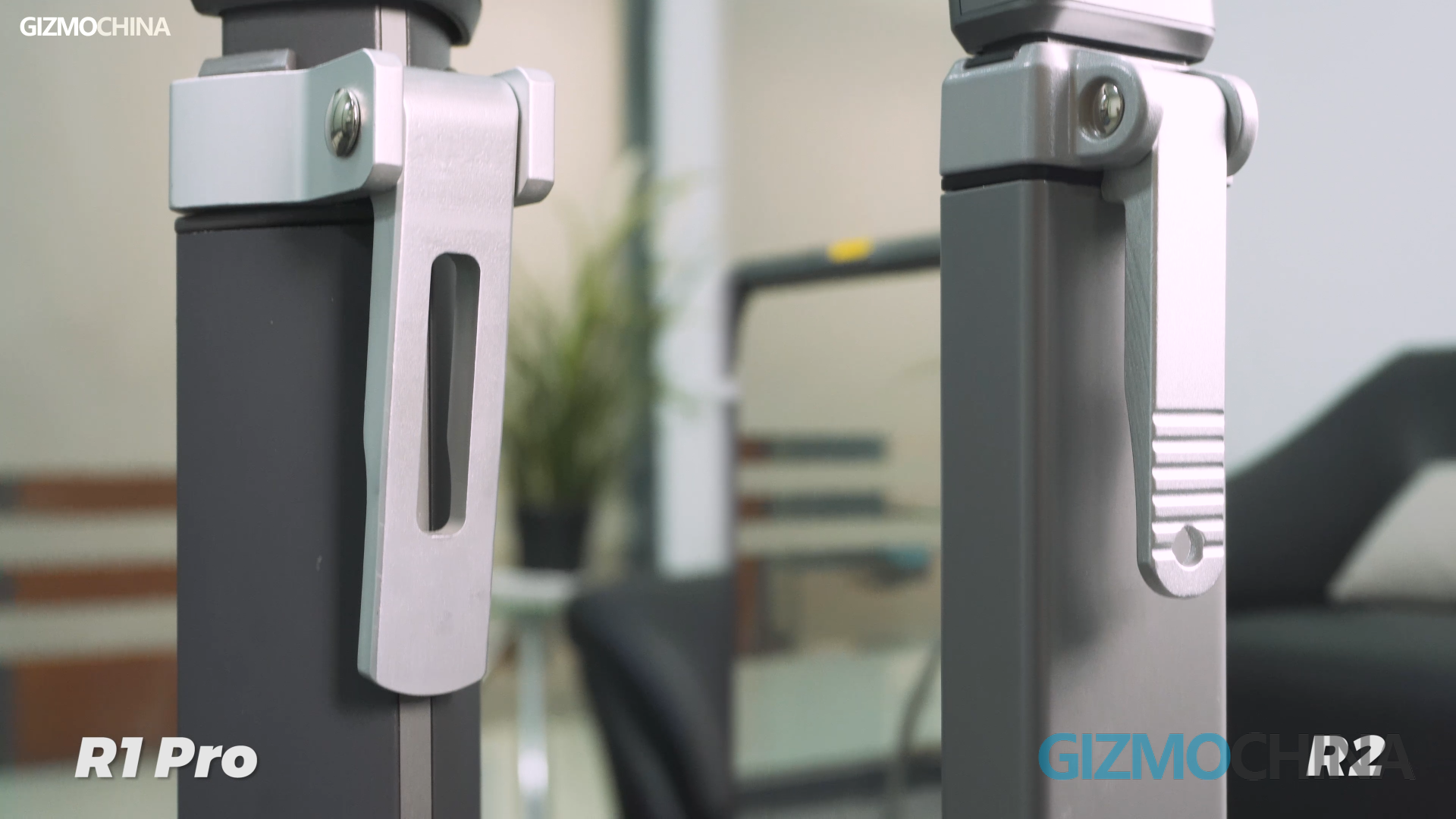
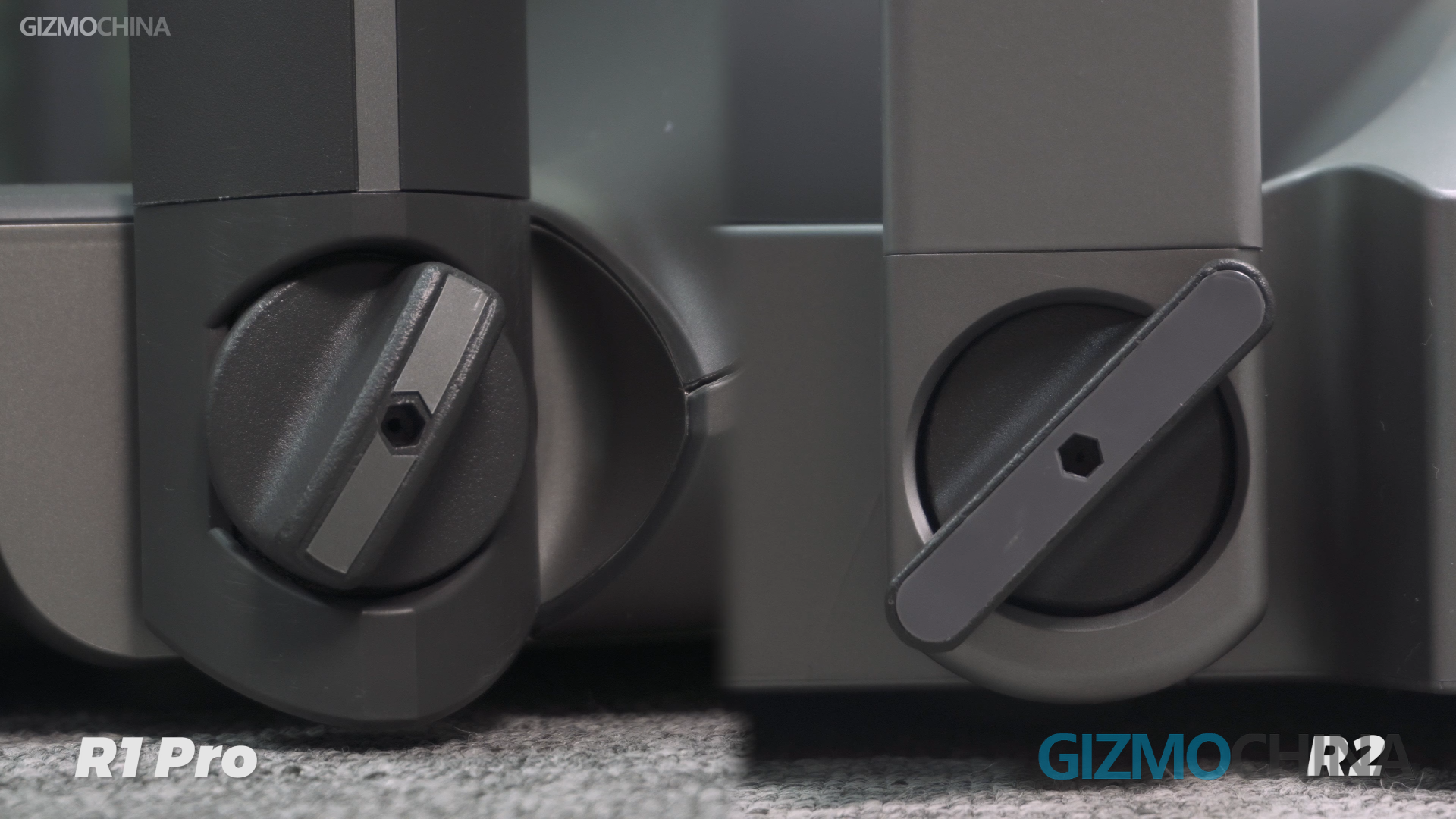
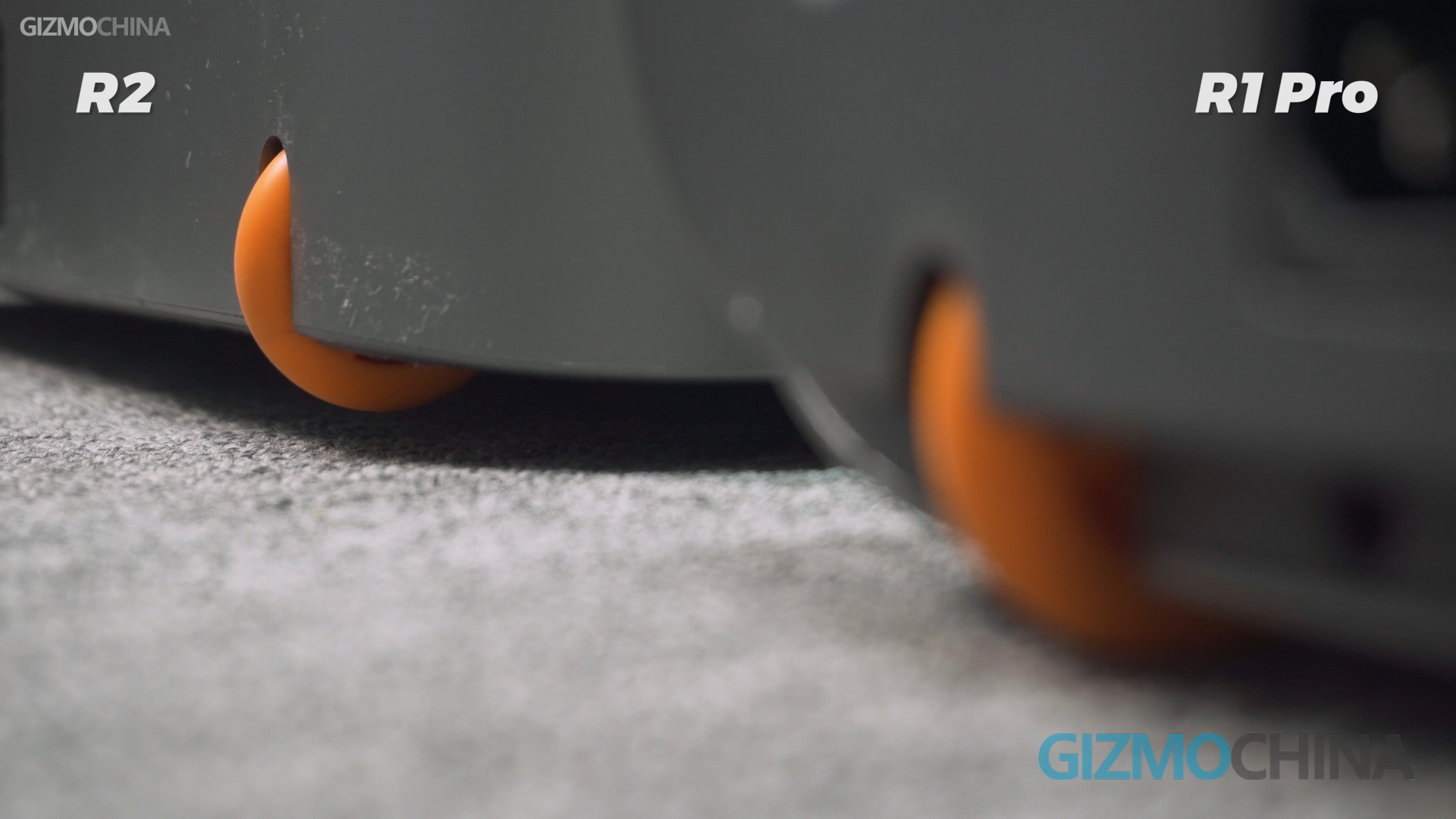
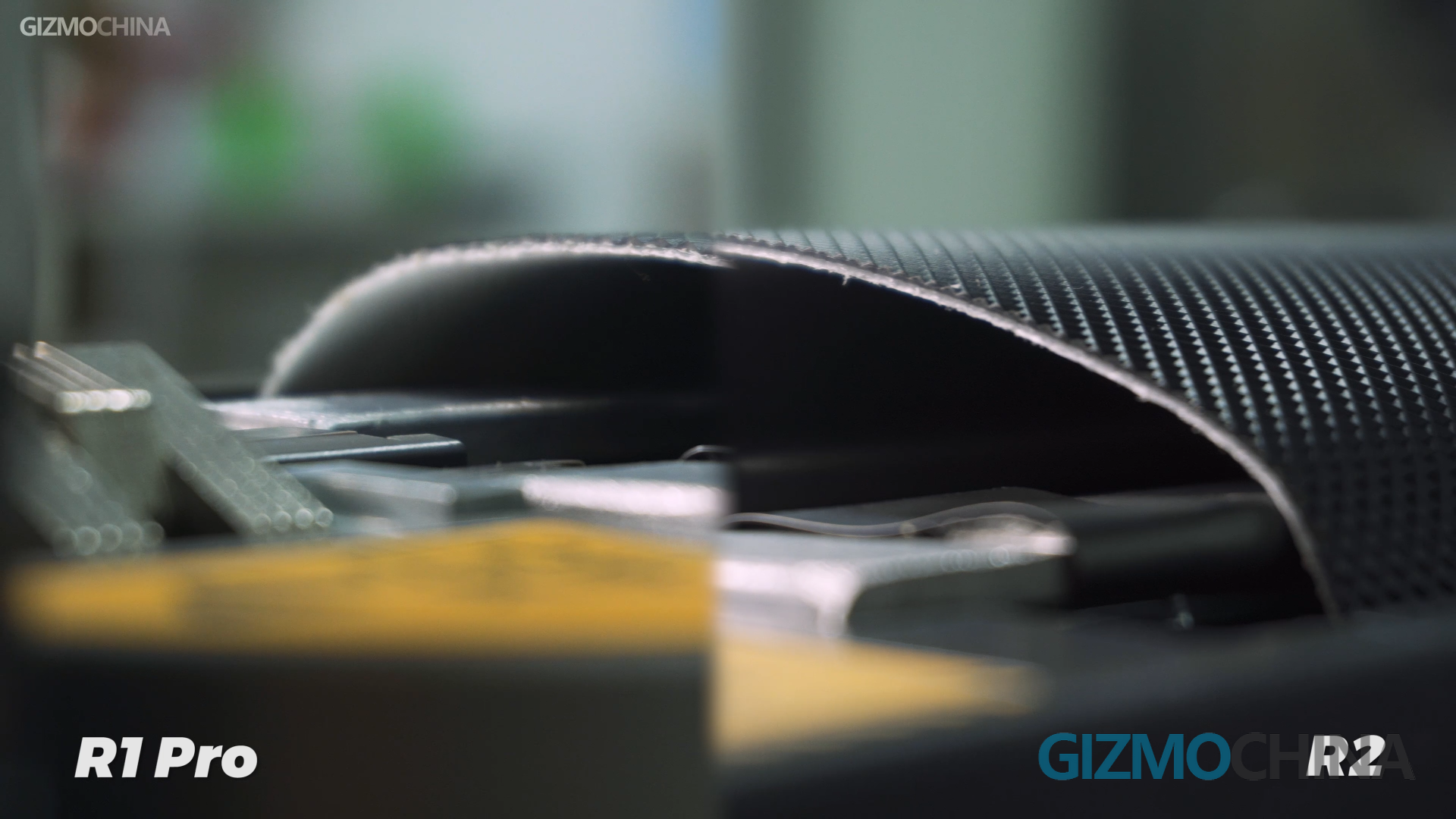
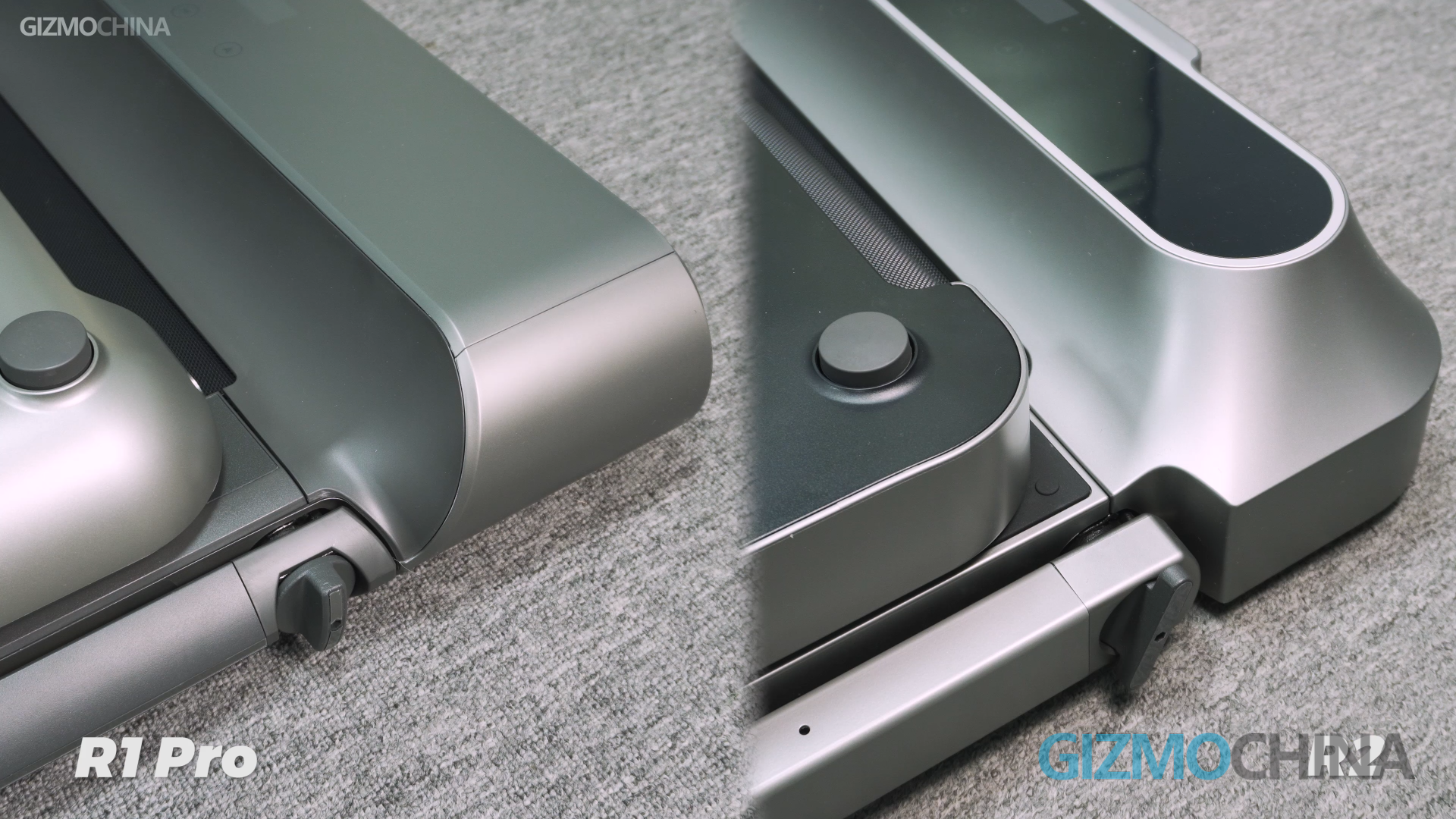
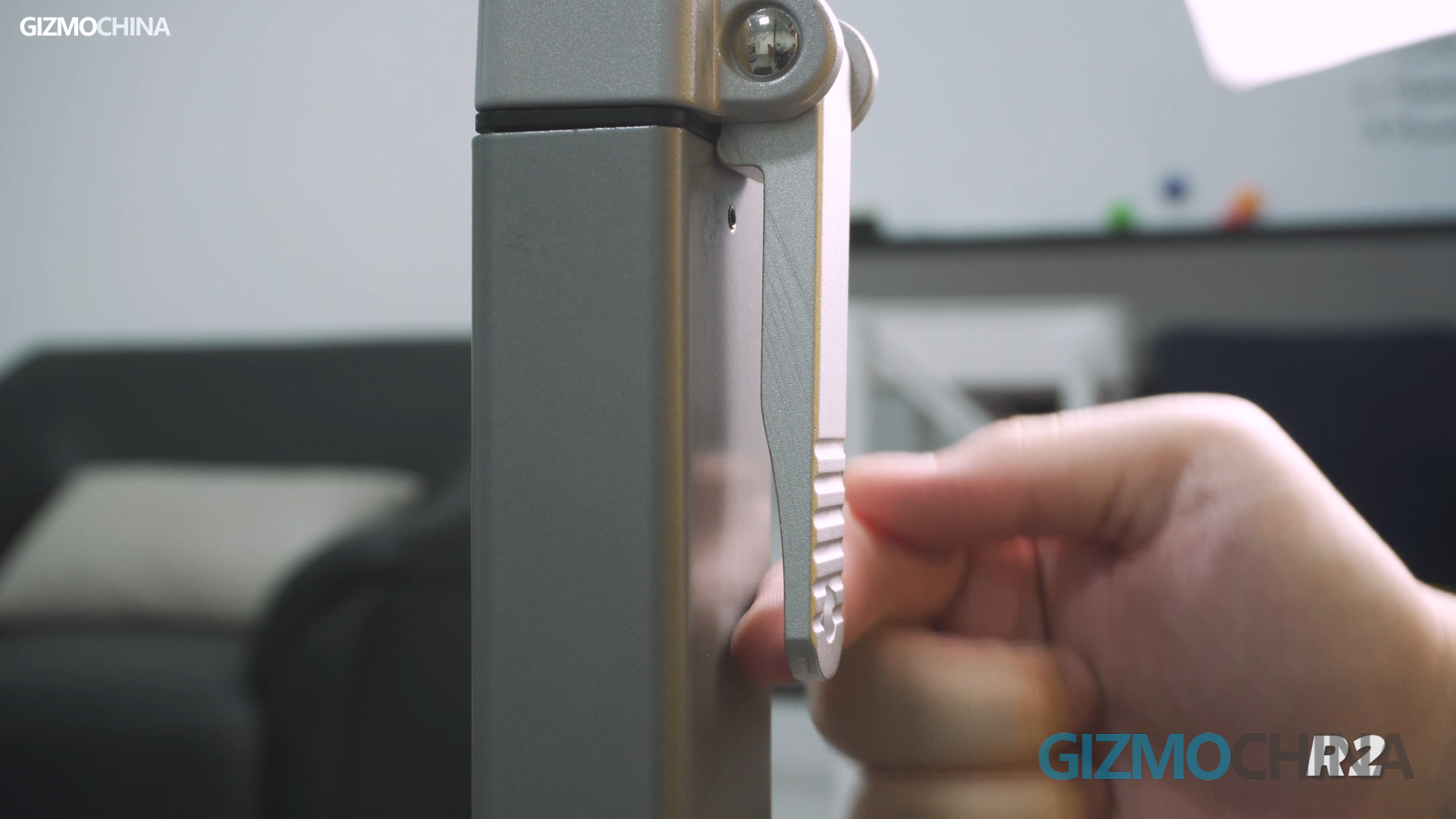
Many of the core specifications of the WalkingPad R2 are the same as those of the R1 Pro. For example, they both use brushless motors. The Racetrack is still made of four different layers of material. And a good racetrack will protect your knees during jogging. There are also two wheels at the bottom. But the R2’s wheels are more protruding and easier for you to move around. Both Safety clips and remote controls are the same. Even the remotes can be interchanged. The most important foldable feature – its foldable mechanism, has not been changed much in the R2. Probably the WalkingPad team felt that this was the best way to fold it. Twist, pull them open, and use them in just three steps. In terms of functionality, there is no difference between the R1 Pro and the R2.
So you must be curious, where exactly has the WalkingPad R2 been upgraded?
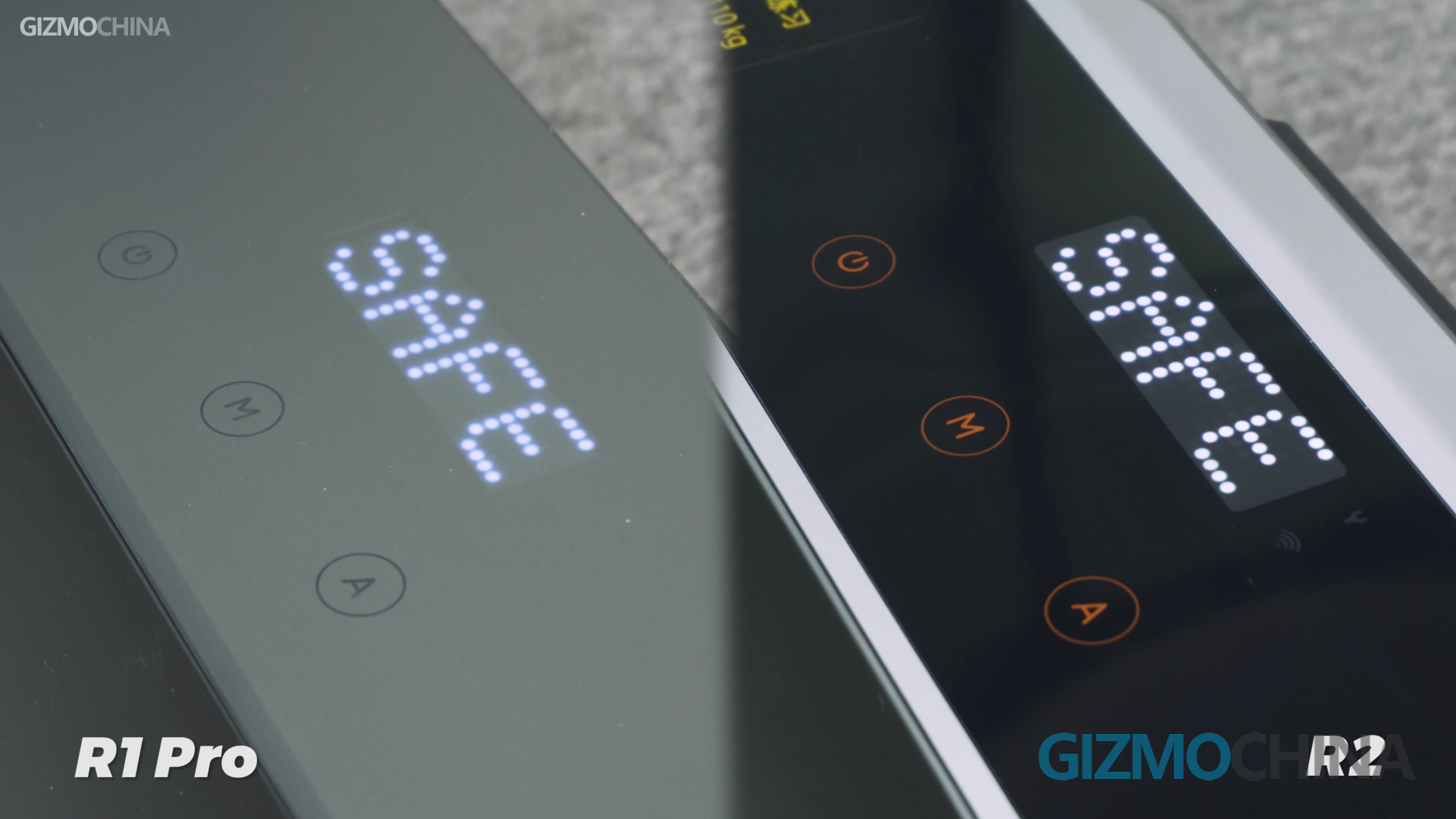
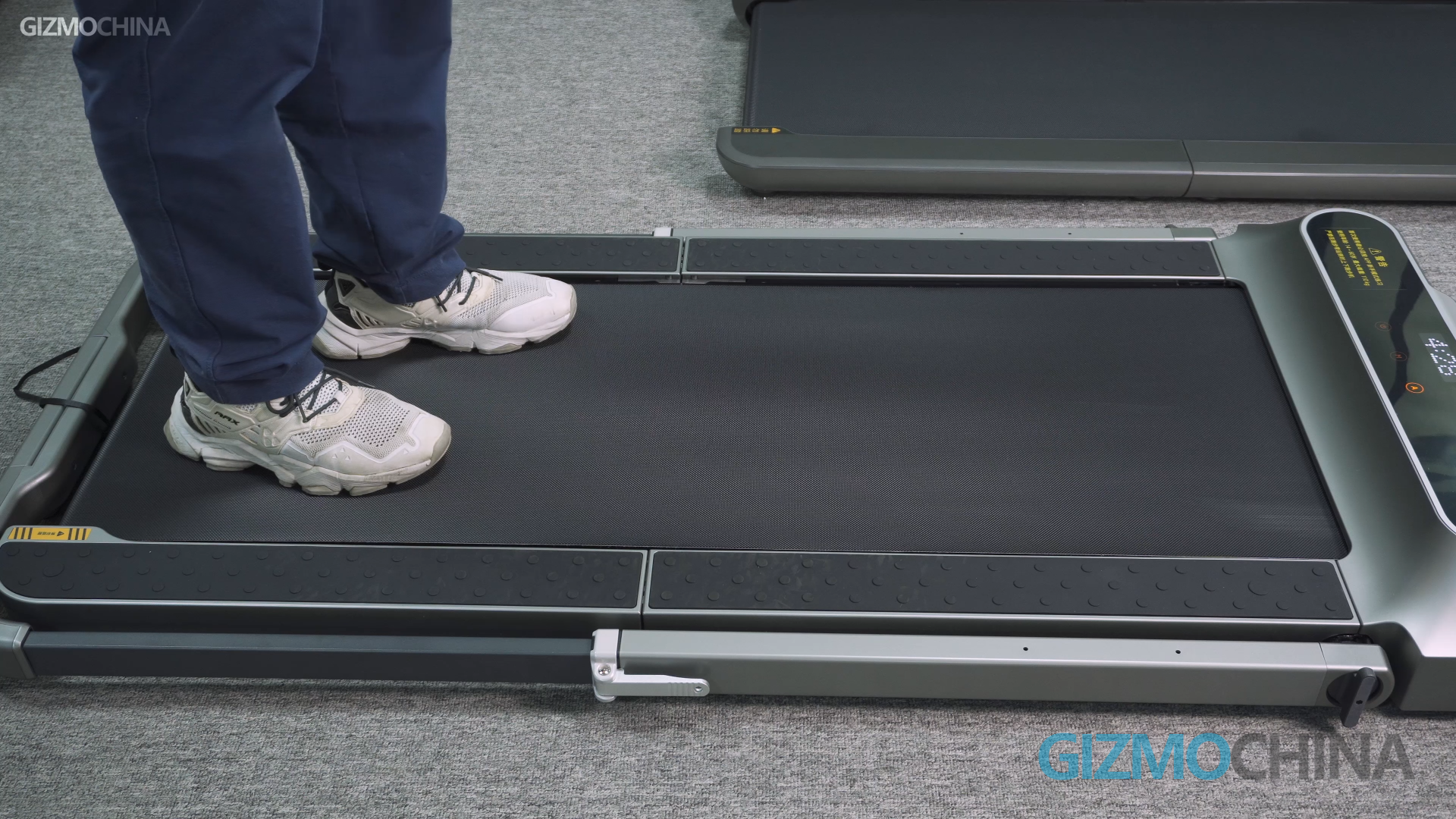
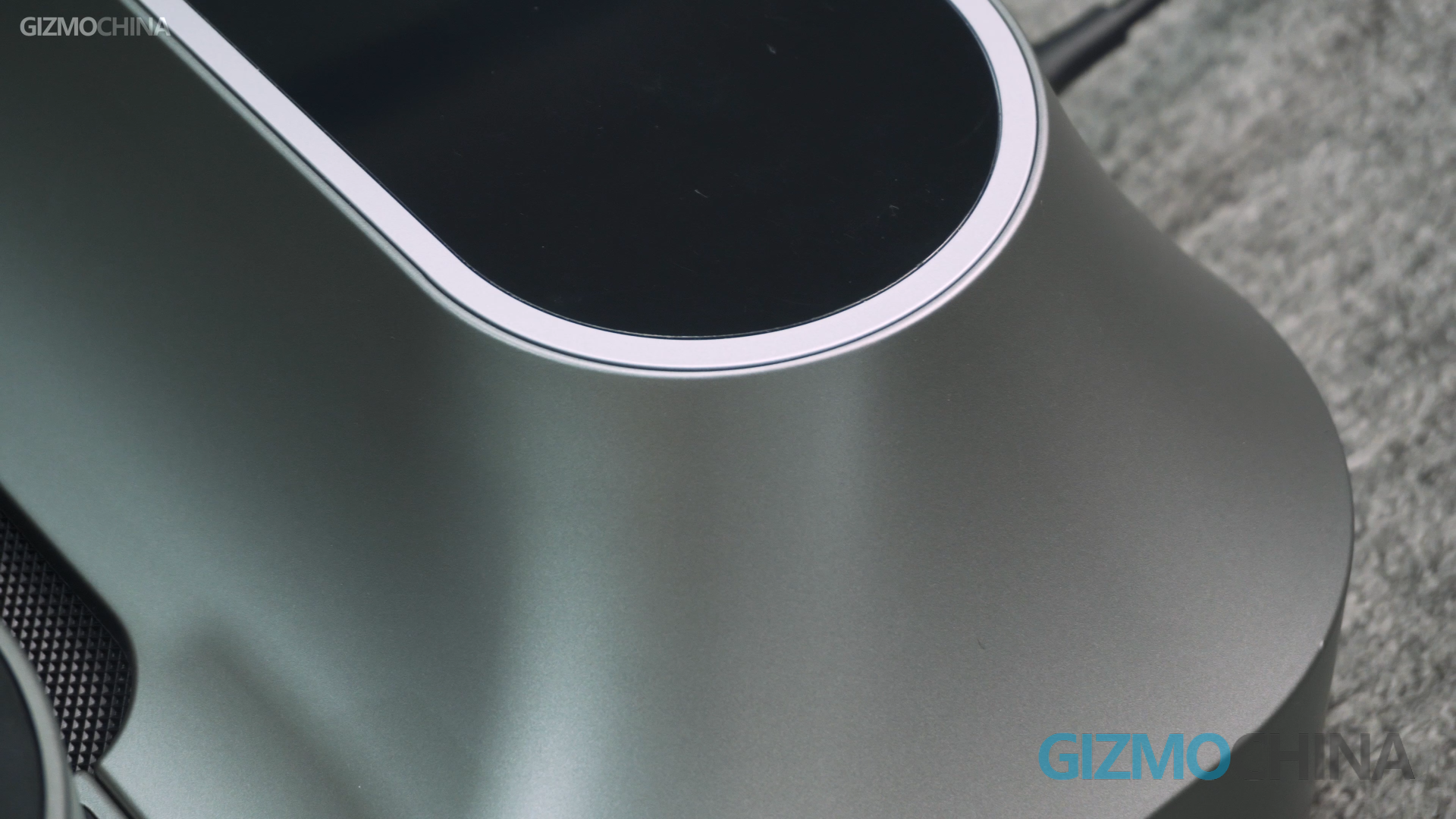
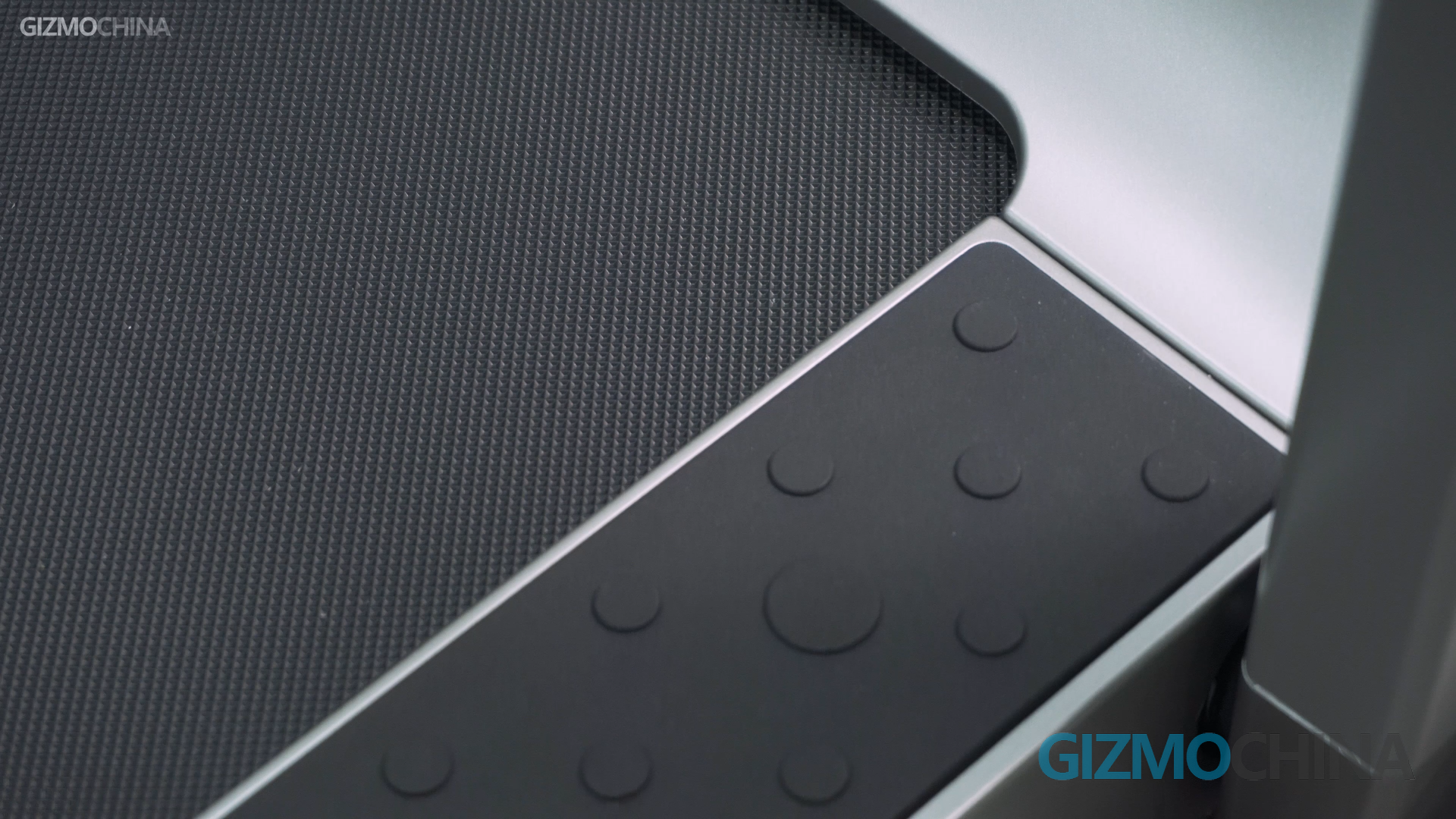
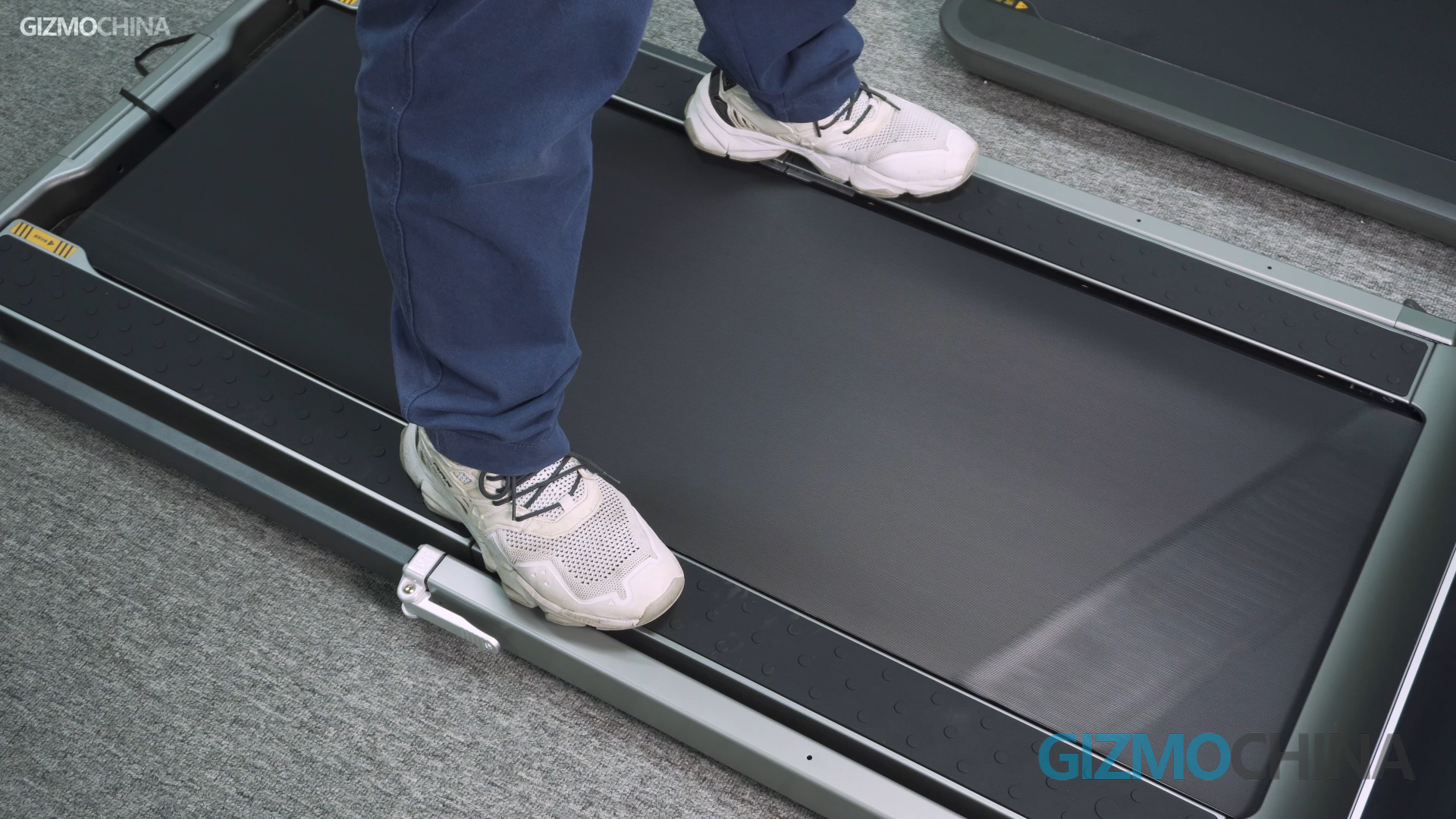
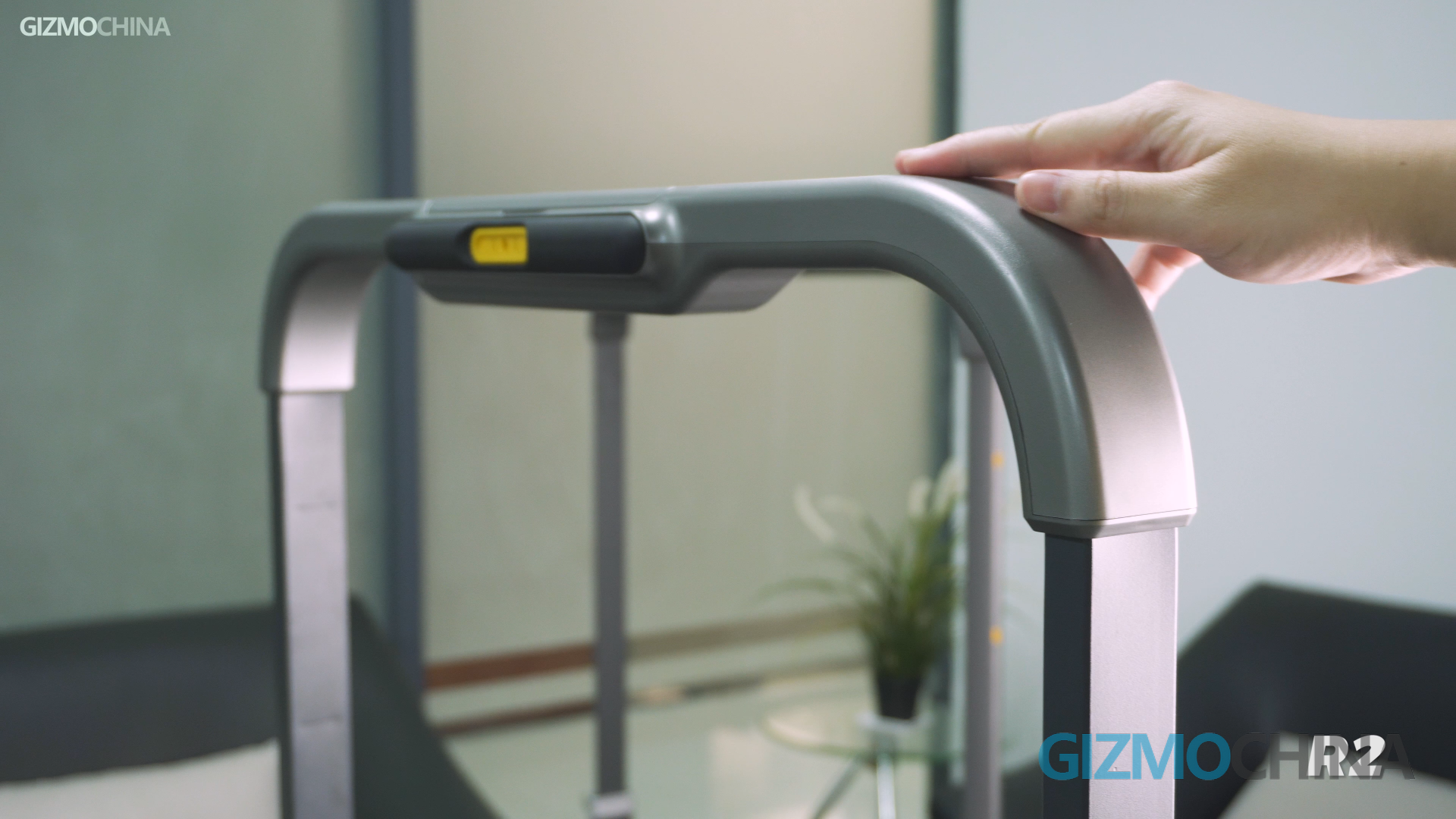
The first difference you can easily see is the design of the R2, which has a more squared-off look, with a lot of right-angle aesthetic design, and a new screen design with more curves, which makes the R2 look even better. Of course, it doesn’t just look beautiful, it’s also much more comfortable to use. The WalkingPad R2 has a brighter screen than the R1 Pro and uses a dark acrylic background, which looks more premium. When we unfold them and take a closer look, many design details have been changed. Although the racetrack has not been upgraded, it has been made with a non-slip design next to the pedal. When you need to take a break, these rubber dots help you to stand more safely on them. Not only has the pedal been upgraded, but the material of the handrails has also been changed from the previous aluminum to Steel, enhancing the stability of the whole handrail. The Built quality of the R2 has gotten even better.
When you raise the handrail to its highest level and shake it with your hand, the difference in stability is very obvious. Also, the handle is thoughtfully designed with finger protection, when you press down fully there is a large gap to prevent you from pinching your own fingers. Handrail knobs have also been made larger for easier handling.
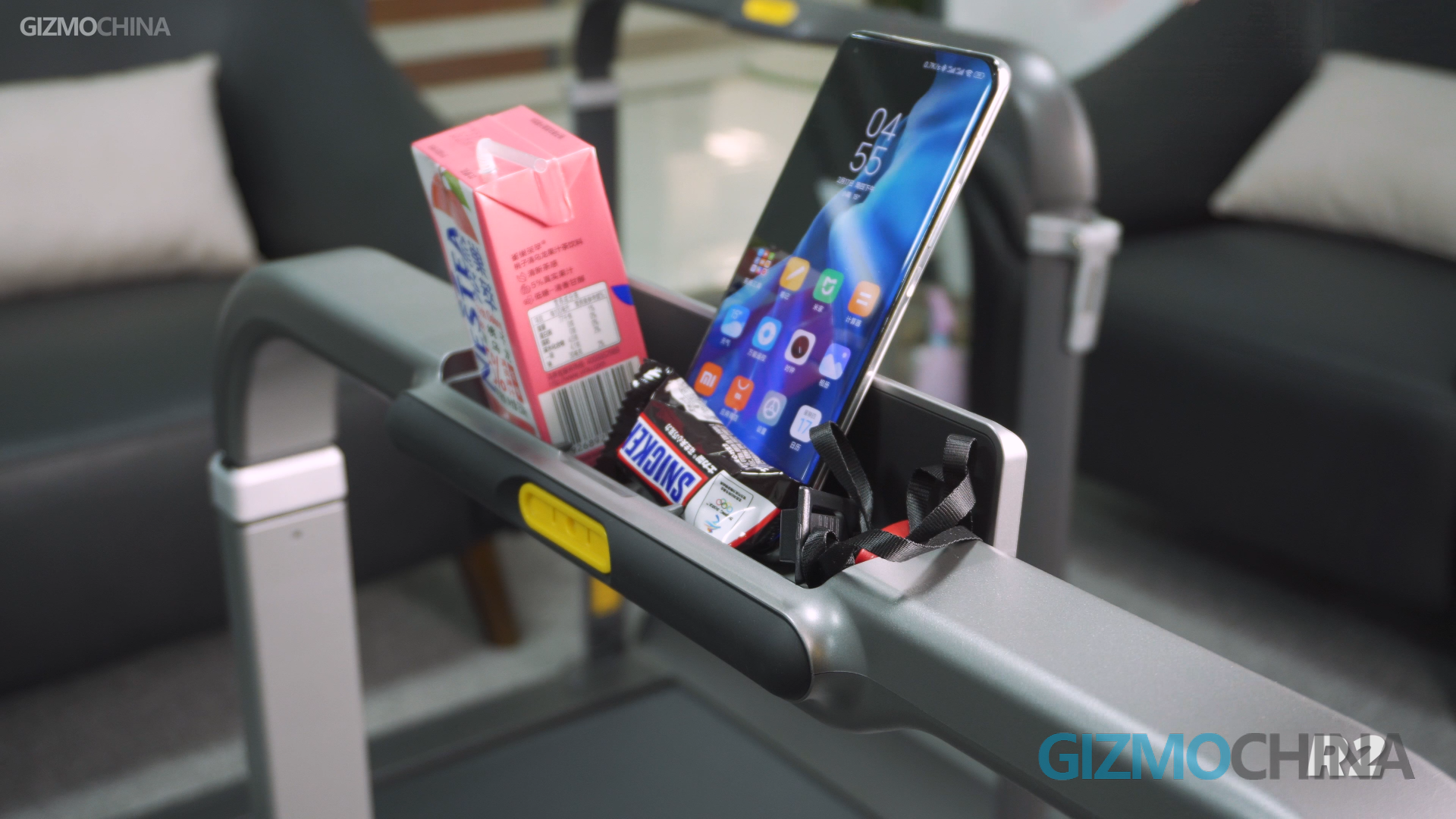
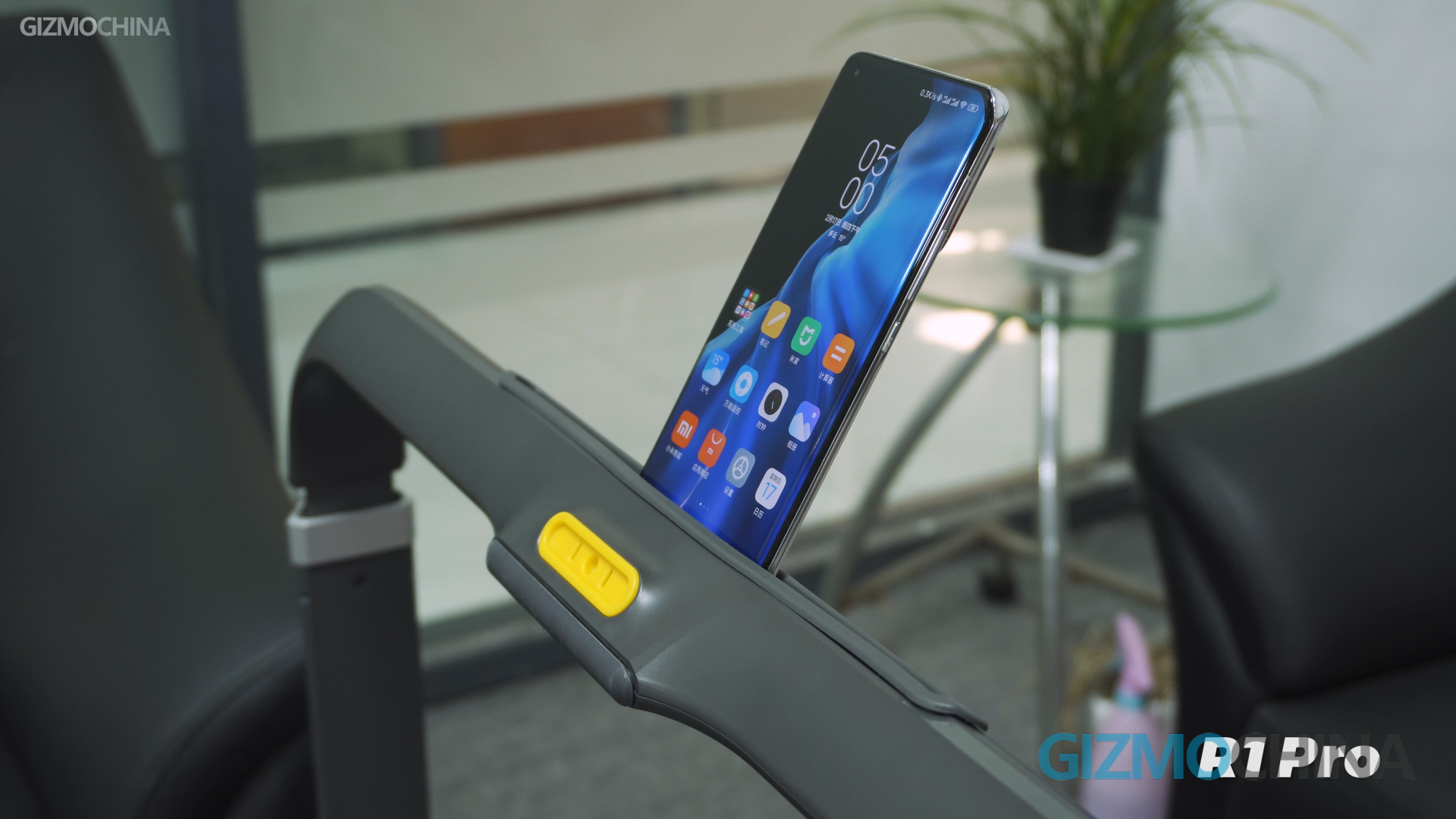
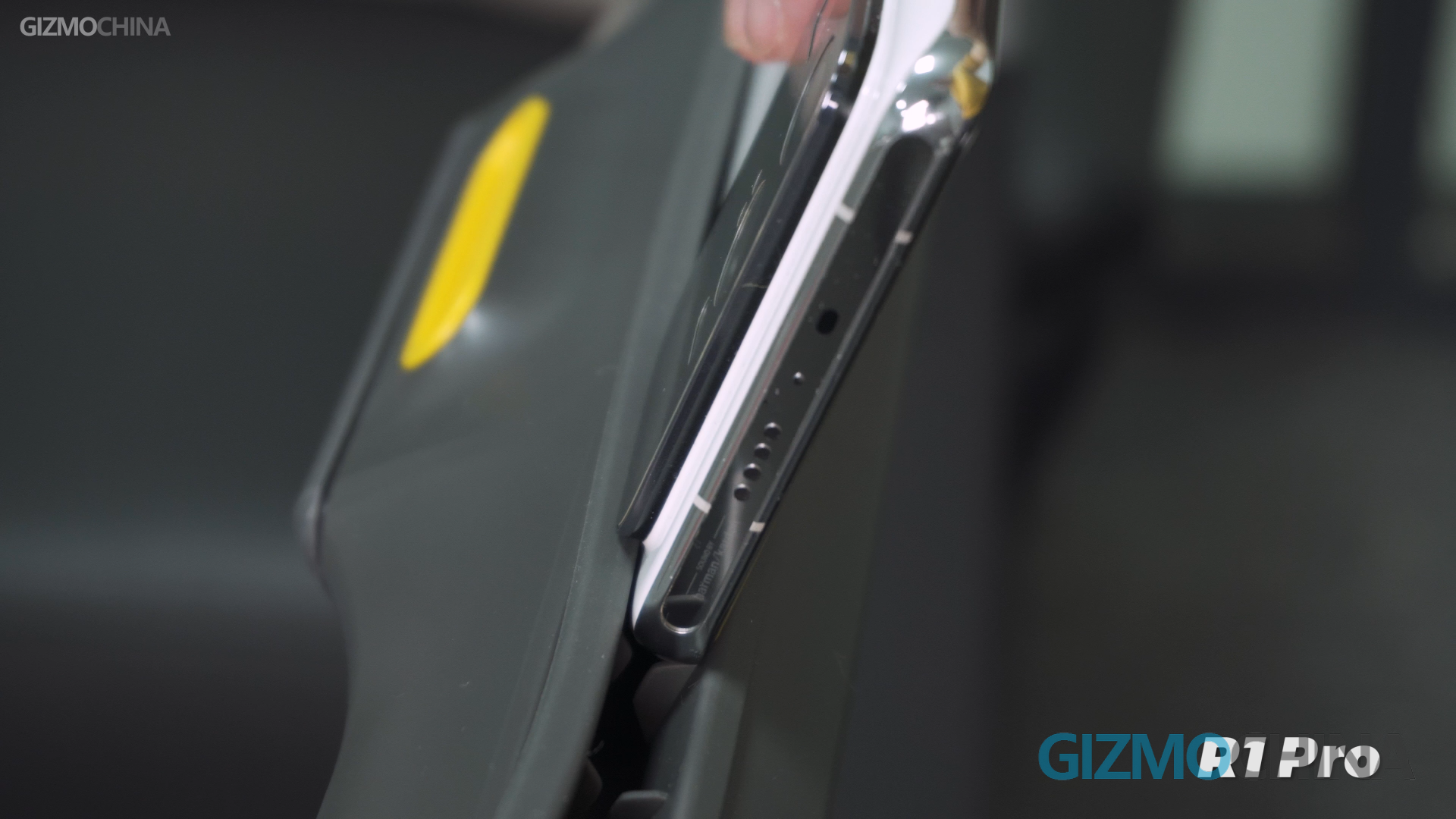
Let’s move up to the handrail storage box, which has also been upgraded. The R1 Pro’s storage box can only hold your phone in a vertical position. If you have a large phone with a large lens, you may not be able to fit it horizontally. You can’t put anything else in there. But the R2 storage box is not just for placing your phone at any angle, you can also put your drinks, snacks, safety clips, and remote controls on it. And because the R2 handrail is more stable, you don’t have to worry about anything falling off.
1 of 3
After a few days of use, I still prefer the WalkingPad R2’s Auto mode, which is also available on the R1 Pro and adapts to your walking speed when you use it. When your foot is in the front half of the racetrack, it speeds up. When your foot is in the back half, it slows down. This way you can do without the remote control and free your hands. Adjust the speed according to what you are doing. When you’re replying to a message, for example, it can be slower. When you’re watching a video, it can be faster. When you’re concentrating on running, you can run at up to 6 km/h. If you want, use it with a standing desk, and you can even work out at home while you work.
1 of 19
Using a treadmill like WalkingPad R2 in the right way can help alleviate issues associated with a sedentary lifestyle. This mode may be a little hard to use for the first time, but once you get used to it, I’m sure you’ll love it.
You can easily see that the WalkingPad R2 is actually a slightly upgraded version of the R1 Pro. The R2 has a better built quality and is much more beautiful. And many of the designs are more user-friendly. If you don’t think you need all these upgrades, then the R1 Pro, which has the same core features but is cheaper, is actually a very good choice.
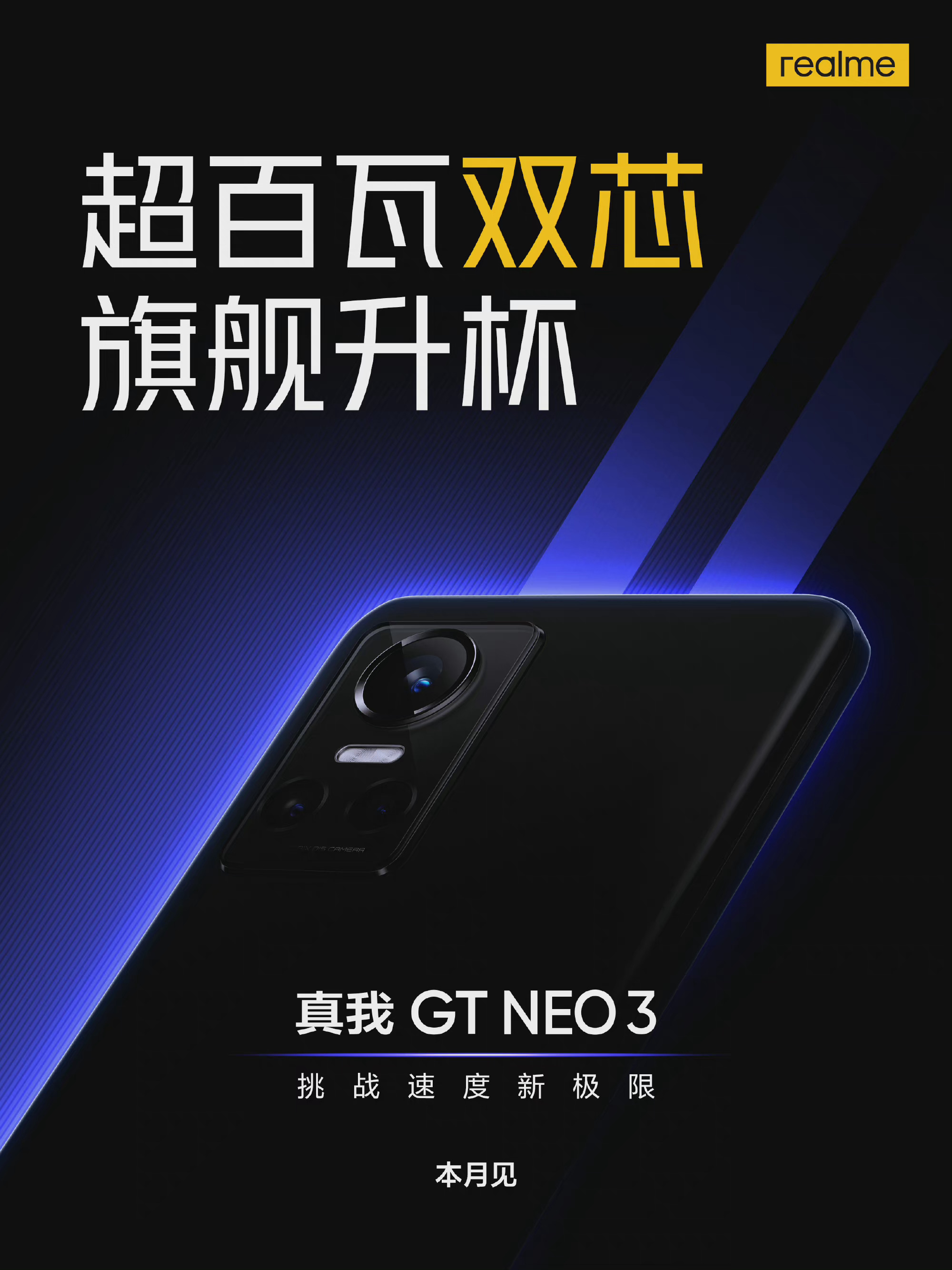
Realme GT Neo3 will be launched this month in China. Ahead of the launch, Realme China’s CMO Xui Qi has rolled out a new poster through his Weibo handle to showcase the camera module of the device.
The new poster reveals that the Realme GT Neo3’s main camera will arrive with OIS support. As far as camera design is concerned, the image shows that it has a primary camera on the top. Below it is a dual-LED flash unit and the other two cameras. Reports have revealed that it will feature a 50-megapixel Sony IMX766 primary camera. It is likely to be accompanied by an 8-megapixel ultrawide lens and a 2-megapixel macro camera.
The company is yet to confirm the front design of the Realme GT Neo3. The TENAA appearance of the device revealed that its display will feature a centrally positioned punch-hole. For selfies, it may come with a 16-megapixel selfie camera.
The Realme GT Neo3 may arrive with a 6.7-inch AMOLED display that offers a Full HD+ resolution and a 120Hz refresh rate. The device could have up to 12 GB of LPDDR5 RAM and 256 GB of UFS 3.1 storage. For security, it may feature an in-screen fingerprint sensor. The handset may arrive with a 2,000 Yuan (~$316) starting price.
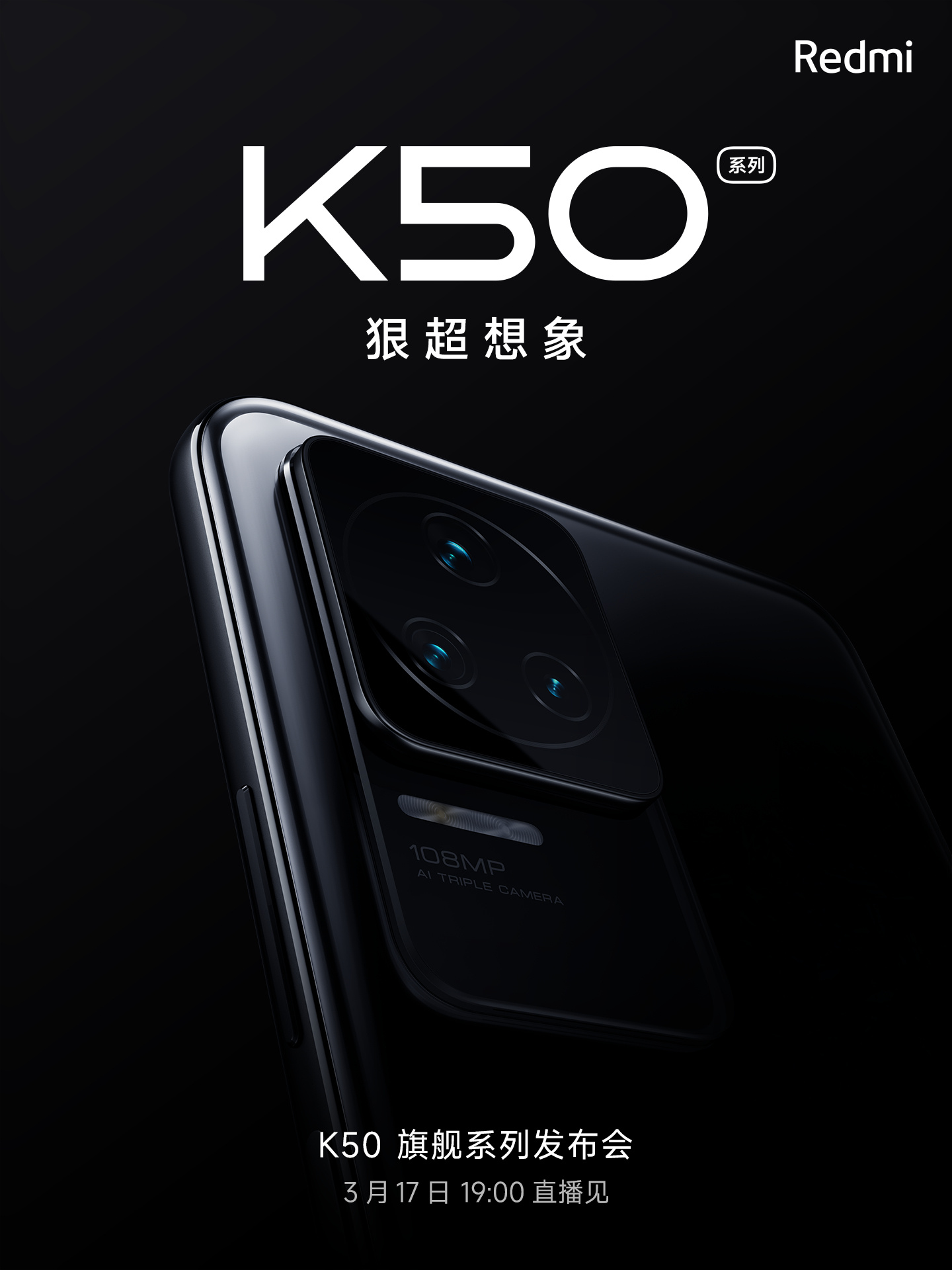
Redmi has confirmed today that it will be announcing the Redmi K50 series of smartphones at 7 PM (local time) on March 17 in China. The Chinese manufacturer may unveil three models such as the Redmi K50, K50 Pro, and K50 Pro+.
In the poster below, a Redmi K50 series phone can be seen sporting a protruding camera island with three cameras arranged in a triangular manner, along with a dual-LED flash. The poster confirms that the Redmi K50 will be equipped with a 108-megapixel primary camera.
In February, Redmi unveiled the Redmi K50G (aka. Redmi K50 Gaming Edition) with Snapdragon 8 Gen 1 mobile platform onboard. The upcoming K50 series of smartphones is likely to be powered by three different chipsets. The K50, K50 Pro, and K50 Pro+ are expected to feature the Snapdragon 870, Dimensity 8100, and Dimensity 9000 chipsets, respectively.
The TENAA listing of the Redmi K50 will be arriving in three models, such as 6 GB RAM + 128 GB storage, 8 GB RAM + 128 GB storage, and 8 GB RAM + 128 GB storage. On other hand, the Redmi K50 Pro will come in variants, such as 8 GB RAM + 128 GB storage, 8 GB RAM + 256 GB storage, and 12 GB RAM + 256 GB storage. The K50 and K50 Pro may carry support for 67W rapid charging.
The Redmi K50 Pro+’s TENAA listing revealed that it may come in option like 8 GB RAM + 128 GB storage, 8 GB RAM + 256 GB storage, and 12 GB RAM + 512 GB storage. The device will carry support for 120W fast charging.
Tipster WHY LAB has claimed that the K50 Pro+ will have an OIS-enabled 108-megapixel main camera, whereas the K50 Pro will have the same camera without OIS support. Previous reports have revealed that 22021211RC, 22041211AC, and 22011211C model numbers belong to the K50, K50 Pro, and K50 Pro+.
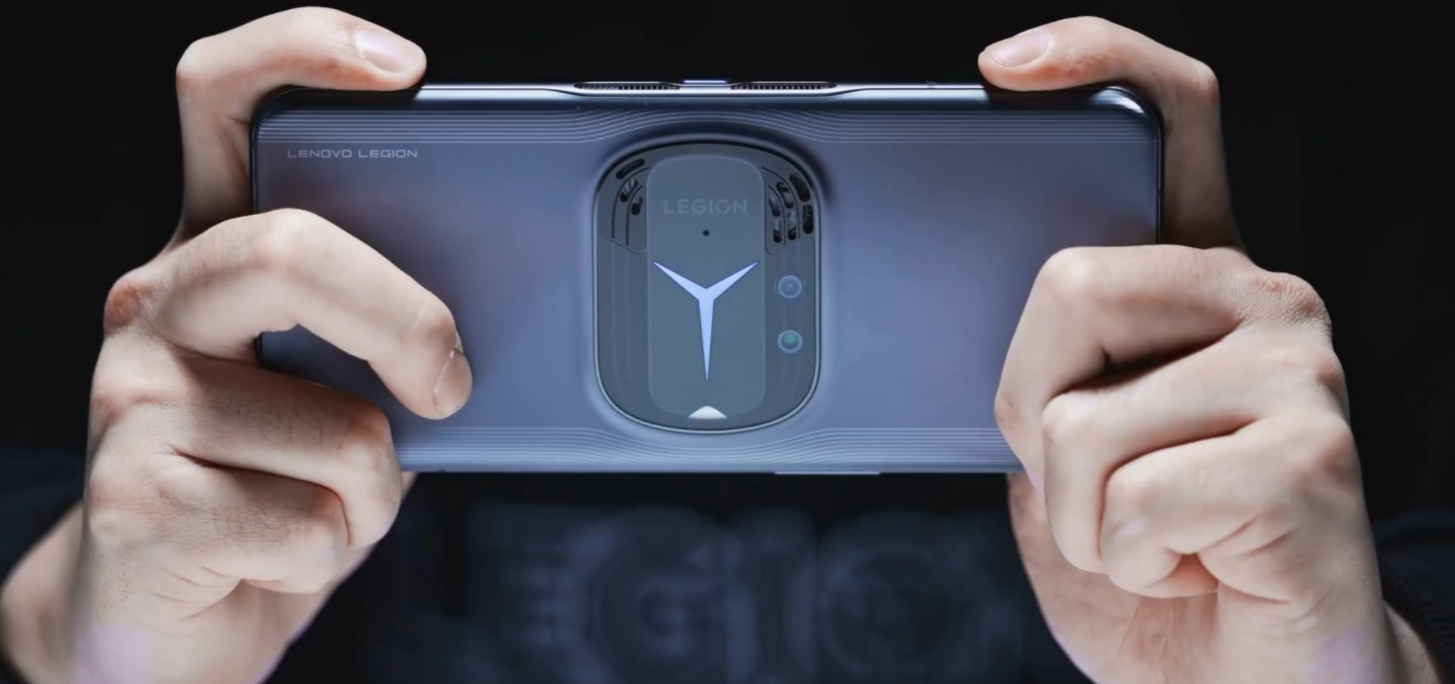
Lenovo has a lineup of gaming products under the Legion brand and last month, the company launched its highly anticipated gaming smartphone under the Legion branding, dubbed Lenovo Legion Y90.
Today, the gaming smartphone is finally available for purchase in the Chinese market. The base model with 12GB RAM and 256GB storage is priced at 3,999 yuan (~$633) while the 16GB RAM and 256GB storage model costs 4,299 yuan (~$680).
The top-end model which packs 18GB RAM and 640GB of internal storage is priced at 4,999 yuan, which roughly converts to $791. Unlike some other gaming smartphones in the market, there are no color options available to choose from.
Coming to the specifications, the Lenovo Legion Y90 features a 6.92-inch E4 AMOLED display with HDR10+ support, 2460×1080 pixels screen resolution, and a high refresh rate of 144Hz and 720Hz touch sampling rate.
It is powered by the Qualcomm Snapdragon 8 Gen 1 SoC, coupled with up to 18GB of RAM (supports 4GB virtual RAM expansion) and up to 512GB of internal storage. Notably, the top-end model even features 128GB of SSD storage as well, which forms a RAID 0 system with the UFS 3.1 storage for improved memory read and write speeds.
As for the camera department, there’s a dual-camera setup on the back that includes a 64-megapixel primary sensor, and a 13-megapixel ultra-wide-angle lens. On the front side, there’s a 16-megapixel snapper for taking selfies and video calling.
The phone runs the Android operating system out-of-the-box with the company’s own UI on top. The device is powered by a 5,600mAh battery that supports up to 68W fast charging which the company claims can fully charge the smartphone in just 38 minutes.
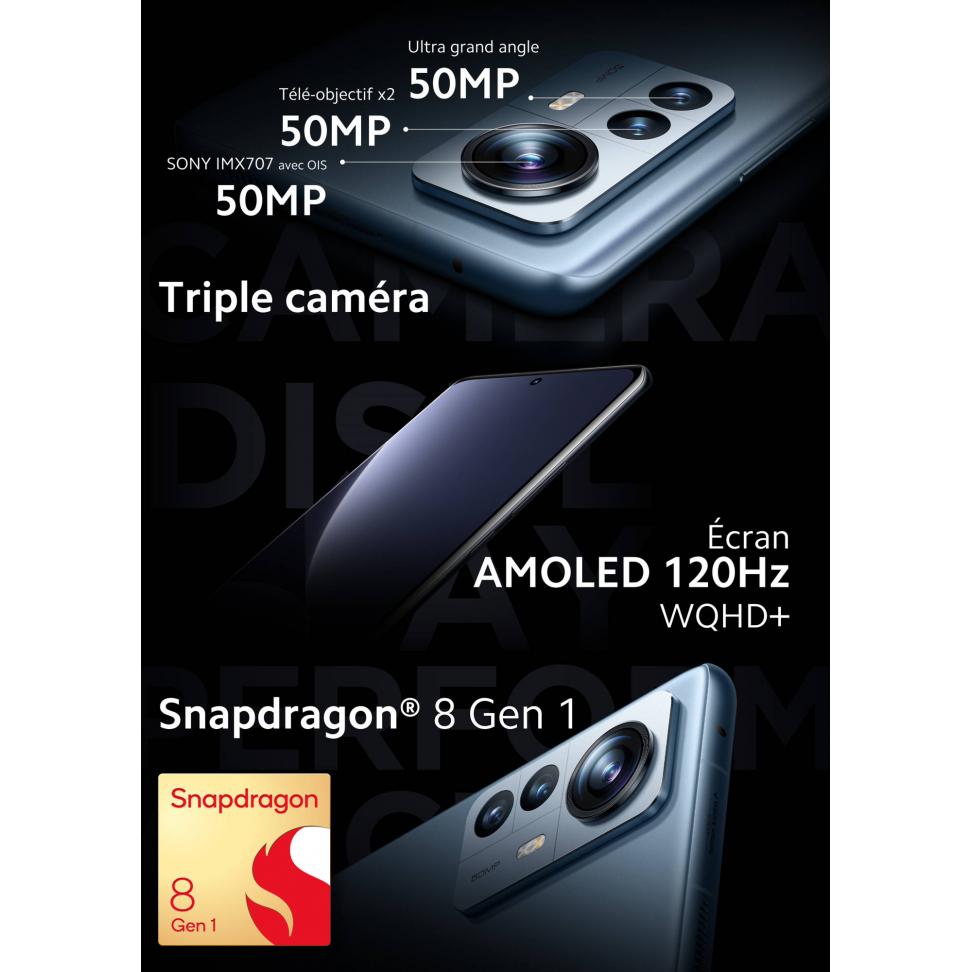
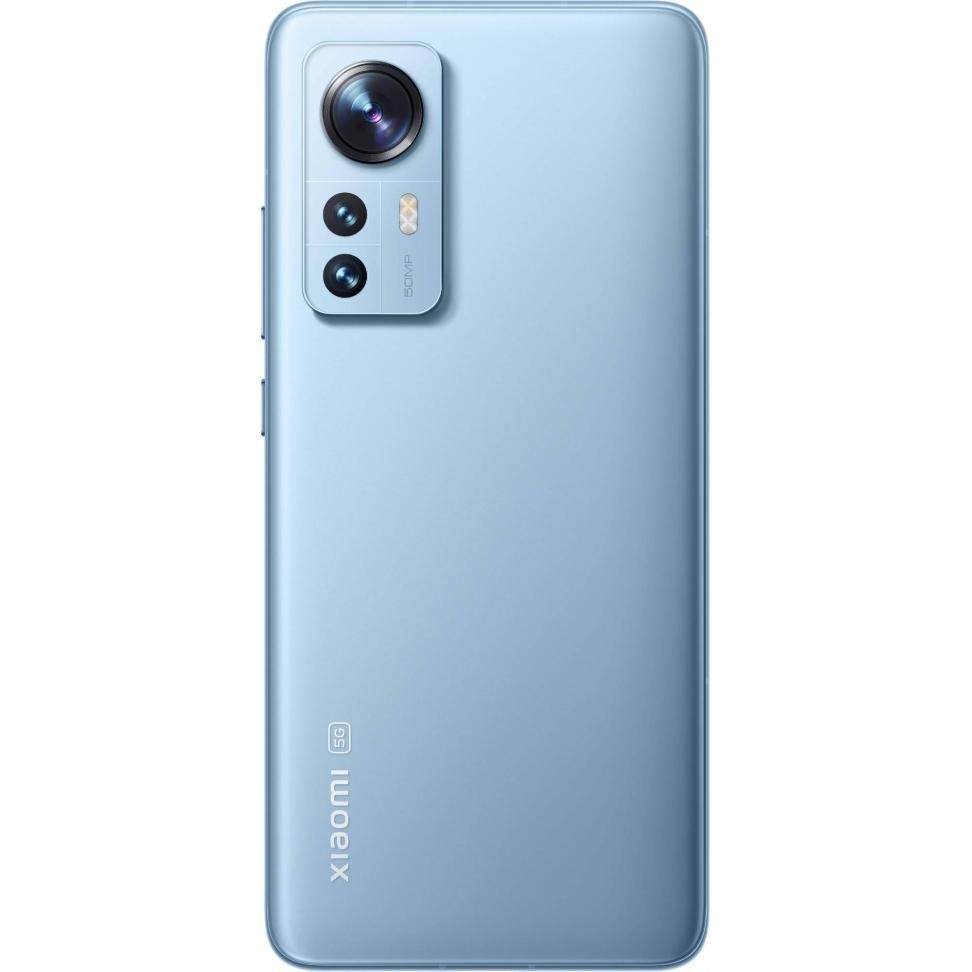
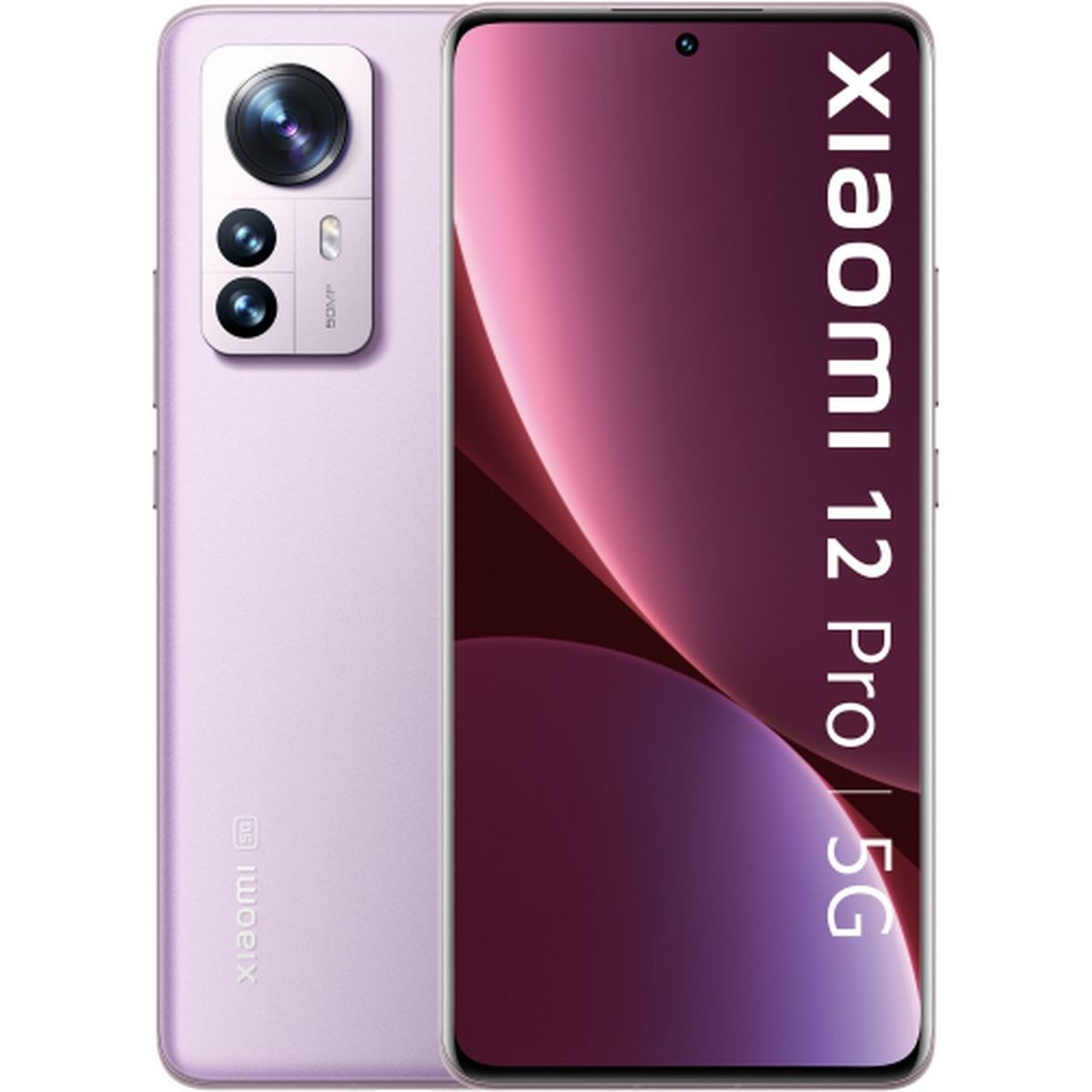
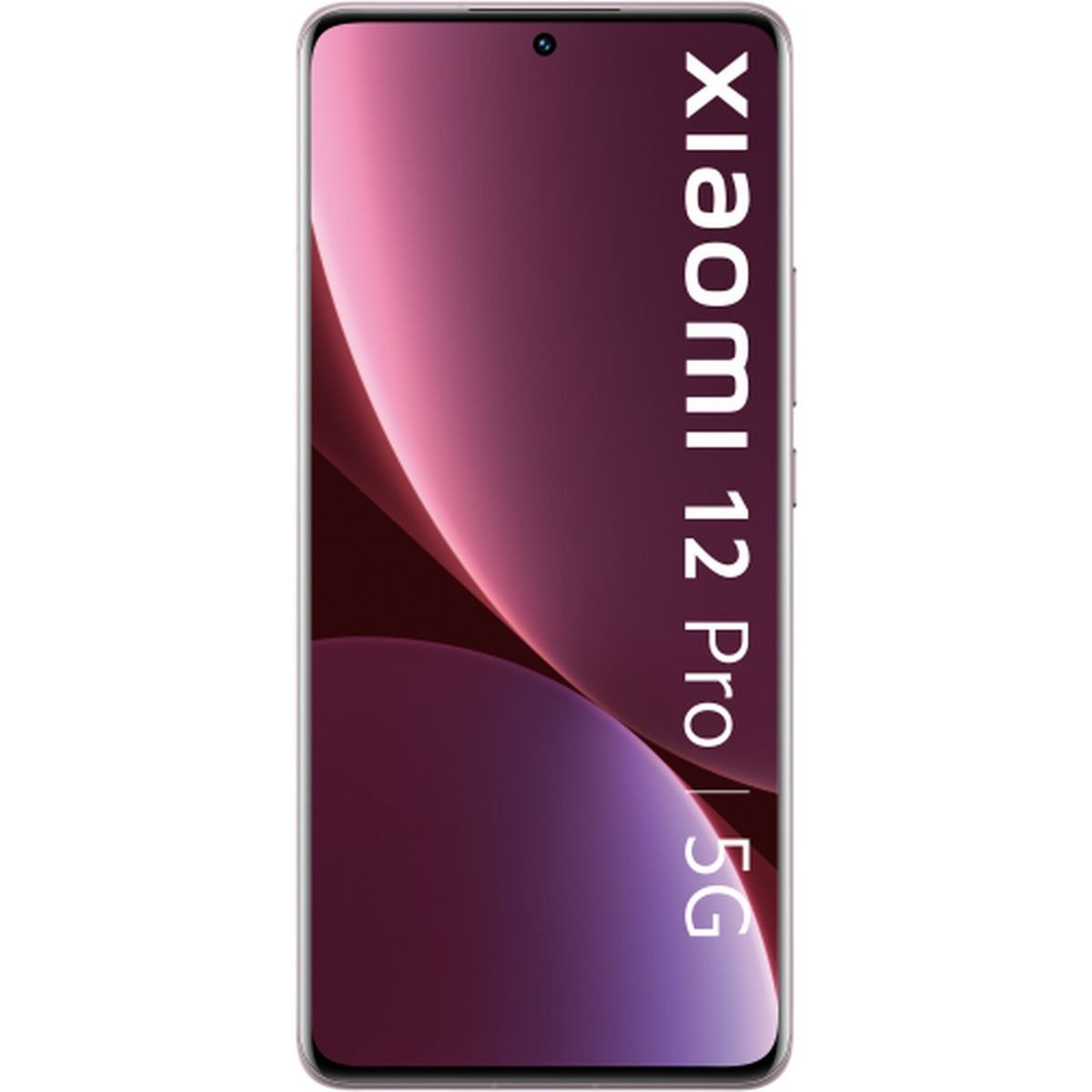
Ahead of the scheduled March 15 announcement of the global rollout of the Xiaomi 12 series, more details are coming out about the products. The latest details are related to images of the Xiaomi 12 and 12 Pro global versions, as well as several other key details including their respective prices. It is noted that the global version of these models will only have minimal changes from the original models released to the Chinese market.
Xiaomi 12 Pro
1 of 2
Xiaomi 12 Pro
Xiaomi 12 Pro
The leaked images were courtesy of Snoopy Tech also included details about the Redmi Note 11 Pro+ 5G which is already available in India, with a possible global presence also mooted. As per pricing, the leak indicates that the Xiaomi 12 will be between €850 (~$940) and €900 (~$996), while the 12 Pro could cost up to 1,200 (~$1,328), with a marginal reduction in relation to the memory size available.
Xiaomi 12
1 of 2
Xiaomi 12
There are also price leaks for the Xiaomi 12X which will reportedly sell for about €650 (~$720) but omit the Snapdragon 8 Gen 1 chipset that powers the original model. The global version of the Xiaomi 12X will reportedly have the Snapdragon 870, which is two generations behind the flagship SoC.
Xiaomi 12 Global
1 of 4
Xiaomi 12
Xiaomi 12
Xiaomi 12 Pro
Xiaomi 12 Pro
Xiaomi 12 Pro
Xiaomi 12 Pro
There are no guarantees that the leaked prices will match the official prices that will be released by Xiaomi, but these could provide some insights into the possible range of prices for the global edition of the Xiaomi 12 series.
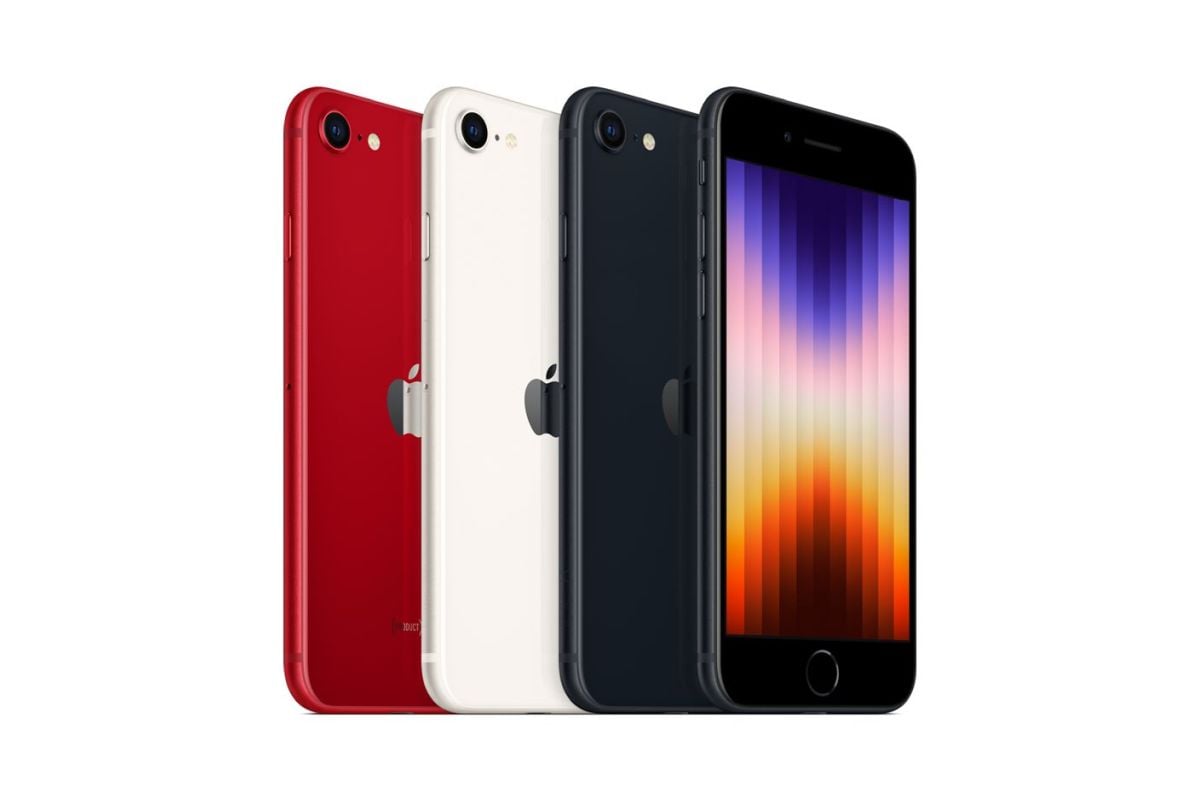
Earlier this week, Apple unveiled a few new devices at a launch event, including the third-generation iPhone SE. The smartphone comes in improved specifications and features compared to its predecessor.
Among the enhancements for the smartphone, Apple has also increased the memory of the device, which the company has not yet advertised.
The new Apple iPhone SE now comes packed with 4GB RAM, which is more than 3GB RAM that the company offers in the second-generation model. This was confirmed by MacRumors with information sourced from strings within the Xcode 13.3 Release Candidate that Apple released following the launch event.
With the increased memory on the device, there should a noticeable performance improvement. More applications, as well as webpages in Safari, can now remain active in the background. Also, some tasks like photo and video editing can also benefit from this.
The Apple iPhone SE 3 features the same 4.7-inch display and keeps the home button with Touch ID, similar to its predecessor. However, it now packs an A15 Bionic processor which also supports 5G connectivity. In the camera department, the smartphone features a 12-megapixel camera sensor with a few new features.
The smartphone will be available for pre-order from 11th March in the United States, Australia, Canada, China, France, Germany, India, Japan, the United Kingdom, and more than 30 other countries and regions. The sale of the device will begin from 18th March.
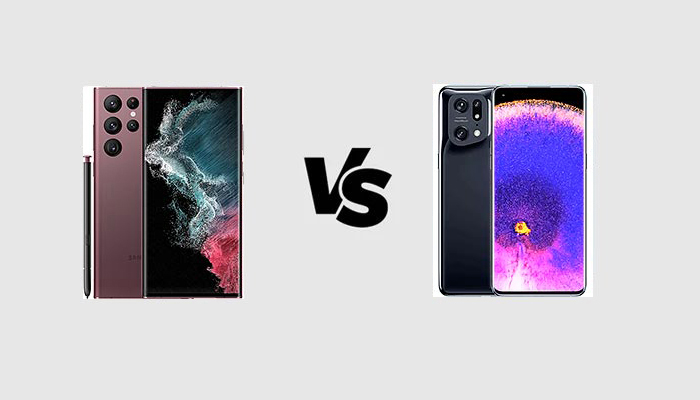
Earlier last month, Samsung launched its new flagship series which includes the Samsung Galaxy S22 Ultra. The Ultra variant this year is totally different not only from its predecessor but even from the other variants of the same series. And it comes with very nice productivity features. This month, OPPO launched its new flagships as well and the most powerful model is the OPPO Find X5 Pro. Is the new OPPO flagship able to compete with the expensive Galaxy S22 Ultra or this year you would better go for the first smartphone manufacturer in the global market? This comparison between their specifications will hopefully tell you the answer.
Triple 50 + 13 + 50 MP, f/1.7 + f/2.4 + f/2.2
32 MP f/2.4 front camera
BATTERY
5000 mAh, fast charging 45W and Qi wireless charging 15W
5000 mAh, Fast Charging 80W, Qi wireless charging 50W
ADDITIONAL FEATURES
5G, optional dual SIM, optional eSIM, IP68 waterproof, stylus support
5G, dual SIM, eSIM, IP68 waterproof
Design
This year OPPO released one of the most beautiful and aesthetically innovative phones ever made. The OPPO Find X5 Pro is built with a ceramic body in both its main color variants: Ceramic White and Glaze Black. There is also a third color option exclusively sold in China with a blue leather back. The frame is made of aluminum and the front glass is protected by Gorilla Glass Victus. It wins the design comparison not only due to its amazing materials but also because of its great look. But the Samsung Galaxy S22 Ultra is still a beautiful handset thanks to a curved glass body and the absence of a camera isle. Both the phones are waterproof with the IP68 certification.
Display
When it comes to the display quality, OPPO Find X5 Pro and Samsung Galaxy S22 Ultra are very close to each other. They have LTPO AMOLED displays with one billion colors, an adaptive refresh rate from 1 to 120 Hz, and a Quad HD+ resolution of 1440p. While the differences in terms of image quality are just marginal, the Samsung Galaxy S22 Ultra sports a better fingerprint scanner under the display (an ultrasonic sensor instead of an optical one) and it supports the S Pen for handwriting and drawing, very useful for productivity. Note that the display of the Samsung Galaxy S22 Ultra is slightly wider with a diagonal of 6.8 inches. Both the phones feature good stereo speakers but they do not have a headphone jack.
Specs & Software
These two phones are not so distant even in terms of hardware. In select markets, the Samsung Galaxy S22 Ultra is powered by the Snapdragon 8 Gen 1 mobile platform paired with up to 12 GB of RAM just like the OPPO Find X5 Pro. In the remaining markets, it has a weaker Samsung Exynos 2200 mobile platform: the first chipset with an AMD GPU, but the performance is inferior to the Snapdragon 8 Gen 1. Note that Samsung Galaxy S22 Ultra sports up to 1 TB of internal storage, while its rival stops at 512 GB in China and 256 GB globally. Both the phones run Android 12 out of the box.
Camera
Even on the camera side, these phones are very close. It is a hard fight when it comes to the main cameras, while we know for sure that Samsung Galaxy S22 Ultra has better zoom capabilities thanks to its periscope camera. On the other hand, the OPPO Find X5 Pro shoots better ultrawide photos thanks to its 50 MP ultrawide camera. Last but not least, it has a dedicated NPU, the MariSilicon X, improving the image quality in low light conditions.
Samsung Galaxy S22 Ultra and OPPO Find X5 Pro are equipped with 5000 mAh batteries and their battery life is similar. But the charging speeds are very different because OPPO Find X5 Pro features 80W fast charging and 50W wireless charging, while the Samsung Galaxy S22 Ultra stops at 45W and 15W, respectively.
Price
You need a bit less than €1300/$1400 to purchase the Samsung Galaxy S22 Ultra and the OPPO Find X5 Pro. Which one is the best? It depends on your needs: the Galaxy S22 Ultra has the S Pen and great zoom capabilities, while the OPPO Find X5 Pro provides better materials, better ultrawide shots, a dedicated NPU for photography, and faster charging speeds. Make your choice.
Samsung Galaxy S22 Ultra vs OPPO Find X5 Pro: PRO and CONS
BGMI devs have just put out a new blog post addressing many of the frequently asked questions and queries from players in the ‘We Heard You’ feedback section. In this installment, the devs have talked about matters concerning the BGMI emulator, redeem codes, 90 FPS support for more devices, bonus challenge, and new character voucher event. So let’s take a look at these issues in detail.
Firstly, the devs have answered the long-standing question of if BGMI will get support for an official emulator version of the game. As we know, the now-banned PUBG Mobile has an official emulator version with Tencent‘s Gameloop emulator, however, players of BGMI don’t have an official emulator and usually make do with the Bluestacks emulator which is not optimized for the game.
The devs have stated that emulators make it easier to modify game files and partake in illegal activities such as the use of cheats, mods, or any other application which can give an unfair advantage. So currently, they are not keen on rolling out the emulator version. So it looks like there won’t be an official optimized emulator for BGMI anytime soon.
On questions about 90 FPS compatibility for other devices, the devs stated that they are currently testing multiple devices to provide 90 FPS support on them. As it stands, a lot of devices currently support 90 FPS performance but in order to ensure a smooth experience across the board – the devs will require extensive testing on a number of devices.
Other than that, the devs have informed us that they are in the process of internally reviewing the redeem code feature on their official website and will soon be launching events where players will be able to use it to redeem codes for in-game rewards.
Carl Pei’s Nothing last year launched its first product – the Nothing Ear (1) and the set of wireless earbuds was an instant hit. The company has since made some moves that signaled plans to expand its product offering to include smartphones and other smart products. Last year, a partnership with Qualcomm was announced and only a few days back, Nothing CEO Carl Pei and Qualcomm’s CEO, Cristiano Amon, were spotted admiring a smartphone believed to be the brand’s first smartphone in the works.
Nothing has now officially announced that it would hold an event on March 23 at 14:00 GMT and a countdown is already running on its official website. The event tagged “The Truth” will see the brand release its product roadmap for the year 2022. Well, the company did not specifically reveal what it would unveil on that day but we suspect the brand’s first smartphone that Pei was spotted showing off to Cristiano Amon a few days back.
The only clue that can be spotted on the countdown banner on Nothing’s website is the Snapdragon logo tucked into the bottom left corner. This could be a hint that the company will indeed by unveiling its first smartphone on that day.
At the moment, nothing is known about Nothing’s upcoming smartphone except that it will pack a Qualcomm Snapdragon chipset. We expect more details to emerge by way of teasers as the days go by.
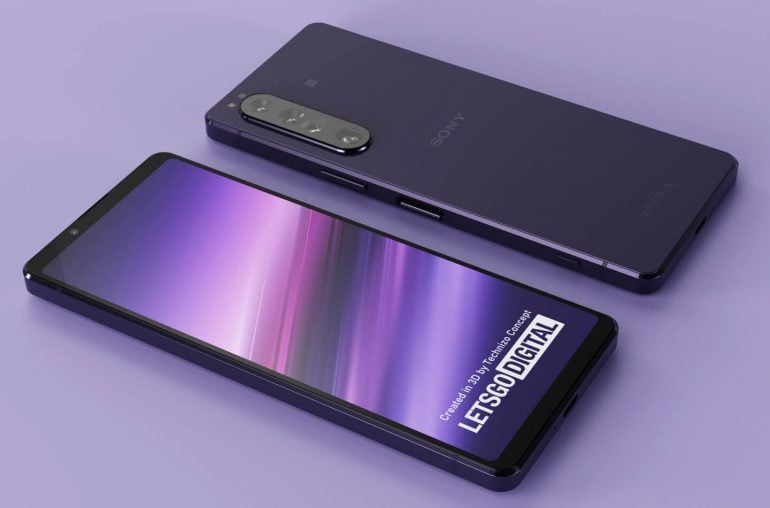
Sony Xperia 1 IV 5G’s launch seems near as the smartphone was recently spotted in leaks and the device’s renders were also surfaced. Now, the Xperia 1 IV 5G’s concept images have been outed, courtesy of LetsGoDigital.
The images show the smartphone’s front as well as the back profile. The device sports a flat-screen panel with no notch. It has the traditional bezels and a Sony standard tall design. If we go by the leaks, the display on the Xperia 1 IV 5G is a 6.5-inch panel with a 21:9 aspect ratio. It has a 120Hz refresh rate and a 4K resolution. The screen has Gorilla Glass Victus protection and HDR support.
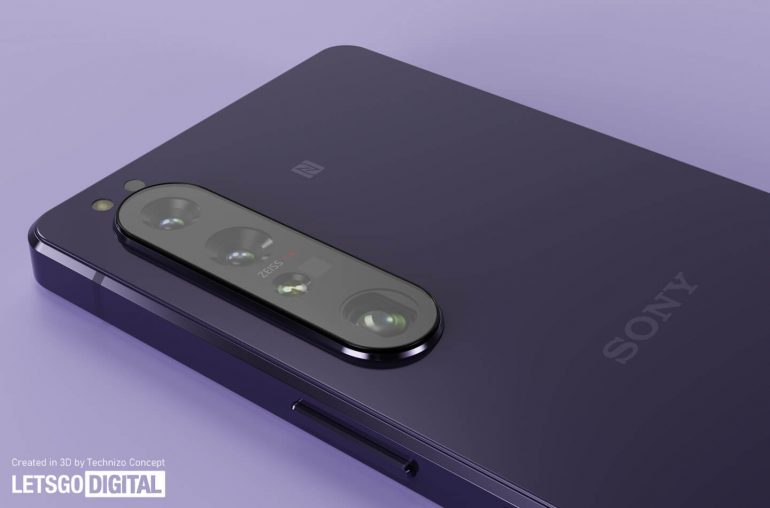
At the back, the smartphone sports a vertical camera setup with three lenses. It also has an LED flash below the first two lenses. The cameras here are expected to be ZEISS branded. There are no details of the megapixel counts of these sensors. To recall, the predecessor also had three sensors at the back. It has an ultra-wide and a telephoto lens as the secondary and tertiary sensors. We can expect the same on the Xperia 1 IV.
The smartphone has a power button on the right spine, which is touted to double up as a side-mounted fingerprint reader. It is expected to come with an IP68 rating. Since it will be a flagship offering, it is expected to come with the Snapdragon 8 Gen 1 SoC paired with 12GB of RAM and up to 512GB of storage.
As per leaks, the phone could pack a 5,000mAh battery and may have a 45W fast charging support. Just like the predecessor, the Xperia 1 IV is also expected to come with a 3.5mm headphone jack and a USB Type-C port. The phone will boot on Android 12 OS out of the box.
We use cookies on our website to give you the most relevant experience by remembering your preferences and repeat visits. By clicking “Accept”, you consent to the use of ALL the cookies.
This website uses cookies to improve your experience while you navigate through the website. Out of these, the cookies that are categorized as necessary are stored on your browser as they are essential for the working of basic functionalities of the website. We also use third-party cookies that help us analyze and understand how you use this website. These cookies will be stored in your browser only with your consent. You also have the option to opt-out of these cookies. But opting out of some of these cookies may affect your browsing experience.
Necessary cookies are absolutely essential for the website to function properly. This category only includes cookies that ensures basic functionalities and security features of the website. These cookies do not store any personal information.
Any cookies that may not be particularly necessary for the website to function and is used specifically to collect user personal data via analytics, ads, other embedded contents are termed as non-necessary cookies. It is mandatory to procure user consent prior to running these cookies on your website.