OnePlus president Louis Li has shared a concise preview of what users can expect from the upcoming OnePlus Ace 6T. While he avoided giving away the entire feature set, he offered enough hints to confirm that the phone is positioned as a performance-focused alternative in the brand’s lineup. He also confirmed several details about the device, including a Genshin Impact Kamisato Ayaka special edition.
OnePlus Ace 6T key details confirmed
OnePlus Ace 6T
From Li’s brief breakdown, the OnePlus Ace 6T is framed as a new option for users who want flagship-level performance without stepping into the ultra-premium price segment. It is confirmed to debut Qualcomm’s next-generation Snapdragon 8 Gen 5 chipset globally, indicating a significant leap in power efficiency and raw speed.
The phone is set to feature a battery capacity starting with an “8”, indicating that it will pack an 8,000mAh+ battery. The handset is also confirmed to support 100W fast charging.
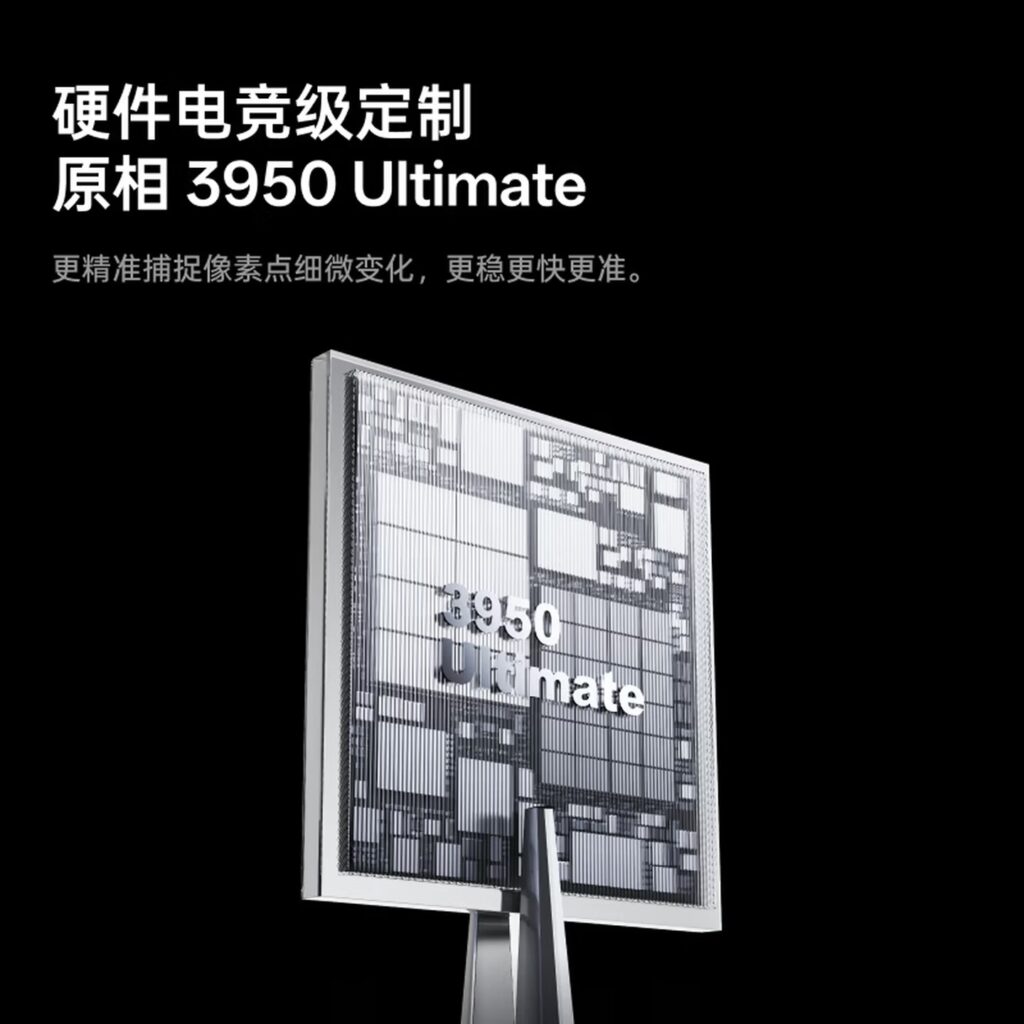
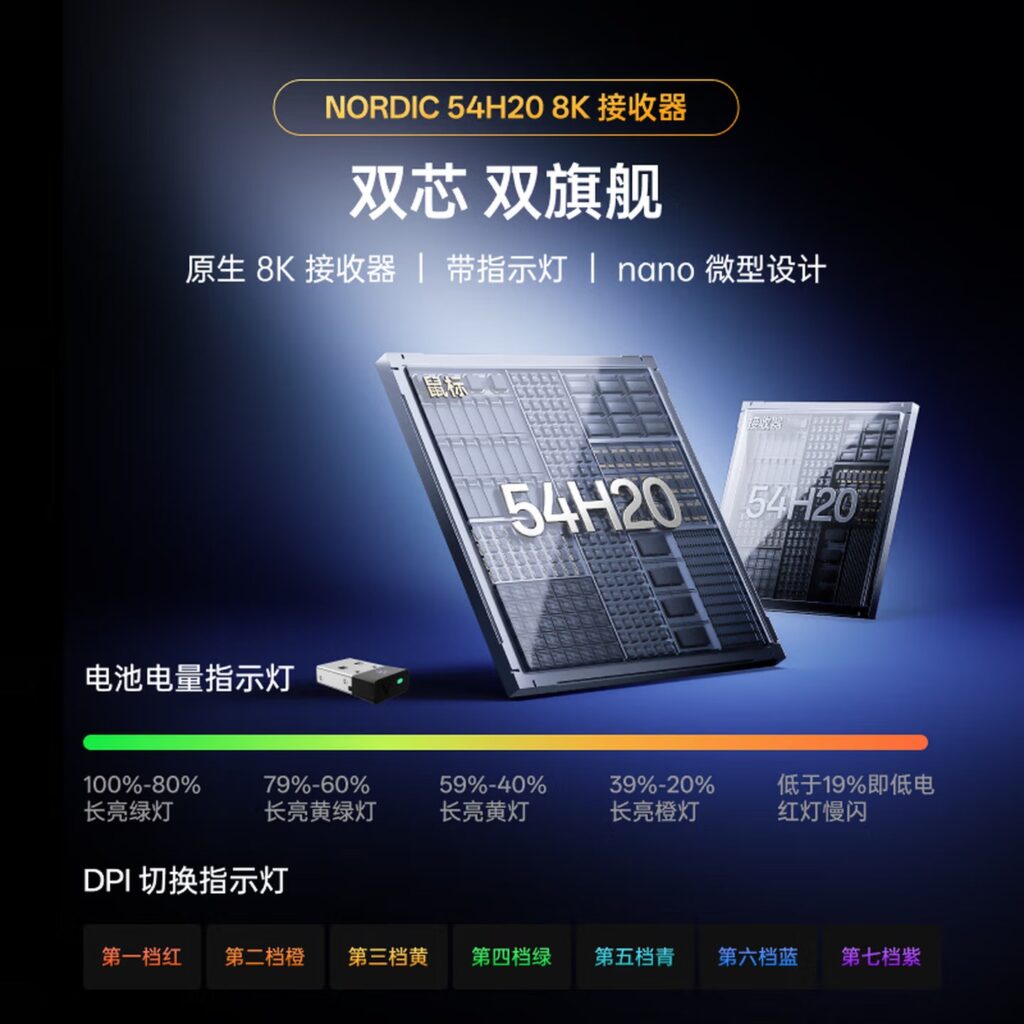
Gaming appears to be a central highlight. Li mentioned a new internal gaming engine designed to handle gameplay at up to 165 frames per second. This is supported by a 165Hz display refresh rate, a dedicated esports-oriented triple-chip setup, and support for 144fps mode in Honor of Kings.
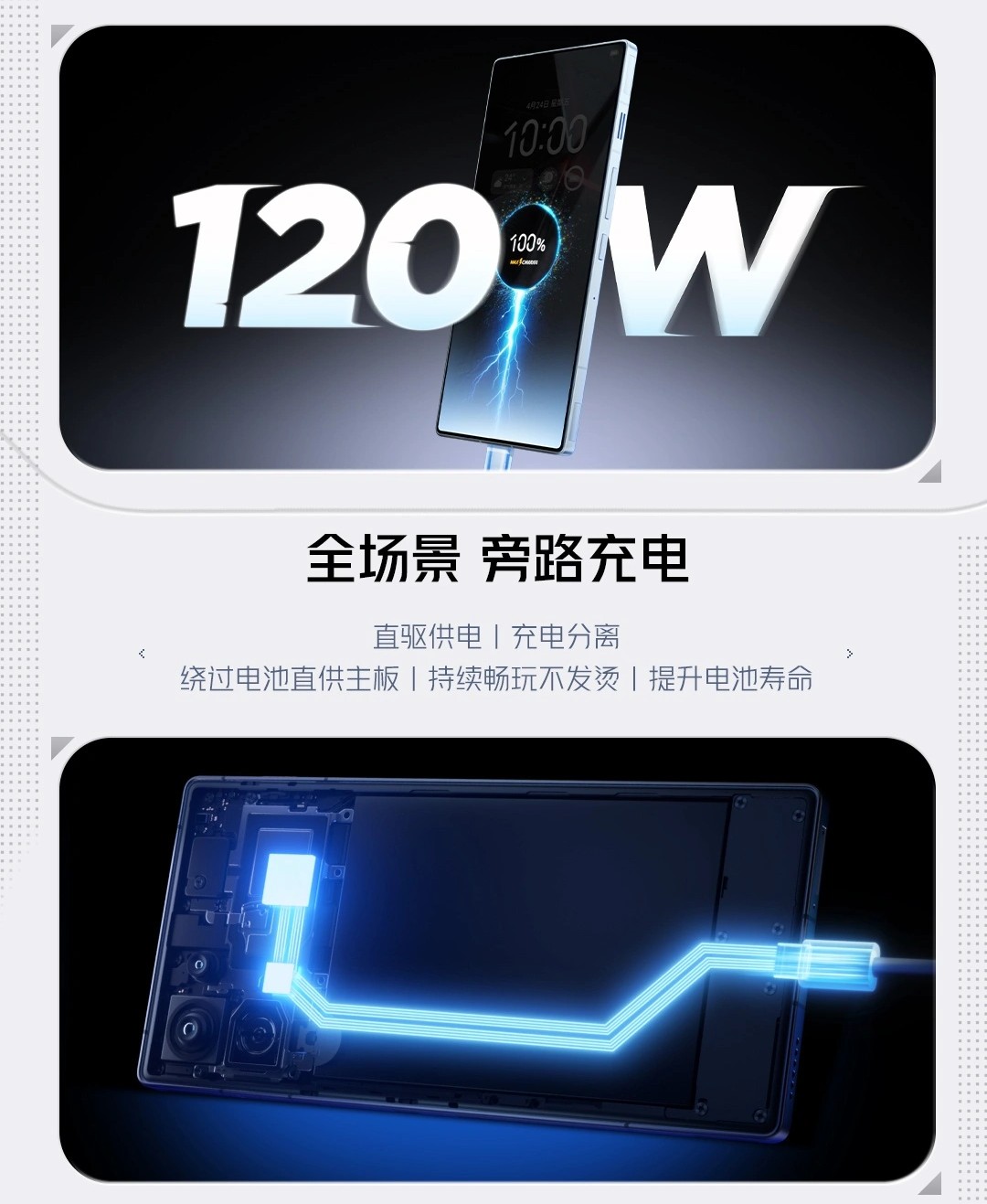
The phone will also include bypass charging and the same gyroscope used in the OnePlus 15 to improve motion accuracy. Durability is another area where the device seems to stand out. It is said to carry IP66, IP68, IP69, and IP69K ratings, which collectively point to strong dust and water resistance.
OnePlus is also introducing a new Glacier cooling system, promising the largest heat dissipation structure the brand has designed so far. The Ace 6T will come with an ultrasonic 3D fingerprint sensor and a special Genshin Impact Kamisato Ayaka edition.
In related news, well-known tipster Evan Blass has leaked the official renders of the Ace 6T, giving a first look at its design. The handset can be seen sporting a flat display on the front and a dual-camera setup on the back. It also features a Plus key on the left edge. As per reports, the device will come in green and purple variants.
For more daily updates, please visit our News Section.
After launching the Realme P4 5G lineup in August, the company is already preparing to add another member to the series, the Realme P4x 5G. A microsite for the phone has quietly appeared on Flipkart, suggesting that an official announcement may be just around the corner.
Flipkart’s teaser confirms support for 90fps gaming in GT Mode, along with a punch-hole display and slim bezels.
The P4x 5G is also being advertised as a multitasking workhorse. According to Realme, the phone can keep up to 90 apps running in the background without slowing down.
Moreover, the phone will support 45W fast wired charging and include bypass charging. The latter lets the phone draw power directly from the charger instead of the battery, helping reduce heat during long gaming sessions.
Realme also claims the P4x 5G will be the only phone in its segment to include a vapour chamber cooling system.
Realme P4x 5G Specifications
To add to that, tipster Sudhanshu Ambhore has shared a broader list of specs as well. According to him, the phone will feature a 6.72-inch FHD+ LCD with a fast 144Hz refresh rate.
Powering the device is a MediaTek Dimensity 7400 Ultra chipset. Its camera setup includes a 50MP main and 2MP auxiliary lens on the rear and an 8MP sensor for selfies. The device has a 7,000mAh battery to keep everything running.
Realme’s P4x 5G will succeed the Realme P3x 5G and will join the P4 line as the third member after P4 and P4 Pro 5G. More official details are likely to roll out in the coming days, once the company formally announces the launch date.
Samsung’s A-series usually gets a predictable refresh every year. The 2025 Galaxy A56, for instance, will get a successor in 2026 in the form of the A57.
However, the company hasn’t touched its Galaxy A7x series in years. The last model in the series was Galaxy A73 from 2022, and Samsung never followed it with A74 or A75. Now, it looks like Samsung may finally be preparing a comeback.
A new Samsung device with the model number SM-A776B has surfaced on Geekbench, and the label strongly hints that this could be the long-awaited Galaxy A77. Samsung’s model numbers almost always follow a pattern, and this one fits perfectly into the A7x family.
Samsung Galaxy A77 Geekbench
What makes the listing more interesting is what’s inside the phone. The benchmark entry shows a new Exynos chipset with a GPU from its flagship Exynos 2400 chip.
The SoC has three high-performance cores clocked at 2.78GHz, three mid cores at 2.30GHz, and four efficiency cores running at 1.82GHz. And for graphics, it uses the Xclipse 940. The tested unit also features 8GB of RAM and is running Android 16.
In terms of raw performance, the Galaxy A77 prototype achieves 1,673 points in single-core and 5,597 points in multi-core tests on Geekbench 6. Those are strong numbers for a mid-range device, putting it closer to upper-tier phones than typical A-series models.
It’s still too early to know when or if Samsung will officially revive the A7x lineup, but this leak suggests that the company hasn’t forgotten about the segment. And if the Galaxy A77 really ships with this new Exynos chip, Samsung might finally bring some flagship-level features back into its upper mid-range phones.
BYD showed up at the 2025 Guangzhou Auto Show with a clear intention: steal the spotlight. And with the debut of the YANGWANG U9 Xtreme, the company may have done exactly that. The limited-run electric hypercar is now officially the fastest production car on the planet.
The big number making headlines is its 496.22 km/h (308 mph) top speed, delivered by a four-motor setup pushing close to 3,000 hp. That’s enough to leapfrog the Bugatti Chiron and give BYD bragging rights few expected from a EV. The company also claimed a 6:59.157 Nürburgring lap time—another eyebrow-raiser for a brand better known for mass-market cars than track weapons.
Only 30 units of the YANGWANG U9 Xtreme are being built, which practically guarantees collector status before the first customer even sits inside. It also slots BYD into a rare corner of the industry where extreme performance isn’t just a feature—it’s the entire mission.
Inside the car is a fully reworked version of BYD’s e⁴ AWD system, upgraded DiSus-X body control, custom aero, and a shell covered in carbon fiber. The oversized wings, vented hood, and huge rear diffuser aren’t just for show—they help keep the car steady as it pushes toward 500 km/h.
Braking comes from titanium alloy calipers paired with a custom carbon-ceramic kit, while the semi-slick GitiSport e·GTR2 PRO tires are rated for a ridiculous 500 km/h, which tells you everything about the performance envelope BYD is aiming for.
At the heart of it all is the new 30C Blade Battery, designed specifically for extreme discharge loads. It uses a dual-layer cooling system and low-resistance cells that can dump massive power in an instant—exactly what you need when each wheel has its own motor.
Pricing is expected to land well below the million-dollar crowd. And judging by the reaction in Guangzhou, BYD has just planted a very loud flag in the hypercar world—one that’s hard to ignore.
Oppo is preparing to expand its Reno 15 lineup in China with the upcoming Reno 15c. The company previously teased the device during the Reno 15 launch event earlier this month, but did not reveal any technical details. Oppo described the phone as an “entry-level choice” designed for trendy looks, smooth performance, and everyday reliability.
Oppo Reno 15 series
Now, a new leak from tipster Digital Chat Station has disclosed the main specifications of the Reno 15c. According to the leak, the phone features a 6.59-inch LTPS OLED flat display with a 1.5K resolution and 120Hz refresh rate. It uses the Qualcomm Snapdragon 7 Gen 4 processor with up to 12GB and 512GB storage.
The Reno 15c includes a 50-megapixel front camera and a triple rear camera setup. The leak mentions a 50-megapixel main sensor, an 8-megapixel ultrawide lens, and a 50-megapixel telephoto camera. Another tipster, Bald Panda, claims these sensors could include the Sony LYT-600 for the main camera, Sony IMX355 for the ultrawide lens, and Samsung JN5 for the telephoto unit.
As per DCS, the device supports 80W wired fast charging and weighs 197 grams. It uses a short-focus optical fingerprint sensor for biometric security. Oppo plans to offer the phone in three colors: Aurora Blue, College Blue, and Starlight Bow.
In terms of design, the Reno 15c appears similar to the Reno 15 and Reno 15 Pro models. It shares the same glossy back panel but introduces a minor change to the camera layout. The LED flash has been moved to the bottom of the module, setting it apart from its siblings.
Oppo has not officially confirmed the Reno 15c’s launch date, but the device is expected to arrive in China in December. The pricing is likely to fall below the standard Reno 15 model.
Oppo is also working on global variants of the Reno 15 series. The global lineup could differ from the Chinese models. It remains unclear whether the Reno 15c will be part of the international launch.
For more daily updates, please visit our News Section.
Xiaomi has officially launched the Smart Door Lock M40 and opened pre-orders in China. The device is priced at 3299 yuan ($464) for its first sale. The company also introduced the higher-end M40 Pro model last month. The M40 retains most of the features found on the Pro version, with minor differences such as the removal of palm-vein recognition and a slightly smaller 4.94-inch touchscreen.
Xiaomi Smart Door Lock M40 Specifications
The Smart Door Lock M40 includes an AI dual-camera peephole system with a 175-degree 3MP wide-angle camera and a 128-degree 2MP secondary camera. The system supports panoramic viewing, video calling, and real-time notifications. Xiaomi has equipped the lock with six infrared night vision lights and added multiple night modes for better visibility in low-light conditions.
The M40 features a full-body automatic lock mechanism and uses a straight-insert C-grade mechanical cylinder. This cylinder remains operable even when the external panel is damaged. The lock also includes a safety chipset, encrypted communication protocols, and structural reinforcements to protect against physical tampering and hacking attempts.
The front panel measures 431 x 98 x 46 mm, and the rear panel is slightly shorter at 421 mm in height. The device weighs 5.18 kilograms. Xiaomi uses a combination of metal and internal sensors to improve durability and stability across different environments.
The power system includes an 8000mAh rechargeable lithium battery and a set of four AA alkaline batteries for backup. Both inner and outer panels support Type-C ports for emergency power input. The system also allows reverse wireless charging from supported smartphones. The lithium battery supports up to 4.5 months of use, while the AA batteries can extend usage up to six months.
For connectivity, it features Bluetooth 5.3, NFC, and Wi-Fi 6 on the 2.4GHz band. The lock works with Xiaomi HyperOS and supports remote access, instant alerts, and intercom functions through the Mi Home app. Control extends across smartphones, tablets, TVs, and the Xiaomi SU7 car system. It also supports voice and video interactions through WeChat.
Xiaomi claims the M40 can operate in temperatures ranging from -10°C to 55°C. The lock supports 12 unlocking methods, including AI 3D facial recognition, AI fingerprint recognition, NFC cards, numeric passwords, and app-based control.
In related news, Xiaomi recently launched a smart car humidifier with HyperOS, USB-C connectivity, and support for the SU7 and YU7 models. The company also introduced a new 12kg front-load washing machine with HyperOS integration and 25 smart wash modes.
For more daily updates, please visit our News Section.
Xiaomi has launched the Mijia Smart In-Car Humidifier in China at a retail price of 129 yuan (around $18). The new device supports HyperOS in-car connectivity with the Xiaomi SU7 series (including the Ultra model) and the Xiaomi YU7 series. It delivers a maximum humidification rate of 230 mL per hour and targets users looking for a compact, car-friendly humidifier with smart features.
Mijia Car Humidifier Specifications
The Mijia humidifier features a cylindrical design measuring 71 mm in diameter and 151 mm in height. It weighs 288 grams and fits most standard vehicle cup holders. Xiaomi has equipped the device with a 210 mL transparent water tank that supports direct top-filling. The tank uses antibacterial silver-ion materials with a verified sterilization rate above 99 percent.
The humidifier uses a cotton-free design and supports Xiaomi’s live-water circulation system. It features an internal pump that moves water from the tank to the top-mounted ultrasonic atomizer. This setup maintains consistent mist output and avoids mold growth. The device reaches a mist height of at least 10 cm and supports two power levels. At level two, the humidification rate maintains a minimum of 30 mL/h, suitable for enclosed spaces such as car interiors.
Xiaomi has included several smart control options. The humidifier integrates with HyperOS Connect for in-car operation. It also works with the Mi Home app and supports voice control via Xiaomi’s Xiao Ai assistant. SU7 and YU7 owners can activate the humidifier remotely before entering the vehicle, allowing cabin humidity to reach a comfortable level in advance.
The device runs on a 5V power supply through a USB-C port and consumes 4.5 W of power. It supports multiple safety mechanisms, including automatic shutdown when tilted past 60 degrees or when water runs low.
The humidifier withstands high internal temperatures up to 85°C, making it suitable for parked cars exposed to sunlight. It operates at noise levels below 32 dB(A), ensuring quiet performance during use.
Nothing has begun rolling out Nothing OS 4.0, its latest operating system based on Android 16. Here is a clear breakdown of all the new changes in this update.
Updated status bar iconsRefreshed first-party app icons
Nothing OS 4.0 updates the entire visual layout. First-party app icons now have a cleaner and more minimal look. Status bar icons for Wi Fi, battery and data follow a more consistent style that is easier to read. The lock screen gets refreshed fonts along with two new clock faces. System animations have been reworked so gestures, transitions and the Notification Shade feel faster and more stable. The update also adds light haptic feedback when you reach the maximum or minimum volume.
New Lock Screen Clocks
The new version adds features that aim to cut distractions and improve daily flow. Glyph Progress now supports rides, deliveries and timers across the screen and the Glyph Interface. Because it is built on Android 16, it is no longer limited to specific partners and will support more apps that use the progress feature. Pop up View has been refined to support two floating apps at once, with simple gesture switching. Extra Dark Mode offers deeper blacks, better contrast and lower battery use in low light.
Refined Pop-up ViewHidden Icons
More Widget Sizes
Apps can now be hidden in the App Drawer without moving them to a Private Space. Weather, Pedometer and Screen Time widgets now come in new 1×1 and 2×1 sizes. A new System and Apps Dashboard shows which apps are running in the background and lets you optimise performance with one tap. Universal Search gains filters so you can narrow results more quickly.
Nothing OS 4.0 also introduces Playground. It lets you create your own widgets by chatting with AI, with no coding required. A new Widget Drawer keeps all your widgets in one place so you can organise and access them easily.
The update improves AI transparency. AI Status Hints show when an LLM is active in the status bar. The AI Usage Dashboard shows how AI features are being used across the system.
Xiaomi is changing its approach to smartphones. The company has sharply reduced the number of new models it launches each year. This shift marks a major break from its earlier strategy, which focused on flooding the market with a wide range of devices under multiple sub-brands. Xiaomi now aims to streamline its product lineup and focus more on software longevity, global consistency, and ecosystem integration.
Credit: VCG
Fewer phones, deeper integration
The decision comes even as the global smartphone market shows signs of recovery. According to Xiaomi’s Q2 2025 report, its smartphone revenue declined 2% YoY, despite overall market growth. In contrast, the company’s AIoT segment posted a 44.7% increase, reaching 38.7 billion yuan (about $5.4 billion). Its electric vehicle business generated over 20 billion yuan ($2.8 billion) in quarterly revenue, driven by strong demand for the SU7 and YU7. These figures suggest that smartphones are no longer Xiaomi’s primary engine of growth.
Xiaomi founder and CEO Lei Jun outlined the Human-Car-Home strategy as a key part of the company’s vision for the next decade. This ecosystem approach positions the smartphone as a central node connecting electric vehicles, smart home devices, and AI-powered platforms. In this context, product value depends less on specs or pricing and more on software experience and ecosystem performance.
To support this shift, Xiaomi has extended software support for major models. The Xiaomi 15 and Redmi Note 14 series now receive four OS upgrades and six years of security patches. This matches the update policies of brands like Samsung and Apple. However, supporting extended updates across dozens of regional variants has become increasingly difficult. The transition from MIUI to HyperOS requires Xiaomi to reduce product fragmentation and standardize global platforms.
Xiaomi’s experience in India played a key role in this shift. The company’s shipments in India dropped 42% YoY in early 2025, causing it to fall from first to sixth place in market share. Product overlap between Redmi, Poco, and Xiaomi lines led to confusion, while fragmented software builds across regions created delays and inconsistencies.
Xiaomi has responded by assigning each sub-brand a clearer role. Redmi targets the mass market, Xiaomi covers the mid-to-premium segments, Poco focuses on performance, and Civi caters to design-conscious users. HyperOS now serves as a global foundation to reduce regional variations and simplify maintenance.
The company is also reducing efforts in niche categories. It has been confirmed that there will be no Mix Fold 5 this year, while the Civi 5 Pro remains exclusive to China. Foldables require significant R&D investment and still represent a small portion of the market. Xiaomi prefers to allocate resources to areas like phone-to-car integration and smart cockpit systems, where it sees greater strategic value.
Xiaomi’s new direction rests on four key pillars: extended software lifecycles, a unified global software platform, a focus on durable hardware, and deeper ecosystem integration. This approach reduces the total number of phones launched each year, but improves quality, consistency, and user engagement.
For more daily updates, please visit our News Section.
With the launch just around the corner, the OnePlus Ace 6T — which will ship globally as the OnePlus 15R — has basically leaked in full. Fresh renders from reliable tipster @evleaks leave very little for OnePlus to reveal, and the big takeaway is exactly what earlier rumors hinted at: this year’s R-series model is going all-in on performance, even if that means trimming down the camera setup.
The renders show a design very much in line with the OnePlus 15. You get the same clean, squared-off frame, a flat back, and an overall look that wouldn’t feel out of place on a flagship.
But flip the phone around and the difference becomes obvious. Instead of the triple-camera layout we saw on the 13R (including a genuinely useful 2x telephoto), the Ace 6T sticks to just two rear cameras. The 50MP telephoto is simply gone, leaving a cleaner but less versatile camera island. This lines up perfectly with the design language of the standard Ace 6 in China and with the teaser OnePlus recently shared for the 15R.
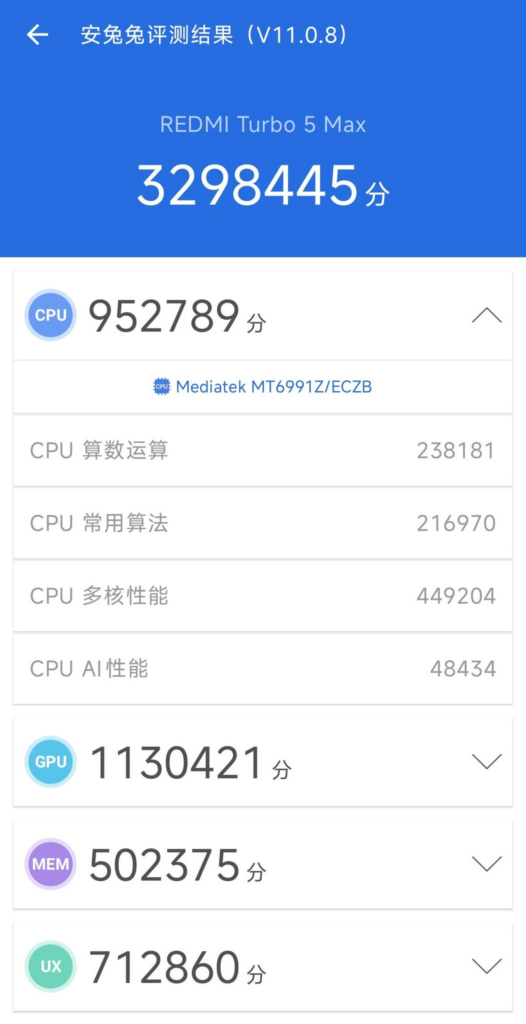
Why the change? The answer seems pretty straightforward: the Ace 6T is debuting as the first smartphone powered by Qualcomm’s Snapdragon 8 Gen 5, and that chip alone puts it squarely in “performance-first” territory. For context, the Chinese version has scored 3.5 million on AnTuTu. OnePlus appears to have cut the telephoto lens to keep the overall price from creeping too high. The move echoes what other brands have done in the mid-premium segment lately.
According to a previous report, there’s also a limited Genshin Impact Edition on the way, likely with themed accessories and packaging, but nothing in the leaks suggests any hardware differences beyond cosmetics.
Whether this strategy resonates depends on what buyers prioritize. If you loved the 13R’s balanced camera setup, the downgrade will sting. But for users who want the fastest chip they can get without paying true flagship money, the Ace 6T/15R might end up ticking every box that matters.
Either way, once OnePlus officially unveils the device, the conversation is guaranteed to shift from “Is the telephoto gone?” to “Was it worth it?” in the 2026 mid-range race.
Xiaomi’s HyperOS 3 rollout — now tied to Android 16 globally — is picking up speed. After hitting several flagship and mid-range models earlier this month, the stable update has quietly arrived for four more popular devices that users have been waiting on.
Poco M6 Plus 5G
The newest phones to get the HyperOS 3 stable build are the Poco F7 Pro, Poco F7, Poco M6, and Redmi 13. The rollout is happening in waves through incremental OTA updates, so you may not see the notification right away. As usual, timing varies by region and device batch.
Here are the builds currently pushing out:
Poco F7 Pro – OS3.0.4.0.WOKMIXM
Poco F7 – OS3.0.3.0.WOLMIXM
Poco M6 – OS3.0.2.0.WNTMIXM
Redmi 13 – OS3.0.2.0.WNTMIXM
It’s not a huge surprise to see the F7 series finally join the list. Their Chinese twins — the Redmi K80 and Redmi Turbo 4 Pro — received their Android 16-based HyperOS updates earlier, which usually signals that the global Poco versions aren’t far behind.
HyperOS 3 is one of Xiaomi’s most ambitious software updates in years. Beyond the performance tuning under the hood, it brings a fresh visual layer with features like HyperIsland (Xiaomi’s take on Dynamic Island), new lockscreen styles, a more capable Gallery editor, and tighter integration with Google’s Gemini AI. There’s also Touch to Share, expanded system-wide translation, and enhanced AI writing and voice tools on supported hardware.
If you own one of these newly supported models, it’s worth checking the updater over the next few days. The Android 16-based HyperOS 3 build should reach your device as soon as your region’s rollout window opens.
Oppo launched the A5x in India back in May, but it looks like the company is already lining up a successor. A leaked promotional image, shared by tipster Abhishek Yadav on X, shows what appears to be the next model in the series.
The marketing material confirms the phone packs a 6,500mAh battery, a small bump from the 6,000mAh unit in the current A5x. Meanwhile, the charging speed stays the same at 45W. Oppo is also calling it the “segment’s biggest battery” phone.
The teaser also gives a first look at the design. The phone doesn’t resemble the A5x much at all. It swaps its predecessor’s layout for a new vertical pill-shaped camera module. Still, it is likely to house a single rear camera alongside an LED flash.
Last but not least, the device can be seen in two colors — blue and black.
While Oppo hasn’t shared specs for the new model, the current A5x gives a good idea of what to expect.
Revisiting Oppo A5x
Oppo A5x ships with a 6.67-inch HD+ LCD running at 120Hz and can hit up to 1,000 nits of peak brightness. It is also built durably with MIL-STD-810H certification, an IP65 rating, and a reinforced “360° Armour Body” design.
Oppo A5x 5G
Inside, the A5x uses MediaTek’s Dimensity 6300 chipset paired with a Mali-G57 MC2 GPU. First optics, it has a single 32MP rear sensor with an f/1.85 aperture and an LED flash. The front selfie camera is a 5MP shooter.
Oppo A5x was launched in India for an asking price of Rs 13,999 for the base model. So we are expecting the A6x to also target the sub-15,000 segment.
For more daily updates, please visit our News Section.
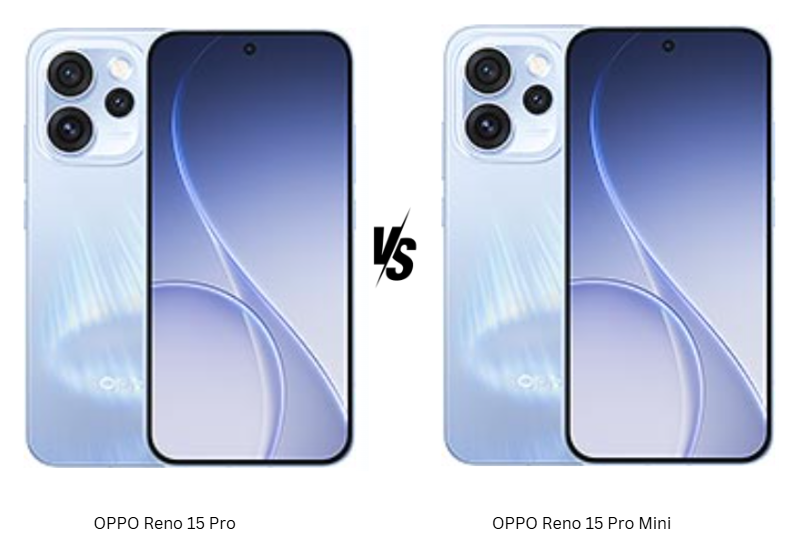
Oppo unveiled the Reno 15 and Reno 15 Pro last week in China. Unlike the previous generations, the standard model has arrived with a smaller form factor equipped with a 6.32-inch display. At the Reno 15 series unveiling event, the company confirmed that it will add a third model called the Reno 15c in December in China. While it shared an image of the phone, the company did not confirm any of its specs. A new leak, courtesy of tipster Bald Panda, has revealed the key specifications of the Reno 15c.
Oppo Reno 15c key specifications (rumored)
Oppo Reno 15c
As per the leak, the Oppo Reno 15c will be equipped with a 6.59-inch flat OLED screen that offers a 1.5K resolution and a 120Hz refresh rate. Under the hood, the device is equipped with the Snapdragon 7 Gen 4 chipset.
The rear camera setup of the Reno 15c may include a 50-megapixel (Sony LYT-600), an 8-megapixel (Sony IMX355), and a 50-megapixel (Samsung JN5) sensor. These could be for the primary, ultra-wide, and telephoto cameras, respectively.
The other details of the Reno 15c are under wraps. Likely, the brand will start teasing its arrival in the next few days in China. In terms of pricing, it could be positioned lower than the Reno 15.
Oppo is also said to be working on the Reno 15 series for the global market. There is a possibility that the global models could be slightly different from their Chinese counterparts. While the rumored Reno 15 Pro Max is not a part of the series for the Chinese market, it remains to be seen whether it is included for the global market.
For more daily updates, please visit our News Section.
After months of testing, Nothing has finally started rolling out the stable version of Nothing OS 4.0, based on Android 16. The first phone to receive the latest upgrade is the Nothing Phone 3. The brand has also laid out a roadmap for the remaining devices, which we’ll discuss later in this article.
The Nothing OS 4.0 update for the Nothing Phone 3 is tagged with the firmware version B4.0-251117-1909. Those who have already installed the open beta build should receive a minor update weighing about 700MB, while the remaining users will receive the complete package with a hefty download size of about 3GB.
If you’re rocking a Nothing Phone 3, go to Settings > System > System updates to manually check for updates. Please note that the update isn’t pushed to all users in a single day, so it may take a few days before the update appears on your Nothing device.
Nothing recommends backing up important data before installing the update. Also, keep in mind that the device may temporarily heat up and experience increased battery drain due to excessive background optimizations after installing the update. Everything should get back to normal in just a few days.
Nothing OS 4.0 changelog for the Nothing Phone 3:
New Features:
Added AI usage dashboard. When using Essential Space, it automatically tracks AI large model usage for enhanced privacy transparency. Path: Settings > Intelligence toolkit > AI usage.
Hiding apps directly from the home screen and App drawer is now supported. Find hidden apps via: Home screen > App drawer > Hidden icons.
Managing the search scope is now supported in App drawer to display results within a specific scope.
Added more size options for Weather, Pedometer, Screen Time widgets.
2×2 size is now supported for most QuickSettings tiles.
Pop-up view now supports two floating icons for easier switching.
System upgrade supports app optimisation to improve startup speed. Path: Settings > Apps > App optimisation.
Essential Innovations
Introducing Playground (Alpha) — come to experience unique creations from the Community, including Essential Apps, Glyph Toys, Camera Presets, and EQ Profiles.
Essential Apps (Alpha) are now open for download. Enjoy the AI-powered, community-crafted apps that blend creativity with efficiency.
Visual Enhancements
Nothing app icons have been redesigned with an all-new, fresh look.
Updated status bar icons with a more intuitive look.
Updated the lock screen password page with wallpaper blur effect.
Added 2 new lock screen clock faces in Customisation.
Extra dark mode is now available, bringing a more immersive dark style. Path: Settings > Display > Dark theme > Extra dark mode.
Improved transition animations in certain scenarios for a smoother, more fluid experience.
Glyph Interface
Phone (3) users, you told us the Glyphs could use more love, so we got to work. We’re excited to bring key refinements to Flip to Glyph to make the feature more customisable and impactful for daily use, along with refreshed versions of popular legacy Glyph features, reimagined for the Glyph Matrix. We hope you enjoy them!
Always-On Glyph Toys will now be activated with Flip to Glyph instead of on timeout, ensuring you always have a quick and reliable gesture to enable the toy of your selection.
Added a setting to choose whether Flip to Glyph switches your phone to Silent or Vibrate mode.
Tooltip now clearly states that calls are not affected by the “Essential Notifications only” option under Flip to Glyph – no more guessing!
While in Flip to Glyph, give your phone a quick shake while plugged in to instantly see the charging status.
The long-awaited Glyph Progress is back, now using Android 16 Live Update notifications for improved compatibility with third-party apps. Enable it via Settings > Glyph Interface > Glyph Progress.
Glyph Timer returns with a refreshed animation. Add it as a Quick Settings tile or enable it manually via Settings > Glyph Interface > Glyph Timer.
Last but not least, some features we at Nothing really wanted ourselves:
Introducing a new Moon Phase toy, showing exactly how the moon will look tonight.
Tired of the built-in toys? A new button on the “Manage Glyph Toys” page takes you directly to community-made creations on Nothing Playground.
The Glyph Mirror toy will now also save a matrix-styled photo. Déjà vu?
The Glyph Interface will now temporarily disable when you put your phone in your pocket. No notifications are that Essential that they need to glow through your pants.
While the Nothing OS 4.0 rollout timeline remains vague, the company has announced that the update will reach the rest of its smartphones over the coming weeks. The CMF phones will receive this major upgrade by the end of the year, while the Phone (3a) Lite will follow early next year.
Please Note: When you buy something using the links in our articles, we may earn a small commission at no cost to you.
Don’t forget to visit our Android 16 section regularly for the latest updates. Or, if you prefer your news instant and on-the-go, hop into our Telegram channel for instant notification about the latest software updates and all the biggest tech headlines.
Samsung’s next mid-range phone may have just revealed more of itself. After the Galaxy A57 quietly appeared on Samsung’s internal test server earlier this month, the device has now surfaced on Geekbench with a new Exynos chip under the hood.
The listing confirms that the A57 is powered by the Exynos 1680, which succeeds last year’s Exynos 1580 used in the Galaxy A56. According to the benchmark entry, the smartphone achieves a single-core score of 1,311 and a multi-core score of 4,347 on Geekbench 6.5 for Android.
Here’s the Exynos 1680 equation
More interesting is what the benchmark listing suggests about Samsung’s CPU decisions. The Exynos 1680 appears to maintain the same clock speeds as its predecessor but with a rearranged core layout. It has:
1 Prime core @ up to 2.91GHz
4 Performance cores @ up to 2.6GHz
3 Efficiency cores @ up to 1.95GHz
That’s one more performance core and one fewer efficiency core compared to the Exynos 1580. On paper, this should deliver higher sustained performance rather than maximum power savings; however, we’ll have to see how that plays out in real-world use.
The tested Galaxy A57 unit also includes 12GB of RAM and was running Android 16.
The recent Geekbench run is a follow-up to one from August, which revealed only its OpenCL score. For those unaware, OpenCL is commonly used to benchmark graphics performance.
Galaxy A56
There are still many aspects we don’t know about, including design, cameras, battery, charging, and features. That said, it’s highly likely that Samsung will ship an AMOLED display with a 120Hz refresh rate and a 5,000mAh battery.
The Galaxy A57, at the very least, is expected to launch in March.
For more daily updates, please visit our News Section.
Apple’s fascination with high-end, slightly offbeat iPhone accessories isn’t slowing down. After dropping the iPhone Pocket (that starts from $150), the company is back with another designer collaboration — this time a MagSafe grip and stand.
The new accessory, called the Hikawa Phone Grip & Stand, attaches magnetically to the back of any MagSafe-equipped iPhone. At a glance, it looks like a more artsy version of the PopSocket, but Apple is pushing the angle that this one is different. And to be fair, the backstory is a little bit interesting than the average grip.
The designer behind it, Bailey Hikawa, has spent years making sculptural, ergonomic iPhone grips and cases. Her work caught Apple’s attention because she wasn’t just riffing on aesthetics; she was trying to build something that’s easier for all kinds of hands to use. According to Apple, the design process involved interviewing people with limited hand strength, dexterity issues, or conditions that make it harder to hold a phone steady. The end result is meant to reduce the effort needed to keep an iPhone in your hand.
Apple is selling the grip in two colors: a loud, neon Chartreuse and a more muted Crater finish that appears to use recycled materials. The shape is a bit quirky — almost like a soft, silicone loop with a cutout in the middle. It’s intentionally flexible and low-tension, so you’re not fighting to slide your fingers in or keep a grip on it. Hikawa’s own website lists a couple of extra colors, including Cobalt Blue and a Blurple Swirl pattern, but the price is the same $69.95 no matter where you buy it.
As for compatibility, it’s simple: if your phone has MagSafe (iPhone 12 and newer), this grip will work. MagSafe cases are supported too, and it fits every size from the Mini all the way up to the Pro Max.
BenQ has quietly added a new ultra-short-throw laser projector to its pro lineup, and it’s a bit of a standout. The LU895UST packs 5,000 ANSI lumens into a body that’s noticeably smaller than most projectors in the same brightness class.
The basics: it’s a WUXGA laser model with a 0.253:1 throw ratio, so you can blow up an image to around 200 inches while keeping the unit just a few centimeters from the wall. BenQ is pitching it at simulation setups, immersive exhibits, and higher-end education spaces, where big, bright visuals matter but there’s no room for a long-throw projector.
Color coverage hits 93% of Rec.709, and there are dedicated picture modes for Simulation, HDR10, and sRGB. BenQ also claims a 3,000,000:1 FOFO contrast ratio — standard marketing math, but typical for laser projectors in this range.
Because many of the use cases involve multi-projector blends, the LU895UST comes “blending ready,” with 2D Keystone correction and extra alignment tools to help stitch images together cleanly. Connectivity is what you’d expect: two HDMI 2.0b ports (HDCP 2.2), RJ45 for network control, USB-A, and a basic 10W speaker for when you don’t want to hook up an external setup.
The footprint is one of the more interesting bits. At 327 × 328.3 × 131.6 mm, it’s compact enough that installers won’t have to fight for ceiling space or wall clearance — no small thing in museums or small simulators. The LU895UST is already listed for €3,999 or $4,799.
For venues that need a huge picture in a bright room without sacrificing space, this model looks like one of BenQ’s more practical launches in a while — and possibly the new reference point for compact, high-lumen UST projectors.
With its next major launch just a few days away, Huawei is doing what it does best before a flagship debut: dropping carefully timed teasers. This time, the company’s CEO has shared the first official camera samples from the Mate 80 Pro, Mate 80 Pro Max, and the top-tier Mate 80 RS Ultimate Design — all focused on portraits and long-range zoom.
The photos, posted on Weibo, include two shots from the Mate 80 Pro, three from the Pro Max, and one from the RS model. The image samples suggest all three phones deliver standout portrait performance and strong telephoto results, with accurate colours and high dynamic range. The regular Mate 80 wasn’t part of this batch, but it’s still expected to appear at next Tuesday’s event.
Huawei isn’t stopping with the Mate 80 lineup, either. The company is also gearing up to show off the Mate X7, its second foldable of 2025. Earlier hints have also suggested that at least some Mate 80 models will feature a new “ultra-long battery” mode, though details remain fuzzy for now.
Interestingly, Huawei hasn’t shared anything concrete about the camera hardware behind these samples. Even the border watermark — which usually lists some hardware details, including the aperture and focal length — is missing that information. It feels like a deliberate choice to keep the specifics under wraps until launch.
The photos themselves look impressive, but for five out of the six shots, a lot of the impact comes from careful framing and naturally appealing subjects rather than any obvious hardware advantage. And as always, manufacturer-provided samples tend to be hand-picked and may even receive a bit of polishing, so anyone eyeing the Mate 80 series should take these early teasers with healthy skepticism.
With the full reveal coming later this November, Huawei is clearly trying to steer attention toward imaging — an area where its flagships have long excelled. We’ll share our own camera impressions as soon as we get to test the devices.
The Snapdragon 6s Gen 4, announced in October, delivers higher performance and expanded capabilities to mid-range phones by incorporating modern chip technologies and premium features from flagship chipsets. Qualcomm would be hoping for a stronger presence in the mid-range segment with this new chip, but its biggest rival, MediaTek, already has an answer to that: Dimensity 7400.
The Dimensity 7400 was announced earlier this year and has a similar spec sheet to the Snapdragon 6s Gen 4. Both have the same CPU cores, but they also bring notable differences. We’ll look at every aspect of the two chips, including benchmark numbers, in this detailed comparison to find out which delivers superior performance.
Snapdragon 6s Gen 4 vs Dimensity 7400: Benchmark numbers
Note: The Geekbench 6 scores for the Snapdragon 6s Gen 4 were obtained from an alleged Moto G100s listing. For the Dimensity 7400, we tested the Motorola Edge 60 to get the benchmark scores.
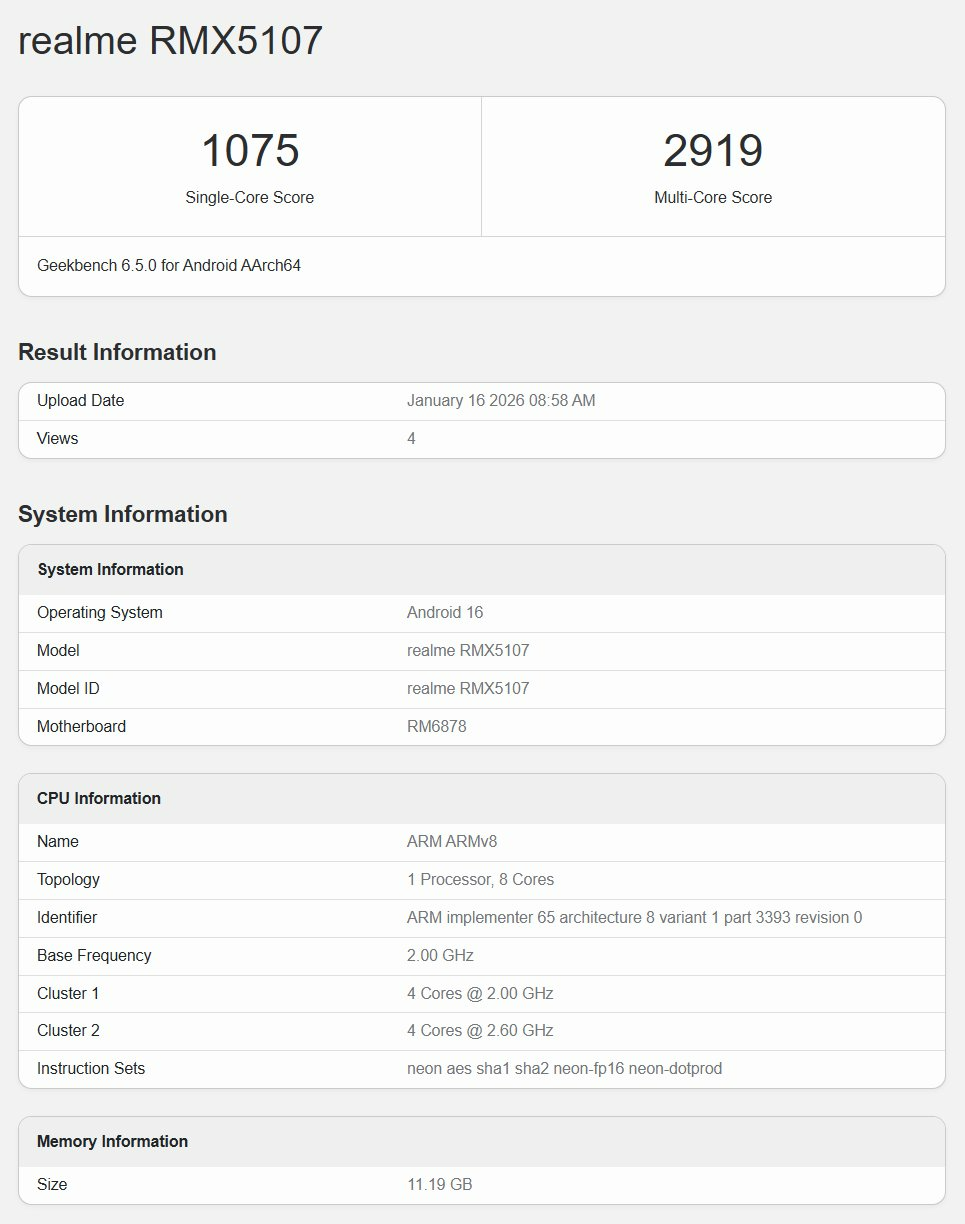
The Snapdragon 6s Gen 4 has scored 1,018 single-core points and 2,893 multi-core points in the Geekbench 6 test. These are good numbers for a lower mid-range chipset, but the Dimensity 7400 is slightly ahead with 1,058 points and 3,041 points in single-core and multi-core tests, respectively.
While the differences aren’t huge, the Dimensity 7400-powered devices should offer better CPU performance compared to the Snapdragon 6s Gen 4.
Geekbench 6
Single core
Multi core
Snapdragon 6s Gen 4
1,018
1,058
Dimensity 7400
2,893
3,041
We weren’t able to compare GPU scores because no device with the Snapdragon 6s Gen 4 chip has been released yet. We’ll update the scores here after testing.
Snapdragon 6s Gen 4 vs Dimensity 7400: Key differences
The Snapdragon 6s Gen 4 is manufactured using Samsung’s 4nm process node, while the Dimensity 7400 uses TSMC’s 4nm node. The latter generally offers better performance and power efficiency.
CPU, GPU, & NPU
Both mid-range chipsets feature octa-core CPUs with four Cortex-A78 performance cores and four Cortex-A55 efficiency cores. The difference here is that all cores in the Dimensity 7400 run at a relatively higher speed than those in the Snapdragon 6s Gen 4.
The higher clock speeds of the CPU cores and TSMC’s advanced manufacturing on the Dimensity 7400 should deliver higher peak performance than the Snapdragon 6s Gen 4. This also reflects in the benchmark scores.
For graphics rendering, the Snapdragon chip has an Adreno GPU. Qualcomm hasn’t revealed much about the GPU, but it claims the chip is 59% faster than the 6s Gen 3 and supports 144fps gaming. Additionally, the chip supports Variable Rate Shading and Qualcomm Game Quick Touch to improve touch latency and render graphics more efficiently.
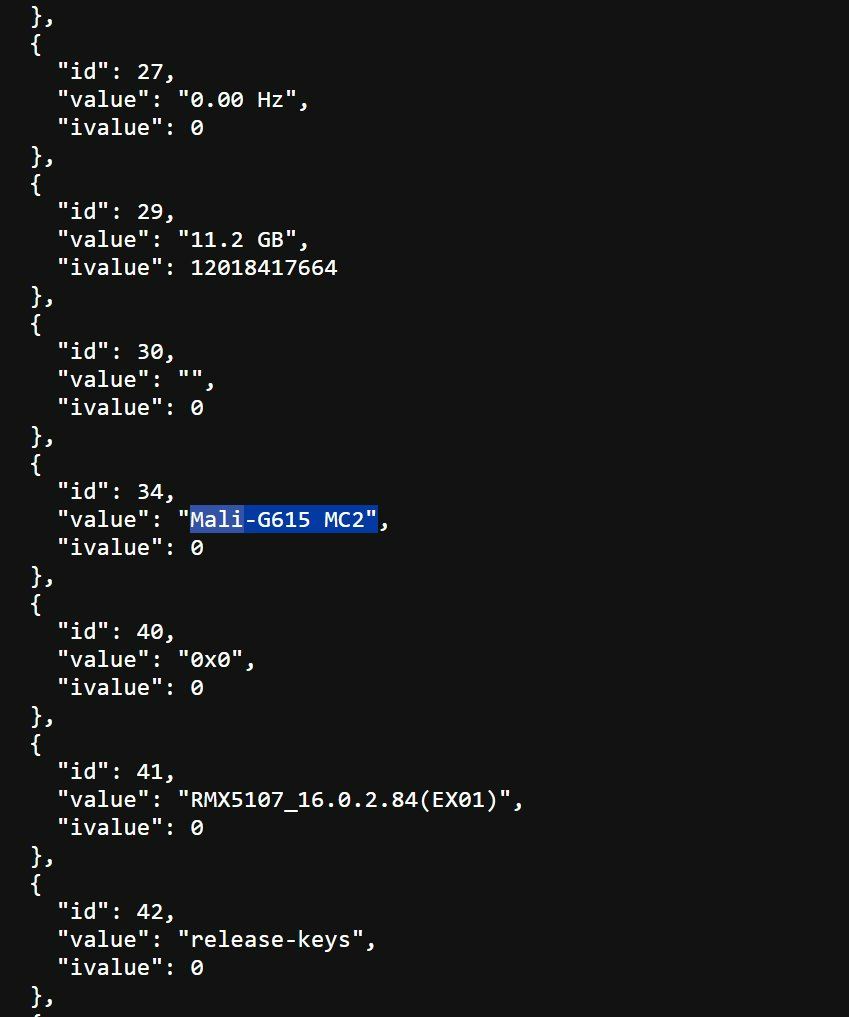
The Dimensity 7400 is equipped with Mali-G615 MC2 GPU, which is 10% faster than its predecessor. Furthermore, it comes with MediaTek Adaptive Gaming Technology (MAGT) 3.0 and MediaTek’s Network Observation System (NOS) for improved performance, power efficiency, and connectivity.
Both chipsets also have NPUs for on-device AI capabilities: Qualcomm Hexagon NPU on Snapdragon 6s Gen 4 and MediaTek NPU 655 on Dimensity 7400. They also help optimize various aspects of the device, including camera, connectivity, and gaming.
Camera & Imaging
The Snapdragon chip features dual 12-bit Spectra ISPs, allowing up to 200MP photo capture and 2K HDR video recording at 30fps. Additionally, it supports 720p slow-motion video recording at 240 fps.
The 12-bit HDR ISP on the Dimensity 7400 also supports up to 200MP single camera. It supports precise noise reduction (MCNR) and video HDR for sharp, clear outputs. The Dimensity chipset also supports Google Ultra HDR image and up to 4K video recording.
Connectivity
Both chips have Release 16 5G modems, but their capabilities differ. The Snapdragon 6s Gen 4 offers up to 2.9 download speed, while the Dimensity 7500 can reach up to 3.27Gbps. The peak download speed remains the same for the Snapdragon chip on a Wi-Fi 6E connection. The Dimensity 7400 also supports Wi-Fi 6E, but MediaTek hasn’t revealed the data transfer speed.
Qualcomm Spectra dual ISPs (12-bit) up to 200MP single camera up to 32MP single camera at 30 fps with zero shutter lag up to 16+16MP dual cameras at 30 fps with zero shutter lag up to 2K HDR video recording at 30 fps 720p slow-mo video recording at 240fps Hardware-based noise reduction support
Imagiq 950 ISP (12-bit) up to 200MP single camera up to 4K video recording at 60 fps Google Ultra HDR support hardware-based noise reduction (MCNR)
Connectivity
Qualcomm Release 16 5G modem peak speed: 2.9 Gbps Wi-Fi 6E Bluetooth 5.4
Qualcomm Release 16 5G modem peak speed: 3.27 Gbps Wi-Fi 6E Bluetooth 5.4
POCO will launch the POCO F8 Pro, POCO F8 Ultra and the new POCO Pad X1 in global markets on 26 November. The company has been posting short teasers over the past few days, confirming key features ahead of the event.
The POCO Pad X1 will be introduced on the same day at 16:00 GMT+8. It will come in Grey and Blue. The back has a square camera module with a 13MP main camera and an LED flash. The sides show the power button, speaker grilles and another physical button.
POCO confirmed that the Pad X1 runs on the Snapdragon 7+ Gen 3 chipset. The tablet will feature a 3.2K display with a 144Hz refresh rate. POCO describes the screen as crystal clear and says it will support Dolby Vision Atmos.
The Pad X1 was previously spotted on Geekbench. The listing showed the tablet running Android 15 and an 8GB RAM variant. The benchmark results matched the expected performance for the Snapdragon 7+ Gen 3 chip.
Reports suggest that the POCO Pad X1 could be a rebranded version of the Xiaomi Pad 7. If this is accurate, the final hardware could be similar to Xiaomi’s tablet. The Xiaomi Pad 7 features an 11.2-inch LCD display with a 3.2K resolution, a 144Hz refresh rate, Nano Texture Display, anti glare and anti reflective features. It has a 3:2 aspect ratio, TÜV Rheinland low blue light certification, HDR 10 and Dolby Vision support.
The Xiaomi Pad 7 has a metal unibody. It runs on the Snapdragon 7+ Gen 3 chip with up to 12GB RAM and 256GB storage. It packs an 8,850mAh battery with 45W fast charging. The rear camera is 13MP and the front camera is 8MP. It runs Android 15 with HyperOS 2, which includes AI Writing, AI Live Subtitles and Xiaomi Creations. Other features include a 6.18mm body, 499 gram weight, IP52 rating, WiFi 6E, Bluetooth 5.4, Workstation Mode, Focus Keyboard support and quad speakers.
We use cookies on our website to give you the most relevant experience by remembering your preferences and repeat visits. By clicking “Accept”, you consent to the use of ALL the cookies.
This website uses cookies to improve your experience while you navigate through the website. Out of these, the cookies that are categorized as necessary are stored on your browser as they are essential for the working of basic functionalities of the website. We also use third-party cookies that help us analyze and understand how you use this website. These cookies will be stored in your browser only with your consent. You also have the option to opt-out of these cookies. But opting out of some of these cookies may affect your browsing experience.
Necessary cookies are absolutely essential for the website to function properly. This category only includes cookies that ensures basic functionalities and security features of the website. These cookies do not store any personal information.
Any cookies that may not be particularly necessary for the website to function and is used specifically to collect user personal data via analytics, ads, other embedded contents are termed as non-necessary cookies. It is mandatory to procure user consent prior to running these cookies on your website.