Advertisement

The best sounding tablets of 2025

Good speakers aren’t the first thing most people think about when buying a tablet. But if you watch movies without headphones, play games, or rely on your tablet as a small TV, audio is one of those features that you have to get right. 

To be honest, most tablets come with a decent set of speakers. You can expect clear audio with okay loudness, but what you really want is the richness and oomph you expect when watching your favorite movies and shows. 

Fortunately, there are a few good options that get it right. So here are some of the best audio-focused tablets you can buy right now.

1. Apple iPad Pro (M5)

Apple's New M5 iPad Pro
Apple’s New M5 Powered iPad Pro

The iPad Pro has set the benchmark for tablet speakers for years, and the M5 version keeps that trend going. The tablet has four speakers (two up top, two on the bottom), and Apple still does a good job balancing power and precision.

What stands out most is how clear everything is. Dialogue sits where it should, effects feel placed rather than thrown at you, and it’s easy to hear individual instruments in a busy track.

The tuning avoids harshness at high volume, and it gets loud enough to fill a normal room without sounding strained.

The latest model will obviously cost you more as it’s the best Apple has to offer. So if you want something slightly more affordable, the iPad Pro M4 is the one to go for. 

It’s tough to tell which one sounds better unless you’re an absolute audiophile. And more importantly, you can get the M4 at discounts and offers, which is what matters for most people.

2. Samsung Galaxy Tab S11 Ultra

Samsung follows a similar strategy to Apple. The Galaxy Tab S11 Ultra also uses a quad-speaker setup, but this time, the speakers are tuned by AKG and come with Dolby Atmos support. 

As a result, you can expect clean vocals and a good sense of separation, especially if you tweak things through Samsung’s audio presets and EQ.

Pair the audio with a massive 14.6-inch Dynamic AMOLED 2X screen, and the Tab S11 Ultra feels like a straightforward alternative to the iPad Pro for people living inside the Samsung ecosystem. It’s just a solid multimedia machine that also happens to handle multitasking well.

There’s nothing flashy about how the speakers are presented, but they’re consistently good, and that’s often enough.

3. Lenovo Tab Plus

This is where things start to look different.

The Lenovo Tab Plus makes a trade-off most tablet makers avoid—it gives up slimness for better sound. 

Lenovo Tab Plus has a unique, thick bump on the back which houses an enormous (by tablet standards) eight-speaker JBL-tuned system. And its specs alone sound ambitious.

It has four matrix tweeters and four force-balanced woofers delivering 26W of stereo power from a large 22cc speaker box. As one can expect, the setup delivers a whole different kind of audio experience. 

The sheer number of drivers and the large acoustic volume mean it can push out sound with significant volume and minimal distortion, even when pushed close to the limit. 

The compromise is the design. That speaker hump is noticeable, but Lenovo has thoughtfully placed a kickstand in it. As a result, you can place it on a surface level and enjoy your shows and movies without the worry of holding its heft. 

4. Xiaomi Pad 7

Xiaomi Pad 7

The Pad 7 from Xiaomi is another entry on our list of best-sounding tablets. It is equipped with four speakers, Dolby Atmos support, and Hi-Res Audio certification. For most people, that means solid clarity, decent stereo width, and enough volume for daily use.

There’s also a “200% volume mode” that boosts loudness well beyond the default limit. You might rarely need to use it, but it’s there if you need it.

As a side note, the China-only Pad 7 Ultra steps things up with four woofers and four tweeters, but since you probably can’t buy it easily outside China, the regular Pad 7 is the more practical option to talk about.

5. OnePlus Pad 3

OnePlus Pad 3 India
OnePlus Pad 3

The OnePlus Pad 3 is a great device for multimedia consumers. It has a big 13.2-inch display at 3.4K resolution, 144Hz refresh rate, and brightness goes high enough for outdoor viewing. 

But the speakers are what keep it in this conversation. Like some of the others here, OnePlus uses eight drivers—four tweeters and four woofers—to create a clean, well-balanced stereo image. It doesn’t try to overdo bass, but the mix has enough weight to make movies more interesting.

It also has a big 12,140 mAh battery and 80W fast charging support, so you can binge-watch without worrying about running out of power.

6. Honorable mention

Google Pixel Tablet with Speaker Dock

The Pixel Tablet is an interesting case of turning a tablet into a multimedia machine. The tablet itself has quad speakers, but what makes it unique is the optional speaker-dock accessory.

The dock features a 43.5mm full-range speaker that delivers noticeably better, room-filling sound with crisp treble and richer bass. 

When docked and locked, the tablet automatically switches into “Hub Mode,” which makes it more than just a tablet. You can display Google Photos albums as a screensaver when it’s not in active use.

It also provides full access to Assistant for playing music or videos, controlling smart home devices, and getting information through voice commands. 

The Pixel Tablet is also the first tablet to act as a Chromecast receiver, so you can cast music and videos from your phone or other devices directly to the docked tablet’s screen and speaker.

However, its main downside is longevity. The Pixel Tablet was launched in 2023, and the company hasn’t released a successor yet. It’s only guaranteed to receive Android version updates until at least June 2026 and security updates until at least June 2028. So you have to keep that in mind.

For more daily updates, please visit our News Section.

Stay ahead in tech! Join our Telegram community and sign up for our daily newsletter of top stories.

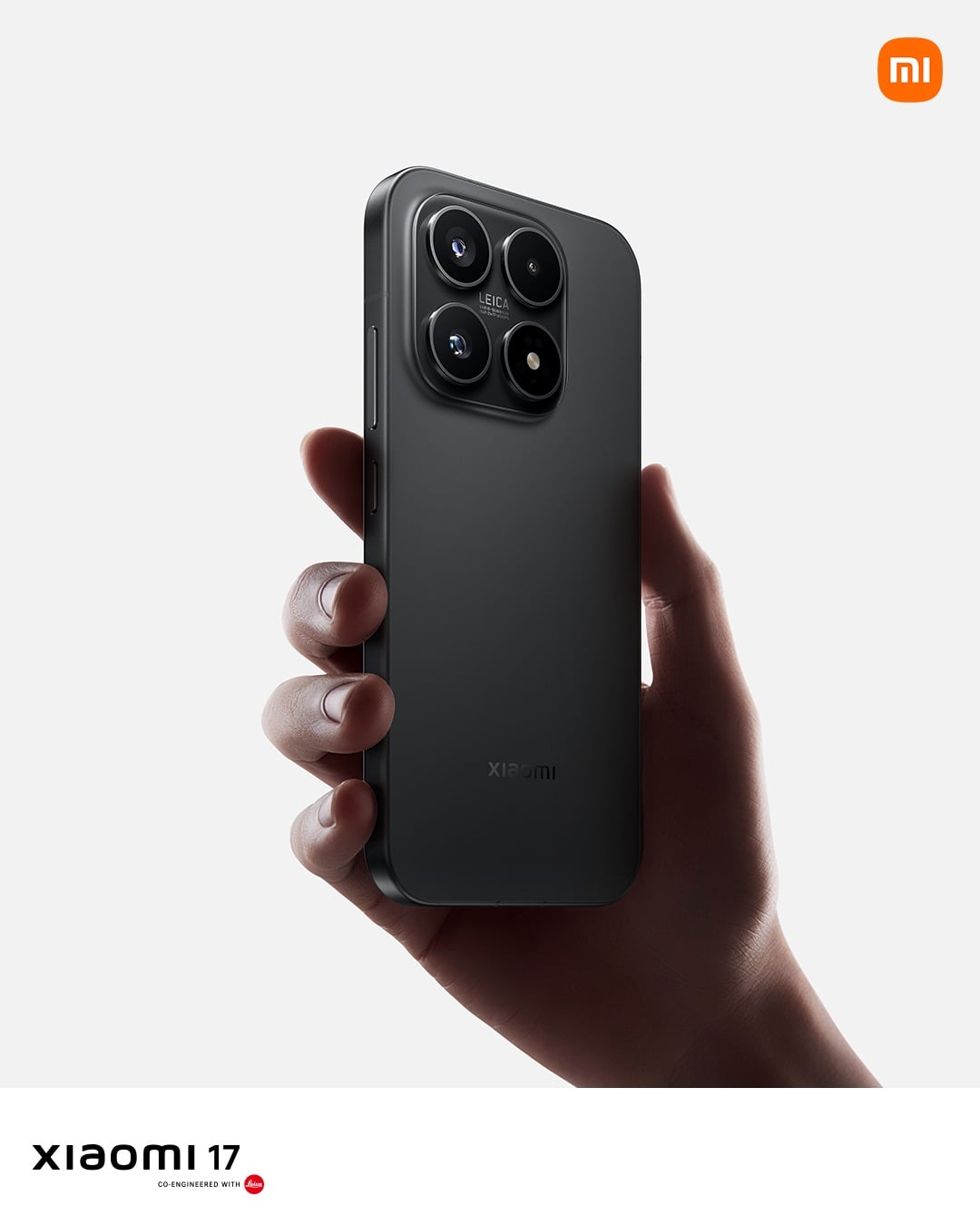
Xiaomi 17 Ultra leak reveals next-gen LOFIC tech, exclusive lens system, and more

Xiaomi is reportedly preparing to launch the Xiaomi 17 Ultra in China, with recent certifications suggesting it could debut by the end of this year. Ahead of its expected launch, tipster Digital Chat Station has been consistently sharing information about the device, particularly highlighting its imaging strengths. The latest leak from the source once again focuses on the phone’s exceptional camera capabilities and upgraded optical setup.

Xiaomi 17 Ultra: New LOFIC tech and upgraded periscope telephoto lens

Xiaomi 17 Ultra

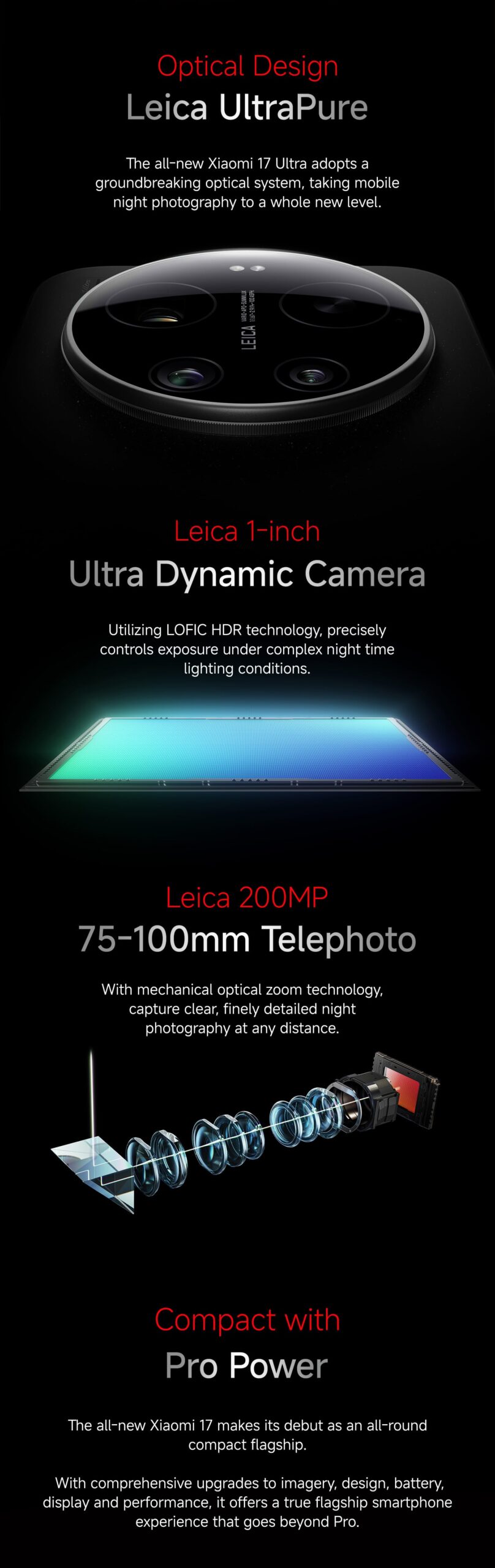
According to the latest report by Digital Chat Station, the Xiaomi 17 Ultra will feature a large main camera sensor with an f/1.6 aperture, paired with next-generation LOFIC technology for improved light handling and reduced glare. The sensor is expected to have an effective aperture of around f/4.5, enhancing low-light performance and overall clarity.

The highlight, however, will be a 200-megapixel periscope telephoto lens, capable of superior medium- and long-range zoom with an effective aperture near f/8.6. This periscope lens will reportedly employ Xiaomi’s exclusive full-lens optical system, offering advanced focusing versatility.

The smartphone is also expected to sport a large flat display and a distinct circular camera deco, with a layout that refines the design of its predecessor while maintaining a premium look.

Xiaomi 17 Ultra specifications (rumored)

As per previous reports, the Xiaomi 17 Ultra is expected to feature a 50-megapixel main camera with in-sensor zoom technology and lossless focal range transitions, accompanied by a 50-megapixel Samsung JN5 ultra-wide lens, a 50-megapixel Samsung JN5 telephoto sensor, and a 200-megapixel Samsung HPE periscope telephoto lens with 4×4 RMSC technology. For selfies, it may include a 50-megapixel OmniVision OV50M front camera.

The Xiaomi 17 Ultra is expected to share several components with the existing Xiaomi 17 Pro Max, including the 6.9-inch OLED 2K 120Hz display, Snapdragon 8 Elite Gen 5 chipset, ultrasonic in-screen fingerprint sensor, and enhanced vibration motor. However, the Ultra model will differentiate itself through its large circular camera design and exclusive imaging hardware. The phone is rumoured to arrive in gold, black, white, and purple color options.

For more daily updates, please visit our News Section.

Stay ahead in tech! Join our Telegram community and sign up for our daily newsletter of top stories.

OnePlus Ace 6T to be world’s first Snapdragon 8 Gen 5 phone, Genshin Impact special edition incoming

A couple of weeks ago, OnePlus confirmed that it will launch the world’s first Snapdragon 8 Gen 5-powered smartphone. The rumour mill has been speculating about the name of the device — initially, it was tentatively called the OnePlus Turbo. Later, a leaked retail box image suggested that it would be called the OnePlus Ace 6 Pro Max. However, OnePlus’ official fan club has reportedly confirmed that there is no device named OnePlus Ace 6 Pro Max. Instead, the upcoming phone will be called the OnePlus Ace 6T.

OnePlus Ace 6T Genshin Impact Edition tipped

OnePlus Ace 6T to debut soon in China

According to tipster Digital Chat Station, the upcoming OnePlus Ace 6T will inherit the DNA of the classic OnePlus 6T, known for its high refresh rate display, ultra-smooth performance, super-fast fingerprint unlocking, Snapdragon 8-series flagship chipset, and its striking Electric Purple finish — not to mention a memorable collaboration edition. The same set of appealing features are expected to make their return with the Ace 6T.

OnePlus Ace 6T Genshin Impact Edition tipped

Another tipster claims that OnePlus will collaborate with Genshin Impact for a special edition of the Ace 6T. The source also reveals that the Snapdragon 8 Gen 5-powered device will come with 12GB / 16GB LPDDR5X Ultra RAM and 256GB / 512GB / 1TB UFS 4.1 storage options. In addition to Electric Purple, the phone will reportedly be available in Flash Black and Shadow Green colour variants.

OnePlus Ace 6T specifications

As per reports, the OnePlus Ace 6T will feature a 6.7-inch OLED display with a 1.5K resolution and a 165Hz refresh rate. It will be backed by a massive 8,000mAh battery supporting 100W fast charging and will ship with ColorOS 16 based on Android 16.

For optics, the device is said to include a 32-megapixel front camera and a 50-megapixel + 8-megapixel dual rear camera system. Additional highlights include a metal middle frame, an ultrasonic in-display fingerprint sensor, an X-axis linear motor, dual speakers, and NFC support.

As far as launch is concerned, the OnePlus Ace 6T is expected to debut this month in China.

For more daily updates, please visit our News Section.

Stay ahead in tech! Join our Telegram community and sign up for our daily newsletter of top stories.

Smart Dumb Phones You Can Buy in 2025

Smart dumb phones continue to gain traction in 2025 as reliable, compact, and distraction-free alternatives to smartphones. These devices offer core connectivity features like 4G, app support, and long battery life, while maintaining traditional form factors and simplified user experiences. From rugged designs to touchscreen hybrids, here are the top smart feature phones currently available.

1. HMD Touch 4G

HMD Touch 4G

HMD Global has launched the HMD Touch 4G, a compact touch-only device that reimagines the concept of feature phones without a keypad. The phone features a 3.2-inch QVGA display, a Unisoc T127 processor, and 64MB of RAM with 128MB of expandable storage.

It runs on RTOS Touch and supports dual nano SIM cards. HMD has added a 2MP rear camera with flash, a 0.3MP front camera for video calls, and Wi-Fi hotspot functionality. The phone also comes with cloud-based services such as weather, news, and cricket updates, while the Express Chat app enables messaging and video calls with Android and iOS users.

The Touch 4G features a Quick-Call button that lets users record and send voice messages. It packs a 1950mAh battery, charges via USB Type-C, and offers up to 30 hours of battery life. The HMD Touch 4G is priced at Rs. 3,999 ($45) and is available in Cyan and Dark Blue.

2. Nokia 800 Tough

HMD also sells the Nokia 800 Tough, a rugged feature phone built for extreme environments. The phone carries an IP68 rating and MIL-STD-810G certification, making it resistant to water, dust, drops, and harsh temperatures.

It runs on KaiOS, powered by a Qualcomm 205 platform, and supports apps such as Google Maps, Facebook, and YouTube. The device features a 2.4-inch QVGA screen, a 2MP camera with LED flash, and a removable 2100mAh battery.

For connectivity, the phone includes 4G LTE, Wi-Fi, Bluetooth 4.1, GPS, and micro-USB charging. The Nokia 800 Tough also supports Wi-Fi hotspot sharing. HMD claims a standby time of up to 43 days on a single SIM.

3. JioPhone Prima 2

JioPhone Prima 2

If you are from India, then you can get the JioPhone Prima 2, which runs on KaiOS 2.5.3. The phone features a 2.4-inch curved QVGA display, a Qualcomm chipset, and 512MB of RAM with 4GB internal storage, expandable up to 128GB.

It supports 4G VoLTE, Bluetooth 5.0, and offers UPI payments through JioPay. The device comes preloaded with apps like YouTube, Facebook, JioTV, JioCinema, JioSaavn, and Google Assistant. It includes both rear and front cameras for video calls, along with a 2000mAh battery.

The JioPhone Prima 2 is priced at Rs. 2,799 ($32) and is available in Luxe Blue through Amazon, JioMart, and other retail outlets.

4. TCL Flip 4 5G

TCL launched the Flip 4 5G in the United States earlier this year. The device features a classic clamshell design with a 1.77-inch external screen and a 3.2-inch internal LCD display. It runs KaiOS 4.0 and uses a Snapdragon 4s Gen2 processor with 2GB of RAM and 32GB of storage.

The Flip 4 5G includes a 5MP rear camera, a 3000mAh battery with USB Type-C charging, and a 3.5mm headphone jack. It supports Wi-Fi, Bluetooth 5.0, HD Voice, dual-mic noise cancellation, and full 5G connectivity.

TCL has priced the Flip 4 5G at $79.99, available through T-Mobile and Metro by T-Mobile.

For more daily updates, please visit our News Section.

Stay ahead in tech! Join our Telegram community and sign up for our daily newsletter of top stories! 💡

Realme GT 8 Pro Aston Martin F1 Edition goes on sale

The Realme GT 8 Pro Aston Martin F1 Edition was first announced at the beginning of this month. Now, the device has officially gone on sale in China. This special edition combines Realme’s flagship hardware with a distinctive F1-inspired aesthetic developed in collaboration with the Aston Martin Formula 1 team. It comes in a single configuration with 16GB RAM and 1TB storage, designed for users who value both performance and luxury craftsmanship.

Racing-inspired design and premium customisation

Realme GT 8 Pro Aston Martin F1 Limited Edition

The Realme GT 8 Pro Aston Martin F1 Edition adopts design cues from Aston Martin’s Formula 1 cars. It features a striking “Racing Lime” colourway, complemented by a carbon fibre texture and the signature silver wing emblem. The back panel follows an aerodynamic curvature for improved ergonomics. The collector’s edition box includes racing-themed accessories such as a custom F1 pin, a bespoke phone case, and a miniature race car model, highlighting its premium appeal.

The software interface has also been uniquely customized with an F1-themed user experience, complete with animated wallpapers, exclusive icons, dynamic charging visuals, and camera watermarks that reflect the Aston Martin partnership.

Realme GT 8 Pro Aston Martin F1 Edition specifications

Realme GT 8 Pro Aston Martin F1 Edition

Powered by the Snapdragon 8 Elite Gen 5 chipset and supported by the R1 display processor, the Realme GT 8 Pro Aston Martin F1 Edition ensures smooth performance and efficient thermal management. It features a 6.79-inch 2K AMOLED display with a 144Hz refresh rate and peak brightness of up to 7,000 nits. The 7,000mAh battery supports 120W wired and 50W wireless fast charging for minimal downtime.

The camera system includes a 50-megapixel primary sensor, a 50-megapixel ultra-wide lens, and a 200-megapixel periscope telephoto unit co-developed with Ricoh GR. It supports 10x optical zoom, 120x digital zoom, and 4K 120fps video recording.

The Realme GT 8 Pro Aston Martin F1 Edition is priced at 5499 Yuan (~$770) for the sole 16GB + 1TB variant and delivers a premium flagship experience inspired by the spirit of Formula 1.

For more daily updates, please visit our News Section.

Stay ahead in tech! Join our Telegram community and sign up for our daily newsletter of top stories.
Oppo Reno 15 series’ official images, configurations revealed before November 17 launch

Oppo has finally confirmed the Reno 15 series’ launch date for China. Today, the brand confirmed that it will announce the Reno 15 and Reno 15 Pro on Nov. 17 in the country. As per reports, the lineup also includes a Reno 15 Mini model with a compact design. However, the brand is yet to officially confirm its existence. Ahead of the launch, both the standard and Pro models have been listed on Oppo China’s online store for pre-orders. These official listings have revealed the images, colour options, and memory configurations of both smartphones.

Oppo Reno 15, Reno 15 Pro configurations and color options

The Oppo Reno 15 will come in three shades: Starlight Bow, Aurora Blue, and Canele Brown. It will be sold in multiple options, such as 12GB+256GB, 12GB+512GB, 16GB+256GB, 16GB+512GB, and 16GB+1TB.

The Oppo Reno 15 Pro’s pre-order listing reveals that it will be available in finishes such as Starlight Bow, Honey Gold, and Canele Brown. In terms of configurations, it will be made available in options like 12GB+256GB, 12GB+512GB, 16GB+512GB, and 16GB+1TB.

Oppo Reno 15 series’ specifications

Oppo is yet to reveal the technical specifications of the Reno 15 and 15 Pro. However, reports have indicated that these devices will be equipped with 6.59-inch and 6.78-inch OLED 1.5K displays, respectively. The Reno 15 Pro is expected to feature a 6,300mAh battery with 80W wired and 50W wireless charging.

The rumour mill is yet to reveal the Reno 15’s battery size, but its charging capabilities are said to be the same as the Pro version. The lineup will run on Android 16, with a layer of ColorOS 16 on top. Under the hood, both phones are expected to feature the Dimensity 8450 SoC.

Oppo Reno 15 series launch date official
Oppo Reno 15 series is launching on November 17 in China

The Reno 15 series’ rear camera setup is expected to include a 200-megapixel Samsung HP5 main camera, a 50-megapixel ultra-wide lens, and a 50-megapixel periscope telephoto camera. Both devices are expected to feature a metal middle frame and an IP68/69-rated body.

For more daily updates, please visit our News Section.

Stay ahead in tech! Join our Telegram community and sign up for our daily newsletter of top stories.
OnePlus Open OxygenOS 16 Update is Rolling Out Now: Here’s What’s New

The stable OxygenOS 16 update is rolling out globally for the OnePlus Open foldable, starting with the IN region today. The build number is CPH2551_16.0.0.201(EX01). This update focuses on two main areas: making the phone feel faster and stuffing it with smart AI features.

The update comes with the new Parallel Processing system, which delivers smoother interactions. Animations for system apps now start and end logically, and dragging and dropping items like icons or widgets on the Home screen is much more fluid. The text selection magnifier and new UI controls also feature smoother animations. Meanwhile, the Trinity Engine optimizes how the phone uses power, ensuring stable performance for demanding tasks like gaming and camera use. Apps now launch faster, photo albums load quicker, and a tiered Power Saving Mode adapts performance based on the battery level.

AI is everywhere in this update. Mind Space now lets you use the Plus Key to record voice notes and features a Mind Assistant to search content. AI-powered Photos offers new video editing tools including splitting, merging, adjusting speed, and adding music, plus the ability to create motion photo collages without losing HDR quality. AI Recorder can now automatically detect if you are in a meeting or lecture and apply the right template, and it uses noise cancellation to boost voices. The system gains a full AI Writer to help generate text across system apps, alongside smarter AI VoiceScribe and Call Summary features that offer alternative summary templates and easy sharing options.

Visually, the update introduces the Luminous Rendering Engine, bringing real-time light field effects and immersive weather visuals. The Flux Home screen has new icon styles, a cleaner grid, and lets you resize icons and rearrange pages. You can now use a maximum of five apps in the dock. Connectivity improves with OnePlus Connect, enabling seamless PC mirroring, cross-device file searching, and clipboard sharing. For privacy, you can now touch and hold any app icon on the Home screen to quickly lock or hide it. The system also includes a dedicated settings page for all AI features and adds Bosnian as a supported system language.

Don’t miss a thing! Join our Telegram community for instant updates and grab our free daily newsletter for the best tech stories!

For more daily updates, please visit our News Section.

(Source)

Agni 4 to be Lava’s most advanced phone, chipset, RAM, storage revealed

Last week, Lava confirmed that the Lava Agni 4 will be announced on Nov. 20 in India. One of the teasers suggested that it would be equipped with a MediaTek chipset. A new poster rolled out by the brand has finally revealed the chipset’s name, along with its RAM and storage details.

Lava Agni 4 to feature the Dimensity 8350 chipset

Lava Agni 4 chipset
Lava Agni 4 chipset, RAM, and storage

The above poster confirms that the Agni 4 will be equipped with the Dimensity 8350 chipset. The image also confirms that the device will feature LPDDR5x RAM and UFS 4.0 storage, which are usually found on flagship phones. With this, the Agni 4 is expected to be Lava’s most powerful phone yet.

So far, previous reports have revealed that the Agni 4 will feature an aluminium frame and come in two shades, such as Lunar Mist and Phantom Black. On the back, it has a dual-camera setup arranged in a horizontal camera module. It has an extra button on its right edge apart from the usual volume rocker and power key. It remains to be seen whether it will be a configurable button to access apps and functions, including launching the camera.

The Lava Agni 4 is expected to feature a Full HD AMOLED screen measuring 6.78 inches with support for a 120Hz refresh rate. It is expected to run on a near-stock version of Android, but it is unclear whether it will have Android 15 or the latest Android 16.

The device is also expected to launch as the company’s first phone backed by a massive 7,000mAh battery. For photography, it is expected to feature a dual 50-megapixel camera setup on the back. The rest of its details are under wraps. Likely, it will be priced at around Rs 20,000 (~$225) in India.

For more daily updates, please visit our News Section.

Stay ahead in tech! Join our Telegram community and sign up for our daily newsletter of top stories.
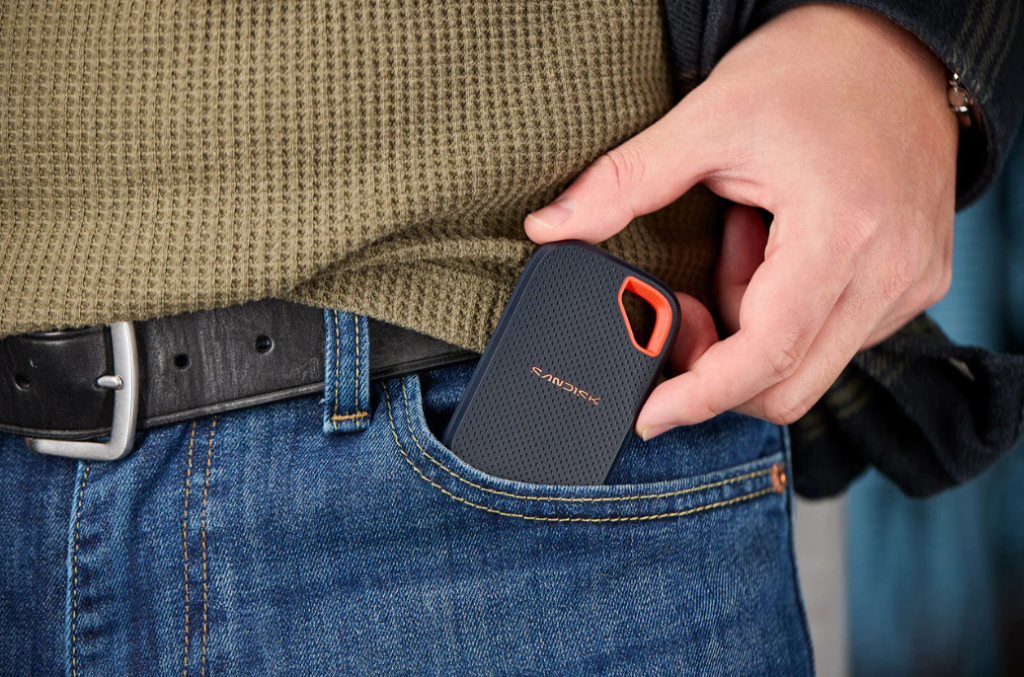
Rogbid Titan V rugged smartwatch debuts with 800mAh battery, AMOLED display, tactical flashlight

Rogbid has officially unveiled its latest smartwatch, the Rogbid Titan V, which stands out with a durable alloy body, a 1.75-inch full-screen display, a big battery, and 5ATM waterproof protection. The new watch has been announced just in time for the Double 11 (Nov. 11) shopping festival. Here’s everything you need to know about its design, specifications, price, and availability.

Rogbid Titan V specifications and features

Rogbid Titan V
Rogbid Titan V

The Rogbid Titan V features a solid metal construction engineered to endure daily wear and outdoor challenges. Meeting military-grade durability standards. With its 5ATM waterproof certification, it can easily handle rain, splashes, and swimming sessions.

The Titan V includes a tactical flashlight that comes in handy for night activities or emergencies. Its 1.75-inch full-screen display offers sharp visuals and good brightness for outdoor visibility, ensuring clear readability whether you’re working out or navigating menus on the go.

The smartwatch houses an 800mAh polymer lithium battery capable of delivering up to 75 days of standby time. It uses a magnetic charging system and offers a full touch-screen interface for easy control. Fitness tracking is a major highlight, with over 100 sport modes covering various physical activities, including running, cycling, and yoga.

The Titan V supports Bluetooth 5.1 and runs on the RTL8763EWE chipset with 128MB of onboard memory. For health tracking, it uses the VC30FS heart rate chip for accurate, real-time monitoring. It is compatible with Android 4.4 (and above) and iOS 9.0 (and above) devices.

Rogbid Titan V price and availability

On the official store, the Rogbid Titan V is priced at $39.99 during its exclusive Double 11 launch offer. Each order includes a complimentary Christmas card for early buyers. It comes in multiple finishes, such as silver, black, bright orange, and military green.

For more daily updates, please visit our News Section.

Stay ahead in tech! Join our Telegram community and sign up for our daily newsletter of top stories.
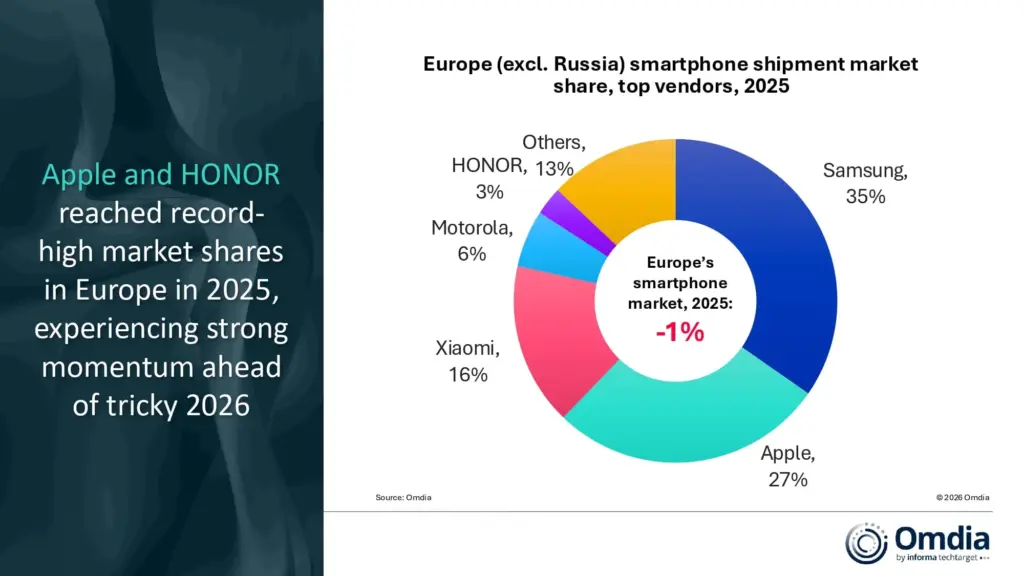
RedMagic Gaming Laptop 16 Pro (2026) RTX 5070Ti model goes on sale in China

Red Magic launched the 2026 edition of its 16 Pro Gaming Laptop lineup in China last month. The series includes three variants powered by RTX 5090, RTX 5080, and RTX 5070Ti GPUs. The RTX 5070Ti version is now available for sale, starting at 16,999 yuan ($2,388), or 14,999 yuan ($2,106) after Chinese subsidies.

Red Magic 16 Pro 2026

Red Magic 16 Pro Specifications

The new model features an Intel Core Ultra 9 275HX processor. It includes 24 cores and 24 threads, and it reaches up to 5.4GHz turbo frequency. Red Magic claims the chip delivers 200W peak performance.

The laptop uses a custom cooling system called Magic Cold 2.0. This includes three fans, six composite copper heat pipes, and an oversized vapor chamber covering 13,395mm².

Red Magic equips the laptop with a 16-inch Magic Cloud eSports Display 2.0 that delivers a 2.5K (2560×1600) resolution, a 300Hz refresh rate, and a 4ms response time. The screen supports Nvidia G-Sync, offers up to 500 nits of brightness, and covers 100% of the DCI-P3 color gamut. It is TÜV SGS certified for low blue light and flicker-free performance and also includes a built-in privacy protection layer.

The laptop supports up to 32GB of dual-channel DDR5-6400MHz memory and includes a 1TB PCIe 4.0 NVMe SSD. It also features a secondary PCIe 5.0 slot for RAID 0 expansion.

The chassis features a semi-transparent design with RGB lighting around the keyboard, logo, tail light, and touchpad ring. The laptop includes a full-size RGB keyboard with macro keys, an AG glass touchpad, and a 1080p IR camera for Windows Hello login.

The laptop comes with a 99Wh battery that supports 100W PD fast charging. For connectivity, it includes Thunderbolt 5, HDMI 2.1, dual USB-C, multiple USB-A ports, a 2.5Gbps Ethernet jack, Wi-Fi 7 with MLO, and an SD UHS-II card reader.

Red Magic adds a four-speaker system with DTS:X Ultra, and the Red Magic Control Center app provides system monitoring, lighting controls, and multi-device collaboration.

In related laptop news, Fujitsu has recently launched the FMV Note A in Japan, featuring a Ryzen 7 processor, 16GB of RAM, and a built-in Blu-ray drive. The company has also introduced the FMV UX-K3, now recognized as the world’s lightest laptop at just 634 grams, setting a new benchmark for ultraportable design.

For more daily updates, please visit our News Section.

Stay ahead in tech! Join our Telegram community and sign up for our daily newsletter of top stories! 💡

(Red Magic JD)

Oppo Find X9, Find X9 Pro India launch: RAM, storage, color variants revealed

Oppo has officially confirmed that the Find X9 series will launch on Nov. 18 in India. The lineup, which includes the Find X9 and X9 Pro, has already launched in China and other markets last month. Before the dedicated launch event in India, the brand has officially listed the X9 duo, revealing RAM, storage, and colour options for both phones.

Oppo Find X9 series configurations, color options revealed

Oppo Find X9 and Find X9 Pro

As per the official listing, the Oppo Find X9 is set to launch in two configurations such as 12GB RAM with 256GB storage and 16GB RAM with 512GB storage. Buyers will be able to choose between stylish Space Black and Titanium Grey finishes.

On the other hand, the Find X9 Pro will be offered in just one variant featuring 16GB of RAM and 512GB of internal storage. It will be available in refined Silk White and Titanium Charcoal colour options.

To recall, the Find X8 and X8 Pro from last year were priced at Rs 69,999 and Rs 99,999, respectively. As per a recent leak, the Find X9’s price may increase to Rs 74,999, whereas the X9 Pro’s cost could remain the same as its predecessor.

Oppo Find X9 series specifications

The Oppo Find X9 is equipped with a 6.59-inch AMOLED display and houses a 7,025mAh battery to deliver long-lasting performance. Its rear camera setup includes three 50-megapixel sensors, one of which is a periscope telephoto lens designed to offer superior zoom photography. For selfies and video calls, it features a 32-megapixel front camera. The device runs on the new MediaTek Dimensity 9500 processor and Android 16 with ColorOS 16 layered on top. It supports 80W wired and 50W wireless charging for fast and convenient power delivery.

Meanwhile, the Dimensity 9500-powered Oppo Find X9 Pro comes with a larger 6.78-inch AMOLED panel and a higher-capacity 7,500mAh battery. It also sports a triple-camera setup featuring a powerful 200-megapixel periscope telephoto sensor, a 50-megapixel Sony LYT-828 main camera, and a 50-megapixel ultra-wide lens, promising flagship-level photography. The Pro model further enhances its front camera setup with a 50-megapixel sensor for selfies. Like the standard model, it also runs on Android 16 with ColorOS 16. The charging speeds remain identical at 80W wired and 50W wireless.

For more daily updates, please visit our News Section.

Stay ahead in tech! Join our Telegram community and sign up for our daily newsletter of top stories.

Xiaomi 14 Ultra’s HyperOS 3 global update finally rolling out this month

Good news for Xiaomi 14 Ultra users: the long-awaited HyperOS 3 update (based on Android 16) is finally set to land on global units this month. After weeks of silence, the global build has reportedly been signed off and is ready to ship.

Tipster Erencan Yılmaz says the stable global ROM — OS3.0.1.0.WNAMIXM — has passed its final checks. The “MIXM” code confirms this one is strictly for the international model, and for once, the global variant won’t be waiting behind China’s rollout.

According to the leak, Xiaomi plans to start pushing the update towards the end of November. Mi Pilot users should get access a few days earlier, with a wider OTA following shortly after. China units should receive their own build any time now, but the gap between regions is expected to be small — a rare win for global Xiaomi owners.

HyperOS 3 isn’t just a visual tweak. Early testers in China say it brings smoother animations, a refreshed control center, better memory handling, and big improvements to battery life — especially when using the camera or running the phone at 120 Hz. Some users report gaining two extra hours of screen-on time. The random stutters that occasionally show up in heavy apps also seem to be gone.

You’re also getting the full set of Android 16 privacy and security features, which should help the 14 Ultra feel a lot more up to date heading into 2026.

HyperOS 3 looks like the most polished software package the 14 Ultra has had since launch — and it’s arriving just in time for the holiday season.

Don’t miss a thing! Join our Telegram community for instant updates and grab our free daily newsletter for the best tech stories!

For more daily updates, please visit our News Section.

(Source)

Snapdragon 8 Gen 5 launch timeframe tipped, OnePlus Ace 6 Pro Max, Vivo S50 Pro Mini expected to feature it

In September, Qualcomm unveiled the Snapdragon 8 Elite Gen 5 in China. Several smartphones equipped with this chipset have already launched in China, and some of them are now making their way to the global market. A new leak by tipster Digital Chat Station has revealed that a new chip, dubbed the Snapdragon 8 Gen 5, is tentatively scheduled to launch by the end of November. He added that two new phones featuring this chip will debut within the same month.

First Snapdragon 8 Gen 5 phones to debut soon

Snapdragon 8 Gen 5 launch timeframe

According to the tipster, the first phone to feature the Snapdragon 8 Gen 5 chip has a flat screen with support for a 165Hz refresh rate and a battery capacity of around 8,000mAh. While he has not mentioned the name of the device, based on recent leaks, it can be assumed that he is referring to the OnePlus Ace 6 Pro Max.

The second phone to feature the Snapdragon 8 Gen 5 chip is said to be a camera-focused compact model featuring a Sony IMX8-series mid-tier periscope telephoto camera and a flat display embedded with an ultrasonic fingerprint sensor. This device appears to be the Vivo S50 Pro Mini.

DCS added that brands like Meizu, iQOO, and Motorola are also expected to announce Snapdragon 8 Gen 5-powered devices soon. The alleged names of these phones include the Meizu 23, iQOO Z11 Turbo series, and Motorola Edge 70 Ultra. While he did not mention them in this leak, reports suggest that the Oppo K15 Turbo Pro and the Honor GT 2 are also expected to feature this chipset.

Snapdragon 8 Gen 5 chipset details leaked

Snapdragon 8 Gen 5 mock render
Snapdragon 8 Gen 5 = Ai generated mock render

Recent reports have revealed that the Snapdragon 8 Gen 5, which will be built on TSMC’s N3P process, will feature a dual-core cluster clocked at 3.8GHz and six performance cores running at 3.32GHz, paired with an Adreno 840 GPU operating near 1.2GHz. In benchmarks, the chip achieves around 3.3 million points on AnTuTu and approximately 3,000 and 10,000 in Geekbench 6’s single- and multi-core tests, respectively. It also manages close to 100fps in the Aztec 1440p graphics benchmark.

While its CPU capabilities are on par with the Snapdragon 8 Elite, the GPU performance is marginally lower, though it delivers better power efficiency and sustained performance overall.

For more daily updates, please visit our News Section.

Stay ahead in tech! Join our Telegram community and sign up for our daily newsletter of top stories.
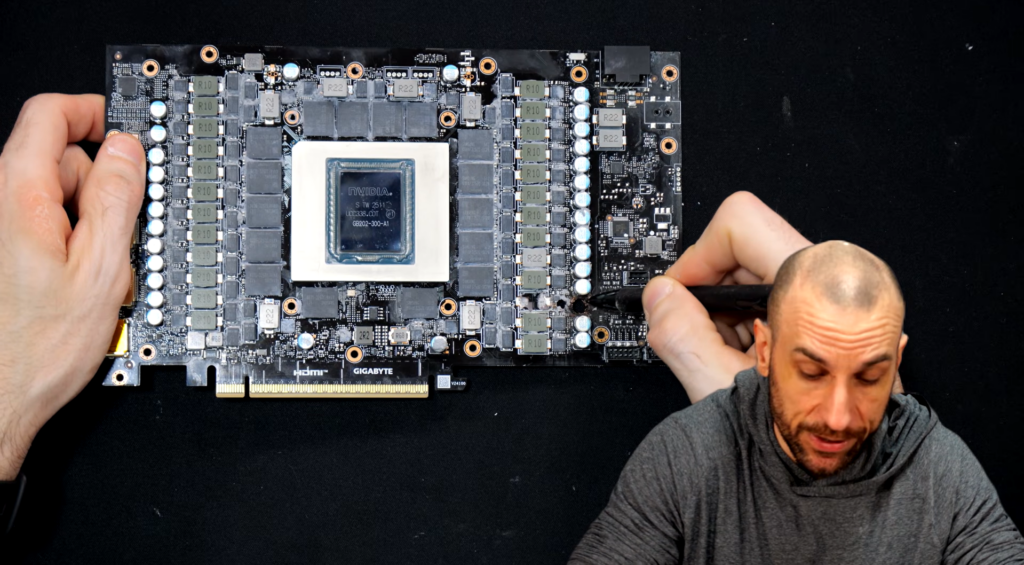
Galaxy S27 Ultra leak points to “Polar ID,” may finally compete with Apple’s Face ID

A new leak suggests Samsung might be working on a major overhaul of face unlock for the Galaxy S27 Ultra. The system, apparently called Polar ID v1.0, could be Samsung’s most ambitious attempt yet to challenge — and possibly surpass — Apple’s Face ID.

The claim comes from leaker @SPYGO19726, who says they spotted references to Polar ID in early S27 Ultra firmware. According to their post, Samsung isn’t relying on the typical front-facing camera approach anymore. Instead, the company is testing a dedicated hardware for the purpose that emits some kind of near-infrared polarized light and possibly reads the polarization pattern of the user’s face. In simple terms, it’s like giving your face a light-based fingerprint that photos, videos, masks, or 3D prints supposedly can’t mimic.

If the leak is accurate, the hardware behind this includes an ISOCELL Vizion sensor and a new “BIO-Fusion Core” security module. Samsung is apparently targeting an unlock time of around 180 ms with support for almost any lighting condition — pitch black, bright sun, even indoors with sunglasses on. Masks aren’t supposed to trip it up either.

That’s a pretty big contrast with what’s currently out there. Apple’s Face ID (that projects dots of infrared light on the user’s face) is still extremely secure. The front camera-based face unlock on most Android phones is fast, but still doesn’t count as “secure” for payments.

If Samsung’s “Polar ID” solution actually ships, the S27 Ultra could end up being one of the most reliable face authentication systems on any Android phone.

Of course, there’s the usual disclaimer: this leak comes from the same source that’s had a few misses before, including that odd Exynos benchmark. And Polar ID was rumored for both the S25 Ultra and S26 Ultra before disappearing. So take all of this with the usual grain of salt — 2027 is still far off, and test firmware often includes experimental features that never ship.

Don’t miss a thing! Join our Telegram community for instant updates and grab our free daily newsletter for the best tech stories!

For more daily updates, please visit our News Section.

(Source)

Poco Pad M1 runs Geekbench with a Snapdragon chip

Just days after the Poco Pad X1 surfaced online, another tablet from the company has popped up on Geekbench. The latest in the benchmark run is the Poco Pad M1 with a Snapdragon chip.

However, both of these tablets appear to be rebranded versions of Xiaomi devices that already exist.

According to early leaks, the Poco Pad X1 is believed to be a rebadged Xiaomi Pad 7, while the newly discovered Poco Pad M1 seems to share its DNA with the Redmi Pad 2 Pro, which launched in China back in September.

Poco Pad M1 is powered by Snapdragon 7s Gen 4

The Geekbench entry reveals that the Poco Pad M1 runs on Android 15, even though Android 16 is now out for a few months now. This likely means the tablet will ship with Android 15 out of the box and later receive an update to the newer version.

Under the hood, the device is powered by Qualcomm’s Snapdragon 7s Gen 4 chipset. The device was spotted in a Geekbench AI run, which reveals a single precision score of 1103, a half precision score of 1090, and a 1707 quantized score. 

If it mirrors the Redmi Pad 2 Pro, we can expect a 12.1-inch display with a crisp 2560×1600 resolution and a 120Hz refresh rate for smooth scrolling and video playback.

Other likely specs include 8MP front and rear cameras, up to 256GB of internal storage, and a massive 12,000mAh battery supporting 33W fast charging and 27W reverse wired charging.

There’s still no official launch date, but the Poco F8 Pro and Poco F8 Ultra are rumored to debut soon. And it wouldn’t be surprising if the Poco Pad M1 joins them on stage.

For more daily updates, please visit our News Section.

Stay ahead in tech! Join our Telegram community and sign up for our daily newsletter of top stories! 💡

(Source)

Xiaomi launches super compact 45W GaN USB-C charger for just $8

Xiaomi has launched a new 45W GaN USB-C charger in China, officially named the “Little Pudding.” The charger is priced at 54.9 yuan ($8) and arrives as a refreshed version of last year’s model with support for more charging protocols and foldable pins.

Xiaomi 45W GaN Charger

Xiaomi 45W GaN Charger Specifications

The new charger features Gallium Nitride (GaN) fast-charging technology, which allows it to deliver up to 45W of power in a compact and lightweight form factor. Xiaomi has reduced the total volume to just 36.4 cubic centimeters, making it 47% smaller than typical 45W chargers. It weighs only 50 grams and includes foldable prongs for easier portability.

Xiaomi has confirmed that the charger supports a wide range of fast-charging protocols, including PD (Power Delivery), PPS, and QC (Quick Charge). It can charge most mainstream smartphones, tablets, and other devices. The charger is also compatible with Apple’s fast charging.

Xiaomi 45W GaN Charger

According to Xiaomi’s lab results, the charger can recharge the iPhone 15 Pro Max to 56% in 30 minutes. It charges the Redmi Note 14 Pro to 67% in the same time frame.

The charger features a single USB-C port with output profiles of 5V 3A, 9V 3A, 15V 3A, 11V 4.1A, and 20V 2.25A. It supports global voltage input of 100-130V and 200-240V at 50/60Hz, making it suitable for international use. Xiaomi has rated the product for operation at altitudes up to 5,000 meters.

Xiaomi 45W GaN Charger

In terms of safety, the charger includes a VO-grade flame-retardant outer shell and multiple protection systems. These include safeguards against over-voltage, under-voltage, over-current, overheating, short circuits, static electricity, and lightning surges.

It also features electromagnetic and circuit protection. Xiaomi has conducted over 200 electrical performance and reliability tests and confirmed more than 1,000 hours of continuous operation during internal testing.

The charger complies with China’s safety standards. It also carries RoHS environmental and CCC safety certifications.

For more daily updates, please visit our News Section.

Stay ahead in tech! Join our Telegram community and sign up for our daily newsletter of top stories! 💡

(Xiaomi JD)

OnePlus Pad 2 and Pad 3 Get Stable OxygenOS 16 Update with New AI and UI Features

OnePlus has started rolling out OxygenOS 16 for the OnePlus Pad 2 and Pad 3 in India. The update runs on Android 16 and will reach other regions soon. The Pad 2 gets build number OPD2403_16.0.0.202(EX01), while the Pad 3 receives OPD2415_16.0.0.211(EX01).

Faster System Performance

The update makes animations, scrolling, and touch response smoother. You can now drag and drop icons, widgets, folders, and the Smart Sidebar more easily. The text selection magnifier fades in and out cleanly. Opening the notification drawer or Quick Settings no longer causes jarring status bar transitions. Audio controls in Quick Settings animate better. The new swipe-back gesture shows you the previous page as you swipe and lets you stop mid-action. App launches and exits look more consistent, and scrolling follows your finger more accurately.

Trinity Engine Improvements

The Trinity Engine now handles power and performance automatically during gaming, video playback, and multitasking. Apps open faster, photo albums load quicker while using less battery, and video previews run smoother in supported apps. Power Saving Mode adjusts performance based on how much battery you have left.

New AI Tools

The Photos app has a cleaner layout with better navigation and album sorting. Video editing now includes trimming, transitions, speed adjustment, and background music. You can turn motion photos into slow-motion clips. AI Portrait Glow fixes lighting in tough conditions. Notes supports block editing, text highlighting, and quick formatting with fonts and colors. The Recorder app removes background noise, detects whether you’re in a meeting or lecture, and lets you share audio files and transcripts. AI Writer creates summaries, speeches, posts, or notes with tone options and proofreading.

Interface Changes

Flux Home screen adds redesigned icons, organized grids, and resizable icons with large folder options. Flux themes include motion wallpapers like Sublime Grandeur and custom Lock screen text. The One Serif font makes text easier to read. Apps like Clock, Calculator, and Compass look more realistic.

Better Connectivity

OnePlus Connect now shares clipboard content between devices. My Devices in Quick Settings controls connected gadgets, with new widgets for easier management. Wi-Fi works better in weak signal areas. Floating windows support two apps simultaneously. Quick Settings gets customizable 2×1 tiles for brightness, audio, and device controls.

If you haven’t received the update notification yet, you can check for it manually by navigation to Settings > System > Software Update.

For more daily updates, please visit our News Section.

Stay ahead in tech! Join our Telegram community and sign up for our daily newsletter of top stories.
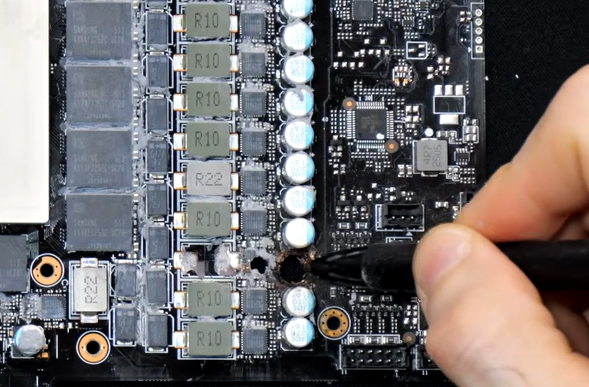
(Source: 1, 2)

MediaTek Dimensity 9600 reportedly slots in between Snapdragon 8 Elite Gen 6 and Pro

In a fresh leak, tipster Digital Chat Station (DCS) is back with more details on Qualcomm’s next-gen flagship chip. Earlier this week, rumors suggested the Snapdragon 8 Elite Gen 6 could launch in two variants: a standard model and a Pro version. Now, DCS claims to have more specifics.

The tipster revealed that the Snapdragon 8 Elite Gen 6 will carry the model number SM8950, while the Gen 6 Pro will be designated SM8975. Both chips are rumored to be built on TSMC’s N2P, or 2nm, manufacturing process.

The hierarchy could be 8 Elige Gen 6, Dimensity 9600, and 8 Elite Gen 6 Pro

Meanwhile, DCS claims that MediaTek’s Dimensity 9600 slots in between the two Qualcomm chips. This technically means it will perform better than the vanilla 8 Elite Gen 6, but might not match the performance level of Pro.

However, unlike Qualcomm, MediaTek doesn’t appear to be planning multiple versions of its flagship just yet and is reportedly sticking with the trusted ARM CPU and architecture. 

DCS also confirmed in the comments that the Dimensity 9600 will likely use the same 2nm TSMC process as Qualcomm’s upcoming chips.

MediaTek Dimensity chip

It’s still unclear exactly what performance configuration the Dimensity 9600 will have to bridge the gap between the two Snapdragon models. For the Qualcomm chips, earlier reports suggest both will feature the company’s third-generation custom CPU architecture in a 2+3+3 core layout.

The main difference between the two Snapdragon variants seems to be in GPU performance, with only the Pro model expected to support LPDDR6 memory.

A separate report also hints that the advanced manufacturing process and faster memory could push up production costs, potentially making flagship phones even more expensive by 2027.

For more daily updates, please visit our News Section.

Stay ahead in tech! Join our Telegram community and sign up for our daily newsletter of top stories.

(Source)

Honor might be working on yet another 10,000mAh battery phone

The Honor Power 2 recently got certified in China with a massive 10,000mAh battery. But apparently, one phone with that kind of cell isn’t enough for Honor. 

The company is reportedly working on a second 10,000mAh device, and tipster Digital Chat Station has shared a few new details about it.

According to DCS, this second model has already entered trial production in China. Its battery is rated at 36.88Wh (9755mAh), with a typical capacity of around 9900mAh, and might even hit the full 10,000mAh mark once finalized.

This leak follows reports about the Honor Power 2, which recently appeared in China’s 3C certification database with a rated capacity of 9886mAh.

The rise of silicon–carbon batteries has made it possible for smartphones to pack more power without drastically increasing size or weight. And Honor seems to be going the extra mile to take full advantage of that technology.

The phone in question could be the Honor GT 2

It’s unclear what this second 10,000mAh model will be, but a report from October hints that Honor is working on a GT 2 smartphone with a 9,000mAh-plus battery under the hood.

The Honor GT 2 is also rumored to feature last year’s Snapdragon 8 Elite SoC, while the GT 2 Pro could run on Qualcomm’s latest Snapdragon 8 Elite Gen 5 chip. The lineup is also expected to include a 3D ultrasonic fingerprint sensor and full water resistance, likely IP68 and IP69 ratings.

Honor GT

As for the Honor Power 2, it is rumored to feature MediaTek’s Dimensity 8500 chip. It could sport a 6.79-inch LTPS OLED display with 1.5K resolution, and despite that massive battery, it’s reportedly just around 8mm thick. Other rumored specs include an under-display optical fingerprint sensor and a drop-resistant body.

For more daily updates, please visit our News Section.

Stay ahead in tech! Join our Telegram community and sign up for our daily newsletter of top stories.

(Source)

Gen Alpha will use voice instead of keyboards at work by 2028, predicts LSE

The keyboard could soon become obsolete, at least that’s the future outlined by a new study from the London School of Economics and Jabra. According to the report, by 2028, voice-based AI will become the dominant interface for workplace communication.

For Generation Alpha, those born after 2010, the keyboard might never even be part of the daily workflow. Instead, they’ll speak to their devices first, edit later.

Gemini Voice

Paul Sephton, global head of brand communications at Jabra, told Fortune that in the AI-powered workplace of the near future, the first draft of work will be spoken, not typed. Typing will serve only as an editing step, not a creative one.

It’s a shift the report says mirrors how humans naturally think: fast, iterative, conversational. It also opens the door for more spontaneous creativity. Voice input offers a clear productivity edge for working parents and multitaskers, enabling hands-free interactions on the go.

But not everyone is buying into the hype. Experts warn that this voice-first future might introduce new problems. Management professor Fabrice Cavarretta from ESSEC Business School said that while speaking may become the dominant input method, it won’t replace written communication. Voice messages lack skim-ability, keyword search, and clarity. They are harder to archive and slower to process.

Bertrand Audrin from EHL Hospitality Business School added that unless voice notes are transcribed, accountability suffers. Voice lacks permanence and can become a burden in workplaces that rely on traceable decisions and clean communication logs. Editing raw speech into coherent text isn’t seamless either. It demands cleanup, especially for non-native speakers or informal tone corrections.

So while the desk-bound keyboard might be on the decline, it won’t vanish without a fight. The future may be spoken, but it will still be written, transcribed by AI from what we say.

In related AI news, Meizu has launched the StarV Snap AI glasses featuring the Snapdragon AR1 chip, a 12MP camera, and a built-in AI assistant. Meanwhile, new reports suggest that AI search engines are increasingly favoring low-traffic websites over major sources.
For more daily updates, please visit our News Section.

Stay ahead in tech! Join our Telegram community and sign up for our daily newsletter of top stories! 💡

(Source)