
Add GIZMOCHINA as Preferred Source on Google
Key Highlights:
- 7-seat option returns, but only on the Premium AWD Long Range Model Y
- Third-row seats cost an extra $2,500 and are best suited for children
- Premium model now includes a 16-inch display and a black headliner as standard
Tesla has officially launched the 2026 Model Y with a 7-seat configuration in the US. The option is available only on the Premium All-Wheel-Drive Long Range variant, while all other Model Y versions remain limited to five seats. The third row adds two small seats in the rear, designed mainly for children due to limited legroom.
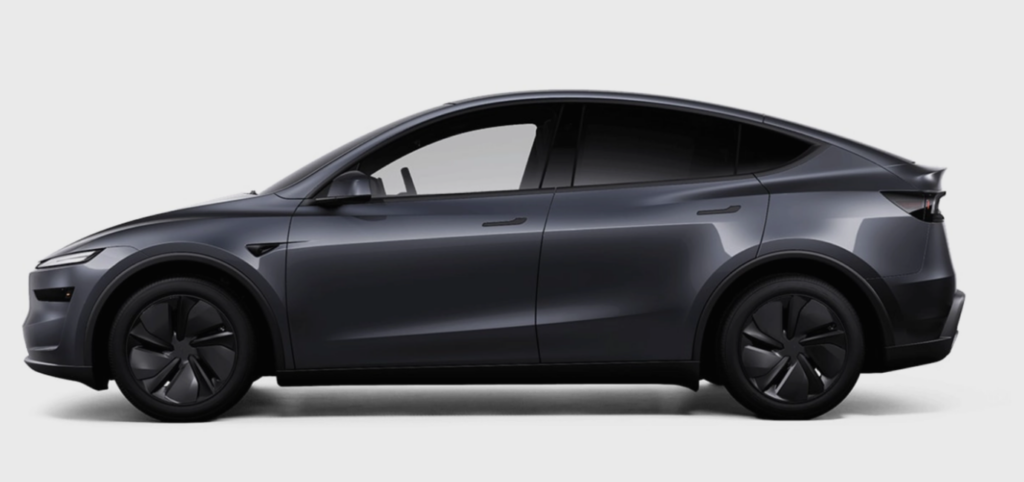
The Premium AWD Long Range Model Y starts at $51,490. Adding the third-row seats increases the price by $2,500. Tesla also now includes a 16-inch high-resolution infotainment screen and a black interior headliner as standard features, previously reserved for the Performance model. Buyers can also choose new 20-inch dark-grey “Helix” wheels for an extra $2,000.
This configuration shows that Tesla is responding to demand for more family-friendly options in a highly competitive SUV market. However, it is not a major leap forward. Other automakers are moving faster in the family-focused electric SUV space. Models like the Kia EV9 offer a true three-row layout with usable space for adults, easier third-row access, and a more traditional large-SUV feel. This makes them more practical for families compared to the Model Y’s small, trunk-based third row, which is mainly suitable for children.
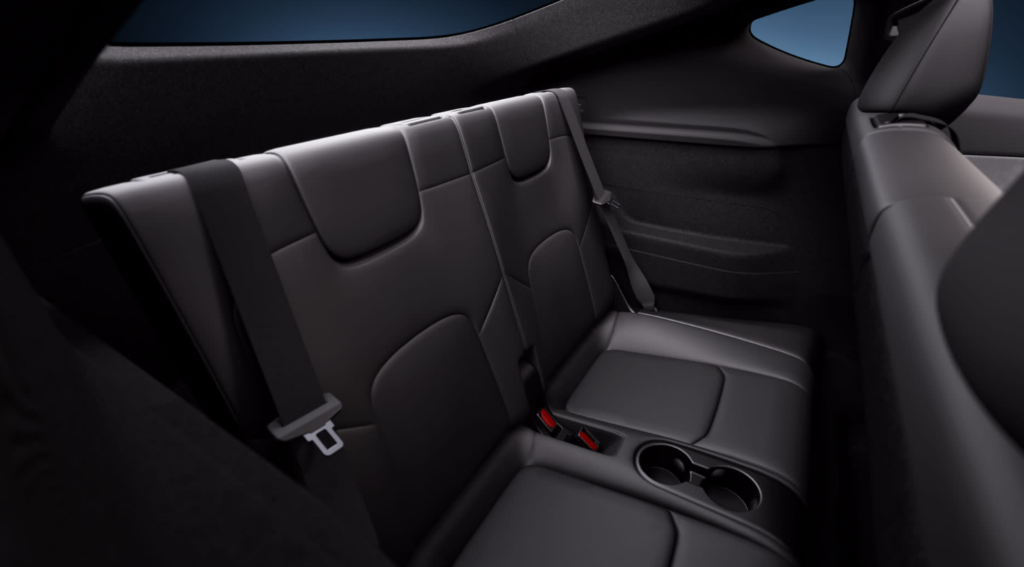
Chinese EV brands are even further ahead. SUVs such as the BYD Tang, Nio/Onvo L-series, and Zeekr 009 already offer proper 6- or 7-seat layouts with longer wheelbases, better rear-row comfort, and more flexible interiors. Even Tesla sells a longer, more practical Model YL in China, but not in the US.
In US, Tesla does face real competition from models like the Kia EV9, Rivian R1S, and upcoming large electric SUVs that offer true three-row seating with better space and comfort. This suggests that while Tesla’s 7-seat Model Y helps fill a gap, it is only a partial solution.
Demand for large family EVs in the US does exist but remains limited, which likely explains Tesla’s cautious approach. However, compared with rivals offering more practical layouts, the new Model Y still feels more like a compromise than a fully developed family SUV.
Read More:
- Google May Exit China for Premium Pixel Phones, Vietnam to Take Over
- Xiaomi Mi 17 Ultra Update Brings New Zoom Ring Leica Camera Features and Charging Fixes
- Honda Changes Its Iconic Logo After Decades: New ‘H’ Debuts for EV Era
(via)

Comments