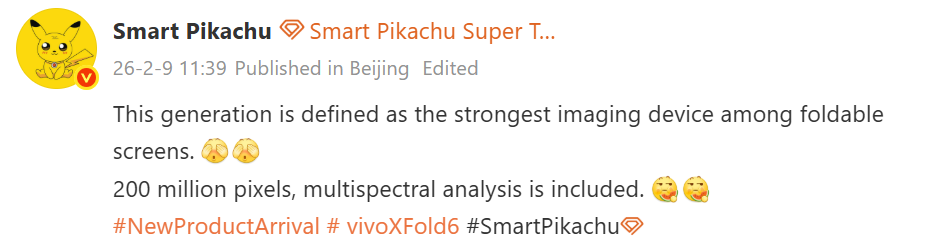
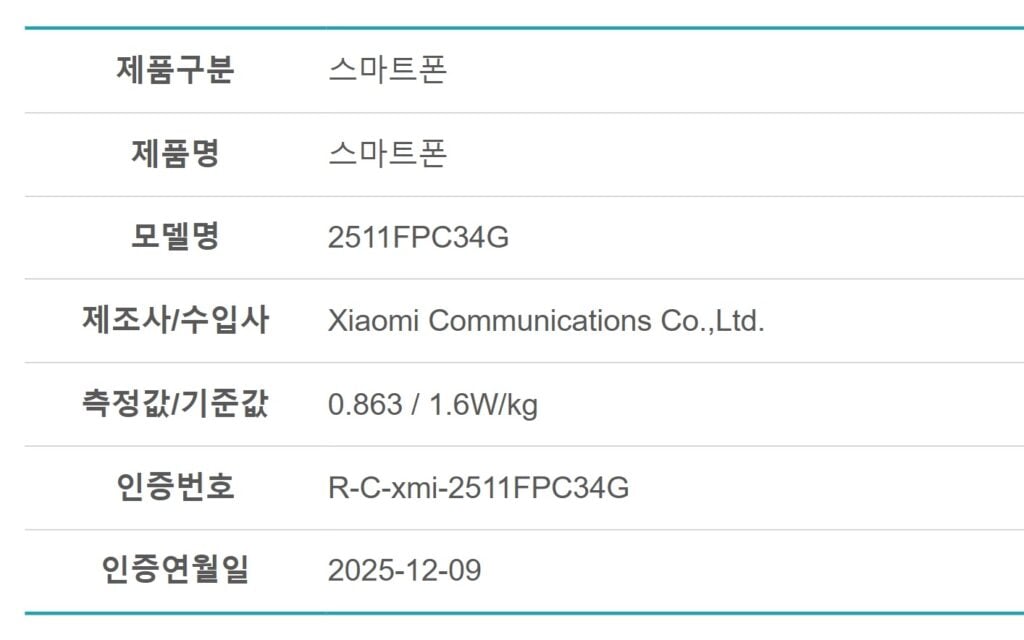
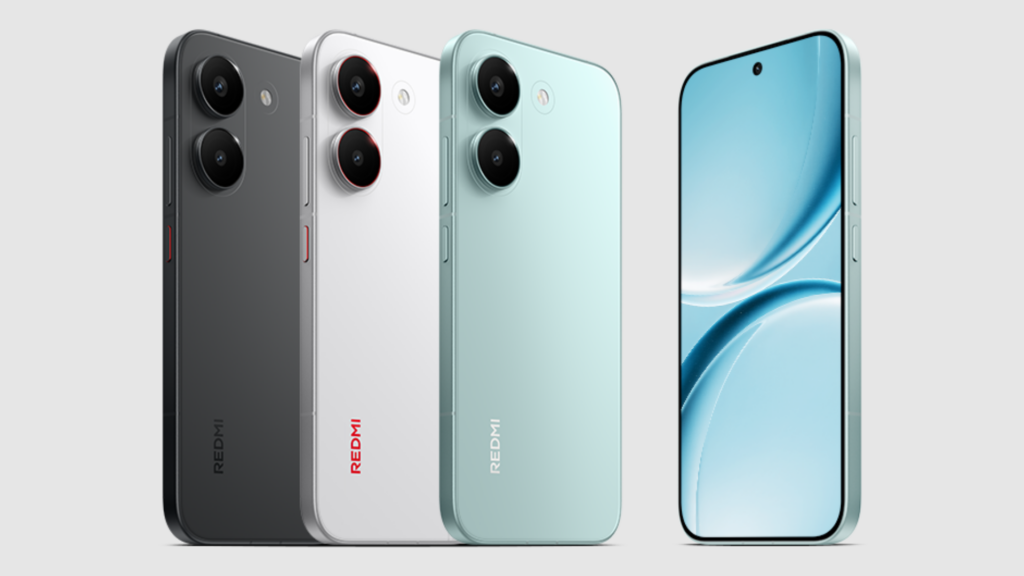
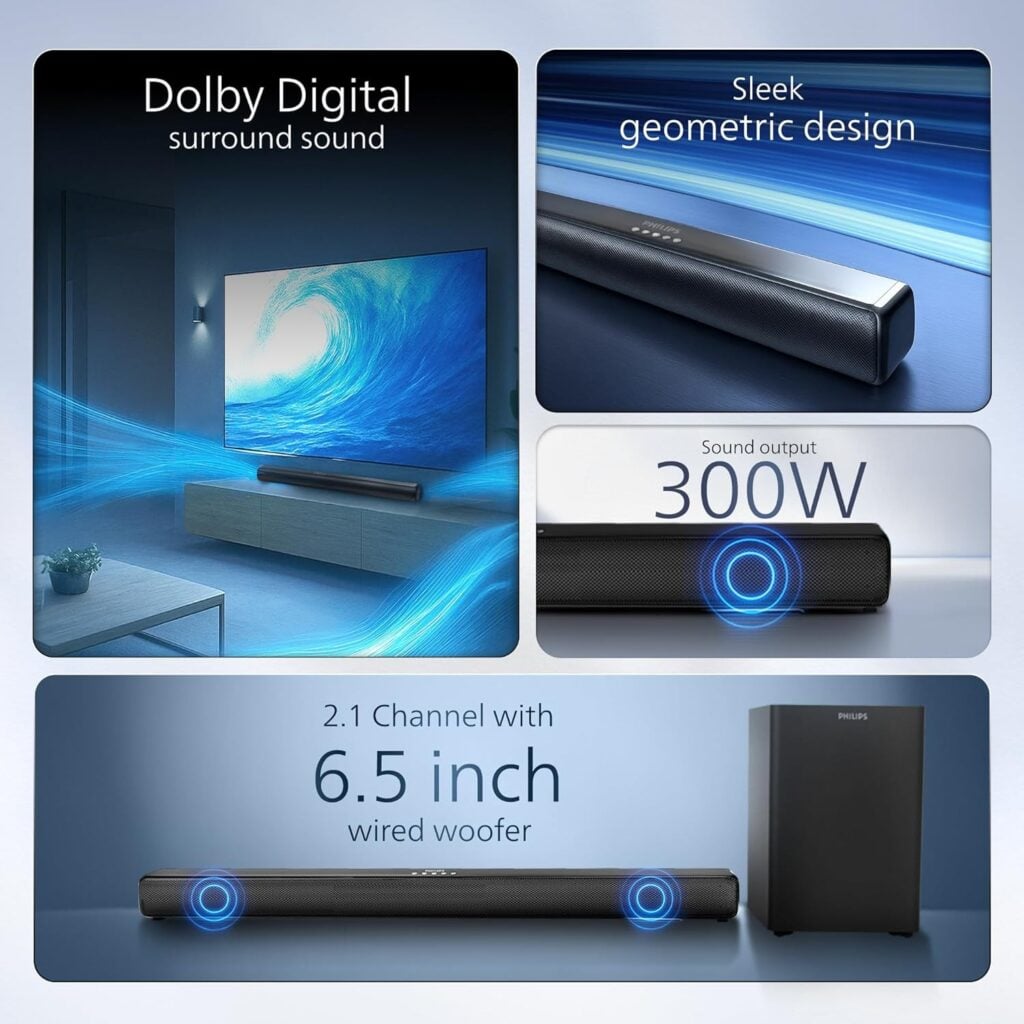
JVC Kenwood has launched the Victor HA-S60W on-ear wireless headphones in Japan. The model will go on sale in late November 2025 and will be available in four matte colors: beige, khaki, white, and black. It is priced at around ¥6,930, which is roughly $50.
The HA-S60W has a simple, lightweight design that weighs just 149 grams. The earcups swivel and fold flat, making the headphones easy to wear and carry. The color palette and compact build are meant to match different clothing styles, making the headset suitable for daily use.
Comfort has been given special attention. The ear pads are made of urethane foam that softens with body heat for a better fit, while the headband is designed to reduce pressure on the sides of the head.
Sound comes from 30 mm neodymium drivers tuned for clear and balanced audio. Users can choose from five sound modes: Flat, Bass, Clear, Dynamic, and Vocal, depending on what they are listening to. The headphones also include a detachable 3.5 mm cable for wired use.
The battery lasts up to 50 hours on a full charge, which takes about 2.5 hours through USB. The HA-S60W supports Bluetooth 5.4 for stable wireless connection and allows multipoint pairing so two devices can be connected at the same time. It supports SBC and AAC audio codecs along with SCMS-T protection for streaming.
The Victor HA-S60W is compatible with the Victor Headphones app on iOS and Android. Through the app, users can customize button functions, create a custom sound mode, and manage updates directly from their phone.
For more daily updates, please visit our News Section.
In 2025, USB flash drives are far from obsolete. With SSD speeds, USB-C support, and capacities reaching up to 2TB, they serve as fast, reliable tools for content creators, professionals, students, and everyday users.
Whether you’re transferring 4K video, backing up a phone, or archiving large files offline, these flash drives deliver. Here are the best options currently available.
Kingston’s DataTraveler Max delivers excellent speed for a flash drive. It uses USB 3.2 Gen 2 and reaches up to 1,000MB/s read and 900MB/s write speeds. It comes in USB-C and USB-A models and is available in 256GB, 512GB, and 1TB capacities.
The plastic casing features a ridged texture and a keyring loop for portability. It works across Windows, macOS, Linux, and Chrome OS without any additional drivers. This model is ideal for fast transfers of 4K video or large photo libraries.
Price: Starts at $36 for 256GB
2. Adata UE800 (USB 3.2 Gen 2, USB-C)
The Adata UE800 supports read and write speeds up to 1,000MB/s and is available in capacities ranging from 128GB to 2TB. It uses a USB-C connector with a capless sliding mechanism, which helps prevent lost covers.
The drive supports both Android and iPhones, as well as desktops and laptops across major operating systems. Adata includes its Backup ToGo software for automated local and cloud backups. This drive suits users looking for speed, capacity, and seamless Type-C connectivity.
Price: Starts at $27 for 128GB
3. SanDisk Extreme PRO Dual Drive (USB-A + USB-C)
The SanDisk Extreme PRO Dual Drive combines high performance with dual-port versatility. It features both USB-C and USB-A connectors and delivers up to 1,000MB/s read and 900MB/s write speeds.
The metal enclosure adds durability, and the drive is compatible with Android phones, tablets, laptops, and desktops. SanDisk also includes 128-bit encryption and support for its Memory Zone app, enabling easy file backup and management.
Price: Starts at $54.99 for 256GB
4. Transcend ESD310 (USB-A + USB-C)
The Transcend ESD310 doubles as both a flash drive and a portable SSD. It delivers up to 1,050MB/s read and 950MB/s write speeds and includes both USB-A and USB-C connectors in one body.
Capacities go up to 2TB, and it supports all major platforms, including Android, Windows, macOS, iOS, and ChromeOS. Transcend includes security features like disk lock and AES encryption, with backup tools available via its Elite software.
Price: Starts at $27 for 128GB
5. SanDisk Extreme Fit USB-C
The SanDisk Extreme Fit USB-C is built for those who want compact storage that stays plugged in. It uses USB 3.2 Gen 1 and reaches read speeds up to 400MB/s. Capacities range from 64GB to 1TB.
The tiny form factor is ideal for use with laptops, tablets, and other Type-C devices. The drive also supports the SanDisk Memory Zone app for backup and file management. It works best as a set-it-and-forget-it storage expansion for devices with limited onboard space.
Price: Starts at $14.99 for 64GB
For more daily updates, please visit our News Section.
Several Snapdragon 8 Gen 5 phones are expected to launch in the coming days. The rumored devices include the OnePlus Ace 6T, Vivo S50 Pro Mini, Moto X70 Ultra, Oppo K13 Turbo Pro, and a Meizu phone. Now, a new leak suggests that the Realme Neo 8 could also be equipped with the said chipset.
Realme Neo 8 key specifications tipped
Alleged Realme Neo 8 specs leak
As seen, reliable tipster Digital Chat Station has revealed key specifications of an upcoming Realme phone without mentioning its name. However, it is widely speculated that it could be the Realme Neo 8.
The leak reveals that the alleged Realme Neo 8 will feature a 6.78-inch OLED panel with a flat design. The LTPS screen will offer a 1.5K resolution and an ultrasonic in-screen fingerprint sensor.
The Neo 8 is said to be equipped with the Snapdragon 8 Gen 5 chipset and a massive silicon-based battery of around 8,000mAh. Since it packs a large battery, this performance-focused phone is expected to offer exceptional battery life.
For photography, it will feature a 50-megapixel main camera backed by a large sensor. While it is not mentioned in the leak, it is expected to ship with Realme UI 7-based Android 16.
The Realme Neo 8 is expected to succeed the Dimensity 9300 Plus-powered Realme Neo 7, which debuted in December 2024. Therefore, the Neo 8 may break cover next month (December).
Realme Neo 7
The Neo 8 series is also expected to include a Dimensity 8500-powered phone. This device may debut as the Realme Neo 8 SE in the first quarter of 2026.
In related news, Realme is gearing up to launch the Realme GT 8 Pro in the global market. While it is set to debut on Nov. 20 in India, it will hit the European markets on Nov. 24.
For more daily updates, please visit our News Section.
Honor has officially teased its upcoming 500 series smartphones through its Weibo handle. The lineup, which includes the Honor 500 and the Honor 500 Pro, is said to feature “all-round flagship-level configurations.” The brand has not disclosed launch details or specifications, but early leaks and official teasers give a fair idea of what to expect.
Honor 500 series’ design teased
Honor 500 series teaser
According to Honor’s teaser images, both models will feature an ultra-slim body, confirming earlier leaks that suggested a sleek and lightweight design. Another poster (shown below) that is being circulated in Chinese social media platforms show that the series will introduce a new horizontal racetrack-style rear camera layout that bears resemblance to the iPhone Air’s design language.
The Honor 500 will feature a dual-camera setup, while the Honor 500 Pro model will include three cameras arranged horizontally. Notably, the Pro version seems to feature a dedicated camera button, enabling quick capture and zoom controls.
Honor’s engineer mentioned that the entire lineup will run on Snapdragon 8 series chipsets and come with enhanced gaming performance powered by the brand’s Phantom Engine 3.0 technology.
Honor 500, 500 Pro specifications (rumored)
Honor 500 series teaser
As per early reports, the Honor 500 series will feature a 6.55-inch OLED display with 1.5K resolution, 120Hz refresh rate, and 4,320Hz PWM dimming. The phones are expected to ship with MagicOS 10 based on Android 16.
Camera specifications include a 50-megapixel front shooter, a 200-megapixel OIS-enabled main sensor, and a 50-megapixel ultra-wide lens, while the Pro model could add a 64-megapixel periscope telephoto lens.
Powering the devices are expected to be Snapdragon 8s Gen 4 and Snapdragon 8 Elite chips, supported by an 8,000mAh battery with 80W fast charging and 50W wireless charging for the Pro. Additional features may include dual speakers, infrared, NFC, and IP68/69 dust and water resistance.
The Honor 500 series is speculated to launch in China on Nov. 24.
For more daily updates, please visit our News Section.
GoPro has launched three new products in India: the MAX2, LIT HERO, and Fluid Pro AI. These devices are designed for 360-degree video, lifestyle recording, and AI-based stabilization. The lineup was first introduced globally in September 2025 and is now officially available in the Indian market.
MAX2: Professional 8K 360 Camera
The GoPro MAX2 is designed for creators who want high-quality 360-degree footage. It records in True 8K and also supports 5.6K at 60fps and 4K at 100fps. The camera includes Max HyperSmooth 360 stabilization, AI-assisted editing, and cloud-based storage support for subscribers. It is also the only 360 camera in its segment to feature built-in GPS.
The MAX2 has a rugged body that is waterproof up to 5 meters. It features twist-and-go replaceable lenses, invisible mounting options, folding fingers, and 16 mounting points. The 1960mAh Enduro battery is built to perform well even in low temperatures. The camera measures 64 × 69.7 × 48.7 millimeters and weighs 195 grams.
It uses a 1/2.3-inch sensor paired with an F1.8 lens offering a 14–26 millimeter equivalent focal length. Video recording options include 8K30, 5.6K60, and 4K100 in 360 mode, as well as 4K60 and 1080p60 in single-lens mode. It supports GP-Log, 8-bit and 10-bit color, and up to 120 Mbps bitrate. Photo capture goes up to 29MP for 360 images and 12MP in single-lens mode, with burst, night, and time-lapse modes. RAW photos are supported in a 4:3 aspect ratio.
For audio, the MAX2 includes six microphones that capture 360, stereo, and directional sound while minimizing wind noise. It also supports wireless audio accessories. Connectivity options include Wi-Fi 6, Bluetooth 5.3, GPS, and USB-C 3.0. The camera supports 13 voice commands, automatic cloud uploads, and operates between -10°C and 35°C.
LIT HERO: Lifestyle Camera with Built-in Light
The LIT HERO is a compact lifestyle camera made for everyday use. It weighs only 93 grams and comes with a built-in light for flexible shooting in different environments. It records 4K video at 60fps, supports 2x slow motion, and attaches magnetically for easy mounting. The device is waterproof up to 5 meters and powered by a 1255mAh Enduro battery that provides more than 100 minutes of continuous 4K recording.
The camera measures 56.6 × 48.4 × 29.45 millimeters and features a 1/2.8-inch CMOS sensor with 12MP resolution, an F2.3 aperture, and a 15mm equivalent focal length. It records 4K 16:9 video at 60, 50, 30, and 25fps, 4K 4:3 at 30 and 25fps, and 1080p 16:9 up to 60fps. It supports 8-bit color, a 60 Mbps bitrate, and H.265 or H.264 encoding. Photos are captured in 12MP JPG format, and users can extract 11MP stills from 4K footage.
It features two microphones, Wi-Fi 5, Bluetooth 5.2, and USB-C connectivity. The LIT HERO includes QuickCapture, voice control with 8 commands in 11 languages, and automatic cloud uploads. It operates between -10°C and 35°C.
Fluid Pro AI: Multi-Camera Gimbal
The Fluid Pro AI is a 3-axis gimbal made for GoPro cameras, smartphones, and compact point-and-shoot models weighing up to 400 grams. It features AI-based tracking that automatically follows faces or bodies in the frame, along with a built-in fill light for even lighting.
The gimbal allows 335-degree tilt and roll, unlimited 360-degree pan rotation, and offers up to 18 hours of battery life. It can also serve as a power bank while recording. It connects to the GoPro Fluid app, allowing users to control shutter, zoom, and focus remotely.
The device supports multiple cameras, comes with a limited lifetime warranty, and includes a tripod base, AI module, mounting brackets, USB-C cables, and a zippered case.
Pricing and Availability
The GoPro MAX2 is priced at ₹54,999 and comes with a 64GB SD card in the launch bundle. The LIT HERO will be priced at ₹28,500 and available in the first week of December 2025. The Fluid Pro AI gimbal will cost ₹23,000 and go on sale in early January 2026.
All three products will be available through Amazon India, Flipkart, Croma, Reliance Digital, and authorized GoPro retailers across the country.
Thunderobot has launched two new variants of its ultra-compact Mix NUC mini PC, featuring AMD‘s latest Ryzen AI 9 HX 370 and Ryzen 7 H 255 processors. Both configurations come with 32GB of DDR5 RAM and a 1TB NVMe SSD. The Ryzen 7 H 255 version is priced at 3,999 yuan ($562), while the high-end Ryzen AI 9 HX 370 variant is available for 6,999 yuan ($982).
Thunderobot Mix NUC Mini PC Specifications
The Mix NUC mini PC features a precision-machined metal body. The chassis measures 128 × 128 × 42mm, including foot pads, and has a total volume of 0.68 liters.
The higher-end model uses AMD’s Ryzen AI 9 HX 370 chip with Zen 5 architecture, featuring 12 cores, 24 threads, and a 5.1GHz boost clock. It integrates Radeon 890M graphics based on RDNA 3.5 and an XDNA 2 NPU delivering up to 50 TOPS of AI power, supported by 24MB cache for smooth multitasking. The other variant uses the AMD Ryzen 7 H 255 processor, which comes with 8 cores and 16 threads.
Both variants come with dual SO-DIMM DDR5 slots and dual M.2 PCIe 4.0 SSD slots, with one slot preinstalled with a 1TB SSD. The mini PC supports Wi-Fi 6 and Bluetooth 5.3 for wireless connectivity. It includes one USB-C (40Gbps), two USB 3.2 Gen 2, four USB 3.2 Gen 1 ports, one HDMI 2.0, one DisplayPort 1.4, and a 2.5G Ethernet port.
Thunderobot has equipped the system with a new Y+U heat pipe cooling solution. The setup features dual heat pipes, a large 72,284 mm² fin area, and a 20% increase in cooling coverage.
The Mix NUC ships with Windows 11 pre-installed. Thunderobot has tested the system across over 50 factory procedures, including drop tests, thermal stress, and EMI tests.
In related news, Thunderobot also released the Mix G2 Mini Gaming PC earlier today, featuring up to an RTX 5090 GPU and an Intel Core Ultra 9 275HX processor.
For more daily updates, please visit our News Section.
Realme has confirmed that its latest flagship, the GT 8 Pro, will launch in India on November 20 at 12 PM local time. The phone has already been available in China since October 21. According to Dealabs leaker billbil_kun, the GT 8 Pro will arrive in the Eurozone and the UK on November 24, slightly later than the Indian release.
In Europe, the phone will come in three color options: Unary White, Urban Blue, and a special Aston Martin Racing Green edition. The green version will be exclusive to the 16GB RAM and 512GB storage variant. The same configuration in blue or white will cost €1,199 or £1,099, while the limited Aston Martin model will be priced at €1,299. The base 12GB RAM and 256GB storage model will sell for €1,099 or £999.
Realme GT 8 ProRealme GT 8 Pro
Prices are about €100 higher than last year’s Realme GT 7 Pro, which launched at €999 for the 12GB/256GB version. The increase is linked to several upgrades, including a larger 7000 mAh battery, faster charging, and higher RAM options.
The Realme GT 8 Pro features a 6.79-inch AMOLED display that can reach up to 7000 nits peak brightness. It runs on the Snapdragon 8 Elite Gen 5 processor and supports 120W SuperVOOC fast charging. One of its key highlights is a new interchangeable rear camera module system, the first of its kind, allowing users to customize the look of the camera block without affecting performance.
The phone’s camera setup, made in collaboration with Ricoh, includes a 50MP main sensor with optical image stabilization (OIS), a 200MP periscope telephoto camera with 3x optical zoom and OIS, a 50MP ultra-wide lens, and a 32MP front camera.
For Europe, Realme is also preparing a launch offer that includes Realme Buds Clip wireless earbuds, a 120W charger, and decorative covers for the rear camera module.
For more daily updates, please visit our News Section.
Machenike has released an upgraded version of its compact Mini GTR desktop in China, featuring AMD’s new Ryzen AI 9 HX 370 processor. The device comes with 32GB of DDR5 memory and a 1TB PCIe 4.0 SSD, and is priced at 6,999 yuan (approximately $980).
Machenike Mini GTR Mini PC Specifications
The new Mini GTR is built around a 0.74-liter chassis, making it significantly smaller than traditional desktop towers. Despite its size, the system is equipped with high-end hardware. The Ryzen AI 9 HX 370 is based on AMD’s Zen 5 architecture and includes 12 cores and 24 threads. It supports a boost clock of up to 5.1GHz and integrates Radeon 890M graphics based on the RDNA 3.5 architecture. The chip also includes an XDNA 2 NPU with 50 TOPS of AI computing performance.
The mini PC features dual SO-DIMM DDR5 slots and dual M.2 SSD slots, allowing for future memory and storage upgrades. By default, it ships with 32GB RAM and 1TB of NVMe storage. Wireless connectivity includes Wi-Fi 6 and Bluetooth 5.3.
The thermal system is Machenike’s proprietary MER1.0 solution, which uses a new Y+U-shaped dual heat pipe design. The cooling setup is designed to offer the same efficiency as a traditional four-pipe layout. The system supports up to 70W of total performance output and maintains stable 65W under sustained loads.
In terms of I/O, the Mini GTR includes four USB 3.2 Gen1 ports, two USB 3.2 Gen2 ports, one USB4 (40Gbps) port, HDMI 2.0, DisplayPort 1.4, a 2.5G Ethernet port, audio jack, DC power input, and a Kensington lock slot. The USB4 port supports high-speed data transfer and display output, but does not support PD charging.
The chassis features a black finish with a diagonal faux-woven mesh top surface designed to reduce fingerprints. The machine measures 128 × 128 × 45.1 mm and weighs 650 grams.
In related news, Thunderobot recently launched the Mix G2 Mini Gaming PC featuring up to an RTX 5090 GPU and Core Ultra 9 275HX processor, while Minisforum introduced the MS-R1 Mini PC equipped with a 12-core ARM processor, UEFI boot support, and compatibility with discrete GPUs.
For more daily updates, please visit our News Section.
Asus has introduced two new OLED gaming monitors in the US: the ROG Swift OLED PG27AQWP-W and the ROG Strix OLED XG27AQWMG. Both models use LG’s latest Primary RGB Tandem OLED panel, which delivers higher brightness, a wider color range, and a longer lifespan compared to previous WOLED panels.
The monitors feature a glossy TrueBlack finish and include a Neo Proximity Sensor that automatically dims the display when the user steps away. Among the two, the Swift OLED PG27AQWP-W stands out with its impressive 720Hz refresh rate. It has also recently become available for purchase in China.
ROG Swift OLED PG27AQWP-W: 720Hz OLED Gaming
The ROG Swift OLED PG27AQWP-W is a 27-inch QHD (2560×1440) gaming monitor with a native 540Hz refresh rate and an optional 720Hz mode at 720p resolution. It delivers a 0.02ms gray-to-gray response time and supports DisplayPort 2.1a UHBR20, enabling full performance without relying on DSC compression. The panel covers 99.5 percent of the DCI-P3 color gamut and is VESA DisplayHDR 500 True Black certified. It offers a 1,500,000:1 contrast ratio and a peak brightness of 1,500 nits, which is higher than the 1,300 nits achieved by previous WOLED panels. Connectivity options include two HDMI 2.1 ports, one DisplayPort 2.1, three USB 3.2 Gen 1 Type-A ports, and an earphone jack. The monitor also supports G-SYNC and FreeSync Premium Pro and comes with Asus OLED Care Pro to reduce burn-in risk.
ROG Strix OLED XG27AQWMG: 280Hz Performance
The ROG Strix OLED XG27AQWMG also features a 27-inch QHD (2560×1440) OLED panel with a 280Hz refresh rate and a 0.03ms response time. Like the Swift model, it uses a TrueBlack Glossy coating for deeper contrast and more accurate color reproduction. The monitor supports G-SYNC and FreeSync Premium Pro, covers 99.5 percent of the DCI-P3 color space, and is certified under VESA DisplayHDR 500 True Black. It reaches 1,500 nits of peak brightness and offers a 1,500,000:1 contrast ratio. Ports include two HDMI 2.1 connections, one DisplayPort 1.4 with DSC, three USB 3.2 Gen 1 Type-A ports, and an earphone jack. It also features Asus OLED Care Pro and a Neo Proximity Sensor for automatic dimming.
Pricing and Availability
The ROG Swift OLED PG27AQWP-W is priced at $1,099 in the US. The ROG Strix OLED XG27AQWMG costs $599.99. Asus says both models are now available, though major retailer listings have not yet appeared.
In an era where smartphones keep getting larger, both flip phones and compact smartphones have carved out a niche for users who prefer easier-to-hold devices. But since these two kinds of smartphones have their own spin on portability, which one is better? There are advantages on both sides, so let’s take a closer look at what sets them apart.
Compact smartphones like the Xiaomi 17 Pro and iPhone 17 Pro focus on delivering high end performance in a smaller form factor. While typical flagship phones often sport bright, tall displays with high resolution, these devices have a more modest size that makes them fit your hands better. They’re designed for one-handed use, easy pocketability, and straightforward reliability. Since these have a conventional smartphone design, one doesn’t need to worry about the hinge mechanism or a weaker foldable screen.
Flip phones, on the other hand, deliver a nostalgic yet futuristic experience. Devices like the Samsung Galaxy Z Flip 7 and Motorola Razr 60 Ultra combine modern hardware with the fun of snapping a phone shut. When folded, these models are even more compact than small-screen smartphones. However, the hinge design introduces long-term durability concerns, especially since you miss out on a dustproof design. While newer models are more robust, they still don’t match the reliability of a traditional phone.
2. Display and Durability
Honor Magic V Flip 2
One of the biggest differences between flip phones and compact smartphones lies in their displays. Flip phones feature flexible AMOLED screens that fold in half, allowing for a larger display when opened. In the folded state, it easily takes up less space in your pockets, but unfurling it offers you a display size that is typically around 6.8 inches or longer. So you technically get the best of both worlds with portability and larger screen real estate. This gives flip phones a clear edge in immersive media consumption and multitasking.
Unfortunately, flexible screens are more prone to wear and tear. The crease in the middle is still visible on most foldables, and protective layers don’t offer the same durability as glass panels. Compact smartphones, in contrast, feature sturdier Gorilla Glass protection and are generally more resilient to accidental drops. If longevity and peace of mind are your priorities, compact devices still take the win here.
3. Performance and Battery Life
Samsung Galaxy Z Flip 7
When it comes to performance, both categories are now evenly matched. Most flip phones, such as those from Samsung and Motorola, pack high-end chips like the Snapdragon 8 Elite, the same ones powering compact flagships. You’ll get a smooth multitasking and gaming experience on both.
Although, battery life tends to favor compact smartphones. Flip phones have to make room for hinges and folding mechanisms, leaving less space for large batteries. Compact phones, though smaller, often feature better-optimized designs that support larger battery cells and faster charging speeds. For heavy users, that could make all the difference in daily convenience.
4. Pricing & Verdict
iPhone 17 Pro
Flip phones are still significantly more expensive than compact smartphones, even though they share similar specs. The cost of foldable display technology and the complex hinge mechanism drives up pricing. For example, the Galaxy Z Flip 7 costs hundreds of dollars more than the Galaxy S25 despite having similar hardware. Meanwhile, compact smartphones remain a safer bet for those seeking flagship features without premium foldable pricing.
So if you want a smartphone that’s sleek, practical, and reliable, compact smartphones still offer the best value. But if you’re someone who values innovation, design flair, and a touch of nostalgia, flip phones are an exciting option that stands out from the crowd.
For more daily updates, please visit our News Section.
Insta360 is rolling out a new instant-print grip for the Ace Pro 2 tomorrow — a day before DJI’s launch of the Osmo Action 6 — and it’s easily one of the more unusual accessories we’ve seen for an action camera.
A short teaser posted by Insta360 shows the Ace Pro 2 mounted onto a chunky grip that looks a little like a modern take on a Polaroid. The grip has its own controls: a knurled dial, a shutter button, and a rocker switch. But the main attraction is the built-in printer that spits out small physical photos seconds after you capture them. No phone pairing, no app — just shoot and print.
The timing isn’t subtle. Insta360 already refreshed the Ace Pro 2 with the Arctic White edition earlier this year, and now it seems the company wants to keep the camera relevant with accessories rather than releasing a full Ace Pro 3. With DJI about to unveil its next flagship, this drop feels like a deliberate move to grab attention first.
A few details are still unknown, including the price of the grip or any bundles, print quality, what kind of paper it uses, and whether this signals a delay or shift away from a full Ace Pro 3 successor.
What is clear is that Insta360 is leaning into fun, not just numbers on a spec sheet. Action cameras usually focus on video quality and stabilization, but this grip brings back a kind of instant-photo nostalgia you don’t really see in this category.
If the printing feature works well, the Ace Pro 2 could end up being one of the more interesting — and unexpectedly playful — action cams of 2025, even though the camera itself has been around for over a year.
A new Galaxy S26 Ultra leak is making the rounds, and it points to a small but noticeable change on the front of the phone. The selfie camera cutout is getting larger — about 4 mm, according to the leaker — which is quite a jump from the S25 Ultra.
If that sounds like a hint at a new sensor, it isn’t. The sensor underneath isn’t any larger. The Galaxy S25 Ultra uses a 12MP (1/3.2-inch) selfie camera, and according to Ice Universe, the S26 Ultra is sticking with the same hardware.
The larger opening is simply there to support a wider field of view, around 85 degrees. In practice, it means wider group selfies and a bit more room in video calls. Users may also notice a slight reduction in detail, since the same number of pixels are now covering a wider scene. It means your face appears less detailed when zoomed in. Still, a wider field of view for selfies can be considered an upgrade even if the sensor is unchanged.
If you’ve ever struggled to fit everyone into a shot, the wider lens will help. If you were hoping for a step up in selfie quality, this isn’t it.
The leaked render also shows something else: the bezels aren’t shrinking. They look roughly the same, maybe even a touch thicker than last year’s. While Oppo, OnePlus, and Xiaomi are pushing ultra-thin borders on their 2025 flagships, Samsung seems fine sticking to its usual symmetrical frame. As the tipster noted, the S26 Ultra’s bezel is “significantly wider than the flagships from OPPO (Find X9), OnePlus (15), and Xiaomi (17).”
Apple has teamed up with Japanese fashion house ISSEY MIYAKE to launch something a little unexpected: a 3D-knitted iPhone Pocket designed to be worn, styled, and stretched like a piece of clothing. It’s a fabric pouch for your phone, yet it arrives with the kind of presentation usually reserved for limited-edition fashion collabs — and with pricing that reminds you this is very much an Apple product.
The iPhone Pocket is built from a single 3D-knitted textile, inspired by ISSEY MIYAKE’s “A Piece of Cloth” philosophy. The open, ribbed structure expands to fit an iPhone, AirPods, or whatever small items you’d normally stuff in actual pockets. You can see the screen through the weave, and it can be carried in the hand, clipped to a bag, or even worn against the body.
Apple and MIYAKE are offering two versions:
Short strap in eight colors: lemon, mandarin, purple, pink, peacock, sapphire, cinnamon, black
Long strap in three colors: sapphire, cinnamon, black
Everything is designed in Japan with input from Apple’s Design Studio, and the palette is tuned to pair with every iPhone model.
While the collaboration does lean into the artistry, the pricing reminds you this is still luxury fashion. The short-strap version starts at $149.95, and the long-strap jumps to $229.95 — which makes this one of the most expensive pieces of fabric ever listed on the internet. For some, the appeal will be in the craftsmanship and the design heritage. For others, it’s hard not to see it as an example of how far brand value can push the price of a product.
The iPhone Pocket arrives as a limited release on November 14 across select Apple Stores and apple.com in France, Greater China, Italy, Japan, Singapore, South Korea, the UK, and the U.S. Flagship stores like Apple Ginza, Apple Jing’an, and Apple Regent Street will showcase the colors and styling options in person.
Thunderobot has launched the Mix G2, a new mini gaming PC that combines high-performance hardware with a compact 3.2-liter design. The system targets gamers and creators looking for desktop-level power in a much smaller footprint.
Thunderobot Mix G2 Mini PC Specifications
The Mix G2 features Intel’s latest Core Ultra 9 275HX processor, which includes 24 cores and 24 threads with a maximum boost clock of 5.4GHz. It supports a 120W TDP and includes a built-in NPU delivering 36 TOPS AI computing power. This enables the system to handle AI-assisted gaming optimizations and productivity tasks with Intel APO and Application Optimization.
Thunderobot pairs the CPU with an Nvidia GeForce RTX 5090 Laptop GPU based on the new Blackwell architecture. It runs at 175W and includes 24GB of next-generation GDDR7 memory. The GPU supports advanced ray tracing, DLSS 4, and creative acceleration tools under Nvidia Studio and Max-Q frameworks. It delivers 10,496 CUDA cores and 1824 TOPS of AI performance.
To manage the thermal load, Thunderobot has included its custom cooling system. The setup features a large 194×130×2.8mm vapor chamber, two high-pressure 12V fans, and ultra-thin 0.1mm fins. The company claims this results in up to 30% higher cooling efficiency compared to the previous generation.
The Mix G2 comes with 64GB DDR5 dual-channel RAM running at 5600MT/s and a 1TB PCIe 4.0 NVMe SSD. It supports memory expansion up to 128GB and includes both PCIe 5.0 and PCIe 4.0 M.2 SSD slots.
For connectivity, the system offers Thunderbolt 5, HDMI 2.1, USB-A and USB-C ports, RJ45 Ethernet, and wireless support through Wi-Fi 6E and Bluetooth 5.3. Thunderobot includes an expansion dock for additional ports. The front panel provides access to USB 5Gbps (Type-A and Type-C) and an audio jack.
The mini PC runs Windows 11 Home Edition and features a design that includes a Penrose triangle power button, glowing blue LED strips, and a semi-transparent textured side panel. It supports vertical and horizontal placement and measures 332 × 212 × 45 mm.
Pricing and Availability
Thunderobot will sell the Mix G2 in three configurations starting November 20:
OnePlus flagships took a sharp turn away from their original vision with the OnePlus 15. Gone is the flagship killer that focused on offering a premium experience; OnePlus is now a brand that focuses on offering top tier performance at an approachable price tag. The OnePlus 15 debuted with a bunch of downgrades over its predecessor, despite being faster. And now, a new rumor suggests that this is just the first step in OnePlus’ future goals.
OnePlus Working on a Smartphone with an Ultra-Fast 240Hz Display
To recall, the OnePlus 15 was announced with the smoothest display of any OnePlus phone yet. It features a 165Hz refresh rate, but it sacrifices resolution to achieve this. While the OnePlus 13 came with a 2K resolution, its successor had a lower 1.5K panel. The display getting a downgrade wasn’t just to save on cost, but rather, technical limitations. So with the main focus of making its premium devices feel smoother and faster, it’s no surprise that the next step is something even greater.
According to a tweet from the OnePlus Club, the Chinese brand is planning on making its smartphones go all in on the performance focused side. Reportedly, OnePlus will eventually unveil a device with a 240Hz dynamic refresh rate. This is twice the current standard for most devices, even premium models. Although, this isn’t a first for the industry. OnePlus is apparently looking to strike a balance between resolution and refresh rate, but there are still no specifics for this future model.
240Hz refresh rate seems like overkill for a smartphone, considering how few apps take advantage of the 120Hz or 144Hz screens. OnePlus Club states that this model will arrive sometime in the coming years, so we can expect phones to get powerful enough to utilize the super smooth display in the future. A high refresh rate would also increase battery drain, so it remains to be seen how the company balances this.
For more daily updates, please visit our News Section.
TCL has unveiled its latest mid-range TV lineup, the T7 Series, which features 4K UHD resolution, QLED panels, and Google TV integration. The new series supports high refresh rates up to 144Hz and aims to deliver premium entertainment and gaming features at a more affordable price point.
TCL T7 QLED TVs Specifications
The TCL T7 Series is available in 55-inch, 65-inch, 75-inch, and 85-inch sizes. The 55-inch model features a 120Hz panel, while the larger variants use native 144Hz displays. The TVs support variable refresh rate (VRR), Auto Low Latency Mode (ALLM), and Game Accelerator 288, which targets smoother gameplay and responsive visuals for console and PC gamers.
Each model features a QLED display with TCL’s High Brightness LED backlight and supports multiple HDR formats, including Dolby Vision, HDR10+, HLG, HDR10, and Open HDR. TCL uses its AiPQ Pro processor to enhance image quality by adjusting color, contrast, and sharpness in real time. The T7 Series outputs 1.07 billion display colors and has a 4K resolution of 3840 × 2160.
The TVs are powered by Google TV, giving access to a wide range of streaming apps. They support Chromecast and Apple AirPlay 2 for casting content, while voice control is available via Google Assistant, Alexa, and Apple HomeKit. TCL has also added far-field microphones for hands-free operation.
In terms of audio, the setup differs by model. The 55-inch, 65-inch, and 75-inch variants feature a 2-channel speaker system with power ranging from 20W to 30W. The 85-inch model includes a 2.1-channel Onkyo speaker setup with 40W output. All models support Dolby Atmos and Dolby Digital+ audio formats.
For connectivity, these include four HDMI ports (one with eARC), two USB ports (USB 3.0 and USB 2.0), Ethernet, an RF input, and optical audio output. The TVs also support Wi-Fi 5 (802.11ac) and include basic smart TV features like closed captions, sleep timer, and multilingual menus.
The T7 Series maintains a minimalist bezel-less design with adjustable-width feet, letting you adapt it to soundbars or smaller furniture setups.
Pricing and Availability
The 55-inch model is priced at $599.99, followed by the 65-inch variant at $699.99. The 75-inch version comes in at $899.99, while the top-end 85-inch model is listed at $1,399.99. TCL has not confirmed an official release date, but availability is expected to begin later this year.
The Galaxy S26 series might not get as big a camera upgrade, but the company might bring the long-overdue update to its charging department. According to a new leak, the company is finally giving its wireless charging tech a boost to 25W.
A report shared by tipster @Jukanlosreve, originally published by ET News, claims that Samsung will introduce faster wireless charging speeds across all three models of the Galaxy S26 lineup. After sticking to 15W wireless charging for nearly six years, the new phones are said to step up to 20W and 25W, depending on the model.
Specifically, the leak suggests that the Galaxy S26 and S26 Plus will offer 20W wireless charging, while the flagship S26 Ultra will go up to 25W.
That’s not really something Samsung should be proud of, as Chinese brands offer support for 50W or higher. But it’s still a meaningful jump from 15W, which has been standard since Galaxy S20.
Galaxy S25 Ultra
The improvement is expected to cut charging times by about 40% compared to the older 15W speeds, which should make wireless charging much more practical for daily use.
In addition to faster charging, the leak also hints that screen sizes and overall dimensions for all three Galaxy S26 models have been finalized. While Jukanlosreve‘s report doesn’t say it, tipster Ice Universe filled in those details.
The standard Galaxy S26 is said to feature a 6.3-inch screen and a 149.4 x 71.5 x 6.9 mm body. The Plus will retain the 6.7-inch screen and form factor of 158.4 x 75.8 x 7.3 mm. Whereas, the top-end S26 Ultra will feature a 6.9-inch panel and measure 163.6 x 78.1 x 7.8 mm.
Meanwhile, the Galaxy S26 Ultra is now expected to run exclusively on Qualcomm’s latest Snapdragon 8 Elite Gen 5 chip.
For more daily updates, please visit our News Section.
The forthcoming Samsung Galaxy S26+ has surfaced online in a new set of CAD-based renders, as reported by AndroidHeadlines and @OnLeaks. The fresh images give an early look at Samsung’s upcoming Plus model, which was once rumored to be replaced by the Galaxy S26 Edge. However, recent information now indicates that the S26+ will indeed be part of the Galaxy S26 lineup, expected to arrive early next year.
Galaxy S26 Plus design revealed
Samsung Galaxy S26 Plus CAD render by AndroidHeadlines / OnLeaks
The new renders show the Galaxy S26+ with a refined flat design, measuring 158.4 x 75.7 x 7.35mm. This makes it nearly identical in size to the Galaxy S25+, with only minor variations in width and thickness.
The phone is said to retain a 6.7-inch AMOLED screen featuring FHD+ resolution and a 120Hz refresh rate. On the rear, Samsung has adopted an elongated, oval-shaped camera module inspired by the Galaxy Z Fold 7, housing three sensors in a vertical alignment. The LED flash sits outside the module, enhancing the minimalistic appearance.
Notably, the renders showcase the device in a striking orange finish, suggesting Samsung might introduce more vibrant colour options this time.
Samsung Galaxy S26 Plus specifications (rumored)
According to reports, the Galaxy S26+ may feature either the Exynos 2600 or the Snapdragon 8 Elite Gen 5 chipset, depending on the market. The device is expected to come with 12GB RAM and a 4,900mAh battery supporting 45W wired and wireless charging.
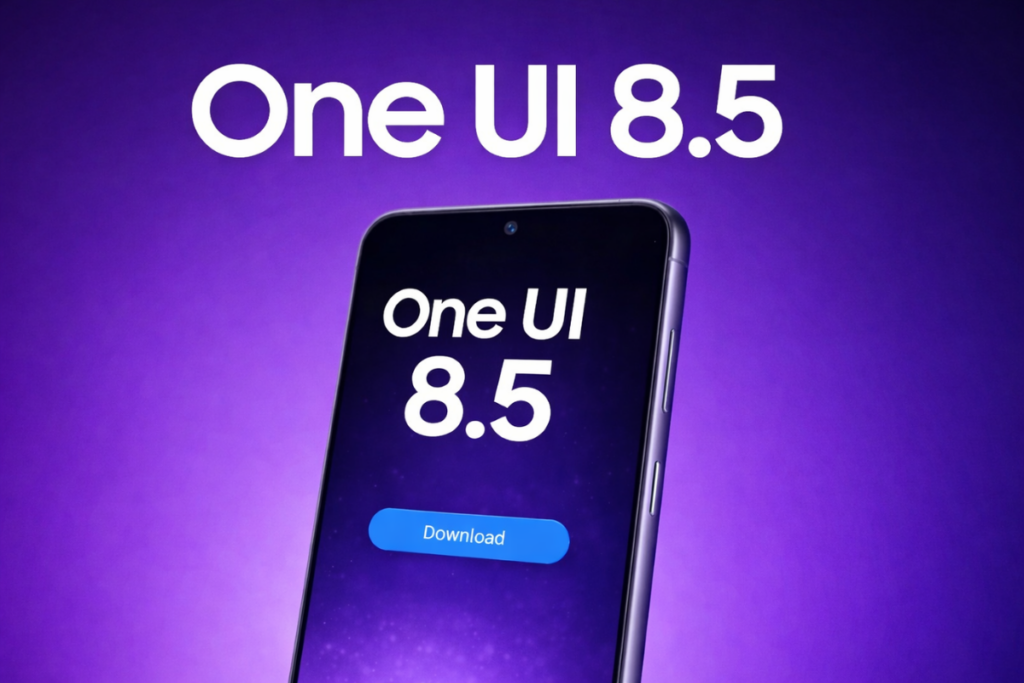
On the camera front, it could include a 50-megapixel primary sensor, a 12-megapixel ultra-wide lens, and a 12-megapixel telephoto camera, along with a 12-megapixel front shooter. The phone is expected to run on One UI 8.5 based on Android 16.
Recent leaks suggest that Samsung might unveil the Galaxy S26 series at its Unpacked event in February 2026, followed by a global release shortly after.
For more daily updates, please visit our News Section.
Acerpure has officially unveiled its new Nitro Z Series QLED TV in the Indian market. This new smart TV arrives with a massive display panel that offers UHD resolution, high refresh rate, and much more. So here’s everything you need to know.
Acerpure Nitro Z Series 100-Inch 4K QLED TV Officially Unveiled in India
The company’s latest Nitro Z Series model sports a massive 100-inch QLED panel that offers 4K resolution, a 144Hz native refresh rate (with VRR support), 400 nits of peak brightness, ALLM, and MEMC support. The display also brings Dolby Vision, HDR10, and a Film Maker mode. Its massive screen is also surrounded by minimal bezels on all four sides. For audio, you get a 60W speaker system that includes a 5 x 2 Tweeter setup and supports Dolby Atmos.
Acerpure Nitro Z Series 100-inch 4K QLED TV
Under the hood, the new QLED TV features 3GB of RAM and 32GB of internal storage. Acerpure’s Nitro Z Series model runs on Google TV, which brings Google Assistant support along with access to popular streaming platforms. For connectivity, the smart TV offers dual band WiFi, HDMI, USB, and other ports. You also get a single remote control included in the retail box of the new QLED TV.
The company’s Acerpure Nitro Z Series 100-inch QLED TV was just announced in India for Rs 259,999, which is roughly around 2,935 US Dollars. It will be available for purchase exclusively via Flipkart, a popular e-commerce platform in the region. This release also arrives after the brand unveiled the Acerpure Neo Series Smart TVs in the Indian market back in September.
For more daily updates, please visit our News Section.
Xiaomi might be working on a new high end truly wireless earbuds. The Xiaomi Buds 6 just surfaced on a fresh certification that suggests that its global release is right around the corner. The new earbuds are expected to serve as the brand’s premium TWS offering, so here’s what we know so far.
Xiaomi Buds 6 Certified in UAE, Hinting at Imminent Global Launch
The Chinese tech giant’s upcoming Xiaomi Buds 6 TWS was just spotted getting certified on the TDRA certification. It was spotted on the database carrying the M2540E1 model number. While the listing does not reveal finer details like its specifications, features, design, or pricing and release details, it does confirm that it is a wireless hearables that pairs via Bluetooth connection and that the earbuds will likely debut soon.
As the name suggests, the Xiaomi Buds 6 is a successor to the Xiaomi Buds 5 series. To recall, the Xiaomi Buds 5 debuted globally back in September 2024, while the Xiaomi Buds 5 Pro launched in February 2025. So we can expect high end specs and features like ANC (Active Noise Cancellation), Spatial Audio support, aptX lossless codecs, and much more. To recall, the base Buds 5 had a semi in-ear design, while the Pro model came with silicon eartips for better passive noise isolation.
Both TWS earbuds also came with a stem design, so Xiaomi will likely offer a similar design once again on the Xiaomi Buds 6. Other notable features on the older models include Dolby Atmos (when paired with a Xiaomi phone), AI powered ENC for clearer calls, tuning from Harman, and an IP54 rating for water and dust resistance. Keep in mind that most details are still at large, so stick around for more.
For more daily updates, please visit our News Section.
We use cookies on our website to give you the most relevant experience by remembering your preferences and repeat visits. By clicking “Accept”, you consent to the use of ALL the cookies.
This website uses cookies to improve your experience while you navigate through the website. Out of these, the cookies that are categorized as necessary are stored on your browser as they are essential for the working of basic functionalities of the website. We also use third-party cookies that help us analyze and understand how you use this website. These cookies will be stored in your browser only with your consent. You also have the option to opt-out of these cookies. But opting out of some of these cookies may affect your browsing experience.
Necessary cookies are absolutely essential for the website to function properly. This category only includes cookies that ensures basic functionalities and security features of the website. These cookies do not store any personal information.
Any cookies that may not be particularly necessary for the website to function and is used specifically to collect user personal data via analytics, ads, other embedded contents are termed as non-necessary cookies. It is mandatory to procure user consent prior to running these cookies on your website.