Advertisement

How different is OnePlus 15 compared to its predecessors?

The OnePlus 15 is not just another annual refresh. It’s a significant shift in OnePlus’s design philosophy, hardware execution, and display ambition. Compared to its predecessors, the OnePlus 11, 12, and 13, the new flagship moves beyond spec bumps and leans heavily into redefining the display experience, thermal engineering, and battery architecture, while carrying forward OnePlus’s hallmark camera and performance DNA. Here’s how it stacks up.

OnePlus 15

1. Display

The OnePlus 11 launched with a 6.7-inch 2K AMOLED display using Samsung’s LTPO 3.0 panel. It supported HDR10+ and Dolby Vision, with a 120Hz refresh rate and Gorilla Glass Victus protection. The OnePlus 12 and 13 followed with a 6.82-inch BOE 2K+ panel that reached up to 4,500 nits peak brightness and 2160Hz PWM dimming for reduced flicker. Both models received DisplayMate A++ ratings and featured Crystal Shield ceramic protection.

OnePlus 15 moves to a slightly smaller 6.78-inch 1.5K AMOLED display but adds several industry-first technologies. It debuts the third-generation Oriental screen with a 165Hz refresh rate, supports high-refresh-rate content on apps like WeChat and Weibo, and features the industry’s first “True Hardware 1nit Dark Night Display.” The display includes hardware-level low blue light, an SVM of less than 0.12, and the world’s first “Little Gold Label” eye protection certification. The bezels are now 1.15mm thick on all sides, with a slim chin and square corners.

2. Performance & Cooling

The OnePlus 11 used Snapdragon 8 Gen 2 and up to 16GB of LPDDR5X RAM, paired with UFS 4.0 storage. It had a redesigned heat dissipation system with improved graphite layers. OnePlus 12 adopted Snapdragon 8 Gen 3 and improved the vapor chamber area to 9140mm². The OnePlus 13 went further with the Snapdragon 8 Elite chip and a larger 9925mm² VC chamber.

OnePlus 15 steps up with the Snapdragon 8 Elite Gen 5, up to 16GB LPDDR5X RAM, and a new Glacier Cooling System. This system uses tearable steel material and aerospace-grade aerogel. OnePlus claims a 43% increase in vapor-liquid area and double the capillary absorption rate. The device features Android’s first “Touch Display Sync” for better touch accuracy and reduced gyro latency. The new G2 gaming network chip also reduces latency by 65.85% and improves update and video transmission speeds.

3. Design

The OnePlus 11 introduced a black hole-inspired design and silk glass. The OnePlus 12 adopted a luxury watch-inspired “Time Design” and shifted the alert slider to the left side for better antenna performance. The OnePlus 13 introduced new textures like ebony wood grain glass, and velvet leather.

OnePlus 15 features a more structural design shift with its Dune Aesthetic. It uses a metal cube deco layout with precise weight distribution and 1.15mm equilateral bezels for a balanced look and feel.

The phone supports IP66, IP68, IP69, and IP69K ratings for durability and includes a high-performance X-axis motor and dual stereo speakers.

4. Camera

OnePlus 11 debuted with a 50MP Sony IMX890 sensor and 32MP 2x telephoto camera. The OnePlus 12 upgraded to the Sony LYT-808 and included a 64MP 3x periscope lens. The OnePlus 13 carried over the LYT-808 but used a new LYT600 periscope module and Hasselblad camera system.

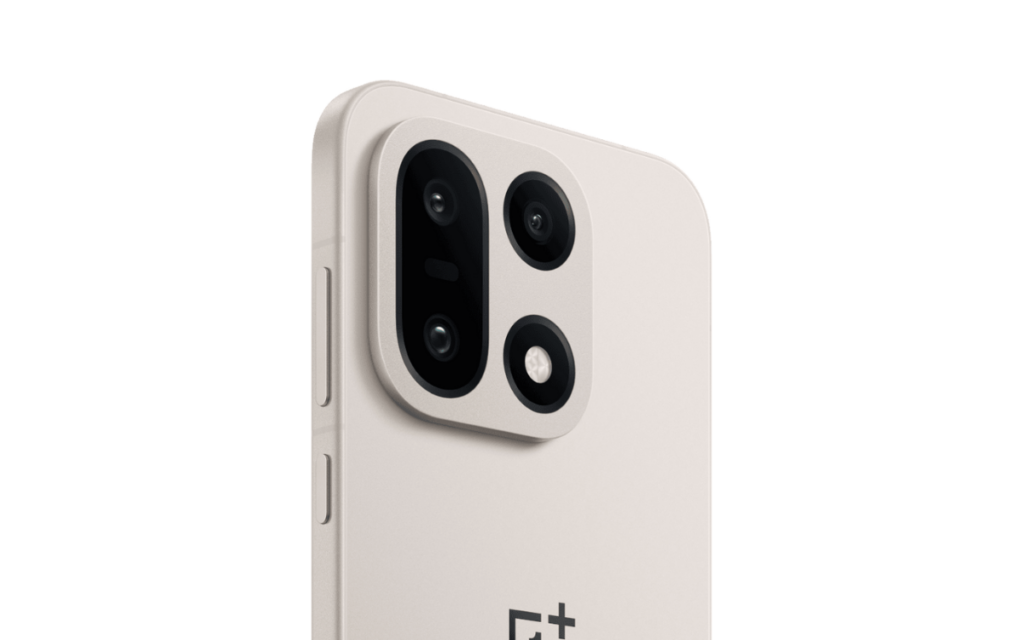
OnePlus 15 switches to Oppo’s LUMO Condensed Light Imaging system. It features a triple 50MP setup with a Sony IMX906 sensor for the main camera, a 116° ultra-wide lens, and a 3.5x periscope telephoto lens. Features include 4K 120fps Dolby Vision video, up to 8K video recording, ultra-clear Live Photos, and AI-powered portrait lighting. The front camera remains 32MP with 4K 60fps support.

5. Battery & Charging

OnePlus 11 came with a 5000mAh battery and 100W fast charging. The OnePlus 12 raised capacity to 5400mAh and introduced 50W wireless charging. The OnePlus 13 improved energy density with a 6000mAh battery and added support for magnetic charging.

OnePlus 15 leads the series with a 7300mAh Glacier Battery. It supports 120W Super Flash Charge and 50W wireless charging. OnePlus claims that 5 minutes of charging can deliver 6 hours of streaming and 5000mAh can be charged in just 13 minutes. The phone also uses USB 3.2 Gen1 for faster data transfer and better thermal management during charging.

6. Conclusion

OnePlus 15 represents the biggest generational leap since the OnePlus 11. It introduces meaningful upgrades across display technology, thermal design, gaming features, and battery life.

While the OnePlus 12 and 13 focused on refining the premium formula with better cameras and brighter screens, the OnePlus 15 rebuilds the flagship identity with new materials, display science, and performance standards. It sets a new benchmark not only for OnePlus but also for the Android flagship space.

For more daily updates, please visit our News Section.

Stay ahead in tech! Join our Telegram community and sign up for our daily newsletter of top stories! 💡

Wobble to launch its first smartphone on November 19 in India

Wobble, part of Indkal Technologies, is preparing to introduce a major new product category to its fast-growing technology portfolio. The company has shared that an announcement event is scheduled in the coming weeks, where more details on this expansion will be confirmed. While specifics are yet to be fully revealed, the brand suggests that this will be a significant moment not only for its business but also for the Indian consumer tech landscape.

First Wobble phone’s launch date

First Wobble phone incoming

Wobble has officially confirmed that it is stepping into the smartphone category with a completely India-designed and India-manufactured device. The first model will be unveiled in New Delhi on Nov. 19 and will later reach other global markets during 2025–26. The company considers this launch an important achievement, as very few Indian brands have developed a premium smartphone entirely within the country.

The milestone follows Wobble’s growing success in displays, especially after the introduction of the massive 116.5-inch Wobble Maximus television, marketed as the largest screen size available in India. With this foundation, the brand now aims to offer a smartphone that aligns with modern expectations around creativity, personal expression, performance and design.

Wobble states that the upcoming device will reflect the needs and personality of young users in India and around the world. Indkal Technologies CEO Anand Dubey highlighted that the phone is meant for people who prioritize innovation and self-expression in their daily use of technology.

Although key hardware information such as chipset, camera sensors in megapixel counts, display specifications and price in Rs are yet to be announced, the brand hints at a strong focus on both design identity and everyday capability.

As the launch date approaches, more updates are expected to surface, setting expectations for a smartphone designed in India but built to compete across multiple international markets.

For more daily updates, please visit our News Section.

Stay ahead in tech! Join our Telegram community and sign up for our daily newsletter of top stories.
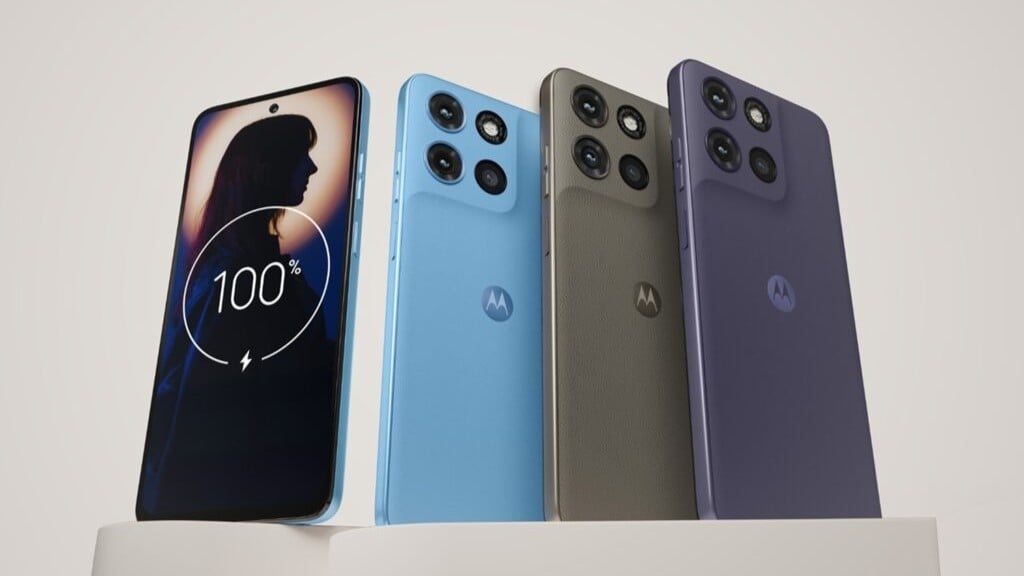
Snapdragon 8 Elite Gen 6 to debut with 2nm process, LPDDR6 memory, and UFS 5.0 storage

Since the Snapdragon 8 Elite Gen 5 debuted in September, we’ve already seen it power some of the best Android phones heading into 2026. The chip delivers a noticeable jump in raw performance, but it’s still built on a 3nm process. 

Meanwhile, Samsung is expected to challenge it directly with the Exynos 2600, built on a more advanced 2nm process.

The Exynos 2600 will reportedly power the Galaxy S26 lineup alongside the Snapdragon 8 Elite. And early rumors suggest Samsung’s chip could actually outperform Qualcomm’s in both speed and efficiency.

Snapdragon 8 Elite Gen 6 could make 2026 flagships pricey

In Qualcomm’s favor, the company is expected to unveil its first 2nm-based chipset, the Snapdragon 8 Elite Gen 6, in late 2026. That timeline lines up with a recent leak from tipster Digital Chat Station on Weibo. 

Snapdragon 8 Elite Gen 6 leak

According to the report, Qualcomm’s next flagship SoC will be produced using TSMC’s 2nm N2P node, a more refined version of the first-generation N2 process that’s expected to be used for Apple’s upcoming A20 and A20 Pro chips.

The shift to 2nm fabrication should deliver the usual gains: better power efficiency and higher performance density compared to the 3nm process currently in use.

DCS also claims that the Snapdragon 8 Elite Gen 6 will introduce support for LPDDR6 RAM and UFS 5.0 storage.

But progress rarely comes cheap. The combination of a new manufacturing process, faster memory, and upgraded storage could drive up the overall cost of the chipset.

Because of that, Qualcomm’s next flagship might not appear in every high-end phone next year. Instead, rumors suggest that the regular flagship models could use the Snapdragon 8 Gen 6, while the pricier Ultra versions might be reserved for the more powerful Elite variant.

Don’t miss a thing! Join our Telegram community for instant updates and grab our free daily newsletter for the best tech stories!

For more daily updates, please visit our News Section.

HMD’s latest phone isn’t branded HMD: Meet the M-Kopa X30

HMD Global, the Finnish company best known for manufacturing and distributing Nokia phones, has quietly launched a new smartphone, but not under its own name. The new M-Kopa X30 comes through a collaboration with the Kenyan fintech company M-Kopa.

HMD and M-Kopa have been working together to make smartphones more affordable in African markets through M-Kopa’s “pay-as-you-go” financing model. 

HMD provides the hardware and software expertise, while M-Kopa handles distribution and flexible payment plans, so that more people can get access to modern smartphones without upfront costs.

M-Kopa X30 Specifications

Under the hood, the M-Kopa X30 packs a Unisoc T615 processor, paired with 6GB of RAM and 256GB of storage. It runs on Android 15 with HMD’s own AI enhancements sprinkled in. The phone has a 6.72-inch Full HD+ display (2400×1080) with the standard 60Hz refresh rate.

As for the cameras, the X30 features a 50-megapixel main sensor with OIS, an 8-megapixel ultra-wide camera, and a surprisingly high-resolution 50-megapixel selfie camera on the front. 

The camera has a few AI tricks up its sleeve, like AI Remix Shots, which automatically picks the best expressions in group photos, and gesture selfies, allowing users to snap a shot just by blinking or flashing a peace sign.

Powering all of this is a 5,000mAh battery with 20W fast charging support, though only a 10W charger comes in the box. The phone also includes a USB-C port, a 3.5mm headphone jack, and an IP52 rating for protection against splashes and dust.

Don’t miss a thing! Join our Telegram community for instant updates and grab our free daily newsletter for the best tech stories!

For more daily updates, please visit our News Section.

(Source)

Honor GT 2, GT 2 Pro to feature 165Hz OLED screen

Recently, OnePlus unveiled the OnePlus 15 and Ace 6 as its first phones equipped with a 165Hz refresh rate display. Speculations are rife that the OnePlus Ace 6 Turbo arriving later this year will also have a 165Hz refresh rate display. A new leak reveals that it’s not just OnePlus, but even Honor is working on phones with the same refresh rate displays.

Honor GT 2 series display details emerge\

Honor GT 2 series display specs leak

According to the above Weibo post by tipster Experience More, the upcoming Honor GT 2 and GT 2 Pro will have a 6.83-inch screen like the OnePlus Ace 6. He added that both phones will support a 1.5K resolution and a 165Hz refresh rate. The tipster did not reveal anything else about the devices.

Speculations are rife that the Honor GT 2 would be a good rival for the upcoming OnePlus Ace 6 Turbo. The reason behind that is both phones are expected to feature the same upcoming Snapdragon 8 Gen 5 chipset.

A recent leak claimed that the Ace 6 Turbo will have an 8,000mAh battery. At the same time, rumors surrounding the GT 2 suggest that it may pack an 8,800mAh battery. Both phones are also said to support 100W charging.

Other rumored common features on both phones include an ultrasonic in-screen fingerprint sensor and a metal middle frame. While there is no information about the RAM and storage configurations of the Ace 6 Turbo, the GT 2 may arrive with up to 24GB of RAM and 1TB of storage.

The Ace 6 is said to have a 32-megapixel front camera and a 50-megapixel + 8-megapixel dual-camera setup. At present, there is no information about the Honor GT 2’s camera specifications. Both phones are expected to debut by December in China.

As far as the Honor GT 2 Pro is concerned, it is expected to feature the newer Snapdragon 8 Elite Gen 5 chip. However, the rumor mill is yet to leak other details of the Pro variant.

For more daily updates, please visit our News Section.

Stay ahead in tech! Join our Telegram community and sign up for our daily newsletter of top stories.
Apple hits $4 trillion valuation as iPhone 17 demand shrugs off tariffs

Apple has joined an ultra-exclusive club once again. The company’s stock climbed past the $4 trillion market cap mark, becoming only the third firm to do so—alongside Nvidia and Microsoft. The milestone caps off a strong quarter fueled by surging iPhone 17 sales, even as new US tariffs threatened to shake up the global supply chain.

iPhone 17 Pro series

Apple’s shares reportedly reached record highs of $269.2, representing nearly a 13% increase since its launch of the iPhone 17 lineup. Together, the three companies now make up more than 14% of the Nasdaq 100.

The biggest driver appears to be the iPhone 17 lineup, which launched to robust demand across major markets. Counterpoint Research reported a 14% year-over-year sales jump in the first 10 days, led by the standard iPhone 17 model, which saw nearly one-third more sales than last year’s iPhone 16. The new iPhone Air, priced at $999, is slightly outselling the 16 Plus, while carrier subsidies have lifted the Pro and Pro Max models. Reviews have also helped: NotebookCheck praised the A19 Pro chip for improved battery life and thermal performance.

Apple’s supply chain maneuvering has also paid off. To sidestep Donald Trump’s 2025 tariffs on Chinese imports, the company accelerated its manufacturing shift—moving iPhone production to India and iPad assembly to Vietnam. Despite a $100 price hike on the iPhone 17 Pro, Apple has managed to preserve its margins thanks to these adjustments. Evercore ISI analysts said this flexibility has been “critical to maintaining growth in a protectionist environment.”

Investors are now watching Apple’s October 30 earnings call, which could either validate or cool the rally. Wedbush Securities expects upbeat guidance, predicting Apple’s expanding AI services could generate $10 billion in annual revenue by 2027. With over 1.5 billion active iPhones, the company’s ecosystem—from wearables to finance—continues to be its biggest moat.

At $4 trillion, Apple’s valuation trails Nvidia’s AI-fueled surge, but it still marks another turning point for the world’s most recognizable tech brand. Whether this moment proves sustainable will depend on what comes next—because even in trillion-dollar territory, expectations remain sky-high.

Don’t miss a thing! Join our Telegram community for instant updates and grab our free daily newsletter for the best tech stories!

For more daily updates, please visit our News Section.

(Sources: 1, 2)

HyperOS 3’s Hyper Island unlocked for all Redmi and Poco phones — but there’s still a catch

Xiaomi’s slick new Hyper Island feature — the pill-shaped live activity hub introduced with HyperOS 3 — is no longer exclusive to premium devices. A recent software tweak quietly unlocked it for Redmi and Poco phones as well, though there’s a small trade-off for budget users.

According to insider PaperKing13, HyperOS build 3.0.23 removes the code that previously blocked Hyper Island on most Redmi and Poco models. This means all handsets from Xiaomi, Redmi, and Poco that are eligible for HyperOS 3 will get the Dynamic Island-style notification feature, which displays things like music controls, timers, or ride updates.

But there’s still one caveat: Hyper Island animations are disabled on devices with limited RAM. The island will still appear and function normally, but it won’t have the polished transitions seen on higher-end phones. Xiaomi hasn’t confirmed the cutoff point, though it’s likely around 6GB of RAM or less.

The Xiaomi 15T and 15T Pro have already received the feature globally. Entry-level models are expected to get it between December 2025 and March 2026. Below is the full list of REDMI and Poco phones officially confirmed eligible for the HyperOS 3 update:

Starting October and November 2025

REDMI Note 14 Pro+ 5G
REDMI Note 14 Pro 5G
REDMI Note 14 Pro
REDMI Note 14

POCO F7 Ultra
POCO F7 Pro
POCO F7
POCO X7 Pro Iron Man Edition
POCO X7 Pro
POCO X7

Starting November and December 2025

REDMI Note 13 Pro
REDMI 15
REDMI 14C
REDMI 13
REDMI 13x

POCO F6 Pro
POCO F6
POCO X6 Pro
POCO M7
POCO M6 Pro
POCO M6
POCO C75

Starting December 2025 and March 2026

POCO F5 Pro
POCO F5
POCO X6
POCO M7 Pro 5G
POCO C85

REDMI Note 14 5G
REDMI Note 145
REDMI Note 13 Pro+
REDMI Note 13 Pro
REDMI Note 13 5G
REDMI 15 5G
REDMI 15C 5G
REDMI 15C

Even without the fancy animations, it’s a solid win for Redmi and Poco owners. Xiaomi’s decision to prioritize performance while keeping the experience consistent across its lineup shows a more inclusive — and realistic — approach to software features.

Don’t miss a thing! Join our Telegram community for instant updates and grab our free daily newsletter for the best tech stories!

For more daily updates, please visit our News Section.

(Source | Via)

AI search engines prefer low-traffic websites over popular sources

There’s a new study showing that AI-powered search engines often cite lesser-known websites more frequently than traditional ones like Google. Researchers from Ruhr University Bochum and the Max Planck Institute for Software Systems detailed the findings in their paper titled “Characterizing Web Search in the Age of Generative AI.”

AI search engine

The team compared Google’s standard search results with responses from Google’s AI Overviews, Gemini 2.5 Flash, and two variants of GPT-4o’s web search mode. The analysis revealed that AI systems often draw from websites that rank far lower in popularity. In many cases, these sources do not appear in Google’s top 100 results for the same query.

The researchers used a range of test queries, including real user questions from ChatGPT conversations, political topics from AllSides, and Amazon’s most-searched products. According to Tranco, a domain-ranking tool, the sources AI engines used ranked significantly lower than those in Google’s top results. Gemini’s results had a median domain rank beyond the top 1,000.

Over half of the sources cited by Google’s AI Overviews were absent from the top 10 traditional results. About 40 percent did not appear in the top 100 at all. However, this shift toward obscure websites did not appear to harm the quality of information. GPT-based models frequently cited corporate sites and encyclopedic content while avoiding social media.

The study found that AI-generated search results contained about the same range of identifiable “concepts” as traditional search, suggesting that AI systems maintain a comparable level of information diversity. However, because these models summarize information rather than listing individual sources, they often compress large amounts of data into shorter responses. This compression can lead to the loss of smaller or more ambiguous details that might still appear in traditional search results.

Researchers also noted that AI-powered search tools struggle with time-sensitive or rapidly changing topics. GPT-4o’s hybrid mode, for instance, sometimes failed to provide the most up-to-date information when responding to queries about recent events or trending subjects.

The future of search isn’t about better or worse. It’s about difference. And if this study is right, AI may be building a web that values synthesis over popularity, and that’s rewriting the rules of online authority.

In related AI news, Google has introduced Vibe Coding in AI Studio, a new feature that lets developers create fully functional AI apps from a single prompt. Meanwhile, ByteDance has launched Seed3D 1.0, a tool capable of instantly converting any 2D photo into a realistic 3D model.

For more daily updates, please visit our News Section.

Stay ahead in tech! Join our Telegram community and sign up for our daily newsletter of top stories! 💡

(Source, Via)

Galaxy S26 series could be the first to adopt Bluetooth 6.1, but there’s a catch

Samsung’s upcoming Galaxy S26 series could be among the first smartphones to ship with Bluetooth 6.1, thanks to a newly certified Exynos chip. A fresh Bluetooth SIG listing suggests the company’s next flagship will deliver faster, smarter, and more secure wireless connections — potentially improving how Galaxy devices connect to earbuds, wearables, and smart home gear.

The new Exynos S6568 chip — not to be confused with the Exynos 2600 — is described as a connectivity module that handles Bluetooth and Wi-Fi alongside an Exynos application processor. According to the listing, the “S6568 is to be used together with a compatible Exynos Application Processor to build a full BT + Wi-Fi solution supporting Bluetooth 6.1.”

That wording makes it unclear whether, or how, the Snapdragon 8 Elite Gen 5 variants of the S26 series will benefit from this development. For reference, the Snapdragon 8 Elite Gen 5 supports Bluetooth 6.0, not 6.1.

The listing’s timing fits neatly into Samsung’s schedule. The Galaxy S26 series, reportedly delayed to March 2026, is expected to feature the Exynos 2600 in most regions, while the Snapdragon 8 Elite Gen 5 will power units in the US and China.

Bluetooth 6.1, officially introduced in May 2025, improves on version 6.0 with several practical upgrades. Privacy gets a boost through Randomized Resolvable Private Address (RPA) updates — which automatically change a device’s Bluetooth identity to prevent unwanted tracking in public spaces. Power efficiency is also improved, as address management now runs on the controller instead of the main CPU.

While Bluetooth 6.0 introduced ultra-precise Channel Sounding for centimeter-level location accuracy, version 6.1 focuses on tightening privacy, stability, and energy use. If Samsung integrates it into the S26, the series could become the first major smartphone line to ship with the new standard.

Don’t miss a thing! Join our Telegram community for instant updates and grab our free daily newsletter for the best tech stories!

For more daily updates, please visit our News Section.

(Source)

Xiaomi HyperOS 3 launches globally with a host of smart features

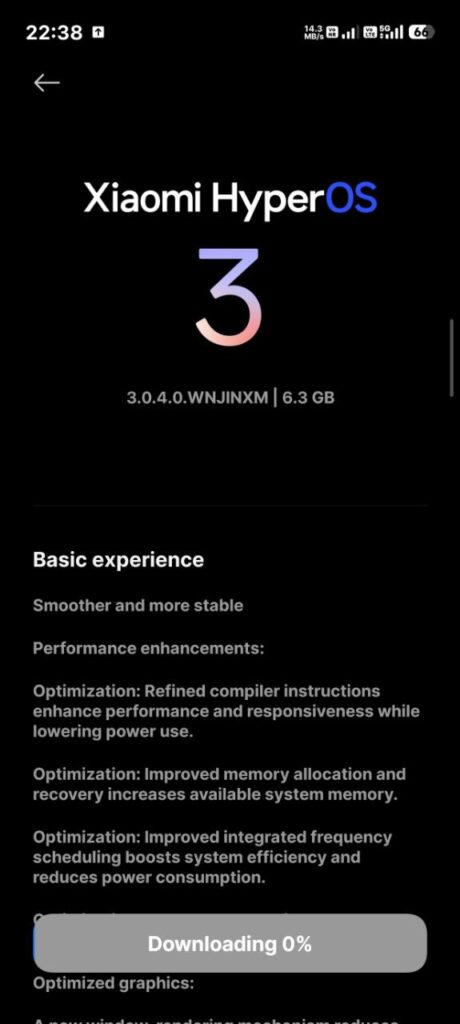
Xiaomi is taking its next big software step with HyperOS 3, an update built on Android 16 that aims to deliver smarter AI features, smoother performance, and a slightly updated interface. The rollout begins with the Xiaomi 15T and 15T Pro in Europe, with more devices to follow in the coming months.

According to Xiaomi, the global rollout will expand in stages through early 2026. Beta users are the first to receive it—others can check for the update under Settings > About Phone > System Update.

The initial wave (October–November) covers the Xiaomi 15 series, 15 Ultra, Redmi Note 14, and Poco F7/X7 lineups. From November to December, it is expected to reach the Xiaomi 14 series, Poco F6, and several midrange Redmi models. The final phase (December–March 2026) includes older flagships like the Xiaomi 12 and 13 series, ensuring most recent devices get the upgrade.

New features:

One of the biggest additions is Hyper Island, a pill-shaped hub at the top of the screen that combines notifications, live activities, and quick actions into a single space. It works with over 70 apps and services, letting users control music or reply to messages without switching apps.

HyperOS 3 also introduces several AI-powered tools:

DeepThink Note Writing – expands ideas into detailed notes or summaries.

AI Voice Translation – provides real-time, multilingual translation.

AI Noise Reduction – improves recorded audio clarity.

Gallery AI Search – helps find photos by content or objects.

System-Wide AI Search – quickly locates apps and files.

AI Image Description & Summarization – turns visuals into context or captions.

Xiaomi says the update brings a 30% boost in overall performance, with apps opening 21% faster, energy efficiency up by 10%, and fewer frame drops in games. More than 100 small animation tweaks also make navigation feel smoother across the interface.

However, it’s still unclear whether these AI features will roll out across all models or remain exclusive to Xiaomi’s premium devices. Many of the tools, including image generation, are powered by Google AI and likely run on cloud servers rather than locally.

Don’t miss a thing! Join our Telegram community for instant updates and grab our free daily newsletter for the best tech stories!

For more daily updates, please visit our News Section.

(Source: Xiaomi)

Redmi K90 Pro Max vs Xiaomi 17 Pro Max: What Sets the Budget Flagship Apart?

In the world of smartphones, the line between “affordable flagship” and “true flagship” continues to blur. With the arrival of the Redmi K90 Pro Max and the Xiaomi 17 Pro Max, buyers now have two powerhouse options from the Xiaomi ecosystem. While both offer cutting edge hardware, the K90 Pro Max delivers near flagship hardware at a more accessible price point. Considering some of their specs are also identical, what’s the difference between the budget flagship and the brand’s true flagship?

1. Design & Display

Xiaomi 17 Pro Max

The Chinese tech giant’s two new Pro Max models feature a very similar design language, with flat rear and front, a metallic frame on the side, and rounded corners. However, the Xiaomi 17 Pro Max’s unique secondary cover display on the back is a key highlight. This tiny 2.9-inch panel can not only display crucial information like date, time, and notifications, but it also doubles as a camera viewfinder, showcases live statuses (active tasks like cabs, music playback, others), features virtual pets, and much more.

On the front, Xiaomi equips both the Redmi K90 Pro Max and Xiaomi 17 Pro Max with the same 6.9-inch 2K OLED flat M10 LTPO panel with a 120Hz refresh rate, 3500 nits of peak brightness, DC dimming, and Xiaomi’s Dragon Crystal Glass for protection. So, apart from the cover screen, the visual experience is basically the same.

2. Hardware

Redmi K90 Pro Max
Redmi K90 Pro Max

Another major aspect that remains unchanged between the two devices is the Qualcomm chip under the hood. The brand offers the Snapdragon 8 Elite Gen 5 chipset, built on a 3nm process and designed for high performance. This flagship chip is paired with up to 16GB of RAM and 1TB of internal storage.

A massive 7,500mAh battery pack powers the Xiaomi 17 Pro Max, while the Redmi K90 Pro Max barely edges ahead with a 7,560mAh cell. The duo supports 100W wired fast charging, 50W wireless fast charging, and 22.5W reverse wired charging (22.5W reverse wireless charging support on the Xiaomi 17 Pro Max).

While Xiaomi’s top of the line smartphone gets a dual display setup, Redmi’s premium smartphone also gets a unique feature on the rear. Alongside its camera lenses, there is a dedicated woofer with ‘Sound by Bose’, which is a part of the 2.1 stereo sound field that includes the dual speakers.

3. Photography

Just like how the Redmi K90 Pro Max borrows the display from the 17 Pro Max, the K90 Pro Max borrows its main camera from another Xiaomi 17 series model. It arrives with a 50MP 1/1.31″ Light Fusion 950 sensor with OIS that is also found on the standard Xiaomi 17. This is paired with a 50MP ultra wide angle lens and a 50MP 5x periscope telephoto shooter (a first for the brand). For selfies and video calls, the front houses a 20MP camera.

On the other hand, the Xiaomi 17 Pro Max packs a larger 50MP Light Hunter 950L main sensor (1/1.28″), 50MP ultra wide angle lens, and 50MP periscope telephoto shooter with 5x zoom. There is also a 50MP shooter for selfies and video calls. Apart from better hardware, this model also brings Xiaomi’s collaboration with Leica.

4. Pricing & Final Thoughts

Redmi K90 Pro Max - 2.1 speaker

Lastly, let’s talk about the pricing. Xiaomi sells the 17 Pro Max with a starting price tag of 5,999 Yuan (roughly 841 US Dollars) for the 12GB + 512GB starting option. Meanwhile, the 12GB + 256GB base variant of the Redmi K90 Pro Max costs 3,999 Yuan (roughly 561 US Dollars). The higher 12GB + 512GB option costs 4,499 Yuan. So choosing between the Redmi K90 Pro Max and the Xiaomi 17 Pro Max comes down to what you prioritize most.

If you’re looking for high-end performance, a large battery, and a strong all-around phone at a better value, the K90 Pro Max stands out as a very compelling option. But if you want every premium feature, a richer camera system, a secondary display and the absolute top tier of flagship finishing, the 17 Pro Max delivers that.

For more daily updates, please visit our News Section.

Tech enthusiast? Get the latest news first! Follow our Telegram channel and subscribe to our free newsletter for your daily tech fix! ⚡

OPPO Find X9 Launched Globally with Hasselblad Cameras, Dimensity 9500 Chip & a Massive Battery

Oppo has recently unveiled the Find X9 smartphone for the global market, a couple of weeks after its launch in China.

Display and Design

Oppo Find X9

The Find X9 comes with a 6.59-inch AMOLED display offering a 2760×1256 resolution, 120Hz refresh rate, and 3600 nits of peak brightness. It also features 3840Hz PWM dimming for reduced flicker. The design includes a flat aluminum frame and matte glass back, available in Titanium Grey, Space Black, and Velvet Red. It holds IP66, IP68, and IP69 ratings for dust and water resistance.

Hasselblad Master Camera System

The Find X9 features the new Hasselblad Master Camera System, developed in collaboration with Hasselblad. It includes a 50MP main camera using the 1/1.4-inch Sony LYT-808 sensor with an f/1.6 aperture that captures 57% more light for better low-light shots. The setup also includes a 50MP ultra-wide camera with autofocus for macro photography and a 50MP periscope telephoto lens based on the Sony LYT600 sensor for optical zoom. A dedicated 2MP True Color Camera analyzes ambient light for accurate color output.

The LUMO Image Engine improves clarity and tone while using up to 50% less CPU power. It automatically adjusts between 50MP, 25MP, and 12MP modes depending on lighting to balance detail and noise.

Performance and Battery

OPPO Find X9

Powering the device is the MediaTek Dimensity 9500 chipset built on a 3nm process. It delivers 32% faster CPU performance and cuts peak power draw by 55%. The Arm G1 Ultra GPU improves graphics by 33% and works with advanced vapor cooling for sustained performance.

The phone houses a 7025mAh battery in a slim 7.99mm frame. Using OPPO’s third-generation Silicon-Carbon technology, it maintains 80% capacity after five years of use. It supports 80W SUPERVOOC wired charging, 50W AIRVOOC wireless charging, and 10W reverse wireless charging.

Software and Features

Running ColorOS 16 based on Android 16, the phone adds AI tools like AI Mind Space, AI Recorder, and AI Portrait Glow. O+ Connect allows cross-device control with Windows and Mac, supporting screen mirroring and remote file access.

Price and Availability

The OPPO Find X9 is priced at €999 (USD 1164) for the 12GB + 512GB variant. Global sales begin in early November 2025, with the Find X9 Pro launching alongside it. Both models will arrive in India in November.

Don’t miss a thing! Join our Telegram community for instant updates and grab our free daily newsletter for the best tech stories!

For more daily updates, please visit our News Section.

Insta360 X4 Air launches as its lightest-ever 8K 360° action camera

Insta360’s latest 360° action camera is proof that big performance doesn’t need to come with bulk. The newly launched X4 Air takes the company’s high-res 8K shooting chops and packs them into a body lighter than most smartphones — a move that could make full 360° capture more spontaneous than ever.

Announced on October 28, the X4 Air weighs just 165 grams (0.36 lbs) — that’s 38 grams lighter than the original X4. Its 46 x 113.8 x 37 mm matte-finish frame (in Graphite Black or Arctic White) feels purpose-built for creators on the go, slipping easily into a jacket pocket or small camera pouch.

Under the hood, you’ll find dual 1/1.8-inch CMOS sensors rated at 29MP with f/1.95 lenses, capable of shooting 8K video at 30fps or 6K at 24fps.

The camera carries over familiar modes from previous models — Active HDR, InstaFrame, timelapse, loop recording, and Road Mode — alongside FlowState stabilization and 360° Horizon Lock to keep footage smooth even when things get bumpy. Through the Insta360 app, creators can reframe, auto-edit, and export clips in minutes using built-in AI tools.

Insta360 X4 Air

Power comes from a 2,010 mAh removable battery, good for around 88 minutes of 8K recording (the same as the Insta360 X5) or 100 minutes at 6K. As for charging, it hits 80% at around 36 minutes and 100% at around 57 minutes.

Pricing starts at $399.99 / €399.99 for the base kit, which includes the camera, battery, and essentials. The Starter Bundle adds an 114 cm invisible selfie stick, lens cap, and spare battery for $439.99 / €429.99. Both are available now via Insta360’s website and Amazon.

The X4 Air isn’t trying to reinvent 360° cameras — it’s streamlining them. By trimming weight and simplifying operation while keeping 8K clarity, Insta360 may have found the sweet spot for everyday creators who want cinematic results without a full backpack of gear.

OPPO Find X9 Pro Launched Globally with 200MP Hasselblad Camera, Dimensity 9500 SoC & 7500mAh Battery

OPPO has launched its flagship Find X9 Pro, introduced globally alongside the standard Find X9, just weeks after their debut in China. The new lineup brings major upgrades in imaging, performance, and battery efficiency, powered by the latest ColorOS 16 platform.

200MP Hasselblad Telephoto and Triple Exposure Imaging

The Find X9 Pro features an Ultra XDR Main Camera with a custom 1/1.28-inch Sony LYT828 sensor and Real-Time Triple Exposure technology that captures details across both bright and dark areas in one shot.

OPPO Find X9 Pro

Its standout feature is the 200MP Hasselblad Telephoto Camera, developed in partnership with Hasselblad. The 3x zoom lens uses a 1/1.56-inch Samsung HP5 sensor and an f/2.1 aperture, offering better light capture and detailed close-up shots from as close as 10cm. OPPO’s Active Optical Alignment system ensures precise lens calibration, improving resolution by up to 15%.

OPPO Find X9 Pro

The setup is completed by a 50MP ultra-wide camera and a 2MP True Color sensor, forming OPPO’s most advanced imaging system yet. The LUMO Image Engine enhances dynamic range, color accuracy, and computational efficiency while cutting CPU and power load by up to 50%. Users can record 4K 120fps Dolby Vision HDR video or LOG footage with ACES certification for professional color grading.

Performance and Battery

The Find X9 Pro runs on the Dimensity 9500 SoC built on a 3nm process, paired with 16GB LPDDR5X RAM and 512GB UFS 4.1 storage. The All-Big-Core design delivers up to 32% faster performance while using less power. It packs a 7500mAh Silicon-Carbon battery, the largest ever in an OPPO flagship, supporting 80W SUPERVOOC wired, 50W AIRVOOC wireless, and reverse charging.

Display and Build

The phone sports a 6.78-inch LTPO AMOLED display with a 2780×1264 resolution, 1–120Hz adaptive refresh rate, 3840Hz PWM dimming, and 3600 nits peak brightness. It supports Dolby Vision for HDR playback.

OPPO Find X9 Pro

Built with a matte aluminum frame and glass back, it weighs 224g and measures 8.25mm thick. It is IP66, IP68, and IP69 rated for dust and water resistance. Available in Silk White and Titanium Charcoal, it combines durability with a premium look.

ColorOS 16 and AI Features

Running on Android 16, ColorOS 16 brings smoother animations with Seamless Animation and the Luminous Rendering Engine. AI tools like AI Recorder, AI Portrait Glow, and AI Mind Space enhance productivity and creativity. The new O+ Connect feature allows real-time screen mirroring and cross-device control on Windows and Mac.

Pricing and Availability

The OPPO Find X9 Pro (16GB + 512GB) is priced at €1299 (USD 1514). The Find X9 series will roll out globally in early November 2025, with India confirmed among the first launch markets.

For more daily updates, please visit our News Section.

Stay ahead in tech! Join our Telegram community and sign up for our daily newsletter of top stories!

CLAW GH40 Gaming Headset Debuts in India with 50mm Drivers and RGB Lighting

CLAW has launched the GH40 Wired RGB Gaming Headset in India. It is built for gamers who want clear sound, comfort during long sessions, and easy compatibility with different devices.

CLAW GH40 Wired RGB Gaming Headset

The GH40 features 50mm dynamic drivers that deliver deep bass and sharp highs, helping players hear every detail like footsteps, gunfire, and ambient sounds. The audio is balanced, making it suitable not only for gaming but also for music and movies.

It comes with a flexible noise-reducing microphone that keeps your voice clear and blocks background noise. This ensures smooth communication whether you are giving in-game commands or chatting with teammates.

Designed for long hours of use, the GH40 has a lightweight build, an adjustable padded headband, and soft ear cushions for lasting comfort. The 2-meter braided cable is strong and flexible, while the inline controller gives you quick access to volume and mic mute controls.

The headset connects through a 3.5mm audio jack, making it compatible with PCs, laptops, smartphones, PlayStations, and Xbox consoles. No setup or software is needed; you can plug it in and start playing right away. The earcups feature multicolor RGB lighting.

Pricing & availability

The CLAW GH40 Wired RGB Gaming Headset is available for ₹2,490, with a limited-time offer of ₹1,490 on Amazon.in and Originshop.co.in.

Don’t miss a thing! Join our Telegram community for instant updates and grab our free daily newsletter for the best tech stories!

For more daily updates, please visit our News Section.

Dreame launches S1 and S2 Dolby Atmos soundbars featuring 500W-630W output

Dreame has officially stepped into the home audio segment with the launch of its first two soundbar systems: the Pano S1 and Pano S2. The S1 targets mid-range buyers at 2,199 yuan ($309), while the S2 is a high-end model priced at 4,098 yuan ($576). Both models support Dolby Atmos and come equipped with Bluetooth 5.4 for wireless streaming.

Dreame Pano S1 Specifications

Dreame Pano S1

The Dreame Pano S1 is a 3.1.2-channel soundbar system with a total power output of 500 watts. It includes a main bar with nine speaker drivers and a separate 6.5-inch wireless subwoofer. The main bar features three full-range units, three tweeters, and two upward-firing speakers for Dolby Atmos. Dreame has used plant-fiber composite diaphragms in the full-range drivers and silk-dome tweeters to enhance audio quality across all frequencies.

The S1 supports a frequency range from 45Hz to 20kHz. Dreame has designed the subwoofer with an instant-fold surround structure to improve low-end performance. The system includes three sound modes: Music, Cinema, and Game, to suit different types of content.

In terms of design, the S1 uses a Bauhaus-inspired aesthetic and comes in Walnut Black and Walnut Grey finishes. It features a front-facing LED display and offers input options such as HDMI (eARC), optical, AUX, USB, and Bluetooth 5.4. The soundbar measures 863.4 × 102.2 × 61.5 mm, and the subwoofer measures 192 × 295 × 370 mm. The total weight is 6.8 kilograms without packaging.

Dreame Pano S2 Specifications

Dreame Pano S2

The Pano S2 is a 5.1.2-channel system that includes a main soundbar, an 8-inch wireless subwoofer, and two independent rear speakers. It features 12 speaker drivers in total and delivers 630 watts of peak output. The main bar houses three full-range drivers, two tweeters, and two upward-firing Atmos speakers. The rear units each include two drivers, one tweeter and one full-range, for a more immersive surround sound experience.

The S2 covers a frequency response from 40Hz to 20kHz. Like the S1, it uses composite plant-fiber and silk-dome diaphragm materials to improve clarity and accuracy across the audio spectrum. The system supports the same three sound modes and uses Bluetooth 5.4 for stable low-latency streaming.

For connectivity, it includes HDMI 2.1 (eARC/ARC), optical, AUX, USB, and DC input. The Pano S2 features an Obsidian Black finish with a brushed metal nameplate. The soundbar measures 938 × 102.2 × 61.5 mm, the subwoofer measures 192 × 356 × 375 mm, and each rear speaker measures 205 × 102.2 × 61.5 mm. The total weight is 10.4 kilograms without packaging.

Dreame confirmed that both models were acoustically tuned in collaboration with audio specialists who have over two decades of experience.

In related news, Dreame has unveiled its V3000 Aura 4K Mini LED TVs featuring 2800 nits peak brightness and Dolby Atmos sound, along with the new 501L cross-door refrigerator offering -32°C deep freezing and VITA humidity control.

For more daily updates, please visit our News Section.

Stay ahead in tech! Join our Telegram community and sign up for our daily newsletter of top stories! 💡

(Source 1,2)

iPhone Air production cuts: TD Cowen counters earlier supply chain rumors

The iPhone Air arrived as Apple’s slimmest flagship yet, but talk of weak demand and slashed production quickly threatened to overshadow its debut. Now, a major analyst firm is pushing back, saying output is holding steady despite reports to the contrary.

In an October 26 investor note seen by AppleInsider, TD Cowen analysts said their supply chain checks show “no changes” to iPhone Air production for 2025. The firm’s data points to stable forecasts — around 3 million units for the September quarter and 7 million for the December quarter. Overall iPhone 17 series production remains at roughly 54 million and 79 million units for the same periods, suggesting solid demand across the lineup.

That view directly contradicts a string of more pessimistic reports earlier this month. On October 17, Japan’s Mizuho Securities claimed Apple had reduced iPhone Air production by a million units, shifting focus to other models instead. Days later, analyst Ming-Chi Kuo backed that narrative, citing scaled-back capacity.

TD Cowen, however, says its conclusions come from direct supplier verification rather than anonymous chain chatter. The firm suggests rival reports may have misread Apple’s short-term manufacturing adjustments. Cupertino’s just-in-time system often shifts builds within weeks based on early sales data — especially when Pro models outsell expectations at launch.

The iPhone Air occupies a unique middle ground in Apple’s lineup: slimmer and lighter than the Pro but priced higher than the base model at $999. Its launch faced minor headwinds, including eSIM regulatory delays in China and early complaints about its smaller 3,149mAh battery compared to the Pro’s 4,252mAh (eSIM model). Even so, TD Cowen’s note points to consistent output and confidence in the model’s long-term performance.

Please Note: When you buy something using the links in our articles, we may earn a small commission at no cost to you.

The Air’s projected 10 million-unit total for this cycle is modest next to the 50+ million Pro models, but it aligns with Apple’s segmented strategy. As the holiday quarter unfolds, real sales numbers will tell whether Apple’s ultra-thin gamble pays off — or if the early skepticism sticks.

Don’t miss a thing! Join our Telegram community for instant updates and grab our free daily newsletter for the best tech stories!

For more daily updates, please visit our News Section.

Galaxy Z Fold 8 could eliminate the crease with a laser-treated back plate, pack 5000mAh battery, and reintroduce S Pen

Samsung’s foldable lineup has come a long way, but one thing has stuck around since the very first model — that visible crease down the middle of the screen. Now, a new report suggests the Galaxy Z Fold 8 might finally be the one to smooth things out, both literally and figuratively.

According to Korean outlet Deal Site, Samsung plans to use an ASP laser-drilled metal plate under the main display to eliminate the crease entirely. The component, dotted with microscopic holes to allow bending without stress marks, should keep the screen looking flat while maintaining the device’s signature foldability. The technology was first rumored earlier this year and could debut in mid-2026. Interestingly, Apple is said to be exploring a similar approach for its first foldable iPhone, expected in 2027.

The report also mentions a welcome battery upgrade — a 5,000mAh (or slightly larger) cell, up from the Z Fold 7’s 4,400mAh. That extra capacity, combined with the Snapdragon 8 Elite Gen 2 chip, could give the Fold 8 far better endurance, especially when using its large 8-inch inner screen.

Another detail that may please long-time fans is the possible return of S Pen support. The stylus was dropped from the Z Fold 7 to keep the body slimmer, but Samsung seems to have found a way to integrate the digitizer without adding noticeable bulk. That would help the Fold 8 regain some productivity edge and keep existing Galaxy Fold users from jumping ship to rival brands.

With Apple’s entry set for 2027, 2026 could be a landmark year for the next generation of folding phones. If things go as planned, the Galaxy Z Fold 8 could arrive by mid-2026, with a starting price of around $1,999 — matching or slightly topping the Fold 7.

Don’t miss a thing! Join our Telegram community for instant updates and grab our free daily newsletter for the best tech stories!

For more daily updates, please visit our News Section.

(Via | Image)

Portronics launches Beem 550 Smart LED Projector with auto focus, built-in stand & Android TV

Portronics has launched the Beem 550 Smart LED Projector in India. The projector targets users who want a portable, easy-to-use home entertainment device with built-in streaming capabilities.

Pricing and Availability

It is priced at ₹9,999 ($113) and is available through Portronics.com, Amazon, Flipkart, and other major retailers. The company is offering a 12-month warranty with the product.

Portronics Beem 550 Smart LED Projector

Portronics Beem 550 Specifications

The Beem 550 projects in native 720p resolution and supports up to 1080p Full HD playback. It uses a 6000-lumen LED light source and offers a contrast ratio of 2000:1. Portronics claims the projector delivers clear and vibrant visuals even in well-lit rooms. The device supports projection sizes up to 100 inches with a throw distance ranging between 1.2 and 4 meters. The LED lamp is rated for up to 40,000 hours of usage.

Portronics has equipped the projector with autofocus and auto keystone correction. These features automatically align the picture and eliminate the need for manual setup. The built-in telescopic monopod stand supports adjustable height and angle, allowing users to set it up on a table or floor without additional accessories.
The Beem 550 runs on Android TV and includes popular streaming apps such as Netflix, Prime Video, Disney+ Hotstar, and YouTube. It allows direct streaming without the need for external devices. The projector comes with 1GB of RAM and 8GB of internal storage to handle streaming and app operations smoothly.

The device features a 5W bottom-mounted speaker and supports common audio formats like MP3, AAC, FLAC, WAV, and OGG. It also provides an AUX output for connecting external speakers or sound systems.

For connectivity, the projector offers dual-band Wi-Fi, Bluetooth 5.0, HDMI input, USB-A port, and screen mirroring support for seamless device pairing.

Please Note: When you buy something using the links in our articles, we may earn a small commission at no cost to you.

In related news, Portronics has recently introduced the Toad Ergo 4 vertical wireless mouse priced at Rs. 899, along with a compact $320 Pocket Projector capable of projecting screens up to 100 inches.

For more daily updates, please visit our News Section.

Stay ahead in tech! Join our Telegram community and sign up for our daily newsletter of top stories! 💡

3D printed and hand-crafted drone breaks 585 km/h speed record

In a small garage turned workshop, a father and son have built what might be the world’s fastest drone — and it wasn’t made in a lab, but on a 3D printer. The Peregreen 3, a hand-crafted quadcopter designed by Mike Bell and his son Luke Maximo Bell, has reportedly hit 585 km/h (363.5 mph) in a test flight, breaking the previous drone speed record by 27 km/h.

The record-attempt flight, documented with GPS and onboard video, still awaits Guinness certification as of writing. But it continues a streak for the Bells, who have been chasing speed records for years. Their last model, the Peregreen 2, topped out at 480 km/h — already among the fastest in the world.

The Peregreen 3’s secret is brute force and clever engineering. Its electric motors pull 16.2 kW at peak power, almost double the output of its predecessor, with energy supplied by a 16 kW battery pack. The entire drone weighs 2.77 kg, a full kilogram heavier than before, but gains stability from custom APC propellers designed to avoid supersonic tip speeds.

After an early prototype caught fire, the pair introduced a 50 ml water-cooling system to replace air vents and reduce drag. They also reworked the GPS setup, mounting the receiver directly on the camera to eliminate interference. The result: a more aerodynamic, cooler, and faster craft.

Each flight lasts just under two minutes — full-throttle runs are capped at about 23 seconds to prevent total battery drain. But that’s long enough to prove their point: DIY engineering can still move at blistering speed.

With a few printers, CAD tools, and a lot of persistence, two builders managed to outrun billion-dollar research teams — and they’re already planning the next iteration.

Don’t miss a thing! Join our Telegram community for instant updates and grab our free daily newsletter for the best tech stories!

For more daily updates, please visit our News Section.

(Source)