
Add GIZMOCHINA as Preferred Source on Google
Just as the PC market is starting to move past the chaos of previous GPU shortages, new signs suggest another supply squeeze may be forming—this time driven by memory, not chips.
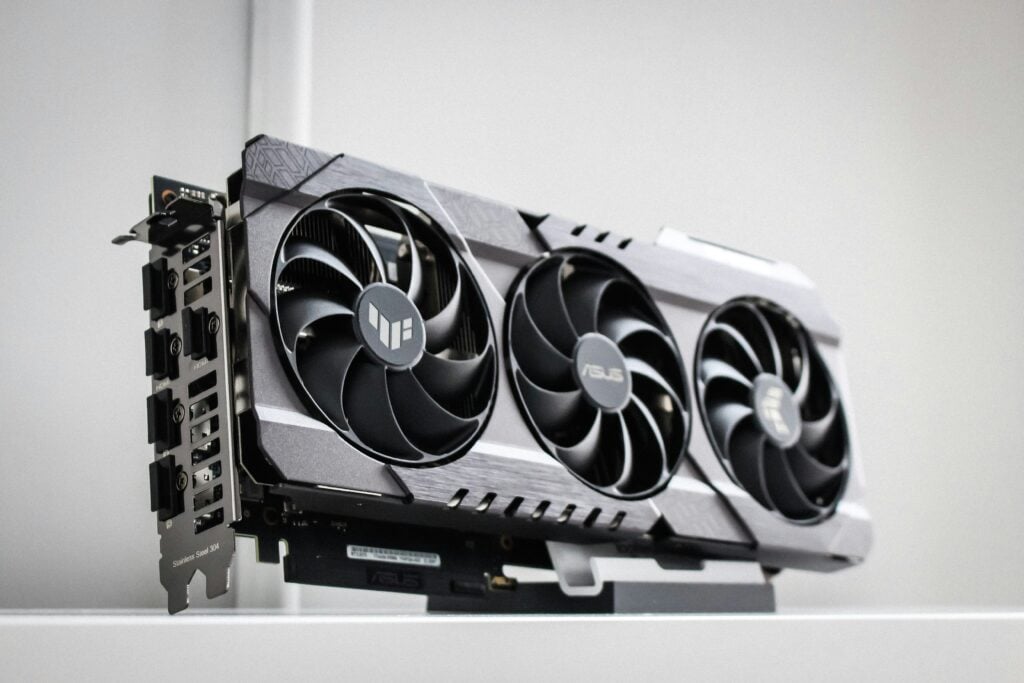
Rising DRAM prices are reportedly forcing Nvidia to rethink its gaming GPU strategy, with production cuts expected in early 2026. According to industry sources, Nvidia plans to reduce output of GeForce RTX 5000-series gaming cards by as much as 30–40% in the first half of the year. The move comes as memory costs surge and manufacturing capacity is increasingly redirected toward higher-margin server and AI accelerators.
One early casualty of the situation appears to be Nvidia’s rumored GeForce RTX 5000 Super lineup. The refresh was expected to deliver up to 50% more VRAM at the same price point across both desktop and laptop GPUs, but the plan has reportedly been scrapped due to DRAM supply constraints.
Affordable, higher-memory models are likely to be hit hardest. The GeForce RTX 5060 Ti 16GB and RTX 5070 Ti are said to be among the most affected, as larger VRAM configurations are becoming increasingly expensive to produce.
Nvidia is said to expect softer gaming demand in 2026, partly due to a lighter release calendar. Still, cuts of this scale risk repeating a familiar pattern: limited availability, rising prices, and frustrated buyers.
The impact may extend well beyond graphics cards. Analysts warn the broader DRAM crunch, fueled by explosive demand from AI companies such as OpenAI, could push laptop prices up by at least 20%. Budget notebooks may fall back to 8GB of RAM, smartphones could ship with just 4GB again, and even upcoming gaming devices may see higher price tags.
As AI continues to dominate silicon priorities, consumers—and especially gamers—could be left paying the price.
Stay ahead in tech! Join our Telegram community and sign up for our daily newsletter of top stories!
For more daily updates, please visit our News Section.




Comments