Over the last couple of weeks, numerous reports have surfaced that suggested that Rockstar Games is working on a remaster for its original trilogy of Grand Theft Auto games. Now, the title for the remastered trilogy has been spotted in South Korea’s games rating board, which basically confirms that it is in the works.
The Grand Theft Auto The Trilogy: The Definitive Edition was spotted in the South Korean rating board. While the remasters has been rumored for a while now, the listing has officially confirmed it. The trilogy include GTA 3, GTA: Vice City, and GTA: San Andreas. Reportedly, the trilogy was meant to launch earlier but the launch was postponed due to internal delays, as per the Kotakureport.
Take Two usually reports Q2 earnings in early Nov., stacks releases/news right before.
– Rockstar's acquisition of Ruffian announced 10/14/20 – RDR2 PC announced 10/4/19 for 11/5 launch (earnings reported 11/7) – RDR2 console launch was 10/26/18, earnings reported 11/7 – etc https://t.co/uAoQi5ShNv
Notably, the old games were to be remastered using the Unreal Engine and would feature a mix of old and new graphical styles along with an updated UI and other tweaks to bring the games more in line with the current iteration of Grand Theft Auto. As of right now, the trilogy’s Definitive Edition is expected to launch sometime next year, although, we have no way of confirming the actual launch date at the moment. So stay tuned for more, as we will be providing more updates when additional information is available regarding this matter.
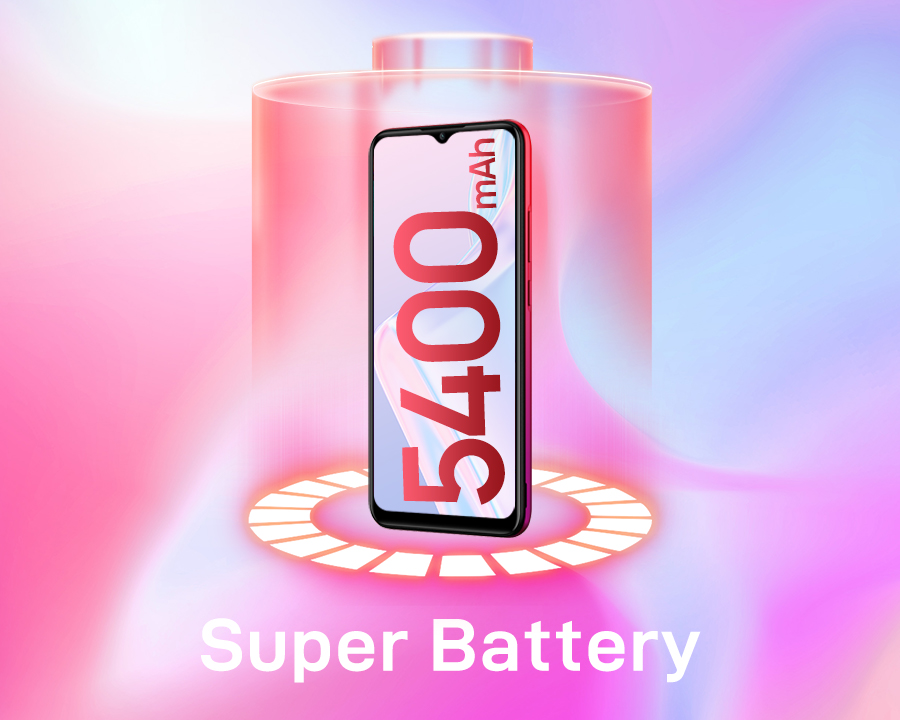
Doogee is preparing for the upcoming festive season with the launch of several new affordable smartphones. After the Doogee X93 and V10 smartphone launch, the company is set to unveil Doogee X96 entry-level smartphone. The new low-cost smartphone will come with a 6.52-inch display and 5400 mAH battery on October 11, 2021.
Soogee X96 will feature a Unisoc SC9863A SoC coupled with an octa-core processor. It bundles 2GB RAM and 32GB internal storage along with the support for 256GB expandable storage via TF Card. The smartphone packs a 5400mAh battery with support for 10W fast charging.
A 6.52-inch waterdrop display is present with 1600 x 720 pixels resolution and a 20:9 aspect ratio. The beautiful design of the smartphone offers the highest screen-to-body ratio of 91%. The notch encases a 5MP selfie camera.
In connectivity, Doogee X96 comes with three navigation systems, offers a dual-SIM slot + TF Card. Unlike the major smartphones, the Doogee X96 still carries a 3.5mm audio headphone jack for a flawless music experience. It runs on the Android 11 Go Operating System.
AliExpress will start pre-orders for Doogee X96 from October 11 2021. Interested users can enter the giveaway to win 5 Doogee X96 smartphones and 5 CS1 smartwatches. KNow more about the device by heading to the official website.
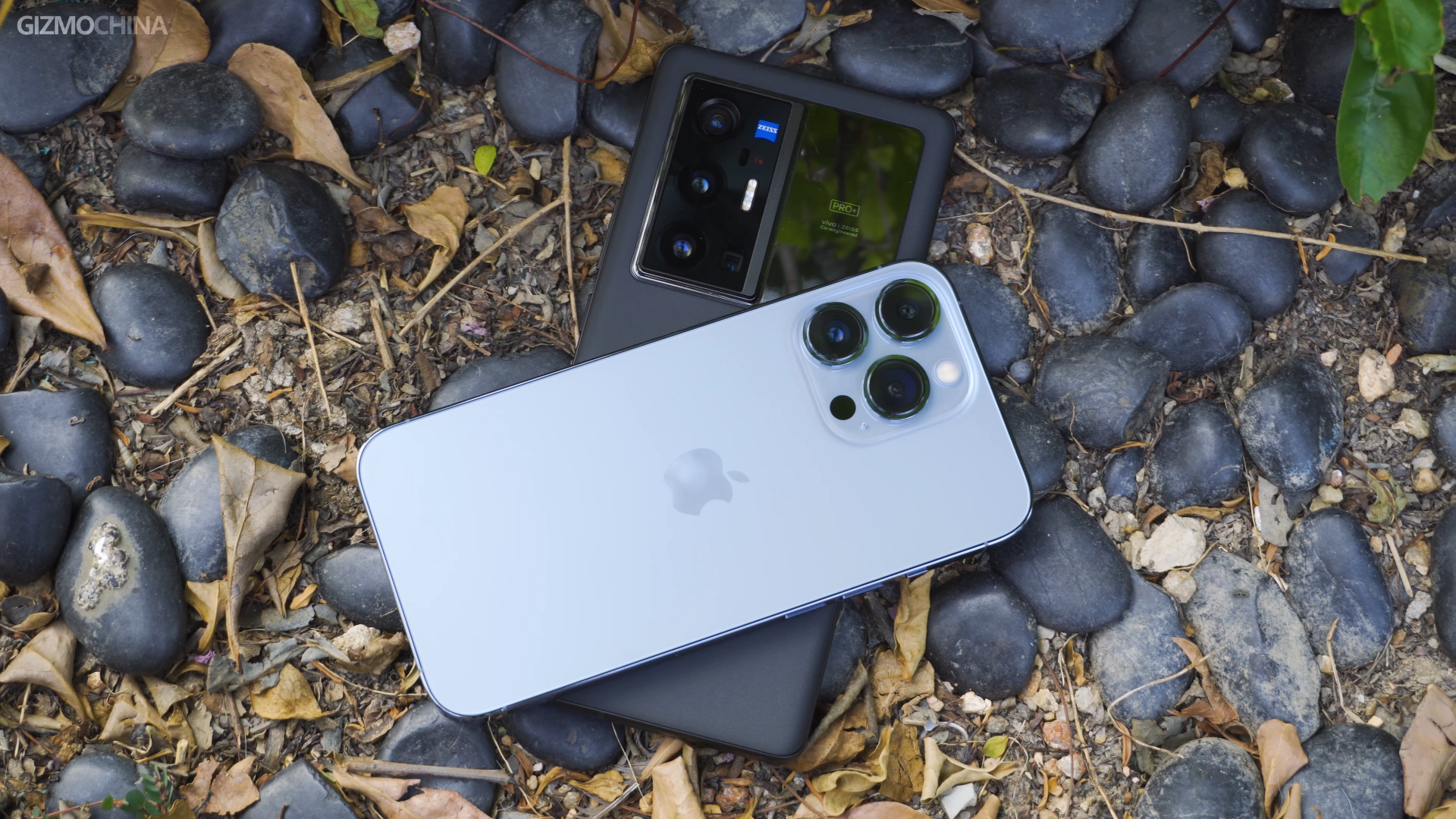
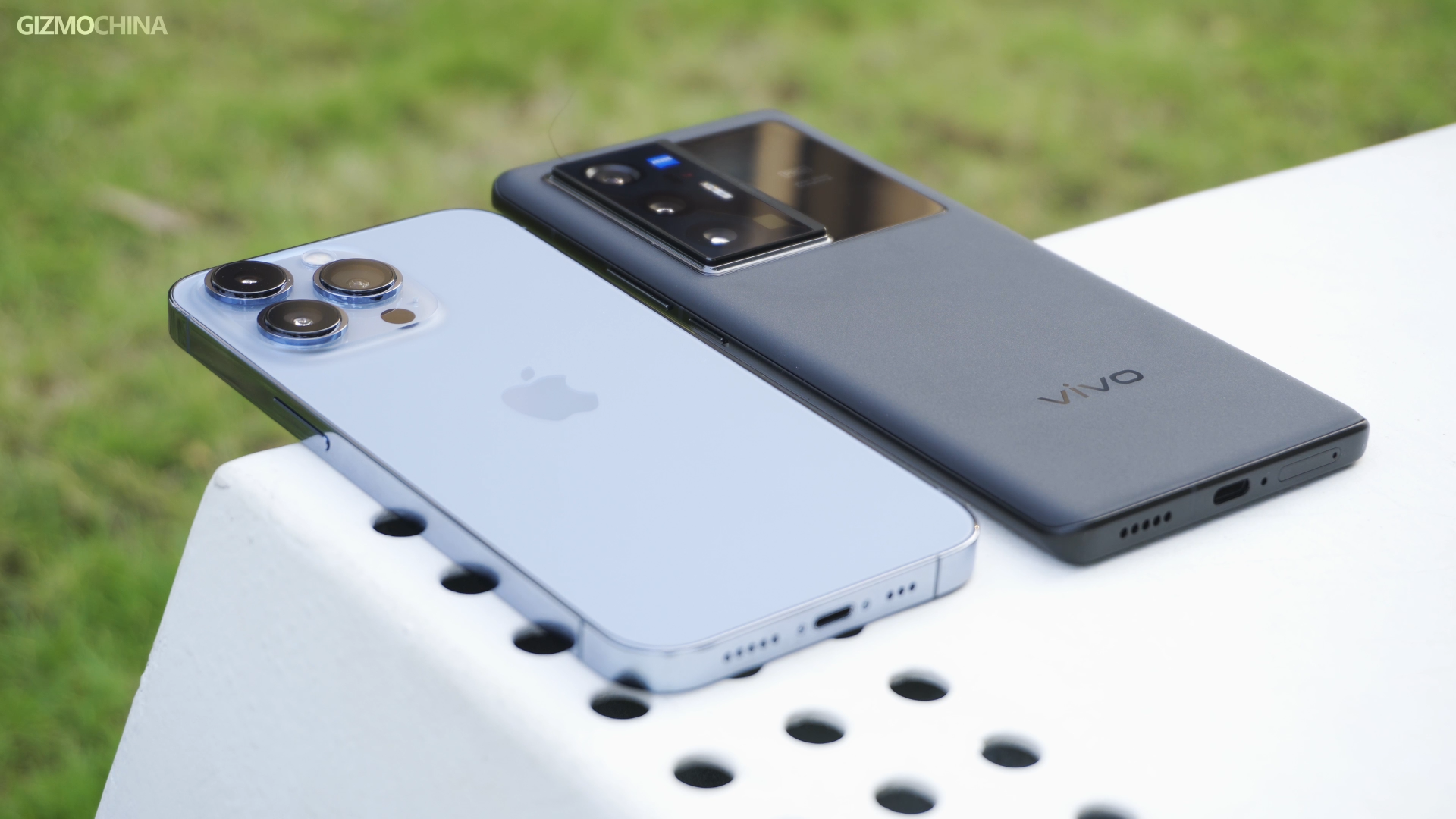
Viewers who have seen our Vivo X70 Pro Plus Full review will know that the X70 Pro+ is great at taking pictures. Previously, we compared the X60 Pro+ with the Samsung S21 Ultra, but as of today, the S22 Ultra is not yet launched. So today, we’ll put the X70 Pro+ against another recently released hot phone: the iPhone 13 Pro.
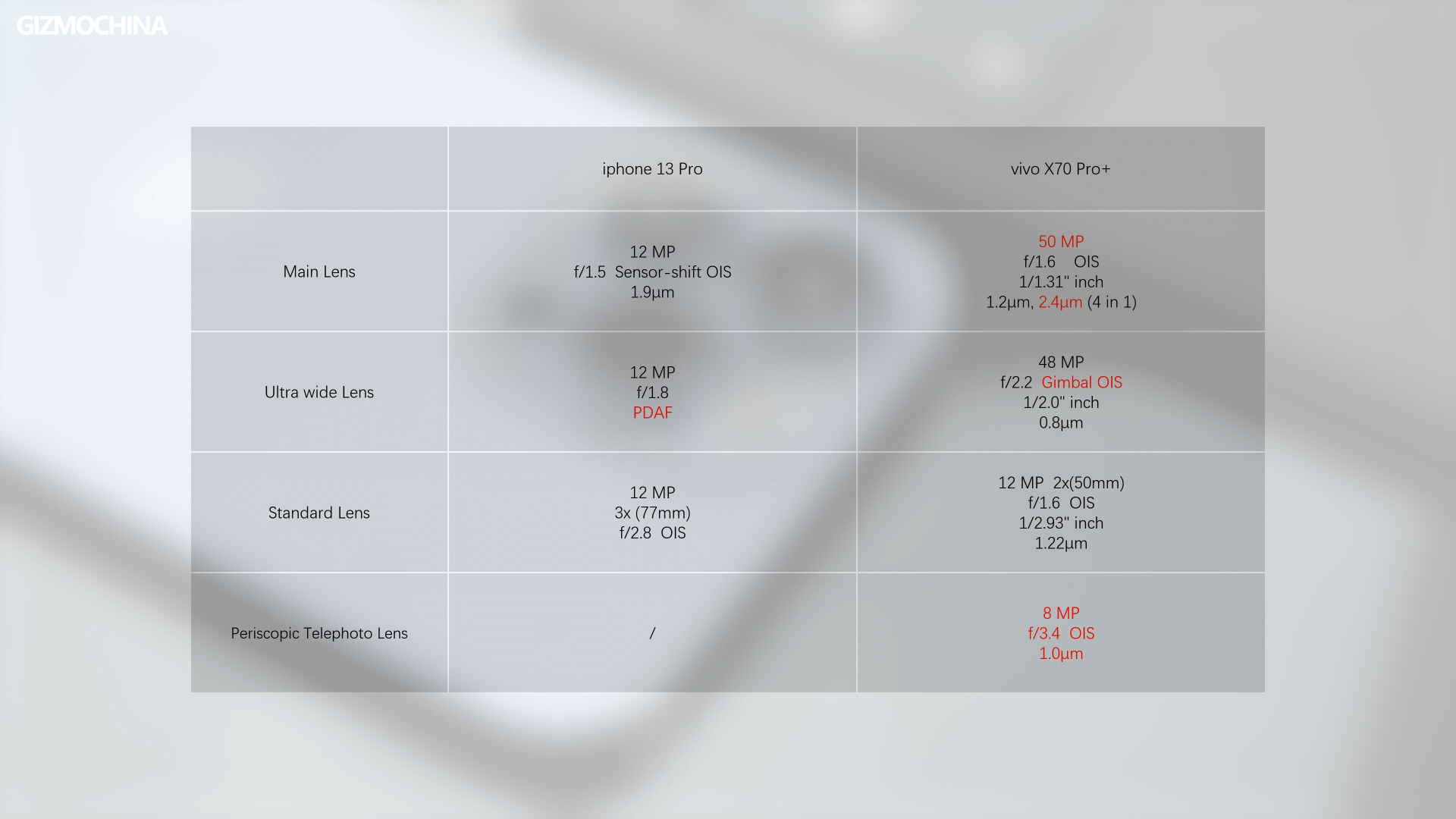
iPhone 13 Pro vs Vivo X70 Pro+: Camera Specs
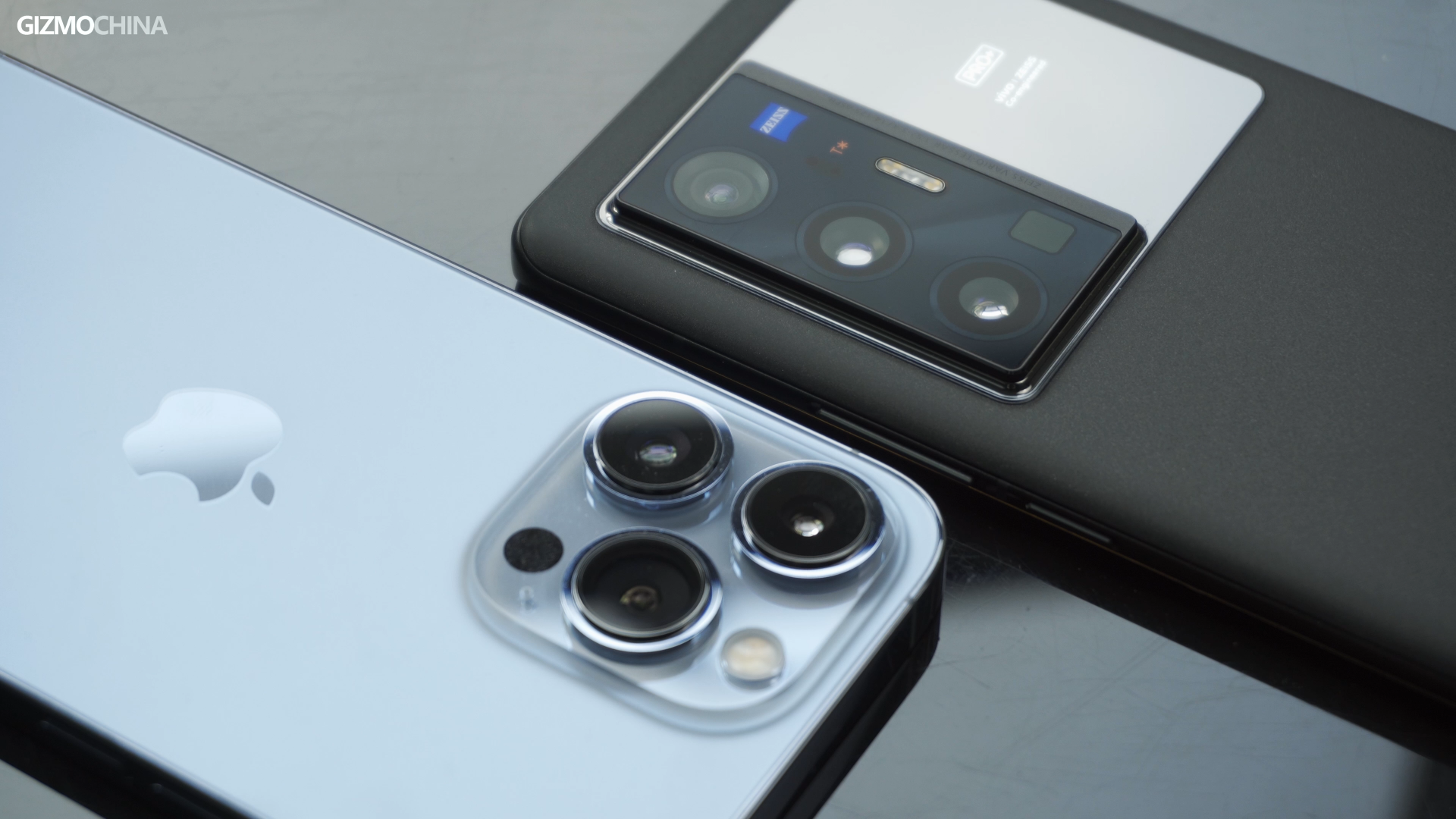
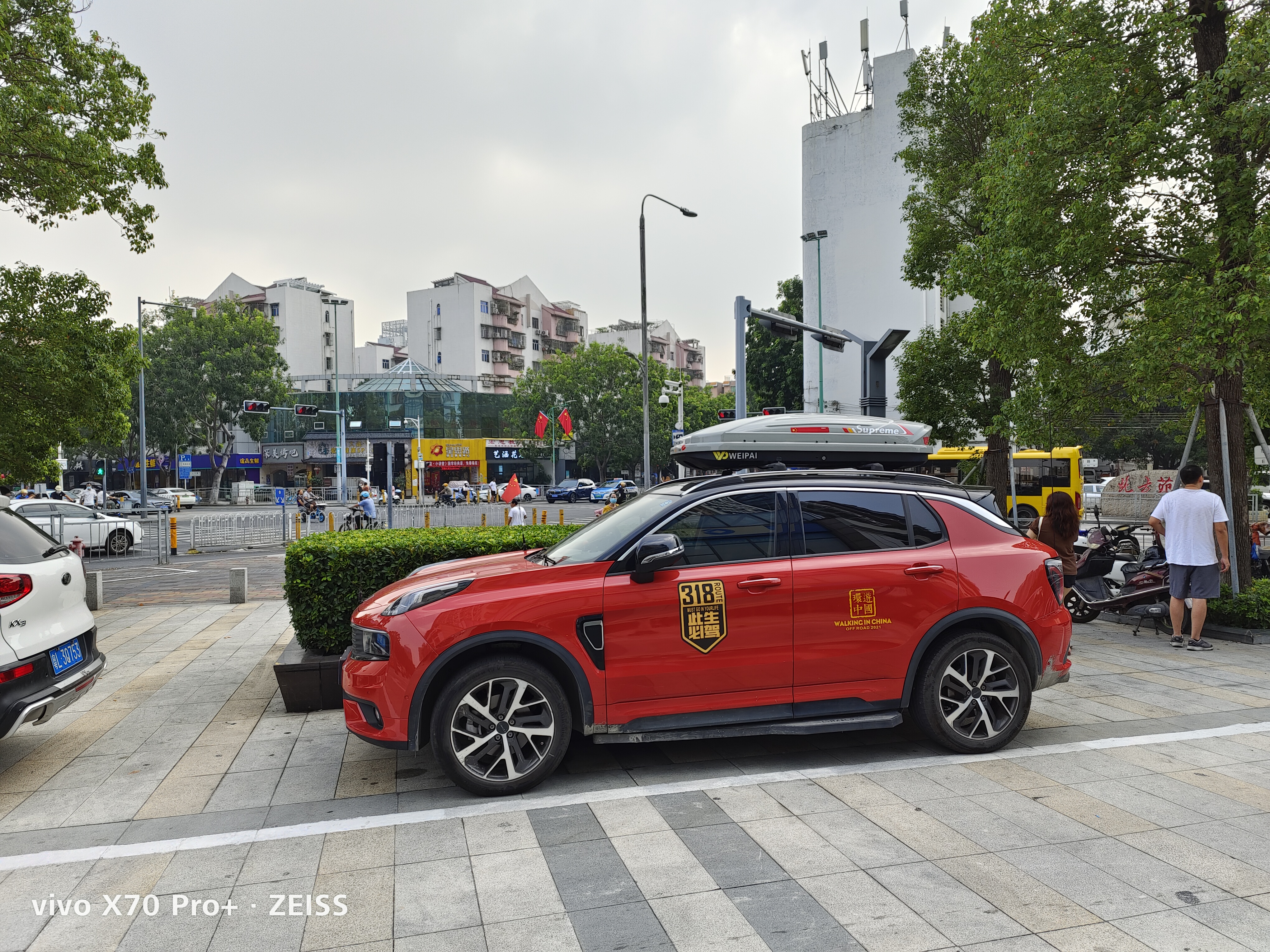
To be honest, if we just compare the paper specs, iPhone 13 pro is not qualified to be the rival of vivo x70 pro+. Not only does the iPhone lack a traditional camera lens brand cooperation like Zeiss, but there’s also no periscope telephoto lens. And the pixel size of the main camera sensor is not as big as the GN1 after the 4-in-1 binning. But the iPhone is the best at using software optimization to make up for the lack of hardware. So we have divided this video comparison into three parts: photos, video, and experience in using the camera.
iPhone 13 Pro vs Vivo X70 Pro+: Photography
Main Camera
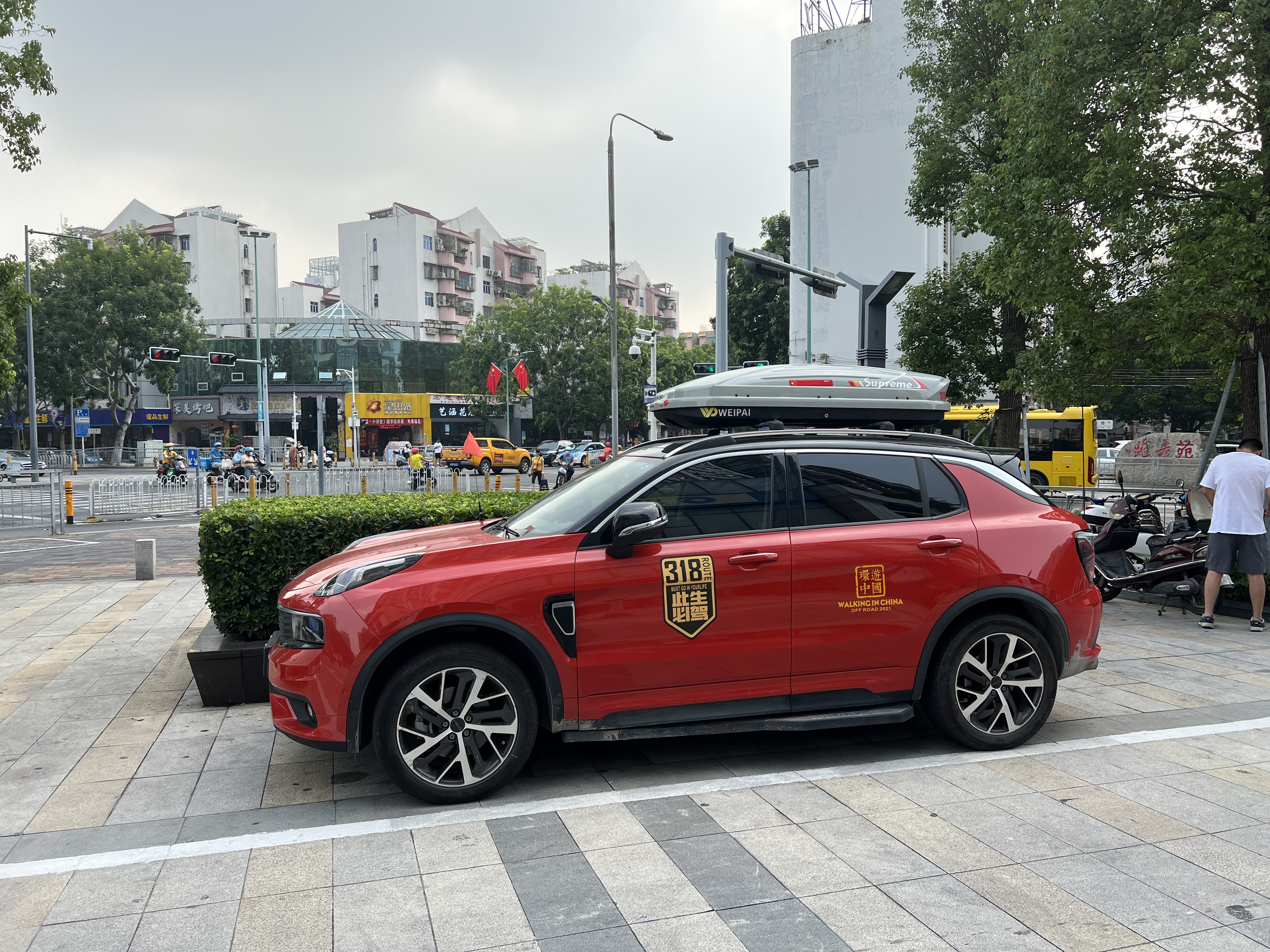
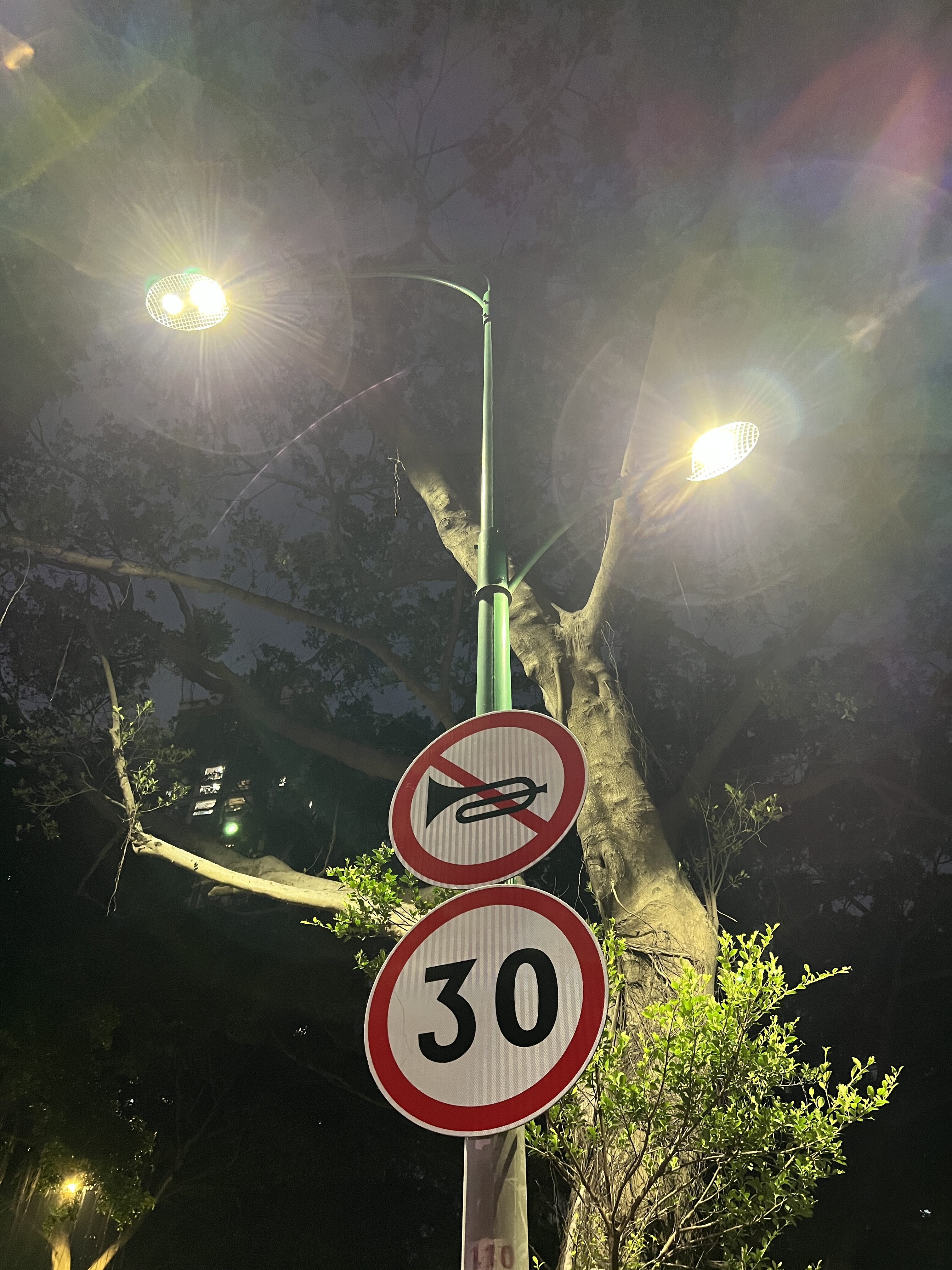
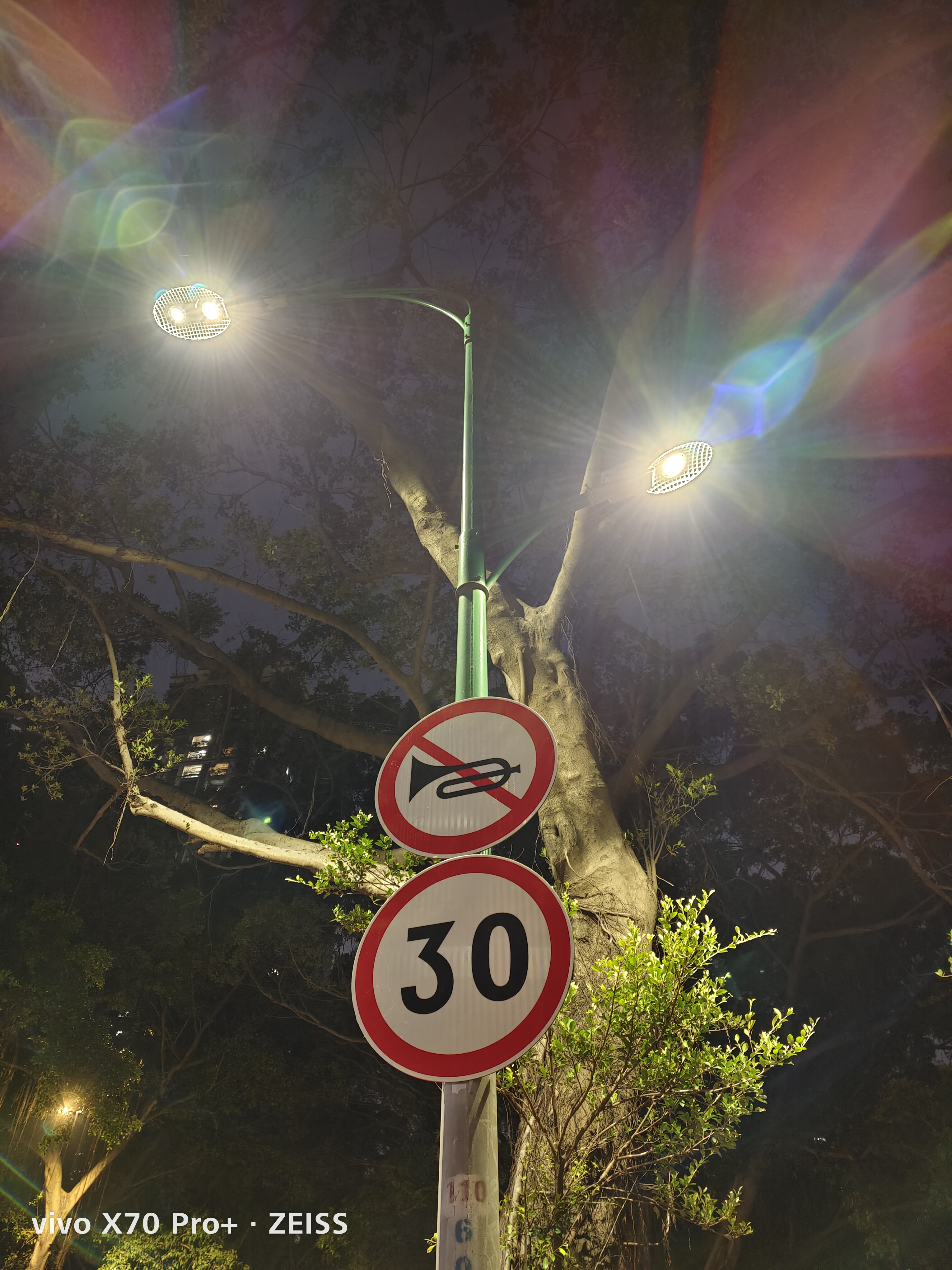
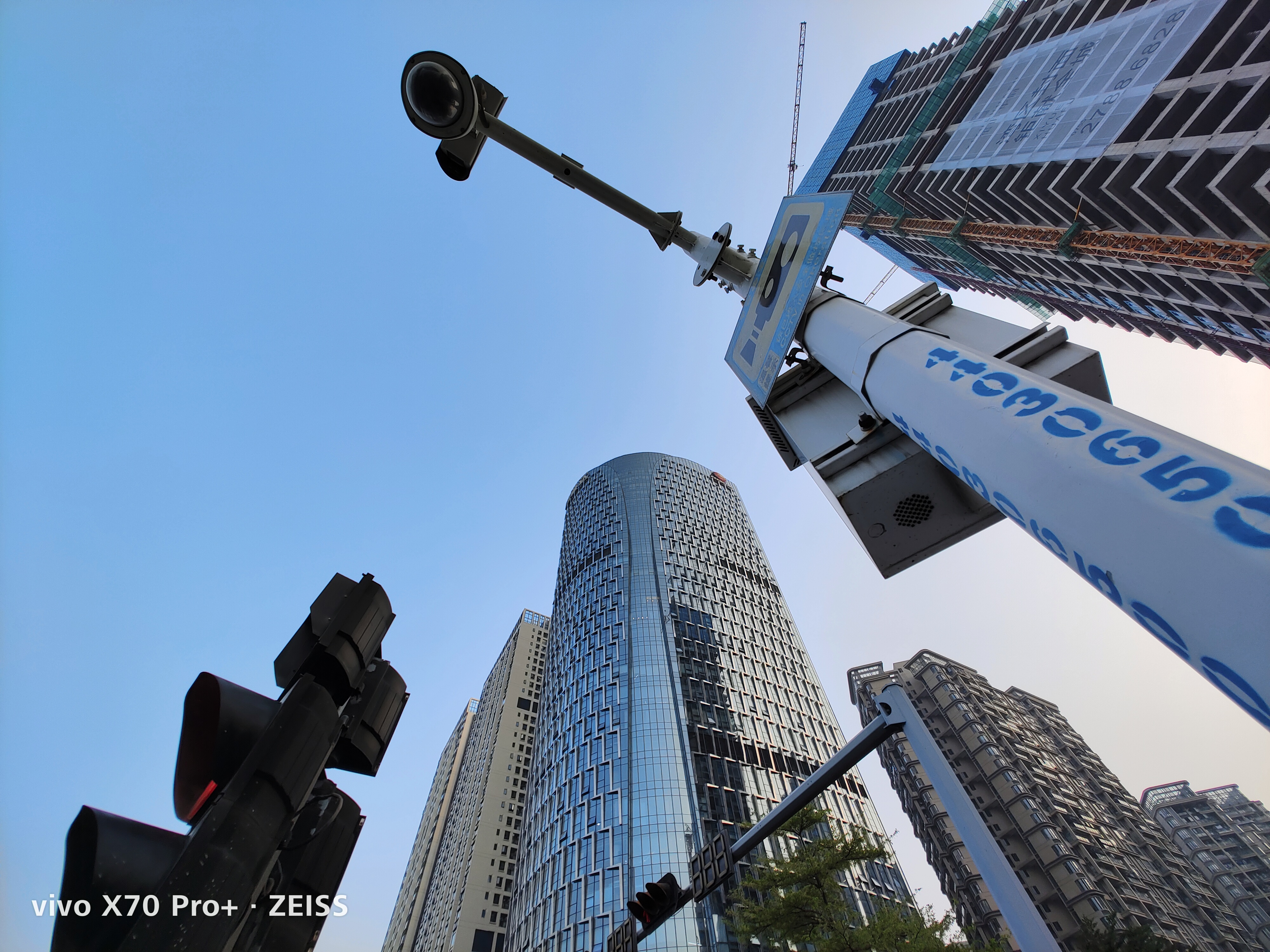
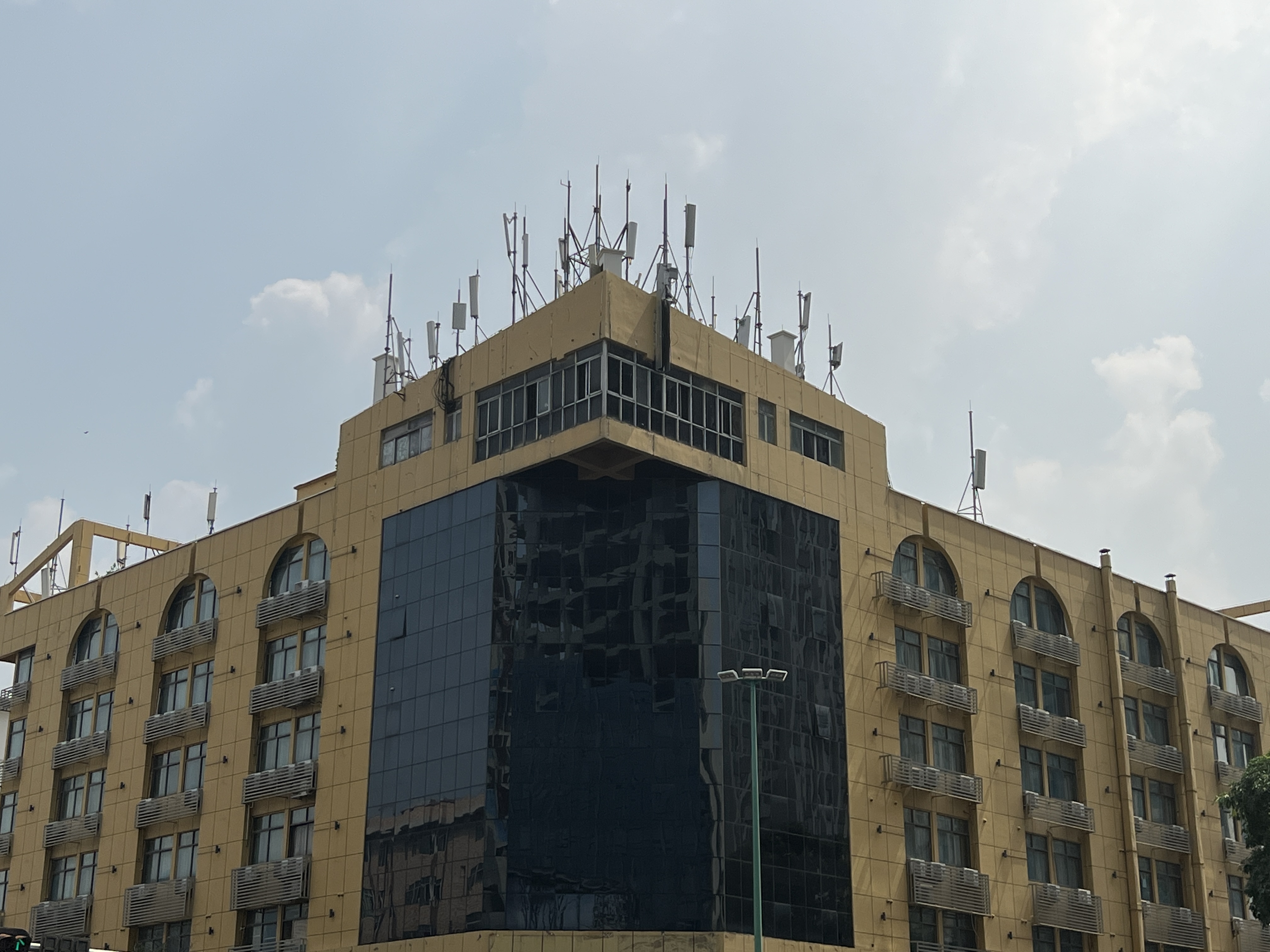
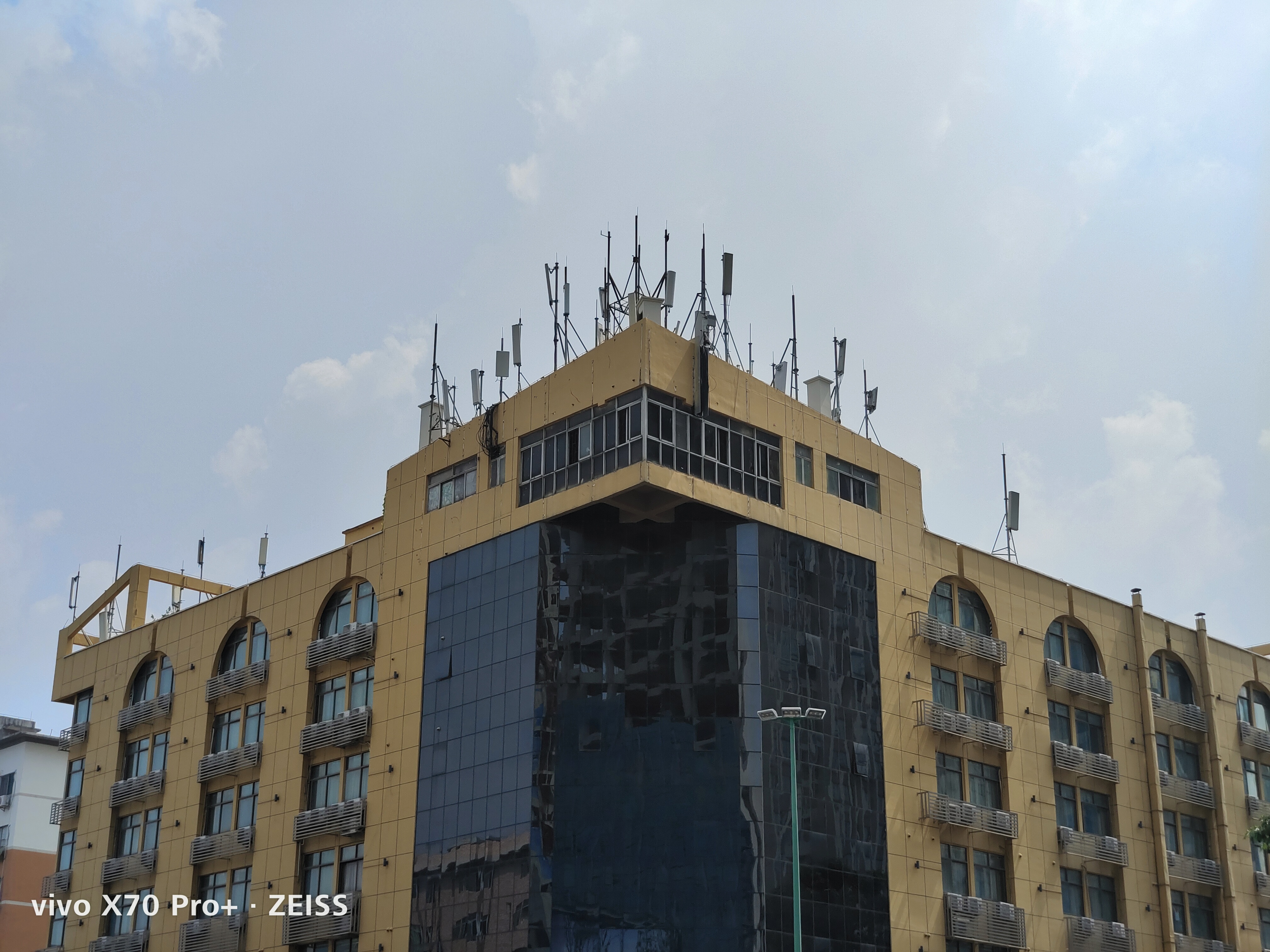
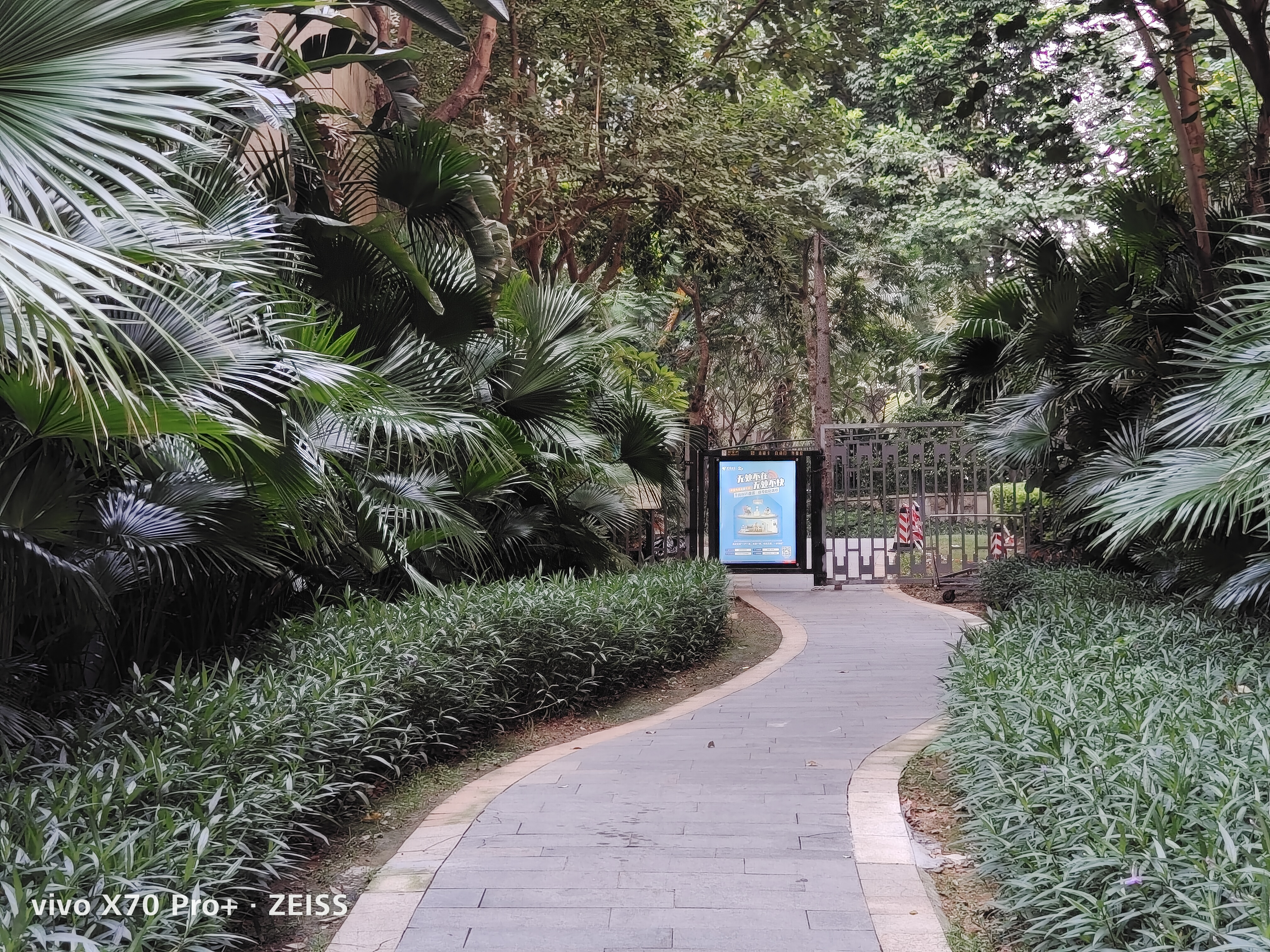
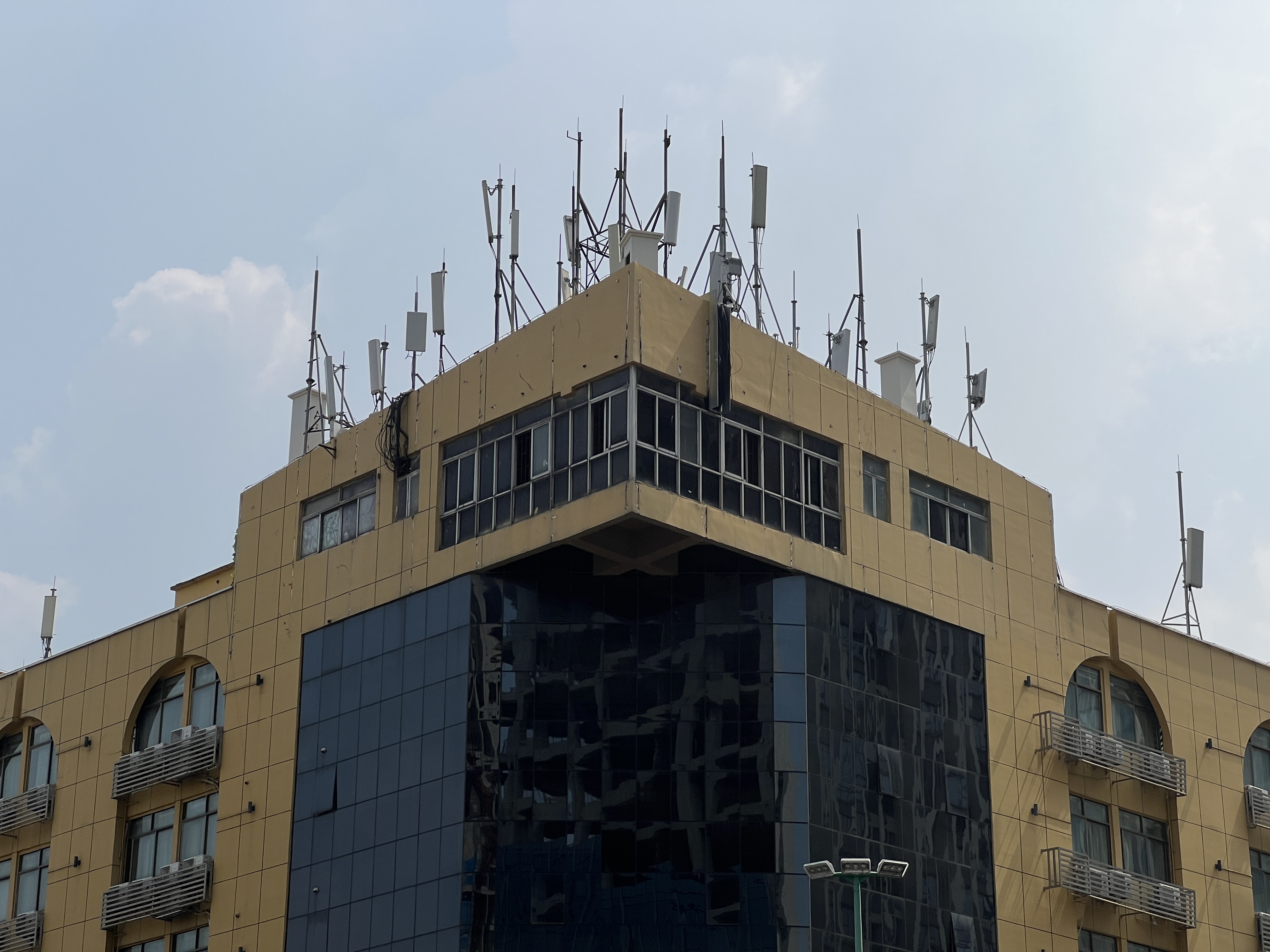
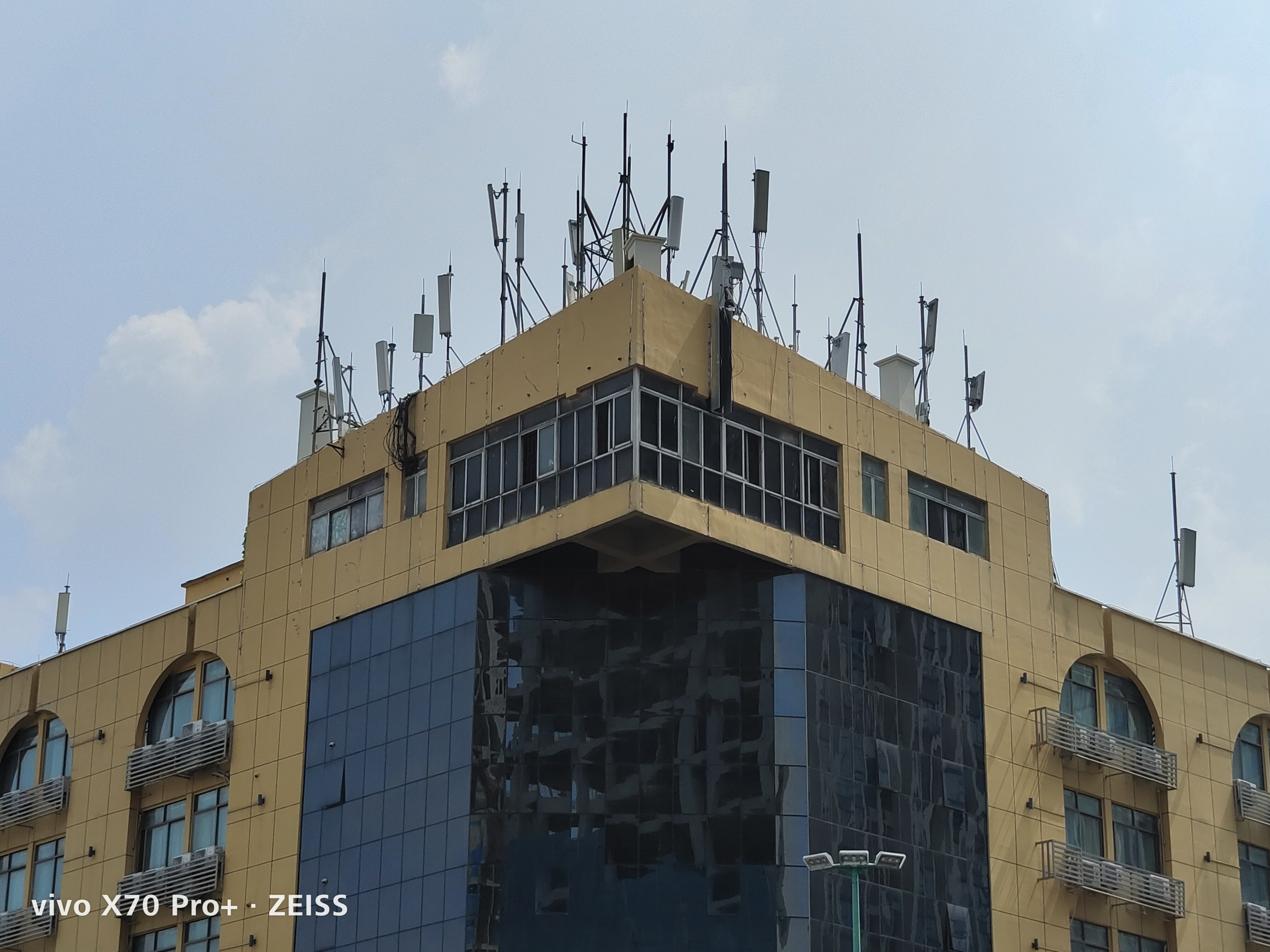
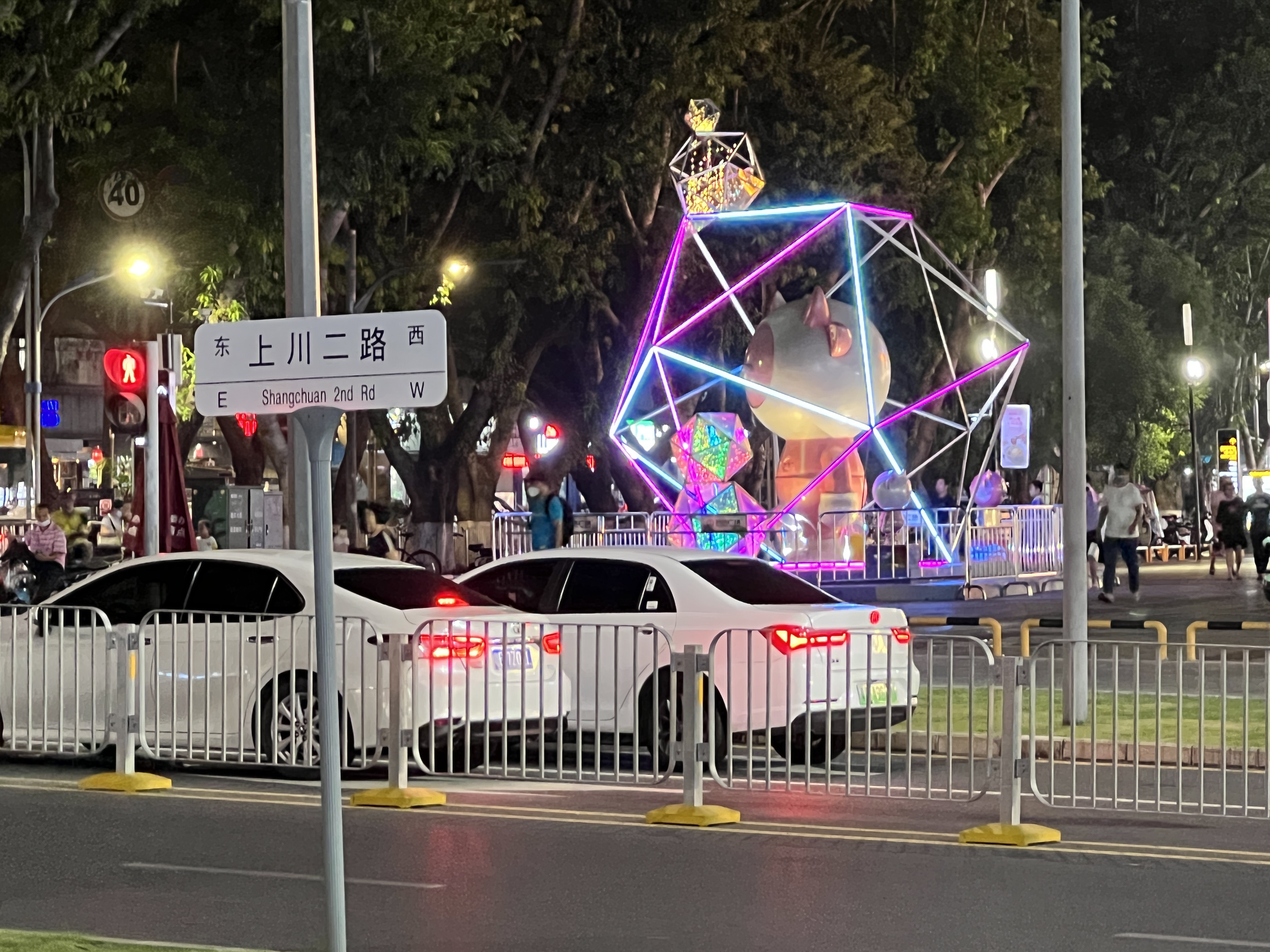
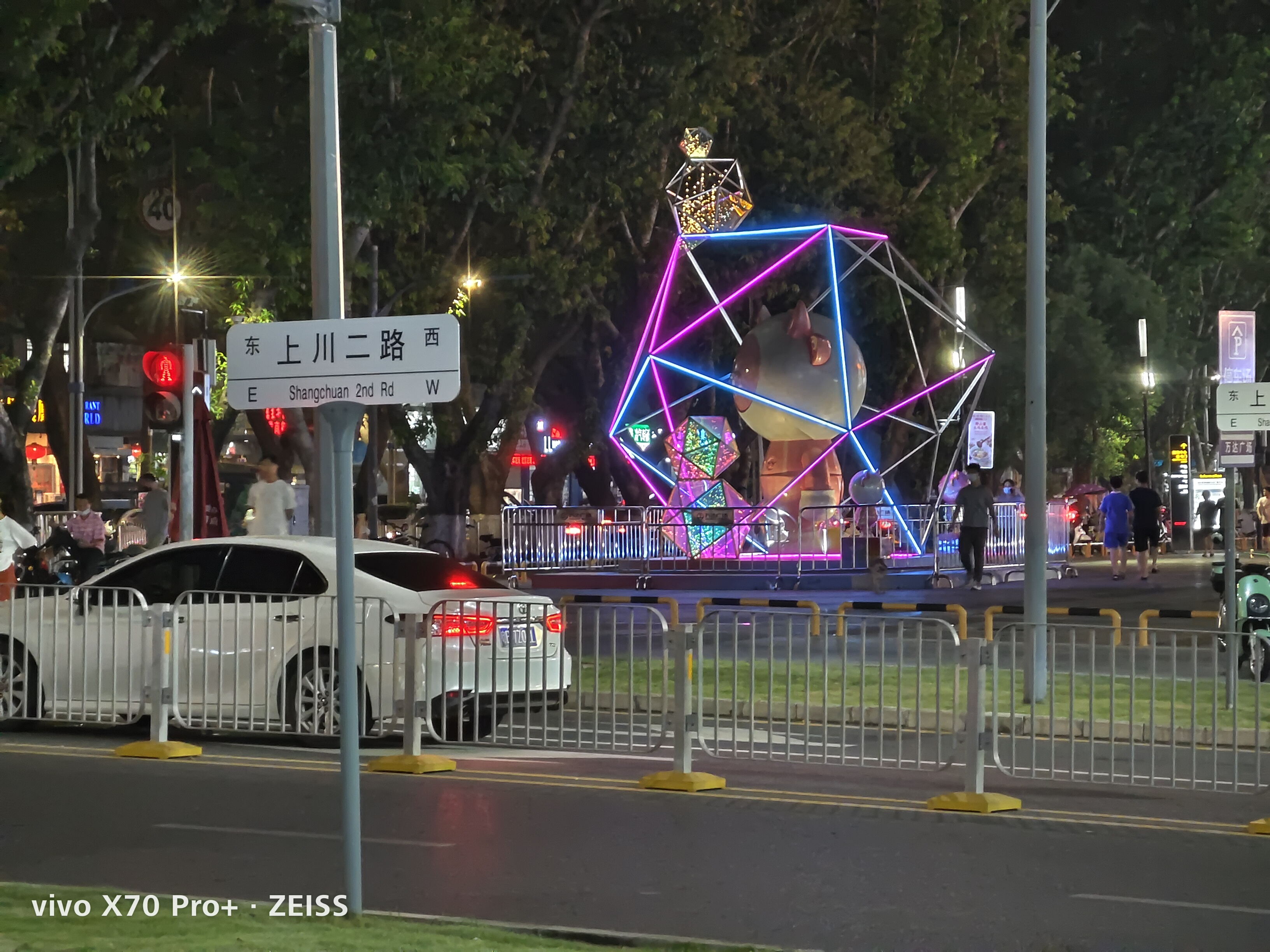
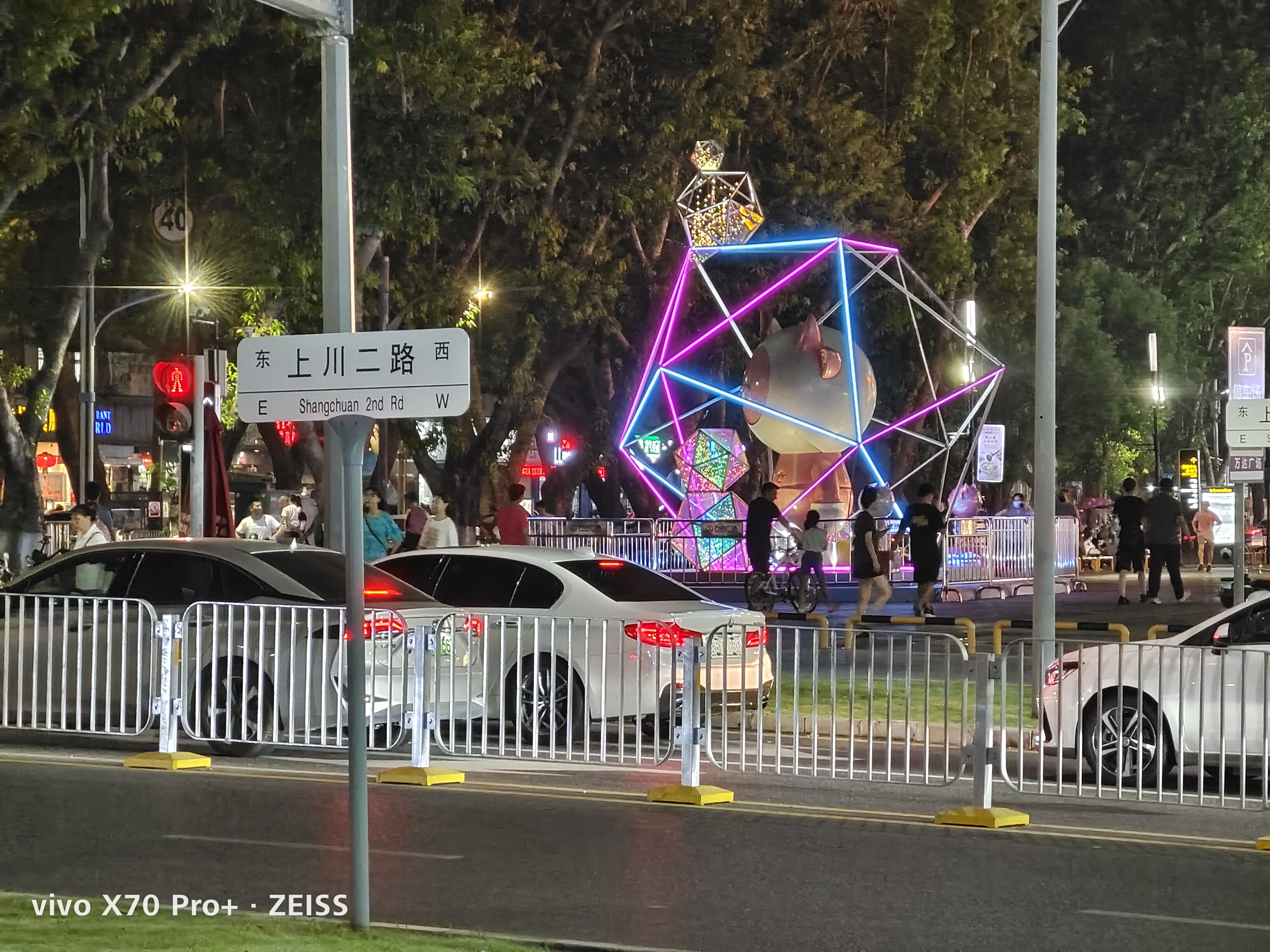
Let’s talk about the quality of their photos first. The x70 pro+ is undoubtedly more vibrant, has higher contrast, and looks more pleasing to the eye. But everyone likes different color preferences, so even if the iPhone favors true colors, we can’t say it’s worse than the x70 pro+. The dynamic range on the x70 pro+ is significantly better than the iPhone 13 Pro. iPhone’s Smart HDR can overexpose small areas of highlights. The darker parts of the pictures are brighter than the x70 Pro+. Even though the x70 pro+’s main camera is 50mp, in daily use with 4-in-1 pixel binning, it actually takes pictures equal to about 12mp. The difference in clarity is not visible during the daytime. But at night the iPhone benefits from an excellent algorithm, and even if the x70 Pro+ has night mode on, the iPhone will be a little clearer than the x70 Pro+. But again, the difference is not that huge. However, there’s a significant difference in how the photos process flares. Since the iPhone has started using sapphire glass lens, the problem of flare at night has become very serious. Compared to the x70 Pro+ which has Zeiss T* coating, the difference is very obvious. When shooting with the iPhone 13 Pro, it is better to avoid situations that can give rise to flare as much as possible.
1 of 28
iphone 13 pro main (1)
vivo x70 pro plus main (1)
iphone 13 pro main (22)
vivo x70 pro plus main (26)
iphone 13 pro main (17)
vivo x70 pro plus main (22)
iphone 13 pro main (8)
vivo x70 pro plus main (9)
iphone 13 pro main (25)
iphone 13 pro main (16)
vivo x70 pro plus main (29)
vivo x70 pro plus main (21)
iphone 13 pro main (14)
vivo x70 pro plus main (19)
iphone 13 pro main (11)
vivo x70 pro plus main (15)
iphone 13 pro main (12)
vivo x70 pro plus main (14)
iphone 13 pro main (9)
vivo x70 pro plus main (10)
vivo x70 pro plus main (7)
vivo x70 pro plus main (6)
iphone 13 pro main (5)
vivo x70 pro plus main (5)
vivo x70 pro plus main (5)
iphone 13 pro main (4)
vivo x70 pro plus main (4)
Ultra Wide Lens
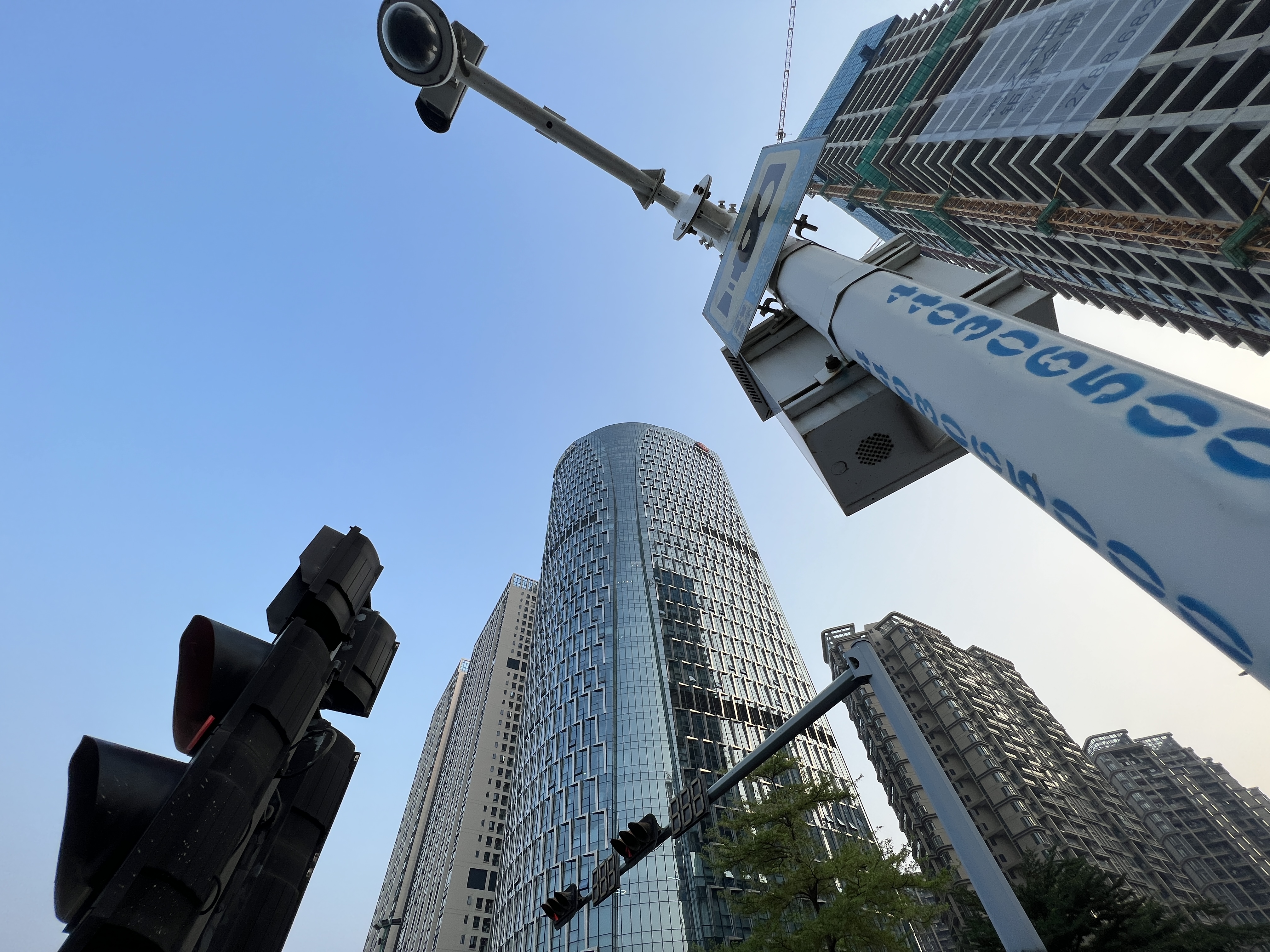
The ultra-wide lens generally performs about the same as the main camera. The x70 Pro+ is still better in terms of HDR strength. Although the purple-fringing issue of the ultra-wide lens is much less than the x70 Pro+ when compared to the x60 Pro+, it is still worse than the iPhone. At night because the sensor is smaller, the iPhone will have more noise in the picture. But I still like the way the iPhone handles this more than the x70 Pro+ which makes the image blurry like an oil painting in order to erase the noise.
1 of 17
iphone 13 pro UW (1)
vivo x70 pro plus UW (1)
iphone 13 pro UW (4)
vivo x70 pro plus UW (4)
iphone 13 pro UW (2)
vivo x70 pro plus UW (2)
iphone 13 pro UW (11)
vivo x70 pro plus UW (15)
vivo x70 pro plus UW (12)
vivo x70 pro plus UW (11)
iphone 13 pro UW (8)
vivo x70 pro plus UW (9)
vivo x70 pro plus UW (9)
iphone 13 pro UW (7)
iphone 13 pro UW (7)
vivo x70 pro plus UW (8)
iphone 13 pro UW (5)
vivo x70 pro plus UW (5)
vivo x70 pro plus UW (6)
Zoom Quality
2X
1 of 22
iphone 13 pro 2x (3)
vivo x70 pro plus 2x (5)
iphone 13 pro 2x (9)
vivo x70 pro plus 2x (12)
iphone 13 pro 2x (1)
vivo x70 pro plus 2x (1)
iphone 13 pro 2x (11)
vivo x70 pro plus 2x (14)
iphone 13 pro 2x (10)
vivo x70 pro plus 2x (13)
vivo x70 pro plus 2x (7)
iphone 13 pro 2x (4)
vivo x70 pro plus 2x (4)
iphone 13 pro 2x (2)
vivo x70 pro plus 2x (2)
iphone 13 pro 2x (8)
vivo x70 pro plus 2x (11)
iphone 13 pro 2x (7)
vivo x70 pro plus 2x (8)
The X70 Pro+’s Standard lenses are 50mm equivalent, the iPhone 13 Pro’s are 77mm equivalent. So in the 2x sample, the X70 Pro+ uses a 2x portrait lens and the iPhone uses a 2x zoom crop of the main camera. Clearly, the X70 Pro+ is the overall winner in this focal length test. Of course, when you zoom in to 3x, the X70 Pro+ is using a portrait lens zoom crop and the iPhone is using a 77mm lens. But the difference between the two is not as great as it was with the 2x. While it’s true that the iPhone will be sharper in the 77mm focal length, the dynamic range is still better with the X70 Pro+.
3X
1 of 20
iphone 13 pro 3x (2)
vivo x70 pro plus 3x (2)
iphone 13 pro 3x (1)
iphone 13 pro 3x (9)
vivo x70 pro plus 3x (12)
iphone 13 pro 3x (4)
vivo x70 pro plus 3x (4)
iphone 13 pro 3x (3)
vivo x70 pro plus 3x (3)
iphone 13 pro 3x (10)
vivo x70 pro plus 3x (13)
iphone 13 pro 3x (8)
vivo x70 pro plus 3x (11)
iphone 13 pro 3x (5)
vivo x70 pro plus 3x (6)
iphone 13 pro 3x (6)
vivo x70 pro plus 3x (7)
iphone 13 pro 3x (7)
vivo x70 pro plus 3x (9)
The iPhone’s 3x lens has one advantage. In very dark conditions, the x70 pro+’s 2x portrait lens cannot be called up in a normal mode and can only be cropped by zooming in with the main camera. The iPhone can still call up the 3x lens and get a good picture when zoomed in to 3x.
5X
1 of 15
iphone 13 pro 5x (1)
vivo x70 pro plus 5X (1)
iphone 13 pro 5x (7)
vivo x70 pro plus 5X (8)
iphone 13 pro 5x (6)
vivo x70 pro plus 5X (7)
iphone 13 pro 5x (5)
vivo x70 pro plus 5X (6)
vivo x70 pro plus 5X (6)
iphone 13 pro 5x (2)
vivo x70 pro plus 5X (2)
iphone 13 pro 5x (4)
vivo x70 pro plus 5X (5)
iphone 13 pro 5x (3)
vivo x70 pro plus 5X (4)
vivo x70 pro plus 5X (3)
The iPhone does not have a periscope telephoto lens, so when the image is zoomed in to 5x, the x70 pro+, which has a 5x periscope telephoto, theoretically beats the iPhone. But the difference in the actual samples is not large. The iPhone with a 3x lens zoom crop does not lose to the x70 pro+, you can zoom in to see the subtle differences. Because the 3x lens can perform to such a degree, I think it is already very impressive.
Macro Shots
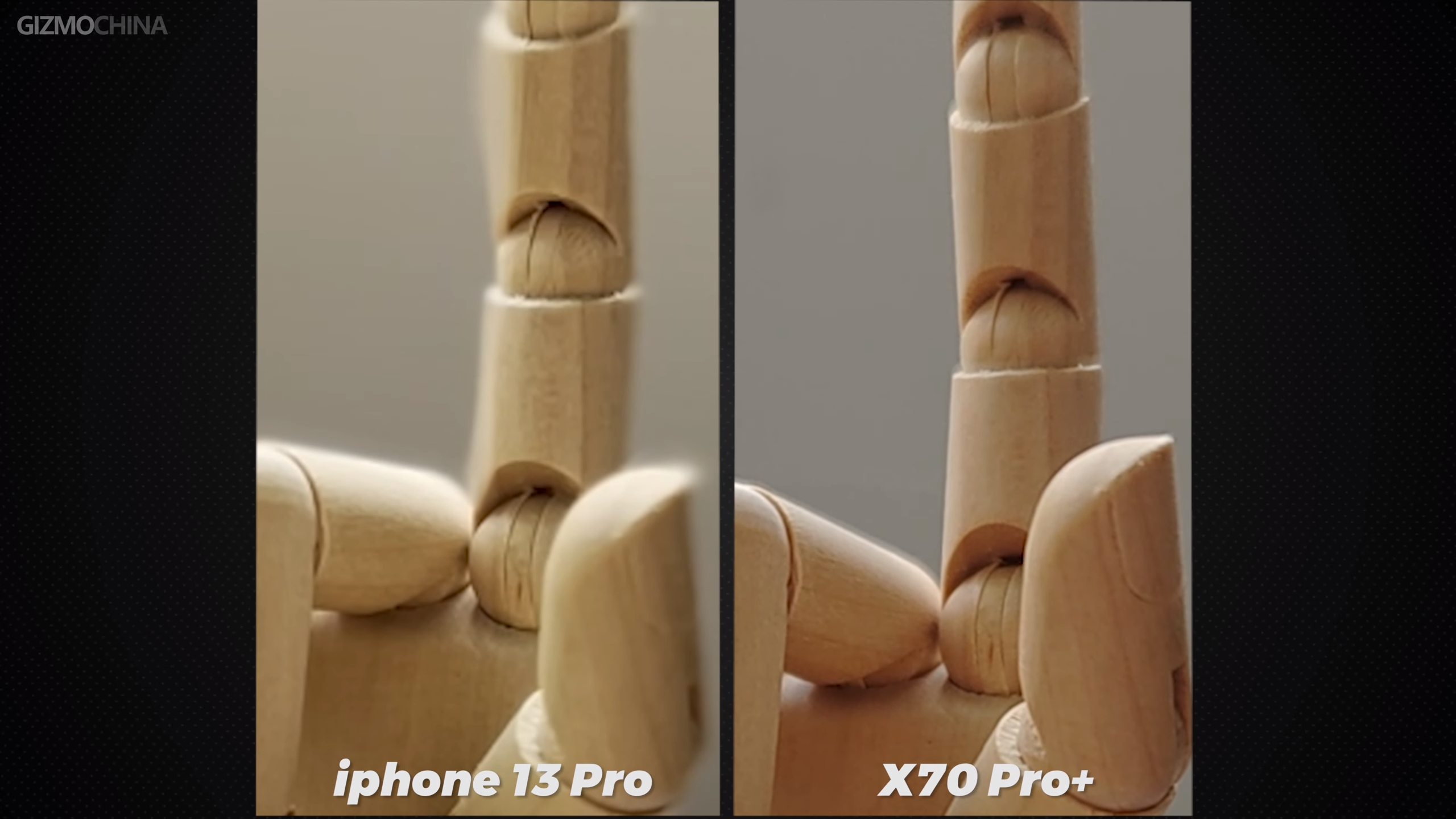
Because the iPhone 13 Pro’s Ultra Wide Lens supports autofocus, it can also take macro photos. Compared to the x70 pro+, which also shoots macro with an Ultra Wide Lens, the iPhone can shoot closer, and the photos taken will be more stunning.
1 of 6
iphone 13 pro macro (1)
vivo x70 pro plus Macro (1)
vivo x70 pro plus Macro (3)
iphone 13 pro macro (2)
vivo x70 pro plus Macro (2)
We have put together the portrait mode and selfie section for you to see here. Both phones perform well in portrait mode for selfies. The iPhone’s background bokeh is stronger, and the x70 pro+ is not as strong as the iPhone’s default aperture bokeh, even when the aperture is opened to the maximum. And even if you turn off the beauty algorithm on the x70 pro+, the AI color algorithm will help you optimize the color of your skin, and it will look healthier. If you just look at the clarity, the difference between the two is again not so obvious.
iPhone 13 Pro vs Vivo X70 Pro+: Video Quality
When it comes to the video part, it shows just how powerful the iPhone’s algorithms are. This fixed camera shot of the main camera clearly shows that the iPhone not only does a good job of holding down the highlights and brightening the dark areas but also has much better clarity than the x70 Pro+. The same goes for the super wide-angle lens. The x70 pro+ not only lags behind the iPhone 13 Pro in terms of dynamic range and sharpness, but also has a much narrower field of view than the iPhone. Of course, this choice also allows the x70 pro+ to be more stable when recording in motion. This video shows the advantages of combining a gimbal and electronic stabilization. iPhone’s ultra-wide camera is not as stable as the x70 pro+ when it comes to motion shots. But if it’s the main camera without a gimbal, the two are closer in terms of stabilization performance.
Some viewers are more concerned about whether x70 pro+ can switch lenses in recording, the answer is yes, but only in 1080P 30 FPS mode. The iPhone 13 Pro can switch any of the three lenses in 4k 30FPS mode.
1 of 2
I believe everyone is tired of listening to how good the CINEMATIC mode of iPhone 13 Pro is for shooting people. So let’s compare the effect of the x70 pro+ with the real bokeh effect of shooting objects. CINEMATIC’s bokeh algorithm is fantastic, and the background bokeh is very natural. But the disadvantage is also very obvious, the edge keying is still not very accurate. The edges are vague, as if the object is glowing. Also, just the 1080P 30 FPS recording specifications are not quite enough for this mode. In short, this CINEMATIC mode still needs to be improved.
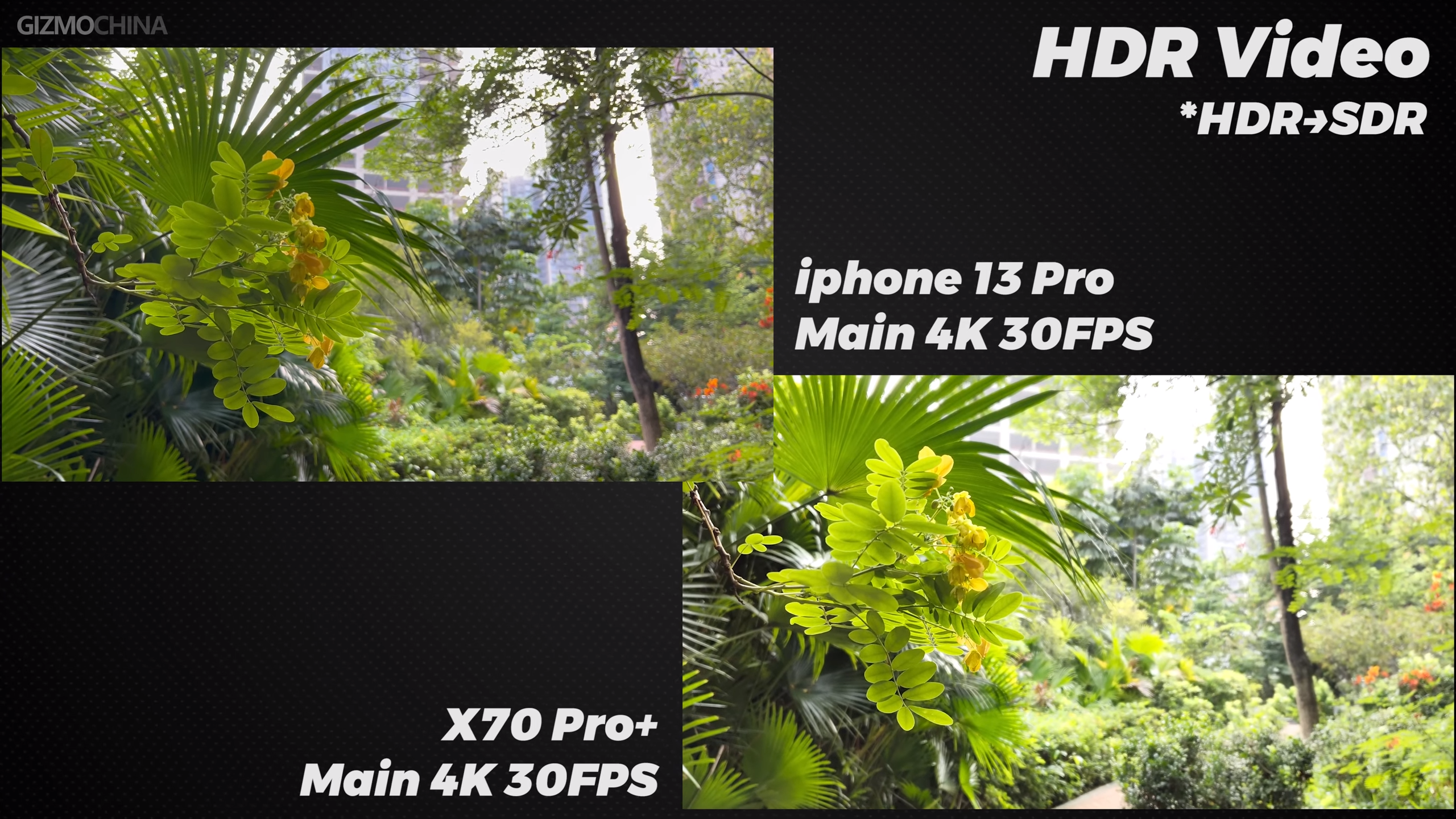
The X70 pro+ only has HDR video support for the main camera, so let’s compare the HDR video recording performance of the main camera. I believe I don’t need to explain much, this time the iPhone once again won with its superb algorithm. The performance of the iPhone in the video section tells us that a powerful chip with an excellent algorithm is really able to beat phones with stronger hardware.
Please check out our video review for seeing the video quality from their cameras.
iPhone 13 Pro vs Vivo X70 Pro+: Camera User Experience
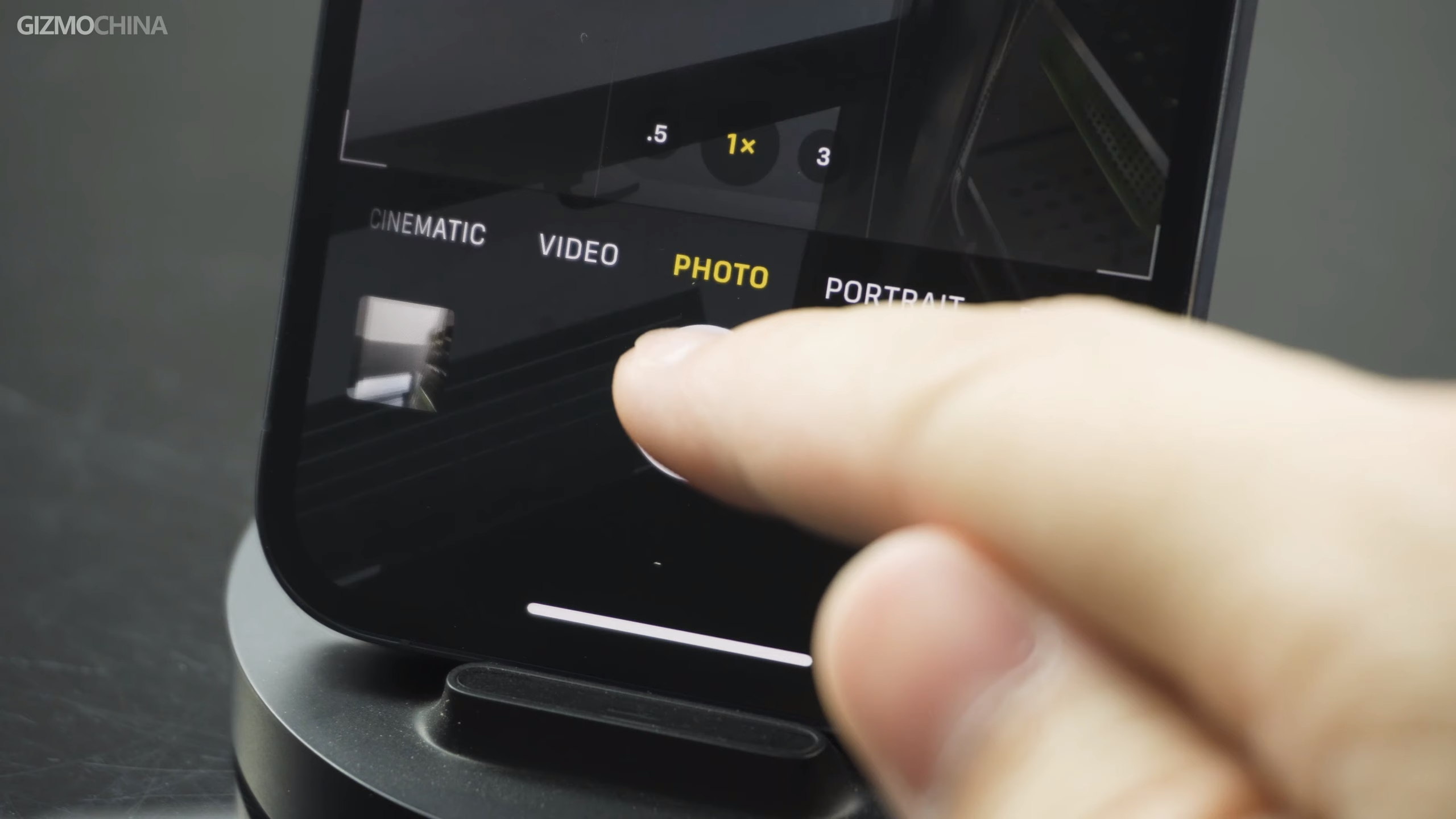
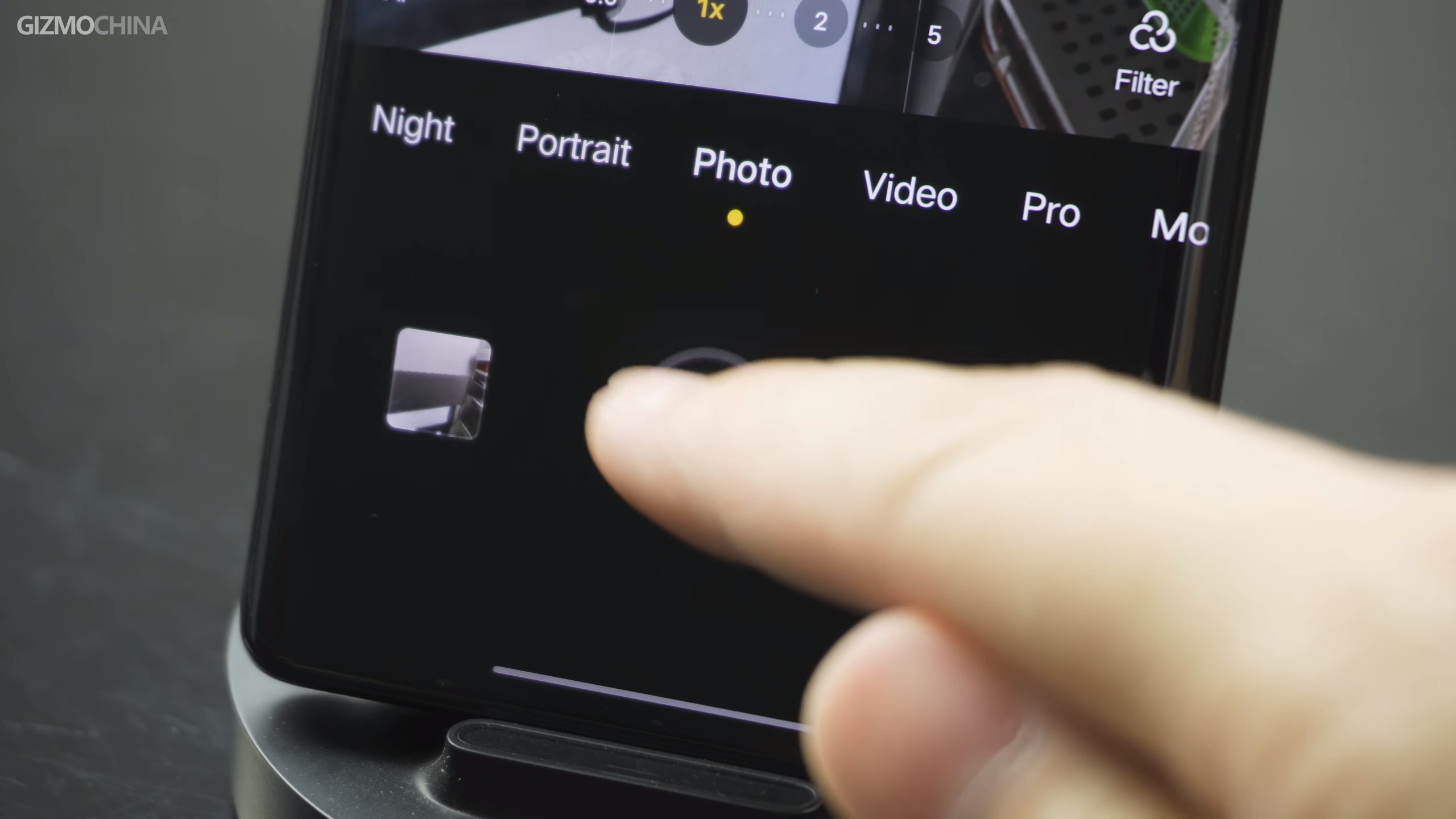
The experience of using the camera is also a very important part of the camera system. It can be said whether the experience of the camera is good or bad, determines the frequency of your photos. The iPhone takes the lead in fast photo experience, even if you press the shutter quickly and continuously, there is no lag. On the x70 pro+, even with the assistance of the v1 chip, there will be a delay when you press the shutter quickly. However, iPhone sometimes does not respond when you press the shutter lightly, and this problem occurs frequently. Maybe it’s an optimization made by the iPhone’s engineers to prevent you from accidentally touching it. Thanks for the thought engineer, but I don’t like this design that prevents accidental touches as it doesn’t feel natural. And when testing the lens switching, a new bug appeared again on the x70 pro+, which in addition to the bug found in our Full review, it can be said that the experience is really not particularly good.
Vivo X70 Pro+ Camera UI
iPhone 13 Pro Camera UI
In the real-time preview of the viewfinder, thanks to the v1 chip, the x70 pro+ is very close to the performance of the iPhone. Even scenes with very bright light ratios can achieve more than 90% of the iPhone’s level. And shockingly, the x70 pro+ still performs very well in extreme low light.
iPhone 13 Pro vs Vivo X70 Pro+ Camera Comparison: Verdict
So this was the end of our iPhone 13 vs vivo X70 Pro+ comparison. We found from the test that the x70 pro+ is a little better at taking pictures, with good dynamic range and color performance, as well as periscope telephoto. On the other hand, iPhone 13 Pro does a better job of video recording and camera experience, but the quality difference isn’t as significant as one might expect.
Which phone you end up choosing as your photography device depends entirely on your personal use habits. After all, there is no perfect phone, only the one that suits you best.
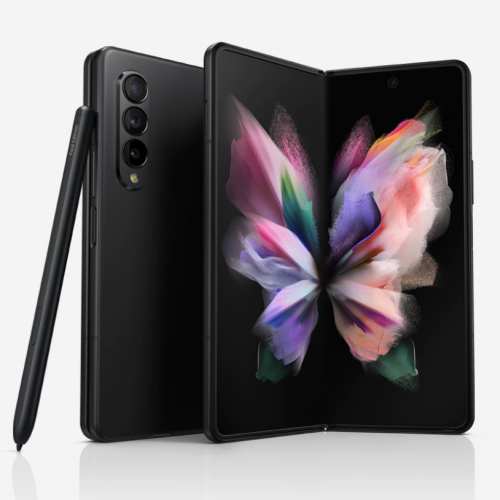
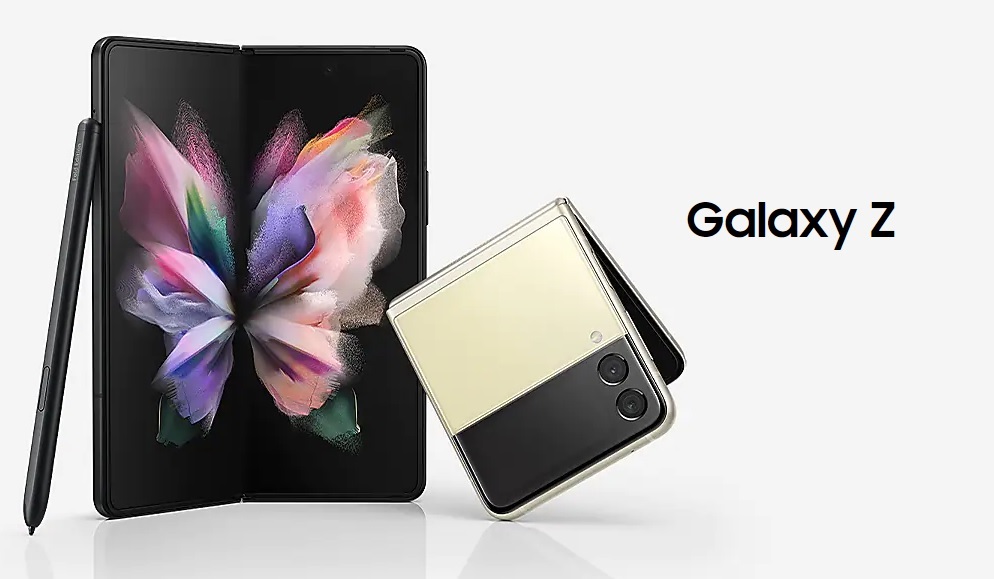
The new foldable smartphones from Samsung, namely the Galaxy Z Fold3 and Galaxy Z Flip3, are expected to see great sales in the company’s home country. In South Korea alone, sales are projected to cross 1 million units this weekend.
While the latest foldable smartphones were launched back in August 2021, their sales are already set to cross the 1 million mark just a month after their announcement. This marks a major milestone for foldable smartphones, as per industry officials. As per The Korea Herald, the pace of the sales is similar to that of the Galaxy Note 10 and the Galaxy S8 that were two of the fastest smartphone from the company to reach the 1 million mark in South Korea.
Furthermore, pre orders for the new Galaxy Z series of foldable smartphones had reached 920,000 units in just a seven day period. Out of this notable figure, 270,000 of the handsets were activated on the first day of the pre activation period, which is a a record figure for Galaxy smartphones. Notably, the popularity of the two newly launched foldable smartphones has even led to the extension of the early activation period of the pre ordered Galaxy Z smartphones.
As of right now, the Galaxy Z Flip3, which is a clamshell folding device, has sold twice as much as the Z Fold3 that is the more expensive out of the two and folds like a book. Both device feature top notch specs along with the Fold3 even offering an under display selfie camera setup on the front.
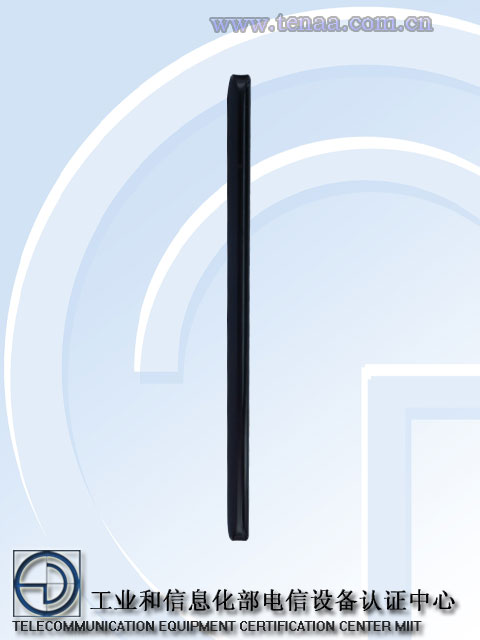
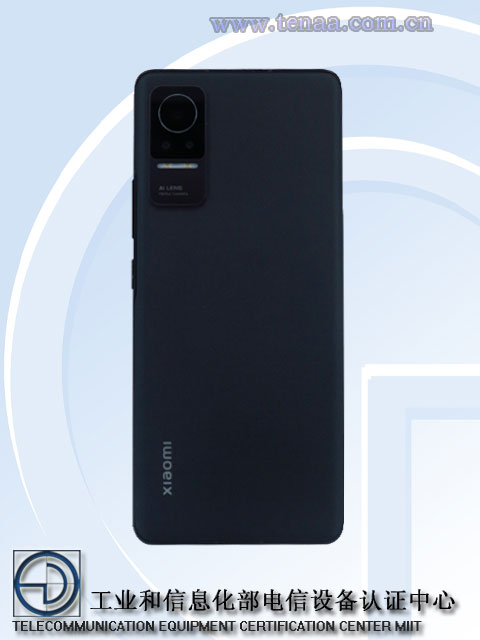
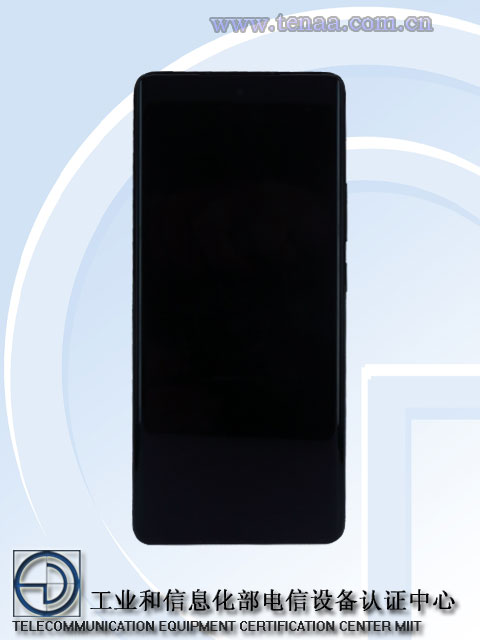
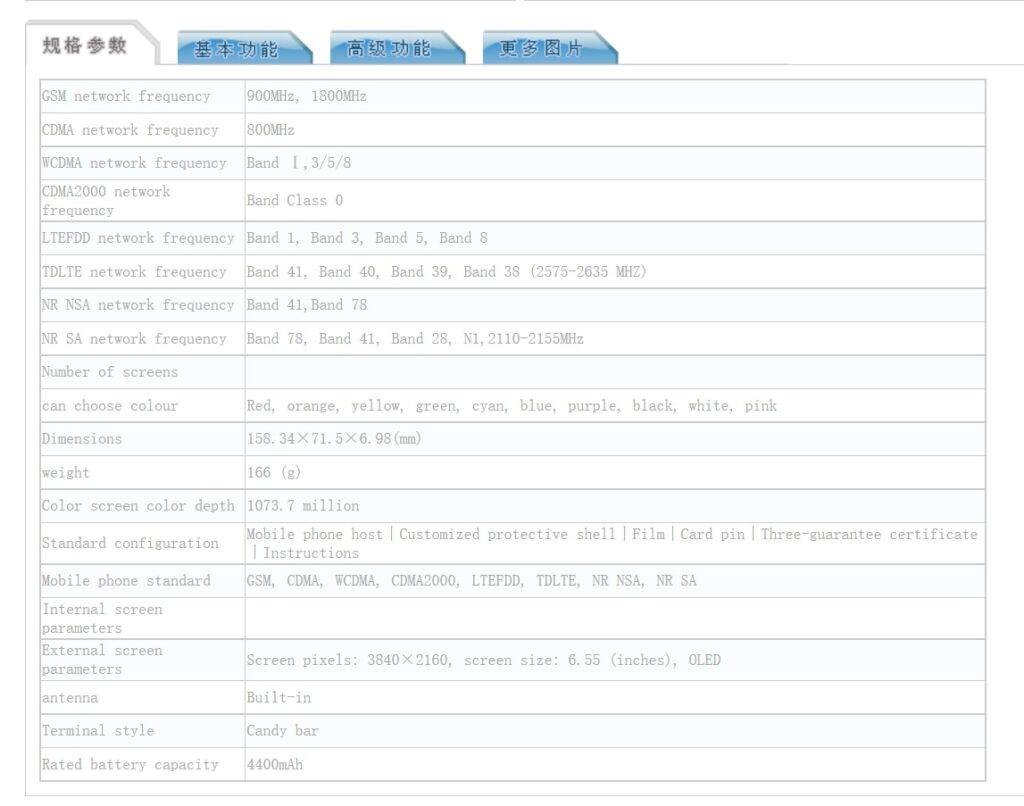
A TENAA listing has revealed that Xiaomi may be working on a phone with a curved 4K OLED display that looks almost identical to the just-released Xiaomi Civi phone. We previously covered its complete specifications, but we now also have possible images of the phone, again thanks to TENAA.
First introduced to the world by Sony via its Z5 Premium device, 4K phones have been around for a while now. However, they have more or less been exclusive to Sony. The reluctance in its widespread adoption can be explained by the fact that the crazy dense pixel count on 4K displays is barely noticeable over the more popular QHD resolution. 4K displays are also known to be quite power-hungry. Coupled with the now-standard 120Hz refresh rate, a 4K panel in 2021 will be more taxing on the battery than ever.
1 of 3
Anyway, the alleged soon-to-be-released Xiaomi device sports a 6.55-inch 4K (3840 x 2160) OLED display. Its curvature is slightly noticeable in the image above. There does not seem to be any sign of a punch-hole or notch upfront, but that doesn’t mean anything considering the front is barely lit in the photo.
The phone is touted by many as being the Xiaomi CC11 Pro. Another surprising feature listed on TENAA is “iris recognition”, something that was introduced with the Samsung Galaxy S8 but never became mainstream.
Other known specifications of the device include a 4,500mAh battery with support for up to 16GB RAM and 512GB storage. While the listing doesn’t specify the processor, we learn that it will be clocked at 2.4GHz. The phone’s dimensions are almost identical to that of the Xiaomi Civi and measure 158.34×71.5×6.98. It weighs fairly light for its size at just 166 grams.
That said, it is worth mentioning here that while TENAA is very reliable, some of the specs mentioned on it about the alleged CC11 Pro may be incorrect. There has also not been any indication yet about a pro/plus variant of the Civi. Thus, it would be advisable to take it all with a pinch of salt.
Honestly, the listed specs do seem a bit far-fetched. But if Xiaomi actually manages to pull off something like this at the right price, there will be little competition for it.
Microsoft is working on fixing more key bugs on the Windows 11 ahead of its official release on October 5. The company is addressing issues with the Start, Taskbar, and Search in the latest iterations of its Windows operating system.
The American tech giant has just released the Windows 11 Insider Preview Build 22468 to the Dev Channel. For those unaware, this channel is the testing forum where updates and features might arrive in the stable version of Windows 11 on October 5. The company stated that the new build offers a “good set of improvements and bug fixes” for those that follow the Dev Channel releases.
Notably, the company also highlighted two key improvements. Namely, users can now see stats regarding the connection when clicking on a VPN connection in VPN settings. Additionally, the update also adds an option to turn off showing recent searches when hovering over the Search icon in the Taskbar. You can find this option n the Taskbar behaviors in Taskbar Settings. This showcases Microsoft’s efforts in clean up its Windows 11 UI and other bugs prior to October 5 launch.
The brand further added that “Some fixes noted here in Insider Preview builds from the active development branch may make their way into the servicing updates for the released version of Windows 11 after general availability on October 5th,” and that “These builds are also not matched to a specific release. New features and OS improvements from these builds could show up in future Windows releases when they’re ready, and we may deliver them as full OS updates or servicing release.”
US legalization is aiming at providing aid to its European allies to prevent telecom gear from Chinese companies Huawei and ZTE. The push is gaining momentum as more representatives signed on as cosponsors and a Senate version was recently introduced.
According to an SCMPreport, Democratic representatives Ted Lieu of California and Brad Schneider of Illinois have now joined 30 other cosponsors of the Transatlantic Telecommunications Security Act earlier this week. This would allow the US International Development Finance Corporation (DFC) to identify projects from central and eastern Europe (including regions like Austria and Greece to Ukraine and Moldova) and to offer support to their respective agencies.
The bill states that “the United States has national security and economic interests in assisting central and eastern European countries to improve the security of their telecommunications networks by reducing dependence on covered telecommunications equipment or services that are often offered with predatory economic inducements, and replacing them with secure telecommunications equipment or services.” For those unaware, Chinese telecom giants Huawei and ZTE have been facing increasing friction in the west. Furthermore, the US has been pressurizing its allies to avoid low cost gear from the two firms.
Now, the latest move seeks to warn the central and eastern Europe against China’s attempt “to undermine” their sovereignty. The two senators added that “The US has pushed countries to ban Huawei infrastructure, but … has not offered support to countries who cannot afford other infrastructure. The [Transatlantic Telecommunication Security Act] would provide financing to European allies who are most vulnerable to low-cost options like Huawei, and it would expand the number of countries that DFC can invest in, helping them modernize digital infrastructure.”
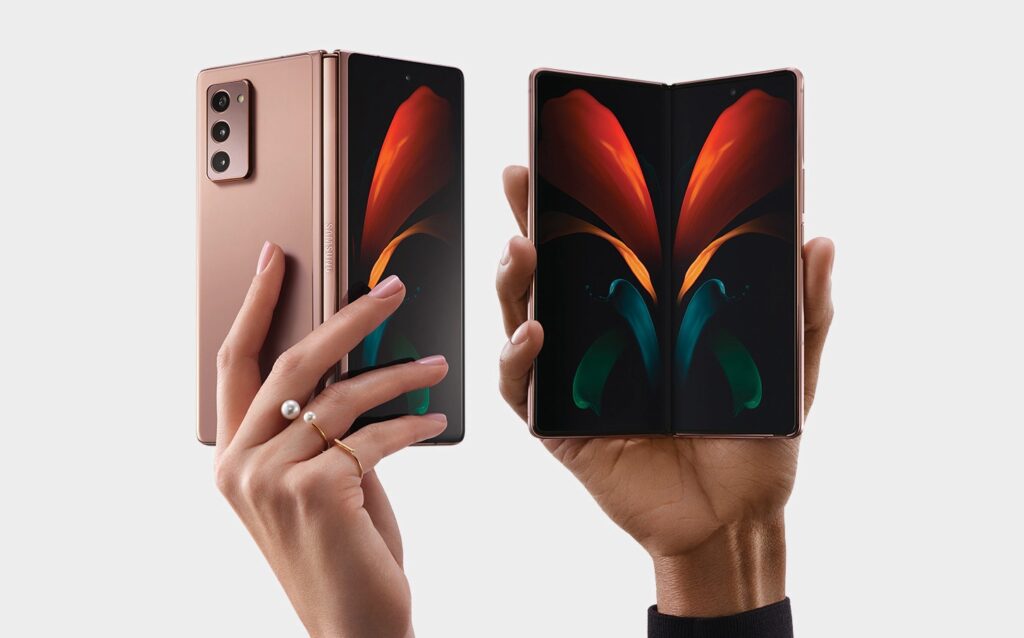
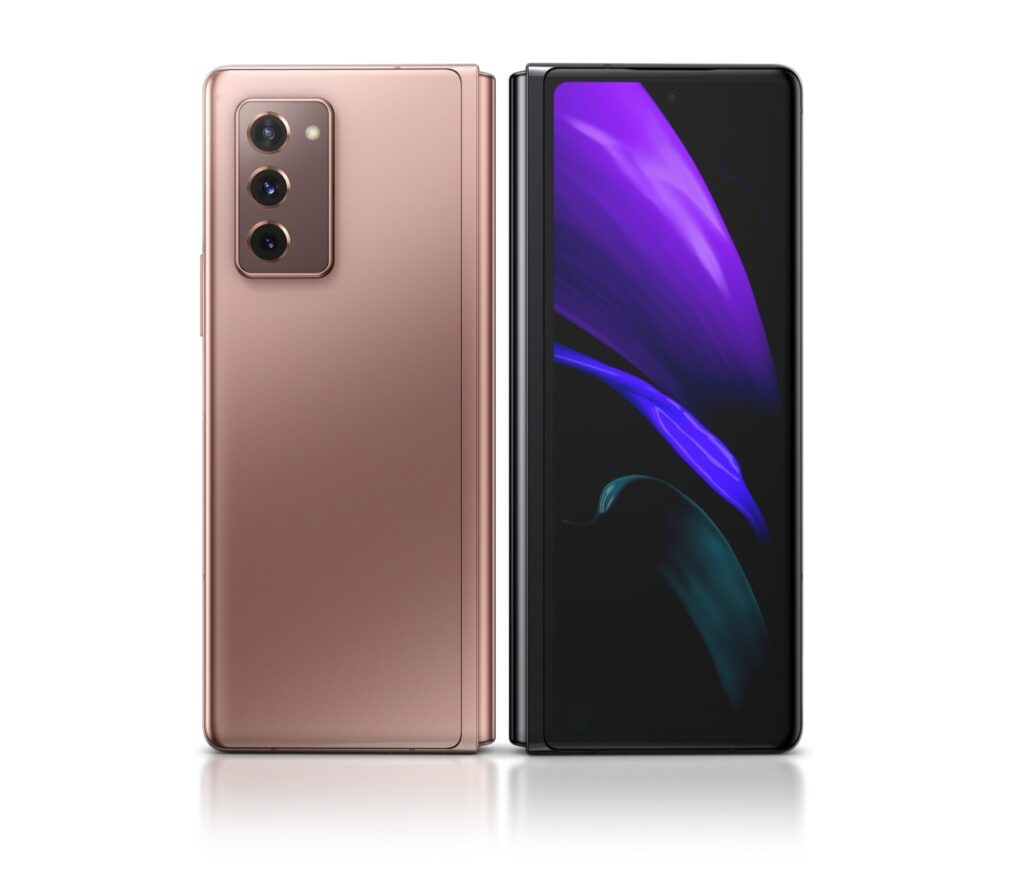
A fresh firmware update with the October security patch is currently rolling out to the Samsung Galaxy Z Fold2. It has currently only hit South Korea where it has been released for multiple carriers including LG U+, KT Corporation, and SK Telecom.
The update can be easily identified by its firmware version of F916NKSU1DUI4 (via: Sammobile). A changelog for the same seems to be unavailable at the moment but a few improvements can be expected along with the bump in the security patch version.
It is worth mentioning here that the Galaxy Z Fold2 is not the first foldable from Samsung to have received the October update. It is preceded by the recently released Galaxy Z Fold3 and Z Flip3 foldable phones that were one of the very first to bag the said update.
If you reside in South Korea and are still waiting on the update to roll out for your phone, then you might want to head over to Settings > Software update to check for it manually.
And as for those residing in regions other than South Korea, the update should be rolling out in the coming days. A notification will pop up when it arrives, so stay tuned.
The Samsung Galaxy Z Fold2 was released last year in September and still holds up well even by 2021 standards thanks to its cutting-edge foldable tech made possible by its dynamic AMOLED 2X 120Hz HDR10+ foldable display. It packs a 4500mAh battery and is powered by the Snapdragon 865+ processor. It currently runs One UI 3.1.1 and should be getting Android 12-based One UI 4 when it arrives.
A Huawei employee has revealed in a social media post that the company is working on the next iteration of its proprietary operating system. As per the post, HarmonyOS 3 is just around the corner and the reveal is arriving soon.
According to an ITHomereport, an employee of the Chinese tech giant has shared that the next generation of HarmonyOS is planned to be unveiled soon. Notably, the company is planning on holding the Huawei Developer Conference on October 24. During this event, the brand is set to showcase its new HarmonyOS 3.0. Similarly, the HarmonyOS 2.0 had also been launched during the September 2020 Huawei Developer Conference.
Since then, the company has launched a number of products that support HarmonyOS, including smartphones, IoT and other smart products. One of the recent smartphones that launched with HarmonyOS is the Nova 9 series. As of right now, the company has confirmed that the number of users that upgraded to its proprietary operating system has crossed 120 million and it expected the overall user base to surpass 300 million by the end of this year. So stay tuned for more, as we will be covering the upcoming HDC 2021 event later this month.
After teasing for days, OPPO has finally launched the OPPO A55 in India. The latest budget smartphone from the company arrives with a basic set of features. The device is all about its design rather than specifications.
OPPO A55 Specifications and Features
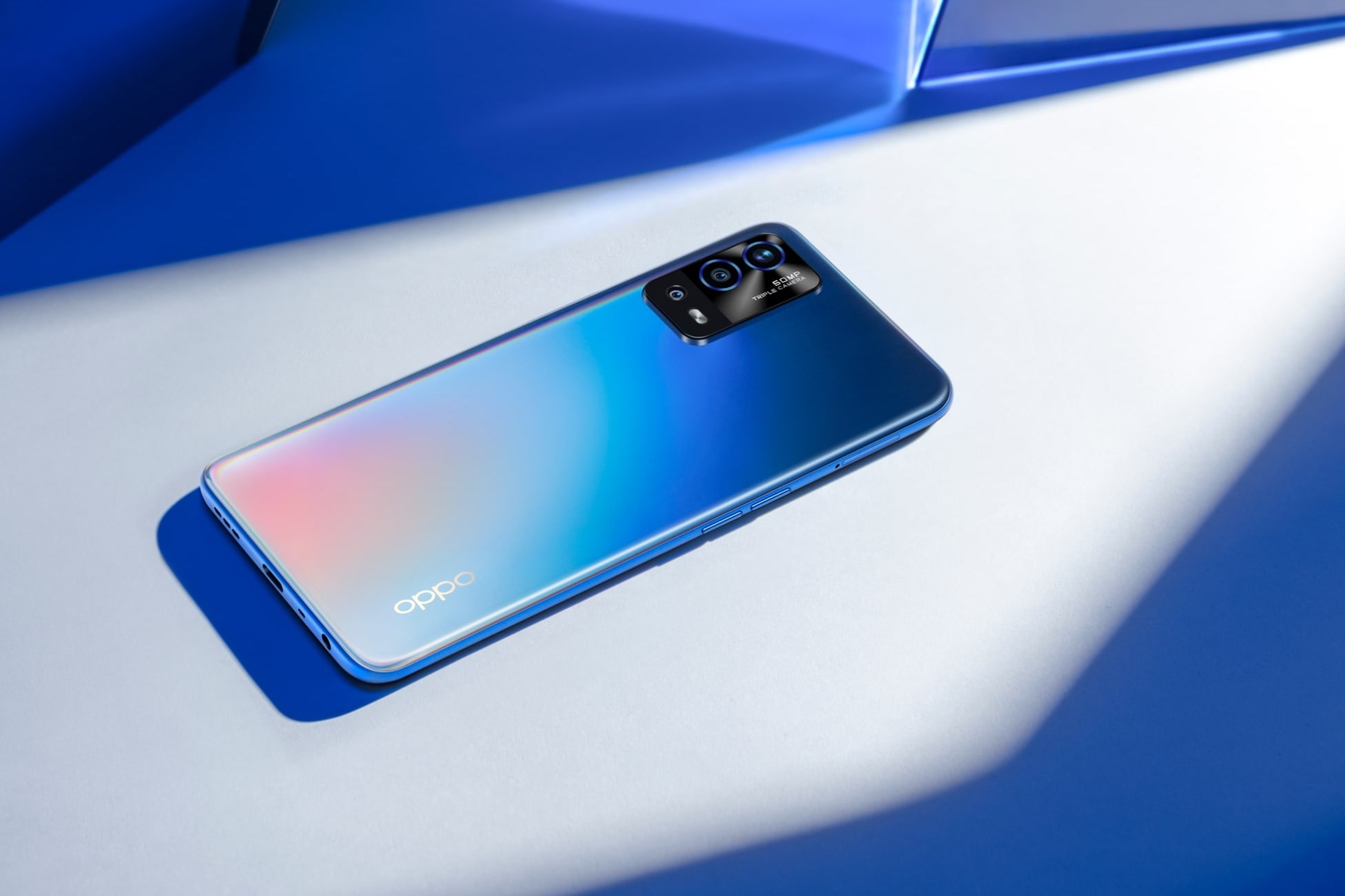
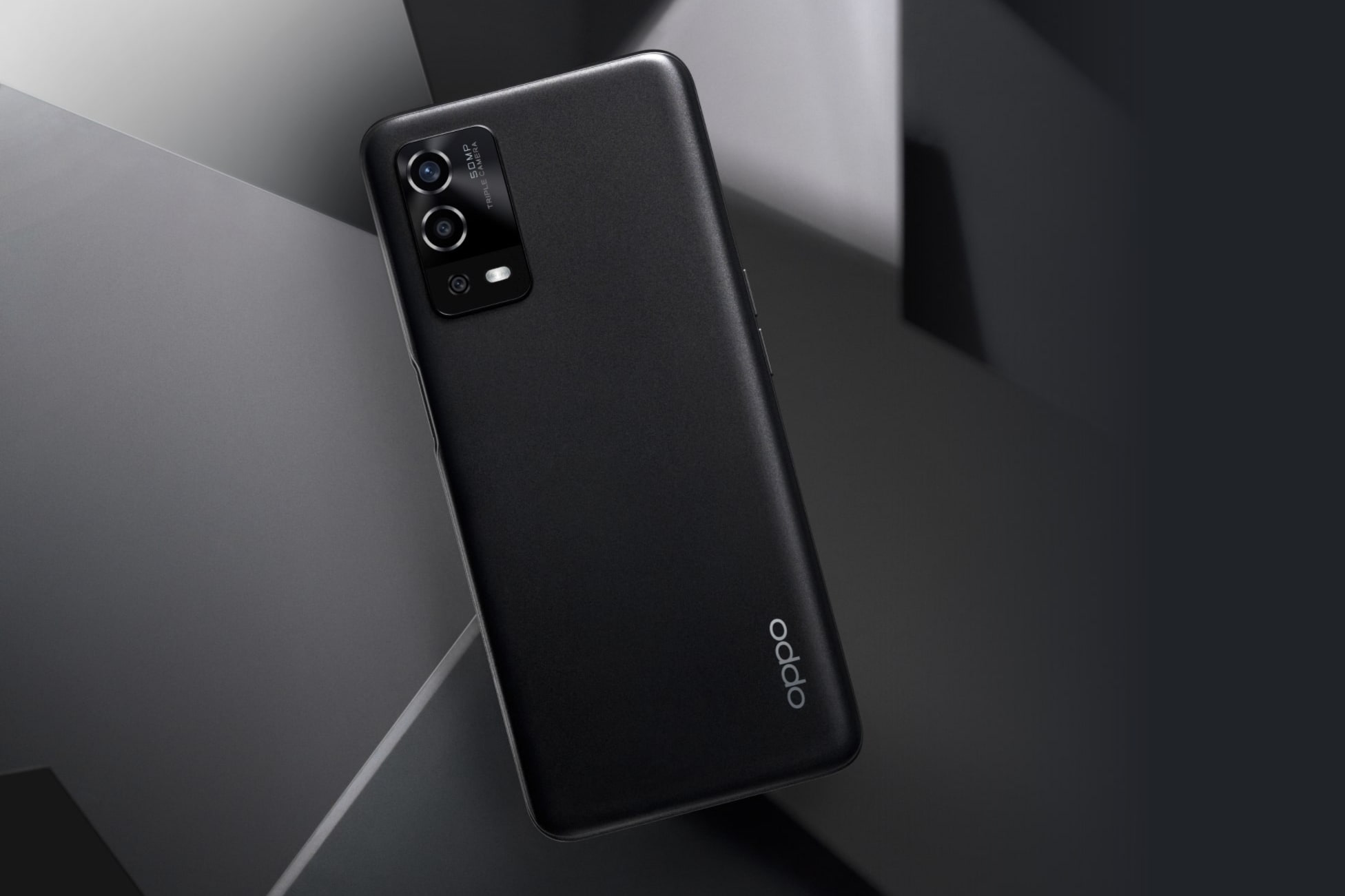
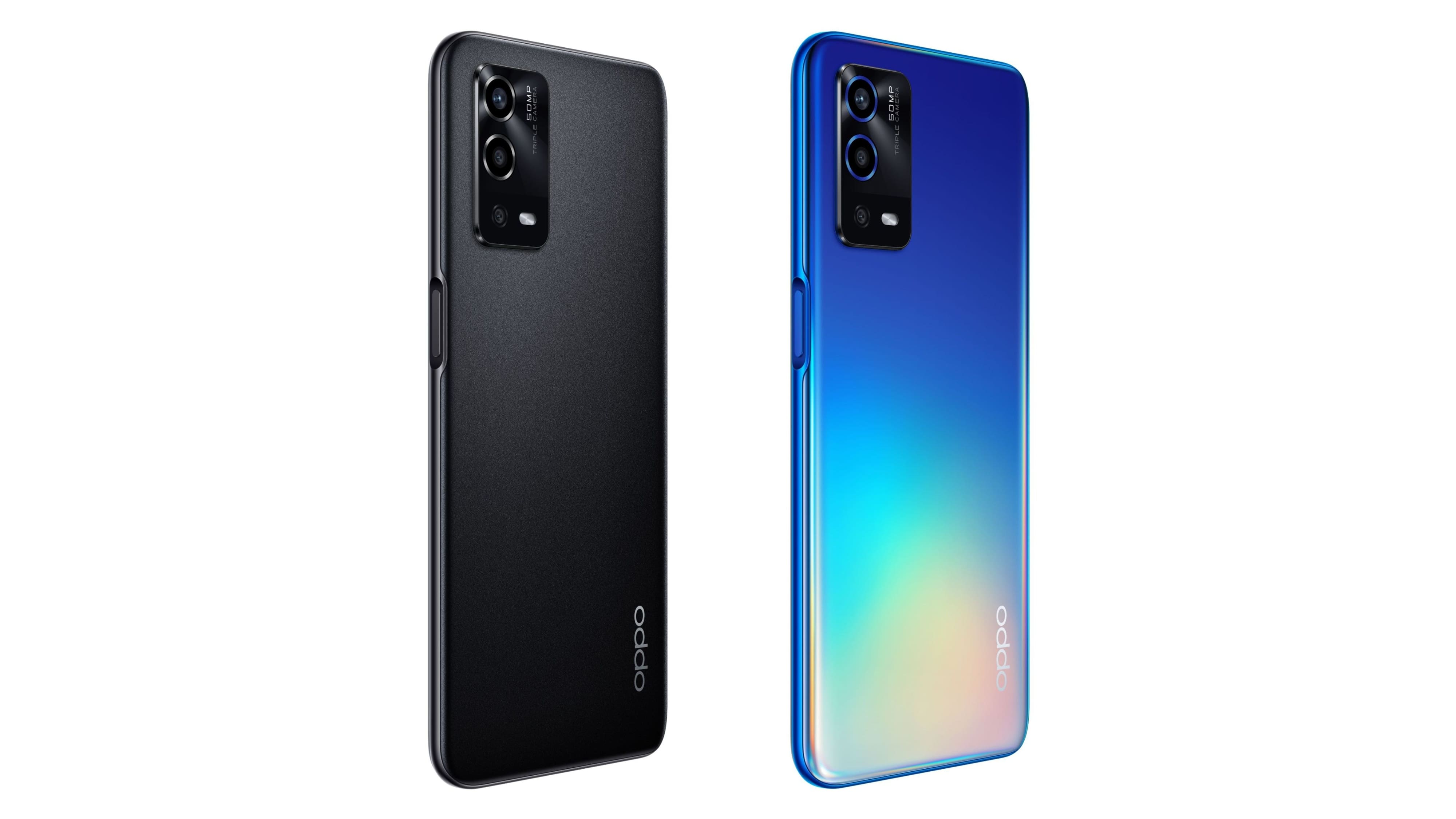
The newly unveiled OPPO A55 features a camera island design, unlike other OPPO phones in the market. It is IPX4-certified for splash resistance and comes in attractive color options, namely Starry Black and Rainbow Blue. The device measures 163.6 x 75.7 x 8.4mm in dimensions and weighs around 193g.
The handset flaunts a 6.51-inch LCD panel with a resolution of 1600 x 720 pixels, 16.7 million colors, 269 PPI, and a 1500:1 contrast ratio. The screen has a 60Hz refresh rate, a 120Hz touch sampling rate, and can cover up to 70% of the NTSC color gamut. Lastly, it has a peak brightness of 550 nits under sunlight and NEG T2X-1 glass protection.
The phone is powered by a MediaTek Helio G35 chipset paired with 4GB/6GB LPDDR4x RAM and 64GB/128GB storage. If needed, the storage can be further expanded via a MicroSD card (up to 256GB).
As far as optics are concerned, the smartphone houses a triple rear camera array consisting of a 50MP primary sensor, a 2MP macro shooter, and a 2MP depth sensor. On the front, it has a 16MP punch hole camera on the top left corner for selfies and video calls.
Connectivity options of the handset include dual-SIM, 4G, dual-band WiFi, Bluetooth 5.0, GNSS (GPS, A-GPS, BDS, GLONASS, GALILEO, QZSS), USB Type-C port, and a 3.5mm headphone jack. It has all the essential sensors like an accelerometer, ambient light sensor, compass, proximity sensor, and a side-mounted fingerprint sensor.
Finally, the OPPO A55 runs ColorOS 11.1 based on Android 11 and draws power from a 5,000mAh battery with support for 18W fast charging.
OPPO A55 Price and Availability in India
The OPPO A55 will retail for the following price tags in India.
4GB + 64GB – ₹15,490 ($209)
6GB + 128GB – ₹17,490 ($236)
The smartphone will be available for purchase starting October 3 via Amazon India, OPPO E-Store, and offline retailers across the country.
Customers can avail the following different offers for a limited time.
Amazon India
Flat ₹3,000 of HDFC Band credit/debit cards and EMI
No-cost EMI up to 6 months (Prime members only)
6-month free screen replacement (Prime members only)
3-month free Amazon Prime subscription
OPPO E-Store
10% instant discount on Kotak Bank, Bank of Baroda, and Axix bank cards
No-cost EMI up to 3 months
Offline Stores
Up to ₹3,000 cashback and no-cost EMI on select credit/debit cards.
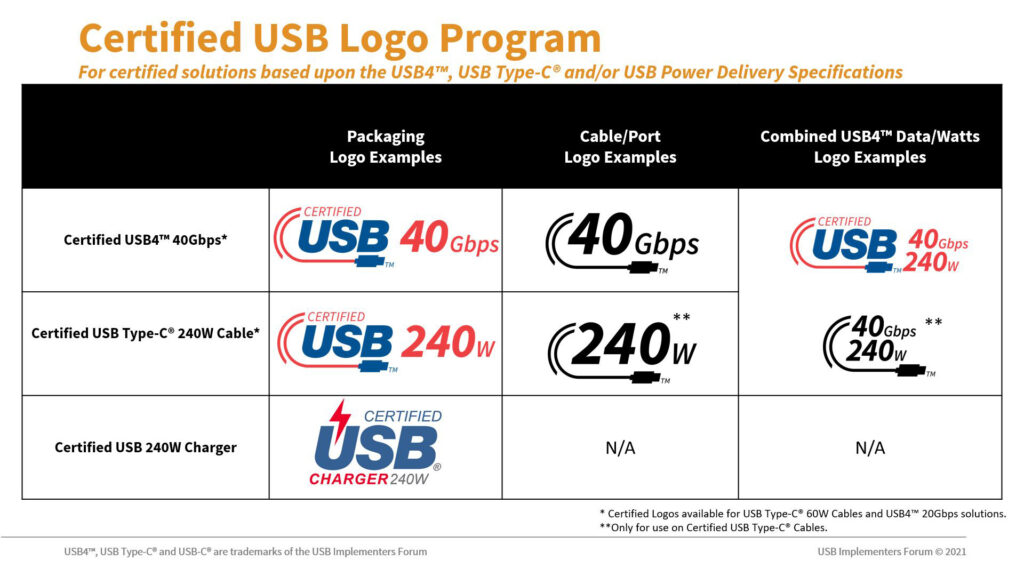
USB Implementers Forum has announced new certified USB Type-C cable power rating logos to clearly indicate the power capabilities of USB-C cables to consumers. As per the new specifications, USB Type-C cables will now feature special logos highlighting the support for 60W or 20W of power.
For the uninitiated, USB Implementers Forum (USB-IF) is the support organization for the advancement and adoption of USB technology.
Moreover, USB4 cables will also feature a new logo that shows not just the new data transfer speed of either 20Gbps or 40Gbps, but also the charging speed (via: Business Wire).
These new certified logos will be present on the product packages, brief, device, charger, and cable itself. USB-IF will be reminding consumers to only purchase such certified products from trusted sources in order to ensure interoperability and backward compatibility.
“With the new higher power capabilities enabled by the USB PD 3.1 Specification, which unlocks up to 240W over a USB Type-C cable and connector, USB-IF saw an opportunity to further strengthen and simplify its Certified Logo Program for the end-user,” said Jeff Ravencraft, USB-IF President and COO.
“With our updated logos, consumers can easily identify the USB4 performance and USB Power Delivery capabilities of Certified USB-C Cables, which support an ever-expanding ecosystem of consumer electronics from laptops and smartphones to displays and chargers,” he added.
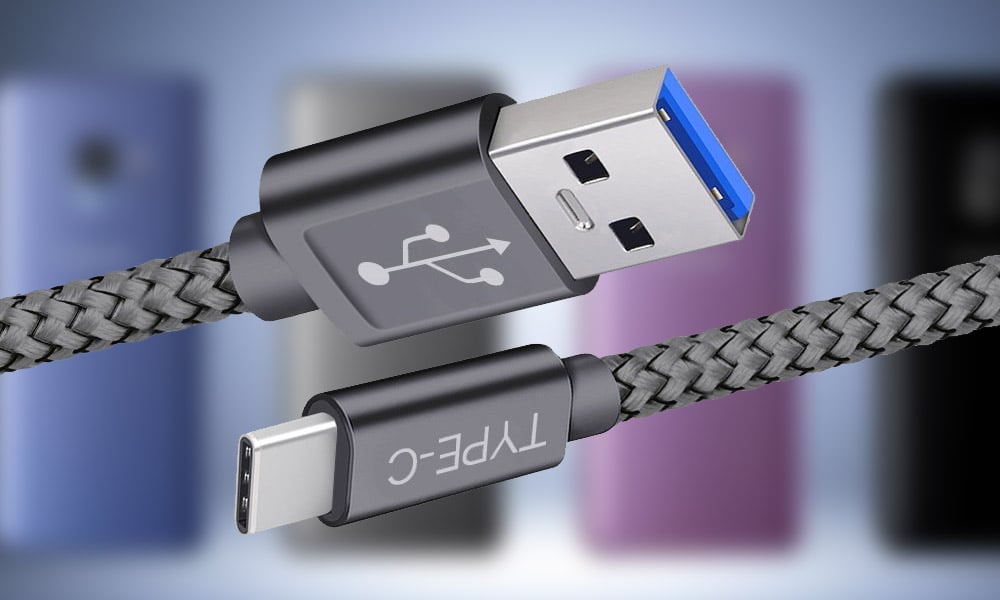
A typical USB Type-C cable
However, USB-IF does not seem to have done anything to prevent someone from using replicated logos on products that do not pass the quality standards (via: GSMArena). As such, there’s plenty of scope for misuse.
A better implementation would have been something similar to HDMI LA’s solution where not just logos but also a holographic image and a QR code are required to confirm authenticity. In this, a user can very conveniently scan the QR code on the packaging to confirm if a given HDMI cable is authentic or not.
A driver from China has managed to successfully sue Tesla for fraud. The person filed a lawsuit against the company over a purchase he made for a second hand Model S electric car.
According to Aljazeera, a Beijing court has found the American EV maker of misrepresenting the condition of the car purchased by Han Chao on the carmaker’s official used car platform. Han Chao had bought the vehicle for 379,700 Yuan (roughly 58,700 US Dollars). However, he found that the car had undergone various major repairs due to an earlier accident. This, in turn, led to the court dismissing Tesla’s defense that signs of welding indicated no “structural change.”
Notably, this marks another negative publicity that Tesla has received in the Chinese market. Earlier, it had faced issues such as security concerns over the cameras its cars housed and the 300,000 units being recalled due the issue of users activating autopilot, among other user complaints and more. Now, the company has been ordered to refund the cost of the car and pay damages of three times the purchase price.
Zhang Xiaoling, a partner at Beijing based Haodong Law Firm “The verdict can be regarded as a milestone in consumer rights protections against big companies. The case may boost the confidence of consumers facing a similar situation and probably will bring more followers.” On the other hand the automaker’s legal team shared that “We look forward to and believe that the court will finally adjudicate in accordance with the law,” but refused to comment any further on the matter.
Microsoft undoubtedly has some really odd set of requirements for Windows 11. A survey by IT management company Lansweeper has confirmed that only 44.44% of workstations met Microsoft CPU requirements. Out of them, only 52.55 percent had TPM 2.0 chips. This means that a large section of PC users will not be able to fulfill the TPM chip requirements and will hence not be able to upgrade to the new OS.
And it’s not just the TPM 2.0 that’s being taken into account. Microsoft has also set a threshold for the generation of processors required – at Intel’s 8th generation chips. There are a couple of 7th generation processors as well that have made the cut including the i7-7820HQ, but even 7th-gen chips are fairly recent in terms of PC years.
In short, if your PC is older than 2017, it will simply be unable to run Windows 11. Of course, four years is by no means a reasonable period, but for enterprises, it is pretty average.
The implication of this is that most enterprises will not be upgrading to Windows 11 early on considering the amount of capital investment it will require.
The excuses given for this move by Microsoft were security, compatibility, and reliability.
Moreover, servers fared worse in this regard (via: The Register). The survey showed that less than 1% of virtual machines were capable of running the OS as per Microsoft’s requirements.
Further compounding the problem is the fact that Windows 11 is radically different when compared to Windows 10. Due to this, there are concerns about retraining costs suggesting companies will not be getting on board the Windows 11 train anytime soon.
With most new PCs coming in with Windows 11, consumers are bound to make the switch. However the same cannot be said about enterprises. this might lead to an extremely fragmented market similar to when both Windows XP and Windows 7 were dominant at the same time.
Microsoft is obviously aware of this and has promised long-term support for Windows 10 until 2025. But a fragmentation problem is still quite likely.
Motorola is said to be working on a mid-range phone called the Moto G31, which will succeed the Moto G30 that went official earlier this year. The G31 was recently approved by authorities like Wi-Fi Alliance, Thailand’s NBTC, and Europe’s EEC. Now, the device has received approval from Taiwan’s NCC authority. The certification has revealed the real-life images and key features of the smartphone.
The Moto G31 live shots available at NCC have revealed that it is equipped with a punch-hole display with a noticeable chin. The top edge of the device has a 3.5mm audio jack and a microphone. Its left edge has a SIM card slot and its right edge features three buttons, which could be a Google Assistant key, a volume rocker, and a power button.
The bottom edge of the Moto G31 features a microphone, a USB-C port, and a speaker grille. A fingerprint scanner seems to be integrated with the Motorola logo found on its back panel. A triple camera unit seems to be present at the top-left corner of the phone’s back. A closer look at the camera reveals that it is equipped with a 50-megapixel primary camera.
An image of the Moto G31’s battery is also available at NCC. It reveals that the phone could be backed by a 4,850mAh rated battery. The image of its charge suggests that it may carry support for 10W charging. The other certifications have revealed that it may come preloaded with Android 11 OS.
The other details of the Moto G31 are under wraps. Now that the handset has bagged some important certifications, it appears that the G31 may go official this month.
China-based realme is the fastest-growing smartphone brand to date. The company is also known for releasing multiple phones every now and then. This has clearly put a dent in the firm’s software update policy.
According to an official announcement by realme, the brand will be providing only two years of maintenance updates for its smartphones in China. The devices that are six months old will get monthly updates, while the phones that are more than six months old will be receiving bi-monthly updates.
The software updates for the six-month-old handsets will be focused on optimizations. On the other hand, the firmware builds for more than six-month-old phones will bring security patches and fixes if any.
Lastly, the realme UI (Android ) updates will differ from device to device. The brand will notify the users about eligibility whenever it announces the latest version of its Android skin.
That said, going by the number of years for maintenance updates, realme will most likely provide a maximum of two Android updates for its handsets in its home market.
It is worth noting that Xiaomi, which is the biggest competitor of realme in markets like India, has now started promising three Android updates and four years of security updates for mid-range smartphones like Xiaomi 11 Lite NE 5G. Hopefully, realme also announces a similar software policy for international markets at the upcoming realme UI 3.0 launch event later this month.
Huawei Technologies has recently hired former head of BBC news programmes Gavin Allen as its new new “Executive Editor in Chief.” This appointment is indicative of the company’s push to hire more foreign talent, despite facing frictions with in the UK.
According to Yahoo News, Allen had previously led the BBC news output for seven years. But now, the official had revealed his new position by updating his LinkedIn profile earlier this week. His profile’s banner image now showcases the Chinese tech giant’s logo with the new title of “Executive Editor in Chief, Huawei Technologies.” Allen stated that “I’m delighted to be joining the global tech company today as their Executive Editor in Chief.”
He further added that “It feels meant-to-be after a two decades long China journey. I’ve studied Chinese history, am – falteringly – learning Mandarin and my wonderful eldest daughter was born in Guangxi. Now hugely proud to be part of a world class ICT organization which truly values collaboration and innovation: a creative force for good.” While the company confirmed the new hire, it refrained from commenting further on the matter.
Notably, the move arrives after Huawei’s Founder Ren Zhengfei had recently stated that the brand would raise its focus on hiring foreign talent, especially from the US. The shift also signifies its expansion in overseas research and development programmes, as per his speech earlier this week.
Samsung is expected to launch its next-generation Galaxy S22 series flagship smartphones in January 2022 and details about the phones have started surfacing online. This time also, the company is expected to launch three models — Galaxy S22, S22 Plus, and S22 Ultra.
Recently, it was rumored that the upcoming Samsung Galaxy S22 Ultra could be renamed Galaxy Note 22 Ultra as the phone will have a built-in S Pen slot and is replacing the tech giant’s Galaxy Note series. But the latest report suggests that’s not the case.
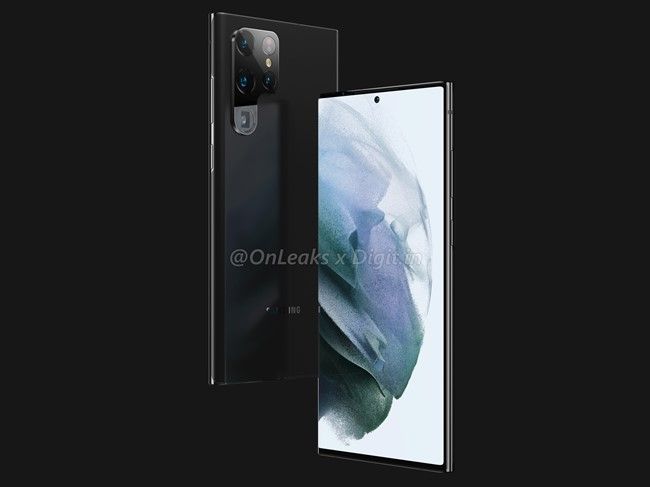
As per the latest information shared by @UniverseIce, the top-end model in the Galaxy S-series will be called Galaxy S22 Ultra and not the Galaxy Note 22 Ultra. The phone will come with several Note-series features but the company is sticking to its branding.
Recent renders reveal that the Samsung Galaxy S22 Ultra will come with a body similar to the Galaxy Note 20 with sharp corners on all four sides. The phone is expected to feature a 6.8-inch Super AMOLED LTPO display with support for QHD+ screen resolution and 120Hz variable refresh rate.
Under the hood, the smartphone will come powered by the Qualcomm Snapdragon 898 chipset or the Exynos 2200 SoC with AMD RDNA2 GPU, depending on the market. It is expected to pack up to 12GB of RAM and 512GB of internal storage.
As for the camera department, it’ll continue to have 108MP primary camera, which will be coupled with a 12MP ultrawide camera, and two 10MP telephoto cameras. The device will be powered by a 5,00mAh battery and is expected to support 45W fast charging, along with support for wireless charging and reverse wireless charging.
Google Pixel series Android smartphones come with an exclusive feature in the form of a Personal Safety app. Over the years, the company has added several useful functionalities to the app, including safety check-in and automatic emergency number dialing when it detects you’ve been in a car accident.
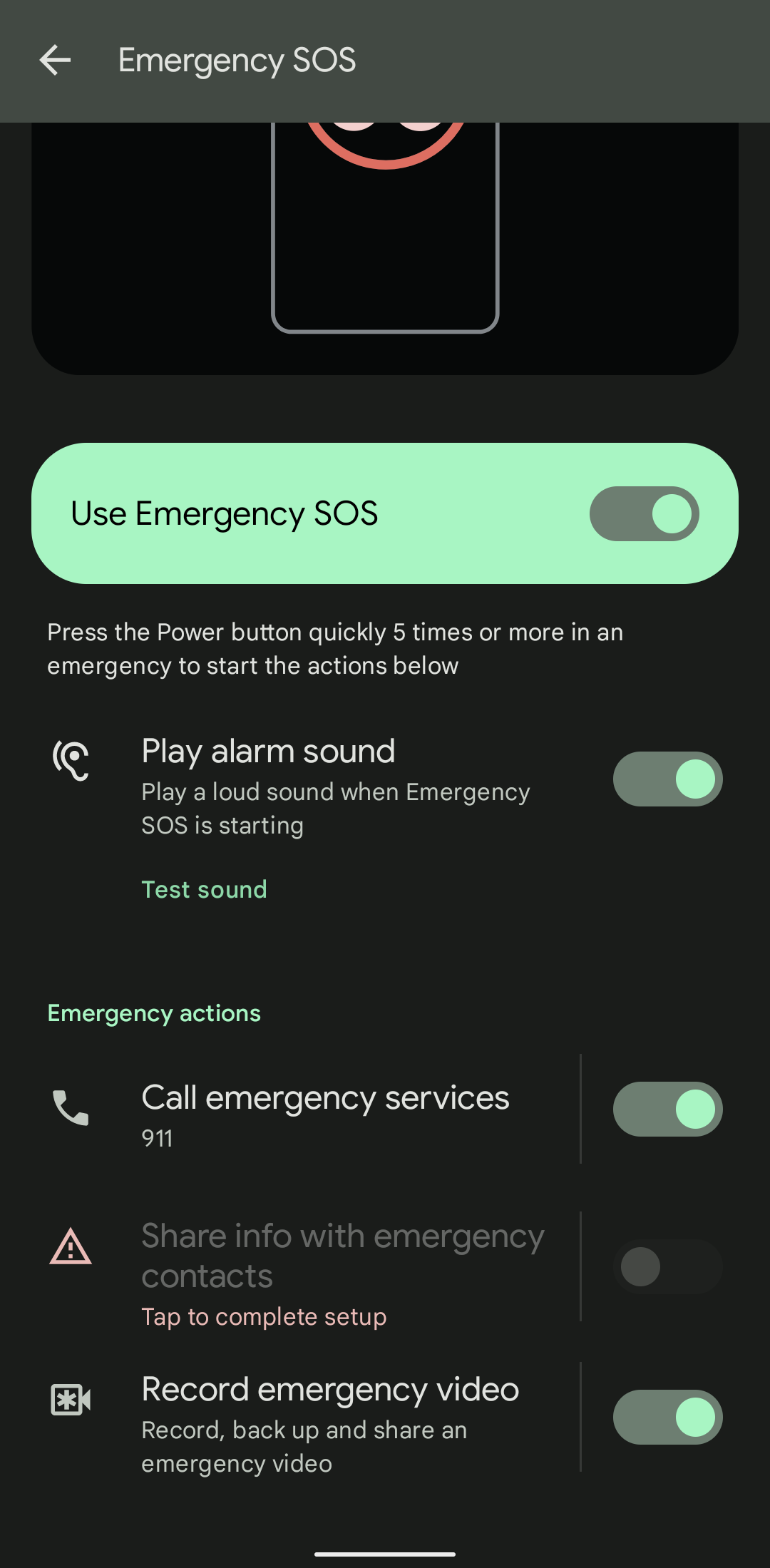
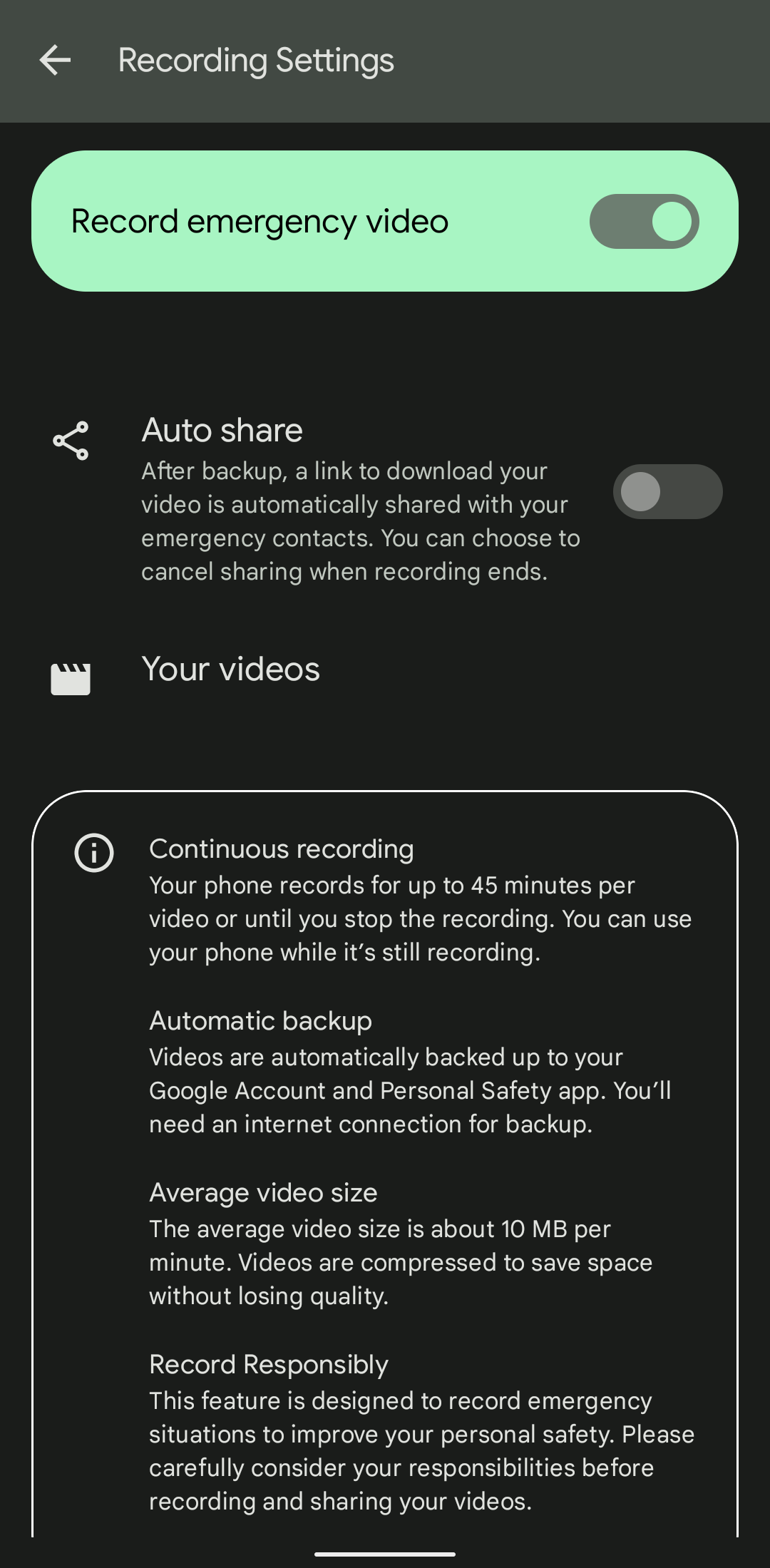
Now, the company has added yet another feature to the Personal Safety application that can automatically record videos when you activate the built-in Emergency SOS.
When the power button is pressed five times, the device will call the emergency services, alert your emergency contacts that something is happening to you, and now, it will also automatically record a video of what’s going on.
The application will be able to record up to 45 minutes of continuous footage, with the average video size being around 10 MB per minute. However, you can stop the recording whenever you want to.
The recorded video will be automatically backed up to the cloud if there’s an active internet connection. It is backed up to your Google account as well as the Personal Safety app itself and can also be shared with your emergency contacts.
To start using this new feature on your Pixel series smartphone, go to the Google Play Store and get the latest version of the Personal Safety app. If you haven’t set up Emergency SOS on your device, you will need to do that by following the on-screen instructions. Do note that the app is currently limited to the Pixel lineup only and non-Google phones have no access to it.
Samsung is gearing up to launch its next-generation Galaxy S-series flagship smartphones in a few months and with the phone’s official launch nearing, more details about the upcoming devices keep surfacing online.
In the latest development, it is reported that Samsung will be procuring Galaxy S22 series batteries from two companies — Samsung ADI and China’s Amperex Technology Limited and both of them will be used in the initial production batch.
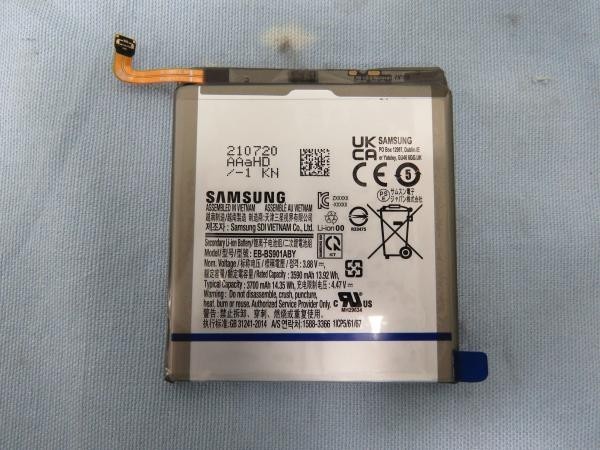
Samsung Galaxy S22 Battery (EB-BS901ABY)
It’s noteworthy that Samsung cut ties with Amperex Technology Limited (ATL) in 2017 when its batteries were causing extreme heat for the Galaxy Note7 smartphone, which resulted in the phone firing up.
Samsung started dealing with ATL for the batteries of the Galaxy S21 series that got launched earlier this year. Prior to that, the South Korean firm limited the usage of ATL batteries to only mid-range smartphones in the Galaxy A- and Galaxy M-series.
Apart from smartphones, the batteries manufactured by China’s Amperex Technology Limited are also used in the Galaxy Watch as well as Galaxy Buds.
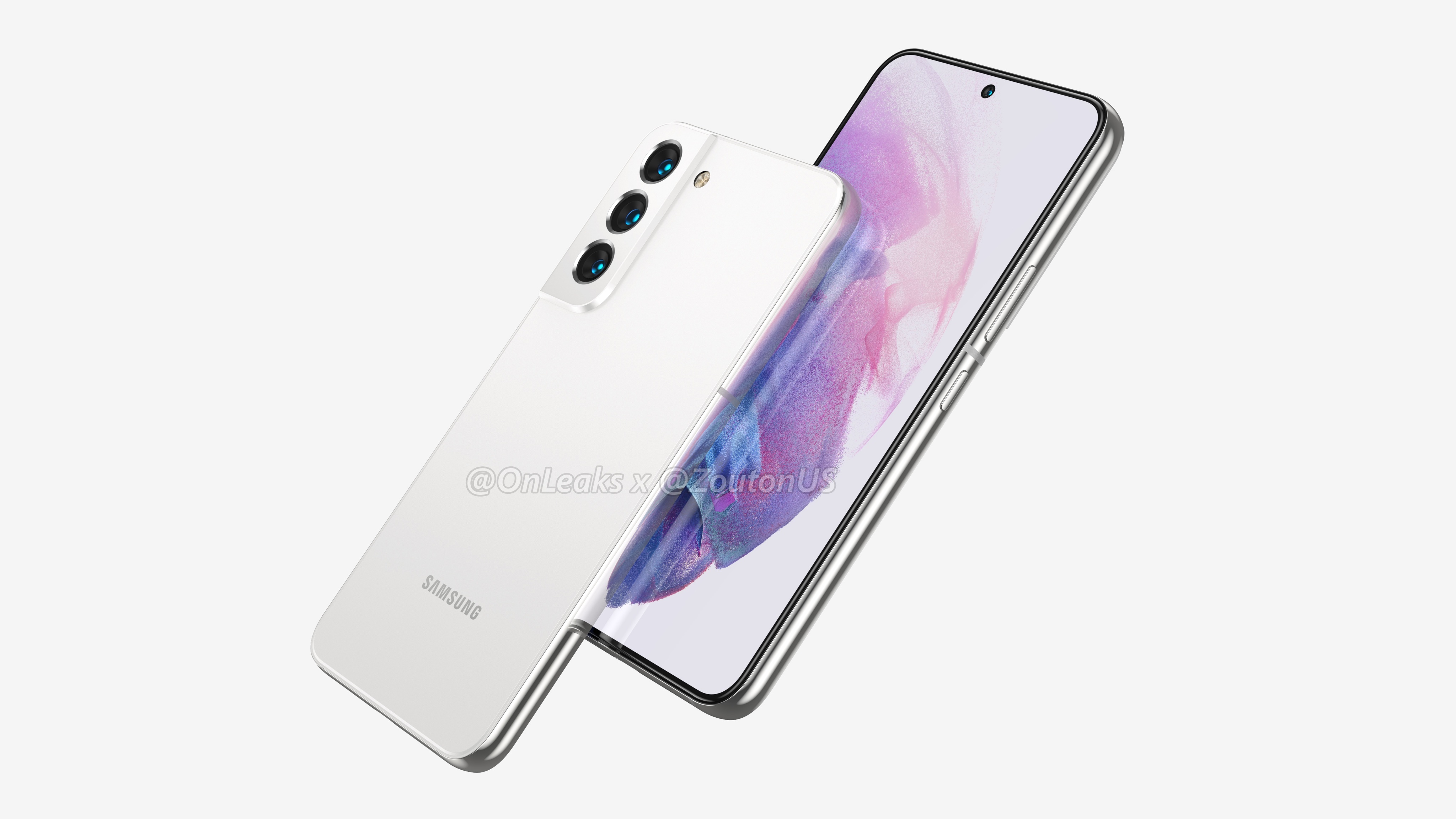
Samsung Galaxy S22 Render
As per the report, the Chinese company will be providing a 3,800mAh battery for the standard Galaxy S22 smartphone along with 4,500mAh and 5,000mAh batteries for the Galaxy S22 Plus and Galaxy S22 Ultra smartphones, respectively.
Recently, the Samsung Galaxy S22 battery with the number EB-BS901ABY (14.35Wh) was spotted during a certification process in Korea. It revealed that the South Korean giant is decreasing the battery capacity on the upcoming S-series models but with the advancement of technology and better optimization, the battery life is expected to remain the same as of current models, if not increased.
If the reports are to be believed, then Samsung is initially planning to manufacture around 20 million units for the entire Galaxy S22 lineup. However, the numbers could increase once the mass production begins or the devices get launched as the company usually produces 25-30 million units in the initial batches.
Finally, Motorola India has launched the Motorola Edge 20 Pro flagship phone. It will be the country’s third Edge series smartphone after the Edge 20 and Edge 20 Fusion that was announced in August. The Edge 20 Pro offers some exciting features like a 144Hz AMOLED screen, Snapdragon 870 chipset, 108-megapixel triple cameras.
Motorola Edge 20 Pro specifications and features
The Motorola Edge 20 Pro features a 6.7-inch AMOLED panel that offers a Full HD+ of 1080 x 2400 pixels, a 20:9 aspect ratio, a 144Hz refresh rate, a 576Hz touch sampling rate, 10-bit colors, DCI-P3 color gamut, and HDR10+. The handset boots to MyUX, which is a near-stock version of Android 11 OS.
The Snapdragon 870 chipset is at the helm of the Edge 20 Pro. The handset ships with 8 GB of LPDDR5 RAM and 128 GB of UFS 3.1 storage. A 4,500mAh battery is present under the hood of the device, which carries support for 30W TurboCharge fast charging.
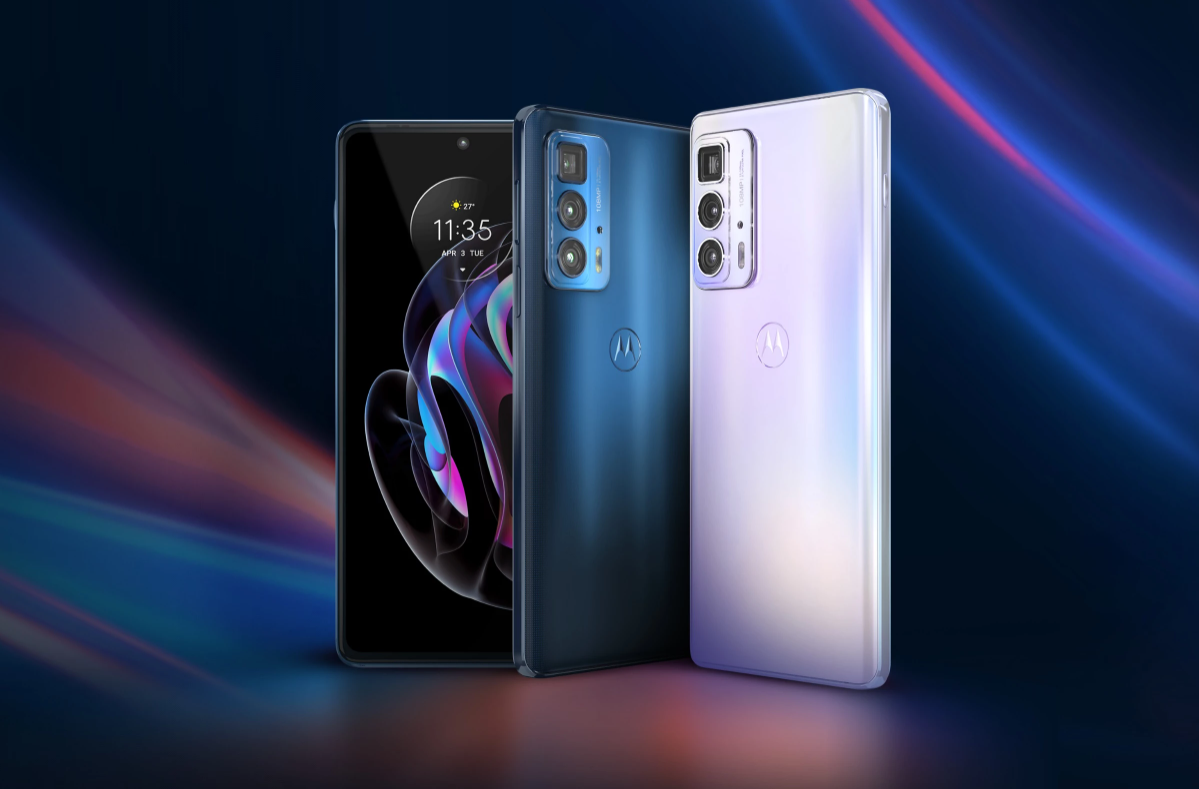
Motorola Edge 20 Pro
The handset is fitted with a 32-megapixel camera for selfies and video calls. The rear camera system of the phone has a 108-megapixel primary camera, a 16-megapixel ultrawide lens that doubles up as a macro camera, and an OIS-assisted 8-megapixel periscope zoom lens that offers 5x optical zoom and 50x digital zoom.
There is a Ready For feature onboard that allows users to connect the Edge 20 Pro to a larger TV wirelessly. It is packed with other specs like dual SIM support, 5G, Wi-Fi 802.11ax, Bluetooth 5.1, GPS, a Google Assistant hardware key, a side-facing fingerprint scanner, USB-C, DisplayPort 1.4 support, Gorilla Glass 5 protection on the front and rear, and an IP52 rated chassis.
Motorola Edge 20 Pro price in India
The Motorola Edge 20 Pro is priced at Rs 36,999 (~$498) in India. It comes in two colors such as Midnight Sky and Iridescent Cloud. The handset can be pre-ordered through Flipkart starting from Oct. 3. Buyers will be able to benefit from offers like a 10 percent discount through Axis Bank and ICICI Bank credit/debit cards.
We use cookies on our website to give you the most relevant experience by remembering your preferences and repeat visits. By clicking “Accept”, you consent to the use of ALL the cookies.
This website uses cookies to improve your experience while you navigate through the website. Out of these, the cookies that are categorized as necessary are stored on your browser as they are essential for the working of basic functionalities of the website. We also use third-party cookies that help us analyze and understand how you use this website. These cookies will be stored in your browser only with your consent. You also have the option to opt-out of these cookies. But opting out of some of these cookies may affect your browsing experience.
Necessary cookies are absolutely essential for the website to function properly. This category only includes cookies that ensures basic functionalities and security features of the website. These cookies do not store any personal information.
Any cookies that may not be particularly necessary for the website to function and is used specifically to collect user personal data via analytics, ads, other embedded contents are termed as non-necessary cookies. It is mandatory to procure user consent prior to running these cookies on your website.