Advertisement

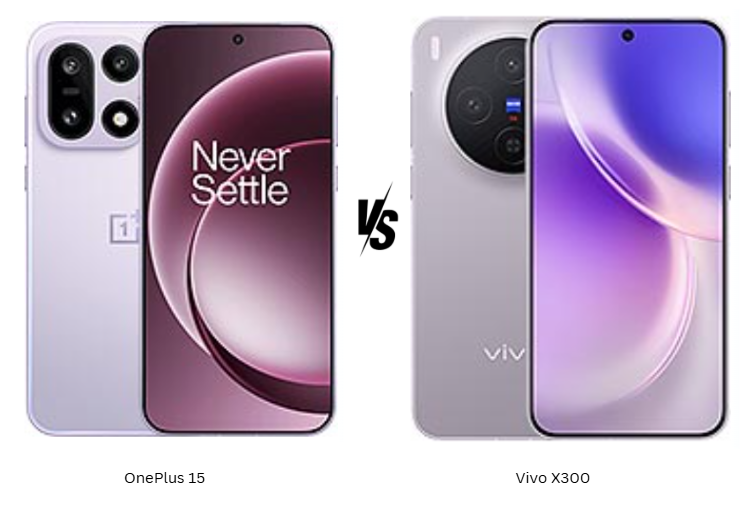
Global OnePlus 15 surfaces on Geekbench, launch expected in November

Next week, OnePlus will announce the OnePlus 15 and Ace 6 flagship phones in China. The Chinese variant of the OnePlus 15, bearing the model number PLK110, was spotted on Geekbench back in September. Now, the global version of the device with the model number CPH2745 has surfaced on the same benchmarking platform.

OnePlus 15’s global version appears on Geekbench

OnePlus 15 (Global) Geekbench
OnePlus 15 (Global) Geekbench listing

Reports have revealed that the OnePlus 15 has three model numbers, namely CPH2745, CPH2747, and CPH2749. The latter two have already appeared on a couple of certification platforms, including the GCF. As can be seen above, the CPH2745 has been spotted on Geekbench.

The Geekbench listing reveals that the Snapdragon 8 Elite Gen 5-powered OnePlus 15 has achieved 3,615 and 10,261 points in the single-core and multi-core tests, respectively. The chip’s name is not specifically mentioned in the listing, but the CPU and GPU details (via source code) are sufficient to confirm that it is equipped with the most powerful Snapdragon SoC.

The OnePlus 15’s Geekbench listing also reveals that it is equipped with 12GB of RAM and Android 16, which will have a layer of the latest OxygenOS 16 on board. In China, the device will ship with ColorOS 16.

OnePlus 15 specifications

Reports have revealed that the OnePlus 15 will feature a 6.78-inch BOE X3 OLED panel with a 1.5K resolution, a 165Hz refresh rate, a P3 display chip, and an ultrasonic in-screen fingerprint sensor. Under the hood, it will feature a 7,300mAh battery with 120W wired and 50W wireless charging support.

The OnePlus 15’s rear camera setup may include a 50-megapixel Sony LYT-700 main camera with OIS support, a 50-megapixel ultra-wide lens, and a 50-megapixel Samsung JN5 periscope telephoto camera.

OnePlus 15’s global launch event

OnePlus 15 global launch

Speculations are rife that the OnePlus 15 will launch on Nov. 13 in India. In China, it will be available in three shades, namely Mist Purple, Sand Storm, and Absolute Black. While the Sand Storm edition is confirmed for the global market, there is no clarity on whether the purple variant will also be available globally.

For more daily updates, please visit our News Section.

Stay ahead in tech! Join our Telegram community and sign up for our daily newsletter of top stories.

(via)

Redmi K90 Pro Max to get Xiaomi 17’s primary camera

Redmi has been consistently revealing key details about the Redmi K90 series ahead of its Oct. 23 China launch event. Over the weekend, the brand confirmed the audio capabilities of the Redmi K90 Pro Max. A new teaser rolled out today confirms its primary camera.

Redmi K90 Pro Max’s primary camera revealed

Redmi K90 Pro Max primary camera

According to Redmi, the Redmi K90 Pro Max will feature its most powerful camera setup yet, equipped with a large 1/1.31-inch main sensor. It uses the same Light Fusion 950 high-dynamic sensor found on the Xiaomi 17, offering an impressive 13.5EV dynamic range supported by DXG high dynamic technology.

The lens design includes a 1G+6P hybrid glass-plastic structure with multi-layer coating, significantly reducing glare and enhancing overall image clarity.

A previous leak revealed that it may feature a 50-megapixel ultra-wide lens and a 50-megapixel Samsung JN5 periscope telephoto camera. At present, there is no concrete information about the device’s front camera.

Under the hood, the Redmi K90 Pro Max will feature the Snapdragon 8 Elite Gen 5 chipset and a massive 7,500+ mAh battery with 100W wired charging support. It is also expected to offer 50W wireless charging.

The K90 Pro Max is said to feature a 6.59-inch OLED panel that supports a 2K resolution. It is expected to come preloaded with Android 16 with a layer of HyperOS 3 on top. For an enhanced audio experience, the device will feature a 2.1 audio setup, which includes a Bose-powered rear speaker. It is also confirmed to feature a metal middle frame and an IP68/69-rated body.

According to reports, the Redmi K90 series may remain exclusive to the Chinese market. Globally, the K90 and K90 Pro may get rebranded as the Poco F8 Pro and F8 Ultra, respectively.

For more daily updates, please visit our News Section.
Stay ahead in tech! Join our Telegram community and sign up for our daily newsletter of top stories.

Realme GT 8’s design, color options confirmed before launch

Tomorrow (October 21), Realme will unveil the Realme GT 8 series of smartphones in China. So far, the brand has been focusing on confirming the key details about the Realme GT 8 Pro. Today, the brand released the following images to showcase the standard GT 8’s design for the first time.

Realme GT 8 color variants

The Realme GT 8 will be available in three shades, namely Navi, White, and Green. The Navi edition has a refined navy blue tone with frosted glass for a silky, premium touch. The White variant features AG frosted glass that resists fingerprints and offers a smooth, textured feel. The Green option uses eco-friendly, paper-like recycled leather that’s soft, durable, and distinct in texture.

Realme has also confirmed that the Realme GT 8 will feature the same Ricoh GR-grade imaging system as the Pro version. As far as camera specs are concerned, the brand has already confirmed that the device will be equipped with a 50-megapixel periscope telephoto camera. It is also likely to support a swappable camera module.

On the front, the Realme GT 8 has a 2K 144Hz OLED panel, similar to the Pro edition. Under the hood, it features the Snapdragon 8 Elite chipset. It will come preloaded with Realme UI 7 based on Android 16.

Reports have revealed that the Realme GT 8 will feature a 6.78-inch screen and pack a 7,000mAh battery with 100W charging. Its rear camera setup will include a 50-megapixel primary camera and an 8-megapixel ultra-wide lens. It is expected to ship with up to 16GB of RAM and up to 1TB of storage.

For more daily updates, please visit our News Section.
Stay ahead in tech! Join our Telegram community and sign up for our daily newsletter of top stories.

Goldman Sachs Says AI Hype Is Just Warming Up, Not a Bubble

Goldman Sachs has dismissed fears of an AI-driven market bubble, stating that the artificial intelligence boom is still in its early stages. In a new report released on Wednesday, analysts at the investment bank said current spending on AI remains modest when compared to the long-term economic potential of the technology.

AI

The report estimates that U.S. AI-related investments account for less than 1% of GDP. In contrast, previous technology booms such as railroads, electrification, and the internet era peaked at 2% to 5% of GDP. Goldman expects AI investment to rise to $300 billion by 2025, citing continued improvements in productivity and expanding enterprise adoption.

The firm outlined two main reasons behind its optimistic outlook. First, AI deployments across existing sectors are already producing measurable productivity gains. Second, these gains depend on large-scale compute infrastructure, which justifies current investments in chips, servers, and data centers.

According to Goldman Sachs, generative AI could eventually add up to $20 trillion to the U.S. economy, with $8 trillion flowing to businesses as capital income. The bank projects that labor productivity could rise by 15% over the next decade once AI tools become widely adopted.

However, the report also pointed out a potential risk. It remains uncertain whether the companies investing most heavily in AI today will benefit the most in the long run. Past infrastructure cycles show that early entrants often built costly systems that were later acquired cheaply by more successful latecomers. The rapid depreciation of AI hardware and the fast pace of model development could make similar outcomes likely.

Despite that, Goldman believes the current environment still favors further AI investment. The firm expects spending to stabilize over time as the industry moves beyond the infrastructure build-out phase and hardware prices decline.

In related AI news, Google has recently introduced the Gemini 2.5 Computer Use model, featuring human-like web browsing and real-time interaction capabilities. Meanwhile, Alibaba has unveiled a massive 1-trillion-parameter AI model designed to rival ChatGPT and Google Gemini in scale and performance.

For more daily updates, please visit our News Section.

Stay ahead in tech! Join our Telegram community and sign up for our daily newsletter of top stories! 💡

(Via)

Baseus MH1 headphones launched with 48dB ANC, 80h battery, LDAC & AI tuning

Baseus has officially launched the MH1 over-ear noise-cancelling headphones in China. The headphones are now up for preorder on JD.com for 329 yuan ($46). It comes in grey and black color options.

Baseus MH1 Headphones

Baseus MH1 Headphones Specifications

The MH1 features Baseus’s Adaptive Noise Cancellation 3.0 with four microphones and AI-based real-time adjustment. It processes ambient sound 380,000 times per second, reducing noise by up to 48dB. It also features five preset ANC levels, a customizable mode via the Baseus app, and a transparency mode for better awareness of surroundings.

The headphones use a dual-driver acoustic system that combines dynamic drivers for deep bass with precise mid- and high-frequency detail. Each driver features an LCP (Liquid Crystal Polymer) diaphragm for improved rigidity and responsiveness, maintaining clarity even at high volumes. The setup covers a wide 20Hz-40kHz frequency range with distortion under 3%. It supports LDAC high-definition audio up to 990kbps and holds both Hi-Res Audio and Hi-Res Wireless certifications.

The MH1 introduces personalized hearing optimization using Baseus SoundFit. The system runs a hearing test and adjusts the EQ curve based on the listener’s hearing sensitivity, aiming to deliver balanced sound even at lower volumes.

Baseus MH1 Headphones

The headphones pack a 600mAh battery offering up to 80 hours of playback without ANC and 55 hours with it on. It supports fast charging, providing 10 hours of use from a 10-minute charge. It also features Bluetooth 6.0 with 55ms low latency and dual-device connectivity for seamless switching between devices.

Baseus has added a five-microphone AI noise reduction system for voice calls, along with an AI assistant powered by large language models like DeepSeek and Doubao. The headphones include physical buttons for playback control and a USB-C port for charging.

The MH1 sports a lightweight 245g design with cloud-like comfort materials. It includes a widened headband with balanced pressure distribution, 20° rotatable earcups, memory foam ear cushions, and protein leather surfaces for long-term wearability. The build combines ABS, metal, and PC materials with a 2.5D frosted finish for a modern aesthetic. The headphones can be folded and stored easily in a compact carrying case.

In related news, Baseus has recently introduced the Security X1 Pro, a dual AI-tracking outdoor camera with solar charging support, and unveiled the EnerGeek GX11, a 20,000mAh 67W power bank featuring a built-in 4G hotspot.

For more daily updates, please visit our News Section.
Stay ahead in tech! Join our Telegram community and sign up for our daily newsletter of top stories! 💡

(JD)

HyperOS Weekly Report: Xiaomi Fixes Account App Error and Charging Issue

Xiaomi has shared its latest weekly update on HyperOS, highlighting the issues being fixed and those still under review.

Xiaomi HyperOS 2 weekly report

This week’s report confirmed that the error message pop-up caused by the Xiaomi Account app has been fixed through a cloud service update. The problem had affected all devices but has now been resolved.

Another issue involving slow charging on the Redmi Note 12 Pro 5G and Redmi Note 12 Pro+ 5G has also been addressed. The issue appeared on OS version 2.0.5.0.UMOINXM and is now fixed in the latest software release. Xiaomi advises users to update their devices to the newest version to ensure optimal performance.

The company also reported that the problem where YouTube videos cannot be played is still under analysis. This issue affects all devices running HyperOS, and developers are currently working to identify the cause.

Xiaomi encouraged users to continue reporting any bugs they encounter using the Feedback app or by posting in the ROM subforum on the official community site. For updates related to specific devices or to follow ongoing discussions, users can subscribe to Xiaomi’s official Telegram channel and join their respective device groups.

The weekly reports are part of Xiaomi’s effort to keep users informed about known issues and the progress made in fixing them. The company aims to ensure that HyperOS runs smoothly across all supported devices.

For more daily updates, please visit our News Section.

Stay ahead in tech! Join our Telegram community and sign up for our daily newsletter of top stories.

(Source)

Xiaomi Confirms Redmi K Pad Golden White Variant for October 23 Event

Xiaomi is set to unveil several new products in China on October 23, 2025, including the Redmi K90 series and the Redmi Watch 6. The company has now confirmed that the event will also feature a new colorway for the Redmi K Pad, called Golden White.

This refreshed version of the tablet appears to match the Flowing Gold White colorway of the upcoming Redmi K90 Pro Max. Aside from the new look, the tablet retains the same specifications as the original models.

Redmi K Pad features

The Redmi K Pad features an 8.8-inch LCD panel with a 3008×1880 resolution, a 16:10 aspect ratio, and a variable 165Hz refresh rate. It supports HDR10, HDR Vivid, and Dolby Vision, reaching up to 700 nits of brightness. The display also includes DC dimming, Real RGB pixel layout, and Corning Gorilla Glass 5 protection, along with TÜV Rheinland triple certifications for eye comfort.

The tablet runs on the MediaTek 3nm Dimensity 9400+ chipset with an octa-core CPU that reaches up to 3.73GHz and an Immortalis-G925 MC12 GPU. It uses Android’s first center-placed SoC layout, which keeps heat away from the grip area. A 12,050mm² aluminum alloy vapor chamber helps maintain stable performance during gaming at 3K resolution. It runs HyperOS 2 based on Android 15, offering full integration with Xiaomi’s ecosystem and cross-platform compatibility with Apple devices.

The K Pad has a 7,500mAh battery that supports 67W fast charging. The Bypass Charging Plus feature allows the tablet to draw power directly from the charger during gaming to reduce heat. The battery is TÜV SÜD certified to retain 80 percent capacity after 1,800 charge cycles. It includes a quad-ring symmetrical dual-speaker system that is 78 percent louder and 15 percent thinner than before, with Dolby Atmos support. The tablet has dual USB-C ports and Wi-Fi 7 with a tri-antenna design for better connectivity.

The tablet has a 13MP OV13B rear camera with f/2.2 aperture and PDAF, and an 8MP OV08D front camera for video calls and selfies. The all-metal unibody design provides a solid and premium feel.

For more daily updates, please visit our News Section.
Stay ahead in tech! Join our Telegram community and sign up for our daily newsletter of top stories!

(Source: 1, 2 via: Notebookcheck)

OnePlus V120P02 Update Now Rolling Out: AI Perfect Shot and Stability Fixes Included

OnePlus has started rolling out the new V120P02 update as part of its regular OxygenOS upgrades. The update adds AI-powered improvements to photos, better file handling, and general system stability enhancements. It began rolling out on October 9, 2025, and will reach all supported devices by October 30, 2025.

OxygenOS V120P02 - October 2025 Update

What’s New in This Update

In the Photos app, AI Perfect Shot can now recognize slightly turned or partially covered faces, improving accuracy in identifying similar photos. It also uses new AIGC algorithms that make generated images look more realistic. This feature is available only on some models running OxygenOS 15 and above.

The Private Safe feature, available on OxygenOS 14 and above, now allows users to unlock multiple files at once. When unlocked, these files automatically return to their original folders, making them easier to find.

In the Files app, users can now sort file lists directly from the main screen. The update also improves overall system stability for a smoother experience.

Supported Devices

The update covers multiple OxygenOS versions and devices.
OxygenOS 14 & 15: OnePlus Open, OnePlus 13 / 13R, OnePlus 12 and 10 series, OnePlus Nord 5 5G, Nord CE5, Nord 4 5G, Nord CE4, Nord 3 5G, Nord CE3, and the OnePlus Pad, Pad 2, and Pad 3.
OxygenOS 14: OnePlus 9 series, OnePlus 8T, Nord 2T 5G, Nord CE 2 Lite 5G, and OnePlus Pad Go.
OxygenOS 13.1.0: OnePlus 8 and 8 Pro.
OxygenOS 13.0.0: OnePlus Nord 2 5G, Nord CE 2 5G, and Nord CE 5G.

How to Update

You can check for the update in Settings > About device > OxygenOS card. The rollout is happening in stages, so not all users will get it right away. After downloading, a pop-up will ask if you want to install it immediately. Once confirmed, the phone will restart automatically.

For more daily updates, please visit our News Section.

Stay ahead in tech! Join our Telegram community and sign up for our daily newsletter of top stories.

(Source)

Viltrox launches AF 50mm F1.4 Pro FE for Sony E-mount with pro-grade optics & weather-sealed build

Viltrox has announced the launch of the AF 50mm F1.4 Pro FE, a full-frame autofocus prime lens designed for Sony E-mount cameras. The new lens targets professional photographers and videographers who need high-resolution optics, fast autofocus, and reliable performance in a wide range of shooting conditions.

Viltrox AF 50mm F1.4 Pro FE

Viltrox AF 50mm F1.4 Pro FE Specifications

The AF 50mm F1.4 Pro FE uses a complex optical formula with 15 elements in 11 groups. The setup includes one ultra-precision aspherical element, three extra-low dispersion elements, and eight high-refractive elements. Viltrox claims this design delivers edge-to-edge sharpness even at the maximum F1.4 aperture while minimizing chromatic aberration and distortion. The lens produces clean images with minimal fringing, even in high-contrast scenes.

The large F1.4 aperture allows more light to reach the sensor, enabling faster shutter speeds and lower ISO settings in low-light environments. The shallow depth of field creates a soft background blur that isolates subjects effectively. Viltrox has also reduced focus breathing, making the lens suitable for video use where consistent framing is critical.

The lens uses Viltrox’s Dual HyperVCM motor for autofocus. The system supports fast, silent, and accurate focusing, with compatibility for Sony’s face and eye detection tracking. The minimum focusing distance is 0.45 meters, which allows for close-up shots without sacrificing image quality.

Viltrox has built the lens body from high-strength forged aluminum alloy. The design includes full weather sealing to protect against dust, moisture, and splashes. The front element has a water- and smudge-resistant coating.

The lens also features a physical AF/MF switch, a customizable function button, and a click/de-click aperture ring switch. Additionally, the USB-C port on the barrel allows users to update firmware, and the company recommends upgrading to version 1.14 to improve autofocus performance.

Viltrox AF 50mm F1.4 Pro FE

Pricing and Availability

The Viltrox AF 50mm F1.4 Pro FE is available now through the company’s official website and the Amazon US store. European stock is expected to arrive in early November. The lens is priced at $549 in the US, €619 in Europe, and £525 in the UK.

In related news, Viltrox also recently introduced two new ultra-wide pocket primes priced under $200, the 9mm F2.8 Air and 14mm F4.0 Air.

For more daily updates, please visit our News Section.
Stay ahead in tech! Join our Telegram community and sign up for our daily newsletter of top stories! 💡

These Vivo, iQOO phones will get four Android OS updates

Vivo, iQOO four Andorid OS updates

Vivo has been a reliable brand when it comes to software updates. The brand offers longer software support and, more importantly, it timely pushes major upgrades to eligible devices. For a long time, the company offered up to three major Android OS updates to its high-end phones. In 2023, the brand expanded its commitment to four, beginning with the iQOO 12 series, and has since released many Vivo and iQOO phones with the same software commitment.

We’ve curated a list of all the Vivo and iQOO devices that promise to offer four major Android OS updates. Review the list below to find out if yours is eligible for extended software support.

List of Vivo, iQOO phones eligible for four Android OS updates

  • Vivo X Fold 5 (last update: Android 19)
  • Vivo X300 (last update: Android 20)
  • Vivo X300 Pro (last update: Android 20)
  • Vivo X200 (last update: Android 19)
  • Vivo X200s (last update: Android 19)
  • Vivo X200 Pro (last update: Android 19)
  • Vivo X200 Pro mini (last update: Android 19)
  • Vivo X200 Ultra (last update: Android 19)
  • Vivo X200 FE (last update: Android 19)
  • Vivo V60 (last update: Android 19)
  • Vivo T4 Pro (last update: Android 19)
  • iQOO 13 (last update: Android 19)
  • iQOO 12 (last update: Android 18)
  • iQOO 12 Pro (last update: Android 18)

Every phone on the list is also eligible for the OriginOS 6 update, based on Android 16 — and this time, it’s not exclusive to China. This upgrade is a pretty significant one, bringing loads of new features, visual upgrades, and enhancements. You can read more about it in our OriginOS 6 section.

You may be surprised to see the Vivo X100 phones missing from the list, despite being flagship phones launched around the same time as the iQOO 12, which is there on the list. That’s because Vivo hasn’t announced how many Android updates the X100 phones receive. However, we believe that the X100 Ultra, at least, will get four major OS updates.

Related:
1. Here’s the OriginOS 6 rollout timeline for India and global markets
2. Six major upgrades to OriginOS 6 you must know about

How does Vivo compare to its rivals in terms of software support?

Vivo now offers four major Android updates to its high-end smartphones, while mid-range phones typically receive up to three major upgrades.  That’s also true for Vivo V series phones, but the newest Vivo V60 promises four major Android updates. This suggests that future mid-range phones may receive the same software support as flagship phones.

Vivo T-series phones typically receive up to two major upgrades. However, the latest T4 Ultra gets an additional OS update. The budget-friendly Y series phones generally receive just one major upgrade. For iQOO phones, the flagship phones get the best treatment, offering four OS upgrades, while the mid-range Neo series gets up to three, and the Z series gets two.

With this software update policy, Vivo is well ahead of many brands, including Infinix, Tecno, and Motorola, and in close competition to its Chinese counterparts, such as Xiaomi, OnePlus, and Oppo. However, it’s a different story with Samsung and Google, which are leading the chart with up to seven major Android updates. Of course, that’s limited to high-end phones, but even the mid-range and many budget phones from Samsung promise six OS updates.

You can regularly visit our Vivo section for the latest news and software updates. Alternatively, you can join our Telegram channel to stay up-to-date with the latest in tech, such as AI news, product launches, and tech breakhroughs.

Vivo X300 Pro vs iPhone 17 Pro Max: $800 Phone Takes on Apple’s Flagship

In 2025, flagship smartphones are more than devices; they’re status symbols and power tools. The Vivo X300 Pro storms in with jaw-dropping specs at a fraction of the price, while the iPhone 17 Pro Max flaunts Apple’s legendary polish and ecosystem. This comparison isn’t just about numbers; it’s about what matters most to users: speed, camera quality, battery life, and overall value.

Key Specs:

CategoryVivo X300 ProiPhone 17 Pro MaxWinner
Build & DesignSlim, lighter, IP69, aluminum-glassRugged Ceramic Shield 2, IP68 (deeper water resistance)iPhone (durability)
DisplayAMOLED, brighter (4500 nits), more vividOLED, better calibrated, anti-reflective coatingVivo (brightness), iPhone (accuracy)
PerformanceMediatek Dimensity 9500, raw powerApple A19 Pro, ultra-efficient, stableiPhone (optimization)
Battery Capacity6510 mAh, 90W fast chargingUp to 5088 mAh, slower chargingVivo
Charging Speed90W wired, 40W wirelessPD 50% in 20 min, 25W wirelessVivo
Main Camera200MP telephoto, Zeiss optics, 8K support48MP triple, LiDAR, Dolby VisionVivo (hardware), iPhone (consistency)
Selfie Camera50MP, 4K recording18MP, Dolby Vision, 3D sensorsTie (Vivo for clarity, iPhone for features)
SoftwareAndroid 16 + OriginOSiOS 26 with deep ecosystemiPhone
EcosystemStandalone experienceStrong Apple ecosystem integrationiPhone
Unique FeaturesSatellite support (select markets), ultra-fast chargingUWB Gen 2, spatial video/audio, Apple PayTie (depends on need)
Price~$800~$1200Vivo (Best value for money)

1. Design and Display

Build and Feel:

Vivo X300 Pro feels sleek and comfortable with its lighter aluminum-glass build and IP69 rating. Apple iPhone 17 Pro Max offers a more rugged feel with its Ceramic Shield 2 and stronger IP68 protection. Vivo is more ergonomic, while Apple focuses on durability and a premium grip.

Verdict: Vivo wins on comfort and sleekness; Apple wins on toughness and luxury.

Display Quality:

Vivo’s LTPO AMOLED display is bright and vivid, ideal for media lovers. Apple’s Super Retina XDR OLED is finely tuned for color accuracy and clarity. Vivo pushes visual impact, while Apple offers precision and polish.

Verdict: Vivo for brightness and punch; Apple for detail and balance.

2. Specifications

Performance:

The Dimensity 9500 chipset in Vivo delivers strong gaming and multitasking performance. Apple’s A19 Pro chip offers unmatched efficiency and smoothness through tight software-hardware integration. Vivo is fast, Apple is effortlessly stable.

Verdict: Vivo excels in power, Apple in long-term smoothness.

Battery and Charging:

Vivo’s 6510 mAh battery with 90W charging is built for heavy use and quick top-ups. Apple’s smaller battery relies on efficiency and MagSafe convenience but charges more slowly.

Verdict: Vivo leads in charging speed; Apple focuses on balance and efficiency.

3. Camera

Main and Secondary Lenses:

Vivo’s 200MP telephoto and Zeiss optics deliver sharp, versatile shots with pro-level controls. Apple’s 48MP system with LiDAR and Dolby Vision ensures consistently natural and stable images.

Verdict: Vivo wins on versatility; Apple wins on refined quality.

Selfie Camera:

Vivo’s 50MP selfie cam is sharp and wide, perfect for content creators. Apple’s 18MP with spatial audio and AR features gives more polished results.

Verdict: Choose Vivo for detail; Apple for immersive experience.

4. Pricing

Vivo’s $800 tag packs flagship features at a great value. Apple’s $1200 price reflects its ecosystem, software support, and premium build.

Verdict: Vivo offers better value overall; Apple delivers longevity and ecosystem perks for the extra $400.

5. Conclusion

Vivo impresses with its bright display, huge battery, and camera flexibility, great for users wanting maximum features at a lower price. Apple focuses on refinement, ecosystem integration, and reliability, ideal for long-term users.

Verdict: Choose Vivo for value and power; Apple for polish and ecosystem strength.

Read More:

The Best Smartphones to Capture Diwali Fireworks in 2025

Diwali is a festival of lights, but it’s also a festival of spectacular night skies. Capturing fireworks in all their shimmering glory takes more than just pointing your phone upwards. You need a camera system that handles dynamic range, motion blur, and noise with ease.

In 2025, a handful of smartphones truly rise to the challenge, combining large sensors, advanced AI processing, and pro-grade optics. If you’re aiming for Instagram-worthy night shots this Diwali, here are the best smartphones to get the job done.

1. Samsung Galaxy S25 Ultra

Samsung-galaxy-S25-Ultra

Samsung’s Galaxy S25 Ultra delivers a highly capable camera setup with several upgrades over its predecessor. The phone now includes a 50MP ultra-wide camera, replacing the 12MP sensor from last year. It retains a 200MP primary sensor, a 50MP periscope lens with 5x optical zoom, and a 10MP telephoto lens for 3x zoom.

The device uses ProScaler and movement-aware algorithms to reduce noise and deliver clearer low-light videos. It supports Dolby Vision 4K recording at 120fps, virtual aperture control, and an audio eraser tool, letting users capture and refine fireworks footage directly on the phone.

Please Note: When you buy something using the links in our articles, we may earn a small commission at no cost to you.

2. Apple iPhone 17 Pro

iPhone 17 Pro

Apple’s iPhone 17 Pro introduces a triple 48MP camera system for the first time. The setup includes a wide-angle, an ultra-wide, and a new telephoto lens with a second-generation tetraprism structure. The new sensor is 56 percent larger than before, improving brightness and detail.

The phone enables 4K Dolby Vision video at 120fps and 8x optical zoom, giving users the flexibility to record distant fireworks with stability. Apple has also added a new 18MP Center Stage front camera with a square sensor that improves resolution and field of view for night selfies with fireworks in the background.

Please Note: When you buy something using the links in our articles, we may earn a small commission at no cost to you.

3. Google Pixel 10 Pro XL

Pixel-10-Pro-XL

The Pixel 10 Pro XL brings Google’s most advanced AI camera system, powered by the Tensor G5 chip. It features a 50MP main sensor, 48MP ultra-wide lens, and a 48MP 5x periscope telephoto lens with up to 100x ProRes Zoom. The 42MP front camera also supports 4K at 60fps.

The phone comes with the new Camera Coach powered by Gemini AI, offering real-time guidance on framing, lighting, and modes. It adds Auto Best Take to merge multiple shots into one ideal group photo, while Video Boost enhances 8K and 4K HDR recording. The Pixel’s advanced low-light processing still delivers excellent results for fireworks and night-sky shots.

4. Vivo X200 Ultra

Vivo X200 Ultra

Vivo X200 Ultra is equipped with a 200MP HP9 telephoto camera and two 50MP Sony LYT-818 sensors for the primary and ultra-wide cameras. The phone supports 4K 120fps slow motion, 10-bit Log shooting, and 4K time-lapse photography. These features make it well-suited for capturing fireworks with cinematic quality.

Just like X300 Pro, the X300 Pro also includes dual imaging chips, VS1 for pre-processing and V3+ for post-processing, to reduce load on the main SoC and enhance image clarity. Vivo also adds a new physical camera control key that allows quick focus locking, zoom adjustments, and shutter control.

Please Note: When you buy something using the links in our articles, we may earn a small commission at no cost to you.

5. Xiaomi 15 Ultra

Xiaomi-15-Ultra

The Xiaomi 15 Ultra features a 50MP Leica-tuned main sensor with a 1-inch sensor size, a 200MP HP9 periscope telephoto camera, and two additional 50MP sensors for ultra-wide and floating telephoto shots. The camera system supports 8K video recording and ACES LOG video with cinematic color profiles.

Xiaomi bundles a Pro Photography Kit with the 15 Ultra, featuring a physical shutter button, a precision zoom wheel, and an external 2000mAh battery grip.

Please Note: When you buy something using the links in our articles, we may earn a small commission at no cost to you.

6. Oppo Find X8 Pro

Oppo Find X8 Pro

Oppo Find X8 Pro comes with a quad 50MP camera system with dual periscope lenses, 3x and 6x optical zoom. The main Sony LYT808 sensor supports 10-bit HDR, and the ultra-wide lens delivers wide-angle clarity. This setup ensures excellent framing options for both wide scenes and zoomed-in shots.

The camera app supports Dolby Vision and Hasselblad portrait tuning for enhanced tone mapping and skin detail. The phone can zoom up to 120x digitally, with clear separation of light trails and burst effects, making it one of the best zoom systems for fireworks photography this year.

Please Note: When you buy something using the links in our articles, we may earn a small commission at no cost to you.

For more daily updates, please visit our News Section.
Stay ahead in tech! Join our Telegram community and sign up for our daily newsletter of top stories! 💡

Vivo X300 Pro vs Samsung S25 Ultra: Is Samsung Still Worth the Extra Money?

Flagship phones aren’t just about power anymore; they’re about what kind of experience you want. The Vivo X300 Pro brings top specs and big battery power at a lower price, while the Samsung Galaxy S25 Ultra focuses on premium design, long-term updates, and extra smart features. This comparison matters because both phones are strong in very different ways, making the choice less about performance and more about personal priorities.

1. Design and Display

Build and Feel:

Vivo X300 Pro comes with a sleek aluminum alloy frame, glass back, and an impressive IP68/IP69 rating, making it resistant to both dust and high-pressure water jets. This ruggedness adds a practical edge, especially for users who want durability without compromising on aesthetics. Its slightly curved design and glass finish give it a premium in-hand feel.

On the other hand, Samsung Galaxy S25 Ultra features a titanium frame and the latest Corning Gorilla Armor 2 protection. The titanium frame provides superior rigidity and scratch resistance compared to aluminum, enhancing the phone’s lifespan. Additionally, the presence of an integrated stylus gives the S25 Ultra a functional edge, especially for power users who value productivity tools.

While both phones feel premium, the Galaxy S25 Ultra’s build quality leans more toward ultra-flagship craftsmanship with its titanium body and Gorilla Armor, making it more resilient in everyday use. Vivo’s stronger water resistance may appeal more to adventure seekers, while Samsung’s premium materials offer lasting elegance.

Display Quality:

The X300 Pro boasts a 6.78-inch LTPO AMOLED panel with a 120Hz refresh rate, Dolby Vision, HDR Vivid, and an impressive 4500 nits peak brightness. This makes it excellent for outdoor visibility and HDR content. Its color calibration and high PWM dimming ensure reduced eye strain and vibrant, true-to-life visuals.

The S25 Ultra ups the ante with a slightly larger Dynamic LTPO AMOLED 2X display, QHD+ resolution, and Gorilla Armor protection with DX anti-reflective coating. While its peak brightness is lower on paper, its advanced panel tech and coating deliver exceptional sunlight readability and color accuracy. Samsung’s AMOLED panels are known for their balanced contrast and deep blacks, giving it a slight advantage for content consumption and productivity.

Vivo impresses with sheer brightness, but Samsung’s refinement in clarity, reflectivity reduction, and stylus integration gives the display a more polished, flagship-level experience.

Verdict:

Both displays are stunning, but Samsung edges ahead in sophistication and practicality. Vivo delivers raw brightness and excellent visuals, making it a strong choice for media enthusiasts. Samsung’s titanium build, superior glass protection, and stylus make it more versatile for professionals and power users who value both design and utility.

2. Specifications 

Performance:

The X300 Pro is powered by the Mediatek Dimensity 9500, offering an impressive octa-core setup and Arm G1-Ultra GPU. It’s a powerhouse for gaming, multitasking, and high-end photography. The chipset is optimized for AI performance and sustained efficiency, making it an excellent choice for users who prioritize speed without excessive heat.

Meanwhile, the S25 Ultra is driven by the Qualcomm Snapdragon 8 Elite with Oryon cores and the Adreno 830 GPU. This combination delivers next-level performance, particularly in graphics-intensive applications, 4K video editing, and multitasking. Samsung also provides seven major Android upgrades, a big plus for long-term use.

While both devices offer flagship-level performance, Samsung’s chipset is more mature and optimized for both raw power and long-term support, giving it a slight edge for users who keep their phones for several years.

Battery and Charging:

The X300 Pro carries a massive 6510 mAh battery with 90W wired charging and 40W wireless charging. Its large capacity ensures extended screen time, making it ideal for gaming, streaming, or travel. Fast charging ensures minimal downtime, which is a major plus for heavy users.

The S25 Ultra uses a 5000 mAh battery with 45W wired and 15W wireless charging. While its capacity is smaller, Samsung compensates with optimization, efficient AMOLED power management, and PD 3.0 fast charging. However, Vivo clearly holds the upper hand in charging speeds and battery size, catering to users who prefer all-day endurance and quick top-ups.

Verdict:

Vivo leads in battery capacity and charging speed, making it more suitable for power-hungry tasks and extended use. Samsung offers a well-optimized battery with reliable charging speeds, but Vivo’s larger cell gives it a noticeable endurance advantage for intensive use.

3. Camera

Main and Secondary Lenses:

The X300 Pro packs an impressive camera setup with a 50 MP main lens, a 200 MP periscope telephoto with macro capabilities, and a 50 MP ultrawide lens, supported by Zeiss optics and advanced video features like Dolby Vision HDR and 8K recording. Its periscope lens allows for sharp zoom and macro versatility, making it a strong option for mobile photography enthusiasts.

The S25 Ultra counters with a 200 MP main sensor, multiple telephoto lenses (including a 50 MP periscope with 5x optical zoom), and a 50 MP ultrawide. Samsung’s camera software excels in processing, ensuring consistently balanced shots and superior low-light performance. Its color science and stabilization are industry-leading, making it more reliable for professional content creation.

While Vivo’s Zeiss tuning delivers a cinematic and artistic edge, Samsung’s versatility and post-processing accuracy give it a more balanced and dependable output in most lighting conditions.

Selfie Camera:

Vivo offers a 50 MP selfie camera with 4K recording at up to 60fps, delivering sharp and vibrant selfies ideal for vloggers or frequent video callers. Its autofocus ensures clear portraits and cinematic depth effects.

Samsung opts for a 12 MP sensor with dual pixel PDAF and HDR10+ support. Although lower in resolution, its selfie camera produces consistently natural skin tones, better HDR handling, and excellent video stabilization. For most users, this translates to more reliable everyday selfies and video calls.

Verdict:

Samsung’s camera system is more refined overall, excelling in consistency and software optimization. Vivo’s camera is more experimental and creative, appealing to users who love manual controls and cinematic output. Samsung wins on versatility and reliability, while Vivo stands out for its artistic Zeiss-enhanced imaging.

4. Pricing

Vivo offers the X300 Pro at approximately $800, making it a more budget-friendly flagship with top-tier features like a large battery, advanced camera setup, and ultra-bright display. It brings several premium specifications at a lower cost, offering excellent value for money.

Samsung positions the S25 Ultra at around $1300, targeting users who want a polished ultra-premium experience. The extra cost reflects its titanium build, stylus integration, extended software support, and refined performance. It’s designed for those who want a long-lasting, future-proof device.

Verdict 

For users seeking flagship performance at a lower cost, Vivo is the clear winner. Samsung, however, justifies its higher price with superior build, refined display, unmatched software support, and ecosystem integration. It’s less about being cheaper or expensive, and more about the kind of experience each device offers.

5. Conclusion

The X300 Pro stands out with its massive battery, ultra-bright display, and creative camera setup, making it a powerhouse for entertainment, photography, and day-long use. Its appeal lies in raw performance and value, ideal for users who prioritize specs and endurance over ecosystem features.

The S25 Ultra offers a more polished, feature-rich experience with its titanium build, stylus support, and top-tier performance. Unique additions like Ultra Wideband, DeX support, and extended software updates make it a true productivity and longevity-focused flagship.

Verdict:

Both phones excel in their own spaces. Vivo delivers unbeatable value and endurance, making it perfect for enthusiasts and power users on a budget. Samsung dominates in refinement, ecosystem strength, and long-term usability, making it the better choice for professionals and loyal flagship buyers.

Read More:

Samsung Galaxy Buds 3 Pro for ₹17,999 – Limited Time Offer

Diwali 2025 is around the corner, and Amazon is running a sale that offers great discounts. The Samsung Galaxy Buds 3 Pro is currently available at a massive discount. It is now available for ₹17,999. And there is more. If you are into the Samsung Ecosystem, then this is the best purchase you can make.

Samsung Galaxy Buds 3 Pro Deal Details

Initially, Samsung Galaxy Buds3 Pro was launched on July 10, 2024, and till now, it is the best all-around TWS under ₹ 20,000. It cost around ₹18,499 during the launch, and due to the popularity, the price surged to ₹21K. And now, before Samsung’s upcoming big launches, the price of Samsung Galaxy Buds3 Pro has come down to ₹ 17,999. And not just that. There is are additional ₹ 6000 OFF on all cards that brings the effective price to around ₹ 11,999, and that is a steal.

Please Note: When you buy something using the links in our articles, we may earn a small commission at no cost to you.

Samsung Galaxy Buds 3 Pro Specifications and Features.

Samsung Galaxy Buds 3 Pro is the top of the top-of-the-line Samsung TWS buds under ₹ 20,000. And it’s an all-rounder TWS. You can use it as your listening music, use it for gym, sports, online meetings, etc. It comes with a new in-ear design. It has LED lighting and gesture controls. Samsung has gone an extra step forward with the design here. For extra comfort, they have used 3D ear data analyses & simulations and come with soft earbuds for ultimate comfort & listening experience.

The earbuds provide a studio-quality listening experience and work on 24-bit/96kHz support & enhanced two-way speakers with dual amp for smooth listening. It has an IP57 rating, which makes it the best sports companion. With the case, it has a 37-hour Battery capacity. Active Noise Cancellation and Adaptive Noise Control are best in this price segment because Samsung Galaxy Buds3 Pro is powered by Galaxy AI, which means it listens & responds to your environment by removing unwanted noises.

It comes in Silver, White, Black, and Grey. A trimmed-down version, also known as FE available for this model in case you are looking for a cheaper alternative.

Realme UI 7 roll-out schedule officially confirmed, begins in November

Realme has confirmed that the Realme GT 8 series will be the first to feature the all-new Realme UI 7, which is based on Android 16. The new user interface will begin rolling out to other Realme smartphones in China starting in November. The company has shared an official timeline outlining when each device will receive the update.

Realme UI 7 roll-out schedule for China

According to Realme, the stable version of Realme UI 7 will first be released to the Realme GT 7 Pro, GT 7, GT 5 Pro, Neo 7 Turbo, and GT Neo 6 series in November 2025.

In December, the roll-out will expand to include models such as the GT 5 240W, Neo 7x, and the Realme 14 Pro and 14 Pro+.

By January 2026, a wider range of phones will join the list, including the GT Neo 5 240W, GT Neo 5 SE, Realme 15 series, Realme 13 Pro series, 12 Pro series, and the V70 and V60 lineup.

The update will be released in phases, meaning users will receive it gradually depending on the model and region.

Realme UI 7 key features

Realme UI 7 introduces a refreshed glass-like design aesthetic with light and shadow effects, giving the interface a softer, more elegant appearance. It comes with dynamic wallpapers that match the Realme GT 8 series colour themes. The icons and control centre have been redesigned with floating ice-style visuals and a frosted glass finish.

Under the hood, the new Flow Light Engine ensures smoother, more fluid animations, while the Frame Tracking feature keeps performance stable during gaming and multitasking. The Flow Accelerator enhances responsiveness across six everyday scenarios. The home screen now supports resizable icons in layouts like 1×2, 2×1, and 2×2, while the Smart Window allows up to 12 floating apps to run simultaneously in the background.

Likely, Realme will unveil the Realme UI 7 globally in the coming days. This should happen soon, as the GT 8 Pro is expected to launch in India by November 11.  The Realme UI 7’s roll-out schedule for global / India is likely to be confirmed in November.

For more daily updates, please visit our News Section.
Stay ahead in tech! Join our Telegram community and sign up for our daily newsletter of top stories.

iPhone Air sales disappoint, Apple scales back production by one million units

A recent report revealed that Samsung’s Galaxy S25 Edge, known for its ultra-thin design and smaller battery compared to other S25 models, has reportedly struggled with sales. As a result, the company is said to have cancelled the Galaxy S26 Edge from next year’s lineup, replacing it with the Galaxy S26 Plus, which was previously thought to be discontinued. Now, a similar situation seems to be unfolding for Apple, as a new report claims that the iPhone Air, despite its sleek, ultra-thin form factor and flagship-level specifications, is also facing slower-than-expected sales.

iPhone Air demand falls behind other iPhone 17 models

iPhone Air
iPhone Air

According to The Elec, which cites Japan’s Mizuho Securities, Apple is expected to scale back production of the iPhone Air by around one million units this year due to lower-than-projected demand.

Interestingly, this move contrasts with Apple’s broader iPhone strategy, as the company plans to increase production for the iPhone 17, iPhone 17 Pro, and iPhone 17 Pro Max by a combined total of two million units. The overall production forecast for the iPhone 17 lineup has been revised upward from 88 million to 94 million units for early 2026, reflecting confidence in the series’ performance overall.

While the iPhone Air reportedly sold out quickly in China during its launch phase, its reception in Western markets has been more muted. Analysts suggest that its pricing and specifications may have limited its appeal, as consumers seem to favour the iPhone 17 for its value or the iPhone 17 Pro models for their enhanced camera systems and premium features.

The underwhelming performance of the iPhone Air mirrors trends seen across the smartphone market, where ultra-thin designs are often met with mixed responses due to reduced battery capacity and fewer camera options.

Market watchers believe Apple’s adjustments indicate a strategic response rather than a setback, as the company continues to refine its approach to balance innovation with market expectations. Despite the cutback, Apple’s overall iPhone 17 series remain one of its strongest performers in recent years, maintaining high demand globally.

For more daily updates, please visit our News Section.
Stay ahead in tech! Join our Telegram community and sign up for our daily newsletter of top stories.

Realme GT 8 Pro battery size, charging capabilities officially confirmed

Realme will announce the Realme GT 8 and GT 8 Pro on Oct. 21 in China. Before launch, the company has been busy teasing key details about both smartphones. The following poster released by the brand today confirms the GT 8 Pro’s battery size and charging capabilities.

Realme GT 8 Pro packs a 7,000mAh battery

Realme GT 8 Pro battery size, charging
Realme GT 8 Pro battery size and charging details

To recall, the Realme GT 7 Pro from last year came with a 6,500mAh battery with 120W fast charging support. However, it lacked support for wireless charging.

In comparison, the Realme GT 8 Pro has a larger 7,000mAh battery inside. Apart from 120W wired charging, the device will also support 50W wireless charging. The handset also supports bypass charging.

Realme claims that the GT 8 Pro can go from 0 to 50 percent in just 15 minutes using the 120W charger. Despite packing a larger battery, the GT 8 Pro, which measures only 8.20mm, is slimmer than its previous generation, which measured 8.5mm.

As per recent reports, the Realme GT 8 Pro will feature a 6.78-inch flat OLED panel that offers a 2K resolution, a 144Hz refresh rate, and an under-display ultrasonic fingerprint sensor. The device will run on Realme UI 7-based Android 16.

The Realme GT 8 Pro will have a Ricoh-certified 1/1.56-inch 50-megapixel main camera with OIS support. It will be joined by a 50-megapixel ultra-wide lens and a 200-megapixel camera, which may feature the Samsung HP5 sensor. The brand has also confirmed that the device is capable of shooting 4K 120fps videos with Dolby Vision support. It will also feature a swappable camera module, allowing users to choose from square, round, and robot layout options.

Apart from the Snapdragon 8 Elite Gen 5 chipset, the GT 8 Pro will feature the R1 chip for enhanced graphics. It is expected to come with up to 16GB of RAM and up to 1TB of storage. It is said to weigh between 209 and 214 grams.

For more daily updates, please visit our News Section.

Stay ahead in tech! Join our Telegram community and sign up for our daily newsletter of top stories.

Realme GT 8 Pro to launch with Realme UI 7.0, sporting a new glass-inspired design

Realme has officially confirmed that the upcoming Realme GT 8 Pro will be the first smartphone to launch with Realme UI 7.0. Realme executive Derek shared key highlights of the latest interface upgrade through Weibo, revealing several user experience improvements in design, animation, and multitasking. Continue reading to discover the main features coming with Realme UI 7.0.

Realme UI 7.0: Key features confirmed

Realme UI 7.0
Realme UI 7.0

Realme UI 7.0 introduces a new light and shadow glass design that delivers a transparent, soft-blur aesthetic resembling refined glass. The interface features updated dynamic wallpapers that adapt to the colour of the GT 8 series device, creating a cohesive visual identity.

The icons have also been redesigned with a floating ice light effect, while the control centre has been reimagined with a frosted glass appearance, offering a refreshed and layered visual experience. Additionally, the breathing status bar adds subtle movement to enhance depth and fluidity throughout the interface.

The update includes Realme’s new Flow Light Engine, an animation framework built on the company’s seamless architecture. It promises consistently smooth and interruptible animations across system interactions, improving fluidity over version 6.0. The dynamic frame-tracking system ensures stable performance even under heavy workloads and gaming sessions, while the Flow Accelerator enhances responsiveness across six key usage scenarios.

Realme UI 7.0-
Realme UI 7.0-

Realme has also introduced a redesigned inspiration desktop, allowing users to freely resize app icons in 1×2, 2×1, or 2×2 layouts. Another major highlight is the Smart Window feature, enabling up to twelve floating app windows to run simultaneously in the background. Users can preview, respond to messages, or watch videos while gaming without interruption, ensuring maximum productivity and convenience.

The Realme GT 8 Pro will be the first to ship with Realme UI 7.0, based on Android 16, and older models in China are expected to receive the UI 7 update from November onwards.

For more daily updates, please visit our News Section.
Stay ahead in tech! Join our Telegram community and sign up for our daily newsletter of top stories.

Final ZE300 TWS Earphones Offer Secure, Pressure-Free Fit for Sleep and Daily Use

Final will release its new ZE300 wireless earphones on Friday, October 17, 2025. These compact earbuds are designed for everyday use, whether for listening to music, watching videos, or sleeping.

Final ZE300 ANC TWS earbuds

Final ZE300 Earphones features

Each earbud weighs only 4 grams and uses the same ultra-compact design as the brand’s popular COTSUBU series, which has shipped over 500,000 units. The ZE300 is 20% smaller than the ZE3000 SV, making it Final’s smallest and lightest noise-canceling model. The internal mechanism has been completely redesigned to improve both sound quality and comfort, making them suitable for small ears and long wear.

The ZE300 uses a unique algorithm to balance noise-canceling performance with sound quality and isolation. It also includes an ambient mode that enhances outside sounds. A single touch on the left earbud switches between modes, allowing users to stay aware of their surroundings, such as hearing train announcements.

An Airflow Port evenly distributes pressure when the earphones are compressed, reducing strain on the eardrum and internal drivers. This design helps maintain comfort and durability, even while lying down, making the ZE300 suitable for sleeping.

The ZE300 supports touch controls for playback and calls. A new Touch Disable Function, activated with five quick taps, disables all touch operations and turns off LED lights and voice prompts. This prevents accidental touches and makes the earphones ideal for extended listening or nighttime use.

The internal structure delivers Final’s signature sound with a balance of clarity and softness. The case and earbuds have a powder-coated finish that resists fingerprints and improves grip. They come in three colors: Sky Gray, Greige, and Black.

Pricing & availability

The Final ZE300 wireless earphones are priced at 5,980 yen (around $40) and is be available from Final’s official store, authorized dealers, and on Amazon Japan starting October 17.

For more daily updates, please visit our News Section.

Stay ahead in tech! Join our Telegram community and sign up for our daily newsletter of top stories!

(Source)

Redmi K90 Pro Max features IP68/69 rating, 2.1-channel audio with Bose rear speaker

Ahead of its official launch on Oct. 23 in China, Redmi Product Manager Sun Cun has revealed key insights about the Redmi K90 Pro Max’s unique speaker setup. His latest Weibo post explains the design, functionality, and acoustic improvements that set this flagship apart from typical smartphones. Continue reading to learn what the Redmi exec. shared about this upcoming device.

Redmi K90 Pro Max has a 2.1 speaker system

Redmi K90 Pro Max - 2.1 speaker
Redmi K90 Pro Max – 2.1 speaker

According to Sun Cun, the circular module placed beside the camera lens on the Redmi K90 Pro Max is not a decorative element but an actual speaker. He clarified that this rear speaker does not compromise the phone’s IP68-rated water and dust resistance, as the design has been engineered to maintain complete protection.

In addition, Redmi has added an audio-vibration dust removal feature through software that helps clear the speaker openings for optimal sound quality.

Sun Cun further mentioned that the denim colour variant of the K90 Pro Max uses a tech denim material process, which accurately reproduces the texture and feel of real denim while offering improved resistance to dirt, wear, and scratches. He assured users that the cooling performance of this variant is on par with the black and white models.

According to a well-known tipster Digital Chat Station, the Redmi K90 series will include a 2.1-channel speaker system, combining top, bottom, and rear speakers to enhance immersion during gaming, video playback, and music. The K90 Pro Max will also feature the Snapdragon 8 Gen 5 Elite processor, a 6.59-inch 2K flat display with ultrasonic fingerprint recognition, and a 50-megapixel 1/1.3-inch main camera with OIS, paired with a periscope telephoto lens.

For more daily updates, please visit our News Section.
Stay ahead in tech! Join our Telegram community and sign up for our daily newsletter of top stories.
(source 1, 2)