Advertisement

Noise Master Buds Max Restock: Bose-Powered Headphones with ANC Go On Sale Today

Noise has announced the return of its Master Buds Max over-ear headphones, powered by Sound by Bose technology. After selling out within 24 hours of the first launch, the headphones will be available again on October 23, 2025, across Gonoise.com, Amazon, Reliance Digital, Croma, and Vijay Sales at an introductory price of ₹9,999.

Noise Master Buds Max

First unveiled at IFA Berlin 2025, the Noise Master Buds Max are designed to bring premium audio features to a wider audience. The headphones feature 40mm dynamic drivers tuned with Sound by Bose for detailed and balanced sound. They support Bluetooth 5.4 connectivity and LHDC 5.0 codec for high-quality wireless streaming.

Noise Master Buds Max

The headphones come with up to 40dB adaptive Active Noise Cancellation and a transparency mode for ambient awareness. They use a five-microphone setup with Environmental Noise Cancellation (ENC) to reduce background noise during calls. The frequency response range is 20Hz to 20,000Hz.

The Master Buds Max have a lightweight build at 262 grams and use vegan leather ear cushions along with aerospace-grade grills for added comfort and durability. Battery life is rated at up to 60 hours on a full charge, and a quick 10-minute charge provides up to 10 hours of playback.

Other features include an IPX4 rating for splash resistance, a wireless range of 10 meters, and automatic pairing with the last connected device. The Noise Master Buds Max are available in Onyx, Titanium, and Silver color options.

For more daily updates, please visit our News Section.

Tech enthusiast? Get the latest news first! Follow our Telegram channel and subscribe to our free newsletter for your daily tech fix!

Nubia Z80 Ultra global launch date, key specs confirmed

Nubia isn’t waiting long to take its latest flagship worldwide. Fresh off its China debut, the Nubia Z80 Ultra is officially set for a global launch on November 6, bringing the same hardware, performance, and battery life that have already made it a standout at home.

The rollout follows the RedMagic 11 Pro’s global release on November 3, signaling an aggressive international push for ZTE’s sub-brand. General sales are expected to begin December 3, with pre-orders offering perks like a $30/€20/£20 discount, free charger, and protective case. Early sign-ups on Nubia’s site also enter a giveaway for the Z80 Ultra, Retro Kit, or Game Pad 2.

Unlike many Chinese flagships that lose battery capacity overseas, the global Z80 Ultra keeps the same large cell as the Chinese model. It runs on the Snapdragon 8 Elite Gen 5 chipset built on a 3nm process, paired with up to 16GB of LPDDR5X RAM and UFS 4.1 storage. Its 6.85-inch X10 OLED display supports a 144Hz refresh rate and 2,592Hz PWM dimming, while gaming performance benefits from the RedMagic 11 Pro’s software optimizations. Powering it all is a 7,200mAh silicon-carbon battery with 90W wired and 80W wireless charging.

For photography, Nubia packs a custom 35mm “Light and Shadow Master 990” 1/1.3-inch main sensor, an 18mm ultrawide, and a 64MP periscope telephoto with 3x optical and 50x hybrid zoom. Check out some camera samples to get a better idea of what to expect.

With its combination of flagship performance, battery life, and camera prowess, the Z80 Ultra could be one of the most balanced yet unique looking flagship of the year.

Don’t miss a thing! Join our Telegram community for instant updates and grab our free daily newsletter for the best tech stories!

For more daily updates, please visit our News Section.

(Source: Nubia)

Gigabyte launches G27UP dual-mode gaming monitor with UHD 160Hz & FHD 320Hz support

Gigabyte has launched the G27UP, a 27-inch dual-mode gaming monitor that allows users to switch between 4K resolution at 160Hz and Full HD resolution at 320Hz. The company targets both immersive AAA gaming and fast-paced esports with this single-display solution.

Gigabyte G27UP Monitor Specifications

The monitor uses a Super Speed IPS LCD panel with a 3840×2160 native resolution, 1ms GtG response time, and HDR10 support. It delivers 400 nits of brightness and a 1000:1 contrast ratio. Gigabyte claims 95% DCI-P3 and 129% sRGB color coverage, making the panel suitable for color-sensitive tasks and high-end media consumption.

Gigabyte has integrated what it calls “Tactical Dual Mode,” which enables a one-click switch between high-resolution and high-refresh-rate modes. Tactical Switch 2.0 allows users to toggle between aspect ratios and performance profiles without navigating multiple menus.

The G27UP supports G-Sync compatibility for smoother, tear-free visuals and includes gaming enhancements such as Smart OD, Aim Stabilizer Sync, and Night Vision. Smart OD dynamically adjusts overdrive levels based on the refresh rate to minimize ghosting. Aim Stabilizer Sync combines backlight control with variable refresh rate technology to reduce motion blur. Night Vision improves visibility in dark scenes during gameplay.

Gigabyte G27UP Monitor

The display includes practical features such as flicker-free technology and TÜV Rheinland-certified low blue light to reduce eye strain. Gigabyte uses a four-sided heat dissipation structure to manage thermal output during long gaming sessions. The stand supports tilt, swivel, pivot, and height adjustments, with a 130mm range and a thin 2mm metal base.

For connectivity, it includes two HDMI 2.1 ports with full 48 Gbps bandwidth, one DisplayPort 1.4 with DSC, a USB Type-C port with 15W power delivery, a USB 2.0 downstream port for firmware updates, and a headphone jack. The monitor weighs approximately 6.32 kg with the stand and supports VESA 100×100mm mounting.

In related Gigabyte news, the company has launched the MO27Q28G OLED gaming monitor in the UK with a 280Hz refresh rate. The company also introduced the MO32U2, a 31.5-inch 4K QD-OLED display that features a 240Hz refresh rate and VESA DisplayHDR True Black 400 certification.

For more daily updates, please visit our News Section.

Stay ahead in tech! Join our Telegram community and sign up for our daily newsletter of top stories! 💡

(Source)

DJI Osmo Action 6 leak reveals variable aperture, larger sensor and a launch date

Fresh high-resolution leaks of the upcoming Osmo Action 6 have surfaced online, revealing what looks like a polished and production-ready design — and possibly one of the biggest upgrades in the action camera space this year.

The latest images, shared by well-known leaker Igor Bogdanov, show a compact, rugged camera body that closely resembles the Osmo Action 5 Pro, complete with dual screens on the front and back. However, the details tell a different story. The lens housing looks noticeably larger, hinting at a serious sensor upgrade, and the edges have been slightly refined for better grip and one-handed operation.

According to the leaked images, the new model features a 1/1.1-inch CMOS sensor, a step up from the 1/1.3-inch chip used in the previous generation. That could mean much better low-light performance and more dynamic range — two areas where action cameras traditionally struggle. The lens still offers a 155° ultra-wide field of view, but rumors suggest a new variable aperture (f/2.0–f/4.0) for improved clarity across lighting conditions — something never before seen in an action cam.

DJI is also said to be giving battery life a serious boost. A new 1,950mAh cell could reportedly last up to four hours of 4K recording, almost double what the Action 5 Pro managed. Other expected upgrades include 8K video at 30fps, RockSteady 4.0 stabilization, 10-bit color, and improved connectivity with Wi-Fi 6 and Bluetooth 5.1 for faster syncing and live streaming.

Visually, the Action 6 looks sleeker and lighter, possibly trimming a few grams while maintaining its IP68 water resistance and 16-meter dive rating. Early listings spotted on retailer databases hint at a starting price around $329, which would actually undercut the Action 5 Pro.

DJI hasn’t made anything official yet, but multiple sources, including The New Camera, suggest that the Osmo Action 6 could launch before November 10, with pre-orders possibly going live in late October.

If the leaks are accurate, DJI might be about to deliver the most capable and practical action camera yet — one that doesn’t just keep up with GoPro, but might finally beat it at its own game.

Don’t miss a thing! Join our Telegram community for instant updates and grab our free daily newsletter for the best tech stories!

For more daily updates, please visit our News Section.

Redmi K90 to Launch Alongside Redmi K90 Pro Max Tomorrow: What to Expect

The countdown to Redmi’s next major launch has officially begun. Xiaomi‘s subsidiary is unveiling the Redmi K90 Pro Max model tomorrow, 23rd October 2025. And now, it has been confirmed that the standard Redmi K90 will also debut alongside this high end model.

What to Expect from the Redmi K90?

The Chinese tech giant will launch the Redmi K90 tomorrow with a familiar design, appearing similar to the flagship Xiaomi 17 or even the Apple iPhone 17. Earlier today, the brand shared a series of teasers that confirm much of the key specs and the design elements of the upcoming device. The Redmi K90 features a cold forging manufacturing process for its aluminum frame, with the front and back featuring a glass panel. Like the Xiaomi 17, it features a flat rear panel with rounded corners. It has a large rectangular camera module that houses the triple camera setup and LED flash module.

Redmi K90

On the front, the smartphone sports a 6.59-inch OLED display with a high screen to body ratio of 94 percent, thanks to its uniform bezels on all four sides. While the resolution and refresh rate are still unknown, it will likely offer a 1.5K resolution and around 120Hz refresh rate. Notably, the Redmi K90’s screen is a tiny bit shorter than the 6.67-inch panel on the Redmi K80.

Under the hood, the base K90 is set to feature a Snapdragon 8 Elite series chip, which could be the Snapdragon 8 Elite Gen 5. This flagship grade chip might be paired with up to 16GB of RAM as well. Other notable features that were teased include a massive 7,100mAh battery pack with 100W wired fast charging support, a 2.1 audio system with Bose tuning, a 2.5x vertical telephoto shooter on the rear, and Android 16 OS based HyperOS 3 custom skin.

For more daily updates, please visit our News Section.

Don’t miss a thing! Join our Telegram community for instant updates and grab our free daily newsletter for the best tech stories!

Oppo Find X9 Pro global variant renders reveal subdued color options

Oppo launched its Find X9 series in China with bold colors and flagship specs but seems to have toned things down for global markets. Recent leaks suggest a subtler approach this time, with fewer color options and a more minimalist design as the October 28 global debut nears.

Find X9 Pro

Tipster Arsène Lupin has now shared high-res images of both the Find X9 and Find X9 Pro in its global finishes, reaffirming earlier claims from Sudhanshu Ambhore. The pro model will seemingly come in just Charcoal and White, trading China’s variety for a more premium look.

The standard Find X9 continues that restrained theme with Black and Grey finishes. Sadly, the striking Velvet Red from the Chinese release won’t make it globally. Importers like Giztop are expected to carry those versions, though without global warranty or full ColorOS 16 support.

The Find X9 Pro continues that restrained theme with Charcoal and White finishes. Sadly, the striking Velvet Red from the Chinese release won’t make it globally. Importers like Giztop are expected to carry those versions, though without global warranty or full ColorOS 16 support.

This pared-down palette likely reflects Oppo’s strategy to simplify inventory, but some fans see it as a step back from the expressive Find X8 lineup. Still, the design feels more polished and mature—something a Reddit user called “familiar but fresher.”

Under the hood, the phones keep their flagship punch. Powered by MediaTek’s Dimensity 9500, the Find X9 and Pro pack 7,025 mAh and 7,500 mAh batteries, respectively, with 80 W wired and 50 W wireless charging. Displays measure 6.59 inches and 6.78 inches, both 1.5 K LTPO AMOLEDs with 120 Hz refresh and up to 3,600 nits brightness. The cameras are tuned by Hasselblad, featuring a 50MP LYT-808 main sensor, a 50MP ultrawide, and a 200MP 3× telephoto on the Pro model.

Learn more about the phones here.

Don’t miss a thing! Join our Telegram community for instant updates and grab our free daily newsletter for the best tech stories!

For more daily updates, please visit our News Section.
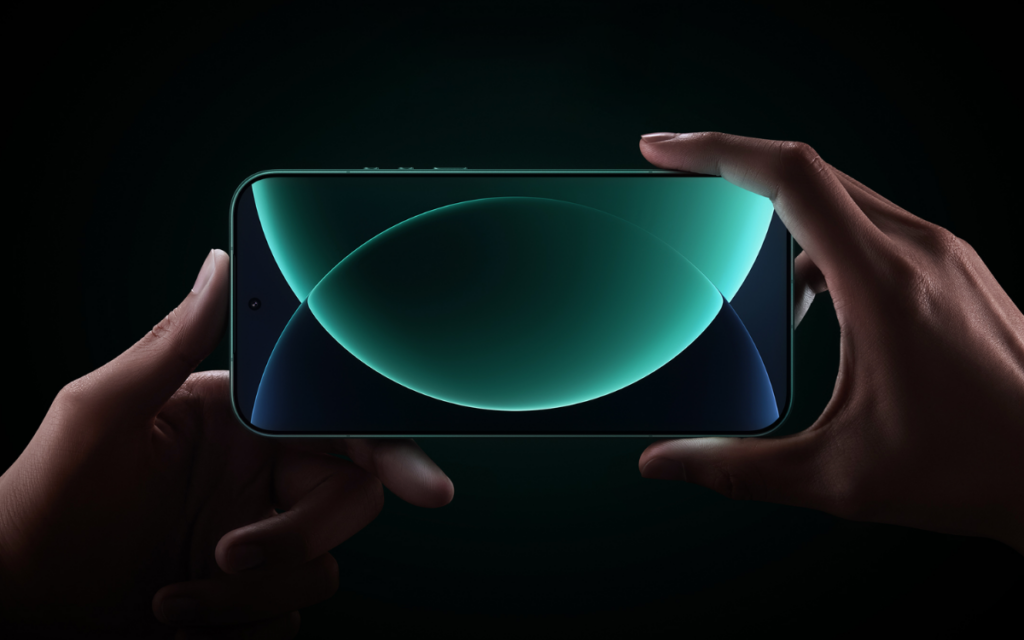
Lenovo’s New LOQ Essential is a Budget Gaming Laptop with Ryzen CPU & RTX 4050 GPU

Lenovo has just unveiled a new entry in its LOQ lineup, dubbed the LOQ Essential 15ARP10. This model is aimed squarely at gamers who need capable performance without breaking the bank, bringing a Ryzen CPU and up to an Nvidia GeForce RTX 4000 series graphics card.

New Budget Lenovo LOQ Gaming Laptop Drops with RTX 4050 Power

The Chinese PC giant’s LOQ Essential 15ARP10 model has just been announced as an affordable gaming machine. To recall, the Lenovo LOQ lineup includes budget models that are positioned below its Legion series. While we’ve seen plenty of thin and light laptops with impressive power, the LOQ Essential 15ARP10 is a typical full sized model. It sports a 15.6-inch display with an FHD resolution, 100 percent sRGB color gamut, and a 144Hz refresh rate. Under the hood, Lenovo’s budget gaming laptop is equipped with up to an AMD Ryzen 7 7735HS processor.

Lenovo LOQ Essential 15ARP10 Budget Gaming Laptop
Lenovo LOQ Essential 15ARP10

The chipset is based on AMD’s Rembrandt Refresh CPUs, which are the same as the Ryzen 6000 lineup that first debuted in 2022. But this older processor is coupled with the Nvidia GeForce RTX 4050 GPU (6GB VRAM), which has 65W TDP with a 15W Dynamic Boost. Although, there is an entry level model with the RTX 3050 graphics card (6GB VRAM). Alongside this, you get up to 16GB of DDR5 4800MHz RAM and 1TB of SSD storage. Both the memory and RAM are upgradeable thanks to the 2x M.2 SSD and 2x SODIMM slots.

Other notable features include an SD card slot, RJ45-Ethernet port, twin 2W speakers, dual microphones, HD webcam, and a 57.5Wh battery pack that supports Rapid Charge Pro (charge up to 50% in 30 minutes). As of right now, the Lenovo Essential 15ARP10 has just appeared on the brand’s official website, but the pricing details are still unknown. This release also arrives after the company released the LOQ Tower 26ADR10 desktop PC.

For more daily updates, please visit our News Section.

Tech enthusiast? Get the latest news first! Follow our Telegram channel and subscribe to our free newsletter for your daily tech fix! ⚡

OnePlus Ace 6 outscores OnePlus 13 on GeekBench

The upcoming OnePlus Ace 6, recently spotted on Geekbench, is shaping up to deliver top-tier performance at a mid-range price. With hardware that mirrors the OnePlus 13, this could be OnePlus’ next big value play.

OnePlus Ace 6

The Ace 6, listed under model number PLQ110, appeared on Geekbench 6 running the Qualcomm Snapdragon 8 Elite chipset—the same processor that powers last year’s flagship, the OnePlus 13. With this chip, the Ace 6 scored 3,050 points in single-core and 9,440 in multi-core tests, which puts it right on the heels of the OnePlus 15, and even slightly ahead of the OnePlus 13’s average multi-core score of 9,369. The small performance difference could also be due to pre-release software, and not necessarily due to any hardware limitations.

When paired with up to 16GB of LPDDR5X RAM, the Ace 6 looks ready to handle anything—whether that’s Genshin Impact at full graphics, or heavy AI-driven workloads.

OnePlus has already confirmed its dual launch event in China on October 27, where both the OnePlus 15 and Ace 6 will debut. The Ace 6 is also expected to launch globally soon after as the OnePlus 15R. Leaks suggest a feature set that includes a 6.83-inch, 1.5K display, a 7,800mAh battery with 120W charging, and a 50MP triple camera system.

While the flagship OnePlus 13 sits around the $900 mark, the Ace 6 is expected to come in at $200–300 less, putting it firmly in premium mid-range territory. With Android 16, OxygenOS’s smooth interface, and the same Snapdragon muscle as much pricier phones, this could easily become one of the most compelling releases of the season.

OnePlus seems to be focusing more and more on performance-centric devices. Even the upcoming flagship, the OnePlus 15, appears to be targeted at raw power more than anything else.

Don’t miss a thing! Join our Telegram community for instant updates and grab our free daily newsletter for the best tech stories!

For more daily updates, please visit our News Section.
(Source: 1, 2)

Casio launches G-Shock Nano, a fully functional watch that fits on your finger

Casio has officially launched the G-Shock Nano DWN-5600, a miniature digital watch that replicates the design of the classic DW-5600 at one-tenth its size. The new model weighs only 6 grams and is small enough to be worn on a finger. Despite its size, the Nano includes full G-Shock features such as 200-meter water resistance, shock protection, and multiple timekeeping functions.

Casio G-Shock Nano

Pricing and Availability

The company has confirmed that the G-Shock Nano will be available in Japan starting November 2025. It will be priced at ¥14,300, which is approximately €99.90 or $95. The watch will also launch in Europe through Casio’s regional websites, where it will be offered exclusively to Casio ID members. Customers in markets like France, the Netherlands, and Germany can register online for early access. Casio has not yet announced a release date or pricing for the U.S. market.

Casio G-Shock Nano Specifications

Casio has designed the Nano with a 23.4 × 20 × 7.5 mm case and an adjustable strap that fits sizes from 48 mm to 82 mm. The case and strap are made from biomass plastic, part of the company’s effort to promote sustainable manufacturing. The bezel design, side buttons, and stainless steel buckle closely mimic the full-sized DW-5600.

The digital display supports dual time zones, a 1/100-second stopwatch, an hourly time signal, and an automatic calendar. The LED backlight provides limited illumination in low-light conditions. Casio has added a flashing light function that activates at preset or hourly intervals. The display shows up to six digits and supports both 12-hour and 24-hour formats. The battery is user-replaceable and is rated for about two years of use.

Casio developed the smallest shock-resistant G-Shock structure by using high-density component placement and a compact battery module. The case uses reinforced resin and inorganic glass to maintain durability. The watch comes in black (DWN-5600-1), red (DWN-5600-4), and yellow (DWN-5600-9), and ships in a collector’s box with a dedicated silicone display stand.

For more daily updates, please visit our News Section.

Stay ahead in tech! Join our Telegram community and sign up for our daily newsletter of top stories! 💡

(Source, Via)

Apple is reportedly working on a clamshell-style iPhone too

Apple seems to be quietly shifting gears. After months of buzz around the super-slim iPhone Air, reports now suggest the project might not have the smooth future many expected. Instead, the company appears to be putting serious weight behind its long-rumored foldable iPhone lineup — not one, but two models in the pipeline.

Image credit: 4RMD

The iPhone Air, launched with plenty of hype for its ultra-thin build and sleek design, hasn’t quite lived up to expectations. Despite early sellouts in China, sales elsewhere have been softer than Apple hoped. According to Japan’s Mizuho Securities, Apple has now reduced production of the Air by about one million units this year. The rest of the iPhone 17 lineup — the standard, Pro, and Pro Max models — are still performing well, with total output expected to climb to roughly 94 million units in early 2026.

The Air’s smaller 3,149mAh battery and $999 price point — just $100 below the Pro — haven’t helped its case. Buyers seem to prefer paying a bit more for better performance and endurance. Some sources on Weibo even claim the Air could be canceled altogether, echoing Samsung’s recent decision to drop the Galaxy S26 Edge after lackluster sales of the S25 Edge.

If true, Apple’s attention now turns fully toward foldables. A recent ET News report from Korea claims Apple is preparing a book-style foldable iPhone for 2026, followed by a smaller clamshell-style model in 2028. Analyst Kim Ki-hyun of Stone Partners told attendees at ETNews’ Tech Summit that Apple has already lined up key suppliers, signaling that this isn’t just a one-off experiment.

Some forecasts, like one from Mizuho, suggest a possible delay to 2027 as Apple continues to refine the hinge and display materials. Still, insiders agree the company’s foldable ambitions are very real. The prototypes reportedly use advanced display tech — including LTPO panels for power efficiency and color filter-on-encapsulation (COE) to boost brightness — aiming to eliminate the visible crease that plagues current foldables.

The larger model could open up to around 7.8 inches, offering tablet-like productivity, while the clamshell design is expected to target users who want something compact and stylish.

Don’t miss a thing! Join our Telegram community for instant updates and grab our free daily newsletter for the best tech stories!

For more daily updates, please visit our News Section.
(Source)

Huawei Launches HarmonyOS 6: Every New Feature & All Eligible Devices

During the Huawei Developers Conference 2025, Huawei officially launched HarmonyOS 6. The next gen platform was first unveiled back in June 2025, and we finally have its official release timeline and all of the smartphones eligible for this major update. So let’s check it out.

1. Visual Redesign & Refined Interface

Huawei HarmonyOS 6 launched
Huawei HarmonyOS 6

One of the first things users will notice in HarmonyOS 6 is its refined visual language. The new design brings responsive animations and a dynamic light-sensing system that adapts to context, like editing photos, activating a voice assistant, or performing other actions.

On the lock screen, Huawei introduces AIGC-based signature customization, where the system analyzes your font style and image, then generates artistic wallpapers and themes tailored to your mood or aesthetic. These aren’t just visual upgrades, as Huawei aims to make the OS feel more fluid and alive for its users, blending both form and function.

2. Performance Gains & Cross-Device Workflows

Huawei HarmonyOS 6
Huawei HarmonyOS 6

The Chinese tech giant brings various optimizations to deliver a smoother UI. HarmonyOS 6 features measurable performance upgrades thanks to the new Ark Engine. Huawei claims an 11 percent faster app startup, a 21 percent quicker page rendering, and 30 percent faster content loading compared with previous versions. A highlight was the improvement in cross-device performance, with HarmonyOS 6 being 15 percent faster than HarmonyOS 5. Lab tests also revealed that there is around 35 to 51 minutes of battery life gains over the older iterations.

File sharing has been revamped, allowing users to send these files to more than 60 apps with the new tap-to-share feature, and drag and drop content just by looking at a target device. There is even seamless two-way sharing between your smartphone and PC. These cross-device workflows blur the line between phone, tablet, and computer. Huawei states that HarmonyOS 6 can open large PDF files in just 0.6 seconds compared to 55 seconds on Windows 11.

3. AI Tools, Creativity & Health Features

Huawei HarmonyOS 6

HarmonyOS 6 leans hard into AI. In the camera app you’ll find scene-aware portrait retouching that adjusts lighting, background blur and depth in one tap. There’s also an “AI-one-click filming” tool that instantly turns still photos into animated clips. Huawei’s smart assistant is getting smarter with the Xiaoyi AI 6 update, supporting dialect recognition and multi-step commands.

So taking voice notes, categorizing files, and scheduling appointments can be done with ease. On the health front, the new AI Health Assistant offers voice based consultations, insurance code access, provides hospital navigation, and interprets medical reports via iFLYTEK integration. Apart from the typical AI functions, HarmonyOS 6 brings AI

4. Privacy, Security & Family Controls

Security isn’t an afterthought in HarmonyOS 6, as the operating system introduces the new StarShield Security Architecture that applies AI driven protection from kernel to cloud. New features include Family Anti-Fraud to monitor suspicious calls, AI Anti-Fraud to detect deep-fake attempts in video calls, and Anti-Peek Protection to hide sensitive content when someone glances over your shoulder.

Encrypted sharing ensures files only reach approved recipients, while a View-Once mode limits secondary sharing of photos or videos. For families, there’s added support for screen-time moderation, location tracking of older users and real-time navigation assistance for the visually impaired.

5. Eligible Devices (Public Beta & Rollout)

Huawei is kicking off the HarmonyOS 6 public beta on 22nd October 2025, debuting in China. Meanwhile, a wider release will follow soon. So here are all the eligible models, and when you can expect the update:

Public Beta (October 2025)

  • Huawei Mate 70
  • Huawei Mate 60
  • Huawei Mate X6
  • Huawei Mate X5 series
  • Huawei Pura 80
  • Huawei Pura 70
  • Huawei Pura X series
  • Huawei Pocket 2 Series
  • Huawei Nova 14
  • Huawei Nova 13
  • Huawei Nova 122
  • Huawei Nova Flip
  • Huawei Nova Flip S
  • Huawei MatePad Pro 13.2 (2025 & 2023)
  • Huawei MatePad Pro 12.2 (2024)
  • Huawei MatePad 11 Pro (2024)

Closed Beta (October 2025)

  • Huawei Mate XT
  • Huawei Mate XT Ultimate Design
  • Huawei MatePad Pro 12.2 (2025)
  • Huawei MateBook Pro
  • Huawei Watch 5
  • Huawei Watch GT 5 Series
  • Huawei FreeBuds 6
  • Huawei FreeBuds 7i
  • Huawei FreeArc

November–December 2025

  • Huawei Nova 14 Lite (Vitality Edition)
  • Huawei Enjoy 70X
  • Huawei MatePad Mini
  • Huawei MatePad Air (2024 & 2025)
  • Huawei MatePad 11.5S (2024 & 2025)
  • Huawei Watch Fit 4 Series
  • Huawei FreeBuds Pro 4
  • Huawei FreeClip 2
  • Huawei FreeClip

For more daily updates, please visit our News Section.

Don’t miss a thing! Join our Telegram community for instant updates and grab our free daily newsletter for the best tech stories!

Huawei launches Vision Smart Screen 5 SE Enjoy Edition 144Hz display & HarmonyOS AI

Huawei has announced the Vision Smart Screen 5 SE Enjoy Edition (machine translated) in China. The new model comes in 55-inch, 65-inch, and 75-inch sizes. Let’s check out its key specs and pricing.

Huawei Vision Smart Screen 5 SE Enjoy Edition Specs

The Enjoy Edition features a 4K Ultra HD LCD panel with a 144Hz refresh rate and ultra-narrow 1.5 mm bezels, achieving a 98% screen-to-body ratio. It supports TÜV Rheinland’s low-blue-light and flicker-free certifications for eye comfort.

The panel is powered by Huawei’s self-developed Honghu picture engine, which enhances clarity, color accuracy, and contrast through AI-based technologies such as SR super-resolution, HDR enhancement, MEMC motion compensation, and 3D-LUT color mapping

Inside, it uses the Honghu 868 chipset built on a quad-core CPU architecture. The hardware supports 4K 120 fps decoding and runs HarmonyOS AI. For gaming, the TV includes HDMI 2.1 ports with ALLM and VRR.

The 5 SE Enjoy Edition supports 4K super casting with 50 fps playback, stable performance, and low latency. It also includes far-field voice control, AI Search to find movies or shows, and a built-in assistant that answers general questions.

Huawei Vision Smart Screen 5 SE Enjoy Edition

The 55-inch and 65-inch models include two 20W full-range speakers. The 75-inch variant adds two 20W tweeters, pushing total output to 80W. Huawei’s Histen audio engine enhances vocal clarity and creates a virtual sound field for immersive stereo output.

Huawei also includes family-friendly features such as children’s mode, parental controls for content and screen time, and built-in minor protection software. The TV features a metal frame with a polished finish and includes ambient modes like Smart Frame, which transforms the display into a digital gallery or seasonal landscape when idle.

Pricing and Availability

The Vision Smart Screen 5 SE Enjoy Edition is now available in China. The 55-inch version is priced at 2,199 yuan ($308), the 65-inch at 2,799 yuan ($392), and the 75-inch at 3,999 yuan ($561).

For more daily updates, please visit our News Section.

Stay ahead in tech! Join our Telegram community and sign up for our daily newsletter of top stories! 💡

(Huawei JD)

Early Black Friday 2025: Exciting Deals on Sony Noise-Cancelling Headphones

The holiday shopping season is kicking off early this year, it seems! To begin the sale, Sony is now live with incredible early Black Friday 2025 deals on its select acclaimed line of noise-cancelling headphones. Below is a look at the standout deals on the best Sony headphones.

Deals on Sony Noise-Cancelling Headphones

Sony WH-1000XM5 Premium

Price: $330 $399.99

Sony WH-1000XM5

The WH-1000MX5 Premium headphone comes with a complete redesign of Sony’s flagship line. The headphones are offering their most advanced noise cancellation to date. It also features an innovative Auto NC optimiser that automatically adjusts noise cancellation based on the environment.

Powering these premium headphones is an ensemble of two processors and eight microphones. They sport a new lightweight, ‘noiseless design’ and a custom-designed 30mm driver unit promising an exceptional sound clarity.

You may check the deal on Sony’s official website. Also, save $25 if it’s your first purchase from the Sony official page.

Sony WH-1000XM4

Price: $199.99 $349.99

Sony WH-1000XM4 wireless noise-cancelling headphones

You can save up to $150 with this massive discount on the Sony WH-1000XM4. Placed below the XM5 in the line-up, the Sony WH-1000XM4 also packs world-class quality sound for a relatively lesser price. Powered by the HD Noise Cancelling Processor QN1, these headphones are known for their powerful 40mm drivers, a classic foldable design, and other smart features.

The XM4s support the premium LDAC audio codec and offer a solid 30 hours of battery life with ANC enabled, making them a premium choice at a highly attractive early deal price.

As mentioned earlier, for the first-time purchase, an additional $25 can be saved, leading to an effective price of $175.

Sony WH-CH720N

Price: $100 $179.99

Sony WH-CH720N

The WH-CH720N is Sony’s entry into high-performance, budget-friendly noise-cancelling headphones. Despite being cheaper compared to the XM series, it leverages Sony’s powerful Integrated Process V1 to deliver effective Active Noise Cancellation and improved sound quality through its 30mm driver units.

They are exceptionally light at around 192g for long-lasting comfort and boast an impressive battery life of up to 35 hours with ANC.

Check more about the Sony’s WH-CH720N headphones on the official website. The $25 additional off stays valid for a first-time purchase.

ULT POWER SOUND

Price: $150 $249.99

ULT POWER SOUND

This headphone is specifically designed for bass enthusiasts in mind. The ULT POWER Sound headphones feature a dedicated ULT Button that allows you to boost the bass in two powerful stages. They combine this deep, impactful sound profile with ANC borrowed from the 1000X series.

The headphone is equipped with large 40mm dynamic drivers, supports the high-res LDAC codec, and provides great endurance with up to 30 hours of battery life.

To know more and purchase if interested, head over here.

Sony WH-1000XM6

Price: $430 $459.99

Sony WH-1000XM6

It’s the latest flagship model from Sony with the cutting-edge HD Noise Cancelling Processor QN3 and a massive array of 12 microphones. It promises to deliver noise cancellation speed up to 7x faster than the older models.

It brings back the classic foldable design and introduces smart features like Scene-based Listening, which automatically adjusts settings based on your activity. Connectivity is future-proofed with support for Bluetooth 5.3 and the new LC3 codec. It offers 30 hours of ANC-enabled listening.

Sony WH-CH20

Price: $39.99 $69.99

Currently listed at $39.99 (down from $69.99), the Sony WH-CH20 is an entry-level headphone. Delivering ultra-long battery life of up to 50 hours, quick USB-C charging, Bluetooth 5.2 connectivity with AAC/SBC support, multipoint device pairing, and companion app EQ support.

Its on-ear design and form factor make it especially suited for everyday wireless listening though it doesn’t include active noise cancellation or a wired audio input. Being affordable, it’s best suited for buyers on a tight budget.

For more deals, you can always visit our deals section.

Snapdragon 8 Elite Gen 5 vs 8 Elite vs 8 Gen 3: Benchmarks and specs

Snapdragon 8 Elite Gen 5 vs 8 Elite vs 8 Gen 3

The Snapdragon 8 Elite Gen 5 is the latest flagship chipset from Qualcomm, promising serious upgrades to performance and power efficiency. It’s already stirring up excitement, but on the other hand, the Snapdragon 8 Elite is still fresh, while the Snapdragon 8 Gen 3 still powers some of today’s flagship phones.

With these three powerhouses in the mix, it might be confusing to pick the correct one based on your needs. So, we compared them to find out how Qualcomm’s Snapdragon flagships have improved over the years. Whether you’re eyeing your next upgrade or just want to know how far Qualcomm has pushed its mobile silicon this year, this comparison should provide more clarity.

Snapdragon 8 Elite Gen 5 vs 8 Elite vs 8 Gen 3: benchmark comparison

Note: For benchmark testing, we used the Xiaomi 17 (Snapdragon 8 Elite Gen 2), Xiaomi 15 (Snapdragon 8 Elite), and Xiaomi 14 (Snapdragon 8 Gen 3).

Geekbench score

Snapdragon 8 Elite Gen 5 vs 8 Elite vs 8 Gen 3 - Geekbench score

The fifth-gen Elite chipset posts a total of 3,621 single-core points, which is about 19% higher than Snapdragon 8 Elite (3,047 points) and 68% higher than the Snapdragon 8 Gen 3 (2,161 points). The increase over last year’s Elite chipset may seem modest, but that’s a massive leap over 8 Gen 3.

The multi-core performance also tells a similar story. The Snapdragon 8 Elite Gen 5 gets 11,190 multi-core points. In contrast, the Snapdragon 8 Elite gets 9,286 points, and the Snapdragon 8 Gen 3 gets 6,853 points. That’s a solid 19% increase for the latest Elite chip over 8 Elite and a massive 63% increase over 8 Gen 3.

Geekbench 6SD 8 Elite Gen 5SD 8 EliteSD 8 Gen 3
Single core3,6213,0472,161
Multi core11,1909,2866,853

AnTuTu score

Snapdragon 8 Elite Gen 5 vs 8 Elite vs 8 Gen 3 - AnTuTu score

On the AnTuTu v11 benchmarking platform, the Snapdragon 8 Elite Gen 5 gets a total score of 3,872,080 points, which is about 30% higher than Snapdragon 8 Elite (2,981,542 points) and 65% higher than Snapdragon 8 Gen 3 (2,341,390 points).

The breakdown reveals that the newest Snapdragon 8-series chip gets a 21% higher CPU score over the Snapdragon 8 Elite and a 62% higher CPU score over the Snapdragon 8 Gen 3. The GPU gets an even better upgrade, with the 8 Elite Gen 5 posting a 27% boost over the 8 Elite and a 73% boost over the 8 Gen 3.

SD 8 Elite Gen 5SD 8 EliteSD 8 Gen 3
AnTuTu score3,872,0802,981,5422,341,390
CPU1,100,475909,797679,594
GPU1,380,0101,091,509798,047
Memory533,709392,463353,832
UX857,866587,773509,917

Snapdragon 8 Elite Gen 5 vs 8 Elite vs 8 Gen 3: spec sheet and key differences

Snapdragon 8 Elite Gen 5Snapdragon 8 EliteSnapdragon 8 Gen 3
AnnouncedSeptember 2025October 2024October 2023
Process nodeTSMC’s 3nm (N3P)TSMC’s 3nm (N3E)TSMC’s 4nm
CPU cores8-core8-core8-core
CPU cores2 x 4.61 GHz — Oryon (3rd gen)
6 x 3.63 GHz — Oryon (3rd gen)
2 x 4.32 GHz — Oryon (2nd gen)
6 x 3.53 GHz — Oryon (2nd gen)
1 x 3.3 GHz — Cortex-X4
3 x 3.15 GHz — Cortex-A720
2 x 2.96 GHz — Cortex-A720
2 x 2.27 GHz — Cortex-A520
GPUAdreno 840
Ray tracing support
Snapdragon Elite Gaming features
Adreno 830
Ray tacing support
Snapdragon Elite Gaming features
Adreno 750
Ray tracing support
Snapdragon Elite Gaming features
NPUQualcomm Hexagon NPU
Agentic AI support
Qualcomm Hexagon NPUQualcomm Hexagon NPU
MemoryLPDDR5X, up to 5.3GHzLPDDR5X, up to 5.3GHzLPDDR5X, up to 4.8GHz
StorageUFS 4.1UFS 4.0UFS 4.0
CameraQualcomm Spectra ISP (20-bit)
Up to 320MP single camera
up to 108MP single camera (MFNR, ZSL, 30fps)
Up to 48MP triple camera (MFNR, ZSL, 30fps)
Up to 8K video recording
real-time semantic segmentation (limitless)
Advanced Professional Video (APV) codec
Qualcomm Spectra ISP (18-bit)
Up to 320MP single camera
up to 108MP single camera (MFNR, ZSL, 30fps)
Up to 48MP triple camera (MFNR, ZSL, 30fps)
Up to 8K video recording
real-time semantic segmentation (limitless)
Qualcomm Spectra ISP (18-bit)
Up to 200MP single camera
up to 108MP single camera (MFNR, ZSL, 30fps)
Up to 64+36MP dual cameras (MFNR, ZSL, 30fps)
up to 36+36+36MP triple camera (MFNR, ZSL, 30fps)
Up to 8K video recording
real-time semantic segmentation (up to 12 layers)
ConnectivitySnapdragon X85 5G modem
Download speed: 12.5 Gbps (peak)
Upload speed: 3.7 Gbps (peak)
Wi-Fi 7 (peak speed: 5.8 Gbps)
Bluetooth 6.0
Snapdragon X80 5G modem
Download speed: 10 Gbps (peak)
Upload speed: 3.5 Gbps (peak)
Wi-Fi 7 (peak speed: 5.8 Gbps)
Bluetooth 6.0
Snapdragon X75 5G modem
Download speed: 10 Gbps (peak)
Upload speed: 3.5 Gbps (peak)
Wi-Fi 7 (peak speed: 5.8 Gbps)
Bluetooth 5.4

The Snapdragon 8 Elite Gen 5 uses TSMC’s 3nm (N3P) process node, which offers slightly better performance and power efficiency over TSMC’s 3nm (N3E) process node (used for the Snapdragon 8 Elite). The gap widens with TSMC’s 4nm process, used for 8th Gen 3.

The Snapdragon chips have received significant changes to the CPU. The 8 Gen 3 is the last Snapdragon 8-series chip to feature CPU cores designed by ARM. The Snapdragon 8 Elite introduced Oryon cores for the first time on a mobile chipset, which brought substantial gains to performance and power efficiency, and that got even better with the third-gen Oryon CPU inside the 8 Elite Gen 5.

Gaming has also been greatly improved over the years, thanks to newer Adreno GPUs, featuring higher performance, power efficiency, and improved latency. On top of that, Qualcomm has also improved the gaming features over the years to make Snapdragon flagships a no-brainer choice for smartphone gaming.

All three Snapdragon chips feature hexagon NPUs, but they have been greatly improved over the years to offer better performance and extended AI capabilities. The latest 8 Elite Gen 5 introduces support for Agentic AI.

The camera has also had significant upgrades over the last three generations. The 8 Gen 3 introduced a Cognitive ISP with triple 18-bit ISPs and focused on AI-driven photography. The 8 Elite took it a step ahead by introducing AI ISP. The latest 8 Elite Gen 5 introduces triple 20-bit AI ISPs and Advanced Professional Video (APV) codec for near-lossless video. The real-time semantic segmentation and video recording capabilities have also greatly improved year over year. The same goes for connectivity, as the newer modems feature increased download/upload speed, newer Bluetooth standards, and improved connectivity features.

Xiaomi 17 Pro durability test reveals quite a few interesting details

When a China-only flagship lands on JerryRigEverything’s workbench, it’s bound to stir some curiosity. Zack Nelson’s latest durability test takes on the Xiaomi 17 Pro — a compact powerhouse that looks similar to an iPhone 17 Pro at first glance, but hides a few surprises under the hood.

The phone’s standout feature is its rear mini display tucked into the camera module, designed for quick controls or notifications. But the real test was whether Xiaomi’s premium build lives up to its flagship status.

Up front, the 6.3-inch AMOLED display is protected by Xiaomi’s in-house Dragon Glass 3.0, and it performs remarkably well. At level 6, the glass didn’t have any visible scratches, and at level 7, only light scratches showed up. As Zack Nelson pointed out, this is close to Corning’s Ceramic Shield 2 used on the iPhone 17 Pro in terms of scratch resistance. “Dragon Crystal is definitely better than any other Android phone we’ve seen yet,” he concluded. That’s a big achievement for a smartphone maker that’s working to reduce its reliance on outside suppliers for key components.

Not everything is equally impressive, though. Flip the phone over, and you’ll find a plastic back cover instead of glass. It’s a choice more common in mid-range phones, but one that does offer benefits — lighter weight, better drop resistance, and lower repair costs. Still, it’s a bit of a letdown in a phone priced close to $900.

The glass covering the rear display also uses standard material — it began scratching at level 6, just like we’ve seen for years. So, it’s not the same new Dragon Glass 3.0 used on the front.

The aluminum frame holds strong during the bend test, and despite a little flex, the phone survives without cracks or creaks. Even after the classic lighter flame test, the display bounces back quickly with no lasting burn marks.

In short, Xiaomi’s 17 Pro proves tough where it matters most — up front. The plastic core might disappoint purists, but its practicality is hard to argue with. Sometimes, durability trumps the premium feel.

Don’t miss a thing! Join our Telegram community for instant updates and grab our free daily newsletter for the best tech stories!

For more daily updates, please visit our News Section.
(Source)

iQOO 15 hits Europe early via import

While many Android fans in Europe are still waiting for the latest flagships, iQOO’s latest powerhouse is already slipping through the cracks — just not officially. The iQOO 15, Vivo’s newest performance-focused smartphone, has arrived early via import sites, giving buyers a chance to grab 2025-grade specs before its European debut. But as always with gray-market imports, the deal comes with a few strings attached.

Fresh off record-breaking sales in China, the iQOO 15 is now listed on TradingShenzhen and Giztop, with prices starting around €597 for the base 12GB/256GB model and climbing to about €847 for the 16GB/1TB variant. That’s still far cheaper than flagships like the Galaxy S25 Ultra.

Warranty and after-sales support are the main caveats. TradingShenzhen offers limited EU repair options in Germany, Austria, and Poland, while Giztop’s policies vary by case. Buyers should double-check coverage and shipping terms before ordering.

On the bright side, the iQOO 15 is surprisingly EU-friendly. It supports LTE Band 20, wide 5G coverage, and comes with Android 16 and OriginOS, which supports multiple languages and full Google Play access. There’s no eSIM, but Android Auto and all key Google services work without issue.

Specs are top-tier: a 6.85-inch 2K OLED display with 6,000 nits peak brightness, Snapdragon 8 Elite Gen 5, and up to 16GB LPDDR5X RAM with UFS 4.1 storage. Cameras include a 50MP Zeiss main, 50MP ultrawide, and 50MP 3x periscope, while the 7,000mAh battery supports 100W wired and 40W wireless charging. Check out the full details of the iQOO 15 here.

For those who don’t mind skipping official channels, the iQOO 15 delivers serious flagship value. Just remember — you’re trading price for peace of mind.

Don’t miss a thing! Join our Telegram community for instant updates and grab our free daily newsletter for the best tech stories!

For more daily updates, please visit our News Section.

(Sources: TradingShenzhen | Giztop)

Nubia Z80 Ultra Launched: Snapdragon 8 Elite Gen 5 Power, 7,200mAh Battery, & Bigger Main Camera

The Nubia Z80 Ultra has just been unveiled as the brand’s latest flagship smartphone. This model brings Qualcomm’s latest and greatest, a massive battery pack, an upgraded main camera, and much more. So here’s everything you need to know.

1. Nubia Z80 Ultra: Design & Display

Nubua Z80 Ultra
Nubua Z80 Ultra

Nubia’s latest premium phone appears quite similar to its predecessor. So you still get a rectangular camera module on the rear with a large cutout for the main sensor. The device has a flat side, front, and rear panel. It measures 8.6mm thick and weighs 227 grams, with an IP68 + IP69 rating for water and dust resistance. Nubia’s Z80 Ultra arrives in multiple color options, namely Phantom Black, Condensed Light White, and Starry Night Collector’s Edition. There is even a Luo Tianyi Limited Edition variant, which features a bright red design.

On the front, the device sports a tall 6.85-inch BOX X10 OLED display with a 1.5K resolution, a 144Hz refresh rate, up to 960Hz touch sampling rate, 10 bit color depth, 100 percent DCI P3 color gamut, DC dimming, 2592Hz PWM dimming, and up to 2000 nits of peak brightness. The panel also houses an in-display fingerprint scanner.

2. Performance

The Nubia Z80 Ultra arrives as the latest Snapdragon 8 Elite Gen 5 powered flagship smartphone, which brings upgrades in performance, graphics, and efficiency. This high end chip is paired with up to 16GB of LPDDR5X RAM and 1TB of UFS 4.1 storage. It runs on the latest Android 16 OS based Nebula AIOS 2 custom skin out of the box. The limited edition model also offers exclusive HD wallpapers and custom boot animations, fingerprint unlocking, charging, and more.

A massive 7,200mAh battery pack powers this model, which supports 90W wired fast charging, 80W wireless fast charging, and reverse wireless charging. Other notable features include WiFi 7, Bluetooth 5.4, NFC, dual speakers, and a USB Type-C 3.2 Gen 1 port.

3. Camera

Nubia Z80 Ultra Luo Tianyi Limited Edition

Nubia is known for offering powerful smartphones with its flagship lineup, but these weren’t known for their photography prowess. Only certain models got the high end camera systems. However, the company aims to improve the camera experience with the Z80 Ultra. One of the biggest improvements is to the main camera. The older Z70 Ultra packed a 1/1.56-inch main camera, which has been upgraded to a larger 50MP 1/1.3-inch OmniVision LightMaster 990 sensor.

This camera supports OIS (Optical Image Stabilization) with a wide f/1.5 aperture. It is coupled with a 50MP 1/1.55-inch ultra wide angle lens with a 120 degree field of view and an f/1.8 aperture, and a 64MP 1/2-inch periscope telephoto shooter with 15cm telephoto macro support, OIS, and an f/2.4 aperture. While the ultra wide camera is getting an upgrade, the telephoto camera appears to be identical to last year’s model.

For those looking to take photography more seriously with this device, Nubia has also introduced a new Professional Photography Kit for this model. It features a leather and titanium build with mechanical operation keys that offer the feel of a real camera. There are also various other controls for finer tuning, a T-mount for external lens support, and a filter adapter ring that lets users attach the 67mm camera filter.

4. Pricing and Availability

The Nubia Z80 Ultra was just unveiled in China in multiple storage configurations. It is already on sale in China, with the global release arriving soon, so here are the pricing details:

  • 12GB + 512GB – 4,999 Yuan (~$702)
  • 16GB + 512GB – 5,299 Yuan (~$744)
  • 16GB + 1TB – 5,699 Yuan (~$800)
  • 16GB + 512GB (Starry Night) – 5,599 Yuan (~$786)
  • 16GB + 512GB (Luo Tianyi Limited Edition) – 5,799 Yuan (~$814)
  • 16GB + 512GB (Starry Night) – 5,999 Yuan (~$842)

For more daily updates, please visit our News Section.

Tech enthusiast? Get the latest news first! Follow our Telegram channel and subscribe to our free newsletter for your daily tech fix! ⚡

iQOO Neo 11 is coming this month with a 7,500mAh battery and 2K screen

Hot on the heels of the iQOO 15 launch, iQOO has confirmed it will introduce another smartphone in China later this month. The iQOO Neo 11 is scheduled to debut on October 30 at 7 PM local time (4:30 PM IST).

In its announcement post on Weibo, the company revealed a few key details about the Neo 11. The phone will ship with a 7,500mAh battery and feature a 2K-resolution display. According to previous reports, it could be an OLED panel with a 144Hz refresh rate.

The device is coming in four colors — black, blue, orange, and silver — with each finish adopting a slightly different design language. The black and silver variants feature a cleaner, more minimal look, while the blue and orange models take a more experimental approach.

The blue variant uses what iQOO calls “neon craftsmanship,” which shifts colors depending on how light reflects off the surface. The orange model, on the other hand, features 78 tiny squares that appear and disappear with changes in lighting.

It is also confirmed to have a metal middle frame and an IP68/69 rating for dust and water resistance.

Rumors also suggest that the iQOO Neo 11 will be powered by Qualcomm’s Snapdragon 8 Elite chipset and run OriginOS 6 based on Android 16. On the camera front, it’s expected to sport a 50-megapixel primary sensor with OIS, accompanied by an ultra-wide lens and a depth sensor. As for pricing, one report indicates that the device could launch in the ~2,500 Yuan (~$345) segment. Additionally, there may not be a Neo 11 Pro model this year, according to the same report.

For more daily updates, please visit our News Section.
Stay ahead in tech! Join our Telegram community and sign up for our daily newsletter of top stories.

Sony Launches New Pulse Elevate Wireless Speakers for Gamers

Sony has recently been expanding its audio gear portfolio that specifically targets gamers. While some of these were meant to be exclusive to the PlayStation, more recent models are universally supported across various platforms. The latest of these announcements includes the brand’s latest Sony Pulse Elevate Wireless Speakers. So here’s what you need to know.

Sony’s Pulse Elevate Wireless Speakers: What Makes Them Special?

Sony Pulse Elevate Wireless Speakers

The company’s new Pulse Elevate Wireless Speakers were announced to enhance the immersion during gaming on multiple platforms like PS5, PC, and Mac. It houses studio inspired magnetic drivers for improved sound and built in woofers for punchy bass and a fuller soundscape. But these aren’t just for audio, as the Pulse Elevate packs a microphone that is enhanced by AI, allowing it to detect and remove unwanted background noise for clear communication.

Latency is the bane of any gamer, and having another lag between audio and visual can be disadvantageous for competitive gaming. But Sony deals with this on these wireless speakers with the PlayStation Link technology for ultra low latency and lossless connectivity. These connect to your system via Bluetooth and even a PlayStation Link USB adapter, which is compatible with USB-C ports.

Sony Pulse Elevate Wireless Speakers

The Sony Pulse Elevate Wireless Speakers bring on-the-go gaming with support for PlayStation Portal remote player or with smartphones and laptops via Bluetooth. Other notable features include built in volume controls and a design that supports both horizontal and vertical orientation, which makes it handy for any desktop setup. Sony is set to unveil these gaming speakers in 2026, arriving in both Midnight Black and White color options.

For more daily updates, please visit our News Section.

Don’t miss a thing! Join our Telegram community for instant updates and grab our free daily newsletter for the best tech stories!

OnePlus 15 ends Hasselblad era, brings Oppo’s UMO Imaging and 50MP triple cameras

OnePlus China President Li Jie has officially announced that the upcoming OnePlus 15 will mark a new chapter in the brand’s camera journey. Through his social media post, Li revealed that the OP15 will debut Oppo’s LUMO imaging system, positioning it as OnePlus’ most advanced photography-focused phone yet. Here’s a look at the details confirmed by the brand.

OnePlus 15 to feature Lumo Imaging technology

OnePlus 15 camera features

According to Li, the Oppo Lumo imaging system represents the highest level of imaging technology within the Oppo Group. He added that the OnePlus 15 will deliver the best photographic performance in the brand’s history, focusing on depth, light, and color authenticity. Although the partnership with Hasselblad has concluded, the signature elements such as color philosophy, aesthetic tone, and key camera modes like Master Mode and wide aspect ratio have been retained, ensuring the signature OnePlus visual experience remains intact.

The OnePlus 15 features a 50- triple camera system, which includes a 3.5x periscope telephoto lens equivalent to an 85mm golden portrait focal length. It supports an advanced image processing setup with Pro XDR, full focal-range high-definition output, 4K 120fps Dolby Vision recording, and ultra-clear live photos.

According to reports, the OnePlus 15 will feature a 50-megapixel Sony LYT-700 primary camera with OIS support. It will be paired with a 50-megapixel OmniVision OV50D ultra-wide snapper and a 50-megapixel Samsung JN5 periscope telephoto camera.

As far as other specs are concerned, the OnePlus 15 sports a 6.78-inch BOE X3 display with 1.5K resolution and 165Hz adaptive refresh rate. Under the hood, it runs on the Snapdragon 8 Elite Gen 5 processor and a redesigned Glacier cooling system featuring dual capillary layers for improved heat dissipation. Powering the device is a massive 7,300mAh battery that supports 120W fast charging and 50W wireless charging.

The phone is expected to launch globally in November. A recent report claims that the device will be priced at 949 pounds sterling (~$1,260) for the 16GB+512GB version.

For more daily updates, please visit our News Section.
Stay ahead in tech! Join our Telegram community and sign up for our daily newsletter of top stories.