Advertisement

OnePlus 9/9 Pro OxygenOS 11.2.3.3 update brings improvements for camera, battery life, and network

OnePlus launched the OnePlus 9 series in the second last week of March. The primary devices in the lineup, namely the OnePlus 9 and the OnePlus 9 Pro received their first update on the launch day itself. The second update was rolled out last week. Now, the duo is receiving their third system update in the form of OxygenOS 11.2.3.3.

OnePlus 9 Pro Morning Mist Featured 04
OnePlus 9 Pro

The latest update for the OnePlus 9 and the OnePlus 9 Pro brings several improvements. It comes with the following build numbers for different regions.

  • OnePlus 9

    • IN: 11.2.3.3.LE25DA
    • EU: 11.2.3.3.LE25BA
    • NA(GLO): 11.2.3.3.LE25AA
  • OnePlus 9 Pro

    • IN: 11.2.3.3.LE15DA
    • EU: 11.2.3.3.LE15BA
    • NA(GLO): 11.2.3.3.LE15AA

According to the changelog, the new stable update for the OnePlus 9 series brings improvements for power consumption performance for better battery life, camera shooting & recording experience, stability of telecommunication functions, and WLAN transmission performance & stability.

Last but not least, the latest OTA update also comes with fixes for known issues for improved system stability.

OnePlus 9/9 Pro OxygenOS 11.2.3.3 Official Changelog

  • System
    • Improved the power consumption performance to extend the battery life
    • Fixed known issues and improved system stability
  • Camera
    • Improved the shooting and recording experience
  • Network
    • Improved the stability of telecommunication functions
    • Improved the WLAN transmission performance and stability

Like any other OTA system update, the new build for the OnePlus 9 and the OnePlus 9 Pro is being rolled out in batches. Therefore, it may take time to reach every unit around the world.


RELATED:


Oppo and Vivo foldable smartphones’ display near mass production: Tipster

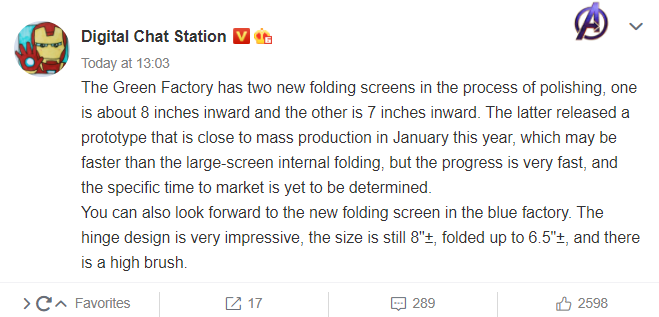
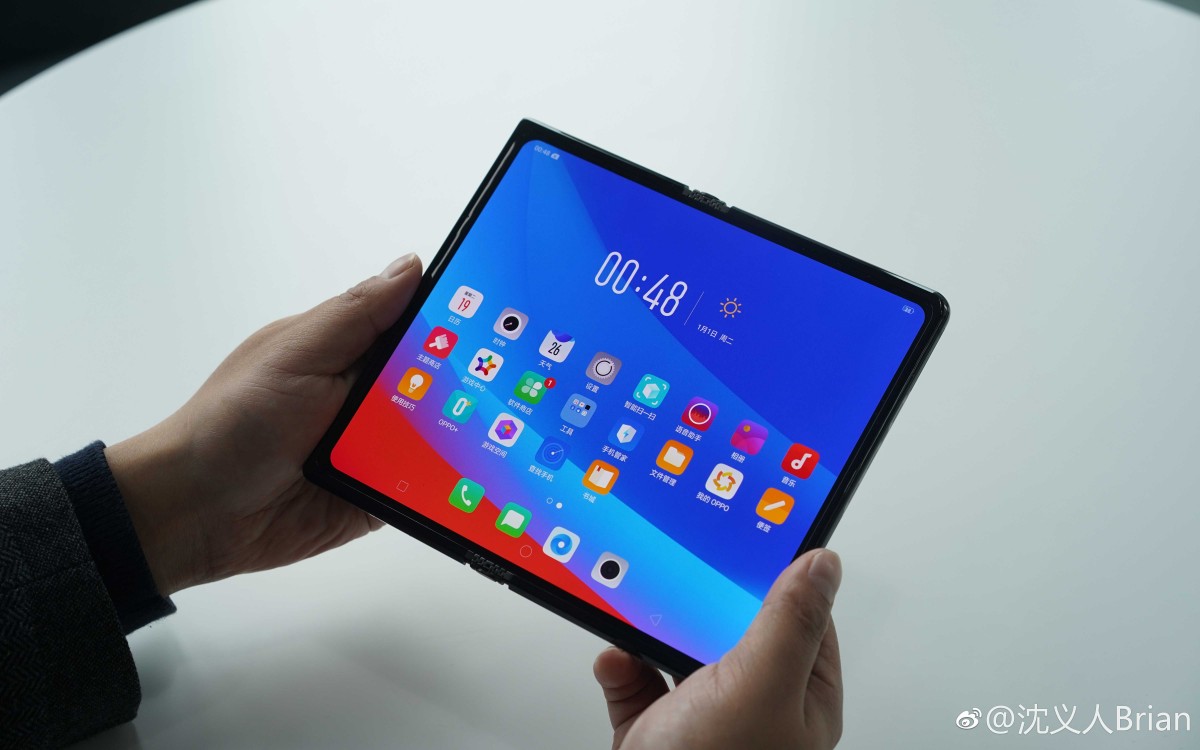
Earlier today (6th April 2021), a known Weibo blogger, a Chinese microblogging website, and tipster revealed that foldable displays for upcoming smartphones from Oppo and Vivo are nearing mass production.

Oppo

The information was shared on the online platform by @数码闲聊站, who revealed that there are two versions being worked on, one is an 8 inch flexible display while the other is a 7 inch panel. Both displays are inward folding, with the latter already having a prototype. The tipster also added that the 7 inch panel was also close to mass production at the beginning of this year, in January. Although, a specific time frame for commercial launch has yet to be determined.

As per the blogger, the Vivo foldable smartphone would arrive with an impressive hinge design for its 8 inch flexible screen. This display would also support a high refresh rate and would still be 6.5 inches when folded. Recently, Xiaomi launched its first foldable smartphone, so we can expect other Chinese tech giants like Vivo and Oppo to launch their own iterations soon. Unfortunately, the exact launch dates for these devices are currently unknown.

Oppo

However, new foldable devices from such companies are expected to hit the market sometime in the second half of this year. In other words, we can also expect the foldable smartphone market to have increased competition later this year, which could also imply prices also becoming competitive and the prices for such high end devices to fall as well. So stay tuned, as we will be providing updates when additional information is available.

RELATED:


Amazfit Bip U Pro launched in India for Rs 4,999 (~$68)

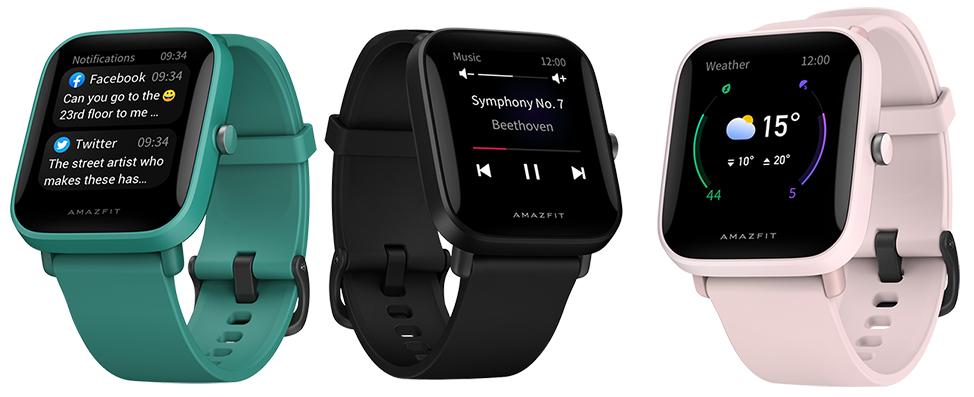
The Amazfit Bip U Pro has launched in India today. It has arrived as an enhanced version of the Bip U smartwatch, which was introduced in the country with a pricing of Rs 3,499 (~$48) back in October. With a sub Rs 5,000 pricing, the Amazfit Bip U Pro comes with features like a large square-shaped screen, heart rate sensor, GPS, 5ATM water resistance, and more.

Amazfit Bip U Pro specifications and features

The Amazfit Bip U Pro measures 40.9 x 35.5 x 11.4mm and it weighs only 31 grams with the strap. The smartwatch has a polycarbonate construction that offers users 5ATM water resistance. The strap is made out of skin-friendly silicone material.

The Bip U Pro has a 1.43-inch IPS LCD color display that offers 320 x 320 pixels resolution. The display is shielded by 2.5D curved glass, which comes with an anti-fingerprint coating.

Amazfit Bip U Pro
Amazfit Bip U Pro

The smartwatch is packed with sensors like a heart rate sensor, SpO2 sensor, accelerometer, gyroscope, and geomagnetic sensor. It features Bluetooth 5.0 connectivity support for pairing it with a smartphone. It runs on RTOS and it is compatible with Android 5.0 or higher and iOS or above devices.

The Bip U Pro is backed by a 230mAH battery that takes around 2 hours to charge completely. With typical use, it can last for up to 9 days and it can last for up to 5 days on heavy use. There is a microphone onboard, which brings in support for Alexa assistant. The Bip U Pro also supports 60+ sports modes, sleep tracking, stress level monitoring, and menstrual cycle tracking. The non-Pro version lacks GPS support, a microphone, and an Alexa assistant.

Amazfit Bip U Pro pricing and availability

The Amazfit Bip U Pro has arrived with a price tag of Rs 4,999 (~$68) in India and it comes in colors like Black, Green, and Pink. The smartwatch is now available on pre-orders through Amazfit’s online store in India and Amazon India.

RELATED:

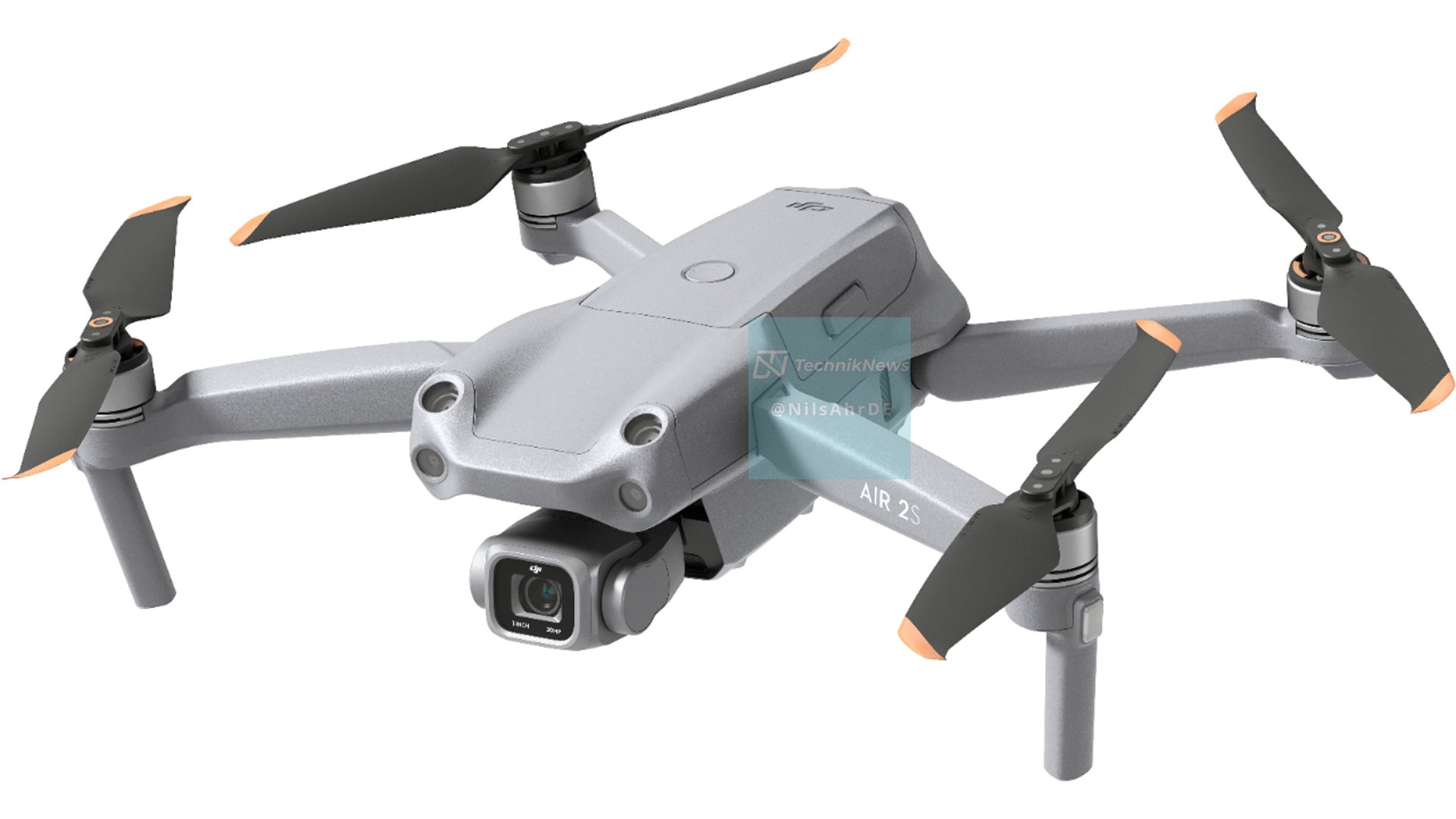
DJI Air 2S renders and specs leaked, features a 20MP camera

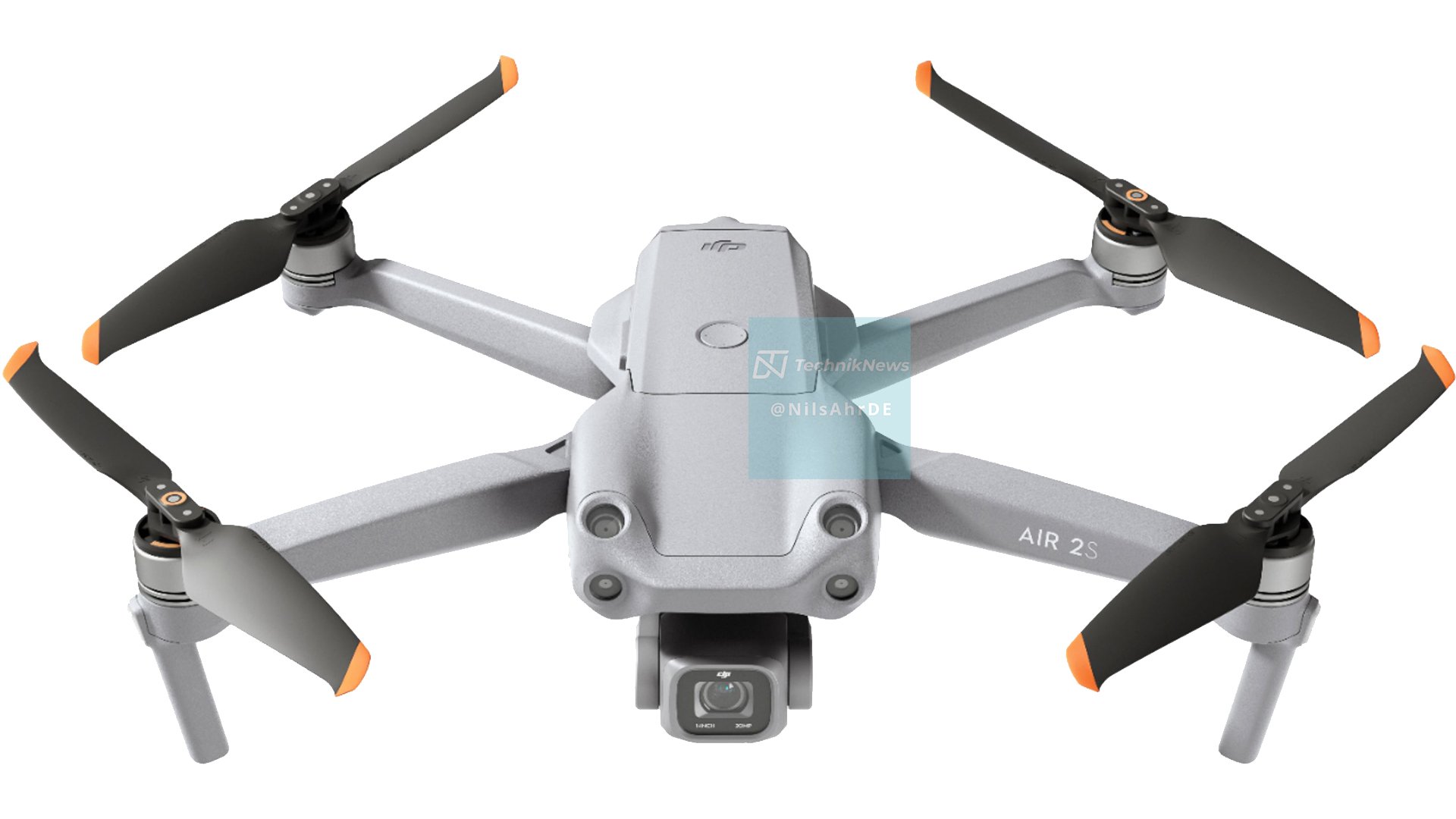
DJI has been known to be working on a new drone for a while, and now, a new leak has revealed the supposed renders of the upcoming Air 2S drone along with a few key specs.

According to a TechnikNews report, the Air 2S from the popular drone maker a features 20 megapixel shooter, which is an improvement from the 12 megapixel sensor that can be found in the previously launched Mavic Air 2. Notably, the Air 2S does not carry the ‘Mavic’ branding and was spotted in certain certification listings as well. So it is unknown if it is a direct successor or a new refresh of the Mavic Air 2.

DJI

The upcoming drone will also weigh 600 grams, which is about 30 grams heavier than its predecessor. Furthermore, the company is also including the 10 bit color space into the camera, meaning, the camera is capable of capturing over a billion colors. Similarly, the Air 2S will also support “Intelligent HDR,” which “automatically combines several recordings in order to increase the dynamic range of images without post-processing.”

Other features include the support for hyperlapse and a panorama function. Looking at the renders, the drone also features a total of four rotors and is apparently capable of reaching a maximum speed of up to 19 meters per second (about 68 kilometers per hour), which is the same as the Mavic Air 2. It also rated to operate in a maximum altitude of 6,000 meters above sea level. Just like the Mavic Air 2, the Air 2S also houses 8GB of onboard storage. Another new addition includes “Master Shots,” which has the drone perform ten different maneuvers of a subject and make short recordings.

DJI

This will be supplemented by the company’s “Spotlight 2.0” and “Point of Interest 3.0” along with the “ActiveTrack 4.0.” Additionally, the DJI Air 2S will also be upgraded to autopilot version 4.0. This would allow it to detect objects in all four directions and avoid them. The drone is expected to be powered by a 3,500mAh battery, which had been first confirmed in a previous FCC listing. While the exact pricing and launch date are unknown, it is expected to be around 800 Euros (roughly 950 US Dollars) and could be announced sometime this month.

RELATED:


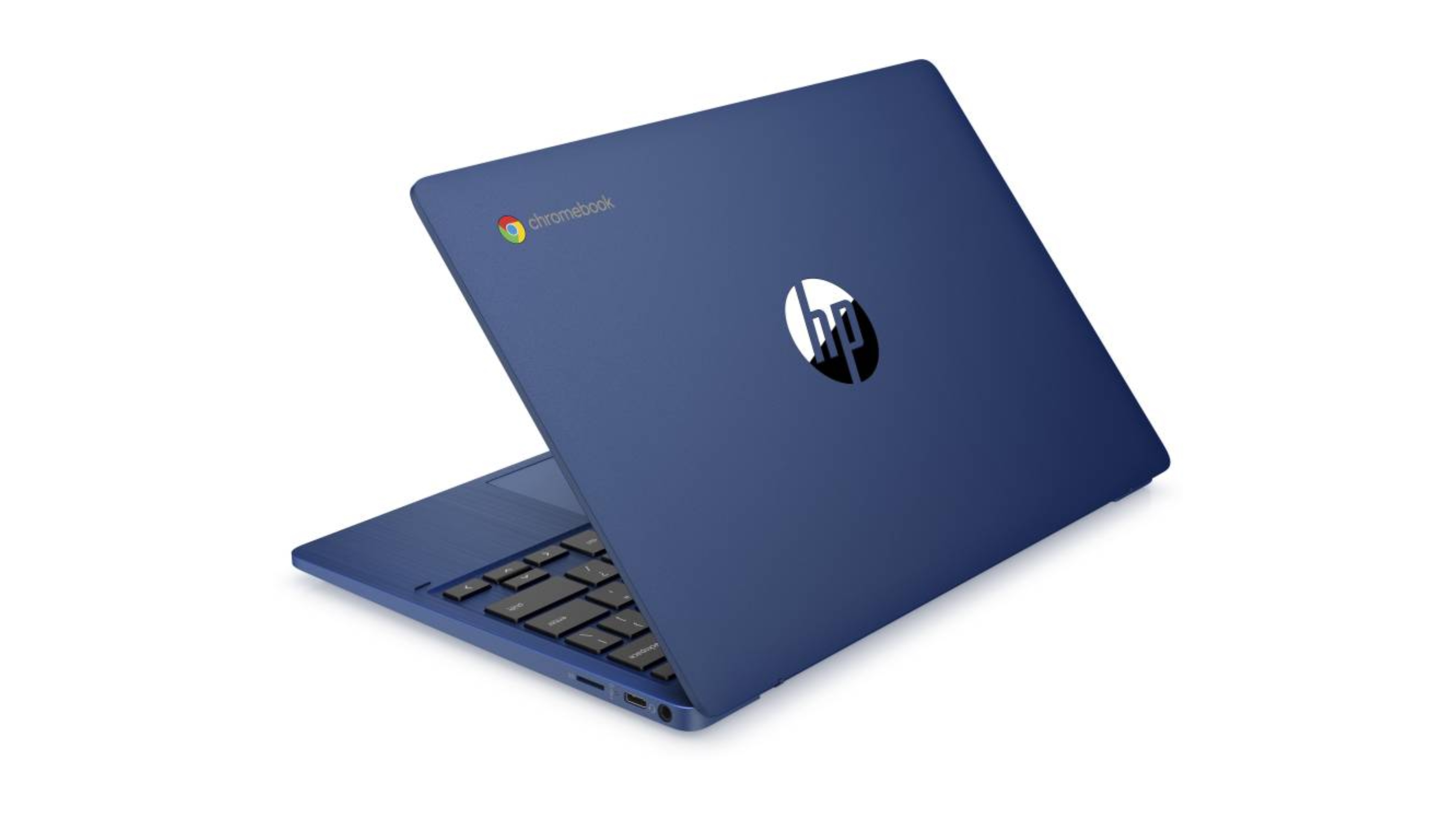
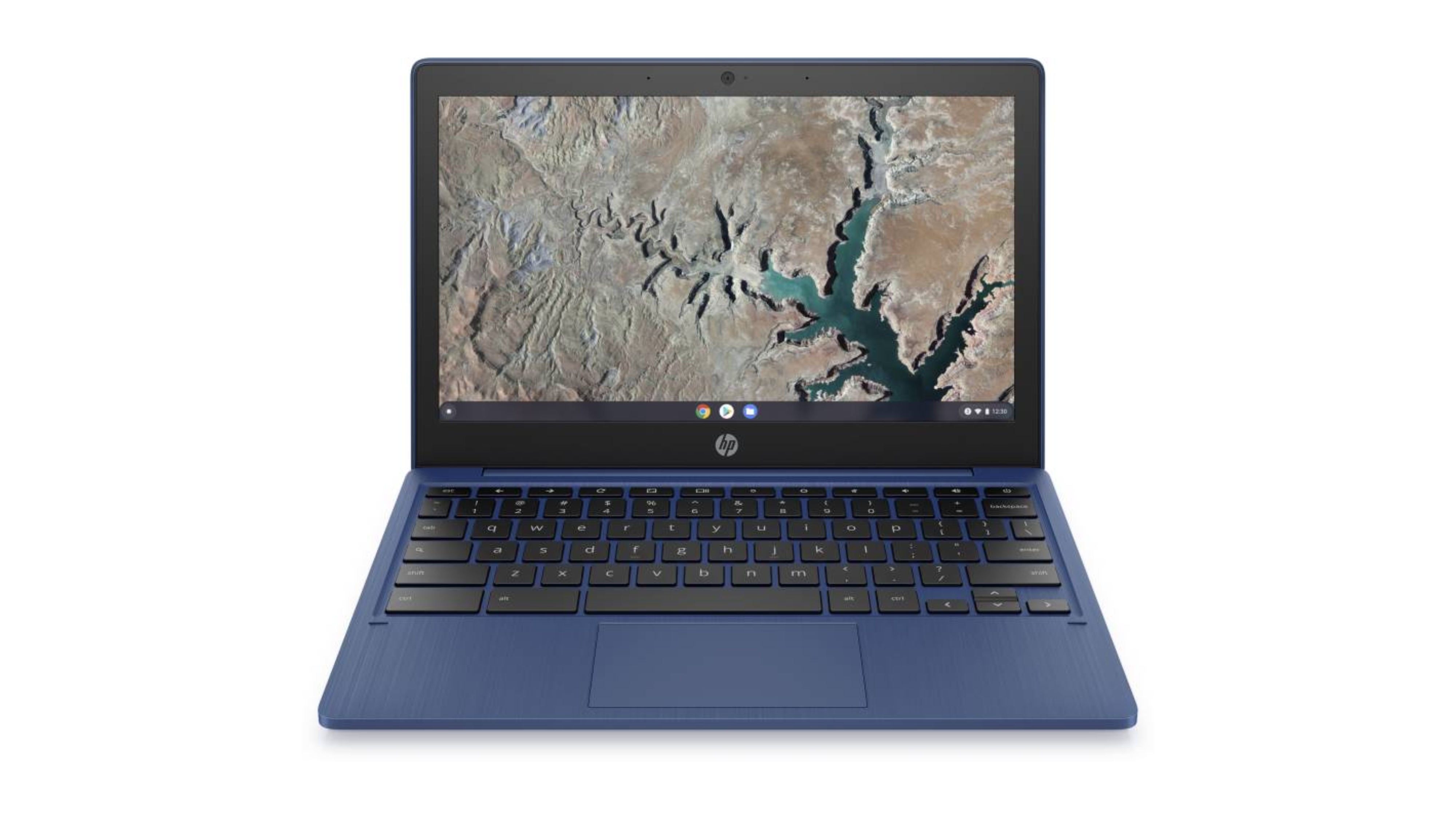
HP Chromebook 11a launched in India for ₹21,990 ($300)

As expected, HP has officially launched the HP Chromebook 11a in India. This laptop is currently the cheapest Chrome OS product in the country. Let us take a look at its specs, features, price, and availability in this article.

HP Chromebook 11a Featured 01

HP Chromebook 11a Specifications and Features

The HP Chromebook 11a sports an 11.6-inch LED-backlit LCD panel with a resolution of 1366 x 768 pixels, 220 nits peak brightness, 45% NTSC color gamut, 73.8% screen-to-body ratio, and touch input.

It is powered by a MediaTek MT8183 SoC coupled with 4GB DDR4 RAM and 64GB eMMC storage. If needed, the storage can be further expanded up to 256GB via the included 3-in-1 card reader (SD, SDHC, SDXC) and 1-year Google One subscription (100GB).

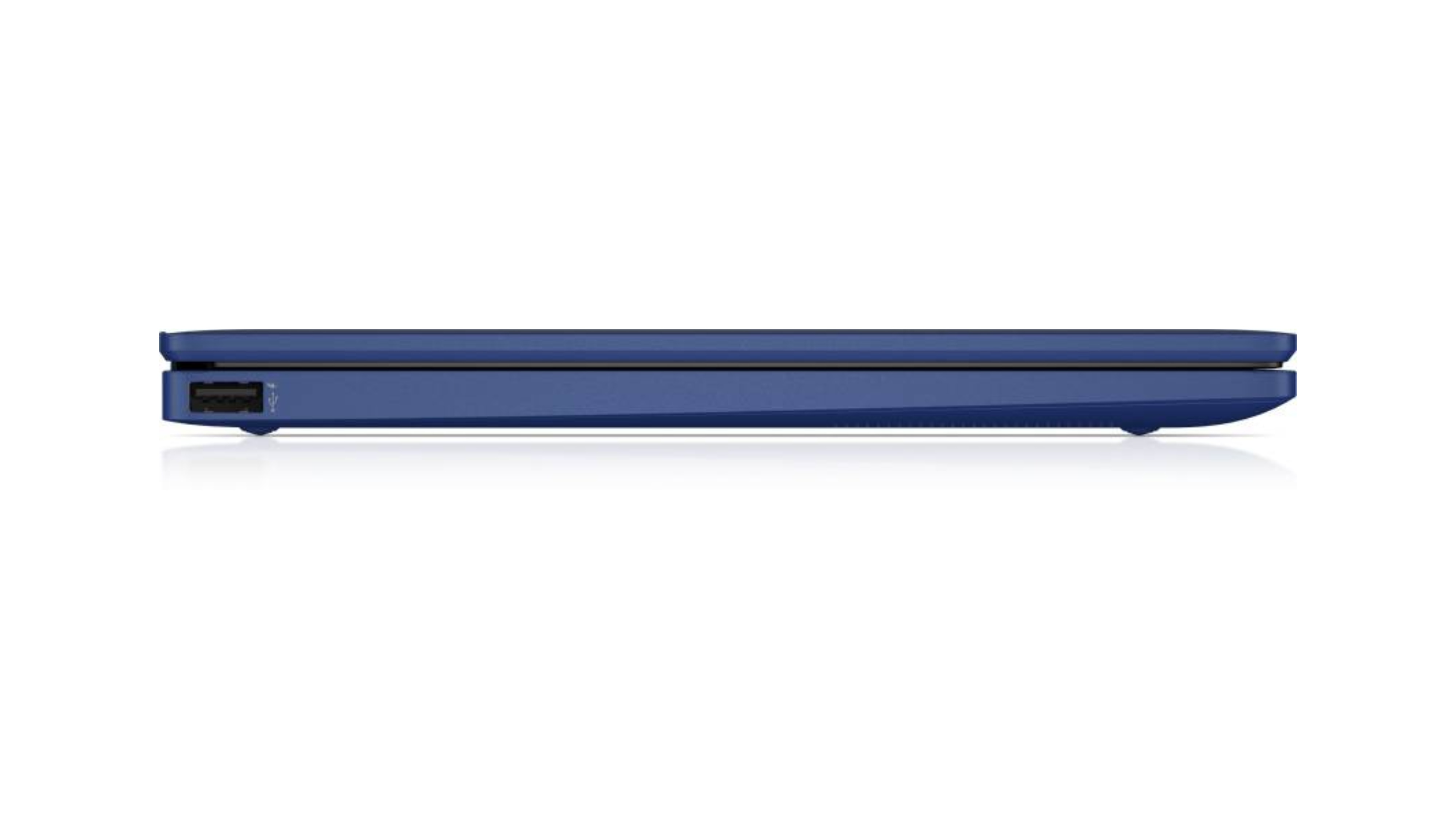
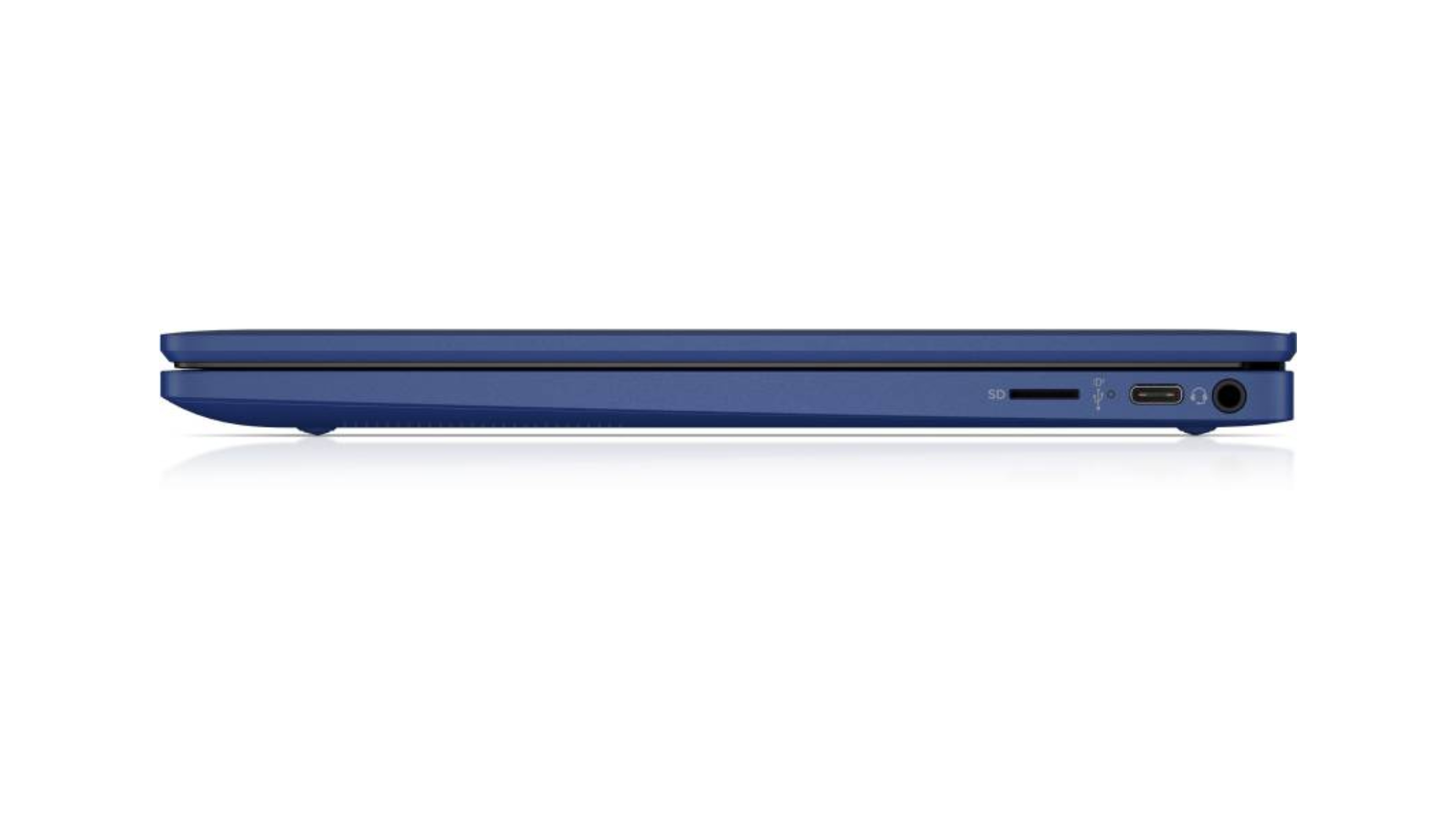
On the connectivity front, the notebook supports WiFi 5 and Bluetooth 5.0. It comes with 1 x USB 2.0 Type-C (DisplayPort 1.1, USB Power Delivery), 1 x USB 2.0 Type-A, and a headphone/microphone combo jack.

Further, since the laptop runs Google Chrome OS, it also supports Android apps and Linux applications. Other features of this notebook include a full-size keyboard, 720p webcam, dual speakers, dual microphones. Google Assistant, and a 37 WHr battery.

Last but not least, the HP Chromebook 11a with model number 11A-NA0002MU comes in a single Indigo Blue color option, measures 285 x 192.8 x 16.8mm in dimensions, weighs 1.07Kg.

HP Chromebook 11a Price and Availability

The HP Chromebook 11a is priced at ₹21,990 ($300) in India. It is already up for sale on Flipkart. It should be also sold by HP online store and select offline retailers in the coming days.


RELATED:


Xiaomi sends out 10,000 Haagen-Dazs ice creams to celebrate its establishment day

Xiaomi had recently announced that the company would be giving away around 10,000 sodas and now today, the company has said that it will be giving away 10,000 ice creams from Häagen-Dazs on its Xiaomi Mall mobile application.

For those who are unaware, the company is doing this to celebrate its establishment day. Xiaomi was established on 6th April 2010, which makes the company eleven years old. To celebrate, the company will be hosting a live event on Douyin.

Xiaomi Ice Cream

Xiaomi further adds that it will be giving away discounts for the Mi Rice Cooker and 60 million yuan in cash red envelopes through its own Xiaomi Mall, JD.com, Tmall, and Suning.com stores in the form of discounts, gifts, coupons, and more.

The company has grown significantly in the past few years, emerging as the leading brand in several regions where it is present. Xiaomi has also expanded from smartphones to a wide range of products, covering almost everything when it comes to consumer electronics.

It is also ramping up investment into chip manufacturing as the pressure from the United States keeps increasing. This is also a part of China’s efforts to lower dependency on foreign technology after the US had targeted Huawei Technologies and a few others.

RELATED: 

Oppo overtakes Huawei in 5G adoption rates for smartphones

With the world quickly towards 5G, the newer and faster bandwidth is one of the big selling points for new smartphone launches. It is the norm for flagship models while new budget devices are also arriving with 5G support. This holds especially true in China, with a new report stating that Oppo has surpassed Huawei in terms of 5G adoption rates for smartphones.

Oppo

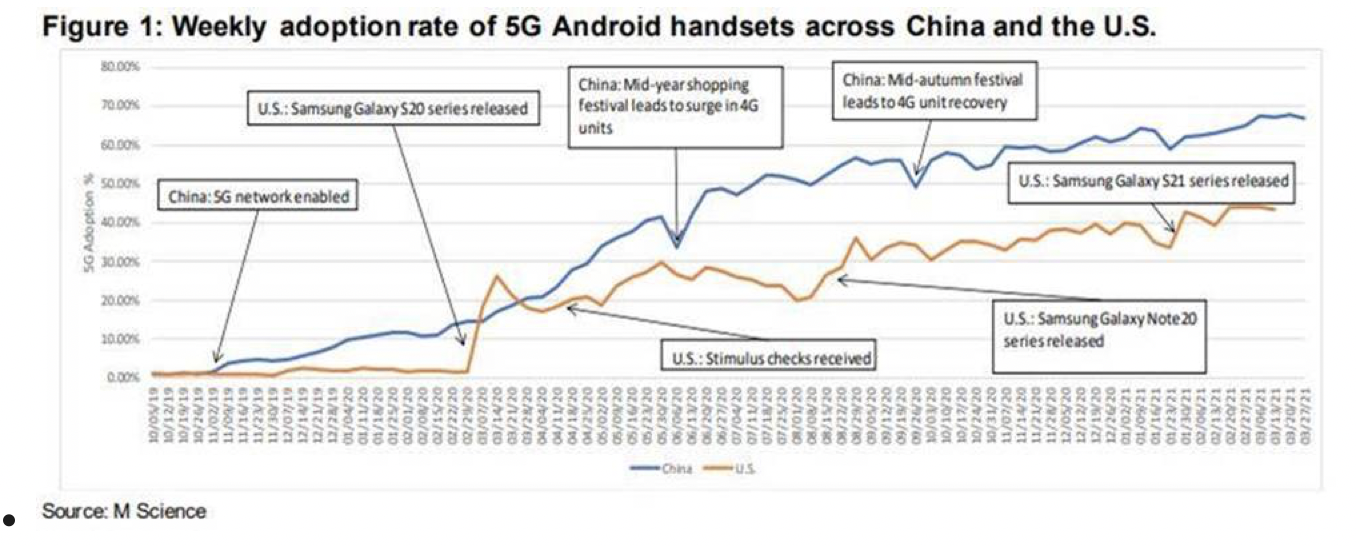
According to an MScience report, the adoption rate of 5G enabled devices for the Chinese tech giant surpassed its rival. The report also shared a graph that detailed the trend for 5G adoption rates in both the US and China, marking all the important events that led to either a rise or decline of 5G Android smartphones. Looking at this graph, we can observe that the Galaxy S20 series launch from Samsung was what initially led to the rise of 5G handset adoption in the US, meanwhile, China already had steady growth.

Furthermore, this was also backed by the American customers receiving the stimulus checks around the same time. Meanwhile, China, despite being ahead of the US in 5G smartphone adoption rates, saw a moderation in its growth due to 4G devices seeing a rise in demand in the region around the middle of the year. In 2021, the Galaxy S21 series also marked another rise in the US adoption rates, while China saw moderate changes overall.

OPPO A74 5G
OPPO A74 5G

During this time, however, Oppo had managed to surpass Huawei in 5G adoption, as per the report. This would likely be due to the latter suffering from the impacts of the US trade restrictions, which led to the sharp decline of its smartphone business last year. For those unaware, Huawei was cut off from its primary chip supplier, TSMC, causing it to only focus on the launch of its latest flagship lineup. On the other hand, Oppo had launched various new handsets with 5G support including premium and mid tier segments.

RELATED:


Samsung to stop manufacturing Galaxy S20 FE Exynos 990 variant: Report
Samsung introduced the Galaxy S20 FE back in September 2020 as its second Fan Edition smartphone after the Galaxy Note FE from 2017. This handset launched in two variants – 4G and 5G. The former version is powered by the company’s in-house Exynos 990 SoC and the latter model features a Qualcomm Snapdragon 865 SoC. Now, months after this phone’s release, Samsung may stop manufacturing the Exynos 990 variant.

Samsung Galaxy S20 FE Cloud Mint Featured

The Galaxy S20 FE was one of the best smartphones launched in 2020. But those rave reviews were for the 5G variant with the Qualcomm chipset. Wheres, the 4G version was criticized by both media and users for its poor battery life and performance.

Looks like Samsung is trying to right this decision with its new move. The company recently launched the Galaxy S20 FE 5G in India. Also, the South Korean tech giant is reported to be working on a new 4G variant with Qualcomm Snapdragon 865 instead of Exynos 990, as per multiple certifications.

Now, according to popular leakster Ice Universe, Samsung will halt the production of Exynos 990-equipped Galaxy S20 FE. This variant will be replaced by a Snapdragon 865+ model. This means the upcoming new Galaxy S20 FE (SM-G780G) could be powered by Snapdragon 865+ SoC and not Snapdragon 865.

That said, since this upcoming Galaxy S20 FE has been already listed on multiple regional Samsung websites, we can expect it to go official very soon.


RELATED:


Samsung is moving down Galaxy S9 smartphone to quarterly updates

Samsung has improved quite a lot when it comes to providing updates to its smartphones. The company tries to optimize the process and as a part of that, some older models move down to the list of less frequent updates.

Now, it appears that the Samsung Galaxy S9 is moving down to quarterly updates from its current schedule of monthly updates. So, from now onwards, the Galaxy S9 will only get 4 security patches per year, likely moving to the biannual schedule next year.

Samsung Galaxy S9 Plus DXOMark

This change is applicable to both the models — Galaxy S9 and Galaxy S9 Plus. The updates provided are based on the Android 10 operating system, which was rolled out to these smartphones in February last year.

The development comes just days after Samsung rolled out April 2021 security patch to the Galaxy S9 Plus smartphone. Interestingly, the update for this model comes before some more recent devices from the company.

Based on the updated schedule, it seems that the next update for the S9 series smartphones will be available in July or August. Its predecessor, the Galaxy S8 series is also on a quarterly update basis and is likely to move to biannual updates by next year.

RELATED: 

OPPO F19 with Rs 18,990 (~$259) pricing launched in India as rebranded OPPO A74

Yesterday, OPPO unveiled the OPPO A74 4G smartphone in some Southeast Asian markets. The same handset has now gone official in India as the OPPO F19. It is third F19-series from the brand after the OPPO F19 Pro and F19 Pro+ phones, which were announced in the country in March.

OPPO F19 specifications and features

The OPPO F19 has a 6.43-inch AMOLED display with a punch-hole design.  The screen delivers a Full HD+ resolution of 1080 x 2400 pixels, a 20:9 aspect ratio, a DCI-P3 color gamut, a 60Hz refresh rate, a 135 to 180Hz touch sampling rate, and an in-screen fingerprint reader.

The OPPO F19 is fueled by the Snapdragon 662 mobile platform and 6 GB of RAM. It is equipped with 128 GB of UFS 2.0 storage, and it features a microSD card slot for more storage. The handset is preloaded with ColorOS 11 based Android 11 OS.

OPPO F19
OPPO F19

For capturing selfies and video calls, the OPPO F19 has a front camera of 16-megapixel. The rear camera module has a 48-megapixel main camera, a 2-megapixel depth assist lens, and a 2-megapixel macro camera.

The OPPO F19 has a massive 5,000mAh battery that supports SuperVOOC 2.0 33W fast charging. The phone offers connectivity features like dual SIM support, 4G VoLTE, Wi-Fi 802.11ac, Bluetooth 5.0, GPS, USB-C, and a 3.5mm audio jack.

OPPO F19 pricing and availability

The OPPO F19 is priced at Rs 18,990 (~$259) in India and it comes in colors like Prism Black and Midnight Blue. Customers with HDFC, ICICI, Kotak, and Standard Chartered banks can get a flat 7.5 percent cashback. Buyers of F19 can get the Enco W11 for Rs 1,299 (~$18) and the W21 for Rs 2,499 (~$34).

RELATED:

Samsung and Oppo to fight for LG’s market share, as it exits smartphone business: Report
LG Electronics had just announced that it will be exiting the smartphone business. The company had various reasons to quit the industry, and it seems that its rival Samsung and Oppo will be fighting to grab its market share.

Samsung

According to a MoneyUDN report, the South Korean tech giant is shutting its loss making unit as it can’t compete with the likes of Apple or Samsung in the high end segments while Chinese brands dominate the mid to low end segments. Thus, it is expected to lose its market share once it exits the industry to its fellow South Korean rival and China’s Oppo. This also marks the departure of a major smartphone brand from the industry.

Furthermore, the global smartphone market can also be divided into two platforms, namely, Android and iOS. Within both platforms, Samsung and Apple are the leaders, meanwhile, even Huawei after being affected by the US trade restrictions and having its market share decline sharply is ahead of LG. Chinese vendors like Oppo and Xiaomi also offer better value to the consumers, and have hence, surpassed the South Korean firm as well.

Samsung

LG’s key markets included regions like Europe, South Korea, and certain Southeast Asian markets. These are now expected to be replaced with Samsung in the high end market and by Chinese brand Oppo for the mid to low end segments. LG was once one of the top three smartphone brands, although, it has been seeing losses since the second quarter of 2015. It had been rumored to shut its mobile division for a while so the announcement is not a surprise.

RELATED:


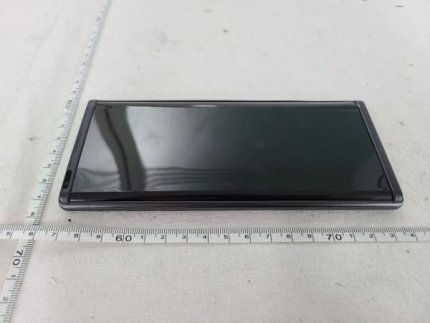
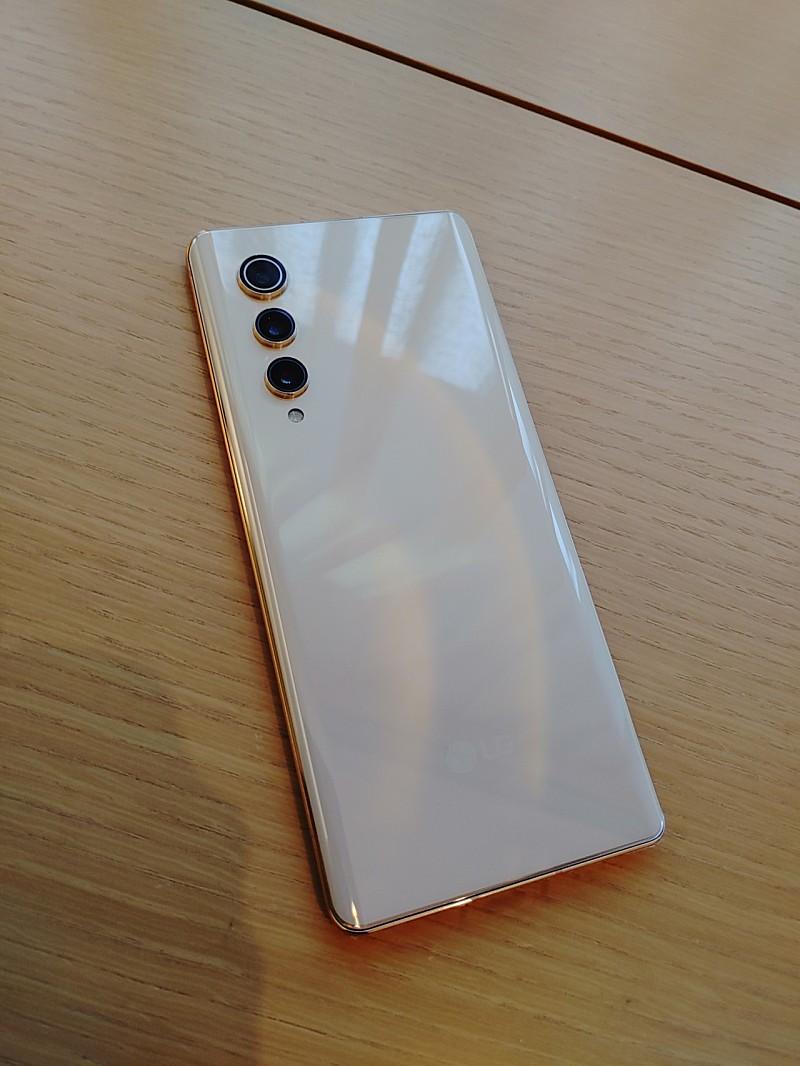
LG Rollable and LG V70 smartphone’s live images surface online

LG was struggling in the smartphone business and recently, the company confirmed that it is exiting from the mobile market. The company plans to shut down the mobile unit in a few months but will continue to sell its existing inventory.

It remains to be seen what will happen to the company’s devices that are already in the pipeline. While that is yet to be known, details about the LG Rollable smartphone and LG Rainbow smartphones have now surfaced online.

LG Rollable Smartphone
LG Rollable Live Image Leak
LG Rainbow (V70) Leak

A live image of the LG Rollable smartphone has leaked online, showcasing the black-colored phone with its design. Along with that, another smartphone from the brand, LG Rainbow aka LG V70 has also surfaced online.

The report also claims that the LG V70 smartphone isn’t getting launched in May or June this year. In fact, it says that the phone is dead and will not be released in the market. It also reveals that the LG Rollable won’t be equipped with the latest Qualcomm Snapdragon 888 chipset but will utilize a lower-grade processor.

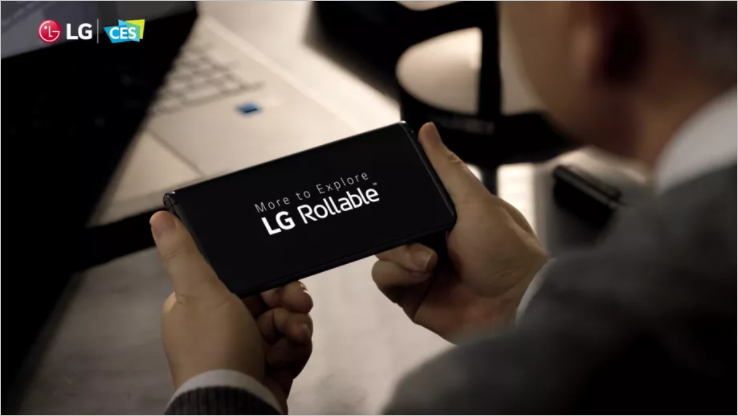
LG Rollable Smartphone

LG had teased its rollable smartphone earlier this year at CES 2021 and had promoted to launch the device later this year. But given that the company is exiting the smartphone market, the release of the smartphone seems to have been suspended.

Earlier, there were reports about the company suspending the rollable smartphone but a couple of months ago, LG spokesperson said that the device has not been put on hold and added that there was no decision about the future of its mobile products. Right now, all we can do is wait and see what the company decides for the rollable smartphone.

RELATED: 

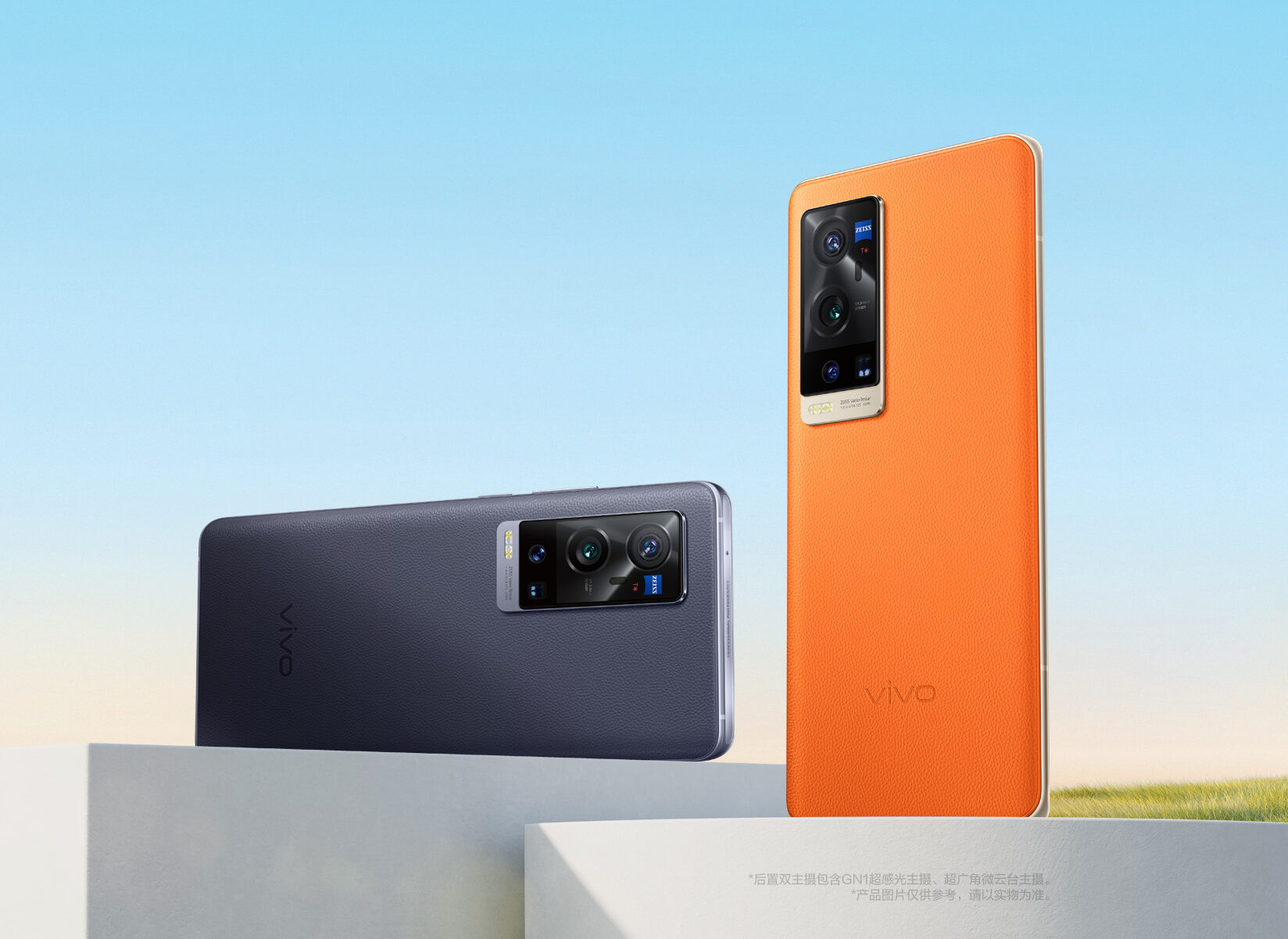
vivo X70 series may come with 66W charging, dual stereo speakers, and more

At the end of last year, vivo debuted the vivo X60 series in China. The three models in the series with some differences made their way to the global markets late last month. Despite being just a few months old, rumors about their successors have started popping up on the internet.

vivo X60 Pro Plus Featured 07
vivo X60 Pro+


Chinese smartphone makers OPPO and vivo are known for releasing two flagship smartphone series every year. Hence, it is not surprising to learn that the vivo X70 series may go official around June 2021, as per a Weibo user (@馬然熊猫).

This information comes from the same person who tipped the key specs of the upcoming vivo NEX (vivo NEX 5?). Hence, we advise you to consider this leak with a pinch of salt.

According to this tipster, the upcoming vivo X70 series will be backed by a 4,500mAh battery. Unlike the current-gen phones, the forthcoming models will also come with 66W fast charging.

Further, on the front, they will flaunt an FHD+ Samsung E4 AMOLED display with a centered punch-hole. Also, they will come equipped with dual speakers, which are missing on the vivo X60 series. 

Lastly, he says that we can expect a 1/1.28-inch primary camera sensor and a Qualcomm Snapdragon 888 SoC underneath the vivo X70 Pro+. Unfortunately, he is not sure about the chipset in the Pro and vanilla variants.

Last but not least, it is worth noting that the leakster described these features for the ‘vivo X70 series’. He did not clearly specify which model will have these specs. Considering the previous generations, we expect the standard vivo X70 to come with slightly inferior features.


RELATED:


(Via)

Moto G20 bags NBTC certification, Likely to launch soon

Recent reports have revealed that Motorola is working on a new smartphone called the Moto G20. The specifications and renders of the phone have already appeared in recent reports. It appears that the launch date of the Moto G20 could be drawing near as it has received certification from the National Broadcasting and Telecommunications Commission (NBTC) authority (via).

Moto G20 NBTC

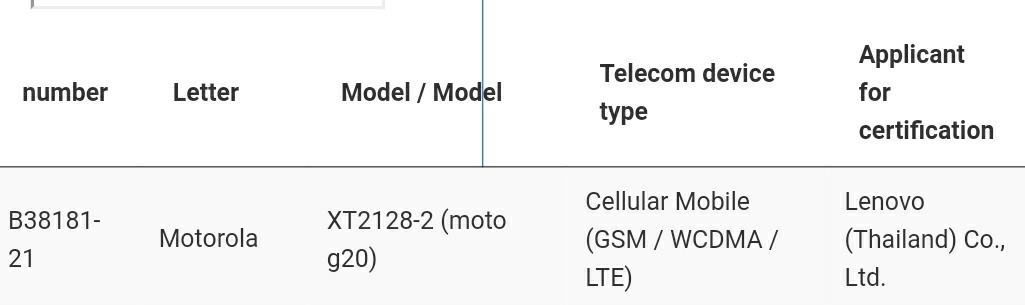
The NBTC listing reveals that the XT2128-2 model number belongs to the Moto G20 smartphone. It only confirms that it is a 4G LTE device. Reports have revealed that the G20 could be powered by the Unisoc T700 chipset and 4 GB of RAM. The device will come loaded with Android 11 OS.

The Moto G20 may feature a 5,000mAh battery that supports 10W charging. The 4 GB RAM + 128 GB storage edition of the phone could be priced at 148.07 euros (~$175).

Moto G20 render
Moto G20

The leaked render of the Moto G20 revealed that it has a waterdrop notch screen. The back panel of the phone has a rectangle-shaped camera module that seems to house a quad-camera system and an LED flash. It is unclear whether the Moto batwing logo available on the backside of the device is integrated with a fingerprint scanner.

The Moto G60 is the other that is waiting in queue to go official. A recent report claimed that the phone will arrive in India and Brazil with the Moto G40 Fusion moniker. While the European edition (Moto G60) will have a 108-megapixel main camera and a 32-megapixel selfie camera. The Indian and Brazilian models will have a 16-megapixel front-facing camera. The smartphone is expected to come with other specs like a 6.78-inch FHD+ display, up to 6 GB of RAM, up to 128 GB of built-in UFS 2.1 storage, a 6,000mAh battery, and Snapdragon 732G.

RELATED:

SK Group buys 16.3% stake in Vietnam’s VinCommerce for $410 million

SK Group, the third-largest conglomerate from South Korea, has announced that the company has agreed to acquire a 16.3 percent stake in VinCommerce for $410 million, reports Reuters. For those who are unaware, VinCommerce is one of the biggest retailers in Vietnam and is a part of Masan Group.

The transaction values the retailer at $2.5 billion. Along with SK Inc (formerly known as SK Holdings Co Ltd), battery maker SK Innovation, SK Telecom, SK Hynix, and SK E&S are also participating in this deal through an investment unit focused in Southeast Asia.

SK Group

VinCommerce is operating about 2,300 convenience stores and supermarkets in Vietnam and holds about 50 percent of the market share in the country’s consumer retailer sector. With the new investment, the company plans to accelerate online and offline distribution, logistics, and online payments.

Woncheol Park, representative director of SK South East Asia Investment, the SK Group arm that made the investment, said in a statement: “Our investment in VinCommerce is part of SK’s broader strategy of investing in Vietnam’s fast-growing sectors.”

VinCommerce achieved an EBITDA breakeven in the fourth quarter of 2020 and delivered positive EBITDA in the first quarter of 2021. The management is now expected to achieve positive EBIT in the second half of this year.

The SK Group had earlier invested about $1 billion in Vingroup and $470 million in the diversified company Masan Group.

RELATED: 

Xiaomi crowdfunds the MIJIA Brushless Smart Home Electric Drill for ¥449 (~$68)

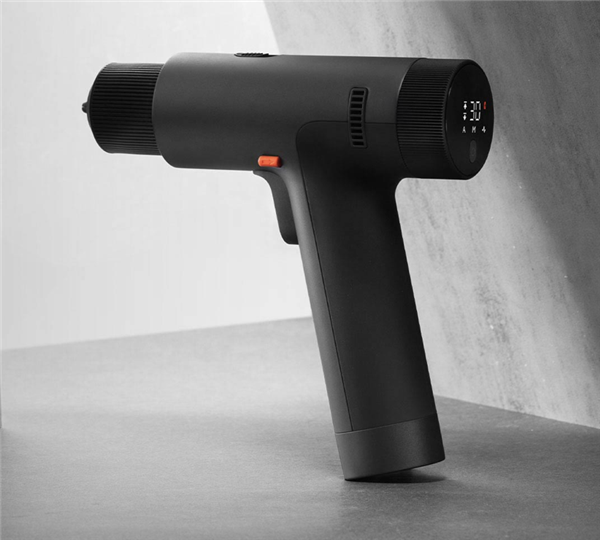
Xiaomi has released a new product that different from all home products that the company has released in the past. That is because the product is the brand’s first electric drill. Dubbed MIJIA Brushless Smart Home Electric Drill, the product is on crowdfunding on Xiaomi Mall for 449 yuan (~$68). In the future, it will retail for 499 yuan (~$76).MIJIA Brushless Smart Home Electric Drill

You would think this is one of Xiaomi’s electric screwdrivers as it adopts the same minimalist design. The body has smooth lines and no visible screws on the surface. The grip design is more suitable for those with hands, making the grip operation more comfortable and reliable. The body is coated using the two surface processes of metal baking paint and UV top coat, giving it a high-grade matte metal texture. The texture is scratch and stain-resistant.MIJIA Brushless Smart Electric Drill

The entire body of the electric drill is manufactured using PC+ABS high-strength engineering plastics, which are sturdy and durable. The back half of the handle is covered with matte TPU soft rubber, which feels comfortable and non-slip, and won’t get discolored and sticky easily.

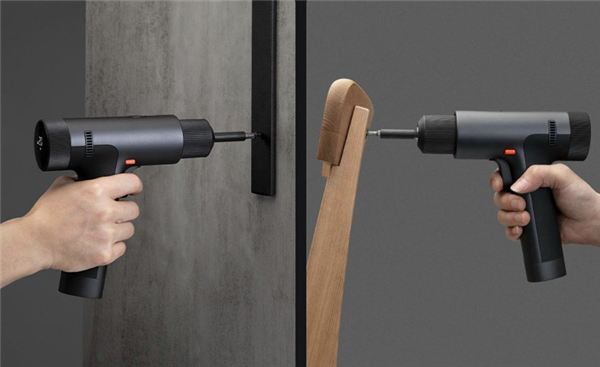
The MIJIA Brushless Smart Electric Drill adopts a mechatronics design, which is safe and doesn’t produce any spark. With the brushless motor mechanics, there won’t any need to replace the carbon brush, thus giving the machine a longer service life. The drill has a maximum torque of 30Nm, while the maximum speed is 1400rpm. It can be used seamlessly on soft pine, hard beech, and other wood types as well as aluminum alloy pipe, steel plate, and other metal and plastic water pipe. The drill can also penetrate acrylic, and other plastic materials easily.MIJIA Brushless Smart Electric Drill

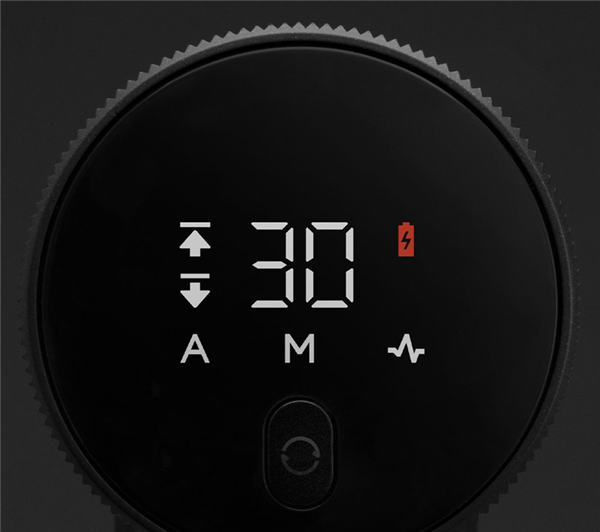
The electric drill features three operational modes; manual, smart, and pulse gears. The user can switch gears at any time by pressing the button at the bottom of the display. The three modes are designed to provide different speeds and operating methods depending on whether the user is a novice or an expert in the handling of electric drills.

Furthermore, it is equipped with a high-definition display, which can display the current operating mode and manual gear numbers in real-time.

In terms of battery life, the innovative battery layout design eliminates the need for additional bulky battery packs. The drill packs a built-in 2000mAh high-quality lithium battery that can drive over 550 self-tapping screws, or continuously drill through a 6mm steel plate over 22 times. It can also continuously drill 4cm deep holes in a wooden board over 280 times.

RELATED;

(via)


Google Assistant Driving Mode now rolling out in more countries

A few more countries may soon join the United States as countries where the Google Assistant Driving Mode is functional. The Driving Mode feature was launched in 2020 in the United States, and feelers indicate that it is already operational in the United Kingdom, while several others are lined up for the rollout.Google Assistant Driving Mode

Previously, the official support page for the feature indicated that it was only available in English in the US. That has been updated to read that some features “aren’t available in all languages or countries.” This is suggestive of an imminent global rollout for the feature even though that wasn’t stated. Android Police also reports that one of its readers in the U.K has reportedly got the feature on his Pixel 5.

The Google Assistant Driving Mode is a feature that helps users who are on the wheels to listen to audio notifications on their compatible Android smartphone, make or receive calls, as well as send messages using their voices.

The feature is a replacement for the Auto mode which was on Android smartphones previously. It was developed to ensure safety while driving, as the user can perform a lot of activities just through a voice prompt. The feature is compatible on smartphones with Android 9.0 operating system or higher, together with a minimum of 4.0GB of RAM. Unfortunately, the driving mode feature will not work in landscape mode. Therefore, the user will need to ensure that their smartphone is in portrait mode before activating the Google Assistant Driving Mode.

It is known that making calls while driving has caused hundreds of accidents with sometimes massive fatalities. Therefore, the Google Assistant Driving Mode will help a motorist receive or make calls and perform a few other activities without interfering with his driving.

RELATED:

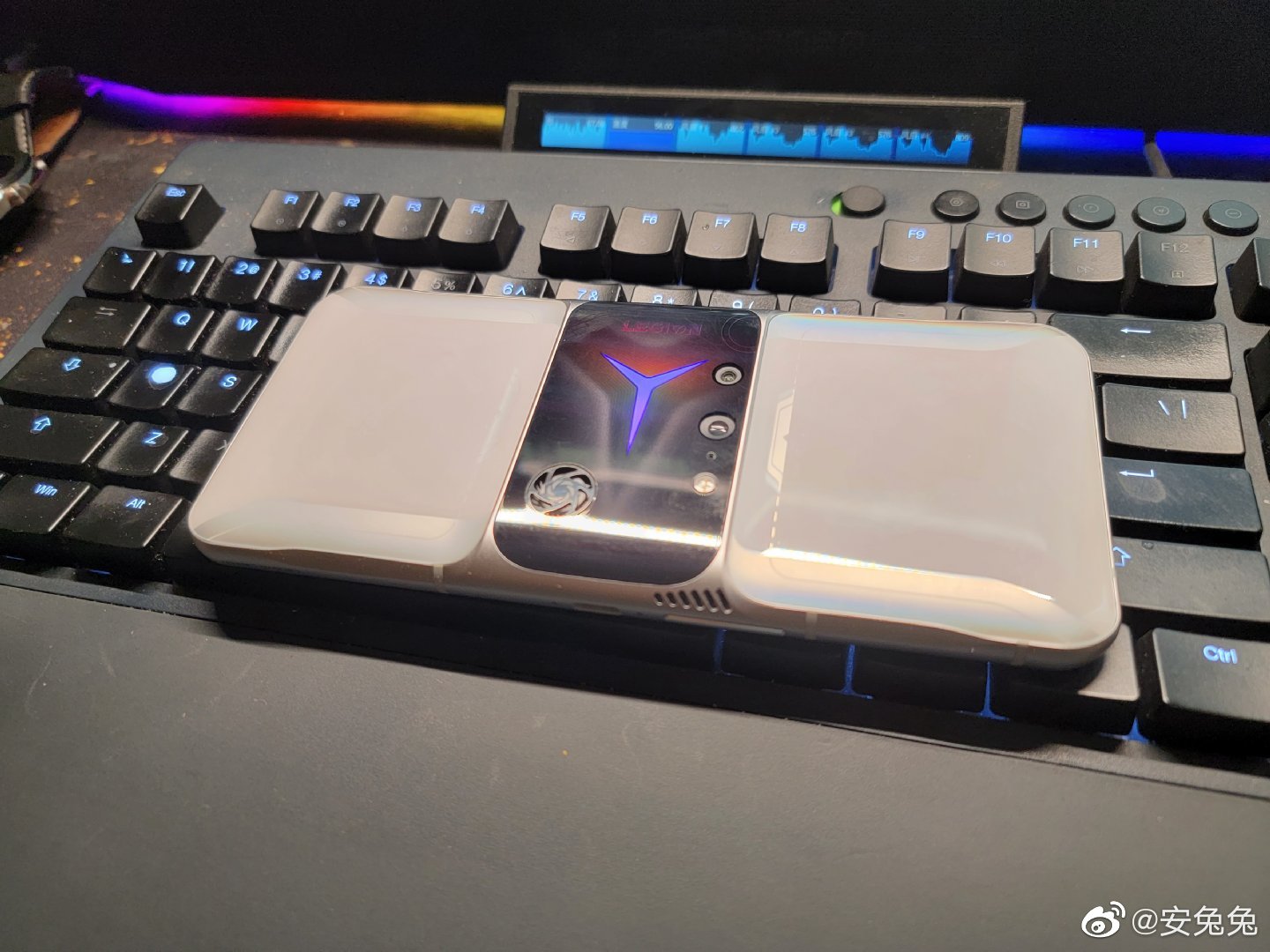
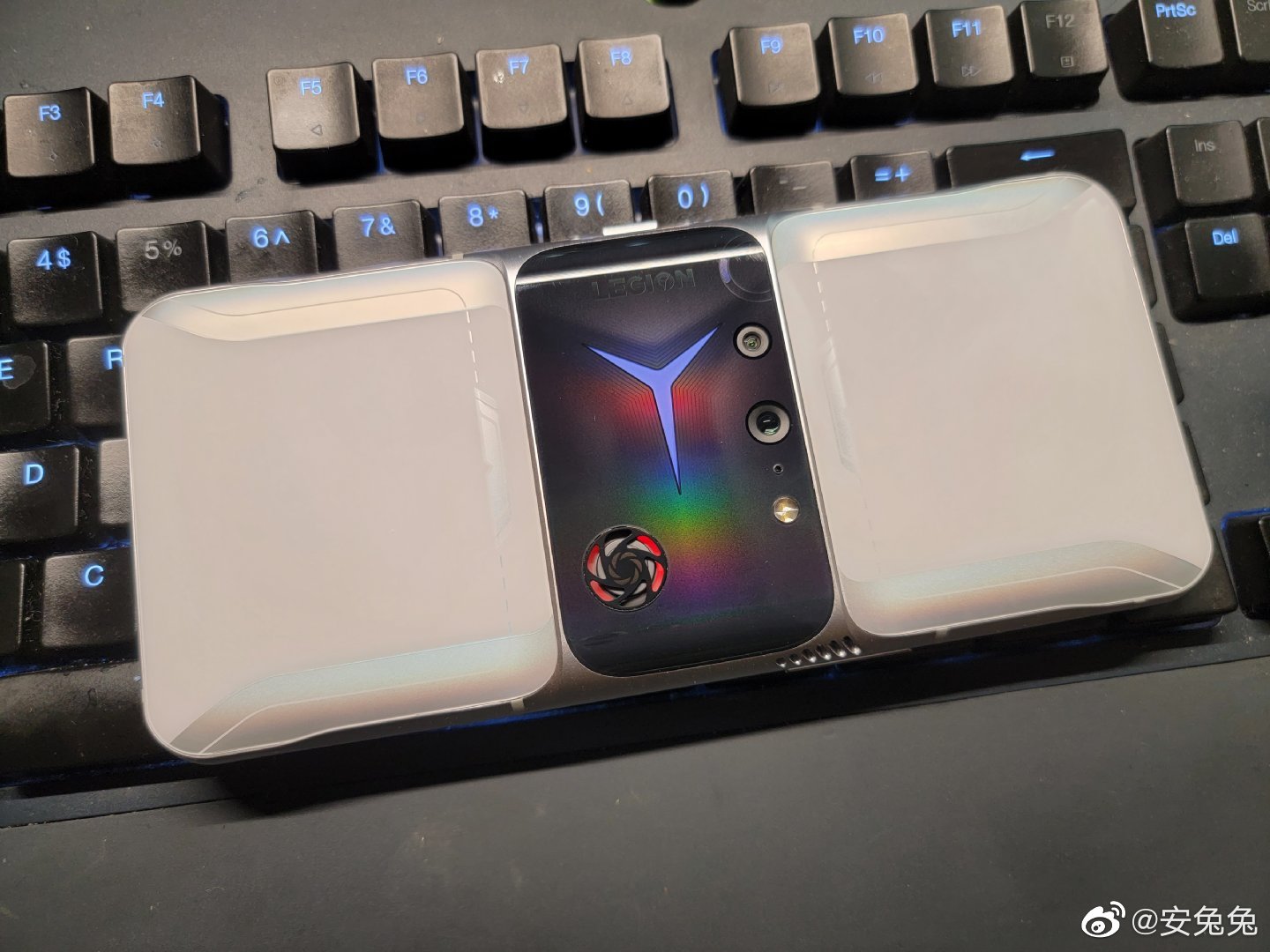
Lenovo Legion 2 Pro live shots emerge to reveal unique rear design with visible fan

Lenovo will be announcing the Legion 2 Pro gaming smartphone on April 8 in China. Ahead of the launch, a couple of live shots of the handset has appeared live shots to reveal its design.

The Legion 2 Pro gaming smartphone has a symmetrical design on the back. A bulge can be seen at the center of the back panel, which includes the cameras, a fan, and the Legion logo with RGB lighting. A cooling vent can be seen towards the edge of the device. Lenovo has revealed that the Legion 2 Pro features a 64-megapixel OmniVision sensor with a lens size of 1/1.32-inch. It is capable of shooting 30fps 8K videos and 120fps 4K videos.

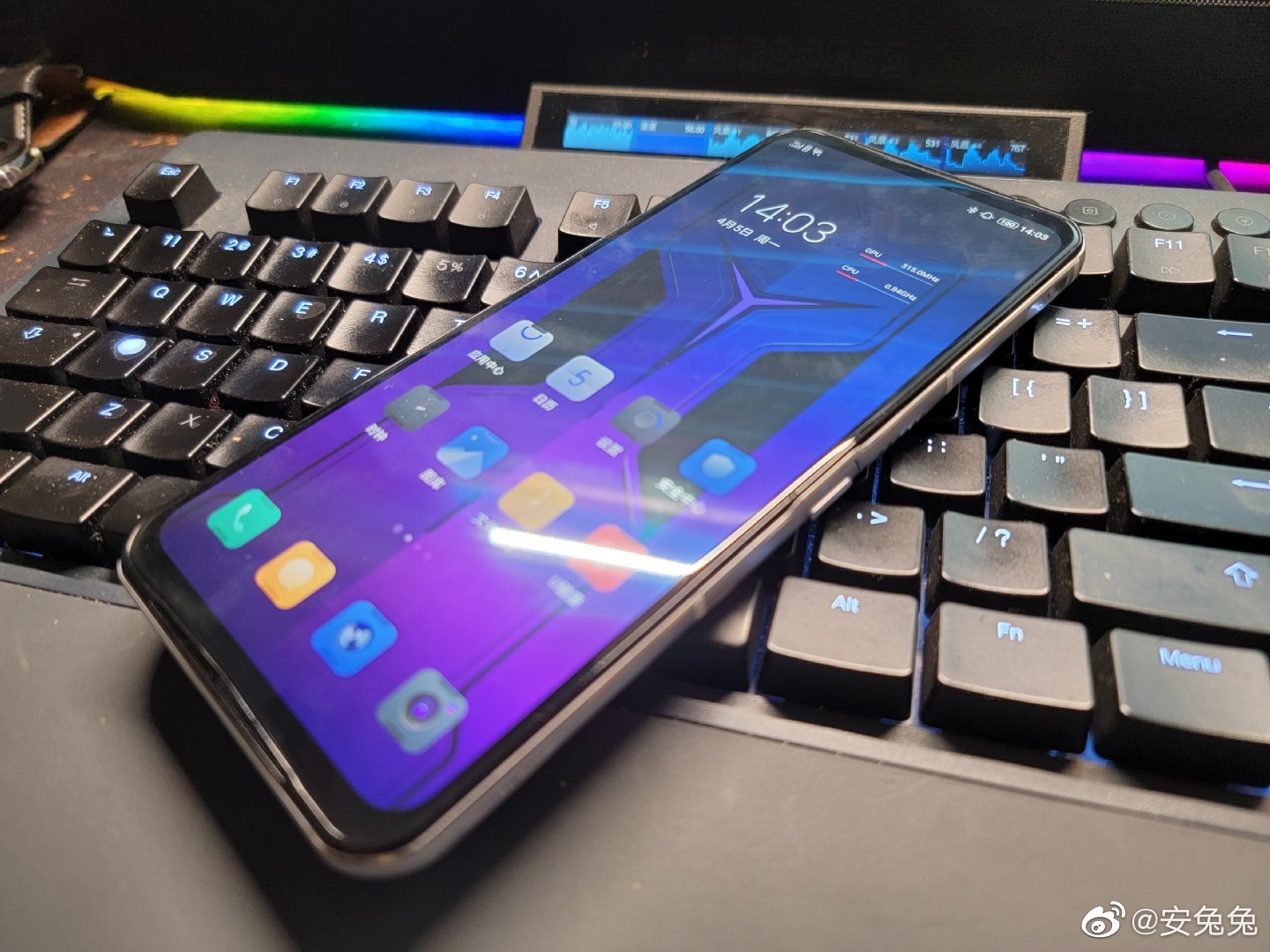
The Legion 2 Pro sports a full-screen design on the front as there is no punch-hole or a notch on its display. Like the predecessor model, it features a side-mounted selfie camera. The Legion 2 Pro features a massive 6.92-inch AMOLED display that supports a 144Jz refresh rate and a 720Hz touch sampling rate, and a 3.8ms touch response rate. As far as the front camera is concerned, the company has already confirmed that it will be flaunting a 44-megapixel selfie camera.

The Snapdragon 888 mobile platform is present under the hood of the Legion 2 Pro smartphone. The handset is expected to arrive in multiple variants like 12 GB RAM + 128 GB storage, 12 GB RAM + 256 GB storage, and 16 GB RAM and 512 GB of storage. For heat dissipation, the handset is equipped with a dual-turbo cooling fan.

The Legion 2 Pro will draw power from a massive 5,500mAh battery. With dual USB-C ports, the handset will carry support for up to 90W fast charging. There is no word on the pricing of the device.

(source 1, 2)

RELATED:

Carmaker Genesis broke the Guinness World Record for the most drones in the sky

The use of unmanned aerial vehicles (UAV) in various applications has increased in recent years. Companies and individuals are deploying drones in growing numbers for drone shows and several other activities, deploying thousands of drones for product publicity or showcase of one thing or the other.Genesis

Carmaker Genesis chose a drone show to mark its entrance into the Chinese auto market while also smashing the Guinness World Record for the most unmanned aerial vehicles in the sky at the same time. The Genesis brand, owned by Hyundai, entered the China market with a bang, as it used a total of 3,281 drones to make a visual display of its logo over the Shanghai skyline on March 29, 2021. Genesis broke a six-month-old record by Shenzhen Damoda Intelligent Control Technology, who had set the record with 3,051 drones in September 2020. Chipmaker Intel held the record with 2066 drones until 2020.

The beautiful display over Shanghai was a clear statement by Genesis that it intends to approach the Chinese market with energy, color, and innovation, as it moves to have a market share in the world’s biggest automobile market. Such publicity stunts are the outcomes of well-choreographed and synchronized drone systems deployed and controlled via choreography software that forms the shape without drones crashing into themselves.

Unmanned aerial vehicles, especially drones, are presently being used in several applications, including agriculture, security surveillance, photography, and the publicity angle is also growing with drone shows featuring thousands of drones. We expect to see more companies aiming for the current record of the most drones in the sky held by Genesis. The coming months will reveal the depth of the drone record by Genesis. 

RELATED:

(via)

Juho Sarvikas takes on a new role as Qualcomm VP and President of North America

For those wondering where HMD Global’s former Chief Product Officer, Juho Sarvikas, is heading to, following his exit from the phone company last month, then we have an answer.

Juho Sarvikas featured

A tweet by Jim Cathey, a Senior Vice President and President of Global Business at Qualcomm has announced that the former HMD Global senior executive will be joining the San Diego-based tech company. In the tweet, it is revealed that Mr. Sarvikas will join Qualcomm as VP and President of North America.

Juho Sarvikas also confirmed the news in a quoted tweet and added that he will resume at Qualcomm on April 12. He has also changed his Twitter bio to reflect his new role.

A little over a week ago, Juho Sarvikas announced on Twitter that he was leaving Nokia and HMD after 15 years. Under his leadership as Chief Product Officer, HMD Global announced several Nokia-branded Android smartphones and feature phones. It also released modern versions of classic Nokia phones such as the Nokia 3310, Nokia 8110 4G, and Nokia 5310. Before his resignation from the company, he was also the VP of HMD Global North America.


RELATED: