Advertisement

Vivo X60 series smartphones confirmed to launch in India on March 25

It’s been a few months since Vivo launched its X60 series of smartphones in its home market China and now the company is rolling it out to other regions. After confirming its launch in Malaysia later this month, the company has now revealed its India launch date.

Vivo X60 series is finally getting launched in India on 25th March. There are three models in the lineup — Vivo X60, X60 Pro, and X60 Pro+. We are not sure if the company plans to launch all three models in India.
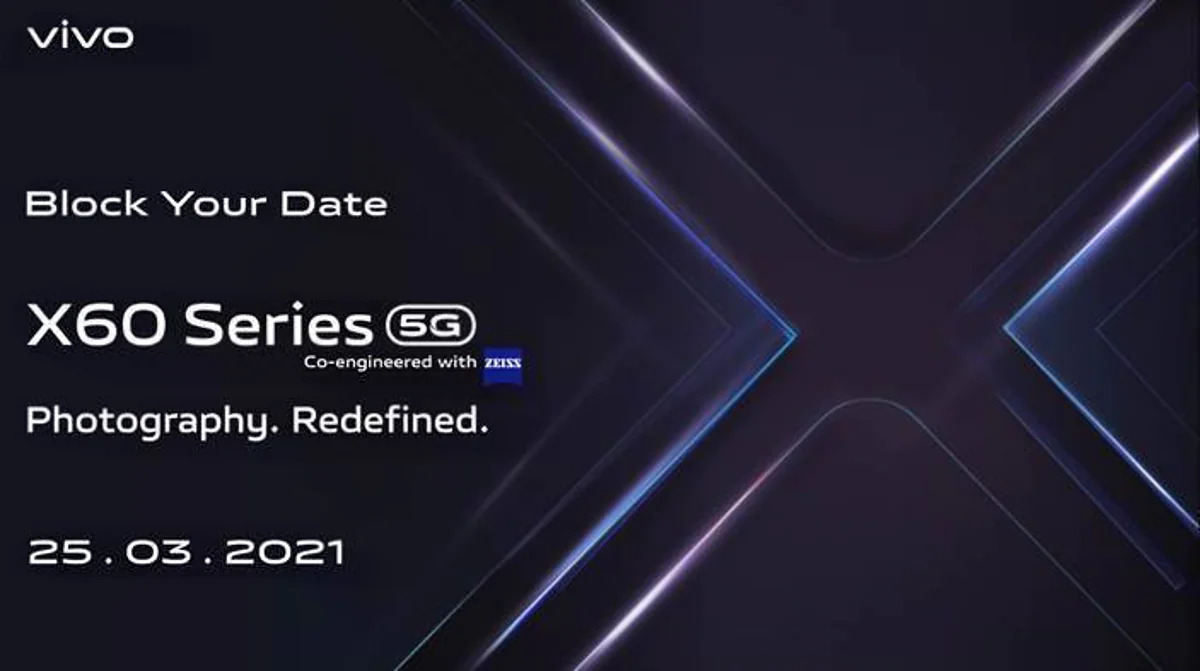
Vivo X60 Series India Launch Date

As the teaser for this upcoming Vivo smartphone series has gone live on both Flipkart and Amazon, it has been confirmed that the devices won’t be exclusive to any one platform.

The Vivo X60 lineup launched in China comes powered by the Samsung Exynos 1080 chipset but reports indicate that the global variants will come powered by the Qualcomm Snapdragon 870 SoC. In Malaysia, the phone is getting the SD870 variant but the company has not confirmed the chipset for the Indian models.

As for the specifications, all three models are equipped with 6.56-inch AMOLED FHD+ displays with 120Hz refresh rate support. In China, the X60 Pro+ model is powered by the SD888 chipset while the other two are powered by Exynos 1080 SoC.

The Vivo X60 Pro+ features a quad rear camera setup that includes a 50-megapixel primary sensor with an f/1.57 lens, a 48-megapixel ultra-wide-angle sensor with an f/2.2 lens that doubles as a macro shooter, a 32-megapixel portrait shooter with f/2.08 aperture, and an 8-megapixel periscope camera with an f/3.4 aperture.
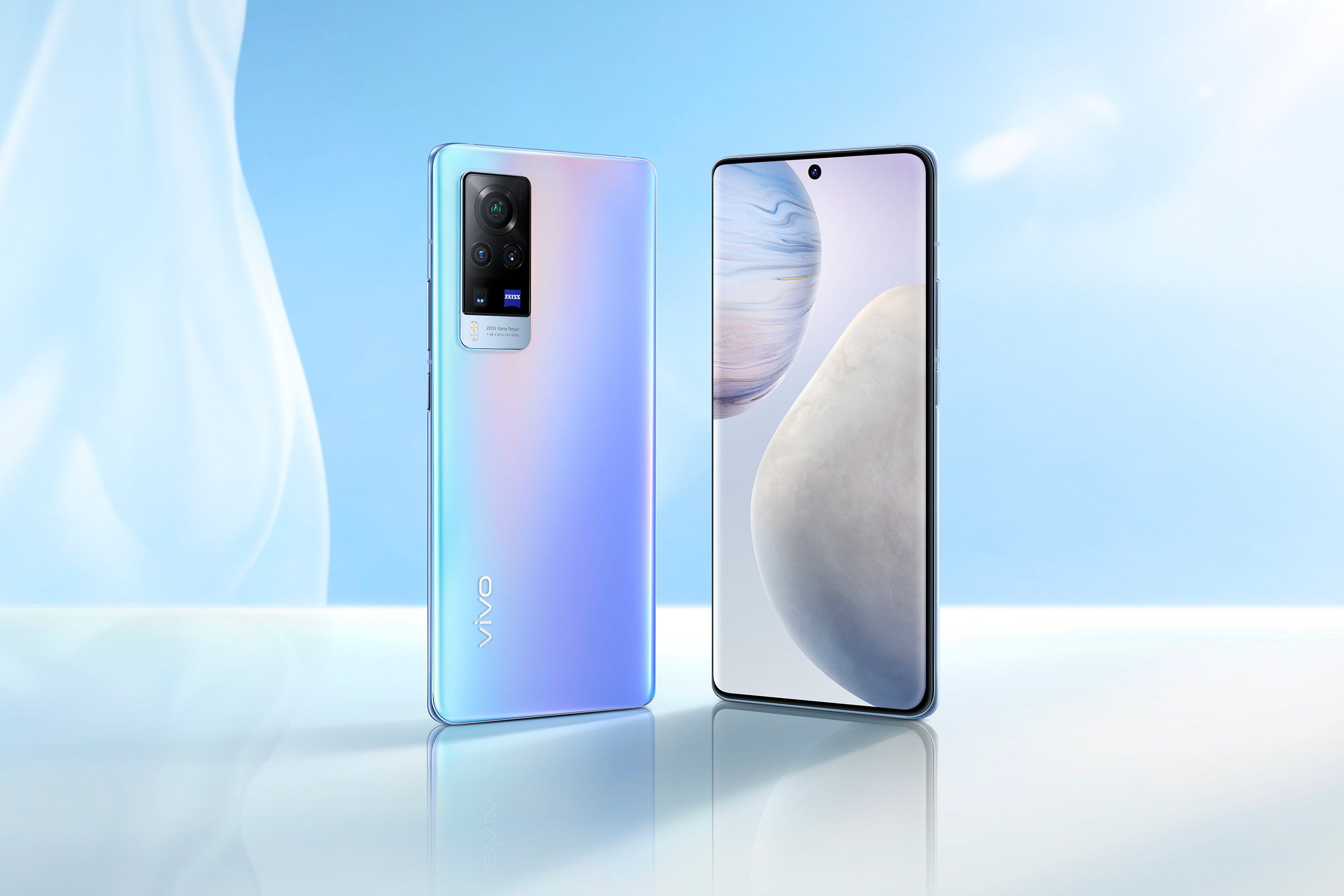
vivo X60 Pro Featured 01
Vivo X60 Pro

On the other hand, the X60 Pro features a 48-megapixel primary sensor with an f/1.48 lens and OIS support, a 13-megapixel ultra-wide-angle shooter, a 13-megapixel portrait shooter, and an 8-megapixel periscope shooter with an f/3.4 aperture.

The Vivo X60 comes with a triple-camera setup, featuring a 48-megapixel primary lens, a 13-megapixel portrait camera, and a 13-megapixel ultrawide lens. All three models come with a 32-megapixel front-facing snapper.

The standard model is powered by a 4,300mAh battery, whereas the Pro version has a 4,200mAh battery. The smartphones are running the Android 11 operating system out-of-the-box with the company’s own OriginOS on top but the global variant is likely to come with its FunTouch OS.

RELATED: 

Apple patents new system to detect and prevent battery swell issues on iPhones

Apple is apparently looking into the battery swell issue that occasionally affects the aging batteries of its iPhones. The company has filed two new patents that describe a new system that can detect the battery swelling problem at its early stages.

Apple

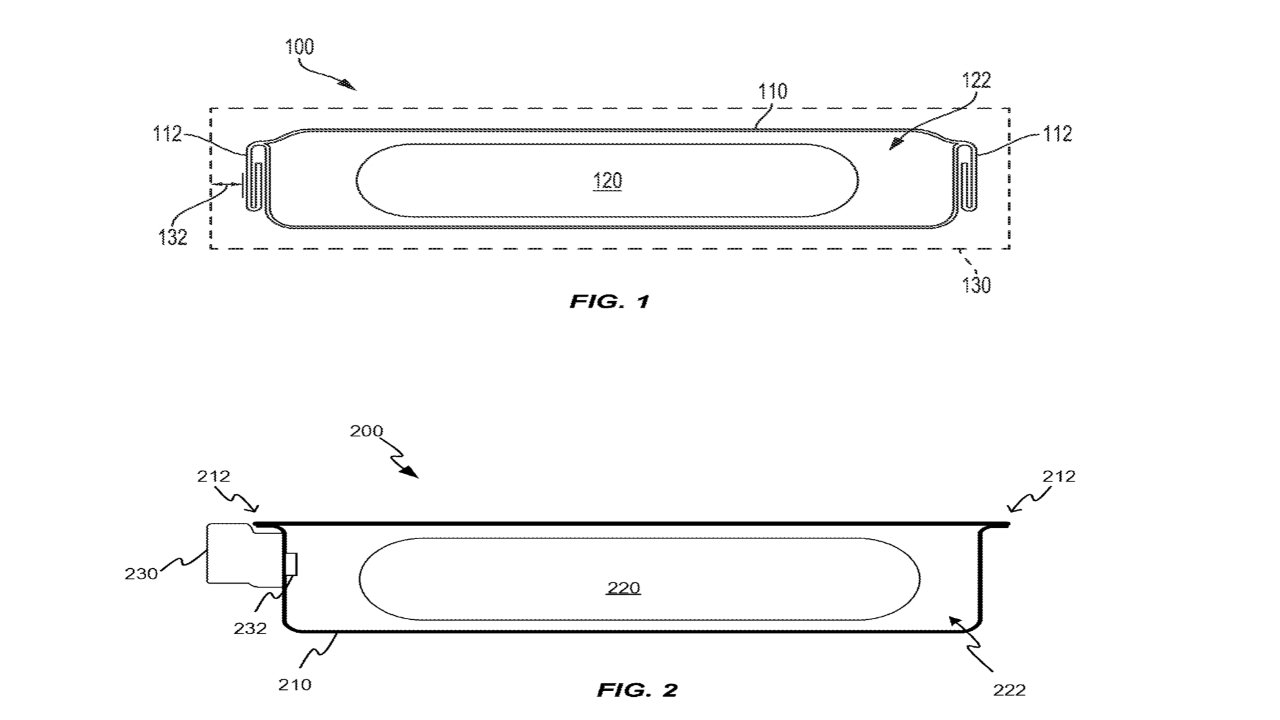
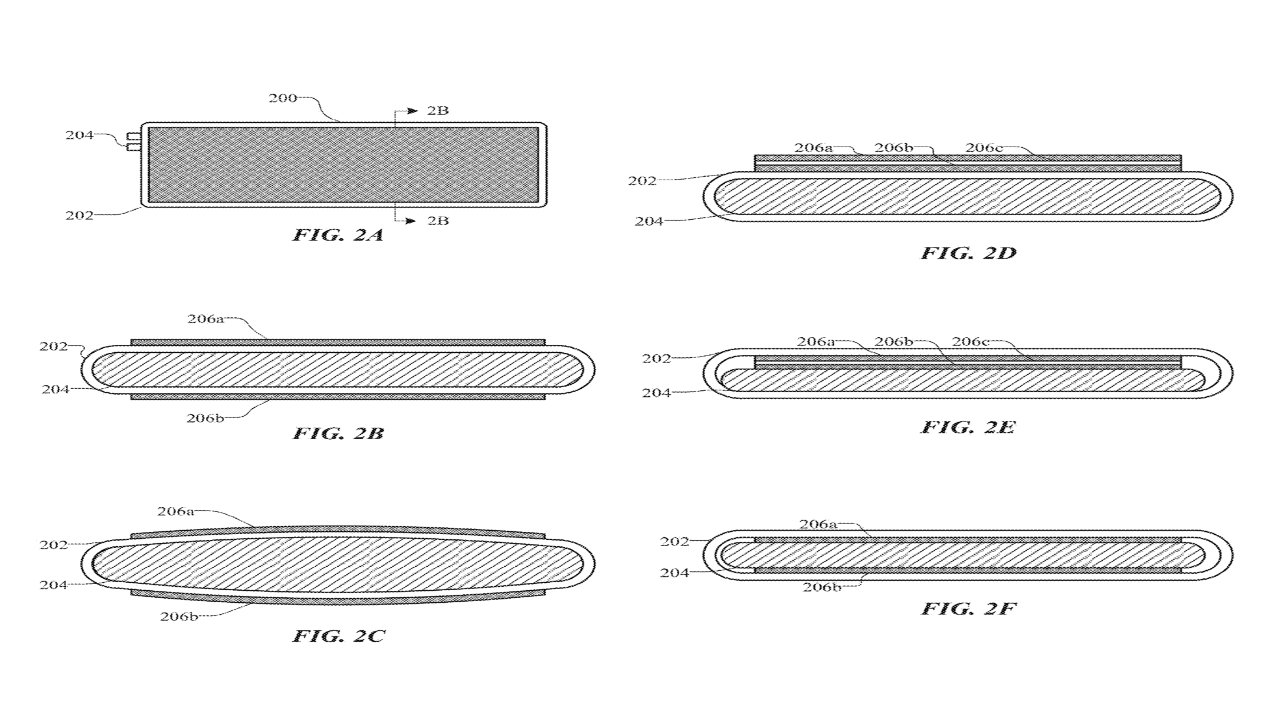
According to an AppleInsider report, the Cupertino based giant plans on tackling the issue by detecting its early signs. The two patents are related to reducing the size o the device, while also allowing it to detect battery swelling. Both the technologies will go hand in hand and will work together for a smaller handset that can still guarantee the safety of the users. The technologies will also be an important part of the company’s goals to achieve in making smaller devices that users can carry or wear on a daily.

Thus, the patent arrives as a means to ensure it can reach its goal without compromising on safety, since reducing the battery casing size would also need to have the battery swelling issue to be taken into account. Battery swelling is an issue that plagues every kind of cell that uses the lithium ion design. Hence, Apple is working on positioning components that surround the battery. This new system would then enable larger devices in the device enclosure without damaging other parts.

Apple

Furthermore, the patent also describes the use of a metal shell that will be placed around the battery housing. This will be grounded and would allow for components to be packed closer to the battery, which will reduce the chances of damage to such parts even if the battery swells up. The second patent describes using multiple solutions to detect and mitigate battery swelling. Apart from just detecting, the system could use a processor to best determine how to slow the expansion or to even prevent it. Unfortunately, this is just a patent at the moment so there is still a while before we’ll see this technology being used. So stay tuned.

RELATED:


Indian telecos seek clarity over possible ban of Huawei and ZTE gear

Telecommunication operators in India are seeking clarity in regards to all networking gear, without exception, from Huawei and ZTE, and whether they are on the list of “trusted” products.

huawei

According to an ETTelecom report, the Department of Telecommunications amended telecom related permits last year. In the new changes, the agency made it mandatory for operators to only use networking equipment that is in the list of “trusted source,” which is listed as per the government. However, since then, there has been uncertainty looming over Chinese telecom equipment makers, Huawei and ZTE, and their future in the region as well as the upcoming 5G trials over security concerns.

As per a person close to the matter, “Telcos and network vendors are likely to seek clarity from the NCSC on whether Huawei and ZTE will be outside the government’s list of trusted network vendor sources on security grounds or if some non-core network equipment from these Chinese suppliers could be certified and deemed as trusted products for future 4G and 5G network deployment.” For those unaware, the NCSC is a newly formed body that oversees telecom equipment procurements.

Huawei

Thus, telecom operators and other vendors are urging the NCSC for a clear definition of “trusted sources” to source networking equipment. Furthermore, the firms are also pushing for a defined road map regarding the identification of trusted network products and the necessary security parameters that are required. The Cellular Operators Association of India, which includes local telcos like, Airtel, Reliance Jio, and Vodafone Idea, along with foreign network gear providers Nokia and Ericsson, are seeking an early meeting with the NCSC over this matter.

RELATED:


Apple M1 chip found to be vulnerable to browser-based side-channel attack

Apple recently launched its first chipset under Apple Silicon — M1 and the company have already started transitioning from the Intel-based chips to its own ARM-based processors. While the user’s response has been pretty good, we keep hearing about issues facing the new M1-powered devices as time goes by.

In the latest development, security researchers have discovered a first browser side-channel attack that is JavaScript-free and it appears that the new Apple M1 chips may be vulnerable to the attack.

Apple m1 chip

Researchers at Cornell University started with the goal of exploring the effectiveness of disabling or restricting JavaScript for mitigating attacks. During the research, they created a new side-channel proof of concept in CSS and HTML which could open the door to “microarchitectural website fingerprinting attacks.” It works even if script execution is completely blocked on a browser.

The vulnerability allows attackers to eavesdrop on a user’s web activity by leveraging features in the target’s packet sequence. Not only can it bypass JavaScript but it also disregards privacy technologies like VPNs or TOR.

The team tested the attack on Intel Core, AMD Ryzen, Samsung Exynos, and Apple M1 chips and while almost all CPU architectures are susceptible to the attack, the researchers claim that Apple M1 and Samsung Exynos chips are more vulnerable to their exploits.

This is the second vulnerability found to affect Apple M1 chip that has surfaced in recent weeks. Last month, researchers discovered a mysterious malware strain called Silver Sparrow that had the ability to run natively on Mac devices with M1 chips.

RELATED: 

LG seeks to develop new battery cells for Tesla in 2023

LG Energy Solution is apparently aiming to make advanced battery cells for Tesla Inc in 2023. These new battery technologies will be for the automobile maker’s electric vehicles and are looking at the US and Europe as potential production sites.

LG

According to a Reuters report, people close to the matter said the South Korean tech giant is seeking to make the new advanced batteries for Tesla, although, the latter has yet to agree to a deal. Meaning, LG has yet to expand its role within the electric vehicle maker’s supply chain. Previously, the battery maker told reporters that it is planning on building battery production sites in the US that will be aimed at EVs or energy storage systems, which will also cater to the US and global clients, including startups.

Back in September 2020, Tesla CEO, Elon Musk announced the company’s official plans on developing new cells in house. This, in turn, made its suppliers like LG and Panasonic push forward with ‘unproven’ technology to retain their major client. As per one of the sources, LG has already made samples for the 4680 large-format cylindrical cells. However, the company is currently facing technological challenges and difficulties in scaling up production.

LG

According to one source, “LG plans to produce 4680 cells at its new U.S. factory. They plan to build a new 4680 cell line to supply Tesla’s Giga Berlin in Europe.” Meanwhile, another source added that “Tesla is a major customer, and LG can take risks.” Unfortunately, the company has yet to respond or comment on the matter, while the Tesla officials were also unavailable for a response.

RELATED:


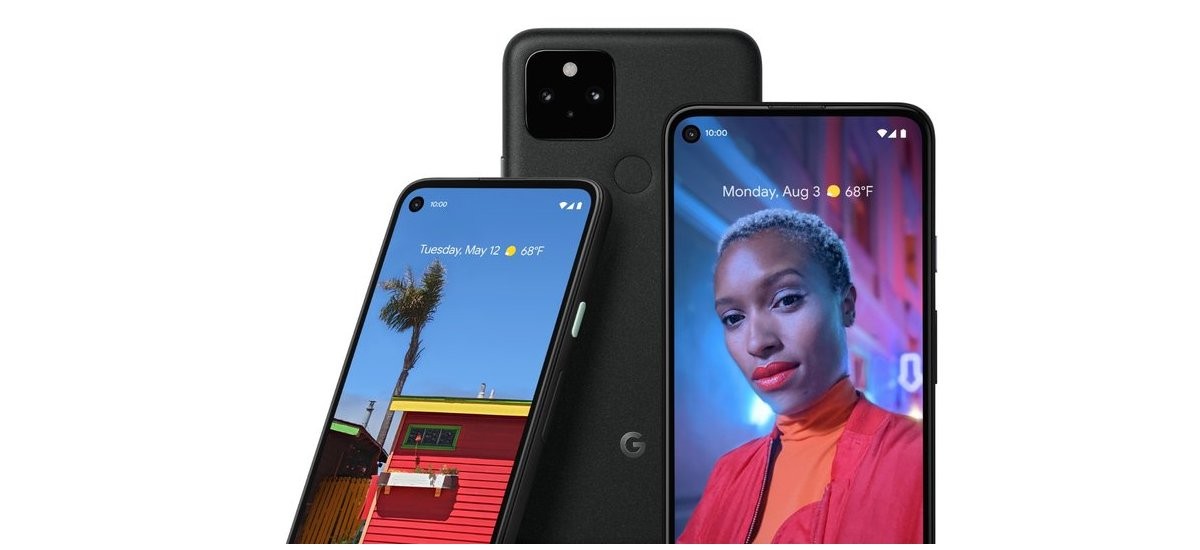
Google to increase Pixel inventory for India this year ahead of Pixel 5a launch

Google has a Pixel series of smartphones and the company is now focusing on offering a good user experience instead of top-of-the-line specifications. The company is now launching two devices in a year.

In line with that, Google is expected to launch the Pixel 6 as well as Pixel 5a this year. While the Pixel series is getting traction, it doesn’t launch the standard model in markets like India and only brings the toned-down models.

pixel 5
GGoogle Pixel 5

Now, a new report claims that Google will be increasing its inventory of Pixel smartphones in the Indian market this year with the launch of Pixel 5a. Last year, the company did the same when it launched the Pixel 4a.

Further, the company is also exploring possibilities of shifting a portion of its manufacturing to India for both domestic demand and export needs. This should help the company bring down the phone’s cost as it won’t have to pay import duties.

Google is not bringing the standard model to the Indian market mainly because it packs 5G support, which is still not available in India. And because of that, the company isn’t expected to launch the upcoming flagship smartphone Pixel 6 in India.

So far, the company has not confirmed when the Google Pixel 5a smartphone will be officially launched but going by the recent leaks and reports, it’s likely that the device will be made official on 11th June. To know for sure, we will have to wait a few more weeks.

RELATED: 

Huawei suppliers face stricter restrictions over 5G tech from the US

The Biden administration is going forward with the policies enacted by the previous administration, as it tightens its reins around Huawei. It has imposed stricter conditions on certain companies that have previously acquired export licenses for dealing with the telecom equipment maker.

huawei

According to a Bloomberg report, the US government has placed new restrictions regarding items that are used in or with 5G products. The new 5G ban is effective as of this week, as per people close to the matter. With the new rule, the Biden administration has created a new restriction on the export of components like semiconductors, antennas, and batteries for Huawei 5G devices. In other words, creating a more uniform ban among the licensees.

For those unaware, a few American firms had previously received licenses that allowed them to continue shipping components to the Chinese tech giant that might even be used in building their 5G equipment. Previously, the Trump administration had placed Huawei along with other Chinese companies under the trade blacklist, ‘Entity List,’ which basically required US based firms to acquire a license to trade with the brand.

Huawei Logo MWC 2019

And now, it seems like the recent move from the Biden administration pushes forward the restrictions that were placed on the company by Trump. Furthermore, this also signifies the stance the new administration is planning to take against China and Chinese companies. As per William Reinsch, senior adviser at the Centre for Strategic and International Studies, “From one perspective, it’s clean-up and correcting mistakes from the previous administration.”

RELATED:


LG to invest $4.5 billion over four years for its battery business in the U.S.

LG Energy Solution has announced that the company will be investing more than $4.5 billion by the end of 2025 into its own U.S. business to further expand the production capacity of batteries.

Further, the company says that this new investment will create more than 10,000 jobs for LG employees and subcontractors and will also secure an additional 70GWh in just the United States alone, in addition to the current and past investments.

LG

Additionally, LG Energy Solution and GM are currently discussing plans to build a second joint venture plant in the United States, which will even further increase its cell production capacity. This second JV plant is expected to have a production capacity scale similar to the two companies’ first plant and is set to manufacture the next-generation EV cells based on advanced technology.

The company had established its first U.S. research facility in 2000 and invested 600 million dollars to secure a production capacity of 5GWh at its first Michigan plant built in the year 2012. In 2019, the company entered into a joint venture with General Motors (GM) to construct a 2.3 billion dollar battery plant in Ohio, which is slated for completion in 2022 to create an annual capacity of 35GWh. The latest Green Field Project will give the company a total production capacity of over 110GWh in the U.S.

Within the first half of 2021, LG Energy Solution will select at least two location candidates for its factory intended to manufacture various types of batteries in the U.S. The new LG Energy Solution facility will produce pouch cell batteries to be used in EVs and energy storage systems (ESS), as well as cylindrical cell EV batteries that are currently rapidly increasing in demand.

RELATED: 

Black Shark 4 series is coming soon since Black Shark 3S is sold out, says CEO Luo Yuzhou

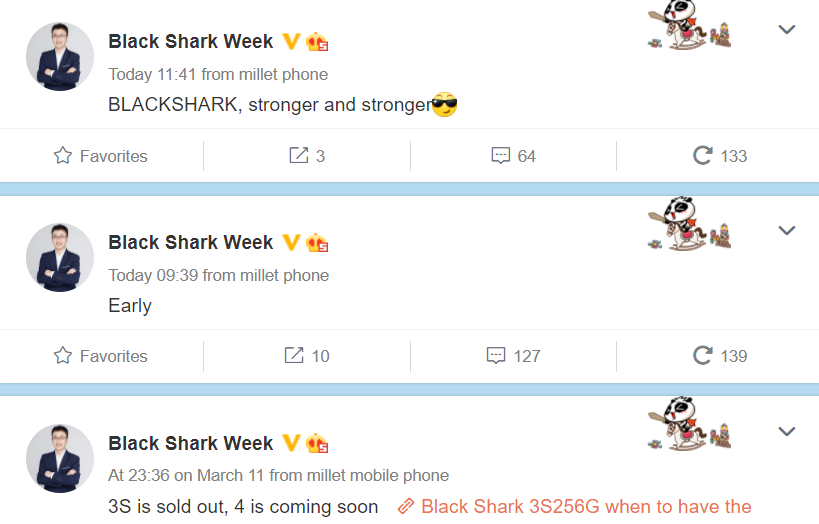
Black Shark released the first teaser of the Black Shark 4 series in January. The Black Shark 3 and 3 Pro phones were made official in early March last year. Hence, the successor models were expected to arrive around the same time this year. It appears that the Black Shark 4 may debut later this month as the Black Shark 3S smartphone has gone out of stock.

The Black Shark 3S went official in July last year in two variants such as 12 GB RAM + 128 GB storage and 12 GB RAM + 256 GB storage. At present, the 256 GB variant is no longer available at Mi.com, while both models are now out of stock at other retailer sites in China. Black Shark CEO Luo Yuzhou conveyed through Weibo that the Black Shark 3S has gone out of stock as the Black Shark 4 is coming soon.

BLack Shark 4 is coming soon

Recent reports have revealed that there are two versions of the Black Shark 4 with KRS-A0 and PRS-A0 model numbers. It is speculated that these models are powered by the Snapdragon 888 and Snapdragon 870 chipsets, respectively. These devices may break cover as the Black Shark 4 Pro and Black Shark 4. Both devices are expected to be backed a by 4,500mAh battery with 120W fast charging support.

The Black Shark 4 Pro has a 6.67-inch OLED display that offers a Full HD+ resolution. The standard model may also feature the same screen. In terms of appearance, the Black Shark 4 model seems to appear like a toned-down version of the Pro variant. Both phones have a horizontal camera module, and they are expected to arrive with Android 11 OS preinstalled.

RELATED:

ZTE S30 Pro to arrive with 144Hz OLED screen and 44MP selfie camera

Last week, ZTE confirmed that it will be soon announcing new S-series smartphones in China. The company has now revealed that the S-series will include selfie-focused smartphones. The letter ‘S’ stands for ‘Shine’ and the series is aimed towards the youth. Today, it confirmed that the first S-series smartphone will be arriving in China as the ZTE S30 Pro. It has also confirmed two key features of the smartphone.

The poster reveals that the ZTE S30 Pro will be equipped with an OLED panel that will offer a 144Hz refresh rate. The selfie-centric phone will come equipped with a 44-megapixel selfie camera. The company is yet to reveal the front design of the ZTE S30 Pro. Hence, is unclear whether the phone features a punch-hole screen or a waterdrop notch, or a full display with an under-display camera.

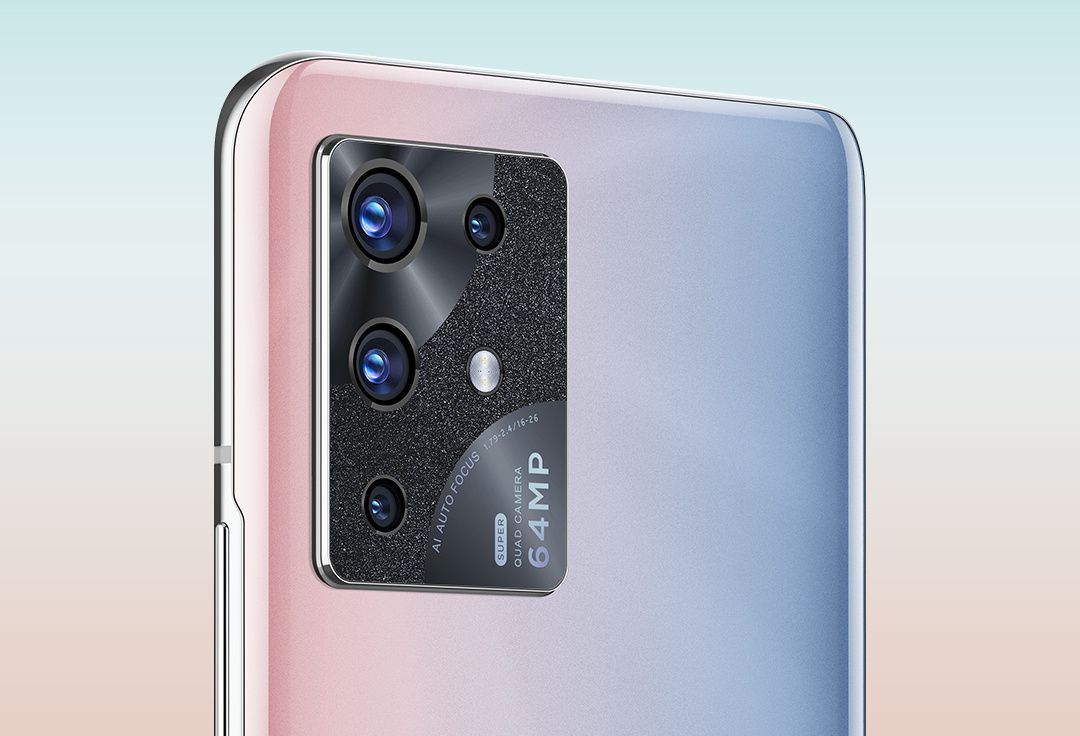
ZTE S30 Pro A poster that was released earlier this week revealed that the ZTE S30 Pro will sport a gradient-colored rear panel. The rectangle-shaped camera housing of the device will have a 64-megapixel quad-camera system along with an LED flash. The other specifications of the smartphone are not known yet.

ZTE S series 64MP quad camera

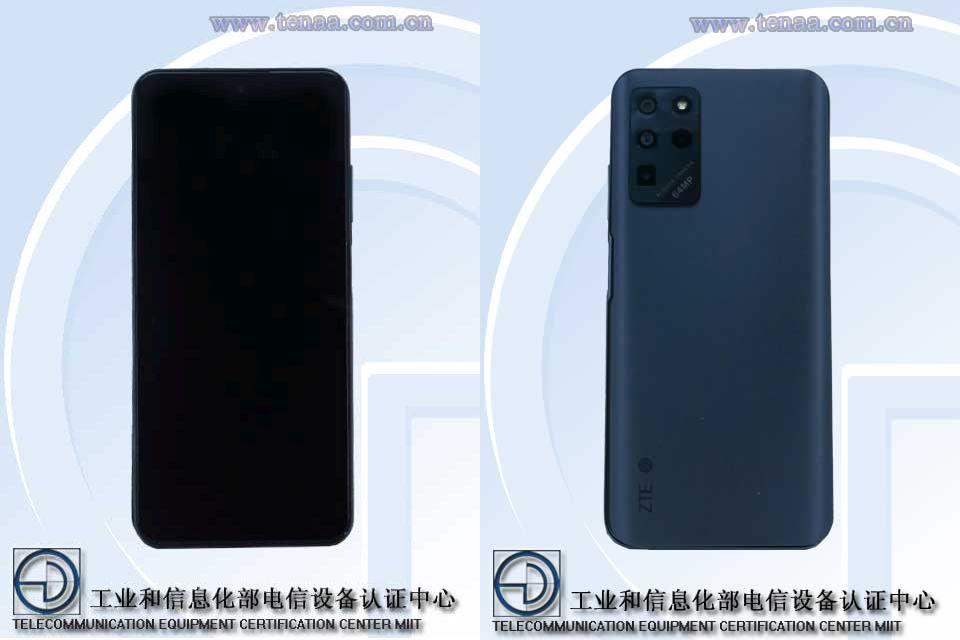
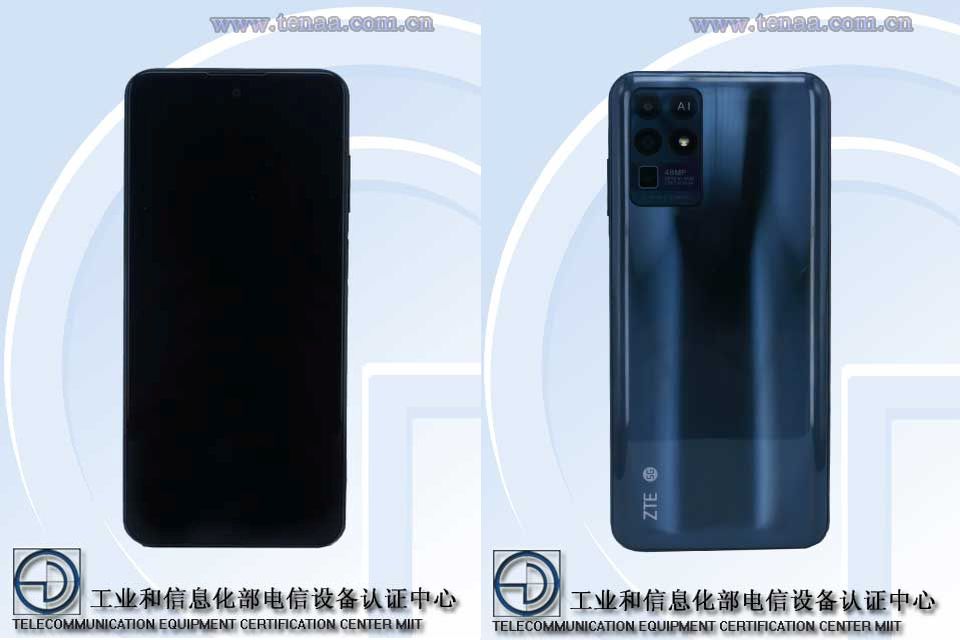
In related news, two ZTE phones with 9030N and 8030N model numbers have appeared on China’s 3C and TENAA certifications platforms. The ZTE 9030N was found to be equipped with Android 11 OS, 3,890mAh rated battery, 30W charger, 64-megapixel quad-camera setup, a side-mounted fingerprint scanner, and 164.8 x 76.4 x 7.9mm dimensions.

The ZTE 8030N was seen with Android 11 OS, 5,860mAh rated battery, 18W charger, 48-megapixel triple camera setup, a side-facing fingerprint reader, and 165.8 x 77 x 9.6mm dimensions. The final product monikers of the ZTE 9030N and 8030N are yet to be revealed.

RELATED:

Alleged Lenovo Legion 2 Pro receives 3C certification

Last week, Lenovo released the first teaser of the upcoming gaming smartphone, which is speculated to debut as the Lenovo Legion 2 Pro. The alleged phone that has a model number L70081 was recently spotted at the Geekbench benchmarking platform. The same handset has now received certification from the 3C authority of China.

The 3C listing of the Lenovo L70081 5G phone mentions two power adapters with model numbers LC-658 and SC-88. They carry support for 65W and 45W fast charging, respectively. The listing has no other information on its specifications.

Lenovo L70081 3C

The Lenovo Legion Pro handset carried support for 90W fast charging. However, it required users to connect two 45W chargers to the two USB-C ports of the smartphone simultaneously. It remains to be seen whether the Lenovo Legion 2 Pro comes with dual USB-C ports. If it supports connecting two 65W chargers at the same time, the handset may offer charge speeds of up to 110W.

Lenovo is yet to reveal the features of the Lenovo Legion 2 Pro. So far, it has only revealed that the device will arrive with a dual-turbo cooling fan. As expected, the Geekbench listing of the device revealed that it will be powered by the Snapdragon 888 mobile platform. It also revealed other specs like 16 GB of RAM and Android 11 OS.

The two recently announced gaming phones such as the Red Magic 6 Pro and ASUS ROG Phone 5 Ultimate are both equipped with 18 GB of RAM. There is a possibility that the Lenovo Legion 2 Pro may also arrive in an 18 GB RAM edition. Last year’s model supported a 144Hz refresh rate. It is unclear whether the upcoming model will support a higher refresh rate of around 165Hz.

RELATED:

Amazon beats Samsung to become the world’s largest connected TV devices brand

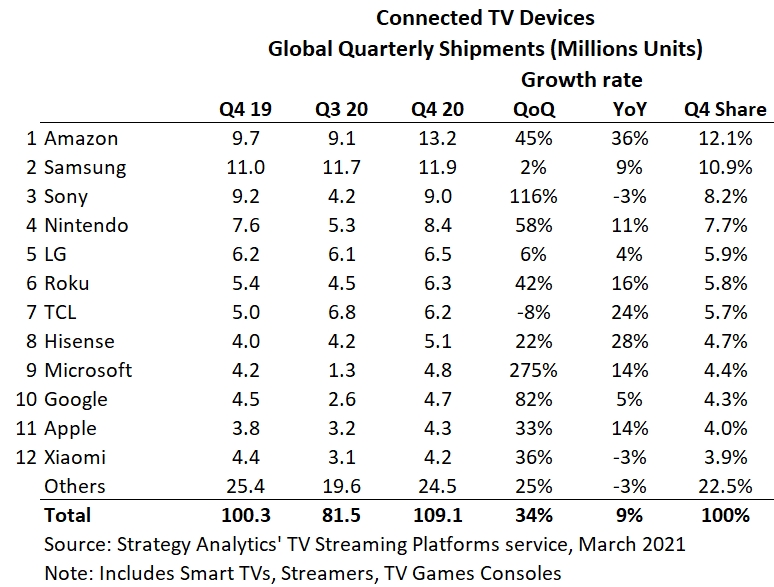
Strategy Analytics has released its report on the Global Connected TV Devices Market for Q4 2020. According to the report, Amazon overtook Samsung to become the leading brand overall for the first time. Also, in the smart TV segment, TCL came second ahead of LG.

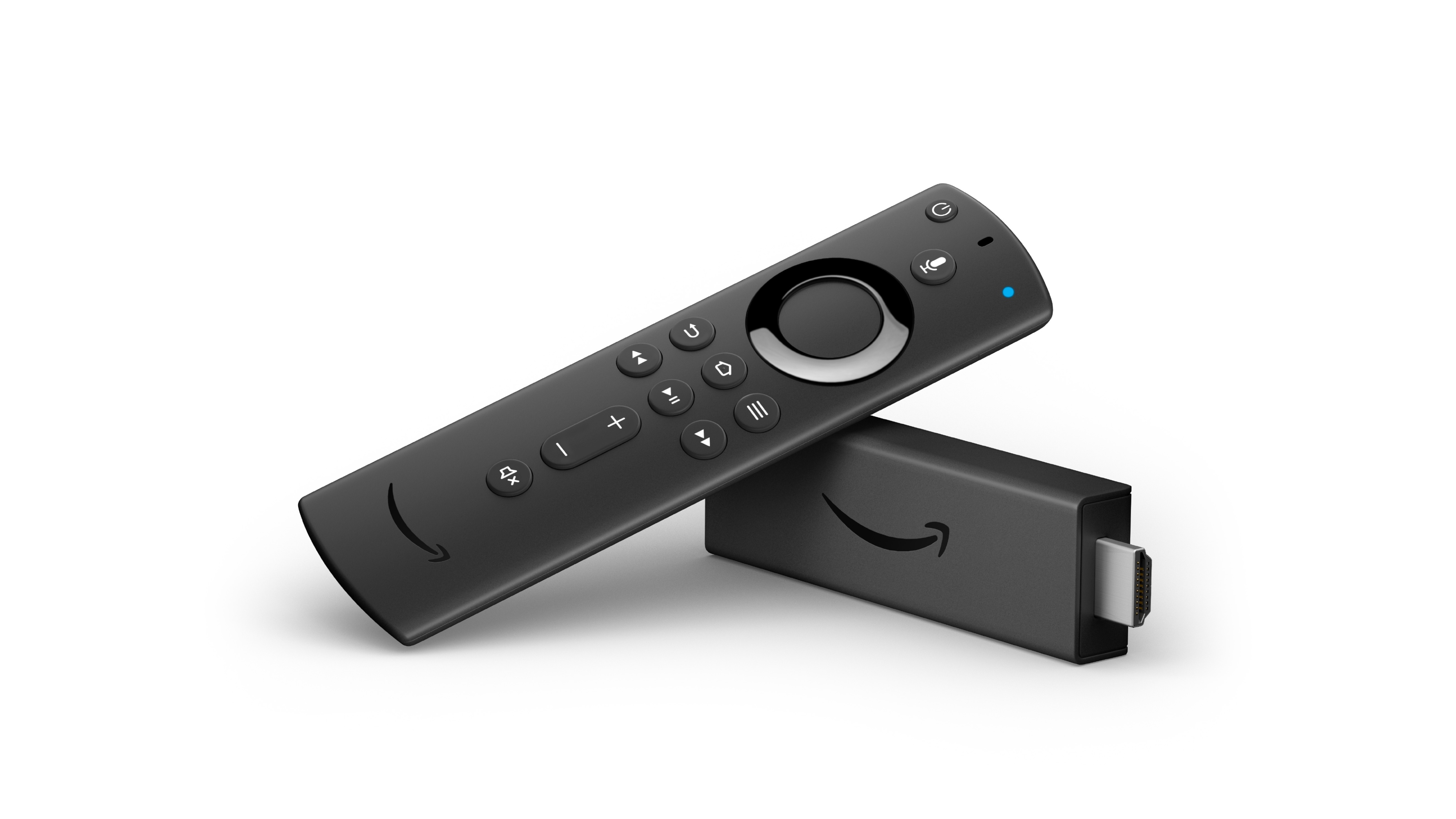
Amazon Fire TV Stick 4K Featured
Amazon Fire TV Stick 4K

As per Strategy Analytics, OEMs sold around 109.1 million units of connected TV devices (smart TVs, streamers, gaming consoles) in Q4 2020. Whereas, the figure for the whole year was 305.3 million units with a 7.6% YoY growth. Out of which, 186 million units were smart TVs and 81 million units were streamers.

The Amazon Fire TV Stick 4K was the best-selling streaming device in 2020. It helped the American eCommerce giant to dethrone Samsung to become the world’s leading connected TV devices brand. Additionally, Amazon and Roku together led the streaming devices category with over 60% market share.

Talking about smart televisions, Samsung maintained its top position. However, LG slipped to third place as TCL managed to come second. 

Further, Sony was the third-largest brand as a whole, thanks to the sales of PS5. However, Microsoft came distant ninth as it does not sell TVs like the Japanese electronics giant.

Global Connected TV Devices Market Q4 2020 Strategy Analytics

Also, it is interesting to see Nintendo in the fourth place. This clearly indicates how popular the company’s gaming consoles are despite their unavailability in a large number of markets.

As far as Chinese OEMs are concerned, TCL, Hisense, and Xiaomi ranked seventh, eighth, and twelfth respectively. Whereas, American tech giants Google and Apple acquired tenth and eleventh positions respectively

Last but not least, Strategy Analytics predicts the global connected TV devices market to continue growing in 2021 as people are migrating towards internet-based video platforms around the world.


RELATED:


Canoo’s Electric Pickup Truck looks to rival Tesla’s Cybertruck with its futuristic design

US electric vehicle manufacturing start-up Canoo recently unveiled its fully-electric pickup truck during the Motor Press Guild’s Virtual Media Day (VMD) in partnership with Automobility LA. The company disclosed during the event that the production version of the pickup truck will open for preorders in Q2 2021. The electric truck will start shipping as early as 2023, according to the manufacturer.fully-electric pickup truck

The Canoo electric truck adopts an entirely different design from Tesla’s Cybertruck. The front design slightly resembles the VW Kombi pickup from the 70s but one designed for the future. The company claims that the truck is strong just as the toughest truck out there It also come with several innovative features that makes it suitable for use as a daily driver for those that are into trucks.

The Canoo electric pick-up truck is touted to feature a long range of 200 miles. The motor will have up to 600 HP and 550 lb-ft of torque. It will also have a payload capacity of up to 1,800 pounds. The height of the truck is put at 76 inches. This is slightly taller than Tesla’s Cybertruck with a few inches but notably shorter than GMC’s Hummer EV which is 81.1-inch tall.

In terms of the length, the truck is also shorter compared to those competitors, with a length of 184 inches. There is a pull-out bed extension, though, and this could brings the total length to 213 inches. For reference, the Hummer EV is 216.8 inches long while Tesla’s truck reaches 231.7 inches.

When that extender is out, the bed is eight feet long, big enough for a 4×8 sheet of plywood. Users can also break up the space with modular dividers.  Other interesting design features includes side steps, flip-down side tables, and a front compartment with a flip-down table and storage section.

Canoo is also including plugs to make exportable power available on all sides of the vehicle, in case you’re in need of a generator.

Canoo is yet to reveal the full specs or price. We’ll find out about that when the pre-orders starts rolling in the second quarter of this year.

RELATED;

OPPO’s plans for first tablet underway; already speaking to suppliers

Last November, we reported that OPPO has plans to launch a tablet and notebook in 2021. New details have surfaced about the manufacturer’s plan for its tablet lineup.

OPPO Logo Featured

According to a report by the Chinese publication, ITHome, insiders have revealed that OPPO is already in talks with suppliers (we presume component suppliers) for its first tablet. No names were mentioned, so we do not know who OPPO’s partners are for the components but we want to believe the bulk of them will be local suppliers.

A lot is still unknown about OPPO’s first tablet. The manufacturer will be going against Apple, Samsung, Lenovo, Huawei, Honor, and a few other brands still in the tablet business. The tablet market which was facing a decline a few years ago picked up sales in 2020 thanks to the pandemic which forced schools to close and students to learn virtually. This may be the reason why OPPO thinks it should launch a tablet too.

We expect OPPO’s first tablet to run Android out of the box and launch first in China before it makes its way to other markets. It has also been reported that Xiaomi plans to launch a new model of its Mi Pad tablet line this year. It remains to be seen if it will be announced before or after OPPO’s tablet.


RELATED:

China’s smartphone shipment records a three-fold YoY increase in February 2021

The COVID 19 pandemic which began in China before spreading to other countries impacted heavily on the Chinese smartphone market resulting in a general slum in shipments. The domestic market has, however, started to rebound as of February this year, according to data first published by Reuters and credited to the government-backed China Academy of Information and Communications (CAICT).

The data shows that phone shipments in China increased by a staggering 236.6% Year-on-Year to peak at 21.3 million units in February. The figure is a marked increase from 6.3 million shipments recorded in February 2020 in the heat of the pandemic. It even surpasses the pre-pandemic shipments in February 2019 where an estimated 14.9 million phones were shipped.

Of course, we already know the biggest winner isn’t Huawei who is presently battling for the survival of its smartphone business as a result of the US ban. Xiaomi has continued to ramp up sales as well as OPPO and Vivo. The companies are looking to fill the void created by the drop in Huawei’s production capacity due to the tech giant’s inability to get new chip inventory.

Even though manufacturers in China have now recovered from the challenges brought by pandemic, a big challenge lies in front as the industry is now faced with a global chip shortage that isn’t abating any time soon. The shortage has hit the automobile industry the most but has since spread to other sectors including the smartphone sector.

The industry is still projected to continue its positive growth, notwithstanding the chip shortage. DigiTimes projects that the global smartphone shipments is expected to grow by nearly 50 percent year on year in the first quarter of this year, reaching up to 340 million units in Q1 2021. The research firm also predicted that the global shipments of 5G-enabled devices are expected to double the 280 million units shipped in 2020 and should reach over 600 million units in 2021.

RELATED;


Samsung further clarifies security update frequency for certain devices

Samsung has a special page that lists the frequency of security updates for supported devices. Up until now, devices were classified under three categories – Monthly, Quarterly, and Other Regular. The manufacturer has now made an adjustment to the categorization.

samsung-logo (1)

Unlike the first two categories, the frequency of updates for devices under the last category is vague. Samsung’s adjustment is for the third category which has now been changed from “Other Regular” to “Biannual”. This means devices under this category will receive security updates twice a year. When the updates will arrive during the year will be decided by Samsung.

The following devices are currently listed under the Biannual Security Updates Category:

  • Galaxy S/Note: Galaxy S8 Lite, Galaxy Note FE
  • Galaxy A: Galaxy A6, Galaxy A6+, Galaxy A7 (2018), Galaxy A8+ (2018), Galaxy A8 Star, Galaxy A8s, Galaxy A9 (2018)
  • Galaxy J: Galaxy J2 Core, Galaxy J3 (2017), Galaxy J3 Top, Galaxy J4, Galaxy J4+, Galaxy J4 Core, Galaxy J5 (2017), Galaxy J6, Galaxy J6+, Galaxy J7 (2017), Galaxy J7 Duo, Galaxy J7 Prime2, Galaxy J7 Pop, Galaxy J7 Top, Galaxy J7 Max, Galaxy J7 Neo, Galaxy J7+, Galaxy J8
  • Galaxy M: Galaxy M10, Galaxy M20
  • Galaxy Tab: Galaxy Tab A (2017), Galaxy Tab A 10.5 (2018), Galaxy Tab S3, Galaxy Tab S4, Galaxy Tab E 8 Refresh

Samsung has said that the list is subject to change and it will be reviewed periodically, so expect some devices on the list to eventually stop receiving updates and be eventually removed.

This approach makes it easier for users to know how frequently they will receive updates and we hope it is a style we see other manufacturers adopt in the future.


RELATED:

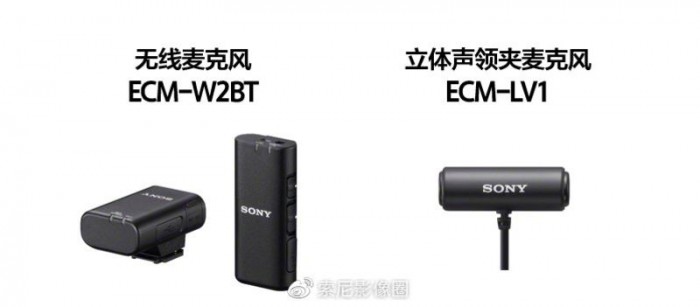
Sony launches the ECB-W2BT wireless mic that can pick up sound from 200m away

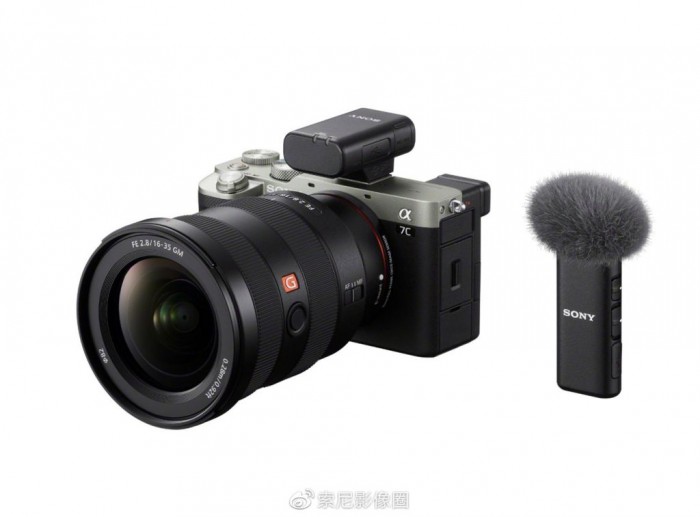
Sony is known for its innovative and top-quality products that are designed to meet the various needs of users. The company has unveiled yet another topnotch product that keeps up with the needs of the COVID-19 era where teleconferences and virtual meetings are the norm. The device is dubbed Sony ECB-W2BT wireless microphone.Sony ECB-W2BT wireless microphone

With the Sony ECB-W2BT wireless microphone, stable transmission can be carried out even at a distance of up to 200 meters in an open and barrier-free environment. Also, it can be used for audio recording to realize low-noise digital audio recording through the supporting digital audio interface.Sony ECB-W2BT wireless microphone

In addition, the wireless microphone utilises a new design which includes high-quality omnidirectional microphone units to suppress noise. The mic can also pick up clear sounds from different directions to achieve high-quality audio recording.Sony ECB-W2BT wireless microphone

The microphone utilises Qualcomm aptX low-latency codec which can provide a high-quality, low-latency audio recording. There are three available recording modes, including MIC mode, MIX mode, and a new RCVR mode. Users can record voice and ambient sound in different modes according to their needs.

The MIC mode only receives one-way sound from the microphone end, which is suitable for environmental applications such as web conferences and live broadcasts. On the other hand, in the RCVR mode, only one-way sound is received from the receiver which is suitable for broadcasting comments on sports events, and recording children’s growth videos and Vlogs.

Finally, in the MIX mode, both the microphone and receiver can be deployed at the same time, suitable for double vlog or interview environments.

The Sony ECM-W2BT wireless microphone also comes with a windshield which can effectively reduce wind noise when recording outdoors. When connected to a camera, the receiver can get power from the camera’s hot shoe adapter and can last up to 9 hours of recording.

There is no word yet on the pricing and availability but the product is already listed on Sony’s website.

RELATED;


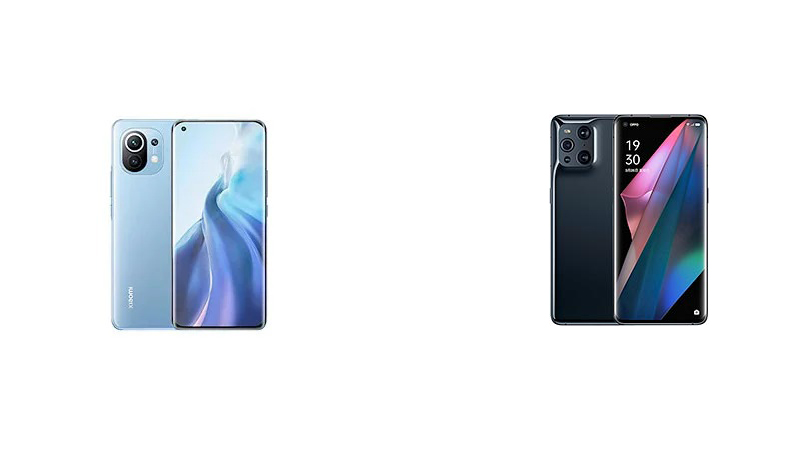
Xiaomi Mi 11 vs OPPO Find X3: Specs Comparison

OPPO just released the Find X3 series. While Europe got the Find X3 Pro, the Find X3 Neo, and the Find X3 Lite, OPPO launched the vanilla Find X3 and the Find X3 Pro in China since the Neo and Lite variants are already present in the country under the Reno5 series. The vanilla OPPO Find X3 is a perfect competitor of the best flagship by Xiaomi: the Mi 11. Both are flagship phones but they do not carry top-tier prices due to a few compromises in their specifications. Is it worth going for the OPPO Find X3 or the Xiaomi Mi 11 is a better choice? This specs comparison will clear your idea.

Xiaomi Mi 11 vs OPPO Find X3

Xiaomi Mi 11 OPPO Find X3
DIMENSIONS AND WEIGHT 164.3 x 74.6 x 8.1 mm, 196 g 163.6 x 74 x 8.3 mm, 193 g
DISPLAY  6.81 inches, 1440 x 3200p (Quad HD+), AMOLED  6.7 inches, 1440 x 3216p (Quad HD+), AMOLED LTPO
PROCESSOR Qualcomm Snapdragon 888, octa-core 2.84 GHz Qualcomm Snapdragon 870, octa-core 3.2 GHz
MEMORY 8 GB RAM, 256 GB – 8 GB RAM, 256 GB – 12 GB RAM, 256 GB 12 GB RAM, 256 GB – 8 GB RAM, 128 GB
SOFTWARE  Android 11, MIUI  Android 11, ColorOS
CONNECTIVITY  Wi-Fi 802.11 a/b/g/n/ac/ax, Bluetooth 5.2, GPS  Wi-Fi 802.11 a/b/g/n/ac/ax/6e, Bluetooth 5.2, GPS
CAMERA Triple 108 + 13 + 5 MP, f/1.9 + f/2.4 + f/2.4
20 MP front camera
Quad 50 + 13  + 50 + 3 MP, f/1.8 + f/2.4 + f/2.2 + f/3.0
32 MP f/2.4 front camera
BATTERY  4600 mAh, fast charging 50W, wireless charging 50W  4500 mAh, fast charging 65W, fast wireless charging 30W
ADDITIONAL FEATURES Dual SIM slot, 5G, reverse wireless charging 10W Dual SIM slot, 5G, water resistant (IP68), reverse wireless charging 10W

Design

The most stunning design belongs to the OPPO Find X3. Its “impossible surface” is very attractive with its curves, especially if we look at the camera module. But the Xiaomi Mi 11 comes in a special leather variant which may be the preferred one for several users. Unlike the Xiaomi Mi 11, the OPPO Find X3 is waterproof with the IP68 certification, while its rival does not offer certification against water and dust. Further, the OPPO Find X3 is actually more compact thanks to its smaller display.


Display

The differences are not huge in terms of specifications, but the OPPO Find X3 has a superior display. It is a real 10-bit panel with the LTPO technology (adaptive refresh rate from 5 Hz to 120 Hz) allowing for lower energy consumption, the HDR10+ certification, the BT.2020 standard, and a Quad HD+ resolution. The display has curved edges and a diagonal of 6.7 inches, as well as an in-display fingerprint reader. The Xiaomi Mi 11 has a wider 6.81-inch panel, but it is actually inferior in terms of image quality. On the other hand, it should be sturdier since it is protected by Corning’s Gorilla Glass Victus.


Specs & Software

If you want the most powerful hardware, you should go for the Xiaomi Mi 11. It is powered by the Snapdragon 888 mobile platform, which is actually the best one released by Qualcomm. With the Find X3, you actually get a Snapdragon 870 mobile platform that is an upgrade of the Snapdragon 865+. The chipsets are paired with up to 12 GB of RAM and up to 256 GB of internal storage. Xiaomi Mi 11 runs Android 11 customized by MIUI 12, while its opponent has ColorOS 11.2.


Camera

On the paper, the OPPO Find X3 is a better camera phone than the Xiaomi Mi 11. It is equipped with two Sony IMX766 main cameras with a 50 MP resolution, one of which is an ultrawide sensor sporting omnidirectional autofocus. Then you get a 13 MP telephoto sensor with 2x optical zoom and an amazing 3 MP macro camera with a LED ring that is able to offer up to 60x magnification. Unfortunately, the Xiaomi Mi 11 lacks a telephoto sensor: it has a 108 MP main camera with 8K video recording and OIS, a 13 MP ultrawide sensor, and a 5 MP macro camera.


Battery

The Xiaomi Mi 11 has a slightly bigger 4600 mAh battery, but it is still unclear which one will last more on a single charge since the OPPO Find X3 has just been announced. The Find X3 offers faster wired charging speeds, while the Xiaomi Mi 11 is faster when it comes to wireless charging. Both support reverse wireless charging.


Price

The starting price of the Xiaomi Mi 11 in China is about €600/$720, just like the OPPO Find X3. So which one is worth going for? Well, in my honest opinion, OPPO Find X3 is a more interesting phone. It has a weaker processor, but for the rest, it is actually superior. It is waterproof, it has better cameras and even a better display. Further, the Snapdragon 870 mobile platform is enough to handle every kind of activity with blazing speeds in 2021.


Xiaomi Mi 11 vs OPPO Find X3: PRO and CONS

Xiaomi Mi 11

PRO

  • Better chipset
  • Good price
  • Wider display
  • Faster wireless charging

CONS

  • Inferior camera


OPPO Find X3

PRO

  • Better cameras
  • Waterproof
  • Better design
  • Superior display
  • Faster wired charging

CONS

  • Inferior processor


RELATED

Check the latest videos from our YouTube channel and subscribe:

Apple officially announces it has commenced iPhone 12 assembly in India

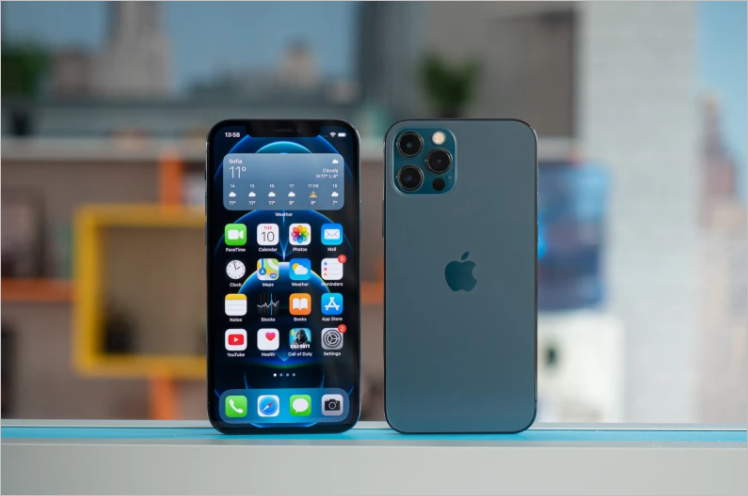
It had covered the story yesterday (Wednesday) that tech giant Apple was planning to start assembling the iPhone 12 series in India. The news was quite hazy at that point but confirmation has now come from Apple, saying that they have indeed started the production of the iPhone 12 in India. The inroads into the huge market provided by the Indian population of over 1 billion, marks a giant leap by the US-based company.iPhone 12

In a statement made public on Thursday (via), Apple said that they were proud of the decision to begin the production of the iPhone 12 in India, which will be mainly for the huge local market available for the product.

In order not to be caught in the crossfire that has now defined the simmering trade conflict between the US and China, Apple had been gradually shifting some aspects of its production from China to other countries. Even with a new administration in place in the US, tensions are still high. Vietnam and India, inside sources have revealed, are among the beneficiaries from a scaled-down production activity of Apple in China.

Taiwanese suppliers Foxconn and Wistron are the major drivers of the iPhone production project in India since 2017 when iPhone production commenced in India, with a number of plants already operational in different parts of the country.

The iPhone 12 production in India will be at Foxconn’s Tamil Nadu plant, although Foxconn has yet to provide information on the details yet, insisting that it does not make comments on client’s based services being rendered by it.

Obviously, there are plans by Apple to also assemble its tablets in India, as it continues to scale up investment in the country under a quite favorable investment and political climate. Thousands of direct and indirect jobs will be created in the process, to be mainly manned by the citizens of the country. Therefore the outlook looks good for the Indian economy and it is expected that the Indian government will continue to provide incentives for growth in the tech economy, as it pursues its policy of making India a hub for the region.

RELATED;

Android 11 update for the OnePlus Nord paused due to bugs

When manufacturers roll out updates to their devices, they do it in stages, starting first with a small batch before a wider rollout. The reason for this staged rollout is so that they can limit the number of users that are affected in a case where the update has bugs and it needs to be halted.

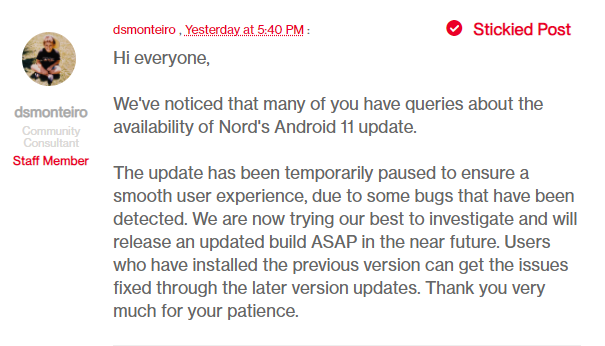
OnePlus began rolling out the Android 11 update to its smartphone, the OnePlus Nord earlier this month but it has now had to temporarily pause the update due to a number of bugs with the software. A staff member revealed on the forums that they had to pause the update after multiple users posted they had received the notification for the update earlier before it was no longer available.

OnePlus Nord Android 11 update

Users who have received the update have complained of issues such as battery drain, slow charging, and a broken app locker that prevents them from accessing their locked apps.

We expect OnePlus to fix the issues soon and resume the rollout. So if you have not received the update yet, don’t fret or try to grab the update from an unofficial source.

The OnePlus Nord launched last year with Android 10 out of the box, so this is its first major OS upgrade. OnePlus is also expected to release the Android 11 stable update for the OnePlus 7/7T series soon and we hope it doesn’t have to pull the update when it begins rolling out.

RELATED: